




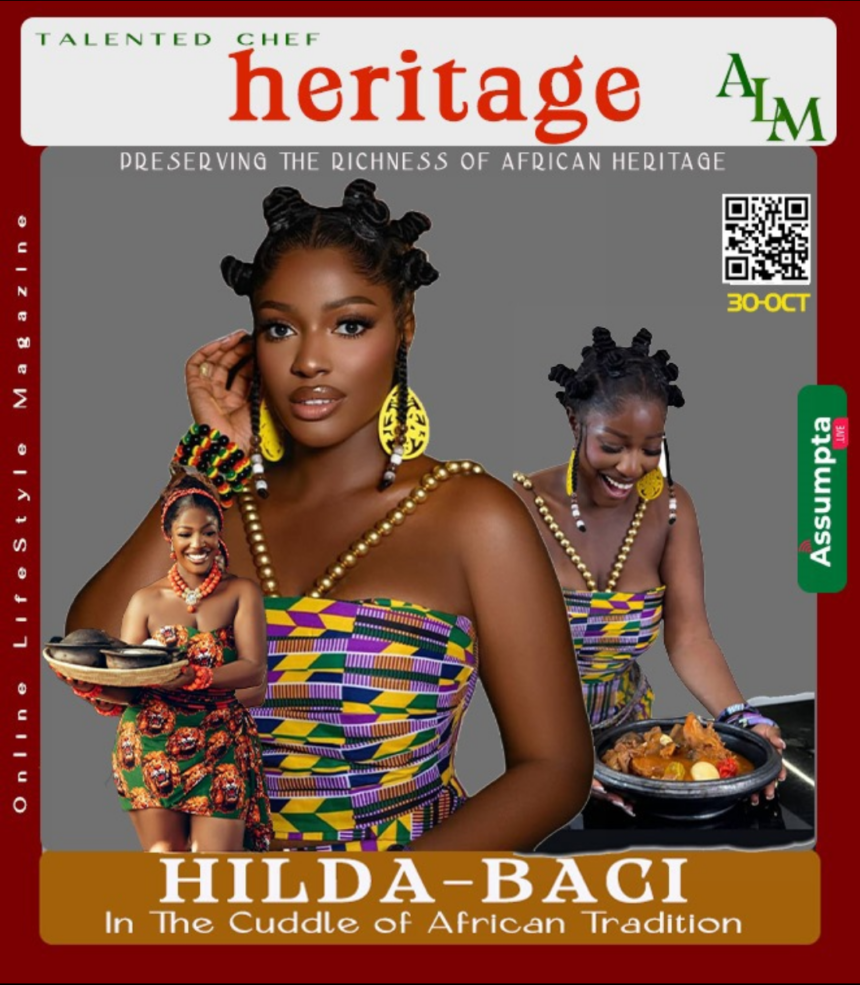
Assumpta Lifestyle Magazine
Presents: “Heritage” with Hilda Baci, Talented Chef
Article Title : Preserving the Richness of African Heritage
Content : “In the Cuddle of African Tradition”
Publication Date: 30-Oct
Platform: Online Newsletter & Lifestyle Magazine
Special Edition Link: assumptagh.live
Stream: African Stream | Assumpta Magazines

Coming Soon: “The Inspiring Journey of the Destiny Child“
Prepare to be moved and motivated by a story of resilience, hope, and triumph! Join us this Thursday, October 31st, as we unveil “The Inspiring Journey of the Destiny Child” — a tale that will captivate your heart and inspire your spirit.
Witness a journey like no other, where dreams are chased, challenges are overcome, and destinies are fulfilled. Don’t miss the debut of this unforgettable experience! Mark your calendar and join us for the premiere!



ISatisfy your cravings and elevate your wellness with Delish Bread’s freshly baked goods, pamper yourself at Hair Senta for a stunning look, and nourish your body with expert guidance from Flourish Heights. Embrace a lifestyle of beauty, health, and delicious indulgence!
https://www.instagram.com/flourishheights?igsh=cTExenQ3bnptZGgx
https://www.instagram.com/delish_bakerygh?igsh=MW5ic2c0NnR5cHBwZQ==
https://www.instagram.com/hairsenta?igsh=MXAzOThhNGZ0Nm15dQ==
ntroduction:
In a world where culinary trends constantly evolve, Chef Hilda Baci stands out as a passionate advocate for African heritage, blending tradition with innovation in ways beyond flavour alone. Her culinary journey celebrates African identity, not only through the rich recipes passed down for generations but also through the cultural significance embedded in every detail of her craft. Embracing traditional African cookware, such as clay pots and woven baskets, Hilda creates a dining experience that immerses guests in the warmth and authenticity of African tradition. This thoughtful approach reclaims and honours the African narrative, preserving its richness for future generations.
In “In the Cuddle of African Tradition,” Hilda’s story reminds us that heritage is not just about the food we eat, but also about the tools, symbols, and rituals that connect us to our roots, making her work a beacon of cultural pride and continuity.

The transatlantic slave trade and the “clash of civilizations” had a profound and lasting impact on Africa, altering its social, economic, and cultural landscapes in ways that resonate even today. One particularly painful outcome was the forced integration into a global trade system that marginalised African customs while favouring Western norms and values. Over time, this system led many Africans to adopt, consciously or unconsciously, Western cultural elements at the expense of their own, affecting everything from language and dress to cuisine and social customs.
This shift is especially significant when we consider that pre-colonial African societies were vibrant, self-sustaining, and rich in cultural diversity. Resources were often shared communally, and essential tools—such as cooking utensils—were crafted by skilled African artisans, deeply connected to local traditions. These utensils were not merely tools; they embodied African heritage, used to prepare traditional dishes that nourished both body and spirit, helping communities thrive.
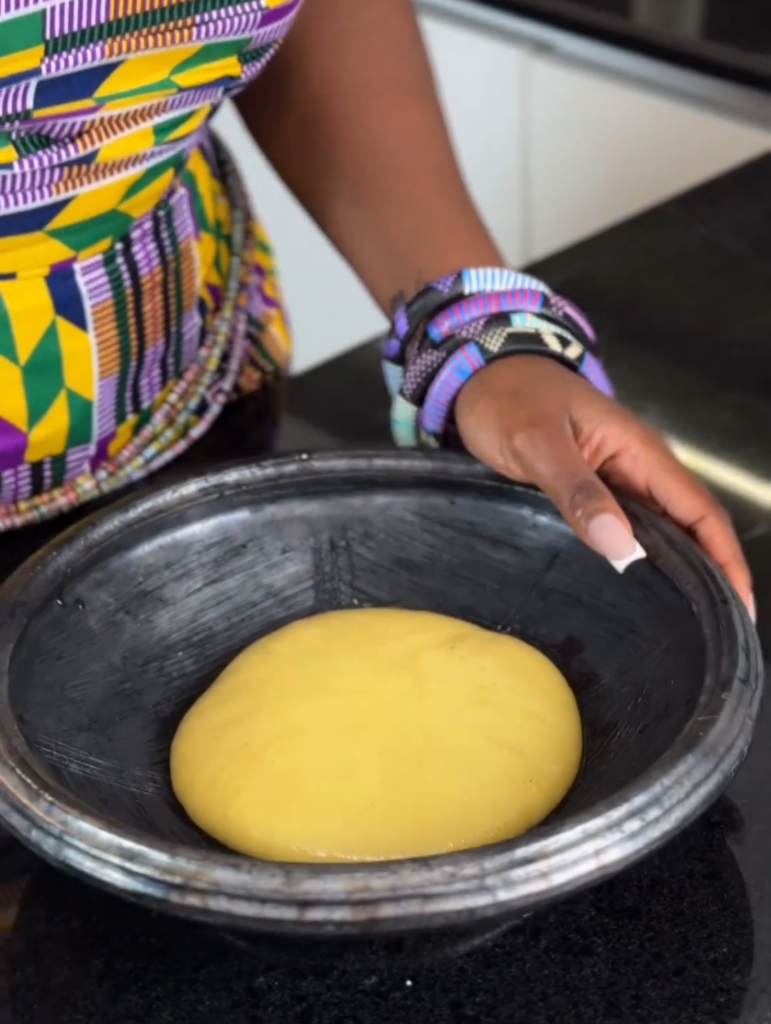
Today, as Africans from various ethnic backgrounds continue to encounter and promote Western culture, there is a growing awareness of the need to reconnect with, celebrate, and preserve their unique heritage. Nigerian chef Hilda Baci exemplifies this movement. Through her culinary work, she creates dining spaces that reflect a distinctly African atmosphere, celebrating Nigerian traditions through every dish and detail. By using African cookware and promoting indigenous flavours, Hilda is reviving cultural pride and offering Nigerians an authentic experience that underscores the beauty and richness of African heritage.

In her restaurant, diners are not only nourished by the food but also by a sense of belonging and cultural pride, encouraging Africans to “cuddle” and protect their heritage. Hilda’s efforts remind us that preserving African traditions in the modern world is an act of resilience, one that reclaims the dignity and richness of African heritage in the face of history’s challenges.
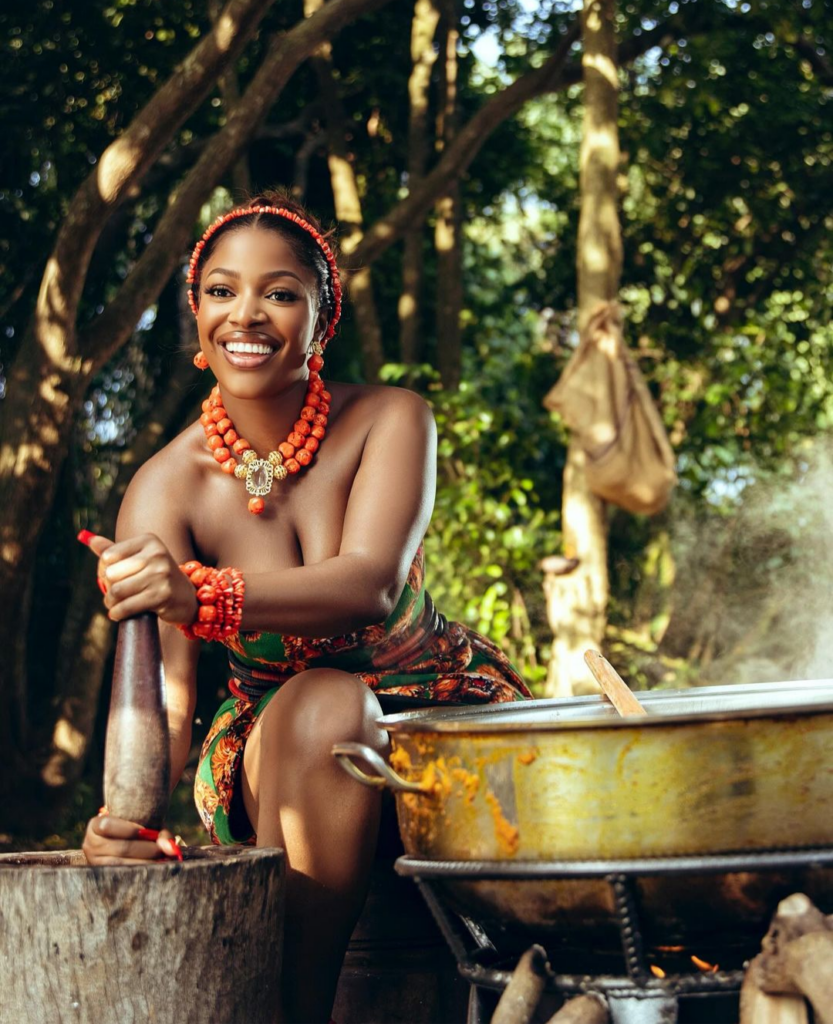
The logic in this narrative centres on how historical events, particularly the slave trade and the clash of civilizations, disrupted African traditions and led to the promotion of Western culture over indigenous African practices. This forced integration had far-reaching consequences, shaping African societies in ways that diminished their cultural autonomy and economic self-sufficiency.
The logical flow in detail:
1. Historical Context
The slave trade and the “clash of civilizations” exposed African societies to Western influence under exploitative and often violent terms. This process favoured Western culture and economic interests, leading Africans to adopt foreign ways of life as their traditions were increasingly sidelined.
2. Impact on African Culture and Economy
Historically, African societies were rich in resources, culturally diverse, and largely self-sufficient. Cooking tools and everyday items were produced locally, contributing to a culturally enriched way of life. However, as African communities began to adopt Western norms, local customs—especially those related to food and craftsmanship—were devalued, leaving lasting gaps in cultural practices and economic autonomy.
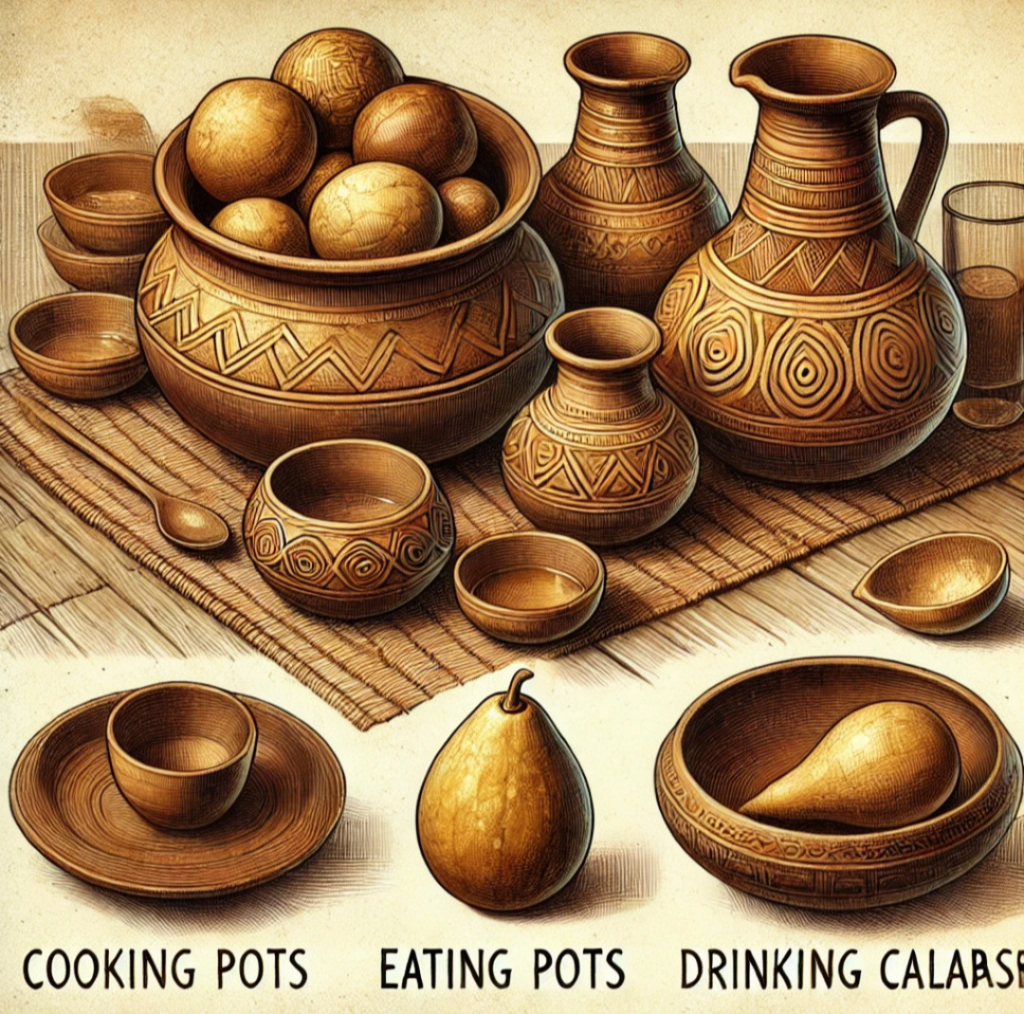
3. Cultural Erosion and Western Influence
Over generations, many African societies and individuals unconsciously prioritized Western ways of life, leaving traditional practices in decline. This cultural shift became especially pronounced in cities and areas with extensive Western influence, where embracing Western customs often seemed necessary for economic and social success.
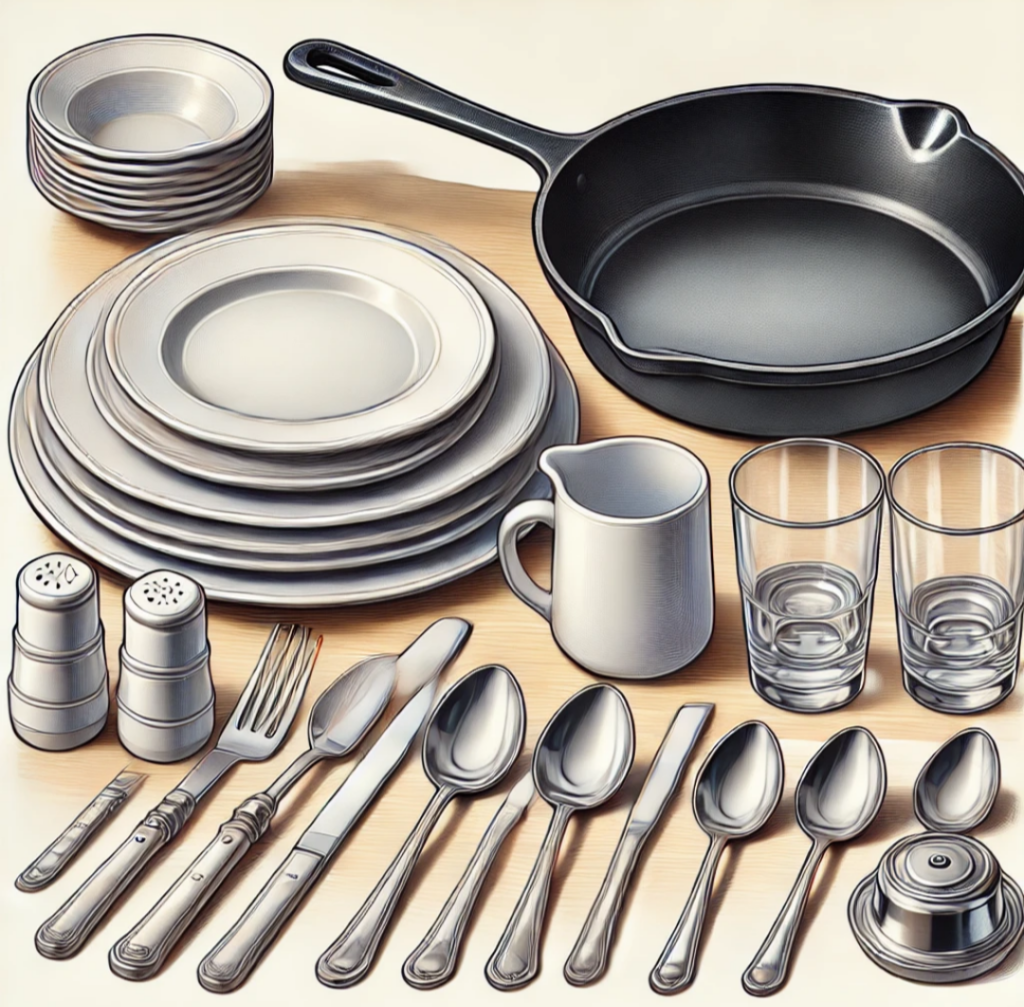
4. Current Efforts to Reclaim African Heritage
Individuals like Nigerian chef Hilda Baci represent a growing movement to reconnect with and preserve African heritage. By promoting traditional Nigerian cuisine, Hilda doesn’t just serve food—she provides an experience that connects people to African culture, using traditional cookware, local ingredients, and culturally meaningful presentations.
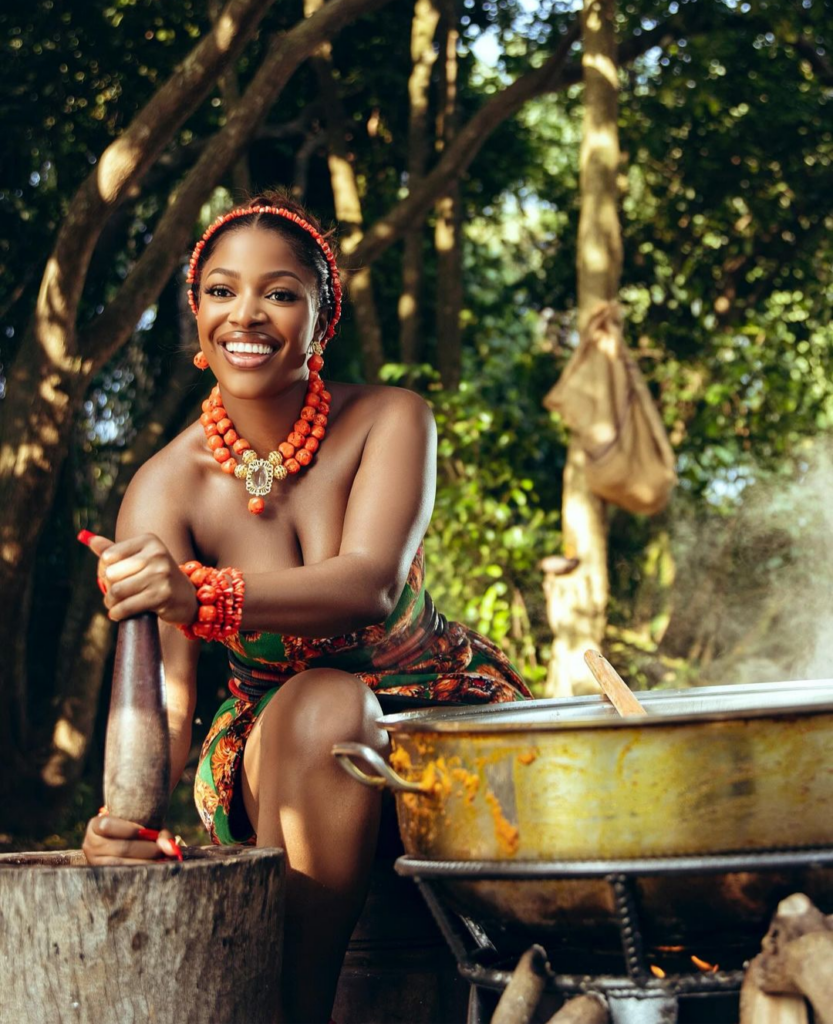
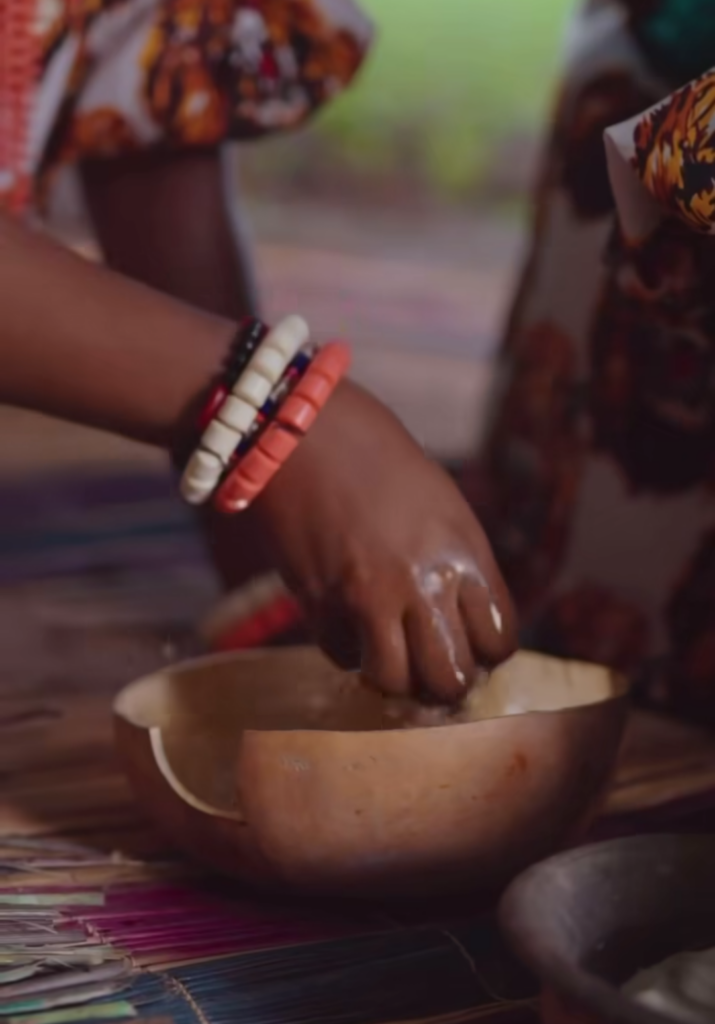

5. The Broader Goal: Cultural Pride and Preservation
Hilda’s efforts illustrate a larger goal: reclaiming the beauty, richness, and self-sufficiency of African heritage. Her work is part of a broader cultural resurgence that seeks to empower Africans by embracing, preserving, and celebrating their roots, countering the cultural erosion caused by centuries of foreign influence.
This logical flow connects the historical challenges African societies faced with today’s efforts to revive and protect African culture. The ultimate aim is cultural pride and the preservation of a heritage that has endured despite immense adversity.

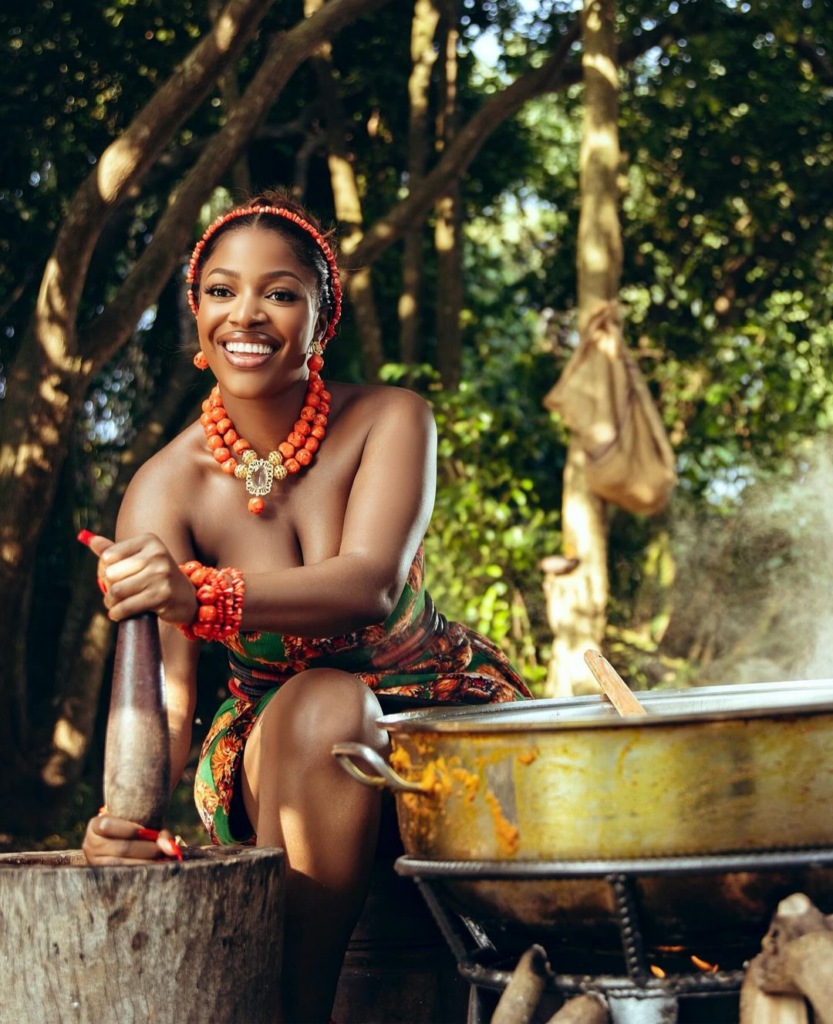
Tsasi: smiling “Good afternoon, Hilda! It’s such a pleasure to have you here with us. I know so many people are inspired by your work and your dedication to African cuisine. To start, could you introduce yourself and share a bit about what drives your passion for preserving African heritage?”

Hilda Baci: warmly smiling“Good afternoon, Tsasi! Thank you for having me; it’s a joy to be here. Well, I’m Hilda Baci, a Nigerian chef and culinary storyteller. My work focuses on celebrating and preserving African traditions through food, specifically by showcasing the beauty and depth of Nigerian cuisine. Food, to me, is not just about taste or recipes—it’s about history, identity, and pride. I believe that every dish carries a story of our roots, our ancestors, and our communities.”
Tsasi: “That’s a powerful way to look at food, Hilda. What sparked this journey for you? Why is preserving the richness of African heritage and, as you say, ‘cuddling African tradition’ so important to you?”

Hilda Baci: thoughtfully“Growing up in Nigeria, I was surrounded by dishes that had been passed down for generations, made in clay pots or on open fires. But I noticed that over time, people around me began to embrace Western ways of cooking and dining, sometimes at the expense of our traditions. I realized that as our society modernized, we were at risk of losing the very essence of who we are. So, I made it my mission to protect and promote our culinary traditions—to remind people of where we come from, and why that’s worth cherishing.”

Tsasi: “That’s so true, Hilda. It’s easy to see why people are drawn to your work; you’re not only serving food but a sense of belonging. Could you tell us a bit more about how you bring this mission to life through your cooking?”

Hilda Baci: “Absolutely. In my restaurants, I try to create an environment that feels like stepping back into a traditional Nigerian kitchen. I use clay pots, wooden serving bowls, and woven baskets. Every item has meaning. It’s my way of inviting people to ‘cuddle’ our heritage—not just taste it but experience it as our ancestors did. I want people to see the beauty and artistry in our traditions, from the cooking techniques to the tools we use.”

Tsasi: nodding“I love that concept of ‘cuddling’ our heritage. So, when people sit down in your restaurant, they’re not just eating—they’re part of something deeper?”
Hilda Baci: “Exactly! They’re tasting history, connecting with the past, and hopefully feeling inspired to embrace African culture with pride. My goal is for every meal to feel like a small act of preservation and appreciation for all that African heritage represents.”
Tsasi: “The word ‘civilization’ often brings to mind a concept, almost like a theory, developed and advanced by societies over time. Hilda, what’s your understanding of civilization?”

Hilda Baci: thoughtfully “In my view, looking at history from above, I see that Africans have often had to adapt to the cultural influences of Western societies—sometimes even raising these outside influences over their own. Over time, this has led to the decline of our unique cultural expressions, as Western ideals were placed on a pedestal. But to me, true civilization doesn’t mean abandoning our roots.
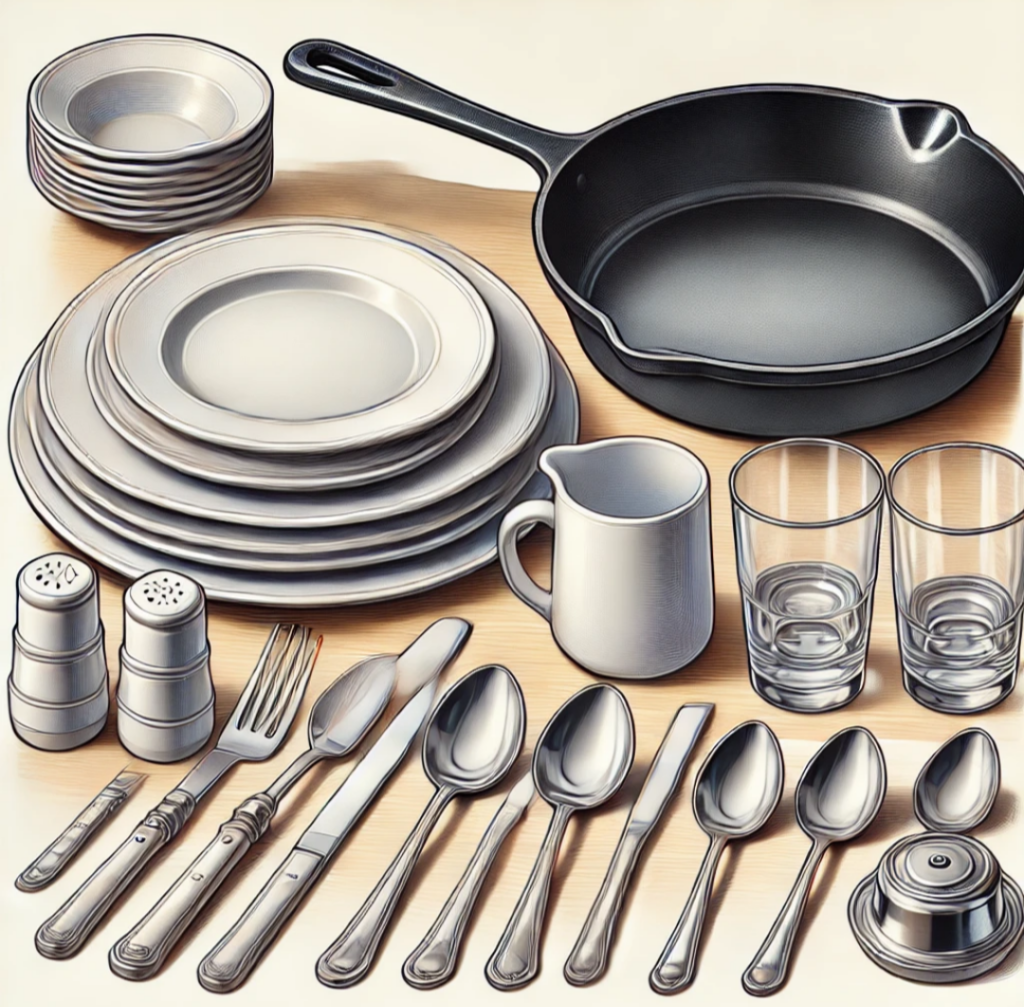
“This is why I’m so passionate about reviving African culture and traditions through my cooking. I see it as a way of bringing our heritage back to life, of showing that African traditions have a richness and depth that deserves to stand strong in the world. Through food, I’m helping to remind people of where we come from and to celebrate our version of ‘civilization’—one that is true to our identity and history.”
Tsasi: “Thank you, Hilda. It’s inspiring to hear how deeply you connect with your mission. Your dedication is such a gift to African culture. I’m sure our readers will be inspired by the way you bring tradition to the table—literally!”
Hilda Baci: [smiling] “Thank you so much, Tsasi. It’s an honour to share this journey, and I hope it sparks more people to embrace and preserve our traditions. African heritage is incredibly rich, and it deserves to be celebrated and cherished.”

https://www.instagram.com/hildabaci?igsh=MWY3amlrZmRkaGJlYw==
Celebrate Culture & Elegance with Hilda Baci’s Traditional Dress Collection!
Step into the vibrant world of Nigerian fashion with Hilda Baci’s stunning traditional dress line! Known for her record-breaking feats and culinary expertise, Hilda brings her unique flair and passion to this gorgeous collection. Each piece is designed to capture the essence of Nigerian heritage, blending traditional elegance with modern sophistication.
Why Choose Hilda Baci’s Traditional Dresses?
Authentic Nigerian Craftsmanship: Each outfit celebrates the artistry and skill of Nigerian tailors, ensuring every piece tells a story.
Bold & Beautiful Designs: Rich fabrics, intricate embroidery, and vibrant colors make every dress a statement.
Perfect for Any Occasion: Whether you’re attending a wedding, a cultural event, or simply want to stand out, Hilda’s dresses bring the perfect blend of grace and glamour.
Embrace tradition, express yourself, and feel the beauty of culture with Hilda Baci’s traditional dress collection!
Shop now and bring home a piece of Nigeria’s heart and soul!