





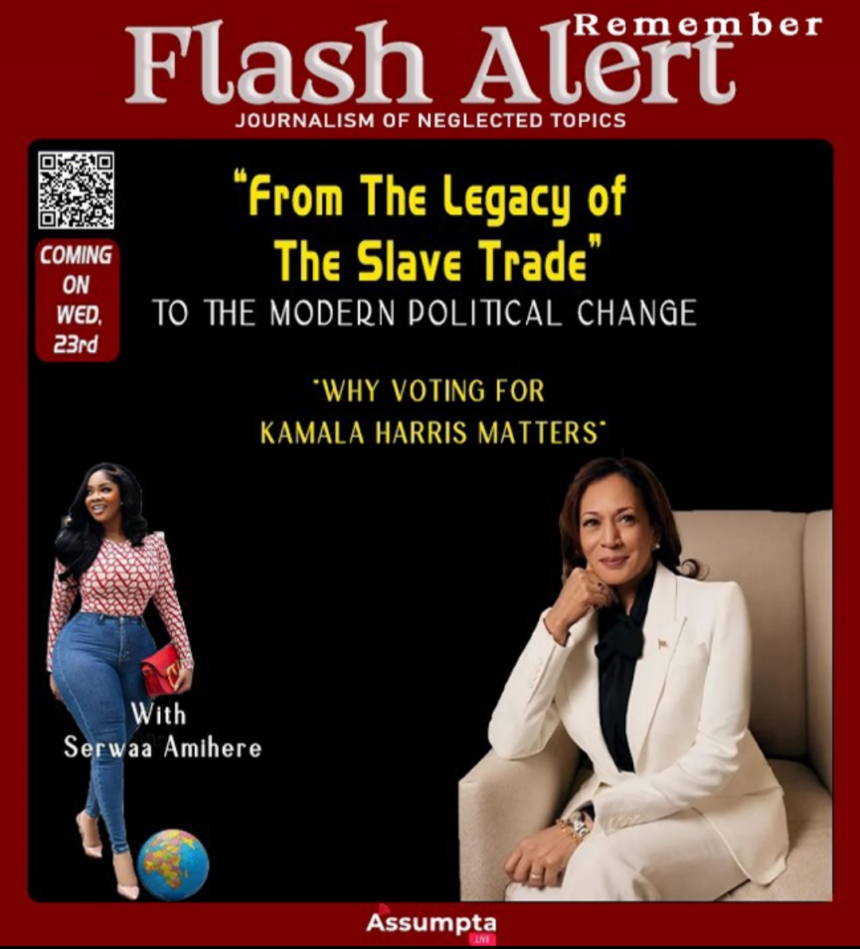
ASSUMPTA NEWS MAGAZINE
Journalism Of Neglected Topics
Flash Alert: “From The Legacy of The Slave Trade” :
To The Modern Political Change :
Why voting for Kamala Harris matters : Coming on Wednesday 23rd October!

https://www.instagram.com/hairsenta?igsh=MXAzOThhNGZ0Nm15dQ==
When Beauty meet Confidence
Discover Hair Senta, your go-to solution for flawless hair care. Whether you’re looking for luxurious treatments, premium products, or expert advice, Hair Senta has you covered. Say goodbye to bad hair days and hello to healthy, vibrant locks. Elevate your hair game with Hair Senta—where beauty meets confidence.

Introducing Serwaa Amihere’s Elegant Office Dress Collection, now available at Office and Co. by SA! Elevate your professional style with her exclusive line of sophisticated, chic office wear designed to make a statement in any corporate setting.
Features:
Tailored to perfection for a sleek, flattering fit.
Made with high-quality fabrics for comfort and durability.
Modern, stylish designs that balance professionalism with a touch of glamour. Perfect for business meetings, presentations, or a day at the office. Discover the collection now at OfficeandCoBySA and redefine your work wardrobe!
https://www.instagram.com/officeandcobysa?igsh=dmxucTZ2a2t1eDBn

Join us as Serwaa Amihere, one of Ghana’s leading broadcast journalists, guides us through this special edition. In this feature, we delve into the significance of Kamala Harris’s candidacy for the U.S. presidency and why her election could symbolise a shift towards prioritising America’s middle class over its controversial foreign policies. Mark your calendars and take advantage of this insightful analysis on Wednesday, the 23rd.

Serwaa-Amihere
ntroduction: From the Legacy of the Slave Trade to Modern Political Change:
The legacy of the transatlantic slave trade left a deep, oppressive mark on global economies, entrenching inequality and exploitation that still echoes today. This dark chapter of history created a world where wealth and power were concentrated in the hands of a few, while many, especially those from marginalised communities, were left struggling under the weight of systemic oppression. Now, as the world stands at a critical crossroads, it is time to confront this legacy and advocate for a new global economic order that fosters shared prosperity and peace for all.
In this special edition, we explore why Kamala Harris’s candidacy for the U.S. presidency represents a pivotal moment in this journey towards global justice. Her platform prioritises America’s middle class and offers the potential to reshape the country’s internal and foreign policies in a way that breaks from the past and opens the door to more inclusive, equitable economic conditions worldwide.
Introduction with Serwaa-Amihere
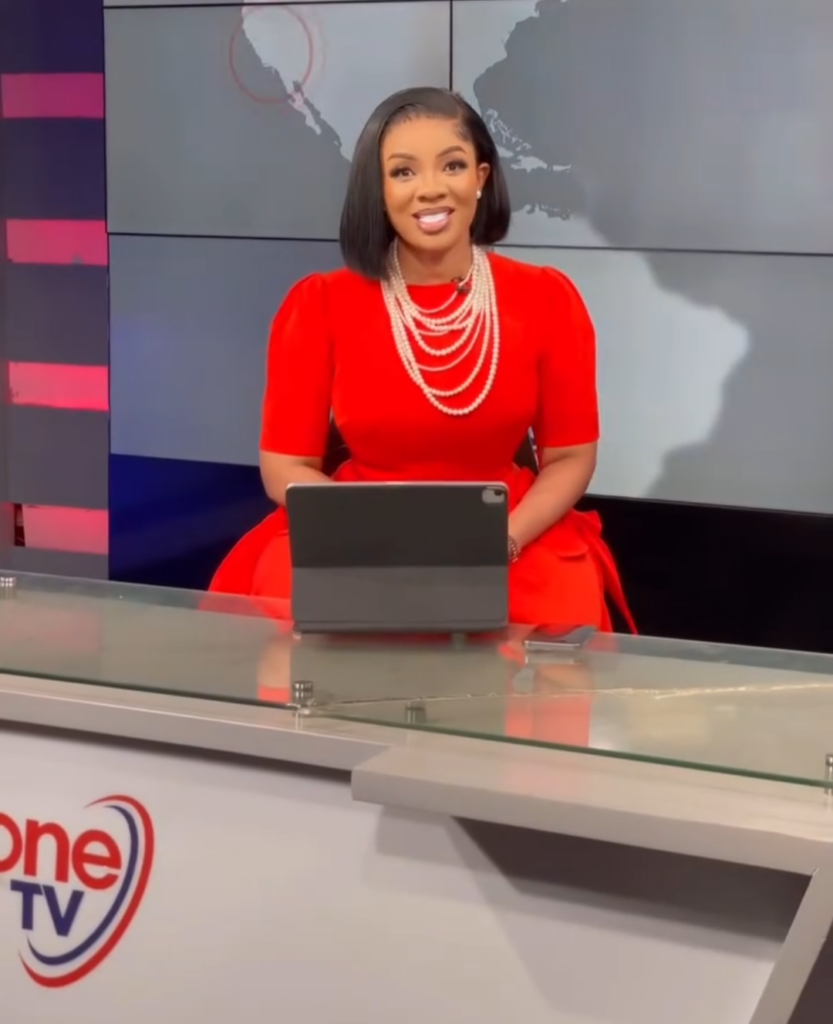
Serwaa Amihere:
The introduction reflects a powerful moment in the unfolding history of both the Black community and global politics. By drawing on the teachings of Nichiren Daishonin in “The Selection of the Time,” she highlights the long struggle against oppressive systems—economic, political, and social—that have kept Black people and marginalised groups in the grip of inequality and discrimination. This quote suggests that when people are no longer willing to accept suffering and seek justice with fervour, transformative change becomes inevitable.
Upgrade your wardrobe with our premium jeans – designed for ultimate comfort, perfect fit, and long-lasting style. Made from high-quality denim, these jeans combine timeless fashion with modern durability. Elevate your everyday look – wear premium. https://www.instagram.com/ag_premiumjeans?igsh=MWpsNjZ1bTFvdHNsdw==



Amihere’s reference to Kamala Harris places her in the symbolic role of a leader who could guide the world through this time of upheaval. In Nichiren’s text, the image of people turning to a humble priest whom they once disregarded parallels the way many may now look to Kamala Harris, who—despite past challenges—could become the leader that brings peace, prosperity, and justice to communities long denied them. Just as the people bow to the mystic law of Nam-Myoho-Renge-kyo in Nichiren’s writing, so too do many hope that Harris, with her experience as a prosecutor and political leader, can usher in a new era where oppressive systems are dismantled.
The question posed to Harris in this passage—whether there are real signs of hope for the Black community under her leadership—addresses a critical issue. With her background in law, Harris has long been an advocate for justice, but her path to leadership could also symbolise a turning point for historically marginalised communities. Serwaa Amihere suggests that people are looking for a leader, not just to fix policy but to transform the systemic issues that continue to undermine equality. In this moment, Harris represents that hope, standing at a crossroads where the world is ready for a change.
This framing, through both the lens of Buddhist philosophy and contemporary politics, raises a profound question about whether Harris will be able to fulfil the promise of this historical moment—ushering in an era of fairness, equity, and shared prosperity for all.


Good afternoon, Madam Vice President. It’s an honour to have this opportunity to speak with you today. My name is Serwaa Amihere, and I’m a broadcast journalist from Ghana. I’ve been following your remarkable journey closely, and I must say, your candidacy for the presidency has inspired so many, not just in the United States, but across the globe, particularly in Africa. Thank you so much for taking the time to be here.
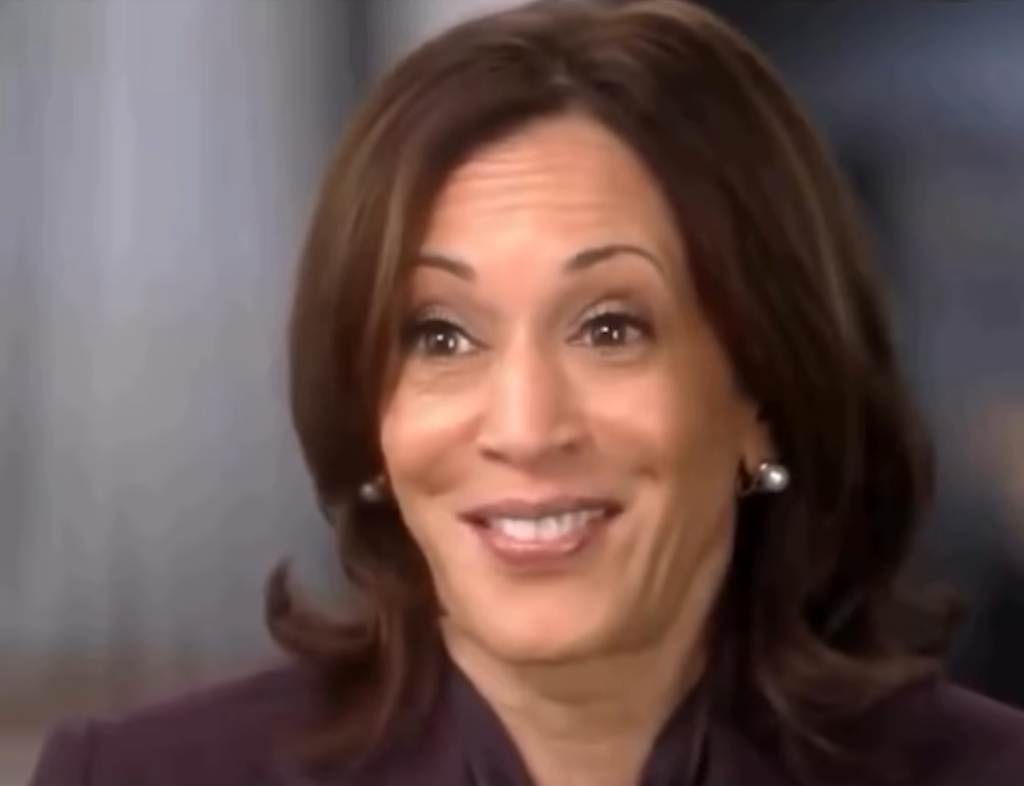
Kamala Harris:
Good afternoon, Serwaa. It’s truly a pleasure to be here with you today. I’ve heard of your incredible work in journalism, and I must commend the important role you play in bringing attention to stories that are often overlooked. Thank you for having me, and I’m excited to have this conversation with you.

Serwaa Amihere:
Thank you, Madam Vice President. As someone who has been at the forefront of both the legal and political arenas, your journey resonates deeply with many, especially within the Black community. I’d like to start by reflecting on this, particularly through the lens of history and the legacy of the transatlantic slave trade. From your perspective, what does it mean to be in a position of leadership today, considering the long history of oppression faced by the Black community?
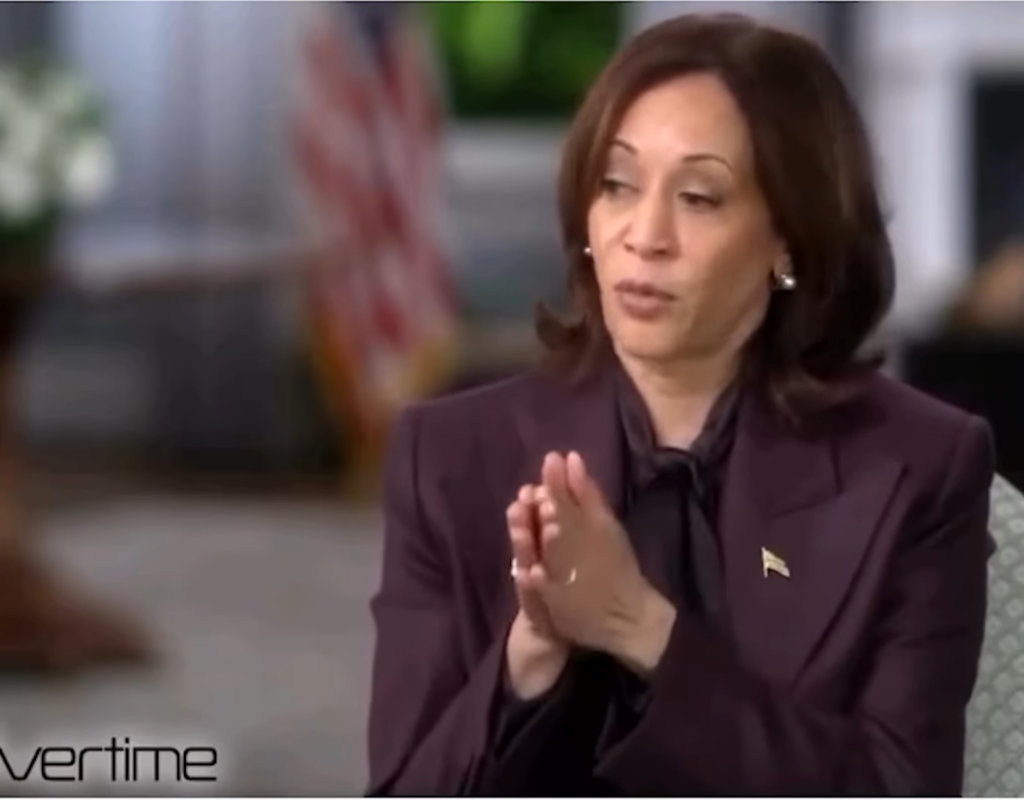
Kamala Harris:
Thank you for that thoughtful question, Serwaa. For me, being in this position is not just a personal achievement, but a reflection of the long struggles that so many have endured before me—those who fought against slavery, Jim Crow, segregation, and all forms of discrimination. It’s about carrying forward the legacy of people who were denied basic rights, and ensuring that future generations don’t have to face those same obstacles. Leadership today, in the context of that legacy, is about justice, equality, and making sure that every person has the opportunity to thrive, regardless of their race, background, or economic situation.

Serwaa Amihere:
Madam Vice President, given what you’ve just shared about the importance of justice and equality, does this mean your candidacy is, in many ways, a perfect fit for what people have been hoping for—a leader who aligns with the predictions and aspirations of those who seek real change?
Kamala Harris:
Serwaa, I want all people, not only in America but across the world, to be completely certain of one thing: my intentions are clear and unwavering. As Vice President, and with my background in law, I’ve always been committed to ensuring that justice is served fairly and that everyone—regardless of their background—has the opportunity to live with dignity and prosperity. My candidacy isn’t just about fulfilling a prediction or expectation; it’s about continuing the work of building a more just and equitable world. I stand firm in my commitment to lead with integrity and to make decisions that prioritise the well-being of all communities.

Serwaa Amihere:
Now, it seems America has finally awakened from the nightmare of dogmatic ideologies and has decided that there is no better choice than you—a woman who has worked tirelessly in the legal field and made human welfare your central concern—to lead them. It appears that, for you, life and human dignity are more valuable than anything else. My question is, what is it that drives you to sacrifice so much for others? What makes it worth it for you?
Kamala Harris:
Thank you, Serwaa. That’s a profound question. For me, what makes it worth sacrificing for others is the belief that every life holds immense value and potential. Throughout my career, especially in the legal field, I’ve seen how systems can either lift people or push them down. What drives me is the desire to make sure that those who are marginalized, silenced, or ignored have someone fighting for them. When I see people—families, children, and communities—thrive because they’ve been given a fair shot, that’s what makes all the hard work and sacrifice worth it. It’s about knowing that I can play a role in creating a society where every person’s dignity is respected and protected. That, to me, is more valuable than anything.

Serwaa Amihere:
Madam Vice President, the introduction to this special edition clearly stated: “When the people of the world were at last fed up with the sufferings that economic oppression imposed on them through discriminatory policies, the time for justice under the law will have arrived.” This resonates deeply with the struggles of the Black community.
I’d like to quote from Nichiren Daishonin’s Gosho titled “The Selection of the Time”: “The great struggles and disputes such as have never been known in the past will break out in the world. At that time, all the people living on the four continents illuminated by the sun and moon, fearing the destruction of their nation or the loss of their lives, prayed to the Buddha and bodhisattvas for help. And if there’s no sign that their prayers will be answered, they will put their faith in this single humble priest whom they earlier despised.”
It goes on to say that in such a time of turmoil, people will bow their heads and chant Nam-Myoho-Renge-Kyo in search of peace. In modern terms, this seems to reflect the historical oppression and discrimination faced by Black communities, and the longing for peace and prosperity, which many now see as having finally arrived.
The reference to the “Buddha and Bodhisattvas” in this context is symbolic of politics and ideologies that have either oppressed or offered hope. I want to ask you, Honourable Kamala Harris: do you see signs of hope that the Black community will experience true peace and prosperity under your leadership? The world, in many ways, is waiting for you, a trained prosecutor and advocate, to become the leader they need—what are your thoughts on this?
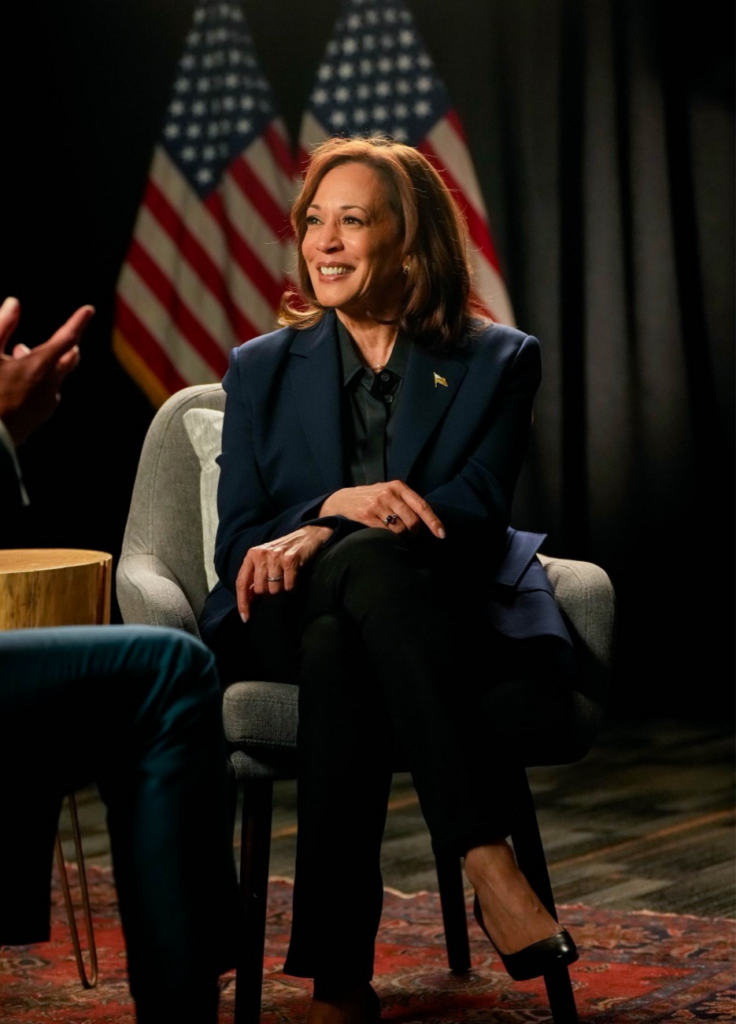
Kamala Harris:
Serwaa, that’s a deeply reflective question, and I appreciate the way you’ve framed it. The struggle for justice, equality, and dignity for Black people and marginalized communities has been a long and painful journey, one that spans centuries of oppression and discrimination. What gives me hope, and what I believe others are starting to see, is that change is possible when we refuse to accept inequality as the status quo.
In my career as a prosecutor and public servant, I’ve always held onto the belief that justice must be equitable—that no one should be excluded from opportunity or protection under the law. The signs of hope, for me, are in the growing awareness of these issues worldwide, in the voices of young people demanding change, and in the policies, we’re working on that directly address the needs of communities that have been ignored for too long.
I don’t see myself as a “great ruler,” as you put it, but rather as someone committed to doing the hard work necessary to bring about meaningful change. I understand that people are waiting, not just for words, but for action that leads to peace and prosperity. And that’s what I’m focused on—building a future where everyone has the opportunity to thrive.

Serwaa Amihere:
Thank you, Madam Vice President, for sharing your insights and vision. It’s clear that the road ahead is one of both challenge and opportunity, but your commitment to justice offers hope to many. We are grateful for your time and look forward to seeing how your leadership shapes the future.
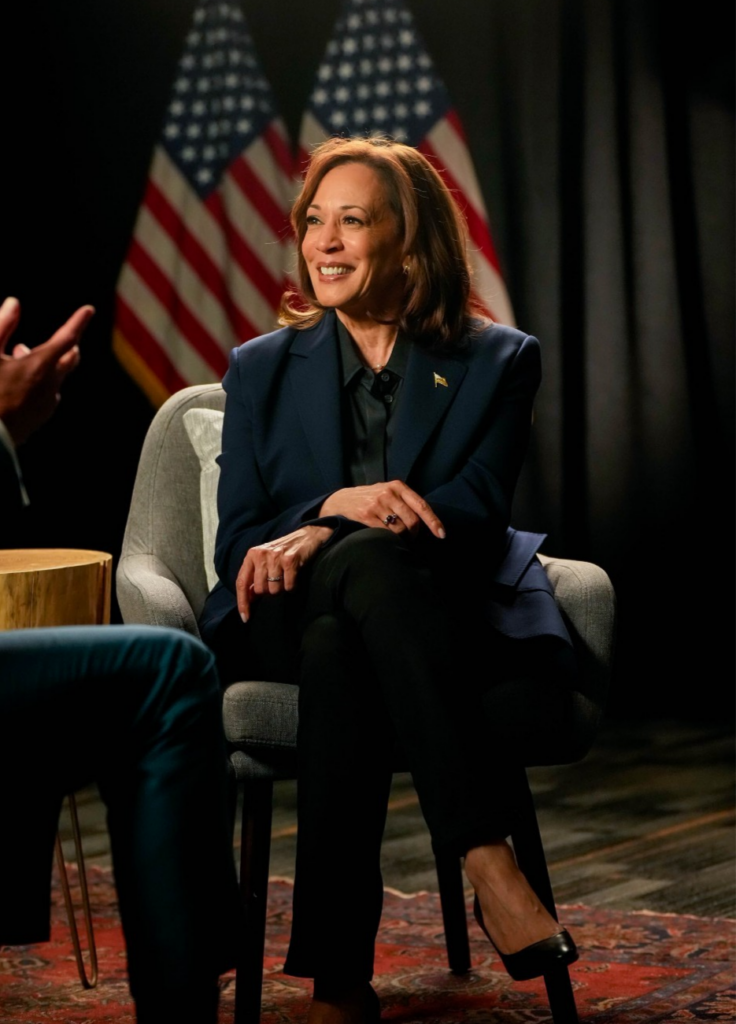
Kamala Harris:
Thank you, Serwaa. It was a pleasure speaking with you, and I appreciate the thoughtfulness of this conversation. Let’s continue the work of building a more just and inclusive world together.