






Presents ”Kente Wellness l“ with Joselyn Dumas. A Special edition coming on Tuesday, 2nd, April 2024 at: assumptagh.live/
African Stream: Aboronoma updates official: Kente Wellness; Celebrating a Life that Inspire Positive Choices:
“Exploring the Beauty and Sustainability of Kente: A Conversation with Berla Mundi and Joselyn Dumas“.
“Given an insight into the beauty of Kente,”
Kente is not just a fabric; it’s a symbol of Ghanaian culture, heritage, and craftsmanship. Its vibrant colors, intricate patterns, and rich history make it a true masterpiece. Each design carries its own meaning, reflecting the values, beliefs, and aspirations of the wearer and their community. From its royal origins to its modern-day presence on the global fashion stage, Kente embodies the beauty of tradition and the resilience of African identity.
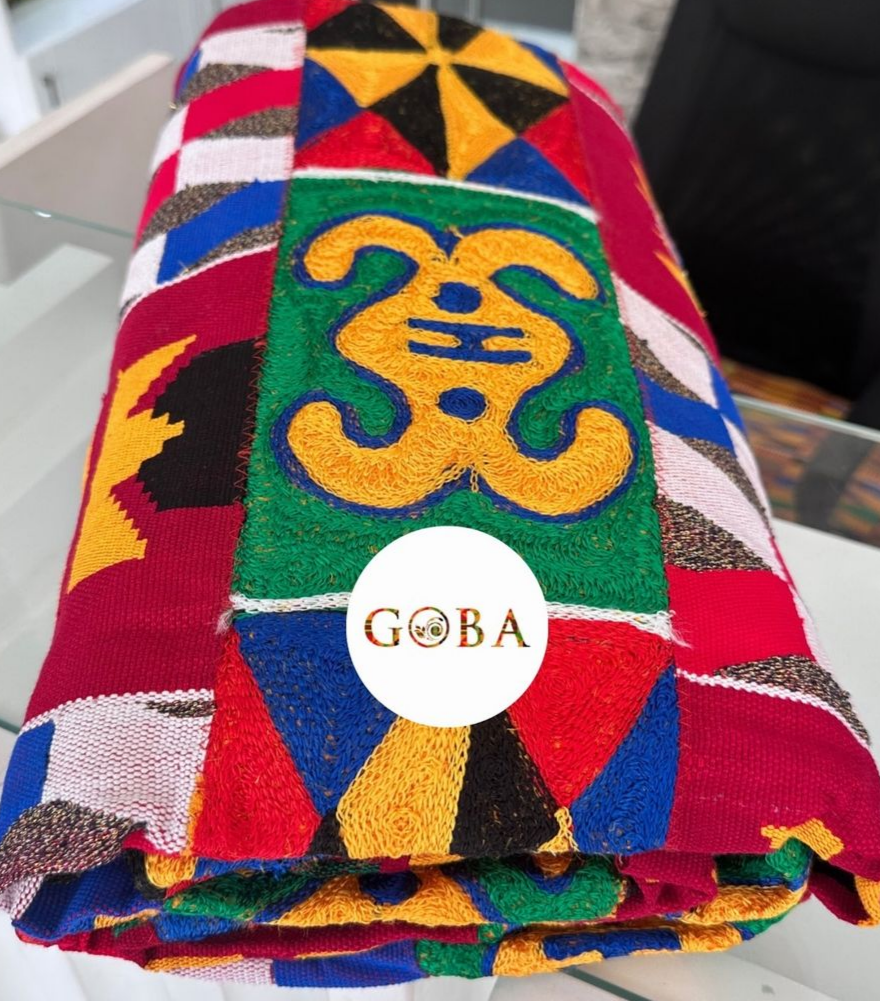
“It is generally known that the production of Kente is environmentally friendly when we focus on the social conditions of the factory.”
While Kente production itself may not inherently pose significant environmental concerns, it’s essential to consider the broader context of the social and environmental conditions in which it’s produced. Many traditional Kente weavers operate in small-scale, community-based settings, using natural materials like cotton and silk and traditional dyeing methods, which can be relatively eco-friendly compared to industrial processes.
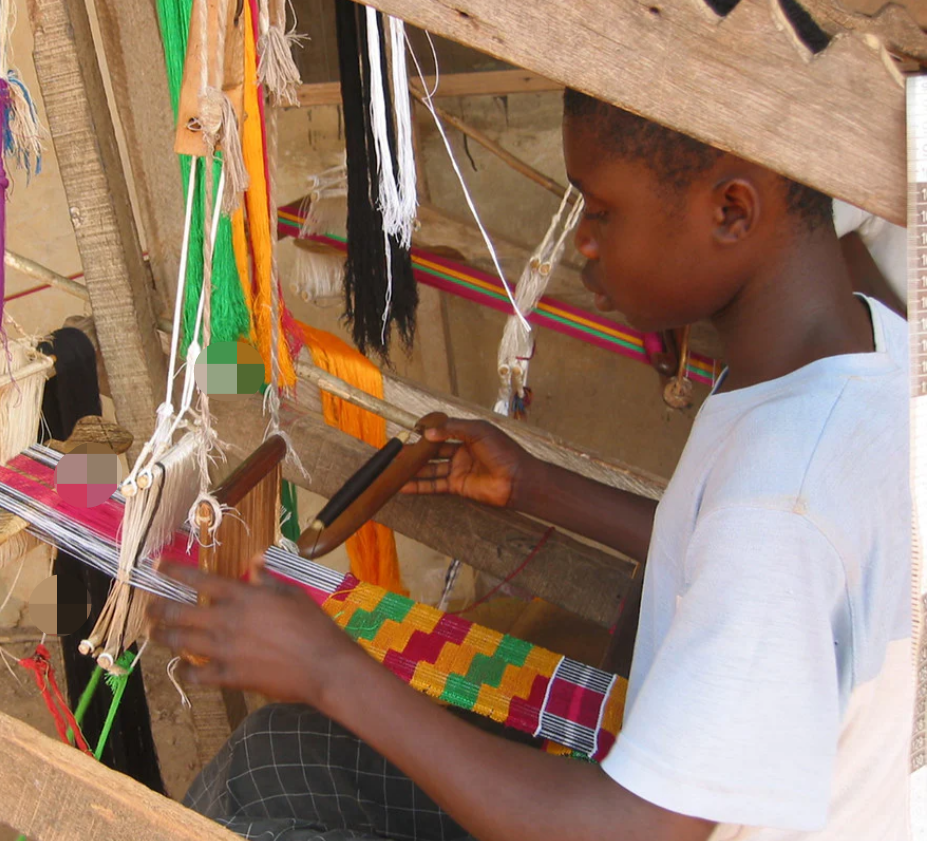
However, in larger-scale production settings, such as factories, environmental considerations can vary. Factors such as energy consumption, water usage, waste management, and chemical use in dyeing processes can impact the environmental footprint of Kente production.
Regarding social conditions, it’s crucial to ensure fair labour practices, safe working conditions, and fair wages for workers involved in the production process, whether in small-scale weaving cooperatives or larger factories. This includes considerations such as hours of work, child labor laws, and access to healthcare and education for workers and their families. Ultimately, while Kente production may have eco-friendly aspects and often supports local communities, it’s important to promote sustainable practices and ensure the well-being of both the environment and the people involved in its production.

BERLA: Beautifully said! Your description captures the essence and significance of Kente perfectly. It truly is a symbol of cultural pride, artistic excellence, and the enduring spirit of Ghanaian heritage. Your analysis is spot on. Understanding the environmental and social implications of Kente production is crucial for promoting sustainability and ethical practices within the industry. Balancing traditional craftsmanship with modern environmental standards and fair labor practices is key to preserving the beauty and cultural significance of Kente while ensuring a positive impact on both the environment and the communities involved in its production.


Berla Mundi: I’ve been thinking about the beauty of Kente lately, but I wonder about its environmental impact. Do you think Kente production is as eco-friendly as it’s often portrayed?

Joselyn Dumas: That’s a great point, Berla. While Kente is celebrated for its cultural significance, we can’t overlook the environmental implications of its production. Traditional methods may be relatively eco-friendly, but in larger-scale factories, there could be concerns about energy consumption and waste management.


Berla Mundi: Exactly. And what about the social conditions in these factories? Are workers being treated fairly, with safe working conditions and fair wages?

Joselyn Dumas: That’s a critical aspect to consider as well. We need to ensure that the people behind the production of Kente are being treated ethically and have access to the support they need, such as healthcare and education.



Berla Mundi: Agreed. It’s essential for us to promote not only the beauty of Kente but also its sustainability and the well-being of those involved in its production. Maybe there’s room for initiatives to support eco-friendly practices and fair labor standards in the Kente industry.

Joselyn Dumas: Absolutely. By raising awareness and advocating for sustainable practices, we can help ensure that Kente continues to be a source of pride for Ghana while also respecting our environment and the people who make it possible.



Berla Mundi: Thank you for sharing your insights, Joselyn. It’s been a thought-provoking conversation.

Joselyn Dumas: Likewise, Berla. I’m glad we had the chance to discuss this important topic.


Berla Mundi: Absolutely. Thank you for joining me today.

Joselyn Dumas: My pleasure. Looking forward to more conversations like this in the future.

Berla Mundi: Definitely. Take care, Joselyn.

Joselyn Dumas: You too, Berla. Bye for now.