




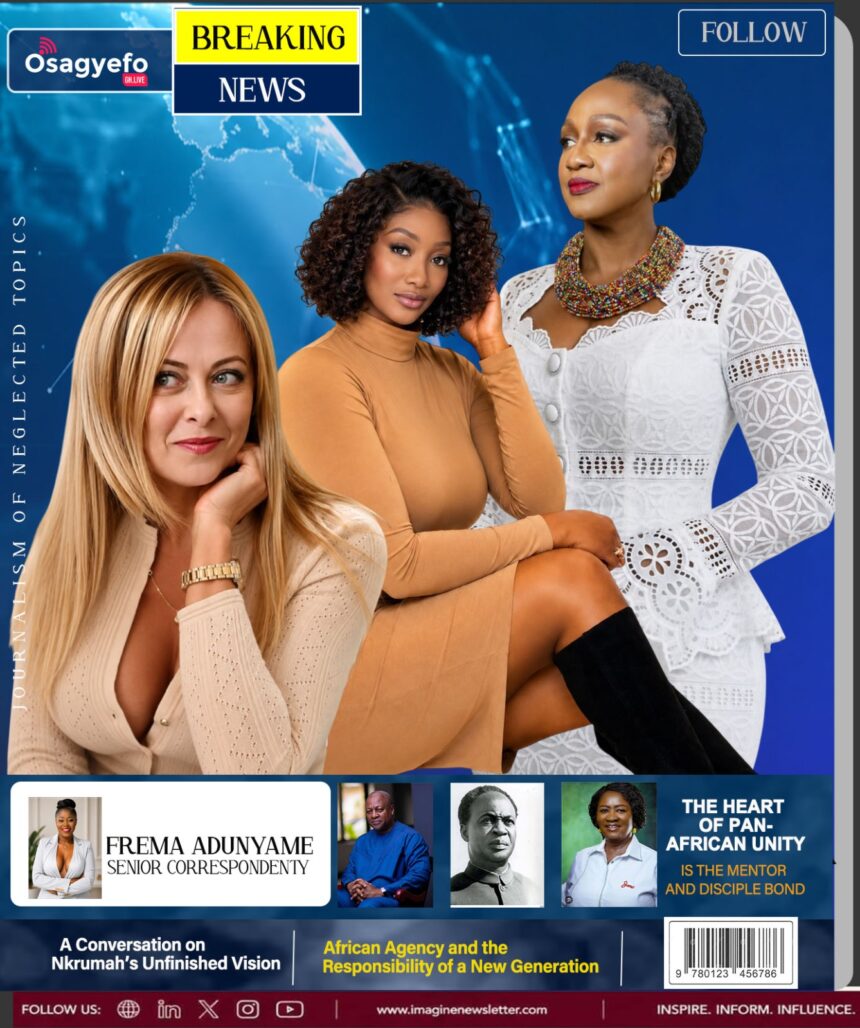
📰 OSAGYEFO NEWSLETTER MAGAZINE
Presents — Newsweek Edition
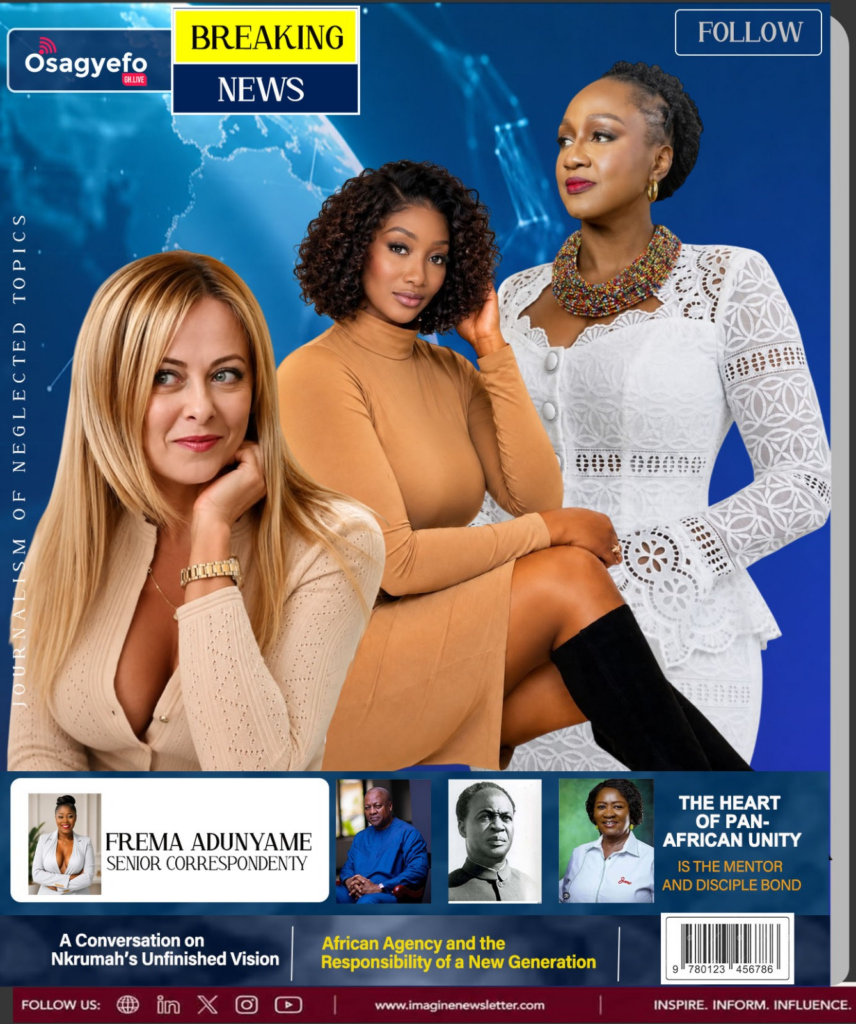
BREAKING NEWS
THE HEART OF PAN-AFRICAN UNITY IS THE MENTOR-DISCIPLE BOND
Subheadline: Nkrumah’s Unfinished Vision, African Agency, and the Responsibility of a New Generation
📅 Special Edition Release: Monday, August 31st, 2026 📍 Read exclusively at: assumptagh.live


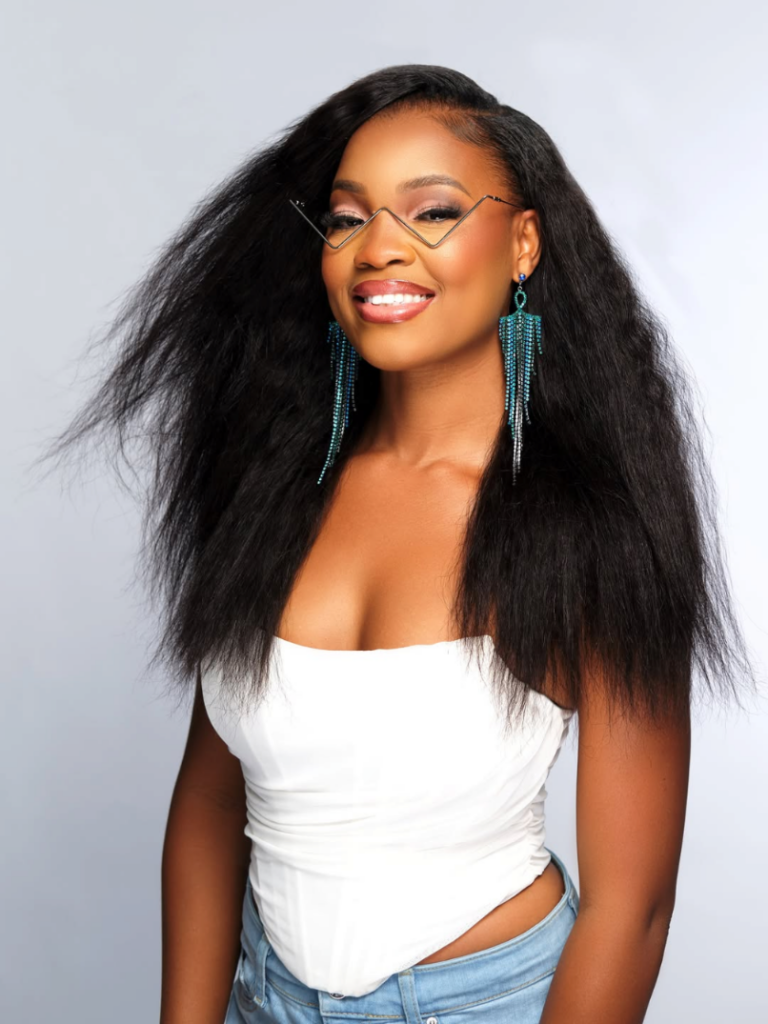





https://www.instagram.com/hairsenta?igsi=MXAzOThhNGZ0Nm15dQ==
Something Unbelievable Is Sizzling at 24 Jungle Avenue This Summer… ☀️🌴
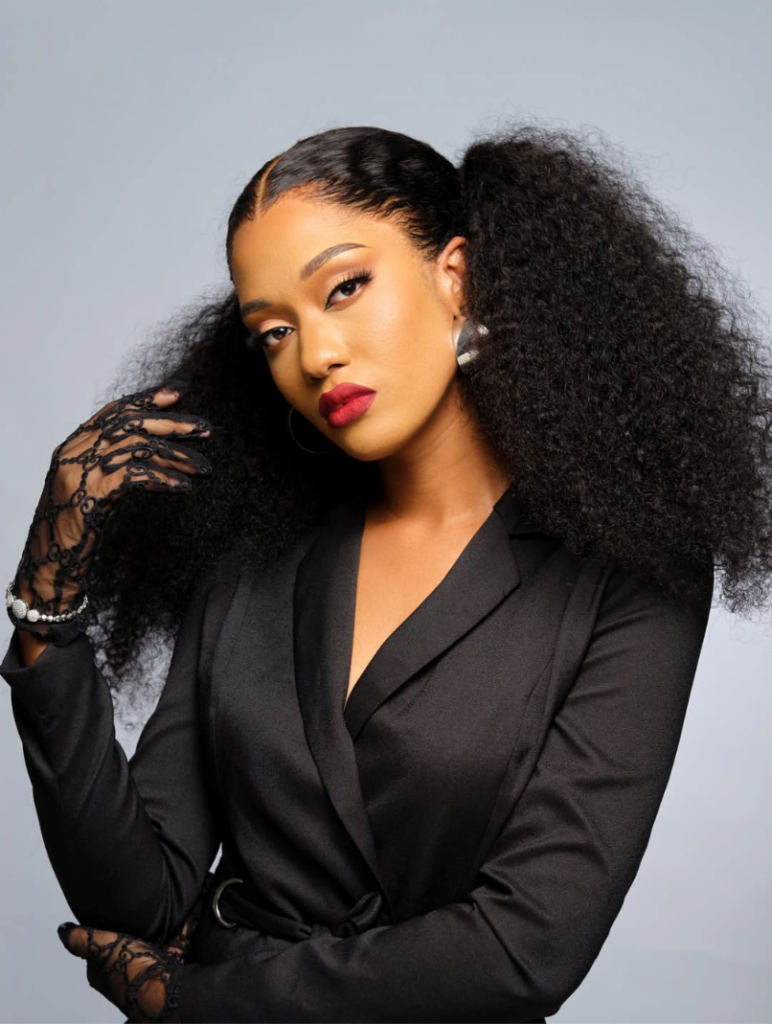
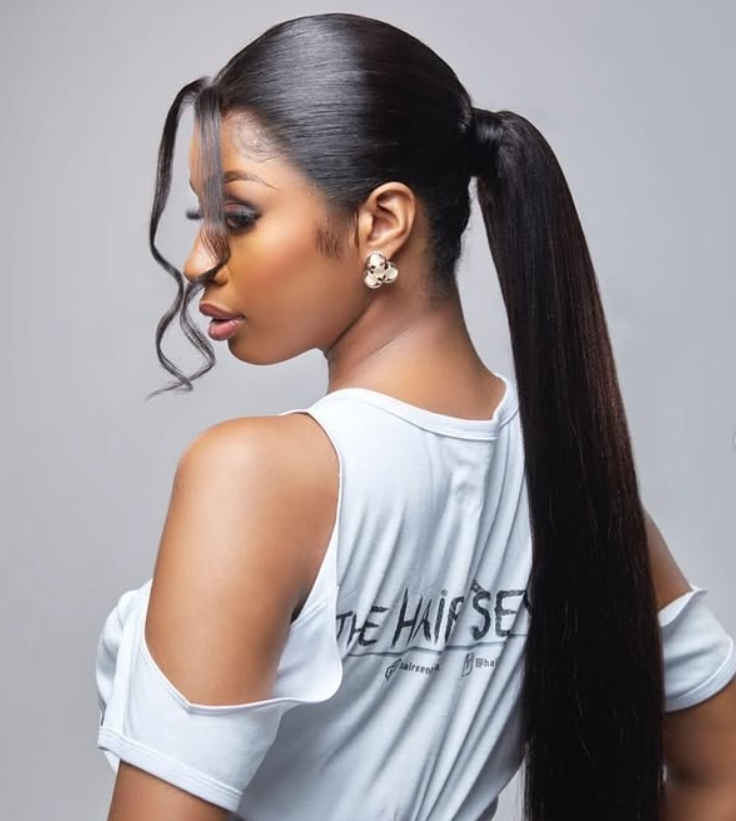
In the golden glow of the Accra sun, a transformation is taking place. It’s more than just a change in the weather—it’s a movement. A shimmer of silk, a cascade of waves, and the effortless sway of hair that refuses to be ordinary.
They say beauty is power. But this Summer, what if your hair could command the breeze, turn every head on the coast, and carry the vibrant soul of Ghana wherever you go?
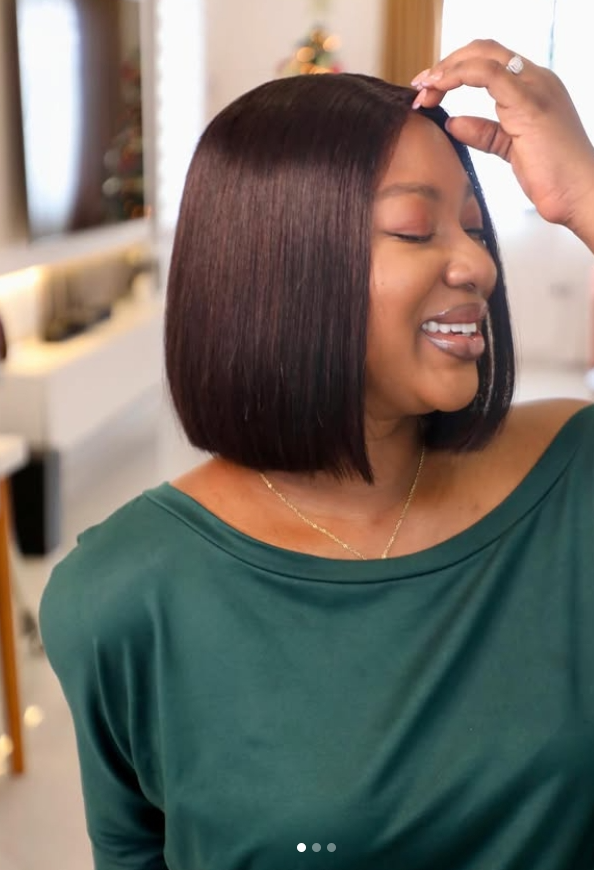
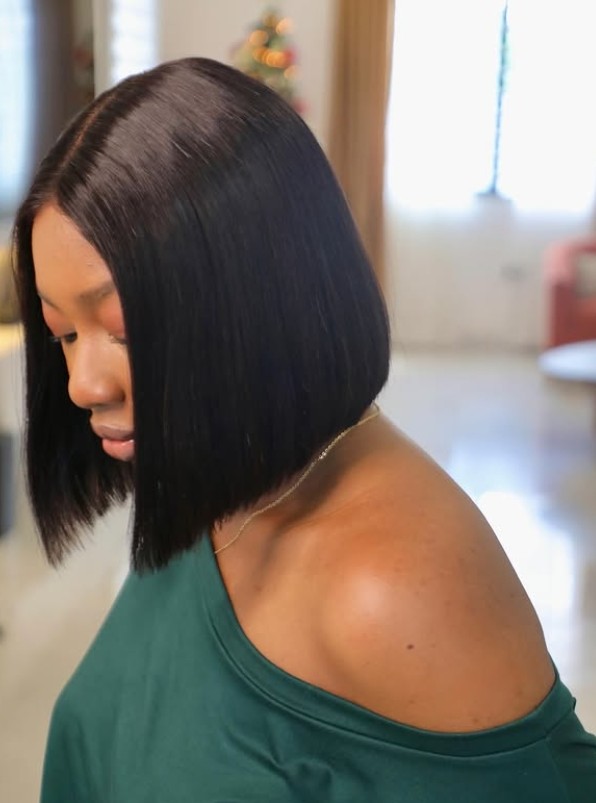
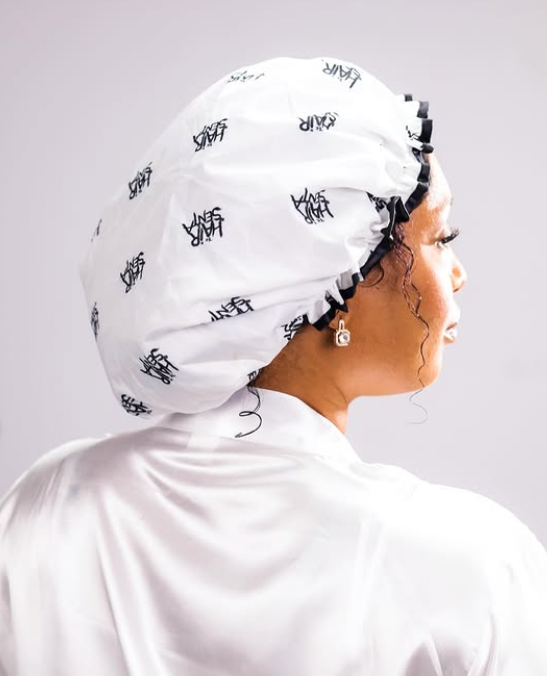
HAIR SENTA — the secret behind every radiant summer glow. ✨🌊
Straight from the heart of Ghana, our 100% luxury human hair extensions are designed for the heat of the moment: lightweight, natural, and undeniable. This season, we’re infusing heritage, craft, and high-fashion glamour into every strand, ensuring you stay cool while looking fire.
Will you be the one who owns the sunshine… or the one who only watches it fade? 🍹🔥
Get Your Summer Glow:
Call Now: 📞 (+233) 0544354455 / 0248629769
Explore: 🌐 www.hairsenta.com
Visit Us: 📍 24 Jungle Avenue, Accra, Ghana
Hair Senta. Real Hair. Real Power. Real Summer Energy. 💁♀️✨
🌟 EXCLUSIVE FEATURED VOICES
We are thrilled to feature exclusive insights from a powerhouse lineup of global voices:
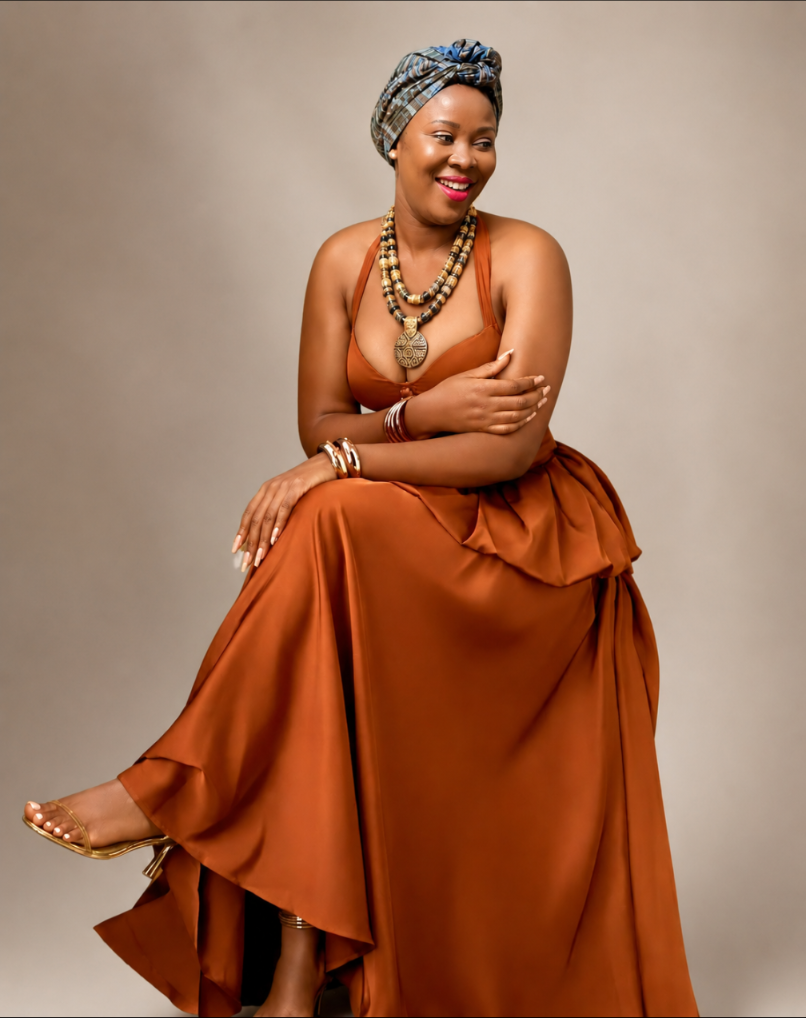
- Frema Adunyame On nation-building, narrative control, and media excellence.

- Akosua Owusuwaa .A Movement-Builder Shaping Communities through Health & Beauty. Certified entrepreneur, wellness coach, food educator, and co-founder of Owusuwaa Weekly. Founder of Hair Senta, HIBS-Africa, and TLS—The Leading Senta. Redefining business as a community hub for transformation.“Our culture is our health, and our health is our future.” — Akosua Owusuwaa.
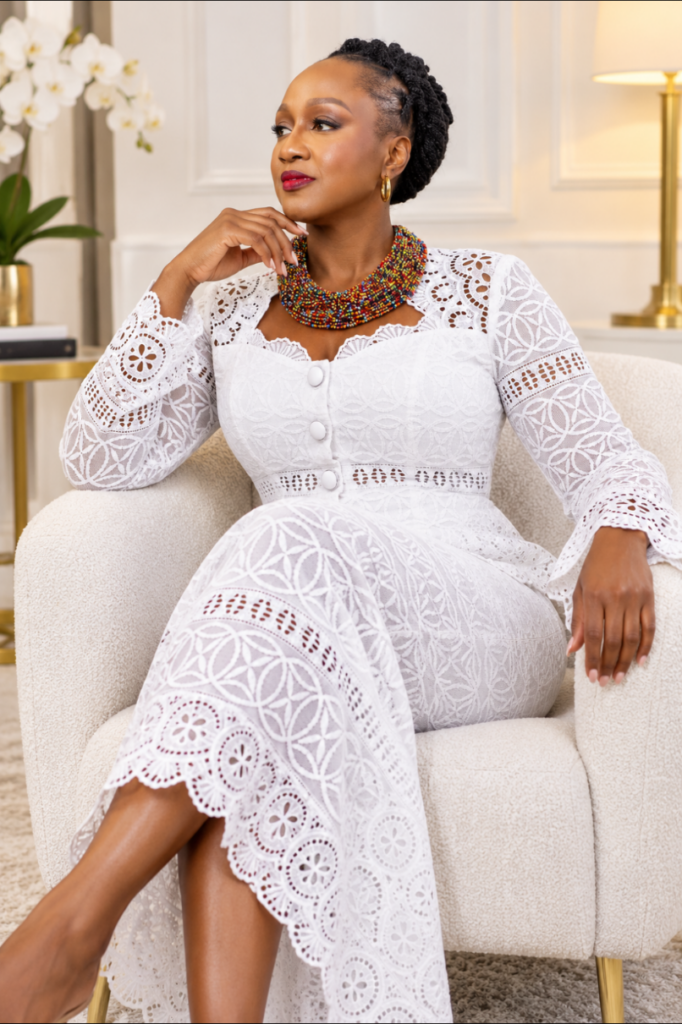
- Dzigbordi Kwaku-Dosoo Ghanaian entrepreneur, speaker, media personality, and consultant. Founder and CEO of DCG Consulting Group and Allure Africa, mastering human transformation and leadership in a hyper-tech-driven era.
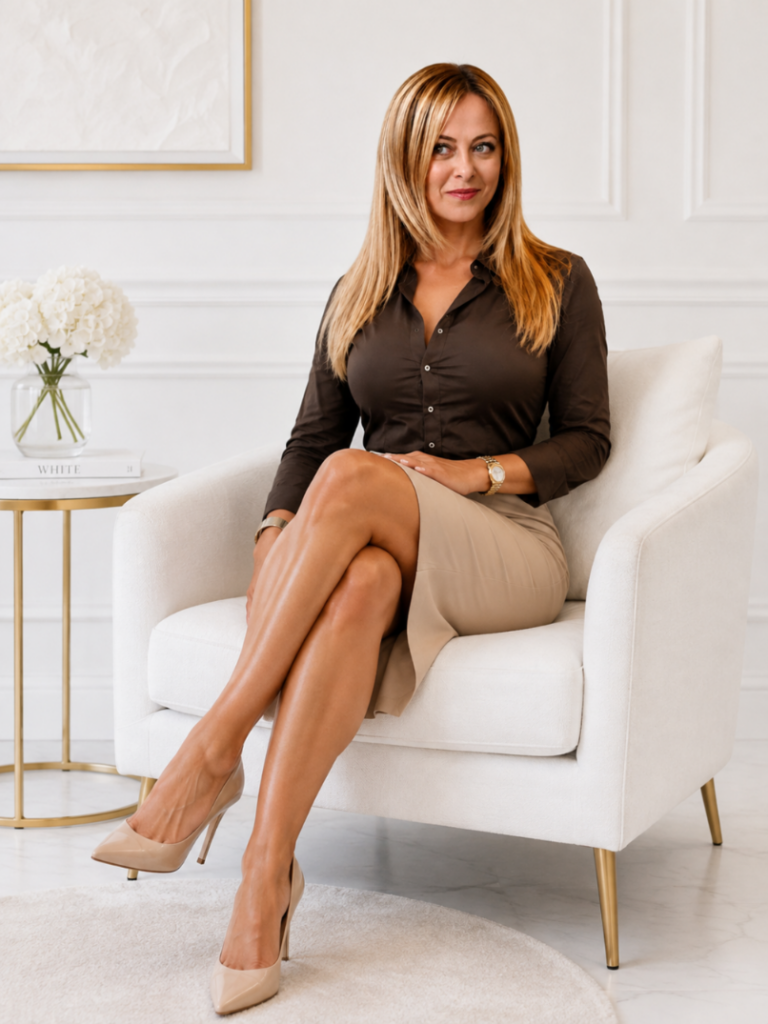
- Giorgia Meloni . Prime Minister of Italy. Bridging the gap between traditional values and civilizational resilience. From the streets of Rome to the heart of Italy, discover why the future of leadership cannot be found in statistics alone—but in the soul of the citizen.
🌍 COVER FEATURE
THE HEART OF PAN-AFRICAN UNITY IS THE MENTOR-DISCIPLE BOND
Nkrumah’s Unfinished Vision, African Agency, and the Responsibility of a New Generation
The Question of Unity
When we speak of African unity, we often think of treaties, regional blocs, political institutions, and economic agreements. Yet unity is not, at its core, a matter of structures. It is a matter of purpose.
The success of the Pan-African project depends not merely on the creation of institutions, but on the ability of Africans to unite around a shared vision of their future.
Osagyefo Publications recalls the timeless words attributed to Nichiren:
“If the spirit of many in body but one in mind prevails among the people, they will achieve all their goals; whereas if one in body but different in mind, they can achieve nothing remarkable.”
These words illuminate the challenge facing Africa today.
Our continent is home to diverse nations, languages, cultures, and political traditions. Unity does not require uniformity. It does not demand that every African think alike. Rather, it requires a shared commitment to advancing the dignity, prosperity, freedom, and well-being of African people.
This was the essence of Kwame Nkrumah’s vision. And it remains one of the defining challenges of our time.
Nkrumah Saw Beyond Political Independence
President John Dramani Mahama has often described Osagyefo Dr. Kwame Nkrumah as a visionary whose thinking extended far beyond the immediate struggle against colonial rule.
Nkrumah understood that independence was not an endpoint. It was a beginning. He foresaw two great challenges that would confront Africa after liberation:
- The achievement of genuine African unity.
- The struggle against neo-colonialism.
More than six decades later, both challenges remain unresolved.
Africa today consists of 54 sovereign states, each pursuing its own national interests and development agenda. Yet despite our political independence, many African economies continue to struggle with structural dependency, unemployment, limited industrialisation, and external economic pressures.
This is why Nkrumah’s question remains relevant. The issue before Africa is no longer simply whether we are politically independent. The deeper question is whether we are economically free.
Economic emancipation means creating opportunities for our people. It means building industries, strengthening intra-African trade, investing in technology, supporting innovation, and ensuring that Africa’s vast resources generate prosperity for Africans themselves.
It means creating a continent where young people can build meaningful futures without feeling compelled to leave their homeland in search of opportunity elsewhere.
A Generation No Longer Willing to Wait
Africa’s youth are experiencing the world in ways previous generations never could. Through technology, they have access to information, knowledge, innovation, and global networks on an unprecedented scale. They can compare societies, study successful economies, and observe developments around the world in real time.
As a result, their expectations have changed. Young Africans are asking difficult but necessary questions:
- Why is progress so slow?
- Why does Africa remain rich in resources but poor in outcomes?
- Why do opportunities remain inaccessible to so many?
- Why should continental integration take decades to achieve?
These questions should not be viewed as impatience alone. They represent energy. They represent aspiration. They represent a generation that believes a better Africa is possible.
The challenge is to channel that energy into purposeful action. And that requires leadership, wisdom, and intergenerational continuity.
African Agency: The Missing Ingredient
Vice-President Professor Jane Naana Opoku-Agyemang brings another vital dimension to this conversation: the question of African agency. She challenges Africans to reflect deeply on who we are and who we wish to become.
- Who tells our story?
- Who defines our history?
- Who shapes our understanding of ourselves?
- Who determines our possibilities?
These questions compel us to confront a fundamental truth: No people can achieve lasting development if they allow others to define their identity, aspirations, and future.
Agency means taking responsibility. It means moving from dependency to initiative. It means recognising that while history has shaped our circumstances, our future remains our responsibility.
One of the most profound questions emerging from this perspective is simple:
“Why do we have so much and yet remain so poor?”
Africa possesses immense natural resources, extraordinary human talent, vast agricultural potential, cultural richness, and the world’s youngest population. The challenge is no longer whether Africa has the capacity to succeed. The challenge is whether we can organise that capacity effectively and direct it toward transformation.
From Solidarity to Nation-Building
Pan-Africanism emerged as a movement of resistance against oppression and domination. It united Africans around the pursuit of freedom and self-determination. That mission remains important.
But the next stage of the Pan-African journey requires more than resistance. It requires construction.
We must ask ourselves:
- What institutions are we building?
- What industries are we developing?
- What knowledge are we producing?
- What innovations are we creating?
- What educational systems are we designing for future generations?
- How do we ensure that African resources create African prosperity?
The future of Pan-Africanism depends not only on what we oppose but also on what we build. That is the essence of African agency.
The Mentor-Disciple Bond
At the heart of this discussion lies a principle that is often overlooked: Great visions do not survive because they are remembered; they survive because they are transmitted.
This is the significance of the mentor-disciple relationship.
- The Mentor provides experience, wisdom, courage, and direction.
- The Disciple studies, questions, learns, adapts, and acts.
The disciple is not meant to imitate the mentor. The disciple is meant to carry the mentor’s vision into a new reality.
Nkrumah’s generation fought the struggle for political liberation. The present generation faces different challenges:
- Economic transformation
- Technological advancement
- Intellectual independence
- Regional integration
- Human development and dignity
To be a disciple of Nkrumah is therefore not merely to quote his speeches or celebrate his legacy. It is to ask: How can his vision be realised under today’s conditions?
That is the true test of discipleship.
Many in Body, One in Mind
The Pan-African project cannot succeed without unity of purpose. “Many in body, one in mind” does not require conformity. It requires commitment.
- It requires leaders and citizens alike to cultivate mutual respect, trust, cooperation, and solidarity.
- It requires us to disagree without becoming divided.
- It requires us to learn from one another without arrogance.
- It requires us to recognise that collective progress is impossible when personal ambitions outweigh shared goals.
History’s greatest transformations have always required patience, perseverance, and collaboration. Africa’s transformation will be no different.
The Vision Must Become Action
The deepest tribute we can pay to Kwame Nkrumah is not symbolic. It is practical. It is not enough to celebrate his achievements; we must continue his work.
- We must study his ideas critically.
- We must learn from both his successes and his shortcomings.
- We must adapt his vision to contemporary realities.
- And most importantly, we must act.
The task before today’s generation is not to recreate the Africa of Nkrumah’s era. It is to build the Africa toward which his vision pointed:
- An Africa that creates wealth from its own resources.
- An Africa that offers opportunities to its young people.
- An Africa connected through trade, innovation, and cooperation.
- An Africa that produces knowledge rather than merely consuming it.
- An Africa confident enough to define itself and tell its own story.
Such an Africa will not emerge through rhetoric alone. It will emerge through commitment, leadership, and action.
The Heart of Unity
The heart of Pan-African unity is not a treaty, a summit, or an institution.
The heart of unity is the human relationship through which vision is passed from one generation to the next. It is wisdom meeting youthful energy. It is experience meeting imagination. It is history meeting the future.
It is the mentor saying:
“This is what we saw.”
And the disciple responding:
“This is how we will make it real.”
The mentor lays the foundation. The disciple builds upon it. And when the disciple becomes a mentor, the vision continues.
The question before Africa today is not whether Nkrumah had a vision. He did. The question is whether we possess the unity, courage, discipline, and agency required to carry that vision forward.
For when a people unite around a worthy purpose, the impossible begins to look attainable. And when the mentor’s vision becomes the disciple’s action, history moves forward.
📰 THE HEART OF PAN-AFRICAN UNITY IS THE MENTOR-DISCIPLE BOND
A Conversation on Nkrumah’s Unfinished Vision, African Agency and the Responsibility of a New Generation
TWO VOICES. TWO INTERVENTIONS. ONE UNFINISHED AFRICAN QUESTION.
🎙️ MODERATOR & SPEAKERS
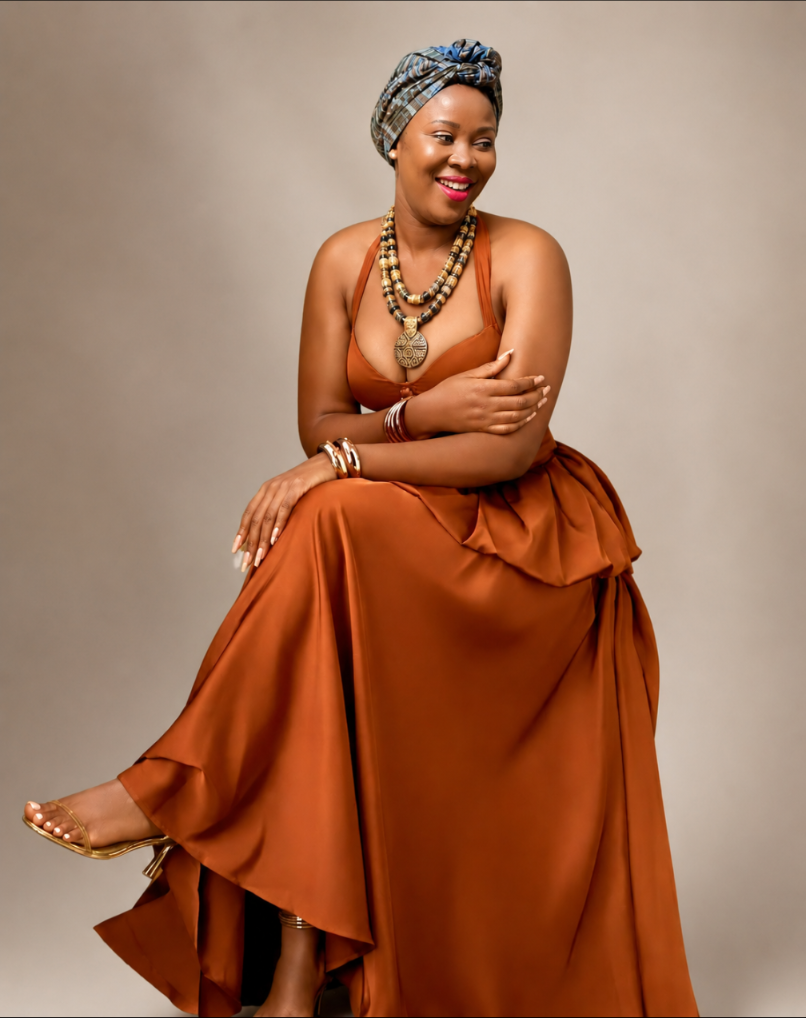
- FREMA ADUNYAME — HOST Broadcast Journalist, Channel One TV The Media Battlefield: Ghana’s fearless analyst cutting through the political “PR.”
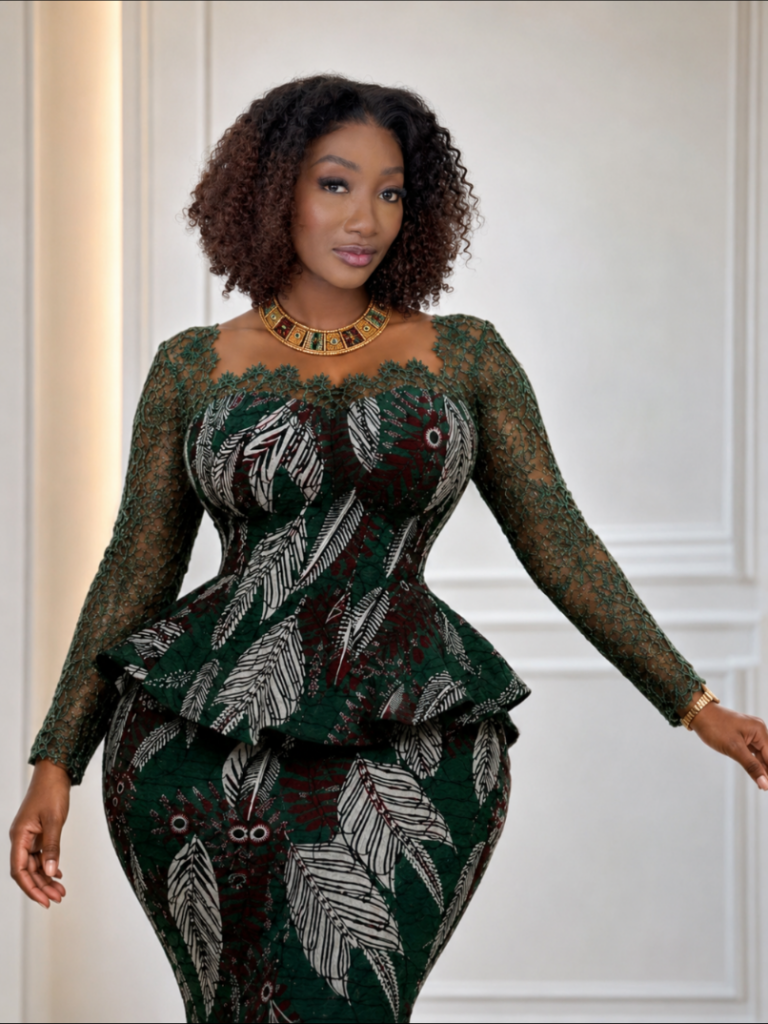
- AKOSUA OWUSUWAAA Movement-Builder, Shaping Communities through Health & Beauty Certified entrepreneur, wellness coach, food educator, author of Direction, and Co-founder of Owusuwaa Weekly. Visionary behind Hair Senta, HIBS-Africa, and TLS—The Leading Senta, redefining business as a community hub for transformation. Our culture is our health, and our health is our future.”
- Mission: Empower everyday people with practical wellness tools; inspire young minds to build a healthier, responsible future; redefine health and beauty as fundamental human rights.
- DZIGBORDI KWAKU-DOSOO Strategist, Speaker, Media Personality, & Consultant Ghanaian entrepreneur, founder and CEO of DCG Consulting Group and Allure Africa, and Head of Trade and Research Unit at Strategic African Securities, Ghana.“True power begins in the soul, and nations rise or fall by the strength of their spiritual foundation.” — A leadership voice for clarity, conscience, and collective healing.
- GIORGIA MELONI Prime Minister of Italy. Bringing a sharp perspective from Europe to the discussion.
💬 THE DIALOGUE
FREMA ADUNYAME Good day and a very warm welcome to all our readers around the world.
Wherever you are joining us from—across Africa, Europe, Asia, the Americas, the Caribbean or anywhere else in our global community—we are deeply honoured to have you with us.
Today, we invite you into a conversation that reaches beyond borders, generations and political institutions. It is a conversation about Africa’s unfinished journey. It is a conversation about vision and responsibility. It is a conversation about African agency, unity and the transmission of wisdom from one generation to another.
And most importantly, it is a conversation about the relationship between the mentor and the disciple.
Today, I have the extraordinary privilege of welcoming three distinguished figures whose ideas have profoundly shaped discussions about education, human development, value creation, peace and the relationship between generations.

Please join me in warmly welcoming: A visionary beyond walls. Akosua Owusuwaa, a Movement-Builder Shaping Communities through Health & Beauty. She is a certified entrepreneur, wellness coach, food educator, and Co-founder of Owusuwaa Weekly. She’s the Author of the book Direction and Founder of Hair Senta, HIBS-Africa, and TLS—The Leading Senta, where Gwen is redefining business as a community hub for transformation.
“Our culture is our health, and our health is our future.” — Akosua Owusuwaa. Her Mission: Empower everyday people with practical wellness tools; inspire young minds to build a healthier, responsible future; redefine health and beauty as fundamental human rights.
Dzigbordi Kwaku-Dosoo is a Ghanaian entrepreneur, a strategist, speaker, media personality, and consultant. She is the founder and CEO of DCG Consulting Group and Allure Africa, and Head of Trade and Research Unit at Strategic African Securities, Ghana. Her Message: “True power begins in the soul, and nations rise or fall by the strength of their spiritual foundation.” A leadership voice for clarity, conscience, and collective healing.
Giorgia Meloni (Prime Minister of Italy). Her perspective from Europe brings a sharp eye on the article.
Ladies, it is a tremendous honour to welcome you to our international conversation. Thank you sincerely for accepting Osagyefo Newsletter Publication invitation and for joining our readers from around the world. Your presence is deeply appreciated.
You represent three generations of a remarkable mentor-disciple succession—Akosua Owusuwaa whose vision placed humanistic education and the value of life at the centre of social transformation;
Dzigbordi Kwaku-Dosoo who has that same spirit and carried it forward, making her a speaker who develops Human resources—a legacy through a lifelong commitment to dialogue, peace, education and the empowerment of young people.
And Giorgia Meloni—a strong-willed, politically astute, nationalist-conservative leader who combines ideological conviction with pragmatic statecraft. A strategist, highly conscious of political timing, alliances, and the balance between domestic priorities and international influence. A nationalist — “Italy first” and the defence of Italian national identity, sovereignty, family and cultural traditions are central elements of her political language.
And that makes your presence particularly meaningful for today’s discussion. Because our article asks whether the mentor-disciple relationship itself can become a model for carrying great visions across generations. So, ladies, let us begin.
FREMA ADUNYAME. The title of our conversation today is:
“THE HEART OF PAN-AFRICAN UNITY IS THE MENTOR-DISCIPLE BOND.”
And beneath that title:
“A Conversation on Nkrumah’s Unfinished Vision, African Agency and the Responsibility of a New Generation.”
Sometimes history speaks through coincidence. And sometimes timing reveals a conversation that was already waiting to be discovered.
In August 2026, President John Dramani Mahama revisited the unfinished vision of Osagyefo Dr. Kwame Nkrumah, drawing attention to the enduring questions of African unity, continental integration, neo-colonialism and, above all, the need for Africa to achieve genuine economic emancipation.
Shortly afterwards, on August 25–26 in Kigali, Vice-President Jane Naana Opoku-Agyemang approached the African question from another but deeply connected direction. She challenged Africans to examine their history, their identity, their knowledge and their capacity to determine their own future.
At first glance, these may appear to be two different interventions. They are not. Placed beside one another, they reveal a deeper and remarkably timely conversation about Africa’s unfinished liberation.
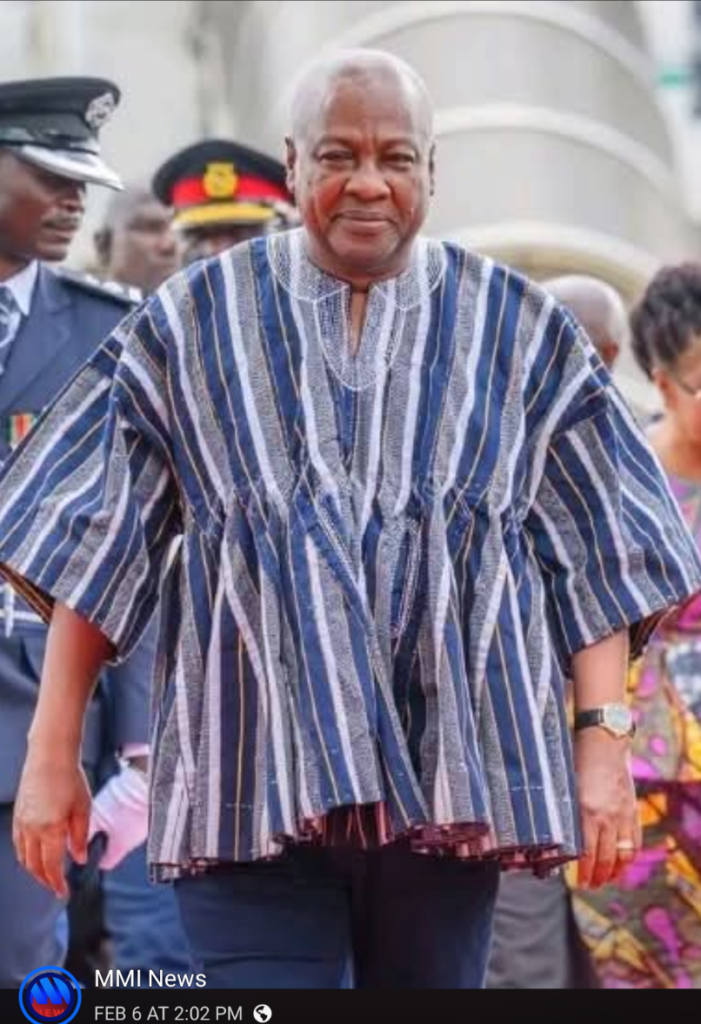
- President John Mahama asks: What remains unfinished from Nkrumah’s generation?
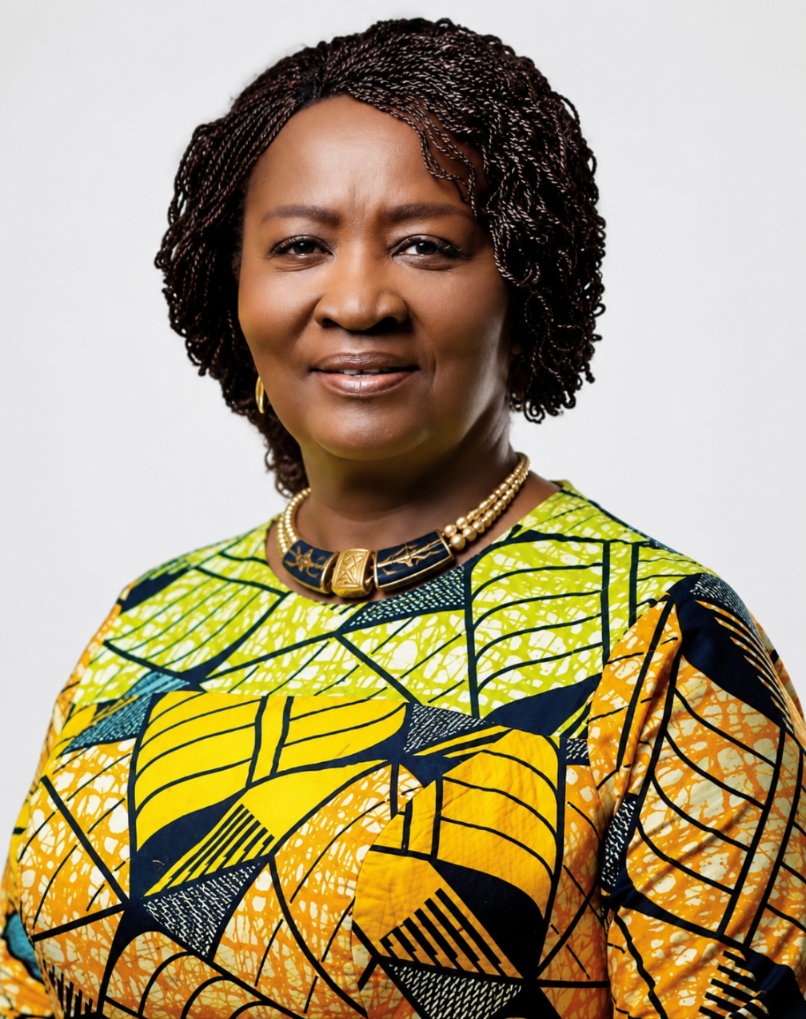
- Vice-President Jane Naana Opoku-Agyemang asks: Do Africans possess the agency to finish it?
And between those two questions lies the responsibility of a new generation.
Nkrumah identified the historic necessity of African unity. Mahama reminds us that political independence did not eliminate economic dependency. Opoku-Agyemang reminds us that economic transformation cannot be achieved without Africans taking ownership of their intellectual, institutional and developmental destiny.
The sequence is therefore profound:
- Unity requires purpose.
- Purpose requires consciousness.
- Consciousness requires knowledge.
- Knowledge requires transmission.
- And transmission requires generations willing to learn from one another and act together.
This is where the idea of the mentor and disciple becomes more than a spiritual or philosophical metaphor. It becomes a framework for understanding how historical visions survive.
The mentor carries the memory of what was fought for. The disciple inherits that memory, studies it, questions it, deepens it and transforms it into action appropriate to a new era.
Nkrumah belonged to the generation that fought for political independence. Mahama speaks to the unfinished economic dimension of that liberation. Opoku-Agyemang speaks to the deeper question of African agency—the capacity to understand ourselves, define our own possibilities and build the institutions necessary to realise them.
And the generation now coming of age must ask: What will we do with the vision we have inherited?
That may be the real heart of Pan-African unity. Not merely that Africans stand together, but that generations stand together.
The mentor provides the vision. The disciple provides the renewal. And history moves forward when the disciple transforms inherited wisdom into contemporary action.
This is the conversation that emerges when Mahama’s reflections and Opoku-Agyemang’s intervention are placed within the larger unfinished story of Nkrumah’s Africa.
So, ladies, I want to begin with you. What are your thoughts on this? Akosua Owusuwaa, may I begin with you?

AKOSUA OWUSUWAA Frema, thank you. And greetings to everyone who has joined this conversation.
When we speak about the future of a people, I believe we must first ask a fundamental question: What kind of human being are we trying to create?
Political institutions are important. Economic systems are important. National development is important. But none of these can ultimately transform society if the human beings participating in them have not developed the wisdom, courage and compassion necessary to use them for the good of humanity.
This is why I would listen very carefully to the distinction you have made between unity and uniformity. Unity does not mean that everyone must become identical. It means that people with different backgrounds and experiences can discover a common purpose and contribute their unique abilities toward that purpose.
In that sense, Africa’s diversity is not necessarily an obstacle. It can become a tremendous strength. But only if education develops people who can recognise the value of both themselves and others.
And therefore, when I hear the words African agency, I immediately think of education.
- Who educates the young person to believe: “I have the ability to contribute.”
- Who teaches that young person to understand the history of his or her people?
- Who encourages that person to develop knowledge rather than merely consume the knowledge produced elsewhere?
- Who teaches that one’s life has value, and that one’s contribution can create value for society?
These questions are inseparable from the question of African liberation. Because a nation cannot become truly independent if its people have been taught to believe that their highest possibilities must always come from somewhere else.
FREMA ADUNYAME Akosua Owusuwaa, you have taken us immediately to the human being behind the political project. And that brings us naturally to the mentor-disciple relationship.
Dzigbordi Kwaku-Dosoo, when we describe the disciple as someone who inherits a vision, studies it, questions it and then transforms it into action, what does that responsibility mean to you?
DZIGBORDI KWAKU-DOSOO Frema, I think we must be very careful about the word inheritance.
To inherit a vision does not mean to inherit a slogan. A disciple who merely repeats the words of a mentor has not necessarily understood the mentor.
The true disciple asks: “What was the essential purpose behind those words?”
Then comes the next question: “How can I realise that purpose under the circumstances of my own age?”
This distinction is extremely important. A great mentor does not create disciples so that they will remain dependent upon the mentor forever. The mentor seeks to develop people who can stand on their own feet. Therefore, the disciple must eventually become capable of taking responsibility.
That is why I find the connection you have made with Nkrumah’s vision so interesting.
Nkrumah’s generation confronted colonial rule. The next generation confronts different circumstances:
- Economic dependency
- Technological inequality
- Unemployment
- Educational challenges
- Institutional weakness
- Global competition
These are not necessarily the same battles that Nkrumah fought. But they may belong to the same larger struggle for human dignity and freedom.
So the question for today’s disciple is not: “How do I become another Nkrumah?”
The question is: “How do I become worthy of the responsibility Nkrumah’s generation entrusted to the future?” That is a much greater challenge.
FREMA ADUNYAME That is powerful. You are saying that loyalty to a mentor is not measured by imitation, but by the ability to advance the mentor’s essential purpose under new circumstances.
Prime Minister Giorgia Meloni, that brings me to you. You spent much of your life speaking about national security, securing Italy’s boarders serving, it people across generations, dialogue and the empowerment of youth.
When you hear this sequence—Nkrumah’s vision, Mahama’s economic question, Opoku-Agyemang’s question of African agency, and then the responsibility of the next generation—where do you see the deepest connection?
GIORGIA MELONI Frema, I see the deepest connection in the word responsibility.
A vision does not belong permanently to the person who first articulates it. Once a vision has been entrusted to humanity, every generation must determine how to bring it to life.
This is why dialogue between generations is so important.
- The older generation possesses experience.
- The younger generation possesses fresh energy and new possibilities.
If the older generation refuses to listen, wisdom can become rigid. If the younger generation refuses to learn, energy can become directionless.
But when the two generations genuinely engage one another, something extraordinary can happen:
- Wisdom meets energy.
- Experience meets imagination.
- History meets the future.
And that is where I believe the mentor-disciple relationship has universal significance. It is not about domination. It is not about creating followers who surrender their judgment. It is about one human being helping another human being awaken his or her highest potential.
Therefore, if Africa’s young people are asking, “Why must progress take so long?” we should not dismiss that question. We should listen to it.
Their impatience can contain tremendous hope. But hope must be connected to wisdom. Energy must be connected to purpose. And purpose must become action. That is why the relationship between generations matters so profoundly.
FREMA ADUNYAME So perhaps we have arrived at the first major insight of our conversation.
The question is not simply whether Africa has inherited Nkrumah’s vision. The question is whether Africa has developed the disciples capable of carrying that vision into a new century.
And perhaps that is where our conversation truly begins. Because the mentor can say: “This is what we saw.” The disciple must answer: “Then this is what I will do.”
📰 THE HEART OF PAN-AFRICAN UNITY IS THE MENTOR-DISCIPLE BOND
A Continuation of the Dialogue on Africa’s Liberation, Pan-Africanism, and the Next Generation
🎙️ THE DIALOGUE CONTINUES
FREMA ADUNYAME And now, ladies, I would like us to go deeper. Because if economic emancipation is unfinished, and if African agency is essential to achieving it, then we must ask the most difficult question of all:
What kind of disciple does Africa need today?
Akosua Owusuwaa, may I ask for your perspective on this first?
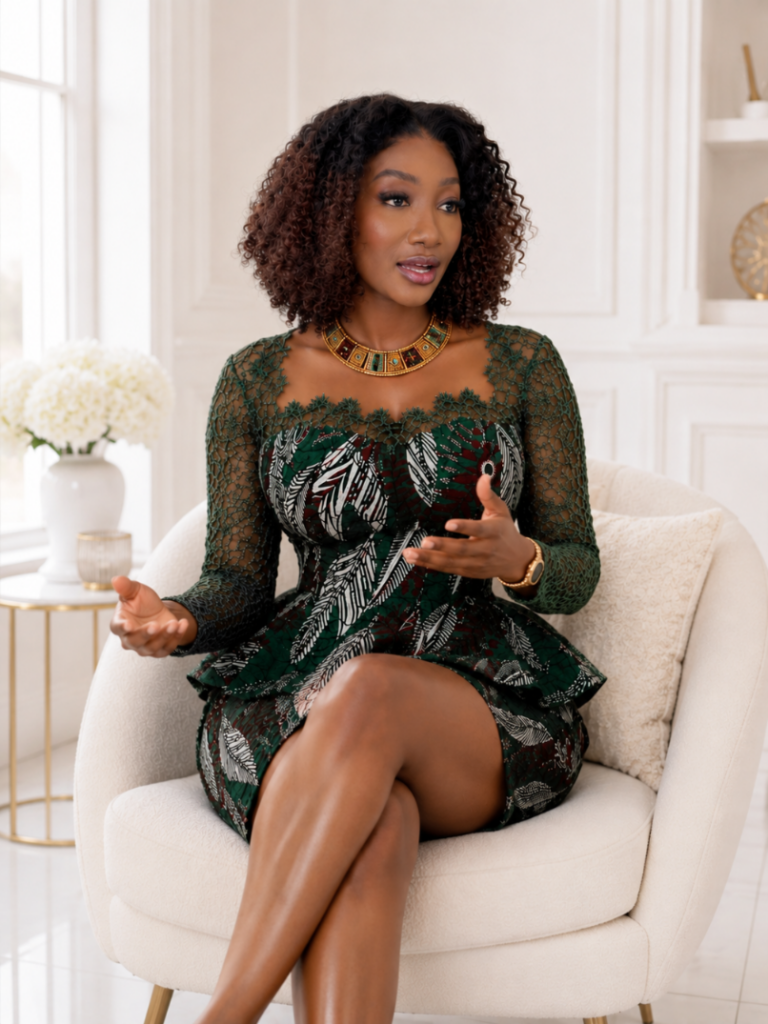
AKOSUA OWUSUWAA If you mean, “What kind of disciple do we need today to realise Africa’s liberation and Pan-Africanism?” then I would frame it this way:
The Disciple Needed for Africa’s Liberation, Pan-Africanism, and the Alleviation of Poverty Today
We need a disciple who does not merely admire the mentor, but embodies the mentor’s spirit through action. For Kwame Nkrumah, the mentor-disciple relationship was never about dependency. It was about the inheritance of purpose—taking the mentor’s vow and making it one’s own.
A disciple for today needs at least six qualities:
- A Disciple of Conviction: Someone who continues to advance even when circumstances are difficult. Their commitment is not dependent upon favourable conditions, public recognition, or immediate results. They persevere because they are guided by purpose rather than convenience.
- A Disciple of Courage : To liberate Ghanaians and Africans from a mindset of limitation and poverty requires people who are willing to stand up, speak with compassion, challenge injustice, and encourage others, even when doing so is unpopular. True courage is not aggression—it is the determination to act according to one’s convictions despite fear, opposition, or uncertainty.
- A Disciple of Human Revolution: Rather than attempting to change society while remaining unchanged themselves, they begin with their own life. They continually develop their character, wisdom, discipline, and humanity. Their conduct becomes living proof of the values they advocate. Their behaviour becomes proof of Pan-Africanism in action.
- A Disciple Who Develops Others. The true disciple does not seek to become indispensable. A genuine disciple measures success not by how many people depend on them, but by how many capable people they develop. They raise others who can stand on their own feet and eventually guide the next generation. That is how a vision survives beyond one lifetime.
- A Disciple of Dialogue. Today’s world is divided by politics, religion, nationality, race, ideology, and increasingly by social media. The disciple of African liberation and Pan-Africanism does not deepen these divisions. Instead, they build bridges through sincere dialogue, mutual respect, and an unwavering belief in the dignity of every human being. They understand that lasting unity cannot be imposed—it must be cultivated.
- A Disciple Who Takes responrsibility, Instead of asking, “What is the organisation doing for me?” the disciple asks, “What can I do for the happiness of one person and for the future of society?” They refuse to wait for perfect conditions, ideal leadership, or external solutions. They recognise that responsibility begins with oneself.
The Deepest Point
The disciple needed today is not necessarily the most knowledgeable individual, the most visible activist, or even the person who speaks most passionately about national development.
It is the person who can sincerely say:
“Kwame Nkrumah’s dream has become my own vow. I will carry it forward in my own circumstances, in my own way, and for the sake of the next generation.”
That is what makes the mentor-disciple relationship generational rather than merely institutional.
Kwame Nkrumah, John Dramani Mahama, and Jane Naana Opoku-Agyemang each stood within different historical circumstances. Yet the essential question remains unchanged:
Can the next generation inherit the spirit, not merely the form, and create something greater for the future?
And perhaps this is the central question for Africa’s liberation today:
Are we producing followers of political parties? Or are we producing disciples capable of becoming leaders of Africa’s liberation?
The latter is the kind of disciple the twenty-first century needs.
📰 THE HEART OF PAN-AFRICAN UNITY IS THE MENTOR-DISCIPLE BOND
A Continuation of the Dialogue on Nkrumah’s Enduring Statements, African Agency, and the Task of a New Generation
🎙️ THE DIALOGUE CONTINUES
FREMA ADUNYAME Akosua, thank you. That is a profound way of putting it.
You have reminded us that the disciple Africa needs today is not simply someone who admires the past, memorises the words of great leaders, or celebrates their achievements. The disciple must become a person of action—someone who can inherit a vision without becoming imprisoned by the circumstances in which that vision was first born. Someone who can study history, understand its lessons, and then summon the courage to struggle within the realities of their own time.
And perhaps this is precisely where Kwame Nkrumah speaks to us once again. For when we look carefully at Nkrumah’s words, we discover that he was never speaking only to the Africa of 1957 or 1963. He was speaking to generations yet unborn. He was speaking to us. He was calling upon future generations to continue the work.
Let me therefore place five of Nkrumah’s enduring statements before this panel and before our readers around the world.
1️⃣ FIRST: UNITY
“Nothing will be of avail, except the united act of a united Africa.”
This is not merely a statement about political organisation; it is a challenge to the African spirit.
- What happens when fifty-four nations possess immense human and natural resources but struggle to act with a common purpose?
- What happens when borders divide markets that could strengthen one another?
- What happens when our differences become more powerful than our shared destiny?
Nkrumah’s answer was clear and uncompromising: Africa must learn to act together.
And that brings us directly back to our central theme: Many in body, one in mind. Unity does not require sameness—it requires a shared commitment to a common future.
2️⃣ SECOND: ECONOMIC EMANCIPATION
“Independence is only the prelude to a new and more involved struggle for the right to conduct our own economic and social affairs.”
How remarkable that these words remain so relevant today. Political independence was a beginning; it was never the destination. The flag was raised, colonial administrations departed, yet the deeper struggle remained.
- Can Africans determine their own economic destiny?
- Can our resources generate prosperity for our people?
- Can our young people find meaningful opportunities at home?
- Can African nations build industries rather than merely export raw materials?
- Can Africa become a producer of knowledge, technology, and innovation rather than remaining primarily a consumer?
These are not historical questions—they are contemporary questions. And they remain among the greatest challenges facing the continent today.
3️⃣ THIRD: AFRICAN INTEGRATION
“Our economic independence resides in our African union.”
Here, Nkrumah connects unity directly to economic power. Unity is not simply about standing together at conferences or issuing declarations—it is about building the economic capacity to stand on our own feet.
- It is about African nations trading with one another.
- It is about infrastructure connecting African markets.
- It is about African capital circulating within Africa.
- It is about adding value to African resources on African soil.
- It is about creating a continental environment in which the success of one African nation contributes to the success of another.
When unity becomes practical, prosperity becomes possible.
4️⃣ FOURTH: URGENCY
“The task cannot be approached at a tempo that belongs to another age than our own.”
Ladies and gentlemen, that sentence could have been written for our generation. We live in an era of artificial intelligence, advanced manufacturing, biotechnology, digital finance, automation, and instantaneous communication. The world is moving at extraordinary speed. Africa cannot approach twenty-first century challenges with twentieth-century urgency.
Young Africans who ask, “Why must progress take so long?” are not necessarily expressing impatience with Africa. They may be expressing belief in Africa’s potential. Their question may itself be an expression of African consciousness.
The challenge is not to suppress that impatience; the challenge is to transform it into disciplined action. Energy must be guided. Passion must become purpose. And purpose must become results.
5️⃣ FIFTH: AFRICAN AGENCY
“The resources are there. It is for us to marshal them in the active service of our people.”
There is something profoundly powerful in those words. Nkrumah does not begin by asking what Africa lacks—he begins by recognising what Africa already possesses.
The resources are there. The people are there. The intelligence is there. The creativity is there. The land is there. The minerals are there. The agricultural potential is there. The cultural wealth is there. The youth are there.
The question, therefore, is not whether Africa possesses the means for transformation. The question is whether we possess the vision, discipline, and leadership necessary to organise those resources in service of our people.
And perhaps this is where the question of the disciple reaches its deepest meaning.
🎯 SO, WHAT IS TODAY’S TASK?
If Nkrumah’s generation had its historic mission, then our generation must have its own. What is today’s task? It is to fulfil our mission in the circumstances in which we find ourselves:
- Not in Nkrumah’s circumstances.
- Not in the circumstances of 1957.
- Not in the circumstances of the colonial struggle.
- Not in the circumstances of the Cold War.
- But in our own circumstances.
Our technologies are different. Our opportunities are different. Our economies are different. Our challenges are different. Yet the fundamental question of human dignity remains unchanged.
So what is our struggle?
- To advance to the limits of our strength.
- To develop our capabilities and deepen our knowledge.
- To strengthen our institutions and create opportunities.
- To accelerate African integration and build African industries.
- To cultivate African expertise and empower African youth.
- To tell our own story and refuse the notion that Africa’s future must always be determined elsewhere.
This, I believe, is what Nkrumah did in his own time. He struggled within the realities of his age, advanced to the limits of his strength, and refused to accept the limitations imposed upon his generation. He imagined a future beyond the horizon visible to others.
Because he did so, Ghana attained independence in 1957. Sixty-nine years later, we continue to live with the consequences of that struggle. Ghanaians have benefited from that independence. Africa has benefited from the example of Ghana becoming the first country in sub-Saharan Africa to gain independence from British colonial rule. What once appeared impossible became reality. The darkness of colonial domination began to give way to a new dawn. The future sparkled. The flames of hope leapt high.
Yet perhaps the most important question is not what Nkrumah accomplished sixty-nine years ago.
The most important question is this: What are we going to accomplish for the generation that will look back at us sixty-nine years from now?
That is the disciple’s question. That is the responsibility of our generation. That is the test of whether we have truly inherited the vision.
And that is why I would now like to turn to three of you whose lives are devoted to the mentor-disciple relationship, the development of human potential, and the transmission of values across generations.
:📰 THE HEART OF PAN-AFRICAN UNITY IS THE MENTOR-DISCIPLE BOND
A Continuation of the Dialogue on Successors of a Vision, International Continuity, and Surpassing the Mentor
🎙️ THE DIALOGUE CONTINUES
DZIGBORDI KWAKU-DOSOO Frema, I think that question takes us to the very heart of what we are discussing.
What kind of disciple does Africa need today?
I would begin by saying that Africa does not need disciples who simply reproduce their mentors. Africa needs disciples who understand deeply, develop themselves courageously, and then advance the vision into territory their mentors themselves could not have reached.
Because the true mentor-disciple relationship is not about creating copies. It is about creating successors of a vision.
A mentor gives you more than information—a mentor gives you a way of seeing. A mentor challenges you to discover capacities within yourself that you may never have recognised. A mentor does not merely tell you what to think; the greatest mentors teach you how to think, how to question, how to stand, how to persevere, and ultimately how to take responsibility. And this is why I believe the mentor-disciple relationship is so important for Africa.
We have spoken about Nkrumah’s vision. But every vision faces the same fundamental question: Who will carry it forward when the original generation is gone? That is where the disciple enters.
📜 THE DISCIPLE MUST INHERIT THE SPIRIT, NOT SIMPLY THE WORDS
We can memorise Nkrumah’s speeches. We can quote his books. We can celebrate his birthday. We can place his portrait on walls. But none of these things, by themselves, mean that we have inherited his vision.
To inherit a vision means to inherit the responsibility that comes with it. Nkrumah lived in the circumstances of colonialism and fought the battles of his time. Our generation faces different battles.
We are confronting technological dependency, economic inequality, climate pressures, digital transformation, artificial intelligence, unemployment, institutional weaknesses, global competition, and the continuing question of who controls Africa’s resources and knowledge.
Therefore, the disciple of Nkrumah cannot simply ask:
“What did Nkrumah do?”
The disciple must ask:
“If Nkrumah were confronting our circumstances today, what spirit of courage, self-reliance, unity, and service would he expect us to demonstrate?”
That is a much more demanding question.
⚡ THE DISCIPLE MUST BECOME CAPABLE
And this is where mentorship becomes transformative.
- A mentor can open a door—but the disciple must develop the capacity to walk through it.
- A mentor can provide wisdom—but the disciple must turn wisdom into competence.
- A mentor can illuminate a path—but the disciple must have the courage to walk it.
Africa, therefore, needs a generation of young people who are not merely passionate about Africa, but prepared for Africa’s transformation.
- Passion without competence cannot build an industry.
- Patriotism without knowledge cannot transform an economy.
- Good intentions without discipline cannot build institutions.
- Political slogans without practical capacity cannot create prosperity.
The disciple must therefore become a person of character, knowledge, discipline, creativity, and action.
🕊️ MENTORSHIP AS A TRANSMISSION OF VALUES
There is another dimension that I believe we sometimes overlook: a mentor-disciple relationship is also a transmission of values. You are not simply passing knowledge from one person to another—you are passing a philosophy of life.
You are saying:
- “This is how we treat human beings.”
- “This is how we respond when circumstances become difficult.”
- “This is what responsibility means.”
- “This is why we do not surrender when the situation appears impossible.”
- “This is why the dignity of another human being matters.”
And when those values move from one generation to another, something extraordinary happens: a movement becomes larger than any individual. The person eventually passes away, but the spirit continues.
That, to me, is one of the greatest meanings of the mentor-disciple bond.
🏛️ FROM NKRUMAH TO KUTU ACHEAMPONG: THE CONTINUITY OF A VISION
And if we look at other great examples of mentor-disciple relationships, we see this same principle.
Kwame Nkrumah developed a philosophy centred on the dignity, liberation, independent Ghana, and prosperity of the African people, as well as the transformative power of education. Kutu Acheampong is the only leader we see who inherited that spirit and developed it under extraordinarily difficult circumstances.
Then now come John Dramani Mahama and Jane Naana Opoku-Agyemang, inheriting the spirit of the mentor and carrying it onto an international stage, developing a global movement centred on peace, culture, education, and humanistic dialogue.
What is remarkable is that President John Dramani Mahama has not simply attempted to become another Nkrumah. He became John Mahama. And Nkrumah did not need him to become a replica of himself—he needed a disciple capable of advancing the spirit they shared into a new era.
That distinction is crucial:
The mentor provides the foundation. The disciple builds the next structure.
And perhaps this is precisely what Africa needs. We should not ask young Africans to become another Nkrumah. We should ask them to become the best expression of their own generation, carrying forward the principles of human dignity, African agency, unity, self-reliance, and service.
🚀 THE DISCIPLE MUST SURPASS THE MENTOR
There is something else that I believe is essential: a genuine mentor should ultimately want the disciple to go further. If the disciple can only repeat what the mentor accomplished, then the relationship has not fulfilled its highest potential.
The disciple must be encouraged to surpass the achievements of the previous generation. That is not disrespect—that is gratitude in action.
Imagine if every generation simply stopped where the previous generation stopped. Human civilisation would never advance.
Nkrumah’s generation opened a door. Our responsibility is not to stand permanently at that doorway celebrating the people who opened it. Our responsibility is to walk through it. And then, when we reach another generation, we must open an even greater door for them.
That is how progress becomes generational. That is how a vision becomes a living inheritance.
🌟 SO, WHAT KIND OF DISCIPLE DOES AFRICA NEED?
I would say Africa needs a disciple who possesses five qualities:
- A Disciple Who Learns .Someone humble enough to study history, science, economics, technology, philosophy, and the experiences of others.
- A Disciple Who Thinks Independently. Someone who can respect a mentor without surrendering their own intelligence.
- A Disciple Who Develops Capability. Someone who transforms education into competence and competence into value for society.
- A Disciple Who Serves. Someone who understands that leadership is not primarily about personal elevation, but about creating possibilities for others.
- A Disciple Who Advances. Someone who does not merely preserve yesterday’s achievements, but creates tomorrow’s possibilities.
That is the disciple Africa needs. Not a disciple who says:
“My mentor did it, therefore I have done it.”
But one who says:
“My mentor showed me what was possible. Now I must discover what is possible in my own time.”
And perhaps that is where the phrase “Many in body, one in mind” becomes especially meaningful. We do not have to be identical.
- Ghana can be Ghana.
- Nigeria can be Nigeria.
- Kenya can be Kenya.
- Senegal can be Senegal.
- South Africa can be South Africa.
The young person in Accra can have a different experience from the young person in Nairobi, Lagos, Kigali, or Johannesburg. But beneath those differences, there can be a shared determination: Africa’s destiny must be advanced by Africans who have developed themselves sufficiently to serve Africa.
That is the spirit of the mentor-disciple relationship.
And perhaps the greatest tribute we can pay to those who came before us is not to endlessly praise what they accomplished. It is to become capable of accomplishing what they could not.
Because the true disciple does not live in the shadow of the mentor. The true disciple becomes the bridge between the mentor’s dream and the future’s reality.
📰 THE HEART OF PAN-AFRICAN UNITY IS THE MENTOR-DISCIPLE BOND
A Continuation of the Dialogue on Global Leadership, Intergenerational Transmission, and Universal Responsibility
🎙️ THE DIALOGUE CONTINUES
FREMA ADUNYAME Dzigbordi, thank you.I think you have given us something very important to hold on to: the disciple is not the shadow of the mentor. The disciple is the bridge between the mentor’s vision and the future.
And perhaps that is exactly why the mentor-disciple relationship is so powerful.
Because when we speak about Africa’s future, we are not simply speaking about political succession. We are speaking about the transmission of courage, values, knowledge, responsibility, and vision from one generation to another.
You also reminded us of something that is easy to forget: that the highest form of gratitude to a mentor is not imitation. It is advancement.
To take what you have received, deepen it, test it against the realities of your own time, and then use it to create something that serves humanity.
And that brings us to another dimension of this conversation.
Because the question of mentorship and discipleship is not exclusively African. Every society, every civilisation, and every generation faces the question:
- How do we transmit wisdom without imprisoning the future in the past?
- How do we honour those who came before us while giving the next generation the freedom and responsibility to create something new?
And this is where I would like to turn to someone whose own political journey has been shaped by questions of national identity, sovereignty, responsibility, and the future of Europe: Prime Minister Giorgia Meloni.
Prime Minister, as we have listened to this discussion, one thought continues to emerge: leadership is ultimately a question of what we leave behind in other people.
- A leader may build institutions.
- A leader may win elections.
- A leader may change policies.
But perhaps the deepest measure of leadership is whether that person has helped create another generation capable of carrying responsibility forward.
So I would like to ask you:
What does the mentor-disciple relationship mean to you in leadership?
And, looking at your own generation and the generation coming after you:
- What kind of disciple does Europe—and indeed the wider world—need today?
- Is the modern disciple someone who follows authority?
- Or is the true disciple someone who learns from those who came before, develops the courage to think independently, and ultimately accepts the responsibility of building something greater?
Because if Dzigbordi is right that the true disciple becomes the bridge between the mentor’s dream and the future’s reality, then perhaps this is not simply a conversation about Africa. Perhaps it is a universal question:
What are we teaching the next generation—and, more importantly, what are we preparing them to become?
📰 THE HEART OF PAN-AFRICAN UNITY IS THE MENTOR-DISCIPLE BOND
A Continuation of the Dialogue on National Identity, Civilizational Resilience, and Global Leadership
🎙️ THE DIALOGUE CONTINUES
GIORGIA MELONI . Thank you.
I believe the mentor-disciple relationship is one of the most important relationships in public life because it is built on both continuity and freedom.
A mentor does not simply transfer knowledge. A mentor transmits a sense of responsibility: the understanding that leadership is not a privilege to be enjoyed, but a duty to be exercised in service of others.
But mentorship must never become a demand for obedience without thought. The purpose of a mentor is not to create a copy of himself or herself. It is to help another person develop the strength, judgment, and courage to become fully responsible for his or her own choices.
The best mentors do not say:
“Follow me forever.”
They say:
“Learn from what I have understood, avoid the mistakes I have made, and then have the courage to walk further than I was able to walk.”
This is particularly important in politics. Every generation inherits institutions, traditions, and ideas, but no generation inherits the right to remain still. Circumstances change. Challenges change. The needs of citizens change. Therefore, loyalty to one’s principles cannot mean refusing to adapt the way those principles are applied.
For me, the true disciple is not the person who repeats the words of a leader most faithfully. It is the person who understands the deeper purpose behind those words and is capable of defending that purpose in a new time, under new conditions, and sometimes through new solutions.
Europe needs precisely this kind of disciple today.
Europe needs young people who know where they come from, because a person without roots is easily manipulated by every passing fashion. But Europe also needs young people who are not afraid to think, to question, and to assume responsibility. Identity should not be a prison; it should be a foundation from which one can meet the world with confidence.
We need a generation that understands that:
- Freedom is inseparable from responsibility.
- Rights must be accompanied by duties.
- Democracy requires participation, courage, and respect for the truth.
And we need leaders who are able to connect the local, the national, and the international. The challenges we face—security, migration, economic transformation, technological change, energy, and the protection of human dignity—cannot be addressed by slogans alone. They require competence, seriousness, and the ability to cooperate without abandoning one’s principles.
The wider world needs the same qualities.
It needs disciples who are not passive consumers of ideas, but active builders of the future:
- People who can learn from history without being trapped by it.
- People who can respect authority without surrendering their conscience.
- People who can inherit a tradition and still renew it.
This is why I agree that the disciple is a bridge between a mentor’s dream and the reality of the future. A bridge must be strong enough to carry what has been entrusted to it, but open enough to connect different shores.
In the end, what we prepare the next generation to become is more important than what we prepare them to possess. We can give them institutions, resources, and opportunities, but we must also give them character.
We must prepare them to become citizens who are free, responsible, and capable of serving something greater than themselves.
Because leadership is not measured only by the decisions we make while we are present. It is also measured by whether, after we are gone, there are people with the courage and wisdom to continue building.
That is the real test of mentorship: not whether the disciple remains in the mentor’s shadow, but whether the disciple can carry the light forward.
🎙️ FREMA ADUNYAME — THE FINAL WORD
Prime Minister Meloni, thank you.
Listening to your thoughts and perspectives, I have been deeply moved by the consistency of what we have heard throughout this conversation.
In every language, tradition and culture, humanity has been reminded, in one form or another, of a simple truth: to love one another as ourselves, to do unto others as we would have done unto ourselves, and to recognise our own humanity in the humanity of another.
And perhaps that is where our conversation ultimately meets the meaning of the mentor-disciple bond.
Historically and structurally, African societies—both pre-colonial and contemporary—have relied upon collective, hierarchical and community-based systems to organise labour, governance, education, leadership and economic development. These structures created relationships through which knowledge, responsibility, values and skills could move from one generation to another.
But the deepest lesson of the mentor-disciple relationship is not hierarchy for its own sake.
It is transmission.
It is the transmission of wisdom.
The transmission of values.
The transmission of courage.
And, ultimately, the transmission of responsibility.
A mentor gives the disciple something greater than instructions.
A mentor gives the disciple a vision of what is possible.
And the disciple’s responsibility is not merely to preserve that vision, but to carry it forward into circumstances the mentor may never have encountered.
That brings us home—to Ghana, and to the leadership of President John Dramani Mahama and Vice President Professor Naana Jane Opoku-Agyemang.
Whatever our political affiliations may be, there is something larger than party politics that deserves our attention: the faith that leadership places in people, and the responsibility that people must accept in return.
When leadership believes in the capacity of its citizens, citizens are challenged to believe more deeply in their own capacity.
When a generation receives an opportunity, the question becomes whether it will use that opportunity merely for itself—or whether it will prepare the road for those who come next.
And that is precisely why the mentor-disciple principle becomes so relevant to Ghana’s political experience.
President Mahama is not Nkrumah.
Vice President Naana Jane is not a historical replica of anyone who came before her.
And today’s Ghana is not the Ghana of 1957.
Yet every generation inherits something from the generation before it.
The question is whether that inheritance becomes a burden, a memory, or a foundation for advancement.
And this leads me to a question that I believe our readers should carry beyond this dialogue.
Why has it been so difficult for successive political generations in Ghana to consistently build upon the wisdom, sacrifices and achievements of those who came before them?
Why do we so often begin again?
Why does one political generation sometimes dismantle what another has built, rather than learning from it and taking it further?
Why can we celebrate our predecessors in speeches, while struggling to become their students in practice?
Perhaps the answer lies in our understanding of discipleship.
Because to be a disciple is not to surrender one’s political identity.
It is not to become somebody else’s servant.
It is not to abandon independent thought.
It is to become a serious student of what works, a critic of what fails, and a builder of what must come next.
That is the kind of disciple Africa needs.
A disciple who can learn without becoming enslaved to the past.
A disciple who can respect without becoming submissive.
A disciple who can question without becoming destructive.
A disciple who can inherit a vision without becoming imprisoned by its original form.
And above all, a disciple who understands that the purpose of leadership is not to create followers, but to develop people capable of becoming responsible leaders themselves.
So perhaps the central message of our entire conversation can be expressed in one sentence:
THE HEART OF PAN-AFRICAN UNITY IS THE MENTOR-DISCIPLE BOND.
Because unity cannot survive on treaties alone.
Economic emancipation cannot be achieved by resources alone.
African agency cannot be realised by declarations alone.
And a nation’s future cannot be secured by one generation alone.
There must be a living chain of human beings who are willing to learn from one another, develop one another, challenge one another, and ultimately entrust the future to one another.
The mentor lights the flame.
The disciple carries it forward.
And when the disciple lights another flame for the next generation, the original fire does not become smaller.
It becomes a movement.
Perhaps, then, Nkrumah’s unfinished question is not simply what will Africa become?
It is:
Who will become capable of building the Africa we have imagined?
That is the question before Ghana.
That is the question before Africa.
And perhaps, in the end, it is the question before every generation:
When those who came before us look toward the future, will they find that we merely remembered their dreams—or that we dared to make those dreams greater?
Ladies and gentlemen, our dialogue ends here.
But the responsibility does not.
Because the heart of Pan-African unity is not simply the unity of nations.
It is the unity of generations.
It is the meeting of wisdom and courage.
It is the bond between those who teach and those who learn.
It is the moment when one generation says to another:
“I have received the torch. I will not let it go out.”
And perhaps that is the true meaning of the mentor-disciple bond.
Not to live in the shadow of those who came before us—but to carry their light far enough for those who come after us to see their own future.
Thank you for joining us.
Our Shared Humanity Soka Gakkai Buddhist Movement
An introduction to the Soka Gakkai and Nichiren Buddhism. Where do the teachings originate from?
What is the philosophy of Buddhism?
How do Soka Gakkai members apply it in their daily lives?
The Soka Gakkai is a global community-based Buddhist organisation that promotes peace, culture and education centred on respect for the dignity of life. Its members in 192 countries and territories study and put into practice the humanistic philosophy of Nichiren Buddhism.
Soka Gakkai members strive to actualise their inherent potential while contributing to their local communities and responding to the shared issues facing humankind. The conviction that individual happiness and the realisation of peace are inextricably linked is central to the Soka Gakkai, as is a commitment to dialogue and nonviolence.
Subscribe to our channel: / sgivideosonline
Visit our website: https://www.sokaglobal…
Like us on Facebook: / sgi.info
Follow us on Instagram: / sgi.info
Follow us on Twitter: / sgi_info
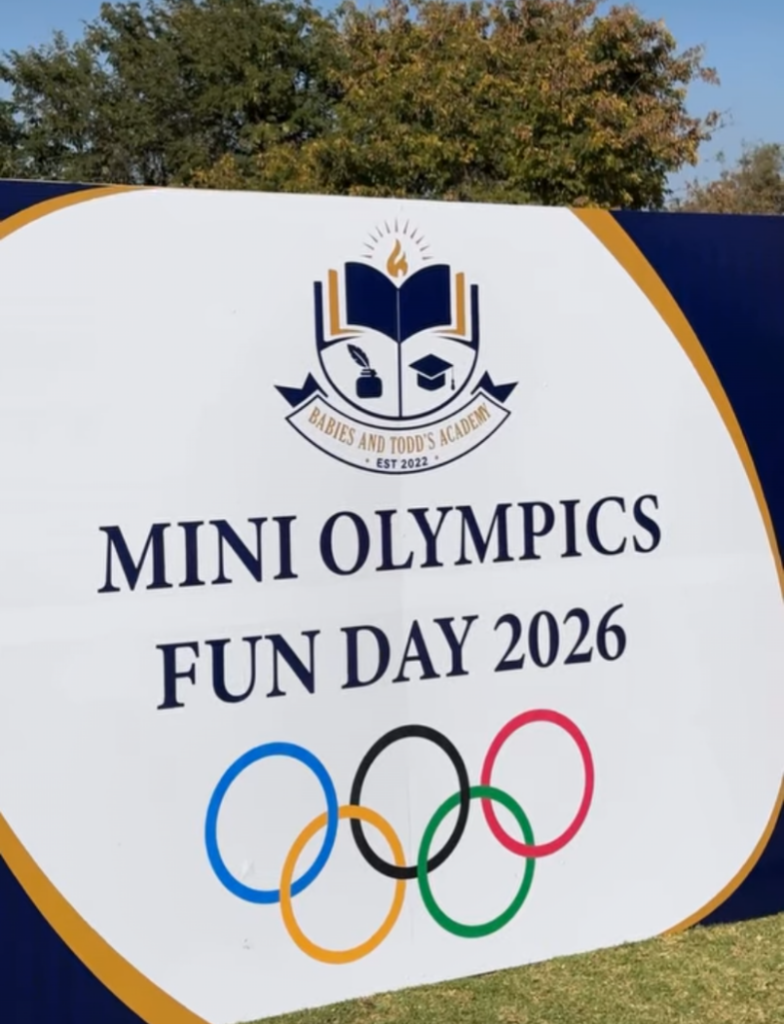
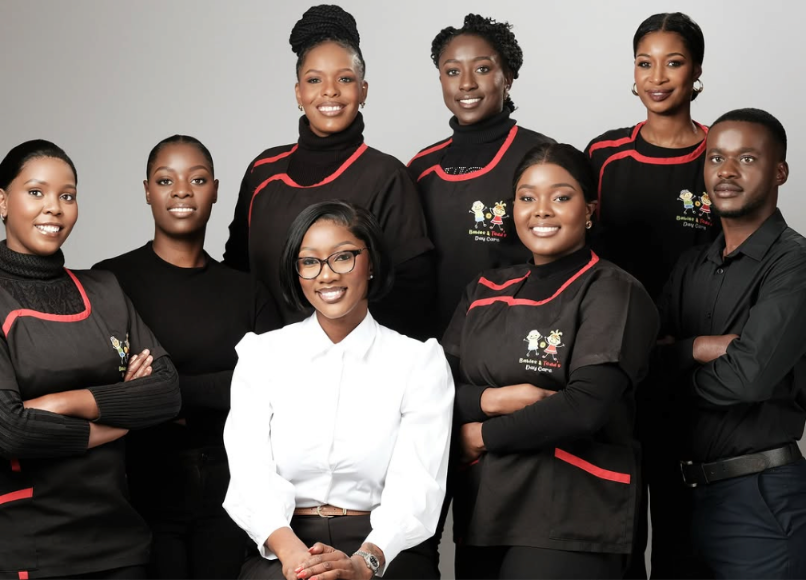
https://www.instagram.com/babiesandtodds_?igsi=MWs0ZHlsbjcxNXEyZg==
The Vision of Assumpta Gahutu, Esq.
The ideas of the Principal of Babies Todds Daycare, Assumpta Gahutu, Esq., have had an enduring impact not only in Africa but across the globe. Her vision emerged at a time when the lingering effects of imperial and oppressive structures appeared to limit the possibilities for African-centered educational development.
Yet, through determination, compassion, and clarity of purpose, she forged a new path for early childhood education. Under her leadership, Babies Todds Daycare has grown into far more than a childcare facility; it has become a value-creating environment where the character of the future is gently formed.
Through this mission, she has nurtured the growth of young children whose lives will embody the values the world will need in the centuries to come. Her work reflects a profound belief: that the foundation of a just and humane society begins with how we educate and care for our youngest generation. In this way, the philosophy behind Babies Todds represents not simply an institution, but a lifelong commitment to shaping the character, dignity, and future of humanity.
Babies Todds
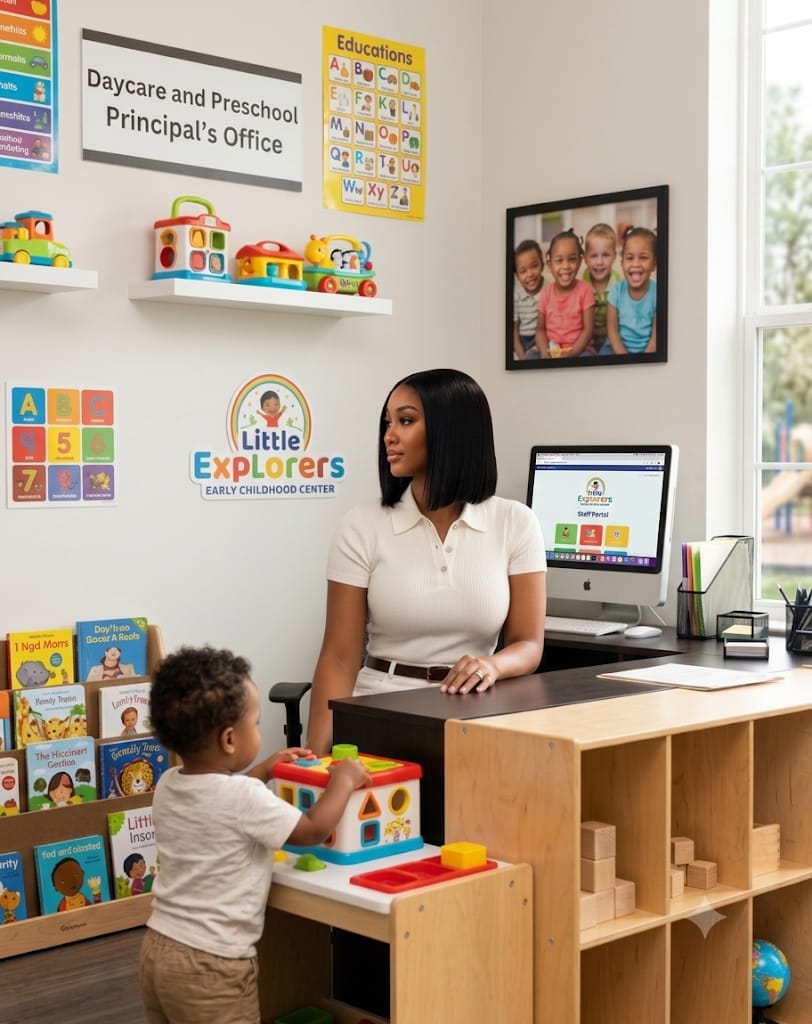
A Safe and Nurturing Daycare and Preschool in the Heart of Windhoek
Babies Todds is a warm and welcoming space where young children are encouraged to grow, learn, share, and create in a supportive environment. Our daycare and preschool are dedicated to providing quality early childhood education that fosters curiosity, creativity, and confidence in every child.
- 📍 Location: Windhoek, Namibia
- 📞 Phone: +264 81 673 7599
- 🌐 Website: www.babiestodds.com
A beautiful place where the journey of learning begins and where every child is allowed to flourish.
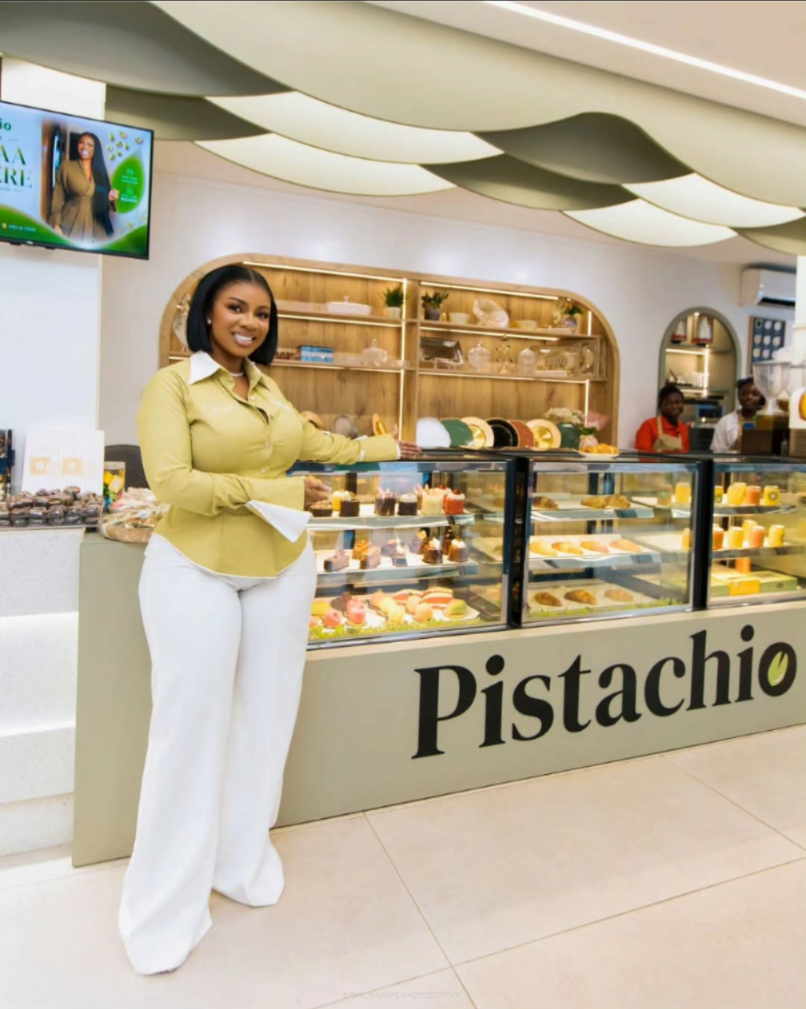





https://www.instagram.com/pistachio.ghana?igsi=cm9sMmNsNXlqcXR5
https://www.instagram.com/serwaaamihere?igsi=N216N3hzeTE3eHho
https://www.instagram.com/tangoprimeofficial?igsi=NGRiNmE2NDJldnA4
https://www.instagram.com/officeandcobysa?igsi=dmxucTZ2a2t1eDBn
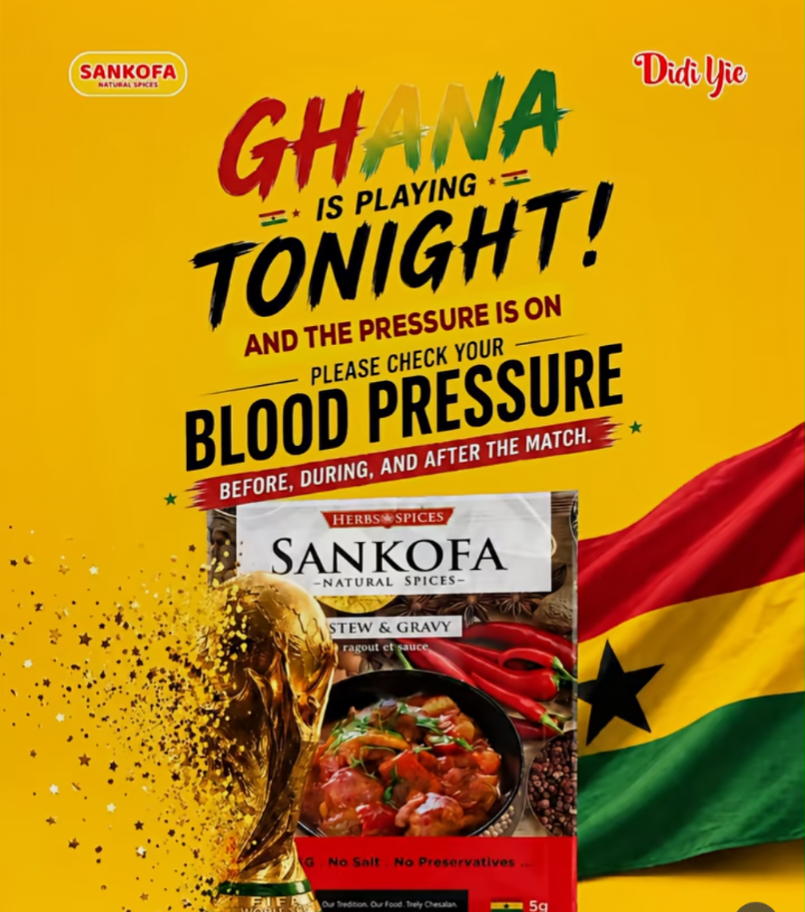
https://www.instagram.com/sankofa_products?igsi=MXFnb3ppd3dydWN1eg==
https://www.instagram.com/florabydeltapapermill?igsi=MTJtajJjcm9kemZmeA==
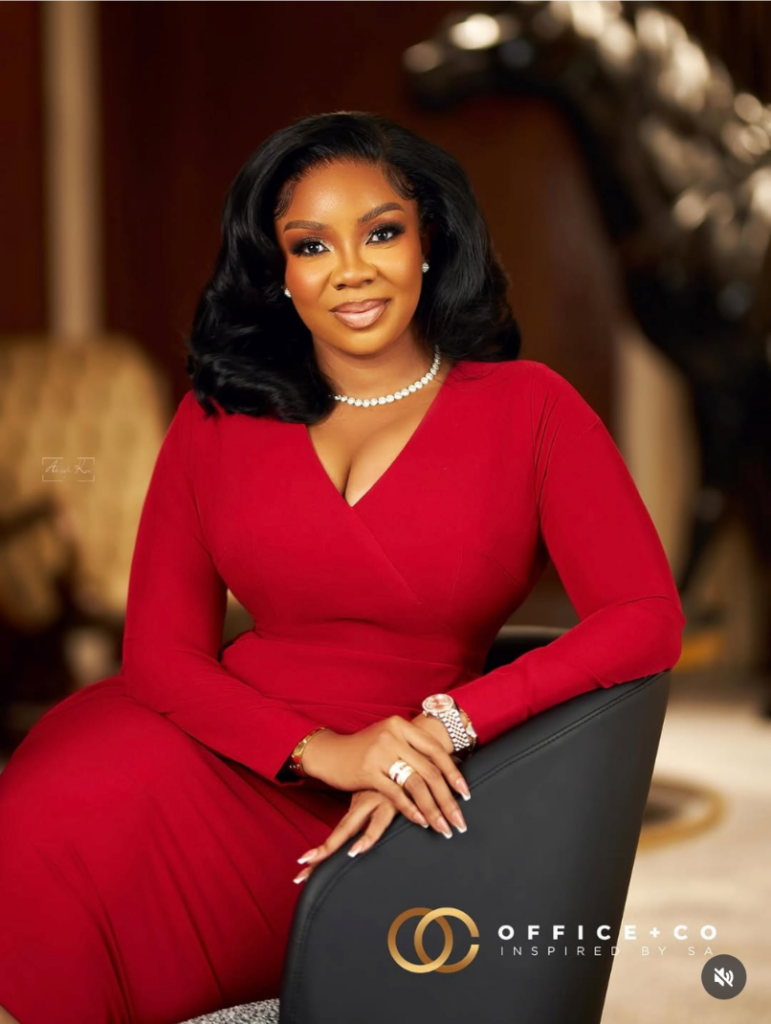
🌿 EVERYDAY ESSENTIALS PRESENTS
THE JOURNALIST WITH A CONSCIENCE
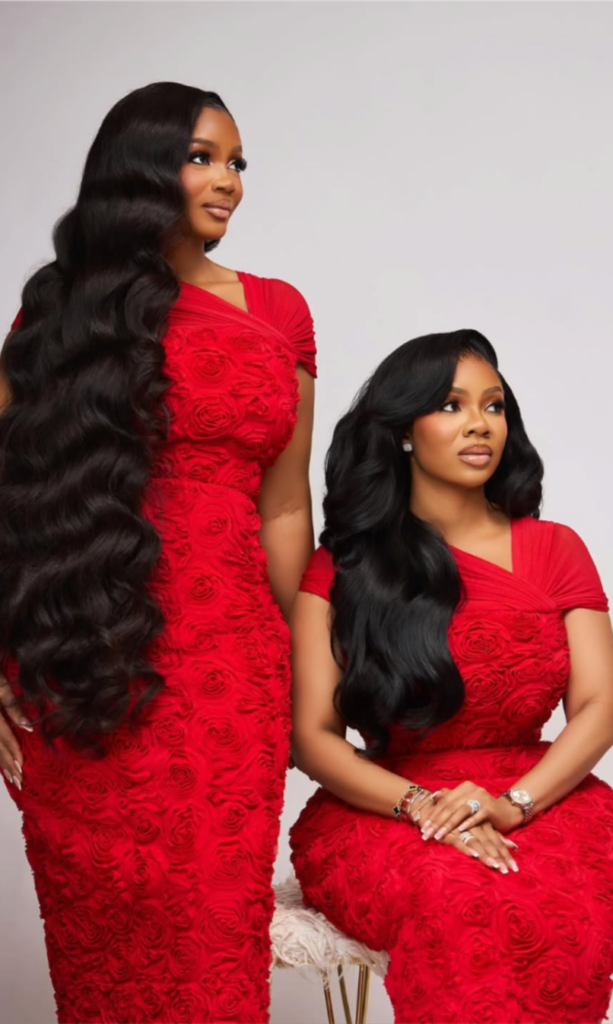
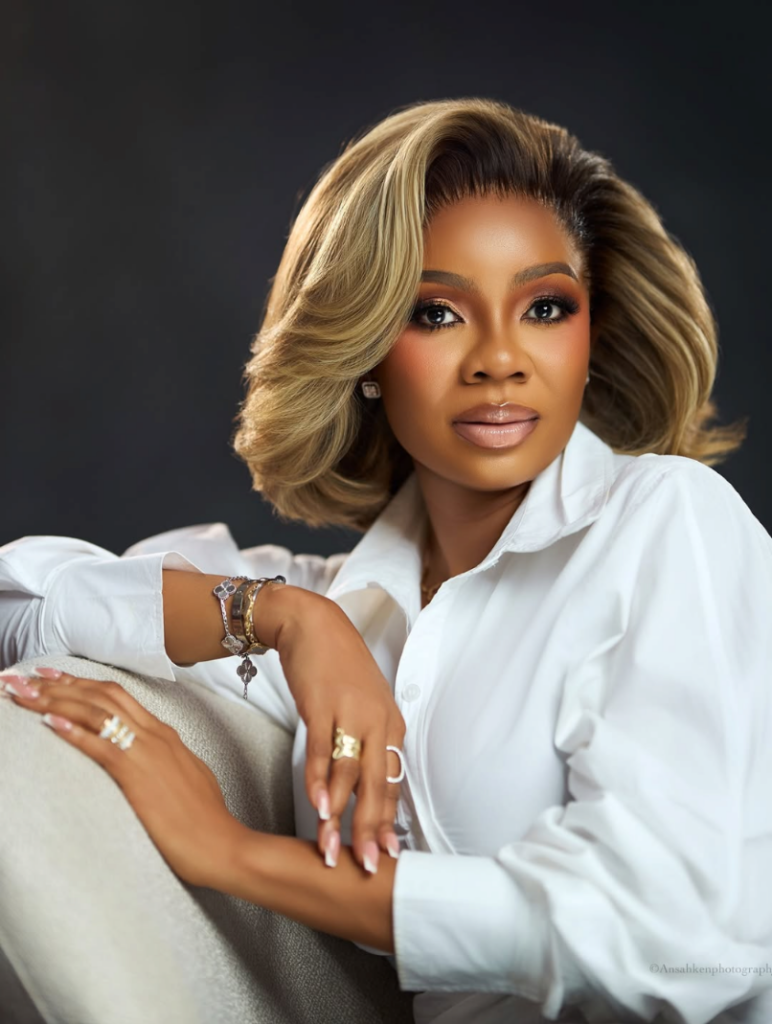
Meet Serwaa Amihere, Esq.
A visionary connecting Ghana to the global stage through Everyday Essentials.
As a celebrated broadcast journalist, lawyer, and entrepreneur, Serwaa Amihere, Esq. brings her commitment to excellence from the newsroom directly into your daily routine.
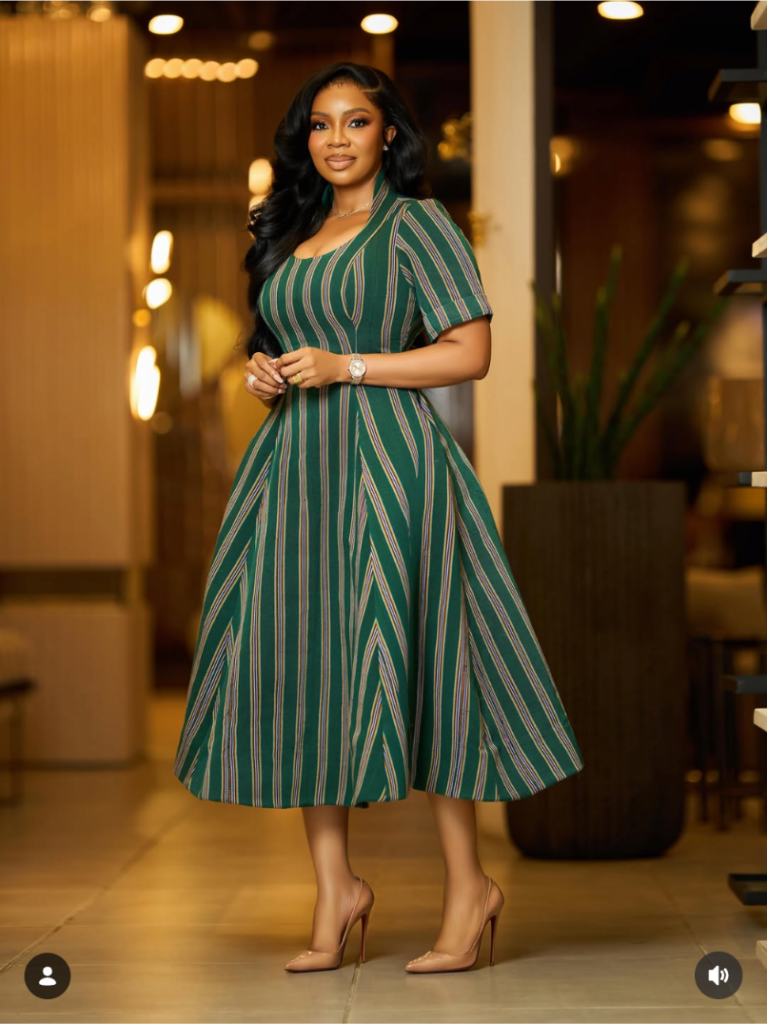
Featured exclusively through Everyday Essentials, the Serwaa Amihere Collection represents a carefully curated blend of wellness, quality, beauty, professional elegance, and Ghanaian craftsmanship.
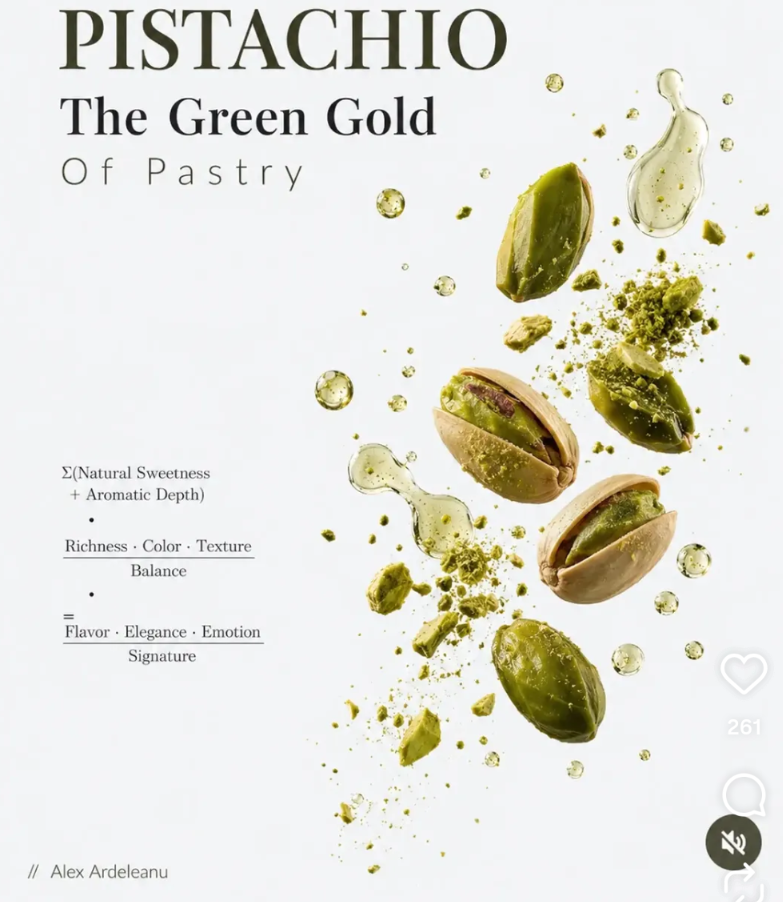
🥜 PISTACHIOS: SMALL NUT, POWERFUL NUTRITION
At Everyday Essentials, healthy living begins with understanding what nourishes our bodies.
Pistachios naturally offer:
Plant-Based Protein: Supports muscle health and daily vitality.
Dietary Fiber: Promotes healthy digestion and lasting satiety.
Healthy Unsaturated Fats: Rich in heart-healthy monounsaturated and polyunsaturated fats.
Vitamin B6: Supports normal energy metabolism and nervous system function.
Essential Minerals: Copper, manganese, phosphorus, and magnesium contribute to bone health, muscle function, and energy production.
Potassium: A vital electrolyte supporting muscle and nerve function.
Antioxidants: Contains key compounds, including lutein and zeaxanthin.
The Everyday Essentials Philosophy Pure ingredients. Mindful choices. An elevated everyday life.
Whether enjoyed raw as a quick snack or woven into culinary dishes and desserts, pistachios prove that small habits yield powerful nutritional value.
WHY CHOOSE THE SERWAA AMIHERE COLLECTION?
A Trusted Vision: Hand-selected with the discerning standard expected of one of West Africa’s leading media figures.
Uncompromising Quality: From premium natural foods and spices to the sophisticated silhouettes of Office & Co. by SA, every offering balances health, style, and luxury.
Authentically Ghanaian: Bridging local heritage and global elegance to share Ghanaian excellence with the world.
A Holistic Lifestyle: A seamless blend of wellness, beauty, and professional sophistication tailored for modern global living.
FROM GHANA TO THE WORLD
Everyday Essentials is more than a product collection—it is a conscious lifestyle choice:
Nourish the body.
Elevate the mind.
Embrace timeless beauty.
Celebrate authentic craftsmanship.
Share Ghanaian excellence with the world.
Experience a lifestyle rooted in quality, integrity, and international appeal.
Discover the finest in health, beauty, gourmet food, and fashion—curated by Serwaa Amihere, Esq.
#EverydayEssentials #SerwaaAmihere #GlobalWellness #PistachioNutrition #GhanaToTheWorld #HealthyLiving #GhanaianExcellence🌿

Discover the finest in health, beauty, gourmet food, and fashion—curated by Serwaa Amihere, Esq.
#EverydayEssentials #SerwaaAmihere #GlobalWellness #PistachioNutrition #GhanaToTheWorld #HealthyLiving #GhanaianExcellence
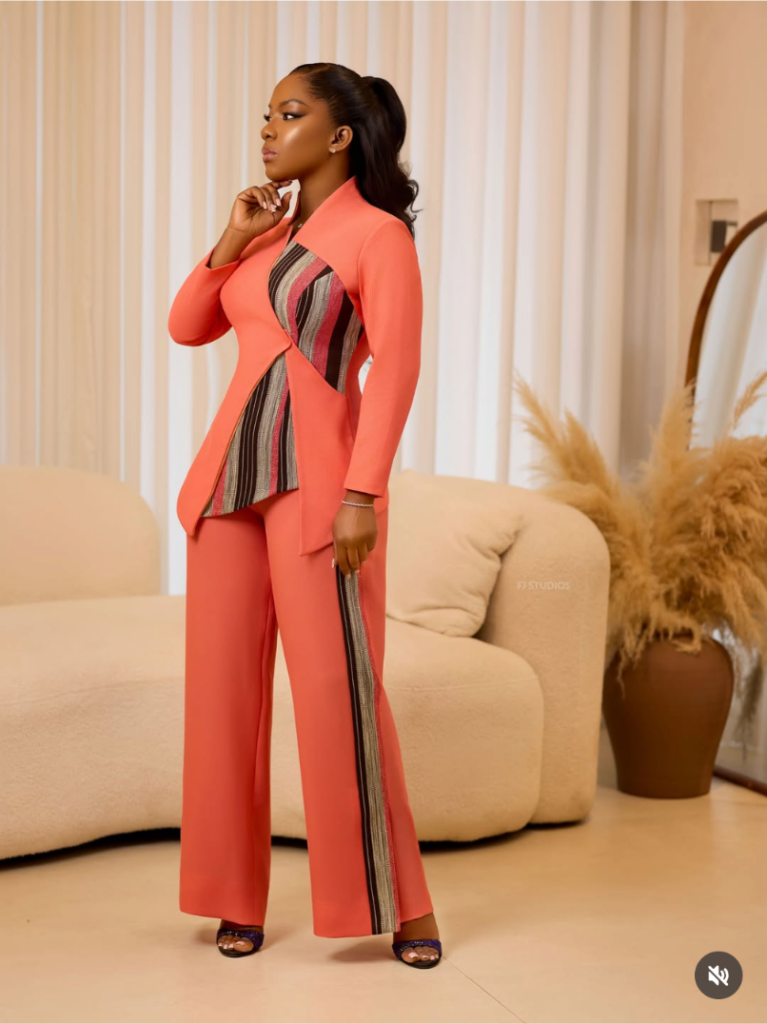
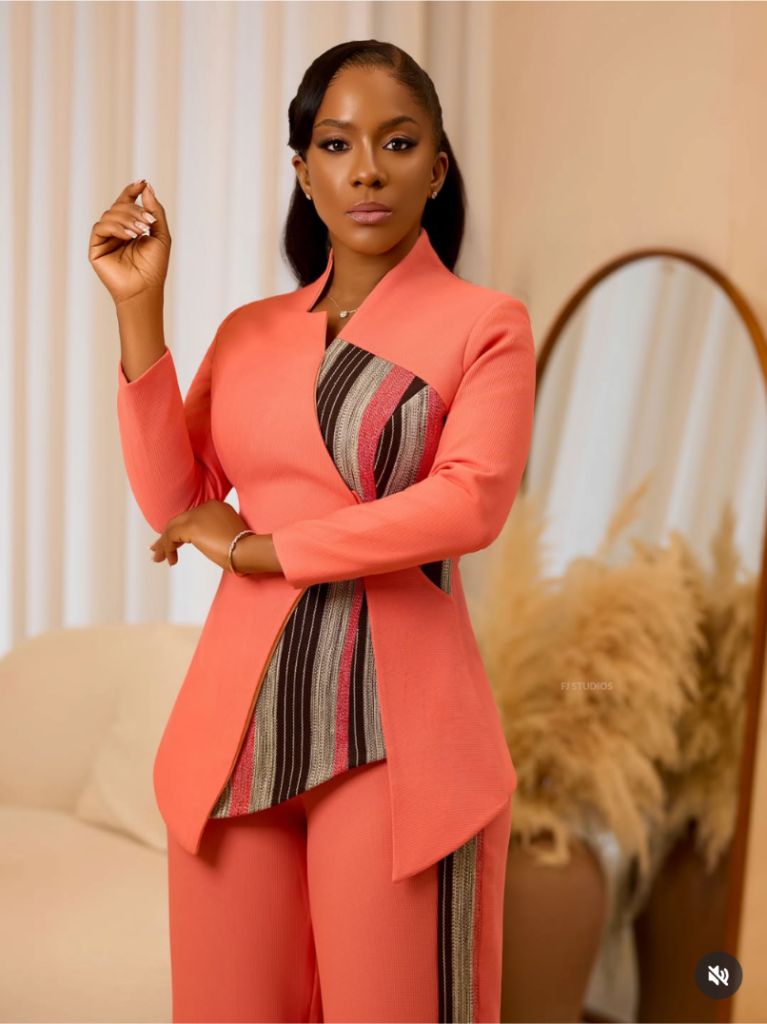
Lauren Haute Couture stands at the intersection of modern tailored precision and rich cultural artistry. Featuring impeccably straight, razor-sharp seamlines and structured construction, this design showcases master craftsmanship at every angle.
Craftsmanship & Stitching
- Flawless Seam Straightness: The jacket and trouser panels exhibit pin-straight vertical lines, ensuring a crisp, smooth drape without puckering or bunching.
- Precision Tailoring: The asymmetrical front overlay highlights immaculate topstitching along the lapels, collar, and African print insertion, demonstrating extreme attention to detail.
- Structured Silhouette: Built with clean architecture—from the sharp high-mandarin standing collar to the fitted waist—giving the garment a polished, high-end feel.
Versatility: Office to Dinner Wear
- Corporate Office Wear: Absolutely suitable. The structured blazer, refined collar, and tailored trousers project executive authority and elegance. The subtle cultural fabric integration adds character while remaining professional and polished for high-level meetings or executive settings.
- Dinner & Evening Events: Highly recommended. The asymmetrical cut, warm coral tone, and striking woven accent give the ensemble a sophisticated, red-carpet appeal. Simply switch from minimalist office jewelry to statement accessories for an effortless day-to-night transition.
Are you looking to tailor this specific outfit for a corporate event, or do you need copy tailored for a marketing campaign?
Brand & Contact Information
- Location: 5 Mama Adjeley Rd, East Airport, Accra, Ghana
- WhatsApp: +233 24 440 4343


https://www.instagram.com/delish_bakerygh?igsi=MW5ic2c0NnR5cHBwZQ==
Pure Goodness: Delish Bread Without Chemicals
Experience the taste of nature at Delish Bread, your neighbourhood grocery store and bakery where health meets indulgence. We believe that what you eat should be as pure as it is delicious. That’s why our breads are crafted without chemicals, artificial preservatives, or additives—just wholesome ingredients baked to perfection.
Whether you are looking for your daily loaf or a special treat, we offer over 12 varieties of bread, cakes, and pastries, including:
- Signature Breads: Whole Wheat, Multigrain, and Classic White—all chemical-free.
- Artisan Pastries: Flaky, buttery, and baked fresh every morning.
- Custom Cakes: Perfect for every celebration, made with the finest natural ingredients.
OSAGYEFO-IMAGINE Celebrates Delish Bread
OSAGYEFO -IMAGINE: Works From The Heart proudly honors the commitment to purity and health championed by Delish Bread. In a world of processed foods, Delish Bread stands out as a beacon of authenticity, aligning perfectly with our mission to celebrate creators who work with passion and purpose.
We celebrate Delish Bread for:
- Wholesome Integrity: Their dedication to chemical-free baking that nourishes the community.
- Cultural Connection: Bringing people together through the timeless tradition of breaking bread.
- Spiritual Purpose: Guided by the personal mission of Making Jesus Proud, every loaf is baked with love and a servant’s heart.
Visit Us Today!
Come and taste the difference that “Heart Work” makes.
- Location: Agboba, Accra.
- Hours: Monday – Saturday | 8:00 AM – 6:00 PM
- Order via WhatsApp: wa.me/233201789403
- Follow the Journey: @delish_bakerygh & @smomentwithprecious_
OSAGYEFO-IMAGINE: Nourishing your body, honoring your heritage.


https://www.instagram.com/sunshine_mothercare?igsi=MWttdXJmdGg3enlzNA==
Take the Stress Out of Delivery Day! 👶✨
Preparing for your baby’s arrival should be exciting, not overwhelming. At Sunshine Mothercare, Accra’s trusted maternity and baby shop based in East Legon, we curate complete, hospital-ready maternity packages so you have everything you and your newborn need—all in one place.
What’s Inside Our Curated Bundles?
- For Mom: Premium Faytex postpartum pads, underpads, nightgowns, antiseptics (Savlon & Chlorxy-G), and hospital essentials.
- For Baby: Soft 100% cotton bodysuits, “Welcome to the World” caps, socks, wipes, diapers, bath sponges, and baby care sets.
- Hygiene & Sanitation: Sanitising solutions and essential washroom care to ensure maximum comfort and safety at the hospital.
Skip the endless shopping trips and let us prepare your complete hospital bag kit!
Order or Inquire Today: 📍 Location: East Legon, Accra 📲 Call / WhatsApp: +233 24 538 5435
Are you looking to promote a specific tier/price range for these packages, or would you like to target this ad for social media (like Instagram or TikTok)?