





OSAGYEFO NEWSLETTER MAGAZINE
Presents a Definitive Special Feature: “THE LAWYERS” 📍
🔷 Special Edition Theme:
Law, Culture & Conscience
OSAGYEFO NEWSLETTER MAGAZINEPresents a Definitive Special Feature: “THE LAWYERS” 📍🔷 Special Edition Theme:🎙️ Featured Voices📖 What This Issue Unpacks⚡ Why You Cannot Miss This IssueArticle Title: Moral Progress or Cultural Conflict?The Debate Over Moral Direction in Ghana’s Education System DeepensPolitical Scrutiny and AccountabilityLooking ForwardOSAGYEFO NEWSLETTER MAGAZINE“The Lawyers” – Special DialogueSESSION OPENINGINTRODUCING THE PANELISTSSETTING THE CONTEXTOPENING QUESTION TO THE PANELPANEL RESPONSES: ALLEGATION VS. FACTEDITORIAL TAKEAWAYBerla-MundiINTERJECTION: A REFLECTION ON WOMEN, SOCIETY, AND MORAL THOUGHTTRANSITION BACK TO LEGAL DISCUSSIONFOLLOW-UP QUESTION TO THE PANELPANEL RESPONSES: BALANCING CULTURE AND CONSTITUTIONAL RIGHTSEDITORIAL TAKEAWAYEDITORIAL REFLECTION: UNDERSTANDING THE CENTRAL QUESTIONADDITIONAL PERSPECTIVES AND CRITICAL PUBLIC VIEWSTRANSITION AND OPENING QUESTION TO THE PANELPANEL RESPONSES: CONSTITUTIONAL MECHANISMS & ACCOUNTABILITYEDITORIAL TAKEAWAYCLOSING REMARKS AND SIGN-OFFBabies & Toddlers Daycare (BTDC)Nurturing Hearts, Inspiring Minds in the Heart of Windhoek 🇳🇦Why Families Choose BTDCStart Your Journey With UsCelebrate in Style with GOBA Kente 👑🛍️ How to Shop & Order💳 Easy & Flexible Payment Methods📦 Nationwide & International Delivery
Navigating Rights, Identity, and Society in a Changing World
📅 Release Date: Friday, June 5, 2026
🌐 Read Exclusively At: assumptagh. live










https://www.instagram.com/hairsenta?igsh=MXAzOThhNGZ0Nm15dQ==
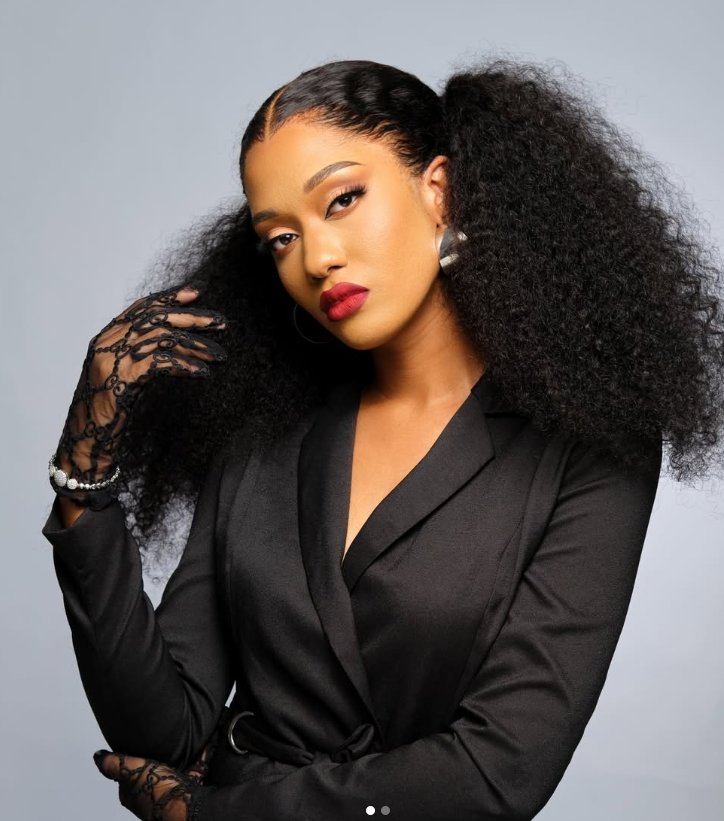
Headline: More Than Just Hair. It’s Your Crown. 👑
At Hair Senta, we don’t just sell extensions; we release the excellence, courage, and confidence already inside you. From the moment you walk through our doors at 24 Jungle Avenue, you aren’t just a customer—you are royalty.
Our legendary quality is matched only by our world-class hospitality. Experience the “Senta” welcome and discover why we are Ghana’s most trusted trademark for premium human hair.
- ✨ Feel the Difference: Premium Human Hair Extensions.
- 🌍 Global Reach: Shipping from Ghana to the World.
- 📍 Visit Us: 24 Jungle Avenue, Accra, Ghana.
Ready to transform?
📞 Call: (+233) 0544354455 / 0248629769
🌐 Shop: www.hairsenta.com
🎙️ Featured Voices
In this powerful and thought-provoking special edition, three distinguished African voices converge to examine the evolving, often friction-filled relationship between legal frameworks, cultural preservation, and human rights:

- Berla Mundi – Acclaimed Ghanaian broadcast journalist and global media personality.

- Serwaa Amihere, Esq. – Legal practitioner, broadcaster, and public intellectual (Ghana).

- Assumpta Gahutu, Esq. – Legal practitioner and human rights advocate (Namibia).
📖 What This Issue Unpacks
The Lawyers dives deep into the complex legal, political, and societal debates redefining contemporary African discourse:
- ⚖️ The Role of Law in Shaping Social Values: Examining how legal systems influence culture—and exactly where the line between state policy and social fabric should be drawn.
- 🌍 Human Rights vs. Cultural Identity: A critical look at whether global human rights standards can harmoniously coexist with deeply rooted local traditions and moral convictions.
- 📚 Education, Policy, and Social Change: An interrogation of educational sovereignty: Who ultimately decides what is taught in classrooms, and which values are passed to the next generation?
- 🏛️ Public Consent and Policy Legitimacy: Why inclusive, transparent dialogue and democratic oversight are non-negotiable when introducing sensitive societal reforms.
- 🔍 Media, Narratives, and Public Perception How leading media voices and broadcasters shape national understanding, temper polarization, and guide public debate.
⚡ Why You Cannot Miss This Issue
This special edition of The Lawyers provides a rare, balanced, and intellectual platform where rigorous legal minds and influential media arbiters engage in an honest, nuanced conversation about the future of African societies.
It challenges readers to look past the headlines and think critically about justice, systemic sovereignty, and the moral frameworks that will define tomorrow.
[Mark Your Calendar — June 5, 2026]
Join the conversation. Protect the conscience.
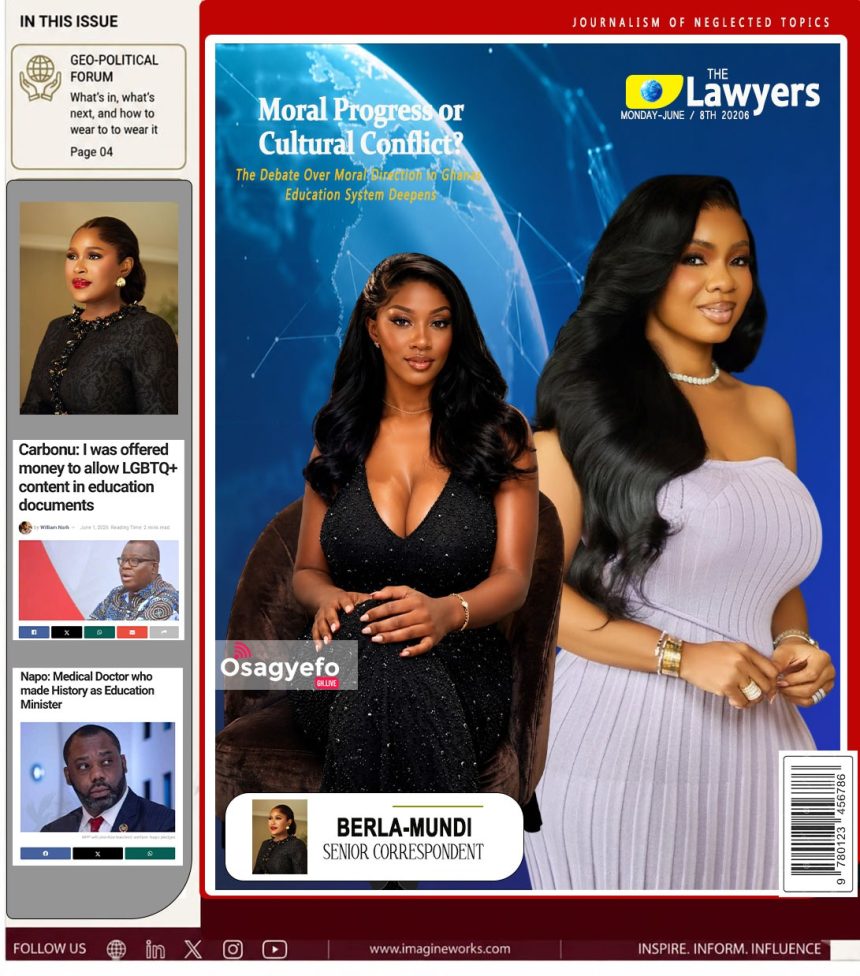
Article Title: Moral Progress or Cultural Conflict?
The Debate Over Moral Direction in Ghana’s Education System Deepens
Former President of the National Association of Graduate Teachers (NAGRAT), Angel Carbonu, has alleged that he rejected multiple financial inducements aimed at influencing the inclusion of LGBTQ+ related content in Ghana’s educational materials.
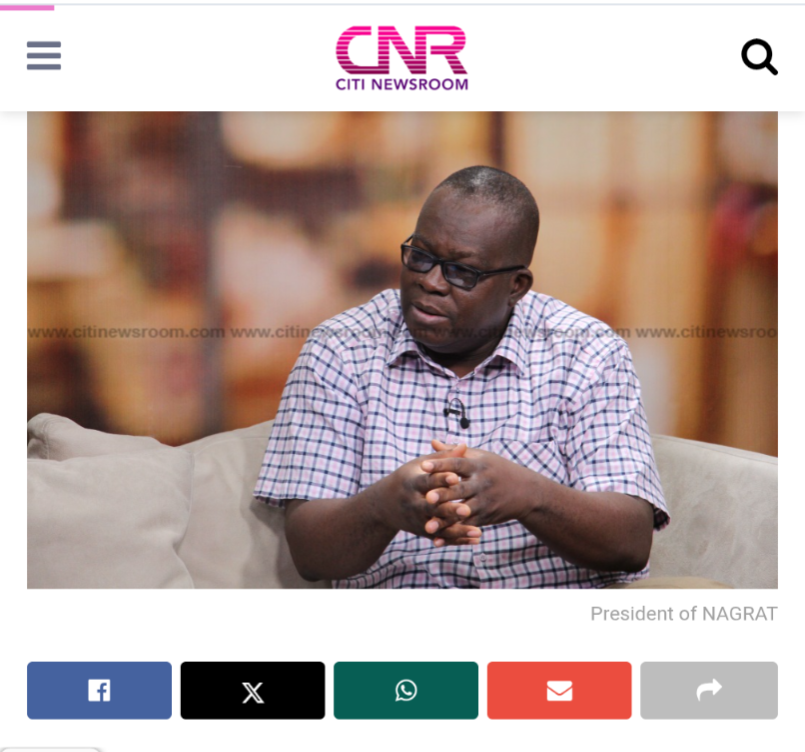
In a statement released on May 31, 2026, Carbonu claimed that during his tenure he was offered substantial sums of money to support the integration of such content into policy documents. According to him, he firmly declined these offers, emphasizing his stance on preserving what he believes to be Ghana’s educational and cultural priorities.
His remarks have added a new dimension to Ghana’s ongoing national conversation on LGBTQ+ issues, particularly in relation to education policy. Carbonu also questioned what he described as significant international backing for LGBTQ+ advocacy, suggesting that the scale of funding and coordination behind such efforts raises important questions about broader motivations.
He further noted that Ghana’s education sector continues to face pressing challenges—including infrastructure deficits, quality of instruction, and student outcomes—which, in his view, should take precedence over debates concerning social issues within the curriculum.
Political Scrutiny and Accountability
Amid these discussions, broader political concerns have also been raised regarding ministerial oversight. If it is confirmed that efforts were made by influential figures to introduce LGBTQ+ related content into educational materials without broad public consultation, such actions could be interpreted by critics as disregarding the cultural and moral concerns of many Ghanaians.
This scrutiny directly touches upon the legacy of Dr. Matthew Opoku Prempeh (popularly known as “Napo”). A prominent medical doctor, former Member of Parliament for Manhyia South, and former Minister of Education and Energy, Dr. Prempeh currently serves as the vice-presidential running mate for the New Patriotic Party (NPP).
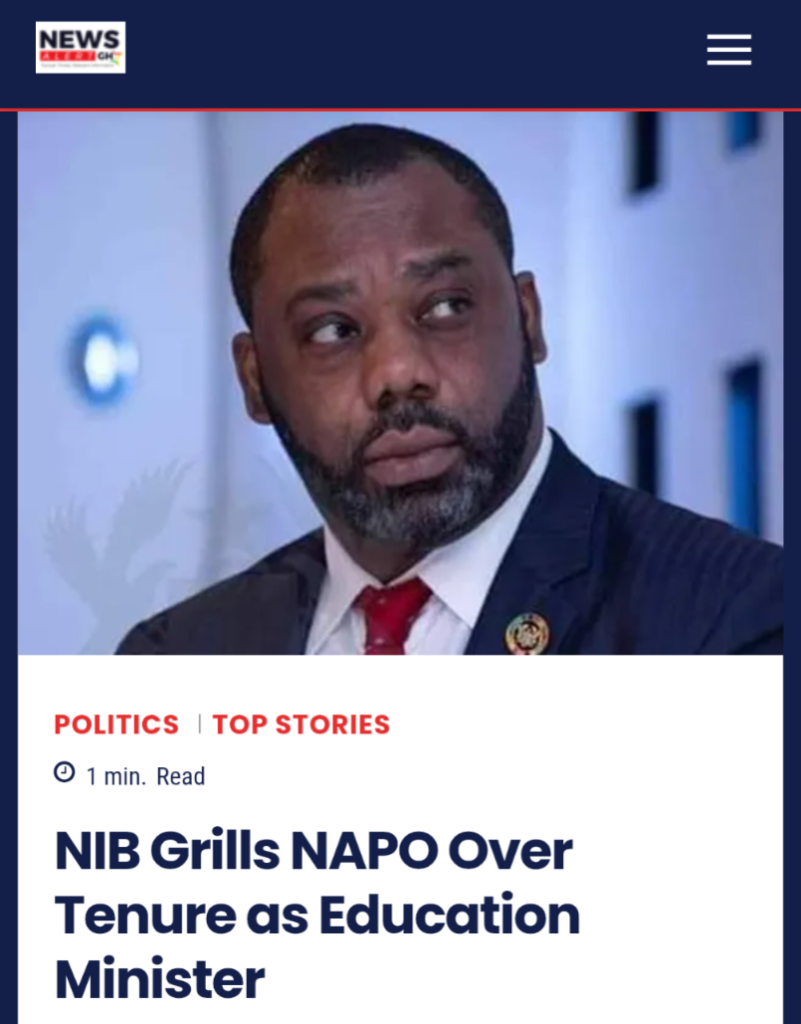
From this critical perspective, education is fundamentally expected to reflect the values and aspirations of the society it serves. Consequently, any attempt to advance controversial social agendas or introduce socially sensitive subjects into the school system under the ministry’s watch should be subject to transparent processes, inclusive dialogue, and democratic oversight. Proponents of this view argue that public trust in the education system depends entirely on meaningful engagement with parents, communities, and local stakeholders.
Looking Forward
As the debate continues, Ghana faces a fundamental question: how to balance evolving global conversations on human rights and identity with the preservation of cultural values and social consensus. The outcome of this discussion is likely to shape not only education policy but also the country’s wider social and political landscape.
Note: It remains important to emphasize that the claims made by Angel Carbonu are based on his personal accounts and allegations, and they have not been independently verified.
OSAGYEFO NEWSLETTER MAGAZINE
“The Lawyers” – Special Dialogue
Host: Berla Mundi (Senior Correspondent)
Panelists: Serwaa Amihere, Esq. (Ghana)

Assumpta Gahutu, Esq. (Namibia)
Topic: Law, Culture & Conscience: Navigating Rights, Identity, and Society
SESSION OPENING

Berla Mundi: Good day to our cherished readers across Ghana, Africa, and around the world. We are deeply honoured to welcome you to this special edition of Osagyefo Newsletter Magazine, where we bring you thoughtful conversations at the intersection of law, society, and global discourse.
On behalf of our editorial team, I extend a very warm greeting to you all. Thank you for joining us. It is also my great privilege to welcome our distinguished panellists—women of remarkable intellect, influence, and professional excellence—who are joining us for this important dialogue.
INTRODUCING THE PANELISTS

Berla Mundi: To our international readers, allow me to briefly introduce the exceptional voices we have with us today:
- Serwaa Amihere, Esq. – A respected legal practitioner from Ghana and a noted public intellectual. Her contributions to legal discourse and public engagement have earned her recognition both within Ghana and beyond.
- Assumpta Gahutu, Esq. – A distinguished legal practitioner and human rights advocate from Namibia, whose work has consistently focused on justice, rights, and the evolving legal landscape across the African continent.
- Berla Mundi (Host) – A broadcast journalist and media professional committed to fostering meaningful dialogue on issues that shape our societies.
Ladies, you are most welcome to The Lawyers.
SETTING THE CONTEXT
Berla Mundi: Before we begin, it is important to clearly frame the subject of today’s discussion. This article reports allegations made by Mr. Angel Carbonu, former President of the National Association of Graduate Teachers (NAGRAT).
According to his account:
- Rejection of Inducements: Mr. Carbonu claims he was offered money on several occasions to allow LGBTQ-related ideas or provisions to be included in educational documents, and states that he rejected these offers.
- Diplomatic Engagements: He alleges that some meetings he attended at diplomatic missions in Accra, initially presented under broader themes, eventually focused on LGBTQ-related issues.
- Funding Scrutiny: He questions the motivations and funding behind international support for LGBTQ advocacy.
- Systemic Priorities: He argues that Ghana’s education sector faces more urgent challenges that require immediate attention and resources.
⚠️ Editorial Note: It is crucial to emphasize that these are unverified allegations and personal claims made by Mr. Carbonu. As presented, this report does not provide independent verification that such financial offers were made, nor does it include responses from any of the organizations, embassies, or individuals referenced.
OPENING QUESTION TO THE PANEL
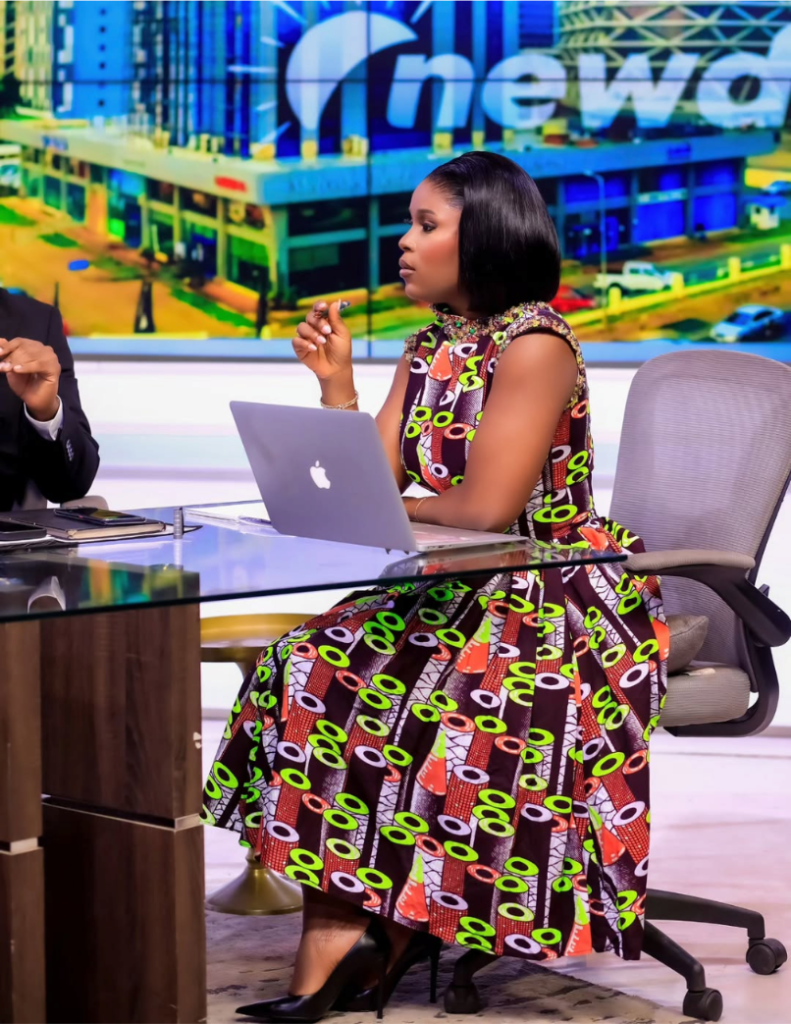
Berla Mundi: So, panel, let me begin with this important question.
In news reporting, allegations and verified facts are not the same. At present, this report describes what Mr. Carbonu says happened, rather than establishing that the alleged events have been proven.
As lawyers—and indeed, as stewards of justice and due process—what are your thoughts on this? How should the public, the media, and policymakers approach such claims, especially when they involve sensitive societal issues and carry significant implications?

PANEL RESPONSES: ALLEGATION VS. FACT
Serwaa Amihere, Esq.: Thank you very much, Berla, and greetings to our readers across the globe. This is indeed a very important question because it goes to the heart of both media responsibility and legal integrity.
From a legal standpoint, we must begin with a fundamental principle: an allegation is not proof. In law, any claim—especially one involving potential misconduct such as financial inducement—must be supported by credible evidence before it can be accepted as fact. What we have here is a personal account, which may be sincere, but in legal terms remains unsubstantiated unless tested. That testing typically involves corroboration, documentation, witness testimony, or some form of verifiable material evidence.
From the perspective of the media, there is also a duty to report accurately without presenting allegations as established truth. Responsible journalism requires clear distinctions—such as the one made in this article—so that the public understands that these are claims, not confirmed findings. Additionally, we must consider defamation law. If individuals, institutions, or diplomatic missions are implied to be involved in wrongdoing, those claims—if unproven—could potentially expose the publisher or speaker to legal liability. This is why careful language, neutrality, and balance are essential.
Ultimately, I would say that such claims should trigger further inquiry, not immediate judgment. They call for investigation, dialogue, and, where appropriate, institutional response—but always grounded in evidence and due process.

Assumpta Gahutu, Esq.: Thank you, Berla, and thank you, Serwaa, for laying that foundation so clearly. I want to expand on the legal standards and broader rule-of-law considerations that apply here, particularly from a comparative African and international perspective.
First, in any matter involving allegations of inducement or influence—especially in public policy—the applicable standard is typically tied to the burden of proof. In legal proceedings, the person making the claim carries the responsibility to substantiate it. Depending on the context, this could require proof “on the balance of probabilities” (in civil matters) or “beyond reasonable doubt” (in criminal matters). Second, there is the principle of natural justice, which includes the right to be heard. Any organisations, embassies, or individuals referenced in such claims are entitled to respond, clarify, or defend themselves. Without that, the public narrative remains incomplete.
Third, from a human rights perspective, we also consider freedom of expression. Mr Carbonu has the right to express his experiences and concerns. However, that right is not absolute—it must be exercised responsibly and in a manner that does not unjustifiably harm others or spread unverified accusations as fact. Another critical legal concept here is transparency and accountability in public discourse. When issues touch on education policy, cultural values, and international engagement, they become matters of legitimate public interest. However, public interest does not eliminate the need for evidence-based discourse.
Finally, I would emphasise the importance of institutional processes. If such allegations are serious—and they are—then the appropriate path is to subject them to formal investigation, whether through parliamentary inquiry, independent bodies, or other legal mechanisms. That is how democracies maintain credibility and public trust.
EDITORIAL TAKEAWAY
Berla-Mundi
Thank you, panel. Together, what both perspectives highlight is this:
- Allegations can raise important questions,
- But only evidence can establish truth,
- And only due process can ensure justice and fairness.
INTERJECTION: A REFLECTION ON WOMEN, SOCIETY, AND MORAL THOUGHT
Berla Mundi: Before I proceed to my follow-up question, I would like to introduce an additional perspective for reflection—one that touches on social values, identity, and the role of women in our societies.
There is a viewpoint often expressed as “Treasuring Feminism,” which emphasises that women, by virtue of their unique biological and social roles, deserve the highest level of protection, dignity, and societal support. From this perspective, the spiritual liberty and capacity to give birth are not only biological functions but are also seen as essential and meaningful aspects of womanhood. For many, motherhood represents an integral dimension of feminine identity and human continuity itself.
Some proponents of this view argue that if educational frameworks are perceived to move away from affirming this role, it may be interpreted as a broader shift that challenges long-held understandings of human nature and societal structure. In that sense, they see certain curricular debates as going beyond policy—touching on questions of identity, values, and even humanity itself. At the same time, others may interpret these issues differently, emphasising choice, diversity of experiences, and evolving definitions of identity in modern societies.
TRANSITION BACK TO LEGAL DISCUSSION
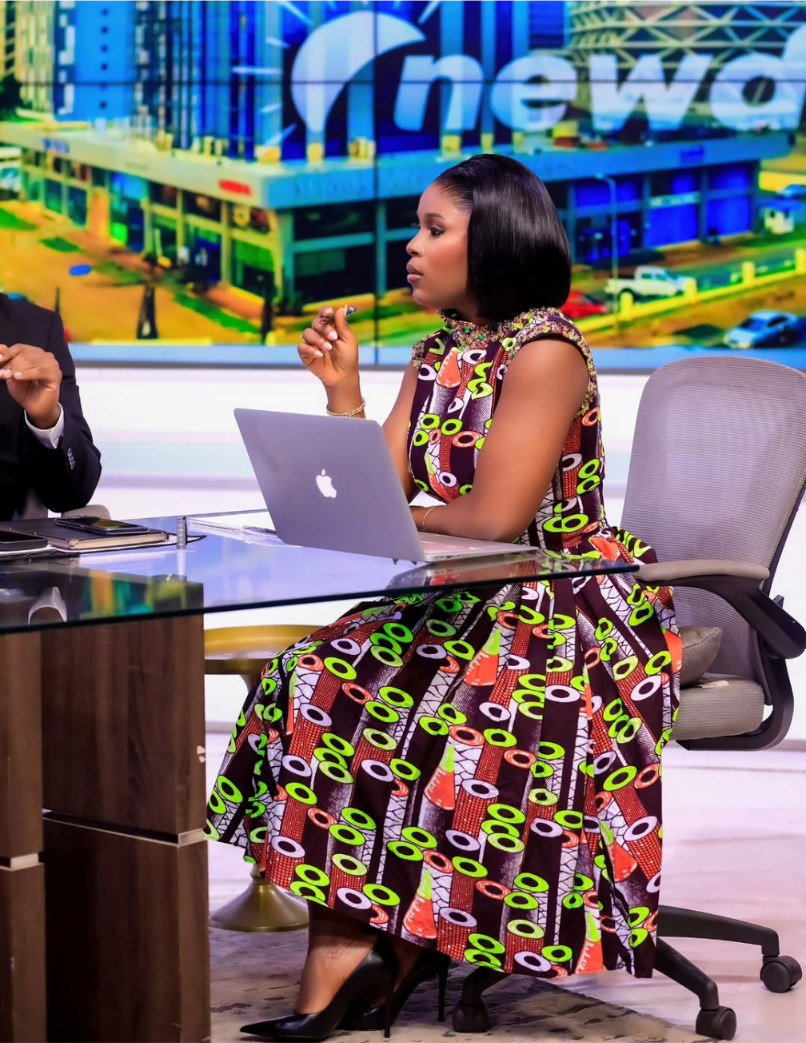
Berla Mundi: This brings us to an important intersection between law, culture, and personal belief systems. So, building on both the legal analysis and these broader societal reflections…
FOLLOW-UP QUESTION TO THE PANEL
Berla Mundi: How should legal systems navigate situations where deeply held cultural, moral, or philosophical beliefs intersect with evolving legal standards, human rights frameworks, and education policy?
In other words, how can the law balance respect for cultural values with the need to uphold constitutional rights and pluralism in a diverse society?
PANEL RESPONSES: BALANCING CULTURE AND CONSTITUTIONAL RIGHTS

Serwaa Amihere, Esq.: Thank you very much, Berla—and let me also acknowledge your thoughtful framing of that perspective. Conversations such as these must allow room for deeply held views about identity, culture, and social roles to be expressed respectfully.
From a legal standpoint, the question you raise goes to the core of what modern constitutional democracies grapple with: the coexistence of tradition and evolving rights frameworks. In Ghana, for example, the Constitution recognises both fundamental human rights and freedoms as well as the importance of cultural values and social cohesion. However, when tensions arise between the two, the law typically leans on constitutional supremacy. That means any practice—whether cultural, institutional, or policy-driven—must align with constitutional protections.
At the same time, courts are often mindful not to dismiss cultural contexts outright. Instead, they attempt to strike what we call a proportional balance—ensuring that the protection of rights does not unnecessarily erode legitimate cultural values, and vice versa. What becomes critical in this process is dialogue and inclusivity. The law does not operate in isolation; it reflects society. Where there is strong public sentiment, whether rooted in tradition, morality, or identity, that sentiment must be engaged, not ignored—but also examined within the framework of rights and justice.
So ultimately, I would say the law’s role is not to choose culture over rights or rights over culture, but to mediate between them in a way that preserves dignity, fairness, and social stability.

Assumpta Gahutu, Esq.: Thank you, Berla, and thank you, Serwaa, for that insightful contribution. Balancing rights and culture is one of the most complex challenges in legal systems—not just in Africa, but globally. However, there are important legal precedents and principles that guide how this balance is approached.
One key principle is that while culture is protected, it is not absolute. For instance, many constitutions, including Namibia’s, explicitly state that cultural practices are recognised only to the extent that they do not infringe on fundamental rights. This reflects a broader international standard found in instruments such as the African Charter on Human and Peoples’ Rights, which protects both cultural values and individual rights.
In terms of precedent, courts across jurisdictions have consistently emphasised this balance:
- Constitutional Precedent (South Africa): The Constitutional Court has ruled in several cases that cultural practices must yield when they conflict with constitutional rights such as equality and dignity.
- Jurisprudential Precedent (Namibia): The courts have upheld that while tradition is respected, it cannot override principles such as non-discrimination and human dignity.
- Supranational Precedent (African Commission): Bodies like the African Commission on Human and Peoples’ Rights have reinforced that cultural practices must evolve where they conflict with fundamental human rights protections.
Another important doctrine is that of “living law”—the idea that legal systems are not static but must adapt to changing social realities. This allows societies to preserve what is meaningful in their traditions while still moving forward in response to new understandings of rights and identity. However, I want to emphasise that this process must be inclusive and participatory. Imposing change—whether in the name of culture or rights—without broad societal engagement often leads to resistance and division. Legal legitimacy depends not just on correctness, but on public trust and acceptance.
So, in balancing rights and culture, the law must act as both protector and mediator—ensuring that no group is marginalised, while also respecting the social fabric that holds communities together.
EDITORIAL TAKEAWAY
Together, these perspectives highlight a central truth:
- Balancing culture and rights is not about choosing one over the other,
- It is about carefully navigating the space between them,
- And it must be guided by constitutional law, empirical evidence, and inclusive public dialogue.
EDITORIAL REFLECTION: UNDERSTANDING THE CENTRAL QUESTION

Berla Mundi: Before we proceed further with the discussion, it is important to pause and examine the broader theme that frames this dialogue.
What Does “Moral Progress or Cultural Conflict” Mean?
The title “Moral Progress or Cultural Conflict?” captures a fundamental question confronting many societies in the twenty-first century: Are changing social values a sign of moral advancement, or do they represent a challenge to long-standing cultural traditions?
- The Perspective of Progress: Those who view certain social changes as moral progress argue that societies should continuously expand rights, recognition, and protections for individuals and minority groups. From this perspective, inclusion, dignity, and acceptance are indicators of a society becoming more just, equitable, and humane.
- The Perspective of Conflict: On the other hand, those who interpret these developments as a form of cultural conflict contend that rapid or externally influenced social change can disrupt deeply rooted moral, religious, and cultural foundations. They argue that societies have a legitimate right to preserve the traditions and values that have shaped their identity, cohesion, and continuity over generations.
This tension reflects two distinct but equally important visions of social development: One emphasizes evolving rights, diversity, and inclusion; the other emphasises cultural preservation, shared values, and social stability. At its core, the debate is not merely about a single issue—it is about how societies define progress itself.
The Debate Over Moral Direction in Ghana’s Education System Deepens
This conversation is particularly relevant within the Ghanaian context, where an ongoing national discussion is unfolding about the values and principles that should guide the country’s education system. At the heart of this debate lies a critical question: What kind of citizens should Ghana’s schools help shape?
Should education primarily serve to transmit the nation’s cultural, religious, and moral heritage, or should it also reflect global conversations on identity, diversity, and individual rights? The implications extend far beyond curriculum content. This is a multi-dimensional discussion involving:
- National identity and cultural sovereignty.
- Parental rights and community expectations.
- Moral and values-based education.
- The role of law and policy in shaping society.
- The influence of international institutions and partnerships.
As various stakeholders—including educators, policymakers, legal experts, religious leaders, parents, and civil society groups—continue to express their perspectives, it becomes clear that this is not simply a policy debate. Rather, it is a national reflection on Ghana’s future direction. In this sense, the question of what is taught in classrooms becomes inseparable from a broader inquiry: What moral and social vision should guide the nation itself?
ADDITIONAL PERSPECTIVES AND CRITICAL PUBLIC VIEWS

Berla Mundi: Beyond the theoretical frameworks, there are strongly held, highly charged views emerging from sections of the public discourse regarding the real-world implications of these allegations.
Some commentators and critics interpret the claims attributed to Mr Carbonu in an alarming light, describing these alleged external financial interventions as an outright attempt to compromise the sovereignty of the national education system. Within this line of argument, private international donors pouring money into Ghana to advance what critics label as an external, Western ideological agenda are viewed as a direct threat to the country’s social fabric.
Some voices in the public square have drawn heavy historical parallels, pointing to the overthrow of Osagyefo Dr Kwame Nkrumah as a cautionary tale of how internal actors and local collaborators can undermine their own nation’s stability from within. From this critical standpoint, what Ghana urgently requires now is severe institutional accountability. Proponents of this view argue that high-ranking political figures—specifically former Education Minister Dr Matthew Opoku Prempeh, who has been accused in these discussions—must be strictly questioned by national authorities regarding any alleged role in using financial inducements to bypass public consent.
These urgent perspectives emphasise that shifting educational priorities toward socially sensitive or controversial topics could deliberately divert attention from pressing systemic challenges within the education sector. They assert that any significant curriculum adjustments must be guided entirely by national consensus, cultural sensitivity, and strictly transparent processes.
⚠️ Editorial Reminder: It is important to stress that these intense interpretations and the serious allegations against Dr. Matthew Opoku Prempeh remain highly contested, unverified, and are not independently proven findings. They represent deeply passionate opinions held by specific stakeholders within an ongoing and highly polarized national conversation.
TRANSITION AND OPENING QUESTION TO THE PANEL

Berla Mundi: This brings us directly to the intersection of national sovereignty, constitutional accountability, and public trust.
So, Serwaa and Assumpta, looking at this through a legal lens: When a society faces severe, unverified public allegations that external actors or high-ranking local officials are attempting to bypass democratic processes and use financial leverage to reshape national policies like the school curriculum, how should a constitutional democracy respond?
In other words, what legal, parliamentary, or investigative mechanisms exist within our frameworks to investigate such high-stakes claims of subversion and corruption, ensuring that public accountability is delivered without compromising due process and the presumption of innocence?
PANEL RESPONSES: CONSTITUTIONAL MECHANISMS & ACCOUNTABILITY

Serwaa Amihere, Esq.: Thank you, Berla. The intersection of alleged high-level corruption and national sovereignty is precisely where a constitutional democracy faces its ultimate stress test. When public accusations touch a figure of Dr Matthew Opoku Prempeh’s political stature—especially given his current standing as a vice-presidential running mate—the state cannot afford to treat the matter simply as political theatre. It requires immediate, structured legal intervention.
Under Ghanaian law, we do not lack the institutional architecture to address this; what is required is the political will to activate it. Three primary legal pathways can—and should—be utilised to verify such grave claims:
- Commission of Inquiry (Article 278): The President can appoint a Commission of Inquiry, chaired by a judge of the Superior Court, to investigate any matter of intense public interest. This commission has the powers of a High Court to subpoena witnesses, compel the disclosure of financial trails, and unearth international funding documents.
- The Special Prosecutor or CHRAJ: The Commission on Human Rights and Administrative Justice (CHRAJ) or the Office of the Special Prosecutor holds the clear mandate to investigate allegations of official corruption, abuse of office, and illicit financial inducements involving state actors.
- Parliamentary Probe (Article 103): Parliament can establish an ad hoc bipartisan committee to summon both Mr Carbonu to present his evidence and Dr Prempeh to mount his defence. This ensures complete transparency before the public.
However, as a legal practitioner, I must issue a strict caution. While the public rhetoric draws heavy, emotive parallels to historical betrayals like the overthrow of Kwame Nkrumah, our courts must remain entirely immune to emotional clamour. Under Article 19 of the 1992 Constitution, the presumption of innocence is absolute. We cannot replace a criminal investigation with a media lynching. Accountability means demanding that Mr Carbonu produce actionable proof to these statutory bodies, rather than merely leaving explosive claims to linger in the court of public opinion.

Assumpta Gahutu, Esq.: I completely concur with Serwaa, and I want to elevate this to the broader continental framework of institutional sovereignty. The anxiety that Berla outlined—the fear of foreign donors using local actors as conduits to buy their way into an African educational curriculum—is not unique to Ghana. It is a recurring legal and geopolitical vulnerability across the continent.
When a nation’s educational sovereignty is allegedly threatened by external financial leverage, the rule of law dictates that the response must be institutional, not emotional. From a comparative constitutional perspective, a democracy protects itself through rigid regulatory oversight of policy development:
- The Principle of Legality: No individual, no matter how powerful, can unilaterally alter a national curriculum behind closed doors. Curriculum frameworks are governed by statutory bodies—such as Ghana’s National Council for Curriculum and Assessment (NaCCA). The law requires these bodies to hold public gazetting, stakeholder consultations, and parliamentary approvals. If those legal steps were bypassed or manipulated, it leaves a paper trail that a forensic legislative audit can easily uncover.
- Financial Intelligence Transparencies: If private international donors are indeed attempting an “ideological invasion,” our financial intelligence units (such as Ghana’s Financial Intelligence Centre) have the statutory power to track inbound foreign capital flowing into NGOs, unions, or educational foundations to ensure compliance with sovereign laws.
To answer your question directly, Berla: the legal mechanism to fight perceived subversion is radical transparency. If a democracy relies on rumour, it descends into instability and paranoia, mimicking the fractures of the past. But if the state uses its formal investigative powers to subject both the accuser and the accused to rigorous, evidence-based cross-examination, the sovereignty of the nation is protected. We must remember that public trust is not maintained by suppressing sensitive debates, but by proving that our legal systems are strong enough to hold even the most powerful actors to account.
EDITORIAL TAKEAWAY
The legal minds agree on a defining principle:
- Sovereignty is defended through institutional strength, not political rhetoric.
- High-stakes allegations demand the immediate activation of statutory bodies (like CHRAJ, Parliamentary probes, or forensic audits).
- Due process must remain non-negotiable; public accountability must be driven entirely by verified evidence while strictly preserving the presumption of innocence.
CLOSING REMARKS AND SIGN-OFF
Berla Mundi: Thank you, Serwaa. Thank you, Assumpta. You both have brought invaluable clarity, rigour, and legal depth to a conversation that is as emotionally charged as it is historically significant.
To our global audience reading from every corner of the world, this brings our special Osagyefo dialogue to a profound close. What we have unravelled here today goes far beyond a localised dispute over a school curriculum or an unverified political accusation. We have laid bare the deep, systemic questions that arise when a modern democracy stands at the ultimate crossroads.
Our headline for this special edition asks a definitive question: “Moral Progress or Cultural Conflict?”
As we have seen through this brilliant exchange, the answer cannot be found in simple headlines or political rhetoric. If a society chooses to view these evolving social dynamics as moral progress, it demands an intentional journey toward individual rights and inclusion. If it interprets them as cultural conflict, it reflects a sovereign nation’s legitimate right to protect its moral heritage and institutional independence from external coercion.
But as our legal experts have so powerfully reminded us, whichever path Ghana and the wider African continent choose to navigate, the anchor must always be the rule of law. Sovereignty is not defended by public clamour or unverified allegations; it is fortified through institutional transparency, rigid accountability, and an unyielding commitment to due process.
Whether the claims raised by Mr Carbonu are eventually subjected to the formal accountability of our state mechanisms, or whether the record of Dr Matthew Opoku Prempeh stands as a testament to policy defence, the true victor must be the truth—proven by evidence and mediated by justice.
On behalf of the entire editorial team at Osagyefo Newsletter Magazine, we want to thank you for engaging with us in this honest, nuanced, and necessary conversation.
To our international readers, thank you for your time, your intellect, and your global partnership.
[This Concludes Our Special Feature — “The Lawyers”]
The dialogue continues within you. Read the full, unvarnished issue exclusively at assumptagh. live. Good day.
An introduction to the Soka Gakkai and Nichiren Buddhism. Where do the teachings originate from?
What is the philosophy of Buddhism?
How do Soka Gakkai members apply it in their daily lives?
The Soka Gakkai is a global community-based Buddhist
organization that promotes peace, culture and education centered on respect for the dignity of life. Its members in 192 countries and territories study and put into practice the humanistic philosophy of Nichiren Buddhism.
Soka Gakkai members strive to actualise their inherent potential while contributing to their local communities and responding to the shared issues facing humankind. The conviction that individual happiness and the realisation of peace are inextricably linked is central to the Soka Gakkai, as is a commitment to dialogue and nonviolence.
Subscribe to our channel: / sgivideosonline
Visit our website: https://www.sokaglobal…
Like us on Facebook: / sgi.info
Follow us on Instagram: / sgi.info
Follow us on Twitter: / sgi_info
https://www.instagram.com/babiesandtodds_?igsh=MWs0ZHlsbjcxNXEyZg==
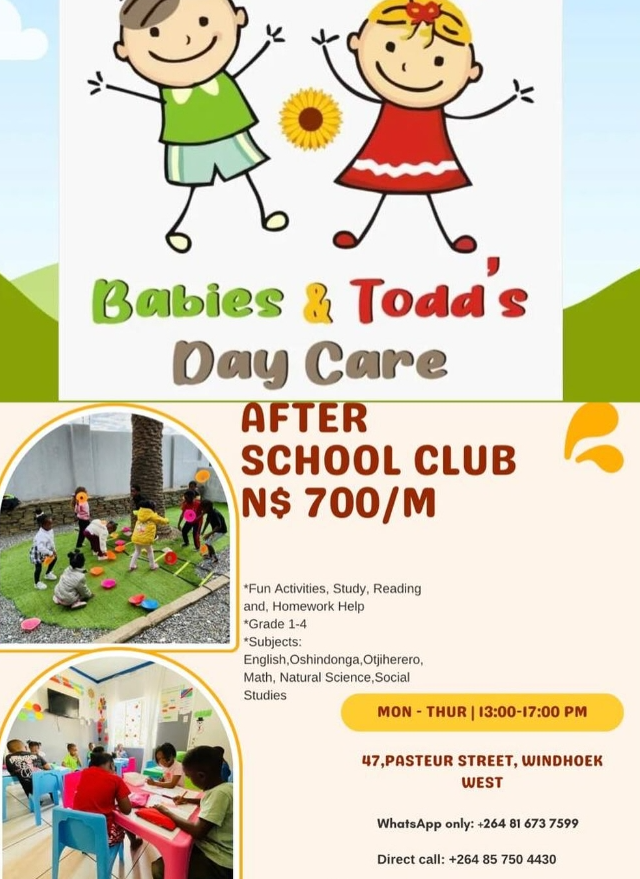
Babies & Toddlers Daycare (BTDC)
Nurturing Hearts, Inspiring Minds in the Heart of Windhoek 🇳🇦
At BTDC, we believe every child deserves a foundation built on respect, empathy, and excellence. As Windhoek’s premier Daycare and Preschool, we welcome families from all walks of life into a community dedicated to the dignity of life.
Our curriculum transcends traditional childcare. By integrating a humanistic philosophy, we don’t just watch over your children—we prepare them to become the compassionate, thoughtful global citizens of tomorrow.
Why Families Choose BTDC
- Holistic Growth: A curriculum focused on emotional intelligence, creativity, and cognitive development.
- Inclusive Community: A diverse, welcoming environment where every family belongs.
- Safe & Central: Peace of mind located right in the heart of Windhoek.
- Values-Driven: Education rooted in dignity, kindness, and social responsibility.
Start Your Journey With Us
Ready to give your child the best start in life? We’d love to meet you.📍



https://www.instagram.com/gahutudenim?igsh=MWpsNjZ1bTFvdHNsdw==

https://www.instagram.com/sima_brew?igsh=MWpvcjZhZ2ExNXVrNQ==

Ihttps://www.instagram.com/laurenhautecouture?igsh=MWxzNXN1Ym5nZ3o3Mg==
https://www.instagram.com/angeladedokofi?igsh=MXA4cXJuZG1vbG4ycw==
https://www.instagram.com/goba_kente?igsh=d2Vwd2E2M2VtcTZq
Celebrate in Style with GOBA Kente 👑
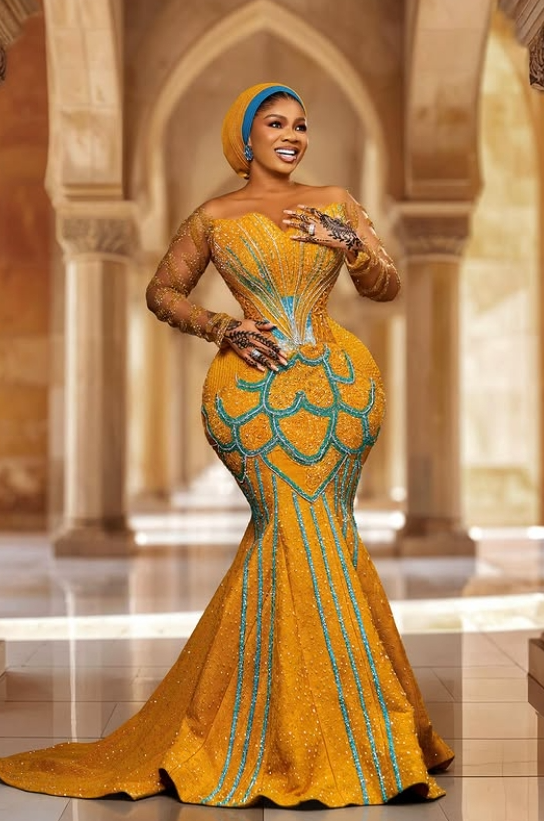
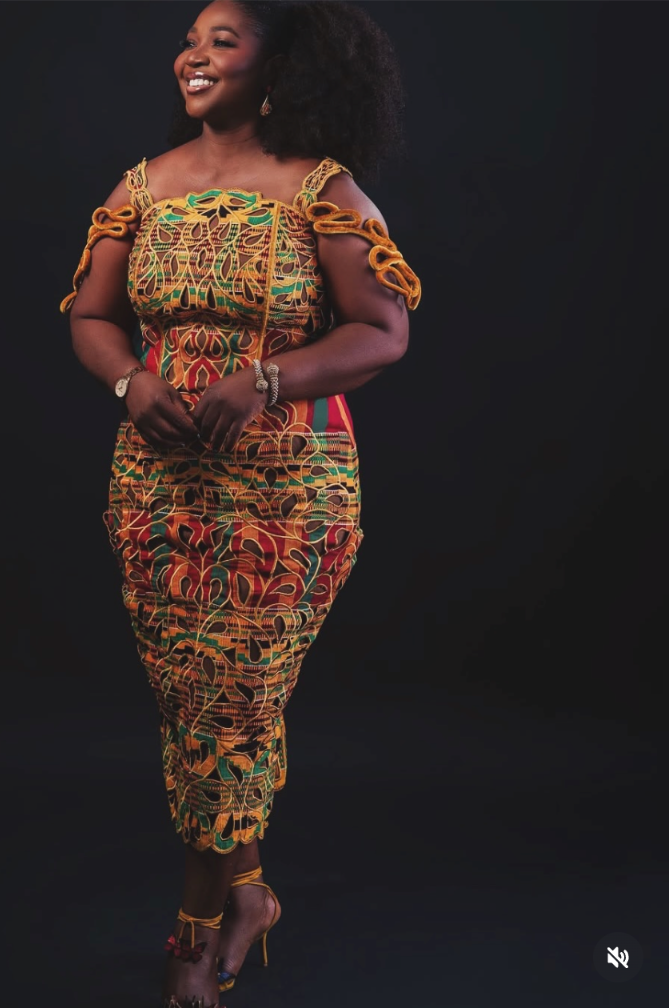
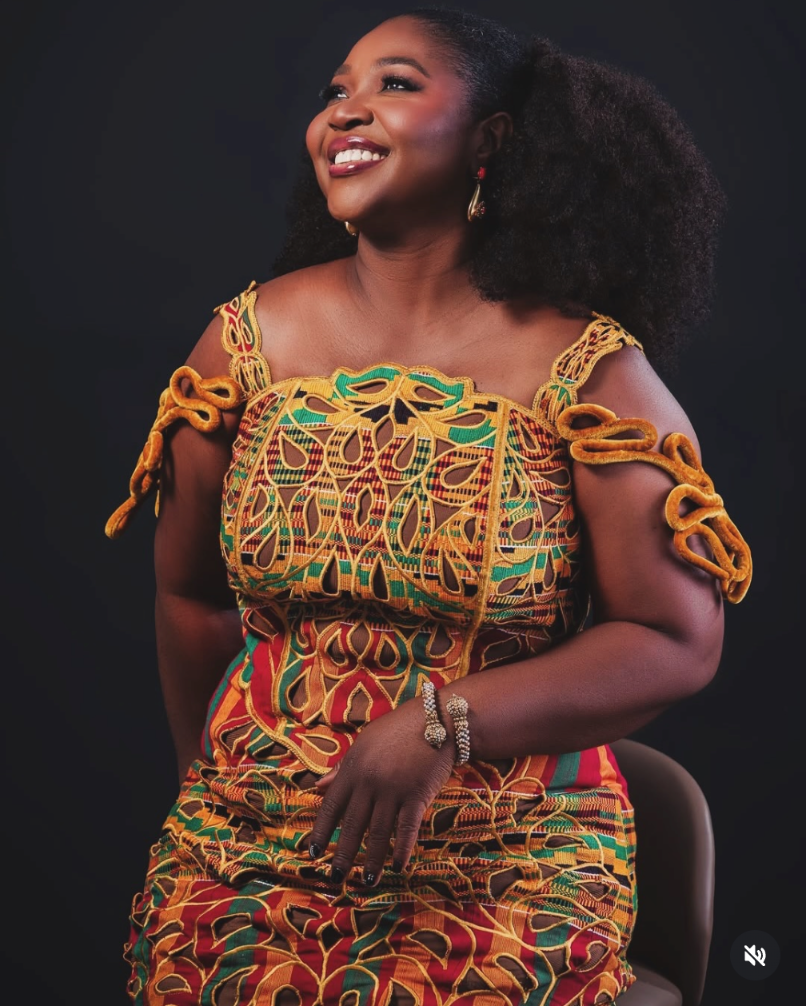
Make your next milestone truly unforgettable. Modelled by the inspiring entrepreneur Angela Dedokiofi, this stunning GOBA Kente masterpiece perfectly blends rich Ghanaian heritage with contemporary elegance. Whether it’s a birthday, an anniversary, or a major celebration, you deserve a look that speaks of royalty, culture, and unmatched grace.
The intricate cutout details, vibrant gold and green hues, and unique textured sleeve accents are designed to make you stand out and feel like the absolute best version of yourself.
🛍️ How to Shop & Order
We’ve made it incredibly easy to bring this luxury directly to your wardrobe.
- Slide into our DMs: Contact us right here on social media for the fastest response!
- Chat with us on WhatsApp:
- +233 55 057 0043
- +233 53 382 9002
- +233 202 340 899
- Visit Our Flagship Store: Search for GOBA KENTE on Google Maps.
- Hours: 9 AM to 6 PM (Weekdays & Saturdays)
💳 Easy & Flexible Payment Methods
We accept a wide variety of local and international payment options to suit your needs:
- Mobile Money (MoMo)
- Bank Transfers
- Cards & Cash
- Western Union / MoneyGram
📦 Nationwide & International Delivery
No matter where you are, we will get your luxury piece safely to you:
- DHL: 3–5 working days
- FEDEX or VIP/STC Buses: 3 working days


https://www.instagram.com/tangoprimeofficial?igsh=NGRiNmE2NDJldnA4


https://www.instagram.com/evic.store?igsh=MXM0NzRpcXE3d2x3eA==


https://www.instagram.com/peaches_facebar?igsh=MWdnZHN3eXZzNnF0cw==


https://www.instagram.com/delish_bakerygh?igsh=MW5ic2c0NnR5cHBwZQ==





https://www.instagram.com/valerieagyeman?igsh=dHh1NTE0YnNqODY0