



📰 OSAGYEFO WEEKLY NEWSLETTER
Presents-Assumpta Weekly Publication
🚨 BREAKING NEWS
Metafiction as Political Reality
📍 Special Editorial Reflection
THE MYSTERIOUS AUTHOR
📰 FEATURE ARTICLE
The Loss of Identity — Breaching the Fearless Wall of Identity
📅 Release: Monday, 6 April 2026
🌐 Read exclusively at: https://assumptagh.live
HAIR SENTA ADVERTISEMENT






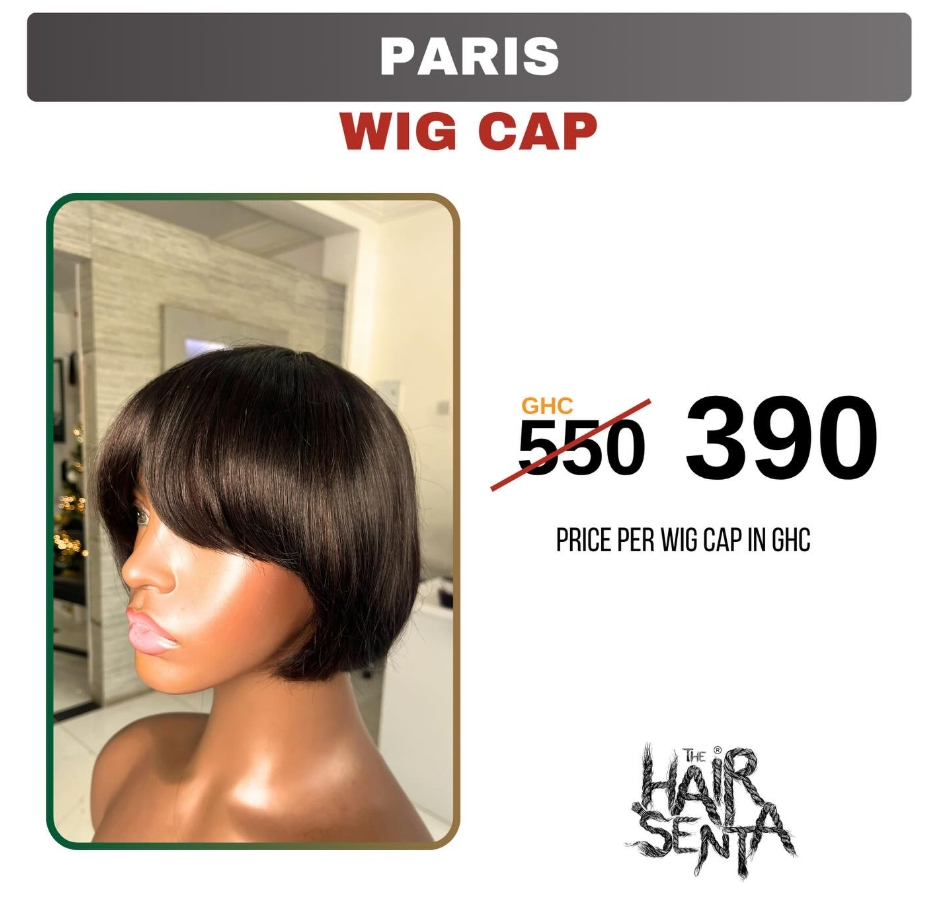


https://www.instagram.com/hairsenta?igsh=MXAzOThhNGZ0Nm15dQ==
🌸✨ Hair Senta – Where Beautiful Hair Meets Beautiful Conversations ✨🌸
As the season turns to spring, Hair Senta invites you to embrace a fresh start with more than just stunning hair. Step into a world of renewal with an experience wrapped in care, expertise, and a vibrant new energy. Every interaction is thoughtfully designed to deliver the finest human hair extensions from Ghana, while empowering you with expert guidance on how to care for, style, and love your hair as you bloom.
From your first greeting to your final choice, we listen, educate, and support you with warmth and professionalism. Whether you’re refreshing your look for the new season, attending spring weddings, or simply treating yourself to a “new year” glow-up, our team ensures you leave radiant, confident, and ready to shine.
💇🏾♀️ Why Choose Hair Senta This Spring?
- ✨ Trademarked, trusted, and internationally recognized
- ✨ Premium human hair extensions shipped from Ghana to the world
- ✨ Personalized, educational, and uplifting client experience—designed to help your confidence grow
🎁 This season, gift yourself the beauty of a fresh start. Because when your hair feels like a masterpiece, you’re ready to take on the world.
📍 Get in Touch
- Visit us: 24 Jungle Avenue, Accra, Ghana 00233
- Shop online: www.hairsenta.com
- Call: (+233) 0544354455 / 0248629769
- Follow us on Instagram: @hairsenta
Hair Senta — Because great hair is always in season. 🌷✨
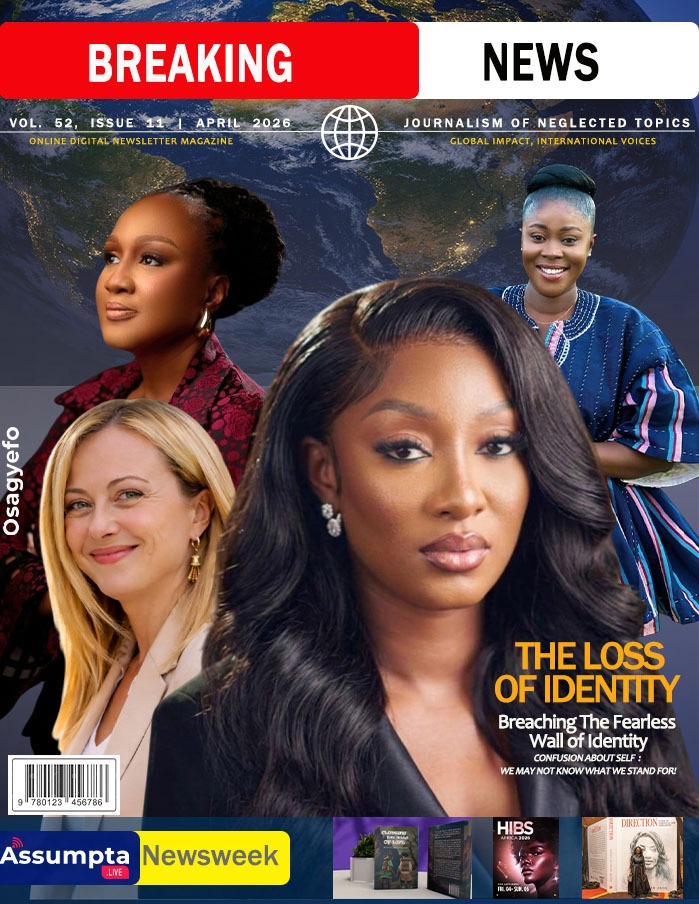
🧭 THE EDITORIAL PERSPECTIVE
Inside This Edition: A Global Perspective
The stakes have just gotten higher.
On Monday, 6 April 2026, Assumpta Digital, in collaboration with Osagyefo Weekly, presents an unprecedented cross-continental dialogue exploring energy, sovereignty, identity, and power in a rapidly shifting global order.
At the center of this ideological firestorm is one critical question:
Who is still writing the story of our nations?
🎙️ THE VOICES SHAPING THIS EDITION
| Participant | Role | Profile |
|---|---|---|
| 🌍 GWEN ADDO | The Protagonist | Global Entrepreneur & Economic Revolutionary. Offers fearless insight into how economic systems, energy dependency, and identity intersect for nations seeking internal agency. |
| 🌍 GIORGIA MELONI | The Sovereignty Signal | Prime Minister of Italy. Brings a cautionary perspective from Europe on national control, political alignment, and the failure of rules to protect the compliant. |
| 🌍 DZIGBORDI KWAKU-DOSOO | The Human Strategist | Global Keynote Speaker & DCG. Reframes the energy conversation around dignity, human cost, and long-term societal resilience. |
| 📺 FREMA ADUNYAME | The Host | Broadcast Journalist, Channel One TV. A fearless analyst cutting through political PR to expose the deeper tensions shaping global decisions. |
EXECUTIVE SUMMARY (For International Readers)
This edition explores how energy has evolved from an economic resource into a psychological and political force, reshaping sovereignty, national identity, and global power relations.
- Case Study: Using Germany as a focal case, the article examines how rule‑based systems are increasingly overridden by urgency, leverage, and external pressure.
- The Lens: Through a metafictional lens, the piece argues that nations may still act freely—yet no longer fully author their own paths.
- The Warning: The core issue is not energy shortages, but the loss of agency and the fear that quietly rewrites political reality.
🔥 THE CENTRAL QUESTION:
Are nations still making choices—or merely performing decisions already written elsewhere?
REWORKED OPENING
Metafiction as Political Reality: THE MYSTERIOUS AUTHOR
The characters pause. Mid‑sentence, they look up. Not because something dramatic happens in the story—but because they sense the story is already being written elsewhere.
“Why did the author make us do this?” one asks.
“Are these really our choices,” another wonders, “or are we performing decisions that were decided before we arrived on the page?”
They wave—not at the reader—but at the realization that they are being watched, measured, and nudged as each chapter unfolds. This is called narrative reflexivity: when characters become aware they exist inside a structure they do not fully control.
And suddenly, the story feels uncomfortably familiar. Because nations—like characters—often discover too late that while they follow the rules of the story, they are not always the ones holding the pen.
Germany today finds itself in exactly this moment: aware, compliant, and increasingly uncertain whether agency still lies within its own margins.
🇩🇪 WHO ARE THE GERMANS REALLY?
Germany’s modern identity was not accidental. It was built—carefully and consciously—after catastrophe. Key chapters that shaped instinct, not just institutions:
- 1871: Unification created statehood, not unity.
- World War II: Destroyed the illusion that power alone legitimizes authority.
- Cold War division: Exposed the stark contrast between rule-based order and coercion.
- 1990 reunification: Reaffirmed legality, restraint, and multilateralism as safeguards.
The Resulting Belief: Stability comes from rules respected by all—not power exercised by a few.
⚖️ WHEN EXTERNAL INFLUENCE BECOMES STRUCTURAL
For decades, Germany trusted that rules‑based globalization would protect it:
- Energy would be traded, not weaponized.
- Markets would reward efficiency, not alignment.
- Law would constrain power—even for the powerful.
That assumption is now under strain due to:
- Energy dependency shocks following the collapse of Russian gas supplies.
- Strategic LNG reliance replacing long‑term contracts.
- EU‑level mandates limiting national discretion.
- Alliance expectations spilling into economic and energy decisions.
Together, these forces create a reality where choices feel less like decisions and more like adjustments.
🔥 THE FEAR OF ENERGY
- Urgency replaces debate.
- Dependency narrows alternatives.
- “There is no alternative” becomes doctrine.
Fear does not need authoritarianism; it only needs dependency.
🌍 A GLOBAL PATTERN, NOT A GERMAN EXCEPTION
From Europe to Africa and the Global South, the same questions arise:
- Who defines acceptable economic behavior?
- Who absorbs the cost of stability?
- Who negotiates—and who adapts?
Energy is merely the clearest chapter. The true story is about control over direction.
🧠 FINAL WORD
The most dangerous moment in any story is not when characters lose power. It is when they stop noticing that the story is no longer theirs. The question is no longer: Are we following the rules?
But rather: Who is still allowed to write them?
And perhaps the most important act is this:
To look up.
To pause mid‑sentence.
And to ask—not who is watching—
—but who is authoring what comes next.
🎙️ PANEL DIALOGUE
Metafiction, Energy, and the Struggle for Sovereignty
Host: Frema Adunyame Broadcast Journalist, Channel One TV

Frema Adunyame:
Good evening, and welcome to Osagyefo Weekly Newsletter, presented by Assumpta Weekly Publication.
To our readers and viewers joining us from Europe, Africa, the Americas, Asia, and beyond—thank you for being part of what promises to be a timely and deeply important global conversation. Today’s edition invites us not only to read an article, but to interrogate a reality—one shaped by energy, power, fear, and the quiet erosion of national identity.
Before we begin, let me extend a warm and respectful welcome to our distinguished panelists.
🤝 Greetings to the Panel
- Ms. Gwen Addo, thank you for joining us.
- Prime Minister Giorgia Meloni, we appreciate your presence and your willingness to engage in this dialogue.
- Ms. Dzigbordi Kwaku-Dosoo, welcome, and thank you for bringing a human-centered strategic lens to this discussion.
It is an honor to have each of you here.
🌍 Introducing Our Panelists
For our international readers, allow me to briefly introduce the voices shaping this conversation:
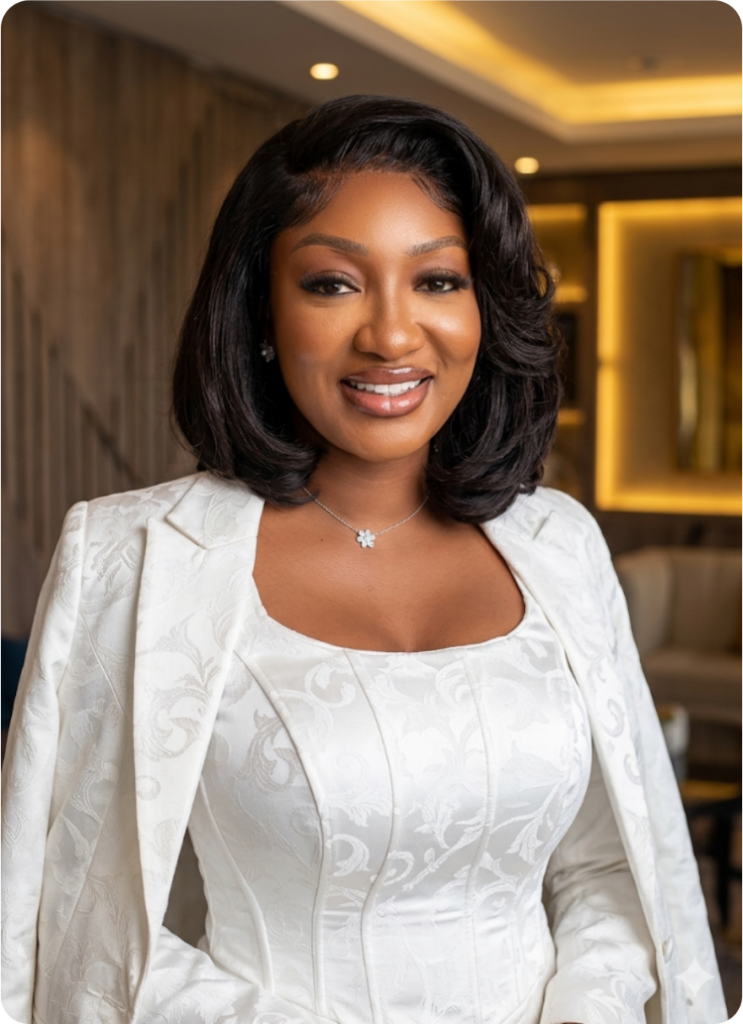
- 🇬🇭 Gwen Addo | A Global Entrepreneur and Economic Revolutionary Gwen Addo is widely recognized for her work at the intersection of economic transformation, sovereignty, and self-determined development. Her perspective anchors this edition, particularly from the standpoint of nations navigating external pressure while seeking internal control.

- 🇮🇹 Giorgia Meloni | Prime Minister of Italy As a sitting European head of government, Prime Minister Meloni brings a state-level perspective on sovereignty, alliance politics, energy security, and the tension between national interest and supranational mandates.
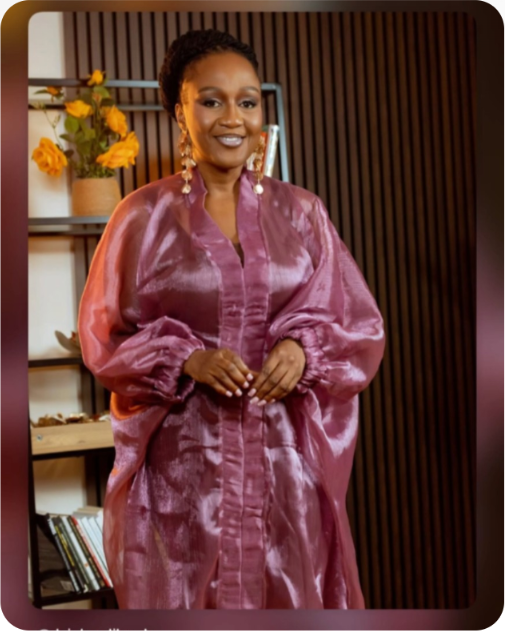
- 🇬🇭 Dzigbordi Kwaku-Dosoo | Global Keynote Speaker & Deputy CEO (DCG) Dzigbordi is a leading voice in human-centered leadership and strategic transformation, emphasizing how policy decisions impact dignity, livelihoods, and societal cohesion.
🧭 Setting the Frame
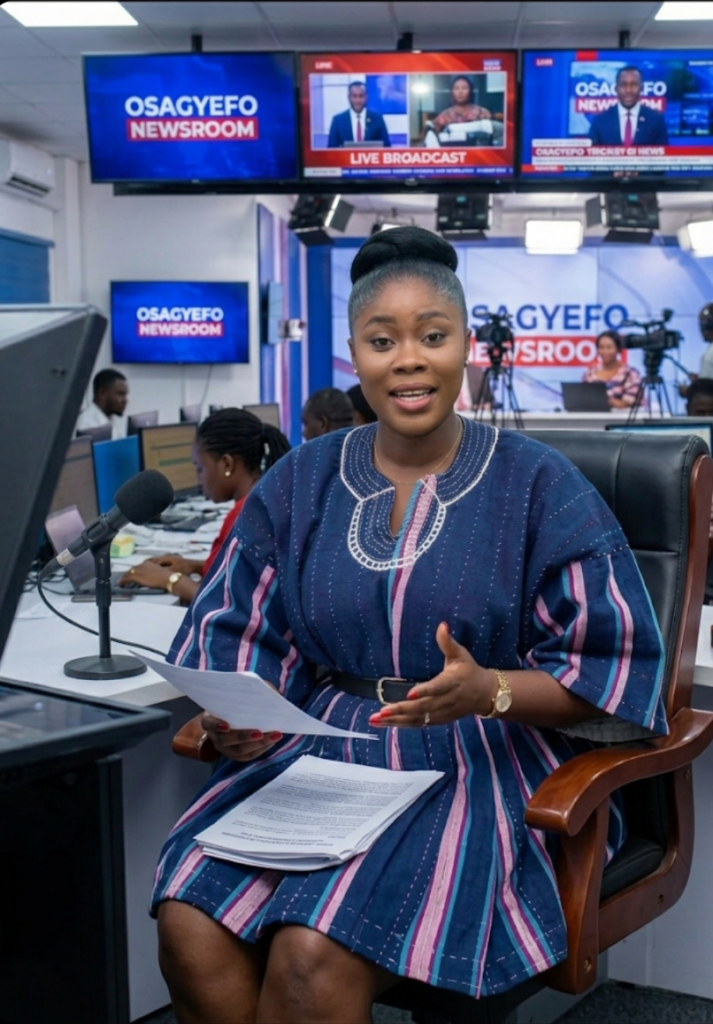
Frema Adunyame: Welcome once again, panel. Before I touch directly on the article title, I want to begin with the powerful piece of commentary that anchors this entire edition—one that bridges the gap between European energy geopolitics and the broader struggle for national sovereignty.
The article paints a picture of a Germany caught between its traditional values of “playing by the rules”—reliability, legality, moral restraint—and a harsh new reality where those rules are increasingly dictated by outside interests. Let me briefly walk our readers through the core themes that structure this argument.
🧱 Core Themes from the Newsletter
- The Lost Architecture of Identity Subtitle: Breaching the Fearless Wall of Sovereignty At the heart of the newsletter is a critical turning point: the moment when a nation’s identity—being reliable, rule‑abiding, and morally compliant—is no longer a strength, but becomes a vulnerability.
- The German Paradox Historically, German identity is built on the Rechtsstaat—the rule of law. Yet this very “training” to follow rules has, as the article suggests, left the country exposed to foreign powers and strategic manipulation.
- The Nuclear Dilemma The classification of nuclear energy as “evil” and Russian oil as “poison” dramatically narrowed Germany’s energy corridor. What was framed as moral clarity became strategic confinement.
- The Cost of Compliance When “the rules” lead to rising costs and deindustrialization, national identity begins to shift: From leader to dependent subordinate.
- The Global Ripple Effect: From Berlin to Accra The struggle for energy sovereignty does not stop at Europe’s borders. It echoes strongly in Ghana and across the Global South.
- The Comparison: Narrative vs. Reality
| Western Narrative | National Reality |
|---|---|
| Trade only with “approved” partners | High fuel prices and market instability |
| Prioritize global moral standards | Protect local industry and families |
| Follow Global Rules | Break dependency to secure a future |
“Who decides your energy future—external powers, or the people within your own nation?”
- The ‘Anonymity Dictatorship’ When a nation stops defining itself and begins reacting, leadership often retreats behind layers of bureaucracy. Decisions are made in distant capitals, but the consequences are lived locally.
🎯 Turning to the Panel

Frema Adunyame: This brings us to the critical reflection at the heart of today’s dialogue. The newsletter challenges us to look beyond headlines about climate goals or political alliances and ask a deeper question about control.
Is Germany breaking the rules to survive? Or is it finally recognizing that the rules were never designed for its benefit?
As the article powerfully concludes: A nation without the power to secure its own warmth, light, and industry is a nation in the process of losing its identity.
Frema Adunyame: Gwen, I want to begin with you. The newsletter introduces the idea of an “anonymity dictatorship”—a system where authority is exercised without clear ownership or accountability.
From your perspective, how is this manifesting specifically in Ghana’s current leadership, and how does it compare with the German example cited in the article? Where do you see the similarities—and where do the differences matter most?
🎙️ Energy, Power, and the Architecture of Control Panelist: Gwen Addo Global Entrepreneur & Economic Revolutionary
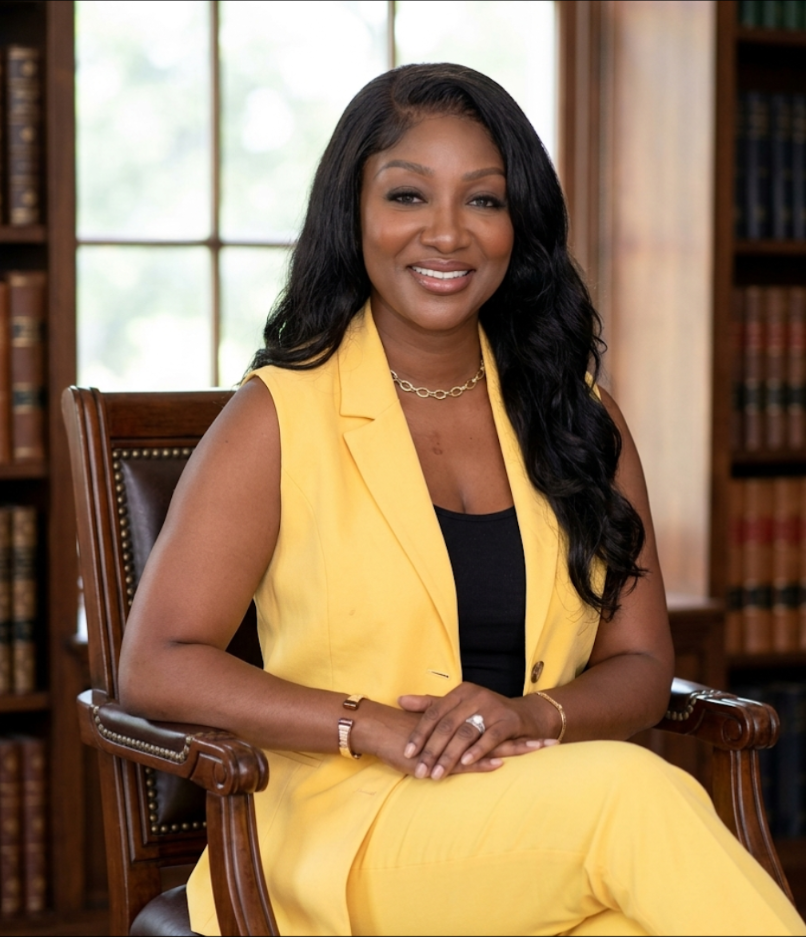
Gwen Addo: Thank you, Frema. This is a profound question, because what the newsletter describes as an “anonymity dictatorship” is already living reality in many parts of the world—Ghana included.
1. The Risks of an Anonymity Dictatorship
The greatest risk is the disconnection between power and consequence. In Ghana, unlike Germany, the issue is not that rules are followed too well—but that decisions are often justified by external pressure rather than internal responsibility. Policies are framed as obligations to lenders, donors, markets, or agencies whose names rarely appear on ballots.
When leadership says:
- “This is what the IMF requires”
- “This is what the markets demand”
- “This is the global standard”
…authority becomes anonymous. No one is fully accountable, yet everyone pays the price.
This creates:
- Public confusion
- Civic apathy
- Mistrust in democracy itself
Citizens no longer know who to question, because power has no visible face.”
2. How Can Nations Reclaim Sovereignty?
Sovereignty today is not about isolation—it is about decision-making capacity. For Ghana, reclaiming sovereignty begins with:
- Refusing policy fatalism: Rejecting the idea that “there is no alternative.”
- Rebuilding domestic productive capacity: Reducing the need for external permission.
- Honesty about trade-offs: Being transparent instead of hiding behind foreign mandates.
Germany’s struggle shows us something important: Even strong institutions can lose agency when dependence becomes structural. Reclaiming sovereignty means:
- Diversifying energy sources.
- Investing locally.
- Designing policies that prioritize national resilience, even when they are unpopular internationally.
- It also means leaders must own decisions publicly, rather than outsourcing responsibility to distant bureaucracies.
🎙️ PANEL DIALOGUE: THE EUROPEAN PERSPECTIVE
Sovereignty, Realism, and the Democratic Mandate
Panelist: Giorgia Meloni Prime Minister of Italy
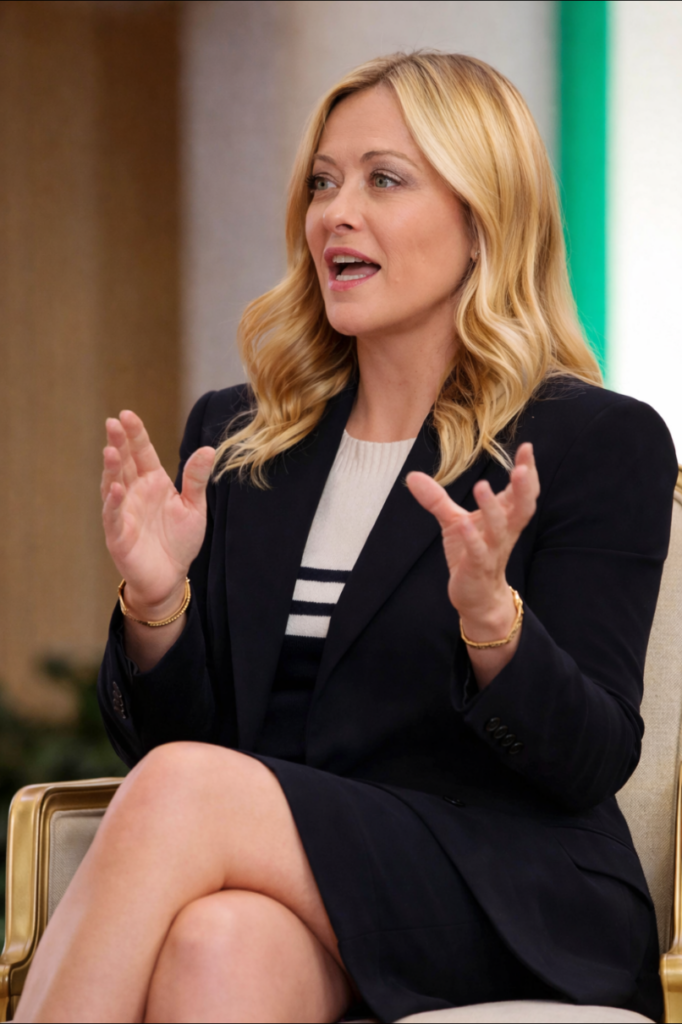
Giorgia Meloni : I agree with much of what Gwen has said, and I would like to approach this from the perspective of a sitting government within Europe.
1. The Risks of an “Anonymity Dictatorship”
In Europe, the growing risk is democratic erosion without visible authoritarianism. Decisions are increasingly shaped through:
- Technical frameworks
- Regulatory language
- Emergency exceptions
Citizens are often told these decisions are necessary, not political. This is dangerous because democracy depends on choice and open debate. When politics becomes purely administrative, citizens disengage—and radical alternatives begin to fill the vacuum.
2. Reclaiming Sovereignty
Reclaiming sovereignty does not mean breaking alliances; it means rebalancing them. Germany’s example shows what can happen when moral narratives replace strategic realism. Rules must ultimately protect citizens—not endanger them. To ensure a stable future, European nations must:
- Retain control over their specific energy mix decisions.
- Protect strategic industries from external deindustrialization pressures.
- Challenge frameworks that impose disproportionate costs on the working class.
True cooperation cannot be built on dependency.”
3. Corporations and Power
We must acknowledge that corporations today possess immense structural advantages:
- Capital mobility
- Legal sophistication
- Political leverage
If states do not act collectively to regulate them, corporations will define policy outcomes by default. We must return to a fundamental truth: Markets must serve society—not the other way around.
FREMA-ADUNYAME : Thank you prime minister Giorgia Meloni for your insight. Up Next: Dzigbordi Kwaku-Dosoo on the human-centered impact of these global shifts.
This final contribution to the panel brings the focus back to the individual and the community, providing a powerful human-centered conclusion to the technical and political arguments previously discussed.
🎙️ PANEL DIALOGUE: THE HUMAN DIMENSION
Dignity, Resilience, and the Social Contract
Panelist: Dzigbordi Kwaku-Dosoo Global Keynote Speaker & Human-Centered Strategist
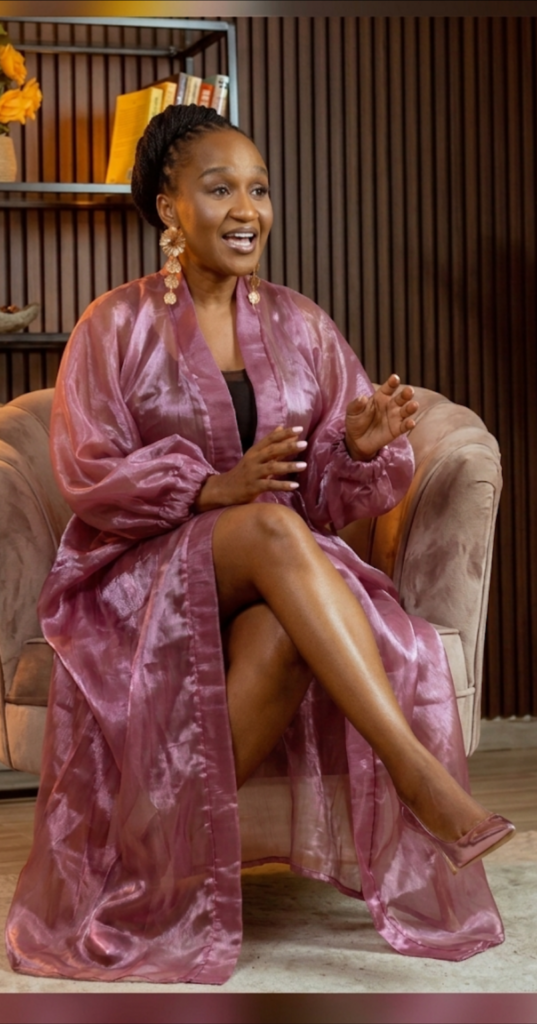
Dzigbordi Kwaku-Dosoo : I want to bring this back to the human cost—because an “anonymity dictatorship” is not abstract. It is felt in homes, workplaces, and communities.
1. The Human Risk of Anonymity
When authority is anonymous, people feel powerless. They stop believing their voices matter, which leads to:
- Silent suffering
- Loss of dignity
- Normalized inequality
In Africa especially, this manifests as resilience fatigue—a state where people are forced to adapt endlessly to external pressures without ever being heard.
2. Reclaiming Sovereignty Through People
Sovereignty is not just a legal status; it is strongest when people are energy secure, economically productive, and psychologically empowered. Nations reclaim their true power by:
- Centering citizens in the actual design of policy.
- Investing in skills and innovation to reduce external reliance.
- Measuring success beyond GDP, looking instead at societal cohesion and the wellbeing of the Citizens.
“Energy policy is, at its heart, social policy.”
3. Corporations and Responsibility
Corporations must transition from being mere extractors to becoming true stakeholders. If businesses benefit from a nation’s resources, they must also:
- Share the risk of the local economy.
- Invest locally in infrastructure and people.
- Respect social contracts that protect the vulnerable.
Without this accountability, corporations unintentionally reinforce the anonymity dictatorship by absorbing national power without any of the civic responsibility.
Topic: Germany’s Hidden Identity Crisis and the Geopolitics of Energy
Host: Frema Adunyame
The Provocation
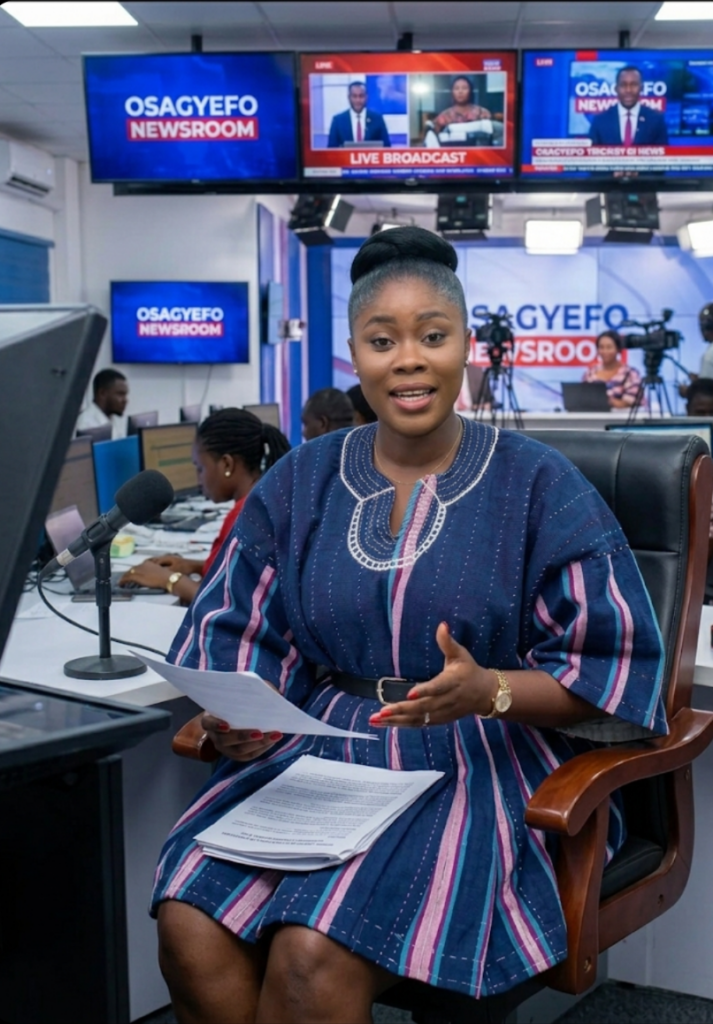
Frema Adunyame: Thank you, panel, for those powerful reflections. Now, I want us to turn directly to the heart of our investigation. The article opens with a provocation that has unsettled many readers:
“They told you Germany was wrong. They told you nuclear energy was evil. They told you Russian oil was poison. But what if the real poison was something else—being told who to buy from, and who to fear?”
In this explosive special edition, we go beyond the headlines to deliver a forensic investigation into Germany’s industrial engine, which is currently stuttering under the weight of an energy dilemma. We are asking the questions others are too afraid to pose:
- Is the Green Transition a form of strategic confinement?
- Who truly decides a nation’s energy future?
- At what point does international compliance become national suicide?
- Are the Germans themselves confused about who they are—and what they stand for?
Gwen, I want you to guide us through this first.
The Economic Revolutionary

Gwen Addo: Thank you, Frema. This may be uncomfortable, but it needs to be said clearly. No—Germany is not confused about who it is. What Germany is experiencing is something far more dangerous: a collision between identity and survival.
1. The “Green Transition” as Strategic Confinement
The problem is not environmental responsibility; it is who defines the pathway and the timeline. When nuclear is declared morally unacceptable, and alternatives are restricted faster than replacements are secured—that is not strategy. That is confinement. Germany abandoned energy options not because they were unviable, but because narratives made them untouchable. When strategy is replaced by symbolism, identity fractures.
2. Who Decides a Nation’s Energy Future?
Germany still makes decisions, but within a fenced field. This field is defined by alliance expectations, regulatory frameworks, and moral narratives authored elsewhere. Germany votes and legislates, but the range of acceptable outcomes is set before the debate begins. That is not democratic sovereignty; that is managed autonomy.
3. When Compliance Becomes Self-Harm
International compliance becomes national suicide when industries close while rivals expand elsewhere, and when resilience is sacrificed to preserve “moral alignment.” Germany followed the rules believing they protected everyone equally. Now it is discovering a painful truth: The rules reward power, not virtue.
4. The Hollowing of Identity
Germany’s identity was built on reliability, industrial excellence, and rational planning. What happens when that reliability becomes a predictability that others exploit? The danger is not confusion; the danger is internalizing blame. Germany asks, “What did we do wrong?” instead of asking, “Who benefits from our restraint?”
The Real Poison: It is not an energy source. The real poison is outsourced fear—being told who to trust and which options are unthinkable. Once fear is imported, sovereignty erodes quietly. Germany is standing at that edge.
The Transition
Frema Adunyame: A stark assessment, Gwen. Prime Minister Meloni, I want to bring you in here—because this questions the heart of Europe itself.
Is Germany’s experience a warning sign? And is Europe mistaking moral leadership for strategic vulnerability?
🎙️ PANEL DIALOGUE CONTINUES
Debating the Green Transition, Power, and Identity

Giorgia Meloni
Prime Minister of Italy (Editorially Fictionalized Perspective)
”Frema, what Germany is experiencing should not be misunderstood as a uniquely German crisis. It is a European warning. Let me be very precise.”
The First Risk: Confusing Morality with Strategy
The green transition becomes dangerous when it is treated as a moral litmus test rather than a strategic transformation. When policies are framed in absolutes—good versus evil energy—nations lose flexibility.
Germany did not simply pursue sustainability; it compressed its timeline and narrowed its options under moral pressure. No serious state survives long without energy redundancy.
In geopolitics, redundancy is not inefficiency—it is insurance.
Strategic Confinement in Moral Language
Germany reduced its energy diversity at the exact moment global instability increased. That is not climate leadership; that is strategic exposure. This is where Europe must be honest with itself:
- Rules were written assuming peace, stability, and reciprocity.
- Power is now exercised through disruption, speed, and leverage.
If the green transition ignores this shift, it becomes a tool that others can exploit.
When Compliance Turns Self-Destructive
Compliance becomes national self-harm when:
- Jobs disappear faster than alternatives emerge.
- Industries relocate rather than adapt.
- Citizens pay disproportionately for global symbolism.
A democratic state has a duty not just to the planet—but to the people living on it today. Europe must stop assuming restraint will be rewarded automatically. History does not reward restraint; history rewards preparedness.
Is Germany Losing Its Identity?
Germany’s identity is not confusion—it is discipline. But discipline without leverage becomes vulnerability. If Germany continues to subordinate national resilience to external approval, then yes—its identity risks being transformed from author to actor in someone else’s script.
That is not leadership. And it is not sovereignty.
Frema Adunyame
”Thank you, Prime Minister. Dzigbordi, I want to bring this to the human dimension now—because policies ultimately land in households, not headlines. What are the social and psychological risks of the green transition when it is executed without balance?”
Dzigbordi Kwaku-Dosoo
( Human Centered Strategist ) ”Thank you, Frema. This is where the conversation often becomes uncomfortable—because the human cost is easier to ignore than the climate target.”
The Green Transition’s Greatest Risk: Dignity Loss
When energy policy destabilizes livelihoods, affordability, or social cohesion, people don’t experience it as strategy. They experience it as loss of dignity. * In Germany, this shows up as anxiety and industrial displacement.
- In Ghana and much of Africa, it shows up as energy insecurity becoming normal life.
The problem is not sustainability; the problem is detachment.
One Model Cannot Fit Every Nation
The green transition is often exported as a one-size-fits-all moral model. But nations are not equal in capital access, infrastructure readiness, or social protection systems. When poorer societies are told to adopt expensive transitions without buffers, sustainability becomes a luxury ideology. That breeds:
- Quiet resentment
- Adaptation fatigue
- Cynicism toward global institutions
Fear as the Hidden Driver
People sense when decisions are being made for them, not with them. Fear creeps in when energy costs rise faster than wages and explanations rely on “inevitability.” Fear, unmanaged, becomes a tool of control
What Balanced Transition Should Look Like:
A humane green transition must:
- Protect energy access before symbolism.
- Phase change with social safeguards.
- Respect national contexts.
If people feel sacrificed for ideals they did not choose, the transition will fail—politically and morally.
Final Warning
The green transition will either strengthen sovereignty by innovation or weaken it by dependency. The difference lies in authorship.
- Who designs the transition?
- Who absorbs the cost?
- Who decides the pace?
Without clear answers, nations may wake up environmentally compliant—but socially fractured.
Implicit Frame
Together, these perspectives expose the essential risk: A transition meant to secure the future must not erase the present. When sustainability is pursued without sovereignty, and morality without agency, the result is not progress—it is managed decline.
🎙️ THE FINAL ACT: THE MYSTERIOUS AUTHOR
A Special Editorial Dialogue
“Nations, like characters, often discover too late that while they follow the rules of the story, they are not always the ones holding the pen.”
🎭 THE SCENE: Narrative Reflexivity
Frema Adunyame (Host):
Panel, before we close, I want to take you—and our readers—back to the moment where this entire edition begins. Not with data. Not with policy. But with a scene: The Mysterious Author.
The characters pause. Mid-sentence, they look up. Not because something dramatic happens in the story—but because they sense the story is already being written elsewhere.
- “Why did the author make us do this?” one asks.
- “Are these really our choices,” another wonders, “or are we performing decisions that were decided before we arrived on the page?”
They wave—not at the reader—but at the realization that they are being watched, measured, and nudged as each chapter unfolds. This is narrative reflexivity: when characters become aware they exist inside a structure they do not fully control.
And suddenly, the story feels uncomfortably familiar. Because Germany today finds itself in exactly this moment—aware, compliant, and increasingly uncertain whether agency still lies within its own margins.
The Question:
”I want to ask each of you—not as policymakers, strategists, or entrepreneurs—but as observers of power and identity: What does this moment mean?”
🗣️ THE PERSPECTIVES
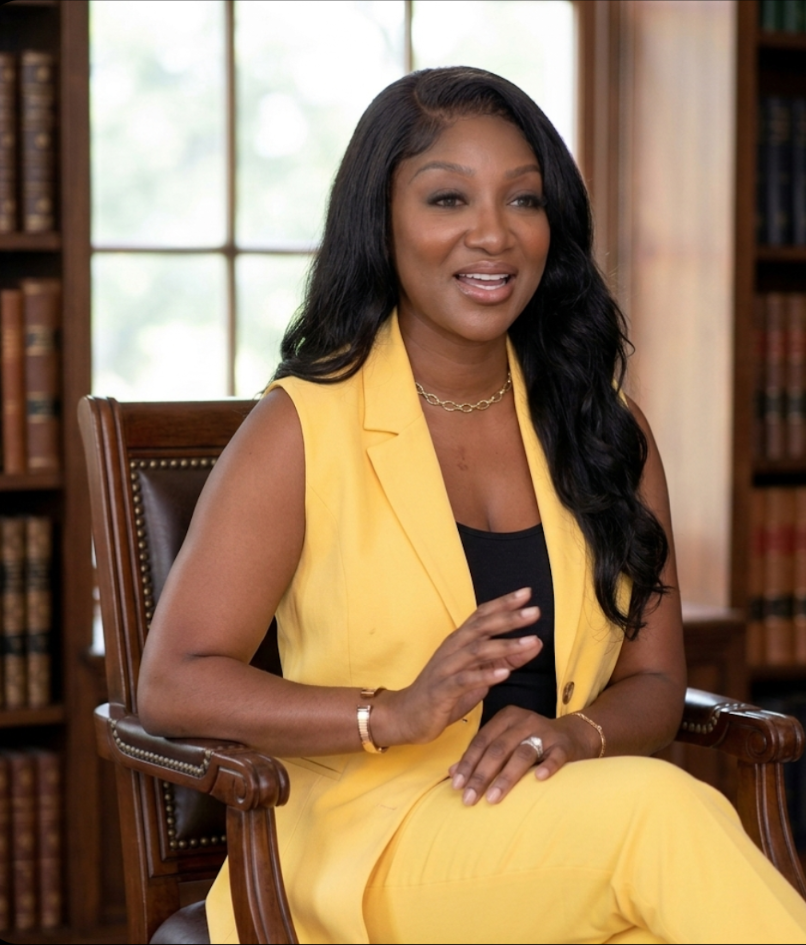
Gwen Addo | On the Illusion of Safety
”It means the most dangerous illusion has been exposed: The illusion that following the script guarantees safety. This moment—when the characters look up—is the exact second identity is tested.
Do you continue performing the role… or do you reclaim authorship? Germany’s moment is not collapse. It is awakening. Once you realize the pen may not be yours, you face a choice: remain a perfect character—or risk becoming an imperfect author. History is written only after that choice.”
Giorgia Meloni | On the Decay of Purpose
”Every civilization reaches a chapter like this. A moment when obedience is no longer confused with wisdom. Rules are meant to serve purpose. When they continue after purpose fades, they become costume—worn long after the play has changed.
Germany is not alone in this realization. Europe itself is being forced to ask: Are we living our values—or acting them for an audience no longer listening? Identity does not vanish overnight. It erodes when responsibility is endlessly deferred. And deferred responsibility always writes a colder future.”
Dzigbordi Kwaku-Dosoo | On the Human Cost
”What moved me most in that scene is not power—but pause. The pause is human. That is where fear lives. That is where courage must answer. For ordinary people, identity is not abstract. It is warmth. It is light. It is dignity.
When systems become so large that no one feels responsible, people stop feeling seen. The greatest cost of losing authorship is not economic—it is emotional. And societies that lose belief in their voice adapt… until they forget they ever had one.”
🖋️ CLOSING REFLECTION: Breaching the Wall
Frema Adunyame:
And that brings us back, finally, to the title of this edition:
THE LOSS OF IDENTITY — Breaching The Fearless Wall of Identity.
The “fearless wall” is not fearlessness at all. It is a wall built from:
- Bureaucracy without ownership.
- Compliance without consent.
- Power without consequence.
It protects no one—except the illusion that no one is responsible. Tonight’s dialogue leaves us with a final question, not just for Germany—but for every nation reading:
When the characters look up… when the pen hesitates… Do we keep performing the story we inherited? Or do we accept the risk—and the responsibility—of writing the next chapter ourselves?
Because sometimes, the most important story is not the one being told—it is the one deciding who gets to tell it. A collaboration of Osagyefo Weekly Newsletter × Assumpta Weekly Publicatio
THE GLOBAL CLOSING STATEMENT
A Postscript to the World : In the quiet that follows this dialogue, we are left with a singular, striking truth: Identity is not a relic to be guarded, but a living muscle to be exercised. Across the continents where these words are read—from the bureaucratic halls of Europe to the rising markets of Africa and the shifting landscapes of the Americas—the “The Mysterious Author” is no longer a metaphor. It is the invisible hand of global systems that favor the script over the soul. Germany’s struggle is merely the mirror in which we all eventually look.
We must realize that the walls we build to protect our stability often become the very cages that stifle our agency. To “breach the fearless wall” is to acknowledge that while we cannot always control the ink, we must never surrender the hand that guides the pen.
The story of the future is still unwritten. May we have the courage to be its authors.
Editorial Final Note
This special edition is dedicated to the observers, the challengers, and those who dare to pause mid-sentence and look up.
Presented by: Osagyefo Weekly Newsletter | Voice of the Sovereign Mind
Assumpta Weekly Publication | The Lens of Global Truth
© 2026. All Rights Reserved
Our Shared Humanity Soka Gakkai Buddhist Movement
An introduction to the Soka Gakkai and Nichiren Buddhism. Where do the teachings originate from?.
What is the philosophy of Buddhism? How do Soka Gakkai members apply it in their daily lives?
The Soka Gakkai is a global community-based Buddhist organization that promotes peace, culture and education centered on respect for the dignity of life. Its members in 192 countries and territories study and put into practice the humanistic philosophy of Nichiren Buddhism.
Soka Gakkai members strive to actualize their inherent potential while contributing to their local communities and responding to the shared issues facing humankind. The conviction that individual happiness and the realization of peace are inextricably linked is central to the Soka Gakkai, as is a commitment to dialogue and nonviolence.
Subscribe to our channel: / sgivideosonline
Visit our website: https://www.sokaglobal…
Like us on Facebook: / sgi.info
Follow us on Instagram: / sgi.info
Follow us on Twitter: / sgi_info

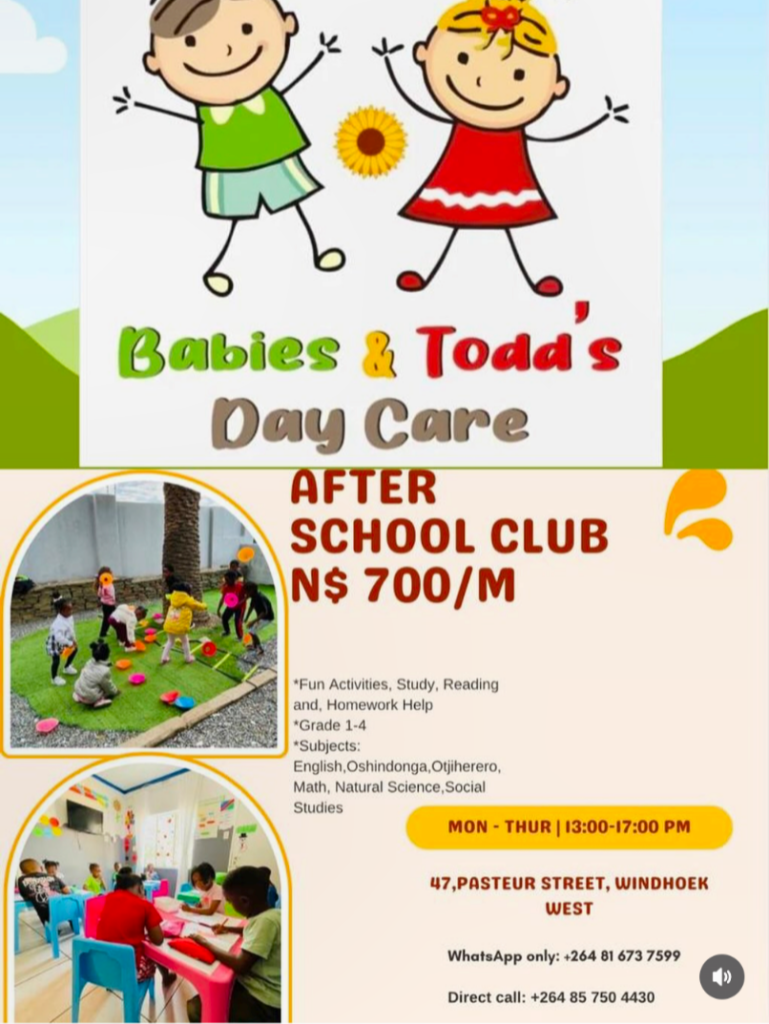
https://www.instagram.com/babies_and_todds_day_care?igsh=MWs0ZHlsbjcxNXEyZg==
The Vision of Assumpta Gahutu, Esq.
The ideas of the Principal of Babies Todds Daycare, Assumpta Gahutu, Esq., have had an enduring impact not only in Africa but across the globe. Her vision emerged at a time when the lingering effects of imperial and oppressive structures appeared to limit the possibilities for African-centered educational development.
Yet, through determination, compassion, and clarity of purpose, she forged a new path for early childhood education. Under her leadership, Babies Todds Daycare has grown into far more than a childcare facility; it has become a value-creating environment where the character of the future is gently formed.
Through this mission, she has nurtured the growth of young children whose lives will embody the values the world will need in the centuries to come. Her work reflects a profound belief: that the foundation of a just and humane society begins with how we educate and care for our youngest generation. In this way, the philosophy behind Babies Todds represents not simply an institution, but a lifelong commitment to shaping the character, dignity, and future of humanity.
Babies Todds
A Safe and Nurturing Daycare and Preschool in the Heart of Windhoek
Babies Todds is a warm and welcoming space where young children are encouraged to grow, learn, share, and create in a supportive environment. Our daycare and preschool are dedicated to providing quality early childhood education that fosters curiosity, creativity, and confidence in every child.
- 📍 Location: Windhoek, Namibia
- 📞 Phone: +264 81 673 7599
- 🌐 Website: www.babiestodds.com
A beautiful place where the journey of learning begins and where every child is given the opportunity to flourish.