







Newsletter Magazine
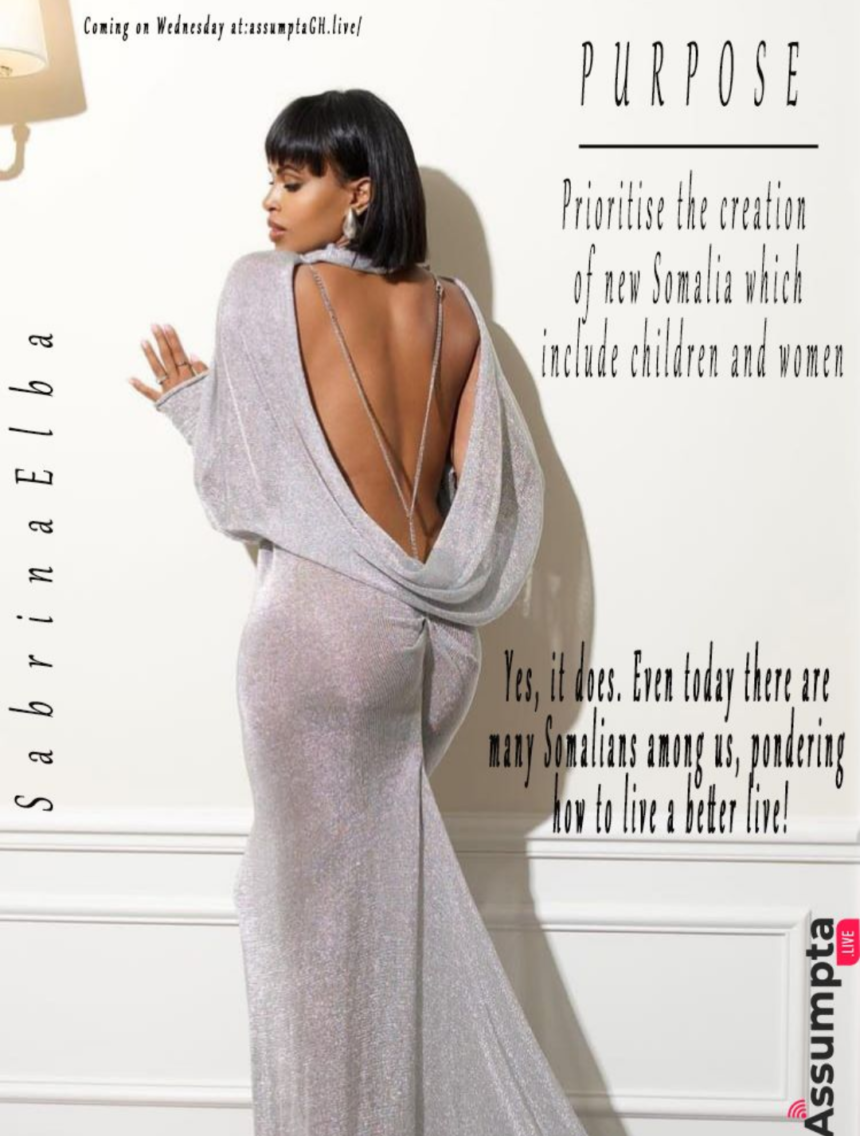
ASSUMPTA International Publications features Sabrina Elba in a new monthly NewsLetter Magazine titled: “HOPE.”

Sabrina Elba prioritises the creation of a new Somalia which includes women and children. Yes, it is. Even today, there are many Somalians among us, pondering how to live a better life.
My wish is for every Somalian for each of you to become happy. My name is Sabrina Dhowre Elba, an actress, activist and model.
Born in Canada, of Somali descent, I have been featured on the cover of British Vogue, Sunday Times Style and Harrods Magazine, and now AssumptaGH Magazine and has been a guest presenter for ITV’s Good Morning Britain.
I also work with a variety of civil society organisations, including Conservation International, on environmental issues. I am passionate about gender equality and promoting the empowerment of women and girls worldwide.
As a Canadian model and actress I was appointed UN Goodwill Ambassador for IFAD in April 2020 and recently visited an IFAD-supported project in Sierra Leone and will dedicate my efforts as IFAD Goodwill Ambassador to the challenges faced by rural women and girls.
TSASI:
However, there have been many calls from many African leaders that are related to your dream.

Sabrina:
Yes, soon many Africans both men and women young and old are all waiting. The theme ‘Women’s rights and gender equality’ is about equal rights and opportunities for all. These are essential for peace, prosperity and development.
In the past decades, Somalians have not prospered because their population is disadvantaged. In the last period, Somalians have not supported their women to strengthen their civil society organisations working to achieve gender equality, and have never contributed to better legislation and changes to norms and values to better protect women’s rights.
TSASI
Is it a regret for you?

Sabrina:
Somalia has experienced almost continual conflict and insecurity. Here, we chart a brief history of the country. The story begins in 1950, when Italian Somaliland (southern Somalia) became a UN trust territory under Italian administration. Renamed Somalia six years later, the country was granted internal autonomy and subsequently held its first elections, won by the Somali Youth League. In July 1960, both British and Italian Somaliland were granted independence, uniting to form the independent Republic of Somalia. Aden Abdullah Osman Daar became the first president, but the new country’s borders were not clearly defined, and there were border skirmishes and hostilities with Kenya and Ethiopia throughout the 1960s Somali prime minister Abdurashid Ali Shermarke, with the Somalian president Aden Abdullah Osman Daar (L). In 1967, the president was defeated in elections by his former prime minister, Abdirashid Ali Shermarke.
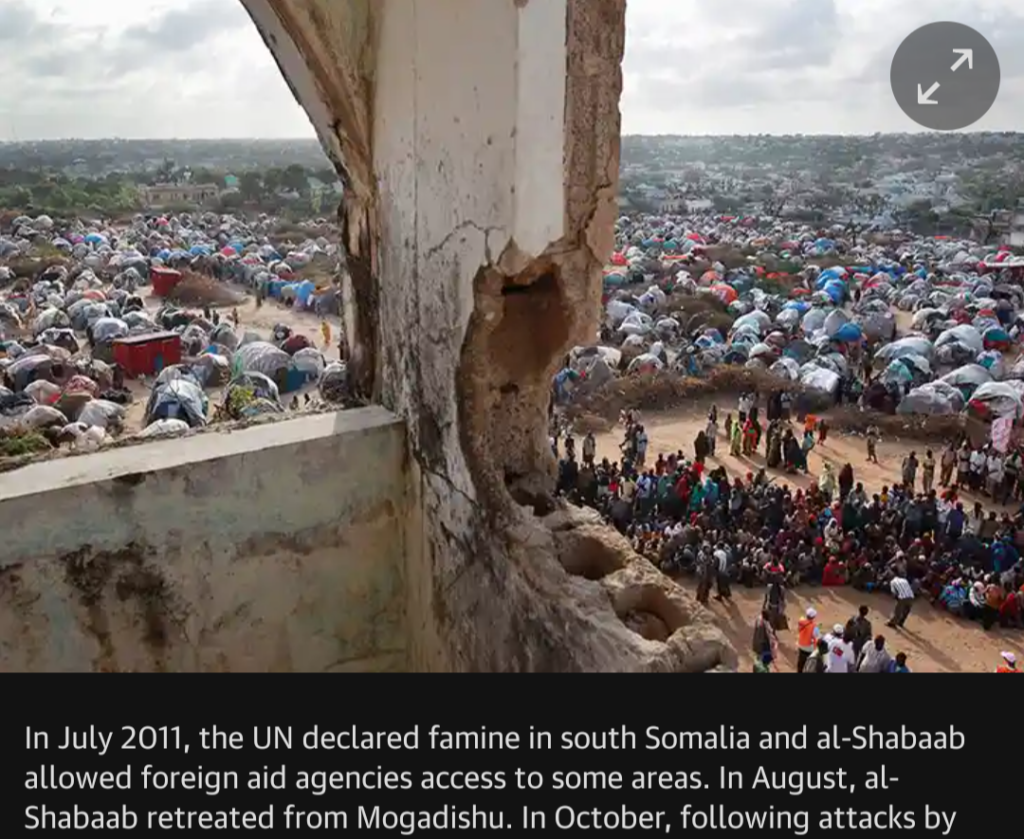
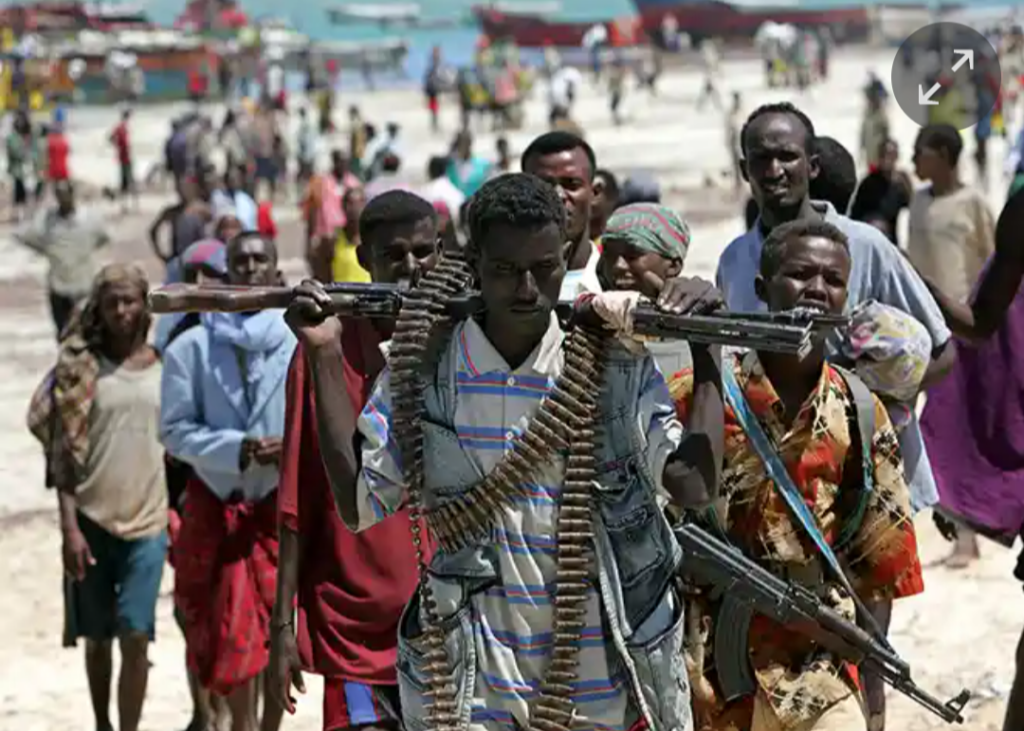
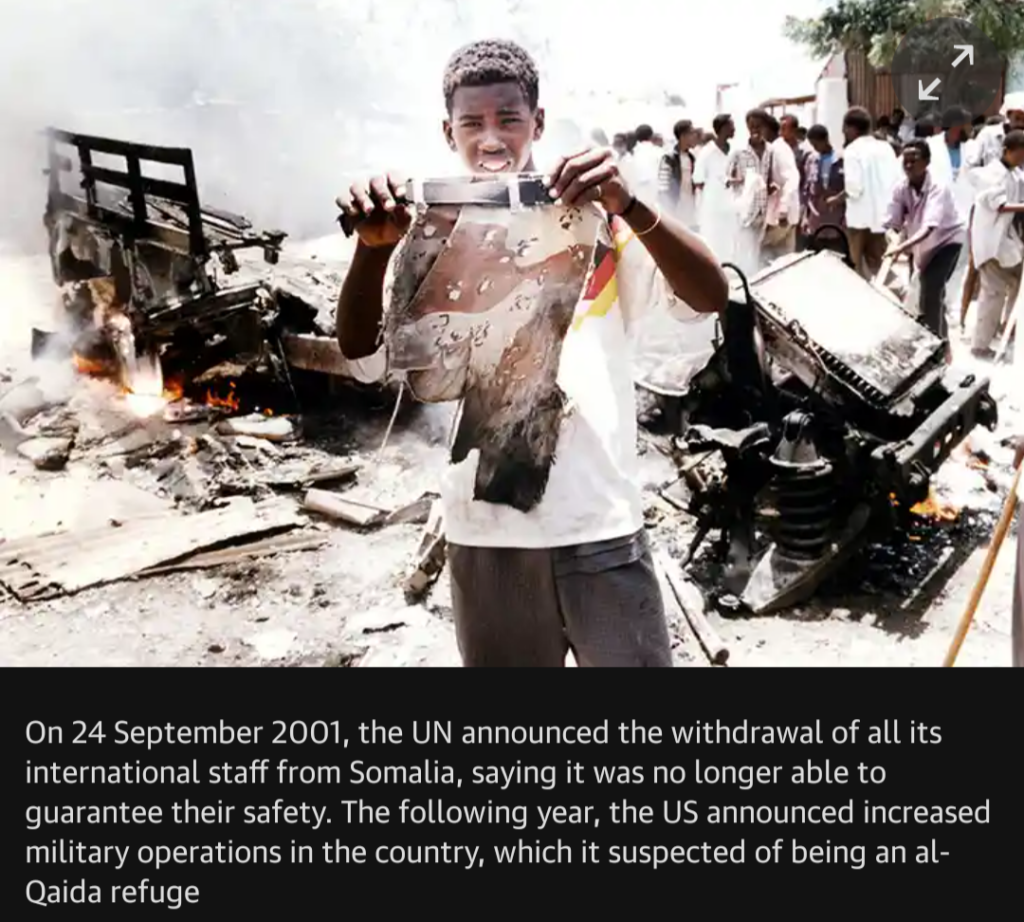
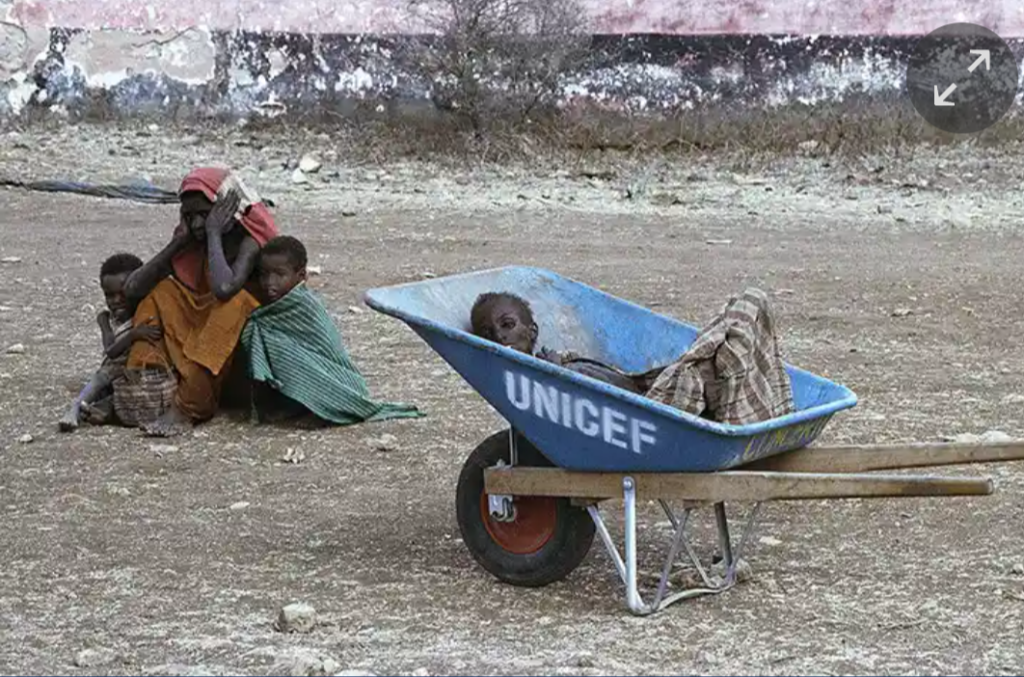
By 2008, 3.5 million Somalis were affected by severe food shortages. In March 2010, a leaked UN security council report claimed that corrupt contractors and militants were taking up to 50% of food aid before it reached people in need. As October-December rains failed, concerns about the potential for major food insecurities in Somalia began to surface. The UN and aid agencies warned they were seeing more cases of malnutrition in parts of the country as a result of the drought. In February 2011, the Somalia parliament voted to extend its term for three years.
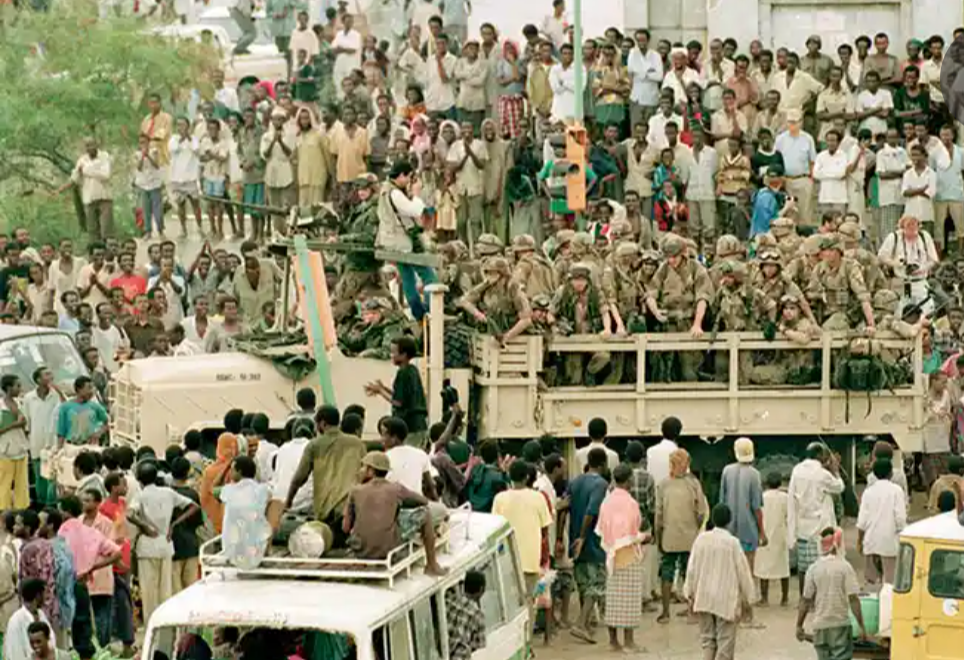
In July 2011, the UN declared famine in south Somalia and al-Shabaab allowed foreign aid agencies access to some areas. In August, al-Shabaab retreated from Mogadishu. In October, following attacks by suspected al-Shabaab insurgents in Kenyan resorts, Kenyan troops entered Somalia. More than 100 people were killed in a Mogadishu suicide bomb attack. The following month, al-Shabaab militants who control areas of south and central Somalia announced they were banning 16 aid agencies from the region. These areas were hardest hit by the famine. In December, UN secretary-general Ban Ki-moon flew to Mogadishu.
In January 2012, al-Shabaab banned the Red Cross from operating in areas under its control. A month later, al-Shabaab officially merged with al-Qaida. The UN declared an end to the famine in Somalia, but warned the country would need continued humanitarian support if the ‘fragile’ gains were not to be lost. On 23 February, foreign ministers from around the world, including the president and prime minister of Somalia, met for a high-level conference in London to discuss the country’s future. Civil society groups expressed concern that humanitarian issues would be left off the agenda.
It is my regret to share this horrible history of my native country that during the conflict many young men and women died and even women living in the days of the conflict were living in fear and even working unpaid without any proper care and protection.
TSASI :
In fact, we must address the cultural biases that level Islamic countries as oppressed. I wish you to start travelling the world to promote peace. The stage for your fashion work and your husband Idris Elba’s as an International actor makes both of you great actors on the world stage because the purpose of your work is to realise beauty, Joy, happiness of humanity and world peace. You must act globally.

Sabrina
As long as we follow the true path in optimising inclusiveness, we can achieve anything.
Thank you TSASI.


