


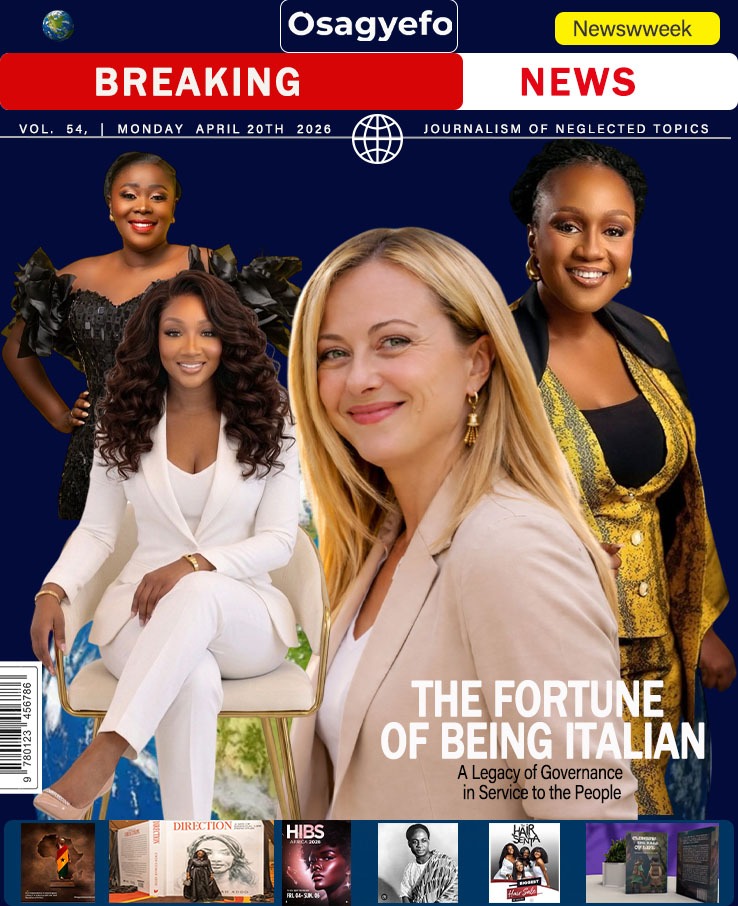
📰 Osagyefo Newsweek — International Edition
BREAKING REFLECTION | GOVERNANCE & IDENTITY
Journalism of Neglected Topics
📍 Special General Essay
Theme: Governance, Human Dignity, and National Identity
📅 Release: Monday, 20 April 2026
🌐 Exclusive Publication: https://assumptagh.live
HAIR SENTA ADVERTISEMENT









https://www.instagram.com/hairsenta?igsh=MXAzOThhNGZ0Nm15dQ==
At Hair Senta, Your Crown Just Got Even More Valuable. 👑✨
At Hair Senta, we’ve always treated you like royalty. Now, we’re making it official. Introducing the Senta Royalty Club—our way of rewarding the excellence, courage, and loyalty you bring to our community every day.
Earn points for every cedi spent and climb the ranks from Duchess to Queen. Because a crown this beautiful deserves celebration.
📍 Where: In-store at 24 Jungle Avenue & Online.
🎁 Bonus: The first 50 Queens to sign up today get 500 Bonus Points to kickstart their journey!
[Button: Join the Club at www.hairsenta.com]
✉️ The Loyalty Launch Email
Subject: An invitation to the Throne… 🥂
Dear [Clients], You’ve always had the hair of a Queen—now it’s time you get the perks of one.
We are thrilled to invite you to the Senta Royalty Club. We designed this program for our most dedicated clients who understand that premium hair is an investment in self-confidence.
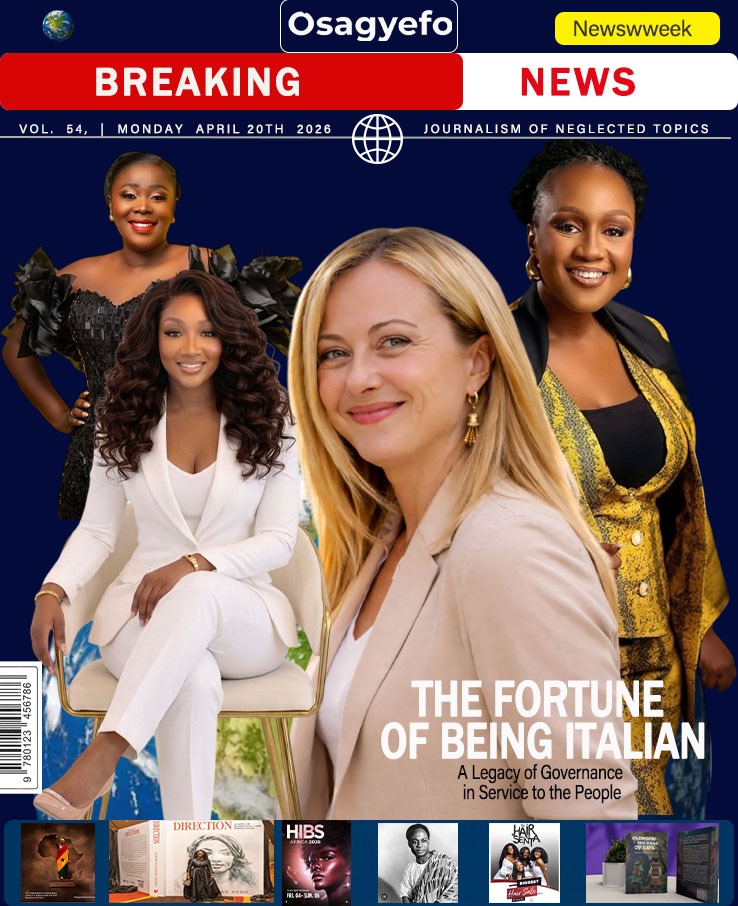
The Fortune of Being Italian
A Legacy of Governance in Service to the People
By Osagyefo Newsweek | Global Affairs & Political Culture Desk
Abstract
Governance is an art. Success is a responsibility. Humanity is the metric. In an era defined by technological acceleration, geopolitical instability, and social fragmentation, this essay examines an enduring question: What remains of our shared humanity in modern leadership?
Through Italy’s evolving tradition of governance, this reflection situates national identity, public responsibility, and ethical leadership within a broader global discourse—drawing on voices from Africa and Europe to illuminate governance as a moral and civic practice rather than a purely administrative function.
Architects of Conscience: Global Perspectives on Leadership
This edition highlights four global thinkers whose work interrogates the ethical foundations of leadership, development, and national identity.
Gwen Akosua Owusuwaa Addo (Ghana)
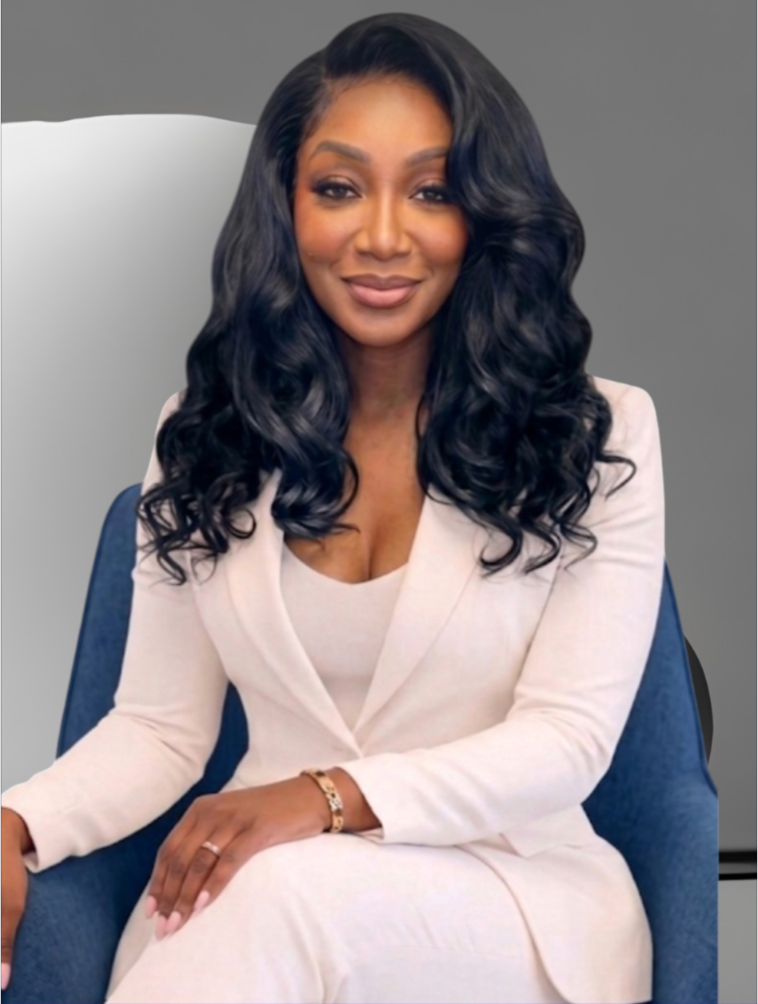
Entrepreneur | Value Theory Advocate | Founder, Hair Senta
Gwen Addo stands at the forefront of dignity-based economics—an emerging framework that argues that human worth, not numerical indicators, constitutes the true foundation of national stability. Her work advances development models grounded in:
•Human agency
•Dignity
•Shared prosperity
Challenging conventional growth metrics, her philosophy reframes policy success as moral uplift rather than statistical accumulation.
“Success that harms others is not value—it is anti-value.”
Dzigbordi Kwaku‑Dosoo
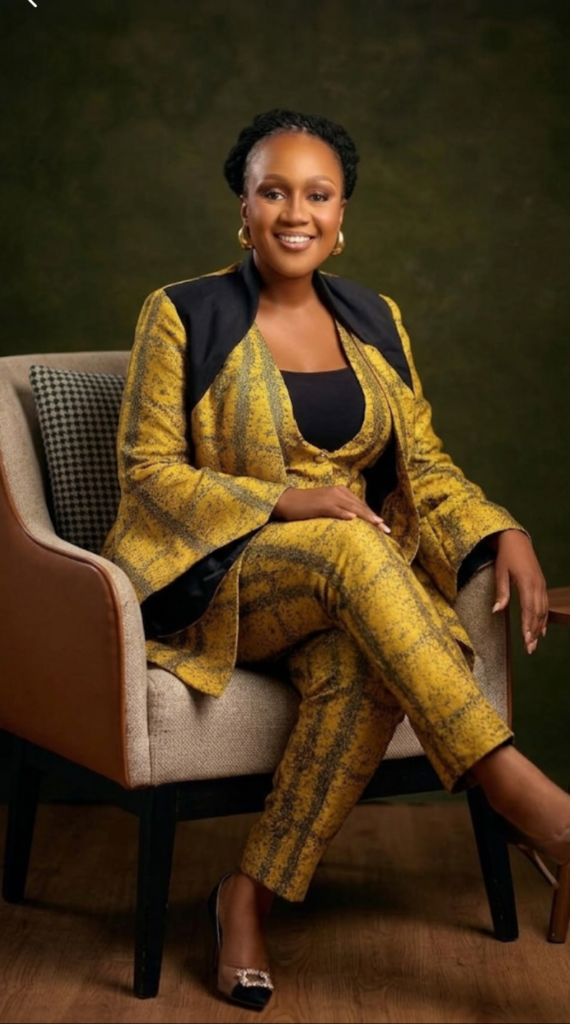
Global Leadership Architect | Human Skills Visionary
An internationally recognised executive coach and entrepreneur, Dzigbordi Kwaku‑Dosoo’s work centres on human transformation in a technology-dominated world.
Through DCG Consulting Group, Allure Africa, and prior experience in global finance, her leadership philosophy emphasises:
•Emotional mastery
•Confidence development
• Human-centred performance
Her approach positions humanity—not tools—as the defining asset of future leadership.
“The future will not belong to those with the best tools, but to those with the strongest humanity.”
Frema Adunyame
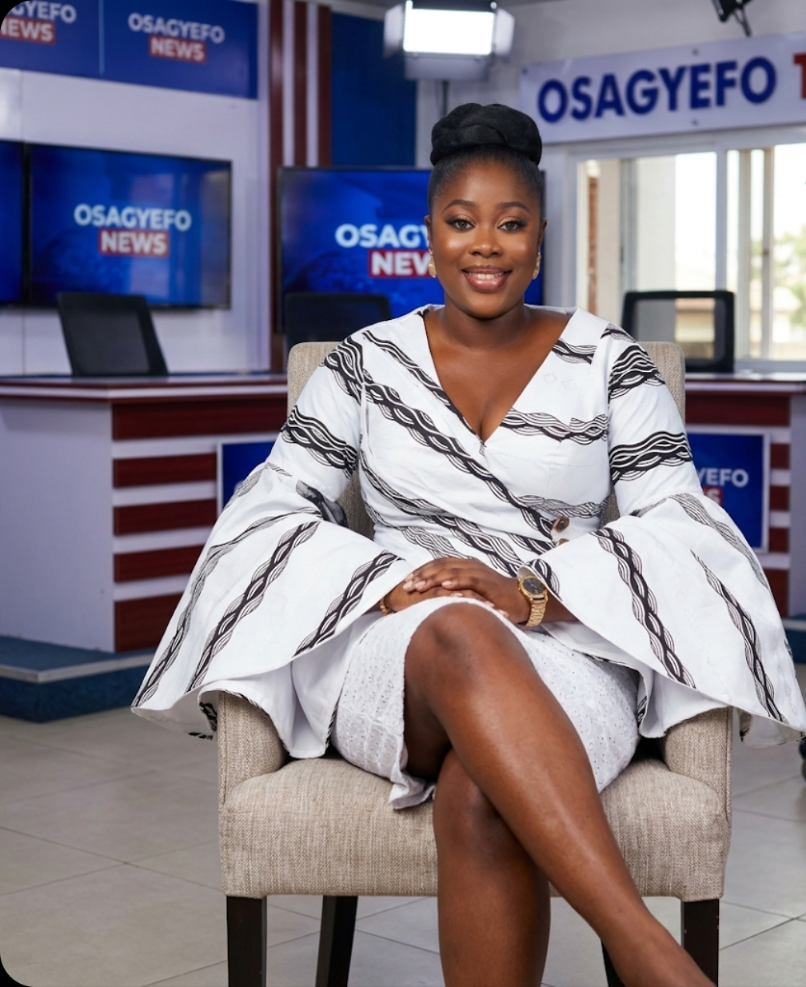
Journalist | Media Executive | Valedictorian, University of Ghana
A leading voice in African media, Frema Adunyame is Head of Events & Partnerships at Citi FM/TV and Channel One TV. Her career spans editorial leadership, prime-time broadcasting, and public discourse shaping. Her recent recognition as university valedictorian underscores her commitment to excellence, communication, and civic responsibility.
“Great leadership sparks not just hope, but a generational shift in vision and values.”
Prime Minister Giorgia Meloni

European Governance Thought: Ethics, Stability, and Identity
She also engages contemporary European scholarship on governance ethics—particularly research exploring how societies preserve structural integrity, cultural identity, and human dignity amid rapid economic and technological change.
Key themes include:
•Societal resilience in periods of disruption
• Human-centred policy as a measure of national success
•Governance that protects cultural continuity without isolation.
“Authentic leadership in the 21st century requires reimagining prosperity not as data accumulation, but as the active protection of the human spirit.”
Italy and the Civic Tradition of Governance
A Legacy Rooted in Human Flourishing
Italy has long been shaped by thinkers, reformers, and civic institutions animated by a single enduring question: How can people live better, more dignified, and more meaningful lives?
From classical philosophy to modern public administration, this inquiry remains central to Italian political culture. In recent years, contemporary governance approaches have reflected a renewed emphasis on service, identity, and social cohesion—anchored in tradition while responding to present realities.
The Art and the Citizen
Governance, in this model, is not elite craftsmanship reserved for power centres. It is conceived as a public art—accessible, participatory, and responsive to everyday life.
Aligned with the principles of the Universal Declaration of Human Rights, this civic philosophy reflects:
•Enduring commitments to fundamental human rights
•Forward-looking integration of modern societal aspirations
At its core lies an understanding of society as an interconnected living system, deserving of care, protection, and aesthetic integrity.
Governance as Responsibility and Protection
A defining feature of contemporary Italian public policy has been the institutional protection of national authenticity.
Through strengthened enforcement against food fraud, counterfeiting, and deceptive labeling, governance seeks to preserve:
•Cultural heritage
•Consumer trust
•The integrity of Made in Italy as both an economic and moral marker
Here, regulation functions not as restriction, but as stewardship.
A Recalibration in Global Engagement
Italy’s recent diplomatic posture reflects broader European debates over strategic autonomy.
Measured reassessments of defence cooperation, coupled with caution toward military escalation, suggest an effort to balance:
•National interest
•Public sentiment
•International responsibility
This stance signals governance defined less by alignment and more by deliberation.
Spirituality, Dignity, and Social Stability
Beyond policy instruments, this governance philosophy engages deeper civilizational values—affirming the inherent dignity of the individual.
It reinforces a foundational social contract:
that teachers, healthcare professionals, civil servants, and essential workers remain valued, protected, and visible within national priorities.
Housing security, labour respect, and economic stability emerge not as economic variables but as ethical imperatives.
Final Synthesis: A Shared Horizon
Ultimately, the “Dignity-based Economics” rising from the intellectual soil of Accra and the enduring “Civic Traditions” of Rome are not disparate philosophies, but two sides of the same global coin. Both represent a profound rejection of “leadership by data”—which views citizens as mere variables—in favor of a “leadership by soul.” Whether through the protection of cultural heritage in Italy or the advancement of human agency in Ghana, the message is clear: the future of global stability lies in our ability to recalibrate governance until it once again beats with the heart of the human spirit
Conclusion
The fortune of being Italian is neither nostalgia nor symbolism alone. It is a living civic tradition—one that understands governance as both duty and art.
Balancing continuity with reform, national identity with global responsibility, and structure with humanity, Italy’s experience offers a broader lesson:
Leadership is not measured by power exercised, but by lives improved.
Editorial Ethics & Standards Policy
Osagyefo Newsweek — International Edition
I. Mission Statement
Osagyefo Newsweek is dedicated to the “Journalism of Neglected Topics.” Our mission is to provide a platform for high-level intellectual discourse that bridges regional philosophies—specifically African and European thought—to explore the intersection of governance, human dignity, and national identity.
II. Editorial Independence & Neutrality
- Non-Partisanship: This publication does not endorse specific political parties or active officeholders. References to national policies (e.g., Italian trade regulations or defence postures) are analysed through the lens of political science and civic tradition, rather than personal advocacy.
- Intellectual Autonomy: The thinkers and leaders featured in our “Architects of Conscience” series are selected based on the merit of their ideas and their contribution to value theory, not as a result of financial sponsorship or political affiliation.
III. Accuracy & Fact-Checking
We are committed to the highest standards of veracity. Contextual Integrity: Quotes and theories attributed to global thinkers are presented within their original philosophical context.
Verification: Analysis regarding international law, the Universal Declaration of Human Rights, and European Union regulatory frameworks is cross-referenced with official documentation.
IV. Syndication & Usage Notice
This essay is an exclusive publication of assumptagh. live.
Reproduction: Authorised syndicates must credit Osagyefo Newsweek and provide a direct link to the original digital publication.
- Alteration: The “Editorial Note” and “Abstract” must remain intact in all syndicated versions to preserve the intended neutral tone and academic context.
📰 Osagyefo Newsweek: Special International Dialogue
Theme: Governance, Human Dignity, and National Identity
Host: Frema Adunyame
Location: Global Broadcast Centre
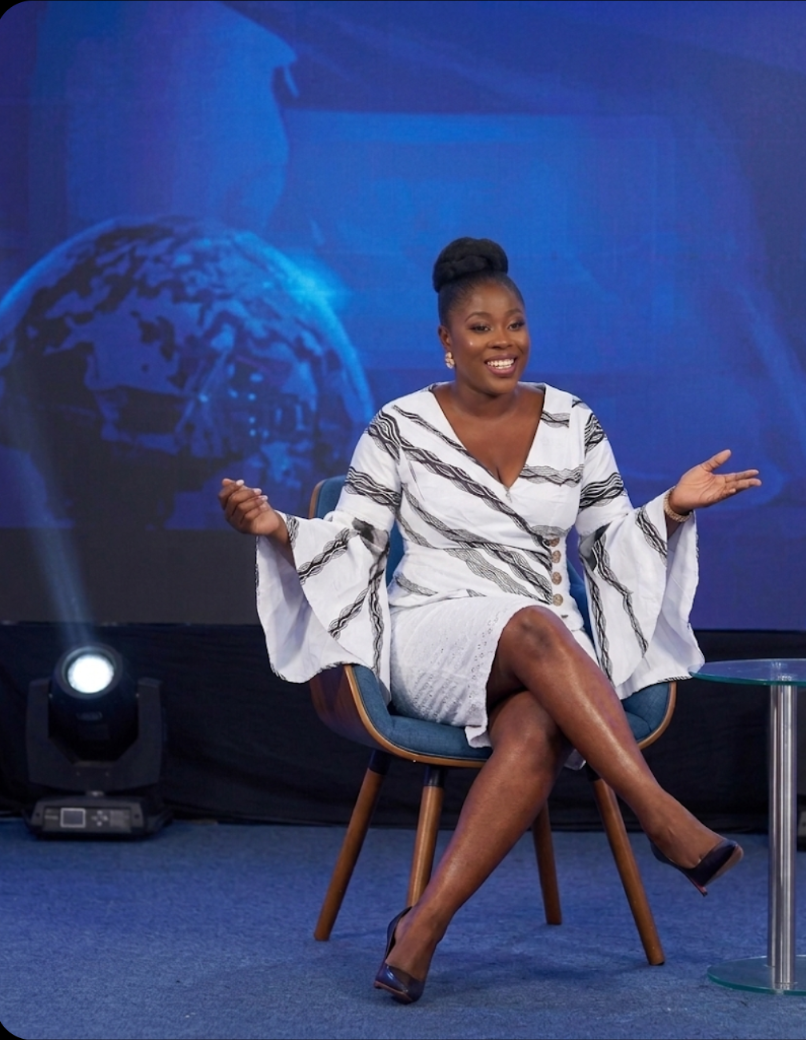
Frema Adunyame: “Good day to our esteemed readers and viewers joining us from across the world. Whether you are waking up in the vibrant streets of Accra, moving through the historic avenues of Rome, or following us digitally across the Americas and Asia—welcome to this special international edition of Osagyefo Newsweek.
My name is Frema Adunyame, and it is a privilege to host a conversation that reaches beyond borders. Today, we step away from the immediacy of headlines to engage with what we call the ‘Architects of Conscience’—four global voices redefining leadership, dignity, and national identity.
I am hosting this dialogue as a Media Leader, Journalist, and Valedictorian. As a broadcaster and Head of Events & Partnerships at Citi FM/TV and Channel One TV, my career has been dedicated to shaping the media landscape through excellence and civic responsibility. I truly believe that ‘Great leadership sparks not just hope, but a generational shift in vision and values.’“
Introducing the Global Panel
”To explore these shifts, we are joined by an extraordinary panel:

- Gwen Akosua Owusuwaa Addo (Ghana): Entrepreneur, Value Theory Advocate, and Founder of Hair Senta. Gwen stands at the forefront of Dignity-Based Economics, arguing that human worth, not statistics, forms the true foundation of national stability. She champions a model grounded in agency and shared prosperity. As she famously says: ‘Success that harms others is not value—it is anti-value.’

- Dzigbordi Kwaku-Dosoo: Global Leadership Architect and Human Skills Visionary. An internationally recognised executive coach and entrepreneur, Dzigbordi focuses on human transformation in a tech-driven world, emphasising emotional mastery and human-centred performance. She reminds us: ‘The future will not belong to those with the best tools, but those with the strongest humanity.’
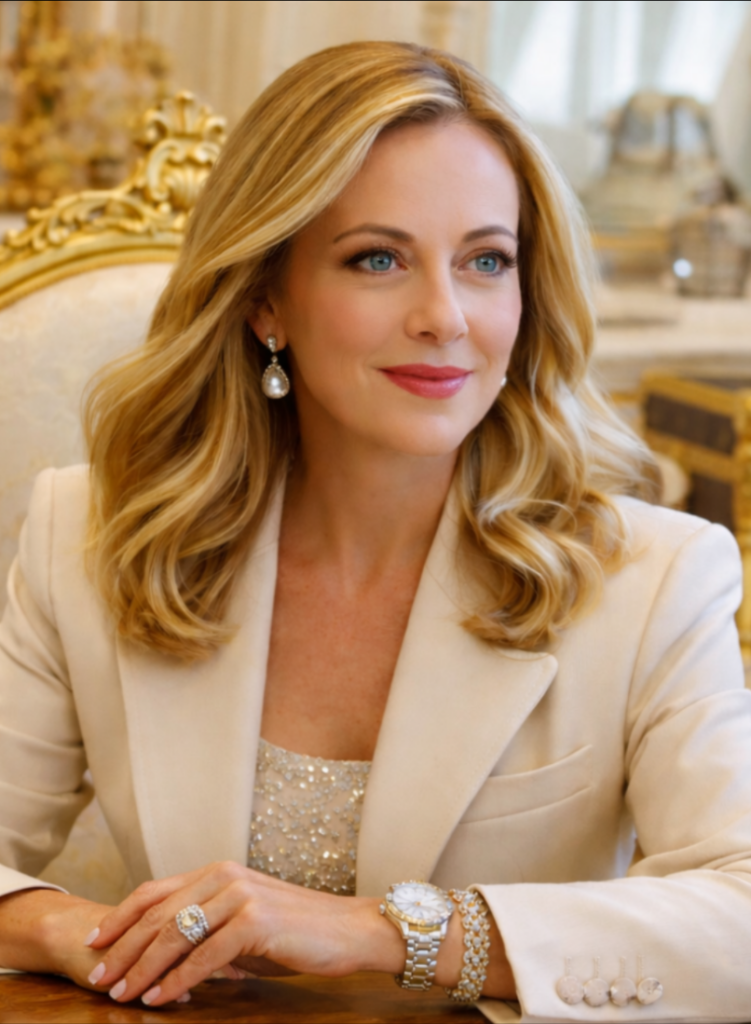
- Giorgia Meloni (Italy): Prime Minister of Italy and a Global Human Development Scholar specialising in the Ethics of Leadership. Representing the Brothers of Italy party, her work serves as a bridge between traditional foundational values and the complexities of the modern state. She advocates for the protection of the human spirit, stating: ‘Authentic leadership requires us to reimagine prosperity not as data, but as the protection of the human spirit.’“
The Article Brief: The Fortune of Being Italian
”To ground our dialogue, we look to our featured article: ‘The Fortune of Being Italian: A Legacy of Governance in Service to the People.’ Italy has long been shaped by thinkers, visionaries, and leaders who have asked a simple yet enduring question: how can people live better, happier lives? From philosophy to politics, this pursuit has been woven deeply into the fabric of Italian society. In recent times, this legacy has found renewed expression in contemporary national leadership. Its approach reflects a continuation of Italy’s enduring commitment to serving its people—anchored in tradition while responding to the realities of the present.
The Art and the Citizen: When the current administration assumed office under Giorgia Meloni and the Brothers of Italy in October 2022, its governance was widely interpreted not as a pursuit of luxury or elitism, but as a form of art rooted in public service. In this vision, art is not reserved for the privileged; it becomes a shared human experience—accessible to ordinary citizens and reflective of collective well‑being. This aligns with the Universal Declaration of Human Rights, balancing long-standing traditions with forward-looking social aspirations.
Governance as Responsibility and Protection: A central pillar of this leadership is the protection of Italian identity through enforceable systems. Decisive action has been taken against food fraud, counterfeiting, and misleading labelling. The introduction of stricter agri‑food protection laws underscores a commitment to safeguarding the authenticity of ‘Made in Italy’—protecting cultural heritage and consumer trust.
A Shift in Global Positioning: Recent foreign policy decisions reflect a recalibration of Italy’s international stance. The suspension of certain defence cooperation agreements and a more independent posture in diplomatic relations signal a willingness to reassess alliances amid geopolitical tensions. Greater distance from calls for military escalation in the Middle East illustrates an effort to balance national interest, public sentiment, and global responsibility—a strategy of measured autonomy.
Spirituality, Dignity, and the Italian Identity: Beyond policy, this touches a sense of spirituality that connects civilisations. It renews the expectation that essential workers—teachers, doctors, and civil servants—are valued and supported. It speaks to the foundations of social stability: housing, economic security, and respect for labour.
Conclusion: The ‘fortune of being Italian’ is a living tradition of governance presented as both duty and art—a balance between tradition and progress, national identity and global responsibility. It offers a model where leadership is measured not by power, but by its impact on everyday life.”
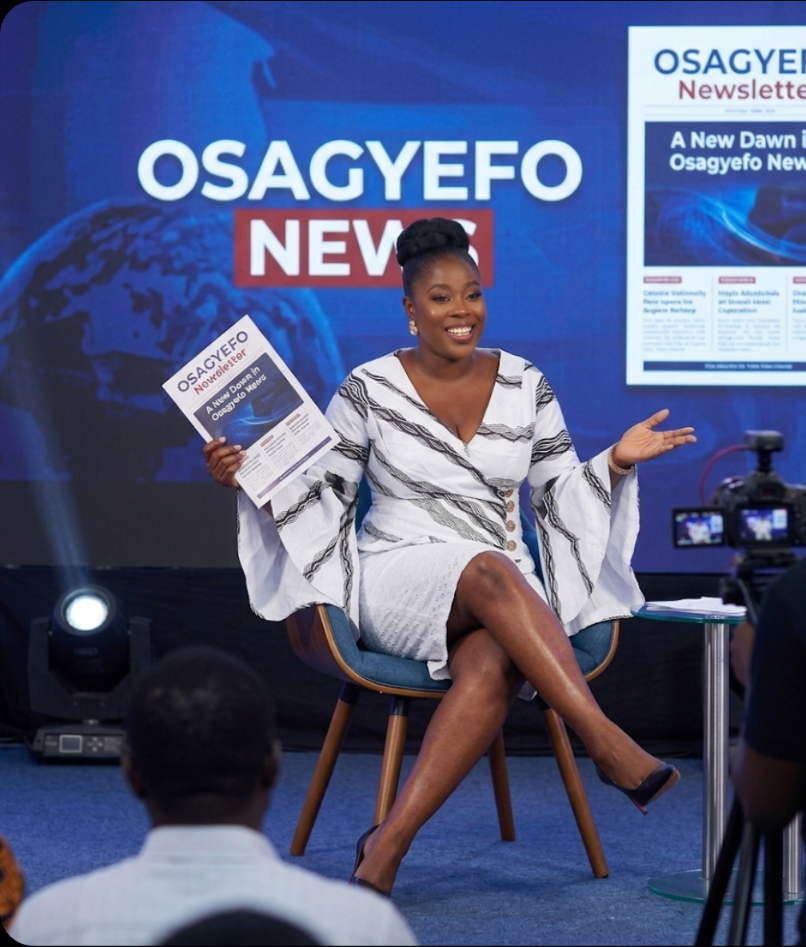
Frema Adunyame: “With that foundation laid, I want to open the floor.
Gwen Akosua Owusuwaa Addo, let’s start with you. In the context of this Italian model—where governance is treated as an ‘Art of Service’ and identity is protected to ensure dignity—how does this resonate with your perspective on Dignity-Based Economics? How do we move from treating people as statistics to seeing them as the heartbeat of a nation’s wealth?”
This is a beautifully articulated response. I have refined the formatting to ensure it is polished, scannable, and carries a sophisticated tone suitable for a global audience, all while keeping your original words and powerful message intact.
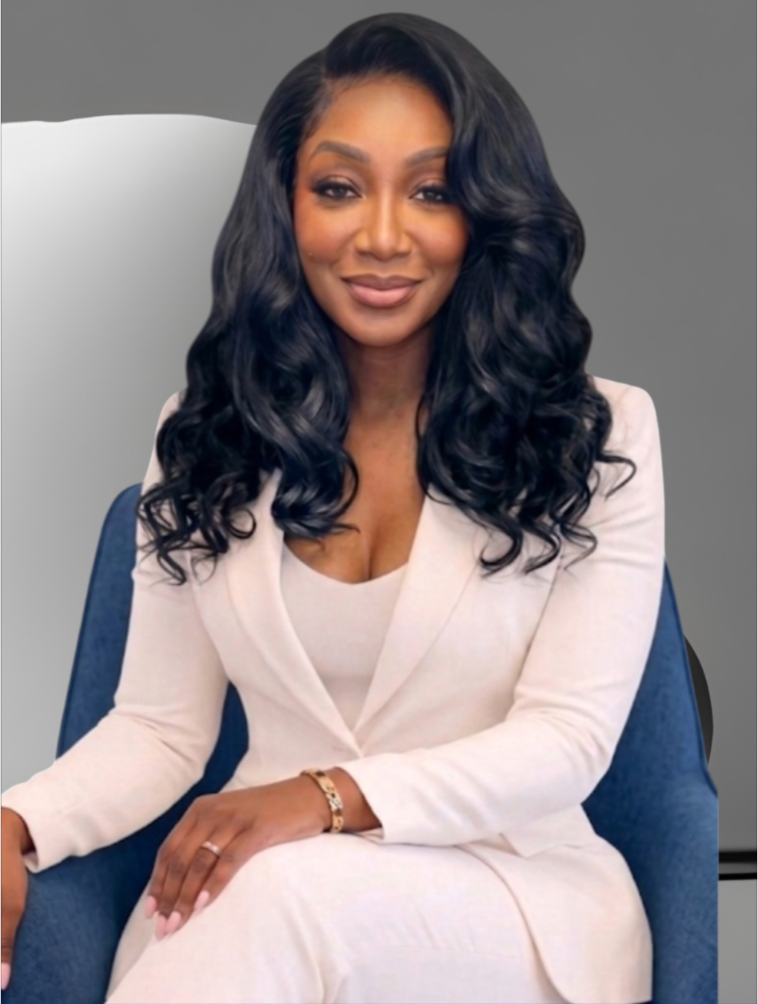
Gwen Akosua Owusuwaa Addo
Thank you, Frema, for that thoughtful framing—and for grounding this dialogue in dignity rather than ideology.
When I read “The Fortune of Being Italian,” what resonated most deeply with me was not Italy as a geography, but Italy as a philosophical choice. A choice to treat governance not as extraction, but as stewardship. That is precisely where Dignity-Based Economics begins.
From Statistics to Souls
We have built modern economies around abstraction: GDP, growth rates, and productivity indexes. These tools are not useless—but they are incomplete. When people are reduced to numbers, the economy may grow while human beings quietly shrink.
Dignity-Based Economics asks a different foundational question:
Does this system increase a person’s agency, safety, and self-worth—or merely their output?
The Italian model you described—where governance is understood as an Art of Service—aligns with this exactly. Art, after all, is an expression of human experience, not a spreadsheet. When governance reflects lived realities—food authenticity, labour dignity, cultural identity—it signals that people are not instruments of the state; they are its reason for being.
Identity as Economic Infrastructure
One of the most powerful insights in the Italian approach is the protection of identity—not as exclusion, but as continuity. In Dignity-Based Economics, identity is not sentimental; it is productive.
When “Made in Italy” is protected from fraud, what is truly being safeguarded is not branding—it is trust.
- Trust between farmer and consumer.
- Trust between artisan and community.
- Trust between the nation and its citizens.
Trust is perhaps the most undervalued form of capital in the global economy. Once trust collapses, no amount of financial stimulus can resurrect social cohesion.
Governance as Moral Labor
Another striking element is the emphasis on ordinary citizens—teachers, healthcare workers, and civil servants. This reflects a core dignity principle: An economy is only as ethical as how it treats its most essential contributors.
When governance honours these roles materially and symbolically, it sends a profound message: your life is not collateral damage for progress. This is where many systems fail. They celebrate innovation while neglecting the human beings who sustain daily life. Dignity-based models reverse this hierarchy. They ask: Who carries the moral weight of society—and are we carrying them in return?
Moving from Measurement to Meaning
To truly transition from statistics to people, we must focus on three pillars:
- Redefine Success. Success must be measured not only by expansion, but by preservation—of dignity, culture, health, and hope. Growth that exhausts the human spirit is not progress; it is deferred collapse.
- Design Policy Through Human Impact. Before asking “Will this scale?” we must ask “Will this humanise?” Policies should be stress-tested against lived experience, not just economic models.
- Centre Agency, Not Dependency Dignity is not charity. It is choice, participation, and voice. Systems should empower individuals to co-create value, not passively receive it.
🎙️ Osagyefo Newsweek — Special International Dialogue (Continued)

Frema Adunyame (Host)
“Gwen, thank you for that deeply resonant contribution. You’ve reminded us that economies do not fail first in numbers, but in meaning—and that trust, identity, and human agency are forms of capital too often ignored. The framing of governance as moral labour and stewardship speaks powerfully to the soul of national leadership.”
“Let’s now widen the lens.”
🌍 Dzigbordi Kwaku‑Dosoo — Human Skills, Leadership & the Inner Architecture of Nations
Frema Adunyame: “Dzigbordi, you work at the intersection of leadership, emotional intelligence, and human transformation—particularly in a world increasingly shaped by technology and performance metrics. From your perspective, how does this Italian model of governance, with its focus on dignity, identity, and protection of the human spirit, speak to the kind of leadership the future demands?”

Dzigbordi Kwaku‑Dosoo
Thank you, Frema—and Gwen, your articulation was both grounded and visionary.
What stands out to me in the Italian governance model you’ve outlined is something many leadership systems have lost: inner coherence. Leadership today is often externally optimised—strategy, optics, tools—while internally fragmented. What Italy’s approach signals is a return to alignment between values, behaviour, and institutional design.
Leadership Beyond Tools-We are living in an age of unprecedented capability. Technology accelerates decision‑making, scales influence, and increases output. Yet capability without consciousness produces exhaustion—not excellence.
This is why I often say:
The future will not belong to those with the best tools, but those with the strongest humanity.
When a government chooses to protect food integrity, cultural authenticity, and labor dignity, it is modeling emotionally intelligent leadership at a national scale. These are not symbolic gestures—they are signals to the nervous system of society that it is safe, seen, and respected.
Human Skills as National Assets
What we call “soft skills”—empathy, self‑regulation, ethical judgment—are in truth hard survival skills. Nations fracture not only from poor policy, but from chronic emotional disconnection between institutions and citizens. This model of governance understands something essential:
- When people feel psychologically secure, they collaborate.
- When they feel valued, they take responsibility.
- When identity is honoured, resilience increases.
That is human performance—not in corporations only, but in civilisations.
Governance as Emotional Containment
Another dimension often overlooked is the leader’s role as an emotional container for the nation. In times of uncertainty—economic, geopolitical, cultural—people look to leadership not just for answers, but for emotional regulation.
A governance style that prioritises dignity, continuity, and moral clarity helps stabilise collective anxiety. It reduces polarisation not by silencing differences, but by anchoring society to shared meaning.
Closing Insight
In my work, I’ve learned this: transformation is not sustainable if it is only strategic. It must be somatic, emotional, and ethical. When leadership strengthens the inner life of a nation—not just its external power—it creates citizens who are not merely productive, but whole.
That is the kind of leadership the future requires.
🇮🇹 Giorgia Meloni — An Interpretive Perspective on Leadership, Identity & Governance

Rather than a personal address, it is useful to understand my leadership through the thematic principles evident in my governance approach, as reflected in the article and broader policy patterns.
Leadership as Custodianship, Not Consumption
A defining feature of this model is the view of leadership as custodianship of inheritance—cultural, social, and moral. Prosperity is not framed solely as expansion, but as protection of what gives people continuity and meaning. This philosophy treats national identity not as nostalgia, but as infrastructure.
Ethics Integrated into Policy
Unlike technocratic models that separate ethics from execution, this approach embeds moral intention directly into regulatory and economic systems. The underlying premise is clear:
- Markets must serve people, not displace them.
- Freedom must be stabilised by responsibility.
- Innovation should not erode human dignity.
Measured Autonomy in Global Affairs
On the international stage, this leadership posture emphasises measured autonomy—maintaining alliances while reassessing engagement through national interest and public sentiment. The objective is not isolation, but sovereignty of decision‑making, particularly where human cost is concerned.
The Human Spirit as a Policy Consideration
Perhaps the most distinctive aspect is the consistent attention to the human spirit—the psychological and cultural well‑being of citizens. Teachers, healthcare workers, families, and civil servants are positioned not as budget lines, but as pillars of societal endurance.
Collective Insight
Taken together, these perspectives reveal a shared truth across disciplines and borders:
Sustainable leadership begins where dignity is non‑negotiable, identity is protected, and the human being remains the central unit of value.
🎙️ Osagyefo Newsweek — Moderator’s Questions to the Panel

Frema Adunyame (Host)
“Thank you all for those rich, layered insights. What we’ve heard today spans economics, human skills, and governance—but at its core, it feels strikingly unified. I’d like to bring us together now with two anchoring questions for the entire panel.”
Question 1: What Are the Common Themes Across Your Perspectives?
“Listening to each of you—Gwen, Dzigbordi, and reflecting on the Italian leadership model—we hear different vocabularies but a shared moral architecture. From your vantage point, what are the core themes that connect dignity‑based economics, human-centred leadership, and governance as an art of service?”
Question 2: How Can This Model Be Applied Globally?
“Italy offers a contextual example, but the challenges we face—erosion of trust, identity anxiety, technocratic disengagement—are global. My second question is this:
How can this human‑centered model of leadership and governance be adapted across cultures, economies, and political systems—without becoming rigid, exclusionary, or ideological?
In practical terms: what must nations, institutions, and leaders unlearn, and what must they rebuild, to place dignity, agency, and humanity back at the centre of public life?”
“I invite each of you to respond not only from expertise, but from conviction—because what is at stake here is not policy alone, but the kind of future our leadership is quietly preparing our societies to inherit.”
“Gwen, Dzigbordi, and Prime Minister Giorgia—then we’ll return to reflections on the Italian experience as a living case study.”
🎙️ Osagyefo Newsweek — Panel Responses

Moderator’s Anchor Questions
- What are the common themes among all speakers?
- How can this model be applied globally?

Gwen Akosua Owusuwaa Addo
Entrepreneur | Dignity-Based Economics Advocate | Founder, Hair Senta
On Common Themes
”When I listen to this panel, what I hear consistently is a refusal to separate economics from ethics, or performance from personhood. The common thread is this: human dignity is not a soft value—it is a structural necessity.
We are all, in different ways, saying that identity, agency, and trust are not cultural luxuries; they are economic infrastructure. Whether we call it dignity-based economics, human-centred leadership, or governance as an art of service, the shared belief is that systems must be built for people, not on people. Another shared theme is stewardship. Leadership is not ownership of power—it is custody of human lives, cultures, and futures.”
On Global Application
”This model becomes globally applicable when we stop exporting solutions and start exporting principles. Every nation can ask:
- Do our systems expand human agency or compress it?
- Do our markets reward extraction or contribution?
- Do our policies see people as costs, or as carriers of value?
To apply this globally, leaders must unlearn the idea that dignity slows growth. In truth, dignity stabilises growth. They must rebuild systems that measure well-being alongside productivity, protect local identity while enabling global participation, and treat labour as human expression rather than a disposable input.”

🌍 Dzigbordi Kwaku‑Dosoo
Global Leadership Architect | Human Skills Visionary
On Common Themes
”What unites these perspectives is inner alignment. Societies fracture when their inner life is ignored. Whether in organisations or nations, leadership fails when emotional intelligence, ethical clarity, and human psychology are absent from decision-making.
Another shared theme is containment—the idea that leadership must hold complexity without dehumanising people. Systems should not overwhelm the human nervous system; they should regulate, support, and empower it. Finally, there is a common insistence on meaning. People do not disengage because they are lazy; they disengage because they feel unseen.”
On Global Application
”This model scales globally if leaders understand that human skills are universal. Empathy, trust, and psychological safety exist in every society; what changes is how they are expressed.
To apply this globally, leaders must unlearn leadership as dominance and efficiency without empathy. They must rebuild policies designed with real human experience in mind and institutions that regulate anxiety instead of amplifying it. The future will not be led by the most technologically advanced nations—but by the most emotionally coherent ones.”

Analytical Reflection
The Italian Governance Model as a Case Study
Common Themes Identified
Across the Italian framework, several themes clearly align with the panel’s perspectives:
- Governance as stewardship, not the consumption of power.
- Identity as social capital, not political symbolism.
- Ethics embedded in policy, not added as a post-script.
- Human dignity is treated as a stabilising force in society.
Global Application
What makes this model transferable is not its nationalism, but its moral architecture. Globally, it suggests that nations can protect local identity while remaining globally engaged, exercise sovereignty without isolation, and reframe prosperity as continuity rather than excess. It serves as a proof of concept: leadership rooted in dignity is operational, not just philosophical.
This scripted continuation masterfully bridges the gap between historical moral frameworks and the modern realities of decentralised power.
🎙️ Osagyefo Newsweek — Continuing the Dialogue

Frema Adunyame (Host)
“Thank you all for grounding this conversation so deeply in history, ethics, and lived human reality.”
“As our newsletter abstract traces the journey of Italy’s thinkers and its modern governance tradition, it reminds us that today’s leadership conversations are not emerging from a vacuum. They are anchored in centuries of philosophical inquiry—and crucially, in global moral frameworks.”
“The Universal Declaration of Human Rights stands as one of the most important foundations of modern global governance. It marked the formal beginning of a shared human rights tradition—asserting dignity, equality, and freedom as universal principles. Subsequent global frameworks have built upon this foundation, incorporating more contemporary aspirations: the interconnectedness of all living beings, our shared responsibility to protect the Earth’s vitality, and the understanding that spirituality remains essential to the bridge‑building between civilisations.”
“This brings us to a defining question for our time:”
Does realizing these shared aspirations require forms of global governance?
And given that governance power has increasingly shifted from the nation‑state to civil society and business—actors that are now deeply interconnected across borders—must these private and non‑state actors also take responsibility for addressing the global challenges we face?
“Gwen Akosua Owusuwaa Addo, I’d like to begin with you.”

🌿 Gwen Akosua Owusuwaa Addo
Entrepreneur | Dignity‑Based Economics Advocate
Thank you, Frema. This is a profound and necessary question. Let me begin clearly: yes—realising these aspirations does require global coordination, but not centralised control. What it requires is shared moral alignment across all levels of power.
Global Governance as Shared Responsibility
When we speak of global governance, many imagine distant institutions issuing directives. But the deeper truth is this: governance has already become global—economically, technologically, and culturally. What has not yet fully globalised is ethical accountability.
The Universal Declaration of Human Rights gave us a moral language to affirm human dignity across borders. Today’s moment demands that this language be operationalised—not just by states, but by all actors who now shape human lives at scale. That includes business, civil society, media, and financial systems.
The Shift of Power—and the Shift of Duty
Governance power is no longer concentrated solely in governments. Corporations influence labor conditions across continents; technology platforms shape identity and belonging. In Dignity‑Based Economics, power and responsibility are inseparable.
If an actor has the power to impact lives globally, then that actor bears:
- Moral responsibility for human dignity.
- Ecological responsibility for the Earth.
- Cultural responsibility for the identities they touch.
This is not activism—it is structural realism.
Interconnectedness Requires Ethical Synchrony
We can no longer pretend that decisions are local when consequences are planetary. An economy that exploits ecosystems in one region diminishes human well-being everywhere. Global governance, then, is about ethical synchrony:
- Shared thresholds for human dignity.
- Shared respect for Earth’s vitality.
- Shared acknowledgement that economic success cannot be detached from spiritual and moral cost.
Spirituality and the Reconnection of Civilisations
The role of spirituality is not about doctrine—it is about reverence. Spirituality in governance reminds us that humans are not merely economic units and nature is not merely a resource. Without reverence, power becomes reckless. With it, leadership becomes stewardship.
Closing Reflection
“So, Frema, realising these aspirations does require global participation—but not global domination. It requires governance as a shared ethic, where states, businesses, and civil society each recognize their role as custodians of human dignity and planetary life. When power becomes conscious of its responsibility, global governance is no longer threatening—it becomes protective.”
🧭 Collective Takeaway
Across voices and disciplines, the panel converges on a single conclusion: When leadership centres dignity, identity, and humanity, systems become more resilient.
This model travels globally through three core principles:
- Human beings are the primary unit of value.
- Trust is a foundational form of capital.
- Leadership as a form of moral labour.
Our Shared Humanity Soka Gakkai Buddhist Movement
Soka Gakkai Official Link subscribers
An introduction to the Soka Gakkai and Nichiren Buddhism.
Where do the teachings originate from?
What is the philosophy of Buddhism?
How do Soka Gakkai members apply it in their daily lives?
The Soka Gakkai is a global community-based Buddhist organisation that promotes peace, culture and education centred on respect for the dignity of life. Its members in 192 countries and territories study and put into practice the humanistic philosophy of Nichiren Buddhism.
Soka Gakkai members strive to actualise their inherent potential while contributing to their local communities and responding to the shared issues facing humankind. The conviction that individual happiness and the realisation of peace are inextricably linked is central to the Soka Gakkai, as is a commitment to dialogue and nonviolence.
Subscribe to our channel: / sgivideosonline Visit our website: https://www.sokaglobal.org/ Like us on Facebook: / sgi.info Follow us on Instagram: / sgi.info Follow us on Twitter: / sgi_info


https://www.instagram.com/babiesandtodds_?igsh=MWs0ZHlsbjcxNXEyZg==
Nurturing Excellence. Cultivating Peace. 🌍
Babies & Toddlers Daycare (BTDC) welcomes families from all walks of life to our premier Daycare and Preschool in Windhoek. 🇳🇦
We are a community-centered institution dedicated to the dignity of life. Our approach goes beyond traditional childcare, integrating a humanistic philosophy that prepares the next generation to be compassionate global citizens.
Why Families Choose BTDC:
- Safe & Nurturing Environment: A “home away from home” in the city center. 🏠
- Values-Based Learning: We prioritize peace, culture, and mutual respect. 🤝
- Creative Freedom: Dedicated spaces for children to play, share, and innovate. 🎨
Enrolling Now for a Brighter Future.
📍 Located in the Heart of Windhoek
📞 Inquiries: +264 81 673 7599
💻 Visit: www.babiestodds.com


https://www.instagram.com/sima_brew?igsh=MWpvcjZhZ2ExNXVrNQ==
A Symphony in Crimson: Celebrating Akua Boadiwaa and Sima Brew
This striking ensemble, crafted by the renowned Ghanaian designer Sima Brew, is a masterclass in the intersection of contemporary high fashion and artisanal precision. Worn by the multifaceted Akua Boadiwaa, the outfit serves as a visual testament to the “Works from the Heart” philosophy.
The Design Anatomy
The garment is a monochromatic masterpiece in a vibrant, soul-stirring red. It features a sophisticated blend of textures and structural elements:
- The Bodice: A high-neck, long-sleeved top made of a delicate, ribbed translucent fabric that offers a modern, ethereal feel.
- Artisanal Detailing: Three-dimensional rose appliqués are strategically “blooming” across the chest and waist, showcasing the “automated excellence” and “skilled hands” mentioned in the brand’s ethos.
- The Silhouette: The lower half transitions into a rich, lustrous satin or silk. The architectural draping at the hips creates a dramatic, sculpted volume—a signature move that honors traditional African silhouettes while leaning into avant-garde trends.
- The Finish: Accented by statement floral earrings and polished jewelry, the look is the epitome of bold elegance.
The Corporate Context: Can this Fit the Office?
The question of whether this outfit fits a corporate office depends entirely on the definition of the “office” in 2026.
- The Traditional View: In a strictly conservative legal or corporate environment, the sheer elements and the dramatic volume of the peplum-style draping might be considered “gala-wear” rather than “desk-wear.”
- The Modern Reality: For a woman like Akua Boadiwaa—who balances roles as a Lawyer, Entrepreneur, and Food Scientist—this outfit is a “Power Suit” reimagined. In creative industries, leadership summits, or modern entrepreneurial spaces, this look commands the room. It says the wearer is disciplined enough to appreciate precision tailoring, yet bold enough to lead with heart.
The Verdict: While perhaps too avant-garde for a standard Monday morning filing, it is the ultimate choice for a corporate keynote, a high-stakes networking event, or a leadership celebration where “honoring creativity” is part of the brand.
A Tribute to Akua Boadiwaa
It is rare to find an individual who embodies such a vast spectrum of excellence. To be a Lawyer requires a sharp, analytical mind; to be a Food Scientist requires a dedication to innovation and health; and to be an Entrepreneur requires the courage to build.
Akua Boadiwaa does not just wear this dress; she inhabits its story. Her “Positive Soul” shines through the craftsmanship of Sima Brew, proving that African women are not just following global trends—they are setting the gold standard for what it means to be elegant, intellectual, and culturally grounded.
Akua, your journey is an inspiration to readers worldwide. You are a true architect of culture.
