






AssumpyaGH Magazine feature Joselyn Dumas in the story of: “The Girl From Burkina Faso“
Sensing that there is something wrong with her country, AKINA stopped going to the Mosque.
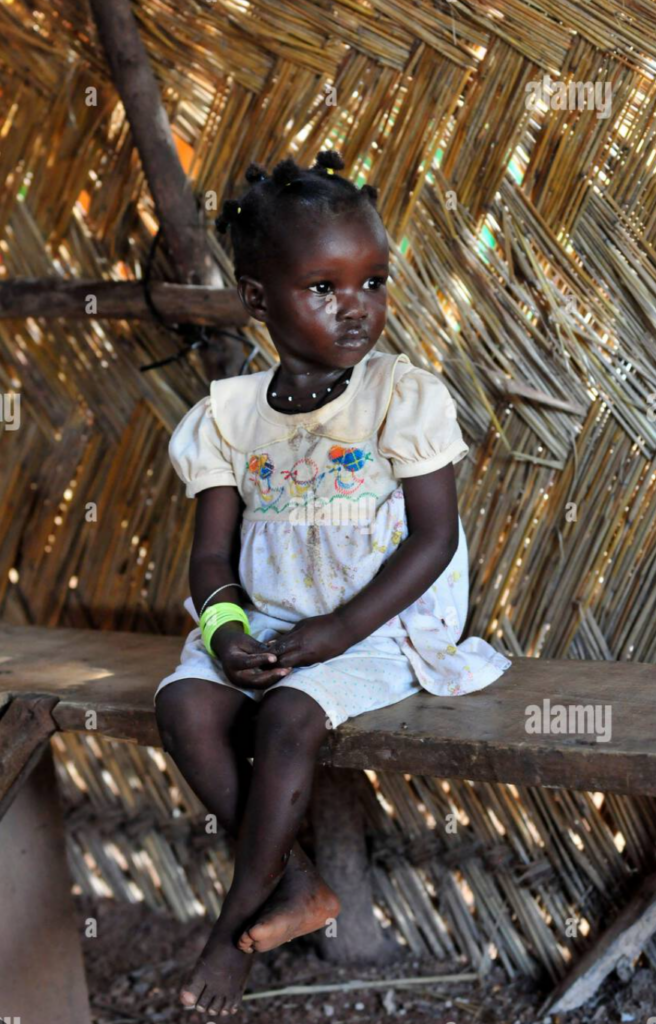
Little does she know that her decision to take a firm attitude to speak to her members of society with utmost sincerity was the correct way to bring change.
What is ‘the story of “The Girl From Burkina” based On?
Imagine a story of a little girl aged 8 years sensing that there is something wrong with her country, and she stopped going to the Mosque.
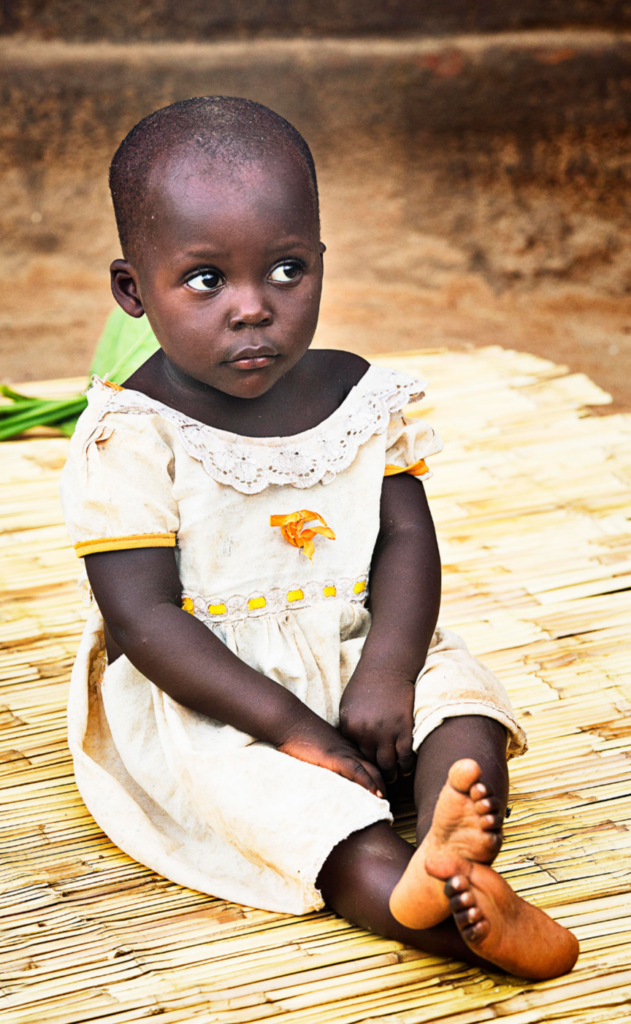
AkINA didn’t want to tell miss Jocelyn whose guidance to her many times made her feel encouraged and stronger inside.
AKINA was sitting in the back yard wall, waiting for miss Jocelyn, and suddenly she came. Miss Jocelyn humbled down the wall beside AKINA and sit beside her. Can you come closer? AKINA asked miss Jocelyn.
Having her face up, when she lifted her head, she feel upset and angry. Coming down on her knees; I want to know what is wrong; miss Jocelyn said.

AKINA stood on her feet. ‘I am just wondering if it is enough for me to continue going to the mosque. Miss Jocelyn sat back on the wall. You’d never want to be the one little girl to judge the practice of Islam in this country. Said miss Jocelyn.
You have never doubted my ability to perceive clearly the past, present and the future of this country right. Said AKINA.
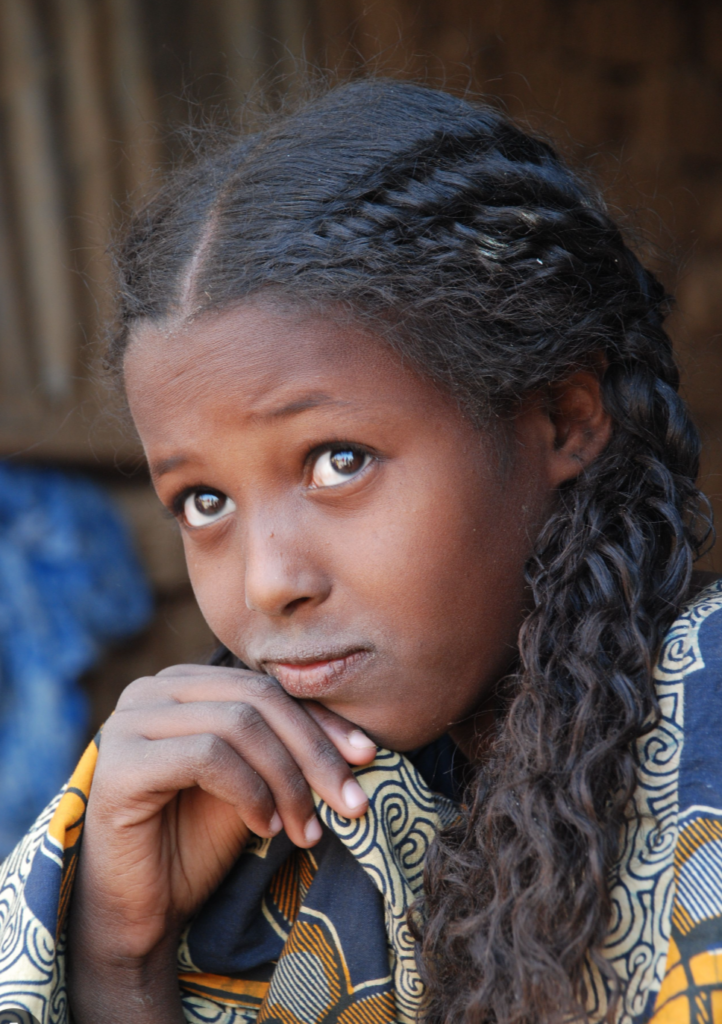
Somehow, it doesn’t feel safer to live in a country that once filled with vibrant culture and diversity where I grow up to become an inquisitive and compassionate soul, always seeking to understand the world around me.
As i grew older, I began to sense that something was amiss in the country.

Of course I honour that. You had always been a regular visitor to the local mosque, where you found solace and community. However, as time went on, you started noticing subtle changes in the atmosphere. Something I have also observed, a growing division among our people, fueled by prejudice and intolerance. Okay, recount everything you saw and heard. Said miss Jocelyn.
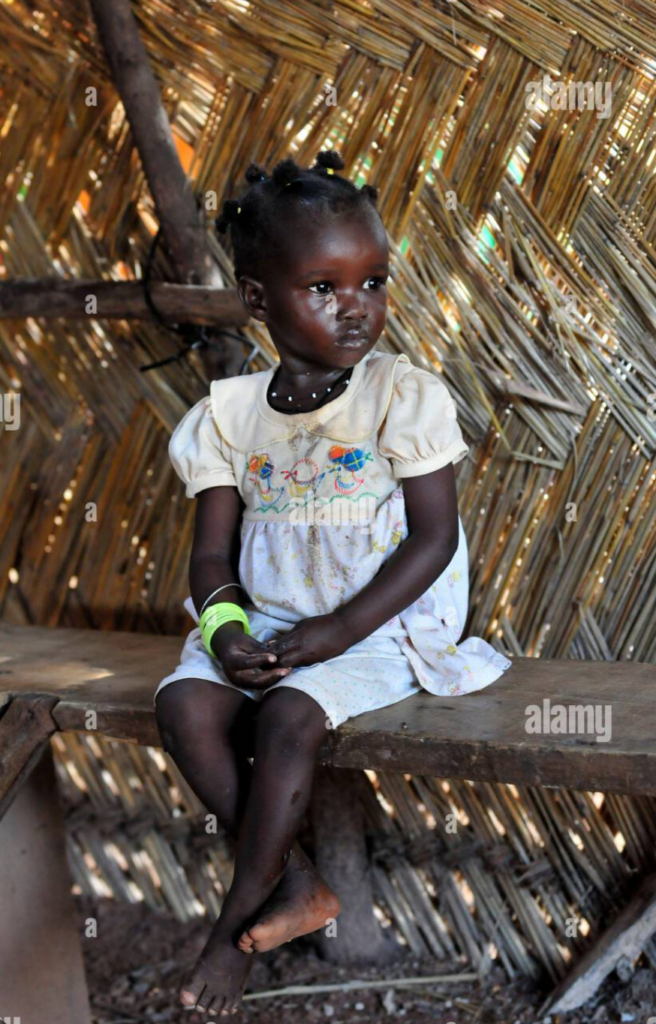
One day, while sitting in the mosque, I overheard conversations filled with hatred and mistrust.
I saw individuals using religion as a means to promote their own agendas, rather than fostering unity and compassion. Deeply troubled by what I witnessed, I made a difficult decision.
I chose to stop going to the mosque, not out of a lack of faith, but because I believed that true spirituality should transcend the walls of any religious institution.
Miss Jocelyn looked at AKINA and said; you have embarked on a personal journey of introspection and enlightenment, seeking to find your own path to connect with the divine right?

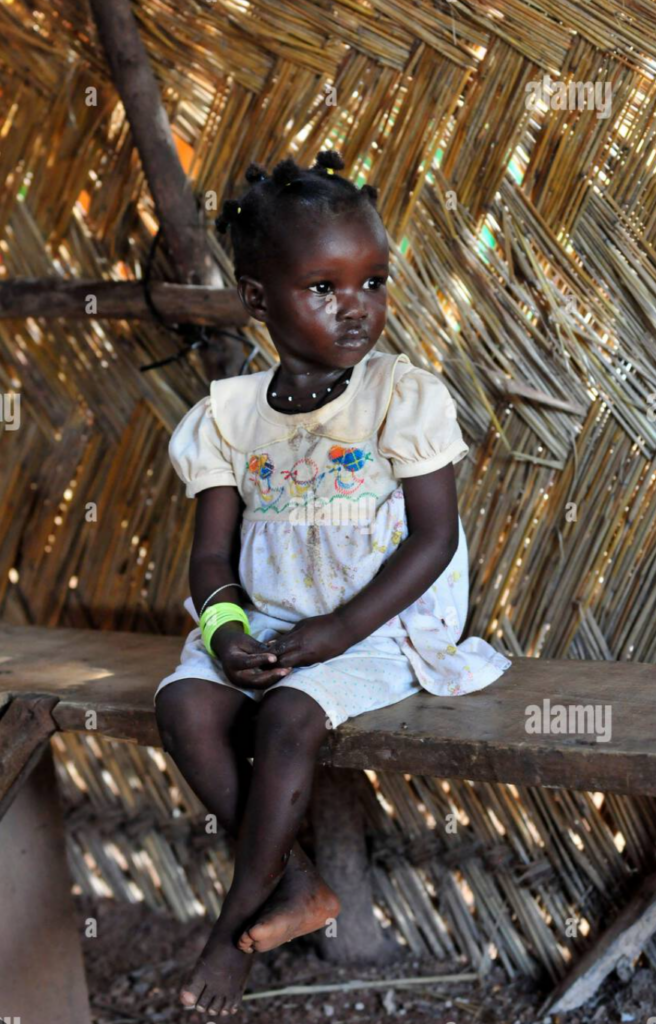
Know that your decision will not come without challenges. Your parents especially, and some people in our community will questioned your decision, unable to comprehend your choice.
However, I will remained steadfast in my belief that true faith should be reflected in one’s actions and the way they treat others, rather than mere attendance at a place of worship.

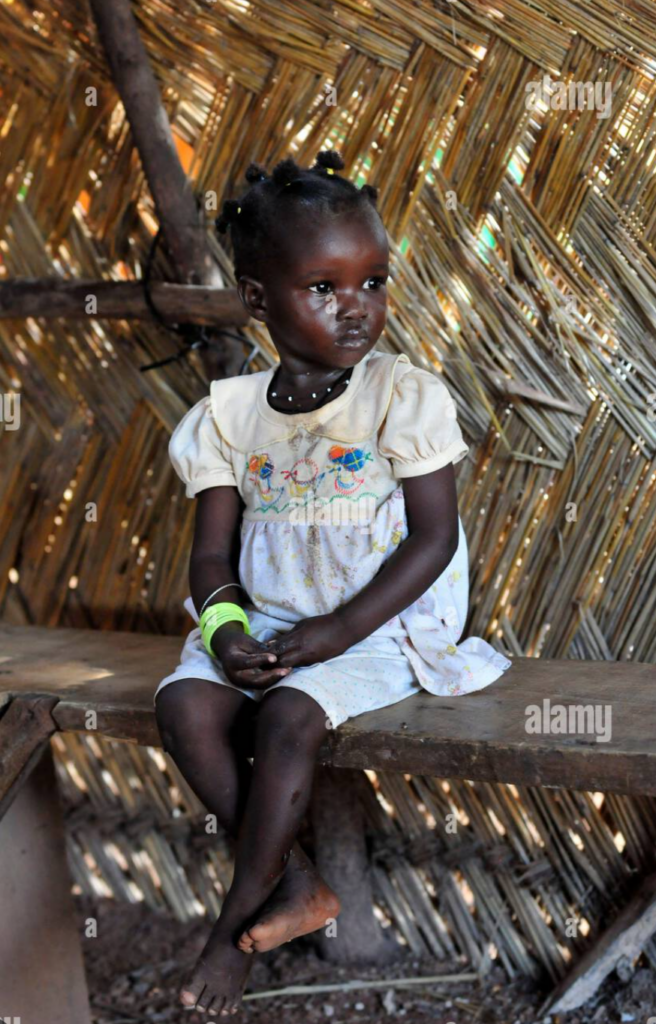
As time passed, AKINA’s absence from the mosque caught the attention of a wise elder in her community. Intrigued by her conviction and desire for a deeper understanding, they approached her and offered guidance.
She shared stories of great spiritual leaders of Burkina Faso who emphasised the importance of love, compassion, and unity among all people.
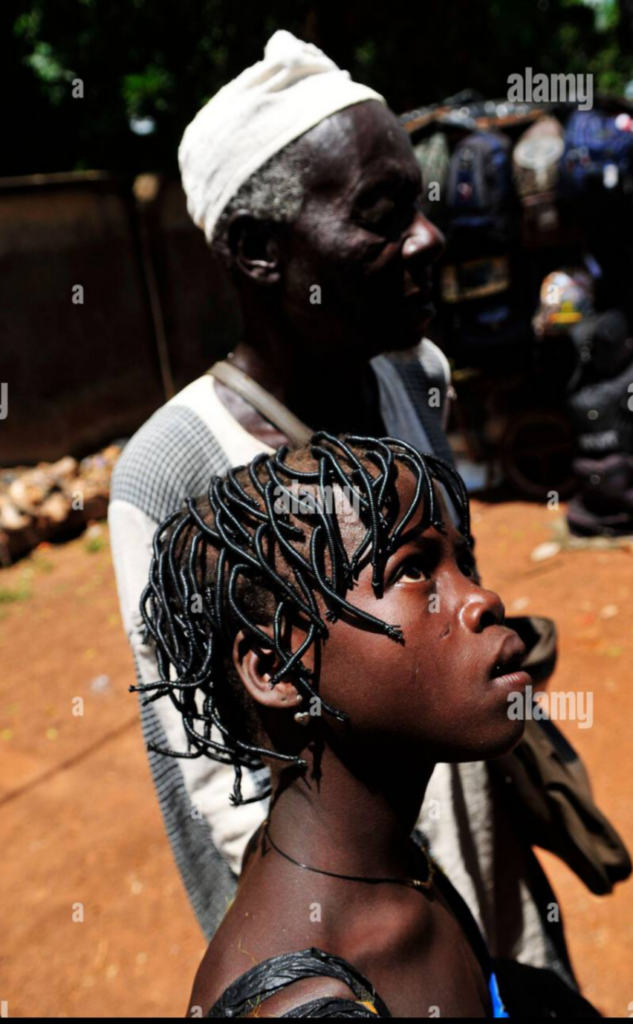
Inspired by these teachings, AKINA began to actively engage with her community in different ways. She organised interfaith dialogues, bringing people of various beliefs together to foster understanding and harmony. AKINA discovered that her true calling was not in the walls of a single religious institution but in building bridges between people and promoting a shared sense of humanity.
Over time, AKINA’s efforts touched the hearts of many. Her courage to question the status quo and her commitment to promoting love and compassion became a source of inspiration for others. Together, they worked towards a more inclusive society, where people embraced diversity and celebrated their shared humanity.
In the end, AKINA’s decision to listen to her inner voice and step away from the mosque was not a rejection of her faith but a reimagining of how religion could be practised. Through her journey, she discovered that true spirituality transcends mere rituals and resides in the depths of one’s heart, guiding them towards a life of kindness, empathy, and acceptance.

The most basic wish of AKINA was for her and people of Burkina Faso live happily. Yet human society is shaped by forces that work powerfully against this basic desire: from pervasive violence, to wanton environmental destruction, to the exploitation that structures such deep inequalities between people.
AKINA’S story sheds light on the inner dynamics of human life that lead us to create such an undesirable reality. One of the most pernicious and powerful desires inherent in human life, according to what I have always thought these children, is the desire for power over others, the urge to subjugate other people to our will. In this condition, the ego finds its most unrestrained and destructive expression, regarding others simply as a means to satisfy its selfish objectives.
The teachings of Nichiren Daishonin’s Buddhism symbolically personifies this exploitative, authoritarian impulse as the Devil King of the Sixth Heaven. Its imprint is evident in Burkina Faso, what the French did to the people of Burkina, everywhere in the African continent.
Recognizing the rampancy of this impulse, the French trained and armed Boko Haram, a Nigerian Islamist militant group from 2009 to 2021 to continue their colonisation in Nigeria Africa.
Nichiren, the 13th-century founder of the Buddhism practiced by the Soka Gakkai, described the world as the domain of the devil king, and all people as being under the rule of this devil.
But if human nature is the cause of our most dire global problems, it is also the source of the fundamental solution. The countervailing force to the destructive aspect to human nature and the suffering it engenders is compassion. Compassion, a sense of solidarity with others, with all life arising from a wish for mutual happiness and growth, is the heart and origin of Buddhism.
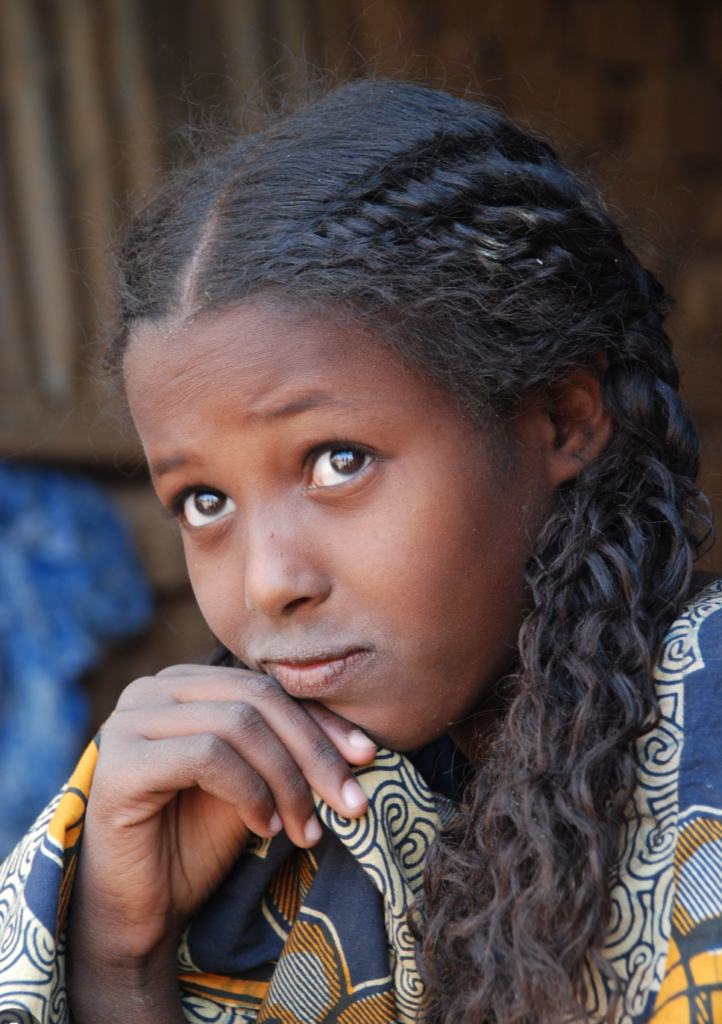
AKINA
Honestly, you taught us with genuine compassion and that empowered me and helped me unlock my strength and courage from within my live in order to make a make a decision to overcome the problems our country is facing, this is not contradictory at all.

For example, although resolving a difficult situation for the people of your country may seem compassionate, if this ends up making you stronger and and more self-reliant, then it will contribute to their actual happiness in life. Because the essence of compassion is empowerment. Thank you miss Jocelyn.