







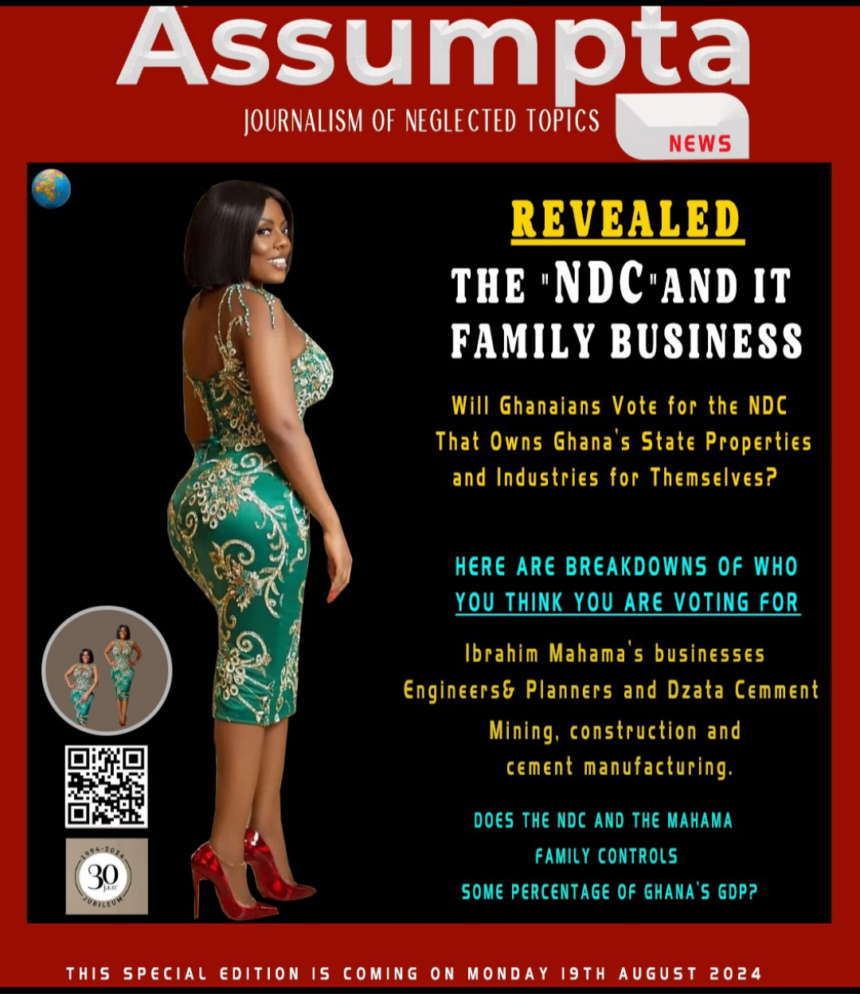
Title : The “NDC” and Its Family Businesses:
Content : Will Ghanaians Vote for the NDC That Owns Ghana’s State Enterprises and Industries for Themselves?
Journalism of Neglected Topics :
Last updated: 18/08/2024 at 17:53 PM :
By Assumptagh-Gahu-tu : Coming on Monday, 19th August:
Urban Engineering With Asssumpta Gahutu
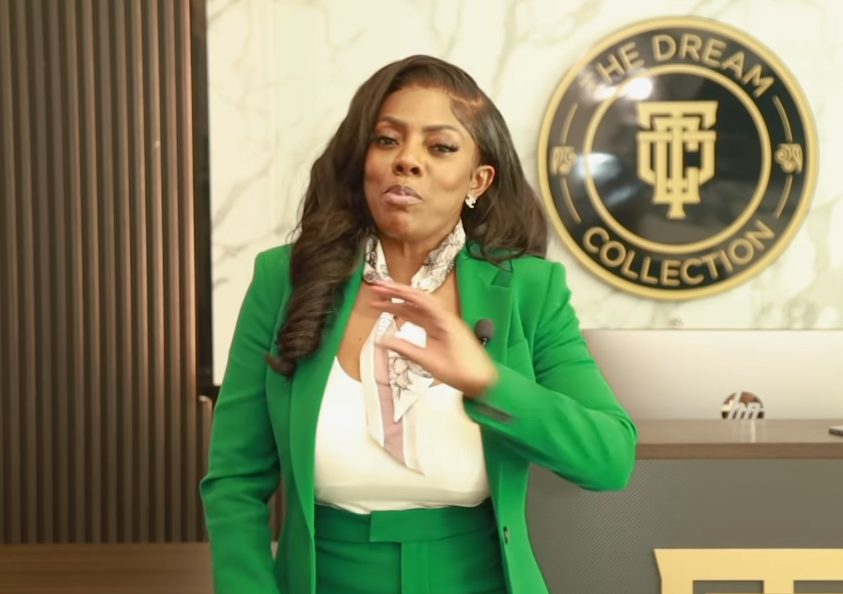
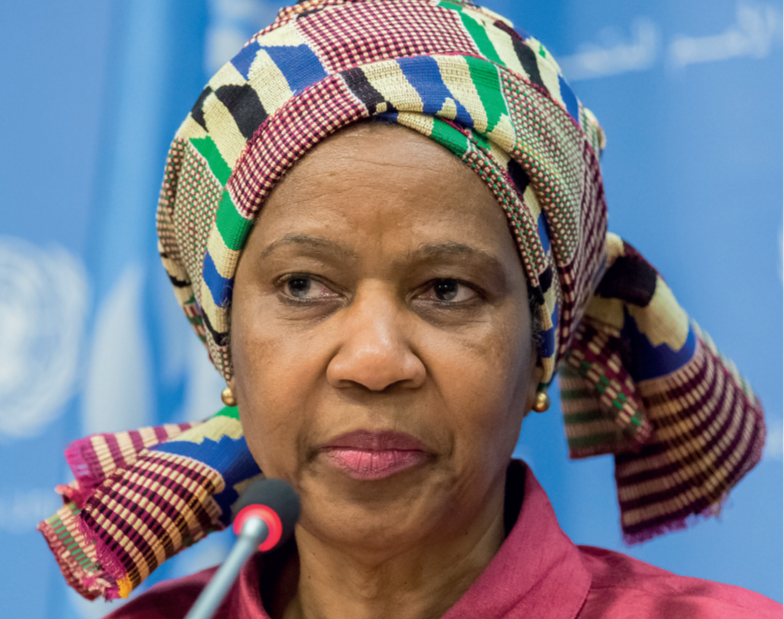
In her highly anticipated “Revealed” news magazine, Nana Aba Anamoah, the renowned TV presenter, radio personality, and event host, will delve into a controversial topic that has raised eyebrows across Ghana. Elegantly dressed in luxurious fabric, Nana Aba will present a comprehensive breakdown of the powerful connections between the National Democratic Congress (NDC) and key players in Ghana’s economy.

Nana Aba Anamoah
Who are you really voting for?
This Monday, Nana Aba will uncover the intricate web of businesses associated with the NDC, particularly focusing on the Mahama family. The feature will explore how these entities—such as Ibrahim Mahama’s Engineers & Planners and Dzata Cement—play a significant role in Ghana’s mining, construction, and cement manufacturing sectors.
The critical question being posed: Do the NDC and the Mahama family control a significant percentage of Ghana’s economy?
Tune in for an in-depth analysis that promises to shed light on this pressing issue ahead of the elections.
Prologue;
I know this may seem abstract or untrue. Who really cares about the ‘citizens’?
In a true democracy, civic information belongs to the people and is free to use however one wishes. But information is the lifeblood of power. He who controls it controls the agenda and, thus, other people. If we want to be a free people, a free society, we must have free information.
This is all very worthy and principled, but I find such arguments rarely persuade Ghanaians. So instead, I am going to tell you a few stories. The first ones are about the title of this article:
- “The ‘NDC’ and Its Family Businesses.”
- Will Ghanaians vote for the NDC that owns Ghana’s state enterprises and industries for themselves?
- And who are Ghanaians really voting for?
This article will uncover the intricate web of businesses associated with the NDC, particularly focusing on the Mahama family. It will explore how these entities—such as Ibrahim Mahama’s Engineers & Planners and Dzata Cement—play a significant role in Ghana’s mining, construction, and cement manufacturing sectors.




https://www.instagram.com/ag_premiumjeans?igsh=MWpsNjZ1bTFvdHNsdw==
The critical question being posed: Do the NDC and the Mahama family control a significant percentage of Ghana’s economy?
The utter arrogance I encountered made me realise that these Mahama family members were people worthy of some serious investigation.
Dialogue With Nana Aba-Anamoah:
Nana Aba Anamoah: “Good evening, everyone. It’s a pleasure to be here with you today. For those who may not know me, I’m Nana Aba Anamoah, a broadcast journalist and the founder of ‘Women of Valor.’ Today, I’m here not just as a journalist but as a fellow citizen concerned about the future of our nation. I’d like to discuss some critical issues that affect all of us as Ghanaians.”
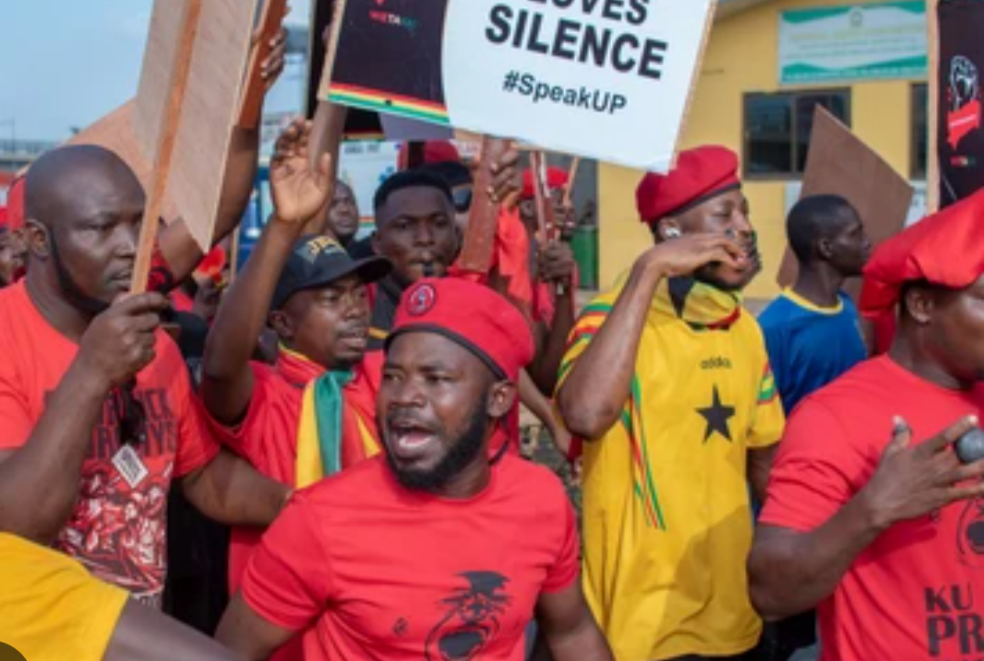
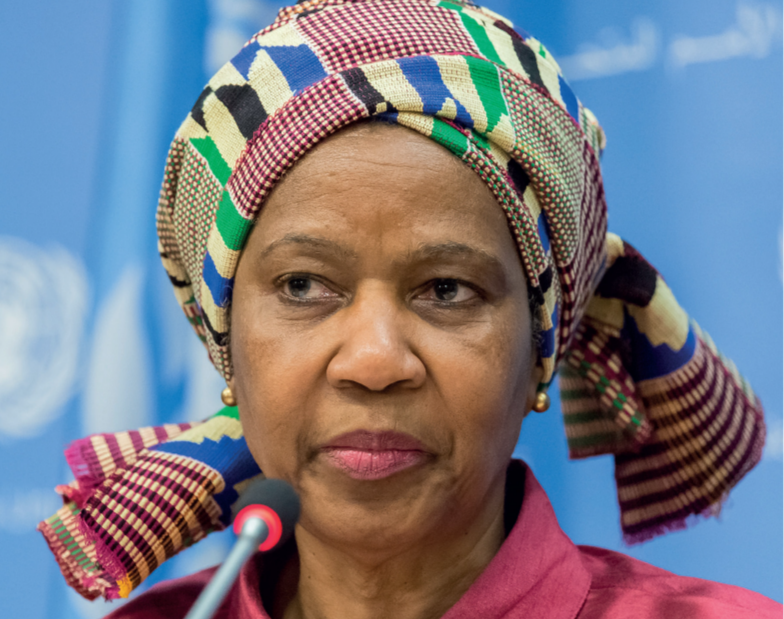
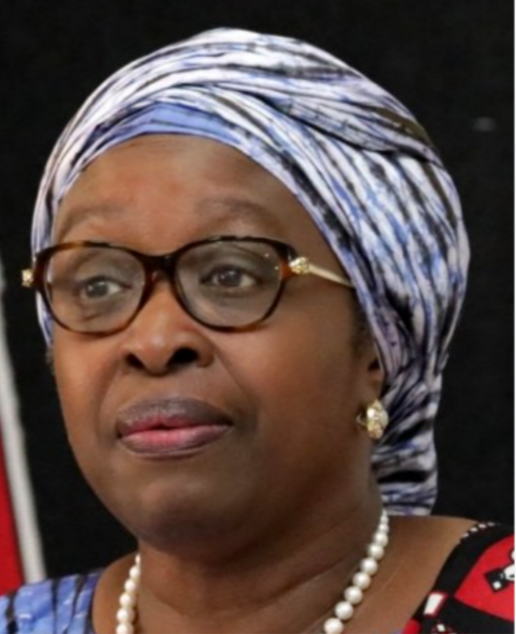
Citizen 1 “Good evening, Nana Aba. We’re glad to have you here. We hear about these issues often, but sometimes it feels distant from our daily lives. Can you help us understand what these big ideas mean for ordinary Ghanaians like us?”
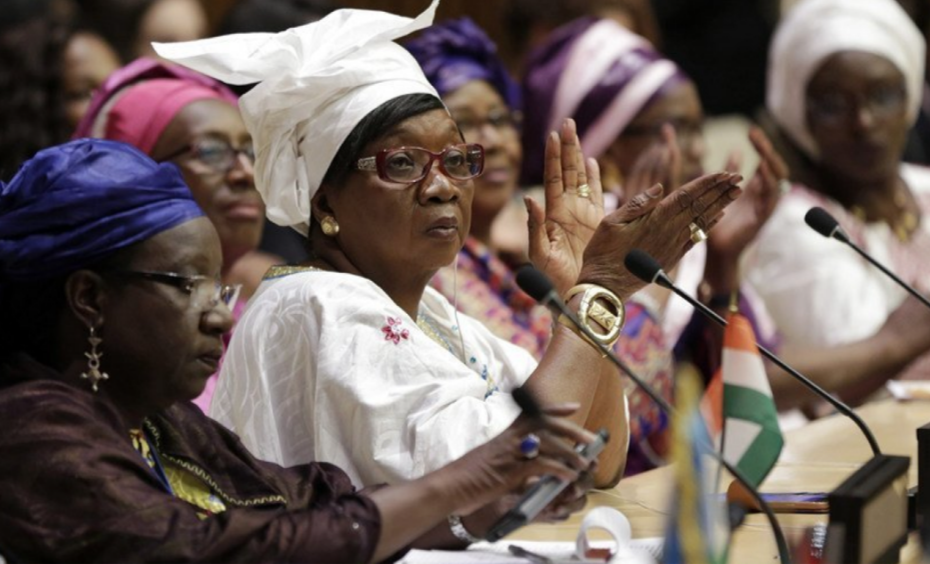

Nana Aba Anamoah:“Absolutely, that’s why I’m here. I know this may seem abstract or untrue—who really cares about the ‘citizens’? But in a true democracy, civic information belongs to the people and is free to use however one wishes. Information is the lifeblood of power. He who controls it controls the agenda and, thus, other people. If we want to be a free people, a free society, we must have free information.”
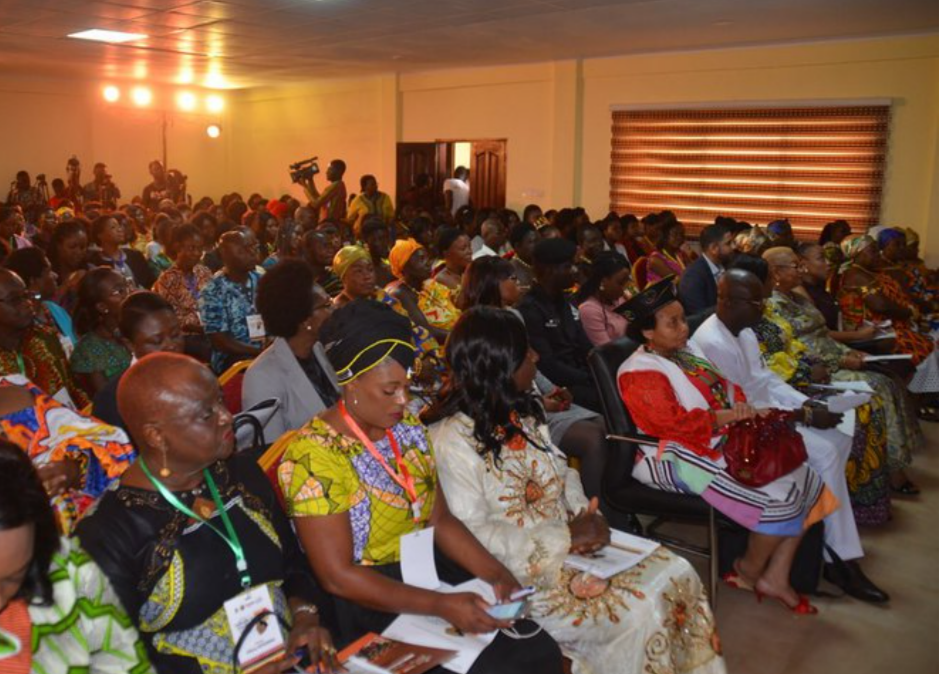
Citizen 2: “Nana Aba, we hear these things all the time, but what does it really mean for us? How does controlling information affect our daily lives?”

Nana Aba Anamoah: “That’s exactly the point. These ideas sound lofty, but they rarely resonate on an emotional level. So instead of just talking about principles, let me share a few stories with you. Stories that reveal what’s truly at stake in our country. Let’s start with the title of this article: ‘The NDC and Its Family Businesses.'”
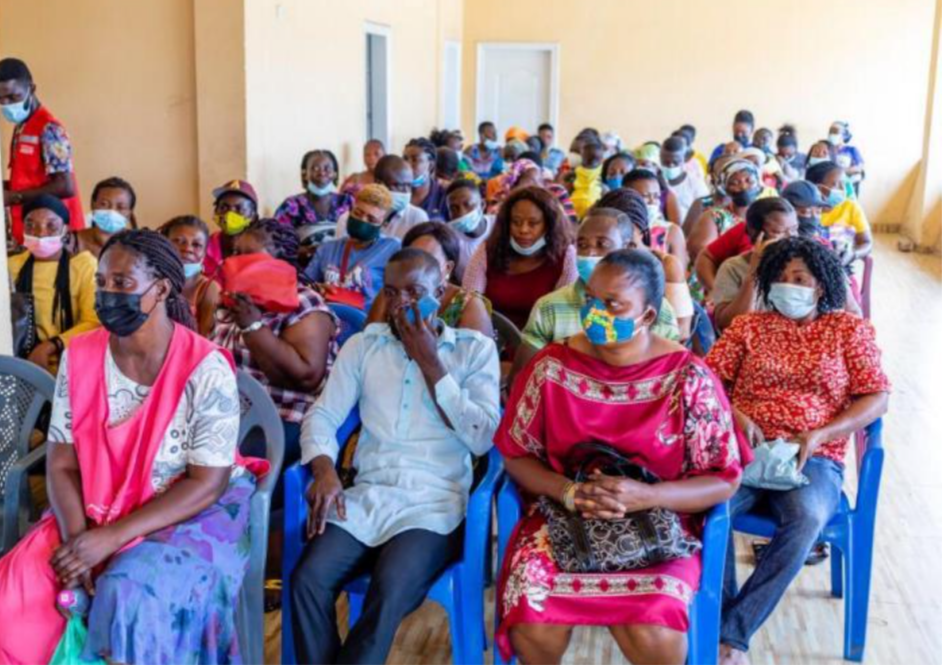
Citizen 3: “You’re talking about the Mahama family, aren’t you? We’ve heard rumours, but how deep does this go?“

Nana Aba Anamoah: “It’s more than just rumours. Let’s dive into the specifics. The Mahama family, particularly Ibrahim Mahama, has significant business interests through companies like Engineers & Planners and Dzata Cement. These entities are key players in Ghana’s mining, construction, and cement manufacturing sectors. The question we need to ask is: Do the NDC and the Mahama family control a significant percentage of Ghana’s economy?”
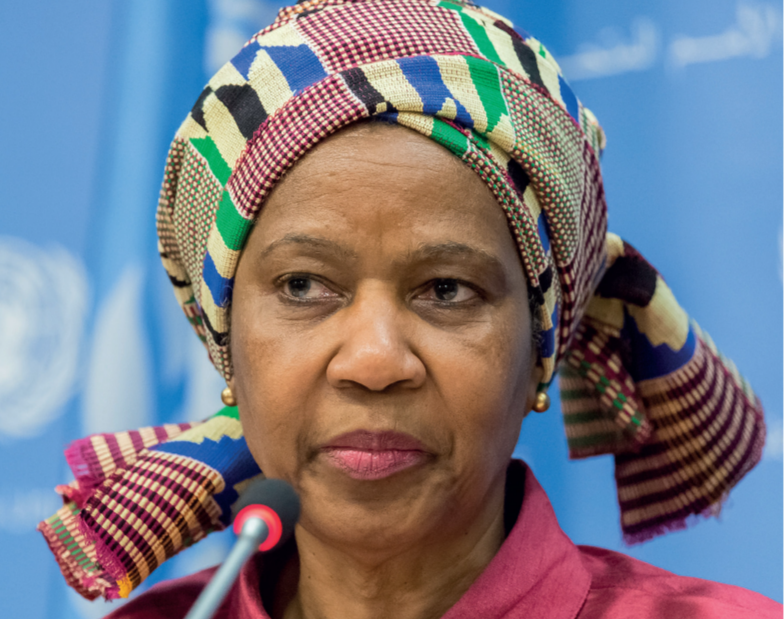
Citizen 4:”So when we vote for the NDC, are we really just voting for them to enrich themselves?”

Nana Aba Anamoah:“That’s a crucial point. When you cast your vote, are you supporting the party’s policies and leadership, or are you inadvertently backing a broader economic agenda that benefits a select few? These connections between political power and economic control can have profound implications for who really runs the country—and whose interests they serve.”
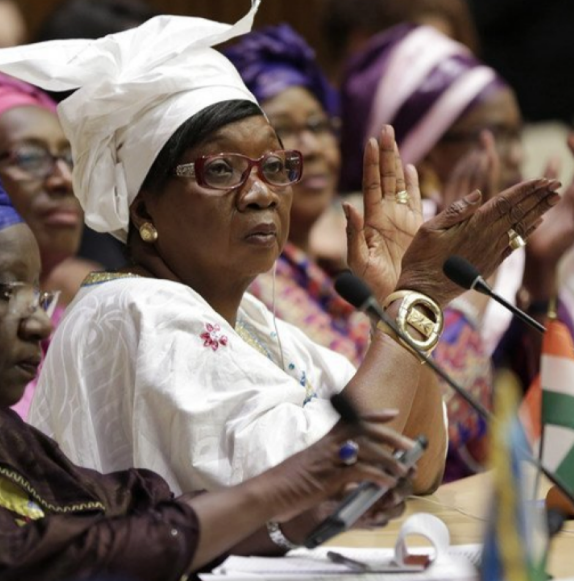
Citizen 1:.”But these are powerful people. What happens when you investigate them? Do they even care about what the average Ghanaian thinks?”
Nana Aba Anamoah: “Let me tell you, the arrogance I encountered during my investigations was eye-opening. These aren’t just business people—they’re power brokers who believe they’re untouchable. This realisation made me understand that the Mahama family, and by extension the NDC, deserve serious scrutiny. We need to shine a light on how they operate because if we don’t, who will?”
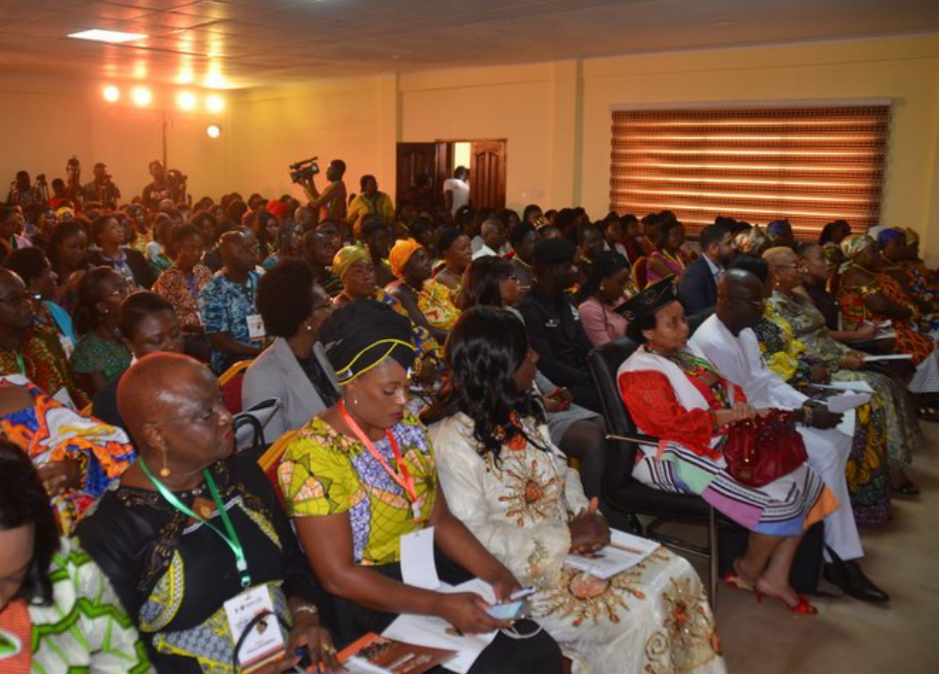
Citizen 2: “It sounds like there’s a lot more at stake in these elections than just party politics.”
Nana Aba Anamoah: “Exactly. And that’s why I’m telling you these stories. It’s not just about abstract principles—it’s about understanding who really holds power in Ghana and how they use that power. If we want a free and transparent society, we need to be vigilant and informed. We must demand more from our leaders and stay alert to who is really pulling the strings behind the scenes.”
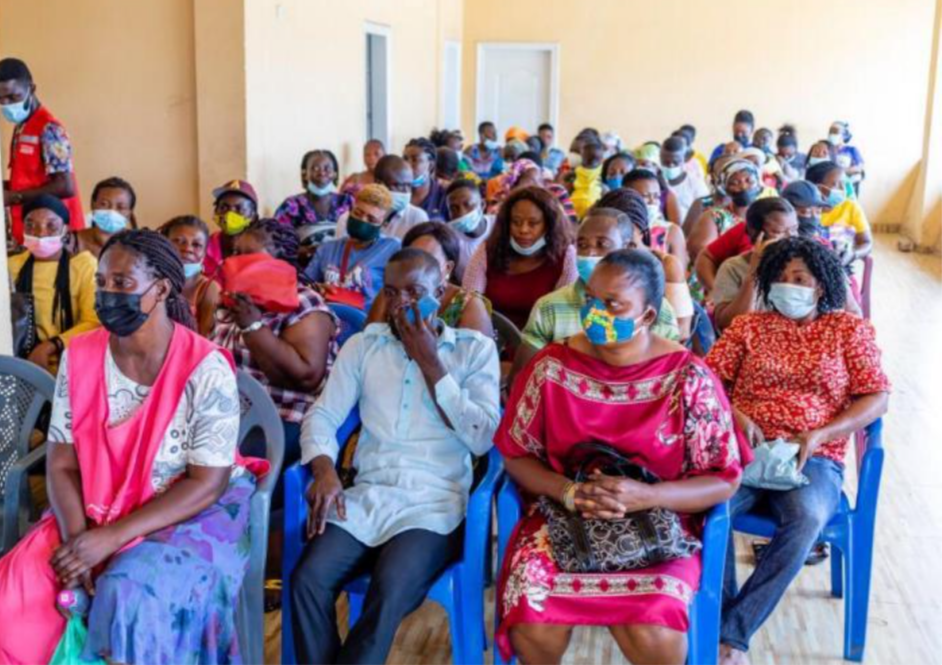
Citizen 3: “So what can we do, Nana Aba? How do we ensure that we’re not just pawns in a bigger game?”

Nana Aba Anamoah:“It starts with information. We need to ask questions, demand transparency, and hold those in power accountable. By staying informed and engaged, we can work towards a Ghana where power truly belongs to the people—not just a privileged few.”

TSASI : In this dialogue, Nana Aba Anamoah effectively engages with the citizens, using real-world stories and investigations to illustrate the complex relationship between political power and economic control in Ghana. By making the discussion relatable, she underscores the importance of free information and the need for vigilance in a democratic society.
Nana Aba Anamoah’s Dialogue with the Citizens: A Hidden History Revealed:
Nana Aba Anamoah: “Let me share with you a side of history that often gets overlooked. We all know about the overthrow of General Ignatius Kutu Acheampong’s government by Jerry John Rawlings and the Armed Forces Revolutionary Council (AFRC) in 1979.
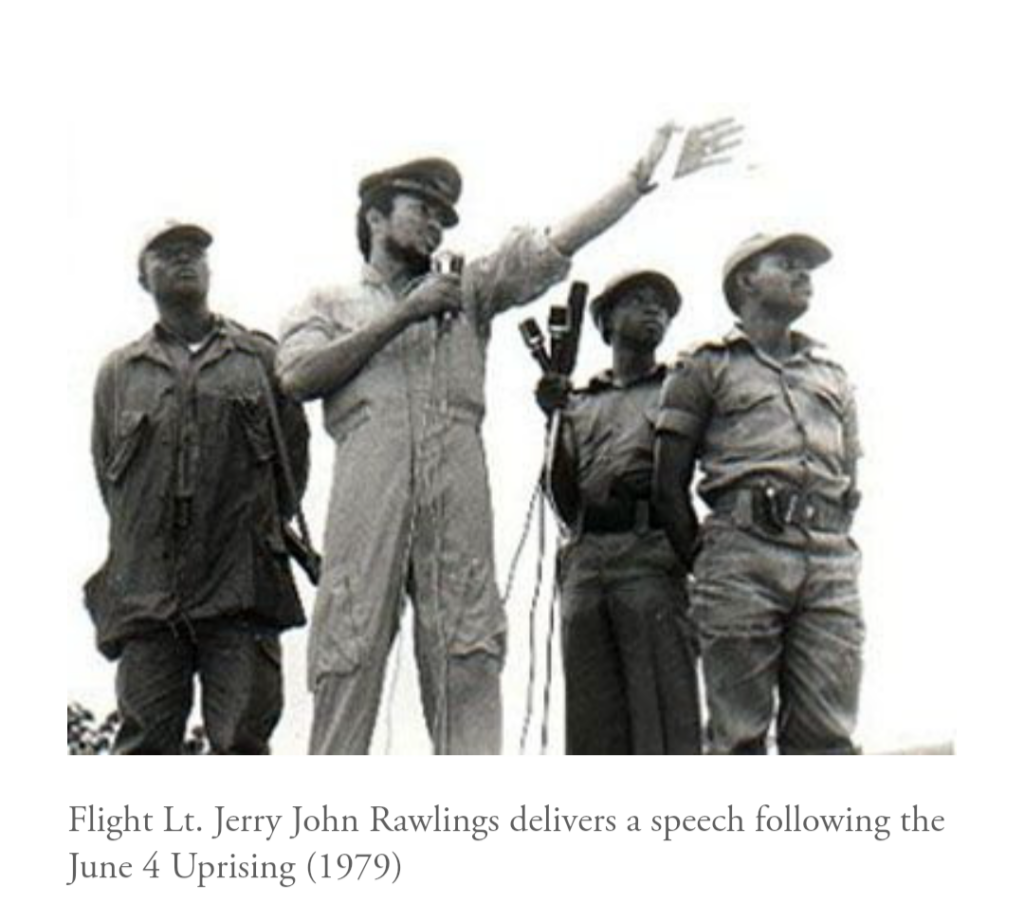
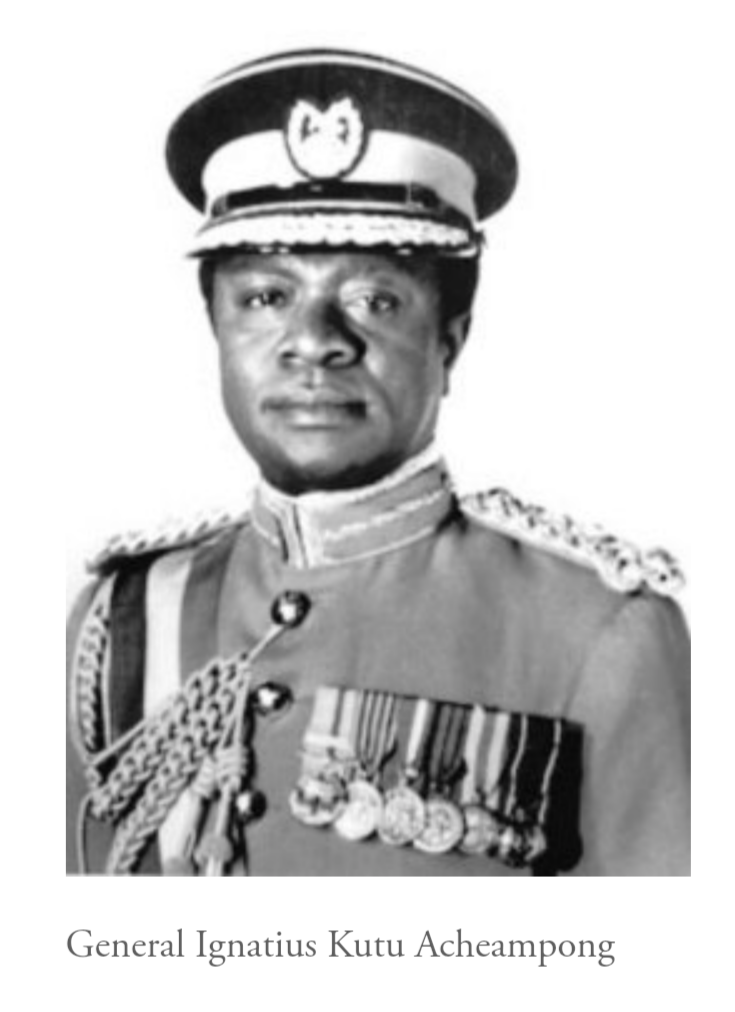
But what’s less discussed is the reality of Acheampong’s leadership and the forces that conspired against him.”

Citizen 1: “We’ve always heard that Acheampong’s government was corrupt and mismanaged the economy. Are you saying there’s more to the story?”
Nana Aba Anamoah: “Absolutely. Acheampong’s government was actually making significant strides in developing Ghana’s economy. He launched the “Operation Feed Yourself” program, which aimed to make Ghana self-sufficient in food production. He also initiated several large-scale infrastructure projects, including road construction and energy development, that were beginning to lay the foundations for a more prosperous Ghana.”
Citizen 2: “So why did things go so wrong? Why did Rawlings overthrow him if he was doing good?”
Nana Aba Anamoah: “The truth is, Acheampong’s independent approach to governance and his refusal to fully align with Western policies, particularly those pushed by the United States and its allies, made him a target. The Cold War was in full swing, and the CIA was deeply involved in operations to overthrow governments that didn’t support their economic and political agendas. Acheampong’s government, with its emphasis on self-reliance and national development, was seen as a threat to Western interests.”
Citizen 3: “Are you saying the CIA was involved in the coup against Acheampong?”
Nana Aba Anamoah: “It’s highly likely. The CIA has a long history of covert operations aimed at destabilising governments that don’t conform to their strategic goals, especially in Africa during that era. They often spread disinformation, portraying such governments as corrupt and inefficient, even when that wasn’t entirely the case. By doing so, they created the narrative that Acheampong was a failure, paving the way for his overthrow.”
Citizen 4: “So, the narrative that Acheampong was a bad leader was part of a larger strategy to control Ghana’s direction?“
Nana Aba Anamoah: “Exactly. Once Acheampong was out of the way, the stage was set for a shift in Ghana’s economic policies. With Rawlings and the AFRC in power, and later the PNDC, Ghana became more aligned with Western economic prescriptions. This alignment was solidified during the NDC era, particularly when the party embraced the structural adjustment programs advised by the World Bank and the IMF.”

Citizen 1: “And that’s when they started privatising Nkrumah’s state enterprises?”
Nana Aba Anamoah: “Yes. The privatisation of state enterprises, many of which were established by Kwame Nkrumah to benefit all Ghanaians, was a key part of the economic restructuring under the NDC. While this was presented as necessary for economic recovery, in reality, it led to the concentration of wealth and power in the hands of a few. Among them were powerful families, like the Mahamas, who acquired significant assets during this period.”
Citizen 2: “So the Mahama family’s wealth, including businesses like Engineers & Planners and Dzata Cement, comes from this privatisation?”
Nana Aba Anamoah: “Yes, that’s correct. These businesses operate in sectors that were once controlled by the state, intended to serve the people of Ghana. But through privatisation, these enterprises have been turned into family-owned businesses, enriching a small elite while many Ghanaians struggle in poverty.”

Citizen 3: “This paints a very different picture of our history. If Acheampong’s government had continued, could things have been different for Ghana?”
Nana Aba Anamoah: “It’s hard to say for certain, but Acheampong’s policies were focused on self-sufficiency and national development, which could have led to a stronger, more independent Ghana. Unfortunately, external forces, including the influence of the CIA, played a role in destabilising his government, leading us down a different path—one where the promise of national prosperity has been undermined by the concentration of wealth and power in the hands of a few.”
Citizen 4: “So what can we do now, Nana Aba? How do we reclaim what was lost?”
Nana Aba Anamoah: “We need to stay informed and vigilant. Understanding our history is the first step. We must demand transparency and accountability from our leaders, and resist any attempts to manipulate our future for the benefit of a select few. By staying engaged in the democratic process, we can work towards a Ghana where the wealth of our nation benefits all citizens, not just those with the right connections.”