


Osagyefo Newsletter Magazine Presents – GEORGIA NEWSLETTER.
Journalism of Neglected Topics.
📰 Feature Article: “Building The Eternal City – In The Ruins of Rome.
📰The GIORGIA Newsletter–Editorial
Special Historical & Reflection
Release: on June Wednesday 📅 2026 Read exclusively at: assumptagh.live/






https://www.instagram.com/hairsenta?igsh=MXAzOThhNGZ0Nm15dQ==
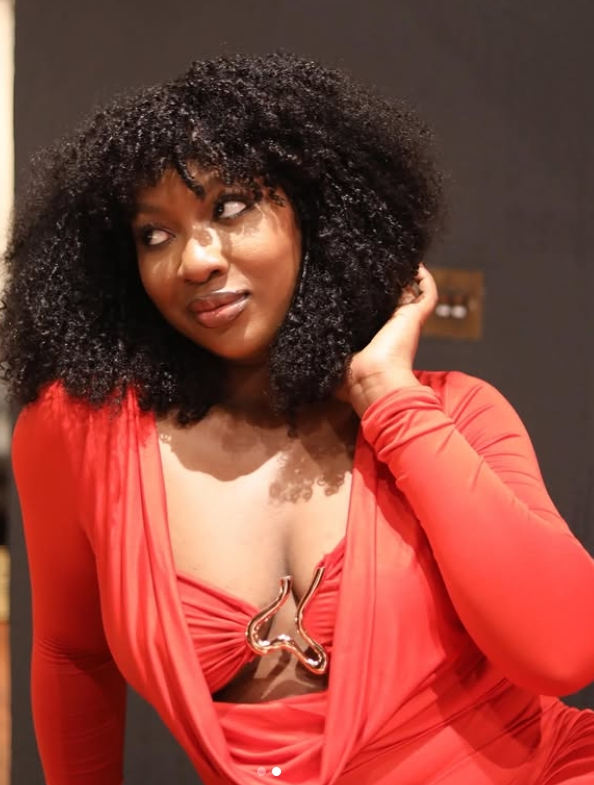
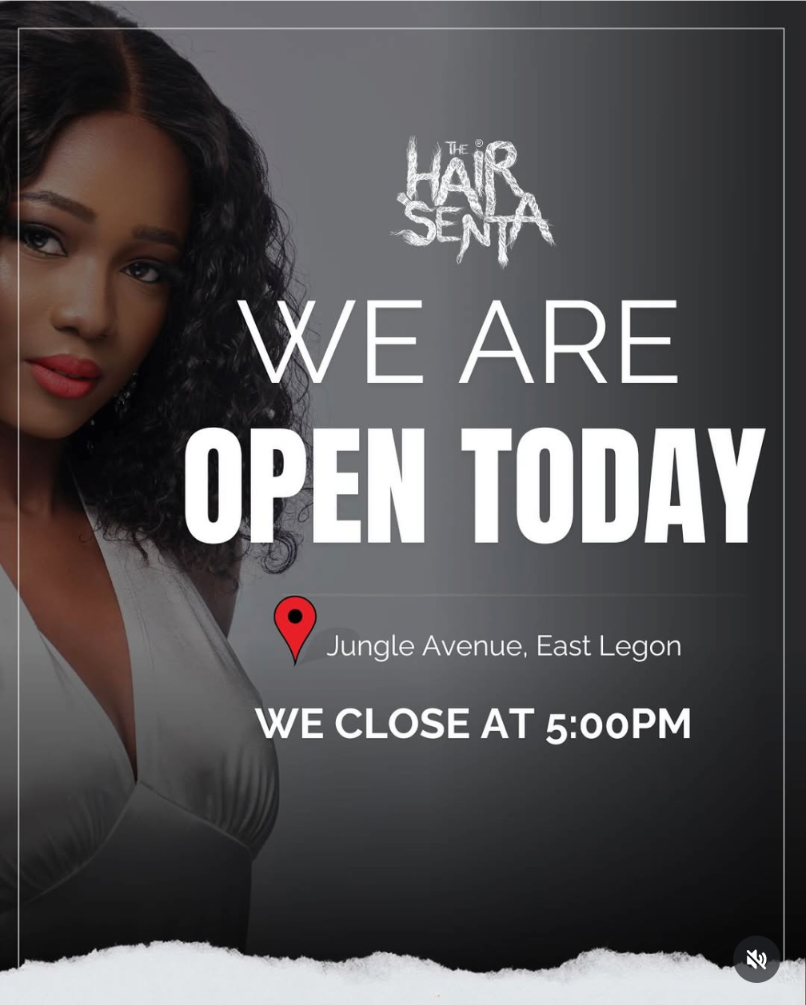
Something Unbelievable Is Sizzling at 24 Jungle Avenue… ☀️🌴
In the golden glow of the Accra sun, a transformation is taking place. It’s more than a change in the weather—it’s a movement. Picture a shimmer of silk, a cascade of rich waves, and the effortless sway of hair that refuses to be ordinary.
They say beauty is power. This summer, let your hair command the breeze, turn every head on the coast, and carry the vibrant soul of Ghana wherever you step.
HAIR SENTA — the ultimate secret behind that radiant summer glow. ✨🌊
Straight from the heart of Ghana, our 100% luxury human hair extensions are engineered for the heat: lightweight, natural, and undeniable. We’re weaving heritage, craftsmanship, and high-fashion glamour into every single strand—ensuring you stay cool while looking absolutely fire. 🔥
Will you be the one who owns the sunshine… or the one who watches it fade? 🍹✨
🛍️ Secure Your Summer Glow:
- Call Now: 📞 (+233) 0544354455 / 0248629769
- Explore: 🌐 www.hairsenta.com
- Visit Us: 📍 24 Jungle Avenue, Accra, Ghana
Hair Senta. Real Hair. Real Power. Real Summer Energy
THE GLOBAL INSIGHT
Strategic Briefing | Issue No. 43
Build The Eternal City
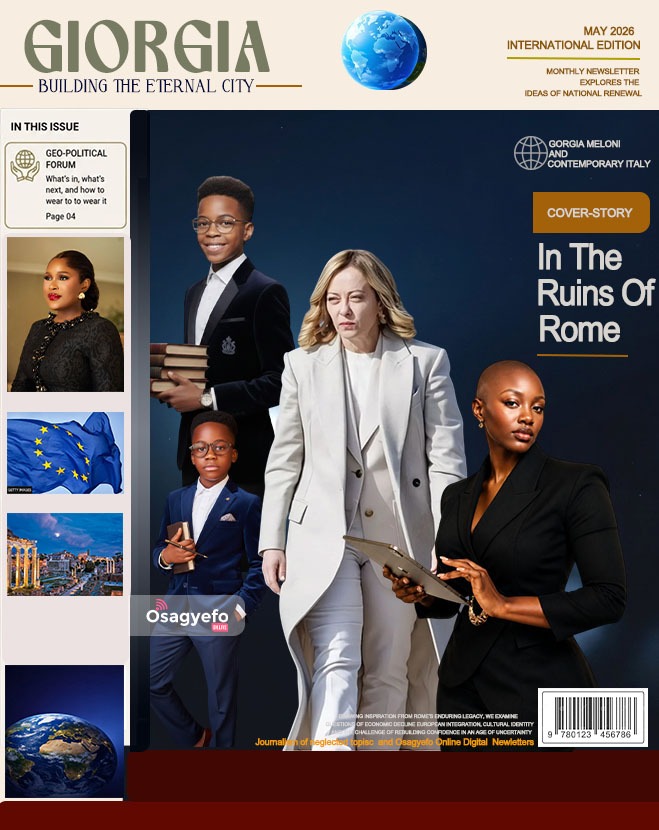
In the ruins of Rome, one women Giorgia Meloni Stood as the Mystic Law not to Allow Italy to Perish hoping to build an eternal city of indestructible peace, happiness and prosperity.
Did Italy decline because of Europeen Union?
The European Union today looks a lot like Africa. For many years ago, a great civilization still proud of its past but already falling behind the speed of the world.
Some critics were very upset with this view that Europe is declining because of their unfair competition and because to support America and Israel and leave it member states including Italy’s industries to die and with offshore policies.
📅 2000
The currency was changed to Euro is when everything started. While the membership didn’t show any economic prosperity for Italy, rather it damaged Italy.
You will understand Giorgia Meloni’s feeling because she was then a young girl with other young girls as at that time believe that years ago Italy’s decline was caused by Germany, America, France and Western invasion and honestly this is not about who is wrong and who is right.
Giorgia Meloni want to ask a more useful question.
If you are Europeen and deep down you feel that Europe has loss its momentum, what should you do?
You can’t complain about Europe’s action to decline Rome’s civilization that does that change anything
Probably not! the real question is how do you act?
I will help more Italians to see the reality clearly or encourage them to open their minds, or bring in new innovation technology from other countries, and trian the next generation with more global view .
THE GLOBAL INSIGHT
Strategic Briefing | Issue No. 42
BUILD THE ETERNAL CITY
Italy’s Crossroads: Identity, Economy, and Direction
In the long shadow of Rome’s past, Giorgia Meloni represents a political moment shaped by urgency rather than nostalgia. Her message centers on preventing decline—not by preserving legacy alone, but by rebuilding national confidence, economic resilience, and strategic purpose.
The idea of an “eternal city” is reframed: not a return to empire, but the construction of a modern Italy grounded in stability, productivity, and long-term prosperity.
The Core Question: Has Italy Lost Momentum?
Italy’s trajectory over the past two decades has fueled an ongoing debate: Has European integration strengthened Italy—or constrained it?
Critics argue that structural shifts within the European Union, combined with global competition and domestic inefficiencies, have coincided with:
- Industrial stagnation and reduced economic flexibility.
- Slower GDP growth compared to regional peers.
- Increased exposure to global market pressures.
Supporters of integration point to financial stability, trade access, and political alignment as vital assets. However, the perception gap within Italy remains significant.
A Defining Inflection Point: The Euro Transition (2000–2002)
The adoption of the euro marked a permanent structural turning point.
- Expectation: Monetary stability, deeper integration, accelerated growth.
- Outcome (debated): Limited growth, constrained fiscal autonomy, uneven competitiveness.
Without the ability to devalue its currency—a traditional adjustment mechanism—Italy placed greater pressure on productivity, innovation, and domestic structural reform.
A Generational Lens
Meloni’s political perspective is shaped by a generation that matured during a period of economic stagnation, rising youth unemployment, industrial restructuring, and growing skepticism toward supranational institutions.
While attribution of responsibility varies—spanning European partners, globalization, and domestic policy—the strategic question has officially shifted beyond blame.
              [ STRATEGIC FRAMEWORK FOR RENEWAL ]
                              │
     ┌────────────────────────┼────────────────────────┐
     ▼                        ▼                        ▼
ADAPTABILITY              INNOVATION            GLOBAL ORIENTATION
Labor & governance Tech & advanced mfg. Active engagement
reforms infrastructure beyond EU borders
From Diagnosis to Action
The critical issue is no longer why momentum weakened. It is what to do next. A forward-looking framework requires:
- Clarity: A realistic assessment of Italy’s true competitive position.
- Adaptability: Openness to aggressive reform in labor, industry, and governance.
- Innovation: Targeted investment in technology, advanced manufacturing, and digital infrastructure.
- Global Orientation: Strategic engagement beyond Europe without creating new dependencies.
- Human Capital: Preparing the next generation for a multipolar, fast-evolving economy.
Strategic Implication
Sustained decline is not inevitable, but reversal requires deliberate, macro-level repositioning. Italy’s challenge is structural, not cyclical. Incremental adjustments are insufficient without strict alignment between economic policy, industrial strategy, workforce development, and national priorities.
Conclusion: Rebuilding, Not Remembering
Civilizations do not lose relevance because of external pressure alone; they decline when internal adaptation slows.
Italy’s opportunity lies in converting its historical strengths—culture, design, manufacturing, and regional diversity—into modern, aggressive competitive advantages. The objective is not to restore the past. It is to build forward with discipline, innovation, and strategic clarity. The “eternal city” is not inherited. It is constructed.
Global Dialogue Series: “Building the Eternal City”
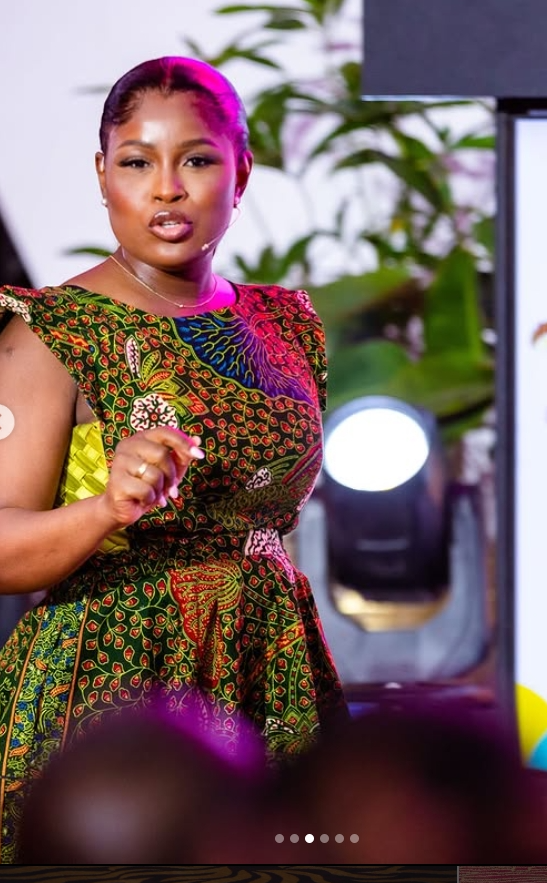
Berla-Mundi: A very warm and pleasant day to our cherished readers, viewers, and global citizens tuning in from every corner of the world. Welcome to this special broadcast edition of the Osagyefo Quarterly Newsletter Magazine Publication. It is an absolute honor to host you today for a conversation that is simple in form, yet profoundly deep in its global implications.
Before we dive into the heart of today’s discourse, let me extend my heartfelt, polite greetings to our esteemed panel assembled here in the studio. Thank you all for bringing your brilliant minds to this table.
For our international readers worldwide who are joining us, it is my distinct privilege to introduce the powerhouse panel steering today’s dialogue:
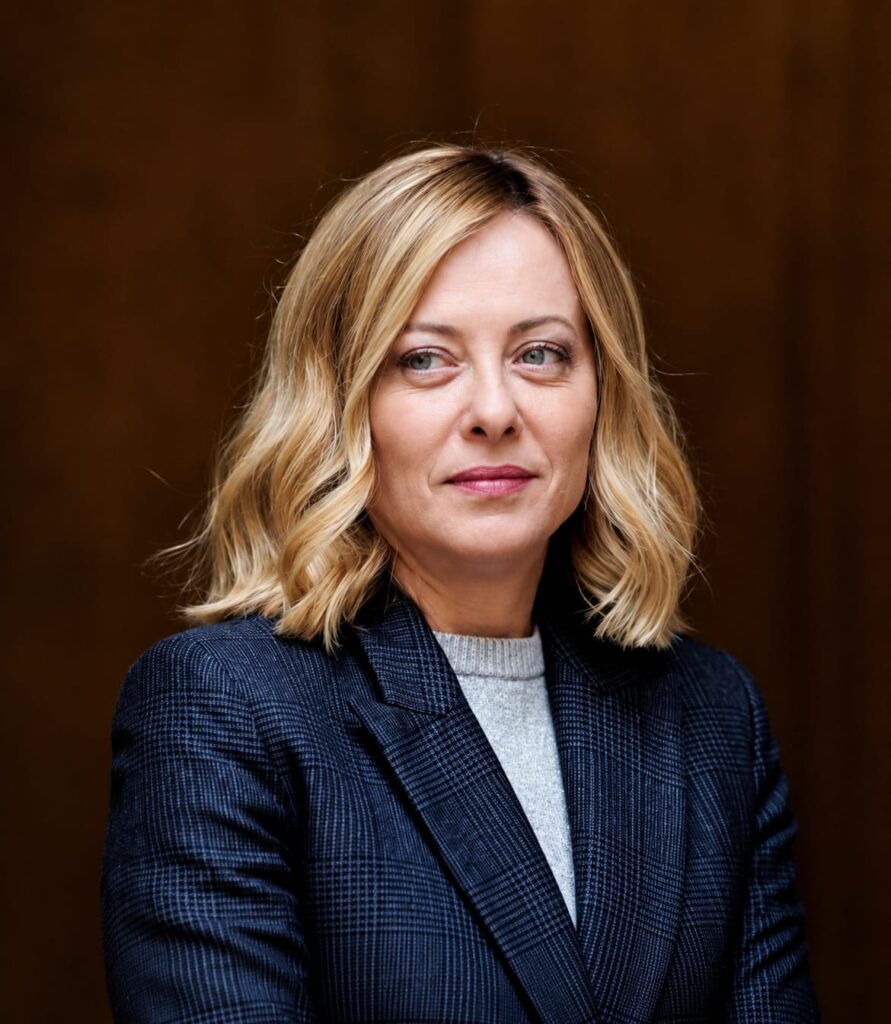
- Prime Minister Giorgia Meloni: The leader navigating Italy through a monumental era of renewal, driving a vision of cooperative assertiveness to rebuild national confidence and reshape Italy’s future on the global stage.

- Titan (The Global Perspective): A bold American voice speaking directly to global consciousness, human unity, and the intricate geopolitical challenges facing sovereign nations in our deeply interconnected world.

- Okomfo-Black (The Reformer): A profound voice dedicated to reviving the revolutionary spirit of African heritage, identity, self-determination, and systemic cultural renewal.

- Abena Oforiwaa (The Voice of Value): A visionary leader guiding conversations on national healing, human dignity, mental reawakening, and the critical rediscovery of a people’s core purpose.
Together, ladies and gentlemen, we are entering the pages of our latest feature article title: “BUILDING THE ETERNAL CITY.”
The Strategic Crossroads of Europe
Our newsletter today pulls back the curtain on a fascinating, high-stakes dilemma in contemporary EU policy—one where Italy’s massive economic potential is quietly viewed by some as a direct structural threat to Germany’s future economic dominance. We are looking at a defining dilemma for the entire European project, balancing Italy’s undeniable structural bottlenecks against its immense, underappreciated industrial power.
Italy is the second-largest manufacturing economy in the EU behind Germany, a powerhouse exporter with high private savings and world-class machinery. Yet, the narrative from Brussels has long been rigidly obsessed with fiscal discipline and debt-to-GDP ratios, forcing Italy into a tight financial straightjacket. When the Lira was traded for the Euro, Italy lost the ability to devalue its currency to stay competitive, leading to decades of “internal devaluation”—stagnant wages, suppressed public spending, and a devastating “brain drain” of young talent.
At the heart of this narrative stands a fundamental question of survival, leadership, and national purpose: When a nation feels it has been disrespected, disregarded, or structurally constrained, how does it rise again?
To help us confront these difficult realities, we turn to our panel—the voices of the revolution. And there is no better place to start than at the source.
Global Dialogue Series: “Building the Eternal City”
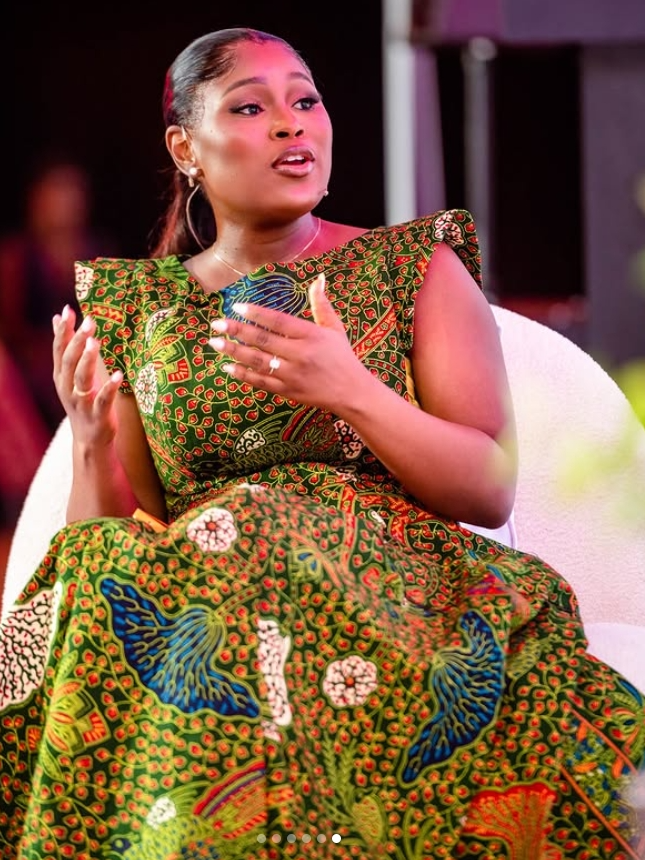
Berla-Mundi:
Prime Minister Giorgia Meloni, welcome to the dialogue. Let us go straight to the heart of the matter for our global audience.
From your vantage point leading the nation, what exactly was the dilemma in contemporary EU policy that historically stagnated Italy’s economic growth, and why do you believe European frameworks have so fundamentally underestimated the shift and power of Italy’s core industries? The floor is yours.

Prime Minister Giorgia Meloni:
Thank you, Berla-Mundi, and let me begin by acknowledging the depth and seriousness of this conversation. What we are discussing is not merely an economic question—it is a question of sovereignty, dignity, and Europe’s long-term coherence.
Let me speak plainly.
1. The Core Dilemma: A One-Size Framework for Unequal Economies
The fundamental problem within EU policy—particularly since the Maastricht Treaty and the introduction of the Euro—has been the attempt to govern structurally different economies with a single monetary logic.
Italy entered the Euro with:
- A strong industrial base, especially in high-value manufacturing
- A fragmented but highly productive SME ecosystem
- High private wealth and savings, but also significant public debt
However, the Eurozone framework imposed:
- Strict deficit and debt ceilings
- A single monetary policy driven largely by the needs of stronger surplus economies
- No currency flexibility for national adjustment
For Germany, this system amplified strength. For Italy, it constrained resilience.
2. The Loss of Strategic Flexibility
Before the Euro, Italy had a critical tool: currency devaluation. This was not a weakness—it was a mechanism of adaptation. When global pressures rose, Italy could adjust competitiveness quickly, protect employment, and stimulate exports.
With the Euro, that mechanism disappeared. Italy was forced into “internal devaluation” instead. And what does that mean in real terms?
- Lower wages
- Reduced public investment
- A shrinking middle class
- Talent leaving the country
- 👉 Italy is Europe’s second-largest manufacturing economy.
- 👉 It dominates in precision machinery, luxury goods, design, and specialized exports.
- 👉 Its supply chains are deeply embedded across the continent.
- Its economy is more domestically anchored.
- Its strength lies in diversified production, not purely scale exports.
- Its regions develop unevenly but dynamically.
- Recognition of its industrial depth.
- Recognition of its cultural and economic contribution.
- Recognition that resilience cannot be built on restriction alone.
- Smarter Fiscal Rules: Not abandonment, but flexibility tied to growth investment, not blind austerity.
- Strategic Industrial Policy: Europe must support its internal engines—not suppress them.
- Energy and Supply Sovereignty: Italy must become a Mediterranean hub, not a constrained participant.
- Talent Retention and Revival: We cannot build a future while exporting our brightest minds.
Global Dialogue Series: “Building the Eternal City”
Berla-Mundi:
Prime Minister Meloni, thank you for that deeply illuminating and candid perspective. Your remarks not only clarify the structural dilemma but also challenge us to rethink the very foundations of economic cooperation within the European project. The emphasis on recognition, flexibility, and dignity resonates far beyond Italy—it speaks to every nation navigating constraint within a system designed without full consideration of its unique strengths.
And Titan, your presence always brings a critical lens that pushes this dialogue into even deeper reflection. You rightly connect the economic conversation to something more subtle—something often unspoken, yet powerfully influential.
Let me now turn the floor to you as you raise a compelling and provocative question.
Titan (The Global Perspective):
Thank you, Berla-Mundi. Prime Minister Meloni, your articulation of structural imbalance is clear and compelling—but I want to probe beneath the policy layer into something more human, more psychological, and perhaps more uncomfortable.
When we examine how Italy has been treated within the EU framework, particularly compared to Germany, I cannot help but ask: To what extent is this not only an economic design issue—but also a matter of perception and bias?
Let me be direct. Germany has long been associated with:
- Precision
- Discipline
- Industrial superiority
- “High-value” production
While Italy, despite its immense manufacturing strength, is often framed as:
- Less disciplined fiscally
- More fragmented economically
- More “artisanal” than industrial in perception
Yet, the facts tell us that Italy produces world-leading machinery, high-quality exports, and deeply embedded industrial supply chains.
So here is the heart of my question: Does Italy’s experience within the EU reflect an underlying prejudice in how different types of work—and different economic cultures—are valued?
In other words:
- 👉 Is Germany’s industrial model seen as “serious” and systemic,
- 👉 While Italy’s model is quietly perceived as “secondary,” “informal,” or less scalable, even when it is globally competitive?
And if that is the case—is Europe not just managing economies differently, but unconsciously assigning value to them based on cultural narratives rather than economic reality?
Because if we are honest, this would mean the issue is not just policy reform—it is mindset reform.
Global Dialogue Series: “Building the Eternal City”
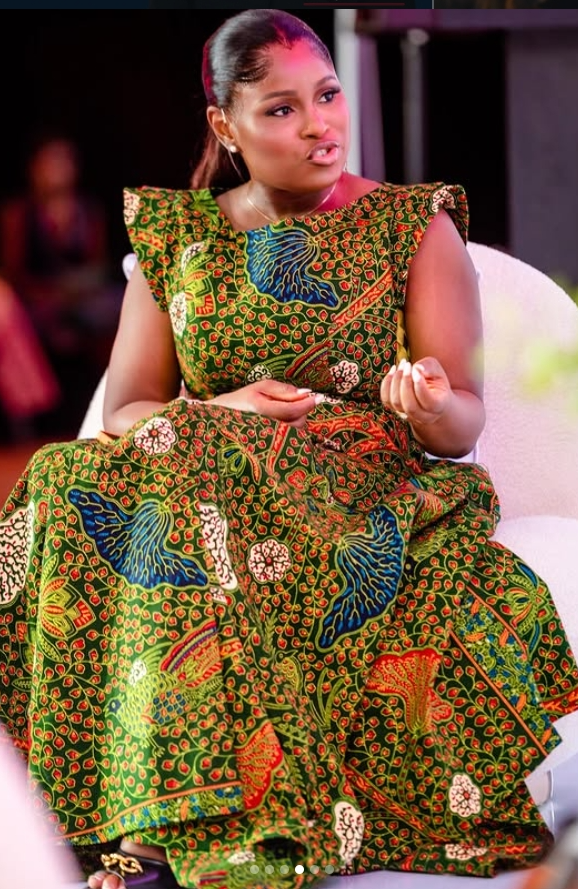
Berla-Mundi:
A powerful question, Titan—one that moves us beyond numbers and into the realm of perception, identity, and systemic bias.
Prime Minister Meloni, the table is yours once again.
Prime Minister Giorgia Meloni:
Thank you, Titan. That question goes to the very heart of Europe’s future—not just economically, but philosophically.
Let me be clear: Europe cannot correct structural imbalance without first confronting implicit bias—the quiet hierarchy of economic identity that has shaped policy thinking for decades.
1. Recognizing the Bias
Europe must begin with honesty. There has been a tendency to equate:
- Scale with strength
- Uniformity with efficiency
- Centralization with seriousness
This has favored certain economic models—particularly those that are export-heavy, highly consolidated, and industrialized in a narrow sense.
But Europe is not built on sameness. It is built on diversity of excellence. Italy’s strength—its network of specialized firms, craftsmanship, regional dynamism—is not inferior. It is simply different in structure.
2. Reforming Policy Language and Metrics
Bias is often embedded in how we measure success. If Europe only rewards:
- GDP growth in narrow terms
- Fiscal rigidity without context
- Industrial output at scale
Then it will continue to undervalue:
- High-quality niche production
- Cultural-industrial sectors
- Distributed economic networks
We must expand our definitions of productivity to include quality, resilience, and cultural-economic value.
3. Equal Voice in Policy Design
Europe must ensure that frameworks are not unintentionally designed around one economic archetype. This means:
- Greater representation of diverse economies in decision-making
- Policies that adapt to different structures—not force them into conformity
- A shift from imposition to collaboration
4. A Cultural Shift in Perception
Ultimately, this is not only institutional—it is cultural. Europe must embrace a simple truth: There is no “higher” or “lower” form of economic contribution—only different expressions of value. When we understand this, we move from hierarchy to harmony.
In conclusion, addressing bias requires more than reform—it requires respect. Respect for how each nation creates value, sustains identity, and contributes to the whole. Only then can Europe truly function as a union of equals.
Berla-Mundi:
Brilliant and uncompromising. Prime Minister, your call to move from hierarchy to harmony highlights the hidden architectural flaws of the Eurozone. You’ve unmasked how metrics can be weaponized against structural diversity.
Okomfo-Black, you were listening intensely to this breakdown of implicit economic hierarchy. How does this look through your lens of cultural renewal and institutional reform?
🌍 Okomfo-Black (The Reformer):
Ah… now we are touching the root. What you call economic perception is often nothing more than culture wearing a suit and calling itself data.
Let me speak plainly.
Culture Defines What We Respect
Every economy reflects its culture:
- What it honors
- What it rewards
- What it considers “serious work”
Germany’s culture has elevated precision, standardization, and industrial scale. So the world sees that and says: this is strength.
Italy’s culture elevates design, craft, human-centered production, and regional identity. But because it does not always fit into rigid industrial categories, it is misread.
The Invisible Hierarchy of Work
Here is the deeper truth: The world has been trained to value what is uniform and mechanical over what is creative and adaptive.
So:
- 👉 A machine factory is seen as “core industry”
- 👉 A luxury goods workshop is seen as “secondary”
Even when both generate immense economic value. This is not economics. This is cultural bias disguised as economic analysis.
The Colonial Echo in Economic Thinking
Let us go even deeper. The idea that there is one “correct” way to build an economy comes from a long history of standardization, centralization, and industrial dominance.
But human societies were never meant to function identically. Italy’s model—like many across the world—is relational, distributed, and identity-driven. And these systems are often misunderstood because they cannot be easily controlled or reduced to uniform metrics.
The Solution: Cultural Reawakening
If Europe wants fairness, it must do this:
- Recognize culture as economic infrastructure
- Stop ranking economies by resemblance to a single model
- Embrace plural intelligence in how nations create wealth
Because in the end: An economy is not just numbers—it is a reflection of how a people choose to live, create, and exist.
Berla-Mundi:
“Culture wearing a suit and calling itself data.” A phenomenal and unsettling truth, Okomfo-Black. You’ve exposed how economic metrics can alienate a society from its natural identity.
Abena Oforiwaa, as the Voice of Value, this brings us squarely to the human equation. When a system relies on “internal devaluation” to stay competitive under these biased rules, what does that actually do to the human spirit?

🕊️ Abena Oforiwaa (The Voice of Value):
Thank you. And now we arrive at the human cost of all of this. Let us speak about internal devaluation. Is it fair?
My answer is simple: It is effective in theory, but often unjust in practice.
1. What Internal Devaluation Really Means
We use sophisticated language, but let us translate it:
- Lower wages
- Reduced public services
- Increased pressure on families
- Fewer opportunities for the young
It is a policy that says: “Adjust the people instead of adjusting the system.”
2. The Burden Falls Unevenly
Internal devaluation does not affect everyone equally. It tends to impact workers, young people, small businesses, and the vulnerable, while larger structures often remain intact.
So we must ask: Is it fair to restore competitiveness by shrinking the dignity of the population?
3. The Psychological Consequence
Beyond economics, there is something deeper:
- Loss of hope
- Loss of identity
- Loss of belief in the future
A nation cannot thrive when its people feel reduced rather than empowered.
4. Is There an Alternative?
Yes. Instead of internal devaluation, we must pursue internal elevation:
- Invest in people
- Strengthe andn innovation
- Expand opportunity
- Unlock productivity without suppressing dignity
True economic reform should not feel like punishment. It should feel like awakening potential.

Closing Reflection
So, is internal devaluation fair? It may balance equations. But it can unbalance lives.
And if a policy stabilizes the system while weakening the people—then we must have the courage to ask whether the system itself needs to change.
Berla-Mundi:
What a profound progression of thought—from policy, to culture, to human dignity. This is no longer just a conversation about Italy or Europe. It is a conversation about how we define value itself.
Global Dialogue Series: “Building the Eternal City”
Berla-Mundi:
Thank you to each of you for elevating this dialogue with such depth and clarity. What began as a question of economic structure has now unfolded into something far greater—a reflection on identity, fairness, and the future of global cooperation.
Let us now move into the next phase of our discussion—one that looks forward with intention and responsibility.
I will pose three interconnected questions to our distinguished panel, beginning with Prime Minister Giorgia Meloni, followed by Abena Oforiwaa, Okomfo-Black, and Titan.
- Question 1: How can Europe shift its economic perception?
- Question 2: What reforms can balance competitiveness and dignity?
- Question 3: How can cultural diversity shape economic policy?
Prime Minister Giorgia Meloni:
Thank you, Berla-Mundi.
1. Shifting Economic Perception
Europe must move from a mindset of hierarchy to parity. This requires:
- Recognizing that different economic models—industrial scale, artisanal networks, service-driven innovation—are complementary, not competing
- Updating institutional thinking to reflect modern realities, not outdated assumptions
Europe must stop asking: “Which model is superior?” and instead ask: “How do these models strengthen each other?”
2. Balancing Competitiveness and Dignity
Competitiveness cannot come at the expense of people. We must:
- Tie fiscal flexibility to strategic investments—education, infrastructure, innovation
- Replace austerity-driven approaches with growth-oriented discipline
- Protect wages and social stability while improving productivity
True competitiveness is sustainable strength, not temporary sacrifice.
3. Culture as a Policy Driver
Cultural diversity is Europe’s greatest untapped asset. Policy must:
- Reflect regional strengths—not suppress them
- Encourage localized innovation ecosystems
- Integrate cultural industries into economic strategy
Europe should not standardize identity—it should leverage it.
Berla-Mundi:
An essential roadmap for institutional evolution, Prime Minister. Thank you.
Abena Oforiwaa, let us bring your perspective into these three dimensions. How do we anchor this policy shift in human value?
🕊️ Abena Oforiwaa (The Voice of Value):
Thank you.
1. Shifting Perception
Europe must begin by restoring human-centered value systems. We need to redefine success beyond GDP and fiscal ratios, and include:
- Well-being
- Opportunity
- Social mobility
An economy must first serve its people—not just its metrics.
2. Balancing Competitiveness and Dignity
Dignity must be non-negotiable. Reforms should:
- Ensure fair wages
- Strengthen social protections
- Invest in mental and societal well-being
A nation that competes by weakening its citizens is not truly competitive—it is merely surviving.
3. Cultural Diversity in Policy
Culture is the soul of productivity. When people feel seen and valued, they create more, innovate more, and contribute more deeply.
Economic policy must therefore:
- Align with identity
- Reflect lived realities
- Empower communities, not homogenize them
Berla-Mundi:
“Culture is the soul of productivity.” Profound words, Abena.
Okomfo-Black, the floor is yours to address these questions. How do we take these concepts and ground them in structural transformation?
🌍 Okomfo-Black (The Reformer):
Yes… now we speak of transformation.
1. Shifting Economic Perception
Europe must deconstruct its inherited lens. It must ask: Who defined what “serious economy” means—and why?
Until Europe questions its own intellectual foundations, it will continue to reproduce bias.
2. Balancing Competitiveness and Dignity
Let me be clear: Any system that demands human diminishment for economic gain is misaligned with truth. The reform is spiritual as much as structural.
Europe must:
- Replace extraction with empowerment
- Replace suppression with expansion
Competitiveness should come from awakening capacity, not compressing life.
3. Culture as a Force of Policy
Culture is not decoration—it is architecture. Different cultures produce different:
- Work ethics
- Innovation styles
- Economic rhythms
To ignore culture in policy is to design systems that fail in practice. Europe must become a union of distinct civilizations working in conscious alignment—not forced similarity.
Berla-Mundi:
A powerful call for architectural change, Okomfo-Black.
Titan, let us close this round with your global lens. How do these pieces connect to the wider world?

Titan (The Global Perspective):
Thank you. Let me bring this into a global frame.
1. Shifting Economic Perception
Europe must globalize its thinking. The future economy is not about uniform systems or central control; it is about:
- Networked strength
- Adaptive ecosystems
Italy’s model, for example, resembles the future more than the past—flexible, specialized, interconnected. Europe must recognize that.
2. Balancing Competitiveness and Dignity
The world is watching. If Europe proves that you can compete globally, protect human dignity, and sustain social stability, then it will set a new global standard.
But if it fails, others will adopt more aggressive, less humane models. This is not just policy—it is global leadership.
3. Cultural Diversity as Strategic Advantage
Diversity is not a challenge—it is a multiplier. Different cultures bring:
- Different problem-solving methods
- Different innovation patterns
- Different resilience strategies
If Europe harmonizes these differences, it becomes not just a union—but a super-system of human intelligence.
Berla-Mundi:
What an extraordinary synthesis of ideas. From leadership and policy… to human dignity and cultural truth… to global systems and future design…
This conversation reminds us that building “The Eternal City” is not about bricks and institutions alone—it is about rethinking value, restoring balance, and recognizing the power within diversity.
To our global audience, thank you for joining us in this powerful exchange. The dialogue continues. Always.
Global Dialogue Series: “Building the Eternal City”
Berla-Mundi:
Thank you once again for walking this powerful intellectual journey with us. As we move toward actionable insight, I will now distribute our next set of forward-thinking questions across the panel—beginning with Titan, followed by Prime Minister Giorgia Meloni, and concluding with Abena Oforiwaa.
- Question 1: What are the next steps for reform?
- Question 2: How can cultural industries be supported?
- Question 3: What metrics should replace GDP?
Titan (The Global Perspective):
Thank you, Berla-Mundi. Let me approach this from a global systems perspective.
1. Next Steps for Reform
The next phase of reform must move beyond policy adjustments into structural redesign.
- Europe must build adaptive economic frameworks that respond in real time
- Encourage decentralized innovation hubs across regions
- Invest in cross-border collaboration that strengthens internal diversity
Reform must no longer be reactive—it must be anticipatory.
2. Supporting Cultural Industries
Cultural industries are no longer “soft sectors”—they are high-value economic engines.
- Governments should provide funding, tax incentives, and export support
- Build global platforms for cultural products—fashion, film, design, heritage brands
- Treat culture as intellectual property, not just identity
Countries that export culture shape global influence.
3. Beyond GDP
GDP is outdated as a sole indicator—it measures output, not impact. We need a composite system that includes:
- Human Development Index (HDI)
- Well-being and mental health indicators
- Innovation capacity and knowledge creation
- Income distribution and opportunity access
Because the future economy is not just about how much you produce—it’s about how well your people live while producing it.
Berla-Mundi:
A visionary systems analysis, Titan. Thank you for shifting our gaze toward anticipatory frameworks and impactful metrics.
Prime Minister Giorgia Meloni, taking the cue from these global insights, how does Italy translate these priorities into execution?
Prime Minister Giorgia Meloni:
Thank you.
1. Next Steps for Reform
Europe must now move decisively from diagnosis to execution.
- Reform fiscal rules to allow strategic investment flexibility
- Strengthen industrial sovereignty—especially in energy and manufacturing
- Reduce bureaucratic constraints that limit business expansion
We must create an environment where growth is not restricted—but guided and sustained.
2. Supporting Cultural Industries
Italy is a living example of cultural economic power. To support cultural industries:
- Protect and promote “Made in Italy” and regional excellence
- Invest in skills transmission—ensuring craftsmanship is preserved
- Integrate culture into tourism, exports, and digital transformation
Cultural industries are not secondary—they are pillars of national strength.
3. Rethinking Metrics
GDP alone cannot capture economic reality. Europe should adopt:
- Productivity quality indicators (value per production, not just volume)
- Employment stability and youth retention metrics
- Territorial development indicators to measure regional balance
We must measure not just growth—but the distribution and sustainability of that growth.
Berla-Mundi:
“Growth must be guided and sustained, not restricted.” A profound takeaway, Prime Minister.
Abena Oforiwaa, let us anchor this final round with your reflection. How do we synthesize these metrics and structural changes to serve the human core?
🕊️ Abena Oforiwaa (The Voice of Value):
Thank you. Let us bring this back to the human core.
1. Next Steps for Reform
Reform must begin with a simple principle: Systems must serve people—not the other way around. So, the next steps are:
- Restore trust between citizens and institutions
- Prioritize policies that enhance daily lived experience
- Invest deeply in education, health, and human potential
Real reform is not felt in reports—it is felt in people’s lives.
2. Supporting Cultural Industries
Culture is where identity meets economy. To support it:
- Fund grassroots creators, not only large institutions
- Protect indigenous knowledge and local expressions
- Elevate cultural work to equal status with industrial labor
When people see their identity valued, they invest more of themselves in society.
3. Replacing GDP
GDP measures activity—but not meaning. We need metrics that capture:
- Human dignity
- Sense of purpose
- Community strength
- Emotional and societal well-being
Because a nation can grow economically and still decline internally. And that is a contradiction we must resolve.
Berla-Mundi:
Thank you, panelists.
What we are hearing is a unified call for transformation—not just of systems, but of thinking itself. From Titan’s global systems lens… to Prime Minister Meloni’s structural clarity… to Abena Oforiwaa’s human-centered truth…
One thing is certain: The future of economic success will not be defined by output alone—but by balance, identity, and shared prosperity. And with that, we continue building not just an economy—but The Eternal City of thought, value, and vision.
Global Dialogue Series: “Building the Eternal City”
Berla-Mundi:
Thank you, once again, to our remarkable panel and to our global audience following this extraordinary journey of thought. As we approach the closing movements of this dialogue, I will now present our final set of questions—questions that move us from systems to the future, from policy to people.
I will invite each panelist to reflect on these three critical themes:
- Theme 1: How can policy reflect cultural identity?
- Theme 2: What role does education play in reform?
- Theme 3: How can youth be engaged in economic change?

Titan (The Global Perspective):
Thank you, Berla-Mundi.
1. Policy Reflecting Cultural Identity
Policy must evolve from rigid templates to context-aware frameworks.
- Each nation—and even each region—operates with its own cultural DNA
- Effective policy integrates local values, work patterns, and social dynamics
Global systems fail when they ignore local realities. The future lies in policy modularity—structures that adapt to identity instead of overriding it.
2. Education in Reform
Education is the operating system of any economy. But we must redefine it:
- From memorization \rightarrow to critical thinking
- From uniform curricula \rightarrow to adaptive, creative learning
- From job preparation \rightarrow to problem-solving capability
If reform is the destination, education is the vehicle.
3. Engaging Youth
Youth are not participants in the future—they are drivers of it now. To engage them:
- Give them access to capital, platforms, and mentorship
- Involve them directly in policy dialogue
- Build ecosystems where innovation is rewarded, not blocked
If young people feel ownership, they will rebuild entire systems.
Berla-Mundi:
“Policy modularity and education as an operating system.” Exceptional insights, Titan, for an adaptive global future.
Prime Minister Giorgia Meloni, how do these ideas of identity, education, and youth activation manifest in the immediate mission of national renewal for Italy?
Prime Minister Giorgia Meloni:
Thank you.
1. Policy and Cultural Identity
Policy must be rooted in the historical and cultural fabric of a nation. For Europe, this means:
- Respecting regional differences
- Supporting local economic traditions
- Avoiding one-dimensional frameworks
A strong Europe is one that allows its nations to remain authentically themselves.
2. The Role of Education
Education is central to national revival. We must:
- Align education with economic needs and future industries
- Strengthen technical and vocational training alongside academic paths
- Preserve cultural knowledge while advancing innovation
Education must produce not only workers—but citizens with purpose.
3. Youth Engagement
Italy, like many nations, must reverse the loss of its young talent. We will:
- Create opportunities at home
- Support entrepreneurship and innovation
- Restore confidence that the future belongs to them within their own country
A nation that retains its youth retains its future strength.
Berla-Mundi:
“A nation that retains its youth retains its future strength.” A vital truth for European sustainability.
Abena Oforiwaa, let us bring these three dimensions to the human essence. How does the spirit of a people awaken through these channels?
🕊️ Abena Oforiwaa (The Voice of Value):
Thank you. Let us bring this to the human essence.
1. Policy Reflecting Identity
Policy must begin with a question: Who are we as a people? Because when identity is ignored, people disengage, systems feel imposed, and progress becomes mechanical. When identity is honored, participation increases, pride returns, and economies become alive again.
2. Education as Awakening
Education is not just training—it is awakening. It should:
- Help individuals discover purpose
- Build emotional, cultural, and intellectual strength
- Create thinkers, creators, and grounded citizens
A reformed society requires awakened minds, not just skilled hands.
3. The Role of Youth
Youth carry the energy of transformation. But they must be heard, included, and empowered. Do not ask youth to inherit broken systems—invite them to reimagine and rebuild them.
When youth feel seen, they do not follow change—they become it.
Berla-Mundi:
“When youth feel seen, they become change.” Beautifully captured, Abena.
Okomfo-Black, let us close at the root with your final reflections on these three pillars.
🌍 Okomfo-Black (The Reformer):
Yes… let us close at the root.
1. Policy and Culture
Culture is not something policy should “consider.” It is something policy must be built upon. Without culture, policy is empty and systems are fragile. With culture, policy becomes alive and resilient.
2. Education as Reprogramming
Education today must undo limitation, dependency, and conformity, and replace it with:
- Awareness
- Creativity
- Sovereign thinking
Only then can reform be true liberation.
3. Youth as Architects
Youth are not the future—they are unfinished power. Engage them not as learners only, but as builders, thinkers, and decision-makers. Then watch transformation happen faster than policy alone ever could.
🏛️ Berla-Mundi (Closing Statement):
And so, as we bring this powerful dialogue to a close, what have we truly uncovered?
That economies are not simply systems of production—they are reflections of identity. That reform is not simply structural—it is human. That the future will not be inherited—it will be designed, consciously, by those willing to rethink everything.
From policy and perception… to culture and dignity… to youth, education, and transformation… we have not just discussed Europe. We have explored the blueprint of a living civilization.
🌍 Closing Feature Title-BUILDING THE ETERNAL CITY
Where Policy Reflects Identity, Growth Honors Dignity, and the Future Is Shaped by Conscious Minds
To our cherished global audience—thank you for thinking with us, questioning with us, and building with us. The conversation does not end here.
It begins with you.
🏛️ Berla-Mundi (Closing Reflection):
As we come to the final moments of this remarkable dialogue, I invite us into a quiet space of reflection—where the noise of policy fades, and meaning speaks.
What inspired the article title — “Building the Eternal City”?
The title was born from a realization that emerged throughout our conversation: that the greatest structures humanity builds are not physical—but philosophical.
“The Eternal City” is not confined to a place—it is an idea. It represents:
- Systems that endure because they are rooted in truth
- Economies that thrive because they respect people
- Societies that evolve without losing their soul
As we explored Europe, identity, and reform, it became clear that the true task before us is not simply to fix what is broken—but to design what can last. To build something eternal, we must think beyond the immediate—and begin shaping systems that carry dignity, purpose, and balance across generations.
How can youth lead reform?
Youth lead reform the moment they realize they are not just inheritors of systems—but designers of them. Their power lies in:
- Their willingness to question what others accept
- Their courage to imagine what does not yet exist
- Their refusal to settle for systems that no longer serve humanity
But for youth to truly lead, they must be given space to contribute, trusted with responsibility, and seen as partners—not spectators. Because when young people are empowered, reform becomes alive. It moves from theory… to action… to transformation.
How can education foster identity?
Education must evolve from instruction into awakening. It must do more than prepare individuals for the workforce—it must prepare them for themselves.
When education fosters identity, it:
- Connects knowledge to heritage
- Builds confidence rooted in self-understanding
- Encourages expression, creativity, and critical thought
It teaches individuals not just how to function—but how to belong. And when people know who they are, they create with intention, participate with pride, and build with purpose.
Final Reflection
If there is one truth this dialogue has revealed, it is this: we are living in a moment where systems must become more human… where growth must become more meaningful… where progress must become more conscious.
🌍 BUILDING THE ETERNAL CITY
A Reflection on Identity, Youth, and the Education of Purpose. To all who have joined us across the world—this is not the end. It is an invitation. To reflect more deeply. To think more consciously. And to build—not just for today—but for eternity.
Our Shared Humanity Soka Gakkai Buddhist Movement
An introduction to the Soka Gakkai and Nichiren Buddhism.
Where do the teachings originate from?
What is the philosophy of Buddhism?
How do Soka Gakkai members apply it in their daily lives?
The Soka Gakkai is a global community-based Buddhist organization that promotes peace, culture and education centered on respect for the dignity of life. Its members in 192 countries and territories study and put into practice the humanistic philosophy of Nichiren Buddhism.
Soka Gakkai members strive to actualize their inherent potential while contributing to their local communities and responding to the shared issues facing humankind.
The conviction that individual happiness and the realization of peace are inextricably linked is central to the Soka Gakkai, as is a commitment to dialogue and nonviolence. Subscribe to our channel: / sgivideosonline Visit our website: https://www.sokaglobal.org/ Like us on Facebook: / sgi.info Follow us on Instagram: / sgi.info Follow us on Twitter: / sgi_info

https://www.instagram.com/officeandcobysa?utm_source=ig_web_button_share_sheet&igsh=ZDNlZDc0MzIxNw==
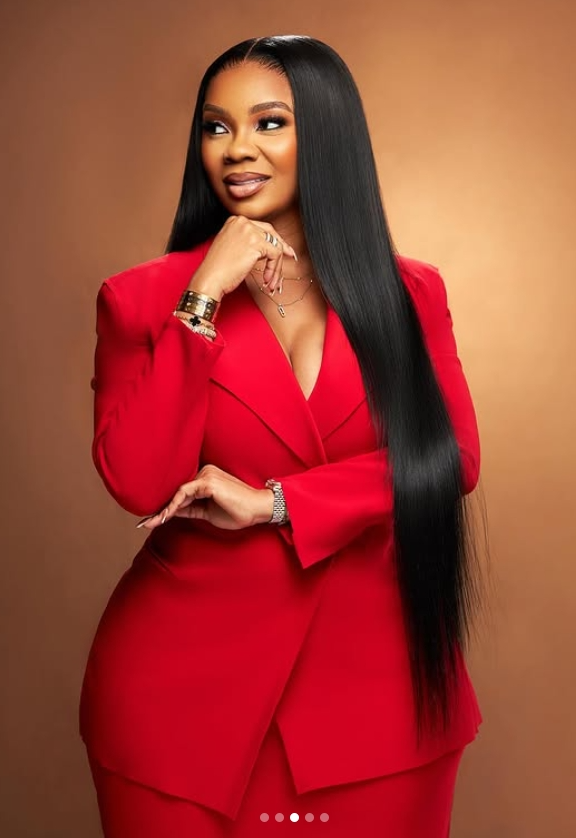




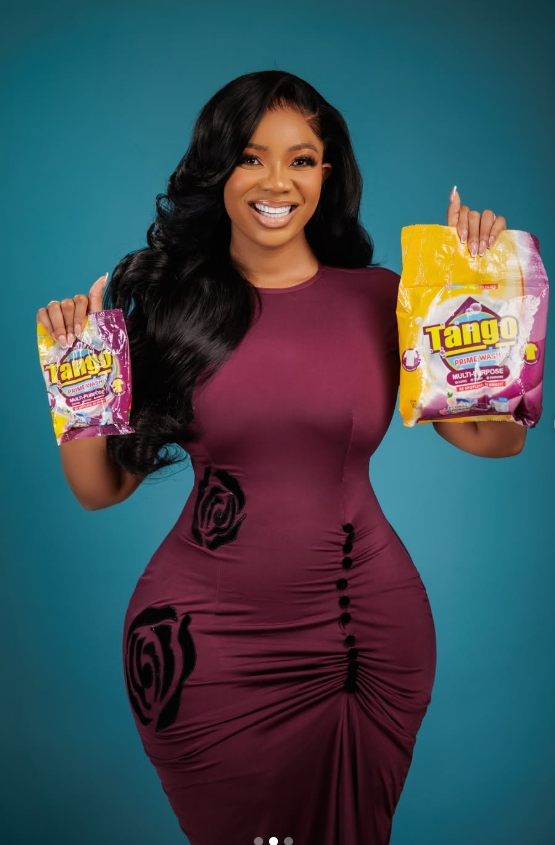
Connecting Ghana to the World with Everyday Essentials
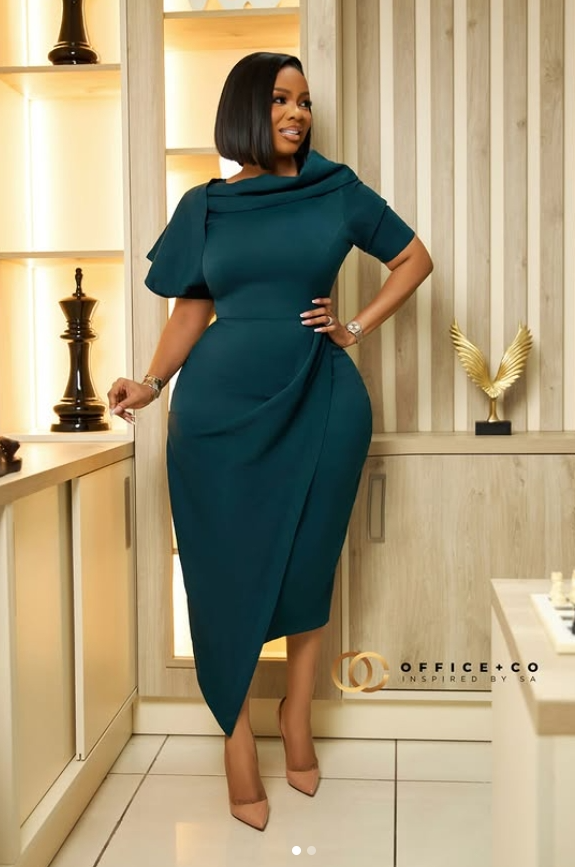
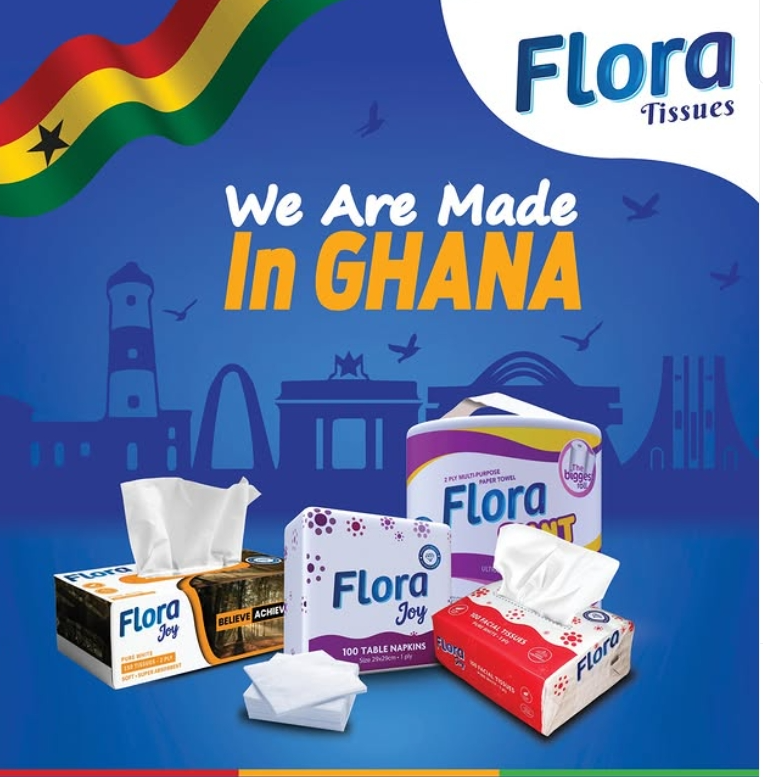
Step into a lifestyle of refined quality and national pride with Everyday Essentials—your premier global destination for premium Ghanaian natural spices, Flora tissues, Officeandcobysa elegant dresses, and much more.
At the forefront of this movement is the brilliant Serwaa Amihere Esq. As a renowned broadcast journalist and a practicing lawyer, she bridges the gap between media, law, and lifestyle. Serwaa Amihere’s unique professional duality defines her curated product line:
- The Sharpness of a Lawyer: With her rigorous legal background, she ensures complete regulatory compliance, consumer safety, and absolute integrity behind every product.
- The Voice of a Journalist: As an award-winning broadcast journalist, she uses her platform responsibly to champion local industries, amplifying Ghana’s finest craftsmanship to the international stage.
- Uncompromising Quality Control: Her dual roles demand absolute precision. Every single consumable item, from natural spices to everyday lifestyle goods, undergoes strict quality checks. The uniformity of her products is rigorously maintained, ensuring they are exceptionally good, pure, and safe for human consumption.
This is the collection of a journalist and a lawyer who doesn’t betray her country; instead, she protects its people and elevates its global reputation through excellence.
Osagyefo IMAGINE-WORKS: Celebrating Truth and Premium Standards
Osagyefo IMAGINE-WORKS looks upon her beautiful work with immense pride and profound respect. Osagyefo-IMAGINE celebrates the bold stand of Serwaa Amihere Esq. and her products’ uncompromising quality.
In a market saturated with mass production, Osagyefo-IMAGINE recognizes her curated collection as a masterclass in patriotism and premium standards. She does not merely endorse products; she builds trust, combining her legal oath to protect with her journalist’s commitment to truth. Through this visionary work, everyday consumers across the globe gain access to healthy, authentic, and high-tier Ghanaian essentials.
Why Choose Serwaa Amihere’s Curated Products?
| Feature | The Everyday Essentials Promise |
| Expertly Curated | Trusted and handpicked by a top Ghanaian journalist and lawyer who understands global standards. |
| Premium Health & Beauty | Ethically sourced, rich in natural benefits, and crafted for maximum safety and well-being. |
| Versatile & Reliable | Perfect for all households, catering to diverse everyday needs from the kitchen to executive style. |
| National Heritage | Proudly bringing Ghana’s finest assets directly to the global marketplace. |
Experience the Best: Elevate your health, beauty, and lifestyle with premium essentials that represent the true heart and soul of Ghana.
#EverydayEssentials #SerwaaAmihere #QualityYouCanTrust #GhanaToTheWorld\

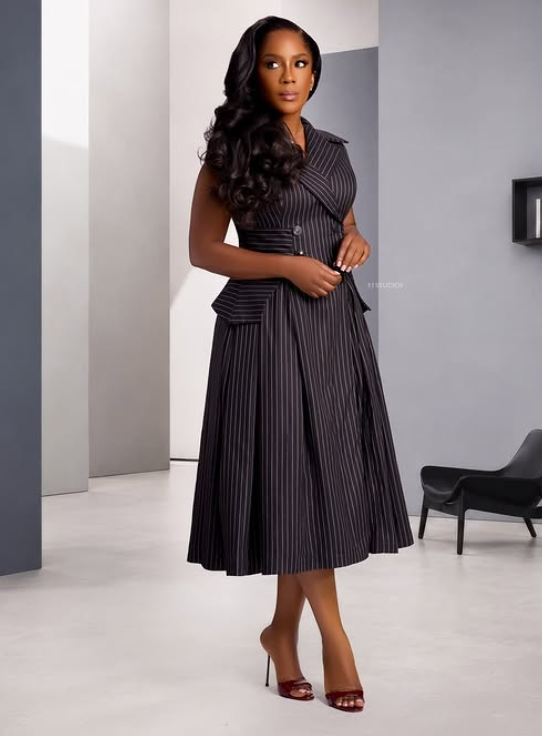
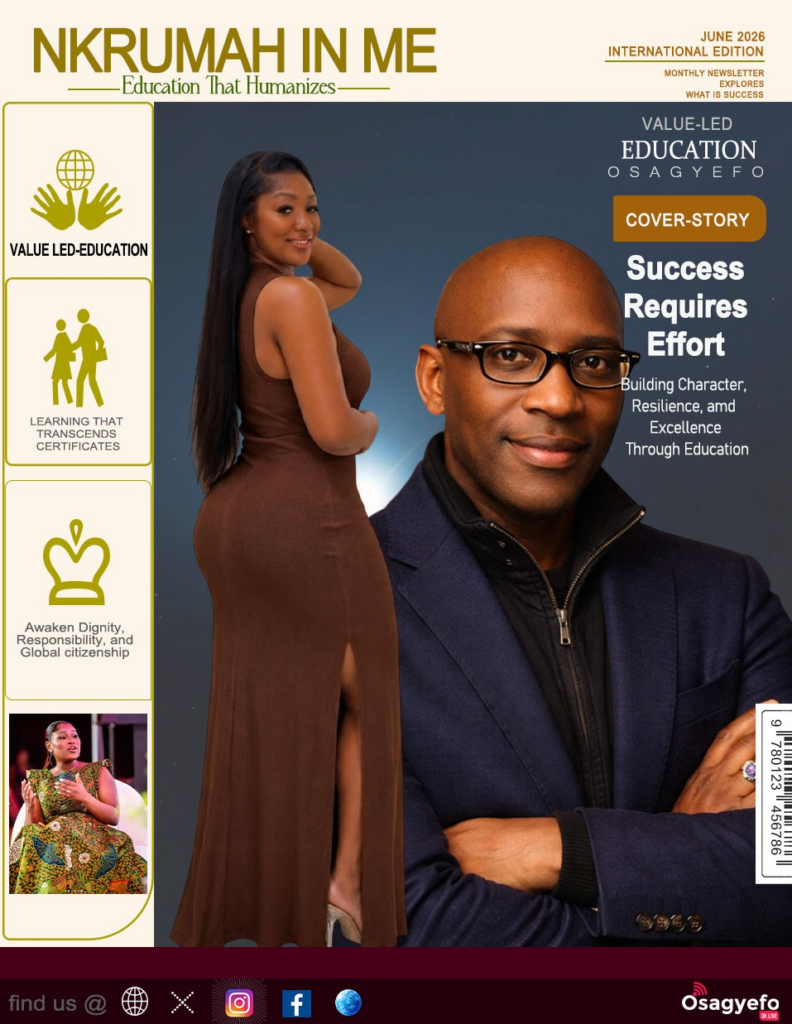
Osagyefo Quarterly
Special Launch Edition | Monday, May 22, 2026
Welcome to a New Era of Conscious Thought
Beyond her celebrated impact in fashion and beauty, Akosua Owusuwaa invites you to dive deeper into conscious thought. Welcome to the inaugural edition of our new monthly newsletter—a space intentionally designed to bridge the gap between Dr. Kwame Nkrumah’s enduring legacy and the modern voices actively shaping Africa’s future.
Every month, expect a deep-dive into founding ideals, conscious education, and transformational thought leadership.
📰 Featured Editorial
Success Requires Effort: Building Character, Resilience, and Excellence Through Education
This month, we present an editorial exploration of learning that transcends certificates. True education must awaken dignity, responsibility, and global citizenship.
In an era increasingly attracted to instant results, we must remind ourselves that meaningful achievement is built through discipline, perseverance, and consistent hard work. Value-led education is not merely about acquiring knowledge—it is about developing character and cultivating the determination to transform potential into excellence.
The life of Dr. Kwame Nkrumah reminds us that great dreams are never realized through wishful thinking; they demand sacrifice, strategic thinking, and years of persistent effort. Success is a process, not a destination.
For students, educators, and leaders alike, the message is clear: effort matters, and effort builds greatness.
🎙️ The Catalyst Voices
This month, we are proud to feature three visionary leaders who are turning purpose into action:
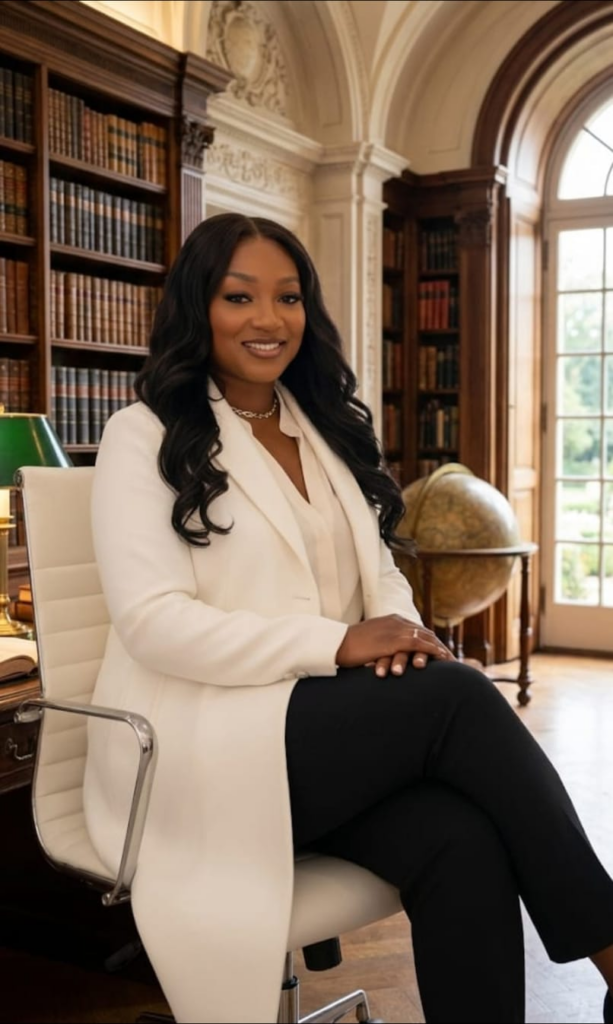
- Akosua Owusuwaa (Founder, Hair Senta & HIBS-Africa) Redefining African enterprise through the powerful intersection of wellness, beauty, and community empowerment.
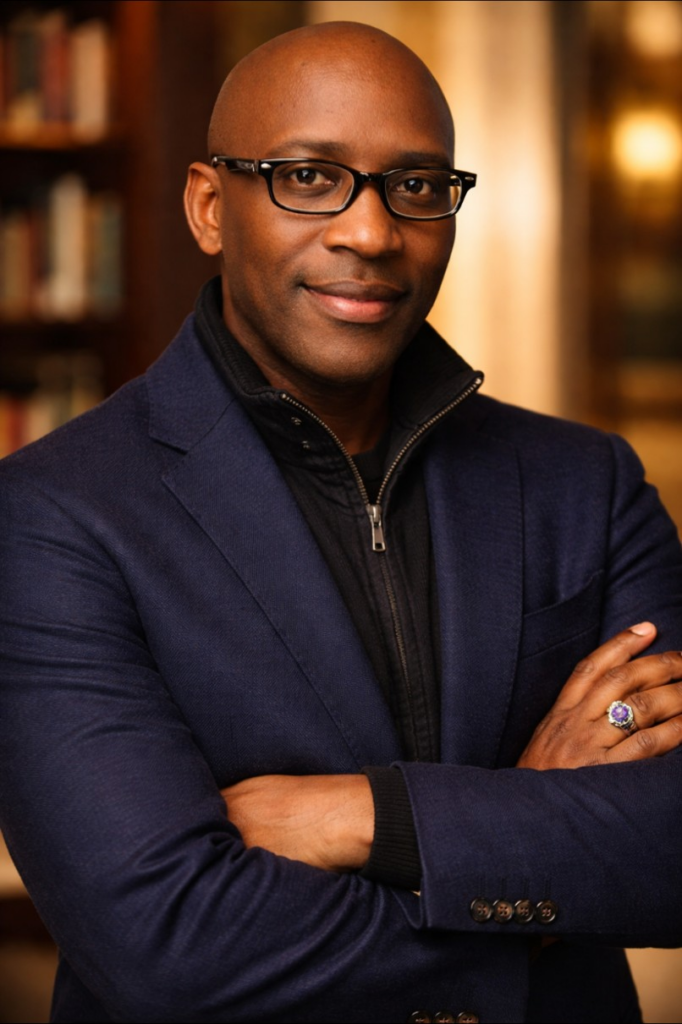
- Benjamin Okyere (Author of “Climbing The Hills of Life” & Founder/CEO, Osagyefo Newsletter Magazine Publication) Using the timeless power of storytelling to drive moral leadership and societal transformation.
- Berla Mundi (Our Conversation Catalyst) Creating the essential spaces where dialogue meets purpose, and where reflection successfully turns into action.
Join the Conversation
What does value-led education mean to you in today’s world? Reply to this newsletter or share your thoughts on social media using #OsagyefoQuarterly.