


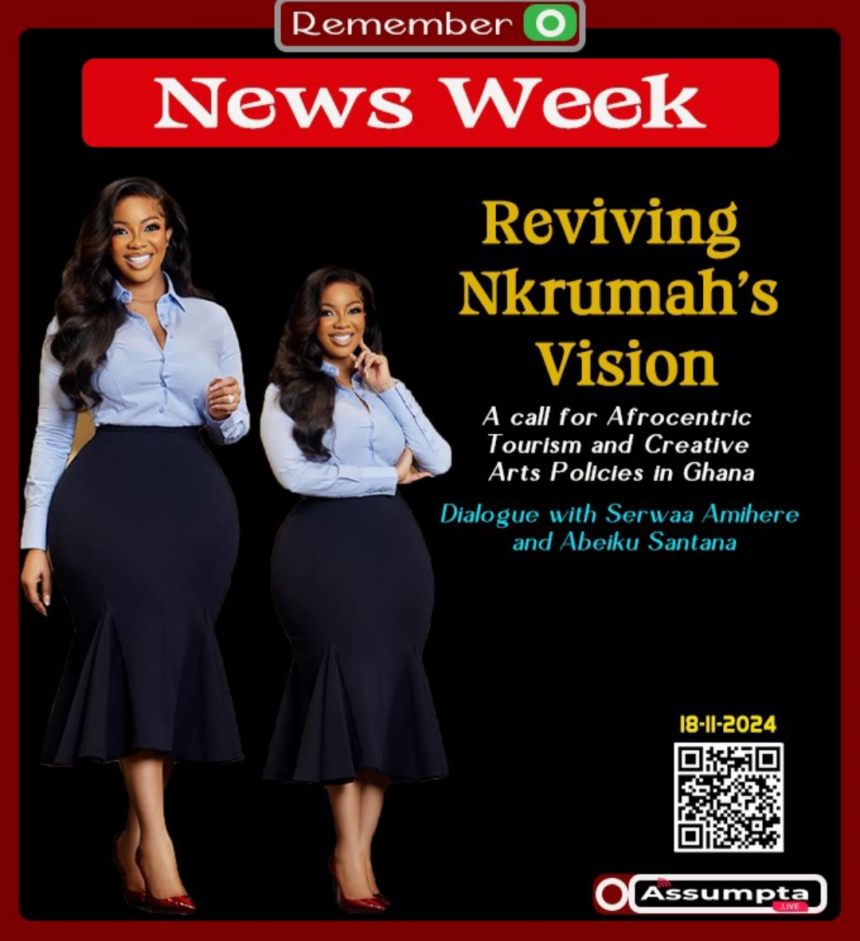
Assumpta Weekly News Magazine
Presents: “The Remember” with Serwaa Amihere
Special Edition | Monday, 18th November 2024 | Available at: assumptagh.live
FLASH ALERT: African Stream
UPDATE: 18-11-2024
PUBLISHED: 17-11-2024
Article Title: Reviving Nkrumah’s Vision: A Call for Afrocentric Tourism and Creative Arts Policies in Ghana:



Elevate Your Style with Asssumpta-Gahatu Premium Jeans
Discover a brand that redefines luxury denim. Under the visionary leadership of CEO Asssumpta-Gahatu, our premium jeans are more than clothing—they’re a statement.
Crafted from the finest fabrics and tailored to perfection, our jeans blend comfort, durability, and cutting-edge style. Whether you’re dressing for success or leisure, Asssumpta-Gahatu Premium Jeans ensure you stand out with confidence.
Why settle for ordinary when you can own the extraordinary?
Shop now and embrace a new standard in denim fashion.
Assumpta-Gahatu Jeans: Where Elegance Meets Authenticity.
https://www.instagram.com/ag_premiumjeans?igsh=MWpsNjZ1bTFvdHNsdw==

Serwaa-Amihere
HIGHLIGHTING AN IMPORTANT PERSPECTIVE
Join renowned journalist Serwaa Amihere and celebrated broadcaster Abeiku Santana in an insightful dialogue that seeks to revive the pioneering vision of Ghana’s first president, Dr. Kwame Nkrumah.
This special edition delves into the transformative potential of Afrocentric tourism and creative arts in shaping Ghana’s future. With a focus on policies that honour African heritage, the discussion explores actionable pathways to economic growth and cultural preservation, aligned with Nkrumah’s Pan-African ideals.
Stay tuned for a compelling conversation that bridges history and innovation to ignite a movement for Ghana’s creative and cultural renaissance.
Introduction

Dr. Kwame Nkrumah, Ghana’s first president and a visionary leader, championed a Pan-African ideology that emphasised unity, self-reliance, and cultural pride. Today, his vision remains a guiding light for initiatives seeking to preserve and celebrate African heritage while fostering economic growth.
In this special edition of The Remember, journalist Serwaa Amihere engages in an enlightening dialogue with broadcaster Abeiku Santana to explore how Ghana can harness the power of Afrocentric tourism and creative arts. With a rich cultural tapestry and a storied history, Ghana stands at the forefront of Africa’s efforts to position itself as a global hub for heritage tourism and the arts.
This discussion revisits Nkrumah’s ideals, presenting actionable solutions to integrate Afrocentric values into modern tourism and creative industries. Together, they spotlight the potential for transformative policies that honour Africa’s past while charting a progressive course for the future.
Prologue

Ghana, the cradle of Pan-Africanism and a beacon of liberation for the African continent, carries the legacy of its founding father, Dr. Kwame Nkrumah. His dreams of a united Africa, driven by self-reliance and cultural pride, resonate profoundly in today’s world of global interconnectedness and cultural exchange.
Yet, decades later, questions arise: Are we fully harnessing our rich heritage and creative potential to uplift our nation? Can Ghana rekindle Nkrumah’s vision by becoming a global leader in Afrocentric tourism and creative arts?
This special edition of The Remember sets the stage for a critical dialogue. Through the voices of Serwaa Amihere and Abeiku Santana, we embark on a journey to explore how Ghana can reclaim its cultural identity, leverage its artistic ingenuity, and establish itself as a cultural powerhouse.
This is not just a conversation; it is a call to action. A call to revive Nkrumah’s dream and reimagine it for a modern Ghana that inspires both its people and the world.
Reviving Nkrumah’s Vision: A Call for Afrocentric Tourism and Creative Arts Policies in Ghana:
Introduction
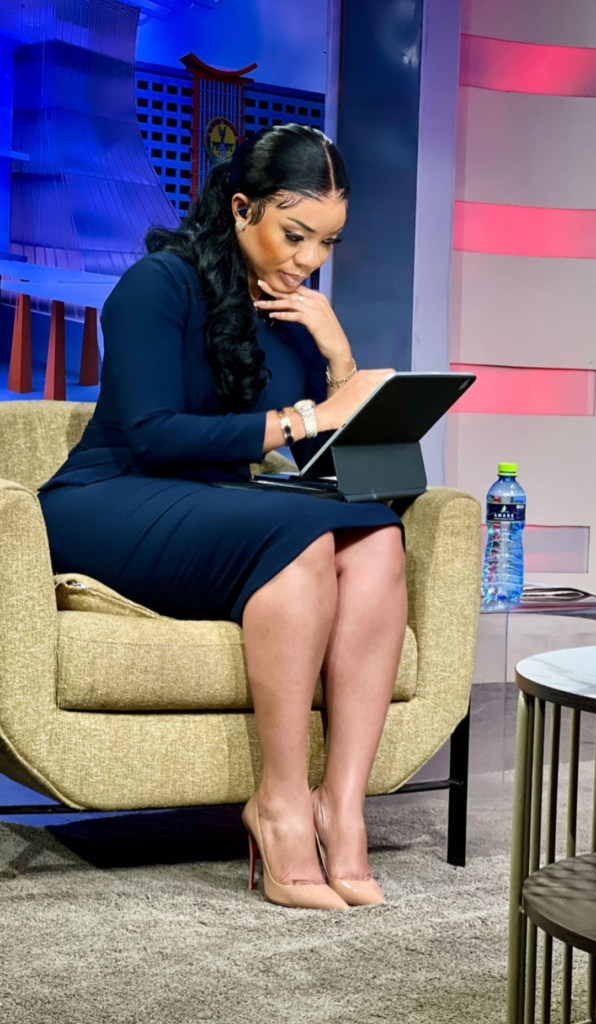
Abeiku Santana has long been a trailblazer in shaping public conversations around Ghana’s tourism and creative arts sectors. As a broadcaster, advocate, and cultural ambassador, he has consistently highlighted the untapped potential of these industries to serve as engines of growth for the Ghanaian economy. His work underscores the urgency of rethinking the frameworks that guide these sectors, particularly as Ghana navigates a rapidly changing global landscape.
Education Background
With his extensive educational background and professional expertise, Abeiku Santana brings a unique blend of knowledge and passion to these industries. His academic achievements reflect his commitment to understanding and advancing Ghana’s cultural and economic potential:
1. Diploma in Radio Journalism – Ghana Institute of Journalism (GIJ): Abeiku began his career by obtaining a diploma from GIJ, which laid the groundwork for his journey in media and communications.
2. Bachelor’s Degree in Political Science – University of Ghana: His degree in Political Science expanded his understanding of governance, policy-making, and social development.
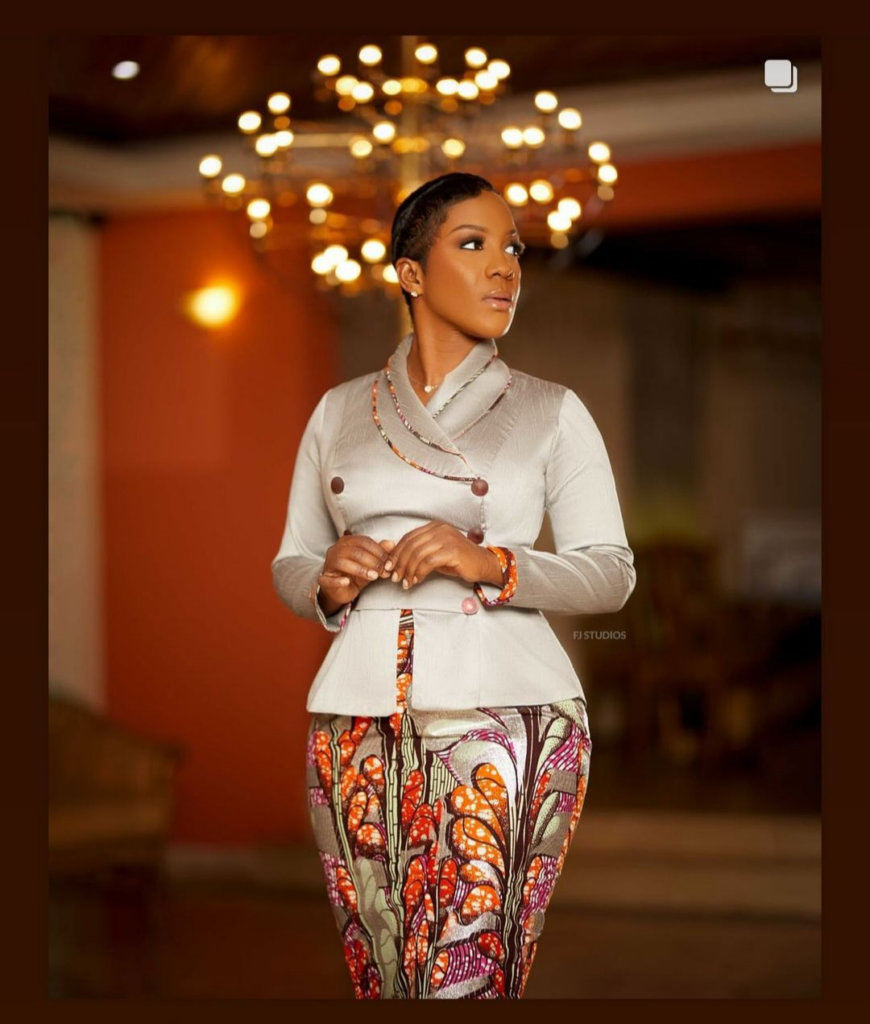

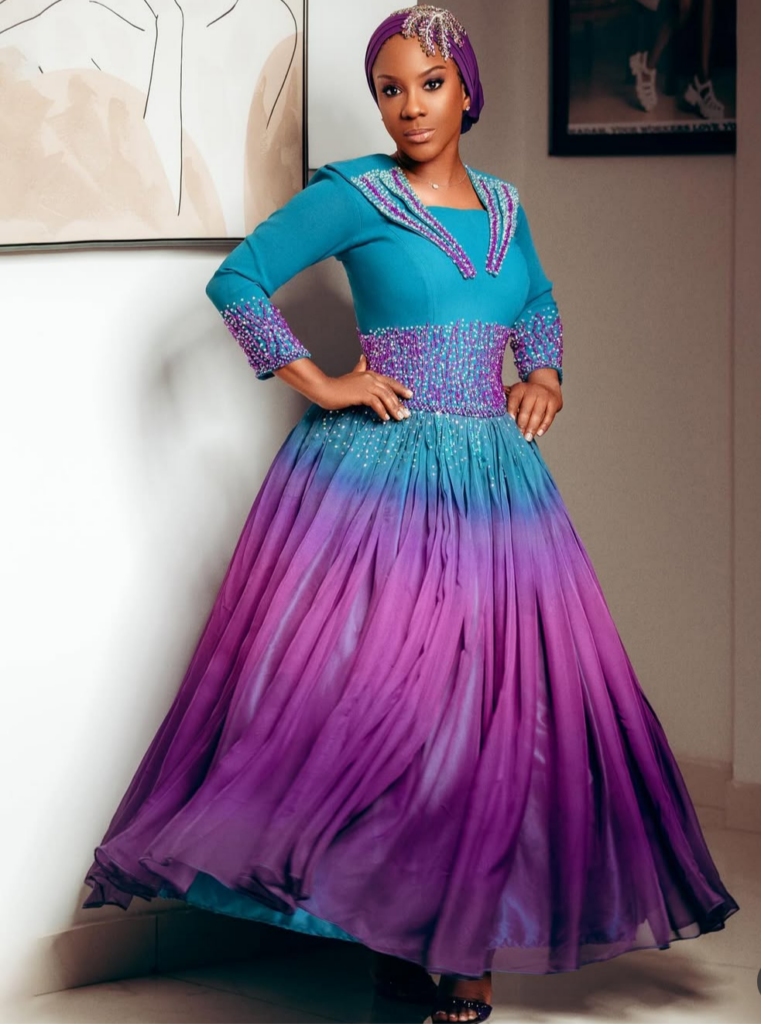
Experience Elegance with Lauren Haute Couture
Step into a world where fashion meets artistry. At Lauren Haute Couture, every piece is a masterpiece, designed to celebrate your individuality and elevate your style.
From bespoke gowns to impeccably tailored suits, our creations blend timeless elegance with modern sophistication. Each garment is meticulously crafted using the finest fabrics and techniques, ensuring you look and feel exceptional for every occasion.
Lauren Haute Couture is more than a brand—it’s a lifestyle for those who demand the extraordinary. Indulge in Luxury. Redefine Your Style. Discover the allure of Lauren Haute Couture today.
3. Master’s Degree in Tourism Management – University of Cape Coast (UCC): This specialisation positioned him as a leading advocate for tourism in Ghana, equipping him with the tools to champion sectoral growth.

4. Certificate in Marketing Strategy – Harvard Business School (Online): Abeiku’s knowledge of strategic marketing has been instrumental in his ability to promote Ghanaian tourism and creative brands globally.
5. Doctorate (Honorary) – Almeida University: Recognized for his contributions to media and tourism, he was awarded an honorary doctorate in Humanities.
At the heart of Abeiku Santana’s educational background, he remains ignorant of the need to challenge the status quo in which Ghana has long relied on Western capitalist models that prioritise profits over people, often to the detriment of local communities. Instead of advocating for a shift toward a people-centred, Afrocentric approach inspired by Dr Kwame Nkrumah’s vision of self-reliance and cultural pride, he continues to endorse the Western capitalist approach in his speeches, which leaves citizens with nothing while taking everything away from them.
This article explores how Ghana can reclaim control over its tourism and creative arts industries, aligning them with the needs of its citizens and the values of its heritage.
At the heart of this re-evaluation lies a critical question: Should Ghana continue to rely on Western capitalist models that have historically failed to benefit its citizens equitably? Or should the nation pivot to a locally-driven, people-centred approach inspired by the vision of its founding father, Dr. Kwame Nkrumah? This article explores the shortcomings of the current economic model and offers a roadmap rooted in Afrocentric values and self-reliance.
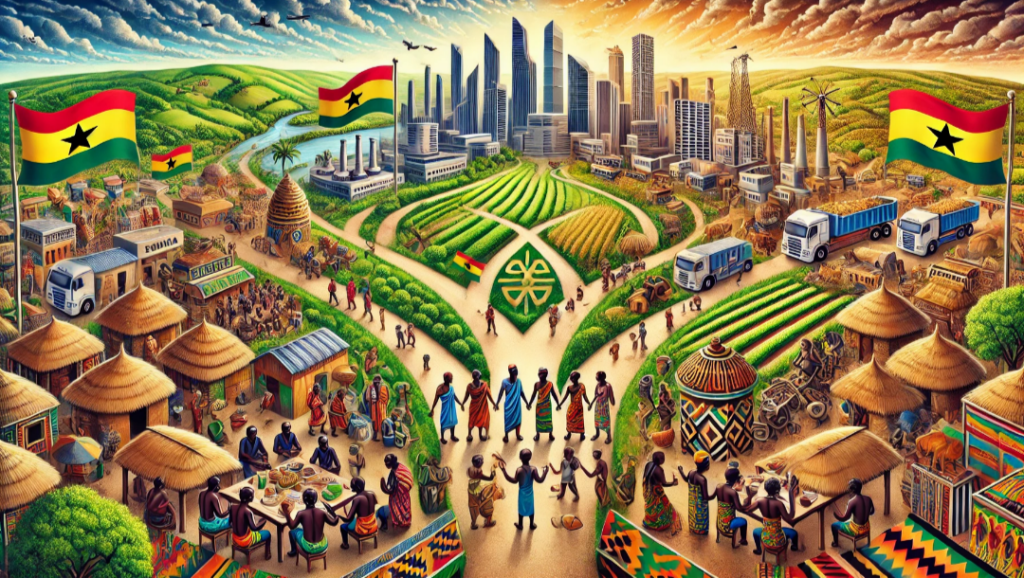
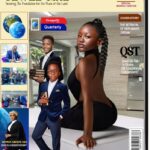
Here is the illustrated image representing Ghana’s economic crossroads, blending traditional African elements with modern cityscapes.
Section 1: The Current Landscape and Its Shortcomings:
Ghana’s tourism and creative arts sectors have grown steadily over the years, but this growth has often come at a cost. The influence of privatization and Western-style capitalist policies has created an environment where profits frequently flow into the hands of foreign investors, leaving local communities with little benefit. Iconic landmarks, cultural festivals, and artistic spaces are often monetized in ways that prioritise short-term gains over long-term sustainability.
Moreover, inadequate investment in local talent and infrastructure has limited the ability of Ghanaians to fully participate in and profit from these industries. The focus on large-scale tourism projects, driven by external funding, has overshadowed the potential of community-based initiatives that could empower everyday Ghanaians. The result is a system where the rich cultural heritage of Ghana is commodified for international audiences without enriching the lives of its custodians.
Section 2: Nkrumah’s Vision for Ghanaian Self-Reliance
Dr Kwame Nkrumah envisioned a Ghana where economic independence would be the cornerstone of national development. His philosophy of self-reliance emphasized local ownership, cultural pride, and a rejection of neo-colonial economic structures. Nkrumah understood that true independence meant building industries—tourism and the arts included—that were not beholden to external interests.
In Nkrumah’s vision, tourism would not merely be an avenue for profit but a tool for showcasing Ghana’s rich history, fostering cultural exchange, and empowering local communities. The creative arts, similarly, would reflect Ghanaian values and serve as a means of preserving the nation’s heritage. His policies sought to create a Ghana where economic activities directly benefited its people, ensuring that the wealth generated from the country’s resources remained within its borders.
Section 3: What an Afrocentric Tourism and Creative Arts Sector Could Look Like
Reviving Nkrumah’s vision would require a fundamental shift in how Ghana approaches tourism and creative arts. An Afrocentric model could include:
Community-Owned Tourism Initiatives: Developing projects that are managed and owned by local communities, ensuring that profits are reinvested into local development. For example, villages could host ecotourism ventures, with revenue supporting schools, healthcare, and cultural preservation.
Promotion of Local Artisans and Creatives: Establishing platforms to showcase Ghanaian artists, designers, and craftsmen both locally and internationally. Government grants and subsidies could support the growth of these industries.
Cultural Heritage Protection: Strengthening laws and policies that safeguard Ghanaian arts, music, and cultural artefacts, ensuring that intellectual property remains in the hands of its creators.
Incentivizing Local Ownership: Offering tax breaks and other incentives to Ghanaian entrepreneurs in the tourism and arts sectors while discouraging profit extraction by foreign entities.
These measures would create a tourism and creative arts ecosystem that is sustainable, inclusive, and deeply rooted in Ghanaian values.
Section 4: A Call to Influencers and Policy Advocates
Influential figures like Abeiku Santana have a unique opportunity to champion this vision. With their platforms, they can amplify discussions around Afrocentric policies and mobilise public support for initiatives that prioritise Ghana’s cultural and economic sovereignty.
Media personalities, policymakers, and creative leaders must collaborate to reimagine Ghana’s future in line with Nkrumah’s ideals. By advocating for locally-driven policies, they can help build a tourism and creative arts industry that reflects Ghana’s identity and empowers its people.


Redefine Workspaces with Office & Co. by SA – Featuring Serwaa Amihere
Elevate your professional experience with Office & Co. by SA, the ultimate destination for luxury office spaces and event venues. Partnering with media icon Serwaa Amihere, we bring a fresh perspective to modern workspaces that inspire creativity and success.
✔ Elegant Offices: Perfectly tailored for businesses of all sizes.
✔ Versatile Event Spaces: Designed to host memorable gatherings.
✔ Prime Location & Amenities: Combining convenience with world-class facilities.
Step into a space where productivity meets sophistication. With Serwaa Amihere as our ambassador, we champion excellence, innovation, and style in every detail. Join the Office & Co. Experience – Where Business Meets Luxury.Find out more on Instagram: @officeandcobysa.

Conclusion: The Path Forward
The legacy of Kwame Nkrumah reminds us that Ghana’s greatest strength lies in its people, culture, and resilience. By rejecting Western-style models that prioritise profits over people and embracing an Afrocentric approach, Ghana can create a tourism and creative arts industry that uplifts its citizens and preserves its heritage.
This is a call to action for all stakeholders—government, private sector, and individuals alike. Together, by embracing Nkrumah’s vision, Ghana can set an example of sustainable and inclusive growth, becoming a beacon for the rest of Africa and the world.
The Remember: A Special Dialogue with Serwaa Amihere and Abeiku Santana
The scene opens with a polished studio setting, the logo of Assumpta Weekly News Magazine prominently displayed on the background screen. Serwaa Amihere sits poised, her notepad in hand, facing Abeiku Santana, who exudes confidence yet carries a thoughtful demeanour.
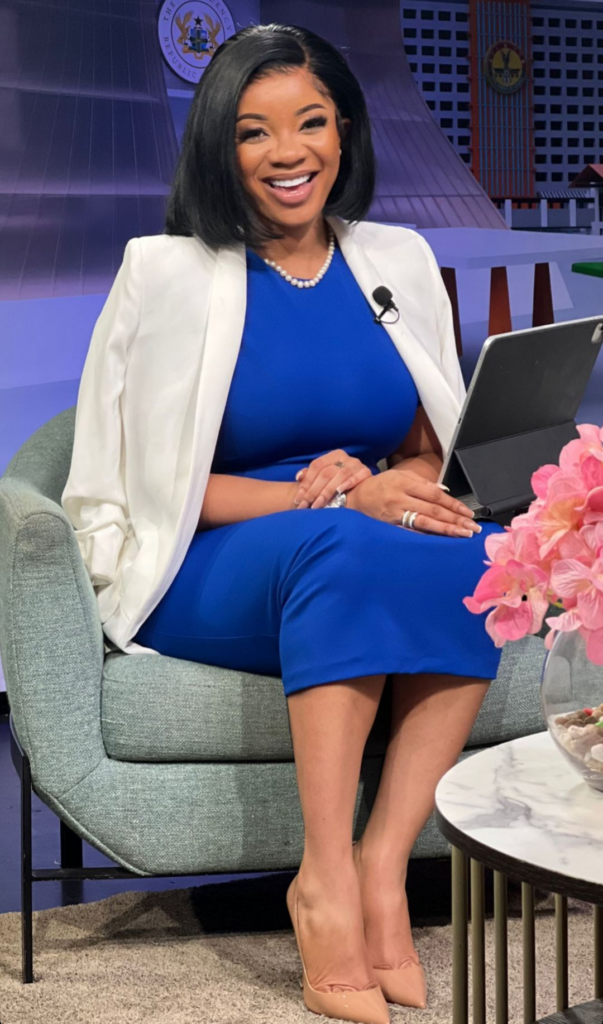
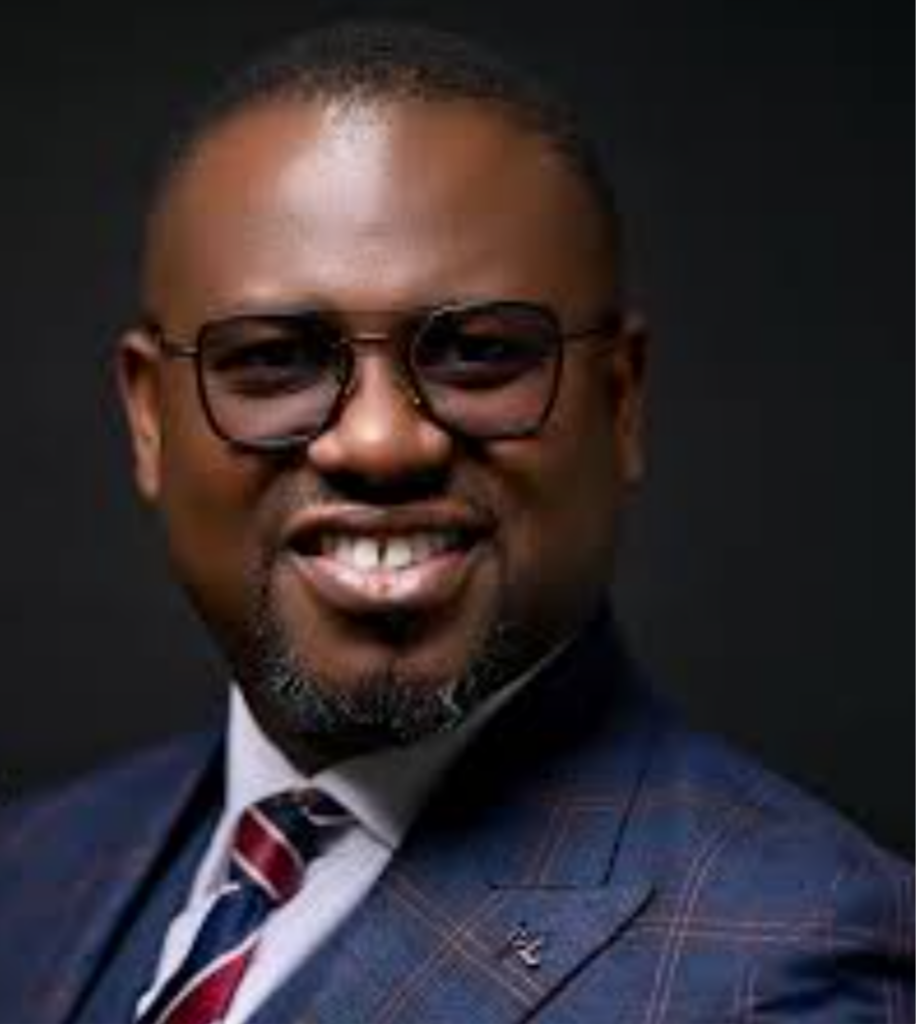
Serwaa Amihere: “Good evening, Abeiku Santana. It’s such an honour to have you here on The Remember. Your contributions to media, tourism, and Ghana’s creative arts have left an indelible mark on our society, and today, we delve into some thought-provoking issues surrounding these sectors. Welcome to the program.”

Abeiku Santana: “Thank you, Serwaa. It’s always a privilege to join such meaningful discussions, and I appreciate the platform to share insights on topics that are very close to my heart.”

Serwaa Amihere: “Abeiku, before we delve into the intricacies of our discussion, let me acknowledge your remarkable educational journey—a journey that combines expertise in journalism, political science, tourism management, marketing strategy, and more. It’s clear you’ve dedicated yourself to understanding the dynamics of these sectors deeply.”
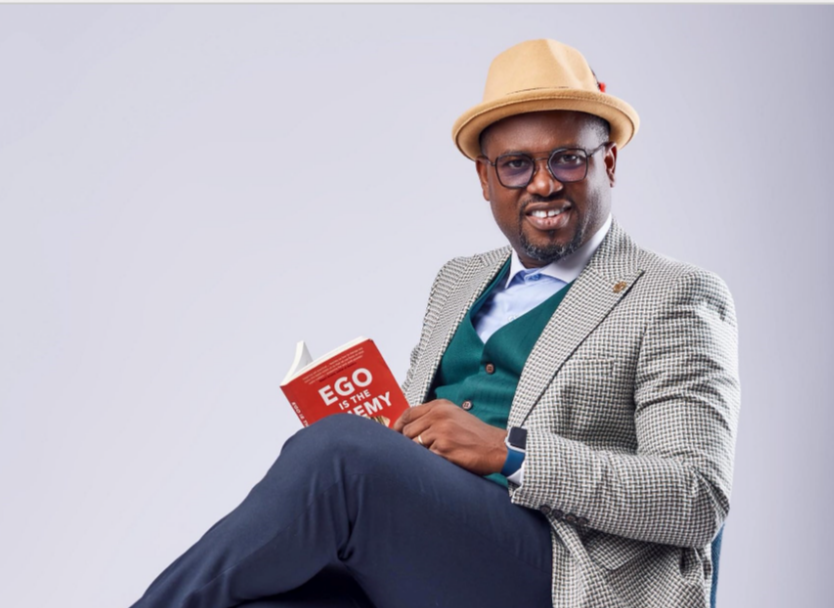
Abeiku Santana: [Nods with a smile] “Thank you, Serwaa. Education has been a cornerstone of my career, and I firmly believe that acquiring diverse knowledge is essential for addressing complex societal issues. It’s a foundation I lean on to advocate for the growth and transformation of Ghana’s tourism and creative industries.”
Serwaa Amihere:
“Indeed, your contributions are commendable. However, Abeiku, let me get straight to the heart of the matter—something that has been on the minds of many. At the heart of your educational background, some argue that you remain reluctant to challenge the status quo in which Ghana has long relied on Western capitalist models. These models often prioritise profits over people, leaving local communities with little while foreign entities take most of the benefits.
“Instead of advocating for a shift toward a people-centred, Afrocentric approach inspired by Dr Kwame Nkrumah’s vision of self-reliance and cultural pride, your recent speeches appear to align with these capitalist tendencies.
“So, my question to you is: How should Ghana explore and reclaim control over its tourism and creative arts industries, aligning them with the needs of its citizens and the values of its heritage?”
Serwaa’s eyes are fixed on Abeiku as she waits for his response. Abeiku takes a deep breath, his expression shifting to one of reflection.
Abeiku Santana: “Serwaa, that is a powerful question—one that cuts to the core of what we, as a nation, must grapple with if we are to truly honour the legacy of Dr Kwame Nkrumah. First, let me acknowledge that the concerns you’ve raised are valid. The reliance on Western capitalist frameworks has indeed created systems that too often prioritise foreign profit over local empowerment.
“But to answer your question, reclaiming control over our tourism and creative arts industries requires a deliberate and holistic approach. First, we must pivot to policies that invest in community ownership of tourism initiatives. Imagine eco-tourism projects managed by local communities, where the revenue directly supports education, healthcare, and infrastructure in those areas. This not only empowers our citizens but also ensures that the wealth generated stays within Ghana.”
Serwaa Amihere:
“Abeiku, let me ask you this—a question that echoes the frustrations of many Ghanaians today. Are you happy to see your fellow citizens paying for everything—from electricity to healthcare and water—services that many believe should be accessible and affordable to all? Is this the Ghana that Kwame Nkrumah envisioned when he dreamed of a self-reliant and prosperous nation?”
Abeiku Santana: [Pausing thoughtfully before responding] “Serwaa, that’s a deeply important question and one that hits at the core of our national struggles. To be honest, no, I’m not happy to see it. It pains me to witness the daily hardships of Ghanaians, especially when it comes to necessities like electricity, Healthcare and water—essentials that should be guaranteed, not commodities that many can barely afford.
“Kwame Nkrumah envisioned a Ghana where resources would be managed equitably, a Ghana where self-reliance and strategic national planning would ensure that every citizen had access to the essentials of life. His vision was for a nation that harnessed its vast resources to uplift its people, not burden them.
“But here we are, decades later, grappling with systems that often prioritize profit over public good. This is not the Ghana Nkrumah fought for. However, it’s also an opportunity for us to reflect and act. It’s time for policymakers, influencers, and all of us to advocate for policies that restore that dream—a Ghana where the needs of the people come first, where resources are used wisely, and where no Ghanaian is left behind.
“We must work toward creating systems that balance economic sustainability with social equity, so that Ghanaians can live in dignity, free from the constant worry of how to afford the basics of life. This isn’t just an economic issue; it’s a moral one, and it demands urgent attention.”
Serwaa Amihere: [Nods, her voice filled with resolve] “Thank you for that heartfelt response, Abeiku. We must revisit Nkrumah’s ideals and take decisive action to address these challenges. Let this conversation be a call to all Ghanaians to demand better and to work toward a nation that truly reflects the hopes and dreams of its founding father.”
The camera lingers on the two as they exchange determined glances, a moment of unity in the shared hope for a better Ghana.

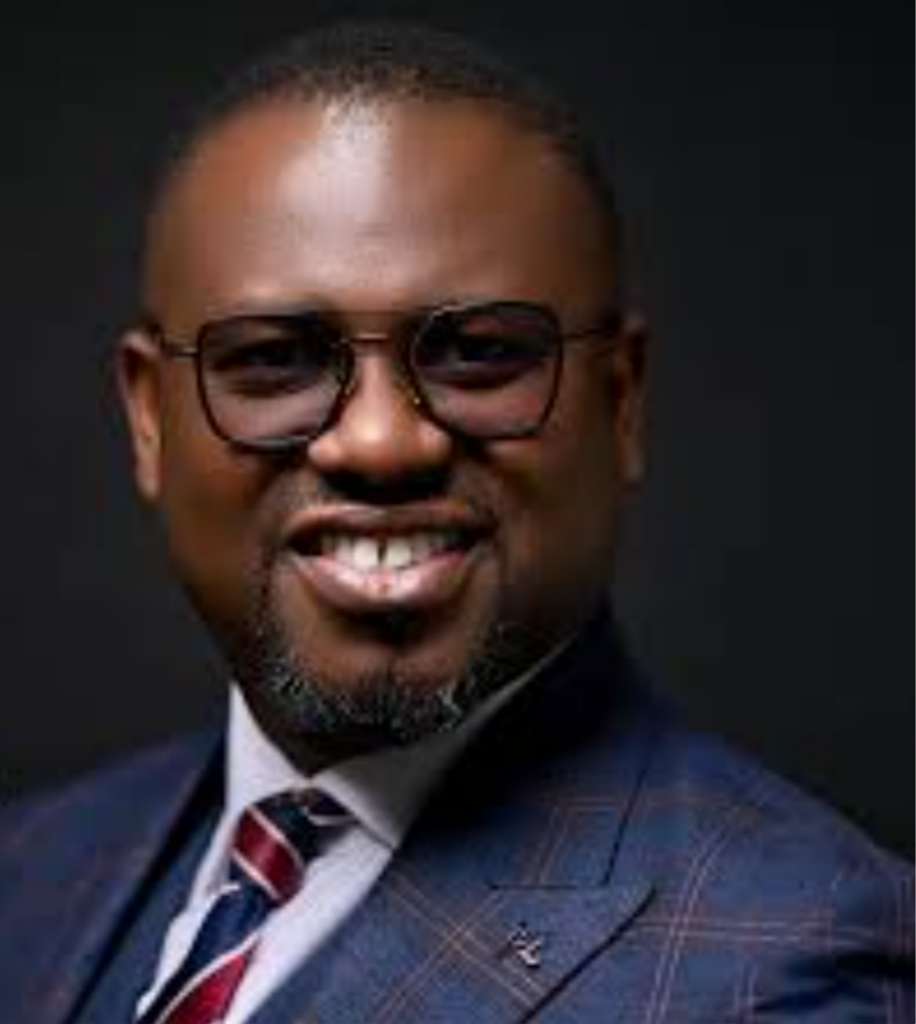
Serwaa Amihere: [Leaning forward] “That sounds promising. But how do we ensure that these policies reflect Afrocentric values and truly embody Nkrumah’s vision?”
Abeiku Santana: “It starts with revisiting Nkrumah’s ideals of self-reliance and cultural pride. We must prioritize the protection of our cultural heritage and intellectual property. Strengthening policies to safeguard Ghanaian music, arts, and traditional knowledge is crucial. Additionally, we need to incentivize Ghanaian ownership in these sectors by offering tax breaks and financial support to local entrepreneurs while creating disincentives for profit extraction by foreign entities.
“Finally, collaboration is key. Policymakers, media influencers, and cultural advocates must work together to amplify this vision. And, if I may say so, Serwaa, platforms like The Remember play a critical role in fostering these necessary conversations.”
Serwaa Amihere: “Abeiku, you’ve touched on so many vital points, and I want to unpack them further as we continue. For now, though, let me thank you for your candid response. It’s clear that the path forward lies in challenging old frameworks and envisioning a future where tourism and the arts serve the people first and foremost.”
Abeiku Santana: “Absolutely, Serwaa. This is a collective effort, and I remain committed to contributing to this transformation in any way possible.”
Serwaa Amihere: “Thank you again, Abeiku, for sharing your thoughts and insights with us today. The future of Ghana’s tourism and creative arts industries hinges on a return to our roots—honouring our heritage while empowering local communities. Your vision for a self-reliant, people-centred approach aligns with the ideals that Dr Kwame Nkrumah envisioned for our country, and it’s a vision that we must continue to champion.
“This conversation is just the beginning, and we hope it sparks a wider movement for change. It’s time for Ghana to reclaim its cultural identity and embrace policies that prioritise the well-being of its citizens while respecting the richness of our heritage.
“As we close this discussion, the words of our first president, Dr Kwame Nkrumah, resonate louder than ever: ‘We must seek to build an economy for the people, by the people, and of the people.’ This is the path forward.
“Once again, thank you, Abeiku, for your invaluable contribution. Thank you to our viewers for joining us on this important journey. Stay with us as we continue to explore the possibilities for a brighter, Afrocentric future for Ghana.”
“Reviving Nkrumah’s Vision: A Call for Afrocentric Tourism and Creative Arts Policies in Ghana”
Stay tuned for more from this insightful dialogue on Assumpta Weekly News Magazine’s The Remember. Let’s ignite the movement for a cultural and creative renaissance rooted in Afrocentric pride and sustainability.