



Assumpta Newsletter Publication
PRESENTS:
DIVINE THE NEWSLETTER MAGAZINE
ETERNALLY ENDOWED BEAUTY
📅 FRIDAY, MAY 6TH 2026 | INTERNATIONAL EDITION
The Definition of Timelessness
IN THIS ISSUE
- THE EVOLUTION | Beyond the 1950s narrative: How the “Ideal Woman” became the Authentic Woman.
- GROUNDED REALITIES | Why safety, housing, and healthcare are not fantasies, but foundations.
- REDEFINING POWER | The art of reclaiming space in a world that expects silence.
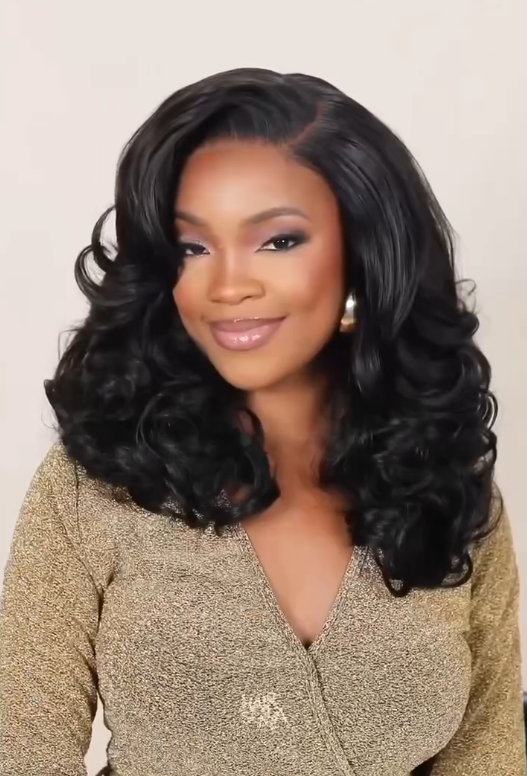
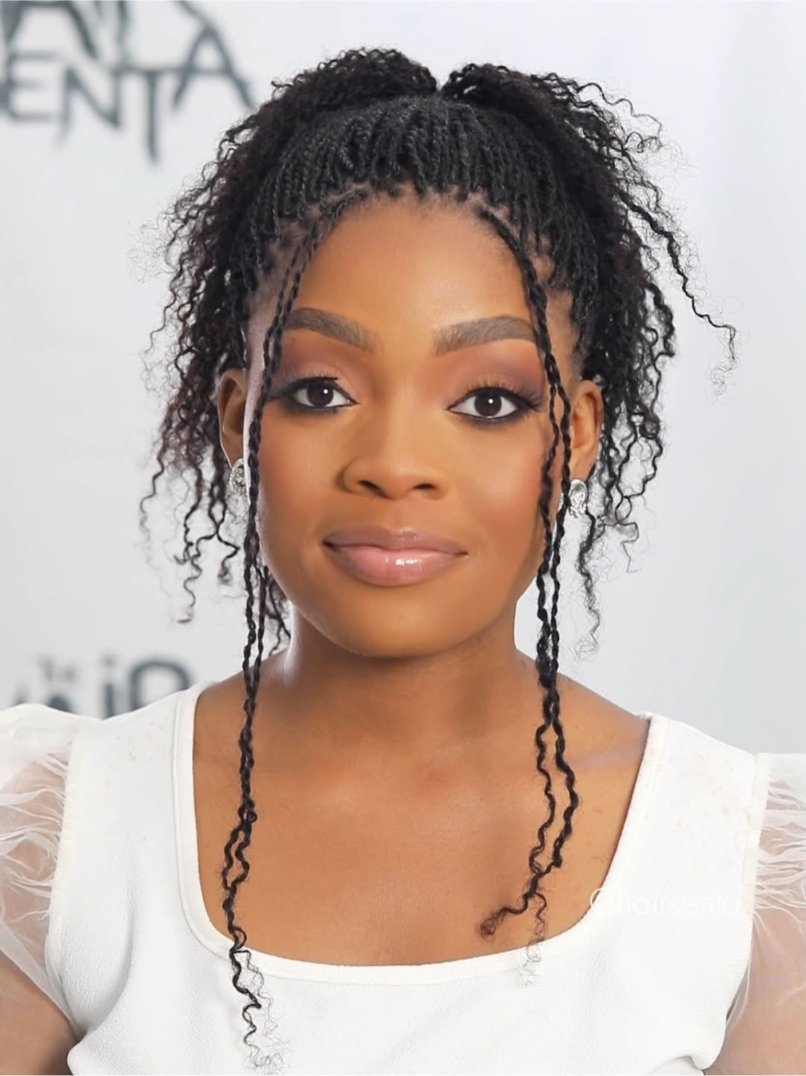
HAIR SENTA ADVERTISEMENT






https://www.instagram.com/hairsenta?utm_source=ig_web_button_share_sheet&igsh=ZDNlZDc0MzIxNw==
💖 Discover the Power of Confidence with Hair Senta! 💖
Hair Senta Shopping & Retail: Ghana’s Finest Hair, Loved Worldwide
Hair Senta, a trusted and trademarked leader in beauty, proudly delivers the finest Human Hair Extensions from Ghana to the global stage.
We believe true beauty goes beyond appearance. Our premium extensions are designed to inspire a new era of beauty, confidence, wellness, and hope for women everywhere. Feel the quality, embrace the transformation, and step boldly into your most radiant self!
Connect With Us Today!
📞 Call Us:
(+233) 054 435 4455
(+233) 024 862 9769
🌐 Visit Us Online:
www.hairsenta.com�
📍 Find Our Store:
24 Jungle Avenue, Accra, Ghana 00233
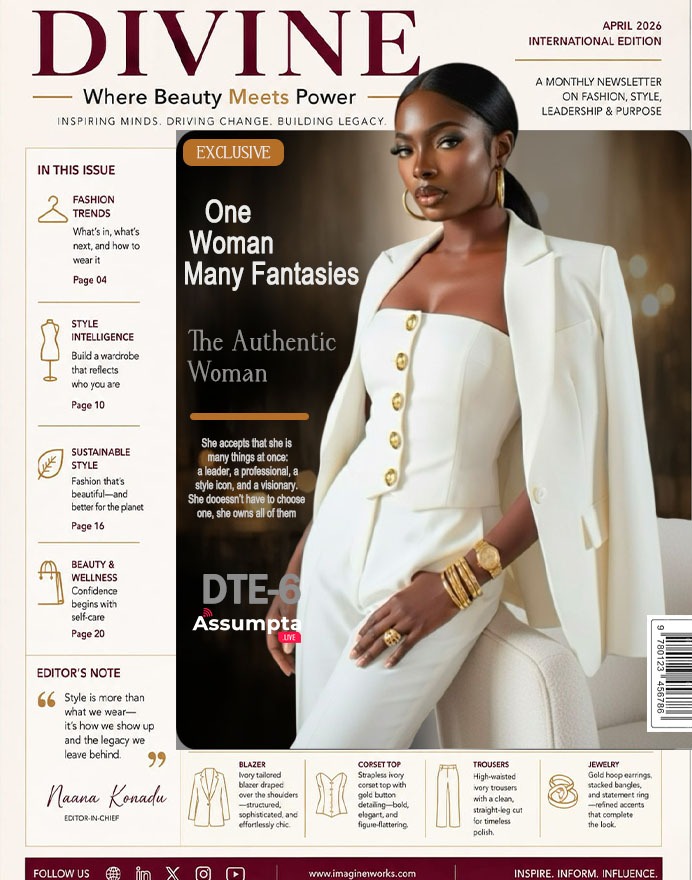
Article Title:
One Woman, Many Fantasies: The Authentic Woman
As women, we are expected to arrive fully equipped. We are expected to know instinctively how to care, manage, and endure. Children depend on us, men depend on us, and society depends on us. Yet the space for women to exist as their authentic selves is rarely protected—and often denied altogether.
The Single Story vs. The Constellation
There was a time when womanhood was reduced to a single story. In the early 1950s, the “ideal woman” was portrayed as selfless, devoted, and predictable. Her identity was not questioned because it was already decided for her.
Today, that essence of nurturing and creating remains, but it has been stretched and tested. Exposure to new ideas and opportunities has expanded our inner worlds. What was once a single narrative has become a constellation of ambitions. These are sometimes dismissed as “fantasies,” but they are not frivolous dreams. They are informed, intentional imaginings of a safer, fuller life.
The Paradox of Strength
Paradoxically, as women have become more dynamic, they have faced growing neglect.
- Strength is mistaken for self-sufficiency.
- Adaptability is interpreted as resilience without limits.
- The more women prove they can carry, the less support they are offered.
EDITOR’S NOTE
“When systems fail to listen, women do not simply disappear into silence. They adapt. They reclaim space. They redefine power-not out of rebellion alone, but out of necessity.” “Naana Konadu“
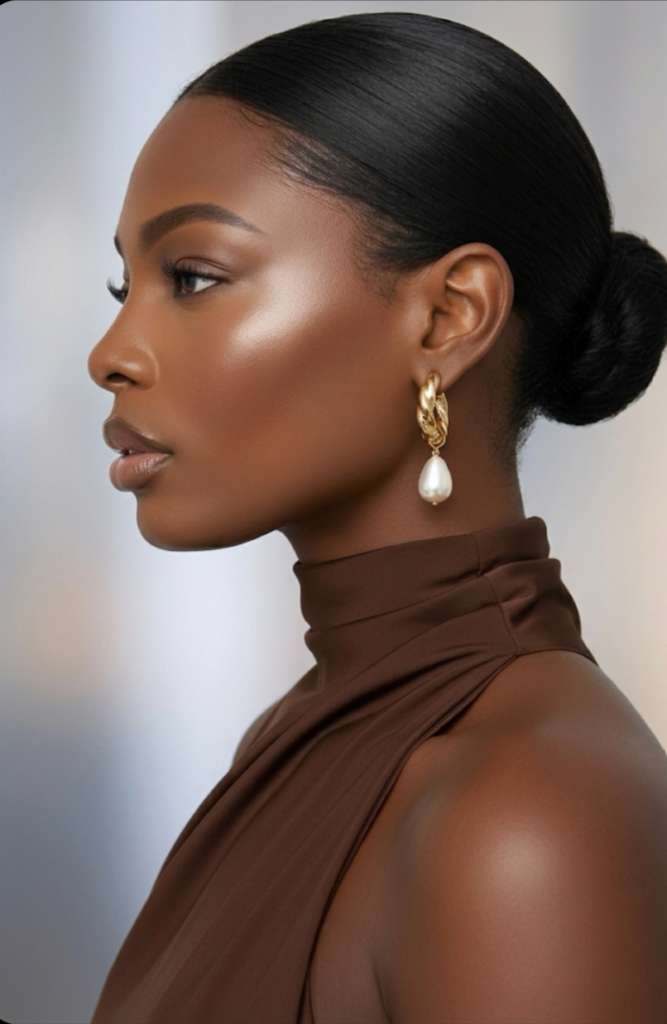
THE FOUNDATION
Behind these so-called fantasies lie grounded realities:
- Dignity & Recognition
- Personal Safety
- Accessible Healthcare
- Affordable Housing
These are not abstract ideals; they are foundational requirements for a stable society. Because a woman’s strength has never been singular, it has always been many things at once.
BEHIND THE VISION
The Motivation: Why This Story Matters Now
The author wrote this piece in response to a gap she observes between women’s responsibilities and women’s recognition in modern society. She identifies a pattern—not just in how women live, but in how society responds to them.
1. Authenticity Over Function
Women are essential but often unsupported. In many contexts, especially across Africa, women are rarely granted the space to exist as whole human beings with their own needs and desires. Authenticity is frequently sacrificed for function.
2. Outdated Frameworks
While society claims to have moved forward, institutions often cling to 1950s expectations. Women are pressured to conform to old roles even as their lives have expanded far beyond them.
3. The Complexity Gap
Modern women carry multiple identities—career, growth, independence, and care. Instead of being supported, this complexity is often labelled as “demanding” or “unrealistic.”
4. Reframing the “Fantasy”
Desires for safe housing, healthcare, and dignity are not emotional ideals; they are practical, livable requirements that society often minimises as “dreams.”
5. The Misuse of Resilience
Systems often interpret a woman’s endurance as proof that she doesn’t need investment. This neglect stems from the assumption that women are endlessly strong.
6. The Reclaiming of Power
When ignored, women do not vanish; they adapt outside the system. They reclaim power out of necessity, ensuring their survival and dignity on their own terms.
Follow the Vision: @assumptagh.live
The Conversation: #Assumpta #Divine #NaanaKonadu
© 2026 DIVINE Magazine. All rights reserved. Elevate Your Life. Embrace Your Legacy.
ONE WOMAN, MANY FANTASIES
The Authentic Woman
📅This Friday, the DIVINE Newsletter reveals a groundbreaking truth: The untapped potential and evolving identity of the African woman.
For too long, the narrative of womanhood has been written by those who only see the strength, never the soul. This issue is a call to look deeper—beyond the expectations and into the authentic core of who we are.
🌍 THE DIVINE EXCLUSIVE INTERVIEW
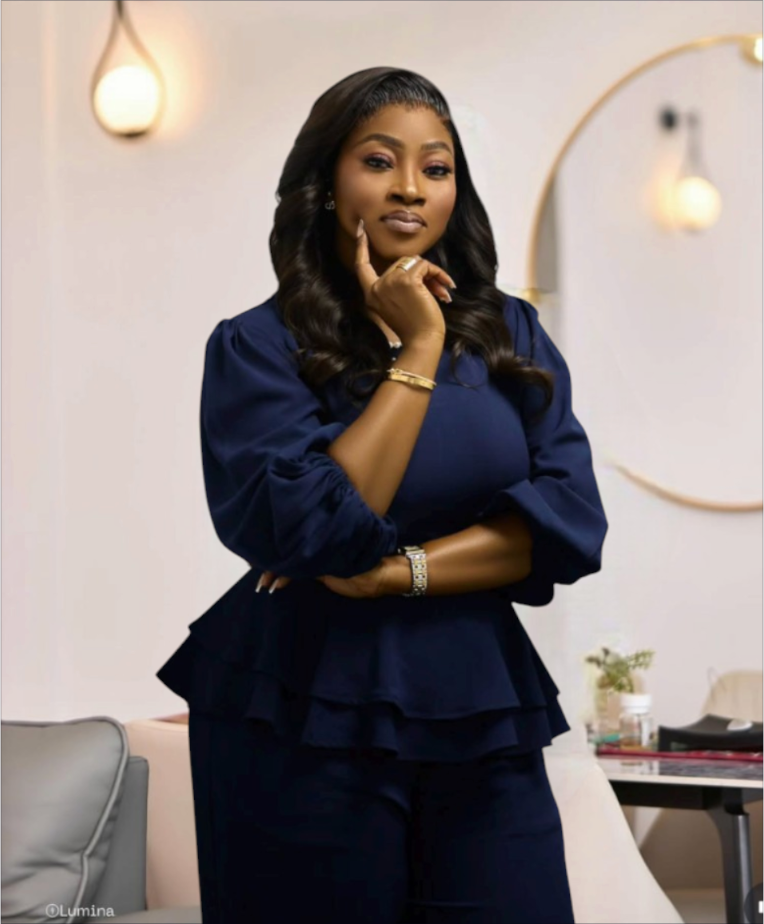
In a sit-down that will redefine the narrative, Ghana’s premier voice, Cookieteegh Shirley, joins the visionary Naana Konadu. Together, they peel back the layers of One Woman, Many Fantasies as never before. This isn’t just a conversation; it’s a revelation.
OUR EDITORIAL PROMISE
What we Embrace:
- The Constellation of Ambition: Celebrating the multifaceted dreams of modern women.
- Grounded Realities: Centring the conversation on safety, dignity, and healthcare.
- Radical Authenticity: Protecting the space for women to exist as their whole selves.
- The Power of Necessity: Recognising that when women redefine power, they redefine the world.
What we ignore:
- Outdated Blueprints: We reject the 1950s “ideal” of silent, selfless service.
- The Myth of Limitless Resilience: We refuse to accept neglect as a compliment to our strength.
- Dismissive Labels: We ignore the claim that basic needs are merely “fantasies.”
- The Single Narrative: We discard any structure that attempts to reduce womanhood to one role.
THE TOPIC
Reclaiming the Blueprint: Moving from being “essential and unsupported” to “powerful and prioritised.” We explore why a woman’s identity is not a single story, but a complex, beautiful, and intentional architecture.
MARK YOUR CALENDARS
- 📅 DATE: WEDNESDAY, MAY 6th, 2026
- 🌐 WHERE: Exclusively via the DIVINE Newsletter
- 🎢 MISSION: Reclaiming the Blueprint.
ELEVATE YOUR LIFE. DEFINE YOUR AUTHENTICITY. EMBRACE YOUR LEGACY.
🌐 Follow the Vision: @assumptagh.live
Join the Conversation: #Assumpta #Divine #NaanaKonadu #Cookieteegh
EDITORIAL | THE ARCHITECTURE OF AUTONOMY
At DIVINE, we believe a government’s mandate extends beyond administration; it carries the profound responsibility to cultivate the conditions necessary for women to live with dignity, safety, and true autonomy. Lasting change is never accidental—it is the deliberate result of policy, protection, and the social environments we choose to build or, far too often, neglect.
In Ghana, an uncomfortable truth persists: many women are constrained not by a deficit of ambition, but by the weight of structural inequality. When safe, affordable housing is out of reach, dependency ceases to be a choice and becomes a survival strategy. When basic safety is not guaranteed—forcing women into the precariousness of kiosks or transit stations—their potential to lead and contribute is undermined before they are even given a chance to begin.
These realities are not reflections of who women are. They are reflections of the conditions imposed upon them.
This issue serves as a resolute reminder: women are not dependent by nature, nor are they resilient by obligation. When provided with security, stability, and genuine support, women do not merely survive—they build, they lead, and they fortify the very fabric of society.
To truly honour women is to do more than celebrate their strength; it is to dismantle the circumstances that make such survivalist strength a requirement. When women are protected, prioritised, and empowered, transformation is no longer a goal—it becomes an inevitable reality for the entire nation.
DIVINE | EXCLUSIVE DIALOGUE
THE EVOLUTION OF AUTHORITY: FROM RESISTANCE TO REINVENTION
Host: Cookieteegh Shirley
THE OPENING
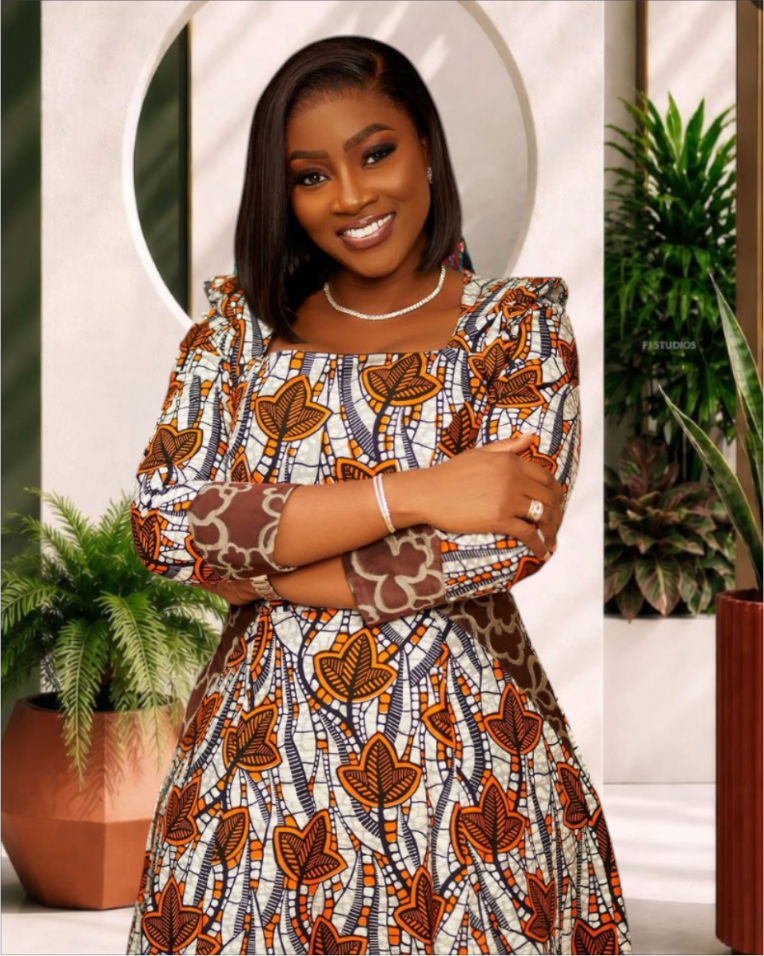
Cookieteegh Shirley: Greetings to our readers joining us from across Africa, the diaspora, and around the world. Welcome to DIVINE—a space where identity, power, and legacy are examined with intention and depth. We are honoured to have you with us for this important conversation.
And to you, Naana Konadu, thank you for joining me. It is a pleasure to welcome you into this dialogue.
Cookieteegh Shirley: For our international audience, allow me to briefly introduce the women at the heart of today’s discussion.
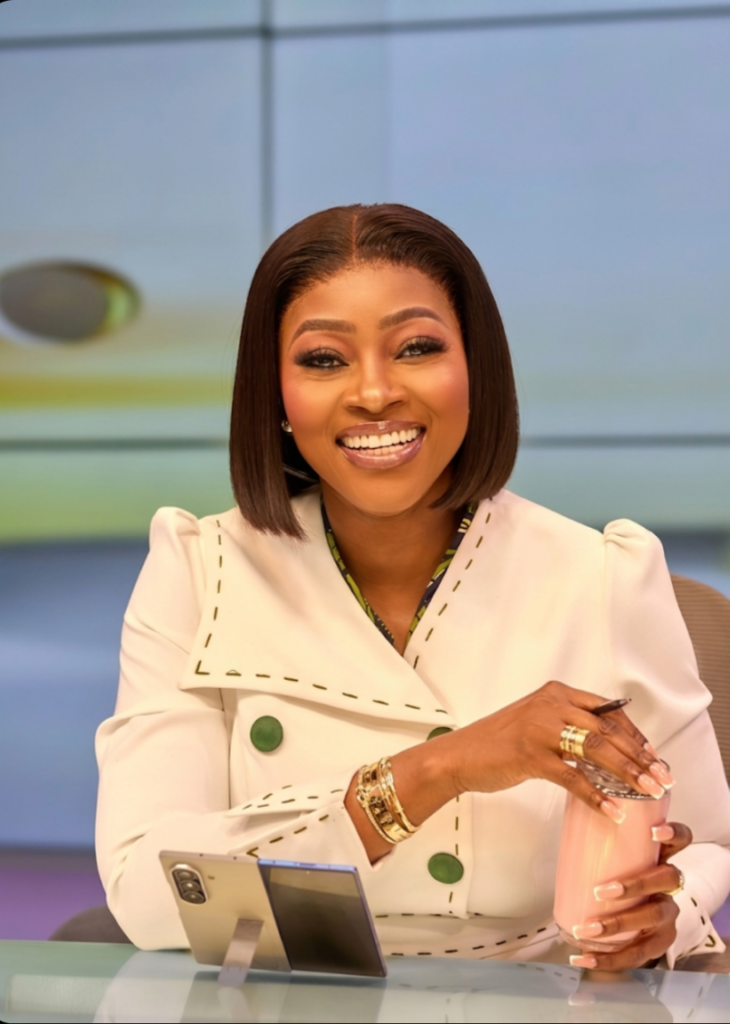
I am Cookieteegh Shirley—a broadcaster, cultural commentator, and host committed to shaping conversations that reflect the evolving realities of African societies and womanhood on a global stage.

Joining me is Naana Konadu—a thinker, strategist, and cultural voice whose work and perspective continue to shape how authenticity, leadership, and womanhood are understood today. Through her writing and public engagement, she challenges women to move beyond survival and into intentional legacy‑building.
Naana, welcome to DIVINE.
SETTING THE DIRECTION
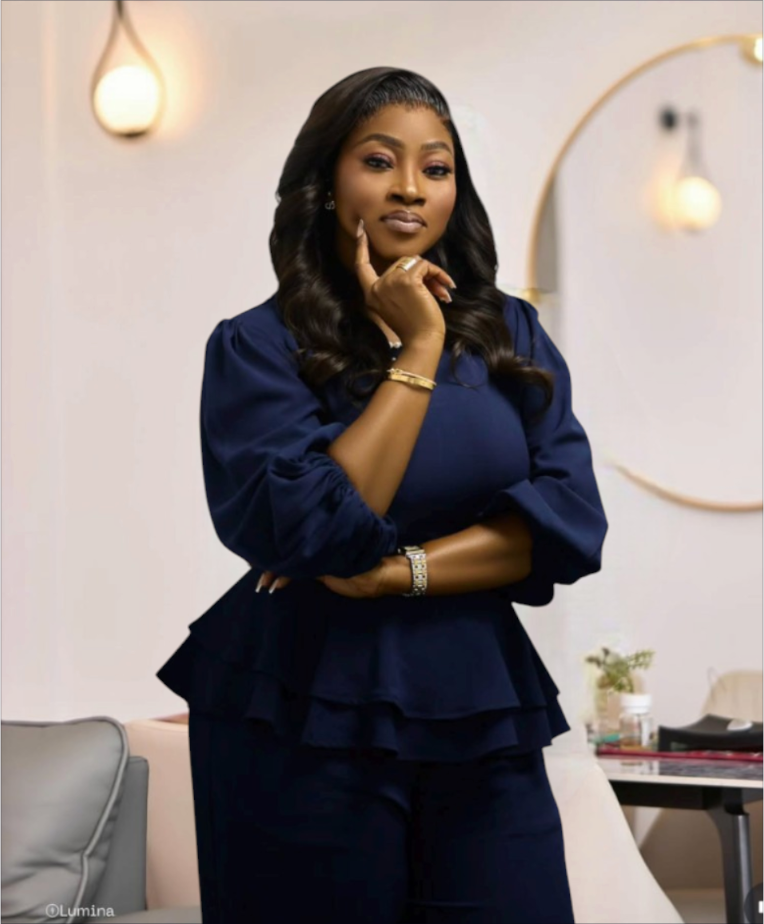
Cookieteegh Shirley: Naana, your DIVINE newsletter article has taken us in exactly the right direction. What stood out immediately was how you framed the modern woman’s journey—as a transition from the frontlines of struggle to a refined, self‑defined symbol of power. That framing resonates deeply, especially for a global audience that has witnessed African women carry both resistance and reinvention.
Your narrative reminds us of figures such as Nana Konadu Agyeman-Rawlings—a woman who stood firmly on the frontlines of activism, mobilising women through the 31st December Women’s Movement and redefining what leadership looked like in Ghana’s political landscape. She represented a particular era: the “Iron Lady”—the woman in the trenches, challenging structures, insisting that a woman’s place was not just at the table, but often at the head of it.
What your article does so powerfully is show us what comes after that phase.
Today, we are invited to consider a different expression of power—one shaped less by confrontation and more by presence, discernment, and considered influence. It is the evolution from constant resistance to deliberate authority. This is not a rejection of activism, but its maturation.
We are reminded that style, composure, and presence are not departures from substance. They can, in fact, be its highest expression—especially for women who have already carried the weight of transformation.
As you write so clearly, authenticity is about refusing the boxes imposed on women: the idea that one cannot be principled and polished, powerful and aesthetic, grounded and visionary.
In “One Woman—Many Fantasies,” Naana, we would love for you to expand on this evolution, particularly:
- Legacy vs. Reinvention: How today’s women can balance the two.
- The Power of Presence: Why presence has become a form of power in itself.
- The Next Generation: How they can refuse the false choice between their safety and their dreams.
Let’s begin with this reflection—
DIVINE | THE DIALOGUE CONTINUES
POWER AFTER SURVIVAL: THE EVOLUTION OF PRESENCE
Guest: Naana Konadu
A GLOBAL PERSPECTIVE
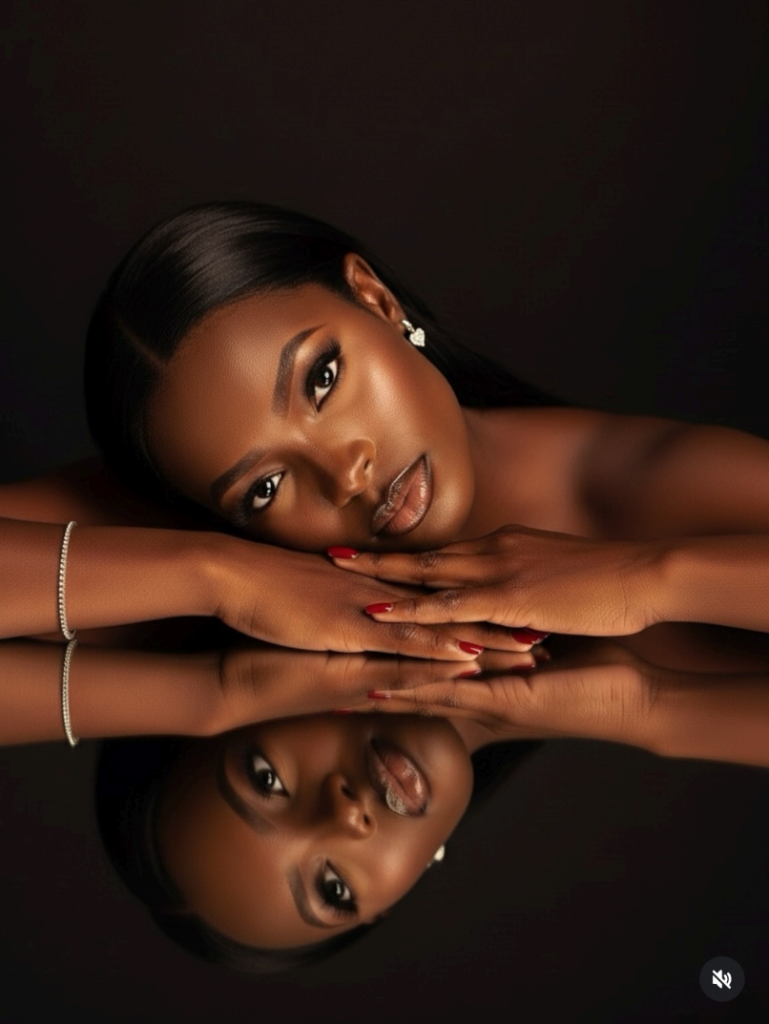
Naana Konadu: Thank you, Cookieteegh, for that thoughtful framing—and thank you to the DIVINE readership joining us from across continents and cultures. It is important to acknowledge that this conversation is not confined to one country or one context. What we are discussing here reflects a shared reality for women globally, though it manifests uniquely in African societies.
Cookieteegh, I appreciate the care with which you referenced Nana Konadu Agyeman-Rawlings. Her journey represents a critical chapter in our collective memory—a time when visibility, resistance, and confrontation were necessary tools for progress. She stood at the frontlines, not because confrontation was fashionable, but because it was required. That era demanded grit.
What we are now witnessing, and what I sought to articulate in “One Woman—Many Fantasies,” is not the abandonment of that legacy—but its evolution.
FROM PROTEST TO PRESENCE
Naana Konadu: For today’s woman, power is increasingly expressed through presence rather than protest, through discernment rather than constant defence. This is not a retreat from responsibility; it is a shift in strategy. When a woman has already proven her capacity to withstand pressure, her next act of leadership is often quieter—but no less consequential.
To the global audience reading this, I want to be clear: African women are not leaving activism behind. We are refining it. We are asking deeper questions about sustainability—about how long women can be required to operate from survival mode before the system itself must be redesigned.
STYLE AS A POLITICAL STATEMENT
Naana Konadu: You spoke about style as substance, Cookieteegh, and I agree deeply with that framing. For many women, especially within African contexts, presence has long been misunderstood as vanity. But presence has always been political. How a woman presents herself—how she occupies space, how she speaks, how she refuses to shrink—is often the first boundary she enforces in a world accustomed to her silence.
When women choose elegance, intentionality, and composure, they are not stepping away from struggle. They are asserting ownership over their narrative. This is particularly important for the next generation—women who will inherit both the freedoms won by activists before them and the unresolved structural gaps that remain.
“AUTHENTICITY IS ABOUT REFUSING THE FALSE CHOICE IMPOSED ON WOMEN: THAT THEY MUST SACRIFICE SAFETY FOR AMBITION, OR SILENCE FOR BELONGING.”
THE STRUCTURAL REALITY
Naana Konadu: What concerns me most, and what this conversation must address, is the false choice still presented to women: that they must sacrifice safety for ambition, or silence for belonging. That choice is neither natural nor inevitable—it is structural. And structures can be changed.
So when we speak of the Authentic Woman, we are not speaking of a uniform identity. We are speaking of a woman who is allowed complexity—a woman who can honour legacy without being imprisoned by it, who can be powerful without being perpetually in battle, and who can dream without apology.
Cookieteegh, this dialogue is timely because it invites us to imagine what power looks like after survival. And that, I believe, is where the next transformation begins.
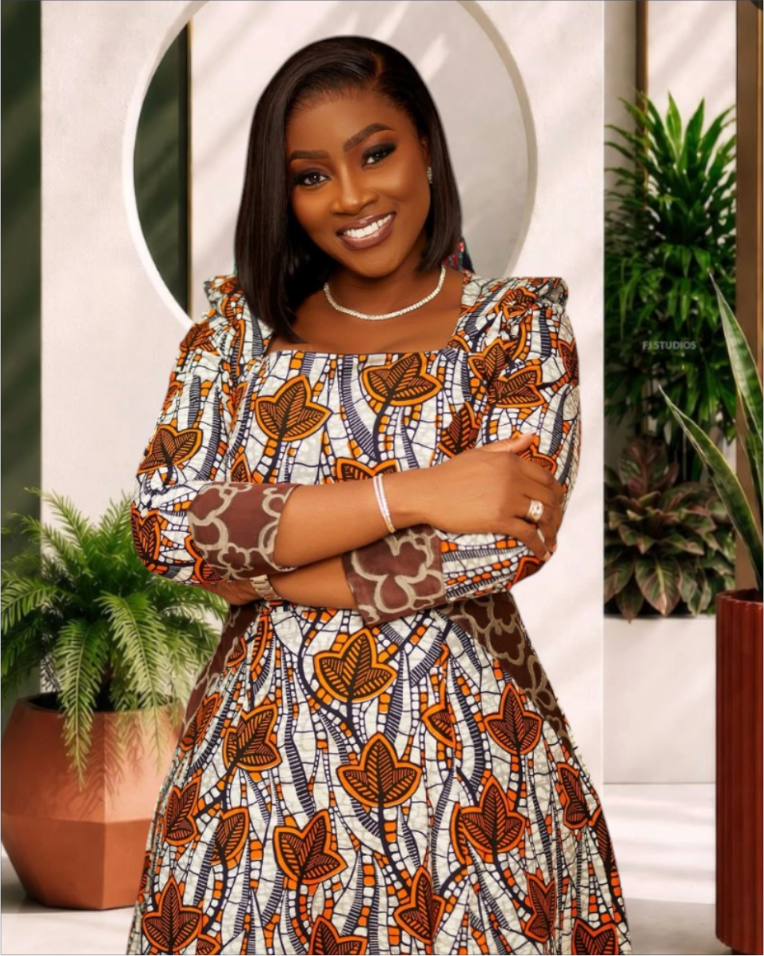
Cookieteegh Shirley (Host):
Thank you, Naana, for that powerful reflection—and for grounding this conversation in both history and possibility. What you’ve articulated speaks directly to why this issue of DIVINE matters, not just locally, but globally.
For too long, the narrative of womanhood has been written by those who see only strength—never the soul beneath it. Women are praised for endurance, celebrated for resilience, and relied upon for survival, yet rarely invited into spaces where their full humanity is acknowledged. This issue of DIVINE is a call to look deeper—beyond expectation and performance, and into the authentic core of who women truly are.
In this exclusive dialogue, DIVINE brings together voices committed to redefining the narrative. What we are doing here is not simply exchanging ideas; we are peeling back layers. One Woman—Many Fantasies asks us to reconsider identity not as something fixed, but as something expansive, intentional, and values‑led. This is not just a conversation—it is a revelation.
At DIVINE, we have been clear about our editorial promise.
We embrace the constellation of ambition—the reality that modern women carry multiple dreams and identities at once. We centre-ground realities, insisting that safety, dignity, and healthcare are foundations, not luxuries. We protect radical authenticity, making space for women to exist as whole selves, not fragments designed for public comfort. And we recognise the power of necessity—understanding that when women redefine power, they inevitably redefine the world.
At the same time, we are intentional about what we reject. We refuse outdated blueprints, including the 1950s ideal of silent, selfless service. We reject the myth of limitless resilience, where neglect is mistaken for praise. We dismiss the idea that women’s basic needs are merely fantasies. And we discard the single narrative that attempts to reduce womanhood to one role, one path, or one expression.
This leads us to the heart of today’s topic: Reclaiming the Blueprint.
Naana, when you speak about moving from being essential yet unsupported to becoming powerful and prioritised, you are naming a transition many women around the world are yearning for—but unsure how to navigate.
So my question to you is this:
How do women reclaim the blueprint of their lives in a way that is authentically self‑defined, yet firmly rooted in values—so that the power they step into builds communities rather than fractures them?
And what responsibility do institutions, governments, and cultural systems have in ensuring that this authenticity is not only celebrated rhetorically, but supported structurally?
DIVINE | THE ARCHITECTURE OF POWER
THE RESPONSE: VALUES AS THE NEW BLUEPRINT
Guest: Naana Konadu
THE INTERNAL ACT OF RECLAMATION
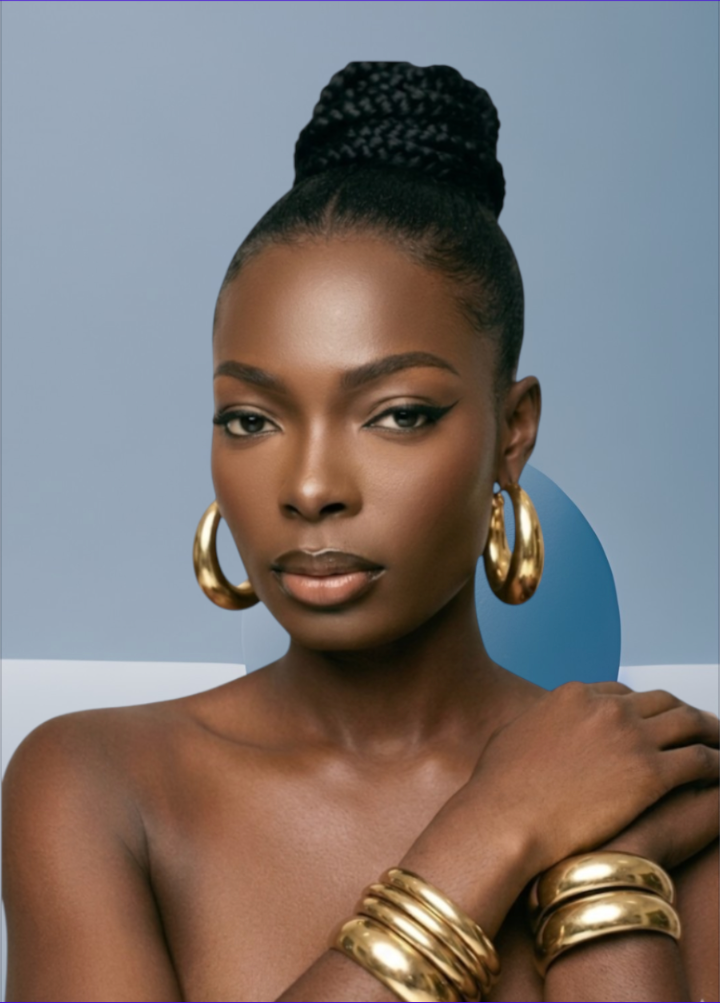
Naana Konadu: Thank you, Cookieteegh. Your question goes directly to the heart of the matter, and I appreciate the clarity and intention with which you have framed it—for our readers globally, and especially for women who are navigating this transition in real time.
To reclaim the blueprint of one’s life is first an internal act before it becomes a public one. Authenticity must be anchored in values; it risks becoming reactionary. A woman who is clear about her values—dignity, responsibility, compassion, integrity—does not use power to dominate or dismantle. She uses it to design systems, relationships, and futures that can hold others.
The challenge we face is that for too long, many women have been forced to construct their lives in survival mode. When survival is the priority, ethics are often negotiated rather than chosen. So the work of reclaiming the blueprint begins when women are given enough safety, stability, and support to ask not only what can I do, but how should I do it, and to what end?
PURPOSE VS. VISIBILITY
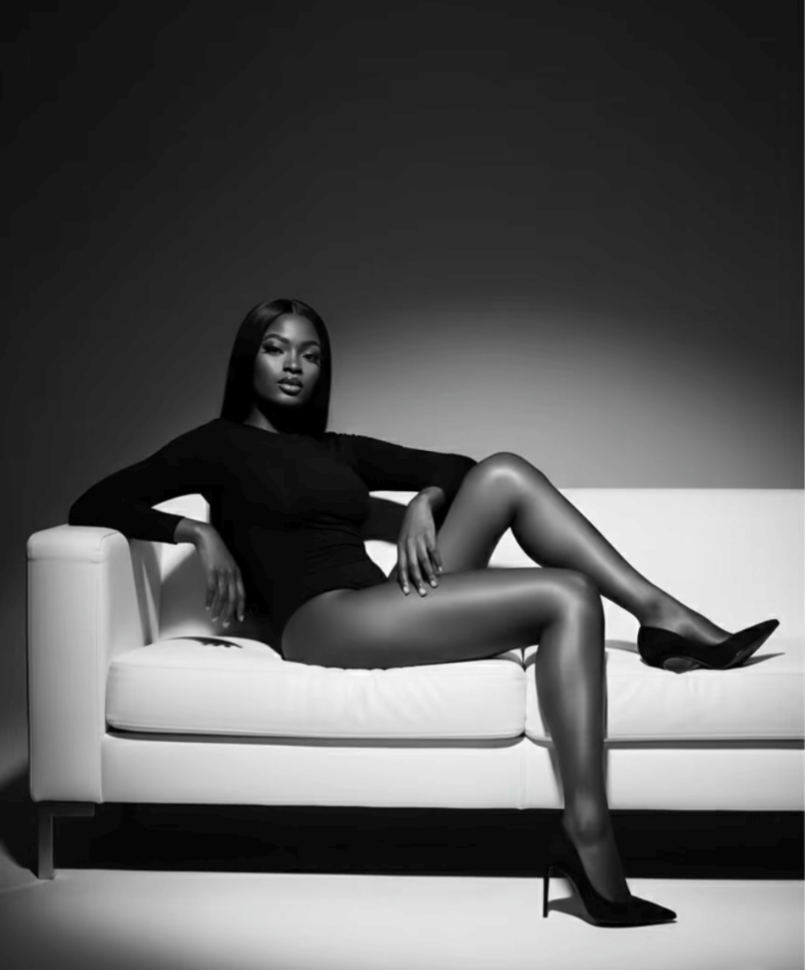
Naana Konadu: This is where values become critical. A values‑led woman measures success not solely by visibility or status, but by impact. She understands that power without purpose corrodes, but power guided by intention builds. She knows that freedom is not the absence of responsibility—it is the ability to choose responsibility consciously.
For a global audience, it is important to say this clearly: women do not become destructive when they gain power; instability and exclusion create destructive outcomes. When women are included only rhetorically, without structural support, frustration follows. But when women are genuinely prioritised—through education, safety, healthcare, housing, and economic access—they invest that power back into communities.
THE MANDATE FOR INSTITUTIONS
Naana Konadu: This is where institutions and governments cannot be absent from the conversation. Authenticity cannot thrive in hostile environments. You cannot ask women to build responsibly in systems that deny them security. When women are essential but unsupported, they are forced to improvise. When they are powerful and prioritised, they can plan, steward, and sustain.
Governments have a responsibility not just to applaud women’s progress, but to create the conditions that allow that progress to be ethical and enduring. Policies must recognise women not as supplementary contributors, but as architects of national development. Cultural systems must stop rewarding silent endurance and start protecting visible dignity.
THE FINAL ALIGNMENT
Naana Konadu: So when we speak of reclaiming the blueprint, we are speaking about alignment—between who a woman is, what she values, and the world she is allowed to operate in. When those elements are in harmony, women do not fracture societies; they stabilise them. They build economies, strengthen families, and redefine leadership itself.
The Authentic Woman you describe, Cookieteegh, is not dangerous to society. She is dangerous only to outdated systems that depend on her silence. And that, I believe, is precisely why this conversation matters now.
EDITORIAL SUMMARY
This concludes our exclusive dialogue on Reclaiming the Blueprint. Naana Konadu challenges us to view the “Authentic Woman” not as a luxury of the elite, but as a structural necessity for a functioning global society.
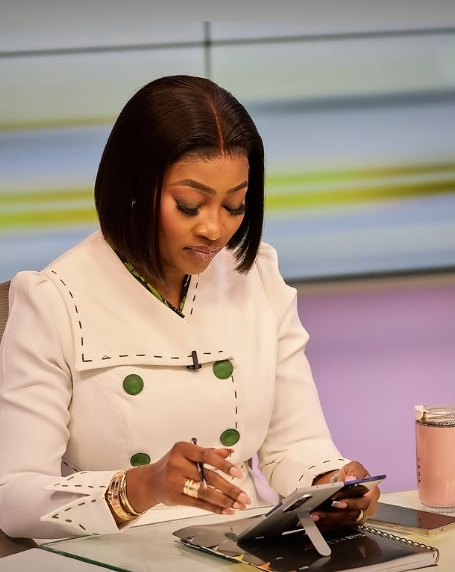
Cookieteegh Shirley (Host):
Thank you, Naana. What you’ve shared resonates deeply—and I’d like to bring this reflection closer to lived experience for our readers around the world by sharing a brief story.
A few years ago, while travelling through Accra, I met a young woman near a major transport station. By day, she sold phone accessories; by night, she slept in a kiosk she did not own. She was educated, ambitious, clear‑minded—and yet living in constant negotiation with insecurity. When I asked her what her dream was, she didn’t say fame or wealth. She said, “I want a door that locks and a morning that begins without fear.”
That moment stayed with me, because it echoed exactly what you’ve just articulated: that survival mode compresses possibility. That is when a woman’s energy is spent managing risk instead of designing her future, and even her ethics are forced into constant compromise. She was not lacking vision—she was lacking protection. She was not reckless—she was constrained.
For our international readers, this story is not unique to Ghana. Versions of it exist across continents—in different languages, economies, and systems. It reminds us that when women are described as “resilient,” what we often mean is that they have learned to function within instability that should never have been normalised.
So, Naana, building on what you’ve shared about alignment and values, here is my next question:
How do we, as a society—especially through governance, culture, and education—shift from applauding women for surviving broken systems to intentionally redesigning those systems so women can lead, plan, and build ethically and sustainably?
And for women who are still navigating survival today, what does reclaiming the blueprint look like before stability arrives? I’d love to hear your thoughts.
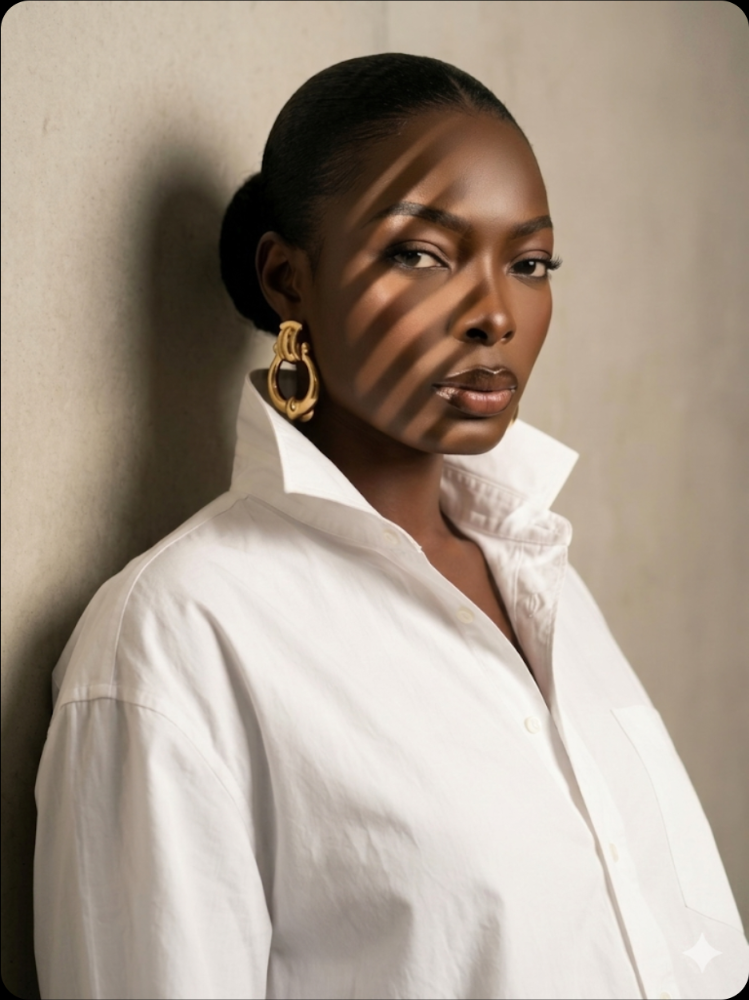
Naana Konadu (Guest):
Thank you, Cookieteegh.
The story you shared is powerful because it reveals a truth that statistics often fail to capture—that before women can lead, build, or innovate, they must first feel safe enough to imagine a future. What that young woman asked for was not extraordinary. A door that locks. A morning without fear. Those are not ambitions; they are prerequisites for dignity.
For our readers around the world, this is where the conversation must shift. We have become very skilled at applauding women for managing hardship, but far less committed to removing the hardship itself. Survival has been romanticised, while stability has been postponed. That is not progress.
To redesign systems so women can move from survival to leadership, governance must act with intentional foresight. Policies cannot be symbolic; they must be structural. Housing, safety, healthcare, and economic access are not women’s issues—they are societal foundations. When systems are built without women’s lived realities in mind, women are forced to adapt creatively, often at great personal cost.
Culture also plays a role. We must stop teaching women that endurance is the highest virtue. Endurance may be necessary, but it should never be the expectation. Education, media, and leadership must model new narratives—ones where planning, rest, and self-determination are celebrated just as much as sacrifice.
As for women who are still navigating survival, I want to speak directly to them, wherever they may be reading from: reclaiming the blueprint does not always begin with external stability. Sometimes it begins with internal permission—the decision to believe that one’s needs are legitimate, that one’s life deserves structure and safety, even if the environment does not yet provide it.
Small acts of reclamation matter. Choosing integrity when shortcuts are offered. Seeking community instead of isolation. Holding on to vision, even when circumstances demand only immediacy. These acts may not change the system overnight, but they protect the self until the system catches up.
Ultimately, societies must understand this: when women emerge from survival with values intact, they do not return harm to the world. They return wisdom. They design better systems because they know, intimately, what it means when systems fail.
Cookieteegh, the work ahead is not to ask women to keep carrying what is broken—but to finally repair what has long relied on their silence. When that happens, women will not just participate in the future. They will architect it.
DIVINE | THE GLOBAL DIALOGUE
THE FOUNDATION: GROUNDED REALITIES VS. LABELED FANTASIES
Host: Cookieteegh Shirley
THE ARCHITECTURE OF NECESSITY

Cookieteegh Shirley: Thank you, Naana. Your response brings us squarely to what we at DIVINE call The Foundation—the grounded realities that too often get mislabeled as “fantasies,” especially when articulated by women.
Behind these so‑called fantasies lie very concrete needs:
- Dignity & Recognition
- Personal Safety
- Accessible Healthcare
- Affordable Housing
These are not aspirations for excess. They are the minimum conditions required for a woman to plan a future with integrity.
GLOBAL INSIGHT
For our international readers, it’s important to pause here. Across borders and cultures, when women ask for these foundations, the request is frequently reframed as impatience, entitlement, or idealism. And yet, without these pillars, the very values we expect women to uphold—ethical leadership, community building, long‑term thinking—become almost impossible to sustain.
THE CENTRAL INQUIRY
Cookieteegh Shirley: So Naana, my next question builds directly on this foundation.
How do we change the global habit of dismissing women’s foundational needs as “too much,” while simultaneously demanding that women carry societies forward with discipline, morality, and vision?
And more specifically, how do dignity, safety, healthcare, and housing function not as secondary benefits of progress—but as the starting point for raising values‑led women who can truly build rather than merely endure?
I’d love to hear your perspective on how these foundations transform not only individual lives, but the moral architecture of nations themselves.
DIVINE | THE GLOBAL DIALOGUE
THE ARCHITECTURE OF A RECALIBRATION
Guest: Naana Konadu
THE RESPONSE: INFRASTRUCTURE OVER HEROISM
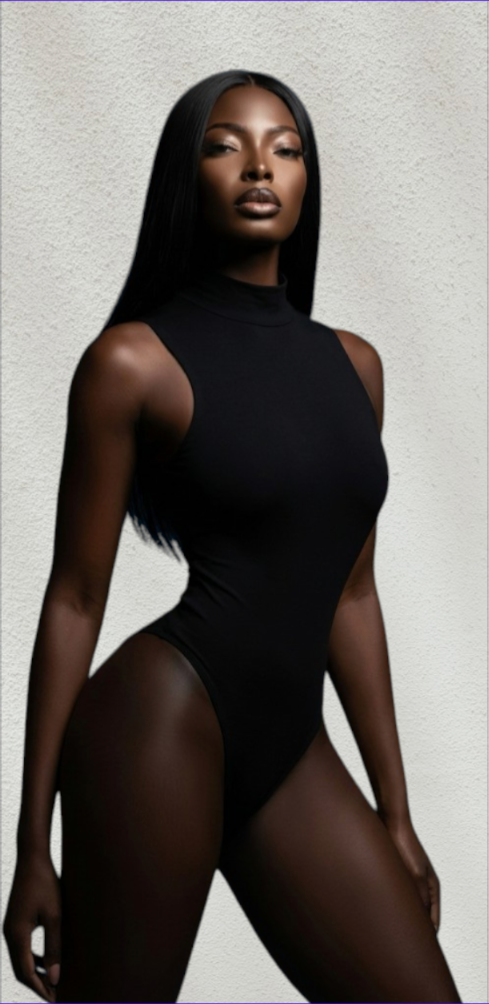
Naana Konadu: Thank you, Cookieteegh. What you’ve named as The Foundation is exactly where the misunderstanding begins—and where meaningful change must start.
When women speak about dignity, safety, healthcare, and housing, what they are truly asking for is the right to be fully human before being expected to be heroic. These needs are often dismissed as fantasies because acknowledging them would require systems to take responsibility. It is easier to praise resilience than to fund stability.
For a global audience, this pattern is sadly familiar. Women are expected to produce outcomes—raise families, sustain communities, contribute economically—without being given the infrastructure that makes those outcomes ethical or sustainable. And then, when women push back, the request is framed as excess rather than necessity.
NATION-BUILDING TOOLS
Naana Konadu: Dignity and recognition are the starting point because they affirm that a woman’s life has inherent value—not just instrumental value. Personal safety is foundational because without it, every choice is defensive. Accessible healthcare determines how long and how well a woman can contribute to her society. Affordable housing shapes whether a woman plans for the future or lives in constant contingency.
These are not “women’s issues.” They are nation‑building tools. Societies that ensure these foundations do not just raise stable women—they raise stable families, communities, and economies. When these needs are neglected, systems inadvertently encourage improvisation, dependency, and moral compromise.
Values‑led women do not emerge by chance. They emerge in environments where structure supports ethics. When a woman is secure, she can choose integrity over immediacy. When she is recognised, she can lead without resentment. When she is protected, she can invest her energy outward rather than inward.
So the work before us—globally—is to stop treating these foundations as rewards for success and start treating them as prerequisites for contribution. That shift alone would transform not only how women live, but how societies function.
THE CLOSING | A NEW BLUEPRINT
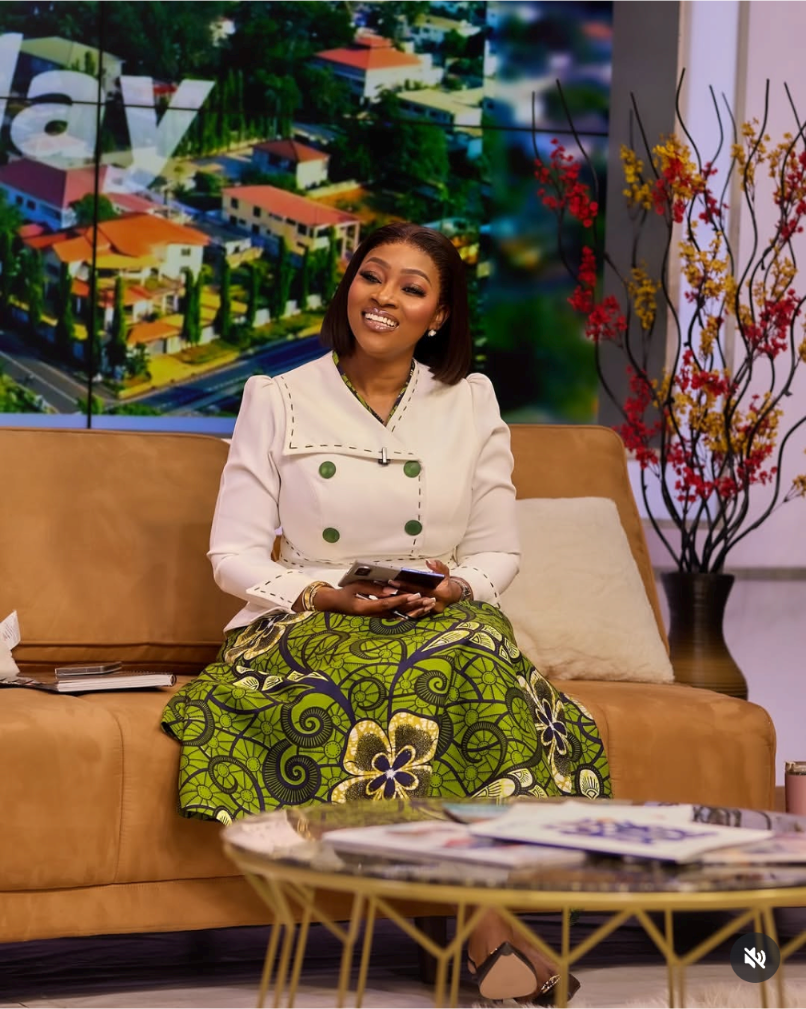
Cookieteegh Shirley: Thank you, Naana. Your words bring us exactly where this dialogue was meant to land.
What we’ve uncovered together is this: authenticity is not chaos, and complexity is not confusion. A woman’s identity was never meant to be singular. It has always been layered, intentional, and expansive.
“One Woman, Many Fantasies” is not about contradiction—it is about capacity. It is about acknowledging that within one woman can exist strength and softness, vision and restraint, leadership and care. And when those “fantasies” are grounded in dignity, safety, healthcare, and housing, they stop being dreams and start becoming blueprints.
At DIVINE, we remind the world that when women are finally seen in full—not just for what they endure, but for who they are—their power does not destroy. It builds. It prioritises. It lasts.
Naana, thank you for helping us articulate this truth with such clarity.
THE DIVINE MANIFESTO
To our readers across the world: This is not the end of a conversation—it is the beginning of a recalibration.
One Woman. Many Fantasies. And a future bold enough to hold them all.
Our Shared Humanity Soka Gakkai Buddhist Movement
An introduction to the Soka Gakkai and Nichiren Buddhism. Where do the teachings originate from? What is the philosophy of Buddhism? How do Soka Gakkai members apply it in their daily lives?
The Soka Gakkai is a global community-based Buddhist organisation that promotes peace, culture and education centred on respect for the dignity of life. Its members in 192 countries and territories study and put into practice the humanistic philosophy of Nichiren Buddhism.
Soka Gakkai members strive to actualise their inherent potential while contributing to their local communities and responding to the shared issues facing humankind. The conviction that individual happiness and the realisation of peace are inextricably linked is central to the Soka Gakkai, as is a commitment to dialogue and nonviolence.
Subscribe to our channel: / sgivideosonline
Visit our website: https://www.sokaglobal…
Like us on Facebook: / sgi.info
Follow us on Instagram: / sgi.info
Follow us on Twitter: / sgi_info
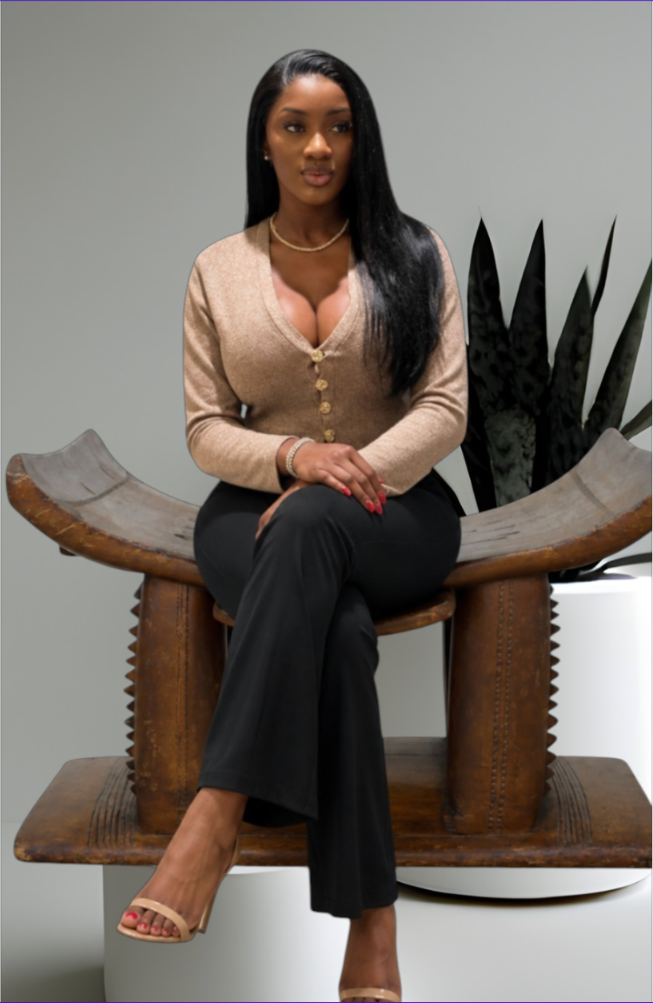
https://www.instagram.com/babiesandtodds_?igsh=MWs0ZHlsbjcxNXEyZg==
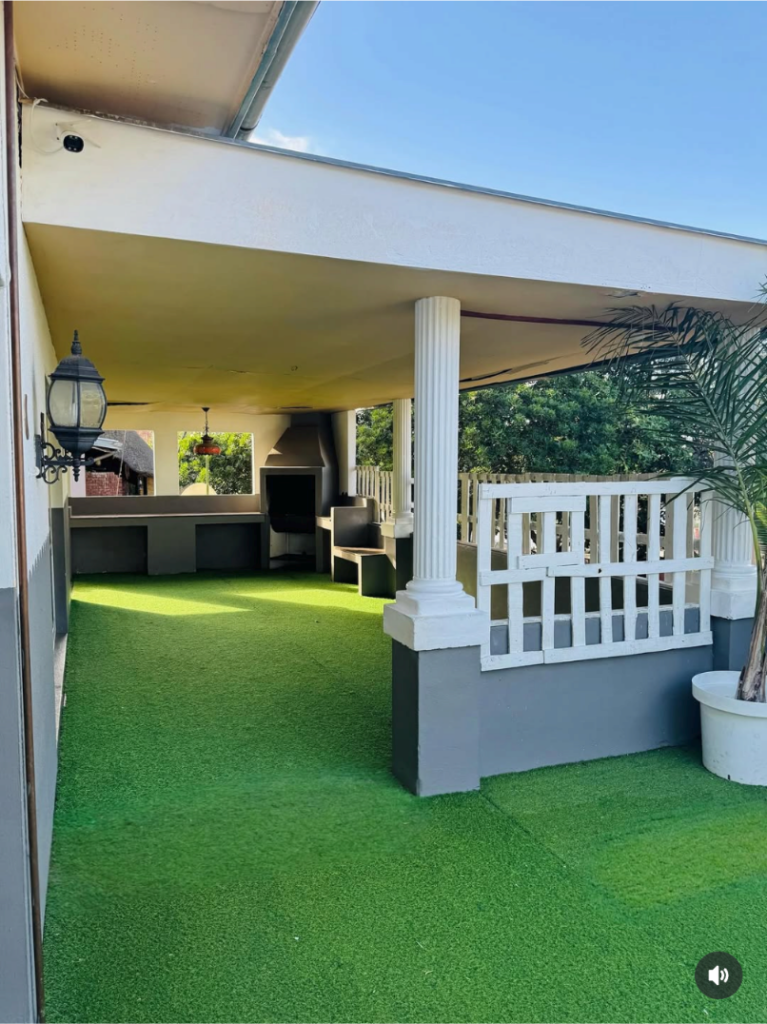
Babies & Toddlers Daycare (BTDC)
Nurturing Hearts, Inspiring Minds in the Heart of Windhoek 🇳🇦
At BTDC, we believe every child deserves a foundation built on respect, empathy, and excellence. As Windhoek’s premier Daycare and Preschool, we welcome families from all walks of life into a community dedicated to the dignity of life.
Our curriculum transcends traditional childcare. By integrating a humanistic philosophy, we don’t just watch over your children—we prepare them to become the compassionate, thoughtful global citizens of tomorrow.
Why Families Choose BTDC
- Holistic Growth: A curriculum focused on emotional intelligence, creativity, and cognitive development.
- Inclusive Community: A diverse, welcoming environment where every family belongs.
- Safe & Central: Peace of mind located right in the heart of Windhoek.
- Values-Driven: Education rooted in dignity, kindness, and social responsibility.
Start Your Journey With Us
Ready to give your child the best start in life? We’d love to meet you.
- 📍 Visit Us: Located in the Heart of Windhoek
- 📞 Call/WhatsApp: +264 81 673 7599
- 🌐 Explore: www.babiestodds.com


https://www.instagram.com/styledbyaretha?igsh=ZjFrOW44d2N2aXpy
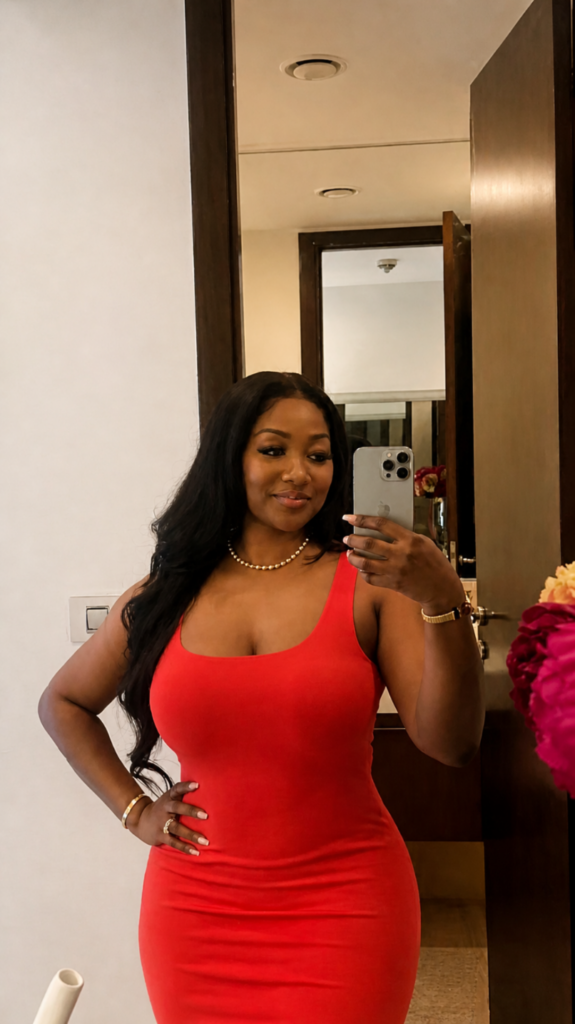
A Symphony of Elegance: Celebrating Akosua Owusuwaa “Gwen-Addo” in Stylebyaretha
Some outfits simply dress the body, and there are designs that elevate identity into art. This refined midnight-blue masterpiece from Stylebyaretha belongs to the latter.
Gracefully worn by Akosua Owusuwaa, the ensemble becomes more than fashion—it becomes presence, confidence, and storytelling woven into fabric. The sleek silhouette immediately captures attention with its sculpted precision. Every contour of the dress is intentionally tailored to align naturally with her posture and physique, creating a seamless harmony between structure and femininity. The fitted construction embraces her frame with elegance rather than excess, allowing movement, poise, and sophistication to coexist effortlessly.
The Design Anatomy
- The Silhouette: The sleeveless body-contour design creates a refined, elongated effect that enhances her natural proportions. The clean-cut structure flows smoothly from the shoulders downward, emphasising confidence, grace, and modern femininity.
- Artisanal Precision: One of the most striking elements of this look is how accurately the outfit aligns with her body. The waist definition is balanced without appearing restrictive, while the seamless side finishing highlights expert craftsmanship.
- The Fabric & Finish: The rich midnight-blue tone radiates understated luxury. The smooth texture of the fabric reflects light softly, giving the outfit a sophisticated depth. The finish is clean, sharp, and executive in character.
- The Hair & Styling Harmony: Her sleek, flowing hairstyle perfectly complements the minimal elegance of the outfit. The straight, luxurious hair frames the silhouette with softness while reinforcing a modern high-fashion aesthetic.
The Corporate Context: Can This Fit the Office?
The Traditional View: In conservative corporate environments, fitted sleeveless attire may be considered too fashion-forward for formal office settings.
The Modern Reality: For a woman like Akosua Owusuwaa—entrepreneur, beauty advocate, author, and creative leader—this outfit functions as a contemporary power statement. In entrepreneurial circles, leadership summits, and creative industries, this look communicates discipline, excellence, and executive confidence. It is the kind of outfit that does not seek attention aggressively—it naturally commands it through precision and elegance.
The Verdict
Akosua Owusuwaa does not merely wear this design—she embodies its philosophy. This is luxury fashion at its finest: intentional, sophisticated, and globally relevant. The craftsmanship reflects a woman who values excellence, while the styling celebrates a generation of leaders redefining beauty and professional elegance on their own terms.
STYLED BY ARETHA
Luxury Fashion • Personal Shopping • Women’s Designer Pieces
Exclusive Fashion Delivery Across Ghana


https://www.instagram.com/gahutudenim?igsh=MWpsNjZ1bTFvdHNsdw==
Elevate Your Everyday with Gahutu Denim
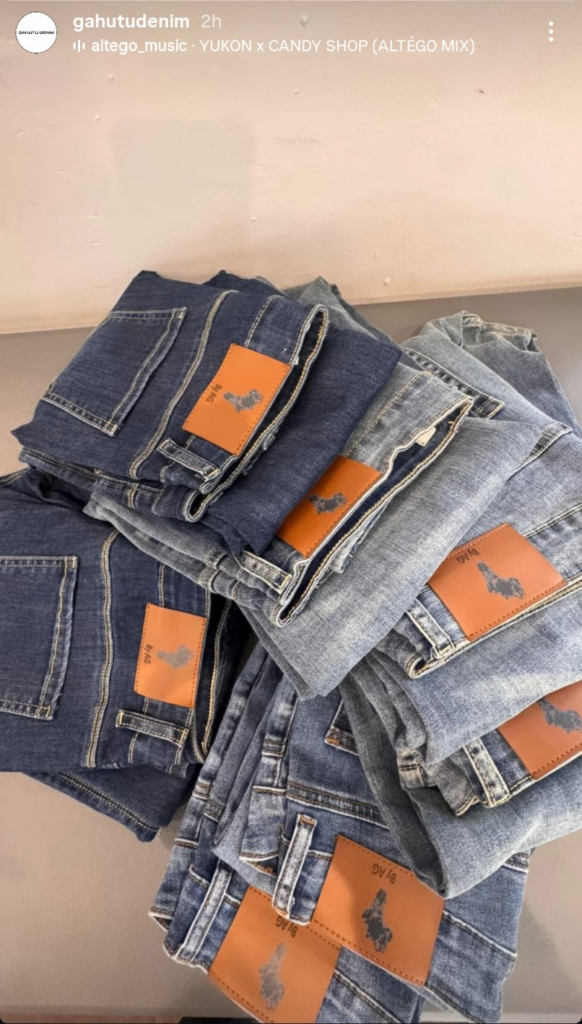
Step into confidence with jeans designed to move with you. At Gahutu Denim, we believe that the perfect pair of jeans should be as resilient and dynamic as the person wearing them. Our latest collection blends timeless style with a contemporary edge, ensuring you look effortless whether you’re on the move or taking a moment for yourself.
Why Choose Gahutu Denim?
- Precision Fit: Engineered to contour and flatter, providing a silhouette that feels custom-made.
- Premium Quality: Crafted from high-grade denim that maintains its shape and rich color wash after wash.
- Modern Details: From subtle distressing to reinforced stitching, every detail is intentional.
- Versatile Style: Seamlessly transition from a casual day look to an elevated evening ensemble.
Designed for the Modern Woman
You lead a busy life, and your wardrobe should keep up. Gahutu Denim combines the rugged durability of classic denim with the soft, flexible comfort needed for all-day wear. It’s more than just a brand; it’s a staple for the woman who values both substance and style.
”Comfort meets high fashion. Experience the difference of denim designed with you in mind.”
Shop the Collection
Ready to find your new favorite pair? Explore our full range of washes and cuts online.
Visit us at: gahutudenim.com
Follow the Style: Clothing (Brand) | Made for the Modern Woman


https://www.instagram.com/delish_bakerygh?igsh=MW5ic2c0NnR5cHBwZQ==


https://www.instagram.com/flourishheights?igsh=cTExenQ3bnptZGgx