








Assumpta Weekly News Magazine
Assumpta Weekly News Magazine
Special Edition: “The Lawyer”
Featuring:
Three Outstanding Ghanaian Female Broadcast Journalists: Serwaa Amihere, Berla Mundi, and Frema Adunyame.
Including Ms.Assumpta-Gahutu, CEO and Co-Founder of Assumpta Newsletter Publication Magazine and principal of Babies and Toddlers Daycare, who brings her insight to the dialogue.

Ms.Assumpta-Gahutu, CEO and Co-Founder of Assumpta Newsletter Publication Magazine and principal of Babies and Toddlers Daycare.
Release Date: Wednesday, 7th May, 2025
Platform: assumptagh.live/
Flash Alert Update: THE LAWYER;
Theme: Journalism of Neglected Topics
Key Feature: Ghana President H.E. John Dramani Mahama;

Article Title: “Drunk on Memory”
Ghana President John Mahama, May Day, and the Ghost of Nkrumah’s Vision:
Powered By Assumpta Publications:
INTERNATIONAL PUBLICATIONS:
May Day Celebration:
“When Ghanaians are happy, we drink. When we’re sad, we drink. When we’re neither happy nor sad, we still drink. So, how can you sell alcohol and be in debt?
President J. Mahama quizzes GIHOC:
President John Mahama. May Day. and Ghost of Nkrumah’s Vision:
FROM (GIHOC) TO GHOST TOWN: WHAT HAPPENED TO NKRUMAH’S DREAM?
Overview:
As Ghana continues to navigate its path toward national development, the legacy of its first President, Kwame Nkrumah, remains a focal point for understanding the country’s industrial aspirations. His vision for self-sufficiency and national sovereignty through state-led industries was bold, transformative, and revolutionary for its time. But where does that vision stand today, particularly in the face of challenges facing state-owned enterprises like the Ghana Industrial Holding Corporation (GIHOC)?
In this edition, we bring you an insightful and timely conversation on Ghana’s industrial future. Following former President John Mahama’s remarks during the May Day celebration of 2025, questions about GIHOC’s struggles and the broader state of Ghana’s industrial sector have taken centre stage. Was Mahama’s criticism of GIHOC’s financial troubles valid, or is it part of a larger systemic issue—one that goes beyond just numbers to the very essence of leadership and vision?
Join esteemed broadcast journalists Serwaa Amihere, Berla Mundi, and Frema Adunyame as they explore the future of Ghana’s industrial institutions, drawing from the past to better understand where we might be headed. Special insights from Ms. Assumpta Gahutu, a lawyer, educator, and Co-Founder of Assumpta Newsletter Publication, offer a compelling perspective on what Ghana truly needs: a return to Nkrumah’s vision of strong, visionary leadership that goes beyond profits and toward a national purpose.
Title: Leadership Beyond the Bottom Line: A Call for Vision at GIHOC / Byline: The Assumpta Editorial Team
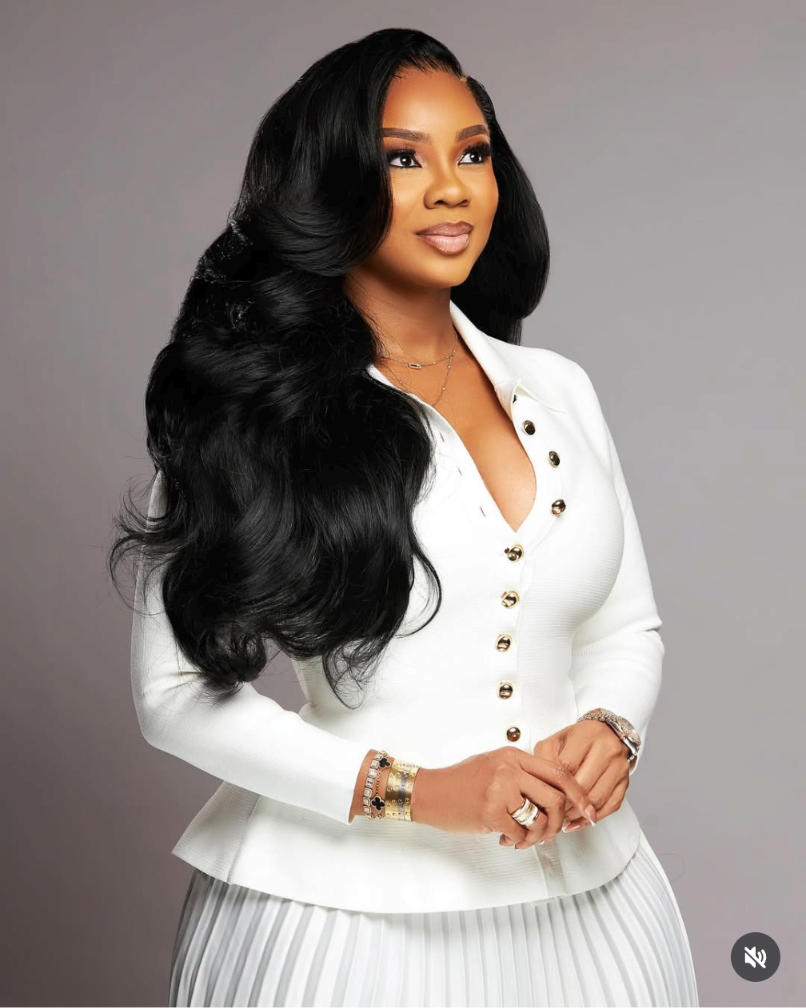
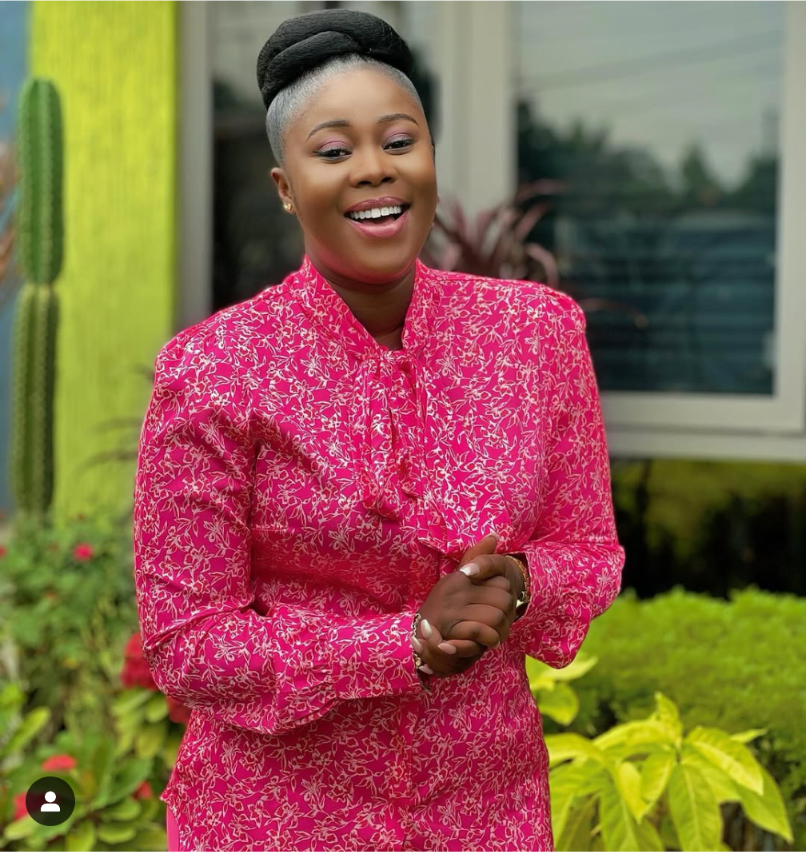
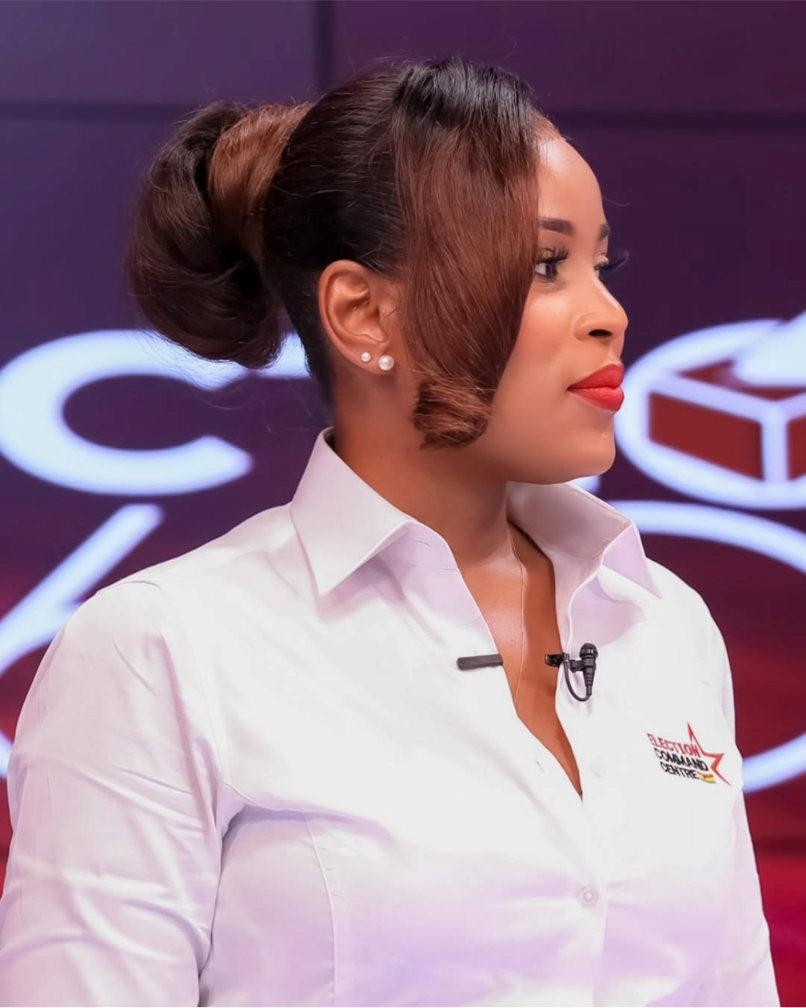

Editorial
Former President John Mahama’s recent remarks at the May Day celebration, delivered with irony and humour, drew attention to financial mismanagement at the Ghana Industrial Holding Corporation (GIHOC). He questioned how a company in the business of alcohol, consumed by Ghanaians in times of joy, sorrow, and everything in between, could be in debt. The point, while amusing, deserves a deeper reflection.
We believe President Mahama may be missing the broader issue. This isn’t just about profit margins or GDP stats—it’s about vision and leadership.
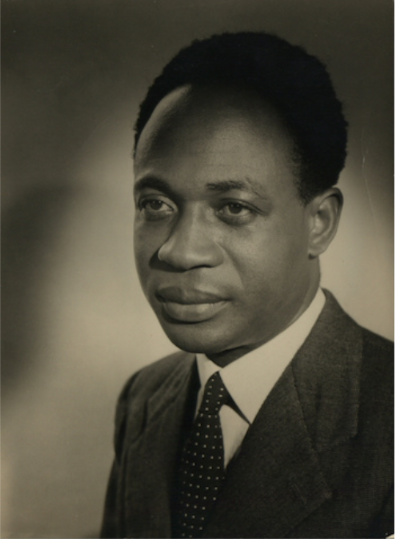
Kwame Nkrumah didn’t measure GIHOC’s success by its annual revenue. His dream was far more expansive: to create a national production powerhouse that would supply Ghana with locally made goods from coast to savannah. It was never about chasing profits for their own sake. It was about building capacity, instilling pride, and crafting a shared economic identity.
Today, however, we find ourselves led by voices that often lack such clarity of purpose. Leaders express a desire to empower citizens and local enterprises, yet fail to provide the structural support or unifying vision needed to make that possible.
If President Mahama truly wishes to see GIHOC thrive, he must do more than point out its failures. He must defend his purpose. He must say to his workers and managers: “I believe in your mission. Let’s rebuild, realign, and when you succeed in reaching every Ghanaian with your products, the state will reward and uplift you.”
True leadership doesn’t emerge in moments of ease—it is forged in the fires of crisis. Kwame Nkrumah, in just nine short years, moved Ghana from dream to development, from ideas to infrastructure. He wasn’t infallible, but he engaged directly, corrected course when necessary, and led with ambition.
Leadership today must do the same. Not by abandoning struggling institutions, but by guiding them boldly through adversity toward a collective national goal.
From GIHOC to Ghost Town: What Happened to Nkrumah’s Dream?
By The Assumpta Editorial Team;
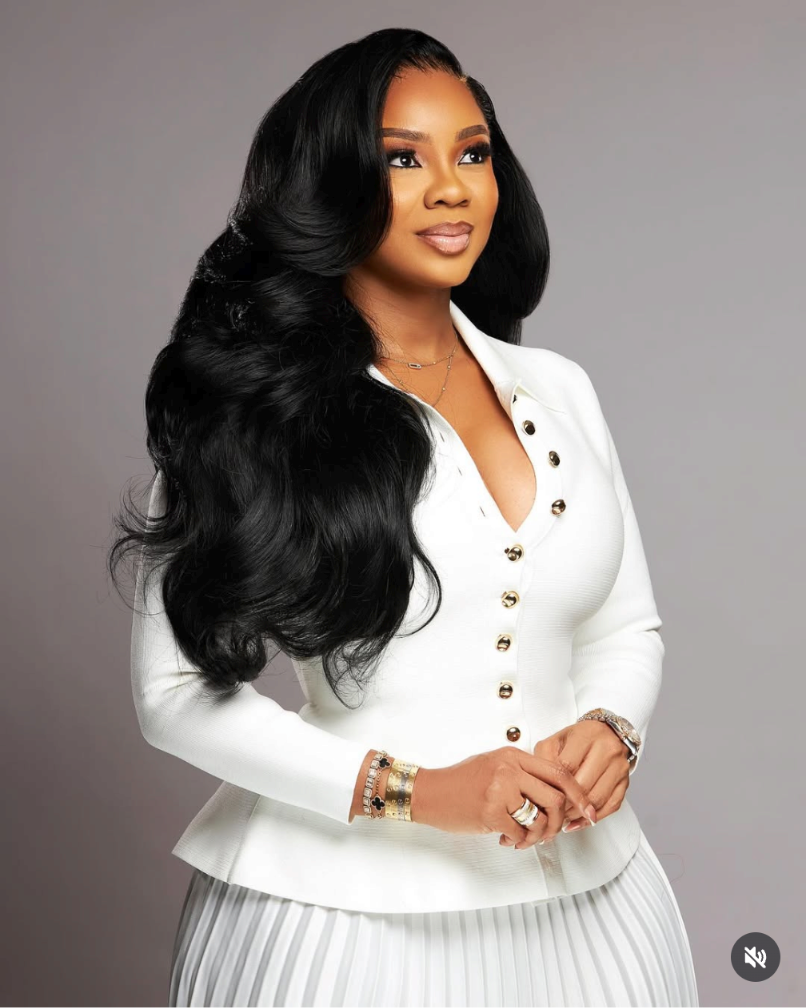
There was a time when the name GIHOC stirred pride in the Ghanaian spirit. Born from the bold vision of Kwame Nkrumah, the Ghana Industrial Holding Corporation was not just a factory—it was a symbol. A symbol of self-reliance. A symbol of national ambition. A living embodiment of “Ghana beyond aid” long before the phrase became trendy.
Today, that symbol is fading. Many of GIHOC’s once-thriving factories have fallen silent. Machines rust. Warehouses sit empty. Skilled workers are scattered or unemployed. In place of a production powerhouse, we now have industrial graveyards—ghost towns echoing the dreams of a leader who dared to believe in Ghanaian industry.
What happened?
What happened was a loss of political will, strategic neglect, and a leadership culture more reactive than visionary. Instead of building on Nkrumah’s foundation, successive governments allowed his legacy to wither—first through underinvestment, then through poor management, and finally through silence. It didn’t have to be this way.
Nkrumah’s dream wasn’t just about economics. It was a philosophy that Africans could manufacture, create, and compete. That Ghanaians could produce what they consume. That our economy could be built on factories, not just foreign aid.
Today, we’re haunted by that abandoned dream. GIHOC could have evolved into a regional manufacturing leader, creating jobs, exporting proudly Ghanaian products, and training the next generation of industrial leaders. Instead, we see stagnation—and sometimes, mockery. But all is not lost.
If we are serious about industrialisation and job creation, we must stop treating GIHOC and similar institutions as relics and start seeing them as vessels of national transformation. That means investing, restructuring, and—above all—leading with purpose.
The ghost towns can come alive again. But only if we return to the boldness of Nkrumah—not in nostalgia, but in action.
Feature Dialogue: “Drunk on Memory” – Revisiting Nkrumah’s Dream in the Age of GIHOC’s Decline:
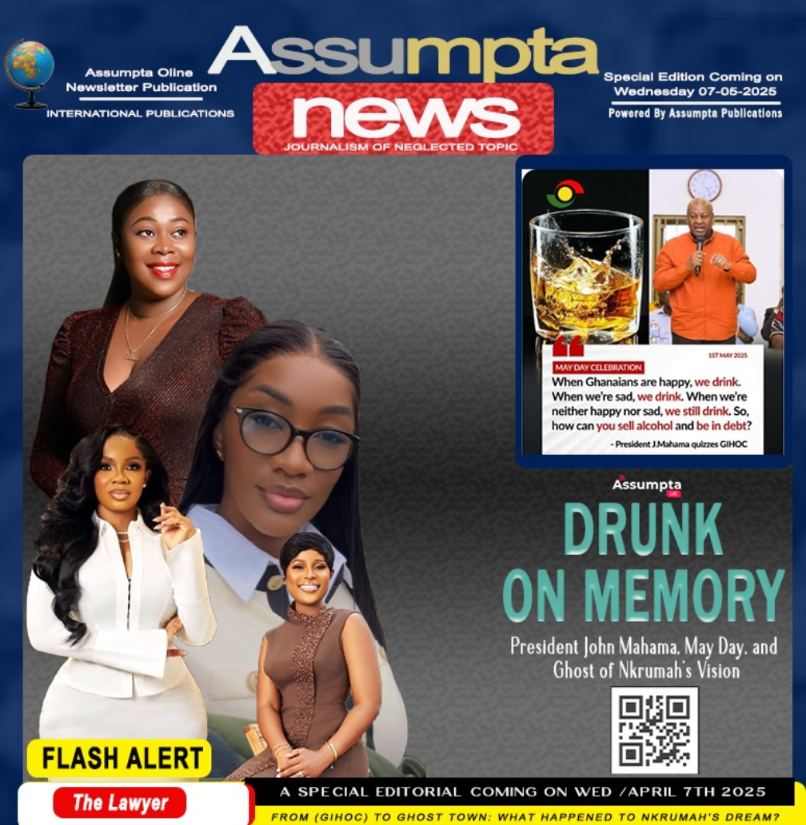
Assumpta Newsletter Publication Magazine – May Edition
Title: “Leadership Is Direction, Not Just Numbers”
Moderator:
Frema Adunyame – Broadcast Journalist & Media Personality
Panelists:
Serwaa Amihere – Broadcast Journalist & TV Personality
Berla Mundi – Broadcast Journalist, Media Personality & TV Host
Ms. Assumpta Gahutu – Co-Founder of Assumpta Newsletter Publication, Principal of Babies and Toddlers Daycare, Lawyer.
Moderator (Frema Adunyame):
“Good day, and welcome to this thought-provoking discussion brought to you by the Assumpta Newsletter Publication Magazine. We are thrilled to have with us today three distinguished individuals to dive into an issue that continues to shape our national identity and economic vision—the legacy of Kwame Nkrumah and the future of Ghana’s industrial institutions.
It’s an honour to introduce Serwaa Amihere, a highly respected journalist and TV personality, known for her insightful commentary and in-depth reporting on national issues.
Also joining us is Berla Mundi, a dynamic broadcast journalist, media personality, and TV host, whose dedication to fostering open dialogues on national issues has earned her a significant platform.
Lastly, we are privileged to have Ms. Assumpta Gahutu, a lawyer, the Co-Founder of the Assumpta Newsletter Publication, and the Principal of Babies and Toddlers Daycare. Ms. Gahutu brings a wealth of knowledge in law and education, alongside her deep commitment to national development.
Thank you all for joining us today. Let’s begin with the key question at hand: What can we learn from President John Mahama’s remarks about GIHOC on May Day 2025, and what does this tell us about Ghana’s leadership and industrial vision?”
Serwaa Amihere:
“Thank you, Frema, and good day to all. It’s a pleasure to be part of this conversation. President Mahama’s comments on GIHOC certainly raised eyebrows, especially given that GIHOC is a company entrenched in Ghana’s industrial history. His criticism was sharp, questioning how an enterprise producing alcohol, a widely consumed product in Ghana, could run at a loss. But I think we need to look beyond the surface.
We’re missing the bigger issue here. GIHOC, when established in 1958, wasn’t just a business—it was a part of a national project. It was designed to help Ghana achieve self-sufficiency and industrial independence under Nkrumah’s leadership. So, the issue isn’t whether GIHOC is profitable today—it’s whether the vision that brought it to life is still alive.”
Berla Mundi:
“Exactly, Serwaa. This conversation is not just about figures—it’s about vision. When we look back at Kwame Nkrumah’s era, it was clear that his industrial policies weren’t designed for short-term profits. They were about creating lasting structures that would elevate Ghanaian industries to the level of self-sufficiency and global recognition. GIHOC was part of that larger vision for Ghana’s industrial sovereignty.
Nkrumah’s goal was to ensure that we controlled our resources and our economy. And what he set in motion was about purpose—purpose that has unfortunately been lost in later administrations.”

Moderator (Frema Adunyame):
“Thank you, Berla and Serwaa, for your insightful remarks. Now, let’s bring in Ms. Assumpta Gahutu. Ms. Gahutu, as a lawyer and educator, you have seen the challenges and opportunities that arise from our nation’s institutions. From your perspective, how do you view President Mahama’s critique of GIHOC and the broader issue of leadership in Ghana’s industrial sector?”

Ms. Assumpta Gahutu:
“Thank you, Frema. It’s truly an honour to be part of this dialogue with such distinguished colleagues.
In response to the question—what does Ghana need?—I would say that what we need is a return to Kwame Nkrumah’s system of industrial relations. Nkrumah didn’t just build GIHOC and other state enterprises to generate immediate profits. He built them to serve as tools of national transformation. It was about far-reaching goals—providing for the people of Ghana, ensuring national self-reliance, and creating a legacy of independence and dignity.
As a lawyer and someone who works closely with children and young people, I understand the importance of long-term vision—the kind that Nkrumah had. He didn’t abandon state projects when they faced difficulty; he rolled up his sleeves and worked with the team to find solutions. That is the kind of leadership Ghana needs today—leaders who don’t just sit on the sidelines but who actively engage with institutions and shape their futures.”
Serwaa Amihere:
“Ms. Gahutu, I couldn’t agree more. It’s about the sustainability of those projects, not just about the immediate financial returns. But do you think today’s leadership is prepared to take on that challenge? Or are they more focused on short-term fixes rather than a long-term strategy?”

Ms. Assumpta Gahutu:
“Great question, Serwaa. The issue is that our leaders today often fail to act proactively. President Mahama’s comments, for example, could have been an opportunity to take action, not just point out financial failings. Leadership today needs to take ownership of these national institutions and not leave them to flounder. This requires bold decisions—decisions that prioritise vision over immediate gains.
The real question is whether we can revive that boldness Nkrumah embodied and translate it into contemporary leadership. This is not about nostalgia; it’s about reclaiming the vision he set for Ghana, adjusting it for our time, and ensuring that institutions like GIHOC have the support they need to thrive.”.
Berla Mundi:
“I love that point, Ms. Gahutu. So much of leadership today seems to be reactive rather than visionary. In that regard, I think the real challenge for Ghanaian leaders is to reignite the fire that once burned in the country’s industrial projects. They must believe in these institutions’ potential and invest in them—financially and strategically—for the long haul.”
Frema Adunyame (Moderator):
“Thank you, Berla, Serwaa, and Ms. Gahutu, for your profound insights. The conversation must shift from merely questioning financial outcomes to how we can rebuild the vision behind institutions like GIHOC. We need leaders who identify weaknesses and work towards solutions with a deep sense of national responsibility.
As we close, let’s take a moment to reflect on Milan Kundera’s words once again: “The struggle against power is the struggle of memory against forgetting.” Perhaps the greatest struggle we face today is not about fighting against external forces, but about remembering our capacity for national greatness.”
Closing Remarks by Ms. Assumpta Gahutu:
“I urge all of us—leaders and citizens alike—to remember our national history, to remember what we were capable of under Nkrumah, and to demand that our leaders today rise to the challenge of restoring that vision. True leadership is about direction, not just numbers. It’s about rebuilding together with a clear and bold purpose for our future.”
How Ghana Can Come Back Stronger
Ghana stands at a crossroads. The challenges are real—but so are the opportunities. What we need now more than ever are leaders with energy, urgency, and focus. Not leaders who spread fear and pessimism, but those who inspire us with hope and bold ambition.
The Ghana we should fight for is one where innovation thrives, where we become not just the innovation capital of Africa, but of the world.
What do people ultimately seek? Happiness. And happiness comes from four things: hope, purpose, progress, and a sense of connection. Hope and purpose are sparked by visionary, optimistic goals. Progress happens when people feel they’re moving forward—that tomorrow will be better than today.
Our leaders must redefine the role of government. A good government is like a good parent—it protects, it sets fair rules, and it supports those in need. It should guarantee security, healthcare, and dignity for the elderly, the sick, and the vulnerable. At the same time, it must create conditions for everyone else to work harder, work smarter, and innovate more.
We can support the vulnerable without raising the retirement age or cutting essential benefits. Instead, let’s invest in families and future generations. If we want to prevent population decline and create a thriving society:
- Extend paid maternity leave to multiple years.
- Provide free childcare and nursery access for all.
- Offer generous child tax credits.
- Fully digitalise government services to make life simpler, faster, and more transparent.
Let’s set our sights high. Let’s aim to be better than Dubai. A digital Ghana. An ambitious Ghana. A hopeful Ghana. That’s how we come back—and move forward.
Social Media/Email Preview Version
Ghana’s Comeback Starts with Bold Leadership
Ghanaians don’t want fear—they want hope. Not empty talk, but bold, ambitious goals. Let’s become the innovation capital of the world.
- Extend maternity leave
- Free childcare for all
- Bigger tax breaks per child
- Fully digital government
- Dignity for the old and sick
Let’s be better than Dubai. Let’s be Ghana—strong, smart, digital, and united.
This final version smoothly closes the dialogue, bringing the conversation into a broader call for bold leadership, echoing the themes of hope, progress, and a future guided by vision and collective effort. Thank you all for your time and insight on the article. Thank you once again.
SGI:Our Shared Humanity:

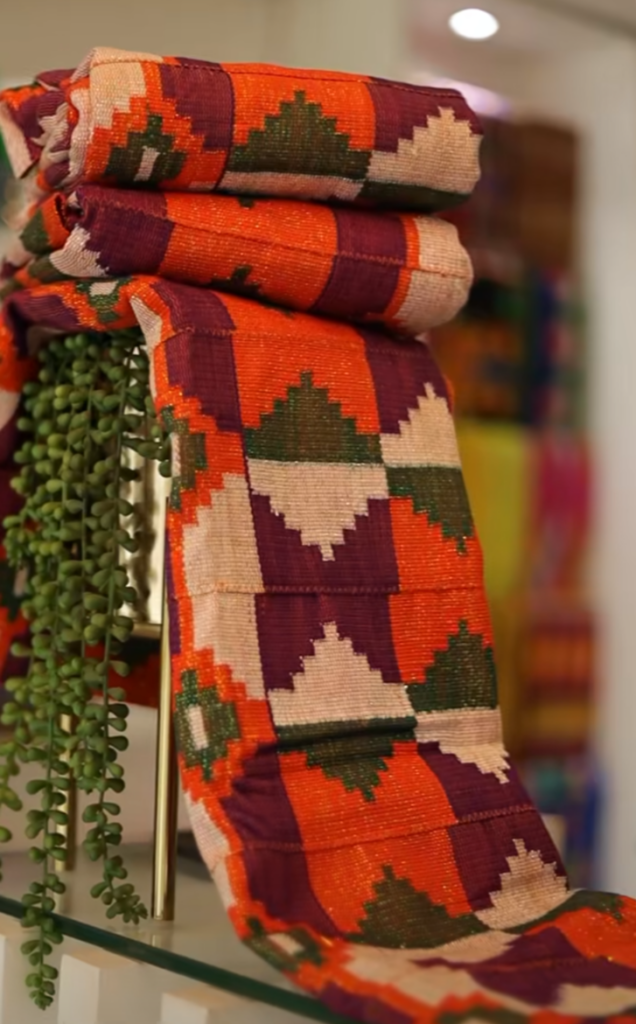
https://www.instagram.com/goba_kente?igsh=d2Vwd2E2M2VtcTZq
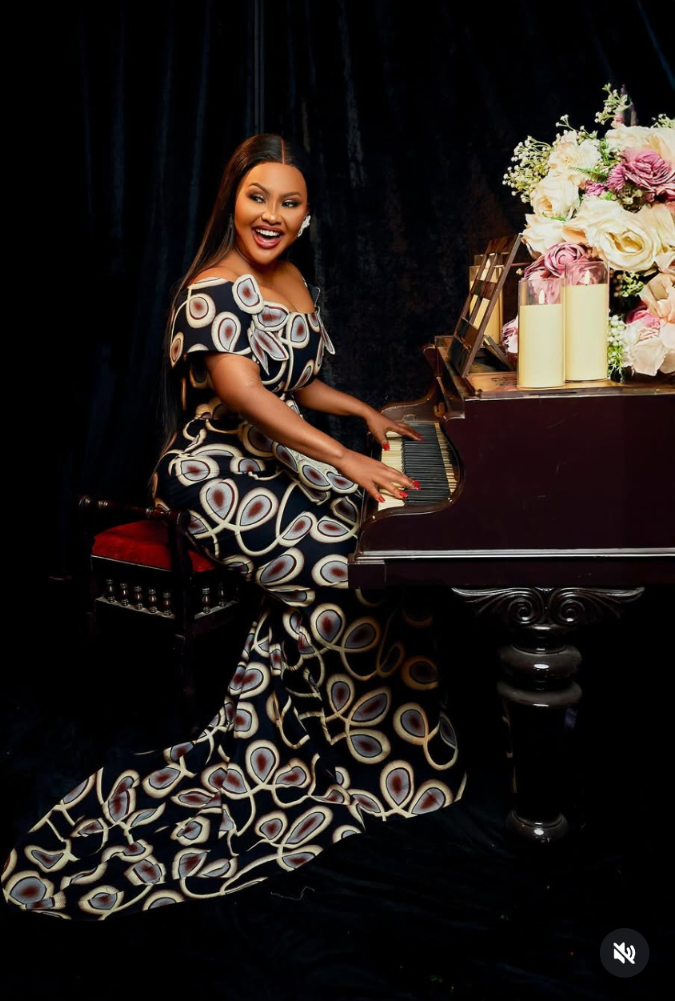
https://www.instagram.com/laurenhautecouture?igsh=MWxzNXN1Ym5nZ3o3Mg==

https://www.instagram.com/ankara.africa?igsh=ZDJmN216Z2ZhbWFm




https://www.instagram.com/officeandcobysa?igsh=dmxucTZ2a2t1eDBn

https://www.instagram.com/oh_my_hairr?igsh=MThqbDNneDZzcTF3cw==



https://www.instagram.com/serwaaamihere?igsh=N216N3hzeTE3eHho
Meet Serwaa Amihere — Ghana’s Powerhouse of Truth & Lifestyle!
She’s not just a broadcast journalist — she’s a nation builder!
With a heart full of passion and a voice for the people, Serwaa brings truth, transparency & transformation to Ghana’s dialogue every day!
But she doesn’t stop there…
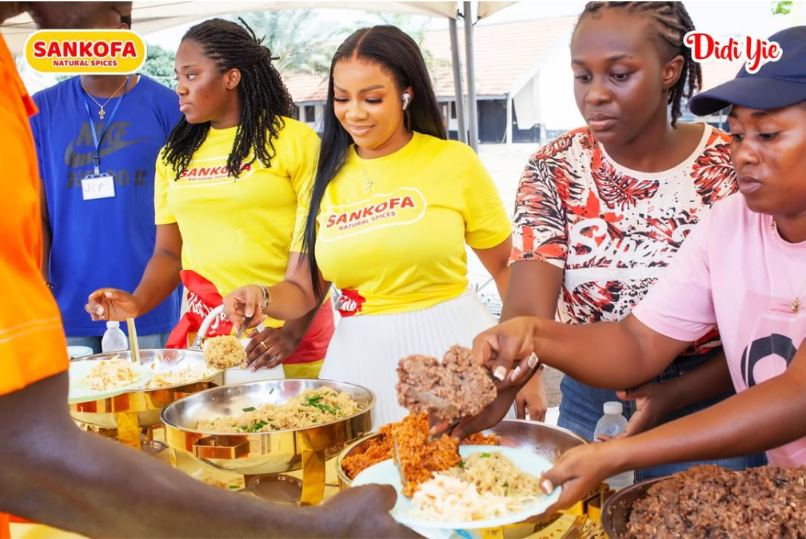
From delicious spices to luxury hair and elegant fashion, Serwaa is serving Ghanaians only the BEST in everyday essentials!
Follow the brands that care like she does:
@oh_my_hairr – Crown your beauty
@officeandcobysa – Where fashion meets finesse
@serwaaamiherefoundation – Changing lives, one heart at a time
www.officeandcobysa.com.gh
Join her Circle of 6,042 loyal followers — including @asssumpta, @gwen_addo, and over 108 others!
Serwaa Amihere – For the people. By the people. Always with love.
#GhanaRising #SerwaaAmihere #TruthStyleSpice


https://www.instagram.com/delish_bakerygh?igsh=MW5ic2c0NnR5cHBwZQ==


https://www.instagram.com/flourishheights?igsh=cTExenQ3bnptZGgx