




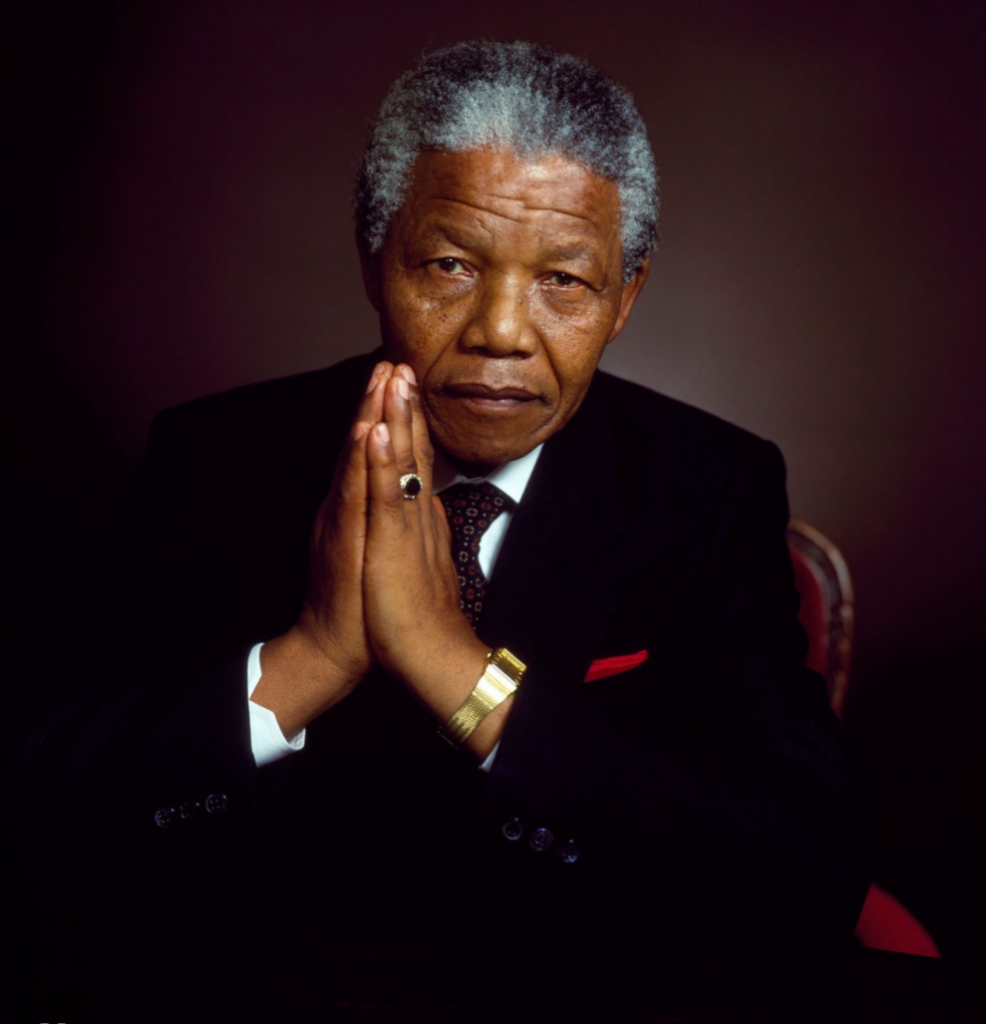
“Vision without action is just a dream Action without vision is just passing time Action with vision will change the world!” – Nelson Mandela.
Merriam-Webster defines powerlessness as lacking the capacity or authority to act. To be sure, modern psychology suggests that when confronting a problem, lacking a defined role can make us feel less in control of a situation.
Considering the nature of the pandemic and other world events, it may seem like many of society’s most significant problems lie beyond our control.
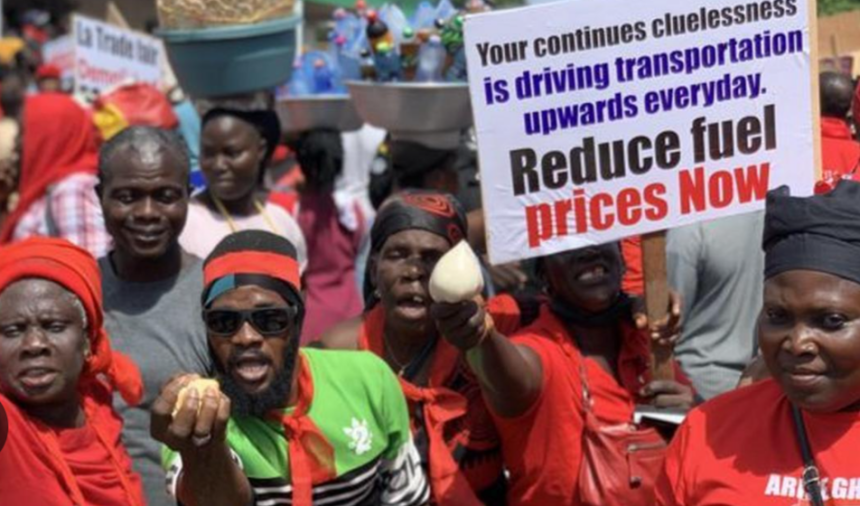
As people struggling amid the chaos of coup d’état, or coups, economic hardships, inequality, poverty, unnecessary price hikes and the sudden, violent overthrow of an existing government by a small group.
People would be grappled with questions such as; What is happening?
•Where is our country going?
•What are our leaders doing?
•And Why are we here?
•Where is God?
•Should Jesus come?
In 2021, what started as social media campaign under #FixTheCountry turned into a full-fledged movement propelled by predominantly young Ghanaians calling for better living conditions.
The importance and value of this landmark campaign have grown more evident with the passing years and will continue to do so, because young Ghanaians are confident, in the future and together, they are delivering a historic and lasting impact for all.
United as young Ghanaian visionaries they brought together government and civil society with a shared goal to protect Ghanaians first.
Assumpta: Since the establishment of the #FixTheCountry movement in 2021, it has become a national authority on the status of the dignity of the Ghanaians and their welfare and the measures needed to safeguard them.
The knowledge and the tools #FixThe Country members are critical for ensuring that human progress, economic development and nature conservation take place together.
Tsasi: The #FixTheCountry visionaries were fundamental to bringing to light key international conventions like that of; the convention on Biological Diversity ( Biodiversity) linked to the strategy which helped define the concept of “Sustainable Development” to shape the global agenda.
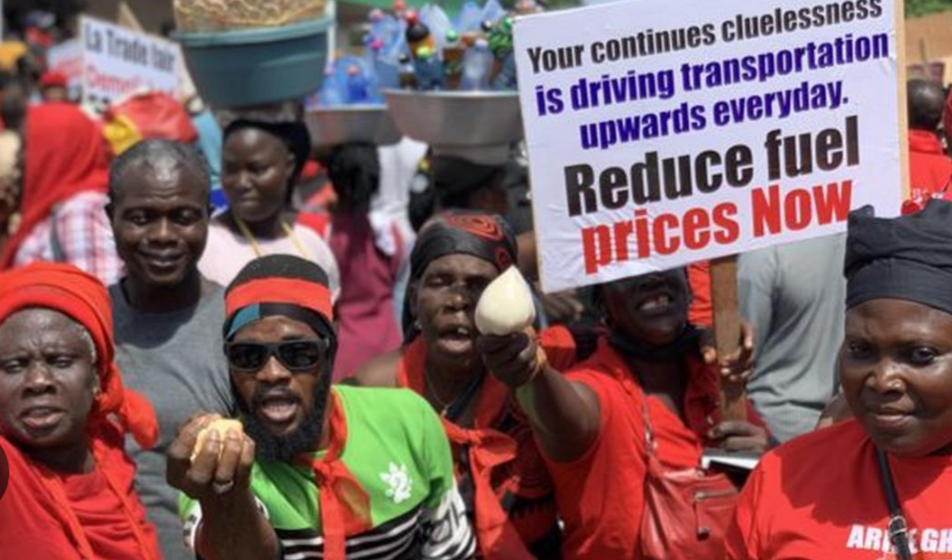
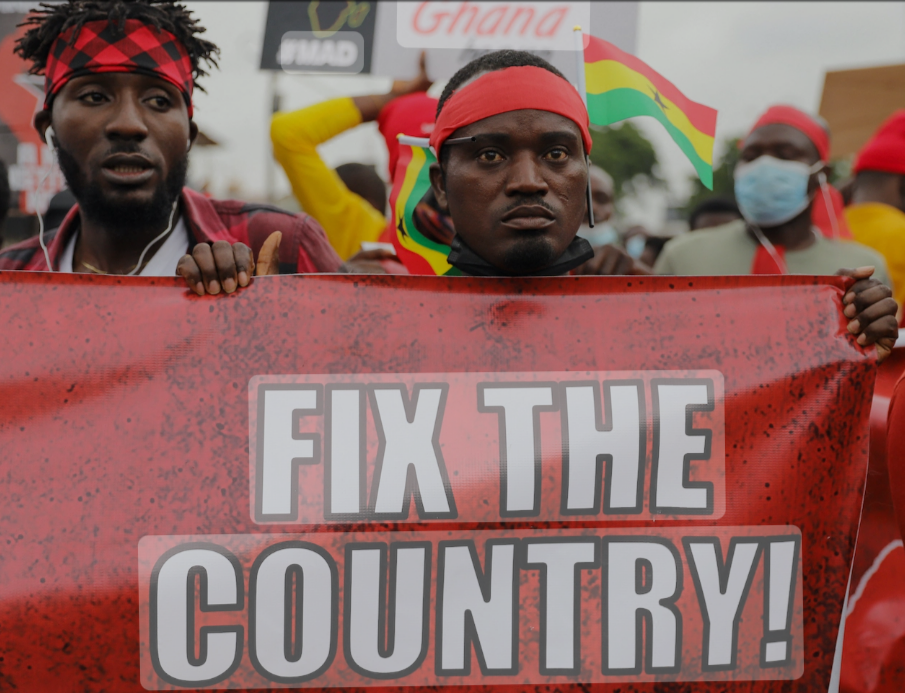
Today, when humanity’s survival continues to be threatened by global economic hardships, one can feel as a reality the significance, farsightedness and gravity of young Ghanaian #FixTheCountry visionaries’ decision to speak out at that time.
Assumpta: In addition to seeking to make these young Visionaries aware of their role in society, I hope they will help guide Ghana’s policy makers on the appropriate growth strategy going forward.
Tsasi: New drivers of Ghana’s economic development. The Ghanaian leadership is fully aware of these challenges, lessons are drawn from Ghana’s own experience with the focus on pragmatic policies.
Assumpta: Five decades ago, Kwame Nkrumah imitated his pragmatic reforms to open Ghana’s economy with his famous midnight speech was so pragmatic that it was centred on the free ordinary Ghanaian citizens, the urban workers, artisans, petty traders, market women and fishermen, the clerks, the junior teachers, and the vast farming community of the rural areas.
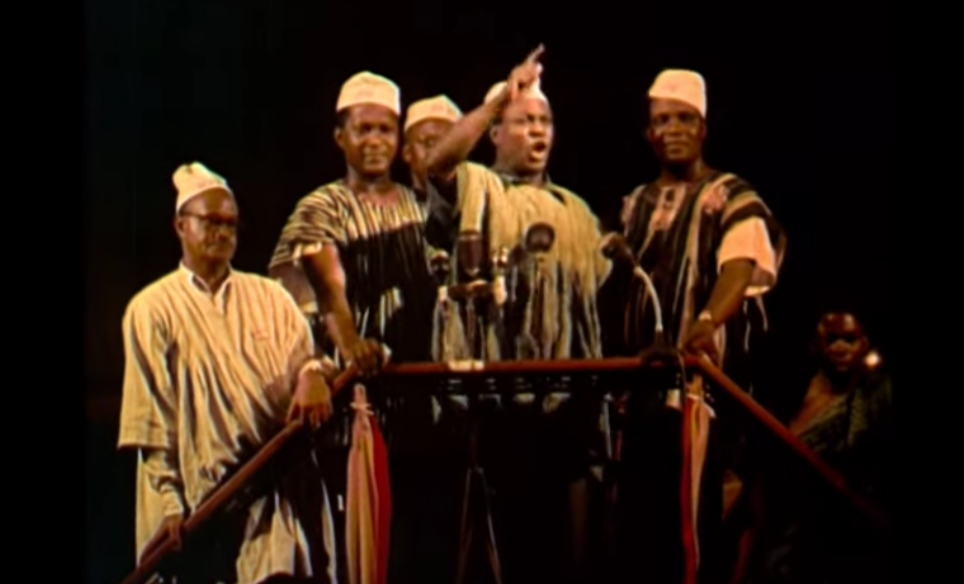
Tsasi: Indeed, in that midnight speech, Kwame Nkrumah named the people on equal terms with chiefs when he recognised those who would “reshape the destiny of Ghana.
Rather than taking his cues from traditional rulers, Nkrumah used this mass base to ensure that the possibilities of postcolonial society would not be limited by precolonial traditions.
He also promoted the masses as representatives of the “New African” who is ready to fight his own battle and show that after all the black man is capable of managing his own affairs.
This proud and defiant vision of African political achievement was in stark contrast to racist and imperial ways of knowing that degraded and doubted African and black potential.
Assumpta: Underlying this statement and expressed in the repeated reference to connection is the belief that we must never lose sight of the bonds we share as members of the same human family, a connection that transcends cultural, ethnic and national borders.
This is not to deny the reality of clashing interests and outlooks; these need to be faced head-on if we are to avoid encouraging evil, thus inviting catastrophe.
The challenge of preventing any further evil is just such a trial in the quest for world peace, one that cannot be achieved if we are defeated by a sense of helplessness.
The crucial element is to ensure that any struggle against evil is rooted firmly in a consciousness of the unity of the human family, something only gained through the mastery of our own inner contradictions.
Thank you.