



Assumpta Weekly Magazine:
SHINE Human Stories Edition
FEATURING GLOBAL ICON KELLY ROWLAND
A Limited Edition Collaboration: African Stream x SHINE
Rooted in African elegance and global influence, this special edition explores the complex, urgent questions of our time, driven by style, culture, and deep empathy.
| Launch Date: | Wednesday, 29th October 2025 📅 |
| Read Live At: | assumptagh.live 🎥 |
| Themes: | Current | Jewellery | History | Fashion | Culture | Lifestyle 📌 |
| Follow Us: | @AfricanStream for sneak peeks and release alerts 📢 |





https://www.instagram.com/hairsenta?igsh=MXAzOThhNGZ0Nm15dQ==
Something Unbelievable is Happening at 24 Jungle Avenue…
They say beauty is power.
But what if your hair could turn heads, stop time, and tell stories from Ghana to the world?
HAIR SENTA — the secret behind every unforgettable look. ✨Straight from the heart of Ghana, our 100% luxury human hair extensions are shaking up the beauty game. Natural. Unmatched. Undeniable.
Are you ready to transform?
Or will you be the last to discover the magic?
Call now: 📞 (+233) 0544354455 / 0248629769
Visit: 🌐 www.hairsenta.com
Location: 📍 24 Jungle Avenue, Accra, Ghana 00233
Hair Senta. Real Hair. Real Power. 💁♀️🔥
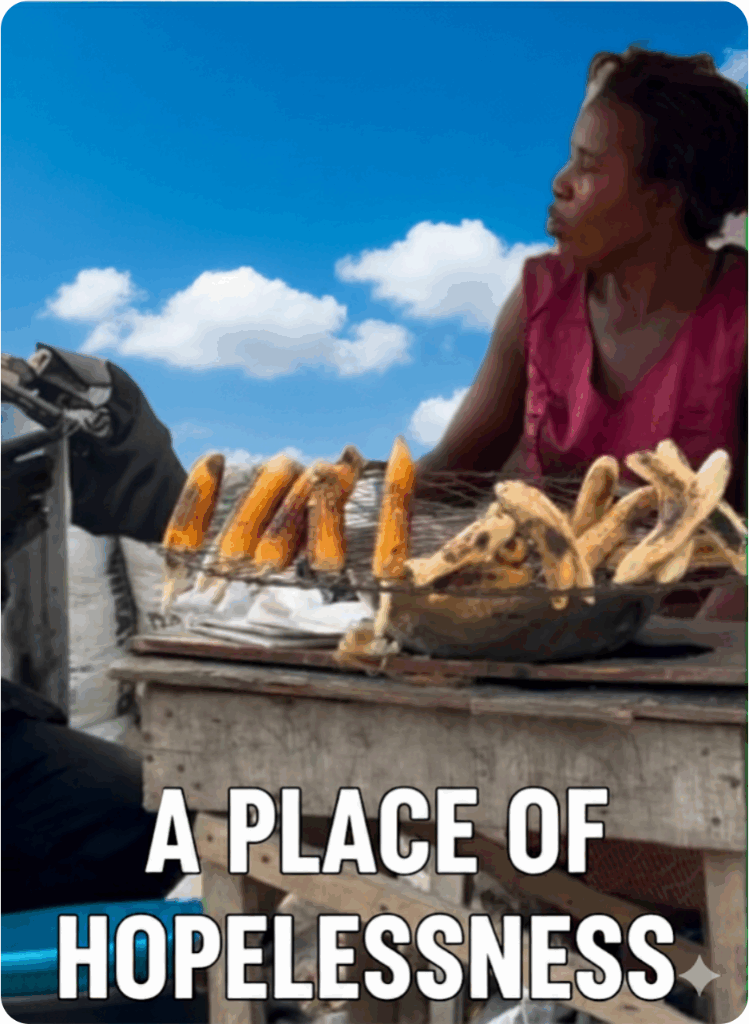
Cover Story : Is There a Place for Hopelessness in Our Society?
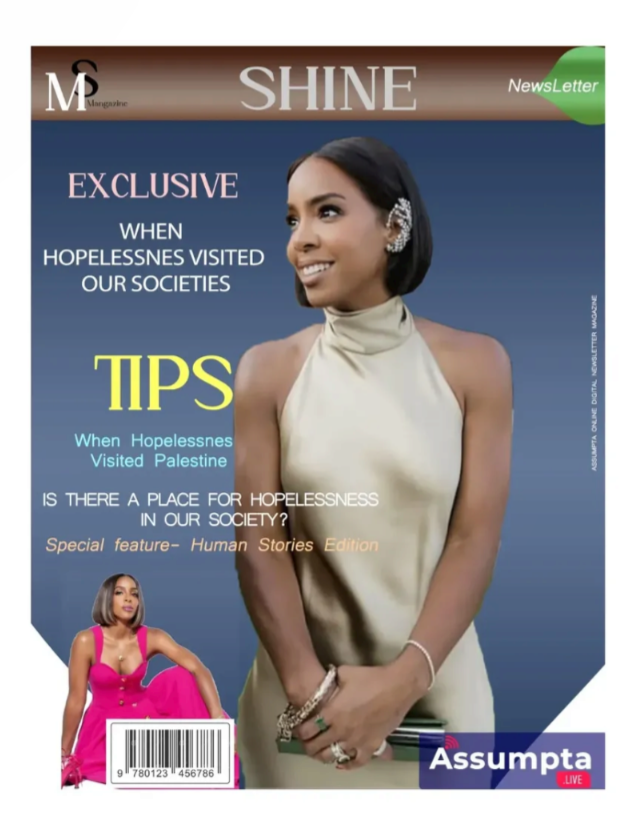
Kelly Rowland: The Gown of Gold and the Shadow Line 🌟
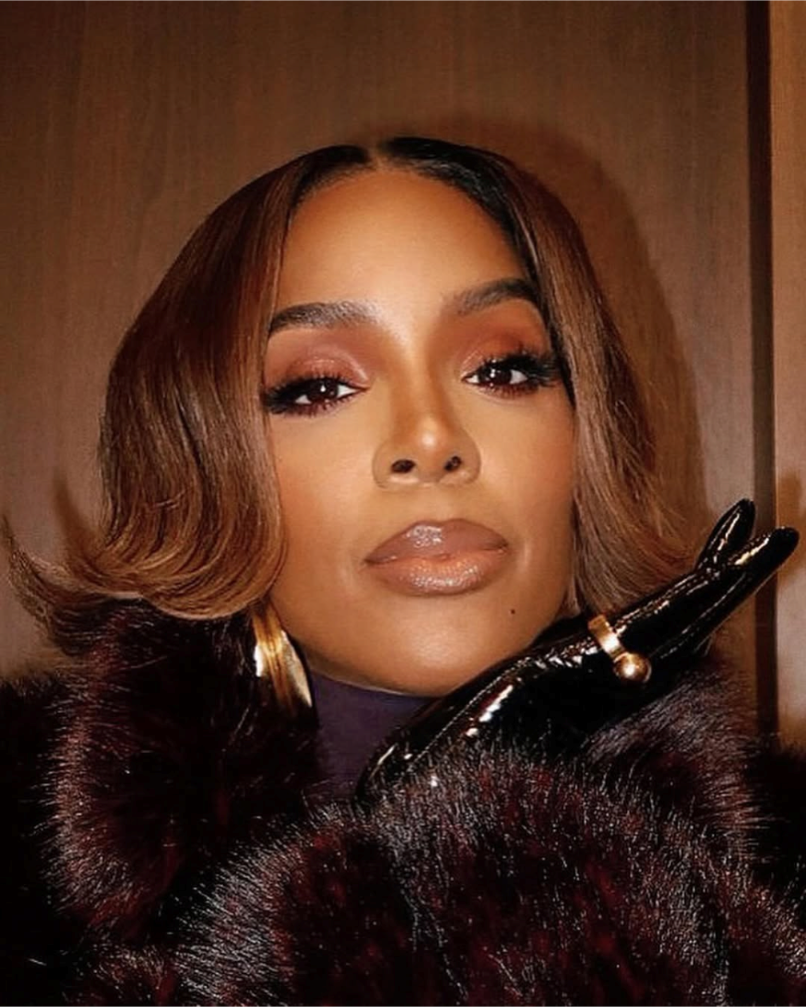
Global Icon Kelly Rowland graces our cover with luminous elegance, presenting an issue that is a tribute to beauty powered by spirit and unapologetic brilliance.
Clad in the gossamer of satin gold, she stands, a figure poised above the fractured lands. The fabric, shimmering, catches fading light, a fragile promise dressed against the night. The halter throat held high, while shadows pool where sorrow must define the empty space beneath the brilliant hue.
A smile is set, a jewel against the blue, but the weighted whisper of the headline cuts it new: “When Hopelessness Visited…”—a chilling guest arriving where the heart can find no rest. She wears the plea: to turn the gaze and see that the ache of loss and the failure of care demands a deeper empathy we share. The truth beneath is darkness calling light, as she acts as the messenger to turn Hopelessness into a healing fire.
FEATURED ESSAY:
Understanding Hopelessness
By Kelly Rowland’s Shine Magazine
Hopelessness is often dismissed as a weakness, but in truth, it is one of humanity’s most revealing emotions. It is the quiet cry that tells us something deep within our social fabric has torn—a symptom of inequality, neglect, and lost trust in the promise of justice.
In the realm of health and well-being, hopelessness manifests in silent battles: the mother who can’t afford medicine, the youth who gives up on the future. These are not isolated stories; they are reflections of a collective wound.
At Shine Magazine, we believe that hopelessness must be understood, not ignored. True public health is about restoring the spirit of human dignity, connection, and purpose.
Our Duty: Let us make space not for despair, but for empathy. Let us turn hopelessness into a call for action—to create systems that care, leaders that listen, and communities that heal together. Where people have lost hope, there lies our greatest duty: to bring it back.
HUMAN STORIES EDITION:
When Hopelessness Visited Pokuwaa
The Personal Cost of Systemic Failure
This powerful feature introduces Pokuwaa and her husband, Papa Kofi, a Ghanaian couple who held onto hope despite hardship, only to have their world shattered by tragedy. Papa Kofi was killed in a road accident.
In her moment of grief, Pokuwaa found herself in the place called hopelessness: no money for a coffin, no government safety net, and silent, distant institutions.
With trembling hands and a mother’s courage, she wrapped her husband in a white cloth and, with neighbors, dug a small grave. Her whispered question as the soil fell became an indictment of the system: “If this is what it means to live in my country, then who among us is truly alive?”
Pokuwaa’s story is a universal reflection of millions who live in systems that fail to protect their basic dignity. It proves that the measure of a nation is not in its speeches or policies, but in how it holds the broken, heals the wounded, and gives hope to those who have none.
Kelly Rowland writes: “There is a passage to carry with me… One that has been a compass in my own emotional journey. Today, I will offer it to you.”
STYLE & GLOSS: Evolving Elegance
Inspired by Kelly Rowland
“Elegance isn’t added — it’s revealed.” Let Kelly inspire your wardrobe, your mindset, and your mirror moments:
* ✨ Effortless Chic: Master the art of neutrals with shimmer—comfort elevated with class.
* 💄 Bold Lips: A single swipe makes a confident, radiant statement, much like Kelly’s presence.
* 🌍 Cultural Power: Celebrate roots through accessories and attitude, reflecting a global sensibility.
GIVEAWAY SPOTLIGHT: Be radiant. Be bold. Be glossy like Kelly Rowland! We’re giving you a chance to experience the beauty and light that Kelly brings to every room she enters. Scan the QR code on your cover for details!
Dialogue: Frema Adunyame Interviews Kelly Rowland


The Introduction
Frema Adunyame (Host): Good day, and a very warm welcome to all our international readers joining us across the globe for this special dialogue presented by ASSUMPTA WEEKLY MAGAZINE and the SHINE Human Stories Edition!
It is my distinct honor to welcome an incredibly inspiring woman to the studio today. She’s a global icon whose artistry and voice transcend music, reaching into the most urgent human conversations.
My name is Frema Adunyame, and I serve as a News Anchor for Channel One TV and Citi FM, Head of Events and Partnerships, and Co-host of both the #BreakfastDaily and #DynamicFriday.
And now, please join me in welcoming our cover star, the one and only, Kelly Rowland! Kelly, thank you so much for your presence in this special edition of Assumpta Newsletter Magazine; your message has truly inspired millions worldwide.
Kelly Rowland (Guest): Thank you, Frema. It’s an honor to be here and to have this platform with Assumpta and Shine to share a conversation that’s been on my heart for a long time. I appreciate you making the space for it.
The Cover & The Gown

Frema Adunyame: Welcome to today’s dialogue focused on the core theme of the magazine: COVER STORY: Is There a Place for Hopelessness in Our Society?
But before we get to the core of the newsletter article, talk about the poetic description of your dress. The magazine captured your look in a way that blends fashion with the deeper message of the issue. The section is titled:
Kelly Rowland: The Gown of Gold and the Shadow Line
Global Icon Kelly Rowland graces our cover with luminous elegance, presenting an issue that is a tribute to beauty powered by spirit and unapologetic brilliance.
Clad in the gossamer of satin gold, she stands, a figure poised above the fractured lands. The fabric, shimmering, catches fading light, a fragile promise dressed against the night. The halter throat held high, while shadows pool where sorrow must define the empty space beneath the brilliant hue.
A smile is set, a jewel against the blue, but the weighted whisper of the headline cuts it new: “When Hopelessness Visited…”—a chilling guest arriving where the heart can find no rest. She wears the plea: to turn the gaze and see that the ache of loss and the failure of care demands a deeper empathy we share. The truth beneath is darkness calling light, as she acts as the messenger to turn Hopelessness into a healing fire.
Kelly, that description is incredibly evocative. How did it feel, wearing that “Gown of Gold” while carrying the weight of the headline, “When Hopelessness Visited Palestine,” on the cover? Did the fashion, the elegance, feel in conflict with the urgency of the message, or did it serve to amplify it?

Kelly Rowland (Guest): That is a beautiful reading, Frema, and it cuts straight to the core of why we chose this visual approach.
There was absolutely no conflict between the elegance and the urgency; in fact, the elegance was the statement. We wanted to challenge the idea that serious conversations only belong in drab settings. The “Gown of Gold” represents the global stage, the visibility, and the privilege that comes with success. It’s the ‘shining’ part of the magazine title.
But look closer: the poetic description mentions the “shadow line” and the dress “poised above the fractured lands.” That’s the tension. It’s saying, ‘Look at the beauty, the luxury, the light—now, use that light to confront the darkness.’
The gold fabric is supposed to catch the fading light, like a mirror reflecting the world’s beauty and its ugliness simultaneously. It’s a message that empathy must be stylish, and responsibility must be visible. The diamond ear cuff isn’t just decoration; it’s a “glittering defiance”—a signal that we are listening, and we refuse to look away.
My hope is that the beauty of the cover draws the eye, and the power of the elegance compels the reader to stay and engage with the difficult questions inside. That’s how you turn that Hopelessness into a healing fire—by showing up, fully present and ready to act.

Frema Adunyame (Host): That is profoundly articulated, Kelly. Using the glamour to draw people toward gravity.
Now, let’s dive into the core philosophy you present. Your article challenges the conventional wisdom that hopelessness is a weakness. You argue it’s a signal—a cry for change.
The “When Hopelessness Visited Palestine” headline grounds this discussion in a reality that is impossible to ignore. Today it’s them, but tomorrow it could be you. Have you ever thought about that?
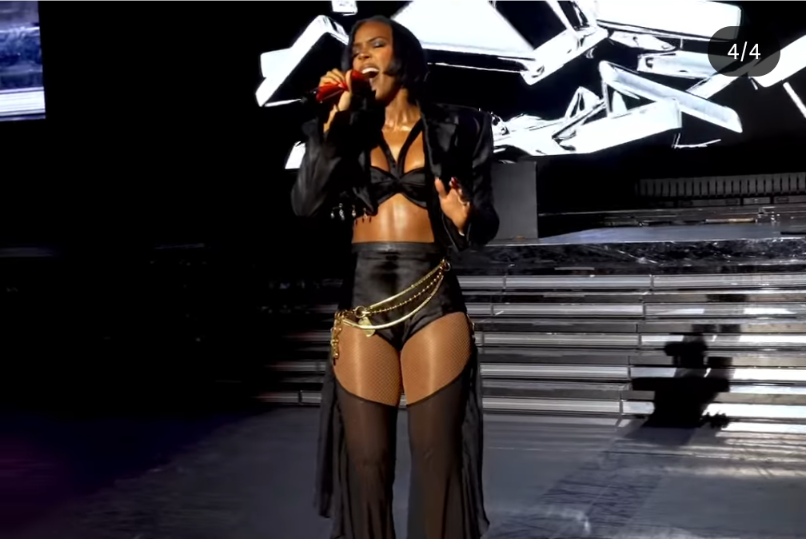
Kelly Rowland:
As a singer I am like a psychotherapist who helps people every day to make space for pain. But today, there is a collective pain we cannot ignore.
What is happening in Gaza is not just a geopolitical issue — it is trauma, it is dehumanization. The United Nations has spoken openly of genocide. South Africa has brought Israel before the International Court of Justice, which has recognized the risk of an ongoing genocide. And yet, the United States of America continues to support those who are bombing civilians, hospitals, and children.
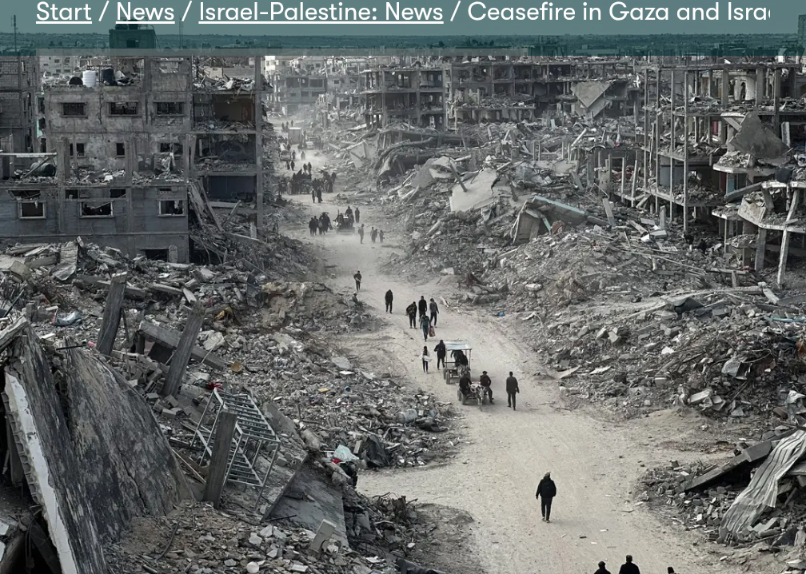
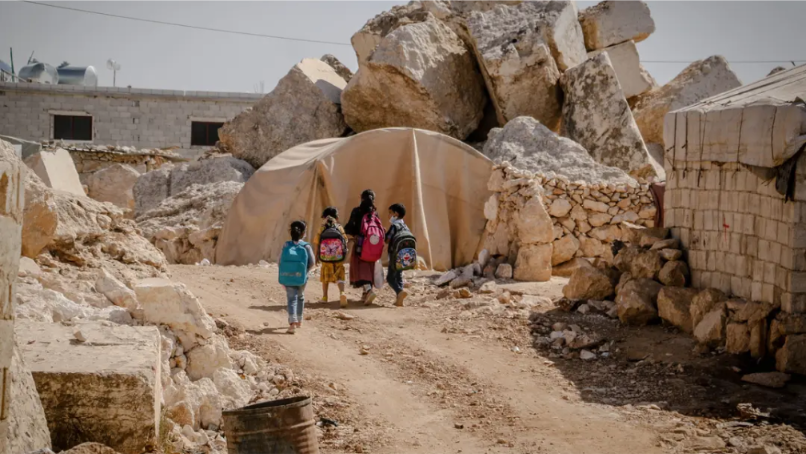
This reveals a humanity that forgets what it means to be human. When we dehumanize others, we lose a part of ourselves. Emotional distancing is a mechanism our nervous system activates to protect us — indifference or dissociation become shields against horror.
But beware: not everything instinctive or automatic is useful for our future. In the face of collective trauma, we cannot look away. We must choose presence, even when it hurts, because only by remaining human in the face of another’s suffering can we save something of ourselves.
For our readers, especially those struggling with the overwhelming nature of this global trauma, what specific change does the “hopelessness” you discuss demand from the global majority? Is it political reform, is it individual generosity, or is it something deeper—a fundamental commitment to presence and humanity in the face of such overwhelming despair?

Frema Adunyame (Host): That is a beautiful thought, Kelly, and it shifts the focus from simple charity to moral obligation. You’re saying the gold dress doesn’t just draw attention; it demands that the person wearing it—and the audience viewing it—must step into a position of responsibility. The elegance is the amplifier.
You’ve highlighted the most difficult choice we face right now: presence over protection. The instinct is to emotionally distance ourselves from the trauma in Gaza, in Pokuwaa’s village, or wherever injustice strikes, because it hurts too much. But you and your magazine are urging us to fight that instinct.
So, let’s explore that deepest commitment you mentioned.
In the face of global tragedies, many people feel utterly paralyzed—they look at the scale of war, poverty, or institutional failure and think, ‘I am only one person; my contribution means nothing.’ The Buddhist philosopher Daisaku Ikeda, whom you reference, speaks of transforming suffering. Practically, what does presence look like for the ordinary person in London, Accra, or New York who is consumed by their own daily struggles, yet wants to answer the “signal” of collective hopelessness?

Kelly Rowland (Guest): That is the most crucial question, Frema, because paralysis is the enemy of hope. When the crisis is global, the solution must become fiercely local and personal.
The “signal” of hopelessness, whether it comes from Palestine or Pokuwaa, doesn’t demand that the person in London immediately solve the geopolitical crisis. It demands something far more accessible, which is transformative action in their immediate sphere of influence.
Here’s what presence and transformative action look like for the ordinary person:
1. The Transformation of Suffering: Turning Inward to Look Outward
Daisaku Ikeda’s wisdom, and the core of the Buddhist principle, teaches us to see our suffering—and the suffering of others—as an impetus for change, not an endpoint.
- Emotional Labor: Presence starts with courageous witnessing. It means choosing to consume the news with an open heart, even when it hurts. It means refusing to let “emotional distancing” turn into indifference. Your nervous system wants to shield you, but your spirit must choose to remain human.
- Active Listening: The ordinary person can transform hopelessness by simply listening deeper to the people in their own life.
2. Reforming the System Starts with the Self: The Lesson of Pokuwaa
This is where the story of Pokuwaa becomes a visceral lesson for every reader:
HUMAN STORIES EDITION: When Hopelessness Visited Pokuwaa
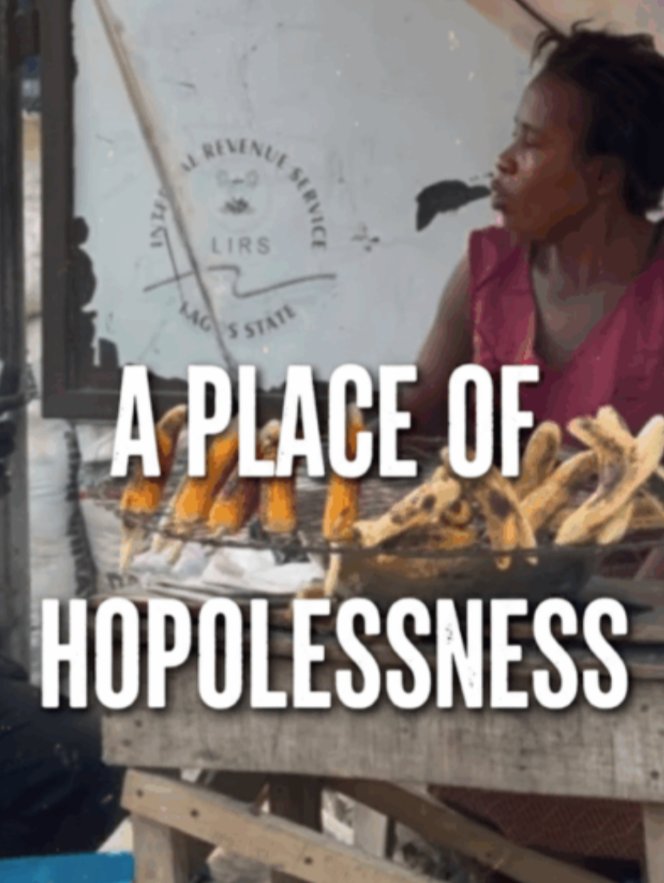
Pokuwaa’s story is a universal reflection of millions who live in systems that fail to protect their basic dignity. It proves that the measure of a nation is not in its speeches or policies, but in how it holds the broken, heals the wounded, and gives hope to those who have none.
The system failed Pokuwaa—she had no money for a coffin, no government safety net, and silent, distant institutions. But the neighbors who loved Papa Kofi showed up. They gathered, they wrapped him, and they dug the grave. Love could not wait for bureaucracy.
- The Power of Connection: For the ordinary reader, transformative action is about strengthening your own local community. It’s about showing up for a neighbor, volunteering at a local clinic, or simply reaching across the aisle to understand someone whose perspective is different. We must become the safety net where the government has failed.
- Ethical Consumption and Advocacy: Use your power as a citizen and a consumer. Support organizations providing dignity. Educate yourself on how your country’s policies affect vulnerable populations globally and locally, and use your voice to advocate for systemic care, however small your platform.
Ultimately, Frema, the change demanded is a shift in mindset: seeing every instance of hopelessness as a personal invitation to be kinder, to be more vigilant, and to build a safety net where the government has failed.
I want to end my thought with the promise I made in the article:
Kelly Rowland writes: “There is a passage to carry with me… One that has been a compass in my own emotional journey. Today, I will offer it to you.”
We save ourselves by saving others.

Frema Adunyame (Host): Kelly, that is a beautiful and comprehensive framework. You’ve perfectly connected the global trauma in Palestine with the personal trauma of Pokuwaa, showing that the antidote to both lies in active, localized community presence and the refusal to let empathy die. You’ve defined our greatest responsibility.
What I have seen in this human stories edition is that “The natural human response to suffering is often despair. But Pokuwaa’s story teaches us that it is precisely in such times that the human spirit can reveal its greatest strength.”
In her story, Pokuwaa, despite facing the unexpected accidental death of her husband, a man who loved and cared for her and became inspirational to her, expressed her unwavering resolve in her hopelessness: “Nothing changed in my life except this: weakness, fear and hopelessness died; strength, power and courage were born. I am Pokuwaa. My ambitions are the same, my hopes are the same, my dreams are the same.”
So, Mrs. Kelly, my question to you is: “How can we embody this same spirit—to not only remain unshaken by our current reality but also to bring forth the courage and hope required to continue challenging the situation at hand until we transform it?”
Kelly Rowland (Guest): Frema, what Pokuwaa says there—that transformation of weakness into strength—is the very definition of resilience. It moves beyond just enduring; it’s about emerging stronger.
The spirit required to remain unshaken and to continue challenging injustice is not a fragile, emotional hope; it’s what I call “unshakable faith.”
We see this beautifully in history. I think of the kind of hope that enabled Kwame Nkrumah to lead the struggle for Ghana’s independence:
”His hope was not based on circumstances, rising and falling as things seemed to be getting better or worse. Rather it was based on an unshakable faith in humanity, in the capacity of people for good. He absolutely refused to abandon his faith in the people of Ghana, even though they were oppressed by the then colonial regime.”
That is the blueprint for our current moment. To embody that spirit, we must do two things:
- Detach Hope from Circumstance: Nkrumah’s faith didn’t rely on the present reality of oppression being easy or changing quickly. Our hope cannot be dependent on the next headline. It must be an internal conviction that change is inevitable because goodness exists.
- Like Pokuwaa, we must decide that our ambitions and dreams for a just society are internal facts, regardless of the external devastation.
- Focus on Inherent Worth: Nkrumah had an unwavering faith in the capacity of people for good. The hope needed today is the absolute refusal to believe that injustice or cruelty is the final, permanent state of the human heart. When we see the dehumanization in Gaza or the systemic failure in Pokuwaa’s village, we must push back by reaffirming the inherent dignity and capacity for good in every person, including ourselves.
That unshakable faith is the courage we need to show up daily, take one small action, and continue to challenge the situation, knowing that the transformation is a matter of when, not if.

Frema Adunyame (Host): That is the most profound summation of true courage, Kelly. Comparing the spiritual resilience of Pokuwaa to the political resilience of Dr. Kwame Nkrumah elevates this conversation from a personal challenge to a national and global mandate. You are making the case that our hope must be a matter of unshakable faith in humanity’s capacity for good, regardless of circumstance.
And that brings us full circle to the underlying philosophy of your entire editorial, which beautifully defines hopelessness as not a failing, but a guide.
You encapsulate this beautifully in your article:
”Hopelessness is often dismissed as a weakness, but in truth, it is one of humanity’s most revealing emotions. It is the quiet cry that tells us something deep within our social fabric has torn—a symptom of inequality, neglect, and lost trust in the promise of justice.”
”In the realm of health and well-being, hopelessness manifests in silent battles: the mother who can’t afford medicine, the youth who gives up on the future. These are not isolated stories; they are reflections of a collective wound.”
”At Shine Magazine, we believe that hopelessness must be understood, not ignored. True public health is about restoring the spirit of human dignity, connection, and purpose.”
”Our Duty: Let us make space not for despair, but for empathy. Let us turn hopelessness into a call for action—to create systems that care, leaders that listen, and communities that heal together. Where people have lost hope, there lies our greatest duty: to bring it back.”
Kelly, you have eloquently framed hopelessness as a diagnostic tool for society, an urgent mirror reflecting our collective wound. Our duty is not to cure the symptom, but to heal the wound through empathy and action.
Thank you so much for this incredible, challenging, and ultimately hopeful dialogue. We appreciate you sharing your heart and your wisdom with our global readers. We have been speaking with the Global Icon, Kelly Rowland.

Frema Adunyame: (Turning to the audience) We encourage you to read the full SHINE Human Stories Edition featuring Kelly Rowland, launching Wednesday, 29th October 2025, at assumptagh.live. Good day, everyone.
Kelly Rowland (Guest): Frema, thank you. You’ve been a phenomenal host, framing this discussion with the necessary blend of journalistic rigor and human empathy.
You asked me earlier what passage I carry with me—the one that serves as a compass on my emotional journey. It’s a passage from Daisaku Ikeda that speaks directly to the power of our personal commitment to peace:
”The desire for peace is the most fundamental emotion, one that wells up from the depths of the human heart… It is my profound conviction that the very effort to communicate this desire, to find the words and means to convey it to others, already constitutes a vital step toward its realization.”
That is the passage.
So, to every reader who felt the pain of the headline, the sorrow of Pokuwaa, or the overwhelm of global injustice, this is the final message I want to leave you with: Your desire for a better world is not a passive wish; it is an active force.
Don’t let the magnitude of the problem silence you. Use the “signal” of hopelessness as your starting point. Speak your desire for peace, act with your faith in humanity, and start building your safety net—your community—today. That is how we transform the world, one human story at a time.
Thank you again, Frema, and thank you to the readers of Assumpta Newsletter Magazine.
SGI-Our-Shared Humanity


https://www.instagram.com/babies_and_todds_day_care?igsh=MWs0ZHlsbjcxNXEyZg==


https://www.instagram.com/oh_my_hairr?igsh=MThqbDNneDZzcTF3cw==


https://www.instagram.com/attoandoh?igsh=MTJqNjZzYmZyaTc3Mg==
✨ Atto Andoh Couture ✨
Power. Elegance. Timeless Confidence.
Joselyn Dumas embodies the essence of refined strength in this deep emerald green tailored suit from Atto Andoh’s Menswear Couture House. Designed with precision, the structured blazer cinches perfectly at the waist, flowing seamlessly into wide-leg trousers that command presence with every step.
This is not just clothing—it’s a statement. Bold yet graceful, sharp yet feminine, Atto Andoh designs for the modern trailblazer who dares to lead with confidence and style.
📍 By Appointment Only
Adinkra Heights, Cantonments, Accra – Ghana.
Atto Andoh. Where Menswear Meets Power Dressing.


🌟 Cookieteegh — The Voice, The Vision, The Vibe
Public Figure | TV & Radio Personality | Events Host | Humanitarian
A woman of grace, charisma, and purpose, Cookieteegh has become one of Ghana’s most admired media personalities — captivating audiences on television, radio, and live stages alike.
Beyond entertainment, she’s a true advocate for women’s empowerment and an inspiration to young entrepreneurs across Africa.
👗 In Partnership with Excellence
Over the past years, Cookieteegh has proudly represented and advertised for the Multiple Award-Winning Women’s Wear Brand — Lauren Haute Couture,
located at 5 Mama Adjeley Rd, East Airport, Accra, Ghana.
Together, they celebrate African sophistication, modern elegance, and timeless femininity.
All images on this page are copyrighted by Lauren Haute Couture.
🎤 Watch. Learn. Be Inspired.
📺 YouTube: www.youtube.com/channel/UCrNiKX7IWmblzgqXwhmzV8A
📸 Instagram / X: @cookieteegh
Cookieteegh — A radiant force redefining beauty, purpose, and influence.
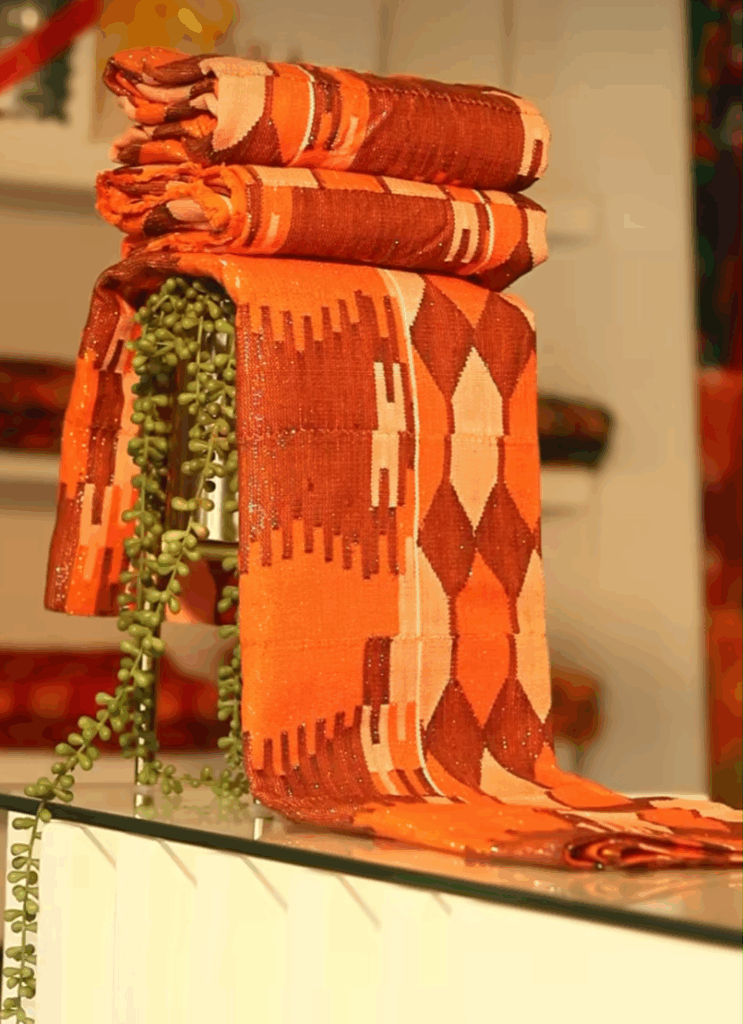
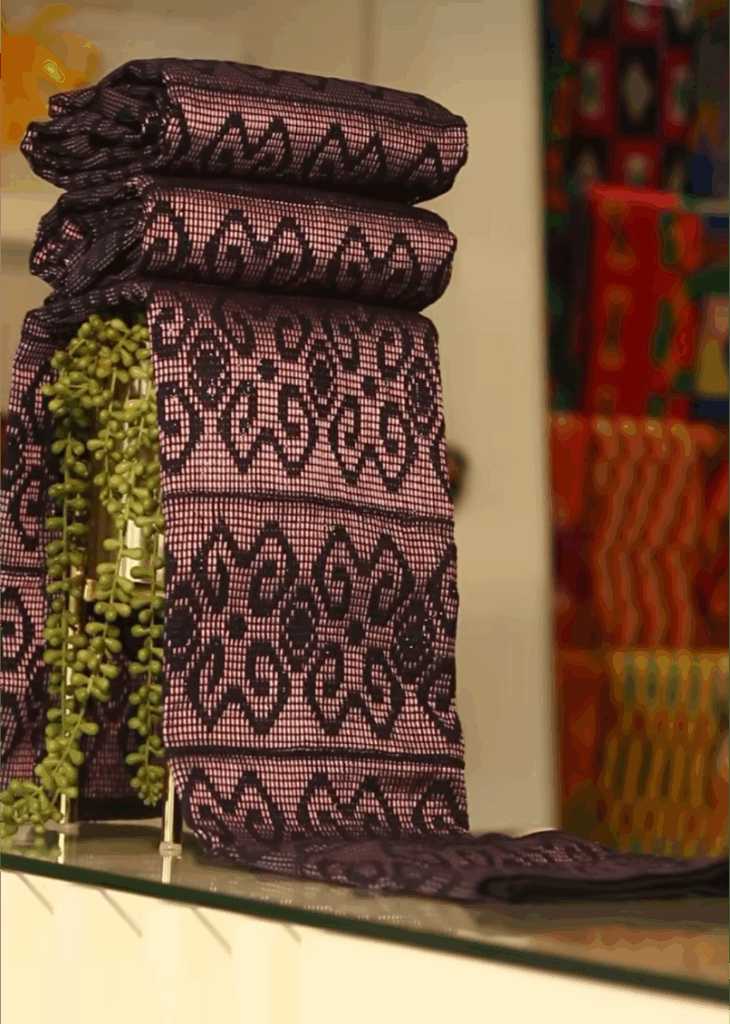
https://www.instagram.com/goba_kente?igsh=d2Vwd2E2M2VtcTZq


https://www.instagram.com/ankaralooks?igsh=MTI1NWYycmU2Njkxcw==


https://www.instagram.com/delish_bakerygh?igsh=MW5ic2c0NnR5cHBwZQ==
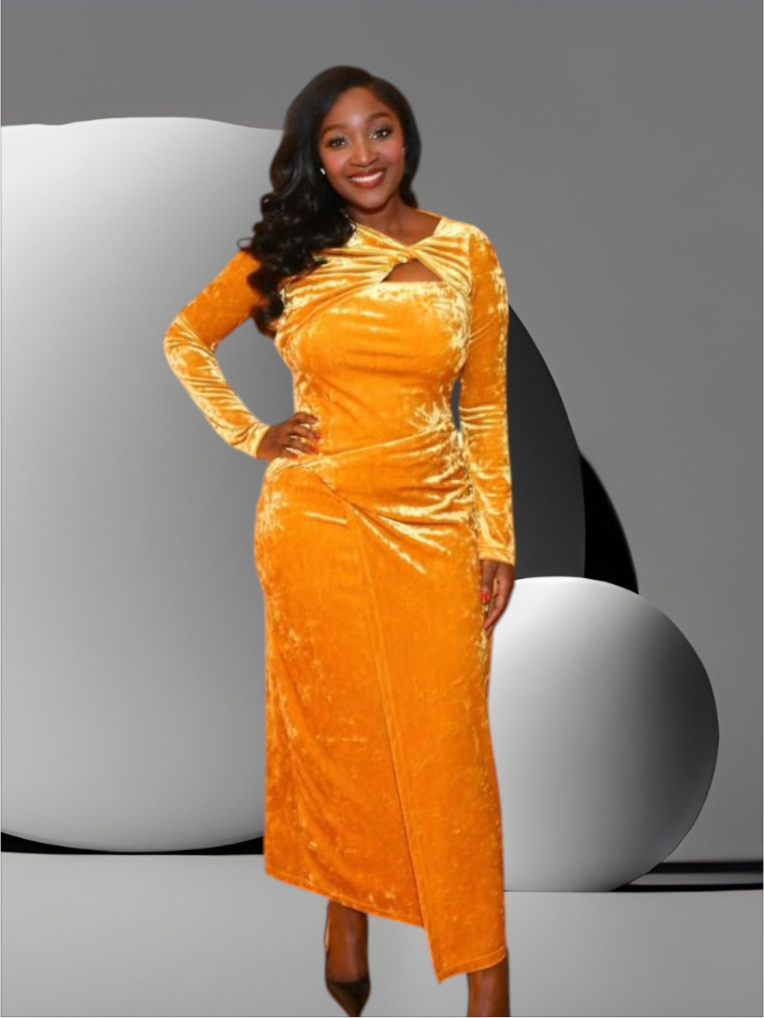

https://www.instagram.com/valerieagyeman?igsh=dHh1NTE0YnNqODY0
https://www.instagram.com/flourishheights?igsh=cTExenQ3bnptZGgx


https://www.instagram.com/tangoprimeofficial?igsh=NGRiNmE2NDJldnA4
https://www.instagram.com/florakidsgh?igsh=bXMxbHZ2Z2k1bWZx


https://www.instagram.com/_sankofanaturalspices?igsh=MXFnb3ppd3dydWN1eg==