







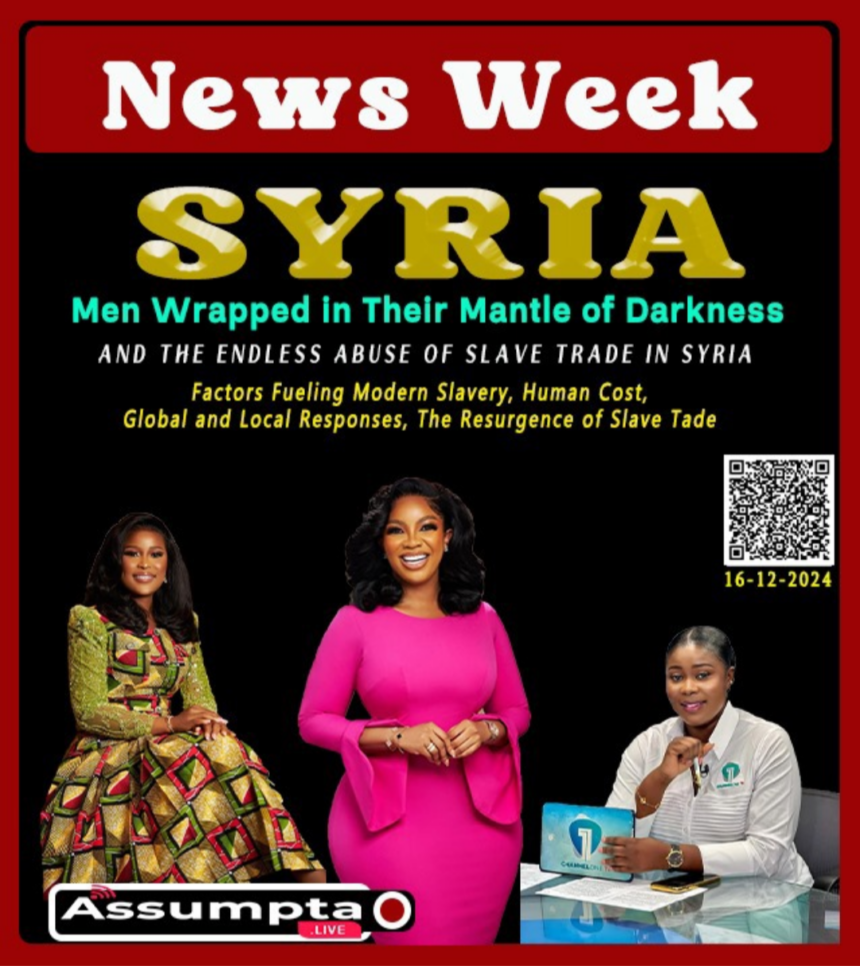
ASSUMPTA WEEKLY NEWS MAGAZINE
Special Edition: “The ONWARD” Featuring Three Outstanding Ghanaian Female Broadcast Journalists: Serwaa Amihere, Berla Mundi, and Frema Adunyame
Coming Wednesday, 16th December 2024:
Streaming live at: assumptagh.live
AFRICAN STREAM: FLASH ALERT
The ONWARD: ASSUMPTA WEEKLY NEWS – SYRIA
Article Title: Men Wrapped in Their Mantle of Darkness: Endless Abuse and Modern-Day Slavery in Syria :
Factors Fueling Modern Slavery, Human Cost, and Global & Local Responses



https://www.instagram.com/hairsenta?igsh=MXAzOThhNGZ0Nm15dQ==
Looking for the ultimate care for your hair? Hair Senta has you covered!
Transform your hair with our range of professional services and premium products tailored to suit every hair type and need. Whether you’re after sleek straightening, bold colouring, nourishing treatments, or a fresh new cut, our expert stylists deliver exceptional results every time.
Why choose Hair Senta?
Top-tier expertise: Our team is passionate and trained in the latest haircare trends.
High-quality products: We use only trusted, salon-grade brands to maintain your hair’s health and vibrancy.
Customized care: Every client receives a personalized consultation for a look that suits your style and personality.
Walk into Hair Senta and walk out with confidence! Visit us today and let your hair shine like never before. Your perfect hair day starts here!

Introduction
Men Wrapped in Their Mantle of Darkness—a haunting title for a haunting truth. This edition of The ONWARD delves into the shadows of Syria, where modern-day slavery and endless human suffering unfold against the backdrop of global apathy and geopolitical greed. Beneath the veil of power struggles, foreign interventions, and energy politics lies a devastating reality: the systematic abuse of countless innocent lives.
The Syrian crisis is not just a tale of war—it is a story of exploitation. Men, women, and children are trapped in a web of forced labor, human trafficking, and dehumanization, as local and global forces pursue profit at any cost. From shattered communities to booming underground markets, the trade in human lives has become a dark undercurrent of the conflict.
This issue seeks to illuminate the hidden atrocities, exploring the factors that fuel modern slavery, the human toll of such inhumanity, and the inadequate global responses. With insights from Serwaa Amihere, Berla Mundi, and Frema Adunyame, we confront the uncomfortable question: How did the world let this happen? And how do we begin to right such a monstrous wrong?
Prepare to step into the shadows and confront the mantle of darkness enveloping Syria—a mantle that must be lifted if justice is ever to prevail.



https://www.instagram.com/laurenhautecouture?igsh=MWxzNXN1Ym5nZ3o3Mg==
Discover Lauren Haute Couture – Where Elegance Meets Artistry
Step into the world of Lauren Haute Couture, where timeless sophistication and modern design come together to create unforgettable fashion.
Bespoke Elegance: Tailored to perfection, each piece reflects your unique style and grace.
Luxury Redefined: We use the finest fabrics, intricate details, and master craftsmanship to bring your vision to life.
Statement Pieces: From couture gowns to chic evening wear, our designs turn moments into memories.
Elevate your wardrobe with Lauren Haute Couture – the epitome of luxury and individuality. Explore our latest collection today!
. Prologue:
In a world where power and profit often outweigh principles, the stories of the voiceless are too often buried beneath headlines of conquest and control. This edition of The ONWARD sets out to challenge those narratives, shedding light on the untold realities behind global interventions and their devastating impacts.
At the heart of our focus is the Syrian crisis, a microcosm of the wider struggles for dominance in a world fueled by oil, gas, and geopolitical ambition. Through the eyes and voices of three of Ghana’s most esteemed broadcast journalists—Serwaa Amihere, Berla Mundi, and Frema Adunyame—we explore the deep currents of exploitation and inequality that drive modern conflicts.
This is more than a report; it is an inquiry into the cost of unchecked ambition and the silent suffering of millions. As we unravel the layers of propaganda, power plays, and human resilience, we ask: how many lives must be sacrificed before humanity takes precedence over profit?
Let this prologue serve as an invitation—not only to read but to reflect, question, and act. Welcome to The ONWARD, where truth meets courage.
Serwaa Amihere: Some suggest that the U.S. aiding Israel in bombing Syria and Lebanon isn’t driven by moral grounds. If this claim holds, we must consider what it signifies for U.S. foreign policy, particularly its unwavering support for Israel, often at the cost of human lives and dignity in other nations.

https://www.instagram.com/officeandcobysa?igsh=dmxucTZ2a2t1eDBn
The Gulf region, rich in oil and gas, has always been a critical focal point for U.S. and Israeli policies. While they tout ideals like democracy and freedom for the Arab world, their actions often tell a different story. They show little regard for the native populations, displacing and killing countless individuals in pursuit of profit and control.
Many argue that the U.S. and Israel’s vested interests go beyond securing democracy. Instead, they focus on exploiting the Gulf’s natural resources—oil, gas, and even potential pipeline routes. These nations appear to value land and energy profits over the human rights of Arab inhabitants.
The Syrian Crisis: A Strategic Game of Power and Resources
The situation in Syria underscores this trend. At its core, the conflict revolves around oil pipelines and economic dominance. The U.S. push for regime change is closely aligned with Israel’s regional strategy.
The narrative of removing Assad due to his alleged tyranny mirrors past interventions in the Middle East. In Libya, Muammar Gaddafi was eliminated under the guise of liberating the people, and Iraq’s Saddam Hussein was overthrown based on false claims of weapons of mass destruction. These interventions follow a pattern: dehumanize the leader, portray them as a threat, and justify external intervention.
This strategy has benefited Israel by solidifying its power in the region, while the U.S. gains control over critical energy resources. Framing Assad as an abusive dictator who mistreats his people masks the real motivations: geopolitics and economic gain.
Energy Politics and Syria’s Strategic Role
After the Nord Stream pipeline was shut down, the U.S. sought to ensure Europe’s dependence on American natural gas, thereby controlling energy markets. Syria plays a pivotal role in this energy equation due to its agreement with Iran to transport oil from Iran to Syria and distribute it across the Middle East. This arrangement would have enabled regional nations to control their resources and revenues—something the U.S. could not tolerate.
To maintain dominance, the U.S., often perceived as aligning with Israel’s interests, seeks to replace Assad with a more cooperative leader. This would reestablish U.S.-Israeli influence over the region’s energy resources and strategic affairs.
Humanitarian Consequences of Intervention
The broader implications are devastating. Arab nations are bombarded, leaving millions displaced and forced to flee their lands. Many seek refuge in Europe, raising questions about the fundamental rights of people to live peacefully in their own countries.
Key Question: Do inhabitants of the Middle East have any rights to their land, or must they migrate to Europe or America before being recognized as human beings with the right to live in peace?
This issue is not just about Syria but reflects a wider disregard for humanity in the pursuit of profit and power.
Stay tuned for more insights on The ONWARD this Wednesday, 16th December 2024.
Serwaa Amihere (Interviewer): Good morning, ladies and gentlemen. Welcome to this special edition of The ONWARD brought to you by Assumpta Weekly News Magazine. Tonight, we delve into the harrowing realities behind the Syrian crisis, global power plays, and their devastating human costs. Joining me are two of Ghana’s most brilliant minds in broadcast journalism, Berla Mundi and Frema Adunyame. Welcome, ladies.


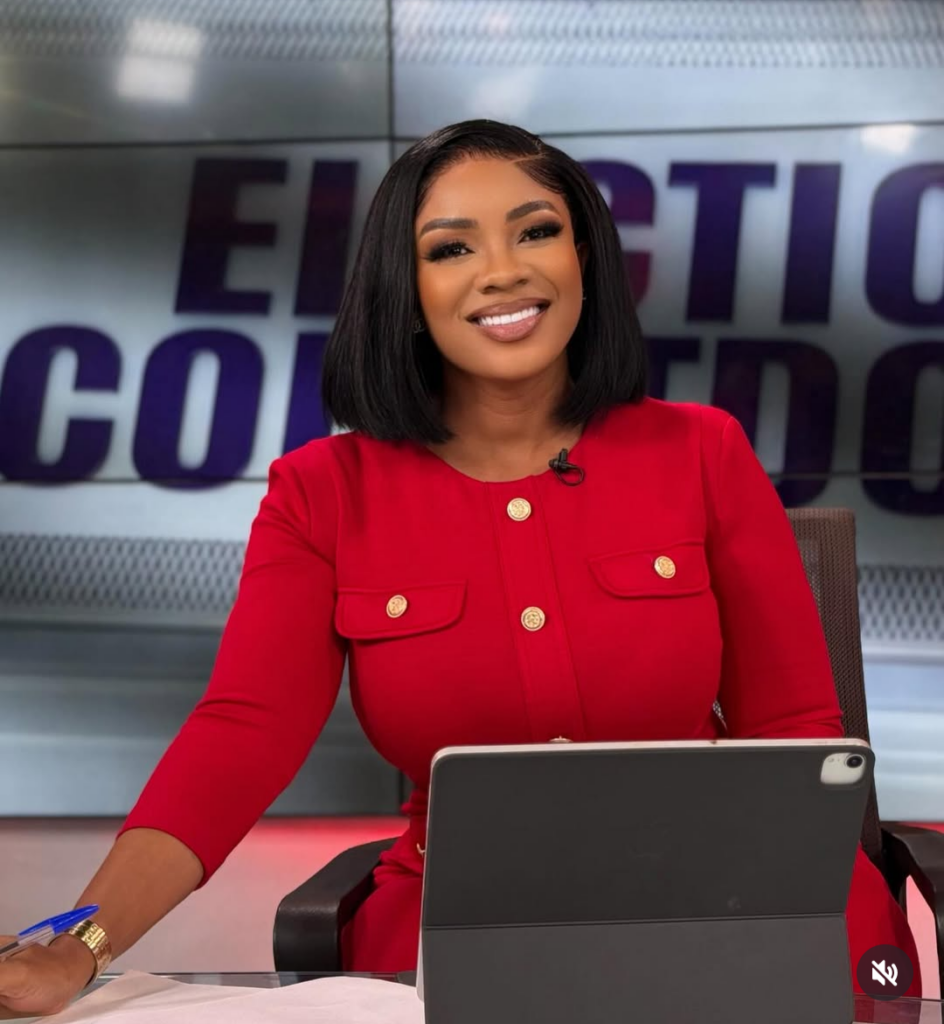
Berla Mundi:Thank you, Serwaa. It’s a privilege to be here to discuss such an urgent and often misunderstood issue.
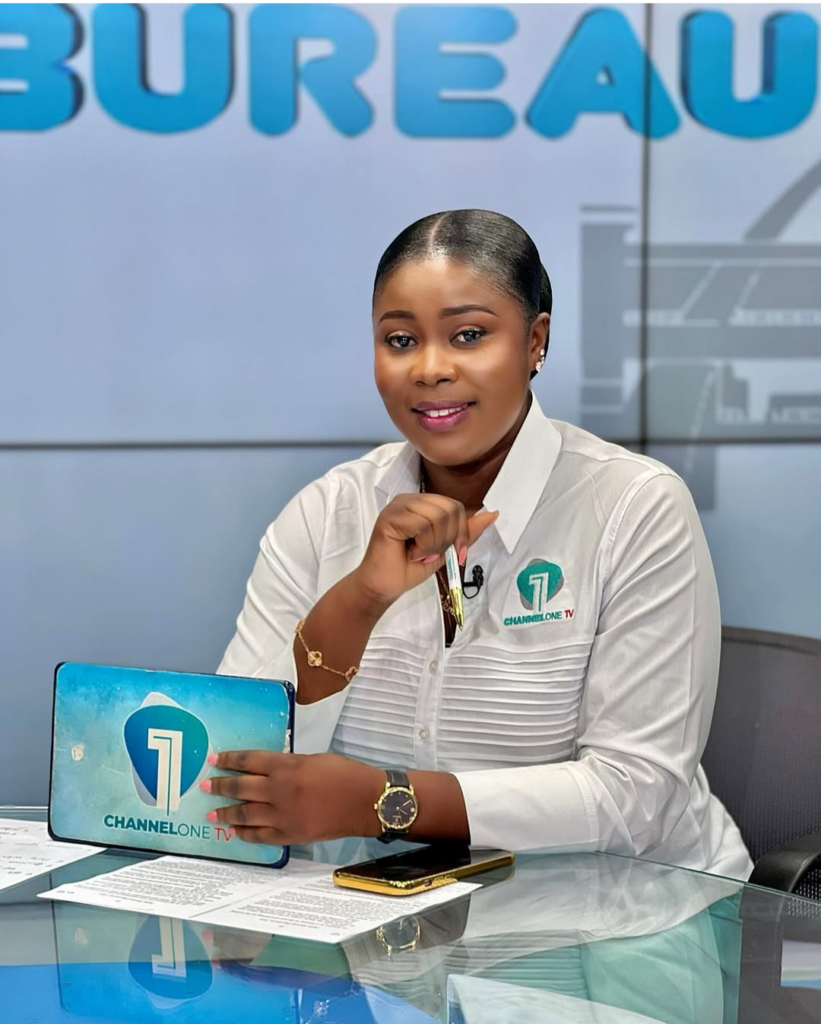
Frema Adunyame: I agree. These are topics that require global attention, and it’s high time we dissect them from a perspective that considers the overlooked human cost.

Serwaa Amihere: Let’s get straight to it. The Syrian crisis has often been painted as a fight for democracy or freedom, but many argue it’s more sinister—oil, pipelines, and unchecked global greed. Berla, let me start with you. Do you think these narratives of “rescuing oppressed nations” hold any truth?
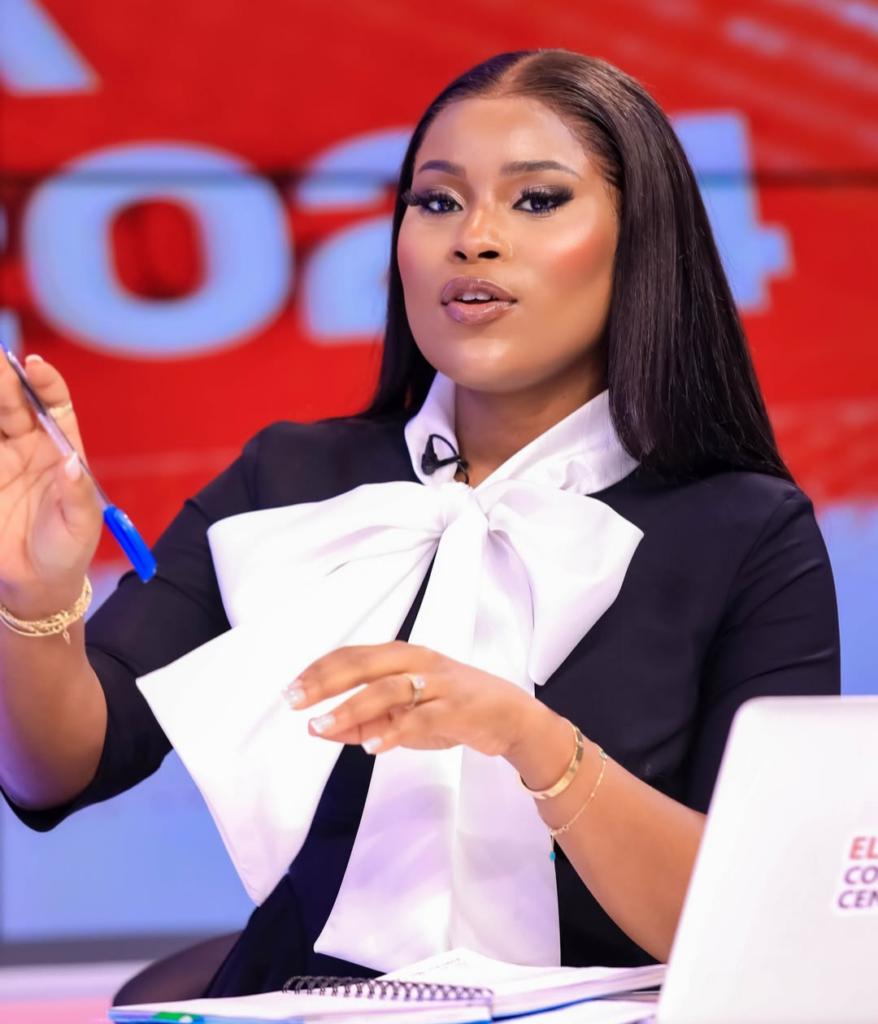
Berla Mundi:(Slightly leans forward, her tone sharp and deliberate.) Serwaa, the truth is far uglier than the polished speeches we hear from powerful nations. These so-called interventions are rarely about freedom. Look at the Middle East. Time and again, countries like the U.S. and their allies have claimed to liberate oppressed populations—remember Iraq, Libya, and now Syria. But what has truly changed? Nothing. The bloodshed continues, and millions are displaced, while the invaders secure their oil and gas pipelines.
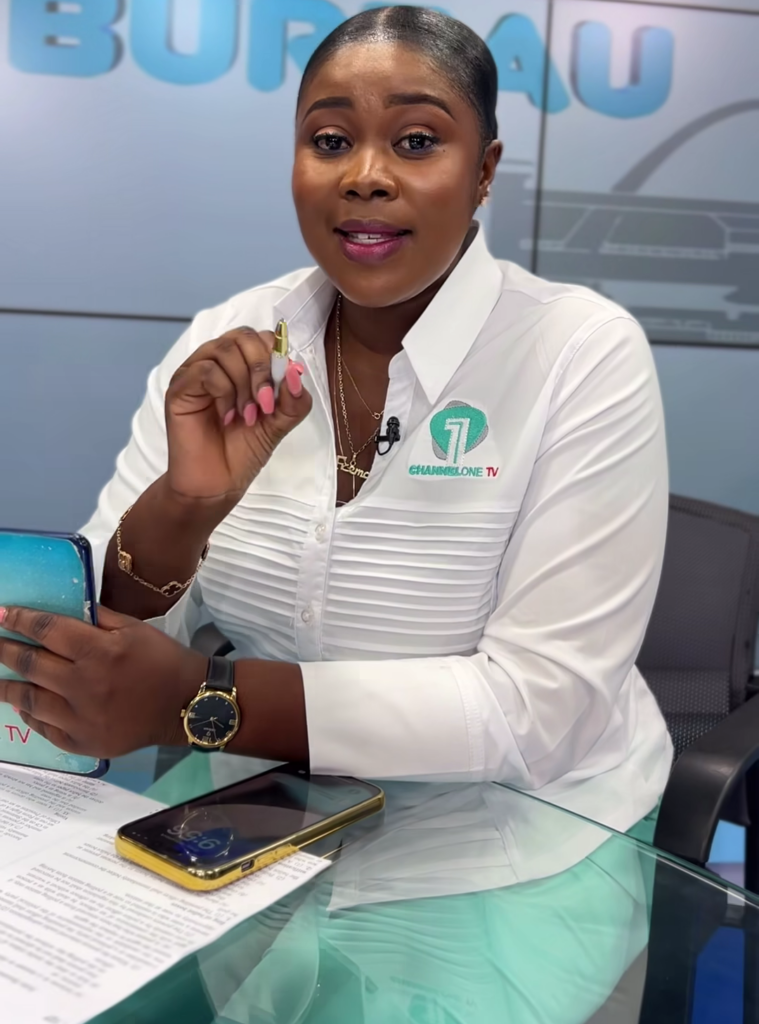
Frema Adunyame: (Jumping in with intensity.) Exactly, Berla. Take Libya as an example. They framed Gaddafi as a monster, but after his death, Libya plunged into chaos. Syria is no different. The narrative of removing Assad because he’s a dictator is carefully designed to win public sympathy while hiding the real motives—control over resources.
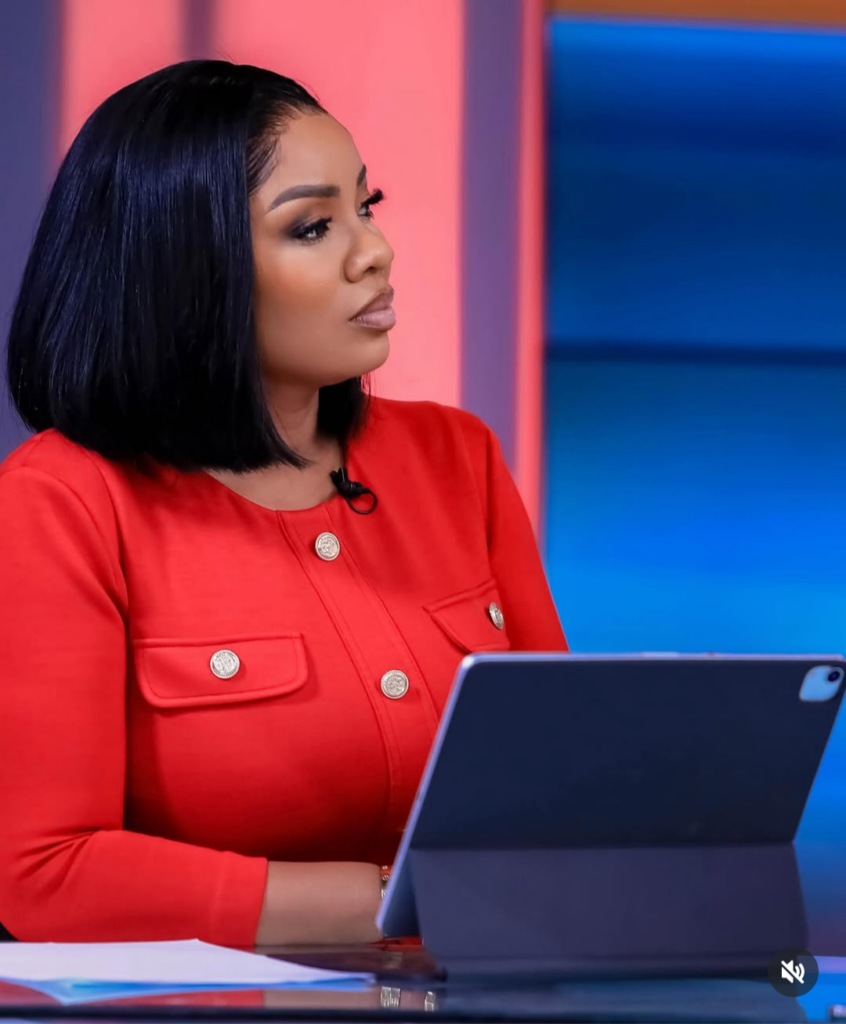
Serwaa Amihere: (Interrupting slightly, her voice rising with suspense.) And those motives—energy politics, oil pipelines—how deep do they go? Frema, is it just about money, or is there more at play here?
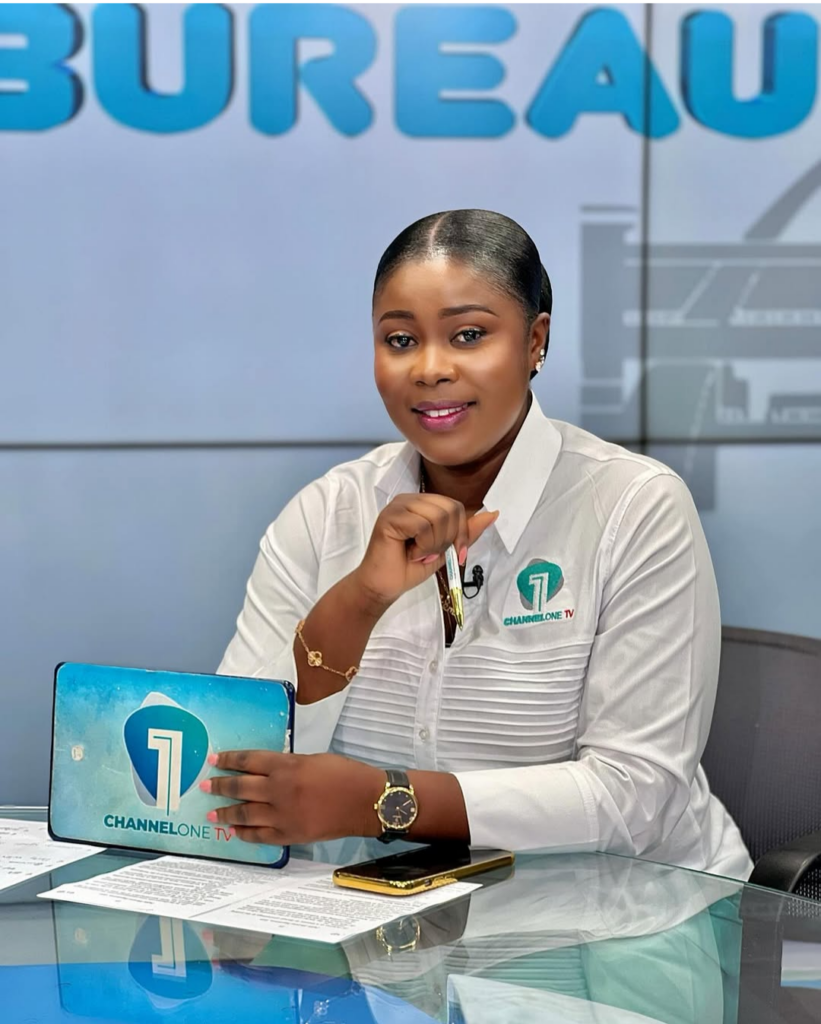
Frema Adunyame: (Lowers her voice, creating tension.)
It’s about power, Serwaa. Controlling energy flows means controlling nations. After the Nord Stream pipeline was halted, Europe became vulnerable. The U.S. moved quickly to the battlefield where these power struggles play out, but the victims? The innocent men, position themselves as Europe’s saviour, supplying gas while sidelining Russian interests. Syria is women, and children were bombarded out of their homes.
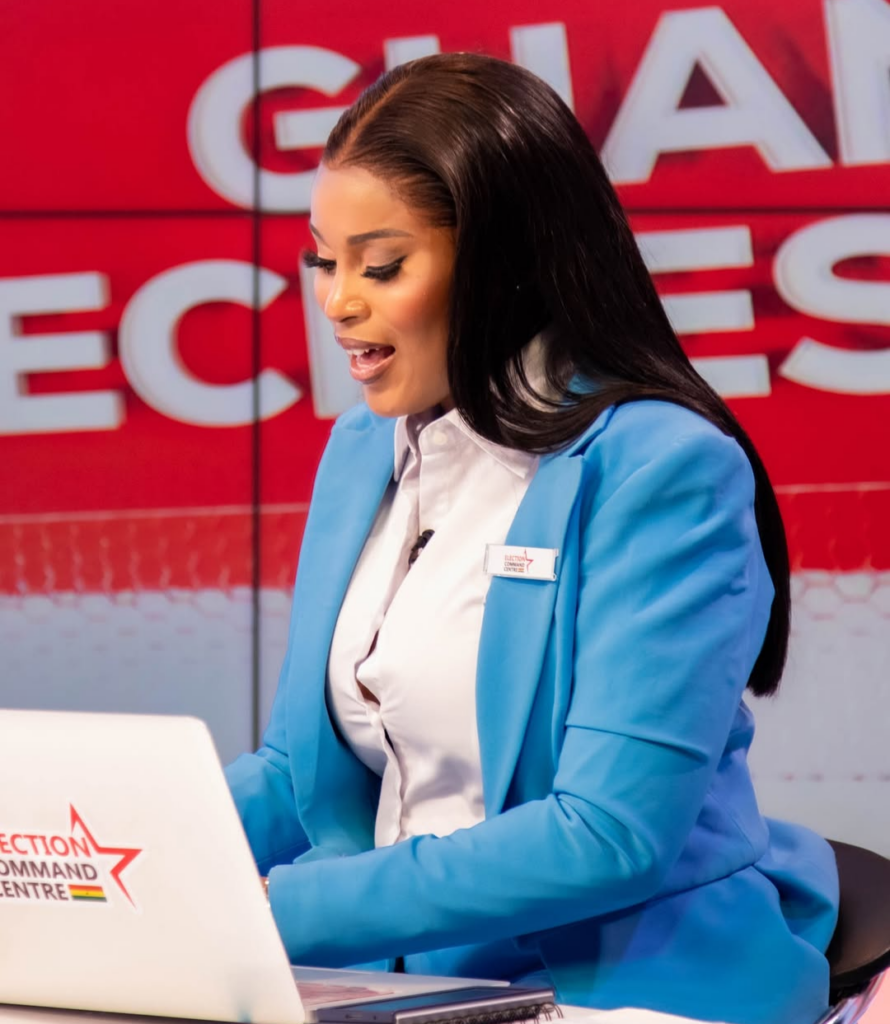
Berla Mundi: (Looking grim.) And let’s not forget the human toll. The displacement of millions, the resurgence of modern-day slavery in conflict zones like Syria—it’s horrifying. These people have been stripped of their homes, their identities, and even their dignity, all for geopolitical games.

Serwaa Amihere: (Leaning in, her voice now tinged with outrage.) But here’s the critical question—why isn’t the world demanding answers? Why do we watch as these powerful nations crush the Arab world and push millions into refugee camps or worse—modern slavery?

Berla Mundi: (Responds passionately.) Because the world has been fed a convenient lie, Serwaa, we’re told that these wars are necessary for peace and democracy. But who benefits? Certainly not the people of Syria.
Frema Adunyame : (With a cutting tone.) This is why we must keep asking uncomfortable questions. Are human lives worth less in oil-rich regions? Does the West’s frontier spirit justify endless bloodshed? The international community’s silence is deafening, and it shows a failure of humanity.
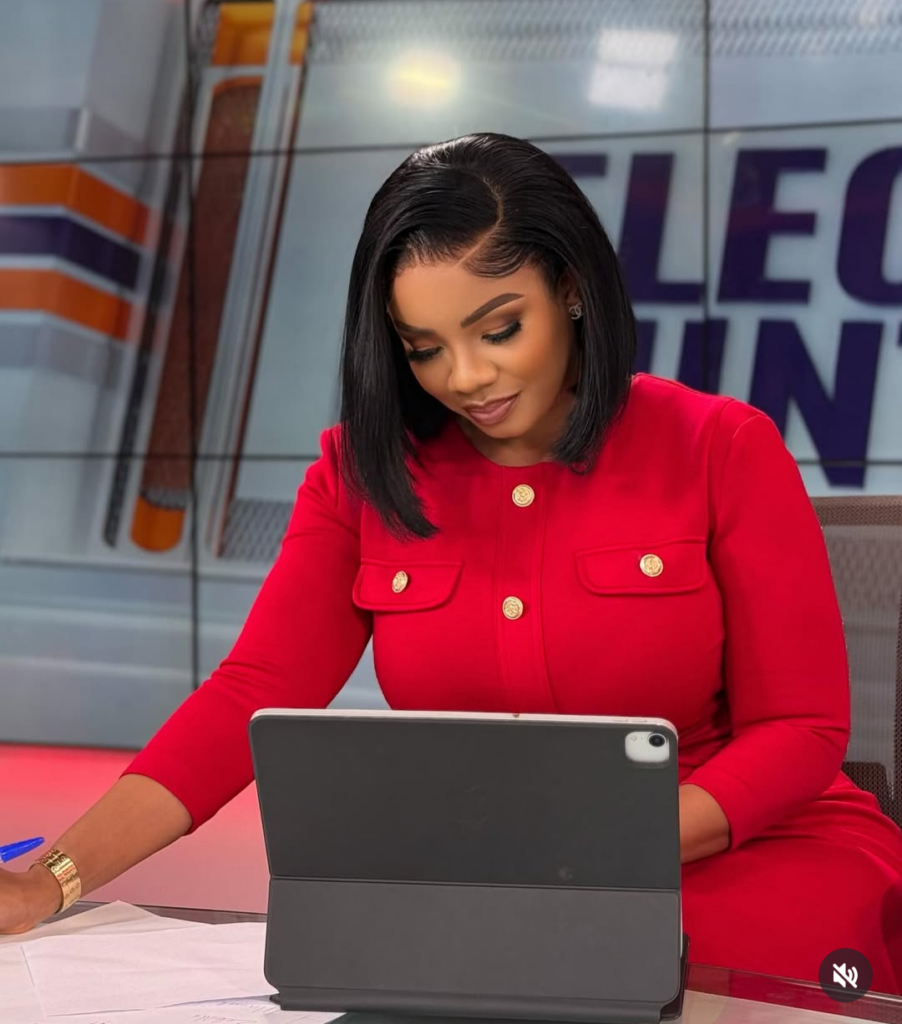
Serwaa Amihere: (Leaning back, her voice steady but firm.) This has been a sobering conversation, ladies. The Syrian crisis is not just about Assad, pipelines, or energy—it’s a tragic example of how greed and power overshadow human rights. Thank you, Berla and Frema, for shedding light on these dark truths.
Berla Mundi: Thank you, Serwaa. These are stories that must be told, no matter how difficult.
Frema Adunyame: Absolutely. The world needs to wake up to the cost of these so-called interventions.

Serwaa Amihere: My last question is about the Monroe Doctrine. My interpretation of this doctrine—and its legacy—is that it reflects a continuous thread in American history: a desire to build an ideal country for a specific group of people, primarily Anglo-Saxon whites who have long dominated American leadership. They’ve sought to break with the “racist old world” they claim to reject but have simultaneously recreated in their actions.
From taking land from Native Americans, marginalising citizens of Latin descent, and oppressing Black communities, it seems the same pattern is repeating in their foreign policies. Now, with Syria, it looks like the U.S. is attempting to secure oil and gas-rich lands to build another “ideal” for themselves at the expense of others. What are your thoughts on this, ladies?
Berla Mundi: (Speaking after a brief pause, her tone cautious but firm.) Serwaa, the Monroe Doctrine was originally about keeping European powers out of the Americas, but over time, it morphed into a justification for American expansionism—and some might say exploitation. The idea of creating an ideal, resource-rich “home” for one group of people, at the expense of others, is deeply ingrained in this mindset. Look at how Native Americans were forcibly removed, their lands taken, and how slavery and systemic oppression shaped Black lives. The same entitlement seems to underlie their actions abroad, especially in the Middle East.
Frema Adunyame: (Adding in with a pointed tone.)You’re right, Serwaa. The Monroe Doctrine might have started as a policy to protect their hemisphere, but it has evolved into a justification for controlling other regions. Syria is just the latest example. This pursuit of dominance, disguised as bringing democracy, often leaves destruction. The people in Syria are now paying the price for America’s thirst for power and resources.
Berla Mundi: (To build on Frema’s point.) And it’s not just about oil and gas. It’s about reinforcing control—whether economic, political, or cultural. Historically, the U.S. has been willing to destabilize entire regions if it serves their interests. Syria is strategic not just for its resources but as a geopolitical pivot. What we’re seeing is not new; it’s a continuation of that entitlement rooted in doctrines like Monroe’s.
Frema Adunyame: (Firmly, her tone rising.) Let’s not forget the human cost. These actions aren’t abstract policies—they’re decisions that uproot families, destroy nations, and perpetuate cycles of war and poverty. All for what? To fulfil the ambitions of a few at the expense of many. It’s a tragic extension of history repeating itself.
Serwaa Amihere: (Looking contemplative, her voice steady.) So, you’re saying that the Monroe Doctrine, as it’s interpreted today, is less about protecting American ideals and more about imposing them—often violently—on others for the sake of dominance and resources?
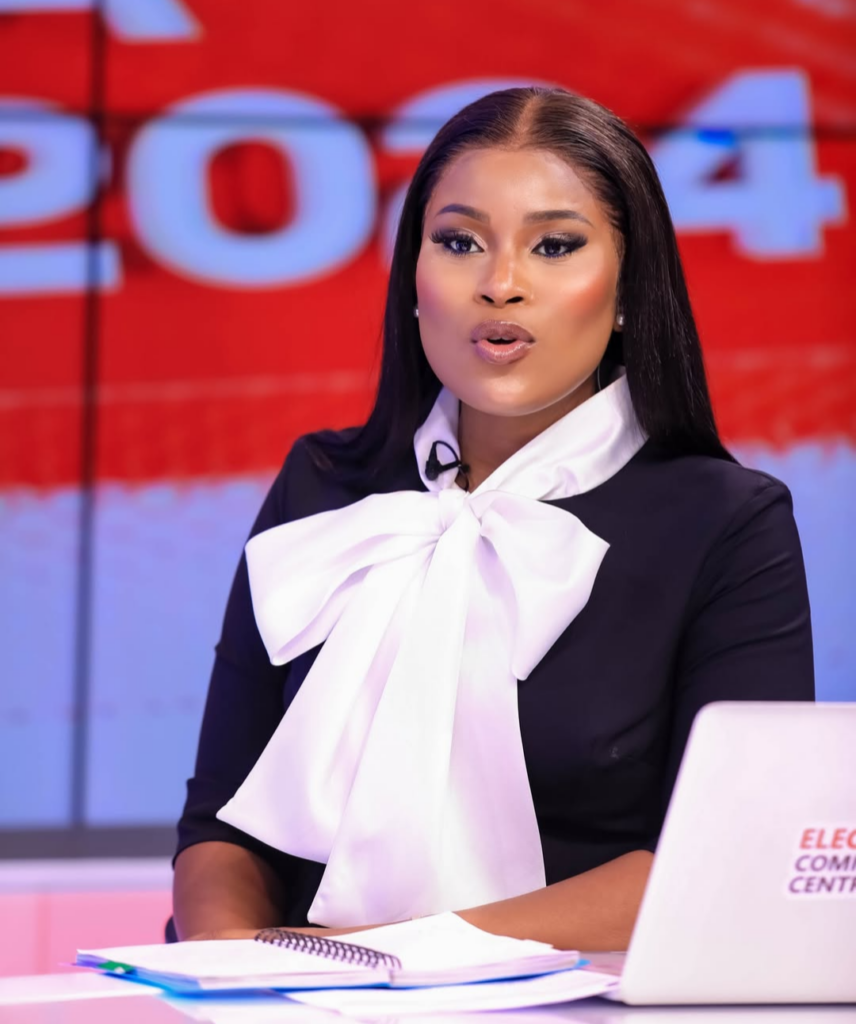
Berla Mundi: (With conviction.) Exactly. It’s about claiming spaces and resources for themselves, regardless of who pays the price. This pattern—whether through internal oppression or foreign intervention—has always been about power and profit, not freedom or democracy.
Frema Adunyame: (Looking straight into the camera.)And Syria is just one chapter in this ongoing story. Until the world holds nations like the U.S. accountable for their actions, the cycle will continue. The question is: how many more lives will be lost before this changes?
Serwaa Amihere: (Turning back to the audience, her tone sombre but resolute.)<