






Assumpta Weekly News Magazine
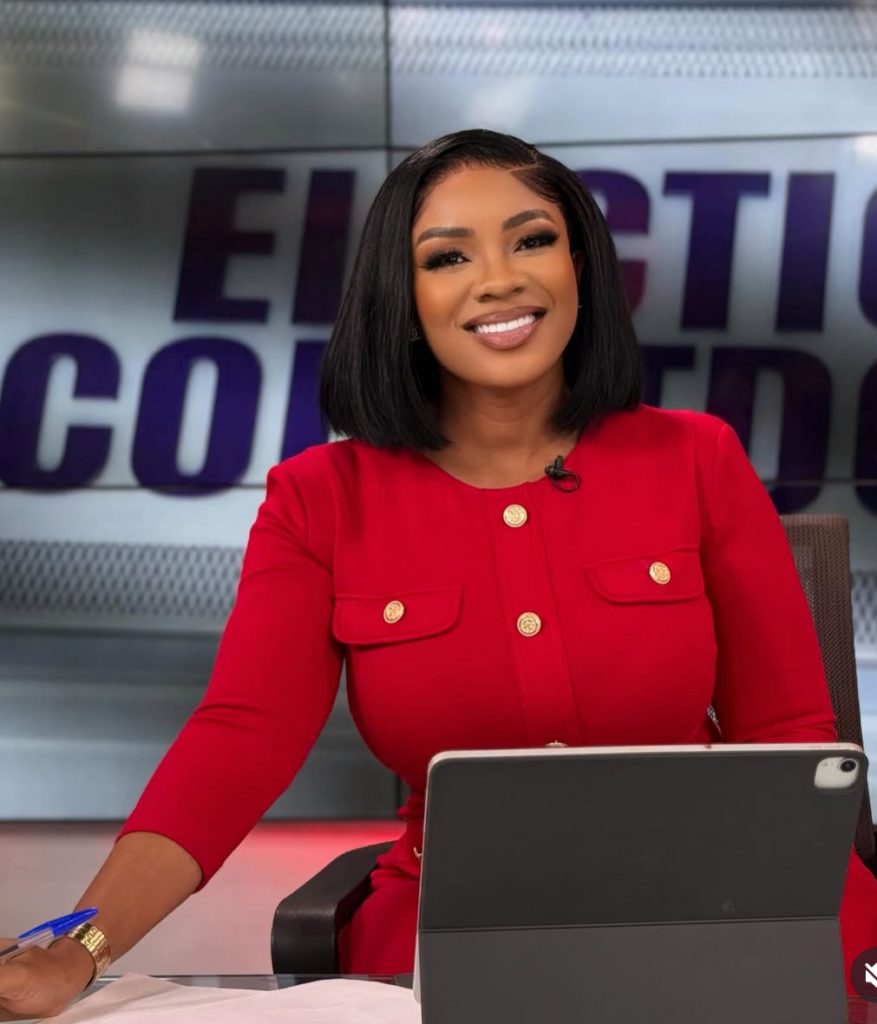
Presents: “ONWARD” Featuring: Three Outstanding Female Ghanaian Broadcast Journalists: Berla Mundi, Frema Adunyame, and Serwaa Amihere/Special Edition Launching: Monday, 9th December 2024.
Visit assumptagh.live/
African Stream: ONWARD News Brief: Weekly News Update

Transform Your Look This Festive Season with Hair Senta!
🎉 Holiday Special: December 5th – December 31st 🎉
Step into the new year with a fresh, fabulous hairstyle! At Hair Senta, we’ve got exclusive offers just for you this festive season:
✨ Hair Treatments – Restore and revitalize your hair with nourishing treatments.
✨ Color Perfection – Embrace a bold new look or subtle highlights.
✨ Styling & Cuts – From trendy to timeless, our experts will craft the perfect style for you.
✨ Special Packages – Bundled services at unbeatable prices.
🌟 Why Choose Hair Senta?
Professional stylists with a passion for hair. Premium products to keep your hair healthy. A welcoming and luxurious environment.
Book Your Appointment Today! Spaces are filling fast. Call us at [Your Contact Number] or visit [Your Website].
Let Hair Senta bring out your best holiday glow!
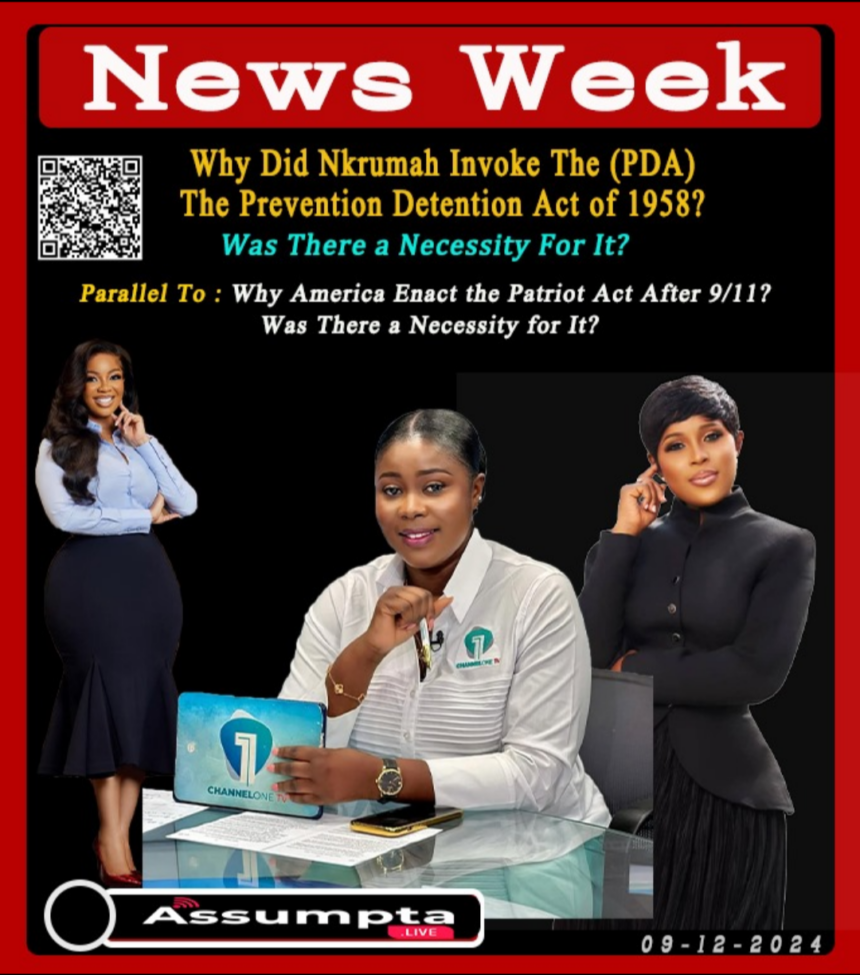
Article Title: Why Did Nkrumah Invoke the Preventive Detention Act of 1958?
: Was There a Necessity for It?
Parallel To: Why Did America Enact the Patriot Act After 9/11? Was There a Necessity for It?
Kwame Nkrumah’s Preventive Detention Act (PDA) of 1958 and the United States Patriot Act, introduced after the 9/11 attacks, represent two critical moments in history where leaders prioritized national security over civil liberties. Both measures sparked enduring debates about their necessity, fairness, and implications for governance.
1. Context and Motivation
Nkrumah’s PDA: Enacted in a newly independent Ghana, the PDA allowed the government to detain individuals without trial. This controversial law responded to violent political instability, including assassination attempts and the Kulungugu bombing, which targeted schoolchildren and innocent civilians.
The Patriot Act: Following the 9/11 attacks, the United States faced an unprecedented terrorist threat. The Patriot Act expanded government surveillance powers to prevent future attacks, ensuring national security during a period of heightened vulnerability.
2. Necessity and Justification: Both measures were justified as vital to national security.
Nkrumah’s PDA was presented as necessary for protecting Ghana’s fragile sovereignty from internal and external threats.
The Patriot Act was framed as a tool to counter global terrorism and prevent further destruction. However, critics argued that these laws often infringed on civil liberties:
The PDA was accused of suppressing political opposition rather than focusing solely on security threats.
The Patriot Act faced backlash for enabling mass surveillance and targeting minority communities.
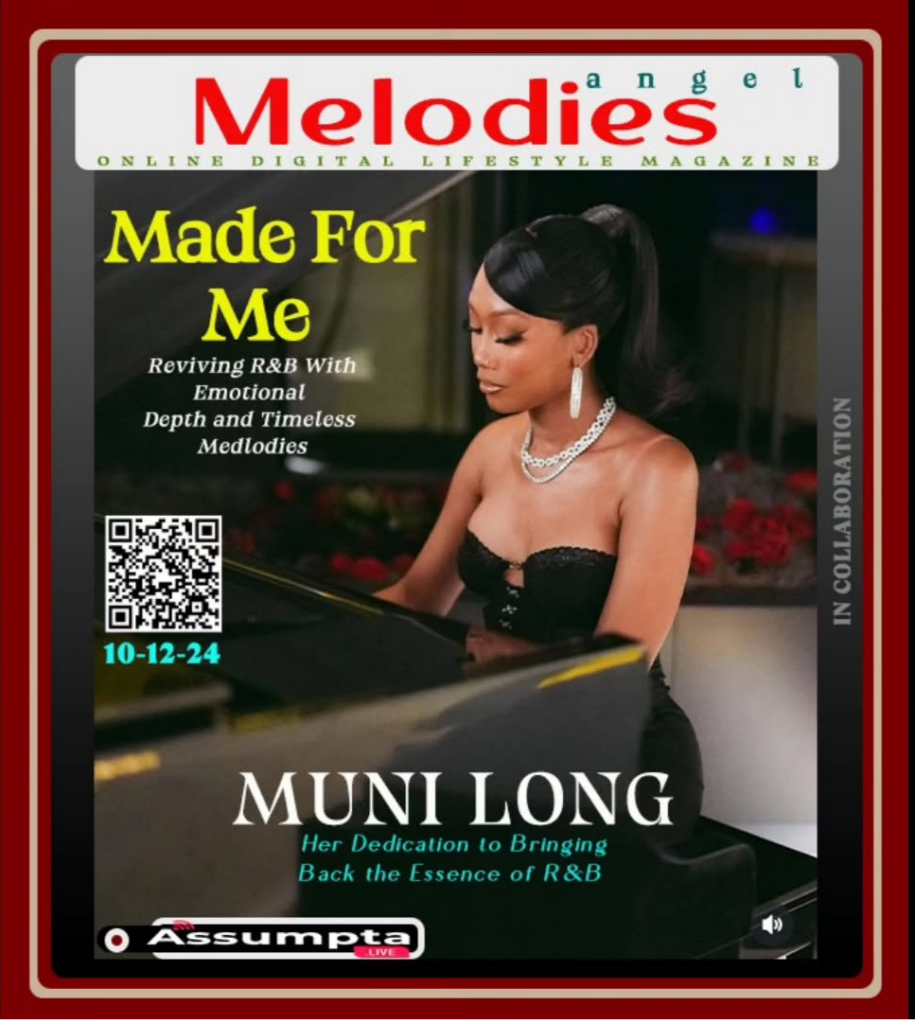
Coming Soon: December 10, 2024!
Assumpta Magazine proudly presents Melodies in “Made For Me” – Reviving R&B with emotional depth and timeless music.
Featuring a special collaboration with Muni Long.
Don’t miss this exclusive story on the future of soulful R&B!
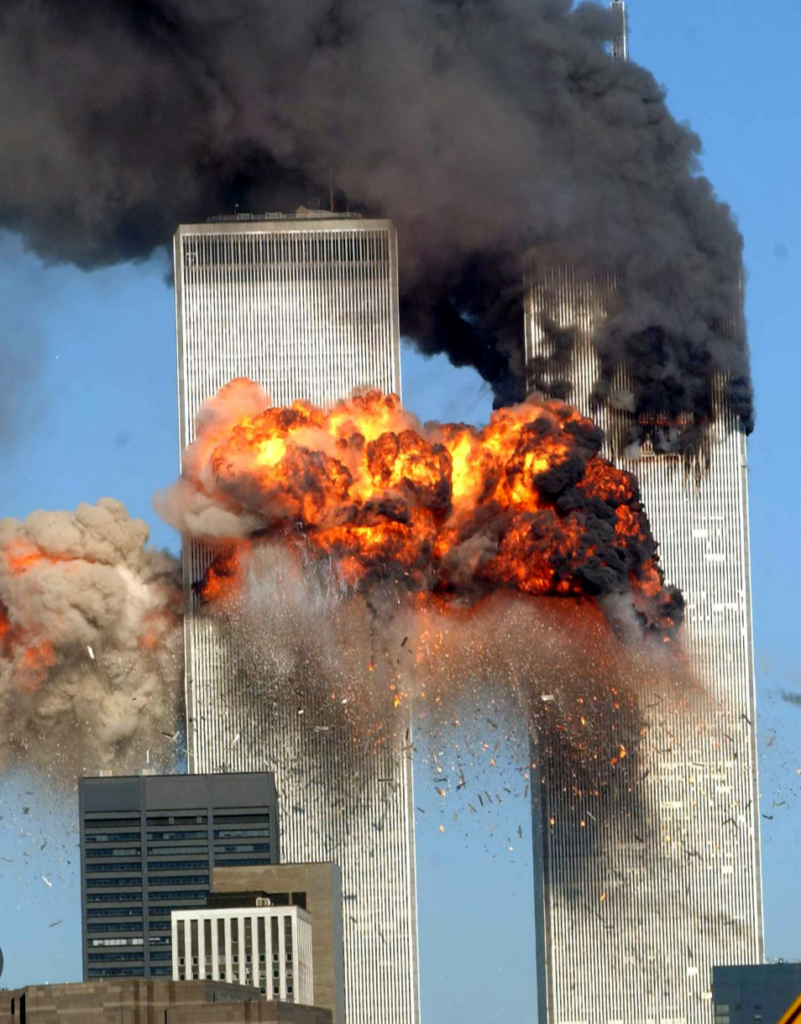
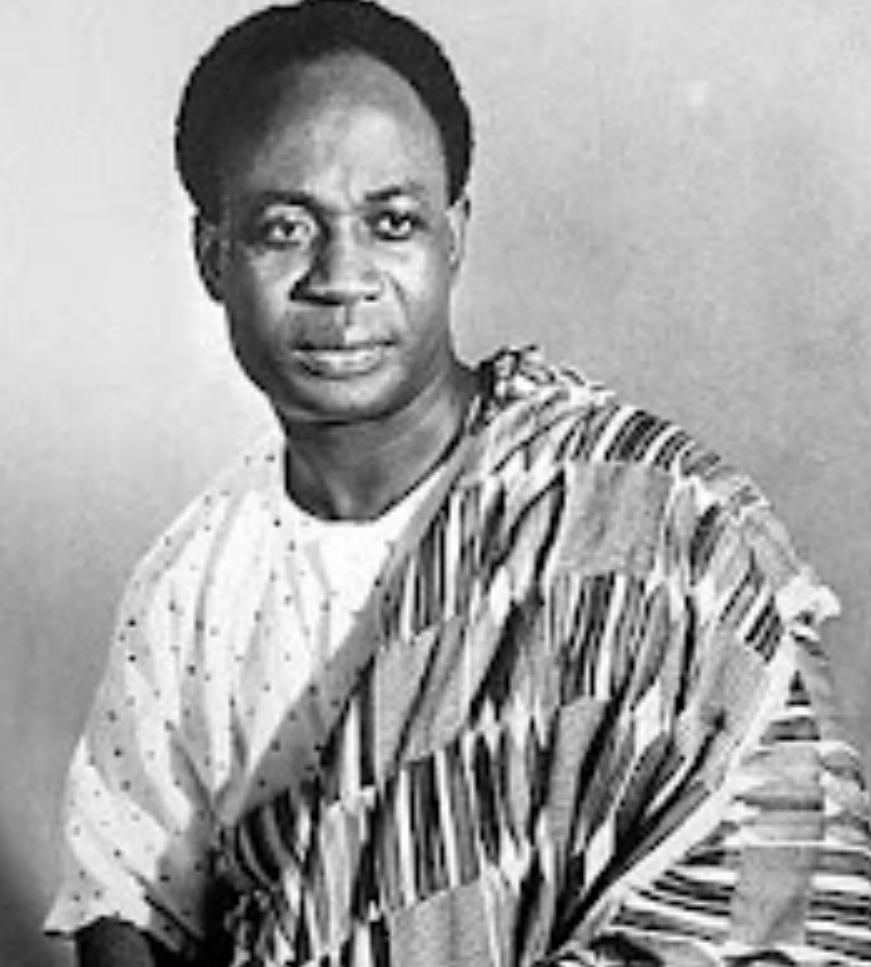
3. Balancing Security and Freedom: In both instances, leaders faced the challenge of balancing national security with protecting individual freedoms.
Nkrumah and U.S. leaders acted under immense pressure to safeguard their nations, making decisions that prioritized collective security over personal liberties. These decisions highlighted the universal tension between ensuring stability and maintaining democratic principles.
4. Historical Perspective: Over time, both measures have been reevaluated:
Nkrumah’s PDA is often criticized as a tool of authoritarianism, despite its initial justification as a security measure.
The Patriot Act continues to be controversial for its role in expanding government overreach and diminishing privacy rights.
Conclusion: Examining the parallels between the Preventive Detention Act and the Patriot Act offers valuable insights into leadership during crises. Both Nkrumah and U.S. leaders faced threats that demanded decisive action, but their choices remain a subject of enduring debate.
This exploration encourages us to critically reflect on the delicate balance between national security and civil liberties, emphasizing the complexities of leadership in times of turmoil. By understanding these historical contexts, we can better appreciate the difficult choices leaders must make to protect their nations.
Introduction
Not that Kwame Nkrumah was a dictator as described by his critics. His leadership was a response to extraordinary challenges that demanded decisive action. Just like the United States invoked the Patriot Act after 9/11, recognizing the importance of human rights, safety, and the protection of sovereignty, Nkrumah’s Ghana faced similar threats to its stability and survival.
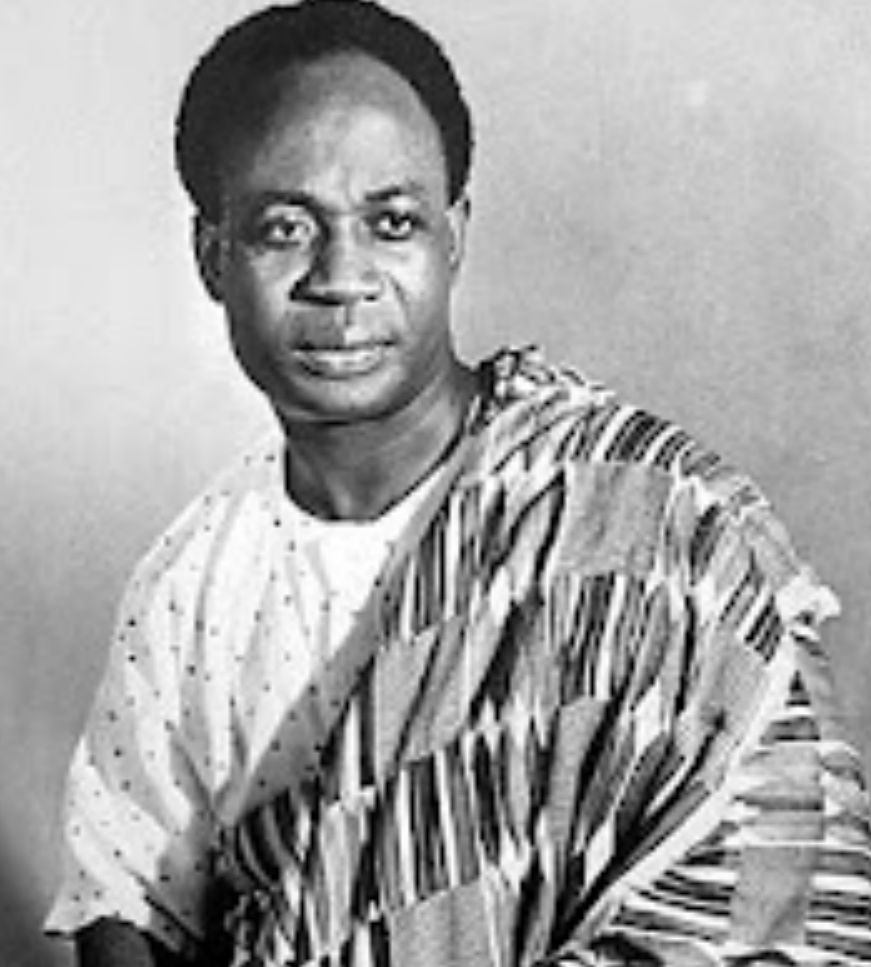
However, unlike the U.S., where national unity was strengthened after the attacks, forces within and outside Ghana organized themselves to overthrow selfless African leaders like Nkrumah. They saw his vision for a liberated and unified Africa as a threat to their interests.
Nkrumah’s life was under constant threat, with bombings like the one at Kulungugu injuring schoolchildren, killing civilians, and shaking the nation. The destabilizing attempts weren’t just aimed at him personally but at undermining Ghana’s sovereignty and the broader Pan-African dream.
In this context, the Preventive Detention Act of 1958 was born—not as a tool for dictatorship, but as a means of safeguarding Ghana from forces determined to derail its progress. This article draws parallels between Nkrumah’s measures and the Patriot Act, exploring their necessity, controversies, and the enduring debate over balancing security and freedom.
Dialogue With The Three Outstanding Female Ghanaian Broadcast Journalists: Berla Mundi, Frema Adunyame, and Serwaa Amihere.

Serwaa and Amihere:
“Good morning ladies. It’s always a privilege to sit down with two of the most brilliant minds in Ghanaian broadcasting—Frema Adunyame and Berla Mundi. Today, we’re diving deep into a critical discussion about history, leadership, and the price of vision. Shall we?”


Frema Adunyame : “Good evening, Serwaa. It’s great to be here. You’ve set the stage perfectly. This is a conversation we’ve needed to have for a long time—one that goes beyond the surface and addresses the heart of our history.”
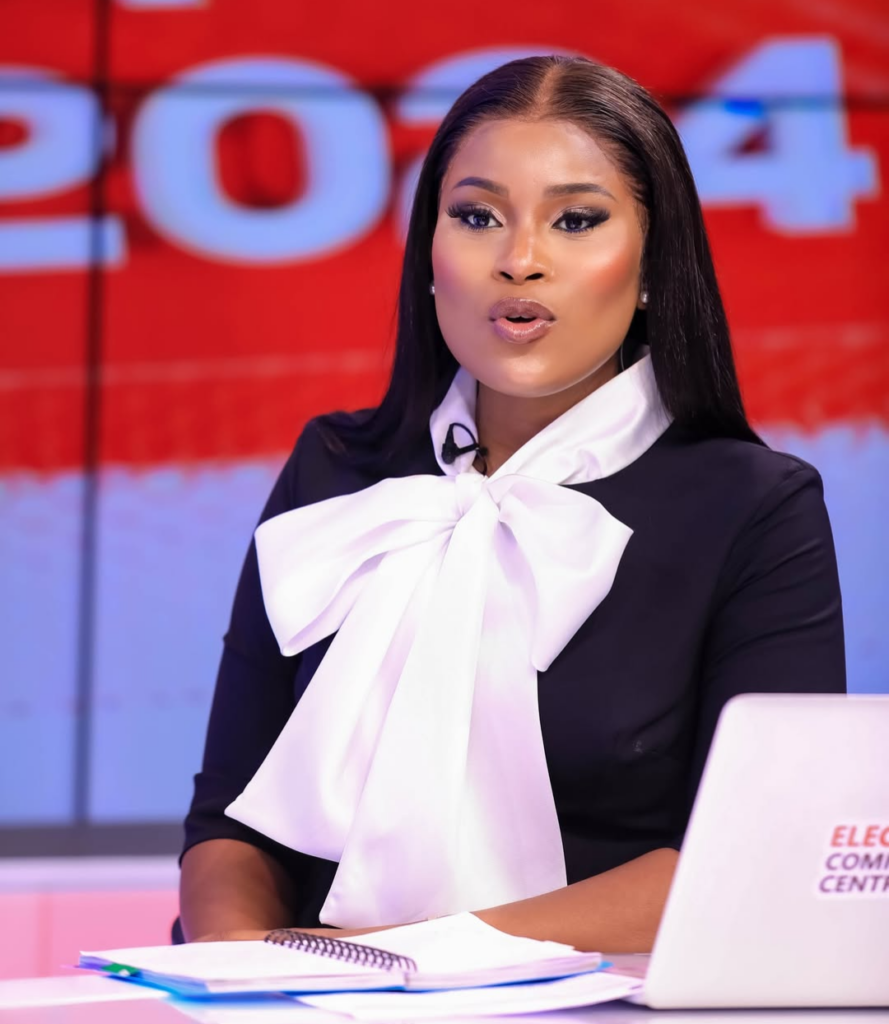
Berla Mundi : “Frema. These are the conversations that matter, the ones that challenge us to think critically about our past and how it shapes our present. Thank you, Serwaa, for bringing us together for this.”
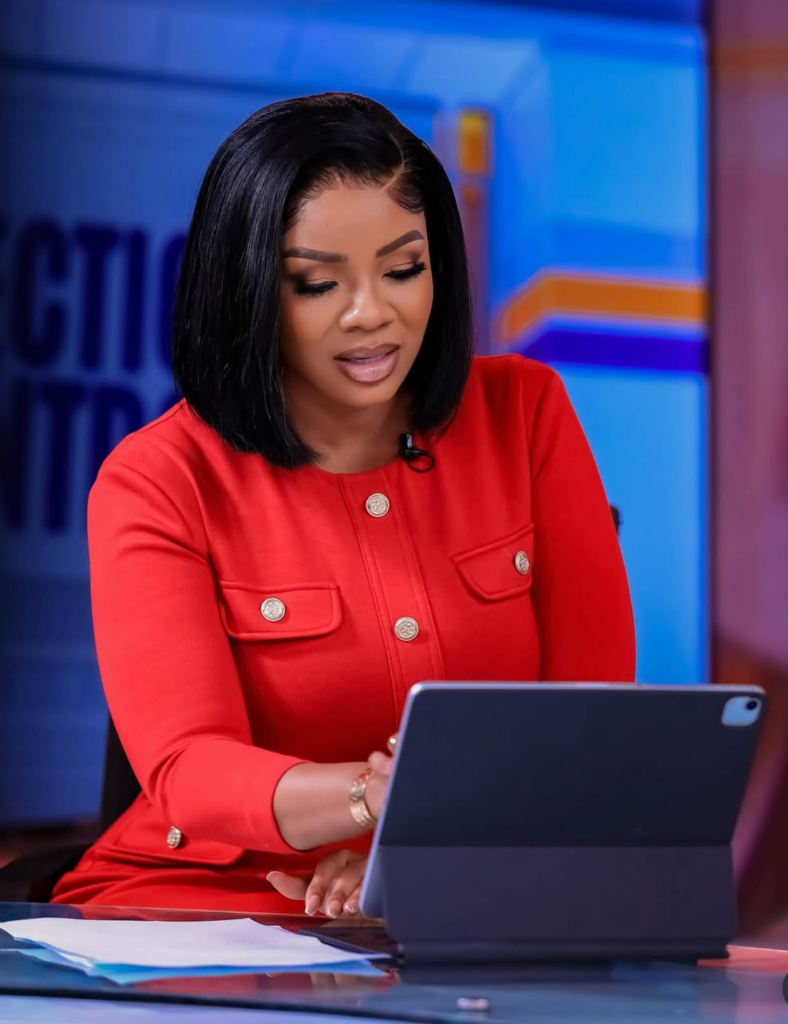
Serwaa Amihere : “Now, let’s get into it. First, I want to make this clear—Kwame Nkrumah wasn’t the dictator critics often describe. His leadership was born out of necessity, not tyranny. Just as the United States invoked the Patriot Act after 9/11 to secure their nation, Nkrumah implemented the Preventive Detention Act (PDA) in 1958 to protect Ghana’s sovereignty and survival.
The difference? In America, they united to protect their country. Here in Ghana, forces both internal and external plotted against Nkrumah and the vision of a liberated Africa.”
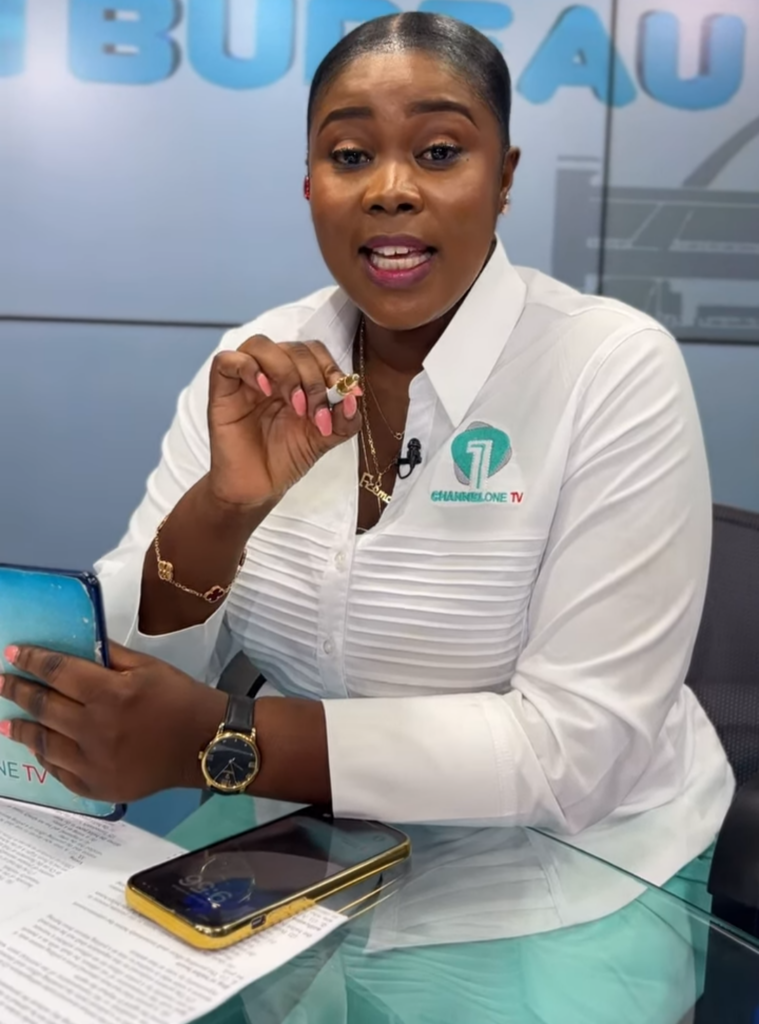
Frema Adunyame: That’s exactly the point, Serwaa. Nkrumah wasn’t just fighting political opponents—he was fighting for the survival of a newly independent Ghana. Let’s not forget the Kulungugu bombing. Schoolchildren were targeted. Innocent lives were lost. Nkrumah’s life was under constant threat. How do you govern a nation when your very existence is at risk? People call him authoritarian, but do they consider the chaos he was trying to contain?”
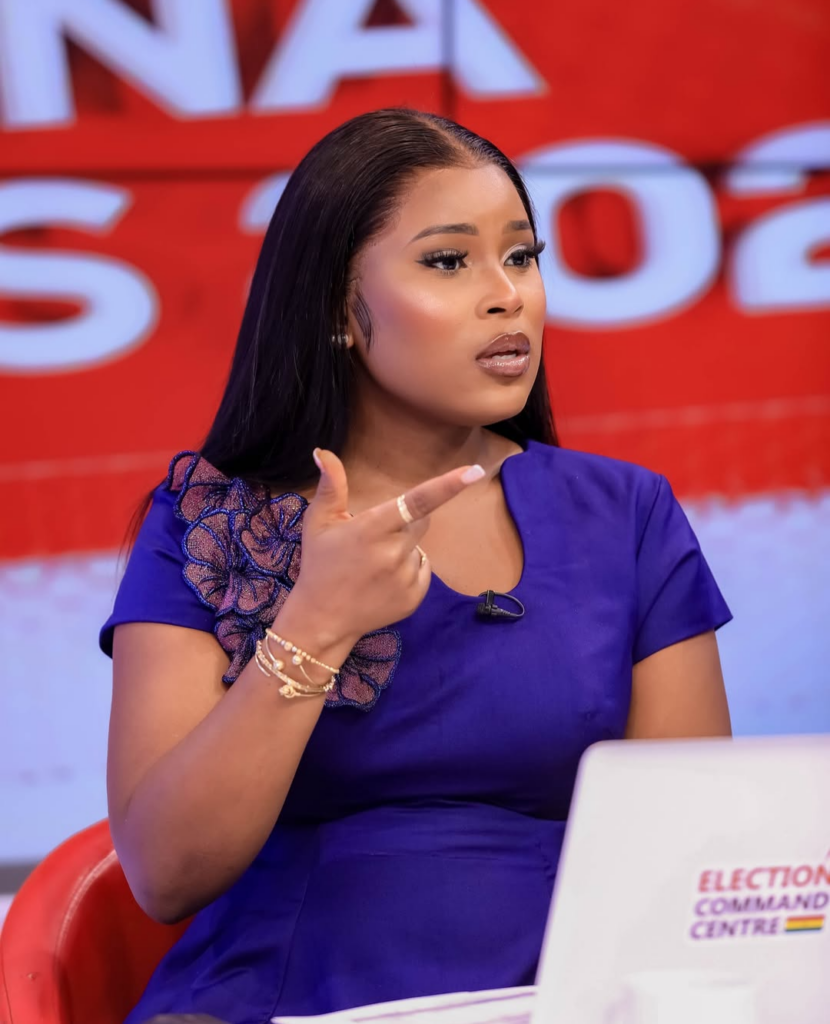
Berla Mundi: “Frema, the hypocrisy is glaring. When America enacted the Patriot Act, it was hailed as a necessary step to protect national security. Yet, when Nkrumah invoked the PDA, he was labelled a dictator. Why? Because his vision didn’t align with the interests of those who wanted to keep Africa dependent. They hated him for daring to dream of a free, united, and self-reliant Africa.”
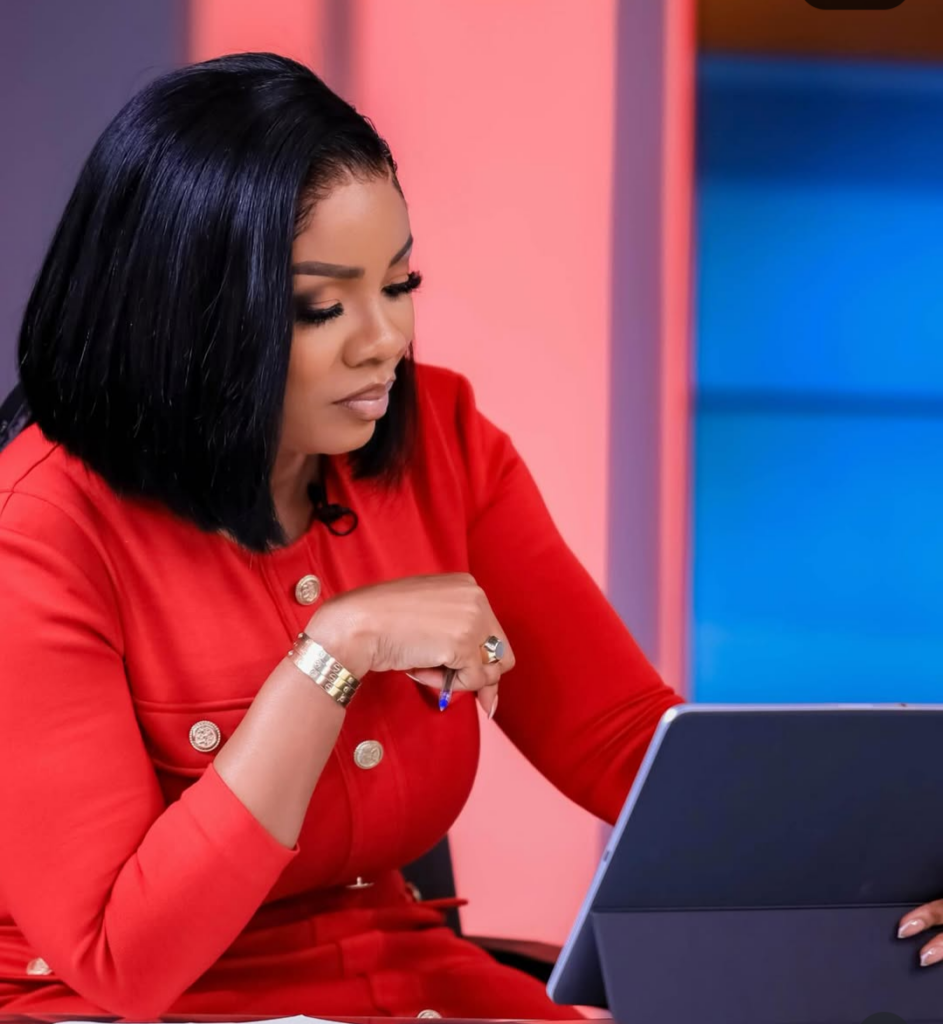
Serwaa Amihere: “Berla, you’re spot on. The PDA wasn’t about silencing ordinary citizens—it was about survival. Nkrumah was a man under siege. Bombs were going off, his life was in constant danger, and his dream of Pan-African unity was seen as a threat by imperialist powers.
(1) Where was the outrage when schoolchildren were injured and killed in those attacks?
(2) Why didn’t anyone condemn the assassination attempts against him?”
Frema Adunyame:.“Exactly, Serwaa. Nkrumah’s critics conveniently overlook these atrocities. They paint him as a dictator while ignoring the external and internal forces that worked tirelessly to undermine him. The colonial powers couldn’t stomach the idea of a Ghanaian leader who wasn’t educated at Oxford or Cambridge, who didn’t conform to their standards but dared to lead Ghana and Africa toward independence. For that, they sought to destroy him.”
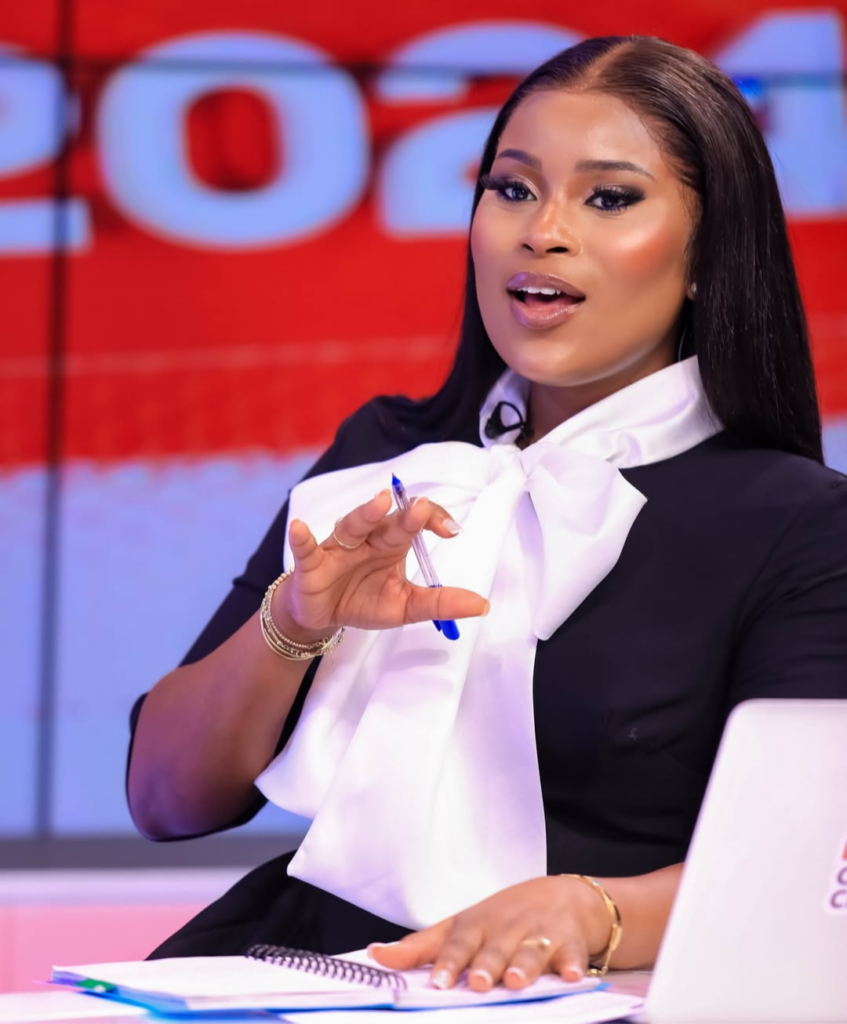
Berla Mundi: “And let’s be clear—this wasn’t just about Ghana. Nkrumah’s vision threatened the global status quo. A united Africa meant no more exploitation and no more colonial dominance. The Kulungugu bombing and other attacks weren’t random—they were deliberate efforts to destabilise Ghana and discredit Nkrumah. Yet, when he took steps to defend the nation, he was vilified.”
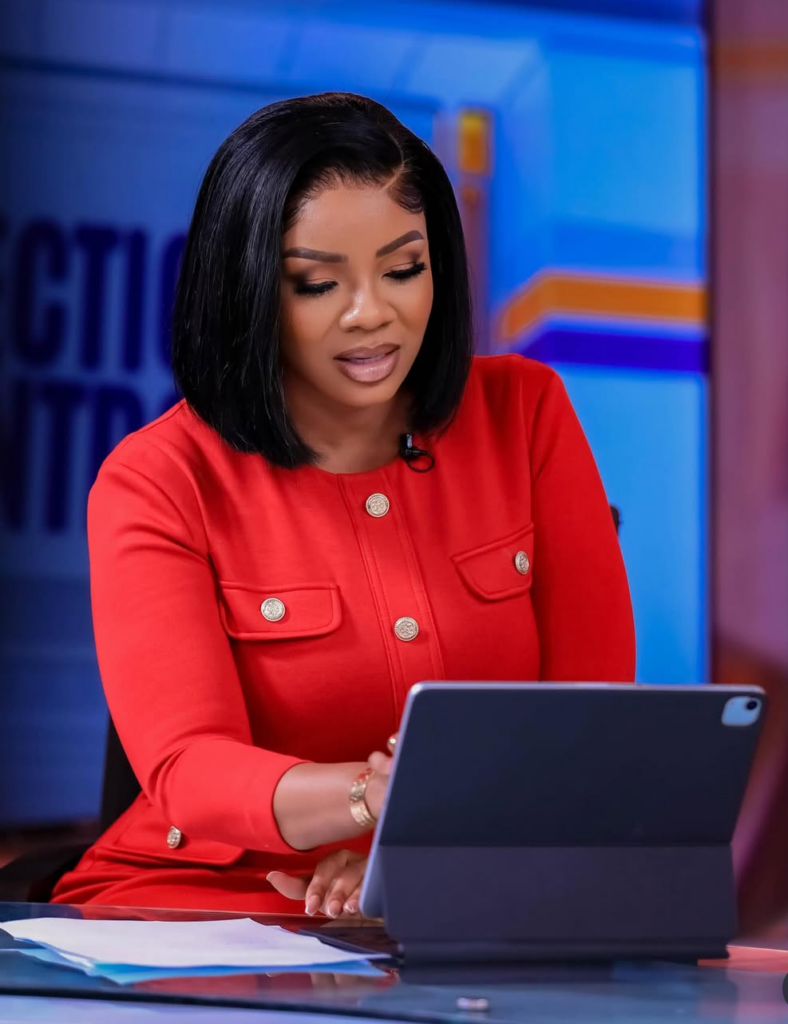
Serwaa Amihere: “Let’s not forget the personal toll. Nkrumah wasn’t just a leader—he was a man, a human being with rights, just like anyone else. But those who opposed him didn’t care. They wanted him silenced, and they didn’t care how many innocent lives were destroyed in the process. The PDA was a response to this relentless assault. It wasn’t perfect, but it was necessary.”

Frema Adunyame: “And that’s what people miss, Serwaa. Leadership isn’t about perfection—it’s about making difficult decisions in impossible circumstances. Nkrumah was fighting for Ghana’s survival, and he paid the price for it. The PDA wasn’t about oppression—it was about protecting a fragile nation from collapse.”
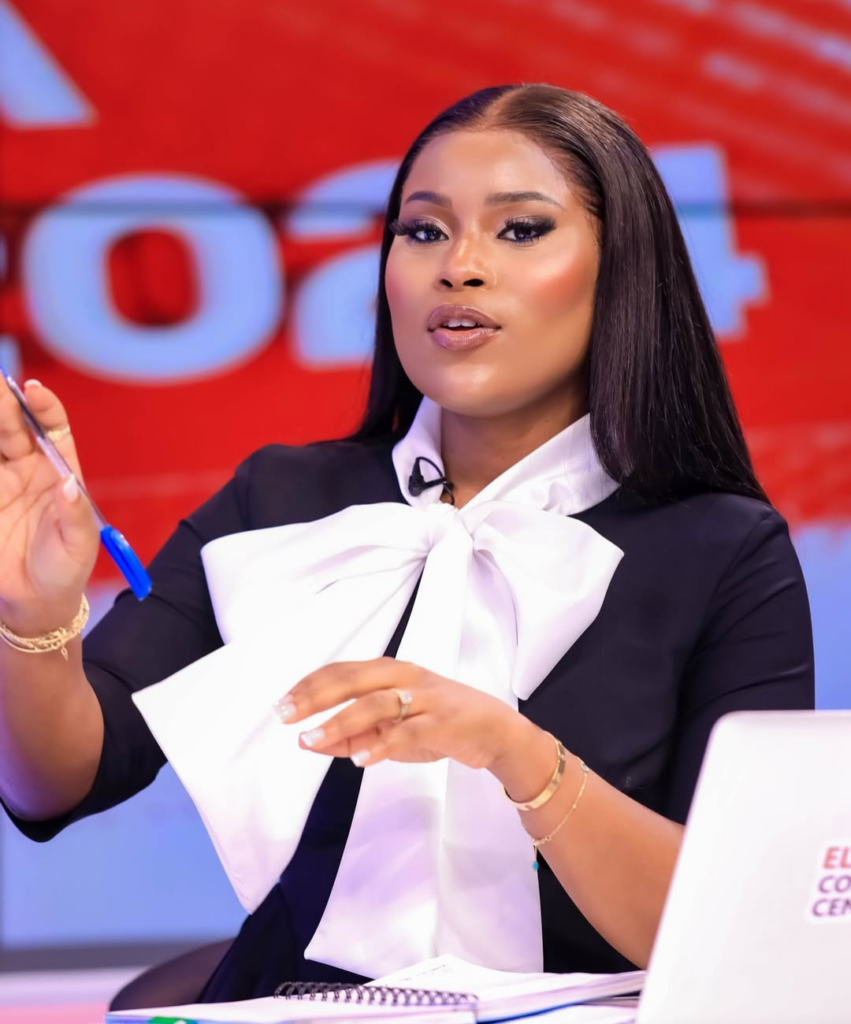
Berla Mundi: “And yet, history has been unkind to him. The same people who praise the Patriot Act for securing America criticize Nkrumah for securing Ghana. It’s a double standard that we, as journalists and as Ghanaians, have a responsibility to challenge.”
Serwaa Amihere: “That’s exactly why we’re having this conversation, ladies. Nkrumah’s story isn’t just history—it’s a lesson. It’s a reminder of the sacrifices leaders make and the challenges they face when they dare to dream big. And it’s up to us to ensure that his legacy is remembered for what it truly was—a fight for Ghana, for Africa, and the future.”
“Speaking of democracy, as we prepare to cast our votes, I feel compelled to highlight something. Voting isn’t just about choosing leaders; it’s about choosing between truth and manipulation, progress and stagnation, clarity and confusion.
For years, narratives have been shaped to discredit selfless leaders and parties—like what was done to Nkrumah. Today, the same attacks are being levelled at the New Patriotic Party (NPP). The opposition, particularly the National Democratic Congress (NDC), calls the NPP corrupt, oppressive, and intolerant. But let’s pause. Are these genuine concerns, or tools of manipulation designed to obscure truth and hinder progress?”
On Nkrumah: A Leader Misunderstood
Frema Adunyame: “This is the same strategy they used against Nkrumah, labelling him a dictator while ignoring the context of his decisions. His leadership was about survival—not tyranny. The Preventive Detention Act (PDA) of 1958, for instance, was implemented during a time when Ghana was under siege. Assassination attempts, like the Kulungugu bombing, targeted not just Nkrumah but innocent schoolchildren.
Can we call a man who worked to save lives, unify Africa, and protect Ghana’s sovereignty a dictator? Or do we call out those who tried to undermine him at every turn?”
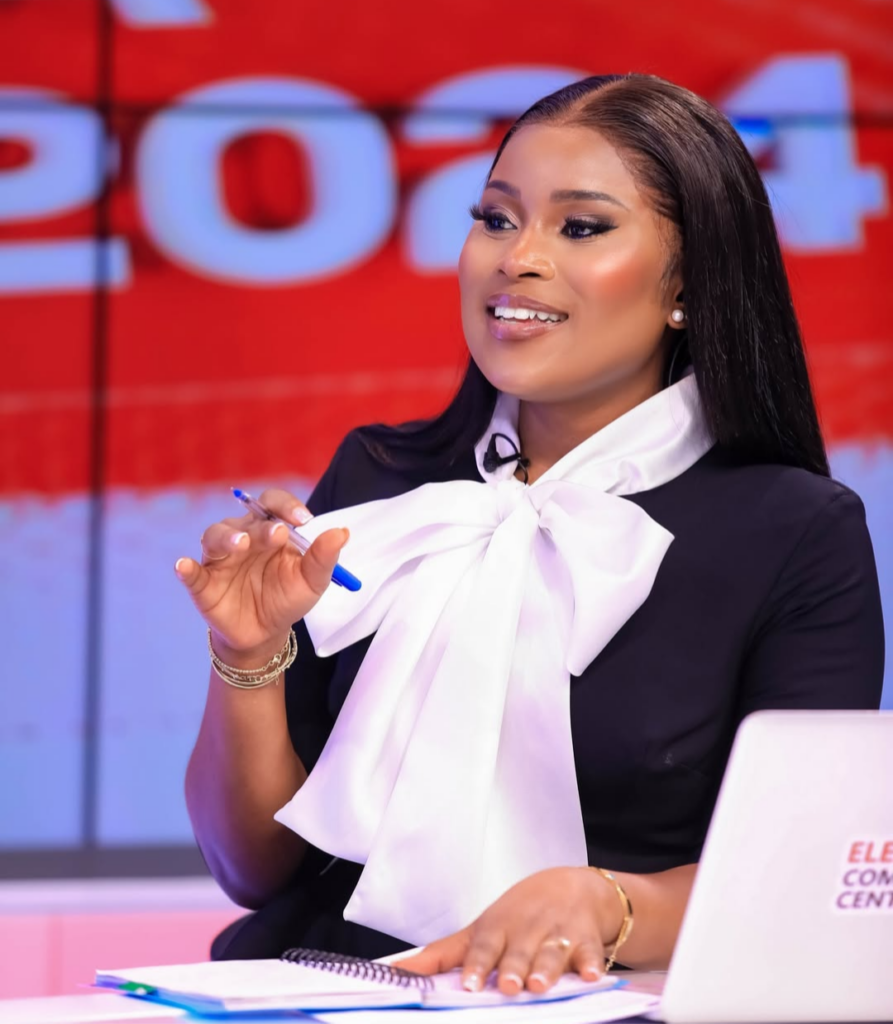
Berla Mundi: “Frema, that’s an important point. When America enacted the Patriot Act after 9/11, it was celebrated as a necessary measure to protect national security. But when Nkrumah implemented the PDA to secure a newly independent Ghana, he was vilified.
Why? His vision of a united and self-reliant Africa threatened global powers that thrived on chaos and dependence.
The Kulungugu bombing wasn’t random. It was part of a deliberate effort to destabilize Ghana. And yet, when Nkrumah acted to protect his nation, he was branded authoritarian.
(1) Where was the outrage when schoolchildren were injured?
(2) When innocent women and men lost their lives?”
Serwaa Amihere: “And let’s not forget, Berla, Nkrumah himself was a human being with rights. Yet, those who sought to kill him didn’t care. They hated him because he wasn’t part of the elite circle educated at Oxford or Cambridge. He rose from the people, understood their struggles, and gave them hope. That’s what made him a target.”
On the Present: Voting for Truth and Progress

Frema Adunyame: “And this is where we draw parallels to today. Just like Nkrumah, the NPP is under attack for daring to transform Ghana. For years, the opposition has used criticism not to empower Ghanaians, but to divide and confuse them. Their goal isn’t progress—it’s power.“
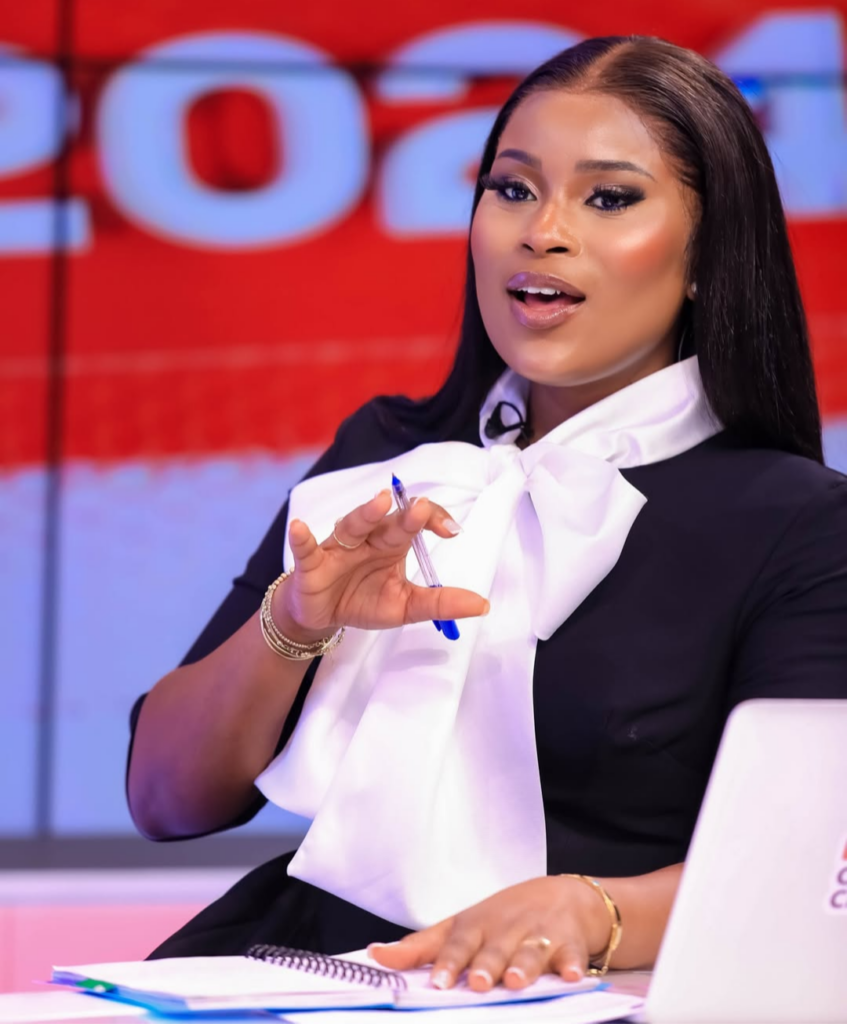
Berla Mundi: “Exactly, Frema. The NDC doesn’t focus on accountability—they focus on discrediting real progress. Under the NPP, we’ve seen economic reforms, infrastructure development, and social interventions. Yet, these achievements are overshadowed by relentless accusations. Why? Because progress threatens those who benefit from stagnation.”
Serwaa Amihere: That’s why this election is so critical. It’s not just about leaders—it’s about choosing a path forward. The NPP stands for clarity and progress. Its vision is one of empowerment and innovation, while the opposition relies on fear and suspicion to maintain control.“
Kwame Nkrumah: Leadership Under Siege
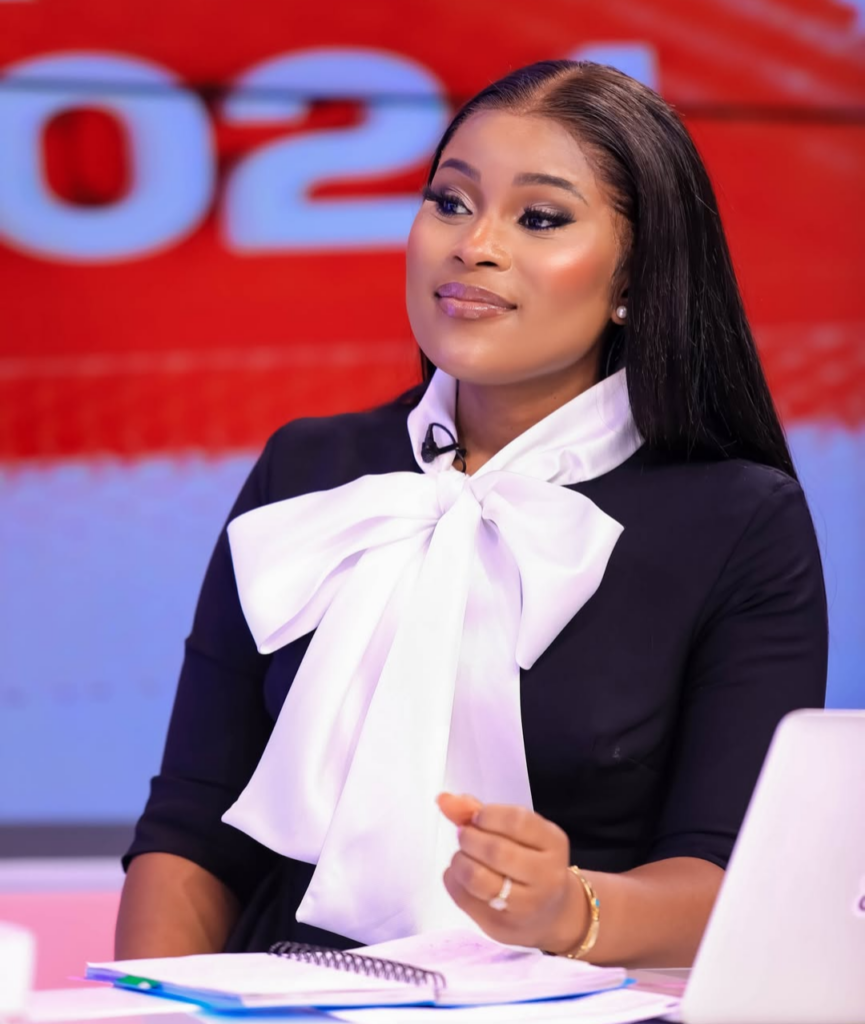
Berla Mundi: “Why did the United States, the UK, and the EU publicly deny the existence of the CIA as a criminal organization meddling in other countries’ affairs for so long?
Historically, this denial—along with the denial of NATO’s questionable interventions—has facilitated the destruction of nations like Iran and Libya. Lawmakers, particularly in the United States, have perpetuated this narrative, shielding the CIA and NATO’s operations under a deliberate code of silence, or ‘omertà.’ It’s a strategic way to avoid accountability and continue interventions under the guise of democracy and security.”
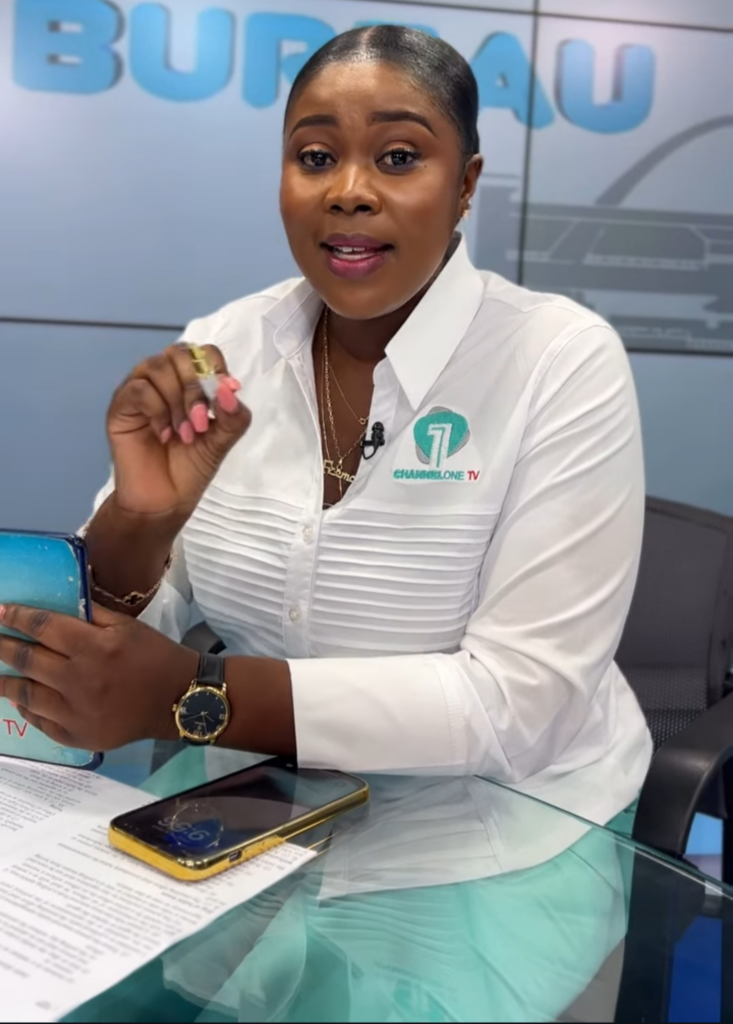
Frema Adunyame: “Berla, that’s the crux of the issue. Take Iran in the 1950s as an example. The CIA orchestrated a coup to overthrow Prime Minister Mohammad Mossadegh, not because he was undemocratic, but because he dared to nationalize the oil industry, challenging Western economic dominance. And Libya—NATO’s intervention there didn’t ‘save lives,’ as they claimed. It toppled Gaddafi, created a power vacuum, and turned Libya into a war-torn hub for terrorism and human trafficking. Was this about protecting civilians or protecting Western interests?”
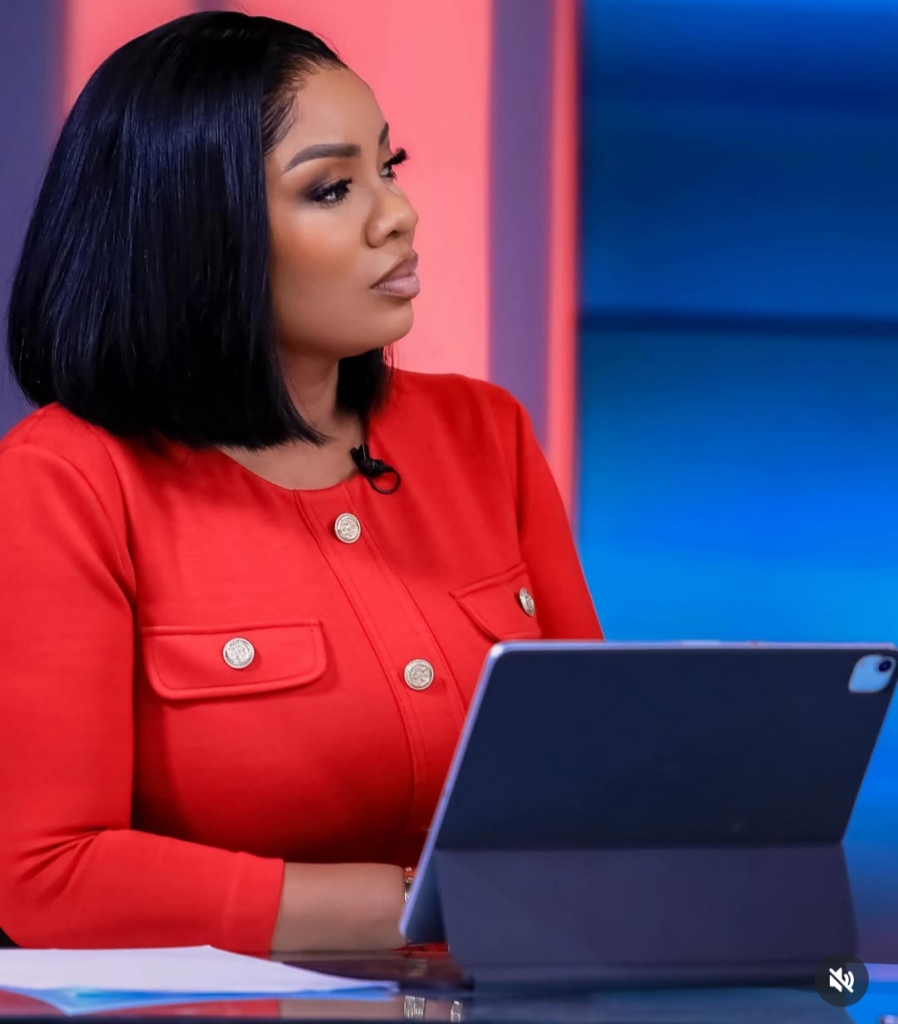
Serwaa Amihere: “Exactly, Frema. It’s the same playbook they’ve used for decades. They present themselves as defenders of democracy, yet their actions destabilize nations and undermine sovereignty. Leaders who resist this, like Kwame Nkrumah, are branded as dictators to justify interference.
Let’s not forget the bombings and assassination attempts against Nkrumah—were his human rights irrelevant? The Kulungugu bombing injured schoolchildren and civilians. The same powers preaching about human rights never condemned these acts because they were part of the broader agenda to dismantle Nkrumah’s vision for a united, independent Africa.”