







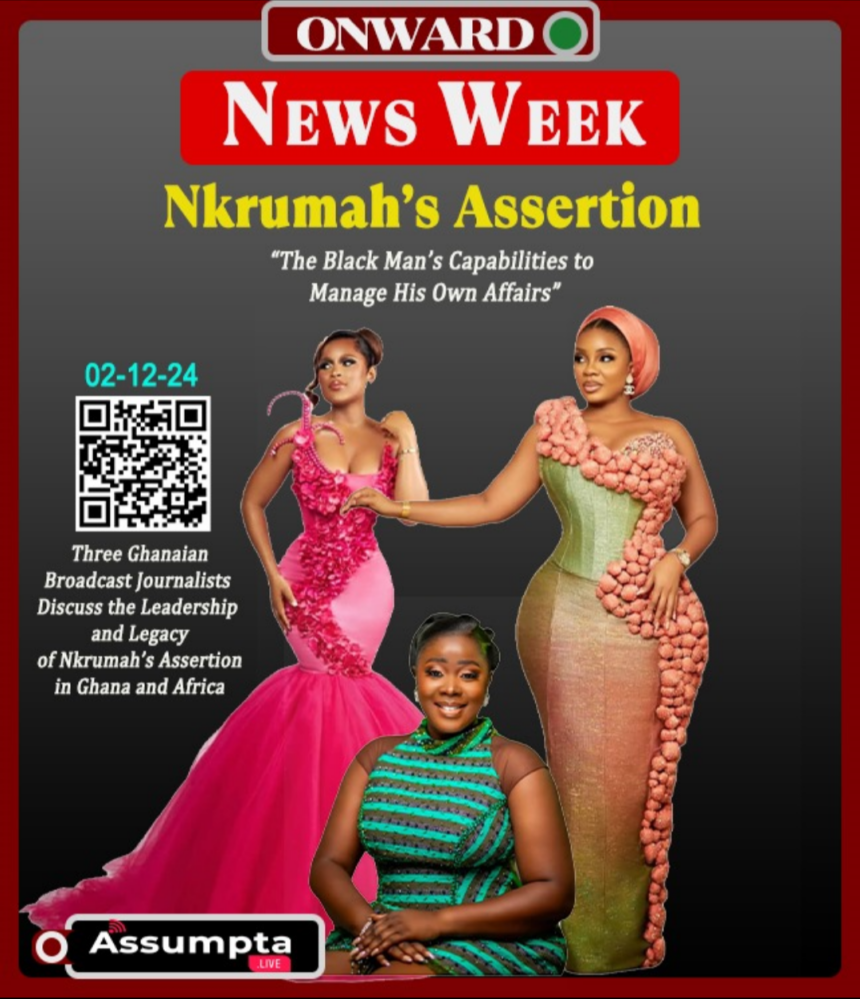
ASSUMPTA WEEKLY NEWS MAGAZINE
Presents: “The ONWARD”
Featuring: Three Outstanding Female Ghanaian Broadcast Journalists: Berla Mundi, Frema Adunyame, and Serwaa Amihere
Special Edition Launching Monday, 2nd December 2024 : Visit: assumptagh.live/
AFRICAN STREAM: Onward News Brief :
Flash Alert Update: News Week;
Article Title: “Nkrumah’s Assertion”
Content Focus: “The Black Man’s Capabilities to Manage His Affairs”

https://www.instagram.com/hairsenta?igsh=MXAzOThhNGZ0Nm15dQ==
HAIR SENTA BIG ( December ) VIRTUAL SALE!
Get ready for the ultimate hair care shopping experience!
🗓️ Starts: 5th December 2024
⏳ Hurry: Until stock lasts!
💇♀️ Unbeatable Deals on Hair Products You Love! 💇♂️
✨ Your perfect hair deserves perfect care—shop now from the comfort of your home!
📌 Don’t miss out. Mark your calendars!
👉 SENTA—Where Hair Meets Excellence.
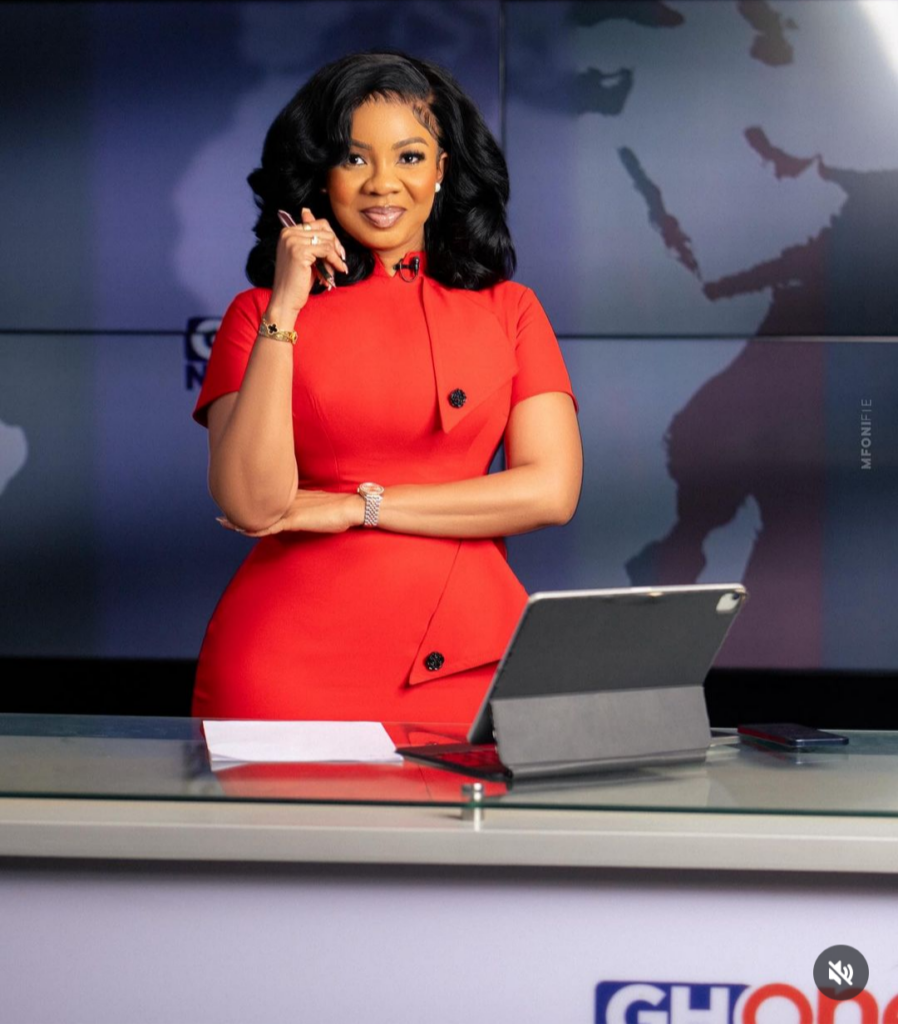
Join us for a compelling and thought-provoking discussion as our distinguished journalists explore:
“The Leadership and Legacy of Nkrumah’s Assertion in Ghana and Africa.”
Uncover the progress, challenges, and enduring significance of Kwame Nkrumah’s iconic declaration:
“The Black man is capable of managing his affairs.” Stay Informed. Stay Inspired.n
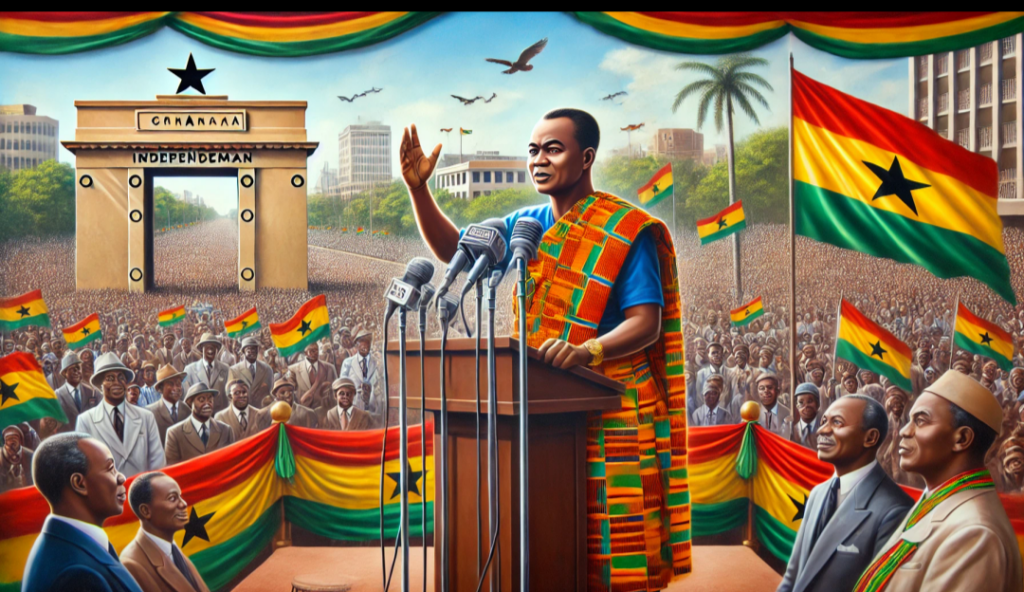
Review: Revisiting Nkrumah’s Vision
Kwame Nkrumah’s famous assertion that “The Black man is capable of managing his affairs” was more than just a statement; it was a declaration of independence, self-determination, and confidence in African leadership. At the dawn of Ghana’s independence in 1957, Nkrumah symbolised the hope of a continent striving to break free from the chains of colonialism and establish its place in the world.


Discover Lauren Haute Couture, where elegance meets innovation.
Specializing in custom-designed gowns, impeccable tailoring, and luxurious fabrics, Lauren Haute Couture transforms your dreams into reality. Whether it’s a wedding, gala, or red-carpet event, every piece is a masterpiece of sophistication and timeless style.
Let Lauren Haute Couture craft the perfect look for you—unparalleled beauty, just as unique as you are. Experience haute couture redefined. Visit us today to bring your vision to life.
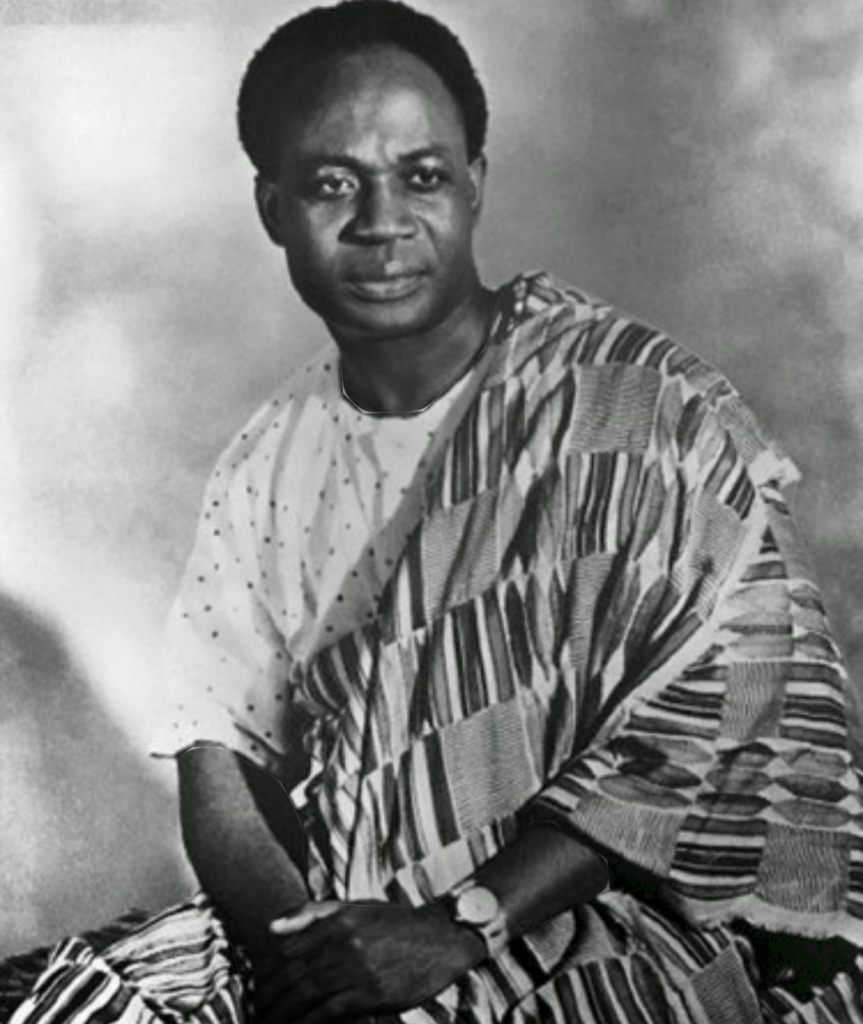
But decades later, this vision invites critical reflection. While Nkrumah laid a foundation through monumental projects like the Akosombo Dam and Tema Township and massive investments in education and healthcare, the leadership trajectory in Ghana and much of Africa has been marred by challenges: corruption, political instability, and a reliance on foreign aid.
- Has the promise of Nkrumah’s assertion been fulfilled?
- Have African leaders carried forward their vision of self-reliance and progress?
- Or have we strayed too far from the ideals he championed?
In this edition of The ONWARD, Berla Mundi, Serwaa Amihere, and Frema Adunyame examine these pressing questions. Together, they navigate the enduring legacy of Nkrumah’s leadership and the ongoing debate about whether Ghana and Africa have truly realised their dream of capable, independent governance.
Introduction: The Legacy of Nkrumah’s Assertion

On March 6, 1957, Kwame Nkrumah stood before the world and boldly proclaimed: “The Black man is capable of managing his affairs.” This powerful declaration was not just a celebration of Ghana’s independence but a promise to the entire African continent and beyond. It was a statement of belief in the ability of African nations to govern themselves, shape their destinies, and rise above the limitations imposed by colonialism.
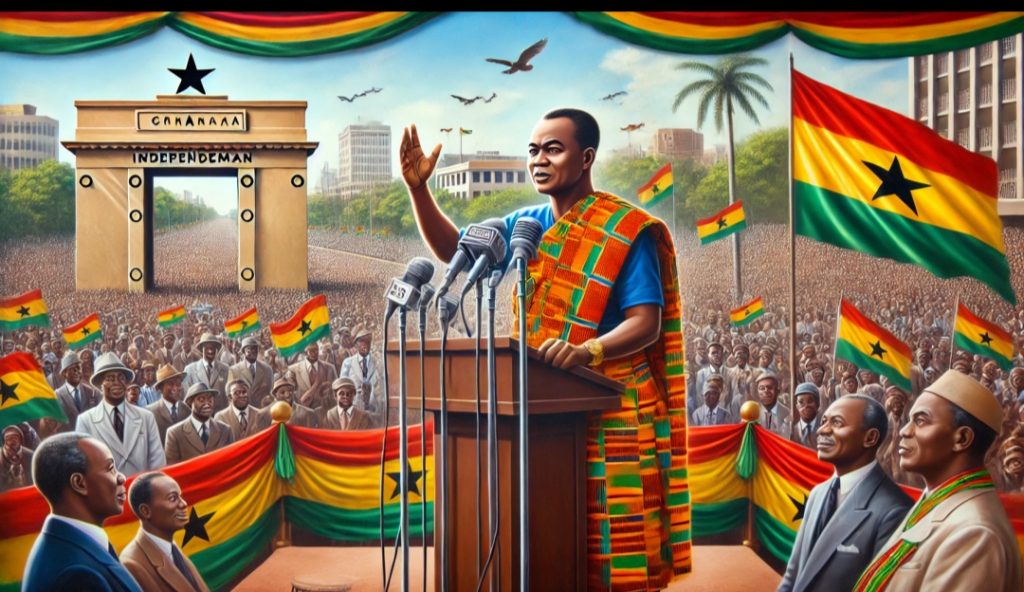
More than six decades later, this assertion continues to spark debates about leadership, progress, and the realities of post-colonial Africa. From the impressive achievements of Nkrumah’s nine-year leadership, including the Akosombo Dam and Tema Township, to the modern struggles with governance, economic challenges, and dependency, the question remains: has Nkrumah’s vision for self-reliance and capable leadership been fulfilled?
In this special edition of The ONWARD, we bring together three brilliant Ghanaian broadcast journalists—Berla Mundi, Serwaa Amihere, and Frema Adunyame—to explore the ongoing relevance of Nkrumah’s assertion. Together, they will delve into the triumphs, shortcomings, and future of African leadership in light of this enduring declaration.


The Call for Investing in the Black Man and Africa
The history of Africa and the Black man has been one of resilience, struggle, and a relentless pursuit of dignity in the face of dehumanization, discrimination, and systemic exclusion from global affairs. Now, more than ever, the time has come for the world to recognize the immense potential of Africa and its people, investing in their capabilities to foster peace and prosperity.
The article asserts that when Black people around the globe became fed up with their marginalization and the burdens of oppression, a shift was inevitable—a moment when peace and progress could emerge. This is deeply resonant with the vision of Kwame Nkrumah, who dedicated his life to proving the capability of the Black man to manage his affairs and lead his nation to development.
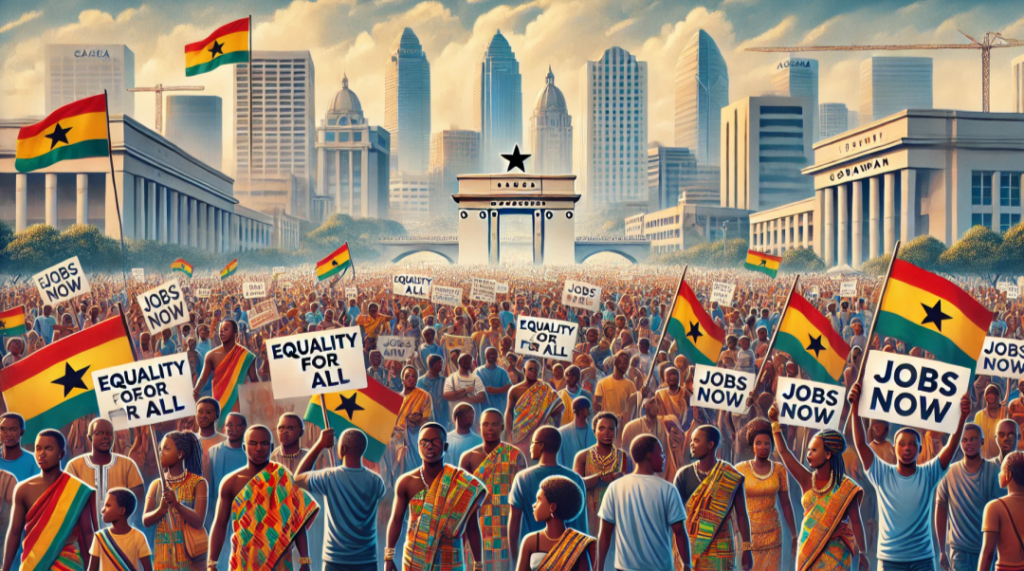
An illustration of Ghanaians peacefully protesting for equality and job creation, capturing their unity and determination in a vibrant urban setting.
N. Nichiren Daishonin’s Timeless Prophecy
Drawing on the writings of Nichiren Daishonin in “The Selection of the Time,” the article explores a prophecy that speaks to periods of great struggle and upheaval, where the world seeks salvation from turmoil. It suggests that at such critical junctures, the leadership of a humble and selfless individual can guide humanity toward peace and resolution.
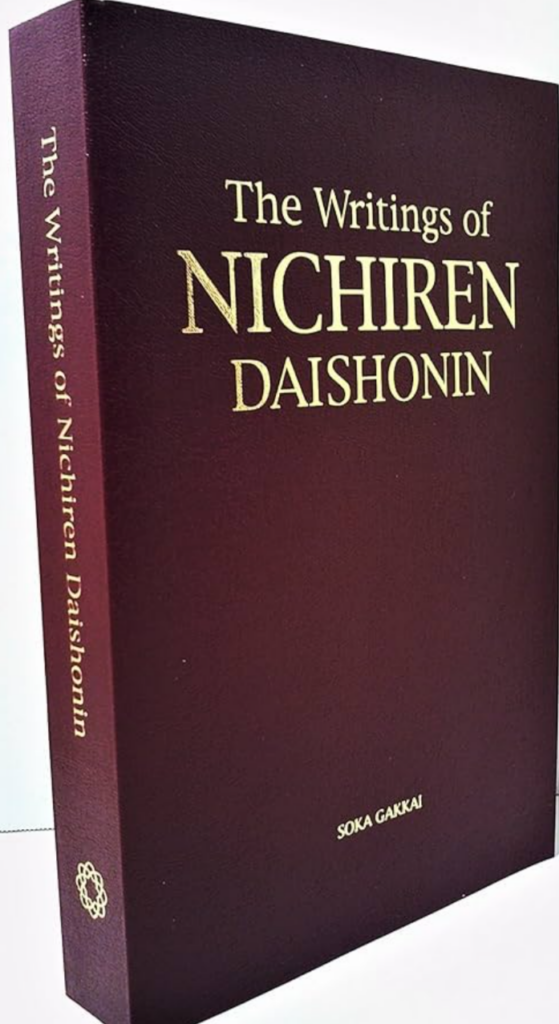
In the context of Ghana and Africa, this prophecy aligns with Nkrumah’s leadership and vision. Despite being underestimated and opposed by some African leaders and Western powers, his determination to uplift the continent remains a beacon of hope for generations.
A Renewed Vision for Ghana
The article connects this timeless wisdom to contemporary Ghanaian politics, suggesting that Dr. Mahmoud Bawumia, as a leader of the New Patriotic Party (NPP), embodies the potential to carry forward Nkrumah’s vision. It posits that after the economic struggles under the National Democratic Congress (NDC), Bawumia represents a new chapter of hope and progress for Ghana. His emphasis on innovation, modernization, and fiscal responsibility echoes the aspirations Nkrumah held for the country.

A Universal Call to Action
Ultimately, the message is clear: the world must move beyond the eras of prejudice, discrimination, and neglect toward Africa. Investing in the Black man and the continent is not only a moral imperative but a step toward global peace and prosperity. This call is not just political or economic—it is a spiritual and philosophical awakening, reminding us that humanity’s collective progress depends on recognizing and nurturing the potential within every individual and community, especially those who have long been marginalized.
In this time of reckoning, leaders like Nkrumah and his successors challenge us to rise above division and build a world where Africa’s voice, contributions, and leadership are fully realized.
Dialogue: Opening the Discussion
Serwaa Amihere (Interviewer):


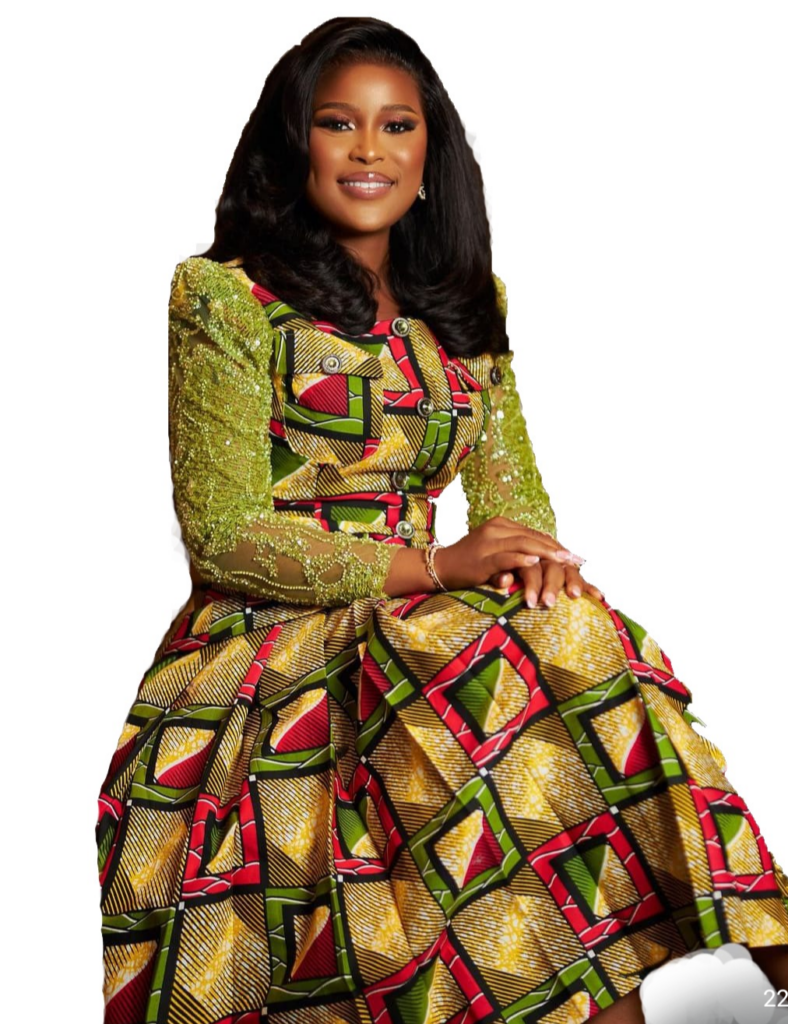
Hello everyone. My most sincere greetings to all of you, my respected and treasured comrades. I describe you all as the bright sun of peace and happiness. Today, we gather to discuss a topic that resonates deeply with our history, our identity, and our future—”Nkrumah’s Assertion: The Black Man’s Capability to Manage His Affairs.”
First, let me extend my heartfelt thanks to Berla Mundi and Frema Adunyame for joining me today. It is an honour to sit with two brilliant minds who have consistently championed discussions about African leadership, self-reliance, and progress.
Let us begin with some reflections on the article we’re discussing. It highlights the history of dehumanization, discrimination, and systemic exclusion faced by Black people and the people of Africa. It also calls for a global shift—a moment to recognize the immense potential of Africans and invest in their capabilities for peace and prosperity.
Turning to Berla Mundi first:

Berla, what are your initial thoughts on Nkrumah’s assertion? Do you think his vision for Ghana and Africa is still alive today, or have we strayed too far from the path he envisioned?

Berla Mundi:
Thank you, Serwaa, for that warm introduction, and I must say it is a privilege to be part of this conversation. To answer your question, Nkrumah’s assertion was a revolutionary declaration, one that inspired a continent and gave hope to millions. However, whether that vision is still alive today is a complex question.
On one hand, we see glimpses of progress: African countries are making strides in technology, education, and governance. On the other hand, we are still battling corruption, economic dependency, and political instability—issues that Nkrumah himself fought against. The vision is alive, but it requires renewed commitment and leadership to truly bring it to fruition.

Serwaa Amihere : That’s a powerful perspective, Berla. Now, Frema, I’d like to bring you in. The article makes a strong case for investing in the Black man and Africa. It also references Nichiren Daishonin’s writings, which suggest that periods of great struggle often lead to breakthroughs when guided by selfless leadership. Do you think Africa is at such a crossroads today?

Frema Adunyame : Serwaa. Africa is indeed at a critical juncture. The struggles we face—economic hardships, political instability, and the effects of global inequality—mirror the challenges described in the article. However, I believe these struggles are an opportunity for Africa to redefine its narrative.
The call for investing in Africa is not just an external one; it is also a call to Africans themselves. We need leaders who prioritize transparency, innovation, and self-reliance. The prophecy mentioned in the article aligns perfectly with the hope that such leadership will emerge. Leaders like Nkrumah showed us what is possible when we dare to believe in ourselves.

Serwaa Amihere: Thank you, Frema. It’s clear that leadership is a recurring theme in this discussion. To both of you, I ask: What specific lessons can today’s leaders learn from Nkrumah to address the challenges of our time?

Berla Mundi : The biggest lesson is the importance of a clear vision and unwavering determination. Nkrumah didn’t wait for external validation—he set out to prove that Africans could achieve greatness on their terms. Leaders today need to embrace that same boldness while remaining accountable to the people they serve.

Frema Adunyame : I agree. Another lesson is the need for unity. Nkrumah’s focus wasn’t just on Ghana—it was on the whole of Africa. Today, we need to strengthen regional cooperation and collective development to overcome shared challenges.

Serwaa Amihere : From the aspects of oppression, dehumanization, discrimination, and prejudice against Black African life—does it seem like our leaders genuinely wish to free themselves and their people from these injustices? Or, can we hope they will rise to the occasion and save their people?

Berla Mundi :That’s a profound question, Serwaa, and one that goes to the heart of African leadership today. While some leaders have demonstrated a commitment to progress and self-reliance, many others seem trapped in cycles of personal gain, corruption, and external dependency.
The truth is, that leadership is both a privilege and a responsibility. To truly free themselves and their people, leaders must first understand the weight of their roles. They must prioritize national and continental interests over personal ambition. This requires courage—courage to confront both internal challenges like corruption and external pressures from neo-colonial influences.

Frema Adunyame : I’d like to add that the path to liberation isn’t just about the leaders—it’s also about the people. Leaders rise when the people demand it. If we look back at the independence movements, they were driven by collective action, and leaders like Nkrumah emerged because the people believed in their vision.
Today, I think we need a similar synergy. Leaders must rise with conviction, but citizens also need to hold them accountable and actively participate in the political and social processes that shape their futures. It’s a two-way street.

Serwaa Amihere: That’s a critical point, Frema. Accountability and civic engagement are essential. But let’s reflect on the systems in place—whether political, economic, or social. Are these systems enabling our leaders to make the changes necessary, or are they part of the problem?
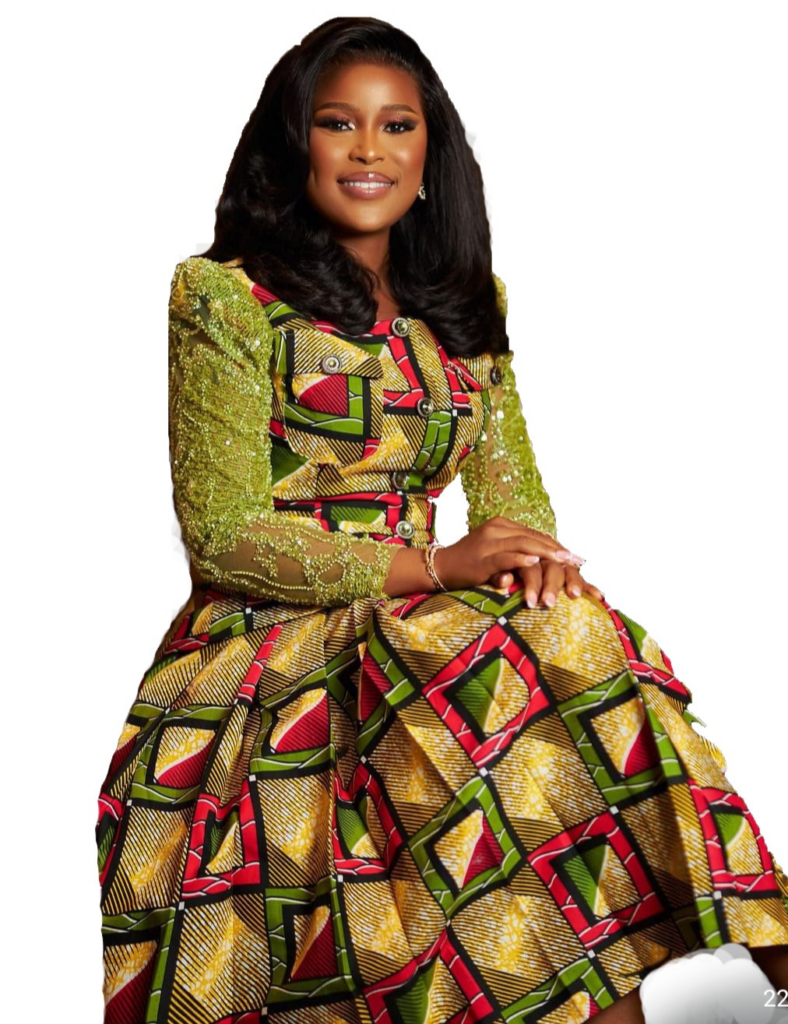
Berla Mundi: Honestly, the systems are often a double-edged sword. Many of them were inherited from colonial rule, and they weren’t designed for African self-determination. Instead, they perpetuate dependency and limit our ability to implement transformative policies.
To free themselves and their people, leaders need to reimagine these systems. This includes reforming governance structures, fostering economic independence, and investing in education to empower the next generation. Without systemic change, even the best intentions will struggle to produce lasting results.

Frema Adunyame: Exactly, Berla. And this is where Nkrumah’s legacy becomes so relevant. He didn’t just talk about independence—he acted on it in tangible and transformative ways. Nkrumah built infrastructure, including roads, highways, and the Akosombo Dam, which revolutionized energy production in Ghana. He invested in healthcare facilities to ensure access to quality care for all Ghanaians.
He also prioritized urban planning by developing townships like Tema, which became a hub for industrialization and trade. His focus on agriculture ensured food security and economic growth, while his commitment to education gave us free education policies that made learning accessible to millions. Beyond that, he invested heavily in science and technology, setting up institutions to foster innovation and development.
These are concrete examples that justified his assertion: “The Black man is capable of handling his affairs.” Nkrumah didn’t just say it—he demonstrated it through action. Today’s leaders should learn from this and work to replicate that level of vision and commitment to the people.

Serwaa Amihere.: Thank you, Frema. That’s such a critical point. Nkrumah’s actions weren’t just symbolic; they were foundational. They showed the world what African leadership could achieve when rooted in purpose and determination.
For my last question, I’d like to dive deeper into some of these points about Kwame Nkrumah’s vision: as the first leader of an independent Ghana, Nkrumah exemplified what bold and visionary leadership could accomplish. His focus on rapid industrialization, education, infrastructure development, and pan-African unity laid the foundation for a self-reliant nation. Achievements such as the Akosombo Dam, Tema township, and significant investments in education and healthcare weren’t just symbolic—they were tangible proof of his belief that “the Black man is capable of handling his own affairs.”
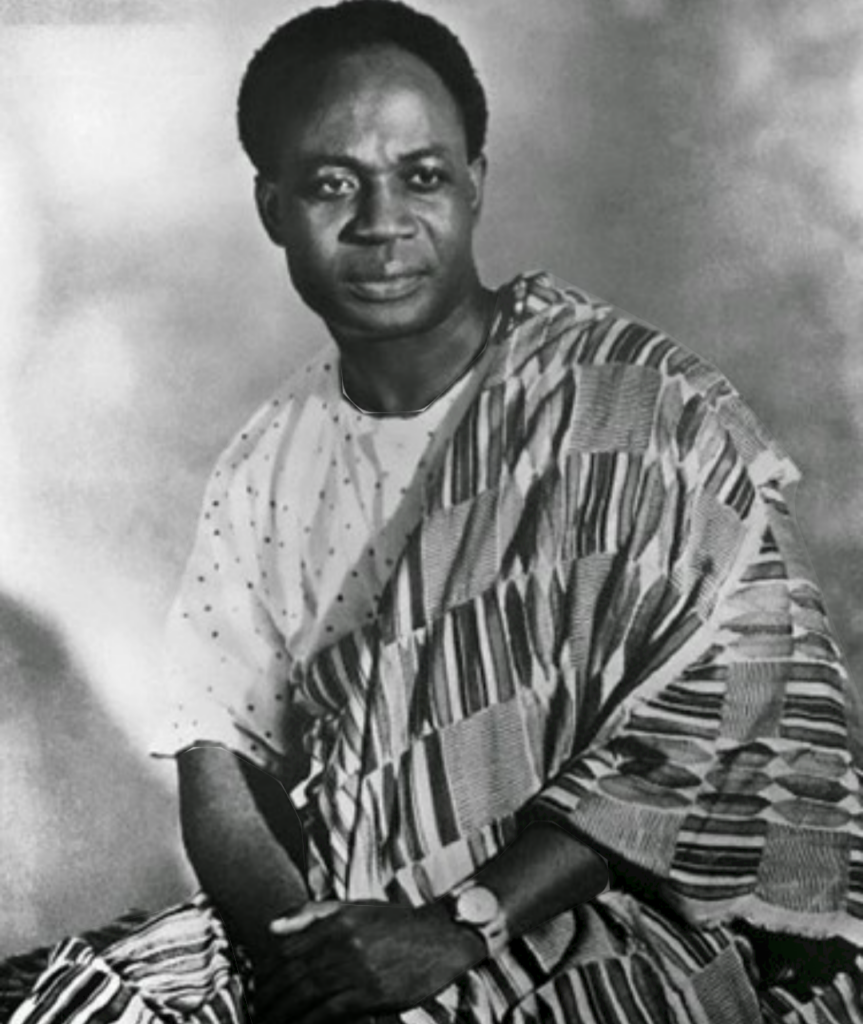
But then comes the question: what happened over time? After his overthrow in 1966, Ghana experienced years of political instability, corruption, and frequent military coups. These challenges eroded the continuity of Nkrumah’s vision and left the country grappling with economic hardships and lost momentum.
Today, we face new leadership challenges that seem to contradict his assertion. These include corruption, dependency on foreign aid, inadequate investment in infrastructure, and the ongoing brain drain of skilled professionals leaving for opportunities abroad.
I’d like to turn this to you both. Berla, let’s start with you:
What do you think current leadership can do to address these contradictions? Is it possible to revive Nkrumah’s ideals in a modern context?
Berla Mundi : Thank you, Serwaa. Nkrumah’s ideals were rooted in the belief that self-reliance, education, and unity were the keys to long-term progress. Reviving those ideals in today’s context is not just possible—it’s necessary.
For leadership, the first step is accountability. Corruption and mismanagement are significant barriers, and addressing them requires leaders who are not just visionary but also transparent and committed to serving their people. Strengthening institutions to hold leaders accountable is critical.
Next is education and skills development. Nkrumah understood that a well-educated population is the foundation of innovation and industrial growth. By investing in modern education systems and vocational training, we can empower young people to build industries and reduce dependency on foreign aid.
Finally, collaboration is key. Pan-African unity, one of Nkrumah’s core principles, can help African nations pool resources, strengthen economies, and negotiate better terms in international trade. Together, we can resist neocolonial influences and create a path toward shared prosperity.

Serwaa Amihere : Thank you, Berla. That’s a powerful perspective. Frema, what about you? How do you see Nkrumah’s legacy influencing the solutions to today’s challenges?

Frema Adunyame : I agree with Berla, and I’d like to emphasize the importance of revisiting Nkrumah’s focus on industrialization. One of his greatest achievements was building infrastructure—roads, energy systems like the Akosombo Dam, and even townships like Tema to foster economic growth. These investments were aimed at making Ghana self-sufficient.
Today, we need to take the same approach. Instead of relying on foreign imports, we should prioritize developing local industries, from agriculture to manufacturing. This would create jobs, reduce dependency, and keep resources within the country.
I’d also add that leadership must actively resist the legacy of neocolonialism. While independence was achieved, economic structures often remained tied to former colonial powers through unfair trade agreements and crippling debt. Leaders need to renegotiate these terms and advocate for fair partnerships that empower African nations.
Lastly, let’s not underestimate the role of the people. As much as leadership is important, citizens need to demand accountability and actively participate in nation-building. When people are engaged and informed, they become a driving force for positive change.

Serwaa Amihere : Those are excellent points, Frema. It’s clear that the challenges we face today are significant, but they also present opportunities to reimagine leadership and rekindle the spirit of Nkrumah’s vision.
To our audience, this discussion is far from over. Stay tuned as we delve deeper into how these ideas can translate into actionable strategies for Ghana and Africa as a whole. Thank you, Berla and Frema, for your insights so far. Let’s continue the dialogue!
Let’s continue by exploring whether today’s leaders are building on this foundation or diverging from it. Are we still moving in the direction Nkrumah envisioned, or are we at risk of losing the progress he fought so hard to achieve?
Let’s move forward together, exploring how we can bring Nkrumah’s vision to life in our generation.
SGI- Our Shared Humanity.


