








Presents ”The Remember “ with Serwaa Amihere; A Special edition coming on Monday,15th April, 2024 at: assumptagh.live/
African Stream:FLASH ALERT ; UPDATE: 11-04-2024 :PUBLISHED: 15-04-2024;
PUTTING GHANAIANS FIRST;
Rethinking the economy beyond trade and profit; with Serwaa Amihere:
HIGHLIGHTING AN IMPORTANT PERSPECTIVE Prioritizing Ghanaian well-being over mere
Economic indicators are crucial for creating a society that serves everyone’s needs. It’s about ensuring that our economic systems are designed to enhance people’s lives, rather than the other way around.

Introduction:
Thank you for allowing me to joining you today’s important discussion on “Putting Ghanaians First: Rethinking Economic Priorities.” My name is Serwaa Amihere, and I am honoured to present this week’s session for Assumpta Weekly Magazine.
Today, we are here to explore a fundamental shift in our approach to economic development – one that prioritises the well-being of Ghanaians above all else. We will delve into the notion that economic indicators alone do not fully capture the essence of a thriving society. Instead, we must focus on creating an economy that serves the needs and aspirations of every Ghanaian.

Throughout this presentation, we will examine the importance of moving beyond traditional measures of success, such as trade and profit, and towards a more holistic understanding of prosperity. We will discuss the significance of people-centered policies, community engagement, and the alignment of our economic priorities with global initiatives like the Sustainable Development Goals.
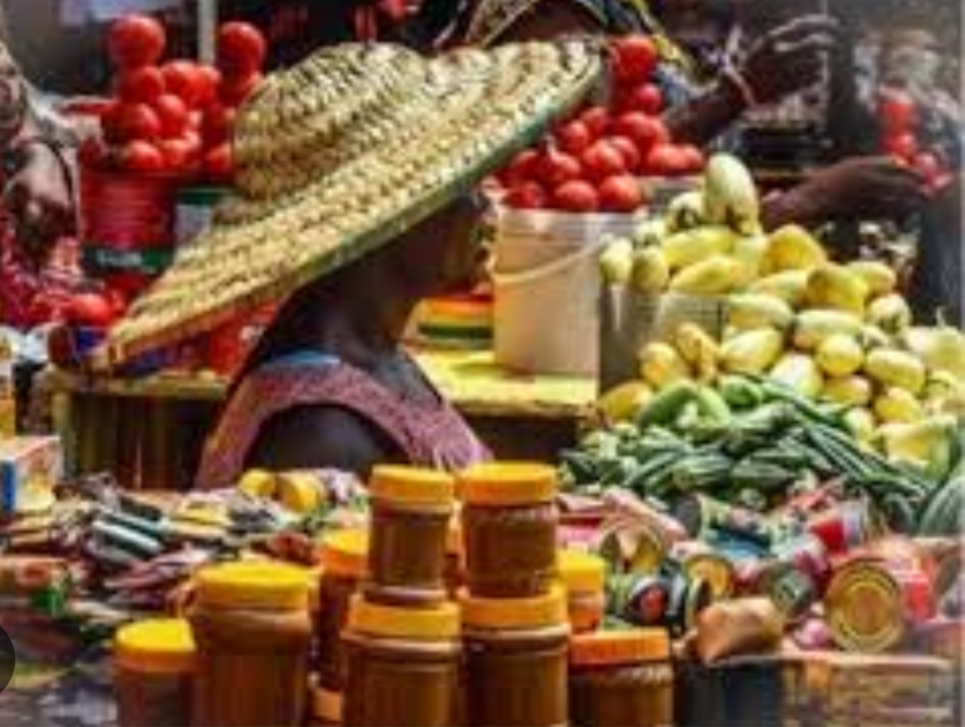
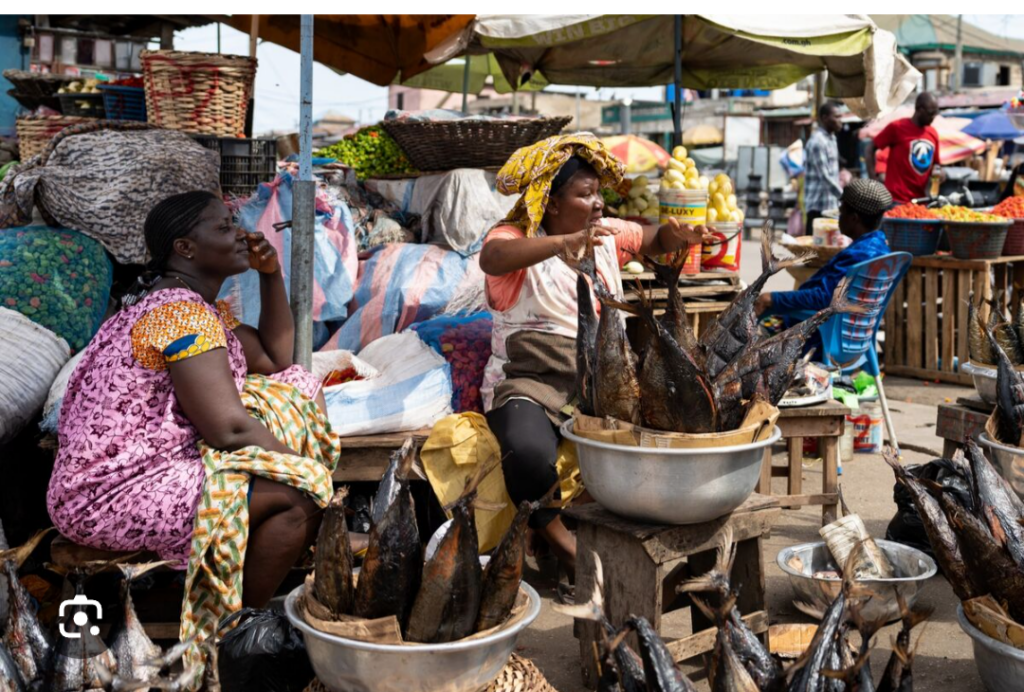
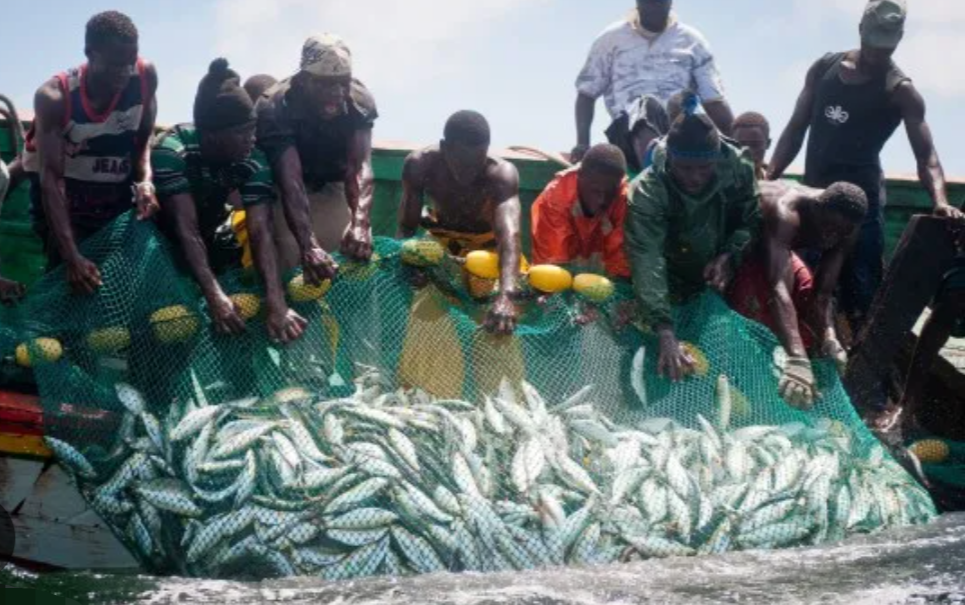
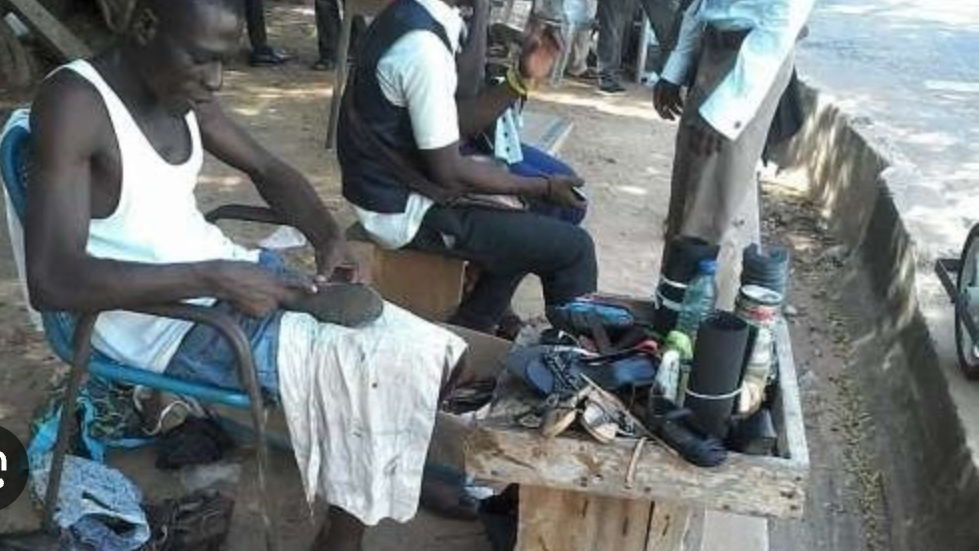
But most importantly, we will highlight the voices, experiences, and perspectives of the Ghanaian people, because ultimately, they are the true drivers of our nation’s progress.

So, without further ado, let us embark on this journey of reimagining our economy – one that truly puts Ghanaians first. Thank you.
Certainly, let’s kick off our exploration of “Putting Ghanaians First: Rethinking Economic Priorities.”
: Introduction;
The waves of buffeting our society rage high and the winds of economic turmoil in Ghana blow fiercely. Our people, the Ghanaians, the noble people of peace are each striving valiantly in their own personal spheres without any better healthcare systems they can depend on, leading their daily lives through these perilous waters. Today, we gather to confront these challenges head-on and chart a new course towards prosperity, one that prioritises the well-being of every Ghanaian above all else.
Title: Putting Ghanaians First: Rethinking Economic Priorities;
Presenter: Serwaa Amihere:

Today, we gather to challenge conventional economic wisdom and advocate for a paradigm shift that places the well-being of Ghanaians at the forefront of our development agenda. For too long, our focus has been narrowly fixated on economic indicators like trade balance and GDP growth, often at the expense of the everyday lives of our citizens. But it’s time for a change. It’s time to redefine what true prosperity means for Ghana.
Delving into the rationale behind prioritising Ghanaians’ well-being over mere economic statistics is paramount in understanding the true essence of prosperity. While economic indicators like GDP growth and trade balance are important, they often fail to capture the lived experiences of ordinary citizens. True progress should be measured by the quality of life enjoyed by all Ghanaians, including access to healthcare, education, and basic necessities.

ASSUMPTA:
How can we explore alternative measures of success that can essentially redefine our economic priorities.

Presenter: Serwaa Amihere:
This may involve adopting metrics such as the Human Development Index (HDI) or the Genuine Progress Indicator (GPI), which take into account factors like health, education, inequality, and environmental sustainability.
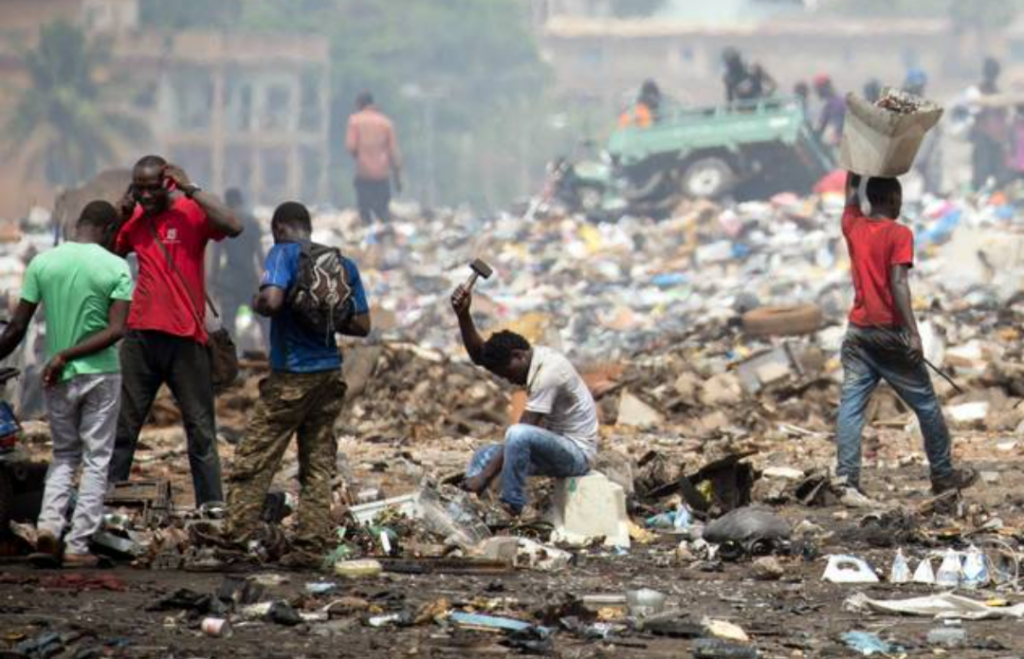
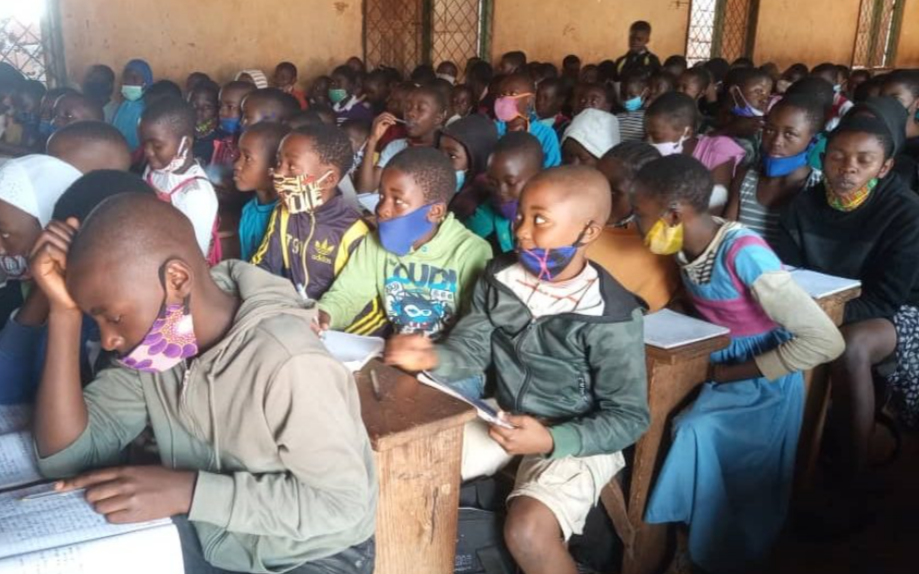
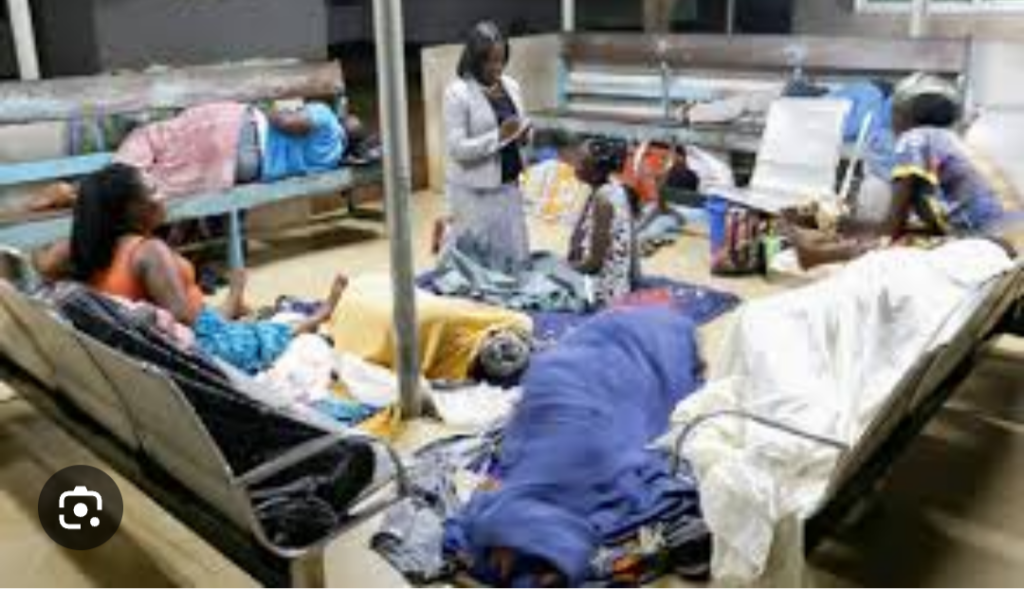
By broadening our understanding of success beyond monetary gains, we can better assess the overall well-being of our society.


ASSUMPTA: Examining the importance of people-centred policies, does it underscores the need for governance structures that prioritise the needs and aspirations of the Ghanaian people?

Presenter: Serwaa Amihere:
This includes investing in social welfare programs, promoting equitable access to opportunities, and fostering an environment where every individual can thrive. By placing people at the centre of decision-making processes, we can ensure that economic policies are designed to serve the common good.

ASSUMPTA: How can we actively engage our communities in shaping a more inclusive and equitable economy that is crucial for fostering social cohesion and empowerment?

Presenter: Serwaa Amihere:
This may involve participatory budgeting, community development projects, and initiatives that promote local entrepreneurship. By empowering communities to take ownership of their economic futures, we can create a more resilient and sustainable society.

ASSUMPTA: In summary, prioritising Ghanaians’ well-being over economic statistics requires a paradigm shift in how we define and measure success.

Presenter: Serwaa Amihere:
Indeed. By exploring alternative measures of success, adopting people-centred policies, and actively engaging our communities, we can build a more inclusive and equitable economy that serves the needs of all Ghanaians. So, let’s embark on this journey together, a journey towards a more compassionate, resilient, and sustainable economy that truly serves the interests of all Ghanaians and not the few.

ASSUMPTA: I think citizens should ask questions that help hold policy makers and leaders accountable for decisions that affect their well-being and the overall direction of the country. “Indeed, there are about 25 million Ghanaians, for example, whose salaries cannot afford a two-bedroom apartment. How will proposed economic policies directly impact the everyday lives of Ghanaians?”

Presenter: Serwaa Amihere:
Indeed, the affordability of housing is a critical issue affecting many Ghanaians. Proposed economic policies directly impact the everyday lives of Ghanaians in various ways, including their ability to access affordable housing. Here’s how:
1.Housing Affordability Initiatives: Citizens can inquire about government initiatives aimed at increasing the availability of affordable housing, such as subsidised housing programs, rent control measures, or incentives for private developers to build low-cost housing units.
2.Income Support Program : Questions can be raised regarding the implementation of income support programs, such as minimum wage increases, social welfare benefits, or tax breaks for low-income earners, to improve individuals’ purchasing power and enable them to afford housing.
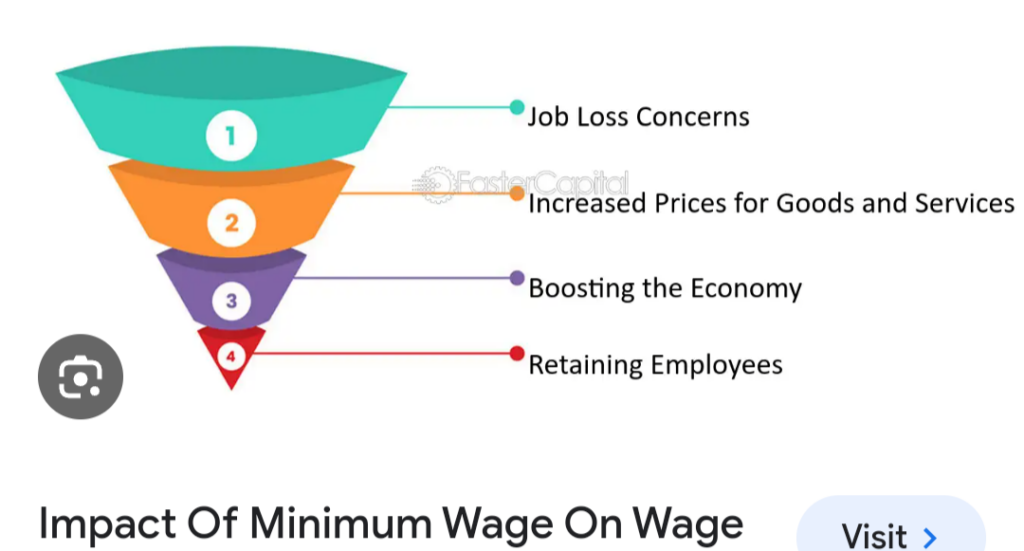
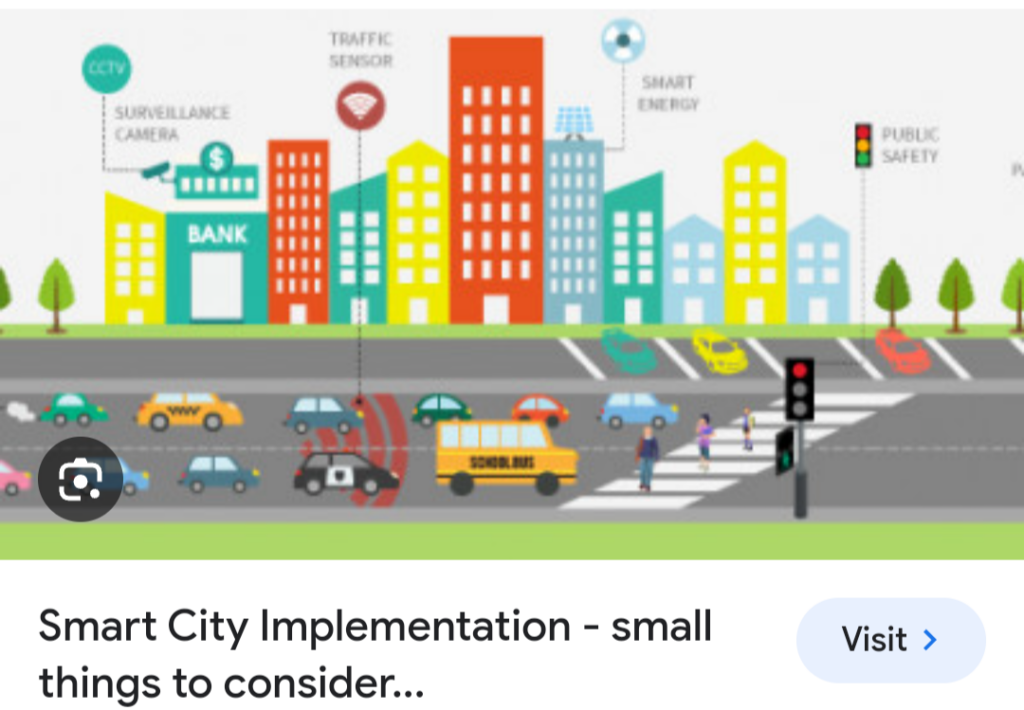
3.Infrastructure Development: Citizens may inquire about infrastructure development projects that aim to improve access to basic services like water, electricity, and transportation, which are essential for the development of housing and communities.
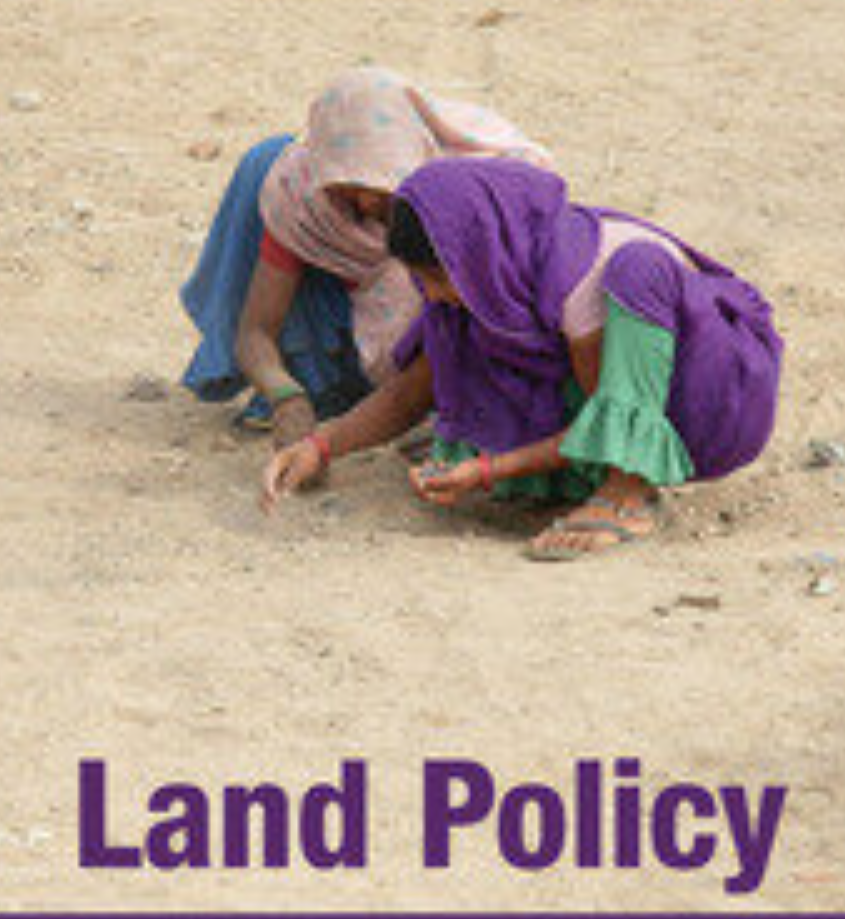
4. Land Policies: Inquiring about land policies and land use regulations can shed light on measures to prevent land speculation, ensure equitable distribution of land, and facilitate affordable housing development in accessible areas.
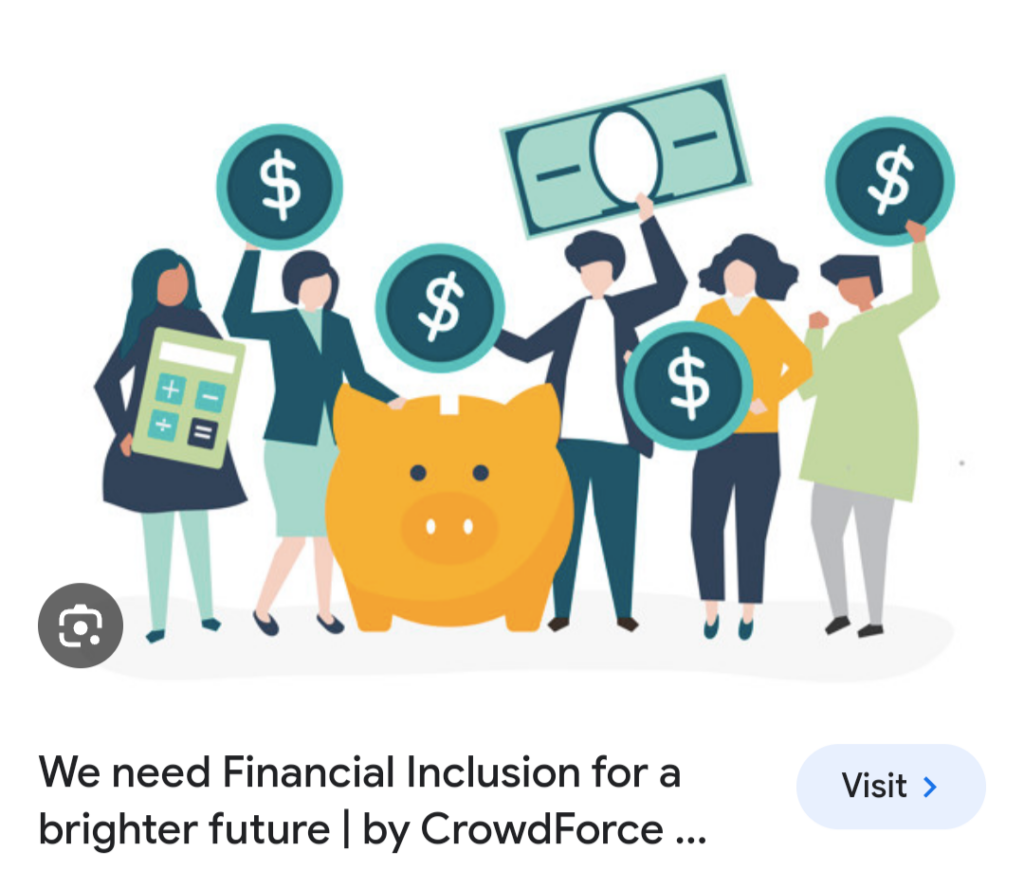
5. Financial Inclusion: Questions about financial inclusion initiatives, such as access to affordable credit and mortgage financing options, can help citizens understand how they can leverage financial tools to purchase or rent housing.
6. Urban Planning: Understanding how urban planning policies prioritise affordable housing within city development plans can provide insights into the government’s commitment to addressing housing affordability challenges in urban areas where demand is high.
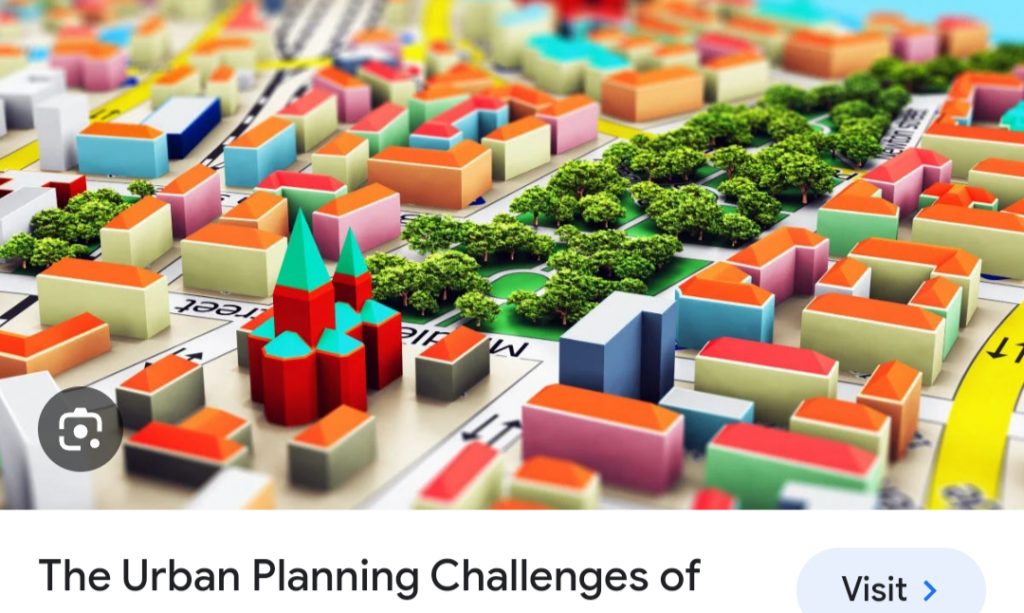
By asking these questions and advocating for policies that prioritise housing affordability, citizens can hold policy makers accountable and contribute to creating a more inclusive and equitable society where everyone has access to safe and affordable housing.

ASSUMPTA: Are there measures in place to ensure that economic growth benefits all segments of society, including marginalised communities?

Presenter: Serwaa Amihere: No, not in Ghana. There are no measures in place to ensure that economic growth benefits all segments of society, including marginalised communities.
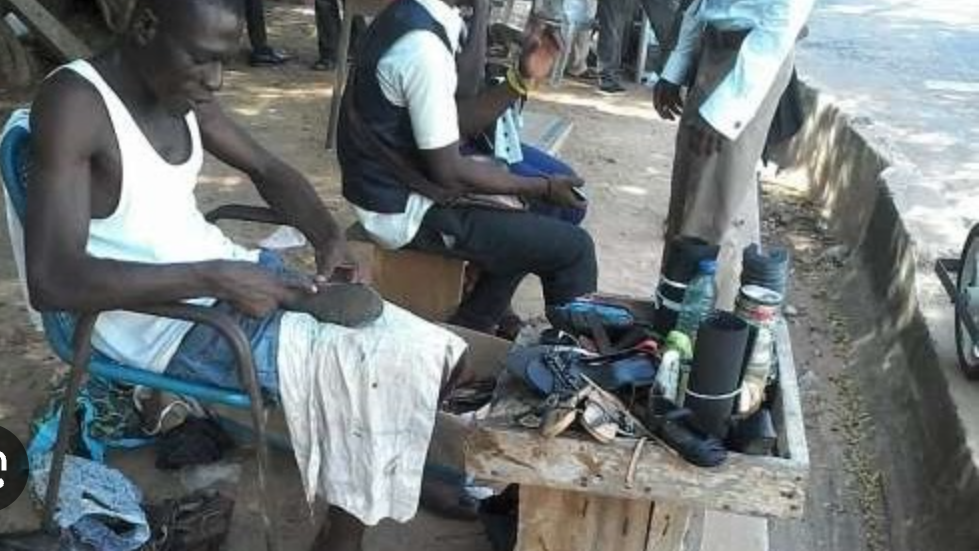
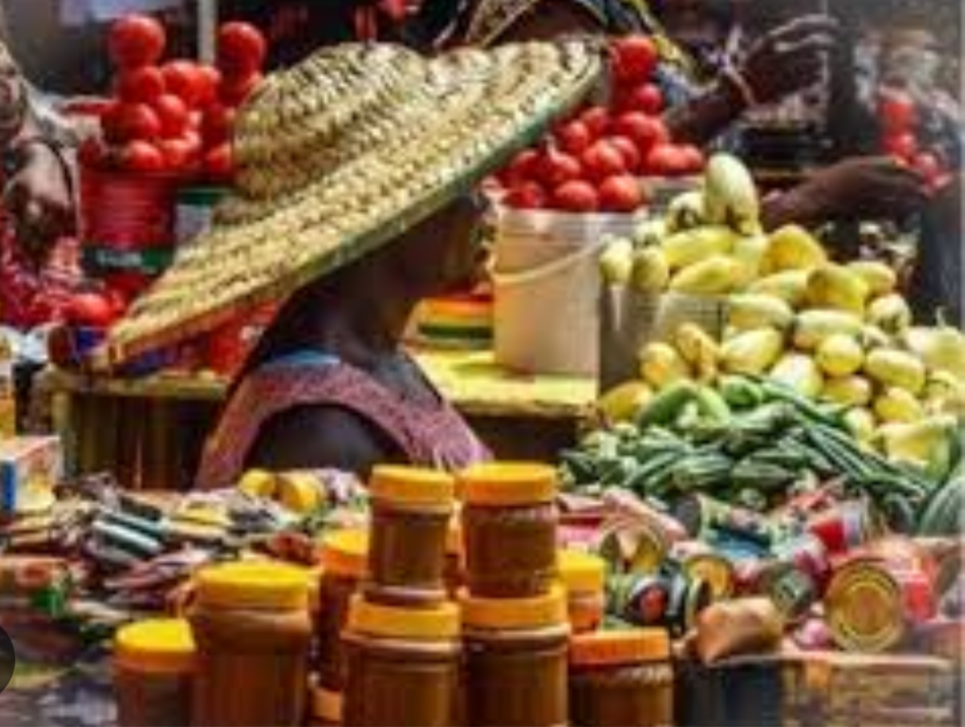
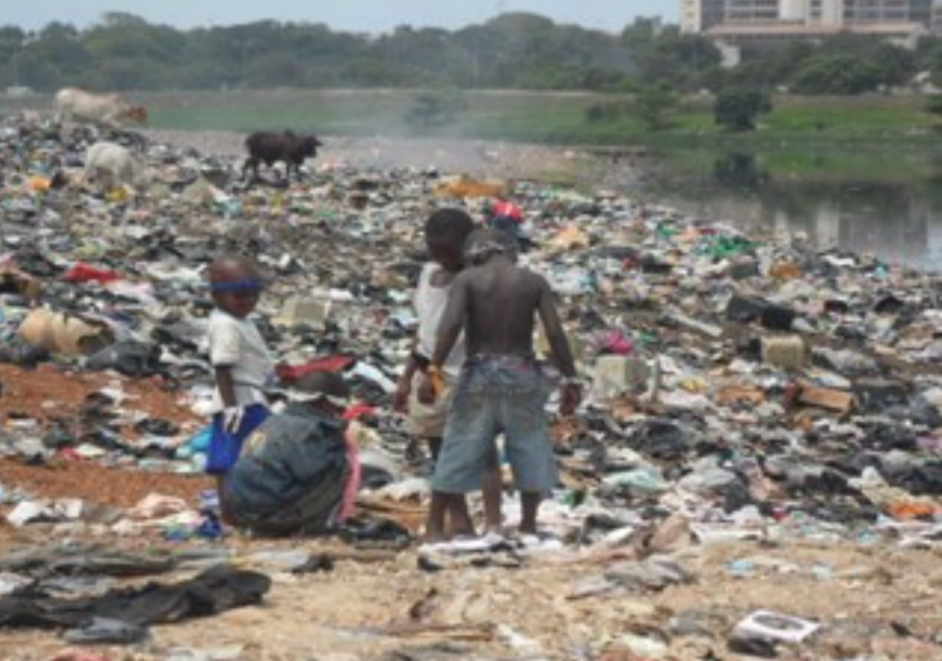
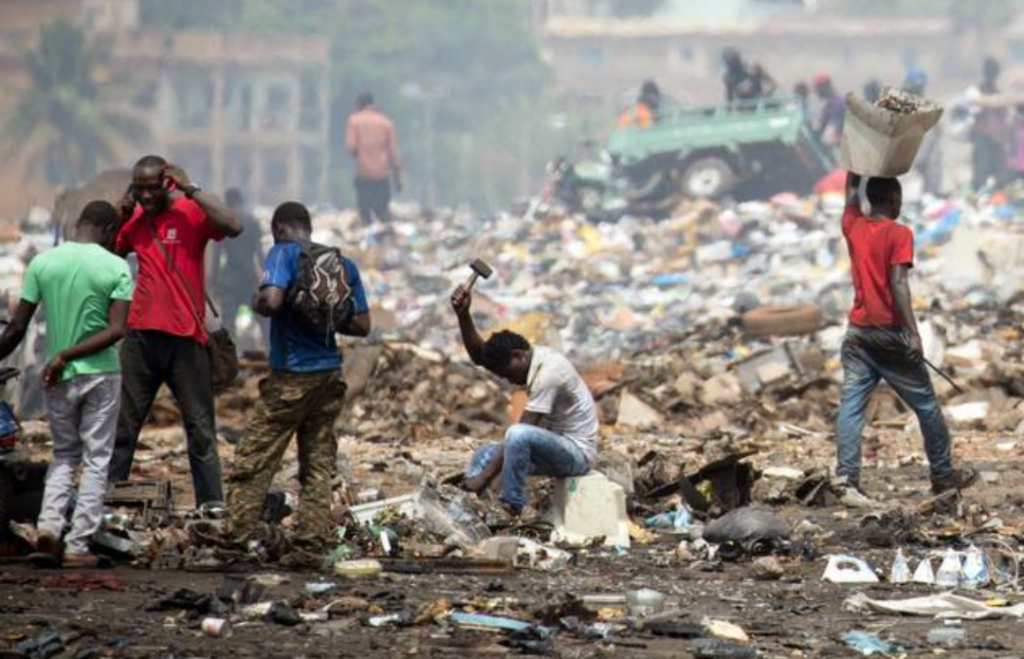

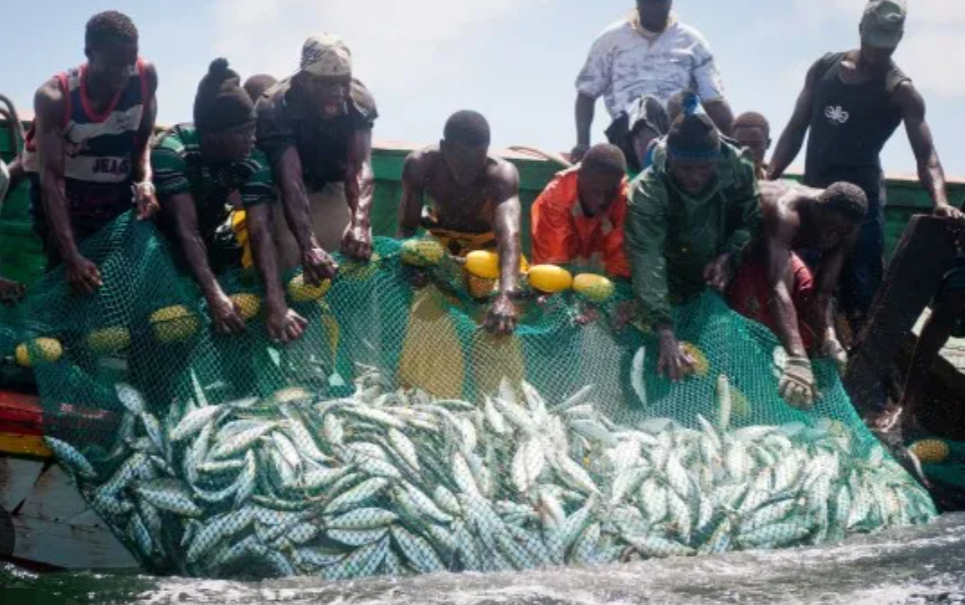
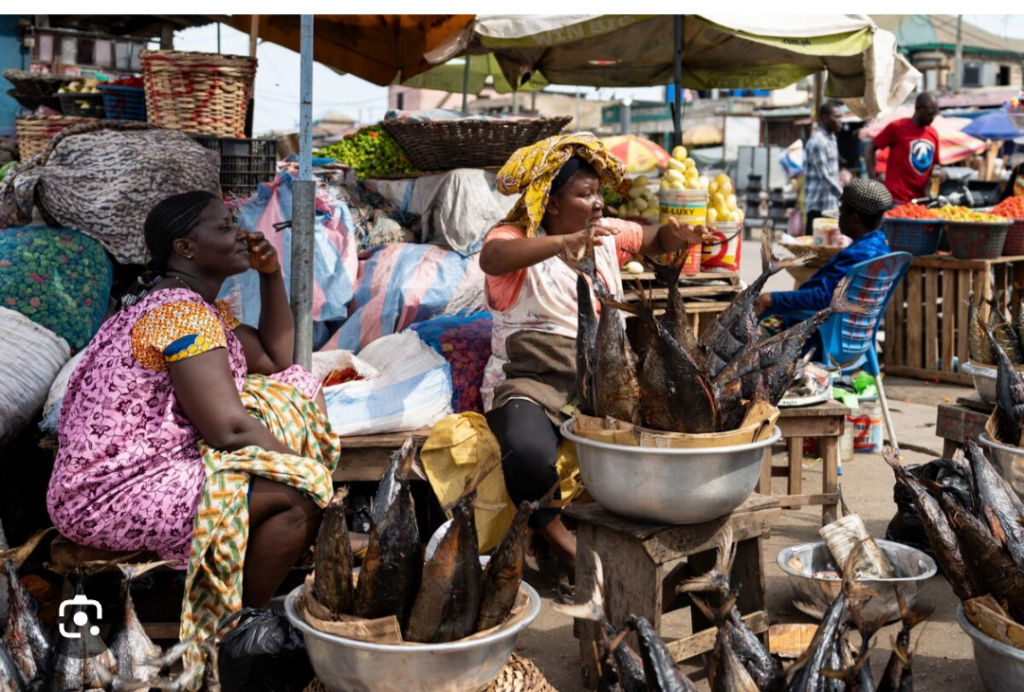
[Marginalized communities, peoples or populations are groups and communities that experience discrimination and exclusion (social, political and economic]
These measures often include targeted policies and programs aimed at addressing the specific needs and challenges faced by marginalised groups. Examples may include:
1. Social Welfare Programs: Governments may implement social welfare programs to provide financial assistance, healthcare services, and other forms of support to marginalised communities, helping to mitigate the impact of economic disparities.
2. Education and Skill Development: Initiatives to improve access to quality education and skill development programs can empower marginalised individuals to participate more fully in the economy, enhancing their earning potential and socio-economic status.
3.Affirmative Action Policies: Affirmative action policies may be implemented to promote equal opportunities for marginalised groups in employment, education, and other areas, helping to address systemic barriers to their economic advancement.
4.Infrastructure Development: Investments in infrastructure development in marginalised areas, such as rural electrification projects or improved transportation networks, can create employment opportunities, stimulate local economies, and enhance access to essential services.
5. Financial Inclusion: Efforts to promote financial inclusion, such as expanding access to banking services and microfinance initiatives, can enable marginalised individuals and communities to access credit, savings, and other financial tools to support entrepreneurship and economic empowerment.
6.Community Development Programs: Community-driven development programs that involve marginalised communities in decision-making processes and resource allocation can help address their specific needs and priorities, fostering inclusive and sustainable development.
Overall, these measures aim to ensure that economic growth is inclusive and benefits all segments of society, including marginalised communities, by addressing disparities and promoting equal opportunities for socio-economic advancement.

ASSUMPTA: The words you mentioned here perfectly describe the spirit of Kwame Nkrumah’s Pan-Africanism ideology for Ghanaians and Africans.

Presenter: Serwaa Amihere:

Kwame Nkrumah’s Pan-Africanism ideology embodies the spirit of solidarity and unity among Africans, with a focus on uplifting marginalised communities and promoting inclusive development across the continent. Nkrumah envisioned a future where all Africans, regardless of their background or circumstances, could participate fully in the economic, social, and political life of their nations.
His emphasis on social welfare, education, infrastructure development, and economic empowerment resonates with the principles of equity, justice, and self-determination that underpin Pan-Africanism. By prioritising the needs of marginalised communities and promoting inclusive policies and programs, Nkrumah sought to build a stronger, more prosperous Africa where every individual could realise their full potential.
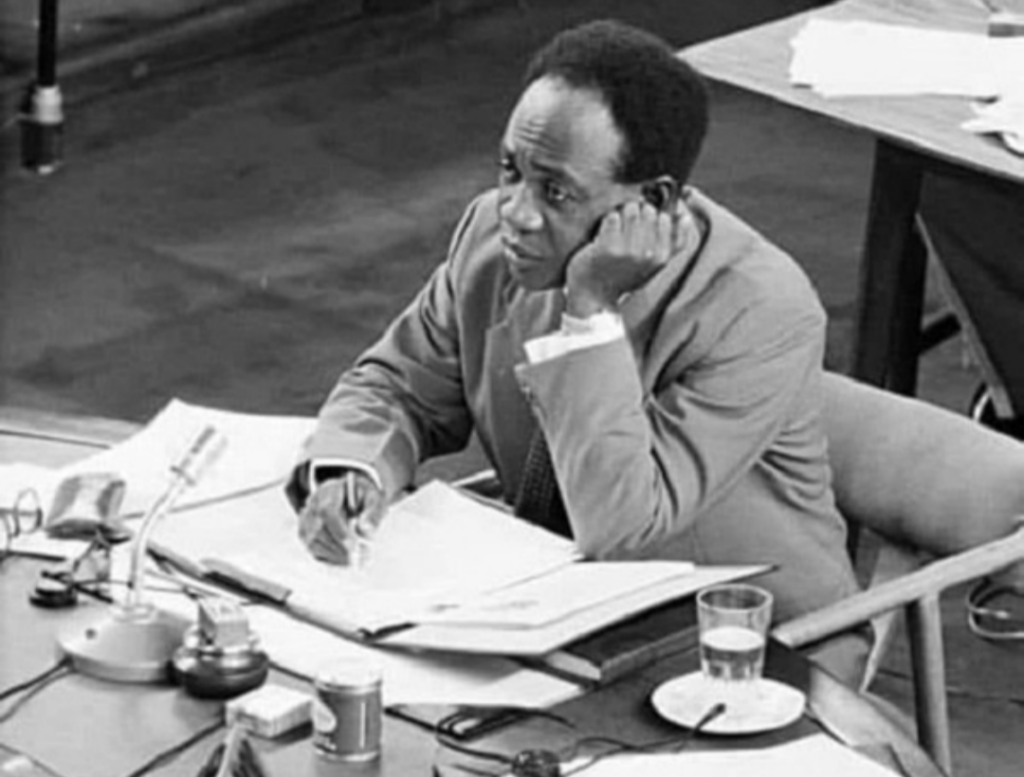
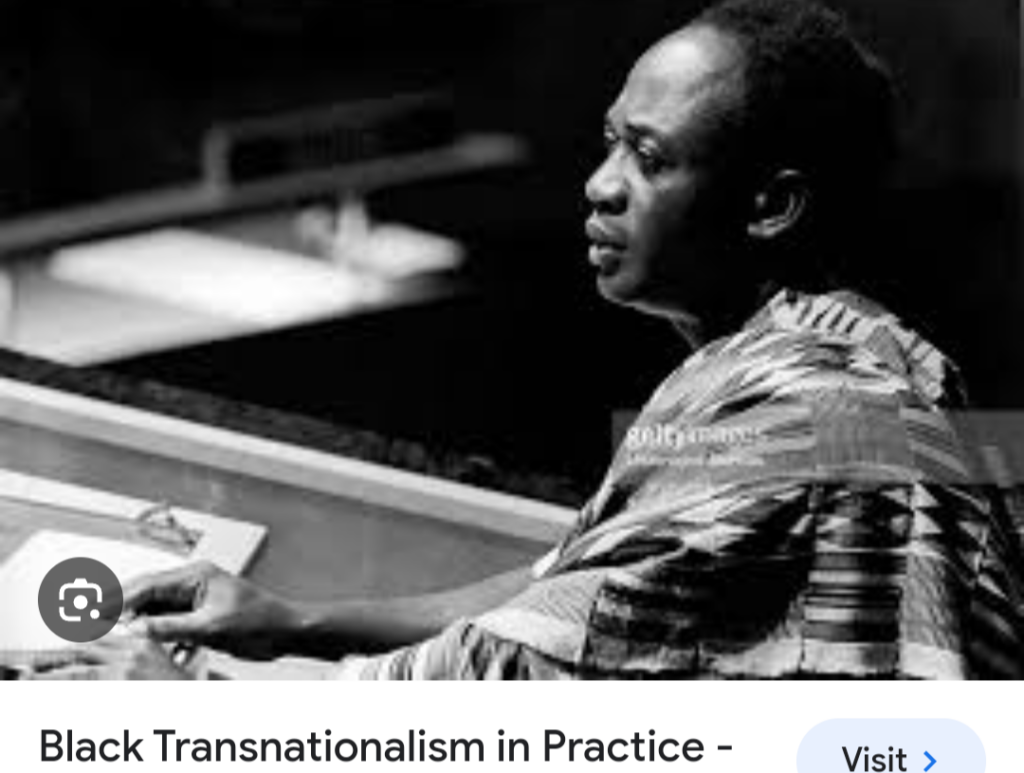
Today, Nkrumah’s legacy continues to inspire efforts to create a more equitable and inclusive society in Ghana and beyond. By embracing the spirit of Pan-Africanism, we can honour his vision and work towards a future where all Africans thrive together.

Presenter: Serwaa Amihere:
“To finish, I would like to share a quote from Nichiren Daishonin that resonates with the resilience of Ghanaians who have struggled all their lives with great suffering without any government support: ‘A lantern [can light] up a place that has been dark for a hundred, a thousand, or ten thousand years.’ (WND-1,923). Many of these Ghanaian men and women have overcome great challenges in their lives because they are courteous and have practical knowledge. Thank you, Assumpta, for joining today’s dialogue.”

ASSUMPTA: You are welcome. Thanks for having me on your program today.