







- And the adventurers who are inspiring ways to make the world a better place.
- Which of them is showing an attitude for channelling chaos?
“If something can be destroyed by the truth, it deserves to be destroyed by the truth”.
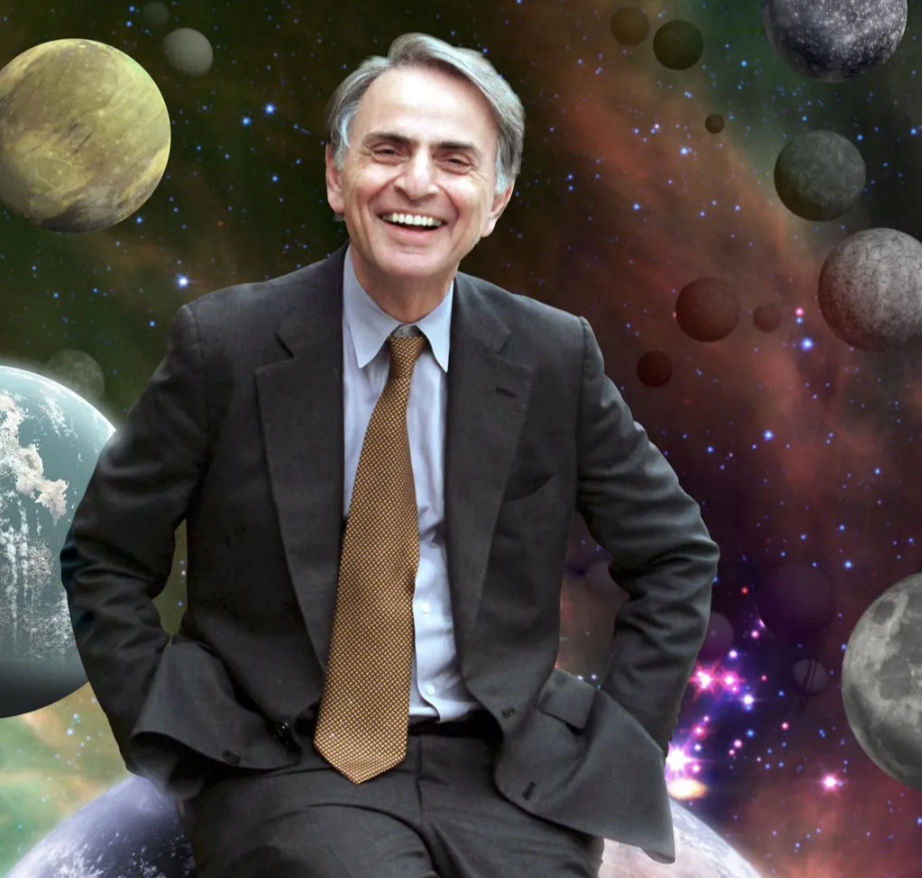
Though scientist Carl Sagan died in 1996, his work remained highly influential. One quote in particular attributed to Sagan regularly showed up on share-centric social media sites: “If it can be destroyed by the truth, it deserves to be destroyed by the truth.”
From today and tomorrow, leading academics, international judges and international practitioners should take us on their exciting journey, how; The International Criminal Court (ICC or ICCt) as an intergovernmental organisation and international tribunal has its groundbreaking jurisprudence impacted on the development of the global justice system.
- How has the interactions of common law and civil law procedures impacted on truth, fairness and efficiency of ICC cases?
- How does this case of Israel taking the law in their hands and further the killings of innocent Palestinians continue without the truth of the law ending it to further shape the future advancement and enforcement of human rights?

That is as much as we want to say by way of introduction, I want to say that the creation of the ICC was done in a way that it interacts and affords as much time as possible for those involved in conflicts because we choose to be democratic. It is the first and only permanent international court with jurisdiction to prosecute individuals for the international crimes of genocide, crimes against humanity, war crimes and the crime of aggression.
Tsasi: But if this is the case then there are guidelines which I trust, judges are to be blamed for not devoting their attention to the real need of enforcing the international laws.
Developing a sense of world citizenship and the mission of young people will be very important in the coming century. Let me turn back for a while and take a look at the 20th century, a time we have all lived through and which forms the backdrop to the future.
Isaiah Berlin, the British historian and writer, has said words to the effect that, “No other century can be compared to the twentieth century in its savagery, for the merciless slaughter people inflicted on each other time and again. That is the disheartening realisation we must live with now”.
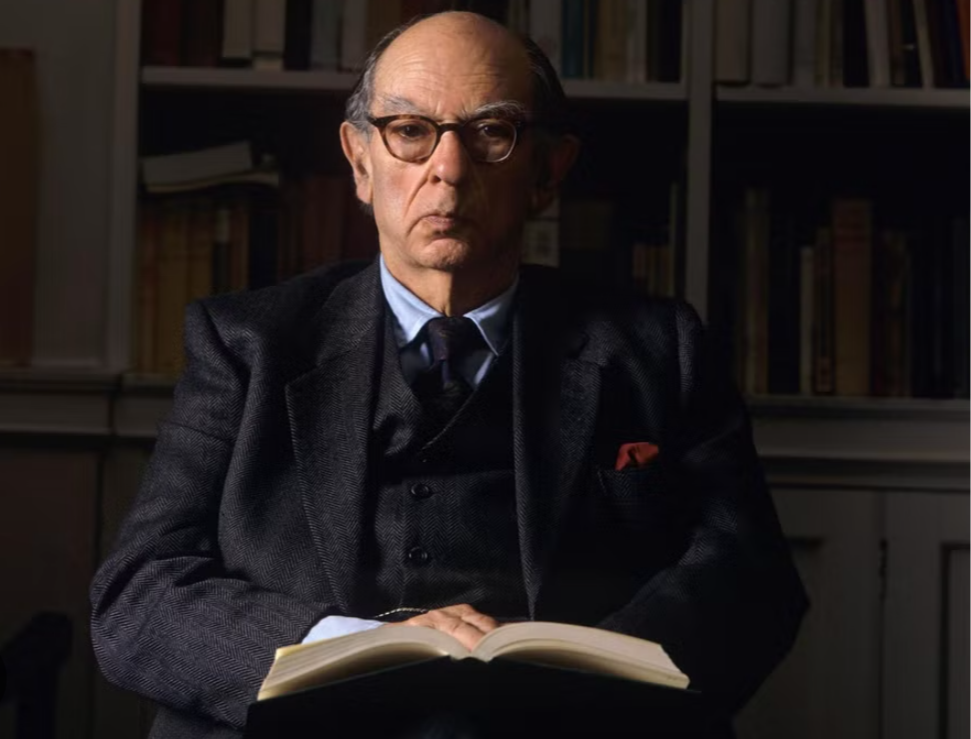
AssumptaGH: Berlin’s words are hardly necessary to remind us that in frequency, scale, and level of brutality, the 20th century carried human tragedy to extremes that have no comparison in any other period of history.
Tsasi: It is certainly true that the 20th century has been the bloodiest in all known human history. From the first and second world wars to Hitler’s holocaust, Pol Pot’s massacres, and all the postwar bloody conflicts in Korea, Vietnam, the Persian Gulf, and more leaving no breathing space, they caused the death and destruction of millions of people. Over 170 million people were killed by governments in official acts of genocide such as the Holocaust.
Since 1900, about 250 new international and civil wars have been waged in which over 100 million soldiers and another 100 million civilians have died. Counting only military casualties, the 18th century had a casualty rate of 50 per million population per year as compared to 60 per million during the 19th century and over 460 per million for the 20th century.
So, finally there are sound reasons for demanding the ICC to be efficient.
AssumptaGH: In my opinion, this is the most important benchmark to assess whether efforts at efficiency and truth were successful.
Can we turn the 21st century into a century of peaceful life? As we continue to make “progress” in the hit/kill ratio of weapons, the new century might be even bloodier. Many perplexing problems remain unsolved, hindering the realisation of global peace.
Tsasi: Yes, another consideration, however, that should be taken into account is if the ICC is defined as contradictory for its concern for justice and human rights will endanger the population, then civil wars and hostility will progress. Because the population has no faith in the law.

AssumptaGH:
So, first, what constitutes efficiency and truth? And which of them is showing an attitude for channelling chaos?
Tsasi: Well, the catalogue of atrocities that has taken place in the world is well known, and we know those behind it with regard to the security council not acting under its powers, while conflicts were going on, which involved mass killings. The ICC is a model for international criminal justice but did nothing.
AssumptaGH: It is rare to be born a human being. The number of those endowed with human life is as small as the amount of earth one can place on a fingernail. Life as a human being is hard to sustain-as hard as it is for the dew to remain on the grass.
Tsasi: But it is better to live a single day with honour than to live to 120 and die in disgrace. Live so that all the people of Kamakura will say in your praise that Nakatsukasa Saburo Saemon- no-jo [Shijo Kingo] is diligent in the service of his lord, in the service of Buddhism, and in his concern for other people. (“The Three Kinds of Treasure,” The Writings of Nichiren Daishonin, vol. 1, p. 851)
Nichiren Daishonin teaches us to show actual proof of victory by striving to live in a way that wins the praise and admiration of those around us.
This offers an important question as to what constitutes truth for a human being. In short, fundamentally truth is derived from the inner brilliance of our humanity that naturally draws others’ admiration. It could also be said that an important part of our struggle for a peaceful world is for each of us to win such trust and respect in society.
The power of our humanity as human beings ultimately inspires praise. In other words, the treasures of the heart we have cultivated are what win us people’s trust and high regard for our exemplary character.