




ASSUMPTA WEEKLY NEWS MAGAZINE
Presenting “Onwards” A newsletter exploring neglected topics. Coming Tuesday, November 12, 2024
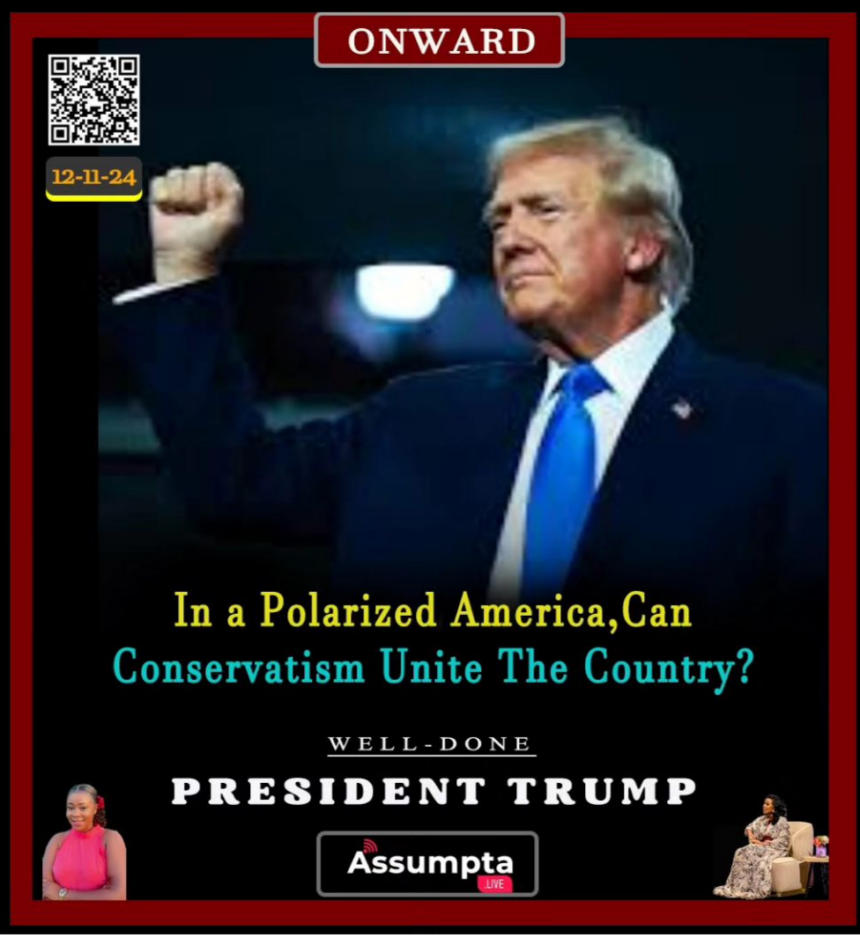
Feature Article: In a Polarised America;
Content: Can Conservatism Unite The Country?
Presented by Assumpta Publications:
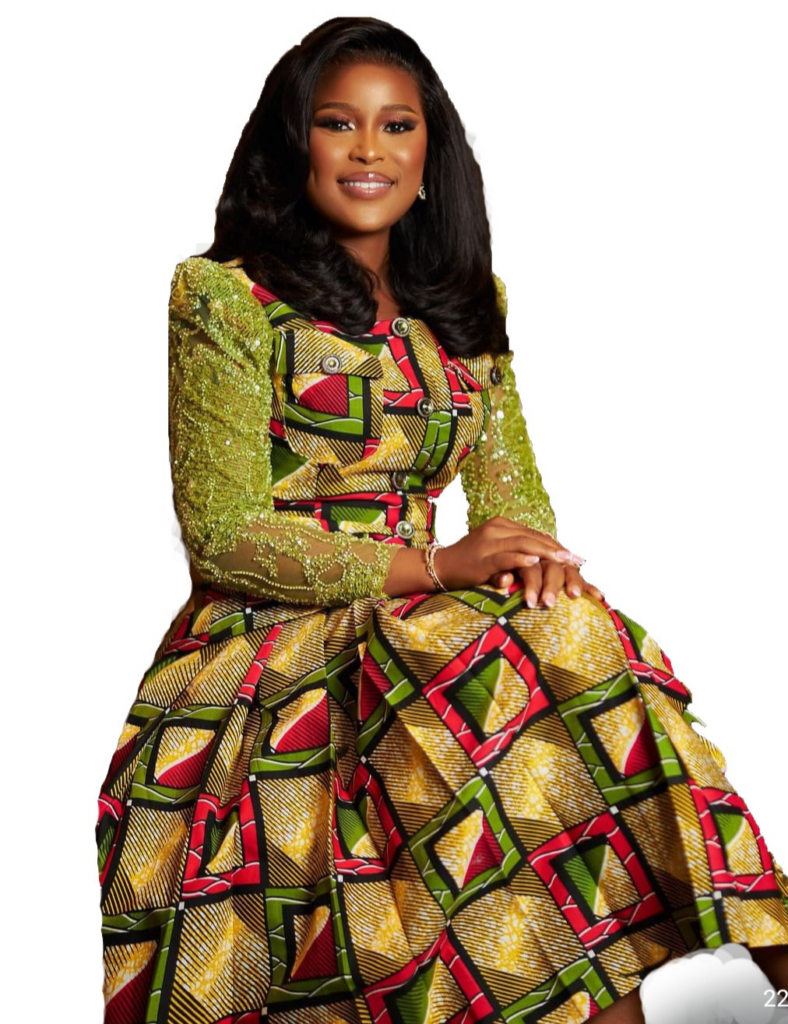
In this special article, respected Ghanaian broadcast journalists Berla Mundi and Frema Adunyame analyse America’s polarised landscape, exploring whether conservatism can offer a path to unity.

Journalism of Neglected Topics
Well Done, President Trump:
It is a challenging day to imagine—the day we were all stunned by the news of President Trump’s political challenges. Many felt a profound disbelief as Trump went on to contest and win the election over Kamala Harris.
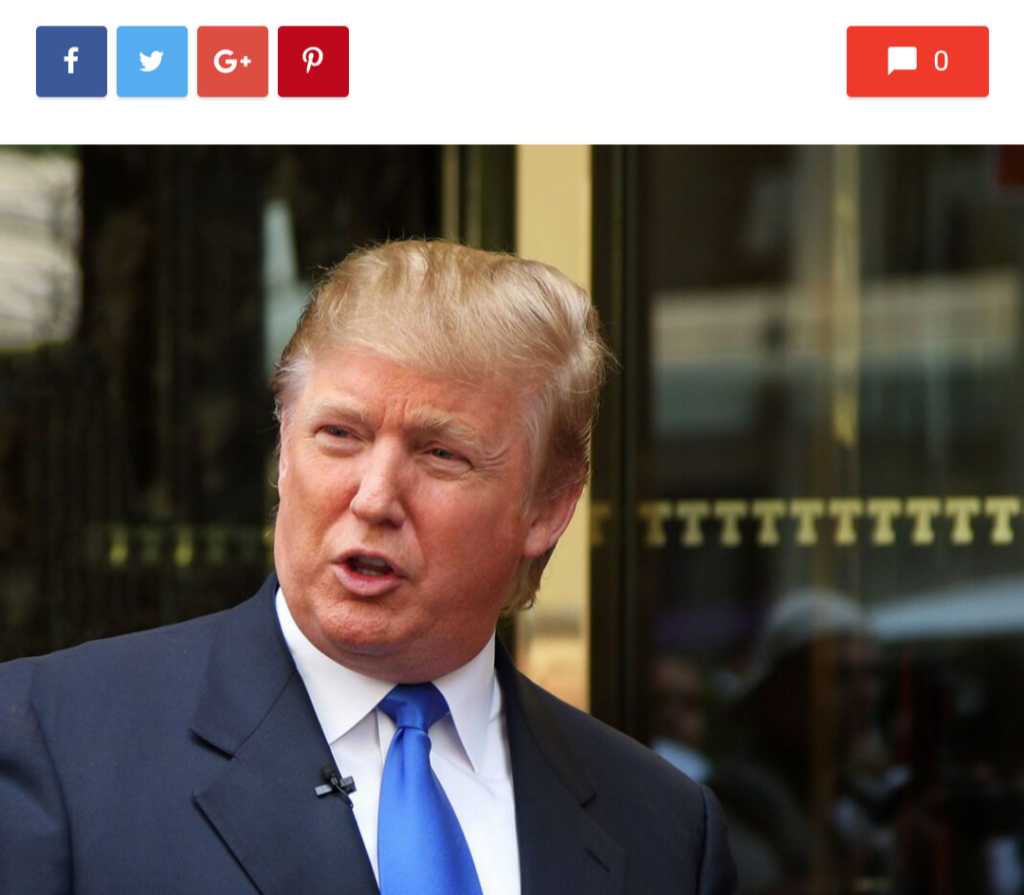
Through this journey, we trace the history of conservatism and the Republican Party in the United States, examining its many evolutions and comparing these with the rise of populism that paved Trump’s path. What emerges is the realisation that Trump did not represent something entirely new; instead, he succeeded by reenergizing foundational principles with his “Make America Great Again” mission.
The question of whether conservatism can unite a polarised America is complex. Partisan divides have deepened, and both parties have diverged significantly on critical issues, making it difficult for any single ideology, conservatism included, to serve as a unifying force.

Gwen-Addo: The CEO of Hair-Senta
https://www.instagram.com/hairsenta? igsh=MXAzOThhNGZ0Nm15dQ==
Transform Your Hair at Hair Senta!
Are you ready for hair that turns heads? At Hair Senta, we don’t just style hair—we create confidence. Whether you want a bold new cut, vibrant color, or deep restorative treatments, our expert stylists are here to bring out the best in your hair. From classic looks to the latest trends, we tailor every session to suit your unique style.
Why Choose Hair Senta?
Skilled Stylists with a passion for perfection
Premium Products that nourish and protect
Relaxing Environment designed just for you
Affordable Prices without sacrificing quality
Book your appointment today by calling (+233) 0544354455 / 0248629769 or visit www.hairsenta.com/24 Jungle Avenue, Accra, Ghana, 00233, and experience the Hair Senta difference. Because you deserve hair that’s not just styled but stunning.
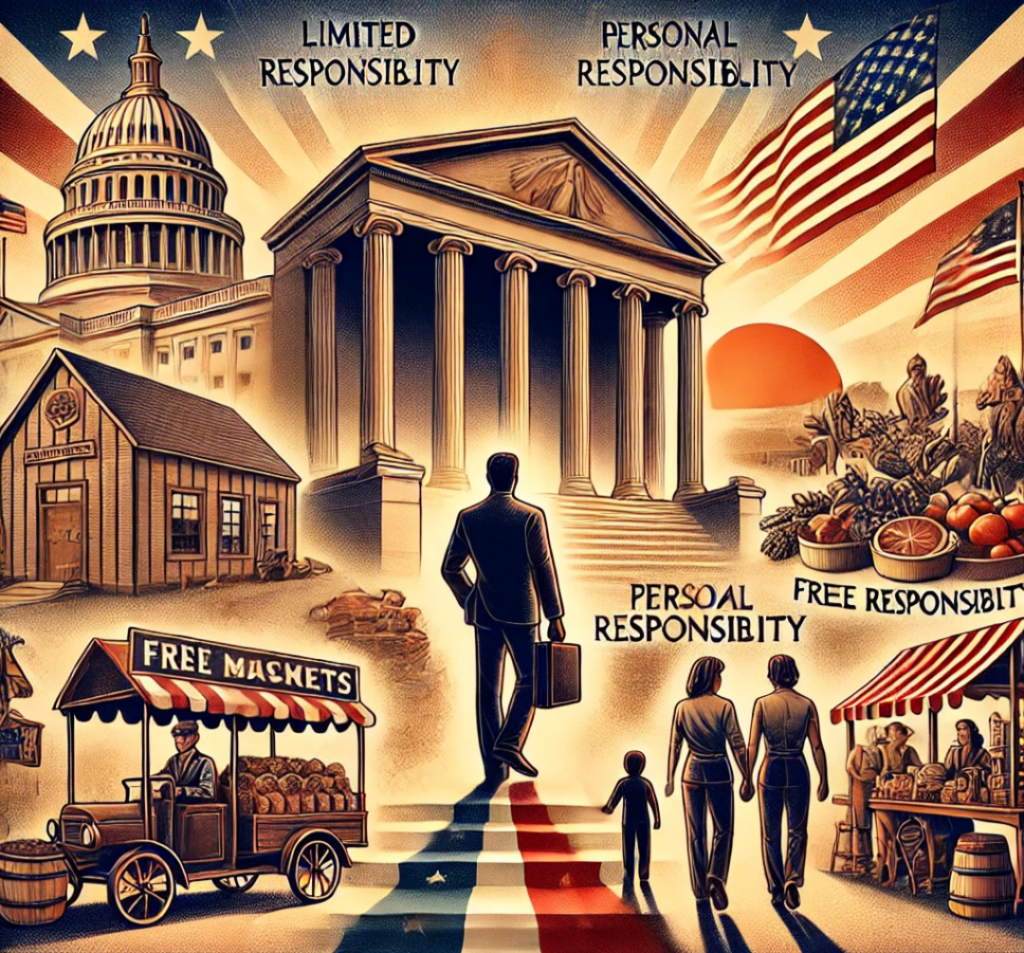
Here’s the image representing American conservatism with symbols of limited government, personal responsibility, free markets, and traditional values in a patriotic, classic style.
Historically, American conservatism has emphasised limited government, personal responsibility, free markets, and traditional values. These principles underscore stability, respect for heritage, and gradual change over rapid or disruptive shifts. Many Americans resonate with these ideals, especially those who support smaller government and prefer local control over federal intervention. However, as conservatism became more intertwined with populist and nationalist themes under President Trump, its traditional base expanded while also growing more divided. Trump’s appeal lies in his anti-establishment, America-first approach, which occasionally clashes with classic conservative values such as free trade and strong international alliances.
Today’s conservatism could promote unity by focusing on shared values like respect for individual rights and personal liberty, which resonate across party lines. However, this shift would likely require moving beyond divisive rhetoric, focusing instead on practical solutions that appeal to Americans of all backgrounds—such as economic opportunity, secure borders, fair immigration reforms, and freedom of speech. To many on the right, Trump’s leadership style embodies authenticity and boldness, a refreshing contrast to what they view as a political elite out of touch with the lives of everyday Americans. Yet, while some see this as unifying, others find it polarising, complicating conservatism’s potential as a unifying ideology under Trump’s influence.
Ultimately, for conservatism to serve as a unifying force, it would need to balance traditional conservative principles with the populist energy that recently redefined it. The feasibility of this depends on whether conservative leaders can appeal to a broader base, including moderates and independents, without alienating the core supporters of its modern populist form.
The Power of MAGA: A Lasting Message
The “Make America Great Again” slogan was profoundly effective at capturing and channelling a powerful sentiment among Americans. For many, MAGA represented a return to traditional values, economic revival, and national pride—a vision of America they believed had drifted from its foundational ideals.
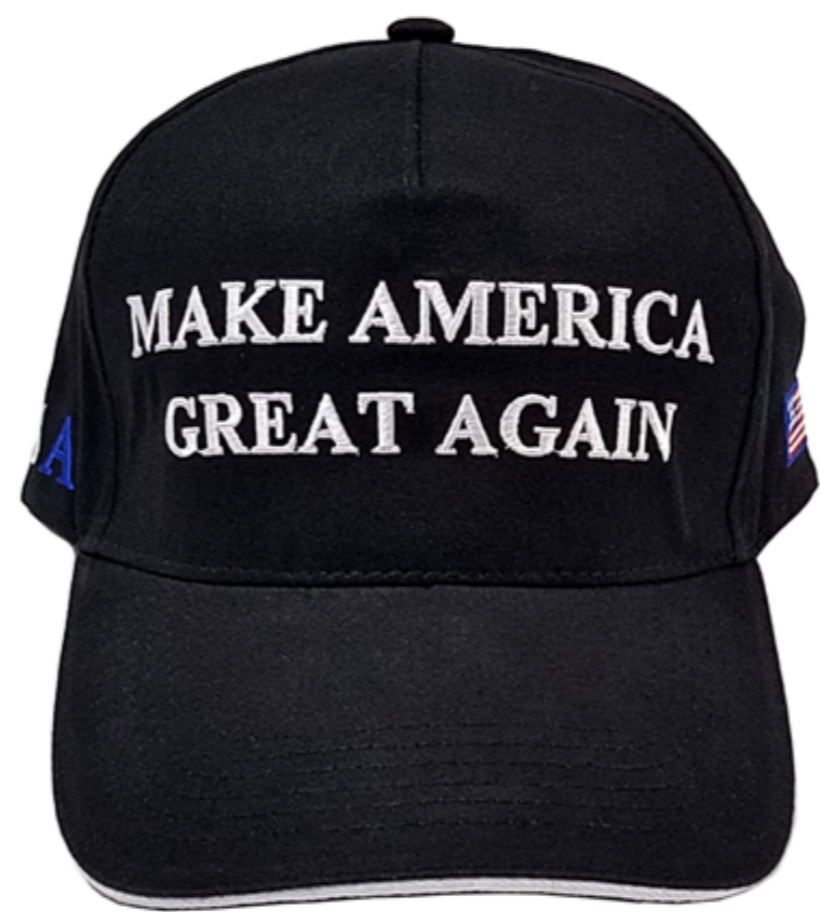
MAGA’s success stemmed from its broad, deeply personal appeal. People from diverse backgrounds could project their unique interpretations of “greatness” onto it, whether that meant stronger borders, economic revitalization, or a government prioritising its citizens over foreign interests. By emphasising economic prosperity and national security, MAGA sought to unite Americans around a common goal of national strength.
However, this approach was not without its critics, some of whom saw it as a nostalgic look back that may have overlooked current social challenges or progressive ideas. Yet, MAGA’s lasting impact on American politics underscores the power of messaging that taps into shared cultural and economic concerns, while also highlighting the difficulties in uniting a nation when visions of “greatness” vary widely.
Leadership and Noble Character
True leadership goes beyond ideology. A true leader’s life performance is rooted in keen human insight and noble character, not conservatism alone.
For instance, much of Kwame Nkrumah’s work in the Gold Coast of Ghana and across Africa received wide acclaim. As a leader, Nkrumah’s enduring luminescence developed through life’s severe trials and struggles. His vision extended beyond politics, aspiring to bring unity and upliftment to the African people.
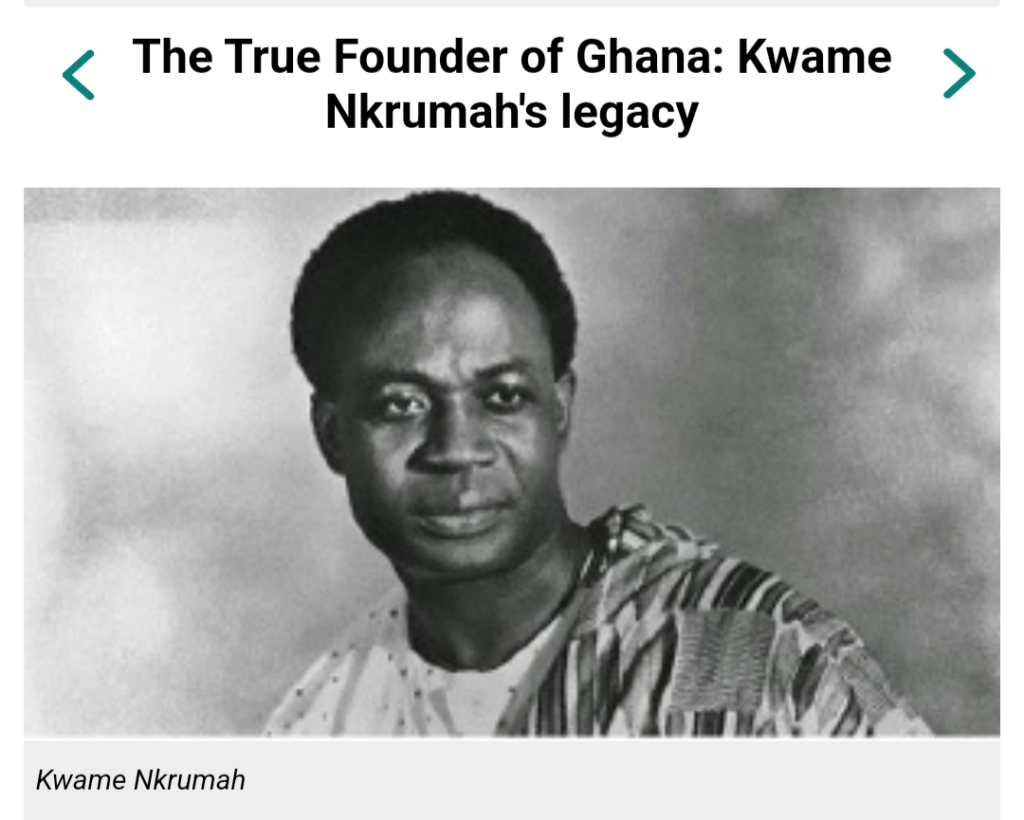
In a similar vein, President Trump’s journey resonates with a determination to overcome the obstacles he faced before, during, and after his first presidency. Like Nkrumah, Trump has confronted challenges he views as injustices, which have fueled his desire to bring positive change to his country.
Both leaders—Nkrumah and Trump—were driven by the injustices, oppression, and despair they perceived as inflicted on their people by dishonest leadership. Through their shared determination and resilience, both men emerged as beacons of hope. Today, Trump embodies a similar vision as he pledges once again to “Make America Great Again,” offering many Americans hope for the future.
Dialogue between Berla Mundi and Frema Adunyame

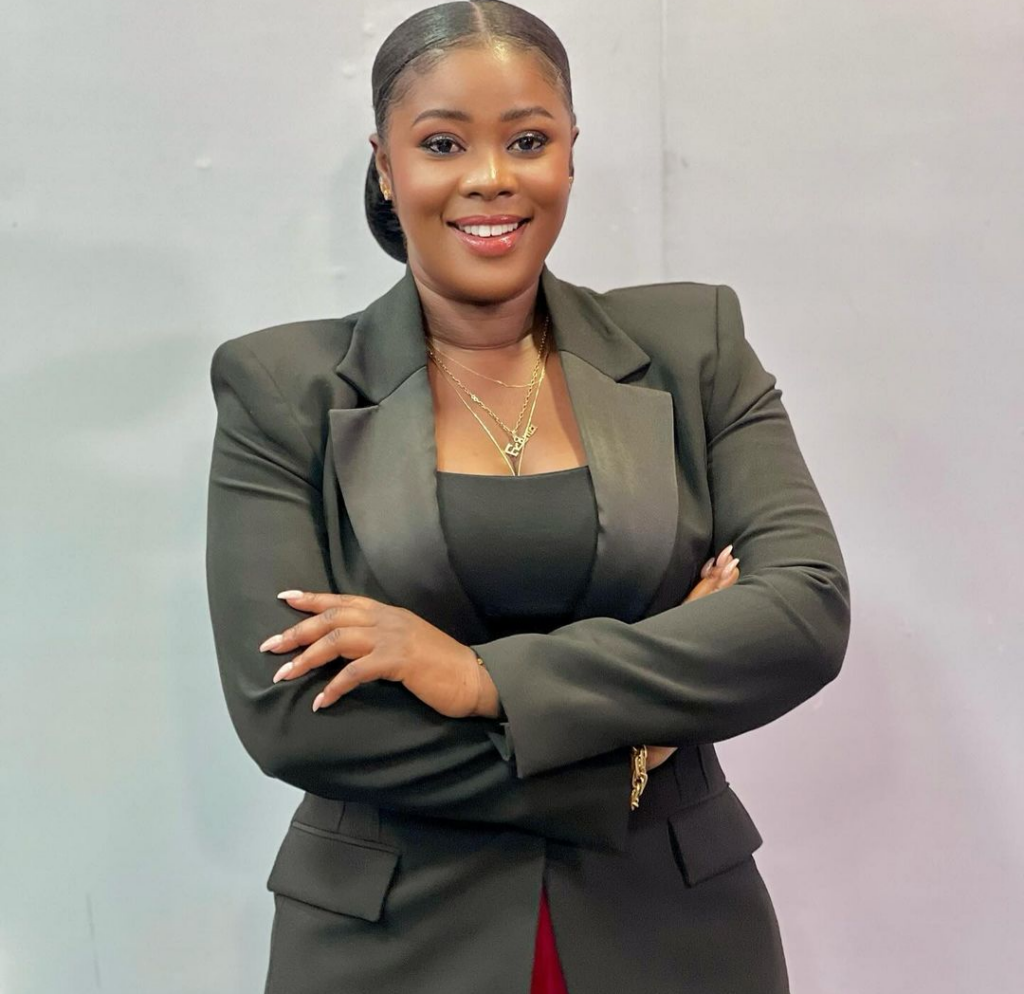
Berla Mundi:
“Good morning, Frema! It’s great to have this chance to chat with you about such a thought-provoking topic today. How are things on your end at Channel One?”

Frema Adunyame:
“Good morning, Berla! I’m doing well, thank you! And I’m looking forward to this discussion. Assumpta’s piece on whether conservatism can unite a polarised America has so many layers—it challenges us to think beyond headlines, doesn’t it?”
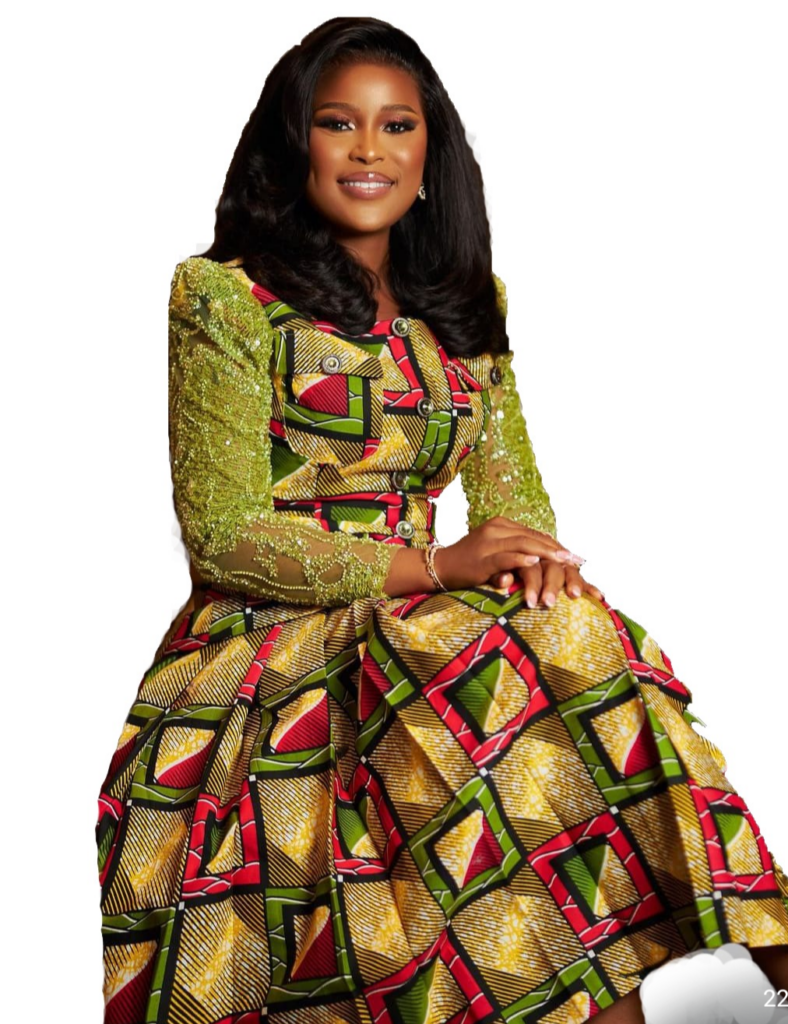
Berla Mundi:
“It does. It’s intriguing how the article brings out the deep divide in American politics while examining whether conservatism, with its traditional values of limited government and personal responsibility, could still offer a path to unity. It’s a complex question, especially given how conservatism has evolved under Trump. What stood out to you the most?”

Frema Adunyame:
“For me, it was the discussion of Trump’s ‘Make America Great Again’ slogan and its impact. The article explains how MAGA tapped into a powerful emotional response from many Americans who felt that the country had lost its way. But while it resonated deeply with some, it also became polarising for others, especially those who saw it as dismissive of progressive ideas. I found the tension between unity and division quite fascinating. What about you?”
Berla Mundi:
“Yes, I thought that was one of the most compelling aspects too. MAGA became a sort of rallying cry that some viewed as a return to ‘traditional values’ while others felt it ignored current social progress. This polarisation makes it clear that uniting under conservatism would require a shift away from divisive rhetoric, focusing instead on shared values that appeal broadly. But that’s easier said than done! For example, the idea of individual rights and personal liberty—those are universal values, but they get interpreted so differently across the political spectrum.”

Frema Adunyame:
“Exactly, and I think that’s where conservatism, as the article suggests, could promote unity, but only if it steps back from the recent populist influences and returns to those traditional, stable principles. It reminded me of how we, in Ghana, experienced a similar wave with Kwame Nkrumah, who had a strong nationalist agenda. His vision unified people with a shared purpose. Nkrumah’s journey was also marked by resilience and determination to uplift the continent. Trump’s path might be different, but that same resilience seems to be there.”

Berla Mundi:
“I agree—Nkrumah’s life work was grounded in uplifting Ghana and uniting Africa, and Trump has that drive to ‘restore America’ as he sees it. But it’s also important to consider that Nkrumah’s appeal was in his unifying vision, which transcended politics.
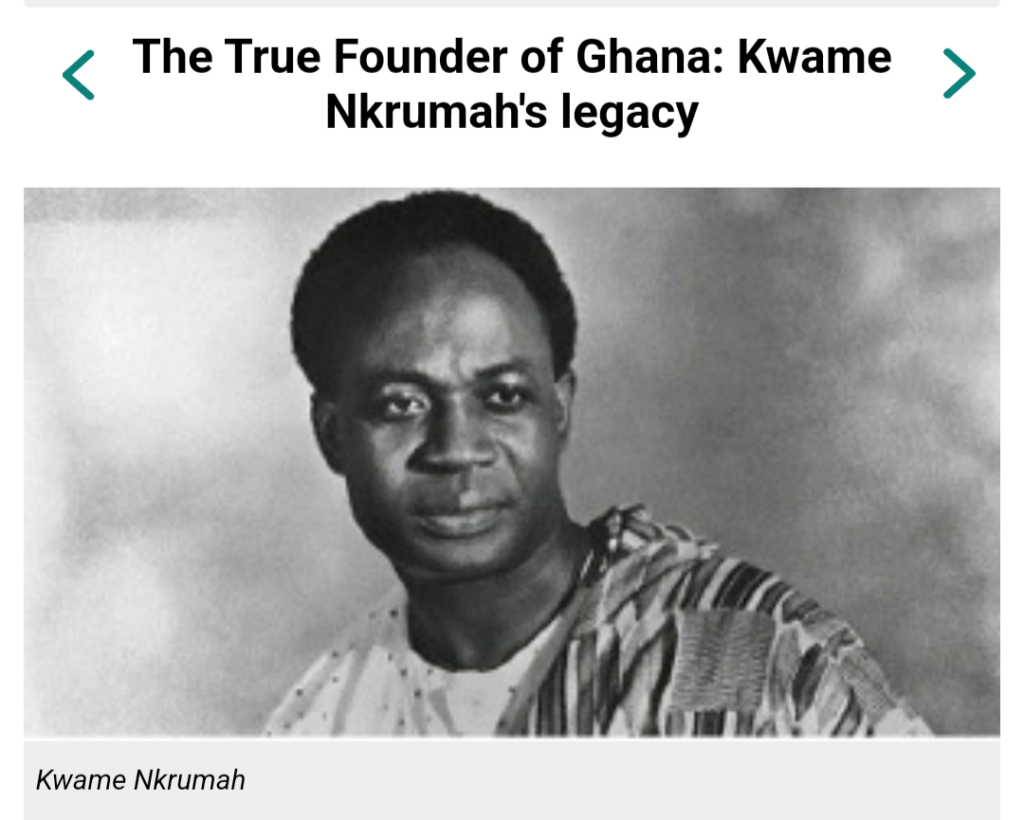
For conservatism to truly unite America, it might require that same transcendent vision, moving beyond party lines. However, under Trump’s leadership, conservatism became more associated with populist ideals, which sometimes stray from its traditional roots. This shift may have expanded its base, but it also created new divisions within conservatism itself.”
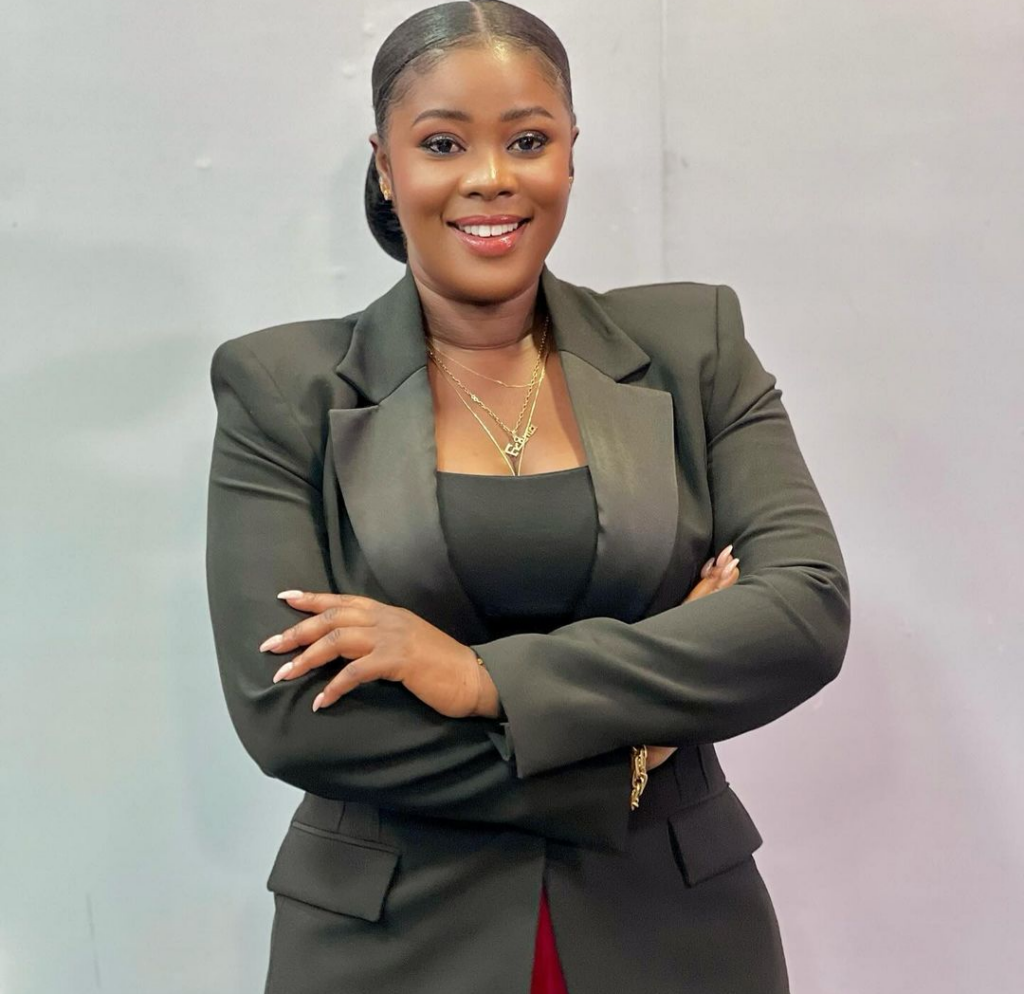
Frema Adunyame:
How can former President Donald Trump, who currently faces several felony charges in different cases related to alleged misconduct, proceed?
1. New York Business Records Case: Trump was indicted on 34 felony counts for allegedly falsifying business records about hush-money payments made during his 2016 campaign. The Manhattan District Attorney’s office claims Trump intended to cover up potentially damaging information through illegal business recordkeeping.
2. Classified Documents Case: In Florida, Trump was charged with multiple counts of unlawfully retaining classified documents after leaving office and obstructing efforts to retrieve them. These counts include 32 for “willful retention of national defence information,” as well as charges of conspiracy to obstruct justice and making false statements about his handling of the documents.
3. January 6th and Election Interference: Trump also faces federal charges in Washington, D.C., for actions surrounding the 2020 election results and the January 6 Capitol riots. Charges include conspiracy to defraud the U.S., obstruction of an official proceeding, and conspiracy to infringe on citizens’ voting rights, with prosecutors alleging he and others worked to overturn the election results.

Berla-Mund:
When you observe the patterns, you can see the Zionist immoral plot that has found its path in politics around the world.
When you think further, you come to realise that the same thing was done to Kwame Nkrumah when he was painted as an authoritarian leader who wanted to rule Ghana and Africa for his whole life, and therefore he shouldn’t travel to countries like China and Russia.
Sometimes, the Zionist oppressors passively accept evil and perpetuate it as long as the oppressed remain unaware of the evil involved in their oppression, and so they accept it.

Therefore, what has been done to Trump was also done to Kwame Nkrumah, like pieces of a puzzle that fit together.

Frema Adunyame:
“Right! It’s interesting how the article points out that traditional conservatism values slow, gradual change and stability, while populist conservatism under Trump leaned into rapid and sometimes disruptive shifts. This mix has complicated conservatism’s role as a potential unifying force. For conservatism to bring Americans together, it would need to balance these traditional ideals with the populist energy that Trump introduced. But finding that balance is a huge challenge.”
Berla Mundi:
“That’s so true, Frema. And to your point, there’s also the challenge of translating these values into policies that appeal to a broader base. The article mentions topics like economic opportunity, fair immigration, and freedom of speech—issues that could resonate across party lines if framed inclusively. But that requires intentional leadership, and, as the article says, ‘noble character.’ Leadership that prioritises people over politics.”
Frema Adunyame:
“And perhaps that’s the essence of real unity, isn’t it? It’s not just about a specific ideology; it’s about leadership that goes beyond labels to genuinely understand and uplift people. That’s what the article touches on in the last section about noble character. It’s this kind of insight and empathy that could foster unity in any polarised environment, whether in the U.S. or elsewhere.”
Berla Mundi:
“Exactly, Frema. A true leader looks beyond ideology to see the human aspects—the hopes, struggles, and aspirations of people. That’s something we can relate to, and perhaps that’s where conservatism—or any ideology—could unite, by focusing on people and shared values. Thanks for this engaging discussion, Frema! I think Assumpta Publications did an incredible job highlighting these ideas.”
The Fall of the Berlin Wall
No More Communism November 9, 1989
On November 9, 35 years ago, the fall of the Berlin Wall marked the end of an aberrant and bloody ideology, giving Europeans finally free from all totalitarianism.
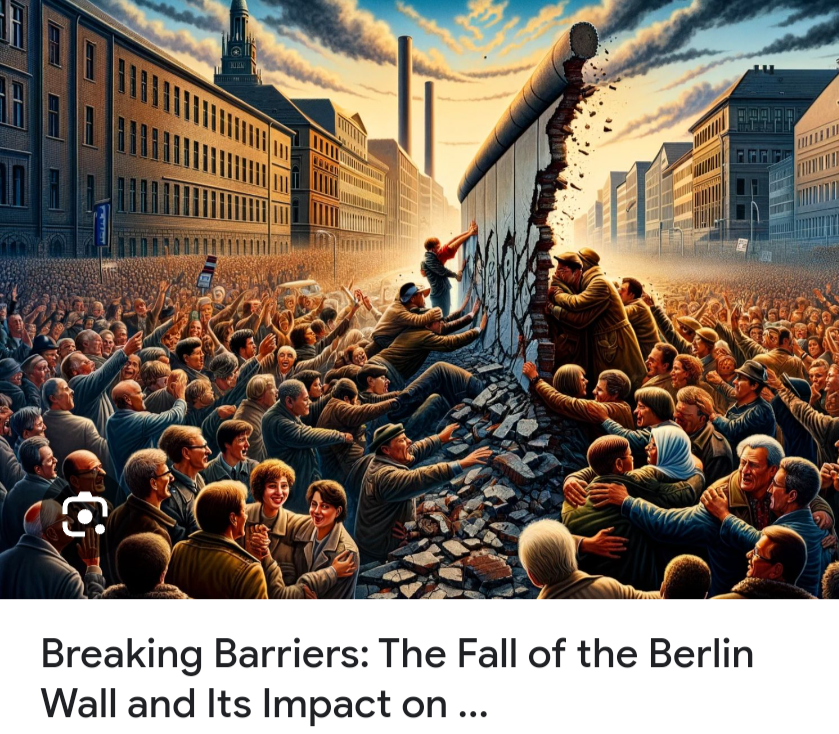
On “Freedom Day”, Europeans celebrate the memory of those hours that marked history and renew their commitment to defending the values and principles of democracy.

Frema Adunyame:
“Berla, 9th November marks 35 years since the fall of the Berlin Wall—November 9, 1989. It was such a historic moment, signalling the end of a bloody ideology and giving people in Europe freedom from totalitarianism. They call it ‘Freedom Day’ now, celebrating that shift from division to unity and renewing their commitment to democracy. When I think of what that meant for Europe, it’s inspiring. It makes me wonder if there’s a parallel to be drawn with our discussion today about America’s polarised political landscape.”

Berla Mundi:
“Frema. The fall of the Berlin Wall was one of the strongest symbols of unity in our time. It reminds us of how ideological walls can limit people’s lives and create division. Just as Berlin was physically divided, we see how political polarisation today divides people by ideology, creating walls in people’s minds. Back then, it was about dismantling communism and overcoming an era of suppression, but in today’s America, it’s about bridging the gaps between sharply divided beliefs and values. The lesson from that day in Berlin could apply anywhere today.”

Frema Adunyame:
“Exactly, Berla! When I think of the Berlin Wall coming down, I think of the determination people had to reunite, to move beyond the oppressive structures that kept them apart. It was as much a symbolic tearing down of ideology as it was a physical one. In America’s case, unity could come from a similar tearing down of the walls that have been built up by extreme partisanship. Much like those Berliners, Americans might need to focus more on what they share in common—values like democracy, respect, and individual rights. Those are things that can transcend political labels, just as the desire for freedom united East and West Berliners.”

Berla Mundi:
“Yes, Frema, and it’s a beautiful thought. I wonder if, just as the fall of the wall required immense courage and hope, America needs that same commitment to begin breaking down these metaphorical walls. The Berlin Wall’s fall wasn’t just the end of communism; it was a beginning—a chance to reunite and rebuild on shared values. If we’re thinking of conservatism in America as a possible unifying force, it would have to focus on those kinds of common principles rather than partisan divides. Just as Berliners united for democracy, perhaps a renewed focus on core democratic principles could bring Americans closer together.”

Frema Adunyame:
“Yes, and it’s inspiring to remember that change can come when people refuse to let walls—whether physical or ideological—keep them apart. The people of Berlin didn’t just see a wall crumble; they saw a future of possibility and shared purpose. That’s a hopeful reminder for us all, Berla. Tearing down walls, whether in Germany in 1989 or in America today, starts with seeing one another as people, not simply as opposing ideologies. And when people commit to that, real unity becomes possible.”
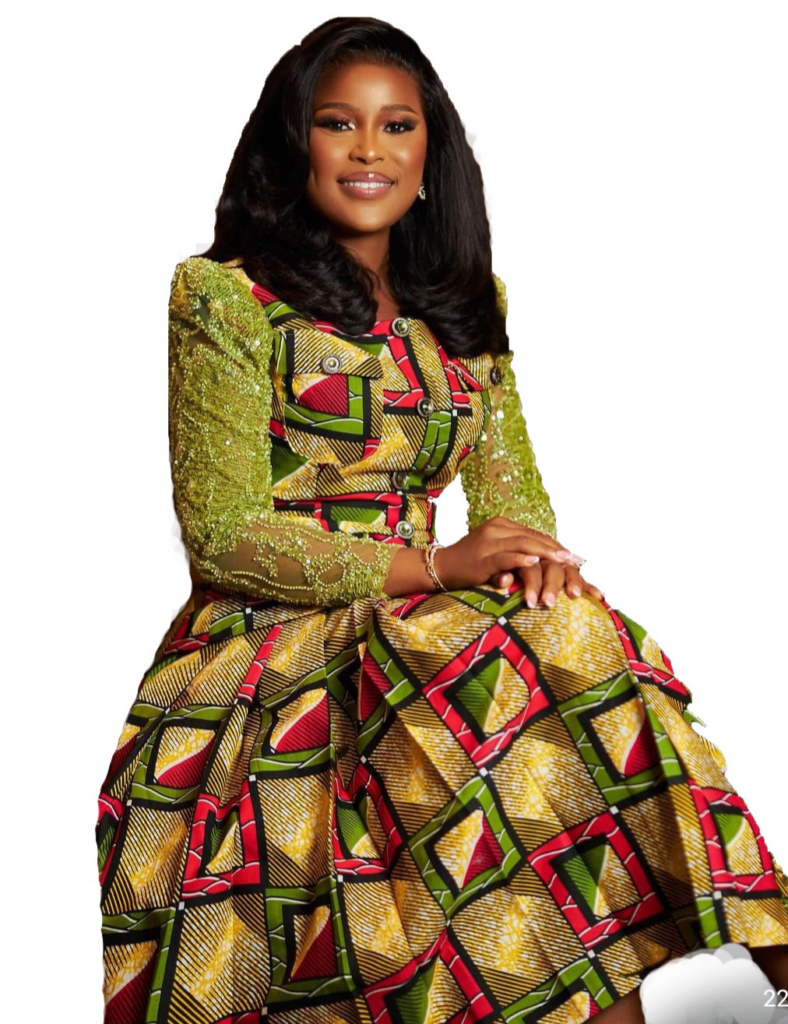
Berla Mundi:
“Well said, Frema. The fall of the Berlin Wall was a triumph of unity over division, a powerful symbol of people reclaiming their rights and their shared humanity. Just as Europe rose from that moment with a commitment to democracy, perhaps America can look back to similar ideals and find a way to move forward. After all, walls don’t last forever—not physical ones, and hopefully not ideological ones.”
Frema Adunyame:
“Beautifully put, Berla. It’s a reminder that unity often takes courage and commitment to shared principles. Let’s hope that the spirit of ‘Freedom Day’ continues to inspire us today.” “And thank you for sharing your insights! It’s been such a pleasure discussing this with you. I think it’s a reminder that unity, whether in politics or media, often requires us to listen deeply and move forward with respect and understanding.”

Berla Mundi:
“Couldn’t agree more, Frema. Let’s keep these conversations going for our audiences and ourselves. Until next time!”
Frema Adunyame:
“Until next time, Berla. Take care!” This dialogue explores key ideas while keeping a reflective tone, encouraging readers to think critically about unity and leadership in a polarised environment. Thank you all Assumpta and Aboronoma Online Digital Newsletter and Lifestyle Magazine readers and influencers