





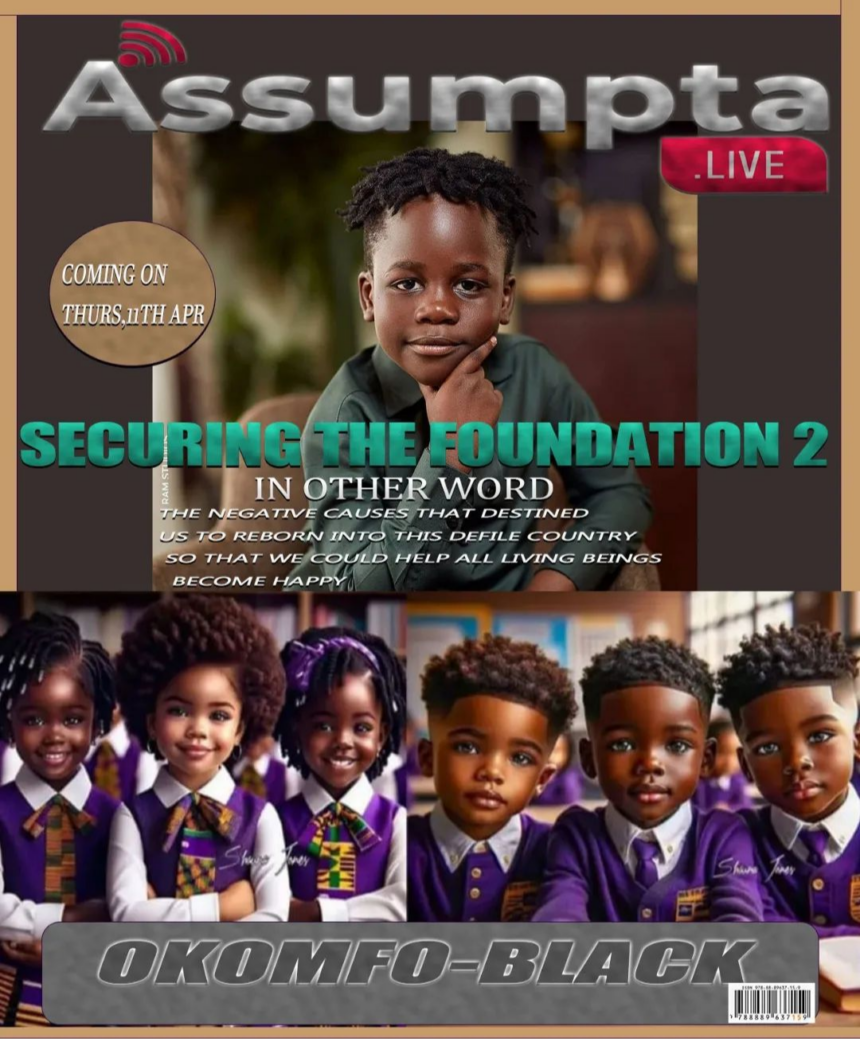
Presents “PHILOSOPHER” from the special edition of : “Securing The Foundation.” Volume-2.
Last updated: 2024/04/04 at 4:47 am.
Assumpta GHTU-Okomfo Black.
[ IN OTHER WORD ]
The negative causes that destined us to be reborn into this defile country so that we could help all living beings become happy.
Introduction: “In the intricate tapestry of life, there often emerge narratives steeped in adversity yet brimming with purpose. Such is the story of our existence, seemingly destined to traverse through the shadows of a defiled land, yet bound by a profound mission: to alleviate suffering and foster happiness among all sentient beings. Within the fabric of this tale lie the threads of negative causes, weaving a complex narrative of struggle and redemption. It is within this context that we embark on a journey of introspection, exploring the intricate interplay between our individual destinies and the collective pursuit of universal well-being.”
One of Nichiren Daishonin’s significant writings that relates to the theme of overcoming adversity and fulfilling a noble mission is “The Opening of the Eyes” (開目抄, Kamoku Shō). In this gosho, Nichiren expounds on the concept of the “Bodhisattvas of the Earth,” individuals who emerge in turbulent times to propagate the teachings of Buddhism and lead all beings to enlightenment. He emphasises the importance of faith and perseverance in the face of obstacles, declaring that even in the most defiled and troubled lands, there exist opportunities for enlightenment and the realisation of one’s true potential. This gosho resonates deeply with the notion of transcending negative causes and transforming adversity into a catalyst for the greater good.
Voluntarily Assuming the Appropriate Karma
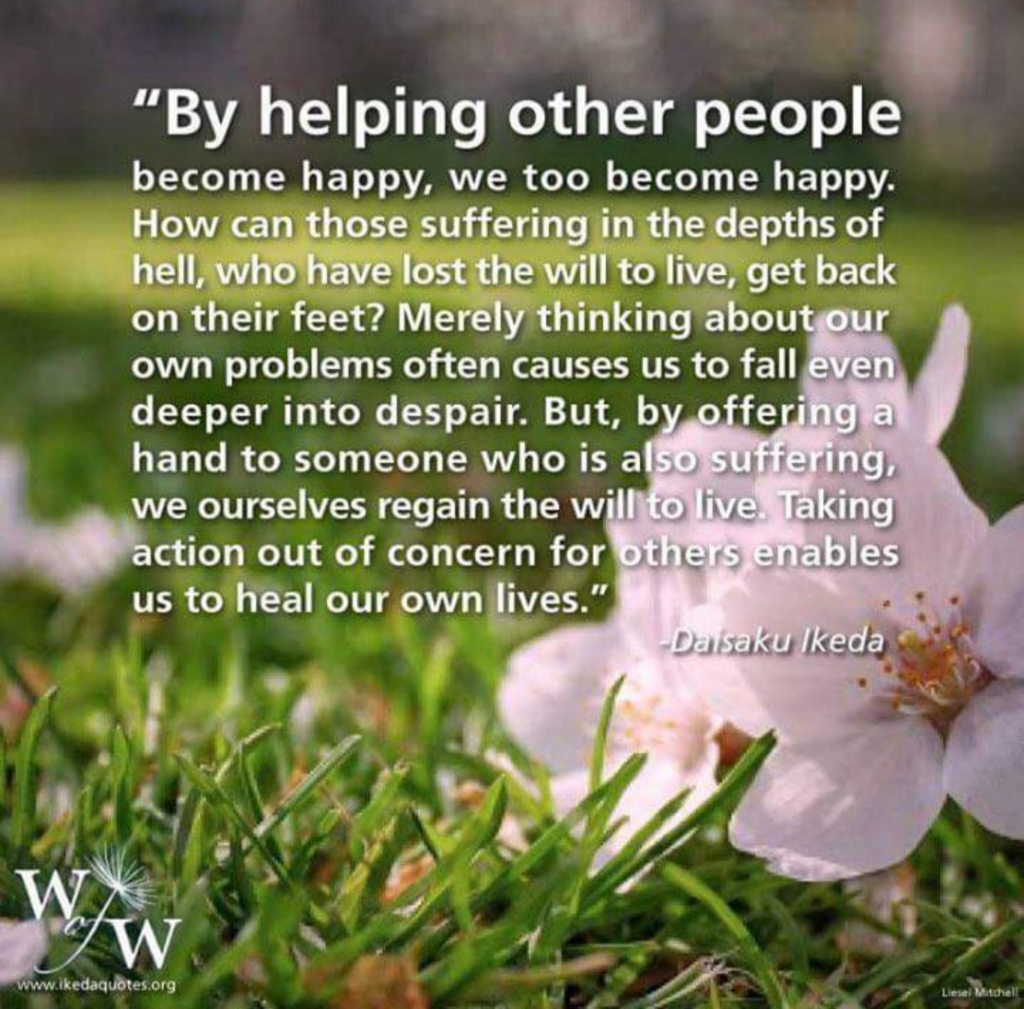
The concept of “voluntarily assuming the appropriate karma” from the Lotus Sutra suggests that bodhisattvas willingly endure suffering to teach and save others. This perspective reframes hardships as opportunities to fulfill our vow to alleviate suffering, offering a deeper meaning to life’s challenges through faith and compassion. By overcoming difficulties, we not only gain understanding and empathy but also inspire and guide others through our experiences.
The diary entry I made on the day I started chanting Nam-Myoho-Renge-Kyo in 1985 reads: “Each day is an unrelenting struggle. No option but to forge ahead, praying fervently for victory.” In the turbulent country grappling with unemployment and economic hardship, Ghanaians exert all their might to support themselves and their families.

Ghana’s elected president, Kwame Nkrumah, aimed to provide Ghanaians with a purpose, yet faced severe envious enemies filled with anger and hatred towards blacks in Africa and beyond. Their blind hatred led to discrimination. Despite this, Nkrumah upheld the dignity of Ghanaians, refusing to succumb to the dehumanisation caused by their hatred. The success of their coup d’état left Ghanaians shocked. Nkrumah’s conscience was filled with surprise and great concern, overcoming his hopelessness. Today, the conscience of hatred and envy resonates with the sentiments that drive the country’s economy, raising moral questions and indicating that Ghanaians are less regarded.

OKOMFO -BLACK: It seems like you’re reflecting on a challenging time in Ghana’s history, particularly during Kwame Nkrumah’s presidency, and discussing the struggles faced by Ghanaians amidst economic hardship and discrimination. Your mention of chanting Nam-Myoho-Renge-Kyo suggests a personal spiritual journey during this period. The irony of searching for morality within a period, especially in the context of denouncing the envious men who killed Kwame Nkrumah, adds another layer to your reflections. It’s a thought-provoking entry that captures the complexity of socio-political issues intertwined with personal beliefs and struggles.
Your interpretation encapsulates the essence of the reflection well. The intertwining of personal spiritual practices with the socio-political challenges faced during that period in Ghana’s history, especially regarding Kwame Nkrumah’s presidency, adds depth to the narrative. The search for morality amidst a backdrop of discrimination and violence highlights the complexity of the situation and the individual’s inner journey.

“TSASI: This year marked the 67th anniversary of Ghana’s independence, organised by the Ghana Government to preserve the memories of our independence.

OKOMFO -BLACK: The event holds great significance in communicating the spirit of Pan-Africanism and peace in Ghana and Africa.”

TSASI: Absolutely, Okomfo. The independence of Ghana stands as a beacon of hope and inspiration not only for Ghanaians but for all Africans striving for self-determination and unity. It symbolises the triumph of resilience over oppression and the unwavering spirit of Pan-Africanism.
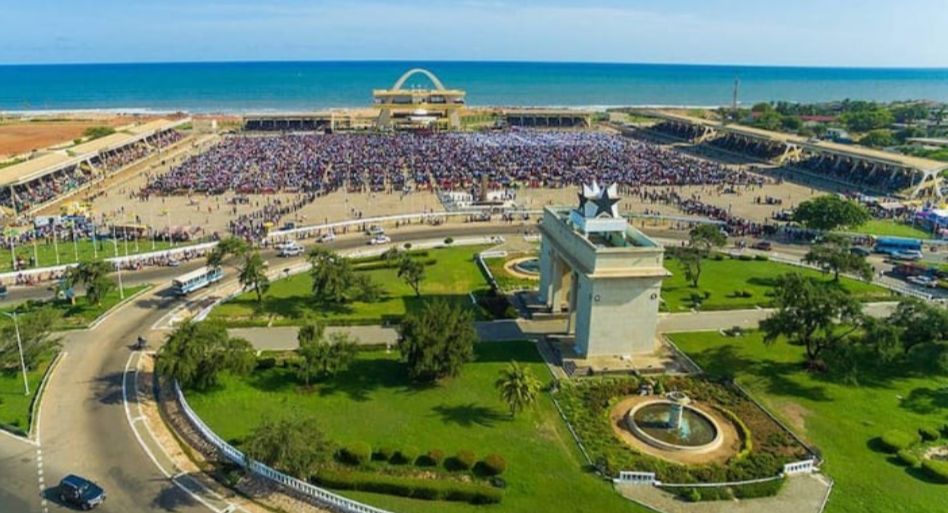
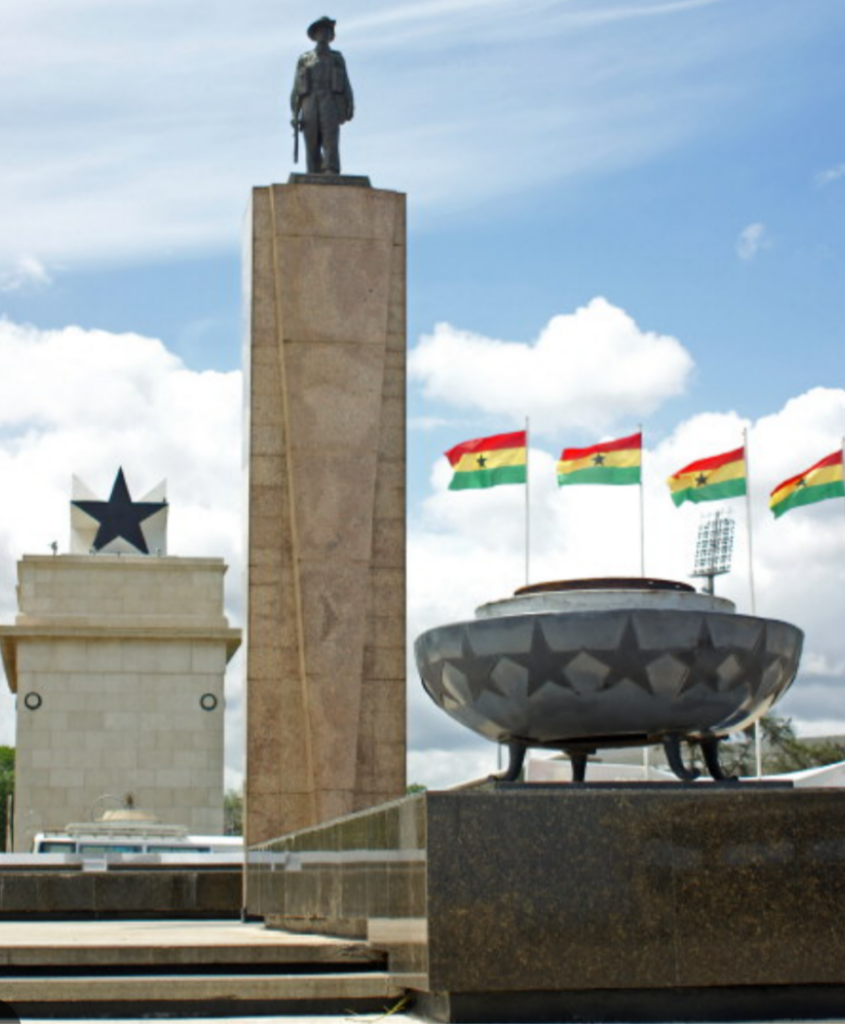

OKOMFO: Indeed, Tsasi. The struggles and sacrifices of our forebears paved the way for the freedom we enjoy today. It is essential that we honour their legacy by upholding the values of peace, unity, and progress in Ghana and across the African continent.

TSASI: Well said, Okomfo. As we commemorate this milestone, let us reflect on the progress made and the challenges that lie ahead. May the spirit of independence continue to guide us as we work towards a future of prosperity and harmony for all.

OKOMFO: Agreed, Tsasi. Let us celebrate our achievements while remaining vigilant in our pursuit of justice and equality. Together, we can build a brighter tomorrow for generations to come, grounded in the principles of dignity and freedom.

TSASI: Indeed, Okomfo. With unity and determination, there is no limit to what we can achieve. Let us march forward with pride and purpose, honouring the legacy of our ancestors and shaping the destiny of our nation and continent.

OKOMFO -BLACK: Indeed, Tsasi. The Accra Independence Square stands as a testament to our commitment to peace, unity, and progress. It serves as a symbol of our collective determination to transform Africa into a beacon of hope and prosperity for all its people.
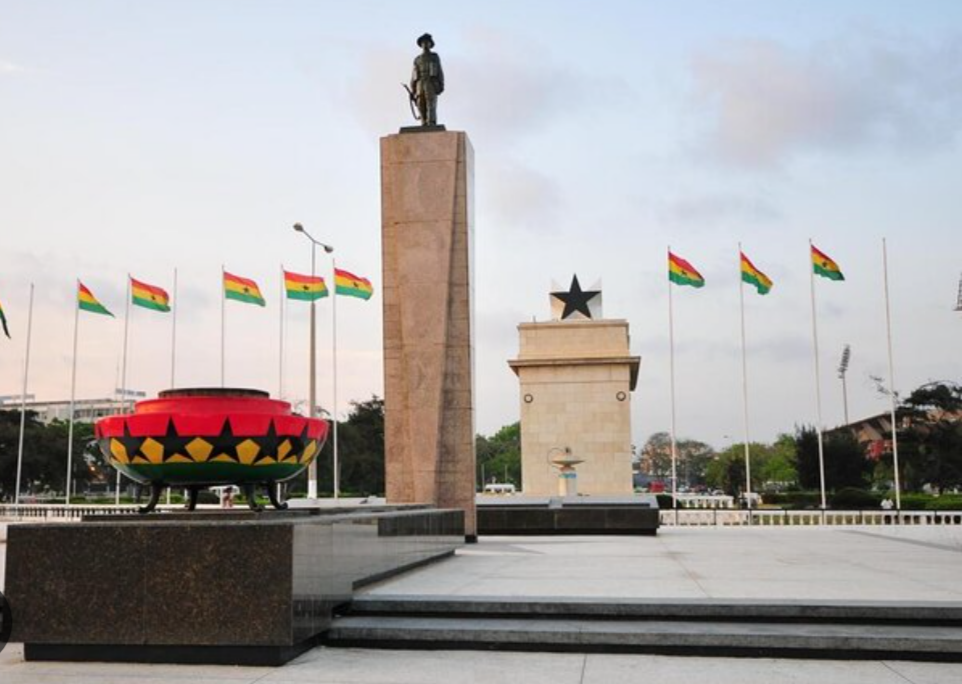

TSASI: Absolutely, Okomfo. The square’s significance goes beyond its physical structure; it represents a space where Ghanaians and Africans from all walks of life can come together to celebrate our shared heritage and aspirations for the future.
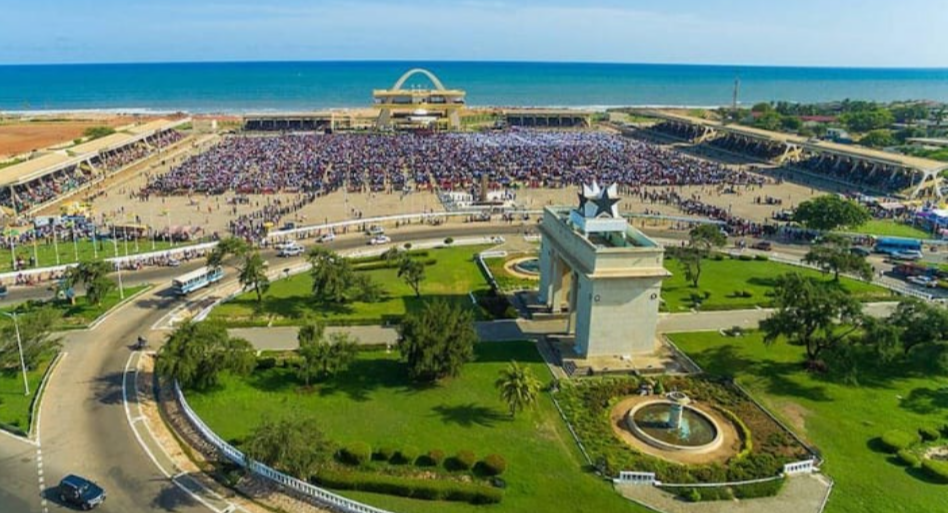

OKOMFO -BLACK: Precisely, Tsasi. It is a place where the echoes of our past struggles resonate with the hopes of a brighter tomorrow. Through gatherings and events held at the square, we reaffirm our dedication to building a continent where peace, unity, and joy abound.

TSASI: Well said, Okomfo. The Accra Independence Square serves as a focal point for cultural exchange, national celebrations, and international gatherings, reinforcing our bonds of kinship and solidarity as Ghanaians and Africans.

OKOMFO -BLACK: Indeed, Tsasi. Let us continue to cherish and uphold the spirit of the Accra Independence Square, using it as a platform to foster dialogue, understanding, and cooperation among all peoples, both within Ghana and beyond its borders.
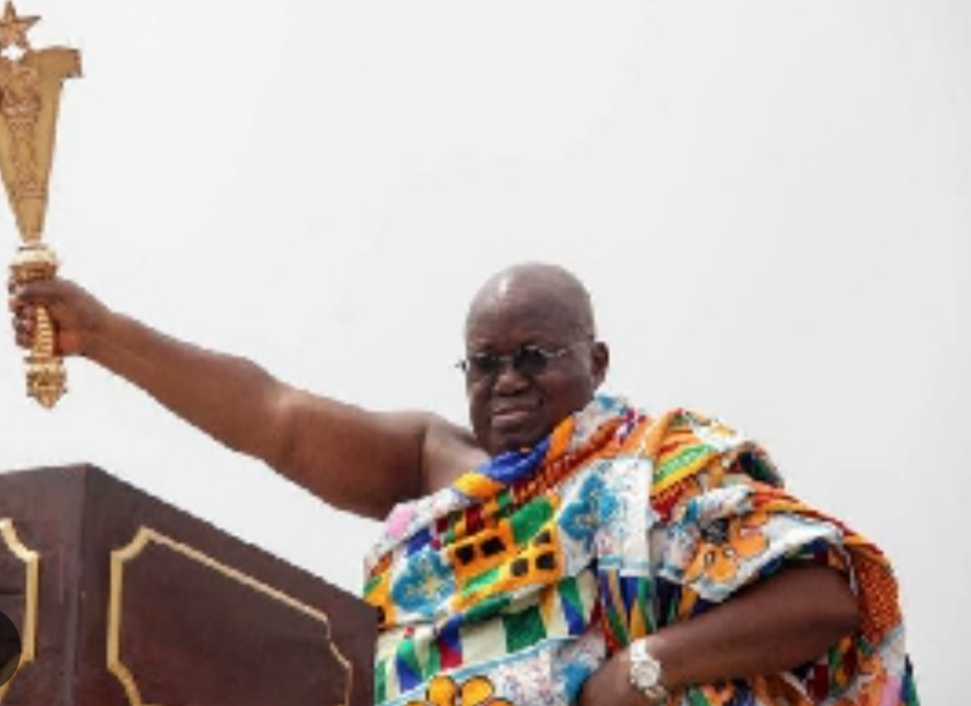

TSASI: Agreed, Okomfo. Together, let us embrace the vision of a peaceful and prosperous Africa, where the dreams of our ancestors are realised and the aspirations of future generations are fulfilled.
Kwame Nkrumah (21 September 1909-27 April 1972), was the leader of Ghana and its predecessor state, the Gold Coast, from 1951 to 1966.
Overseeing the nation’s independence from British colonial rule in 1957, Nkrumah was the first President of Ghana and the first Prime Minister of Ghana. An influential 20th-century advocate of Pan-Africanism, he was a founding member of the Organization of African Unity and was the winner of the Lenin Peace Prize in 1963.

“OKOMFO: Thank you, TSASI, for joining today’s dialogue. The Independence Square will always be a place for us, as Kwame Nkrumah started.”

TSASI: It was my pleasure, Okomfo. Thank you for sharing your insights and wisdom. May the spirit of Kwame Nkrumah continue to inspire us as we journey towards a brighter future for Ghana and Africa. Until we meet again, may peace and blessings be upon you.