






NewsLetter, Thursday 11th May 2023 :
Headline : Diversity should not beget conflict in the world, but richness :
UPDATE :
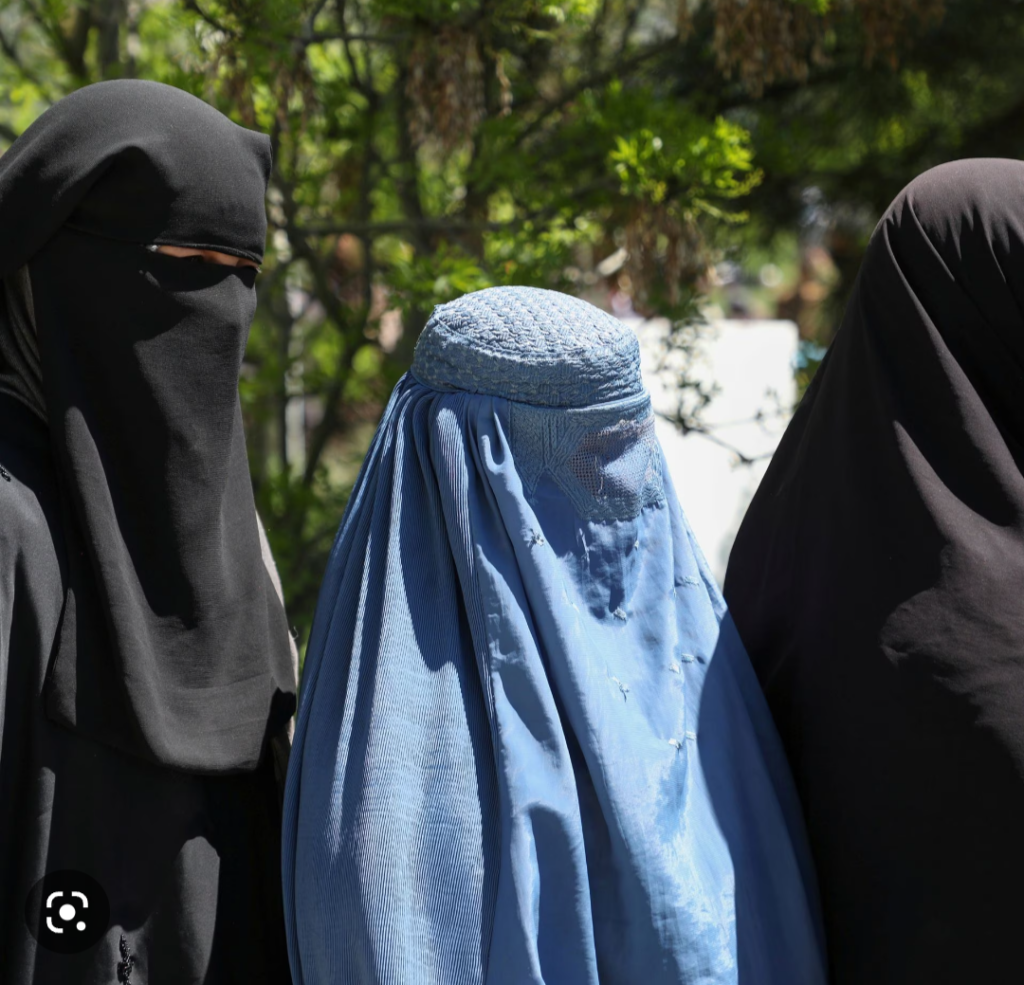
ISLAMABAD,The Taliban announced that an all-covering head-to-toe burqa will be mandatory in public for women in Afghanistan, the latest in a set of curbs the Islamist group has imposed on women’s rights in nine months since returning to power.
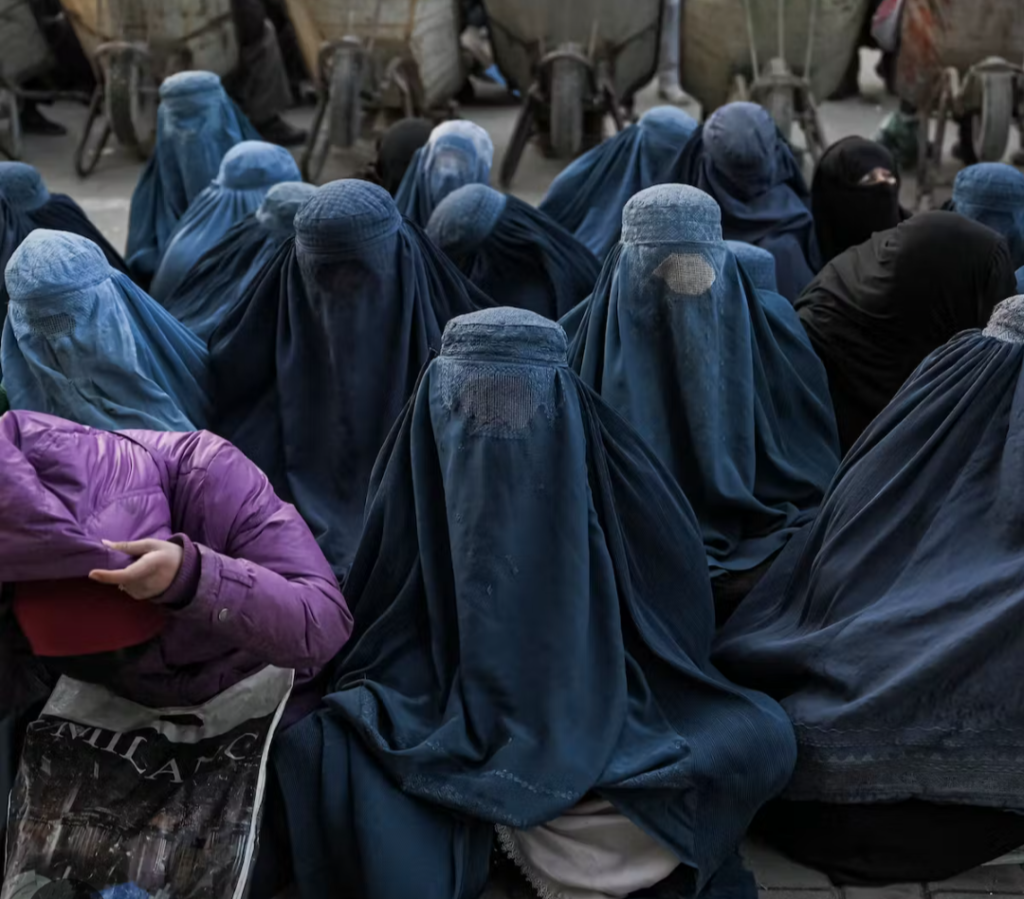
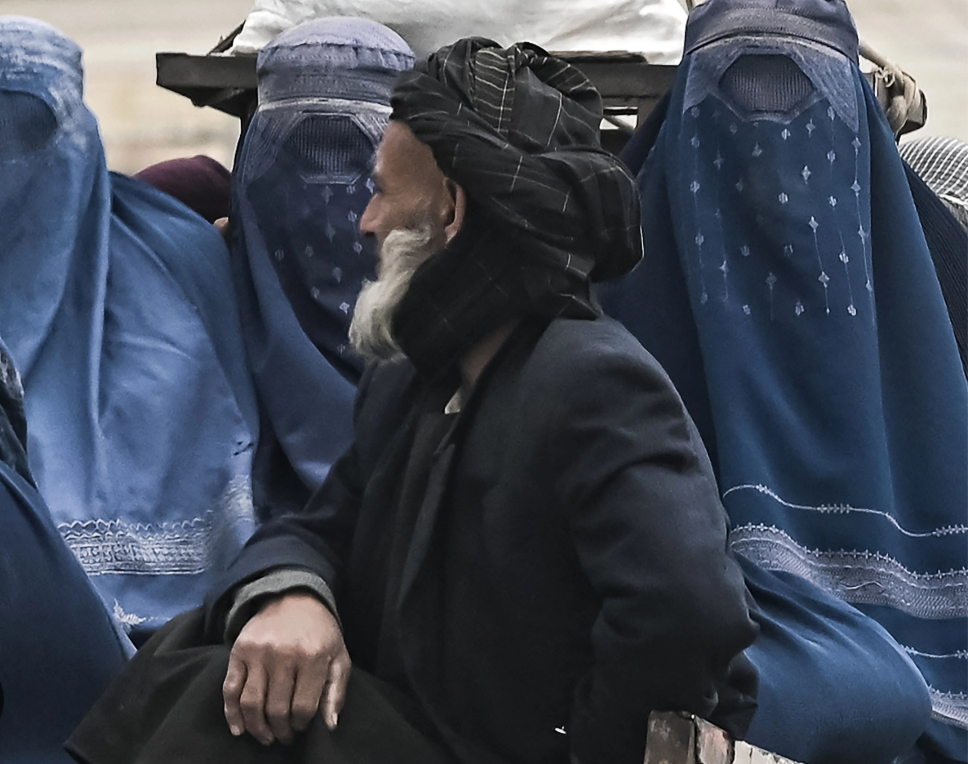
The reclusive Taliban chief Hibatullah Akhundzada issued the decree requiring all Afghan women to strictly comply with it, said the Ministry for the Propagation of Virtue and the Prevention of Vice, while sharing details at a news conference in Kabul.
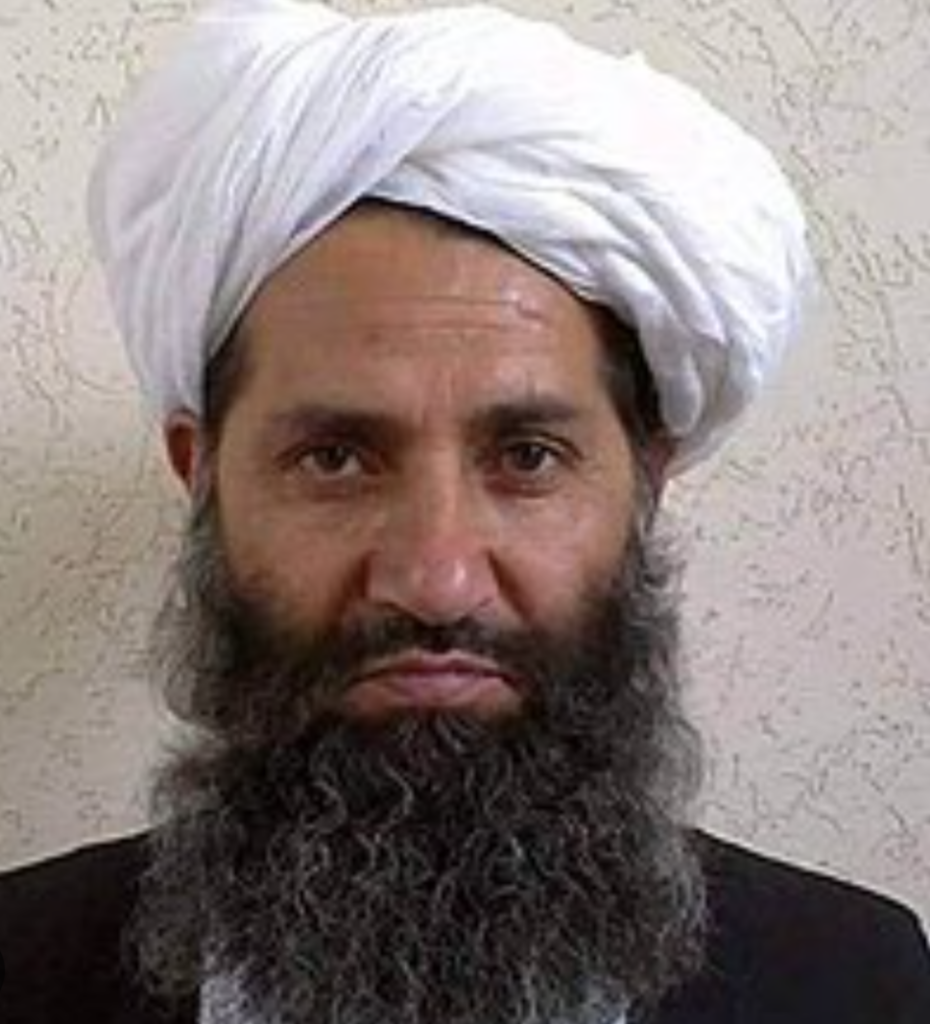
The ministry said in a statement that a woman’s male “guardian,” such as her father, brother or husband, would receive a warning before being imprisoned for three days if the woman did not cover her face outside the home. It said the guardian would eventually be taken to a court for a stricter punishment if the decree is still violated.
The ministry stated that female government employees would be dismissed from jobs if they don’t cover their faces, and male employees would face suspensions from jobs if female members of their families are found guilty of breaching the edict.
The statement described a burqa as the best type of hijab, insisting it is “part of Afghan culture and it has been used for ages.” It added that another preferred type of women’s hijab is a long black veil and dress that should not be “thin or tight.”
Most women in deeply conservative Afghanistan wear a headscarf for religious and cultural reasons, but many in urban areas, such as Kabul, do not cover their faces.
Critics denounced the Taliban for making a burqa mandatory and continuously infringing upon the freedoms of 50% of the country’s estimated 40 million people, warning it would further alienate the international community as well as donors.

ASSUMPTAGH
“I was struck by the hope that this Law protects the rights of women, since it’s very hard to have a feeling of hope in the Islamic world.

TSASI:
Laws in any country must inspire the possibility of a country without hate and oppression. Laws in any country should reawaken that hope, it’s about a better world for all together.
This year marks the 66th year of Ghana’s independence day, on 6th March, 1957 since Kwame Nkrumah first declared Ghana free from colonial rule.
Born of the searing experience of oppression and aggressive colonial rules, Kwame Nkrumah declared as its objective the building of a country free from the scourge of oppression and aggression, where Ghanaians rights are respected and discrimination and oppression eliminated. This vision is deeply compatible with the core values of peace, equality and compassion that I, as Buddhists, uphold.
All people have the right to live in happiness. The prime objective of our movement is to forge an expanding solidarity of ordinary citizens committed to protecting that right and, in this way, to rid the world of needless suffering. Our activities in support of the UN are a natural and necessary expression of this.
Our world today is beset by crises that present a dire threat to the lives and dignity of vast numbers of people. There has been an explosion in the number of Africans in their own country, being displaced especially in the Urban areas where lack of good accommodation and huge housing crisis in the major cities, finding a place to live is difficult and expensive.

AssumptaGH:
Is housing a right, or a commodity?

TSASI:
Housing is the basis of stability and security for an individual or family. The centre of our social, emotional and sometimes economic lives, a home should be a sanctuary, a place to live in peace, security and dignity.
AssumptaGH:
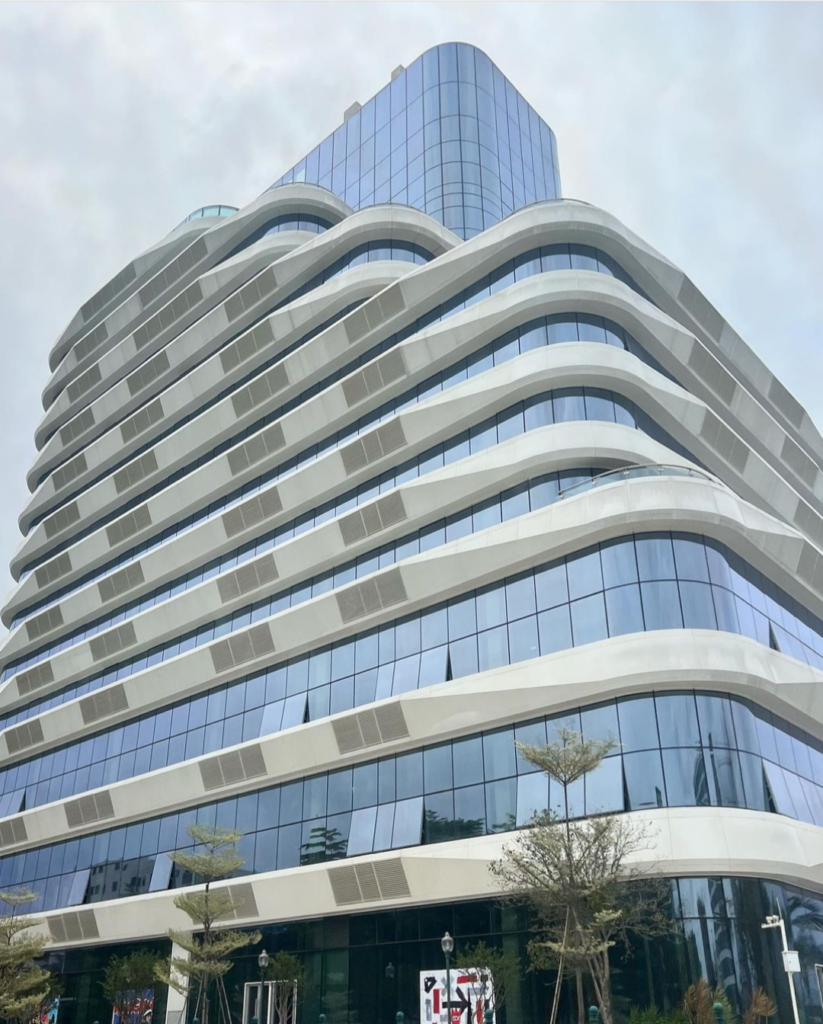
Increasingly viewed as a commodity, housing is most importantly a human right. Under international law, to be adequately housed means having secure tenure not having to worry about being evicted or having your home or lands taken away. It means living somewhere that is in keeping with your culture, and having access to appropriate services, schools, and employment.
Too often violations of the right to housing occur with impunity. In part, this is because, at the domestic level, housing is rarely treated as a human right. The key to ensuring adequate housing is the implementation of this human right through appropriate government policy and programmes, including national housing strategies.

TSASI:
Climate change, natural disasters and armed conflict pose a threat to the enjoyment of the right to adequate housing and displace millions every year.
AssumptaGH:
Housing and real estate markets worldwide have been transformed by global capital markets and financial excess. Known as the financialization of housing, the phenomenon occurs when housing is treated as a commodity, a vehicle for wealth and investment rather than a social good.
Our Governments is charged with the task of not merely achieving a “passive response in accepting what is happening in the housing market but of transforming on a fundamental level those social structures that threaten human dignity. Only in this way can we realize the positive, active values of peaceful life.

AssumptaGH:
I sensed my faith is slipping in the future of our Governments, bringing its timeless wisdom to bear on the many complex issues confronting Africans.

TSASI:
An old saying has it, “When in Rome, do as the Romans do” If you wish to follow local customs yourself, that is fine. But you cannot force others to do so.
Creating Harmony amidst diversity is a fundamental issue of the twenty-first century. While celebrating the unique characteristics of different peoples and cultures, we have to create solidarity on the level of our common humanity, our environment and our common life.
Without such solidarity, there will be no future for the human race. Diversity should not beget conflict in the world, but richness.



AssumptaGH
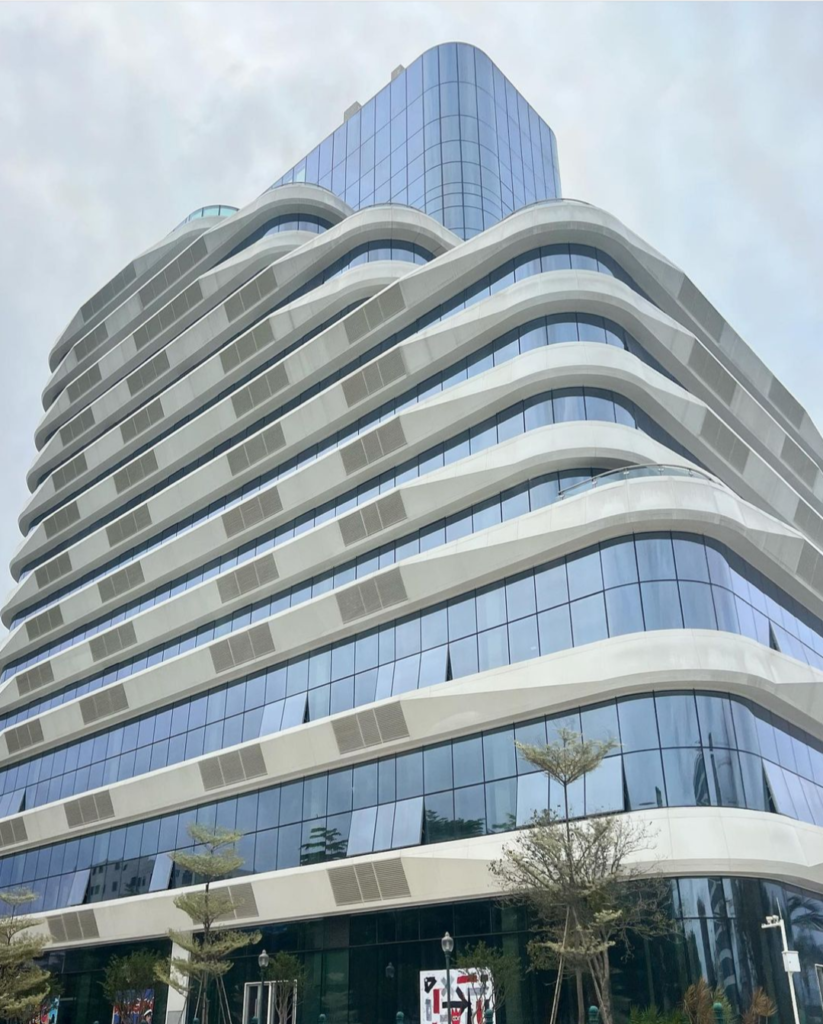
Adequate housing must provide more than four walls and a roof. A number of conditions must be met before particular forms of shelter can be considered to constitute “adequate housing.” These elements are just as fundamental as the basic supply and availability of housing. For housing to be adequate, it must, at a minimum, meet the following criteria:
- Security of tenure: Housing is not adequate if its occupants do not have a degree of tenure security which guarantees legal protection against forced evictions, harassment and other threats.
- Availability of services, materials, facilities and infrastructure: Housing is not adequate if its occupants do not have safe drinking water, adequate sanitation, energy for cooking, heating, lighting, food storage or refuse disposal.
- Affordability: Housing is not adequate if its cost threatens or compromises the occupants’ enjoyment of other human rights.
- Habitability: Housing is not adequate if it does not guarantee physical safety or provide adequate space, as well as protection against the cold, damp, heat, rain, wind, other threats to health and structural hazards.
- Accessibility: Housing is not adequate if the specific needs of disadvantaged and marginalised groups are not taken into account.
- Location: Housing is not adequate if it is cut off from employment opportunities, health-care services, schools, childcare centres and other social facilities, or if located in polluted or dangerous areas.
(7) Cultural adequacy: Housing is not adequate if it does not respect and take into account the expression of cultural identity.
Thank you TSASI: