




ASSUMPTA WEEKLY MAGAZINE
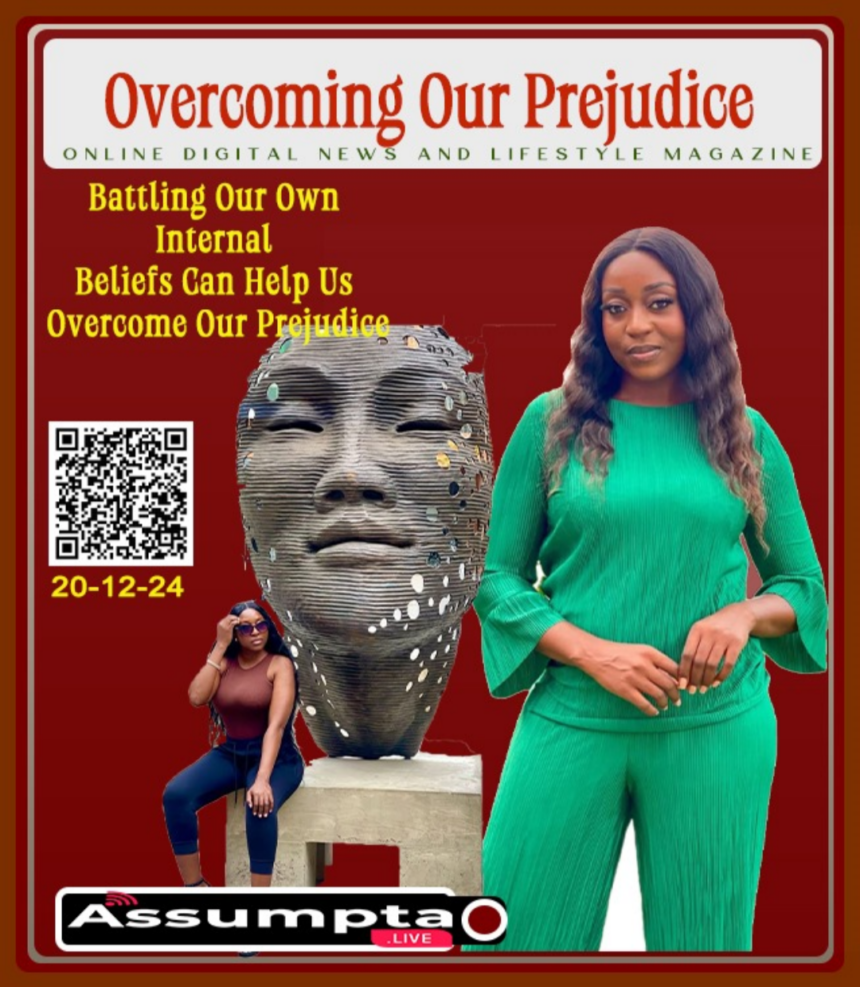
Presents ”Overcoming Our Prejudice“ with Alina Josef.
A Special edition coming on Friday, December, 20th, 2024 at: assumptagh.live/
AFRICA: ASSUMPTA WEEKLY MAGAZINE: Update: Alina Josef:

https://www.instagram.com/ag_premiumjeans?igsh=MWpsNjZ1bTFvdHNsdw==
ELEVATE YOUR STYLE WITH PREMIUM JEANS
Where Comfort Meets Luxury.
Looking for the perfect pair of jeans that combines style, durability, and all-day comfort? Look no further. Our premium jeans are crafted with the finest fabrics and designed for every occasion—whether you’re conquering the boardroom or hitting the town.
Flawless Fit: Tailored to perfection for all body types.
Premium Quality: Made with high-grade denim that lasts.
Effortless Style: From classic cuts to modern designs, we’ve got it all.
Versatility: Dress them up with a blazer or keep them casual with sneakers. Step into Confidence. Step into Premium.
Shop now and discover the jeans your wardrobe has been waiting for. [Shop the Collection Today!]

https://www.instagram.com/babies_and_todds_day_care?igsh=MWs0ZHlsbjcxNXEyZg==

Assumpta Publications is proud to announce the exclusive release of “Overcoming Our Prejudice”, a thought-provoking article by Alina Josef, a Certified PPS Insurance Advisor renowned for her expertise in providing insurance solutions to professionals and governments across Namibia and Africa.

About the Article:
In “Overcoming Our Prejudice”, Alina Josef explores the profound impact of confronting our internal beliefs. She emphasizes how self-reflection can help individuals challenge prejudices, fostering a more inclusive and empathetic African society and, ultimately, a better world.
A Dialogue with Assumpta Ga-Hutu, CEO of Assumpta Publications:
Q: Why did you select Alina Josef’s work for this issue?

Asssumpta Ga-Hutu: “Alina Josef’s work stood out because of her deep commitment to uplifting African communities. As a PPS Insurance Advisor, she has worked with individuals and governments across Namibia and Africa, helping professionals—doctors, lawyers, engineers, and accountants—secure financial and professional support. Alina’s journey began years ago when she encountered many young African men and women in need of compassion and meaningful opportunities. Rather than governments allocating resources to unproductive areas, Alina believes in empowering Africans to unlock their potential and contribute positively to society.
Her wisdom, rooted in compassion and dedication to the land of her birth, aligns with our mission to publish transformative works. Alina encourages us to challenge ourselves, recognize our biases, and take responsibility for creating change.”
Q: What impact do you hope this article will have on readers?

Asssumpta Ga-Hutu: “We hope that readers will recognize the power of self-examination in overcoming prejudice. Alina doesn’t simply identify the issue—she provides a pathway to empathy and understanding. This article has the potential to inspire personal growth and spark meaningful conversations that drive change in communities across Africa.”
About Alina Josef:

Alina Josef is a Certified PPS Insurance Advisor offering financial and insurance expertise to professionals and governments across Africa. Her work emphasizes compassionate leadership and practical solutions, making her a respected voice in her field and a passionate advocate for African empowerment.
Stay tuned for the December 20, 2024 release of “Overcoming Our Prejudice”, exclusively presented by Assumpta Publications.
Review of Alina Josef’s “Overcoming Our Prejudice”
In “Overcoming Our Prejudice”, Alina Josef offers a timely and bold critique of societal stagnation caused by deep-rooted beliefs and unchallenged prejudices. With compassion and clarity, she explores how internal reflection can unlock the potential for real societal transformation.

Alina’s insights resonate deeply when viewed against the backdrop of countries like Ghana, often referred to as “Christian nations.” On the surface, prosperity seems attainable—an illusion confined to what Alina calls the “world of Rapture.” However, this state, promising salvation, is often limited in scope and sustainability.
As Alina Josef poignantly reflects, a nation tethered to such a limited worldview is bound to struggle. Ghana, for example, remains rich in natural resources that have fueled global powers but at a significant cost to its development. Issues like Galamsey, the destruction of vital water bodies, or misplaced priorities—such as the $58 billion allocated for a National Cathedral while healthcare and educational needs remain unmet—expose the systemic flaws holding back progress.
Even initiatives like the E-Levy, presented as a financial lifeline to avoid IMF intervention, highlight a cycle of broken promises, deepening distrust, and public disillusionment. Meanwhile, citizens, including those protesting the degradation of their resources, face silencing rather than empowerment.
Alina Josef’s work calls attention to the urgency of self-examination. While many leaders claim moral authority through religion, real transformation demands action beyond rhetoric. By challenging prejudices and reflecting on our beliefs, Alina advocates for empathy, accountability, and a renewed focus on empowering people to shoulder the future of their nations.
Her reflections are a call to move beyond the illusion of prosperity and toward true societal growth. This article is not just a critique but a roadmap for inclusive, compassionate leadership—a message relevant not only to Africa but to the entire world.
ASSUMPTA WEEKLY MAGAZINE
Presents: “Overcoming Our Prejudice”
A Special Edition Featuring Alina Josef
Release Date: Friday, December 20, 2024, | Access at: assumptagh.live/
A Dialogue Between Asssumpta Ga-Hutu and Alina Josef
A Transformative Conversation on Compassion, Leadership, and Overcoming Prejudice


Asssumpta Ga-hutu: Good day, Alina. Thank you for joining us for this special edition of Assumpta Weekly Magazine. Before we dive into the themes of your article, let me take a moment to introduce myself to our readers. I’m Asssumpta Ga-hutu, CEO of Assumpta Publications. For over a decade, our platform has aimed to elevate voices that challenge societal norms and inspire personal and collective transformation. Today, I have the pleasure of speaking with Alina Josef, a Certified PPS Insurance Advisor, advocate for African empowerment, and now the author of the upcoming article, “Overcoming Our Prejudice.”*

Alina Josef: Thank you, Asssumpta. It’s an honour to be here and to share my thoughts with your readers. As you mentioned, I’m Alina Josef. My professional journey has focused on providing tailored insurance solutions to professionals and governments across Africa—helping doctors, engineers, lawyers, and others safeguard their financial futures. Yet, beyond my work as an advisor, I see myself as an advocate for meaningful change in African communities. My experiences travelling through Namibia, Ghana, and beyond have fueled my passion for addressing the deeper societal issues holding us back.

Asssumpta Ga-Hutu: Alina, your article “Overcoming Our Prejudice” touches on themes that are both provocative and urgent. You begin with the idea of the “world of Rapture”, where societies appear successful on the surface but are hollow beneath. Could you share more about what you mean by this?

Alina Josef: Of course. The “world of Rapture” is my way of describing a false sense of prosperity—one that looks impressive but lacks sustainability. In my travels, I’ve observed nations, especially those often labelled as “Christian countries,” striving for salvation in faith yet failing to address real, systemic issues. A country like Ghana is a clear example. It’s a land rich in natural resources—resources that have fueled global economies—yet the majority of its citizens live in poverty.
Take, for instance, the $58 billion allocated for a National Cathedral. While the intentions may seem noble, that amount could have funded years of healthcare, education, and skills training to empower the Ghanaian people. Instead, many citizens rely on charity foundations for survival. We’re seeing misplaced priorities, deep inequality, and a failure to build infrastructure that truly serves the nation’s future.

Asssumpta Ga-hutu: It’s striking that you focus on compassion as a solution. Many would argue that governments need to prioritize economic growth and policies over compassion. Why do you see compassion as essential for societal progress?

Alina Josef: Compassion isn’t at odds with growth—it drives it. True leadership begins with empathy for the people. When leaders care for their citizens, they prioritize policies that uplift entire communities, not just a privileged few. For example, consider the Galamsey crisis in Ghana, where illegal mining has destroyed rivers, lakes, and water bodies. This issue doesn’t just impact the environment—it devastates communities that rely on these resources for survival. Yet instead of compassionately addressing the root causes, governments often turn a blind eye, leaving citizens voiceless.
Compassion would mean investing in sustainable practices, training youth in skills that protect their resources, and holding industries accountable. Without compassion, leaders end up perpetuating cycles of poverty and environmental destruction.

Asssumpta Ga-hutu: You’ve spoken about the importance of self-reflection in overcoming prejudice. How does self-examination fit into this broader conversation on societal transformation?

Alina Josef: Self-examination is where it all begins. Prejudice isn’t just external—it’s rooted in our own unconscious biases and beliefs. Whether you’re a leader, a professional, or a citizen, you must take an honest look at yourself. Ask: “What are my assumptions about others? How do my actions or inactions contribute to inequality?”
In many African nations, leaders claim moral authority through religion, but moral authority must be demonstrated through actions, not rhetoric. It requires humility, empathy, and accountability. When individuals and leaders confront their own biases, they open the door for inclusive policies, equitable opportunities, and stronger communities.

Asssumpta Ga-Hutu: You’ve witnessed firsthand how these biases impact societies during your work as an insurance advisor. How did those experiences shape the perspective you share in this article?

Alina Josef: My work has allowed me to meet countless professionals and young people who are determined to succeed but lack support. I’ve seen talented individuals unable to access training or resources because systems are designed to exclude rather than empower them. Governments often blame external factors—economic pressures, international bodies—but the truth is, we must look inward.
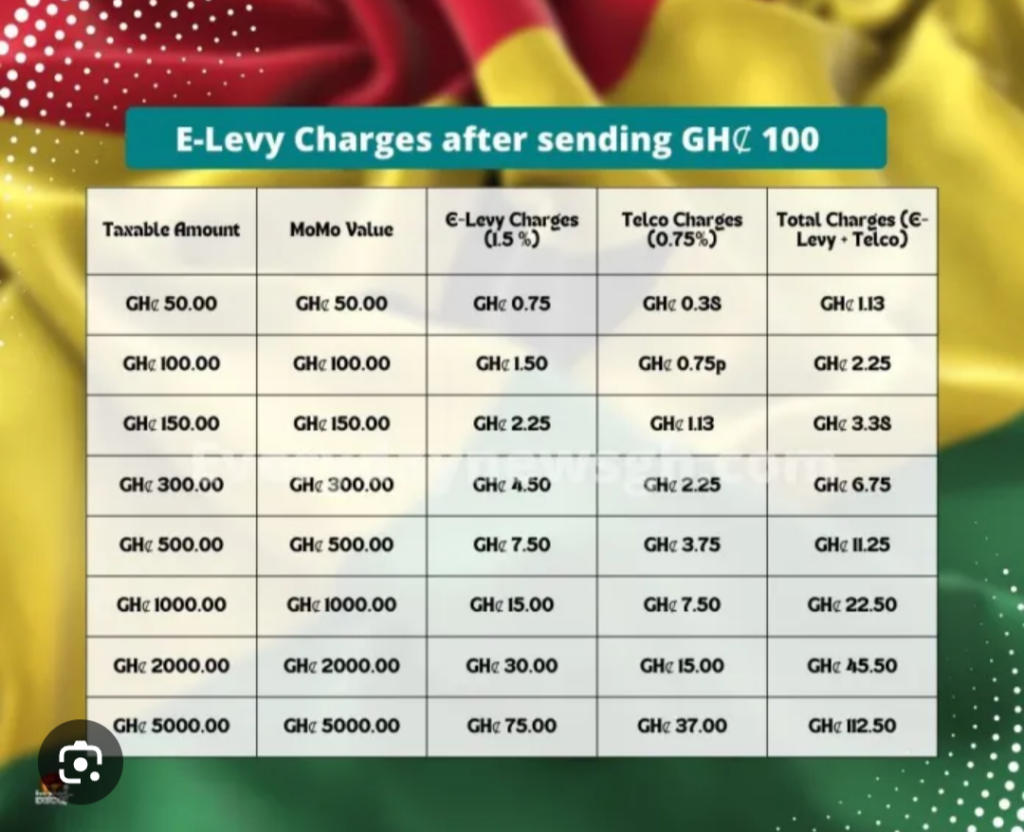
For example, initiatives like Ghana’s E-Levy were promised as solutions to economic challenges. Citizens were told it would prevent the need for IMF intervention, yet the government still went to the IMF.
These contradictions deepen public distrust and disillusionment. What we need is compassionate leadership—leaders who take responsibility, invest in people, and bridge the gap between promises and action.

Asssumpta Ga-hutu: And what happens to a society that fails to embrace compassion and self-reflection?

Alina Josef: A society without compassion will crumble under its weight. It doesn’t matter how rich in resources or faith it claims to be—if it neglects its people, it sows the seeds of division, poverty, and ruin. Compassion unites us. It ensures that resources are used to uplift everyone, not just a select few. Without compassion, nations may build impressive structures, but they fail to build legacies. Leadership becomes hollow, and societies inevitably tear themselves apart.
Final Thoughts:

Asssumpta Ga-Hutu: Alina, your reflections are both sobering and inspiring. “Overcoming Our Prejudice” is not just an article—it’s a call to action. It calls for leaders to lead with empathy, for individuals to examine their biases, and for nations to build a future rooted in compassion. Thank you for sharing your wisdom.
Alina Josef: Thank you, Asssumpta. I hope this message inspires meaningful conversations and tangible change. True transformation begins with us.
SGI- Our Shared Humanity