






Assumpta Weekly News Magazine
Special Edition: “The ONWARD” Featuring: Three Exceptional Ghanaian Female Broadcast Journalists: Serwaa Amihere, Berla Mundi, and Frema Adunyame
Release Date: Monday, 13th January 2025 / Platform: assumptagh.live/



Flash Alert Update: THE ONWARD
Theme: Journalism of Neglected Topics
Key Feature: A comparative analysis of Former Ghanaian President Nana Akufo-Addo and Burkina Faso’s Transitional President Ibrahim Traoré
Article Title: THE ANGELS: Who Wipes Away Their Citizens’ Tears?
In this special edition of Assumpta Weekly News Magazine, we delve into the leadership impact of Former Ghanaian President Nana Akufo-Addo and Burkina Faso’s Transitional President Ibrahim Traoré under the theme “Journalism of Neglected Topics.”

This is a translation of an instalment of a Soka Gakkai Study Department series, published in the September 2023 issue of the Daibyakurenge, Soka Gakkai’s monthly study journal.
With the Disturbance of the Second Month of 1272,[1] Nichiren Daishonin’s warning of internal strife had come true.
In “The Actions of the Votary of the Lotus Sutra,” Nichiren writes that after the Tsukahara Debate the prior month, he asked the deputy constable of Sado, Homma Shigetsura, when he would next visit Kamakura. (Shigetsura is believed to have travelled back and forth from Sado to Kamakura, where his lord Hojo Nobutoki resided.) After Shigetsura said that “it would be around the seventh month,” Nichiren responded: “Fighting is about to break out in Kamakura. You should hasten there to distinguish yourself in battle, and then you will be rewarded with fiefs. Since your warriors are renowned throughout the province of Sagami, if you remain here in the countryside tending to your farms and arrive too late for the battle, your name will be disgraced. (“The Actions of the Votary of the Lotus Sutra,” The Writings of Nichiren Daishonin, vol. 1, p. 772) Seemingly perplexed, Shigetsura said nothing.
News of the disturbance reached Sado on the eighteenth day of the second month. Shigetsura now realized that this must have been what Nichiren had been talking about. Surprised at the accuracy of the prediction, he said: “I see now that the Mongols will surely attack us, and it is equally certain that believers in Nembutsu are doomed to the hell of incessant suffering. I will never chant the Nembutsu again” (WND-1, 772). He then hurried to Kamakura.
Abutsu-bo and the Lay Nun Sennichi Take Faith
Around this time, more people on Sado began to take faith in Nichiren’s teachings. Among them were Abutsu-bo and his wife, the lay nun Sennichi. Though the local steward and Nembutsu believers kept strict watch on the Daishonin’s hut to prevent people from communicating with him, Nichiren’s followers found ways to support him, including by coming late at night to deliver food.
His followers in Kamakura and Shimosa Province, such as Shijo Kingo, Nichimyo and Toki Jonin, also travelled to Sado or sent messengers. Other disciples, including Nikko, stayed by Nichiren’s side and shared his hardships.
Nichiren later sent a letter of heartfelt gratitude to the lay nun Sennichi:
“Never in any lifetime will I forget how in those circumstances you, with Abutsu-bo carrying a wooden container of food on his back, came in the night again and again to bring me aid. It was just as if my deceased mother had suddenly been reborn in the province of Sado! (“The Sutra of True Requital,” WND-1,933). Because of Abutsu-bo and Sennichi’s support of Nichiren, the authorities drove them from their land, fined them and took away their home (see WND-1, 933). Even after leaving Sado, Nichiren never forgot their sincerity and expressed his appreciation for the rest of his life
This instalment discusses the historical and contemporary struggle of Africans and their leaders who strive to uplift them from poverty and oppression but face opposition, particularly from foreign interests like the CIA. It draws a parallel between past and present African leaders, such as Kwame Nkrumah, Nana Akufu-Addo, and Ibrahim Traore, emphasising their dedication to the well of their citizens.
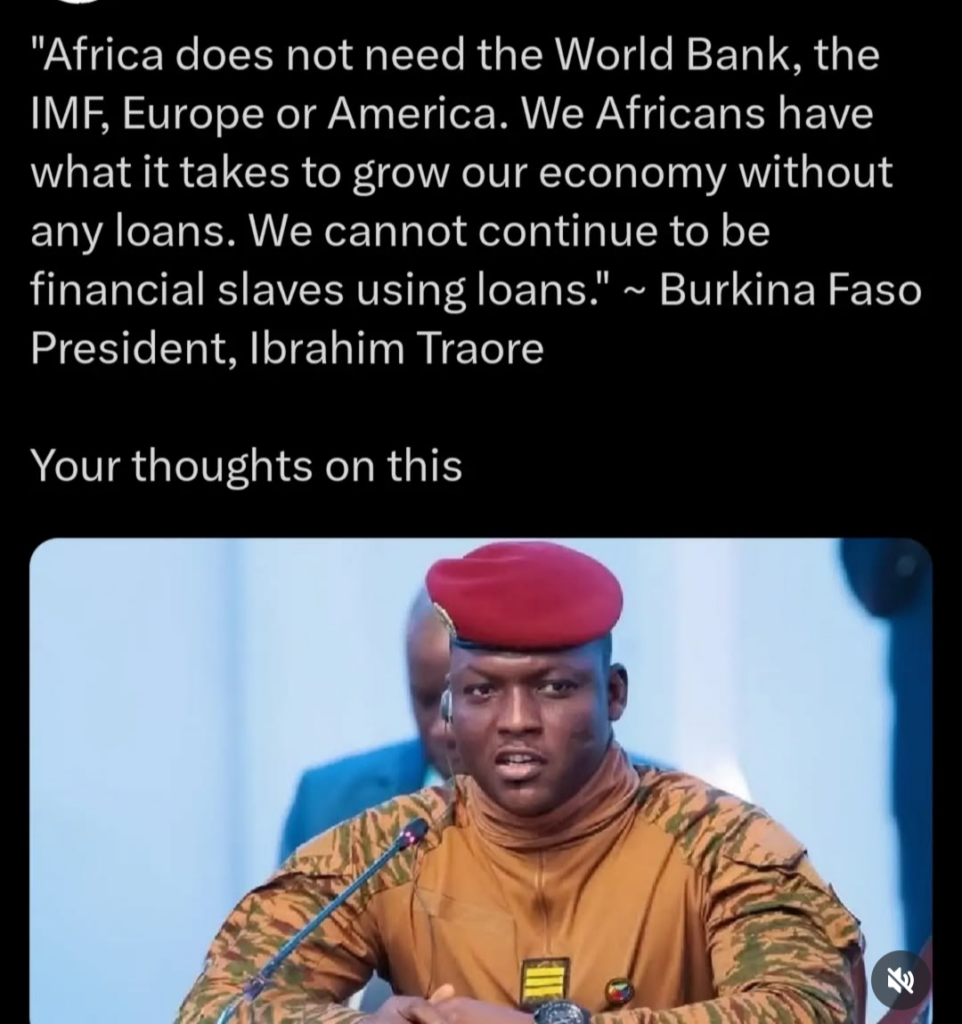
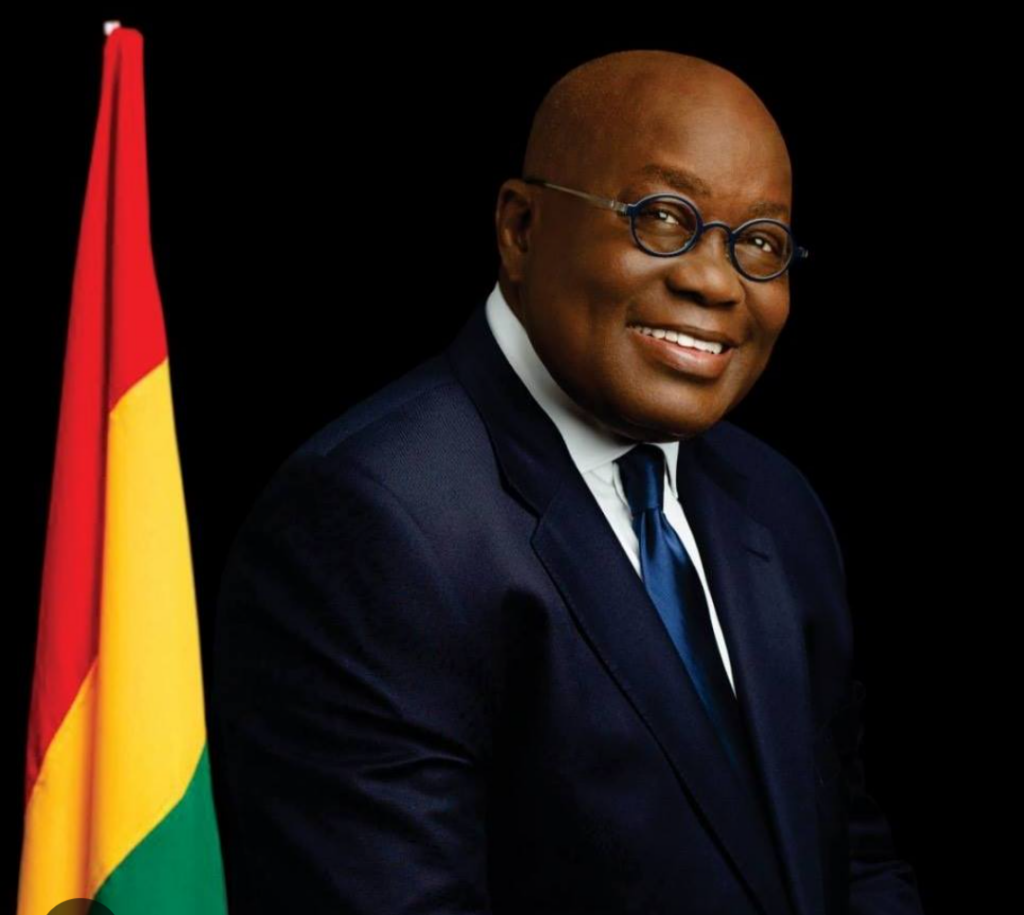
President Nana Akufo-Addo and Ibrahim Traoré—Their Lifelong Vow and Great Compassion.
Throughout history, Africa has been blessed with visionary leaders who dedicated their lives to uplifting their people. However, many of these leaders faced relentless opposition, often from foreign powers that sought to suppress Africa’s progress. The Central Intelligence Agency (CIA) and other Western interests have played a significant role in destabilizing African governments, ensuring that leaders who prioritize the welfare of their citizens are removed from power.
This pattern is not new. From the assassination of Patrice Lumumba to the overthrow of Kwame Nkrumah, African leaders who champion self-sufficiency and unity have been systematically targeted. Today, despite these historical injustices, a new generation of leaders, including former Ghanaian President Nana Akufo-Addo and Burkinabè leader Ibrahim Traoré, are carrying forward the torch of African empowerment.
The Struggle of African Leadership and External Interference
Kwame Nkrumah, the first President of Ghana, was a staunch advocate for Pan-Africanism and the economic liberation of the continent. He envisioned a self-sufficient Africa, free from foreign dependency. However, his vision was seen as a threat to Western interests, leading to his overthrow in 1966, allegedly with CIA involvement. His fate mirrors that of many other African leaders who sought independence not just in name but in economic and political reality.
Fast forward to today, Africa remains a battleground where leaders who genuinely strive to serve their people are met with external resistance. Nana Akufo-Addo, during his tenure as Ghana’s president, consistently called for Africa’s self-reliance. His famous statement, “We can no longer continue to make policies for ourselves, for our development, based on the support that we get from Europe, from France, or the European Union. It will not work. It has not worked, and it will not work”, resonated deeply with many Africans.
Similarly, Captain Ibrahim Traoré, the young revolutionary leader of Burkina Faso, has taken a bold stand against neocolonial exploitation. By severing ties with France’s economic stranglehold and prioritizing local governance, he has emerged as a symbol of resistance and self-determination. Yet, his leadership, like that of Nkrumah, Sankara, and others before him, faces threats from the same forces that have historically opposed African progress.
Nichiren’s Prophecy and the African Struggle
The struggles of African leaders can be understood through the lens of Buddhist philosophy, particularly the teachings of Nichiren Daishonin. In “The Actions of the Votary of the Lotus Sutra”, Nichiren made a striking prediction about impending battles in Kamakura. When the deputy constable of Sado, Homma Shigetsura, doubted his words, Nichiren urged him to act before it was too late. When war eventually broke out, Shigetsura was astounded by the accuracy of Nichiren’s foresight and abandoned his previous beliefs.
This historical episode mirrors Africa’s struggle. Just as Shigetsura initially hesitated to heed Nichiren’s warning, many African nations have struggled to recognize the patterns of external interference that continue to plague the continent. The destruction of leaders like Nkrumah, Lumumba, and Sankara should serve as a lesson: Africa must remain vigilant and proactive in defending its sovereignty.
A New Generation of African Leaders
Despite past betrayals and foreign orchestrations, a new generation of leaders is rising. Nana Akufo-Addo and Ibrahim Traoré, much like Nkrumah and other great African leaders, are working to liberate their nations from economic and political dependence. They are not merely leaders but symbols of a renewed African consciousness—one that refuses to be silenced or controlled by external powers.
Their efforts can be likened to the compassionate actions of the votary of the Lotus Sutra, who endured hardships yet remained steadfast in their mission. In the same way, these African leaders are enduring criticism, economic sanctions, and threats, yet they continue to fight for the dignity of their people.
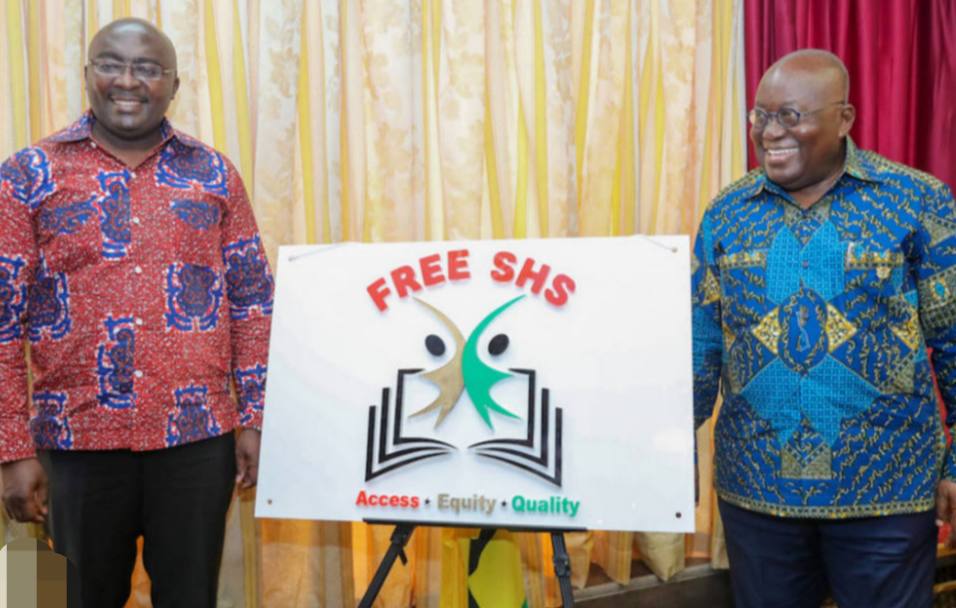
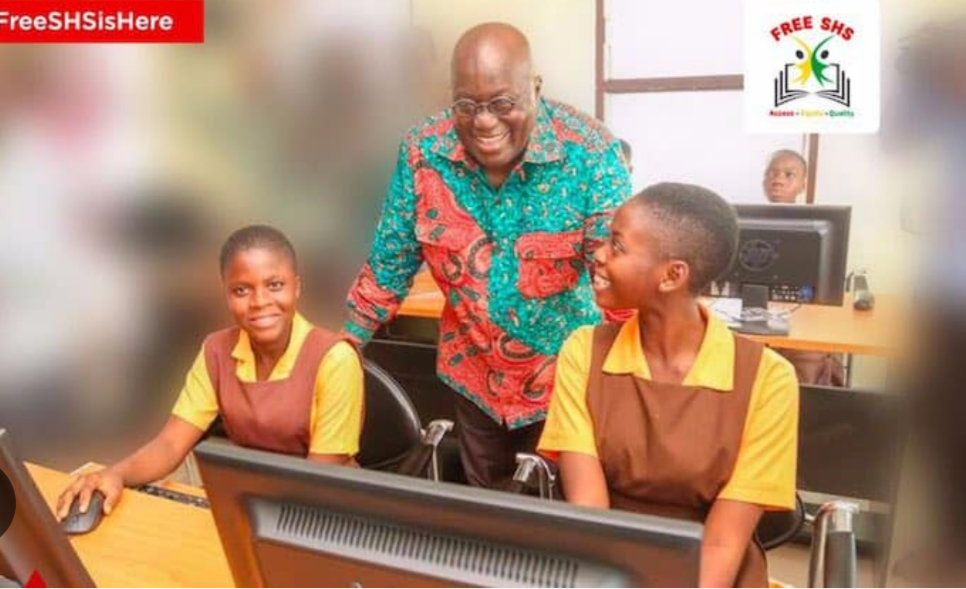
1. Nana Akufo-Addo: A Legacy of Progress and Challenges
Economic Recovery & Social Welfare :
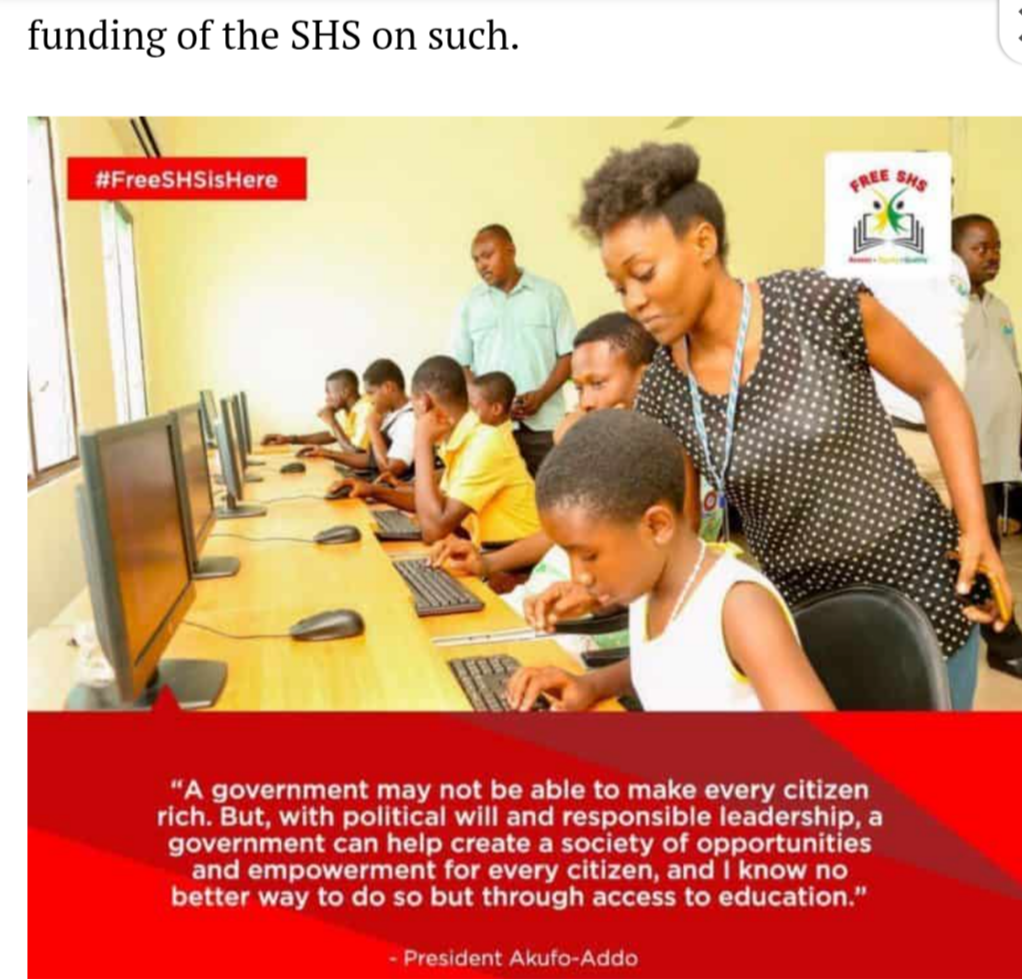
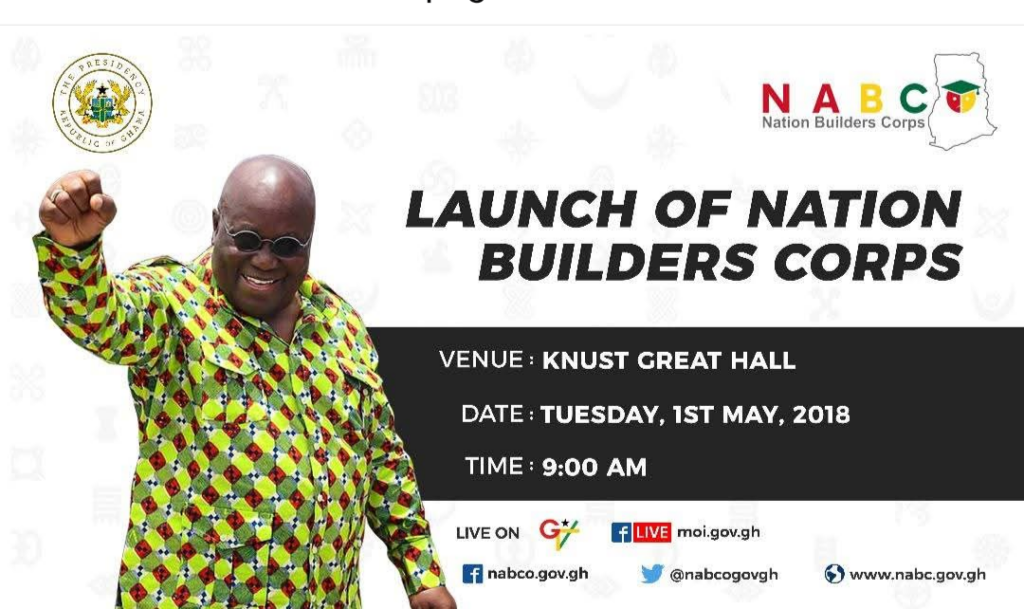
Implemented the Free Senior High School (SHS) policy, ensuring education for millions of Ghanaian students. Introduced social intervention programs such as NABCO (Nation Builders Corps) and Planting for Food and Jobs to tackle unemployment and food security. Navigated economic difficulties through IMF deals and debt restructuring to stabilize Ghana’s economy.

Democratic Leadership & Governance: Strengthened press freedom and democratic institutions, positioning Ghana as a beacon of democracy in Africa. Advocated for regional security and peace initiatives within ECOWAS, fostering cooperation among West African nations.
2. Ibrahim Traoré: The Young Leader Reshaping Burkina Faso & Security & National Sovereignty:
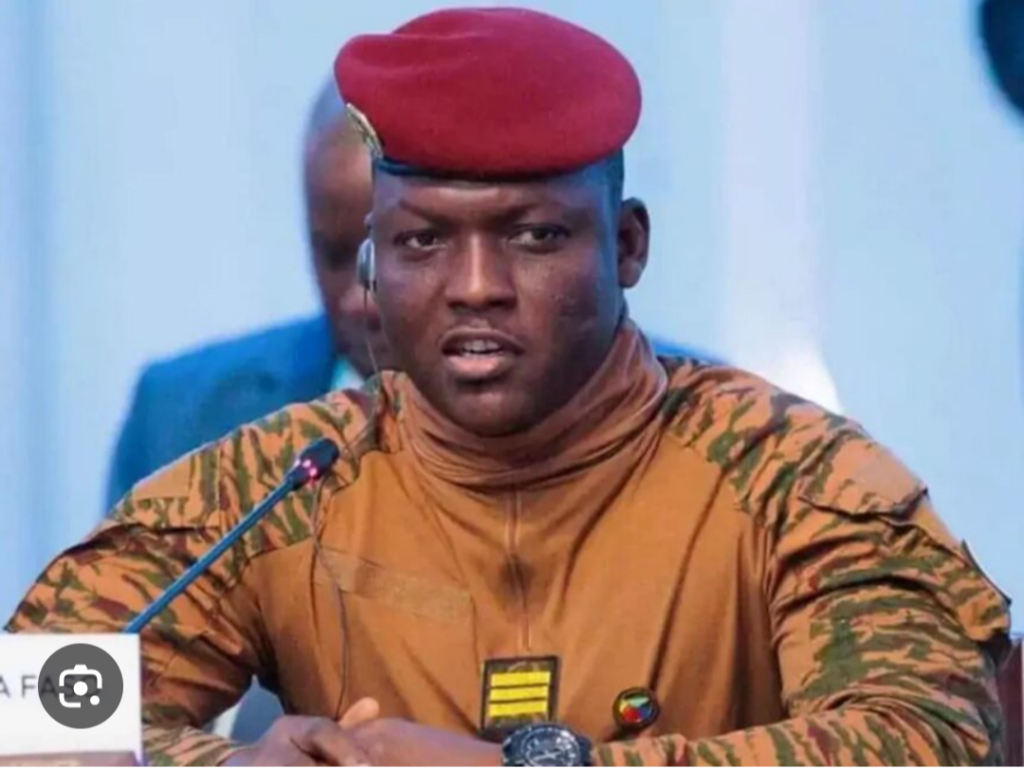
At just 35 years old, he rose as a bold and decisive leader, committed to ending terrorism in Burkina Faso. Strengthened military operations against jihadist insurgents, reclaiming lost territories. Ended military cooperation with France, asserting Burkina Faso’s sovereignty and self-reliance.
People-Centred Governance:
Pledged to restore civilian rule while prioritizing national security and stability. Launched community-driven development projects to provide economic relief and rebuild war-torn regions. Advocated for African unity and economic independence, resisting neocolonial influence and promoting self-sufficiency.
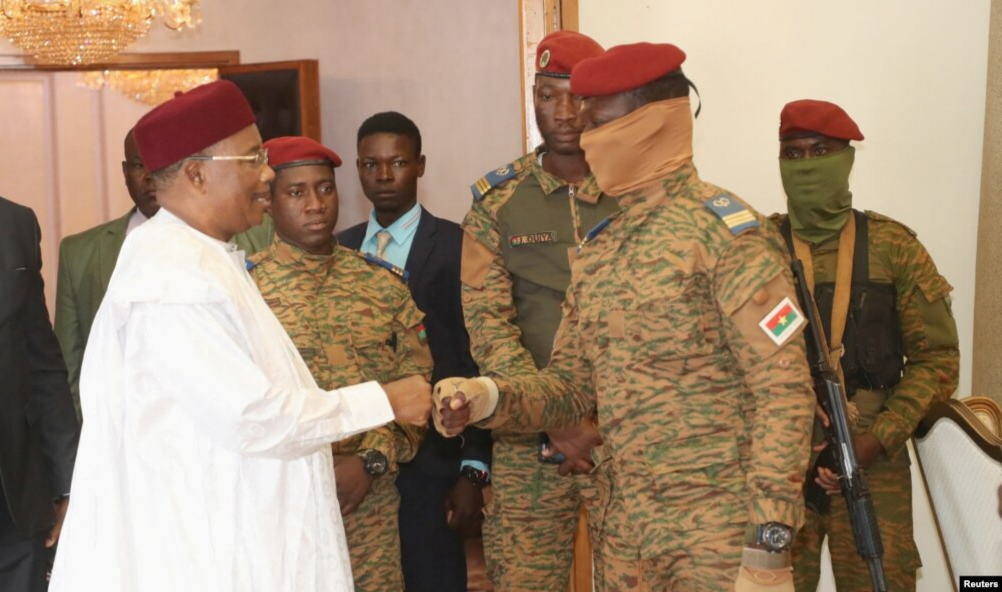
Conclusion: Leadership Amidst Adversity
While Nana Akufo-Addo and Ibrahim Traoré have different leadership styles, both have made bold efforts to ease the burdens of their people. Akufo-Addo’s legacy is defined by education, democracy, and economic policies, shaping Ghana’s long-term development. Traoré’s radical approach to security and sovereignty signals a new era for Burkina Faso, emphasizing independence and self-reliance.
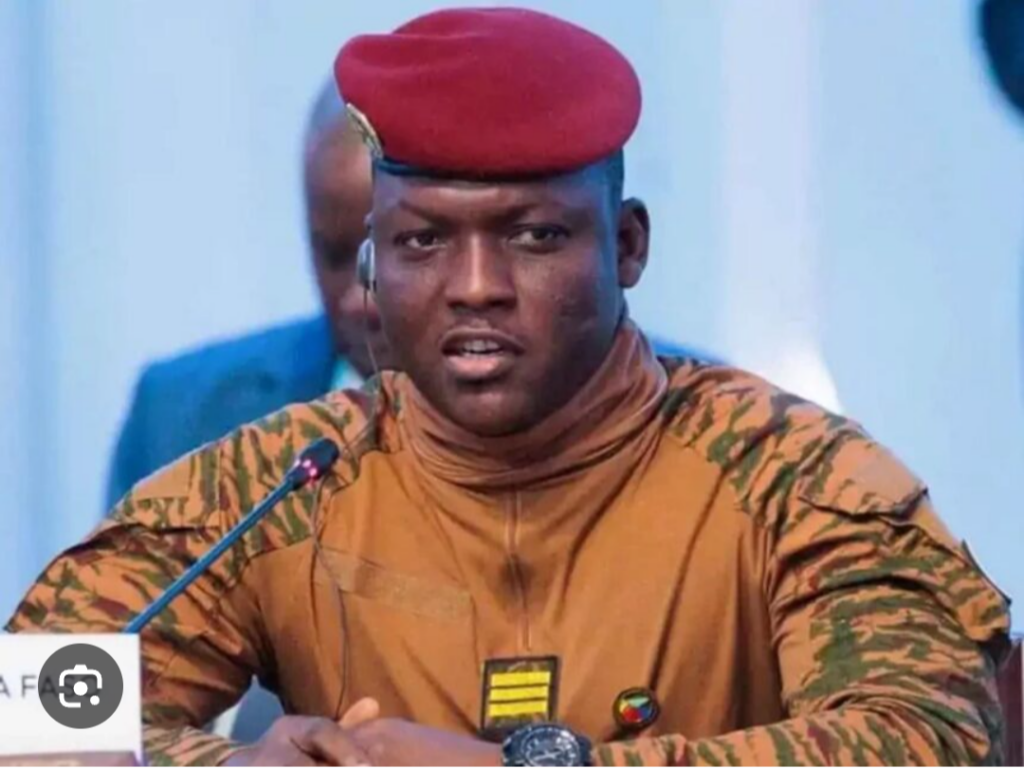
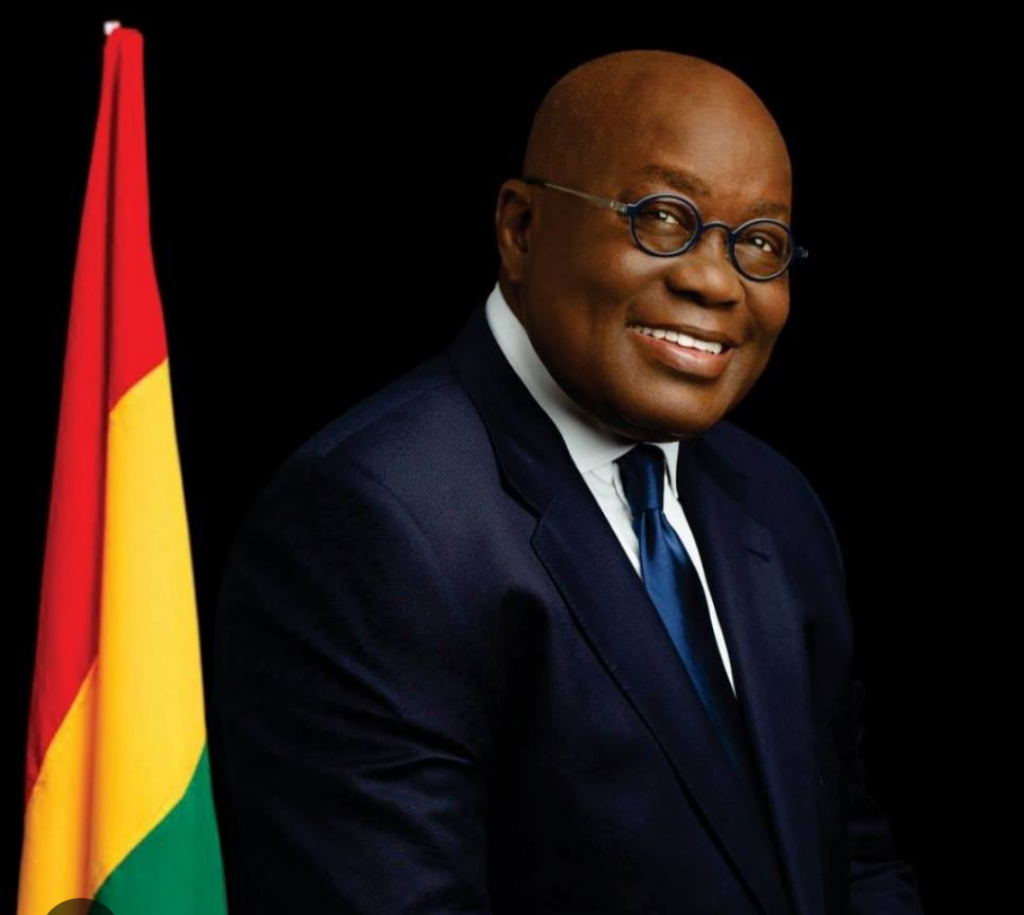
This exclusive feature in Assumpta Weekly News Magazine provides an in-depth look at how these two leaders wipe away the tears of their people through policy, governance, and vision.
President Nana Akufo-Addo & Ibrahim Traoré: Their Lifelong Vow & Great Compassion:
A New Dawn: Life as an African Child Before and After Free Education
Life as an African child in my country has always been hard, especially for children like me—a trotro mate sleeping in a kiosk. Before President Akufo-Addo’s Free Education Policy, every day was a struggle. Food was scarce, clothing was worn out, and survival meant working long hours just to afford school fees.
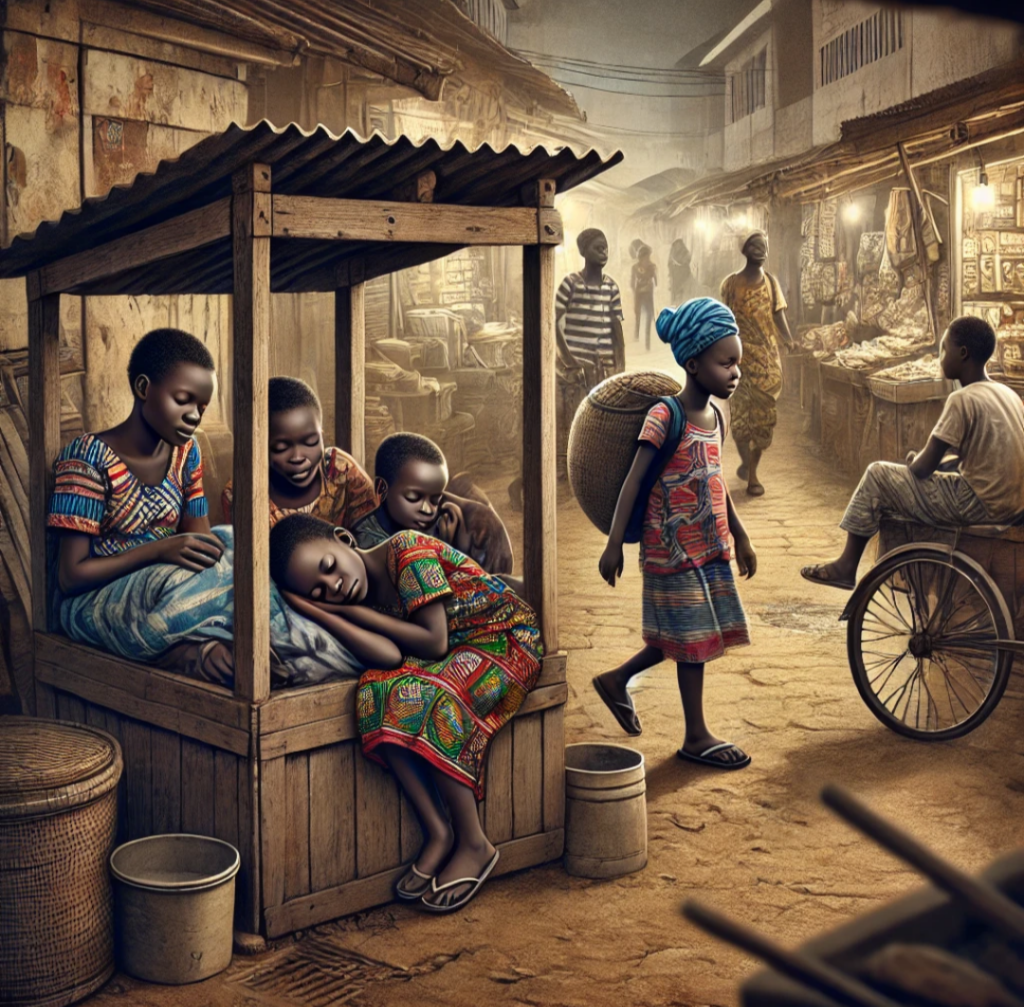
At 2 a.m., when most children were asleep in their beds, I was waiting for lorries arriving from Kumasi—loaded with bags of corn and baskets of tomatoes. I carried these heavy loads for traders, my small hands gripping the rough sacks, my body exhausted but determined. I had no choice—education was important, but it was expensive.
The Turning Point: Free Education
Then came a day that changed everything—the day President Akufo-Addo passed the Free SHS policy. At first, we couldn’t believe it. Could it be true? That children like us, sleeping in kiosks, had the right to go to school without paying fees? For the first time, we heard about children’s rights—the right to education, safety, and a better life. We had never imagined that we, the street children, had rights at all. But the Free SHS policy gave us something we had never had before: hope.
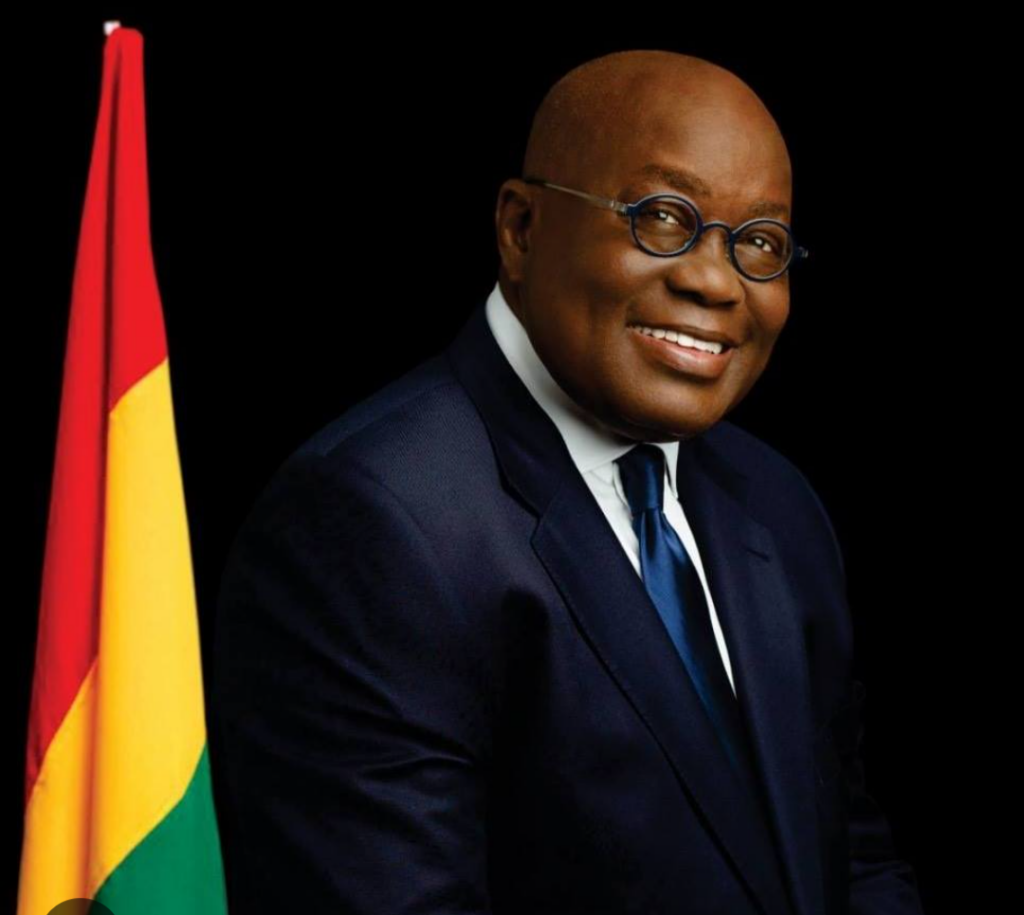
Life After Free Education: A Second Chance
With no school fees to pay, I could finally focus on learning. My health, once weak from hunger and exhaustion, improved drastically. No longer burdened by school fees, I performed better in class. Education became my way out of poverty.
Others like me, the young boys and girls who shared the kiosk, started talking about our struggles. We spoke up, and that changed everything. People began to notice us. Life didn’t become perfect overnight—we still sleep in kiosks, we still work for our food and clothes—but now, we have a future.
A Message of Gratitude and Hope
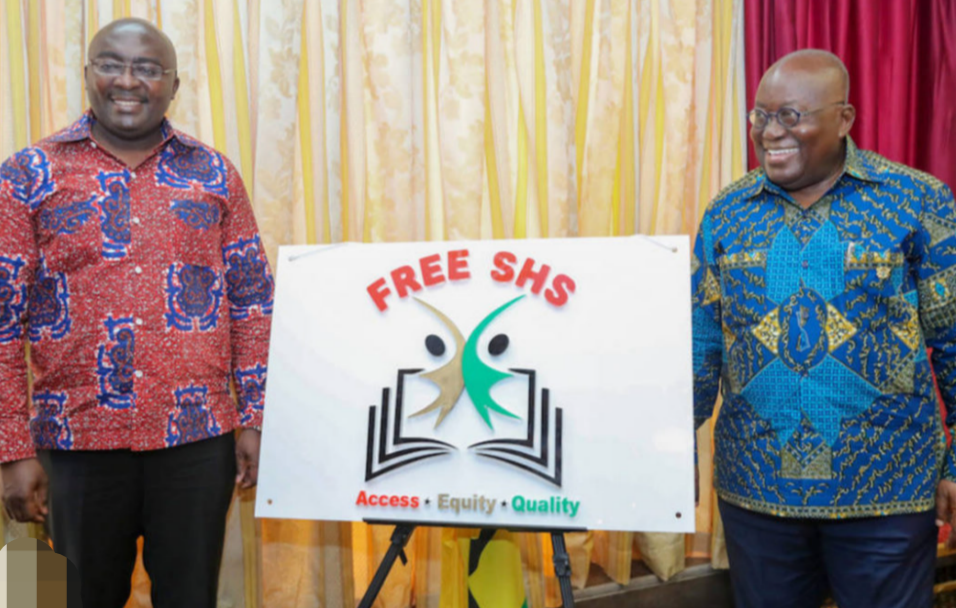
To President Akufo-Addo, we say thank you. You gave us an opportunity we never thought we would have. Free education is more than just school—it’s freedom from a cycle of hardship. To every African child struggling in poverty: do not give up. Knowledge is power, and education is your key to a better life. One day, we will build a future where no child has to sleep in a kiosk to survive. Until then, we keep learning, we keep hoping, and we keep moving forward.
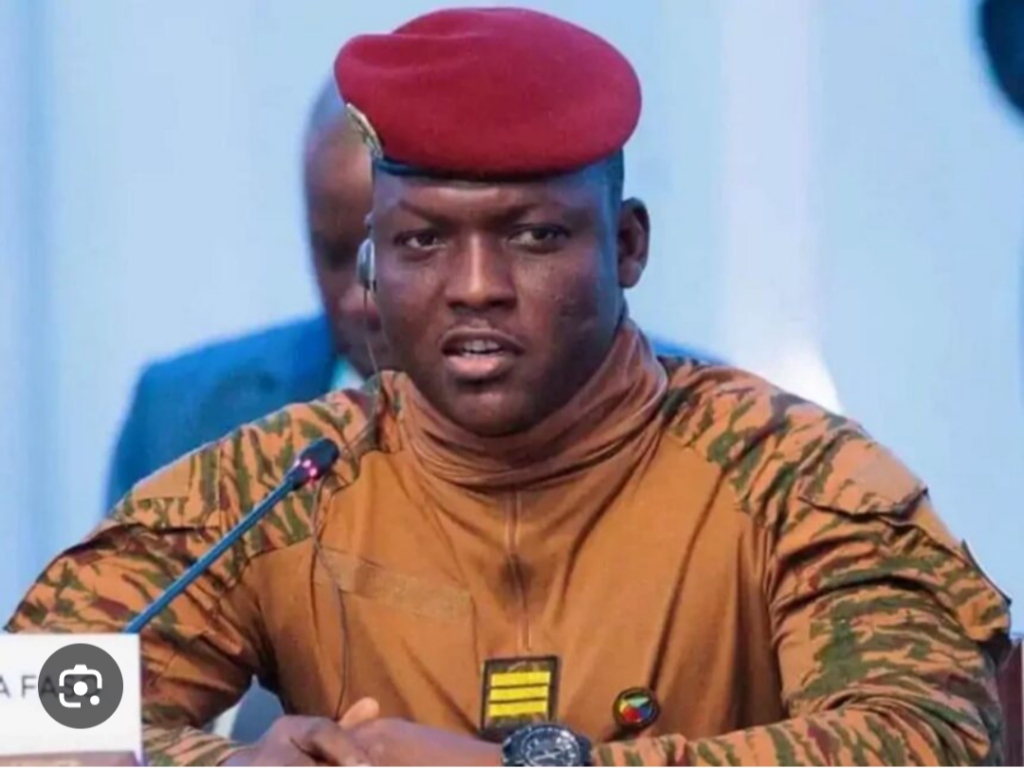
The Power of Belief: Ibrahim Traoré’s Vision for Burkina Faso
“It starts with believing. I believe in my abilities, and so do I believe wholeheartedly in the abilities of the people of Burkina Faso—that they can make change happen, that I can change lives.
If the people of Burkina Faso can’t believe in themselves, or if the imperialists or oppressors don’t believe in them, I will believe in them. And hopefully, my positivity will spread and encourage more positivity. This might seem insignificant to some, but it’s still change.”
These words from Burkina Faso’s Transitional President, Ibrahim Traoré, reflect a powerful philosophy—the belief that true change begins within. In a world where external forces have long dictated the fate of African nations, self-belief becomes a revolutionary act.
Today, the battle continues.
Akufo-Addo pushed for Africa’s economic independence, famously stating: > “We can no longer continue to make policies for ourselves based on European support. It will not work. It has not worked, and it will not work.”
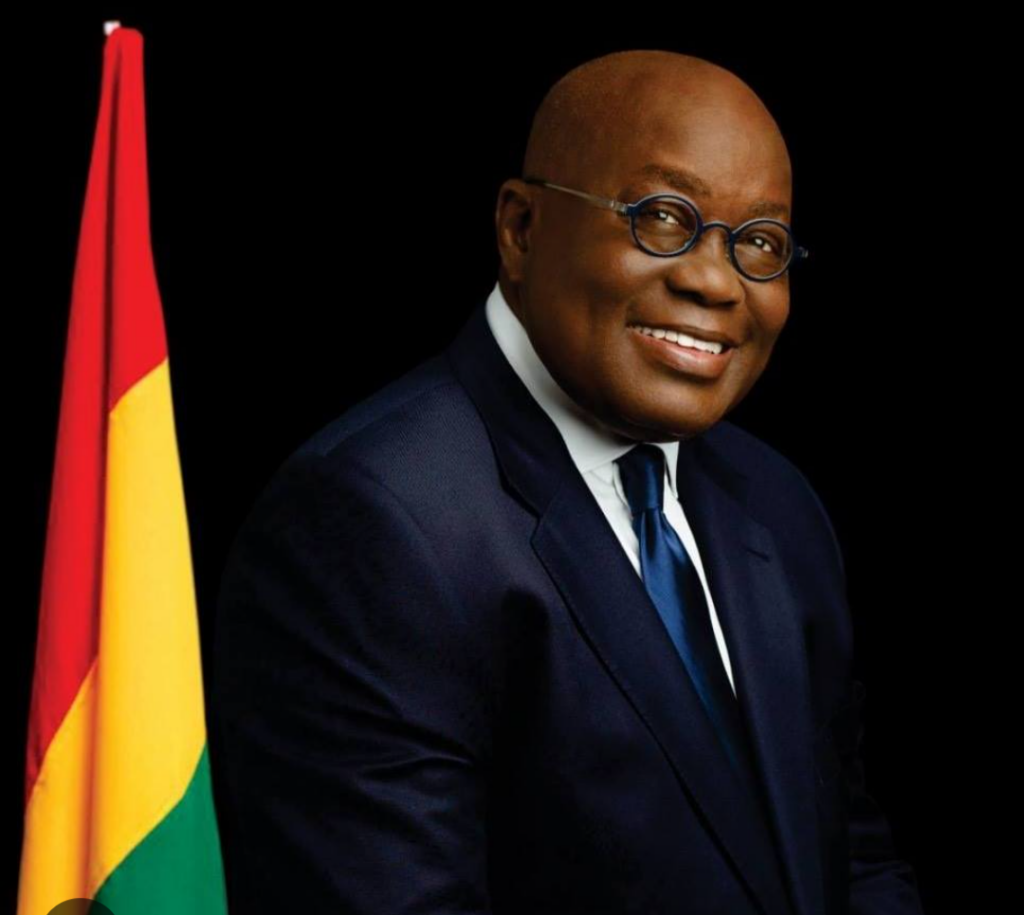
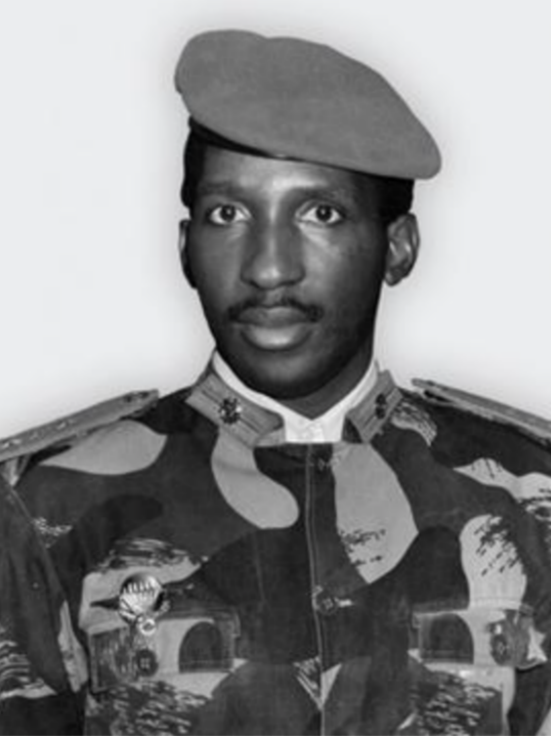
Traoré, like Thomas Sankara before him, has taken bold steps to resist neocolonial control, prioritizing local governance and economic self-sufficiency.
Nichiren’s Prophecy & The African Struggle> Buddhist philosophy, particularly the teachings of Nichiren Daishonin, can help us understand the challenges African leaders face. In The Actions of the Votary of the Lotus Sutra, Nichiren foretold battles that seemed impossible then. When his prophecy came true, doubt turned into conviction.
This mirrors Africa’s struggle: Despite past betrayals, a new movement is rising. Nana Akufo-Addo and Ibrahim Traoré are continuing the work of Nkrumah, Sankara, and other African pioneers. They symbolize a renewed African consciousness that refuses to be silenced by foreign powers.
Like Nichiren’s followers, Africans must awaken to their reality—supporting leaders who fight for economic and political liberation.
The Path Forward: Africa’s Collective Responsibility: Africa’s fate does not rest solely on its leaders—it requires active participation from its people. Just as Nichiren’s disciples had to recognize their struggles, Africans must unite against external manipulation. The sacrifices of Nkrumah, Sankara, Lumumba, and today’s leaders must not be forgotten.
If Africa is to truly be free, it must:
✔️ Embrace self-reliance
✔️ Resist external interference
✔️ Support leaders advocating for economic and political independence
> “Never in any lifetime should we forget the hardships endured for the sake of the Law.” (The Sutra of True Requital) Similarly, Africans must never forget the sacrifices of their leaders. The struggle continues—but so does the hope for a liberated Africa.
Final Thoughts
Former President Nana Akufo-Addo and Ibrahim Traoré stand as modern-day torchbearers of African dignity and self-sufficiency. Their policies aim to bring education, food security, and economic independence to their people. They embody the spirit of Africa’s fallen heroes, proving that the dream of a prosperous, self-reliant Africa is far from over. As history has shown, those who strive for true independence face great opposition. But just like Nkrumah, Sankara, and Lumumba, the fight for Africa’s dignity continues.
The question remains: Will Africa rise to protect its own?
Stay informed with Assumpta Weekly News Magazine—where we cover the stories that matter.
Exclusive Dialogue: Ghana’s Finest Broadcast Journalists Speak!

Host (Berla Mundi): “Good morning, Ghana, and welcome to a very special edition of Assumpta Weekly News Magazine’s ‘The ONWARD’! My name is Berla Mundi, and I’m beyond excited to be here today with two of Ghana’s most phenomenal journalists. Ladies, let’s get started with some greetings. Frema?”

Frema Adunyame: “Thank you, Berla! Good morning to our amazing audience, and a warm welcome to this special conversation. It’s an absolute pleasure to be here, discussing journalism, leadership, and the critical issues shaping our continent. Serwaa, how are you feeling about today’s discussion?”

Serwaa Amihere: “Good morning, ladies! I’m honoured to be part of this incredible discussion. Journalism is more than just storytelling—it’s about shedding light on topics that often go unheard. And today, we’ll be diving deep into leadership, governance, and how journalism plays a crucial role in shaping public opinion. I can’t wait to get into it!”

Berla Mundi: “Exactly, Serwaa! Today, we focus on journalism’s role in amplifying neglected topics, particularly through our feature on former Ghanaian President Nana Akufo-Addo and Burkina Faso’s Transitional President Ibrahim Traoré. These two leaders have led in very different ways but have both made significant impacts. But before we dive into that, let’s start with why we, as journalists, feel it’s important to spotlight these untold stories.”

Frema Adunyame: That’s a great point, Berla. In mainstream media, certain issues—like external interference in African governance or the real struggles behind policy implementation—often don’t get the attention they deserve. Journalism should go beyond press conferences and official statements; we must ask the hard questions and provide context for our audience.”

Serwaa Amihere: “Frema. One of the reasons we’re discussing Akufo-Addo and Traoré today is because their leadership has been scrutinized, yet many don’t fully understand the challenges they’ve faced—whether it’s economic pressures, security threats, or even geopolitical struggles. That’s where investigative journalism comes in. We owe it to our audience to dig deeper.”
Berla Mundi: “Exactly! And that brings us to the theme of today’s special feature: ‘Journalism of Neglected Topics.’ Over the next hour, we’ll analyze these two leaders, compare their policies, and discuss the broader implications for Africa. Are they truly wiping the tears of their people? Or are there greater forces at play?” And most importantly, what lessons can we as journalists and citizens take from their leadership? Stay with us as we unpack these critical issues!”
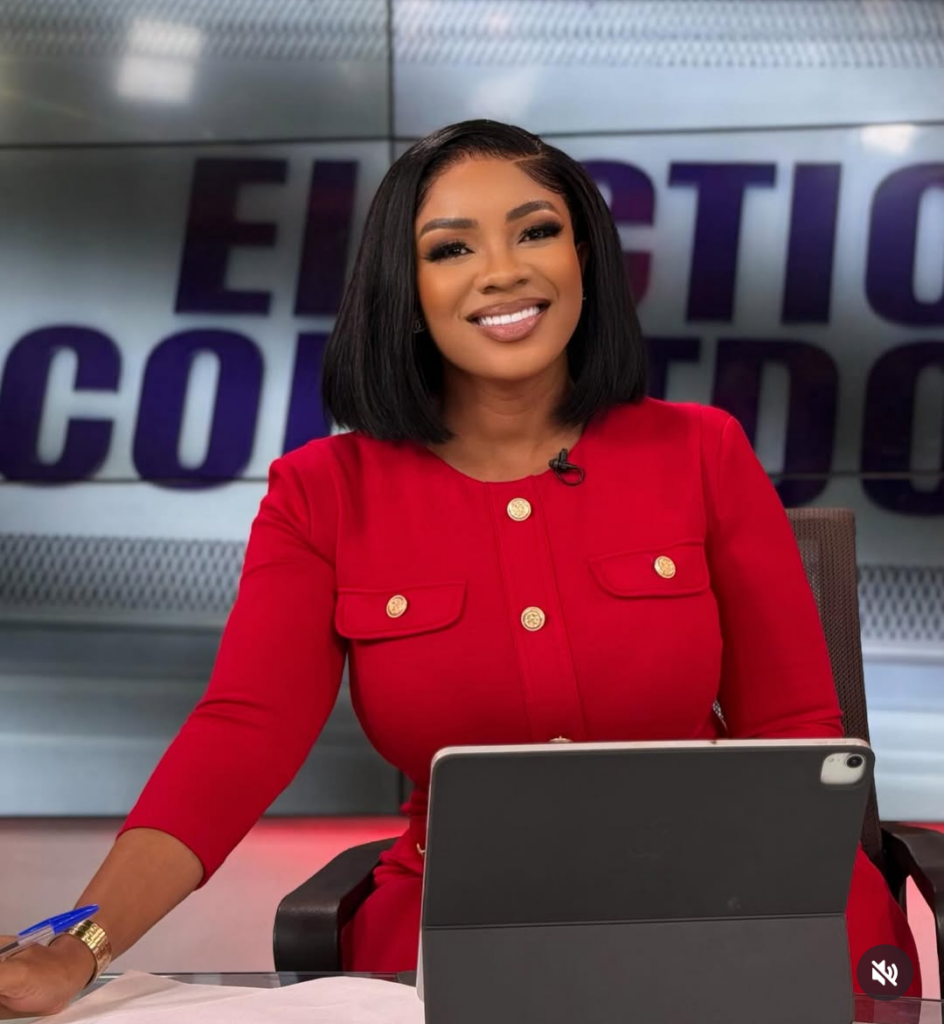
Serwaa Amihere: We often report on policies, but today, we’re going deeper—into the real impact of leadership on human lives.”

Frema Adunyame: Smiling.“ It’s a pleasure to be here, especially for a conversation like this. Leadership isn’t just about power—it’s about wiping away the tears of the people who trust you to lead them.”
Berla Mundi: “That’s right. And two leaders, Nana Akufo-Addo and Ibrahim Traoré, have done exactly that. Serwaa, let’s start with Ghana. You’ve covered stories on the Free Senior High School (SHS) policy. Tell us how has this policy changed lives?”
The Impact of Free SHS in Ghana

Serwaa Amihere: “Berla, this policy has transformed thousands of lives. Before Free SHS, education was a privilege, not a right. Many children—especially those from low-income families—had to drop out because their parents simply couldn’t afford tuition. Some children worked as trotro mates, market porters, or farmhands just to save money for school fees.”
Frema Adunyame: “I remember stories of children waking up at 2 a.m. to carry heavy loads in markets, just so they could afford to learn. It was heartbreaking.”
Serwaa Amihere: “Exactly. But Free SHS changed that overnight. Now, over 1.6 million Ghanaian students have access to secondary education without financial barriers. Families that used to struggle are now saving for other needs—like food and healthcare. And more importantly, these children now have a future beyond poverty.”
Berla Mundi: “That’s incredible. But, Frema, beyond education, what do you think this policy means for Ghana’s future?”
Frema Adunyame: “It’s simple—knowledge is power. When you educate an entire generation, you’re building a future where more Ghanaians will become entrepreneurs, professionals, and leaders. The cycle of poverty is being broken, and that’s why I say Akufo-Addo has truly wiped the tears from the eyes of many Ghanaian parents.”
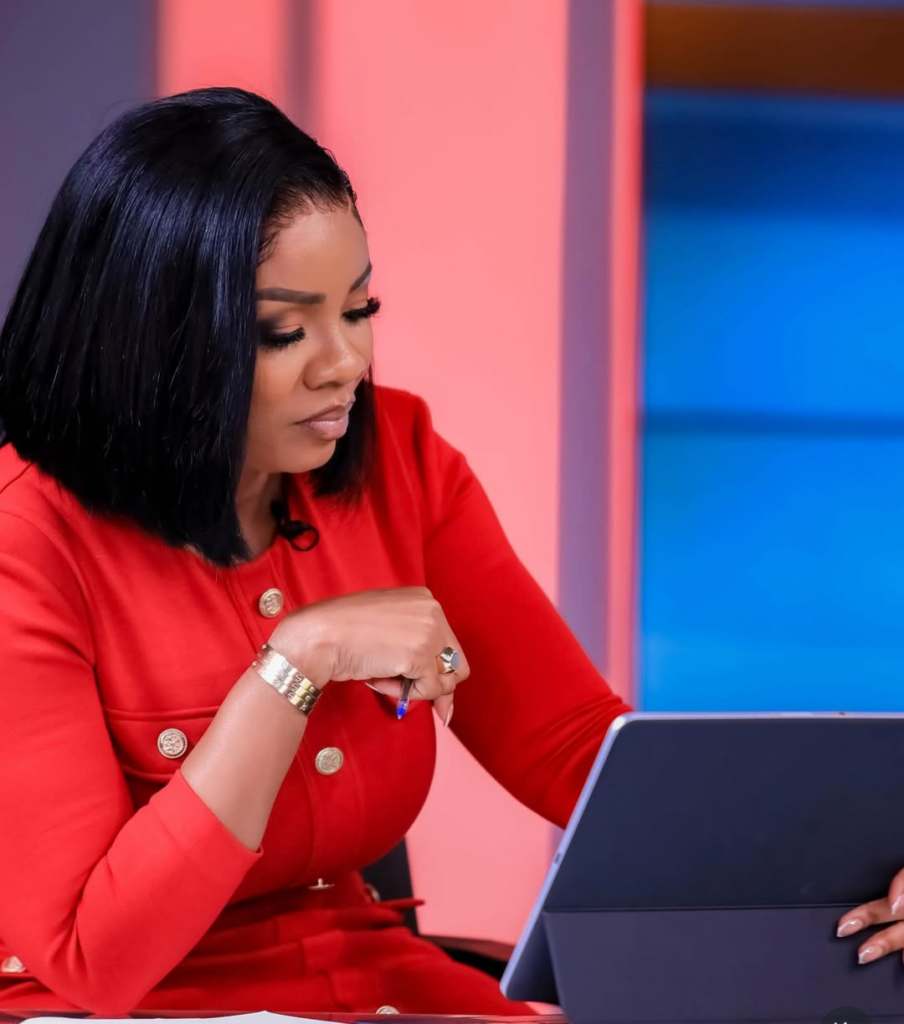
Serwaa Amihere: “And the students themselves! I’ve interviewed so many young people who said, ‘I never thought I’d see a classroom, but today, I am learning.’ That’s powerful.”

Berla Mundi: “Amazing. But now, let’s shift to another leader who is also changing lives—Ibrahim Traoré of Burkina Faso. Frema, you’ve followed his rise to power. How has he given his people hope?”
Ibrahim Traoré: The Defender of Burkina Faso’s Future
Frema Adunyame: “Berla, Ibrahim Traoré is not just a leader—he’s a movement. In a country plagued by terrorism and economic hardship, he took office with one promise: to defend his people at all costs.”

Serwaa Amihere: “And he’s very young—just 35 years old. What makes him different from past leaders?”

Frema Adunyame: “He believes in his people, even when no one else does. In one of his speeches, he said: “If the people of Burkina Faso can’t believe in themselves, or if the imperialists don’t believe in them, I will believe in them.” That’s leadership. He’s telling Burkinabés, ‘Your fate is in your hands, not in the hands of foreign powers.’”
Berla Mundi: “And how has that belief translated into real change?”
Frema Adunyame: “Well, first, he removed French military presence and took control of his country’s security. He’s empowering local forces to fight terrorism without depending on foreign troops. And second, he’s promoting economic self-reliance—cutting ties with exploitative foreign contracts and pushing for Burkina Faso to control its resources.”
Serwaa Amihere: “That’s bold. But what about ordinary citizens? How has he impacted their daily lives?”
Frema Adunyame: “He’s giving them dignity. Before, people felt powerless in their own country. Now, they see a leader who fights for them, and who believes in them. That alone wipes away tears—because sometimes, hope is the most powerful gift a leader can give.”
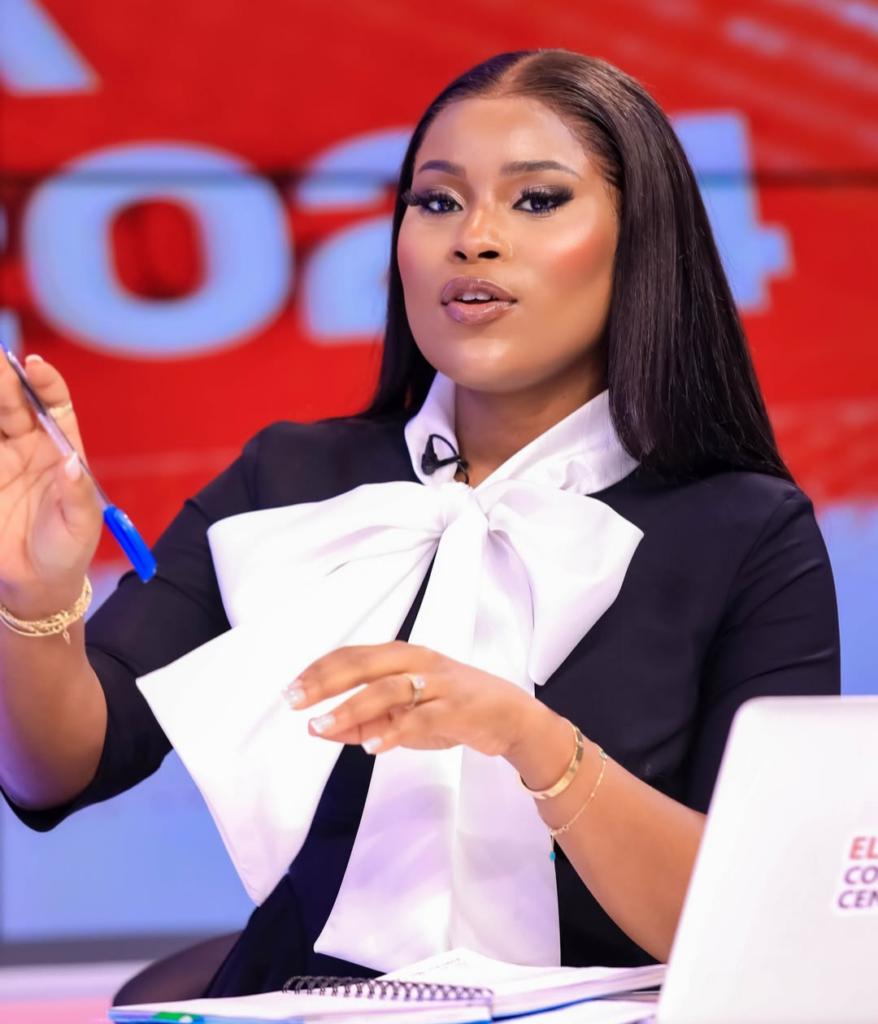
Berla Mundi: “Wow. So, in two very different ways, both Akufo-Addo and Traoré have changed lives—one through education and opportunity, the other through defiance and sovereignty.” “And that’s what makes them ‘The Angels’—the leaders who come to wipe away the tears of their people.” In conclusion, both are Leaders who Heal.
“As we wrap up, one final thought—leadership is about wiping tears, not causing them. Whether through education, security, or economic freedom, true leaders leave their people better than they found them.” Frema, would you say that African leaders today are facing similar challenges to those of the past, like Kwame Nkrumah or Thomas Sankara?
Frema Adunyame:
Berla. What we’re seeing now is not just a coincidence—it’s a continuation of a long struggle for Africa’s political and economic independence. Leaders like Nkrumah and Sankara had a vision for a self-sufficient Africa, free from foreign interference. Unfortunately, they faced resistance from powerful foreign interests, notably Western countries and their intelligence agencies. Today, leaders like Nana Akufo-Addo and Ibrahim Traoré are experiencing similar challenges. But what’s significant now is that there’s a growing sense of collective will across the continent. People are starting to see the value in the idea of self-reliance and unity, which was championed by these great leaders.

Serwaa Amihere:
Yes, Frema. If we look at Akufo-Addo, for instance, his statements on self-reliance resonate deeply. He said, “We can no longer continue to make policies for ourselves, for our development, based on the support that we get from Europe, from France, or the European Union.” I believe this is a call for African nations to rethink their relationship with the West. It’s not about rejecting international cooperation, but rather about being in a position where we can define our path forward, free from dependency.
Berla Mundi:
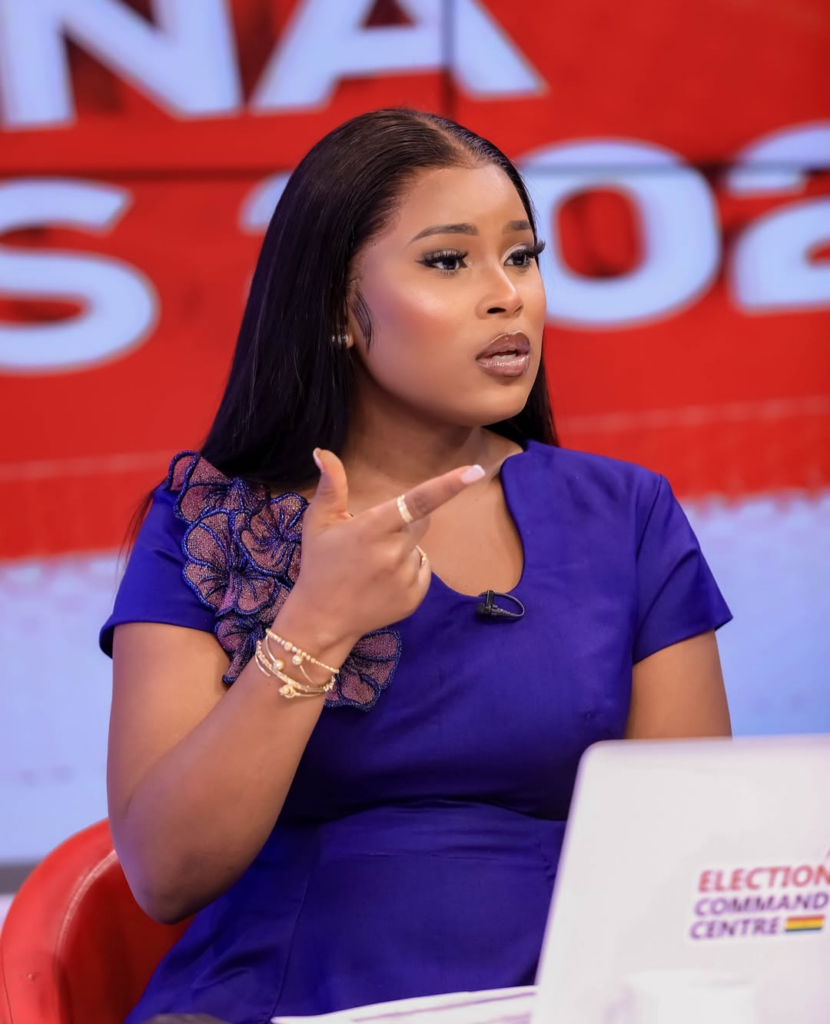
That’s very powerful, Serwaa. But we can’t ignore the fact that such a shift is not easy. There are still external forces that would rather maintain control. Serwaa, in your view, how should African countries balance their sovereignty with the realities of global politics?

Serwaa Amihere:
It’s a delicate balance, Berla. On the one hand, we need to engage with the world and build alliances that benefit our nations. But on the other hand, we must ensure that our decisions are driven by our priorities, not dictated by foreign powers. What Ibrahim Traoré has done in Burkina Faso is a prime example of this. By breaking free from the economic stranglehold of France and focusing on local governance, he’s showing that true independence isn’t just about political power—it’s about economic self-sufficiency and control over your resources. African countries need to strengthen regional integration, trade within the continent, and build our industries. Only then can we truly protect our sovereignty.
Frema Adunyame:
Right, Serwaa. And it’s important to recognize that African unity isn’t just an abstract idea. It’s the very key to overcoming our challenges. Look at the African Continental Free Trade Area (AfCFTA)—this initiative could be a game-changer for economic self-sufficiency. But it requires leaders to have a long-term vision and the courage to stand up to external pressures, just as Nkrumah, Sankara, and now Akufo-Addo and Traoré are doing.

Serwaa Amihere:
Berla. The threats are real. And these threats aren’t just military; they’re economic, diplomatic, and even psychological. The West doesn’t want to see a self-reliant Africa because it challenges their dominance. But here’s where the role of the African people is crucial. Citizens must be informed, involved, and supportive of their leaders. We need to back our leaders who are pushing for sovereignty, like Akufo-Addo and Traoré, and not fall victim to narratives that seek to undermine their efforts. If we’re truly committed to Africa’s progress, we need to be proactive in resisting foreign manipulation.
Frema Adunyame:
Exactly, Serwaa. The African people have a responsibility not only to support their leaders but also to be active participants in the fight for liberation. Education, activism, and community empowerment are key. We cannot afford to be passive in the face of challenges. The lesson we’ve learned from history is clear: the struggle for African sovereignty is a collective effort, and it requires all of us to take part in it. Whether it’s through economic empowerment, political activism, or simply being vocal about our vision for the future, every action counts.
Berla Mundi:
That’s a strong call to action, Frema. To wrap up, let’s bring in a philosophical perspective. You both touched on the importance of persistence in the face of adversity. There’s a concept from Nichiren Buddhism that emphasizes enduring hardship for a greater cause. How do you think this philosophy resonates with Africa’s current fight for sovereignty?

Serwaa Amihere:
It resonates profoundly, Berla. Africa has endured centuries of exploitation, but the resilience we’re seeing today is a testament to the strength of our people. Just like the votary of the Lotus Sutra who faced hardship yet remained committed to their mission, African leaders like Akufo-Addo and Traoré are showing the world that we will not give up on our vision for a free and united Africa. Yes, the road is difficult, but we must stay committed, just as those leaders in history did.
Frema Adunyame:
And as the teachings of Nichiren suggest, it’s not just about the leaders but the people as well. We must recognize our role in this struggle and not forget the sacrifices made by those who fought before us. Only then can we build a truly liberated Africa, one that thrives on unity, self-reliance, and mutual respect among its people and leaders.

Berla Mundi:
Thank you, Frema and Serwaa, for sharing your insights today. It’s clear that the journey toward African empowerment is ongoing, and we all have a role to play. As we reflect on the words of leaders past and present, we can take heart in knowing that Africa’s future is in our hands.
Serwaa Amihere:
Thank you, Berla. Africa’s future is bright if we choose to walk the path of unity and self-reliance.

Frema Adunyame:
Thank you as well, Berla. Let’s all stay vigilant and continue the fight for the Africa we deserve. And that is the real measure of power—not control, but compassion.”

Berla Mundi:
With that, we conclude today’s episode of “Conversations on Africa’s Future.” Thanks to our viewers for joining us. Let’s continue the conversation and work together to shape a prosperous Africa for future generations. To every leader reading, remember this: “When you give your people hope, you become an angel in their eyes.” This dialogue mirrors the article’s themes while engaging the guests in a meaningful conversation about African leadership, history, and prospects.
SGI-Our Shared Humanity.