



Title : Does The “NDC” Have a Self-Reliance Vision for Ghana and Africa?
Content : Can the NDC Strengthen Leadership and Governance?
Last updated: 10/08/2024 at 17:53 pm
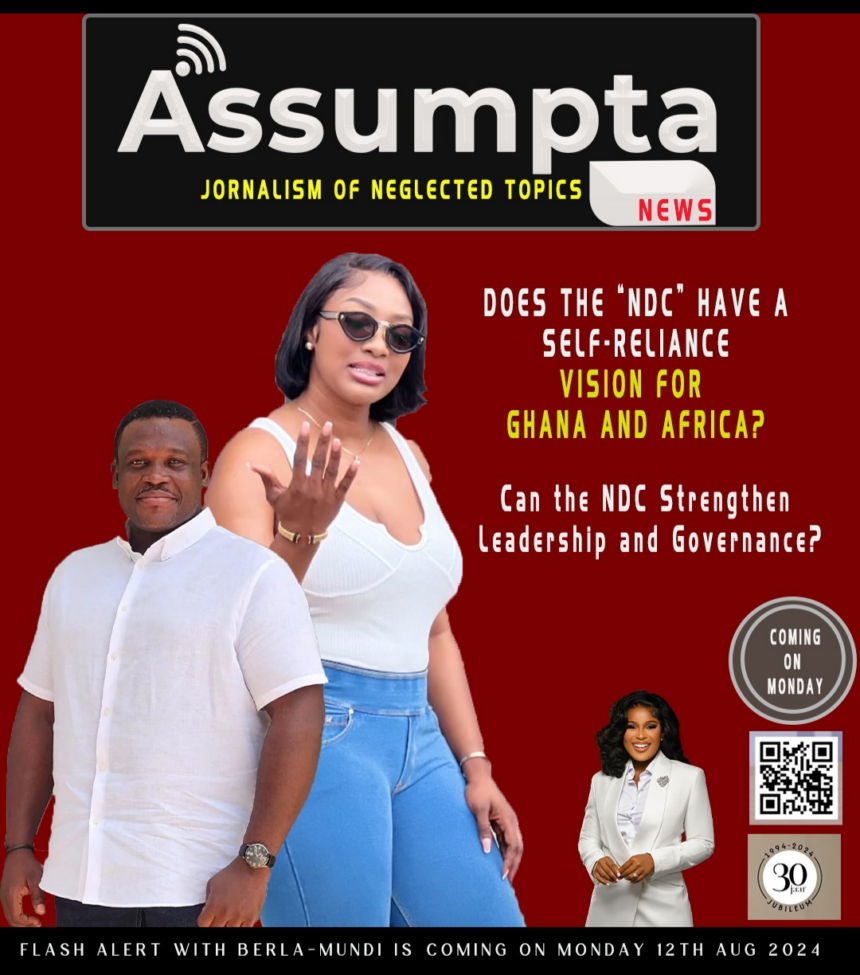
Assumpta GH TU feature Berla-Mundi, A t.v presenter, Broadcast journalist and event host .
Coming on Monday 13 August; Flash Alert With Berla-Mundi-Journalism of Neglected Topics.

Gwen Addo
Does the NDC have a Self-Reliant Vision for Ghana and Africa?
As Africa faces increasing challenges on the global stage, the question of self-reliance and strong governance has never been more critical. For Ghana and Africa to take their rightful place in the community of nations, there is a need for visionary leadership and robust governance structures. This raises an important question: Can the National Democratic Congress (NDC) rise to the occasion and lead the charge towards a self-reliant Africa?
Can the NDC Strengthen Leadership and Governance?
The NDC, as one of Ghana’s leading political parties, has a unique opportunity to influence the future direction of the country and, by extension, Africa. Strengthening leadership and governance is essential to reducing dependency on external financing and ensuring that Africa’s voice is heard on the global stage. This means advocating for internal resource mobilisation, championing reforms within the African Union (AU), and promoting a vision of economic and political integration that empowers African nations to be self-sufficient.

https://www.instagram.com/laurenhautecouture?igsh=MWxzNXN1Ym5nZ3o3Mg==
The question remains: Will the NDC take bold steps to realise this vision and build an Africa that is financially independent, strategically focused, and capable of asserting its position in global affairs? The future of Ghana and Africa may very well depend on the answers.
Review of the Article: “Does the NDC have a Self-Reliance Vision for Ghana and Africa?
This article has been prepared to offer Ghanaians insights into their voting preferences, specifically focusing on the kind of leadership they desire and the vision that leadership should embody. As the country approaches pivotal moments in its political and economic journey, it’s crucial for citizens to consider the future they want—one where the cycle of continuous borrowing from the IMF and World Bank is broken.
The article challenges voters to reflect on whether the National Democratic Congress (NDC) has a vision that prioritises self-reliance for both Ghana and the broader African continent. It asks whether the NDC can champion the necessary reforms within the African Union (AU) and advocate for economic development that is funded by African resources rather than relying on external debt.
By engaging with these questions, Ghanaians can better assess what leadership qualities are needed to steer the nation towards financial independence and sustainable development. The article ultimately seeks to encourage a shift in thinking—one that favours leaders who are committed to building an Africa that is economically self-sufficient and politically strong on the global stage.
Dialogue between Her Excellency Gwen-Addo, His Excellency George Samuel Nartey, and Berla-Mundi
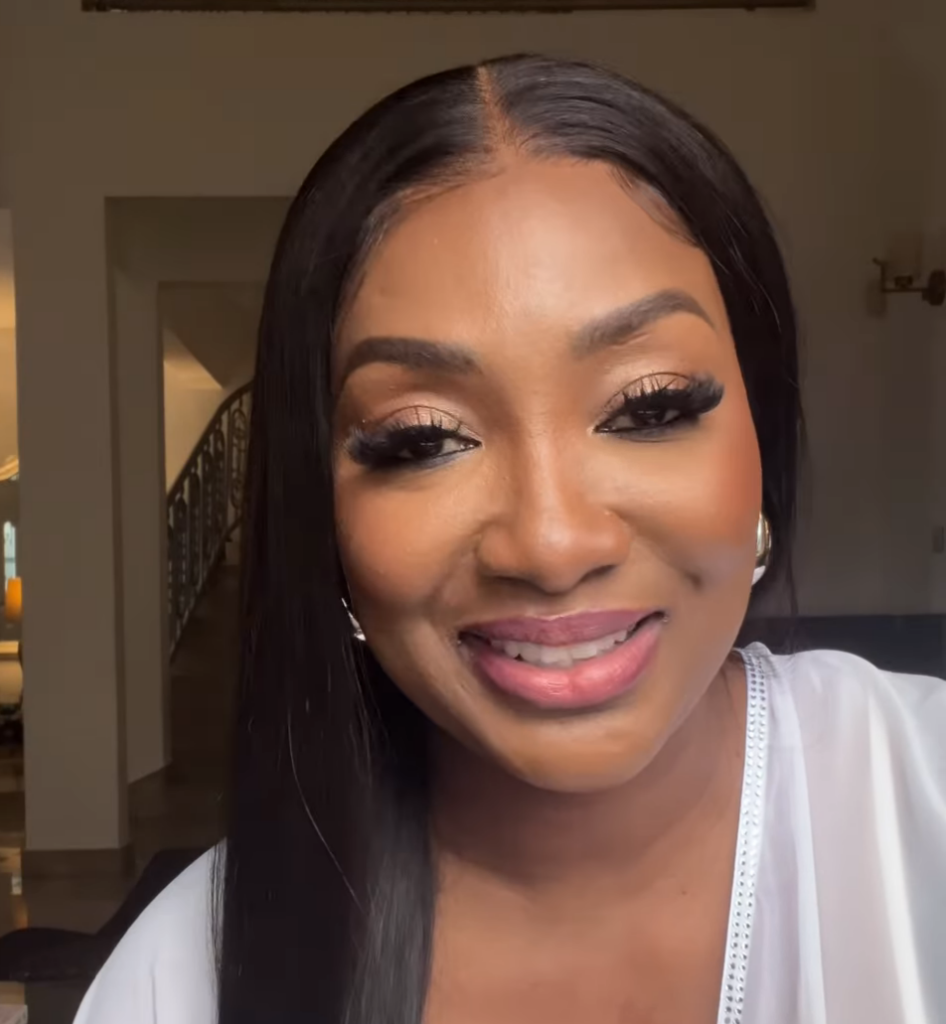
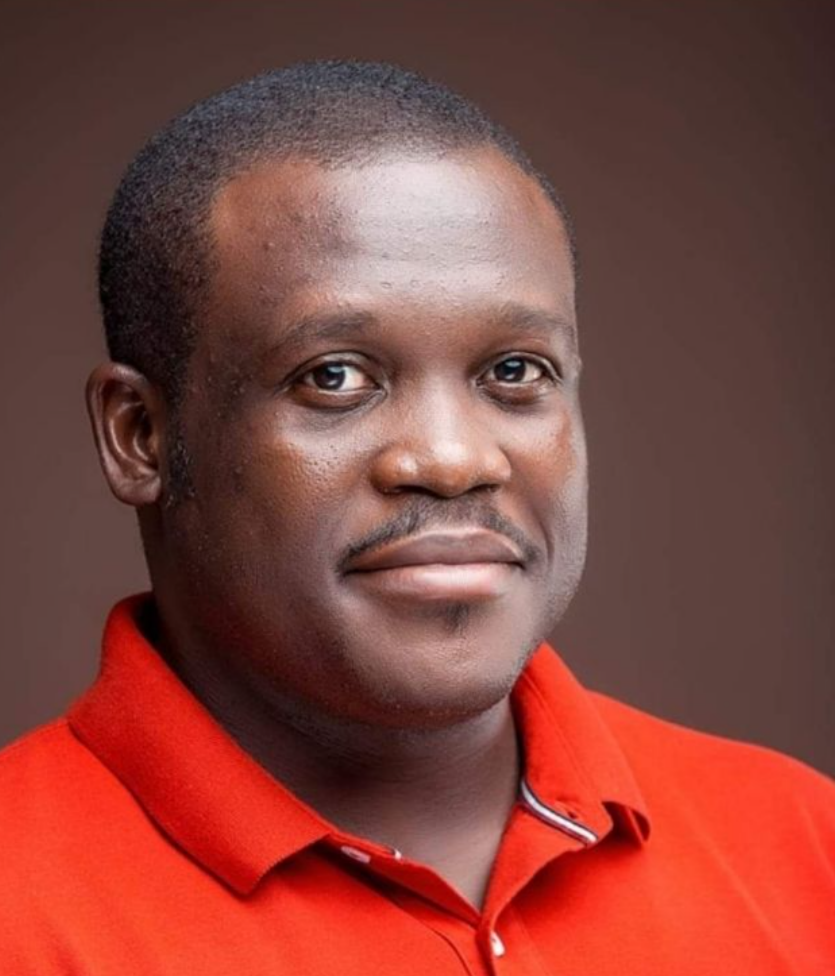
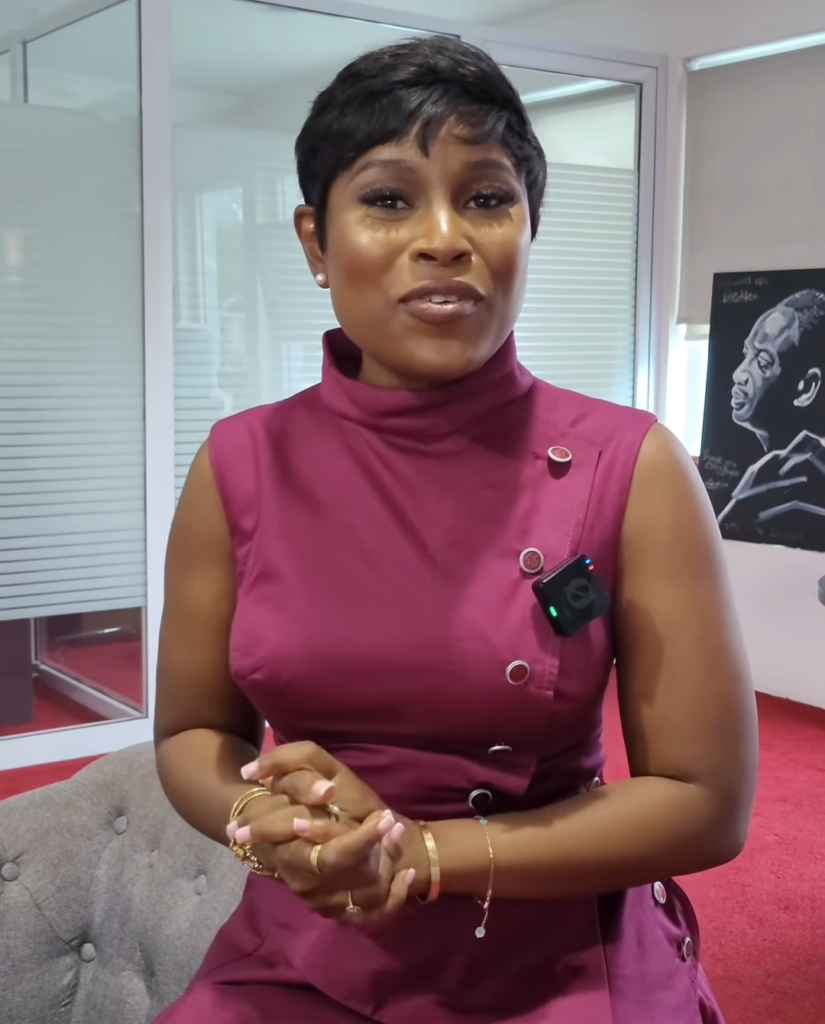
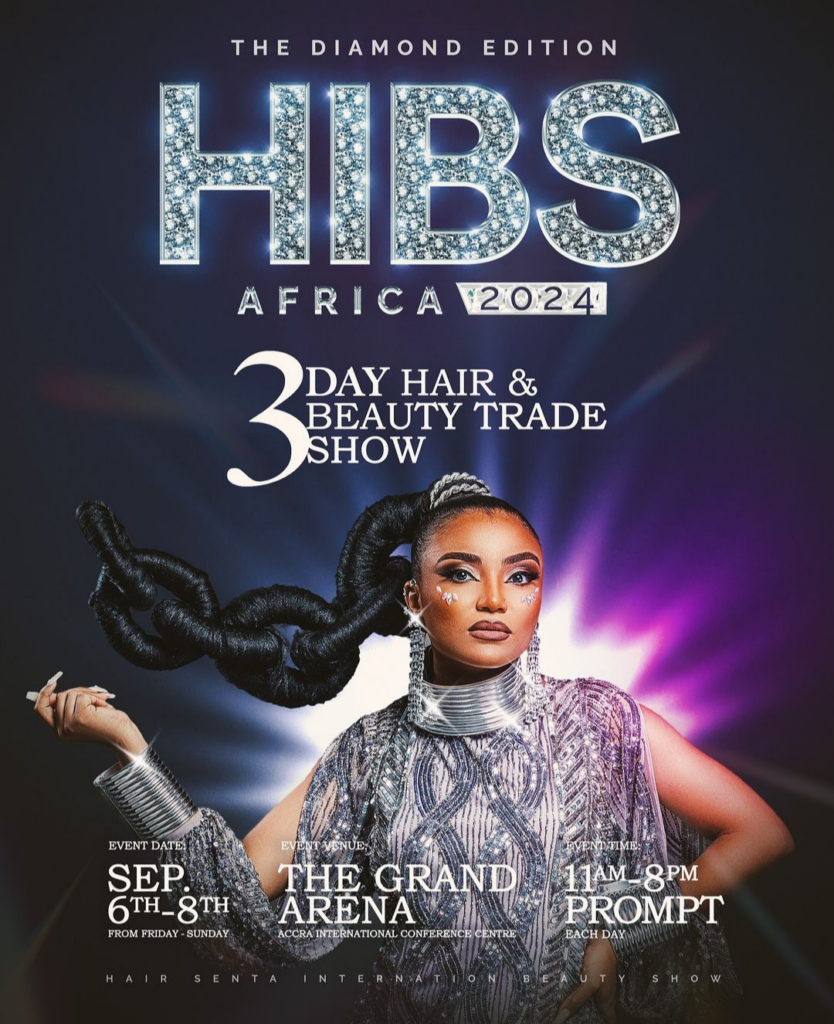
Berla Mundi : Good morning, Your Excellencies. I am deeply honoured to have with us today Her Excellency Gwen-Addo, who is not only the CEO of Hair Senta and the organiser of African HIBS but also the future first female president of Ghana. Your leadership on the continent and beyond is truly exemplary. Welcome.
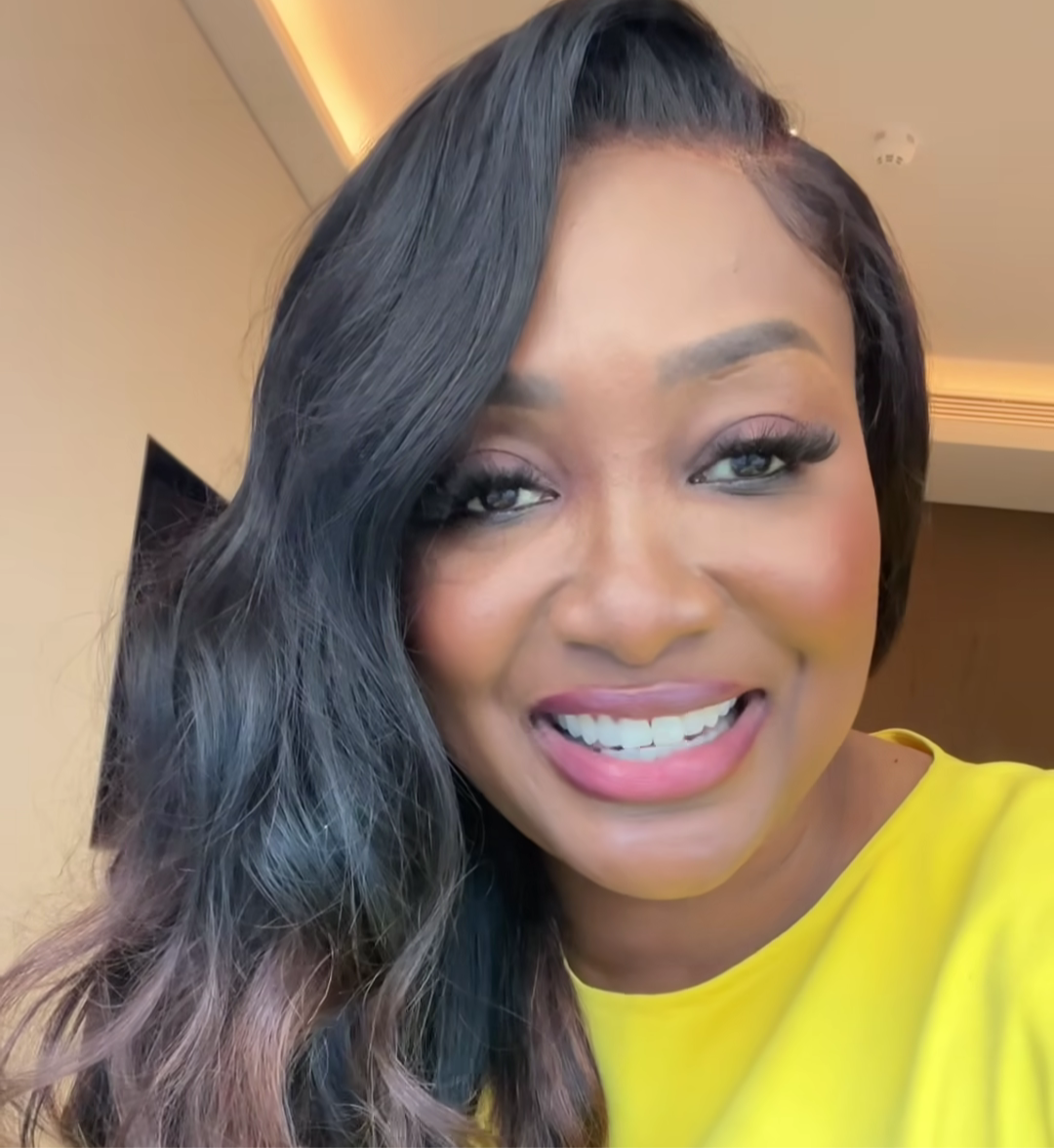
Her Excellency Gwen-Addo : Thank you, Berla. It’s a pleasure to be here.
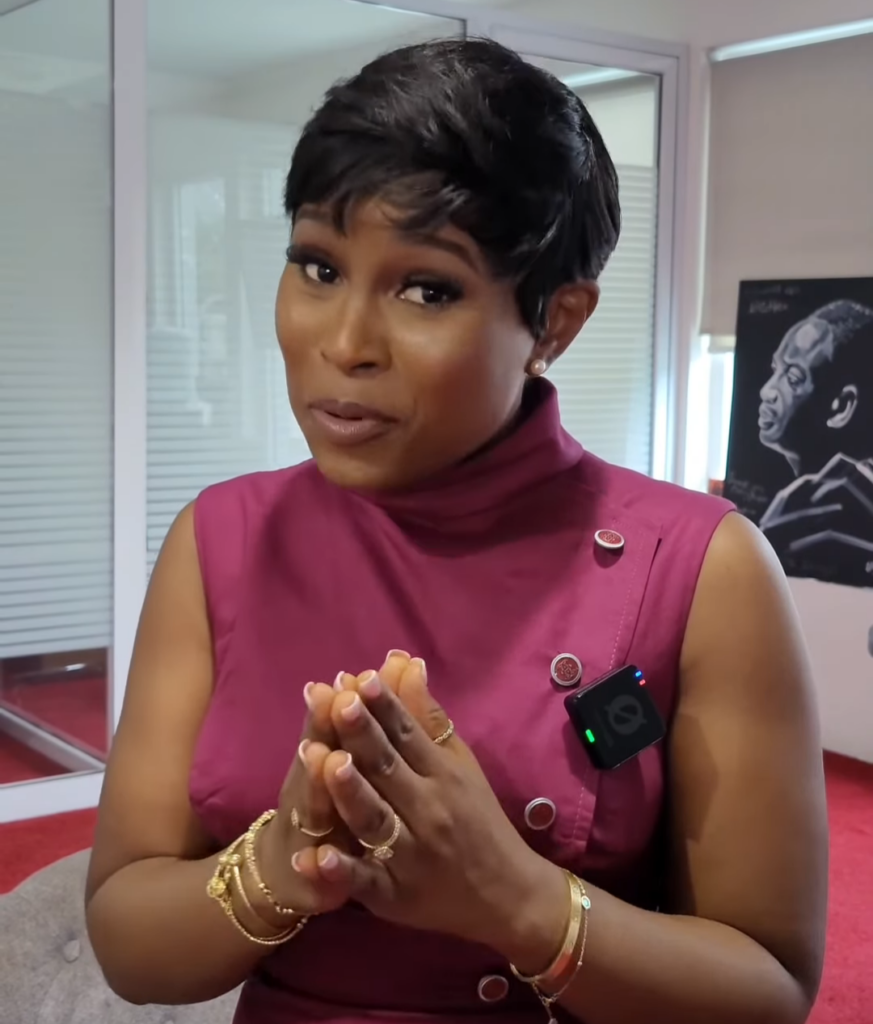
Berla Mundi : I also warmly welcome His Excellency George Samuel Nartey, a Member of Parliament, and our future Vice President of Ghana. It’s great to have you with us again for this important dialogue.
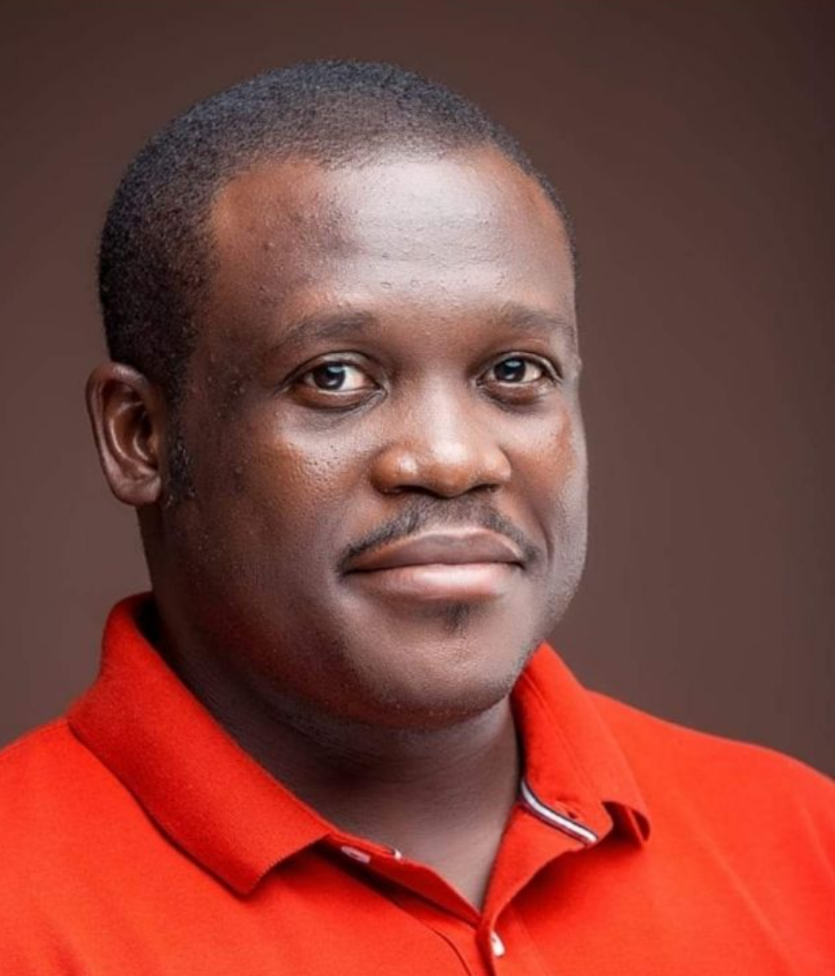
His Excellency George Samuel Nartey : Thank you, Berla. I’m glad to be here.
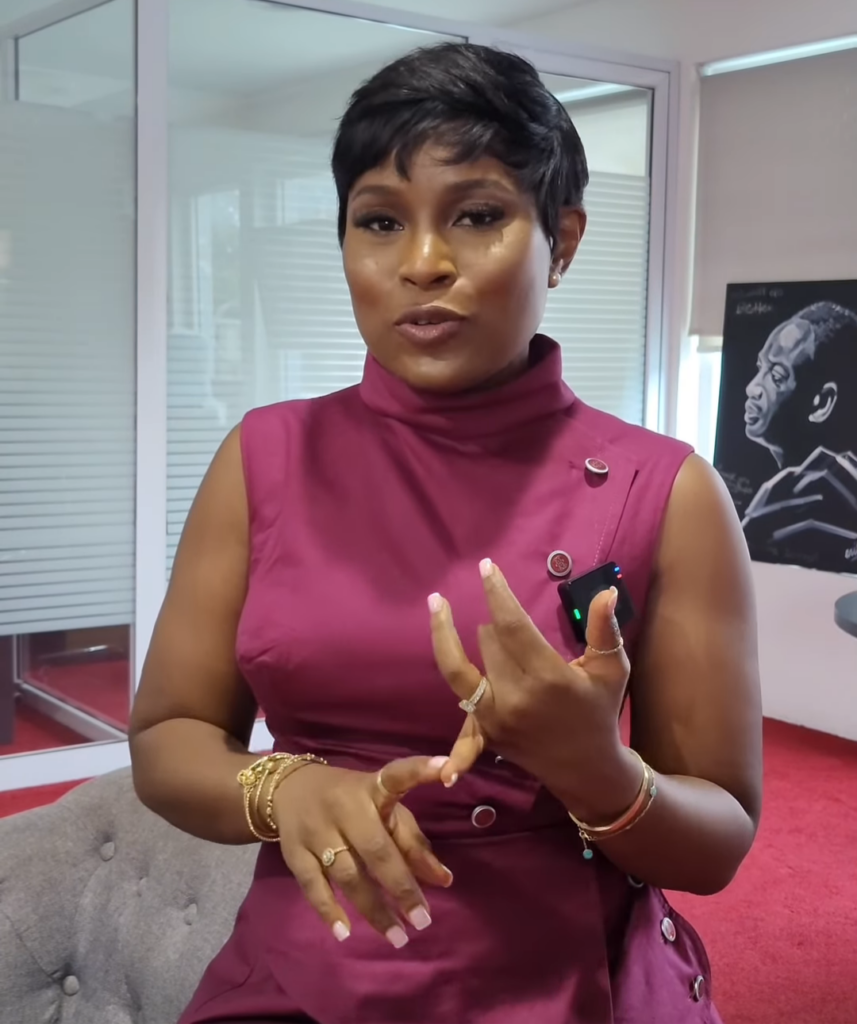
Berla Mundi:
As you both know, our country is currently facing a series of complex and interconnected challenges, from funding issues to economic development hurdles. These challenges are further exacerbated by global shocks that are hitting our continent hard, impacting our people, our environment, and our economies.
Unfortunately, leadership without a clear vision has led to a disconnect between the government and the people. The cost of living is rising, there’s a housing crisis, and rural development remains neglected. This has created a perfect storm of poverty and misery that is sweeping across both Ghana and the broader African continent.
Moreover, Ghana continues to borrow from the IMF and the World Bank for development, and it seems that the NDC lacks a vision for reversing this trend. There’s no clear strategy for reforming the African Union (AU) or advocating for economic development that is funded by African resources rather than external debt.
With this context in mind, let’s engage in a discussion on the leadership qualities needed to steer the nation towards financial independence and sustainable development. Your Excellency Gwen-Addo, what are your thoughts on this?
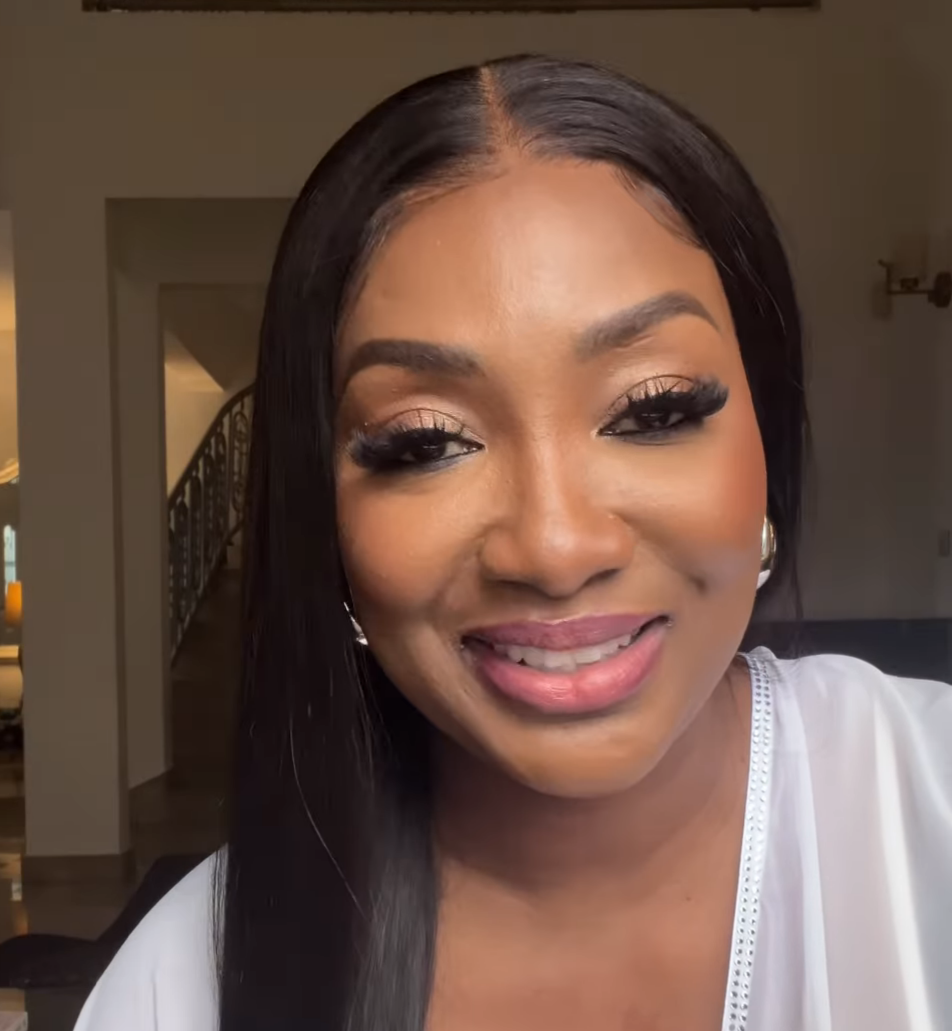
Her Excellency Gwen-Addo:
Thank you, Berla. I believe that the essence of leadership, especially in our current circumstances, is to be deeply connected to the people we serve. Leadership must be grounded in a vision that prioritises the welfare and aspirations of the people. The current challenges we face—from rising costs of living to a lack of rural development—are symptoms of a deeper issue: a disconnect between leadership and the people.
For Ghana and Africa to achieve financial independence and sustainable development, we need leaders who are not only visionary but also pragmatic. We must focus on internal resource mobilisation, investing in our own people and industries, and reducing our dependence on external funding. This means championing reforms within the AU to ensure that African resources are used for African development.
A visionary leader must also be bold in pursuing policies that may be difficult in the short term but are necessary for long-term prosperity. This includes fostering an environment where entrepreneurship can thrive, supporting small and medium enterprises, and ensuring that all regions of the country benefit from development initiatives.
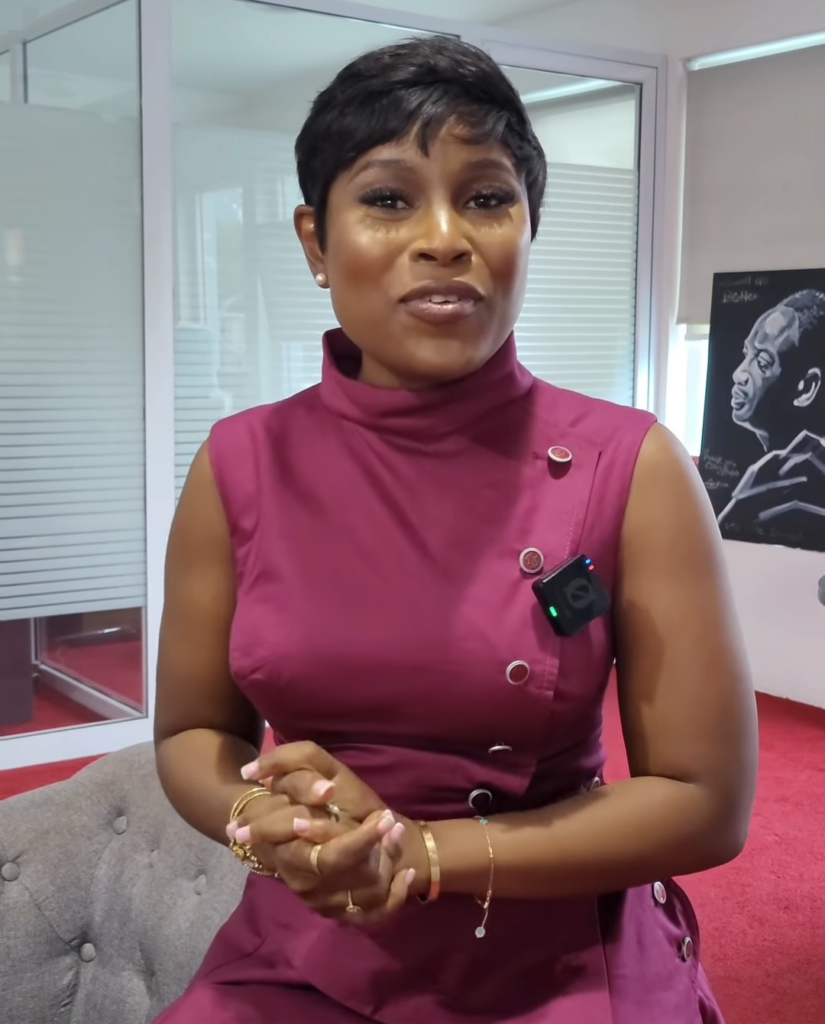
Berla Mundi : Thank you, Your Excellency. His Excellency George Samuel Nartey, what is your perspective on how leadership can address these interconnected challenges and lead us towards a more self-reliant future?
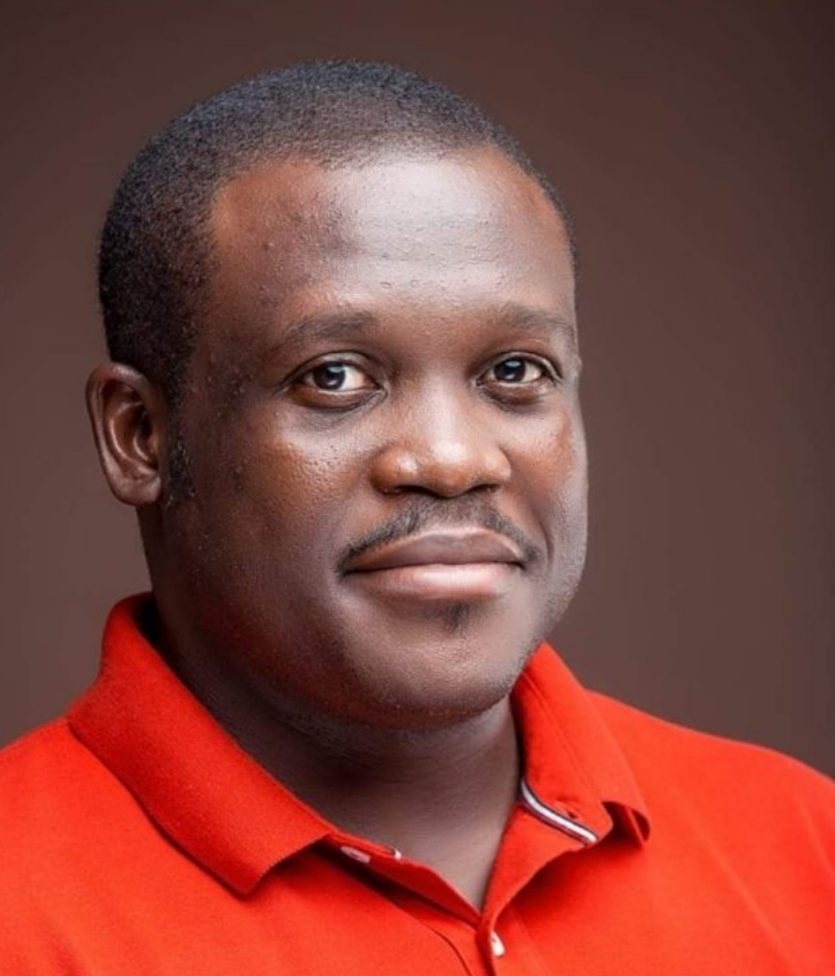
His Excellency George Samuel Nartey : Berla, I fully agree with Her Excellency Gwen-Addo. Leadership in these times must go beyond rhetoric; it must translate vision into actionable steps that directly impact the lives of our people. One of the first steps in this direction is reducing our dependency on external funding sources like the IMF and World Bank. This doesn’t mean we shut ourselves off from the world, but rather that we build a robust economy that can stand on its own.
To do this, we must focus on economic diversification, enhancing our agricultural sector, and investing in technology and education. By doing so, we create a foundation that supports self-reliance. But more importantly, we must ensure that our policies are inclusive—that they reach every corner of Ghana, from urban centers to the most remote rural areas.
As leaders, we must also advocate for reforms within the AU. Africa has the resources, both human and material, to fund its own development. It’s about time we started leveraging these resources more effectively. This requires strong leadership that is not afraid to challenge the status quo and push for a united Africa that can negotiate on equal terms with global powers.
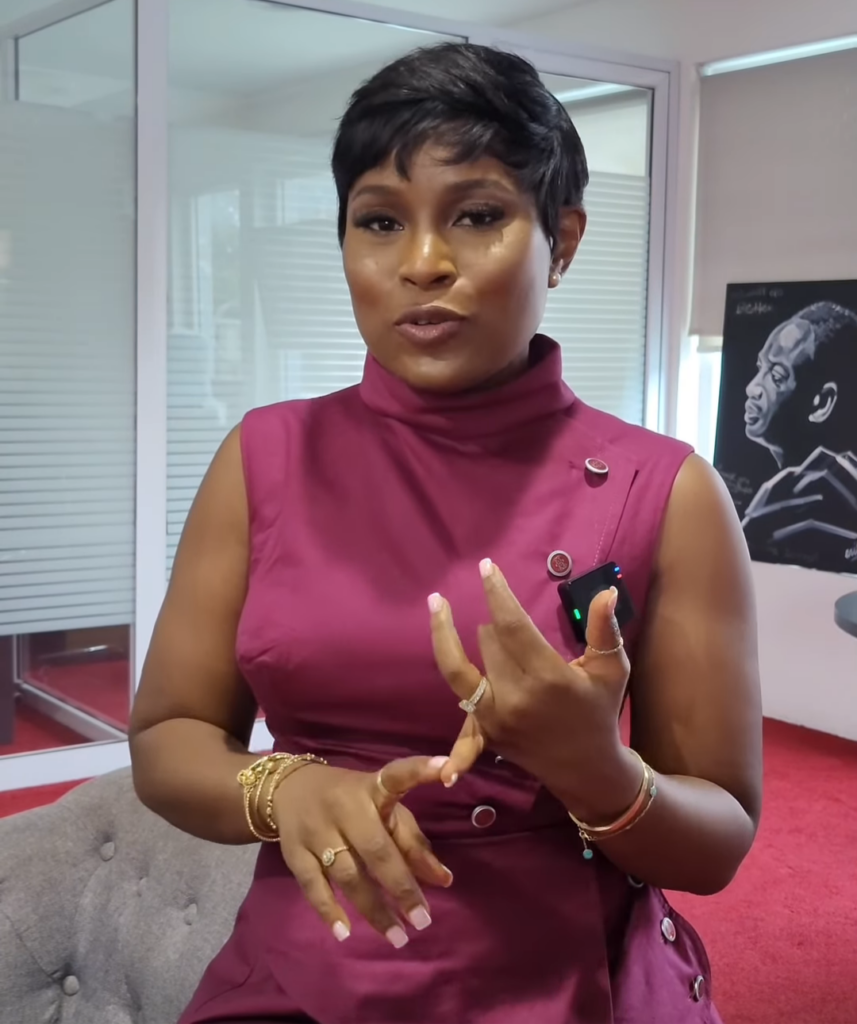
Berla Mundi : Thank you, Your Excellencies. It’s clear that strong, visionary leadership is essential if we are to navigate these challenges and achieve a future of financial independence and sustainable development for Ghana and Africa. Your insights have provided us with much to think about as we consider the kind of leadership we need moving forward.
This dialogue has highlighted the critical need for leaders who are deeply connected to the people, committed to self-reliance, and ready to push for reforms that will benefit not just Ghana but the entire continent.
This dialogue emphasises the leadership qualities needed to address the pressing issues in Ghana and Africa, while also exploring the broader vision required for sustainable development and self-reliance. It also serves as an appeal to the NDC to reconsider its approach of working with the IMF and World Bank, which have often been seen as burdensome forces on our economic independence. Instead, the focus should be on making necessary reforms within the African Union (AU) and advocating for economic development that is rooted in African resources, rather than continuing to rely on external debt.
We must also consider the concept of Humanitarian Competition—a call to eradicate poverty and misery from our countries and across the continent.
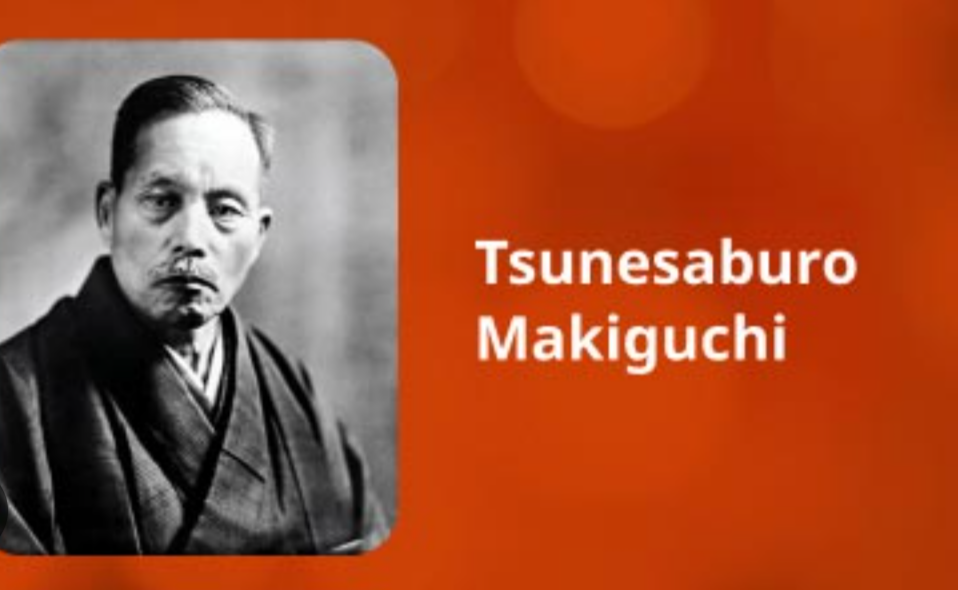
This idea draws from Makiguchi’s concept of “Humane Competition,” which represents an ideal of shared happiness and well-being for all people. It’s a vision of a mutually supportive human community where progress is measured not by the accumulation of wealth, but by the quality of life and happiness of every individual.
It would be truly inspiring to delve deeper into this supremely relevant topic in our next article, where we can articulate a vision of a mutually supportive human community. Thank you, Your Excellencies, for joining me in today’s dialogue and for sharing your valuable insights. I look forward to continuing this important conversation in the future.
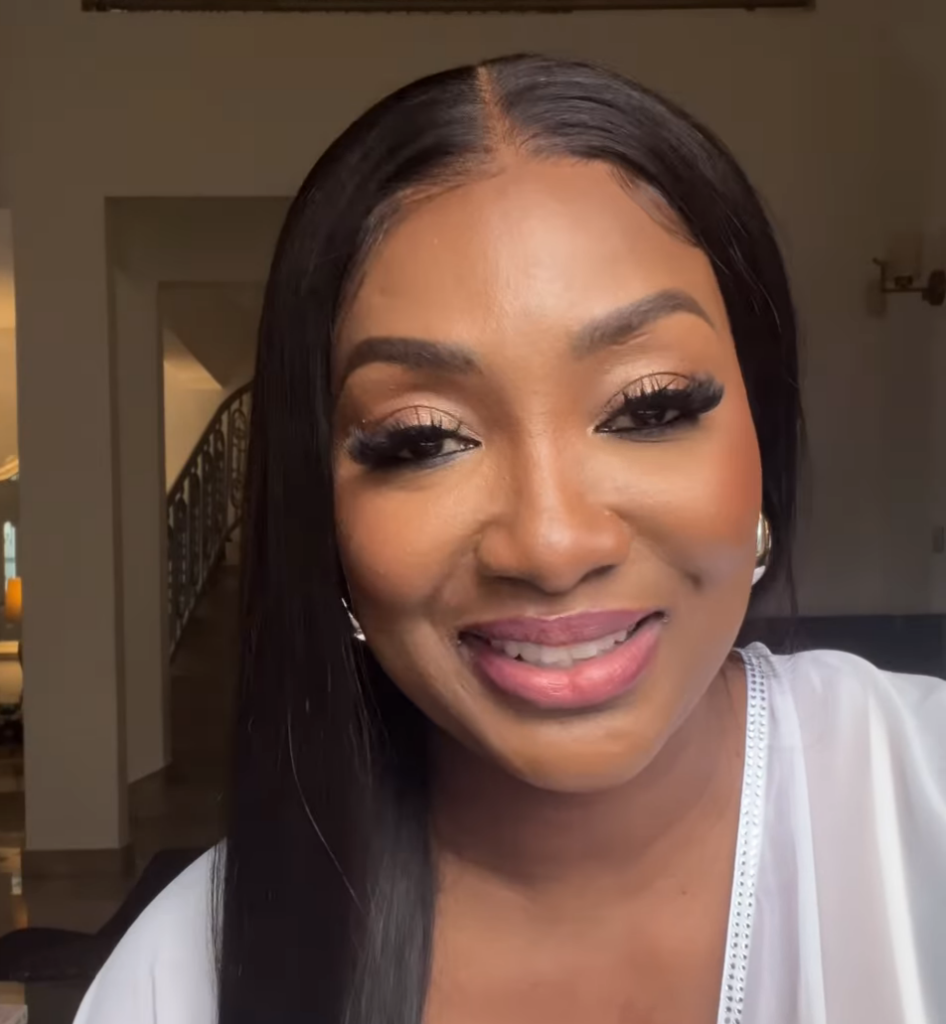
Her Excellency Gwen-Addo : Thank you, Berla. I look forward to our next discussion.
His Excellency George Samuel Nartey : Thank you, Berla. It’s been a pleasure.

This closing emphasises the need for a shift in leadership approach and lays the groundwork for a future discussion on creating a supportive and humane community in Ghana and across Africa. Thank you both for your time and your contributions to this important discussion.