







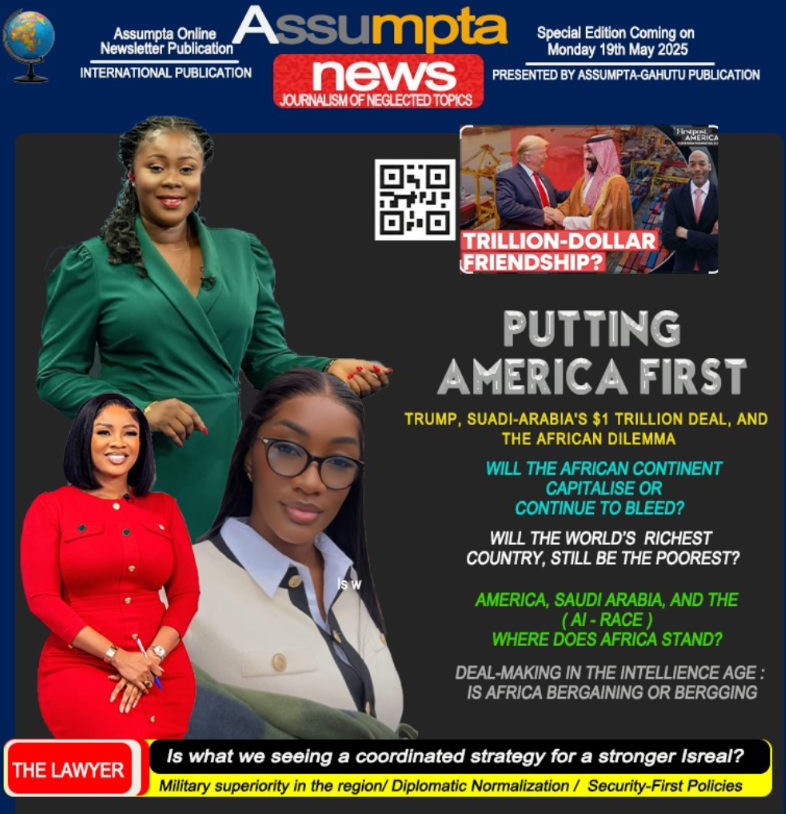
Assumpta Weekly News Magazine;
ASSUMPTA WEEKLY NEWS MAGAZINE
Proudly Presents
“The Lawyer” — Special Edition
Premiere Date: Monday, 19th May 2025
Streaming Live at: assumptagh.live









https://www.instagram.com/hairsenta?igsh=MXAzOThhNGZ0Nm15dQ==
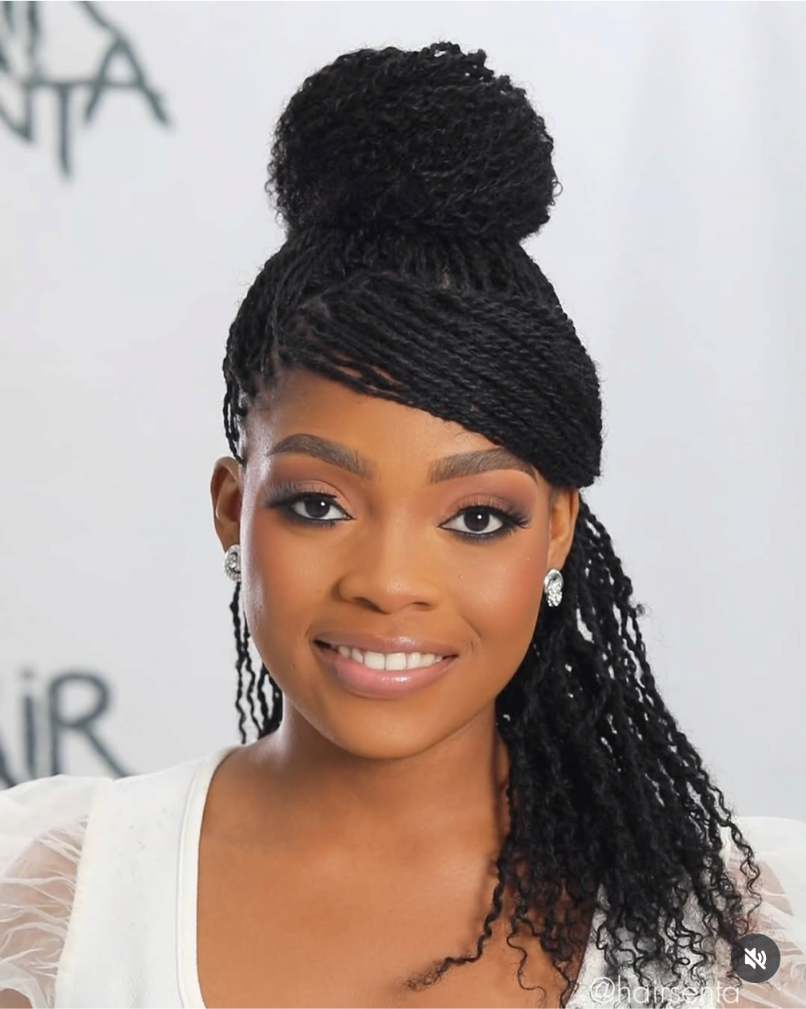
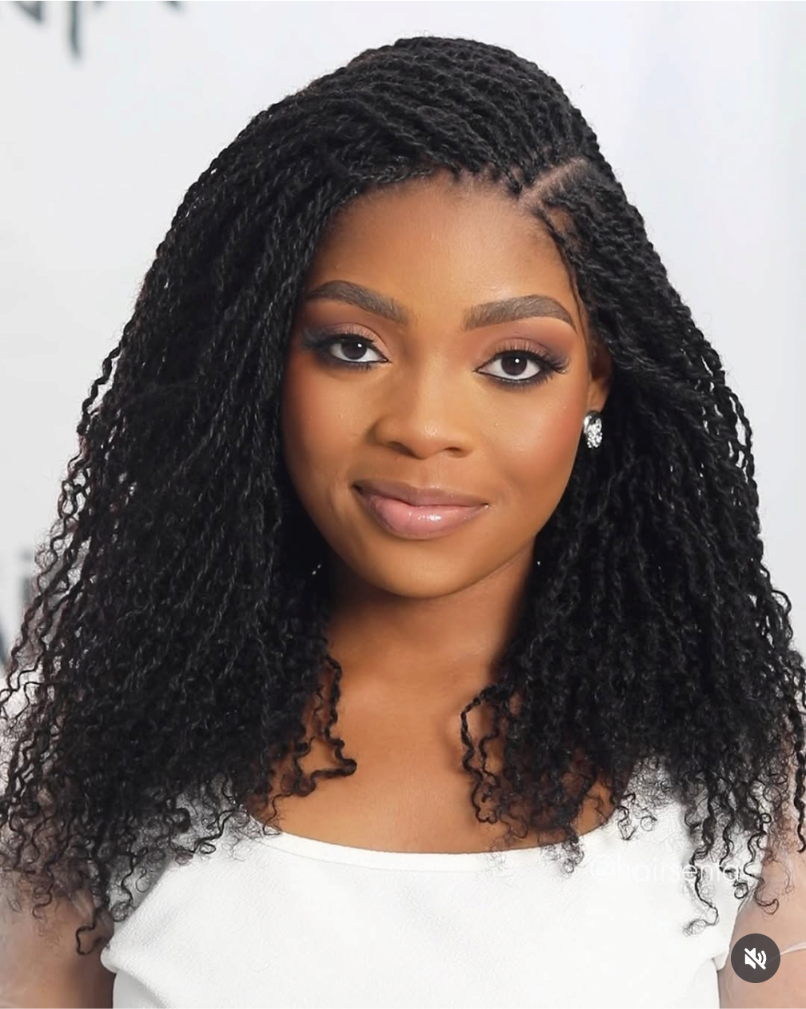
Hair Senta™ – The Best Human Hair Extensions from Ghana to the World!
Feeling discouraged and unsure of where to fix your hair? Hair Senta is your go-to beauty solution – we’ve become every woman’s hair doctor!
We offer premium human hair extensions and expert styling at moderate prices – beauty shouldn’t break the bank!
Join women across Ghana and beyond who trust Hair Senta, including style icon @gwen_addo and over 70 fashion-forward followers!
Visit Us:
24 Jungle Avenue, Accra, Ghana 00233
Call Now: (+233) 054 435 4455 / 024 862 9769
Shop Online: www.hairsenta.com
Follow Us: @hairsenta
Direction by: @directionbygwen
Affordable luxury. Beautiful hair. Always.
Cover Analysis: Assumpta News Special Edition
Headline:
“PUTTING AMERICA FIRST”
This echoes a known political slogan, but the context here shifts it toward examining global deal-making, particularly between Trump, Saudi Arabia, and their implications for Africa.
During Donald Trump’s May 2025 visit to Saudi Arabia, one unique detail that stood out was the pebble-colored carpet used during the ceremonial welcome—a symbolic break from the traditional red carpet.
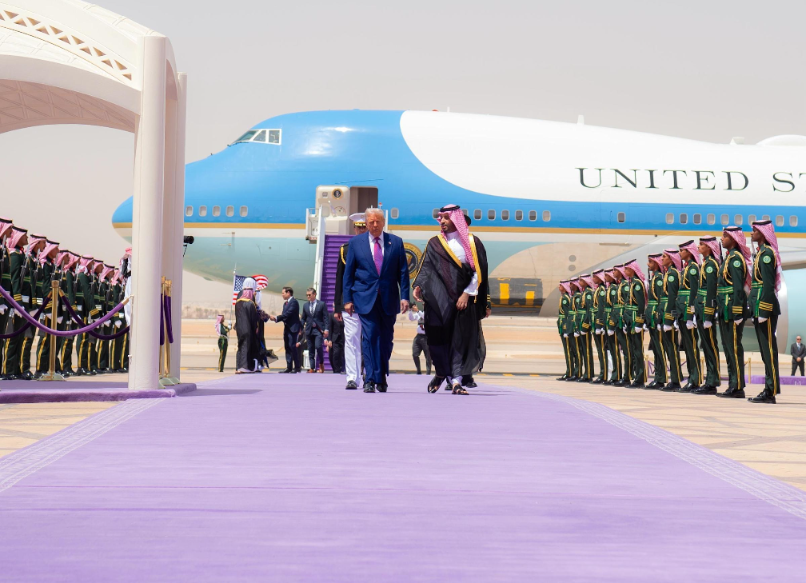
This choice was part of the grand yet carefully modernised reception hosted by Crown Prince Mohammed bin Salman, signalling both formality and innovation. Trump was welcomed with all the trappings of royal hospitality:
- Arabian horses,
- gold-hilted swords,
- and a state dinner attended by global elites like Elon Musk and Stephen Schwarzman.
The reception marked a powerful moment in U.S.-Saudi relations, highlighted by a $600 billion Saudi investment pledge in the U.S. and major tech and infrastructure partnerships—including the launch of Saudi’s futuristic “Humain” AI project.
So yes, the pebble-colored carpet wasn’t just a style choice—it symbolised a shift in tone, combining luxury with a modern, strategic vision.
The discussion on the Middle East crisis, it’s important to highlight the troubling role of key international figures who influence the region’s future.
(1) Trump’s Reckless Diplomacy: Tribute Over True Partnership.
(2) When Power Plays Overshadow Humanitarian Crisis.
(3) The Cost of Trump’s “Frontier Spirit” in the Middle East.
(4) From Qatar to Saudi Arabia: Trump’s Quest for Tribute, Not Allies.
(5)Diplomacy or Domination? Trump’s Troubling Approach to Gaza.
Trump urgently needs to stop his reckless actions. At the Qatar roundtable, he shockingly proposed turning Gaza into a “free zone,” claiming there was nothing left to save there and boldly suggesting that the U.S. should take over and rebuild the territory—a pure delusion. When Qatar firmly rejected his proposal, Trump reacted like a bandit, demanding $140 billion in investments.
Qatar was even pressured into gifting him a luxury jet, which still wasn’t enough. He then turned to Saudi Arabia, pressing for $600 billion. It quickly became clear that Trump wasn’t there to genuinely invest but to collect tribute. The fountains, the private jets, and the palaces prepared for him out of politeness seemed more like war trophies in his eyes. He didn’t act like a president; he acted like a king. Trump doesn’t seek allies—he wants admirers. He lacks a real understanding of diplomacy and cares only about taking what he wants from others.
https://www.instagram.com/reels/audio/70552299868136

What’s even more disturbing is that he continues these actions while ignoring the suffering of Palestinians—their lives lost and many trapped under rubble. In this, Trump embodies the same American “Frontier and Imperialist Spirit” still at play: relentless, unapologetic, and indifferent to human cost.
The Last Question: Smarter Machines or Wiser Humans?
As the world accelerates toward the Intelligence Age, headlines tout power deals and tech breakthroughs. Saudi Arabia seeks to become an AI superpower, armed with vision, capital, and strategic alliances. But behind the glossy agreements lies an overlooked truth: no AI empire can be built without Africa.
To train algorithms, you need data.
To build machines, you need minerals.
To fuel digital futures, you need people and purpose.
And Africa holds them all.
From the cobalt-rich Congo to the data-rich mobile networks of Kenya, from uranium in Namibia to phosphate in Morocco, Africa is the silent engine of the 21st century. The real question is not whether the world sees Africa — it’s whether Africa sees itself, and chooses to act with unity, dignity, and foresight.
In this powerful and timely edition of Assumpta Weekly News Magazine, we extend this conversation beyond geopolitics into the heart of human values.
We invite our global readership into a compelling dialogue led by Ms. Assumpta Gahutu, lawyer, entrepreneur, and visionary educator. As CEO and Co-Founder of Assumpta Newsletter Publications and Principal of Babies and Toddlers Daycare, Ms. Gahutu brings a voice shaped by the values of Buddhist humanism and the transformative educational philosophy of Tsunesaburo Makiguchi, where the happiness and welfare of all people supersede the empty pursuit of GDP and dominance.

She is joined by Ghana’s most distinguished broadcasters — Serwaa Amihere and Frema Adunyame — as they ask the urgent question: What does it truly mean for a nation to develop? Is it measured in numbers and deals, or in how we treat our people, our land, and our future?
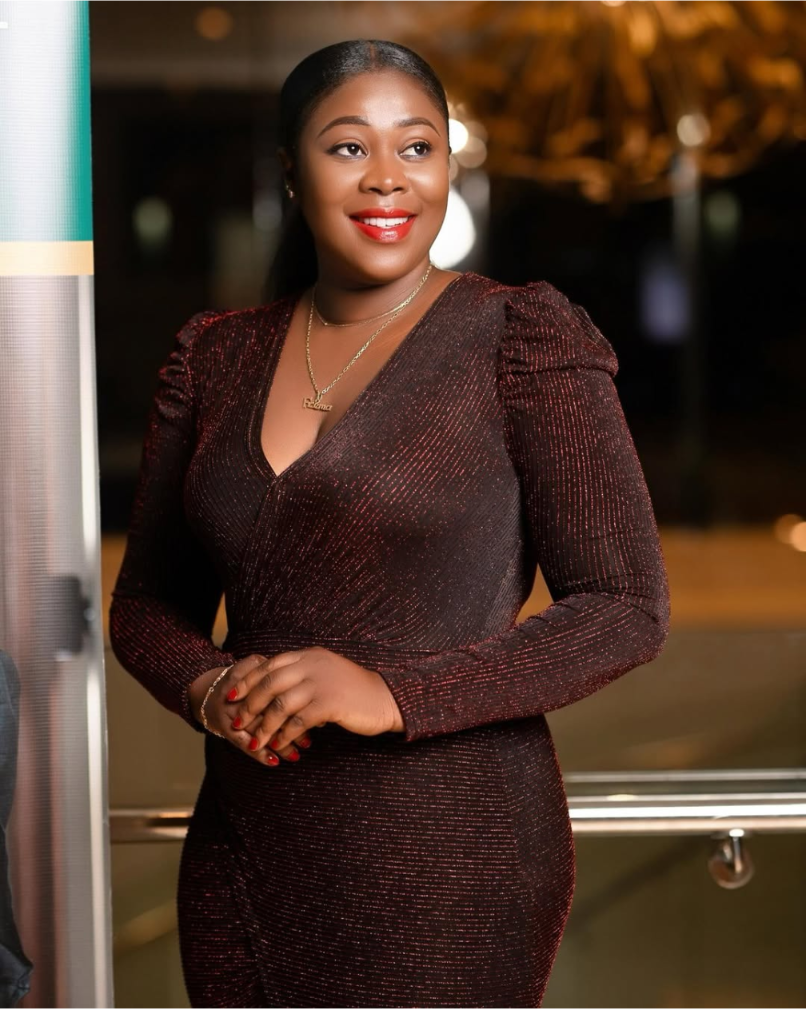
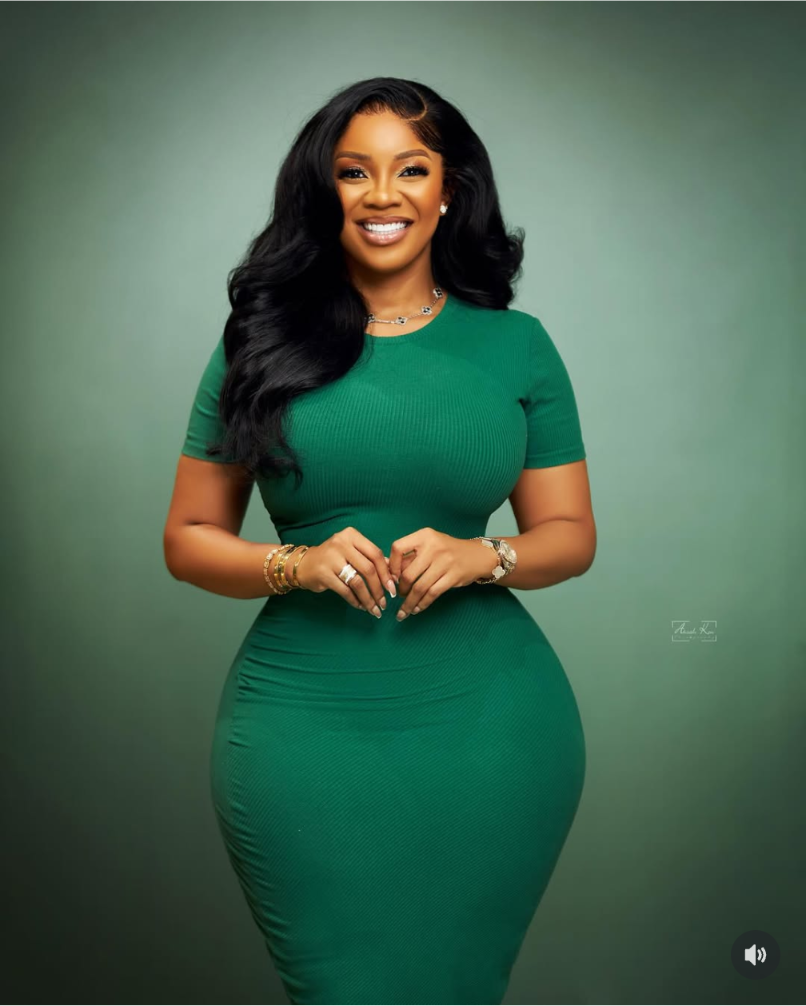
Because in the end, the Intelligence Age will not be defined by how smart our machines become, but by whether we, as humans, become wise enough to choose peace over power, values over velocity, and solidarity over self-interest.
Africa must not just participate in this new era.
It must lead it with courage, consciousness, and a commitment to humanity.
We Are Witnessing the Fastest Acceleration in Human History.
The birth of the Intelligence Age is here.
But as Donald Trump, Elon Musk, Sam Altman, and Jensen Huang meet with Saudi Crown Prince Mohammed bin Salman in Riyadh, one question looms large:
Are we becoming better, safer, or more fulfilled — or just more entangled?
The headline:
Saudi Arabia pledges $600 billion in investment into the U.S. economy — the largest bilateral pledge in history.
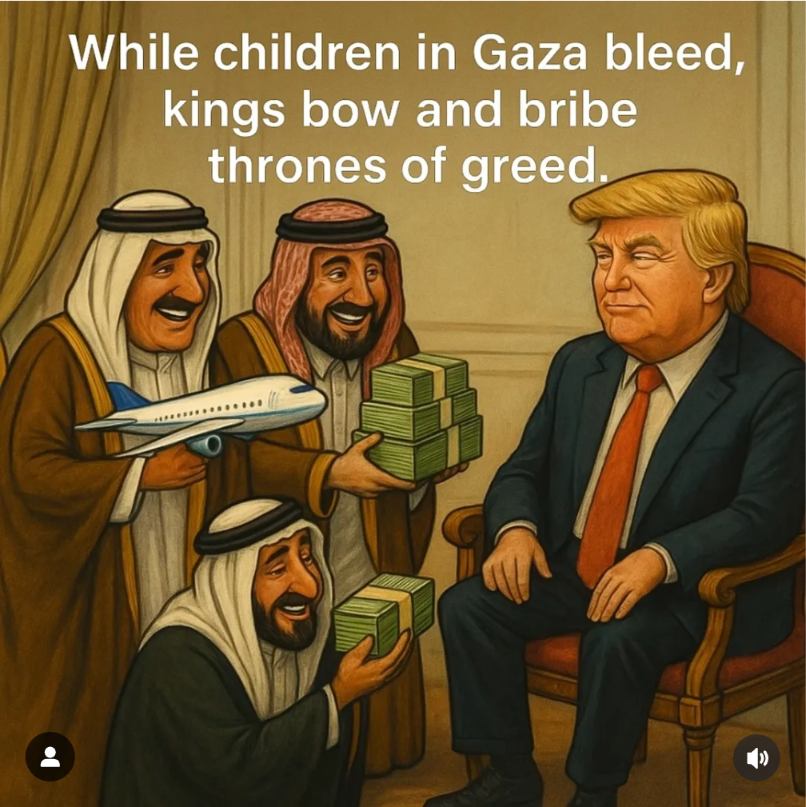
But what does Saudi Arabia get in return?
- Oil was the leverage of the old world.
- In the new world, especially in America, data is the oil.
Saudi Arabia’s strategy?
To become an AI superpower.
This is more than economics. It’s a calculated exchange:
- The U.S. gains capital, jobs, technological acceleration, and geopolitical momentum.
- Saudi Arabia gains AI infrastructure, global influence, military technology ($142B in advanced weapons), and sovereignty protection.
It’s a diversification of power:
- Oil → Data
- Land → Leverage
- Capital → Futureproof dominance
But are we truly better for it?
That depends on your worldview.
From one angle, it’s a masterclass in statecraft:
- The U.S. maintains hegemony through innovation and alliances.
- Saudi Arabia shifts from fossil-fueled wealth to a tech-driven future.
From another angle, it’s a reminder of who gets left behind:
- Africa — rich in resources, poor in bargaining power.
- Selfless African leaders — often undermined by foreign interests, coups, and broken promises.
So yes, a realignment is in motion.
But the power is consolidating — not where it’s most needed, but where it already exists.
Which brings us here:
What if I told you the richest continent in the world is also the most exploited?
That’s Africa.
- 54 countries
- 1.5 billion people
- 7–9% of global oil
- 80–90% of global platinum and cobalt
- 27% of global gold
- 10% of copper
- 60% of diamonds
- 69% of manganese
- 35% of uranium
- 75% of phosphate rock
- 874 million hectares of agricultural land — 60% of the world’s uncultivated arable land
- Untapped helium in Tanzania (up to 54 billion cubic feet)
- Critical sea routes, trade chokepoints, and military interest from every major global power
Per capita, Africa is the most resource-rich continent on Earth.
And yet, it contributes only 3% to global GDP.
Let that sink in.
Africa powers global industries, sustains mineral demand for AI and EV revolutions, and fuels digital infrastructure, but remains sidelined in the wealth equation.
Why?
Not because of a lack of:
- Resources
- Land
- Talent
- People
But because of a lack of:
- Leverage
- Ownership
- Sovereign economic control
Colonialism didn’t disappear. It just evolved: Into contracts, loan traps, mining licenses, and foreign military bases.
Africa is not poor. It is being looted.
And now, as we enter the Intelligence Age, there’s a new scramble for:
- Lithium
- Cobalt
- Uranium
- Rare earths
- Data
- Digital dominance
The world sees Africa.
The real question is: Does Africa see itself?
It’s time to wake up.
Not just to defend what’s ours — but to build with it, trade on it, and lead through it.
Watch Africa.
The world already is.
And in the end, the most important question isn’t just about AI, oil, or wealth.
As we build smarter machines, will we become wiser humans?
That’s the real frontier.
Introduction:
It was never just about oil. Now, it’s about data, defence, and dominance.
The recent $1 trillion Saudi-U.S. pact, backed by figures like Donald Trump and tech elites, signals a new era, not just of economic alliances, but of ideological entrenchment. It’s the Intelligence Age, and deals are no longer measured solely in barrels or dollars, but in bytes, drones, and digital empires.
But this isn’t the first time power has shifted at Africa’s expense.
The capitalist frontier spirit — once masked as development aid, now cloaked in innovation — has long been a silent killer of Pan-African progress. It was this very spirit, undergirded by American interests and Western prejudice, that helped dismantle Kwame Nkrumah’s vision of a unified Africa. His dream of continental sovereignty, rooted not in GDP but in the shared welfare and dignity of African people, was systematically undermined.
In its place? A race for profit. A scramble for markets. The pursuit of growth metrics over human freedom.
Today, many African leaders have traded Pan-Africanism for neoliberalism, mistaking investor confidence for independence, and GDP for genuine development.
As America courts the Gulf, and Silicon Valley meets Riyadh, Africa must ask: Are we still on the menu, or finally at the table?
The New Scramble: Data, Defence, and Digital Dependency
The 19th-century scramble for Africa was brutal, overt, and imperial. The 21st-century version is quieter, but no less dangerous. It doesn’t come with bayonets or borders. It comes through fibre optic cables, satellite surveillance, cloud servers, defence contracts, and billion-dollar “partnerships.”
Today’s scramble is for what fuels artificial intelligence, controls military logistics, and underpins predictive economies: data.
Africa, with its fast-growing digital population, is not just a resource hub of minerals like cobalt, lithium, and uranium — it is also a goldmine of untapped data. Every phone call, mobile payment, and biometric scan is part of a continent-sized algorithm feeding global tech giants and intelligence services. And yet, Africans own neither the infrastructure nor the insights.
While Saudi Arabia negotiates to become an AI superpower, Africa risks becoming a digital colony, providing the raw inputs of the Intelligence Age without owning the means of production or protection.

Meanwhile, military ties tighten. From AFRICOM to drone bases in Niger and Djibouti, Africa is being securitized in the name of stability — even as conflict zones multiply and sovereignty slips through bureaucratic fingers.
We must ask:
Is this “development,” or a digital dependency trap?
Just as colonisers once exchanged mirrors and rifles for land and labour, today’s powers offer cloud services, loans, and security guarantees in exchange for access — access to resources, to infrastructure, to influence.
The global powers are thinking 50 years ahead. Is Africa?
From Kwame to Kigali: Reclaiming the Pan-African Project in the Intelligence Age
When Kwame Nkrumah declared that “Africa must unite,” he wasn’t just warning against political fragmentation — he was forecasting the very future we now face. A continent divided cannot bargain. It can only beg.
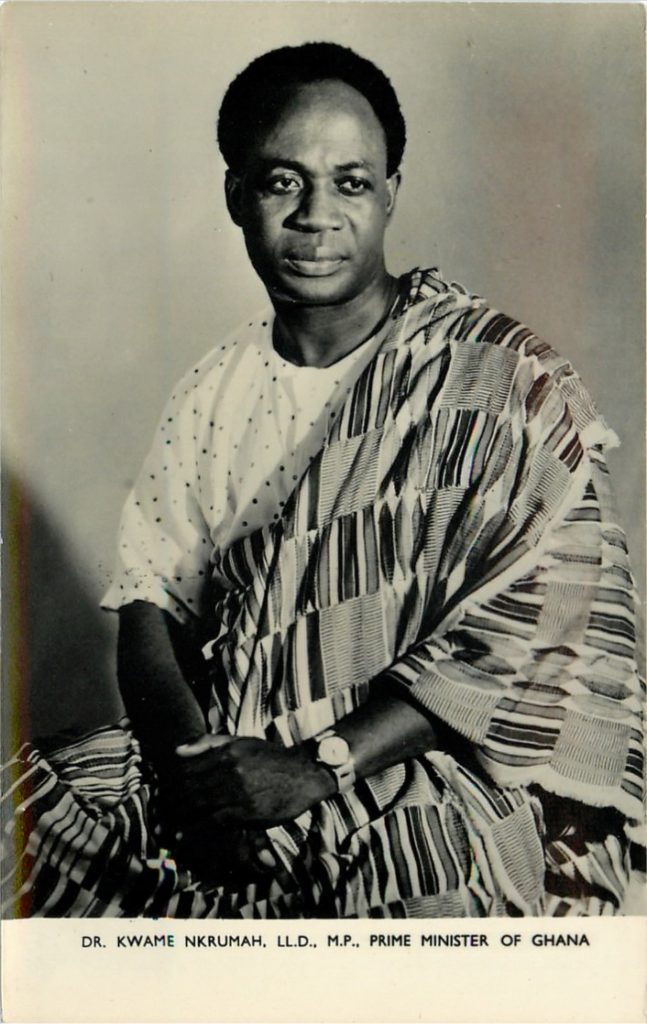
The dismantling of Pan-Africanism was not an accident. It was strategic. From coups backed by foreign powers to the installation of debt traps and trade barriers, Africa’s unity was seen as a threat, not to Africans, but to global capital.
And now, in 2025, we are seeing the consequences.
A continent with:
- 60% of the world’s uncultivated arable land,
- 90% of critical mineral inputs for clean energy and AI,
- 1.5 billion people,
- and the youngest population on Earth,
is still being spoken for — not speaking for itself.
But hope is not lost.
In Kigali, in Accra, in Addis Ababa — the spirit of Nkrumah lives on. The African Continental Free Trade Area (ACFFTA), digital ID initiatives, and the rise of fintech and startup ecosystems are glimpses of what could be a new Pan-African Renaissance.
The question is whether we will organise in time.
This Intelligence Age gives Africa a second chance — not just to participate, but to redefine the terms of global progress. But that will require more than ambition. It will demand:
- Digital sovereignty,
- Pan-African regulatory bodies,
- Continental AI infrastructure,
- and a return to values, where human dignity matters more than just market data.
Because if Africa doesn’t control its future, someone else will. Again.
The Last Question: Smarter Machines or Wiser Humans?
As the world rushes into the Intelligence Age, power is consolidating — not with the most just, but with the most prepared. Saudi Arabia wants to become an AI superpower. It has the vision, the capital, and now, the partnerships. But let’s ask the deeper question: Where will the raw materials for this ambition come from?
To train AI, you need data.
To build AI, you need minerals.
To protect AI, you need infrastructure and energy.
And Africa holds the keys to all three.
From the Congo’s cobalt fields to Namibia’s uranium mines, Ghana’s rare earths to Rwanda’s data policies, the foundations of the Intelligence Age are buried in African soil and flowing through African networks.
So while the headlines focus on Saudi investments and American innovation, let us not forget: no AI superpower will rise without Africa.
But will Africa profit from this reality, or simply enable it?
Will African leaders demand equity or accept extraction disguised as partnership?
These are not technical questions. These are moral ones. Because in the end, it’s not just about building smarter machines. It’s about becoming wiser humans.
Humans who remember Nkrumah’s warnings.
Humans who choose unity over division, dignity over dependence.
Humans who understand that real power is not just in what you have, but in what you refuse to give away.
Africa is not a victim of history. It is the maker of its future.
The world is watching.
The question is: Are we awake?
Assumpta Weekly News Magazine | Intelligence Age Special Dialogue
Moderated by Serwaa Amihere

Serwaa Amihere:
Good evening to our global audience, and welcome to this special edition of Assumpta Weekly News Magazine, where we explore the deeper meanings behind the headlines shaping our world.
My name is Serwaa Amihere, broadcast journalist, media entrepreneur, and a proud voice of Ghana’s emerging global media presence. It is my honour to moderate today’s discussion alongside two extraordinary women of intellect and influence.
Joining me is the ever-gracious Frema Adunyame, veteran broadcaster, communications strategist, and a champion of African storytelling with substance and soul. Frema, thank you for being here.
Frema Adunyame:
Thank you, Serwaa. It’s a pleasure to be part of a conversation that touches the very heart of our continent’s future.

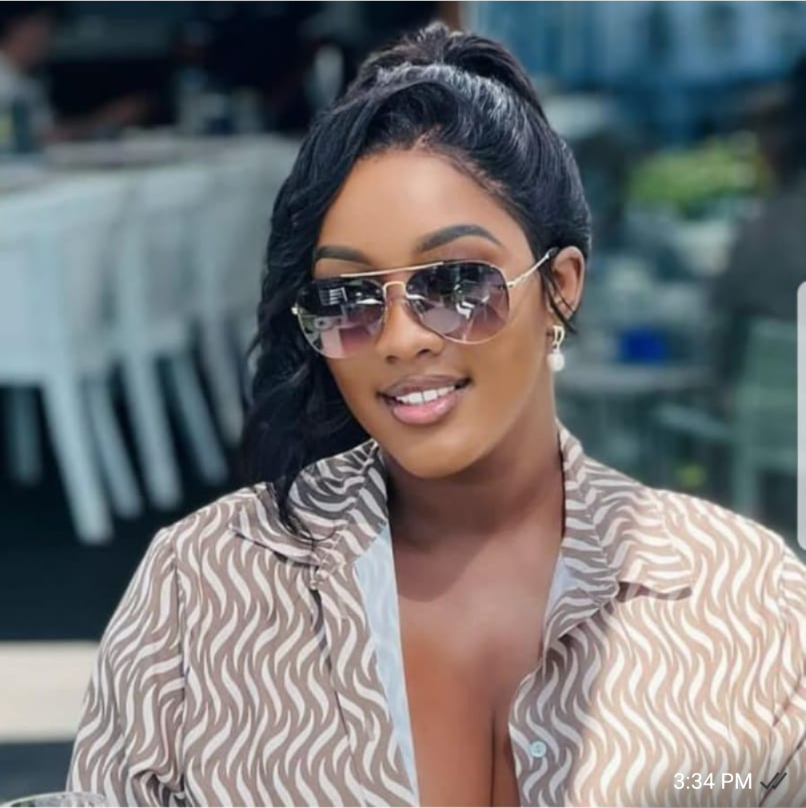
Serwaa Amihere:
And our featured guest tonight — the visionary behind this edition’s lead essay — is Ms. Assumpta Gahutu, a Rwandan-born lawyer, educator, and entrepreneur. She is the CEO and Co-Founder of Assumpta Newsletter Publications and Principal of Babies and Toddlers Daycare. Her leadership is deeply rooted in the values of Buddhist humanism and the educational philosophy of Tsunesaburo Makiguchi — prioritising human dignity, value creation, and peace over profit and power. Ms. Gahutu, welcome.
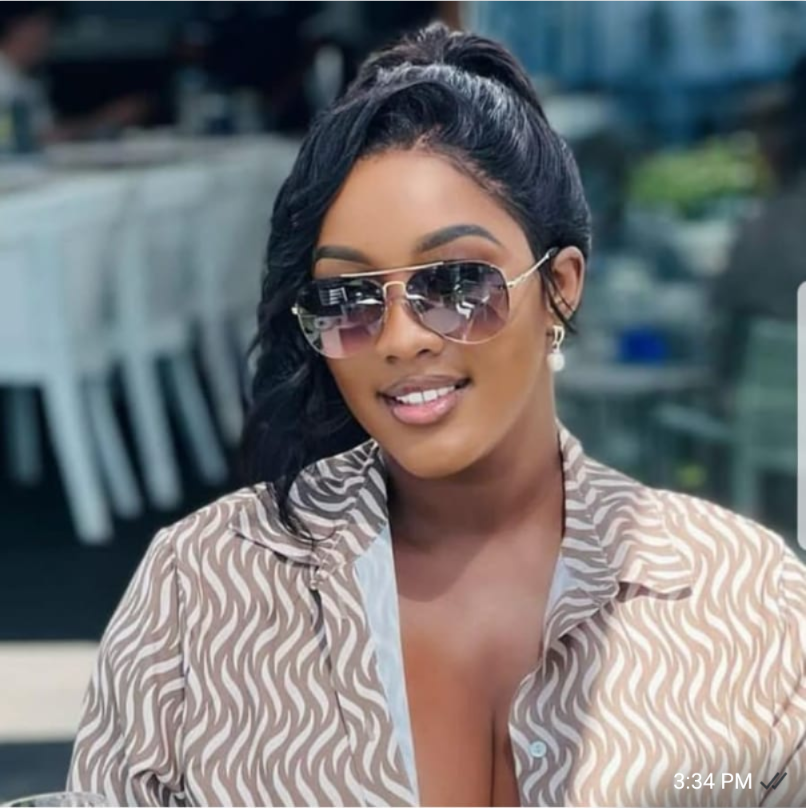
Ms. Assumpta Gahutu:
Thank you, Serwaa. I’m honoured to be here and grateful for the space to have this urgent conversation.
The Dialogue Begins:
Voices on the Middle East Crisis: A Candid Conversation

Serwaa Amihere:
Trump urgently needs to halt his reckless actions. At the Qatar roundtable, he boldly proposed turning Gaza into a “free zone,” claiming there was nothing left to save there and suggesting, without shame, that the U.S. should take over and rebuild the territory—a complete delusion. When Qatar firmly rejected his plan, Trump reacted like a bandit, demanding $140 billion in investments. Qatar was even pressured into gifting him a luxury jet, which still wasn’t enough. He then turned to Saudi Arabia, pushing for $600 billion. It quickly became clear that Trump wasn’t there to invest genuinely but to collect tribute. The fountains, private jets, and palaces prepared for him out of politeness seemed like trophies in his eyes. He didn’t act like a president; he acted like a king.
Trump doesn’t seek allies—he wants admirers. He has no real grasp of diplomacy and cares only about taking what he wants. What’s even more disturbing is that he continues these actions while Palestinians suffer, countless lives are lost, and many are trapped under rubble. In this, Trump embodies the old American “Frontier Spirit” and imperialist attitude: relentless, unapologetic, and indifferent to human cost.

Frema Adunyame:
Serwaa, you’ve offered a powerful critique of Trump’s approach, especially given the complexity and sensitivity of the Middle East. It does sound like his actions are more self-serving and transactional than truly diplomatic or humanitarian. Your description paints a picture of aggressive, almost imperial behaviour rather than one based on partnership or empathy. Many people share the frustration with leaders who prioritise their power and image over the human cost, especially when innocent lives hang in the balance. Diplomacy should be about mutual respect and understanding, not domination or spectacle.