








Assumpta Weekly News Magazine
Special Edition: “The ONWARD”
Featuring:
Three Outstanding Ghanaian Female Broadcast Journalists: Serwaa Amihere, Berla Mundi, and Frema Adunyame
Release Date: Monday, 20th January 2025
Platform: assumptagh.live/
Flash Alert Update: THE ONWARD
Article Title: The People’s Verdict


https://www.instagram.com/hairsenta?igsh=MXAzOThhNGZ0Nm15dQ==
Elevate your look with Hair Senta, the ultimate destination for premium human hair extensions.
Discover luxurious, natural extensions that blend seamlessly with your own hair, adding length, volume, and undeniable style. Whether you want to switch up your look for a special occasion or create everyday glamour, Hair Senta has you covered with extensions that are soft, durable, and 100% authentic.
Transform your hair and boost your confidence instantly. Choose Hair Senta—because extraordinary hair starts here!



Content Focus: Burkina Faso Approach
Theme: Journalism of Neglected Topics: Keeping Talent for National Growth
Analysis Highlights:
- A wake-up call for African countries, including Ghana, to prioritise retaining young talent.
- A critical examination of the risks associated with “exporting” talent for short-term gains.
- Insights on how journalism can spotlight overlooked issues to drive national development.
1. A Wake-Up Call for African Countries, Including Ghana, to Prioritize Retaining Young Talent

African led human Capital Economy for Export.
Africa has an abundance of young, skilled, and innovative individuals who have the potential to drive sustainable development. However, many countries fail to invest sufficiently in creating environments that nurture and retain these talents. Instead of providing growth opportunities, young professionals are often left to seek better prospects abroad.
Key Issues:
- Lack of Opportunities: Inadequate job creation, limited startup funding, and insufficient infrastructure push young talents out.
- Brain Drain: The migration of skilled individuals to developed nations weakens local economies and deprives countries of innovation and expertise.
- Underutilised Potential: Many young people in Africa remain unemployed or underemployed, despite having the skills needed for national development.
Call to Action:
African governments, including Ghana, must:
- Create policies to promote entrepreneurship and innovation.
- Develop industries that offer competitive salaries and career growth opportunities.
- Provide resources, mentorship, and funding for young professionals to thrive locally.
2. A Critical Examination of the Risks Associated with “Exporting” Talent for Short-Term Gains
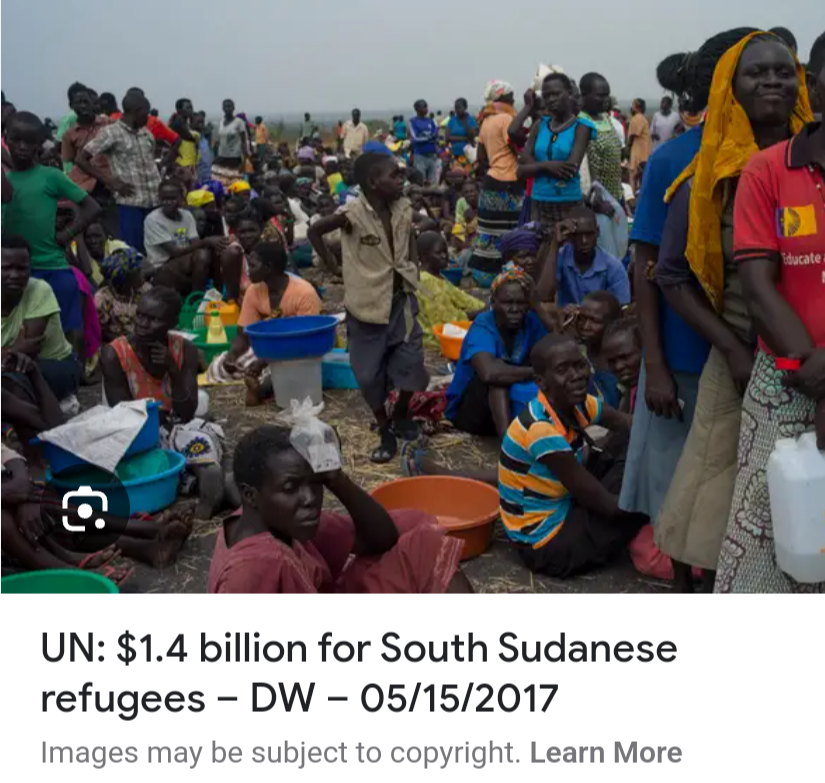
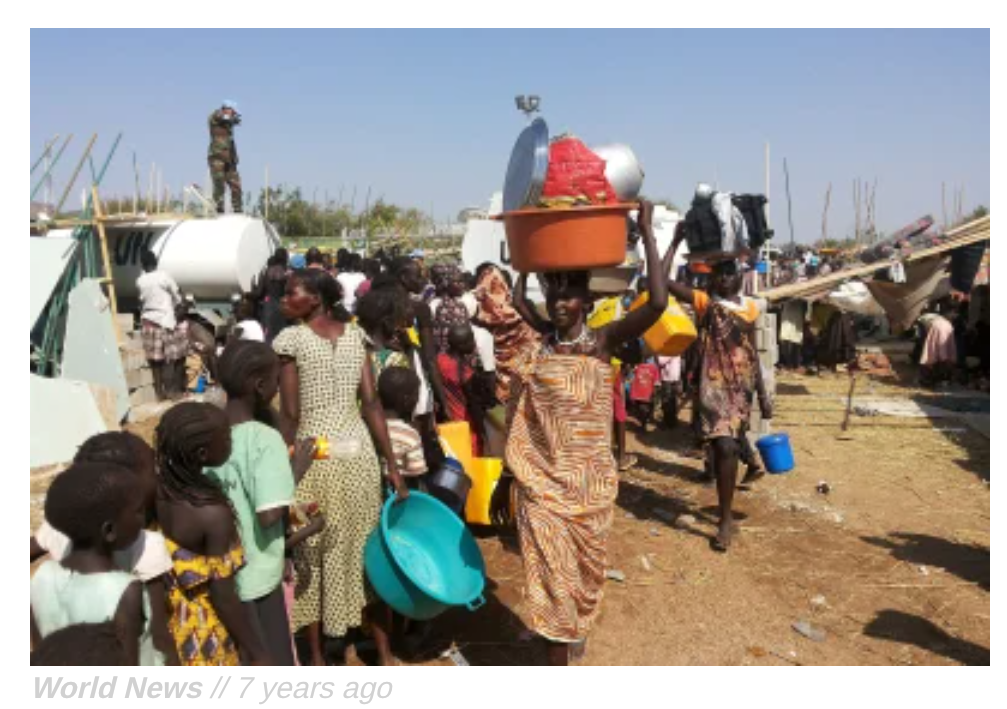
While sending young talent abroad for education or temporary work may seem beneficial, the long-term effects of such policies often harm national development.
Risks Involved:
- Economic Loss: Highly skilled professionals, such as engineers, doctors, and scientists, contribute significantly to the economies of their host countries, leaving their home nations with a talent vacuum.
- Dependence on Foreign Aid: Countries exporting talent often become reliant on remittances, which may support families but do little to build industries or infrastructure.
- Cultural Erosion: Continuous emigration of young people can weaken cultural ties and national identity.
The Alternative:

- Countries like Burkina Faso are taking steps to retain their brightest minds by fostering innovation and providing incentives to stay. This approach serves as a model for others, including Ghana, to prioritise internal development over external dependency.
3. Insights on How Journalism Can Spotlight Overlooked Issues to Drive National Development


Journalism plays a pivotal role in shaping public opinion and influencing policy. By focusing on neglected topics, such as talent retention and brain drain, journalists can bring much-needed attention to these critical issues.
Role of Journalism:

- Advocacy for Policy Change: Highlighting stories of talented individuals who were forced to emigrate can pressure governments to take action.
- Promoting Local Success Stories: Sharing success stories of individuals who stayed and thrived locally can inspire others and foster national pride.
- Exposing Systemic Flaws: Investigative journalism can reveal barriers—such as corruption, lack of funding, or policy failures—that push young talent out of the country.
Practical Steps for Journalists:
- Collaborate with development organizations and experts to analyze trends and provide data-driven reports.
- Focus on solutions-oriented journalism that outlines clear strategies for addressing these issues.
- Engage in public discussions to raise awareness and hold leaders accountable.
By addressing these three points, the special edition of The ONWARD aims to spark a much-needed conversation about retaining Africa’s talent and leveraging it for sustainable growth and development.
“What does it mean for a country not to recognize its citizens as its intellectual property?”

If a country fails to educate and protect its citizens, it indicates that its leaders do not recognize the value of human capital—the people who will ultimately contribute to building the nation’s economy and future.
When a government neglects education, security, and basic welfare, the consequences include:
- Weak Economic Growth – Without an educated and skilled workforce, industries and businesses struggle to develop.
- Brain Drain – Talented individuals seek opportunities in other countries, depriving the nation of innovation and expertise.
- Increased Poverty & Inequality – Without education and protection, social mobility declines, leading to economic disparity.
- Political Instability – Neglected citizens may lose faith in leadership, leading to unrest and resistance.
- Dependence on Foreign Aid – A poorly educated population means the country may rely heavily on external support instead of building self-sufficiency.
Leaders who fail to invest in their people are essentially undermining their own country’s future. A nation’s greatest asset is its people—when properly educated, protected, and empowered, they drive progress, innovation, and economic strength.
Yes, “Can we use China as an example in this context?”
Well. China provides a strong example of how a country’s recognition—or lack thereof—of its citizens as valuable intellectual property can shape its economic and social development.
China’s Recognition of Human Capital
China has invested heavily in education, infrastructure, and innovation, recognizing that its people are the foundation of its economic growth. Key strategies include:
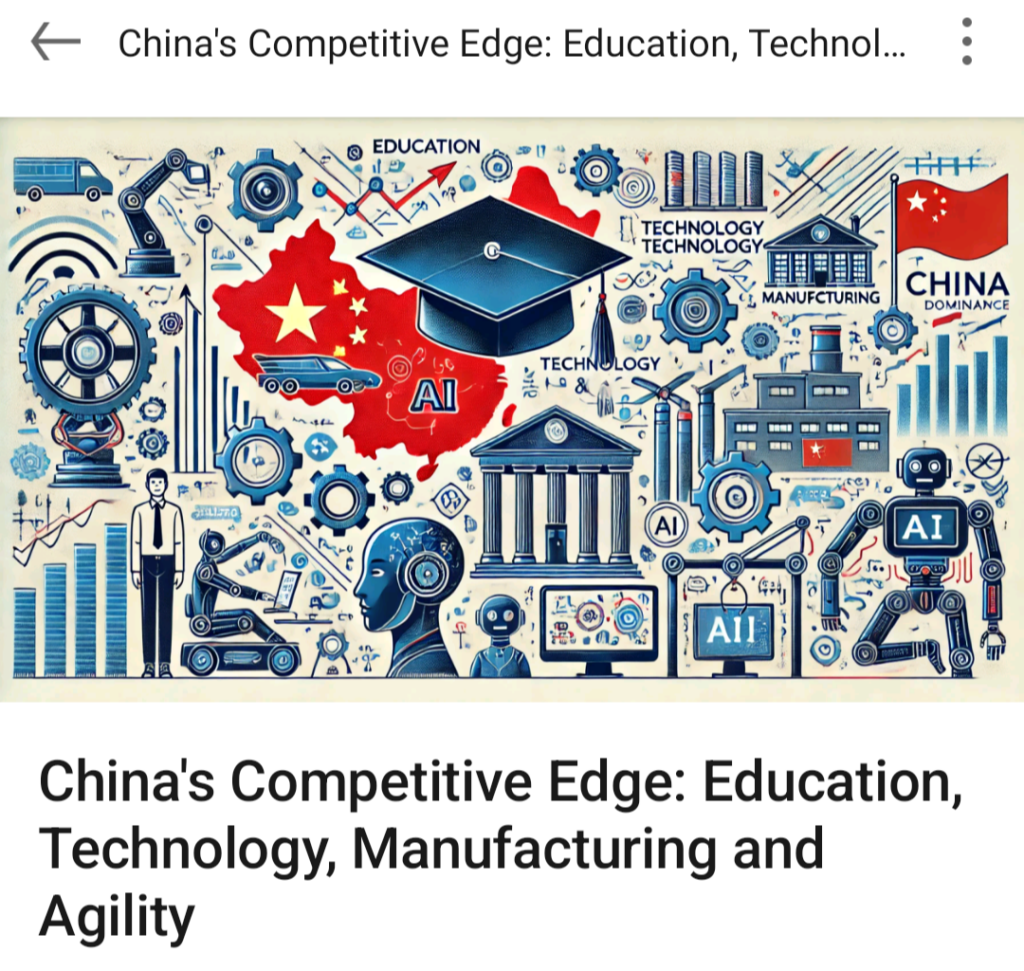
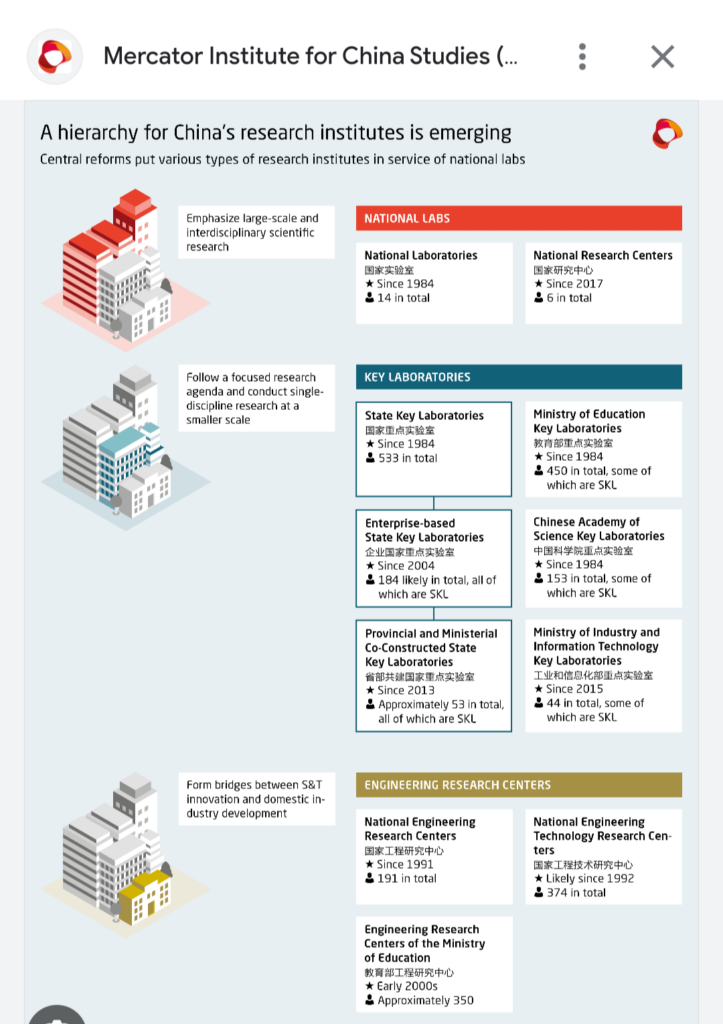
- Massive Investment in Education – The government has prioritized STEM (science, technology, engineering, and mathematics) education, sending students abroad and developing world-class universities.
- Technological Advancement – China has aggressively protected and developed its own technology sector, leading in AI, 5G, and renewable energy.
- Industrial and Economic Growth – By creating special economic zones (SEZs) and supporting domestic businesses, China transformed itself into a global manufacturing and tech powerhouse.
- Poverty Reduction – The government lifted over 800 million people out of poverty through urbanization and economic policies.
China’s Control Over Its Citizens
However, China’s leadership also exercises strict control over its people, limiting freedoms in ways that raise concerns:
- Censorship and Surveillance – The government heavily monitors internet use, media, and personal freedoms to maintain political stability.
- Limited Intellectual Property Rights – While China has improved IP protections, concerns remain about forced technology transfers and intellectual property theft.
- Human Rights Issues – Cases like the treatment of Uyghurs and political dissidents show that the government prioritizes national control over individual rights.
What This Means
China recognizes the value of its citizens as intellectual property, but in a way that serves national interests over individual freedoms.

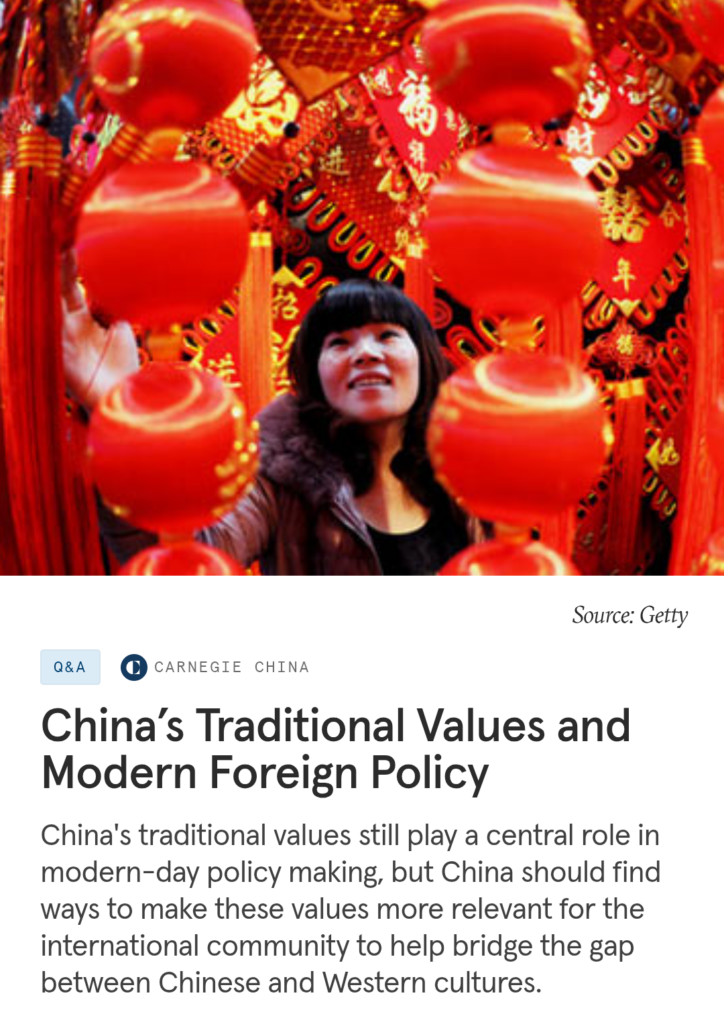
The government educates and protects its people—but within a system where loyalty to the state is prioritized over personal rights. This balance has fueled China’s economic rise but also created tensions between state control and individual innovation.

Serwaa Amihere:
“Today, first of all, I thank Assumpta Publications and commend them for their dedicated and inconspicuous efforts in providing this article titled, Burkina Faso’s Approach: Keeping Talent for National Growth, which highlights the stark contrast in how Burkina Faso and the rest of the African countries handle their tech talent, with significant implications for national development and global competition.”
Burkina Faso’s Approach: Keeping Talent for National Growth

Unlike many African nations, Burkina Faso has recognized the value of retaining its brightest minds to foster domestic innovation and build industries that serve national interests.
In contrast, many African countries have deliberately allowed brain-drain mechanisms, sending their top engineers and scientists abroad. Instead of investing in their talent, they export their best minds much like they export natural resources.
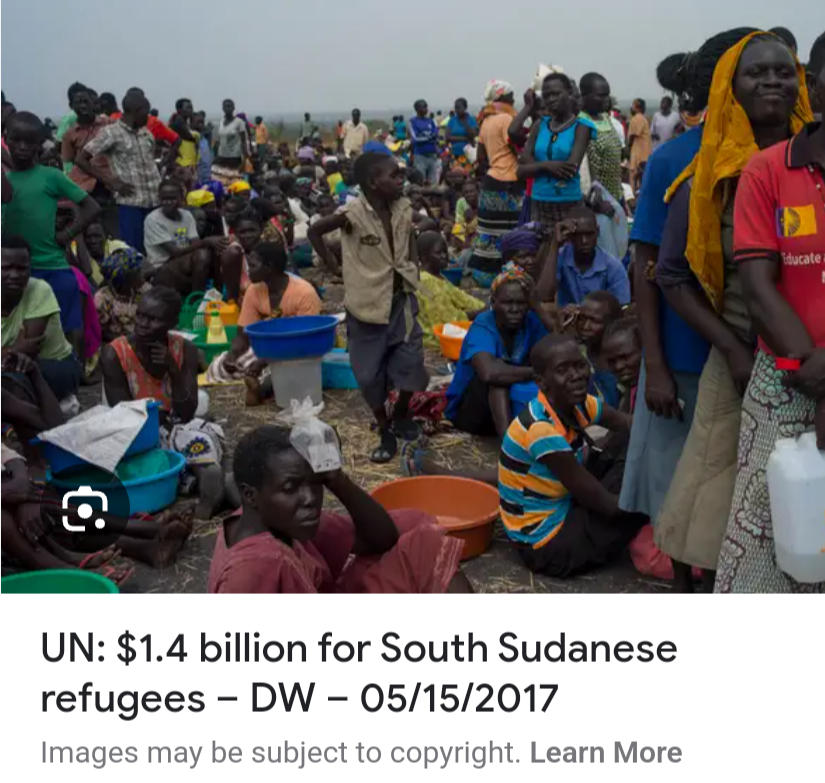
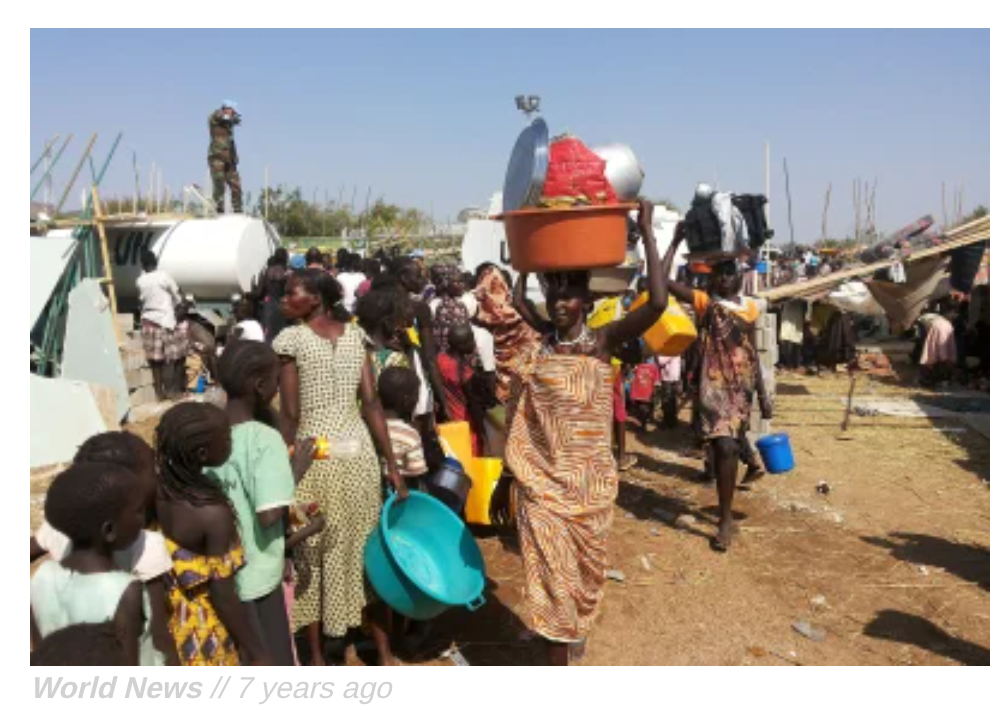
These countries fail to:
- Encourage local innovation.
- Build domestic industries.
This approach ensures that Africa remains dependent on foreign technology and fails to develop proprietary technologies, patents, and intellectual property (IP). As a result, the continent lags in critical fields such as AI, semiconductors, and military technology.
A case study is China, where the government:
- Supports startups.
- Enforces technology transfers from foreign companies.
- Builds national champions like Huawei, Tencent, and Alibaba.
India’s Approach: Exporting Talent for Short-Term Gains

India, much like Ghana, has historically prioritized exporting its talent. The country relies heavily on H-1B visas and outsourcing firms like TCS, Infosys, and Wipro. While this model generates short-term revenue, it often results in India’s brightest minds working for U.S. tech firms, contributing to American innovation rather than Indian technological dominance.
Meanwhile, domestic innovation struggles to keep pace, leaving India reliant on foreign technology for critical industries. This “brain rental” model benefits a small elite of billionaires and politicians but undermines long-term national self-reliance.
The Consequences
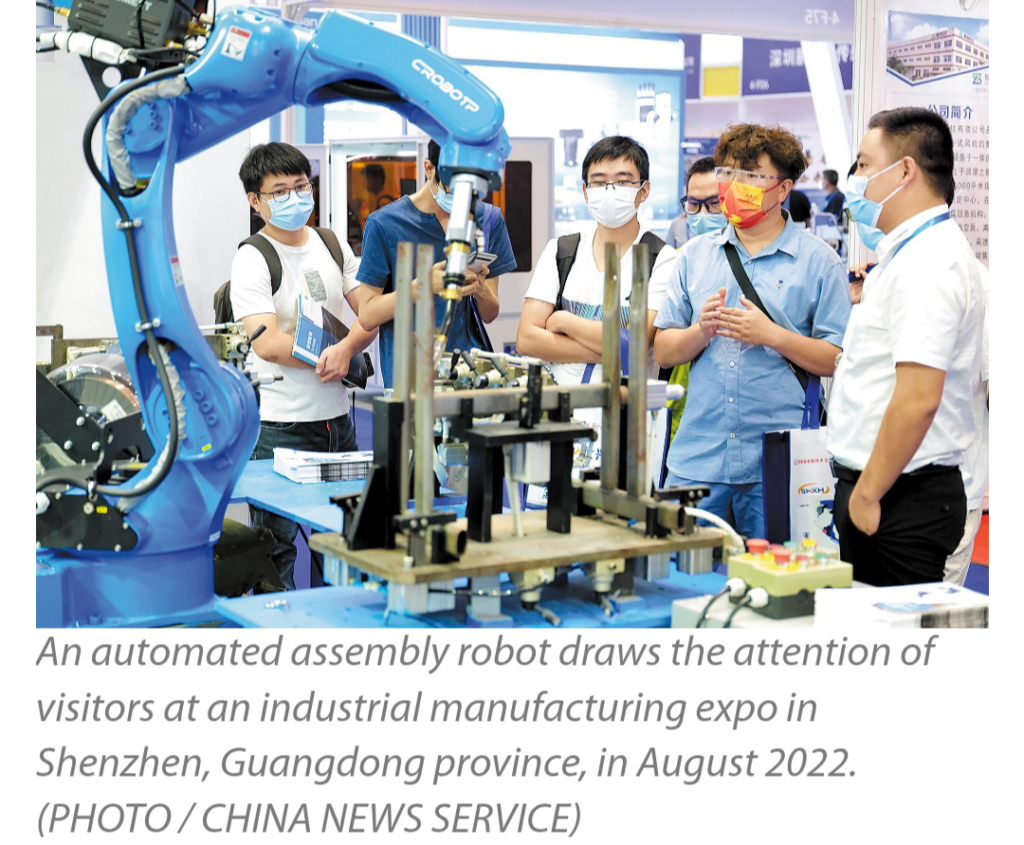
China: Builds its own AI, chips, military technology, and software industries, reducing dependency on the U.S. and positioning itself as a global tech leader.

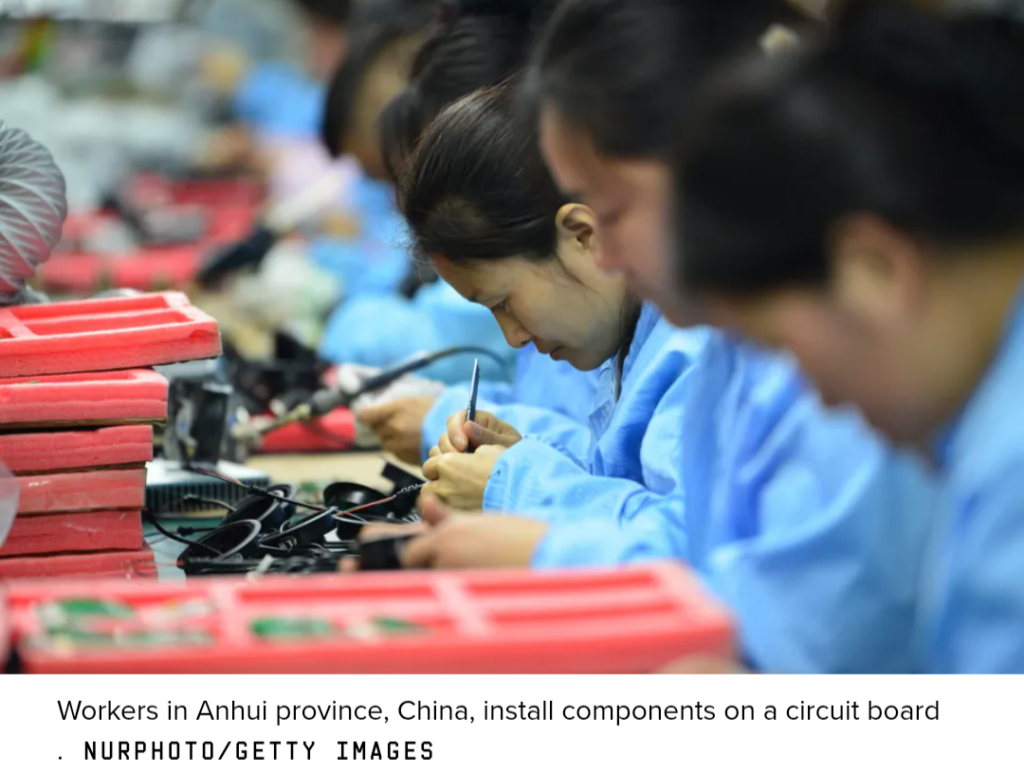
India: Remains a service provider rather than a leader in technology, heavily dependent on Western companies for high-end tech products.

A Wake-Up Call for India and Other Developing Nations
Countries like India, Ghana, and other African nations must rethink their strategies. Instead of acting as labour suppliers to wealthier nations, they should:
- Invest in domestic research and development (R&D).
- Encourage startups and entrepreneurship.
- Retain talent to build homegrown industries that create long-term value.
Only by shifting from a short-term mindset to a long-term vision can these nations compete on a global scale rather than serve as talent suppliers for richer countries.
Dialogue: Ghanaian Journalists Discuss Burkina Faso’s Approach



Frema Adunyame:
“Good morning, ladies and gentlemen, and welcome to this special edition of our discussion series. I am Frema Adunyame, your host for today, and I am joined by two of Ghana’s most brilliant broadcast journalists, Berla Mundi and Serwaa Amihere. We’ll be diving into an insightful topic inspired by an article from Assumpta Publications titled Burkina Faso’s Approach: Keeping Talent for National Growth. This article raises critical questions about how African nations, including Ghana, handle their tech talent and the implications for our development.
Let me first greet my colleagues. Berla, and Serwaa, thank you both for joining me. How are you today?”
Berla Mundi: “Good morning, Frema. I’m doing great and looking forward to this discussion. This topic touches on something I’m very passionate about—how Africa can build its future.”
Serwaa Amihere: “Good morning, Frema and Berla. I’m equally excited to be here. This is a long overdue conversation, and I think the insights from Burkina Faso’s approach can serve as a wake-up call for us here in Ghana.”
Frema Adunyame: “Indeed, Serwaa. Speaking of which, let me start with you. In your introduction, you commended Assumpta Publications for their work in shedding light on this issue. Could you elaborate on what stood out to you in the article?”

Serwaa Amihere: “Frema. What stood out to me is how Burkina Faso has deliberately prioritized retaining its talent to foster innovation and develop industries that serve its national interests. The article contrasts this with the approach of many African countries, including Ghana, where we essentially export our brightest minds—our engineers, scientists, and tech experts—much like we export our natural resources.
This brain-drain mechanism means that instead of developing proprietary technologies, patents, and intellectual property here, we become dependent on foreign innovations. It’s a cycle that keeps us behind in critical fields like AI, semiconductors, and even military technology.”

Frema Adunyame: “That’s a powerful point, Serwaa. Berla, what’s your take on this? Why do you think many African countries, including Ghana, haven’t adopted an approach similar to Burkina Faso’s?”

Berla Mundi: “Frema, I believe it boils down to a lack of vision and long-term planning. Many of our leaders have focused on immediate economic gains rather than building sustainable systems for the future. Exporting talent through brain-drain mechanisms or outsourcing industries might generate quick revenue, but it leaves our domestic innovation landscape barren. For instance, the article cites China’s approach—investing in startups, enforcing technology transfer from foreign companies, and building national champions like Huawei and Tencent. Ghana and other African nations can certainly learn from this. We need policies that encourage local innovation and provide resources for young people to innovate here at home.”

Frema Adunyame: “Very true, Berla. The article also mentions India’s approach, which, like Ghana’s, has prioritized exporting talent for short-term gains. Serwaa, how do you think this has affected India, and what parallels can we draw for Ghana?”

Serwaa Amihere: “India’s approach, as the article highlights, has resulted in their brightest minds working for American tech firms through H-1B visas and outsourcing firms like TCS and Infosys. While this generates short-term revenue, it often contributes more to American innovation than Indian technological dominance. Similarly, in Ghana, we see many of our young tech professionals leaving to work for multinational companies abroad, which benefits those companies more than it benefits us. Without a concerted effort to invest in research and development, encourage startups, and retain our talent, we risk becoming perpetual suppliers of labour rather than innovators ourselves.”
Frema Adunyame: “Excellent points, Serwaa. Berla, as we wrap up, what do you think needs to change for Ghana and other African countries to truly keep their talent and build industries that can compete globally?”

Berla Mundi: “We need a paradigm shift, Frema. First, governments must invest in education and R&D, ensuring that young people have access to the tools and resources they need to innovate. Second, we must create an enabling environment for startups to thrive. This means access to funding, mentorship, and infrastructure.
Finally, we need to instil a sense of pride in our professionals to contribute to national development rather than seeking opportunities abroad. Burkina Faso’s example shows us that retaining talent isn’t just about economics; it’s about vision and prioritizing the future of the nation.”
Frema Adunyame:
“Thank you, Berla, and thank you, Serwaa, for such a thought-provoking discussion. This has been an eye-opening conversation, and I hope it inspires our viewers and policymakers to take action.
To our audience, what are your thoughts on this? Should Ghana follow Burkina Faso’s approach? Share your views with us. Until next time, stay informed and stay engaged.”
Our Shared Humanity.

https://www.instagram.com/delish_bakerygh?igsh=MW5ic2c0NnR5cHBwZQ==
Fresh, fluffy, and full of flavor—say hello to Delish Bread, where every slice is a masterpiece!
Crafted with the finest ingredients and baked to perfection, Delish Bread brings warmth to your table with every bite. Whether you’re making a hearty sandwich, toasting for breakfast, or simply enjoying it as is, the taste is always unforgettable.
Because life’s too short for boring bread. Choose Delish Bread—deliciously fresh, every time!

https://www.instagram.com/valerieagyeman?igsh=dHh1NTE0YnNqODY0
Discover Flourish Heights with Valerie Agyeman, your go-to Women’s Health Advocate, featured on 7NewsDC, FOX5DC, and NBC New York!
Through her dynamic platform and The Flourish Heights Podcast on Apple Podcasts, Valerie empowers women in DC and NYC to take charge of their health with practical advice, expert insights, and heartfelt conversations.
From nutrition to wellness, she’s here to help you thrive. Tune in, connect, and take the next step toward flourishing health. Because your well-being deserves to shine—check out Flourish Heights today!


Step into style and comfort with AG Premium Jeans—where fashion meets flawless craftsmanship.
Designed for the modern trendsetter, AG Premium Jeans offer the perfect fit, superior quality, and timeless designs that elevate any look. From sleek skinnies to relaxed fits, every pair is tailored to move with you and keep you effortlessly chic.
Feel confident, look stunning, and redefine denim with AG Premium Jeans—because great jeans are always in style!
https://www.instagram.com/ag_premiumjeans?igsh=MWpsNjZ1bTFvdHNsdw==


