




Global Edition | Special Report
SECURING THE FOUNDATION
“For the Peace of the Land”
🌍 GLOBAL HEADLINE
Colonialism didn’t end when the flags fell. Its most lethal weapon was never the gun—it was the quiet, systematic reshaping of the human psyche.
In this landmark global edition, we examine how commercial ambition built the empire, yet the African self‑image became its greatest and most enduring conquest.
FEATURE TITLE
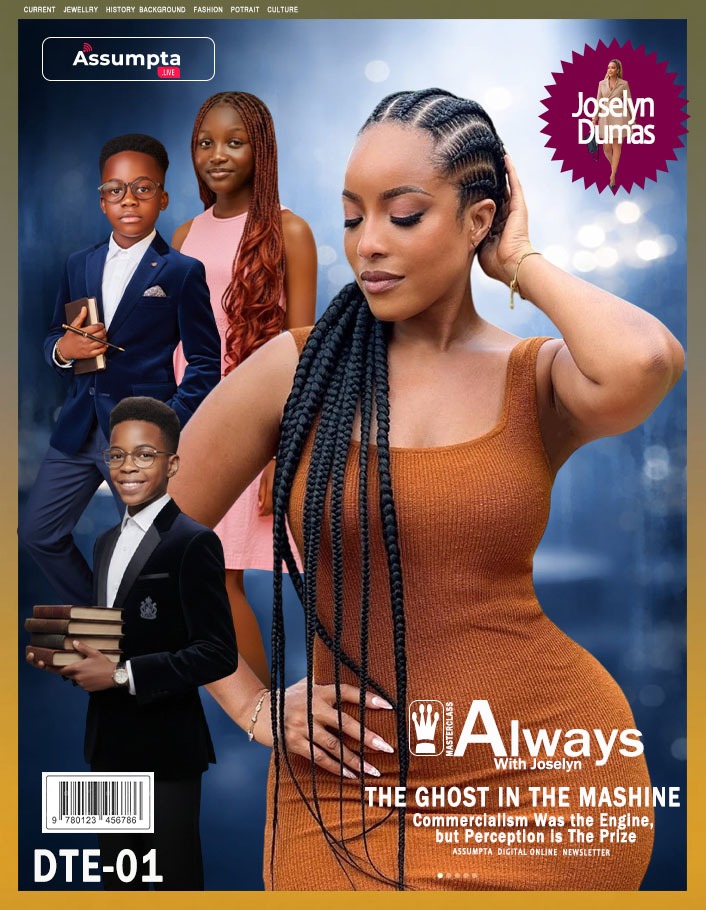
“The Ghost in the Machine: Commercialism Was the Engine, but Perception Is the Prize.”
Subtitle: The Colonialism of the Mind
📅 Global Launch: Wednesday, 1 April 2026
💻 Digital Access: www.assumptagh.live






https://www.instagram.com/hairsenta?igsh=MXAzOThhNGZ0Nm15dQ==
It’s time to trade the winter coats for a fresh spring glow! Here is a refined, spring-themed version of your copy that focuses on renewal, bloom, and that vibrant new-season confidence.
🌸✨ Hair Senta – Where Beautiful Hair Meets Beautiful Conversations ✨🌸
As the season turns to spring, Hair Senta invites you to embrace a fresh start with more than just stunning hair. Step into a world of renewal with an experience wrapped in care, expertise, and a vibrant new energy. Every interaction is thoughtfully designed to deliver the finest human hair extensions from Ghana, while empowering you with expert guidance on how to care for, style, and love your hair as you bloom.
From your first greeting to your final choice, we listen, educate, and support you with warmth and professionalism. Whether you’re refreshing your look for the new season, attending spring weddings, or simply treating yourself to a “new year” glow-up, our team ensures you leave radiant, confident, and ready to shine.
💇🏾♀️ Why Choose Hair Senta This Spring?
- ✨ Trademarked, trusted, and internationally recognized
- ✨ Premium human hair extensions shipped from Ghana to the world
- ✨ Personalized, educational, and uplifting client experience—designed to help your confidence grow
🎁 This season, gift yourself the beauty of a fresh start. Because when your hair feels like a masterpiece, you’re ready to take on the world.
📍 Get in Touch
- Visit us: 24 Jungle Avenue, Accra, Ghana 00233
- Shop online: www.hairsenta.com
- Call: (+233) 0544354455 / 0248629769
- Follow us on Instagram: @hairsenta
Hair Senta — Because great hair is always in season. 🌷
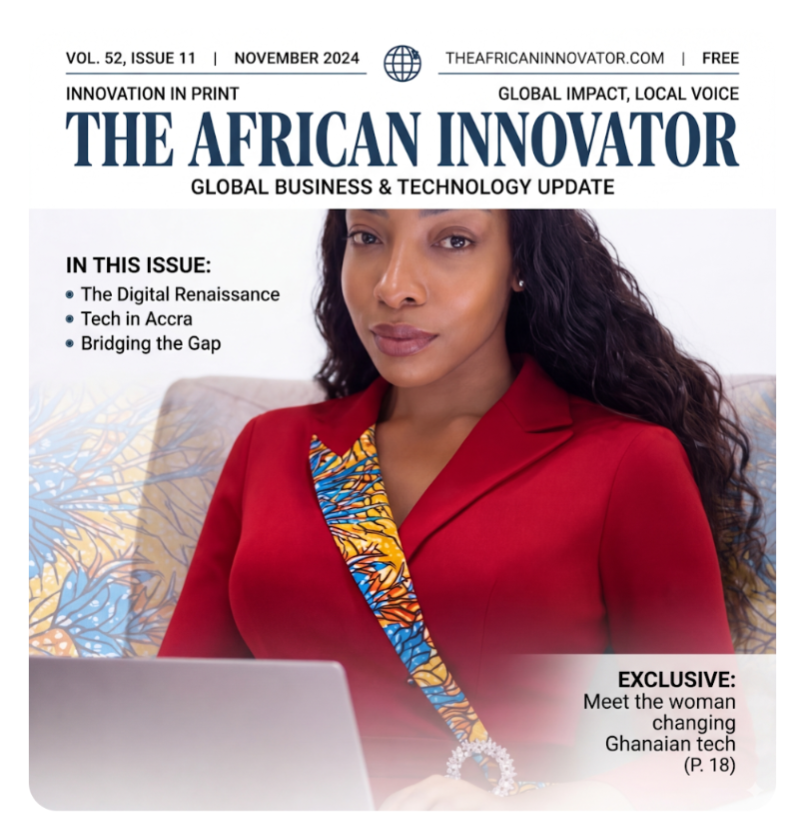
🎙️ THE VOICES OF THE REVOLUTION

JOSELYN DUMAS — The Facilitator
Iconic Ghanaian actress, producer, and humanitarian.
A trusted global figure helping the next generation confront history and reclaim self-definition.

TITAN — The Global Perspective
A young American voice offering a cross-cultural lens on identity, media influence, and global power dynamics.

OKOMFO‑BLACK — The Reformer
Spiritual advocate & youth activist.
Reviving the revolutionary soul of African heritage with bold clarity and sacred conviction.

JEWEL GIRL (ABENA OFORIWAA)
The Voice of Value
Empowerment advocate focused on accountability, healing, and the restoration of national confidence.
✨ A CLIP FROM THE FEATURE
The Theft of Confidence: How the Imperial System Disinherited the Ghanaian Spirit
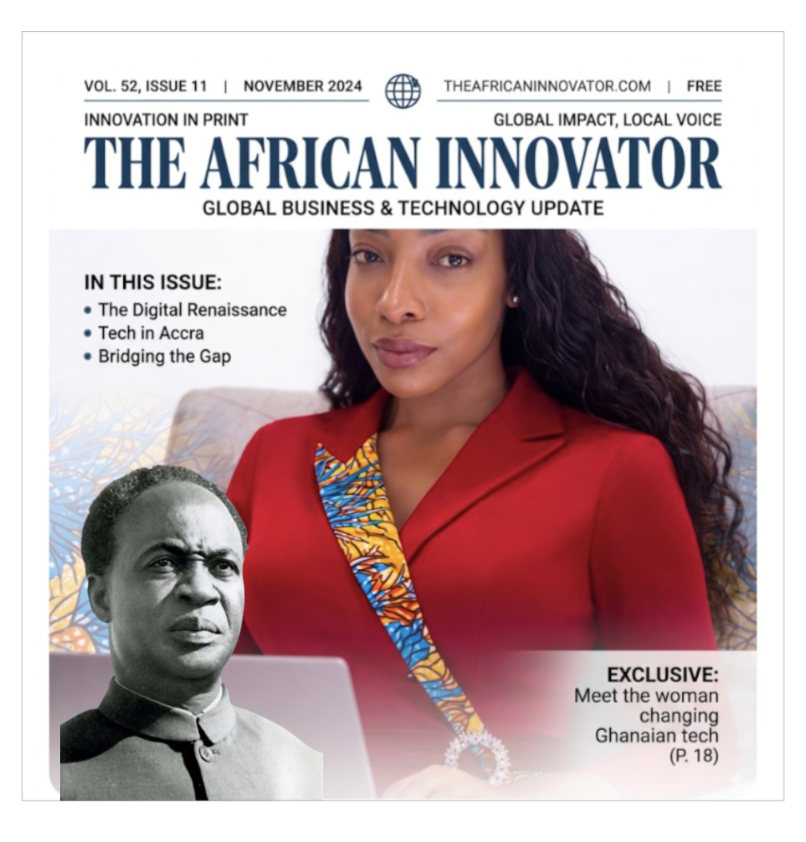
Kwame Nkrumah’s political philosophy made one truth unmistakable: colonialism waged war not only on land and labor—but on the self-belief of a people.
The Spiritual Foundation of Independence
On March 6, 1957, Ghana became the first sub-Saharan nation to break the grip of colonial rule. But independence was never simply bureaucratic; it was spiritual reclamation.
Nkrumah understood that:
- A nation can only experience true peace when its people restore respect for themselves and for one another.
- Under the Gold Coast regime, Ghanaians lived as strangers in their own homeland, governed by an authority that demanded obedience while eroding identity.
- The disorder on the streets reflected the deeper disorder colonialism etched into the hearts of the people.
The “Three Poisons” and the Path to Peace
Drawing from Nichiren Daishonin’s teachings, Nkrumah argued that society collapses when dominated by:
- Greed → Famine, inequality
- Foolishness → Loss of discernment
- Anger → Conflict and warfare
He believed only Pan-African unity—political, economic, and spiritual—could shield Africans from these destructive forces.
The Colonialism of the Mind
Colonialism’s most enduring assault was psychological:
- The Erosion of Self: African histories, philosophies, and identities were devalued.
- The Validation Trap: Western standards became the global measuring stick. Africans learned to seek approval from elsewhere rather than from within.
- The Peripheral Narrative: Africa was positioned as an “appendage” to civilization, not a central author of human progress.
Modern Echoes: Foundations, Frameworks, and Influence
Post-colonial education and policy across Africa were heavily shaped by global institutions, philanthropic foundations, and Cold War-era social engineering.
Today:
- Economic pressures require dual-income households.
- Children spend unprecedented hours within externally influenced education systems.
- Global frameworks shape African values, identities, and aspirations.
The urgent question: Who is defining the moral and intellectual foundation of the next generation?
A SECOND CLIP FROM THE FEATURE
The Mechanics of Psychological Robbery
- The Erasure of Indigenous Knowledge: Western ideologies became “universal,” African wisdom “primitive.”
- The Peripheral Identity: Success feels “real” only when validated by Western institutions.
- The Three Poisons Today:
- Greed: Hyper-capitalism fracturing families.
- Anger: Internalized frustration.
- Foolishness: Blind adoption of external frameworks.
Reclaiming the Inner Kingdom
Nkrumah’s vision:
- Authenticity over validation
- Educational sovereignty
- Spiritual fortitude
His declaration remains timeless:
“We face neither East nor West; we face Forward.”
Forward is not merely direction—it is identity restored.
🔍 THE QUESTION FROM THE YOUTH
“If it depends on Africans to liberate themselves from colonialism, in what capacity must this be done?”
If Africans are to liberate themselves, it must happen across multiple capacities at once:
The answer: Liberation must happen on every front.
- Intellectual Capacity — Reclaim Knowledge: Restore African history, philosophy, language, and worldview.
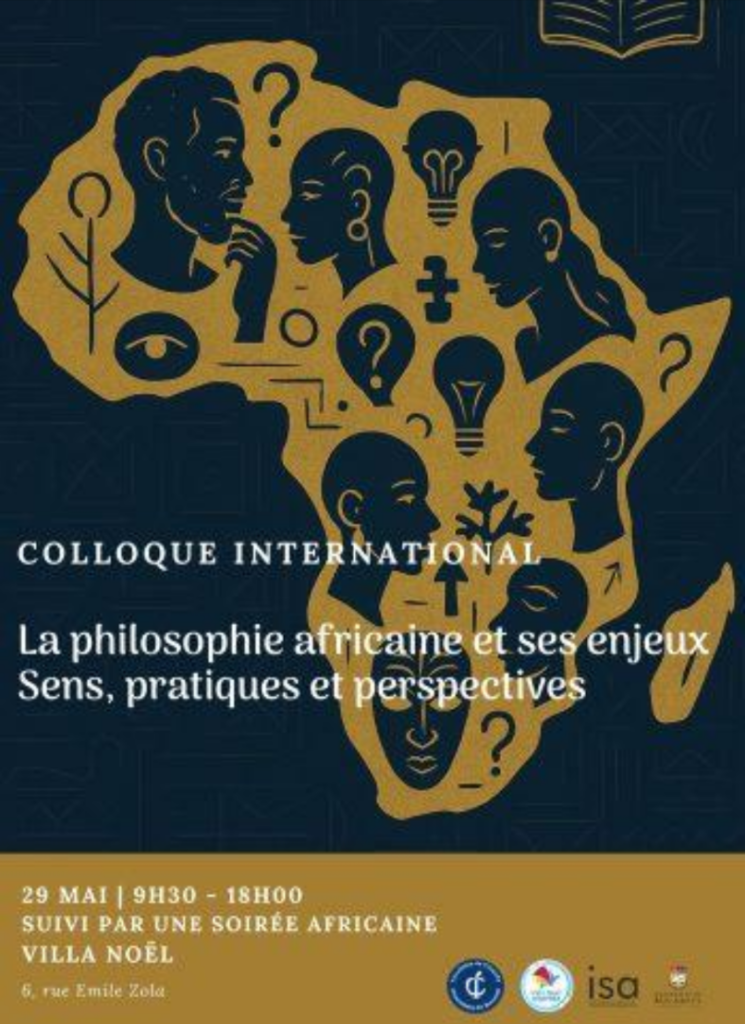
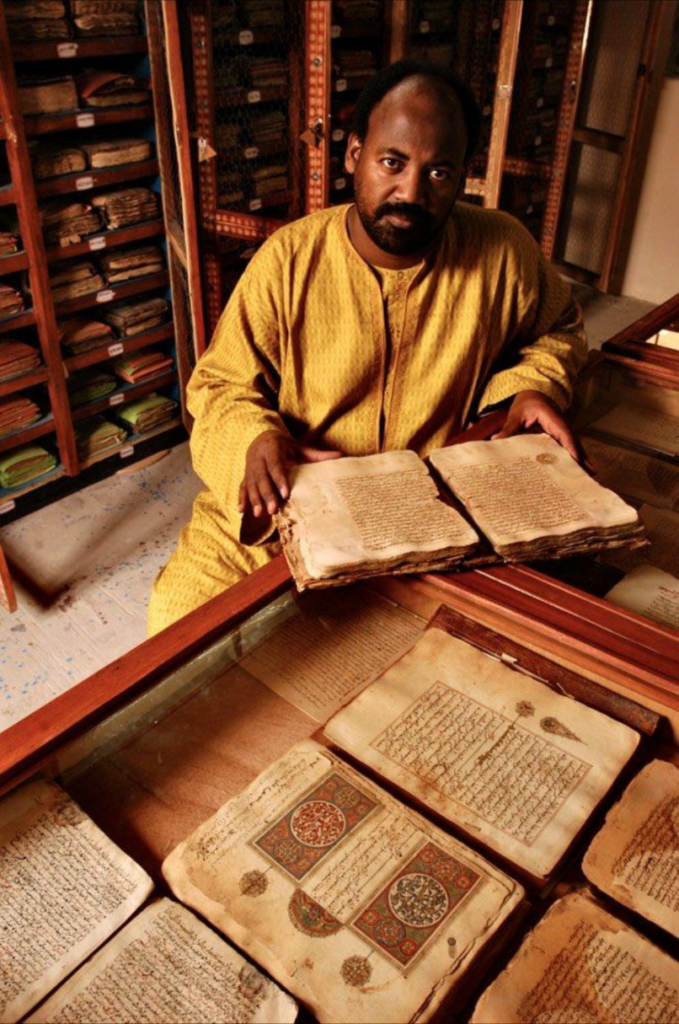
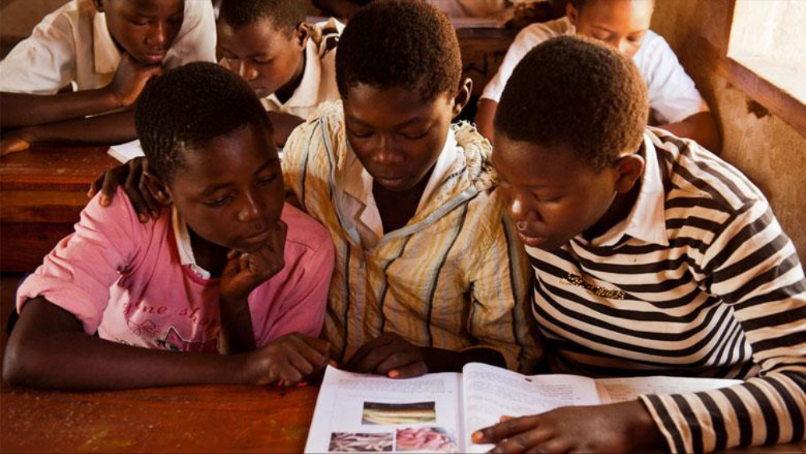
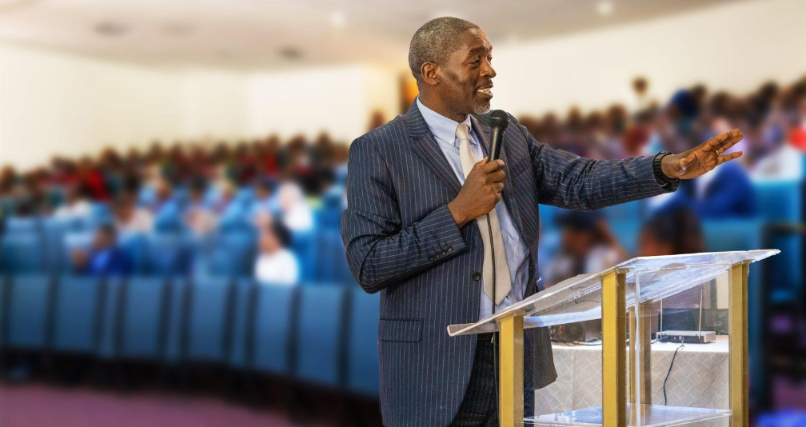

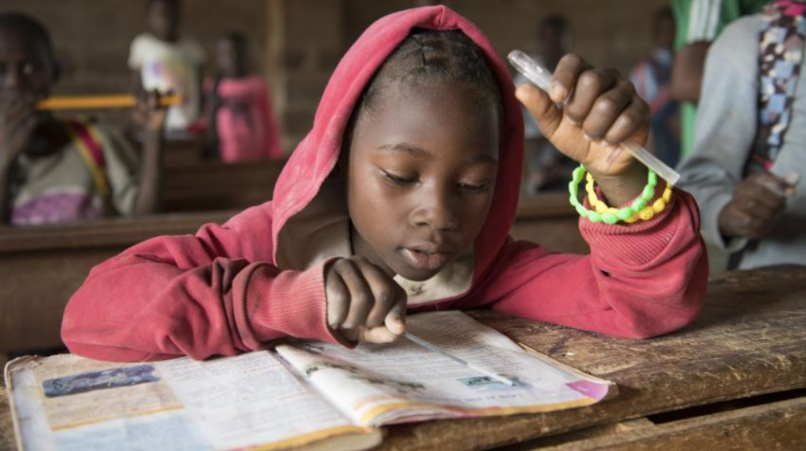
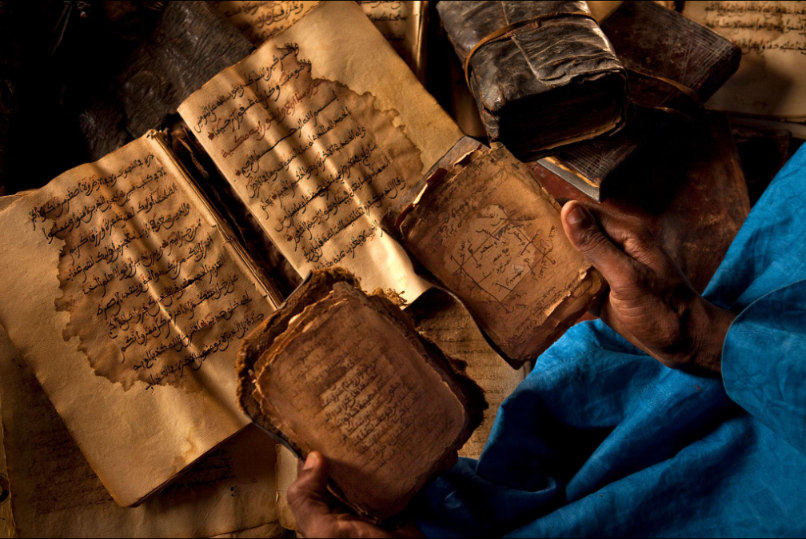
Liberation begins with how people think.
Re-centering African history (Mali, Songhai, Kush, Great Zimbabwe) Valuing African philosophies, languages, and epistemologies. Questioning inherited “universal truths” that exclude African perspectives. As Ngũgĩ wa Thiong’o argued: 👉 Control the language, and you control the mind.
2.Psychological Capacity — Restore Confidence: End internalized inferiority; rebuild pride.
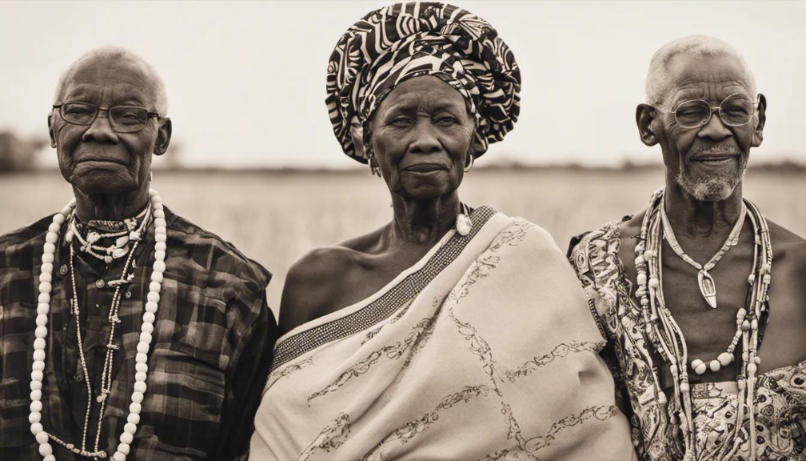
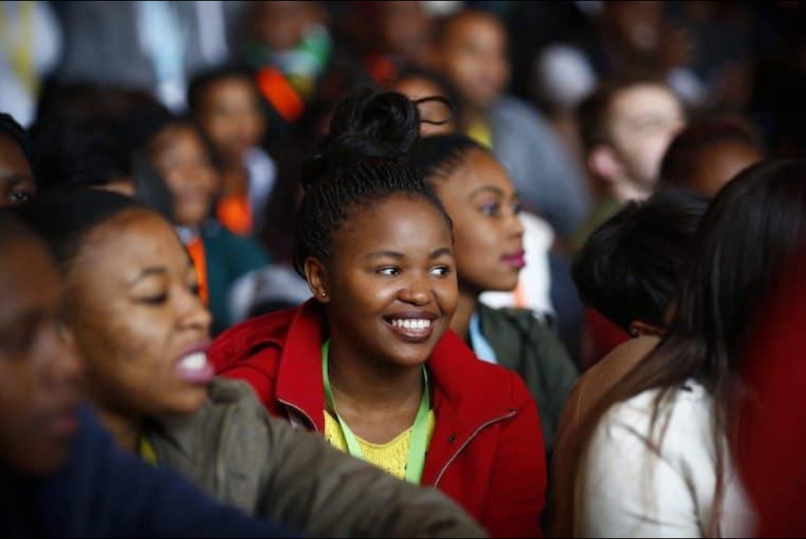
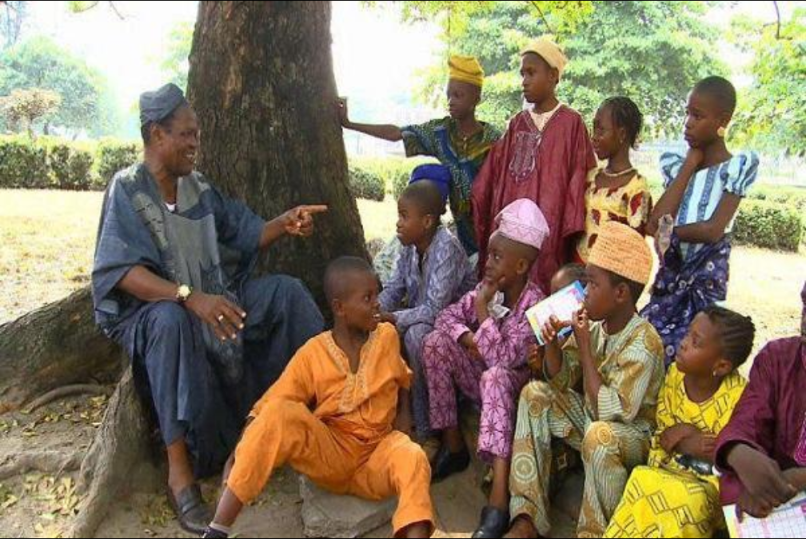
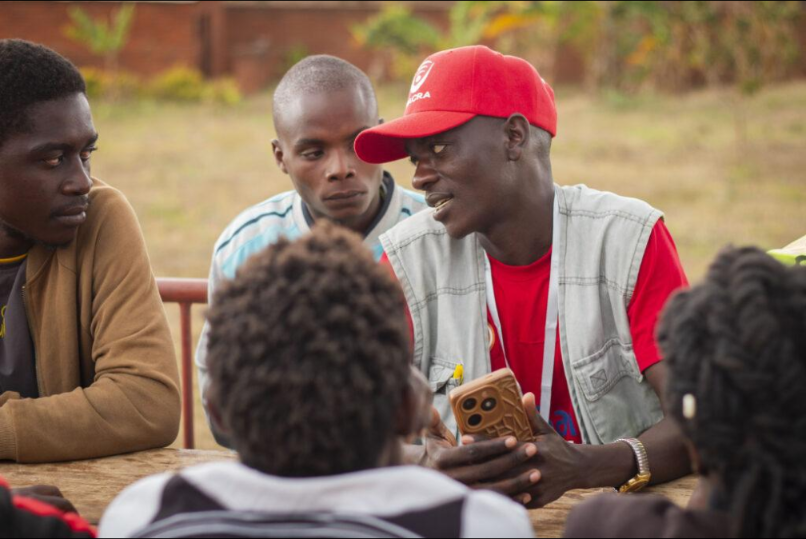
- This is the core of the argument.
- Undoing internalized inferiority.
- Rebuilding pride in identity, culture, and origin.
- Ending the automatic assumption that “better” comes from outside.
- Frantz Fanon emphasized that true liberation requires mental decolonization.
3.Cultural Capacity — Control the Narrative: Move from being described → to self-definition.
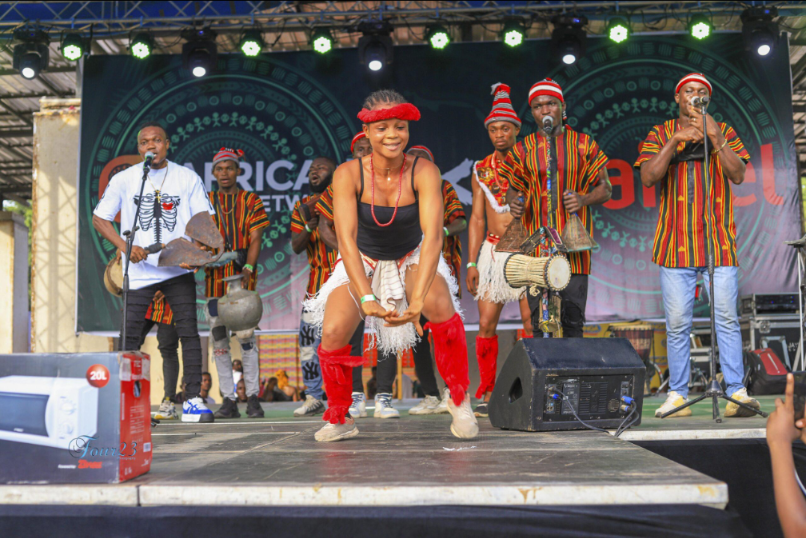
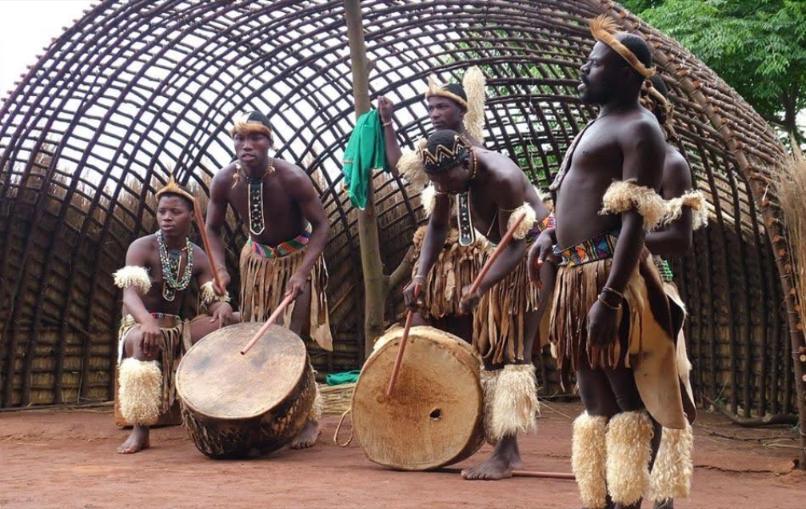
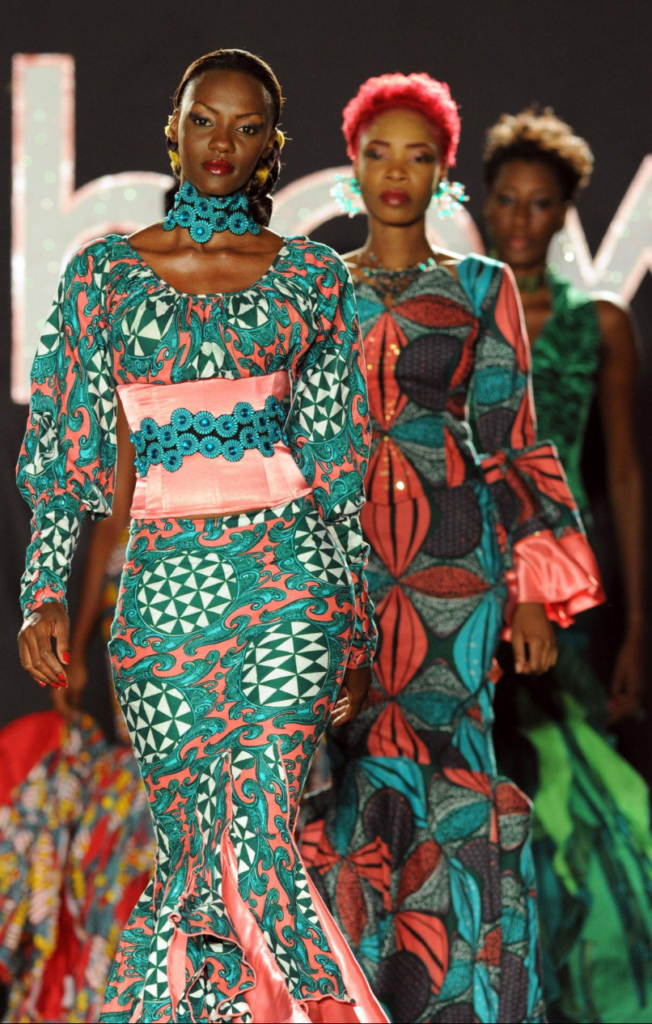
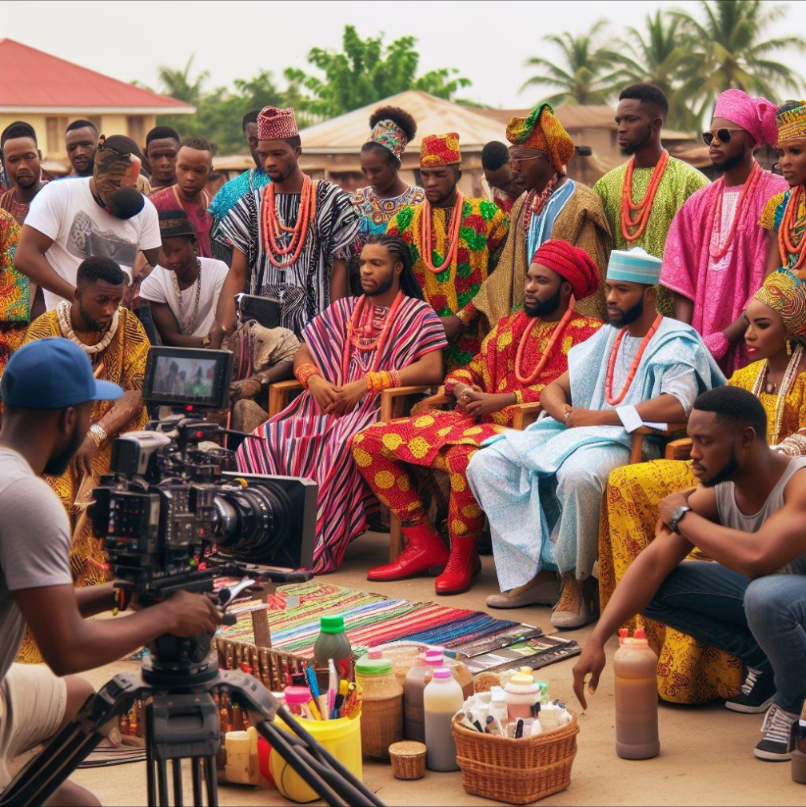
Who tells the story matters.
Film, literature, music, and media must reflect African realities
Moving from being described → to self-definition
Challenging stereotypes and external narratives
Culture is where identity becomes visible and lived.
4.Economic Capacity — Build Independent Systems: Local industries, innovation, and production.
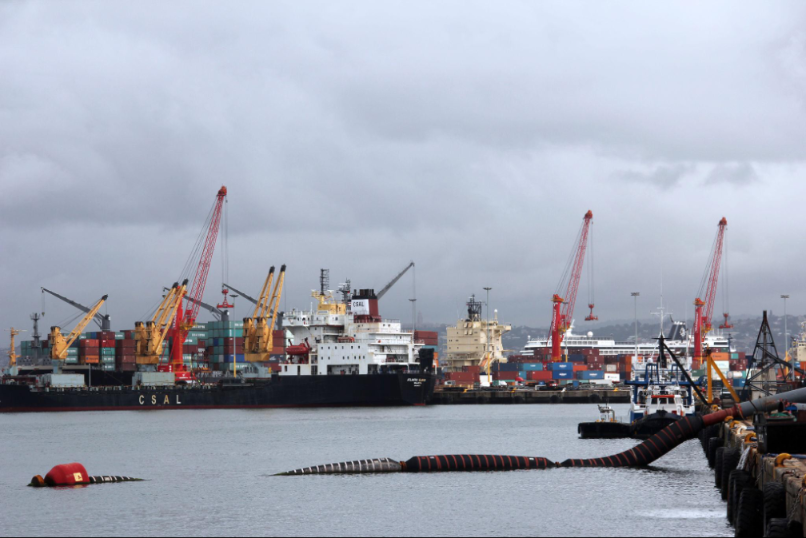
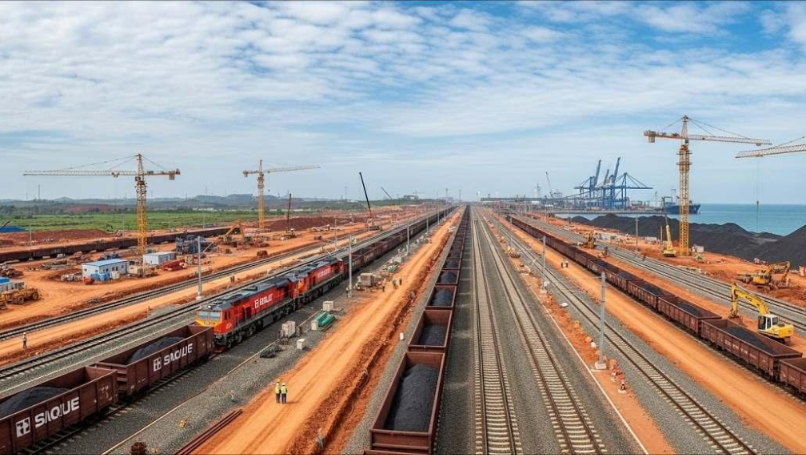
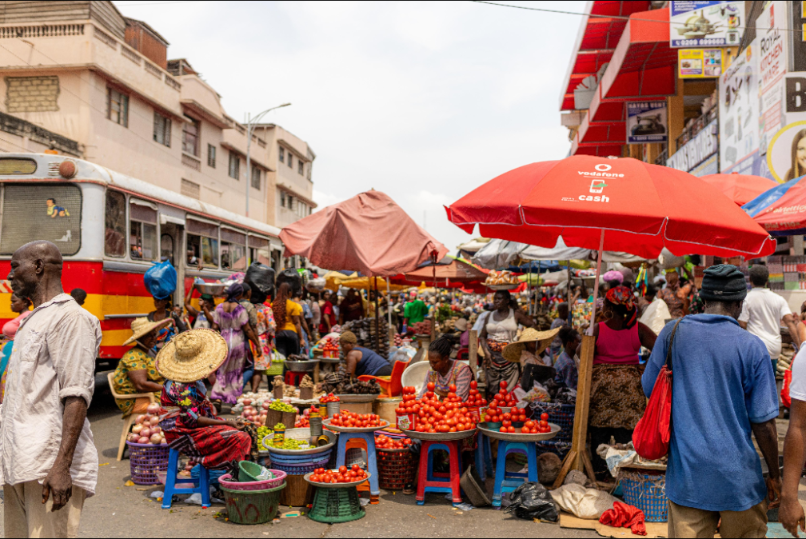
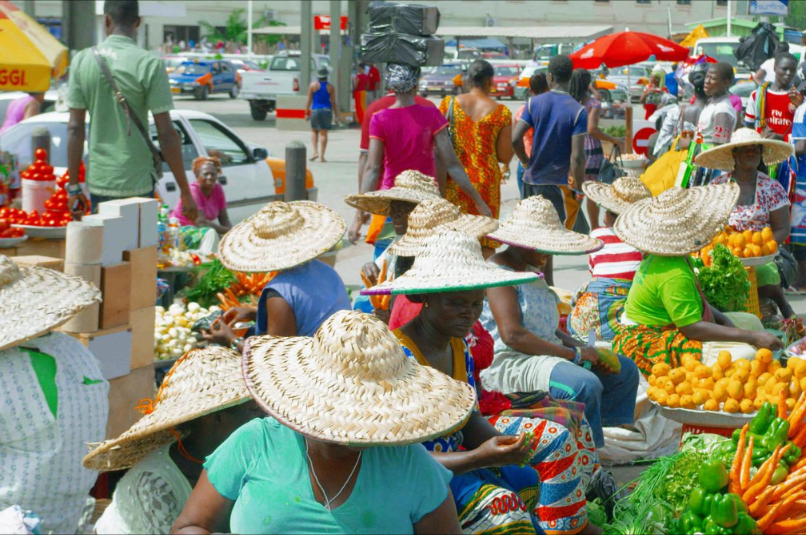

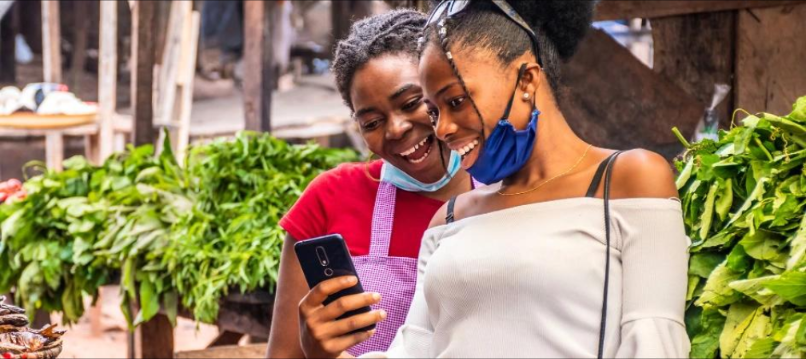
Without economic power, independence is fragile.
Strengthening local industries and production.
Reducing dependency on external systems.
Supporting African entrepreneurship and innovation.
👉 Economic liberation gives practical freedom.
5.Political Capacity — Defining Governance
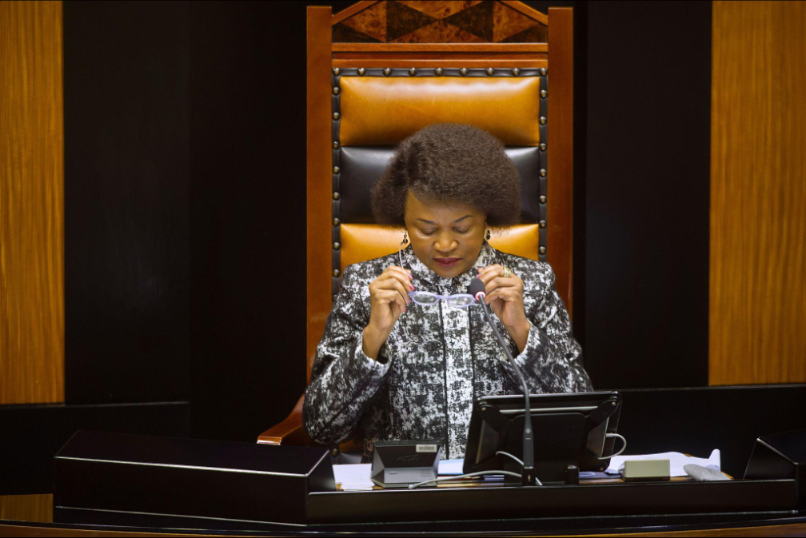
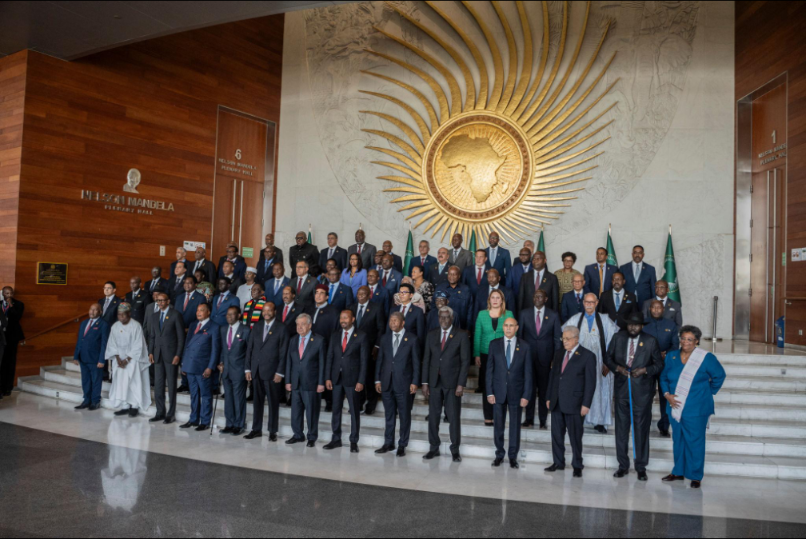
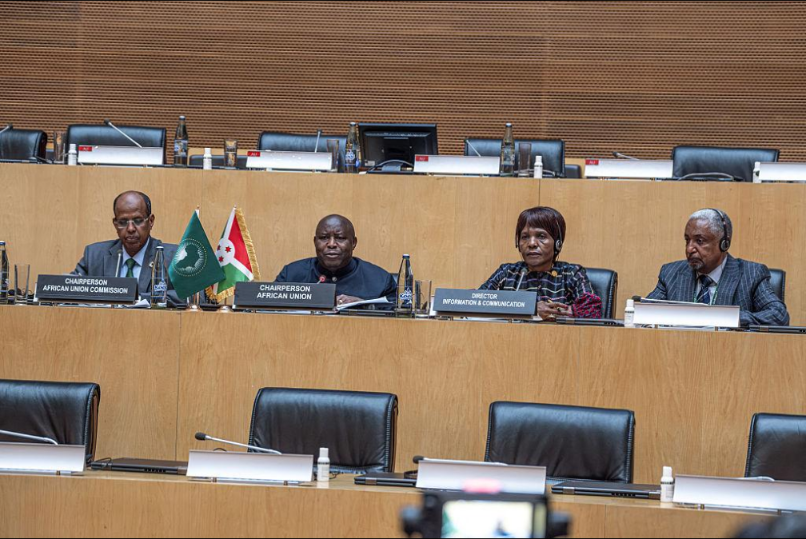
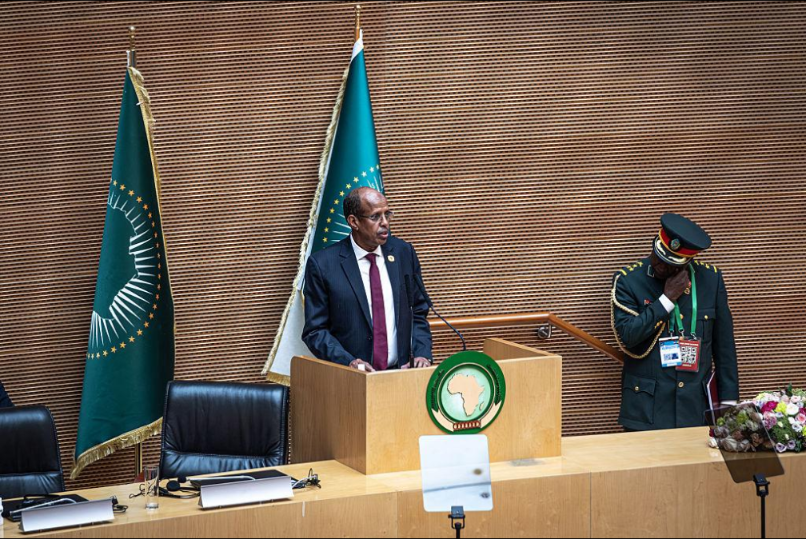
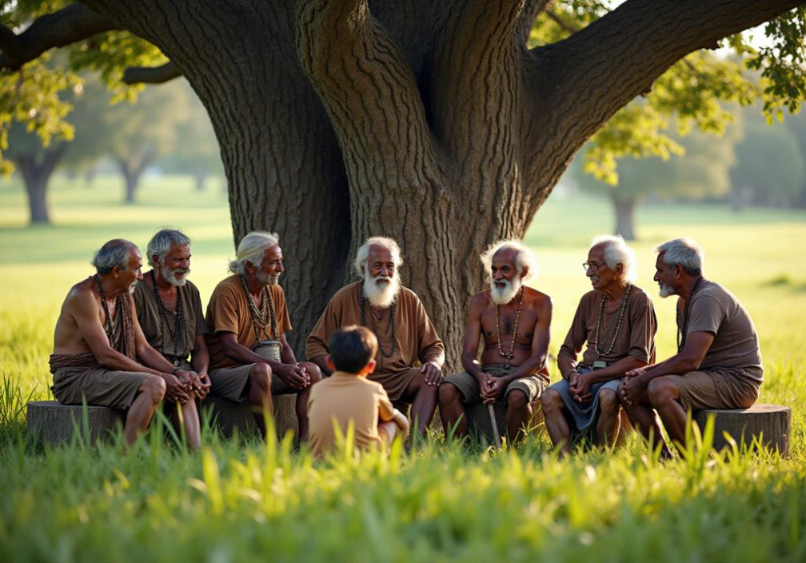
Moving beyond colonial state structures that were not designed for African realities
Building systems that reflect local contexts, not imported templates
Strengthening accountability and sovereignty
Systems must reflect African realities, not imported templates.
6.Educational Capacity — Rebuild the Curriculum: Teach critical thinking, African contributions, and contextual relevance.
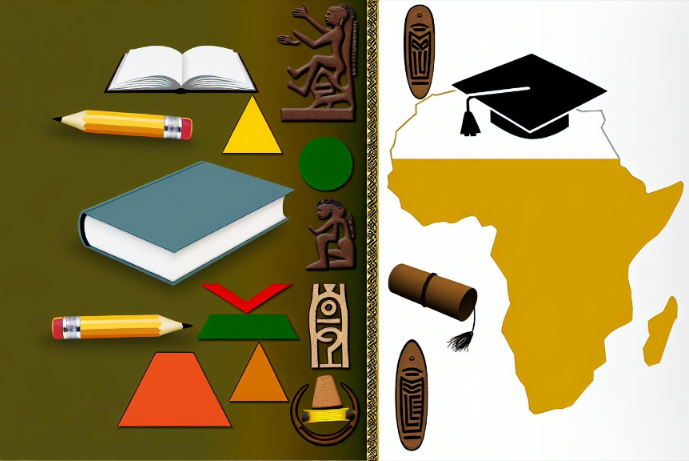
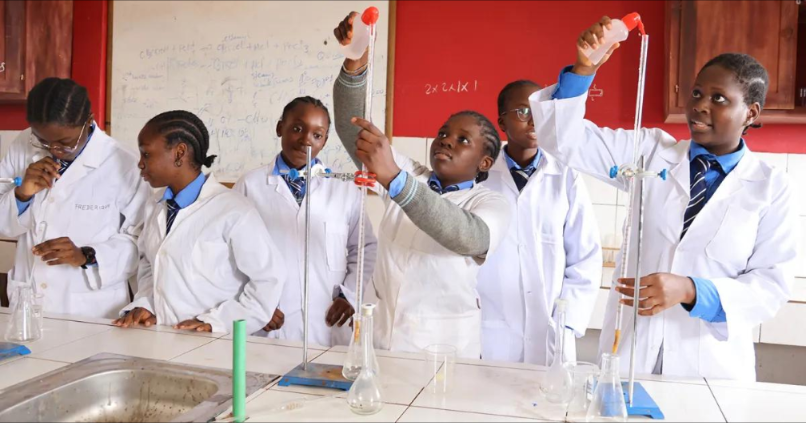
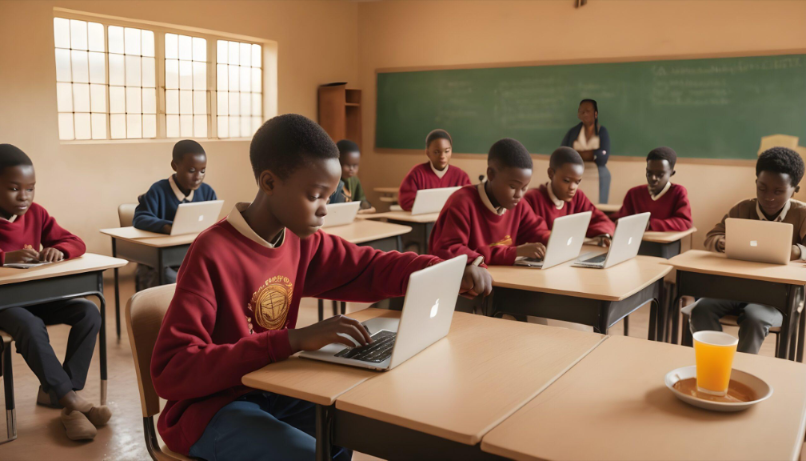
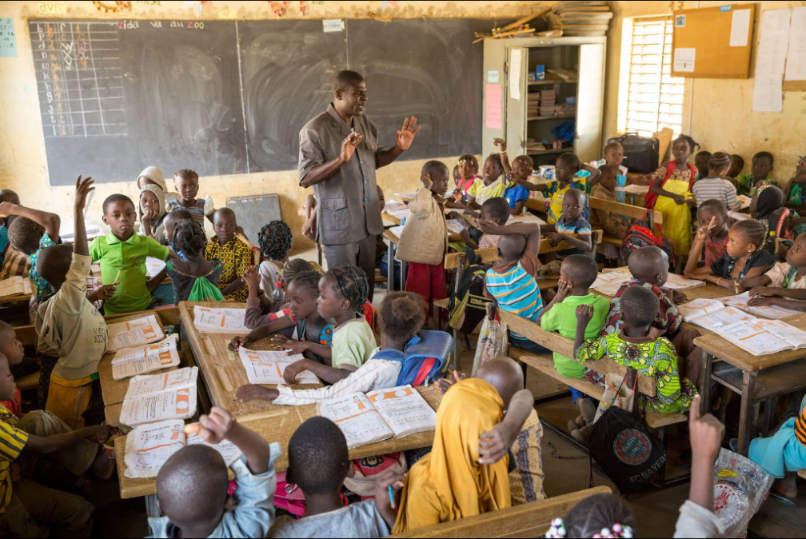
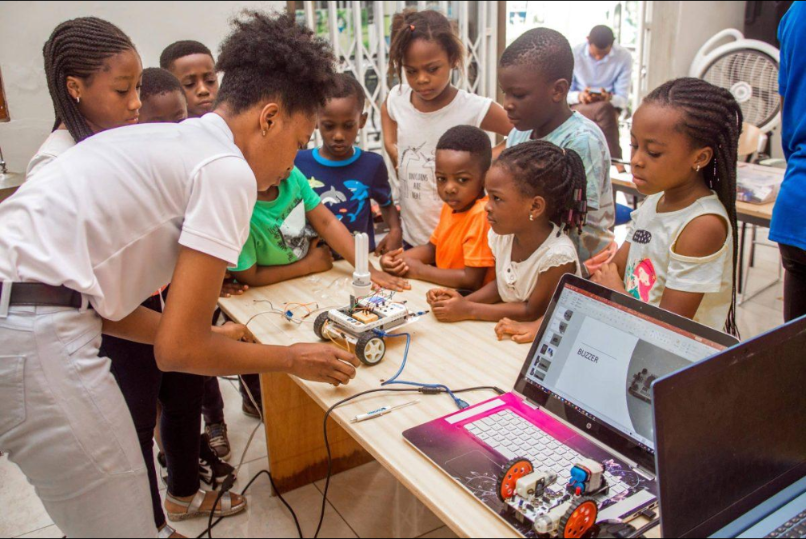
Education is where the cycle is either broken—or repeated.
Curriculum reform to include African contributions to civilization.
Teaching critical thinking, not just replication
Balancing global knowledge with local relevance.
What is success?
7.Moral & Philosophical Capacity — Define Values:
What is honor?
What is community?
If these answers come from outside, dependence survives.
✅ FINAL SUMMARY
Colonialism succeeded because it attacked every dimension of African life. Liberation must therefore be intellectual, psychological, cultural, economic, political, educational, and moral.
Not one. Not some. All. True freedom begins when self-definition becomes natural again.
🎙️ THE OPENING: SECURING THE FOUNDATION

Host: Ms. Joselyn Dumas: “A warm global welcome to our readers, listeners, and viewers joining us from across the diaspora and beyond. You are part of a conversation that transcends borders, reaching deep into the soul of the African story to address the silent architecture of our modern world.
My name is Joselyn Dumas. It is my distinct honor to facilitate this landmark dialogue—a session dedicated not just to history, but to the urgent reclamation of our collective future.”
Introducing the Architects of Change

Joselyn Dumas: “To navigate this complex terrain, I am joined by three remarkable voices—each a specialist in the art of cultural and spiritual restoration. Allow me to introduce our distinguished panel to the world.”

- TITAN — The Global Perspective: “Joining us from the United States, Titan is a sharp analytical voice offering a vital transatlantic lens on identity. He deconstructs how media, hyper-capitalism, and global power dynamics subtly curate the way Africans see themselves in the 21st century.”

- OKOMFO‑BLACK — The Reformer: “From the heart of Ghana, we have Okomfo‑Black—a spiritual advocate and youth activist. He is a leading voice in reviving the revolutionary soul of African heritage, standing with a clarity that is as fearless as it is sacred.”
- JEWEL GIRL (ABENA OFORIWAA) — The Voice of Value: “And we are privileged to have Jewel Girl—Abena Oforiwaa—an empowerment advocate whose work centers on the ‘Emotional Economy.’ She focuses on accountability, healing, and the restoration of a national confidence that was systematically eroded over centuries.”
“Titan, Okomfo‑Black, Jewel Girl—welcome to the table. Thank you for your courage and your conviction.”
“We begin today with a sobering reality. For many Africans, navigating the modern world means living within a framework where the unethical aspects of global capitalism have been rebranded as ‘normal.’ This is the quiet crisis our lead report identified: The Colonialism of the Mind.
Even after the flags of empire were lowered in 1957, the psychological scaffolding of the Imperial System remained. It traded the gun for the ‘gaze’—reshaping how we perceive our value, our beauty, and our potential.
By weaving together the political philosophy of Kwame Nkrumah with the profound spiritual insights of Nichiren Daishonin, we’ve uncovered a timeless truth: Liberation is not merely a change in administration; it is a restoration of the human spirit.”
The Core Thesis: The Mechanics of Robbery
Joselyn Dumas:“Let us be clear: The Imperial System did not just extract gold and cocoa. It executed a systematic devaluation of the African Self through three primary mechanisms:”
- The Erasure of Knowledge: Where indigenous wisdom was dismissed as ‘primitive’ while Western logic was canonized as ‘universal.’
- The Peripheral Identity: Where success is only deemed legitimate when validated by external, Western institutions—leaving the yardstick for African self-worth in foreign hands.
- The Modern Poisons: Where Greed manifests as hyper-capitalism, Anger as internalized self-hate, and Foolishness as the blind adoption of frameworks that do not serve us.
The Call to Action
“Nkrumah famously declared: ‘We face neither East nor West; we face Forward.’ But today, we recognize that ‘Forward’ is not a geographic direction—it is a state of mind. It is identity restored. It is educational and spiritual sovereignty. It is the end of the validation trap.”
The First Question
“Okomfo‑Black, I want to start with you. We’ve spoken about these global foundations and international systems that have effectively ‘colonized’ the psyche.
In your view—spiritually, socially, and psychologically—what is the actual mechanism through which modern capitalism continues to rob the African person of their self-confidence? How is the robbery still happening today?”
“Okomfo-Black, the floor is yours. Walk us through this mechanism.”
✅ OKOMFO‑BLACK — THE REFORMER
Okomfo‑Black : “Thank you, Ms.Joselyn, and greetings to everyone across the world. Let me speak plainly, because the mechanism of this robbery is spiritual before it becomes economic.
Western capitalism works like a priesthood—except its altar is profit, and its sacrifice is identity. The first thing it steals is not our land; it steals our center. It disconnects the African from his own spiritual coordinates.”
- 1. The Spirit First, Then the System: “You see, when a people no longer recognize the divine within their own heritage, they become spiritually disarmed. Capitalism knows this. Colonialism knew this. That is why the first mission was to break the African’s inner authority. A person who doubts their own ancestral wisdom becomes easy to instruct—and even easier to dominate.”
- 2. Normalizing Dependency: “Western capitalism doesn’t just extract resources—it manufactures dependency. Suddenly, the African becomes a consumer of everything: beliefs, beauty standards, education models, economic systems, even definitions of success. This dependency is the real colonization. The body was freed, but the appetite was captured.”
- 3. The Illusion of Opportunity: “Capitalism teaches you that you are free because you can buy things. But what if the things you are buying are the very tools used to weaken you? Western capitalism gives the African a ‘ladder’—but the ladder leans against a wall that leads away from their own identity.”
- 4. Breaking the Communal Spirit: “Before capitalism, African societies were built on interdependence, not individualism. The strength of the community protected the individual. But capitalism isolates you. It convinces you that survival is personal, achievement is personal, and failure is personal. Once you isolate a people, you can mentally control them.”
- 5. The Final Theft: Self‑Confidence: “And this is the sad truth: A system that makes you admire everything foreign eventually makes you doubt everything within yourself. When a young Ghanaian automatically believes that a Western school, Western accent, Western technology, or Western approval is superior—that is not preference. That is programming.”
Okomfo‑Black concludes: “So to me, the mechanism is simple: detach the African from his spirit, detach him from his story, detach him from his community—and soon you won’t need chains. His mind will police itself.”
Joselyn Dumas.: “Thank you, Okomfo‑Black. Your clarity is powerful and necessary. You’ve highlighted how capitalism functions not only as an economic machine but as a reconditioning tool that reshapes identity from the inside out.
Titan, as someone observing this from the global stage, what do you see from your vantage point? How does Western capitalism influence African self‑confidence from the outside looking in?”
✅ TITAN — THE GLOBAL PERSPECTIVE

Titan : “Thank you, Ms. Joselyn. Listening to Okomfo‑Black, something stands out to me: the power of the story. In America, we often talk about capitalism as opportunity. But we rarely acknowledge who writes the rules—and who writes the narrative around those rules.”
- 1. The Narrative Monopoly: “One of the biggest mechanisms of psychological control is narrative monopoly. Western systems control global media, global education, global entertainment, global metrics of success. When one region controls the stories the whole world consumes, it controls perception.”
- 2. Manufactured Hierarchies: “Capitalism presents itself as neutral, but it creates hierarchies: Western as ‘advanced’ vs. African as ’emerging’; Western as ‘rational’ vs. African as ’emotional’; Western as ‘leadership’ vs. African as ‘followership.’ These narratives seep into the subconscious of entire generations.”
- 3. Exporting the ‘Deficit Model’: “In the West, Africa is often framed through deficits—poverty, conflict, aid, corruption. What the world rarely sees is Africa’s intellectual legacy, technological ingenuity, and philosophical depth. When a continent is consistently introduced to the world through its struggles, not its strengths, its youth inherit a borrowed inferiority.”
- 4. The Algorithm of Validation: “And then there’s the digital layer. Algorithms amplify Western voices and Western standards, shaping what becomes aspirational. The African youth scrolling their phone is not just consuming entertainment—they are consuming identity templates.”
- 5. Identity as a Global Commodity: “In capitalism, identity is a commodity. And Western capitalism sells identities—beauty identities, success identities, lifestyle identities. The African becomes not a participant but a consumer of someone else’s identity architecture.”
Titan concludes.: “So in my view, the mechanism is global influence disguised as global aspiration. The West defines the ideal—and everyone else is trained to chase it.”

Joselyn Dumas: “Thank you, Titan. Your perspective helps us understand how global systems shape what people believe is possible—or acceptable.
Jewel Girl, I want to bring you in here. You focus deeply on value, healing, and internal restoration. What are your thoughts on this psychological impact of capitalism, and how does it affect the confidence of the next generation?”
✅ JEWEL GIRL (ABENA OFORIWAA) — THE VOICE OF VALUE
Jewel Girl: “Thank you, Ms. Joselyn. For me, the issue is deeply emotional—because the real damage capitalism inflicts is on the sense of worth.”
- 1. The Internal Price Tag: “Capitalism teaches people to measure themselves like products. Your value becomes what you earn, what you wear, what you own, and who validates you. When young Africans grow up in such a world, they begin to put a price tag on their identity. And because capitalism is built on comparison, someone always feels ‘less.’”
- 2. The Broken Mirror: “When the world keeps showing you an image of yourself that highlights only your weakness, you begin to distrust your strengths. That broken mirror becomes your reflection.”
- 3. Emotional Colonization: “This is what I call emotional colonization. It’s when the heart absorbs inferiority long before the mind recognizes it.”
- 4. The Lost Confidence Cycle: “A person who doubts themselves makes smaller choices. Smaller choices lead to smaller opportunities. Smaller opportunities confirm their doubt. It becomes a cycle.”
- 5. Healing as Resistance: “And this is why healing is part of decolonization. When a young African learns to trust their own voice, their own culture, their own story—capitalism loses its psychological power.”
- “So to me, the real theft is the theft of self-worth. And the real revolution is learning to value ourselves again—not because the world approves, but because our identity is enough.”
“Thank you all for your profound contributions so far. Before we continue, I want to bring into this conversation a historic moment that the entire world has just witnessed—a moment led by Ghana itself.
MS.JOSELYN INTEGRATES THE UN RESOLUTION
On March 25th, 2026, the United Nations General Assembly adopted a Ghana‑tabled resolution declaring the transatlantic slave trade and the racialised chattel enslavement of Africans as the gravest crime against humanity. [1][2]
This resolution was adopted overwhelmingly—with 123 nations voting in favor—and it calls for truth‑telling, historical accountability, and reparatory justice, acknowledging the systemic and global consequences of slavery that continue to shape inequalities today. [2]
President John Mahama himself said this resolution marked ‘a route to healing and reparative justice,’ emphasizing that the world must no longer ignore the enduring psychological, economic, and structural harm caused by slavery. [3]
So here is my question to all of you:
How do you see this United Nations breakthrough aligning with what we’ve been discussing today—the colonialism of the mind, the theft of African confidence, the erasure of indigenous knowledge, and the need for psychological, cultural, and economic reclamation?”
✅ PANELIST RESPONSES — ELABORATING ON THE THEMES
OKOMFO‑BLACK — The Reformer :“Ms Joselyn, this UN decision is not just political—it is spiritual validation of what our ancestors knew but were never allowed to declare on a global stage.”
- 1. Recognition of Systemic Harm: “The UN resolution acknowledges that slavery created global, systemic consequences—not just physical exploitation but mental displacement. This is exactly what we mean by colonialism of the mind: a psychic wound inherited through generations.”
- 2. Truth‑Telling: “When the world finally tells the truth about slavery’s brutality, it reopens the door for Africa to tell its own truths—our philosophies, systems, and spiritual technologies that were dismissed as ‘primitive.’”
- 3. Reparatory Justice: “Reparation is not only financial; it is psychological repair. You cannot heal what the world refuses to name. By calling slavery the gravest crime, Ghana has forced the world to name the wound—and naming is the beginning of spiritual restoration.”
TITAN — The Global Perspective :“From where I stand, this UN resolution directly challenges the Western narrative monopoly—and that is huge.”
- 1. Ending Narrative Control: “For centuries, global institutions framed African suffering as isolated or historical. But the resolution confirms that slavery created structural imbalances still shaping global power today. This aligns with what we discussed: the very frameworks of capitalism were built on the exploitation of African bodies.”
- 2. Global Accountability: “When 123 nations agree that slavery was the gravest crime against humanity, Africa is no longer asking for validation—the world is acknowledging wrongdoing. This helps break the psychological pattern where Africans feel they need external approval to affirm their own experiences.”
- 3. Historical Truth: “The resolution forces Western nations to confront truths they avoided for centuries. Truth is the enemy of psychological colonialism.”
JEWEL GIRL (ABENA OFORIWAA) — The Voice of Value
“For me, the most important part of this UN decision is emotional—because it restores value to the descendants of those who suffered.”
- 1. Truth‑Telling Heals the Emotional Wound: “The resolution acknowledges that the trauma of slavery was not an event; it was a system that still shapes people’s worth. By naming it the gravest crime, the UN validates the emotional injury that African communities still carry.”
- 2. Historical Accountability: “One reason African confidence was broken is because the world pretended the crime wasn’t that serious. Now the world has confessed its magnitude.”
- 3. Reparatory Justice: “Reparatory justice is not only compensation—it’s a commitment to restore dignity. It says: ‘What happened to you was wrong, and the consequences you live with today are real.’ That clears the emotional space needed for identity to be rebuilt.”
- 4. A Foundation for Psychological Liberation: “Once the world acknowledges the truth, Africans can stop apologizing for their history—and start defining themselves again.
✅ THE THREE POISONS: A GLOBAL RECKONING
Joselyn Dumas.:“It seems we are moving from a season of silent suffering to an era of global testimony. We have the world’s attention; the question now is how we use this momentum to build the ‘Forward’ that Nkrumah envisioned.” “Thank you, all of you, for those deeply insightful reflections. As I listen to each of you, I’m reminded of something fundamental—something rooted in our own history as Ghanaians and as Africans.
In our feature, we explored what we called ‘The Theft of Confidence: How the Imperial System Disinherited the Ghanaian Spirit.’ And at the heart of that is a truth Kwame Nkrumah understood better than anyone: colonialism was not simply a structure of domination—it was a campaign against self-belief.”
The Spiritual Foundation of Independence
“On March 6, 1957, when Ghana raised its flag and declared independence, it wasn’t only breaking free from political control. It was reclaiming something spiritual—reclaiming the right to know ourselves, define ourselves, and respect ourselves.
Nkrumah taught that a nation can only experience true peace when its people restore respect for themselves and for one another. Because under colonial rule, Ghanaians lived as strangers in their own homeland—governed by a system that demanded obedience while slowly draining away identity. The disorder we saw on the streets in those years was not accidental. It was the visible expression of a deeper disorder—the disorder colonialism carved into our hearts.”
The Three Poisons.
“I a, drawing on Nichiren Daishonin, also warned of the ‘Three Poisons’—Greed, Foolishness, and Anger—not only as human failings, but as forces that tear societies apart.
- Greed → Famine, inequality
- Foolishness → Loss of discernment
- Anger → Conflict and warfare
He believed that only Pan-African unity—political, economic, and spiritual—could shield us from these forces.”
✅ JOSLYN’S QUESTION TO THE PANEL
Joselyn Dumas: “Now, hearing everything you’ve said—and thinking of this powerful UN resolution Ghana has championed—I want to ask all of you something very directly.
When we look at these Three Poisons—Greed, Anger, and Foolishness—do you believe that the colonial powers, and the modern Western systems that descended from them, are being confronted today with the consequences of their own poisons? Have their greed, their anger, and their foolishness manifested into the global consumerism, profit‑obsession, and inequality we are all living through today?
I’d like each of you to reflect on that—and then we’ll bring our dialogue to a close.”
✅ FINAL PANEL RESPONSES
OKOMFO‑BLACK — The Reformer
Okomfo‑Black: “Ms. Joselyn, to answer your question plainly—yes. The West is facing the consequences of its own poisons.
Greed created the architecture of slavery and colonialism. That same greed evolved into global capitalism—a system where profit is god, people are commodities, and the Earth itself is expendable.
Anger became the violence of empire, the rage of domination, the insistence on superiority. Today, that anger shows up in global militarism, interventionism, and the fear that the world they built may finally be questioned.
Foolishness—the refusal to learn from history—created cycles of extraction, inequality, and spiritual emptiness. The world is drowning in consumerism because the West taught humanity to fill a spiritual void with material things.”
“So yes, these poisons have returned home to them. The consequences are global—ecological collapse, inequality, mental health crises—all born from a worldview that believed it could conquer others without destroying itself.

TITAN — The Global Perspective
Titan: “I agree with Okomfo‑Black. What we’re seeing today is the West living inside the world it created.
Greed turned into hyper‑consumerism—a culture where people are trained to want endlessly, buy endlessly, and be dissatisfied endlessly. Capitalism needs insecurity to survive, so inequality isn’t a flaw—it’s a feature.
Anger turned into polarization. Nations that once enforced hierarchy through violence now wrestle with internal divisions they cannot control.
And foolishness—the belief that dominance is sustainable—has resulted in social systems cracking under their own weight: health crises, economic instability, political chaos.”
Titan finishes: “The same forces that once oppressed others are destabilizing the societies that created them. The legacy of colonial behavior didn’t stay in the colonies—it came back through the front door.”
JEWEL GIRL (ABENA OFORIWAA) — The Voice of Value
Jewel Girl : “For me, the most painful truth is this: greed, anger, and foolishness didn’t just shape the past—they shaped the emotional blueprint of our world.
Greed told people their worth depends on what they own. That’s why so many today feel empty even when surrounded by things.
Anger taught nations to relate through domination. That’s why conflict feels normal, not tragic.
Foolishness made the world forget the human cost of progress. That’s why inequality is accepted instead of questioned.” “The irony is that the very poisons used to weaken Africa are now dissolving the moral foundations of the West. But the beauty is this: Africa, with its values of community, spirituality, and balance, holds the antidote.”
✅ THE FINAL CLOSING
Ms. Joselyn Dumas — Host
Joselyn Dumas : “‘Africa holds the antidote.’ What a profound note to end on.
Thank you, Jewel Girl. Thank you, Okomfo‑Black. Thank you, Titan. And thank you to our global audience for walking with us through a conversation that is not only historical—but profoundly human, profoundly urgent, and profoundly hopeful.
Today we recognized that the struggle for liberation is not just political machinery or economic strategy. It is the restoration of the human spirit. It is the healing of memory. It is reclaiming the confidence that was stolen, the dignity that was dismissed, and the identity that was distorted.
As Ghana leads the world in calling the transatlantic slave trade the gravest crime against humanity, we are witnessing something extraordinary: truth rising to meet history. And with truth comes clarity. With clarity comes healing. And with healing comes the power to define ourselves once again.
May we continue to face forward—as Nkrumah said—not East, not West, but forward. Toward a future authored by Africans, owned by Africans, and inherited proudly by the generations yet to come.
Thank you for joining us. We look forward to continuing this global dialogue—always with courage, always with honesty, and always with purpose.
This has been Always With Joselyn — Global Edition. Until next time, stay grounded, stay awakened, and stay forward.”
✅ CLOSING THE DIALOGUE
Ms. Joselyn Dumas — Closing Remarks
Joselyn Dumas:Thank you, Titan. Thank you, Okomfo‑Black. Thank you, Jewel Girl. And thank you to our global audience for walking with us through a conversation that is not only historical—but profoundly human, profoundly urgent, and profoundly hopeful.Today we recognized that the struggle for liberation is not just political machinery or economic strategy.
It is the restoration of the human spirit. It is the healing of memory. It is reclaiming the confidence that was stolen, the dignity that was dismissed, and the identity that was distorted.s Ghana leads the world in calling the transatlantic slave trade the gravest crime against humanity, we are witnessing something extraordinary: truth rising to meet history.
And with truth comes clarity. With clarity comes healing. And with healing comes the power to define ourselves once again.we continue to face forward—as Nkrumah said—not East, not West, but forward. Toward a future authored by Africans, owned by Africans, and inherited proudly by the generations yet to come.k you for joining us. We look forward to continuing this global dialogue—always with courage, always with honesty, and always with purpohas been Always With Joselyn — Global Edition.l next time, stay grounded, stay awakened, and stay forward.”
Our Shared Humanity Soka Gakkai Buddhist
An introduction to the Soka Gakkai and Nichiren Buddhism.
Where do the teachings originate from?
What is the philosophy of Buddhism?
How do Soka Gakkai members apply it in their daily lives?
The Soka Gakkai is a global community-based Buddhist organization that promotes peace, culture and education centered on respect for the dignity of life. Its members in 192 countries and territories study and put into practice the humanistic philosophy of Nichiren Buddhism.
Soka Gakkai members strive to actualize their inherent potential while contributing to their local communities and responding to the shared issues facing humankind. The conviction that individual happiness and the realization of peace are inextricably linked is central to the Soka Gakkai, as is a commitment to dialogue and nonviolence. Subscribe to our channel: / sgivideosonline Visit our website: https://www.sokaglobal.org/ Like us on Facebook: / sgi.info Follow us on Instagram: / sgi.info Follow us on Twitter: / sgi_info

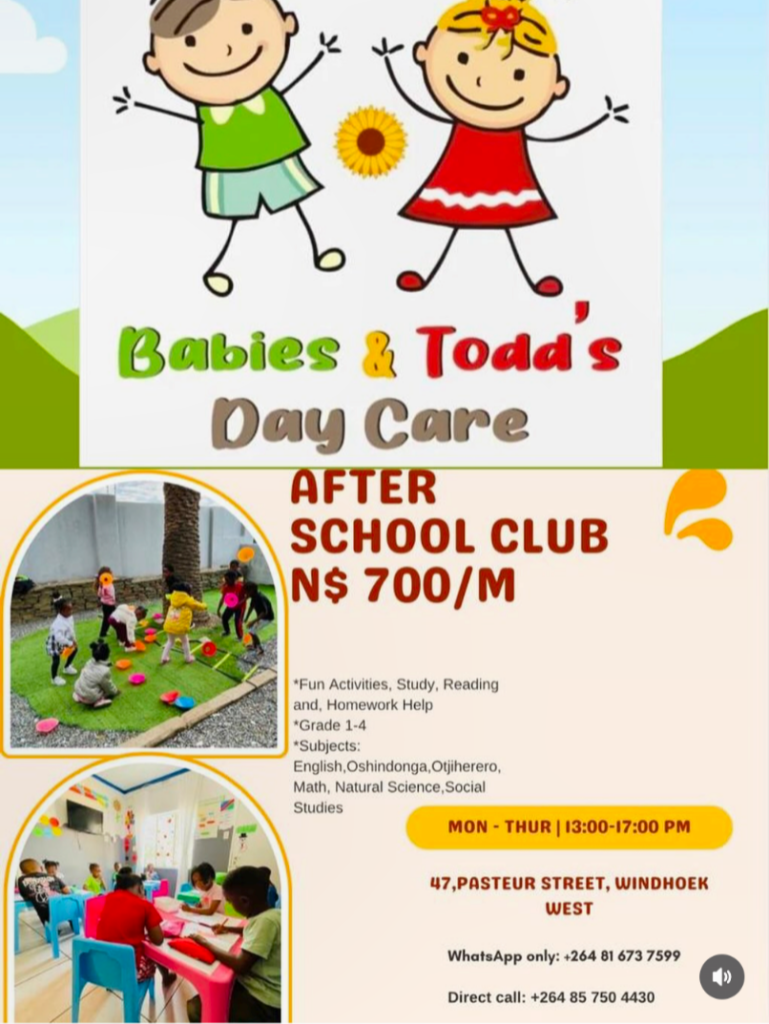
Where Little Hearts Find a Home to Grow. 🌿✨
Nestled in the heart of Windhoek, Babies & Toddlers Daycare (BTDC) is more than just a school—it’s a vibrant community. We believe that every child is a masterpiece, and our mission is to provide a nurturing sanctuary where they can grow, learn, share, and create. 🎨🤝
At BTDC, we don’t just teach; we inspire. Our curriculum is built on a humanistic philosophy, promoting:
🕊️ Peace & Culture – Celebrating our global diversity.
📚 Education with Heart – Focused on the dignity of life.
🌱 Holistth us: +264 81 673 7599
🌐 Explore more: www.babiestodds.com
#WindhoekParents #NamibiaEducation #EarlyChildhood #HumanisticEducation #BabiesAndToddlersic Growth – Respecting the unique journey of every child.
Join our family and give your child a foundation built on respect and joy.


https://www.instagram.com/laurenhautecouture?CCutm_source=ig_web_button_share_sheet&igsh=ZDNlZDc0MzIxNw==









https://www.instagram.com/serwaaamihere?utm_source=ig_web_button_share_sheet&igsh=ZDNlZDc0MzIxNw==
Everyday Essentials Presents: The Journalist with a Conscience
Meet Serwaa Amihere, Esq. — A visionary connecting Ghana to the global stage through Everyday Essentials.
As a celebrated broadcast journalist, lawyer, and entrepreneur, Serwaa brings her commitment to excellence from the newsroom to your doorstep. Featured exclusively at Everyday Essentials, her curated collection represents the gold standard of Ghanaian craftsmanship and lifestyle.
Why Choose the Serwaa Amihere Collection?
- Trusted Pedigree: Hand-selected by one of Ghana’s most respected media personalities.
- Uncompromising Quality: From premium natural spices to the sophisticated silhouettes of Officeandcobysa, every item meets rigorous standards for health and style.
- Authentically Ghanaian: We bridge the gap between local heritage and global luxury, bringing Ghana’s finest exports to an international audience.
- Holistic Lifestyle: A seamless blend of wellness, beauty, and professional elegance designed for your daily needs.
Experience a lifestyle defined by quality and integrity. Discover the best in health, beauty, and fashion—handpicked with care by Serwaa Amihere.#EverydayEssentials #SerwaaAmihere #QualityYouCanTrust #GhanaToTheWorld
q
