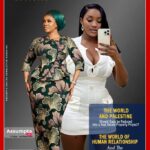
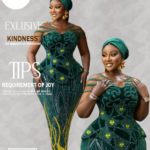

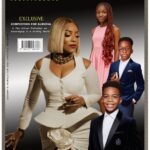

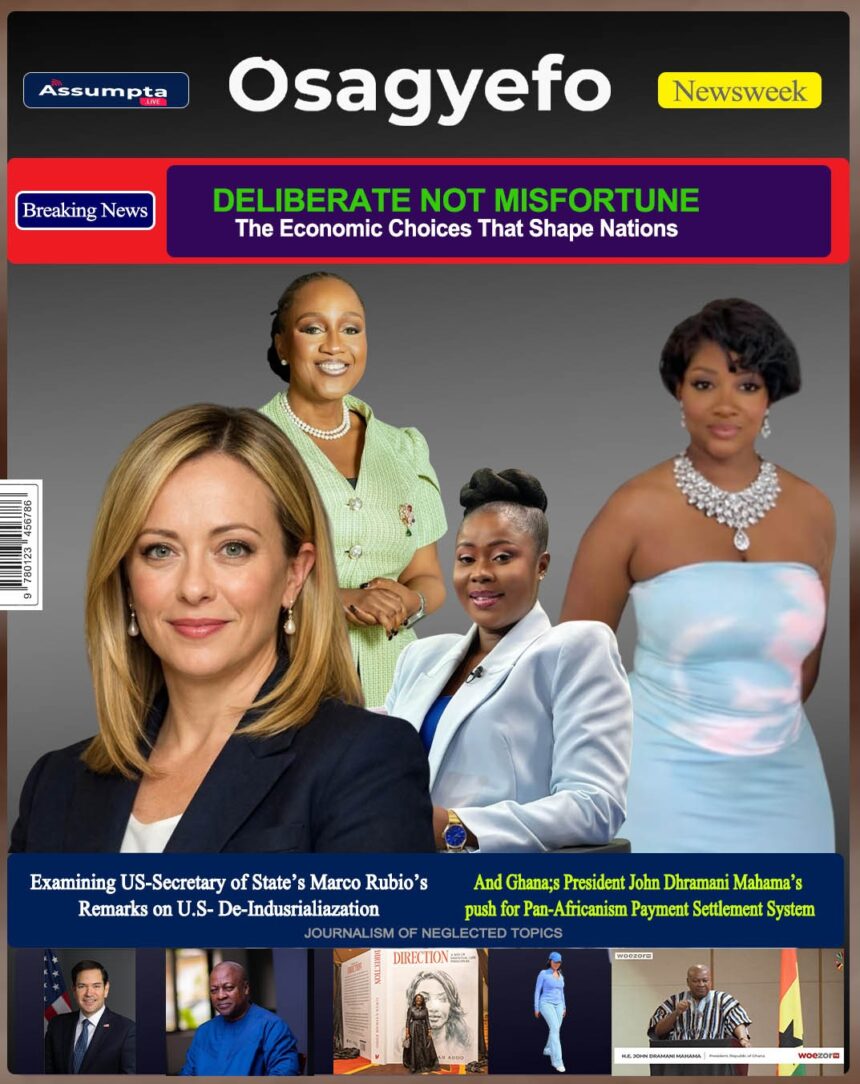
Osagyefo Newsletter Magazine
Presents: Breaking News
African Stream : The Assumpta- Newsletter Editorial.
Title : Deliberate, Not Misfortune: The Economic Choices That Shape Nations
Subtitle:Examining Marco Rubio’s Remarks on U.S. De-Industrialization and John Dramani Mahama’s Push for the Pan-African Payment and Settlement System.
HAIR SENTA ADVERTISEMENT


https://www.instagram.com/hairsenta?igsh=MXAzOThhNGZ0Nm15dQ==.
🌟 The “Wellness & Care” Campaign
Theme: Beauty that starts with how you feel.
- At Hair Senta, we believe true beauty is an anchor for your well-being. It’s not just about the hair you wear; it’s about the confidence and care you pour into yourself.
- The Message: Our premium extensions are meticulously sourced and treated with the philosophy that “Self-Care is Healthcare.” When you look your best, you vibrate higher.
- The Call to Action: Experience the luxury of wellness. From Accra to the world—discover the Hair Senta standard.
🌍 The “Ghana to the World” Pitch
Theme: Heritage, Quality, and Global Luxury.
| Feature | The Hair Senta Advantage |
|---|---|
| Origin | Proudly rooted at 24 Jungle Avenue, Accra, Ghana. |
| Quality | 100% Raw Human Hair Extensions, ethically sourced. |
| Reach | Seamless global shipping—bringing African excellence to your doorstep. |
| Community | Join over 405K followers who trust the Senta standard. |
✨ Social Media Tagline Ideas
“Hair Senta: Where luxury meets your well-being.”“Ghana’s finest extensions, curated for the global woman.””An anchor for your beauty. A sanctuary for your care.” “More than a look. A lifestyle of wellness and premium quality.”
📍 Visit the Gallery
If you are in Accra or shopping online, here is how to connect with the brand:
Location: 24 Jungle Avenue, Accra, Ghana.
Digital Gallery: Join the 400K+ community on Instagram @hairsenta.
Shop Online: www.hairsenta.com
US Secretary of State Marco Rubio delivered a blunt message during his speech at the Munich Security Conference, declaring that the United States is not interested in “managing the West’s decline.” His remarks underscored growing frustration in Washington over burden-sharing, defense commitments, and Europe’s strategic direction.
Rubio argued that the U.S. expects stronger leadership and resilience from its European allies, particularly amid global challenges ranging from security threats to economic competition. The speech signals a tougher tone in transatlantic relations and raises questions about the future of NATO cooperation and Western unity.
Watch the full breakdown of Rubio’s Munich address and what it could mean for U.S.–Europe relations moving forward.
🌍 The Architected Decline: Rubio’s Munich Bombshell
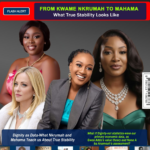
Speaking at the Munich Security Conference on February 14, 2026, U.S. Secretary of State Marco Rubio challenged five decades of economic orthodoxy. His core thesis was that the erosion of American industrial power was not an accidental byproduct of “market forces,” but a “conscious policy choice.” Rubio argued that a “dogmatic vision of unfettered trade” stripped Western nations of their productive capacity and independence. By framing de-industrialization as a choice, Rubio isn’t just lamenting the past; he is signaling a future where the state actively intervenes to reclaim its industrial soul. This is a direct challenge to the “controlled disintegration” model of the late 20th century, prioritizing national resilience over globalist efficiency.
Breaking the Financial Shackle: Mahama’s “Addis Reckoning“
Halfway across the world in Addis Ababa, President John Dramani Mahama echoed this sentiment of “sovereignty by design.” During the “Addis Reckoning” forum on February 15, 2026, he called for the urgent acceleration of the Pan-African Payment and Settlement System (PAPSS). Mahama’s argument is the financial equivalent of Rubio’s industrial plea. He noted that for decades, African nations have been forced to trade with one another through third-party currencies like the US dollar—a system that drains wealth through conversion fees and subjects local economies to external shocks.
“I should be able to ship my goods to Kenya and be paid in cedis,” Mahama declared, framing the current system as a “neo-colonial” structure that persists only because leaders haven’t yet chosen to dismantle it“
The Convergence: A Multi-Polar Reality
While their contexts differ, the underlying logic between the American Secretary of State and the Ghanaian President is identical: Economic structures are not laws of nature; they are tools of power.

- For Rubio, the tool is the factory floor.
- For Mahama, the tool is the payment rail.
President John Dramani Mahama discusses the urgent need for African countries to reduce their dependency on the US dollar, as highlighted in the meeting.
He explains the complexities of current financial systems that require transactions to go through the US, resulting in significant losses for African nations. President John Dramani Mahama introduces the Pan-African Payment and Settlement System (PAPS) as a solution that allows for direct transactions between African countries without the need for the US dollar, emphasizing the importance of financial independence for the continent.
Both leaders are identifying a historical “conspiracy of policy” that has favored centralized global hubs at the expense of national and regional autonomy. As of early 2026, we are witnessing a global shift where “efficiency” is no longer the highest goal—sovereignty is.
Conclusion: The Time for Action
The “Addis Reckoning” and the “Munich Reset” tell the same story: the era of passive globalization is ending. Whether it is through re-industrializing the American heartland or integrating African markets through PAPSS, the message is clear: nations that do not choose their own economic systems will have one chosen for them
🔑 Inside This Edition
THE CENTRAL QUESTION: If the current economic state of our nations was “deliberately” designed by past policy, how do we deliberately design a future of sovereignty?
THE DEEPER CHOICE:
We unpack the shift from Global Dependence to National Resilience—exploring how leadership in politics, media, and business is moving away from “controlled disintegration” toward a new era of self-determination.
Featuring Global Perspectives
The Political Front: Reclaiming the Foundation

- Giorgia Meloni (Italian Prime Minister): Standing as a symbol of the “sovereignty” movement in Europe, she reminds us: “Leadership today means rejecting barbarism and reimagining prosperity for humanity.” Her presence at the 2026 AU Summit signals a shift toward “Partnerships of Equals” rather than donor-recipient dependencies.
The Human & Business Front: Building the Pillars

- Gwen Addo (Entrepreneur & Author): Through The Hair Senta and HIBS-Africa, Gwen demonstrates that economic sovereignty begins with building local ecosystems. Her vision of wellness as a “right” rather than a luxury mirrors the shift toward self-reliant communities that no longer wait for external validation.

- Dzigbordi Kwaku-Dosoo (High-Performance Coach): A bridge between Wall Street finance and human-centered leadership. She highlights that in a tech-driven, fragmented world, the ultimate “human skill” is the ability to lead with the confidence and impact needed to sustain national growth.

- Frema Adunyame (Journalist & Media Leader): Representing the voice of the new generation, Frema’s leadership in media reminds us that: “Great leadership sparks not just hope, but a generational shift in vision and values.” Her role is critical in framing the narrative of this economic transition for the public.
What This Issue Unpacks
- The End of “Controlled Disintegration”: We analyze the 1977 CFR plan and why leaders like Rubio are finally calling it out.
- PAPSS as Financial Liberation: Why trading in Cedis for Kenyan goods isn’t just a convenience—it’s an act of decolonization.
- The Leadership Shift: Moving from “Management” to “Sovereignty.” How leaders like Meloni, Addo, and Kwaku-Dosoo are redefining what it means to hold power in 2026.
- Beyond Walls: A look at how wellness, media, and industry must converge to create a “resilient, self-reliant Africa that controls its own destiny.”
📅 SAVE THE DATE
Monday, February 23rd, 2026
Introduction: The Architecture of Autonomy
For over half a century, the global economic narrative has been framed as a series of inevitable shifts—market forces, globalization, and the “natural” rise and fall of nations. However, as we move through 2026, the veil is being lifted. From the halls of the Munich Security Conference to the chambers of the African Union in Addis Ababa, a singular, defiant truth is emerging: Economic outcomes are not accidents of history; they are the results of deliberate policy.
In this edition, we explore a profound convergence of voices challenging the status quo. We look at U.S. Secretary of State Marco Rubio’s recent admission that the de-industrialization of the West was a “conscious choice” rather than a byproduct of progress. We link this to President John Dramani Mahama’s passionate plea for the Pan-African Payment and Settlement System (PAPSS)—a move to finally break the “dollar shackle” and allow African nations to trade in their own currencies, on their own terms.
But sovereignty is more than just a policy on a paper; it is a mindset. To unpack this, we feature the visionary leadership of Gwen Addo, whose work in wellness and business strategy proves that health and beauty are the bedrock of a productive society. We are joined by Dzigbordi Kwaku-Dosoo, who transitioned from the heights of Wall Street to master the “human skills” essential for high-performance leadership, and Frema Adunyame, whose media influence is sparking the generational shift in vision required to sustain this new era.
Alongside the insights of Prime Minister Giorgia Meloni, who advocates for a global prosperity that rejects “barbarism,” this issue examines the “Controlled Disintegration” of the past and the “Deliberate Reintegration” of the future.
Welcome to a masterclass in economic sovereignty. This is not just a report on what is happening—it is a roadmap for what we must build.
This layout serves as the official dossier for our international readership, seamlessly integrating the analytical, ethical, and philosophical pillars of the dialogue. It bridges the geopolitical insights of Secretary Rubio and President Mahama with the human-centered peace philosophy of Daisaku Ikeda.
Deliberate, Not Misfortune: The Economic Choices That Shape Nations
Subtitle: Examining Marco Rubio’s Remarks on U.S. De-Industrialization, John Dramani Mahama’s Push for PAPSS, and the Moral Imperative of Human-Centered Economics.
Issue Date: Monday, February 23, 2026
🔑 Inside This Edition
- The Central Question: If the current economic state of our nations was “deliberately” designed by past policy, how do we deliberately design a future of sovereignty?
- The Deeper Choice: We unpack the shift from Global Dependence to National Resilience—exploring how leadership is moving away from “controlled disintegration” toward a new era of self-determination.
- The Philosophical Bridge: Integrating SGI President Daisaku Ikeda’s vision of “Human-Centered Economics” as the foundation for lasting peace and dignity.
Introduction: The Architecture of Autonomy
For over half a century, the global economic narrative has been framed as a series of inevitable shifts—market forces, globalization, and the “natural” rise and fall of nations. However, as we move through 2026, the veil is being lifted. From the halls of the Munich Security Conference to the chambers of the African Union in Addis Ababa, a singular, defiant truth is emerging: Economic outcomes are not accidents of history; they are the results of deliberate policy.
This edition explores a profound convergence of voices challenging the status quo. We look at U.S. Secretary of State Marco Rubio’s admission that Western de-industrialization was a “conscious choice” and link it to President John Dramani Mahama’s urgent plea for the Pan-African Payment and Settlement System (PAPSS)—a move to finally break the “dollar shackle.”
Crucially, we frame this through the lens of President Daisaku Ikeda’s annual peace proposals, which remind us that an economy exists to serve human dignity, not the other way around. If poverty and dependency were created by human choices, they can be undone by human courage and institutional redesign.
The Dialogue: Global Perspectives on Sovereignty

Frema Adunyame (Host): “Good morning, distinguished panelists. To our readers across Africa, Europe, the Americas, Asia, and beyond — we extend our warmest greetings. Recently, Secretary Marco Rubio stated that America’s de-industrialization ‘was not inevitable—it was a conscious policy choice.’ This analytical implication is significant: economic outcomes are strongly shaped by institutional design.
This context is relevant to President Mahama’s call for PAPSS. By enabling cross-border transactions in local African currencies, we are not just seeking efficiency; we are attempting to redesign financial infrastructure to reduce structural leakages of value. Nations that design and control their productive systems and financial settlement mechanisms increase their capacity to determine long-term development outcomes.”

Gwen Addo (Panelist): “Thank you, Frema. A serious discussion of economic sovereignty must begin with historical honesty. Africa’s structural poverty did not emerge naturally; it was shaped by extraction-based systems. Recognizing this history is an analytical necessity. Africa’s future depends on corrective institutional design—where health, beauty, and wellness are viewed not as luxuries, but as rights that a sovereign economy must protect.”

Giorgia Meloni (Panelist): “Leadership today means rejecting barbarism and reimagining prosperity for humanity. Africa’s economic condition cannot be understood outside its historical architecture. Today, however, African states exercise agency. Structural reforms like PAPSS aim to ensure value circulates within the continent, but we must ensure sovereignty leads to broad-based prosperity, not new hierarchies.”

Dzigbordi Kwaku-Dosoo (Panelist): “Nations do not inherit destiny; they construct it through institutional choices. The lesson from Rubio and Mahama is that structural outcomes follow policy design. For Africa, the task is deliberate construction: financial systems that retain value, industrial policies that build capacity, and governance that ensures inclusion.”
A Generational Shift

Frema Adunyame (Host): “Today’s dialogue reminds us that economic sovereignty is neither rhetorical nor ideological — it is institutional. As we look toward the 23rd of February and beyond, let us remember that great leadership sparks not just hope, but a generational shift in vision and values. To our readers worldwide: we invite you to continue engaging in this conversation about sovereignty, development, and shared prosperity.” Can Gwen share your thoughts on this with us?

Gwen Addo (Panelist): “Thank you, Frema. A serious discussion of economic sovereignty must begin with historical honesty. Africa’s structural poverty did not emerge naturally; it was shaped by extraction-based systems. Recognizing this history is an analytical necessity. Africa’s future depends on corrective institutional design—where health, beauty, and wellness are viewed not as luxuries, but as rights that a sovereign economy must protect.”

Frema Adunyame: Thank you for your perspective, Gwen. You’ve rightly pointed out that we cannot build a future without acknowledging the extraction-based architecture of the past. Before we proceed, would you share your specific insights on how local entrepreneurs can transition from this historical dependency to active value-creation?

Giorgia Meloni (Panelist): “Leadership today means rejecting barbarism and reimagining prosperity for humanity… Structural reforms such as PAPSS aim to ensure value circulates within the continent. But integration must not create new hierarchies within Africa itself.”
Frema Adunyame: Thank you for your insight, Prime Minister Meloni. Your warning about avoiding “new hierarchies” is a critical ethical safeguard for the AfCFTA framework. Before we move to our next segment, would you share your insights on how European-African partnerships can practically support this sovereignty without falling into the old patterns of paternalism?

Dzigbordi Kwaku-Dosoo (Panelist): “The lesson from Rubio and Mahama is that structural outcomes follow policy design. For Africa, the central task is deliberate institutional construction: financial systems that retain value, industrial policies that build productive capacity, and governance structures that ensure inclusion.”
Frema-Adunyame :Thank you for your perspective, Dzigbordi. You have shifted the focus from the “what” to the “how” of institutional construction. In our next section, we will bridge the technical and political dimensions of this discussion with the deeper philosophical foundations articulated by Daisaku Ikeda. By applying the Soka (Value-Creation) perspective, we move beyond economics alone toward what can be understood as a “Human Revolution” in trade and development.
The Ikeda Peace Perspective: A Philosophical Dialogue
Frema Adunyame (Host): “As we deepen this discussion, we must anchor our technical reforms in a moral foundation. The late SGI President Daisaku Ikeda argued in his peace proposals that ‘Human-Centered Economics’ is the only path to sustainable global stability. He famously stated that if poverty was created by human choices, it can be undone by human courage.
President Ikeda’s philosophy of Value-Creation (Soka) suggests that every economic transaction should enhance human dignity. When we link this to PAPSS, we see that trading in our own currencies is not just about exchange rates; it is a moral reclaiming of the power to define our own worth.”
Interacting with the Panelists
Frema Adunyame (To Gwen Addo): “Gwen, you spoke of economic sovereignty beginning with historical honesty. President Ikeda emphasized that the ‘spirit of collaboration’ must replace the ‘spirit of extraction.’ Thank you for your earlier perspective; before you continue, would you share your insights on how we can foster a creative, collaborative spirit among African entrepreneurs that prioritizes communal wellness over the ‘winner-takes-all’ globalist ethics of the past?“
Frema Adunyame (To Prime Minister Giorgia Meloni):
“Prime Minister Meloni, you mentioned that leadership means rejecting barbarism. President Ikeda’s global ethics call for a ‘Global Citizenship’ rooted in empathy. Thank you for your insight; before you share your final thoughts, how do you believe world leaders can adopt values that replace cold ‘market efficiency’ with ‘human dignity’ as the primary metric for international cooperation?“
Frema Adunyame (To Dzigbordi Kwaku-Dosoo):
“Dzigbordi, you highlighted that nations construct their destiny through institutional choices. Ikeda’s philosophy teaches that the ‘Human Revolution’ of a single individual can change the destiny of a nation. Thank you for your perspective; before you answer, would you share your insights on how we can adapt our educational and leadership values to ensure that as we build these new systems, we are prioritizing the inner dignity of the person over the mere accumulation of capital?“
🔑 The Unpacking: Global Ethics & Creative Choice
By integrating the Ikeda Peace Perspective, this issue unpacks:
- The Spirit of Collaboration: Moving from competitive extraction to “Value-Creation” trade.
- Global Ethics: How PAPSS serves as a tool for “Distributive Justice,” ensuring wealth stays where it is created.
- Human Dignity: Replacing the “Dollar Standard” with a “Human Standard” for measuring national success.
Here are the specific responses from the panelists, centering on the Soka (Value-Creation) philosophy and the “Human-Centered” approach to economic sovereignty.
Panelist Responses: The Value-Creation Dialogue

Gwen Addo: “Thank you for that profound question, Frema. In the spirit of President Ikeda’s philosophy, we must recognize that the ‘spirit of collaboration’ is the only antidote to the ‘spirit of extraction.’ For the African entrepreneur, this means moving away from a model where we compete to see who can export the most raw value for the least return.
True value-creation happens when we build ecosystems—what I call ‘Beyond Walls’ communities. When a beauty entrepreneur in Ghana uses PAPSS to source oils from a producer in Senegal, they aren’t just saving on dollar conversion; they are engaging in a creative, collaborative act that preserves the dignity of both producers. My insight is this: we must adopt a ‘Community-First’ Ethics. We replace the winner-takes-all model with a ‘Soka’ framework where the success of my business is measured by the wellness and economic elevation of my neighbor. We are not just traders; we are value-creators for our continent’s soul.”

Giorgia Meloni: “Thank you for the opportunity to expand on this, Frema. President Ikeda’s call for a ‘Global Citizenship’ rooted in empathy is precisely the bridge we need. To replace cold market efficiency with human dignity, we must stop viewing nations as mere ‘markets’ or ‘resource hubs.’
Leadership today must adopt the value of ‘Reciprocity over Paternalism.’ When we discuss the U.S. de-industrialization or Africa’s financial liberation, we are talking about the right of a people to be self-sufficient. For international cooperation to be ethical, it must respect the ‘Human Standard.’ This means that a policy—be it trade liberalization or a new payment rail—is only ‘efficient’ if it protects the family unit, the local worker, and the cultural identity of the nation. We adopt these values by making human dignity the non-negotiable baseline of every bilateral treaty we sign.”

Dzigbordi Kwaku-Dosoo: “Thank you, Frema. Your mention of the ‘Human Revolution’ strikes at the heart of leadership. As we build these new institutional designs, we must realize that a system is only as honest as the people who operate it.
To adapt our values, we must move toward ‘Dignity-Based Education.’ We have taught our leaders how to accumulate capital, but we have not taught them how to protect the inner dignity of the person. My insight is that the ‘human currency’ required for PAPSS and AfCFTA isn’t just technical expertise—it is Integrity and Courage. We adopt these values by rewarding ‘value-creating’ leadership rather than ‘value-extracting’ leadership. As we dismantle the old ‘controlled disintegration’ structures, we must simultaneously undergo an inner revolution to ensure we don’t just replace foreign masters with local ones, but truly build a system that serves the person.”
Frema Adunyame (Host): “The depth of these responses proves that we are moving beyond mere technical reform. We are talking about a fundamental shift in the global conscience—where the ‘Cedi-to-KSh’ transaction is an act of human dignity and the ‘factory-on-home-soil’ is an act of national peace.”
Frema continues: “Before we move to our final synthesis, I want to pose one more question to the panel regarding the ‘unseen’ forces of economic influence—the 1977 blueprints mentioned earlier. How do we ensure these new ‘Human-Centered’ choices remain resilient against the return of the ‘controlled disintegration’ mindset?”
This final layer of the dialogue transitions the conversation from the “what” and “how” into the “why”—the moral and psychological resilience required to sustain a long-term economic revolution.
The Resilience Dialogue: Sustaining Hope Amidst De-Industrialization
Frema Adunyame (Host): “As we look at the ‘unseen’ forces of economic influence—the 1977 blueprints and the shifting of industries to avoid taxes—we must address a profound question: How can we continue to care and remain hopeful while facing such systemic setbacks? The issue here is not merely ‘sustainability.’ De-industrialization suggests a failure to maintain domestic capacity as industries relocate abroad to evade regulatory responsibilities. This shift from economics into moral resilience is vital. If policies enabled these declines, then policies can also rebuild capacity. Hope, therefore, is not a naive mood—it is a strategic, disciplined act of reconstruction.”

Gwen Addo (Panelist): “Thank you for that, Frema. My perspective is that setbacks do not equal finality. When we see industries relocate for tax arbitrage, it feels like a defeat, but we must remember: Systems designed by humans can be redesigned by humans. In the spirit of ‘Value-Creation,’ my hope is grounded in the belief that collective will influences institutional reform. We continue to care because we realize that a setback is simply a misalignment between policy and national interest. We don’t just ‘hope’ for a better Africa; we deliberately build the local wellness and industrial capacity that makes it impossible for our value to be drained away again.”

Giorgia Meloni (Panelist): “I agree. Hope becomes rational only when there is agency. When we frame de-industrialization as ‘inevitable globalization,’ we invite cynicism. But when we frame it, as Secretary Rubio has, as a ‘policy choice,’ we regain our power.
Ethically, care is a choice. We choose to stay in the fight because we know that global coordination can reduce the ‘race-to-the-bottom’ dynamics. We adopt values that prioritize domestic capacity over shareholder-value maximization. This is the ‘Human-Centered’ approach President Ikeda championed—choosing to protect the dignity of the home-grown worker over the mobility of deregulated capital.”

Dzigbordi Kwaku-Dosoo (Panelist): “Thank you, Frema. This is where ‘Human Revolution’ meets ‘Institutional Design.’ Setbacks only create cynicism when people feel powerless. Hope survives when our leadership communicates transparently and our institutions adapt rather than deny failure.
We stay hopeful by being analytical. We identify the structural errors—like the lack of a unified payment system—and we fix them with tools like PAPSS. This isn’t blind optimism; it is the disciplined reconstruction of our destiny. We care because we know that our capacity to take care of ourselves was never lost; it was simply disincentivized. Now, we are changing the incentives.”
🔑 The Core Insight: Hope as Strategy
This segment of the newsletter unpacks three layers of resilience:
- Structural Reality: History shows reversals are possible (e.g., East Asian industrial policies).
- Ethical Dimension: Care is sustained by institutional reform and public accountability.
- Psychological Resilience: Analysis reduces fatalism. Understanding the cause of a setback is the first step to overcoming it.
Frema Adunyame (Closing Remarks):
”Our dialogue today has traveled from the cold admission of deliberate economic decline to the warm, resilient hope of human-centered reconstruction. We have seen that whether in the United States, Europe, or across the African continent, the era of ‘misfortune’ is over. The era of Deliberate Choice has begun.
To our international readers: The architecture of the future is in your hands. Sovereignty is not a gift; it is a construction.
To truly understand the weight of our title, we must move beyond viewing economics as a weather pattern and start viewing it as architecture.
When we say “Deliberate, Not Misfortune,” we are issuing a challenge to the “Fatalism of the Global South” and the “Apathy of the West.” This title serves as the intellectual cornerstone of our newsletter, and here is its deeper elaboration:
1. The Death of the “Inevitability” Myth
For decades, the prevailing narrative suggested that the economic struggles of nations—whether the hollowed-out manufacturing towns of America or the currency crises of African states—were simply the price of “progress” or “globalization.”
Our title rejects this. It asserts that there is no “invisible hand” moving factories across oceans or forcing African nations to settle trade in US dollars. These were blueprints.
- The Deliberate: Specific tax codes, trade agreements (like the 1977 CFR framework), and the refusal to build independent payment rails.
- The Misfortune (The Lie): The idea that these outcomes were “bad luck” or “unavoidable market shifts.”
2. The Reclamation of Agency
If a nation’s decline was a choice, then its restoration can also be a choice. This is the bridge between Secretary Rubio and President Mahama.
- By framing de-industrialization as a “policy choice,” we stop being victims of “globalization” and start being authors of “Re-industrialization.”
- By framing Africa’s financial fragmentation as a “technical shackle,” we stop being victims of “exchange rate volatility” and start being architects of the PAPSS.
3. The Ethical Weight of Design
The word “Shape” in our title is active. It implies that every policy choice carves a path into the lives of citizens.
- A choice to prioritize capital mobility over domestic capacity shapes a nation of consumers rather than producers.
- A choice to prioritize human-centered economics (as President Ikeda championed) shapes a nation of dignified, self-reliant citizens.
4. Why This Matters Now
In 2026, we are at the “Addis Reckoning” and the “Munich Reset.” The world is realizing that the “Controlled Disintegration” of the past 50 years has reached its limit. Our title serves as a reminder that Sovereignty is a Verb. Nations are not born into prosperity or poverty; they are designed into them. By choosing to rollout the PAPSS and rebuild domestic industries, leaders are finally choosing to design for Prosperity.
Frema Adunyame (Host):
“This title is our manifesto. It is a call to look at every deficit, every closed factory, and every currency hurdle not as a tragedy to be mourned, but as a design flaw to be corrected.
The panelists lean in for this final, crucial mandate. The shift from “Misfortune” to “Deliberate Choice” isn’t just a change in vocabulary; it is a total transfer of power back into the hands of the people and their leaders.
The Leadership Mandate: From Management to Architecture
Gwen Addo: “To the next generation, I say this: Stop being managers of decline and start being architects of value. If you accept the lie of ‘misfortune,’ you remain a beggar in the global economy. But if you see every systemic gap as a ‘deliberate choice,’ you realize you have the tools to change it. My mandate is for leaders to build ‘Beyond Walls’— creating local industries that are so resilient and so ethically grounded that they can no longer be ‘disintegrated’ by external whims. Choose to design for the wellness of your people, and the economics will follow.”

Giorgia Meloni:“My advice to global leaders is to reclaim the National Soul. The era of hiding behind ‘inevitable global trends’ is over. True leadership requires the courage to make the ‘Deliberate Choice’ to protect your domestic capacity. Do not fear the label of ‘sovereigntist.’ In a world of ‘controlled disintegration,’ being an architect of national stability is the highest form of global service. We adopt values that put the family and the worker at the center of the blueprint, ensuring that the ‘Human Standard’ is never again sacrificed for a ‘Globalist Incentive.'”

Dzigbordi Kwaku-Dosoo: “The mandate is simple: Master the ‘Human Currency.’ We have seen that systems are only as strong as the integrity of those who build them. If our nations were shaped by the ‘deliberate choices’ of a few in the past, they must be reshaped by the ‘deliberate human revolution’ of the many today. I advise the next generation to build institutions like PAPSS not just as technical tools, but as monuments to African agency. Hope is a disciplined reconstruction. Build your leadership on the foundation of ‘Value-Creation’ (Soka), and you will construct a destiny that no external force can dismantle.”
Final Synthesis: The Blueprint for 2026
Frema Adunyame (Host): “We have reached the end of a transformative dialogue. We have moved from the admission of a 50-year-old conspiracy to the birth of a new, sovereign reality. The evidence is clear: Economic outcomes are designed.
Whether it is the re-industrialization of the American heartland or the financial liberation of the African continent through PAPSS, we are witnessing the Great Decoupling from dependency. Inspired by the peace proposals of Daisaku Ikeda, we leave you with this truth: If humans designed the chains, humans can design the keys.
Thank you to our global panelists—Gwen Addo, Prime Minister Giorgia Meloni, and Dzigbordi Kwaku-Dosoo—for providing the intellectual and moral fire for this edition.”
📅 THE COUNTDOWN IS ON
Full Article Release: Monday, February 23rd, 2026.
The Dossier: “Deliberate, Not Misfortune: The Economic Choices That Shape Nations.”
To our international readers: The blueprint is now in your hands. How will you choose to shape your nation?
An introduction to the Soka Gakkai and Nichiren Buddhism. Where do the teachings originate from? What is the philosophy of Buddhism? How do Soka Gakkai members apply it in their daily lives?
The Soka Gakkai is a global community-based Buddhist organization that promotes peace, culture and education centered on respect for the dignity of life. Its members in 192 countries and territories study and put into practice the humanistic philosophy of Nichiren Buddhism.
Soka Gakkai members strive to actualize their inherent potential while contributing to their local communities and responding to the shared issues facing humankind. The conviction that individual happiness and the realization of peace are inextricably linked is central to the Soka Gakkai, as is a commitment to dialogue and nonviolence.
Subscribe to our channel: / sgivideosonline
Visit our website: https://www.sokaglobal…
Like us on Facebook: / sgi.info
Follow us on Instagram: / sgi.info
Follow us on Twitter: / sgi_info


https://www.instagram.com/babies_and_todds_day_care?igsh=MWs0ZHlsbjcxNXEyZg==
This refinement polishes the language to feel more professional and inviting while emphasizing the Windhoek location and the unique Global Citizen philosophy.
✨ Nurturing Global Citizens: Babies & Toddlers Daycare ✨
In a world that calls for greater empathy, Babies & Toddlers Daycare begins at the very start. We cultivate a vibrant community where diversity is celebrated, and dialogue is our most cherished tool for growth.
Our Core Pillars
- 🌱 Creativity: We unlock every child’s potential through the magic of arts, purposeful play, and a deep connection with nature.
- ❤️ Character: We center our teaching on the importance of kindness, empathy, and a profound respect for all life.
- 💪 Confidence: We focus on building the inner strength and resilience your child needs to face any challenge with a confident smile.
Why Choose Us?
We believe in a balanced foundation. Enroll your child in a preschool that values their happiness and well-being just as much as their academic milestones.
Our Home in Windhoek
Located in the heart of Windhoek, our facility is a safe, nurturing sanctuary designed for children to:
Grow with intention | Learn with joy | Share with heart | Create with freedom
Connect With Us
Ready to join our family? Let’s start the journey together.
📞 Call us: +264 81 673 7599
🌐 Visit: www.babiestodds.com
📍 Location: Windhoek, Namibia
Would you like me to create a “Day in the Life” social media post to show parents exactly what their children experience at your center?


https://www.instagram.com/_sankofanaturalspices?igsh=MXFnb3ppd3dydWN1eg==
Brand Highlights: Sankofa Natural Spices
Sankofa is leaning into the “Clean Label” movement, which is a major trend for health-conscious consumers.
- 100% Natural: No MSG, salt, or preservatives. This is a huge differentiator from mass-market bouillon cubes or seasoning powders.
- Authentic Origin: “Made in Ghana” with fresh local vegetables provides a strong “farm-to-table” narrative.
- High-Profile Leadership: Having a co-founder like Serwaa Amihere Esq. adds significant brand authority and trust.