





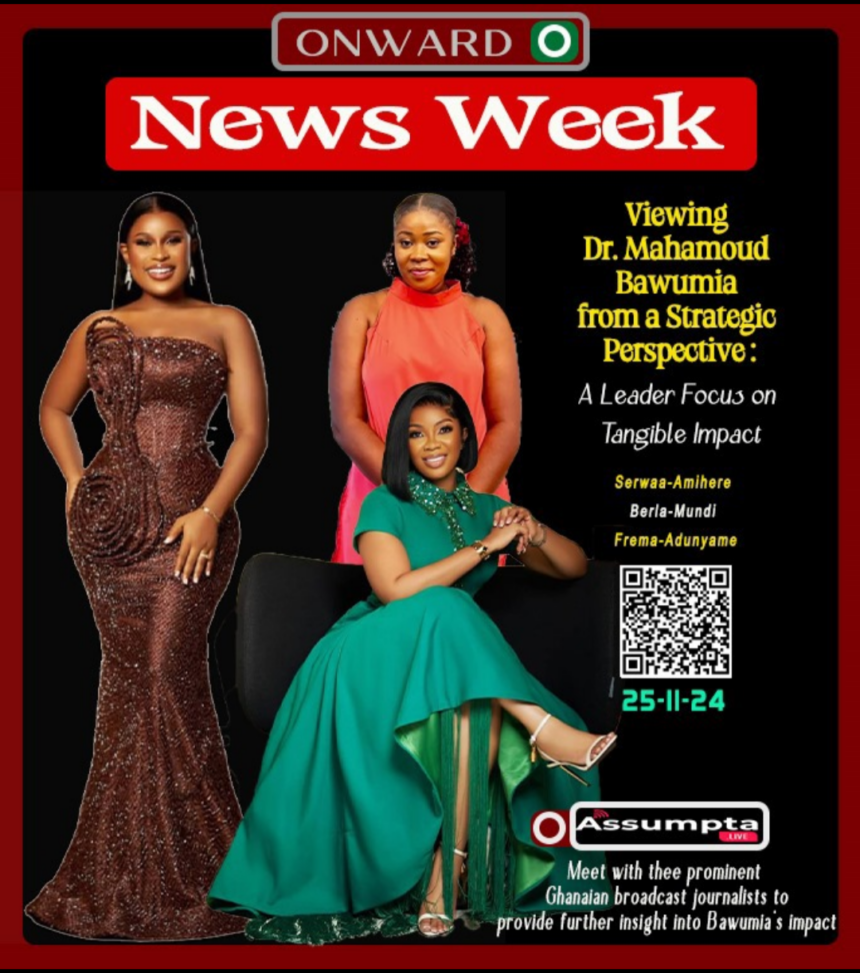
Assumpta Weekly News Magazine
Presents: Onward / News Week
Article Title: Viewing Dr Mahamoud Bawumia from a Strategic Perspective: A Leader Focus on Tangible Impact
Special Edition Release: Monday, 15th April 2024
Platform: assumptagh.live/
African Stream FLASH ALERT: UPDATE: 23rd November 2024 / PUBLISHED: 25th November 2024
Journalism of Neglected Topics:
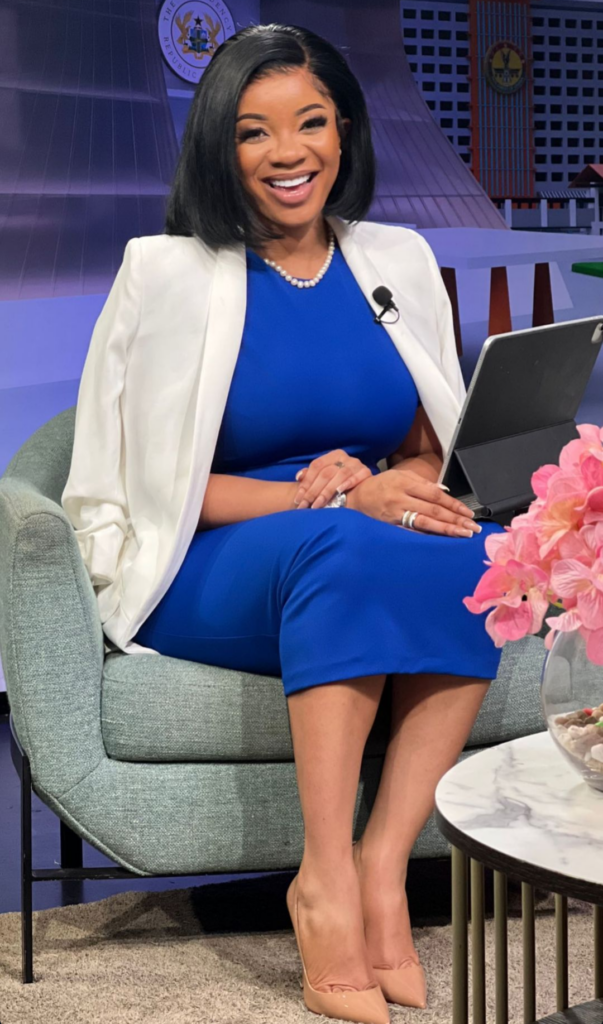
With prominent Ghanaian broadcast journalists—Serwaa Amihere, Berla Mundi, and Frema Adunyame—this special edition examines Dr. Mahamoud Bawumia’s impact and leadership. Their insights provide a strategic focus on key areas of development:



Prologue and Review
Leadership in the 21st century is defined by the ability to deliver results that are not only visionary but also tangible and transformative. Dr. Mahamoud Bawumia, Ghana’s Vice President, epitomises this ethos. From revitalising the nation’s economic foundations to integrating digital innovation into governance, his contributions have reshaped Ghana’s development trajectory, earning him a prominent place in Africa’s political and economic discourse.
In this special edition of Assumpta Weekly News Magazine, titled “Viewing Dr. Mahamoud Bawumia from a Strategic Perspective: A Leader Focus on Tangible Impact,” we delve into the essence of his leadership. Collaborating with Ghana’s top broadcast journalists—Serwaa Amihere, Berla Mundi, and Frema Adunyame—this feature provides a multifaceted review of Dr. Bawumia’s policies and initiatives. From economic stabilisation through digitization to fostering social equity and innovation, their insights offer a compelling narrative of progress.

https://www.instagram.com/hairsenta?igsh=MXAzOThhNGZ0Nm15dQ==
Christmas Deals at Hair Senta!
This holiday season, pamper yourself and your loved ones with exclusive Christmas offers at Hair Senta:
Up to 50% Off on selected services and products!
Free Gift with every booking this December!
Special Holiday Bundles designed to keep your hair merry and bright! Don’t miss out these deals are only here until Christmas Eve!
Visit Hair Senta today and make your hair shine this festive season! Because you deserve to sparkle!

As you turn the pages or tune in to our online platform on Monday, April 15, 2024, you’ll embark on a journey that reveals not only the outcomes of Dr Bawumia’s efforts but also the enduring impact of his strategic vision. This edition combines journalistic precision with analytical depth, providing a balanced critique of his successes and challenges.
Join us as we examine the legacy of a leader whose focus remains steadfastly on action, impact, and the brighter future of Ghana.
Introduction
Ladies and gentlemen, as we gather to explore Dr. Mahamoud Bawumia’s remarkable leadership and legacy, I must express my deep concern for Ghana’s future leadership as President Nana Akufo-Addo’s tenure draws to a close. It is critical that we, as a nation, come together to support the right candidate to lead us forward.
I am urging Ghanaians to unite and rally behind Dr Mahamoud Bawumia as the next president of Ghana. My endorsement of him is not based on his ethnicity as a Mamprusi—because where we come from is secondary to the qualities we possess. What truly matters is leadership, vision, and ability. Dr. Bawumia has demonstrated all these qualities in abundance.

From his tenure as Deputy Governor of the Bank of Ghana, where he excelled as a highly efficient economist, to his international contributions as an expert hired by the African Development Bank to aid Zimbabwe’s economic recovery, Dr Bawumia has consistently shown a deep understanding of governance and economic transformation.
I want to hear from our distinguished journalists today: Serwaa Amihere, Berla Mundi, and Frema Adunyame. Can you testify to his capacity, ability, and sense of duty? Let us engage in this critical conversation as we assess his readiness to become Ghana’s next leader.
Dialogue with three female Ghanaian Journalists
Tsasi : Good evening, ladies. Thank you for joining me today for this important discussion.
As I mentioned earlier, Dr. Mahamoud Bawumia embodies the qualities of leadership Ghana needs for the future. With his vast experience in both national and international economic affairs, he stands as a beacon of hope for our country. However, I would love to hear your insights.
let me start with you Serwaa. As someone deeply knowledgeable about economic policies, do you believe Dr Bawumia can lead Ghana effectively?

Serwaa Amihere: Thank you for the question, and I must say it’s an honour to discuss such a crucial topic. Based on his track record, I can confidently testify to his capacity and ability. His tenure as Deputy Governor of the Bank of Ghana was marked by innovative monetary policies that strengthened Ghana’s financial sector. Moreover, his leadership during the implementation of Mobile Money Interoperability has been transformative, improving financial inclusion for millions of Ghanaians.
Tsasi : Excellent points, Serwaa. Now, Berla, as someone who often focuses on youth and innovation, do you think Dr Bawumia’s leadership aligns with the aspirations of Ghana’s young population?

Berla Mundi: Absolutely. Dr Bawumia’s focus on digital innovation and entrepreneurship directly speaks to the needs of Ghanaian youth. From the digitization of public services to the promotion of STEM education, he has laid the groundwork for a tech-savvy and innovative future.
Furthermore, his support for entrepreneurial initiatives, such as the establishment of innovation hubs and grants for start-ups, empowers young people to create and lead businesses. His vision resonates deeply with the aspirations of the younger generation, who are eager for a leader who not only understands their needs but actively works to meet them.
Tsasi : Thank you, Berla. Frema, turning to you now, how do you see Dr. Bawumia’s sense of duty reflected in his contributions to social infrastructure and governance?
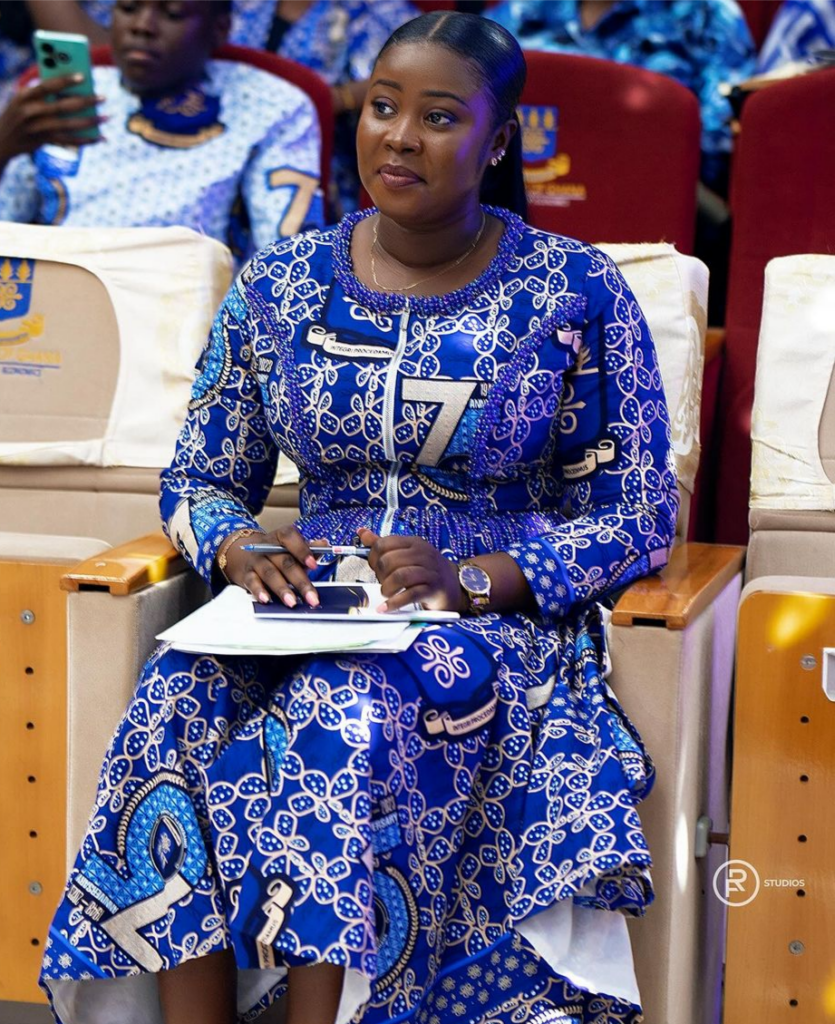
Frema Adunyame: Dr. Bawumia’s sense of duty is evident in his commitment to improving the lives of ordinary Ghanaians. His leadership on programs like Free SHS and “One Village, One Dam” demonstrates a focus on creating equitable opportunities for all. These policies have directly impacted marginalised communities, providing access to education, clean water, and agricultural resources.
Moreover, his integration of technology into governance, such as the digitization of the National Health Insurance Scheme, shows his dedication to building efficient systems that serve the people. Dr. Bawumia’s approach to governance is both visionary and grounded in a strong sense of responsibility.
Tsasi: This discussion reaffirms why Dr. Mahamoud Bawumia is a leader focused on tangible impact. His capacity, ability, and sense of duty are undeniable. As our article title aptly states, “Viewing Dr. Mahamoud Bawumia from a Strategic Perspective:
A Leader Focused on Tangible Impact,” he stands out as the candidate who can lead Ghana into a prosperous future.
Thank you, Serwaa, Berla, and Frema, for your invaluable insights. Let us continue this conversation, spreading the leadership that embodies mentorship, innovation, and progress.
1. Now Let’s Come to Economic Transformation;

Insight from Serwaa Amihere:
Renowned for my expertise in economic reporting, my analysis is that Dr Bawumia’s policies to stabilise Ghana’s economy include:
Stabilisation Policies: Tackling fiscal deficits and inflation.
Digital Economy: The implementation of Mobile Money Interoperability, creating a seamless financial ecosystem.
Financial Inclusion: The Ghana Card’s role in making banking and government services accessible to rural populations.
Trade and Investment: Policies like AfCFTA boosting Ghana’s position in the global market.
Recommendations for Structuring Insights: Compare economic indicators pre- and post-digitization. Include data on cost and time reductions for transactions. Highlight testimonials from beneficiaries (e.g., small business owners, rural communities).
Digital Innovation

Insight from Berla Mundi:
Focusing on youth and innovation, Berla my emphasis on the alignment of Dr Bawumia’s policies with the aspirations of Ghanaian entrepreneurs and young people are:
Youth Empowerment: STEM education programs fostering tech skills.
Entrepreneurial Growth: Innovation hubs and government grants driving start-up success.
E-Governance: Digital platforms like NHIS, online passport services, and digital driver’s licences streamline public services.
Insight from Frema Adunyame:

Frema Adunyame : To provides an in-depth analysis of Dr Bawumia’s tangible contributions to social development:
Agricultural Development: The “One Village, One Dam” initiative improves irrigation and food security.
Housing and Urban Development: Affordable housing projects and improved public transportation.
Social Equity: Programs like Free SHS and LEAP target marginalised communities.
In the fast-evolving landscape of African leadership, few figures stand out for their transformative vision and tangible achievements. Dr. Mahamoud Bawumia, Ghana’s Vice President, has emerged as a trailblazer, leveraging innovation and policy reforms to shape the nation’s economic, digital, and social framework. His leadership transcends rhetoric, focusing instead on practical solutions to real-world challenges.
I believe Dr. Mahamoud Bawumia embodies the qualities of leadership Ghana needs for the future. With his vast experience in both national and international economic affairs, he stands as a beacon of hope for our country. However, I would love to hear your insights.
Tsasi : Let me start with you, Serwaa Amihere. As someone deeply knowledgeable about economic policies, do you believe Dr Bawumia can lead Ghana effectively?
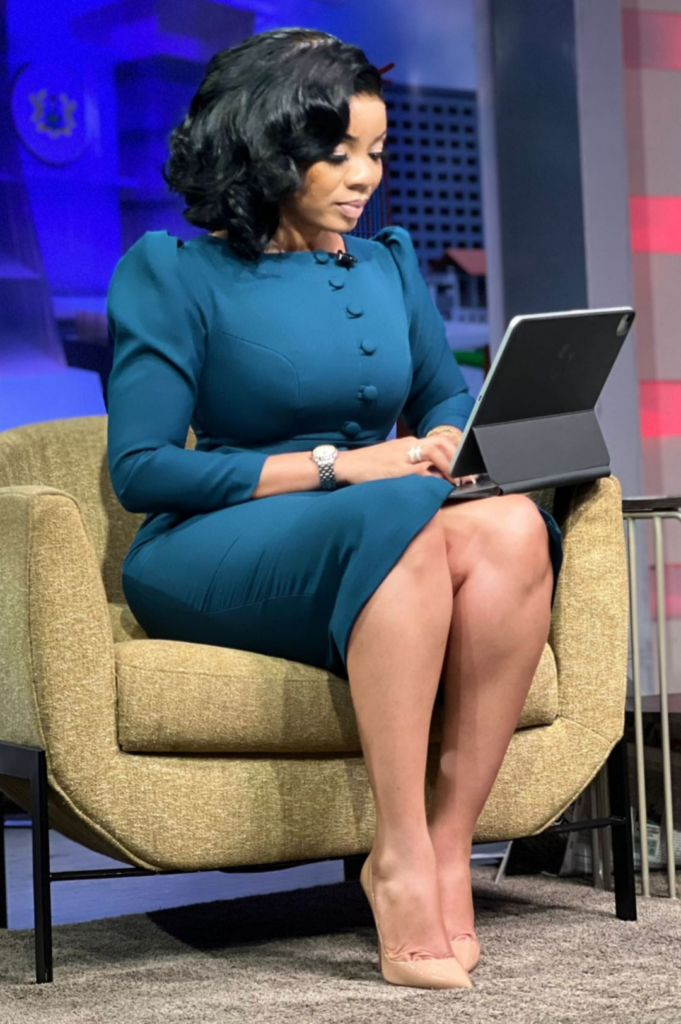
Serwaa Amihere: Thank you for the question, and I must say it’s an honour to discuss such a crucial topic. Based on his track record, I can confidently testify to his capacity and ability. His tenure as Deputy Governor of the Bank of Ghana was marked by innovative monetary policies that strengthened Ghana’s financial sector. Moreover, his leadership during the implementation of Mobile Money Interoperability has been transformative, improving financial inclusion for millions of Ghanaians.
His international experience is also worth noting. Being selected by the African Development Bank to assist Zimbabwe reflects the global recognition of his expertise. It’s rare to find a leader with both the technical knowledge and the practical experience to address economic challenges at this level.
Tsasi : Excellent points, Serwaa. Now, Berla, as someone who often focuses on youth and innovation, do you think Dr Bawumia’s leadership aligns with the aspirations of Ghana’s young population?
Berla Mundi: Absolutely. Dr Bawumia’s focus on digital innovation and entrepreneurship directly speaks to the needs of Ghanaian youth. From the digitization of public services to the promotion of STEM education, he has laid the groundwork for a tech-savvy and innovative future.
Furthermore, his support for entrepreneurial initiatives, such as the establishment of innovation hubs and grants for start-ups, empowers young people to create and lead businesses. His vision resonates deeply with the aspirations of the younger generation, who are eager for a leader who not only understands their needs but actively works to meet them.
Tsasi: Thank you, Berla. Frema, turning to you now, how do you see Dr. Bawumia’s sense of duty reflected in his contributions to social infrastructure and governance?

Frema Adunyame: Dr. Bawumia’s sense of duty is evident in his commitment to improving the lives of ordinary Ghanaians. His leadership on programs like Free SHS and “One Village, One Dam” demonstrates a focus on creating equitable opportunities for all. These policies have directly impacted marginalised communities, providing access to education, clean water, and agricultural resources. Moreover, his integration of technology into governance, such as the digitization of the National Health Insurance Scheme, shows his dedication to building efficient systems that serve the people. Dr. Bawumia’s approach to governance is both visionary and grounded in a strong sense of responsibility.
Tsasi: This discussion reaffirms why Dr. Mahamoud Bawumia is a leader focused on tangible impact. His capacity, ability, and sense of duty are undeniable. As our article title aptly states, “Viewing Dr. Mahamoud Bawumia from a Strategic Perspective: A Leader Focused on Tangible Impact,” he stands out as the candidate who can lead Ghana into a prosperous future.
In this special edition of Assumpta Weekly News Magazine, we dive deep into Dr Bawumia’s impact from a strategic perspective. Partnering with three of Ghana’s most prominent broadcast journalists—Serwaa Amihere, Berla Mundi, and Frema Adunyame—we explore the multidimensional scope of his initiatives. These seasoned professionals bring their unique expertise to unpack his contributions to economic stability, digital transformation, and social infrastructure, while also assessing his vision for Ghana’s future.
The Dialogue: Assumpta Weekly News Political Roundtable
Segment 1 Learning from Leadership and Legacy
Tsasi: It is said that those with a seeking spirit are cheerful and strong. Reflecting on my journey, I first travelled Africa for three and a half years, from Ghana to Wa in the Northern Region to Burkina Faso, through Mali, Senegal, from Senegal to Mauritania, from Mauritania with Air Mauritanian to Kenya then from Kenya to Namibia. Namibia, where the day and night—and even the seasons—are just the reverse of what they are here in Ghana.
In Namibia, I found leaders with a strong seeking spirit, deeply committed to learning from their past selfless leaders. They embraced what I call a “Mentor and Disciple” relationship, using this legacy to guide their policies and governance.
Now, my question to all three of you is this: In our political history, the NPP stands out as the only party to have upheld the selfless spirit and policies of their mentors. Meanwhile, the NDC has often been criticised for privatising Kwame Nkrumah’s state enterprises—investments made for all Ghanaians—seemingly for personal and party gain.

Cultural Chords
Kelly Rowland graces the cover of Shine Magazine.
She speaks directly to the heart, her voice a melody of resilience and empowerment. With her rare ability to rouse courage, inspire beauty, and awaken a deep sense of pride and dignity, Kelly is the embodiment of cultural harmony and strength.
Coming 28.11.2024 : An unforgettable collaboration celebrating the rhythm of identity and the brilliance of individuality. Stay tuned—this is more than a story. It’s a movement.
Today, it seems the most prominent ‘actor’ investing in Ghanaians is Dr. Mahamoud Bawumia. What are your thoughts on this comparison?
Welcome, everyone, to this landmark edition of the Assumpta Weekly News Magazine political roundtable. Today, we delve into the strategic leadership and transformative policies of Ghana’s Vice President, Dr Mahamoud Bawumia, focusing on their tangible impact and how they surpass the legacy of the NDC. Joining me are three of Ghana’s most celebrated broadcast journalists—Serwaa Amihere, Berla Mundi, and Frema Adunyame. Ladies, it’s a pleasure to have you here.
Serwaa Amihere: That’s an excellent observation. The NPP, since its inception, has consistently upheld a governance philosophy centred on legacy, learning, and long-term national development. Under Dr Bawumia’s leadership, this has evolved into a practical application of policies that resonate with Ghana’s founding ideals. For instance, the focus on financial inclusion and industrialization reflects Nkrumah’s vision of economic independence and empowerment for every Ghanaian.
In contrast, the NDC’s approach has often seemed short-sighted, prioritising privatisation without considering long-term consequences. Policies like the sale of state enterprises undermined the foundation Nkrumah laid. Bawumia, however, is rebuilding that foundation through initiatives such as the industrialization agenda under the “One District, One Factory” program, which aligns with Nkrumah’s original vision.

Berla Mundi: I completely agree with Serwaa. The “Mentor and Disciple” relationship you mentioned is evident in the NPP’s governance style, particularly under Dr. Bawumia. He embodies the lessons and spirit of those who came before him, like J.B. Danquah and Kofi Abrefa Busia. His policies are not just innovative but are deeply rooted in service to the nation.
Take, for example, the digitization drive. It isn’t just about modernising; it’s about creating systems that every Ghanaian can access and benefit from, just as Nkrumah envisioned. On the other hand, the NDC often neglected the mentorship principle, focusing instead on quick fixes and political expediency. This is why many of their policies, particularly in privatisation, fell short of serving the broader population.
Frema Adunyame: Adding to that, I think what sets Dr. Bawumia and the NPP apart is their commitment to continuity. They don’t just create policies; they build on the legacy of those before them. This continuity is what we see in programs like Free SHS, which echoes Nkrumah’s efforts to make education accessible to all. In contrast, the NDC has often dismantled or neglected long-term projects initiated by their predecessors.
Dr Bawumia’s governance reflects a strong alignment with Nkrumah’s vision for Ghana—policies designed to empower the average Ghanaian rather than enrich a select few. Whether through social programs, infrastructure development, or economic reforms, his approach carries forward the mentor-disciple ethos you mentioned.
Tsasi: It’s fascinating to hear this consensus. Dr Bawumia not only stands as a testament to the NPP’s respect for its mentors but also carries the torch of Nkrumah’s ideals in a modern, impactful way. As you’ve all highlighted, this is what distinguishes his leadership from the NDC’s often transactional approach. Thank you for your insights.
Thank you, ladies, for this enlightening discussion. As we wrap up, it’s clear that the “Mentor and Disciple” relationship, which reflects learning from selfless leadership and carrying forward a legacy, encapsulates the very essence of Dr. Mahamoud Bawumia’s policies and governance approach. He has not only embraced this principle but has elevated it to address the modern needs of Ghanaians.
The NPP, through leaders like Dr Bawumia, has stayed true to this philosophy, emphasising continuity, innovation, and tangible impact. Meanwhile, as we’ve discussed, the NDC’s trajectory has often lacked this rooted connection to Ghana’s foundational ideals, prioritising privatisation and short-term gains over long-term national benefits.
As we reflect on today’s dialogue, it’s clear why our article title stands as it does: “Viewing Dr. Mahamoud Bawumia from a Strategic Perspective: A Leader Focused on Tangible Impact.” This encapsulates not only his forward-thinking vision but also his commitment to honouring Ghana’s past through progressive policies that empower its future.
Frema Adunyame: Absolutely, and I think this discussion will help many Ghanaians appreciate the importance of continuity and selfless governance.
Berla Mundi: Yes, and the younger generation, especially, should draw inspiration from this dialogue to demand more from leaders and value those who truly invest in their future.
Serwaa Amihere: It’s been a pleasure to delve into such an important topic. Dr. Bawumia’s leadership is a shining example of what can be achieved when policies are driven by a vision rooted in legacy and innovation.
Tsasi: Thank you once again, Serwaa, Berla, and Frema, for your powerful insights. And to our audience, thank you for joining us. Stay tuned for more in-depth analysis and impactful discussions on this article title.
Dr. Mahamoud Bawumia has made significant strides in governance, transforming key sectors of the Ghanaian economy. His policies, driven by digitization, innovation, and social impact, have become benchmarks for leadership. Today, we’ll dissect his achievements in three main areas—economic transformation, digital innovation, and social infrastructure—comparing them with the NDC’s record to understand why his leadership stands apart.
Segment 1: Economic Transformation: Let’s begin with economic transformation. Serwaa, your expertise in economic reporting gives you a unique perspective. How would you describe Dr. Bawumia’s contributions in this area?
Serwaa Amihere: Thank you. Dr Bawumia has revolutionised Ghana’s economic structure through policies that stabilise and modernise the macroeconomic environment. Unlike the NDC, which often relied on external borrowing to manage deficits, his administration tackled fiscal challenges with systemic reforms. For instance:
The introduction of Mobile Money Interoperability created a seamless digital payment ecosystem, fostering financial inclusion.
The Ghana Card is another game-changer, connecting millions to banking and government services, particularly in underserved areas.
Trade policies like the African Continental Free Trade Agreement (AfCFTA) have positioned Ghana as a hub for regional commerce.
Host: How does this compare to the NDC’s economic policies?

Serwaa Amihere: The NDC’s approach lacked a cohesive strategy for long-term economic transformation. While they focused on infrastructure, their inability to integrate it with digital and financial systems left gaps. Dr. Bawumia’s policies, on the other hand, are data-driven, inclusive, and future-focused.
Segment 2: Digital Innovation
Host: Berla, let’s turn to you. Digital innovation has been one of Dr. Bawumia’s signature achievements. What stands out to you?
Berla Mundi: Dr. Bawumia’s emphasis on digital transformation has redefined governance in Ghana. His policies have empowered young entrepreneurs, reduced bureaucratic inefficiencies, and made government services more accessible. Key highlights include:
Digitization of the NHIS, which has streamlined healthcare access.
Online passport and driver’s licence systems that reduce delays and corruption.
STEM education initiatives that prepare Ghanaian youth for global competitiveness.
Host: How does this digital revolution compare to what the NDC accomplished?

Berla Mundi: The NDC’s digital efforts were minimal and fragmented. They didn’t harness technology as a strategic tool for governance or youth empowerment. Dr Bawumia’s policies, by contrast, integrate innovation across sectors, creating a cohesive system that benefits everyone.
Segment 3: Social Infrastructure
Host: Frema, social infrastructure is another area where Dr. Bawumia has made an impact. What’s your take?
Frema Adunyame: Dr. Bawumia’s leadership has transformed the social landscape, particularly in rural areas. Initiatives like: “One Village, One Dam,” which boosts irrigation and food security in agricultural communities.
Affordable housing projects that address urbanisation challenges.
Programs like Free SHS and LEAP, ensure equitable access to education and financial support for marginalised populations.
Host: And how does this compare to the NDC’s record?
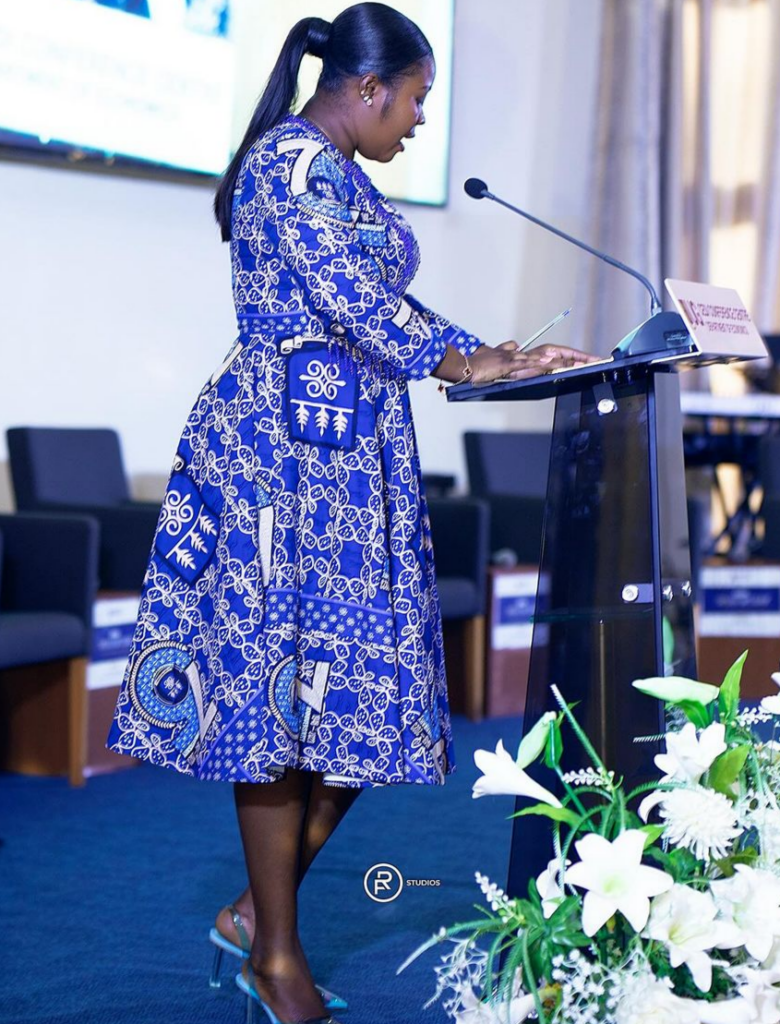
Frema Adunyame: The NDC had similar social programs but lacked the strategic execution and nationwide reach. For instance, while the NDC invested in education, they didn’t implement policies like Free SHS, which provides universal access. Dr. Bawumia’s approach ensures tangible outcomes for the most vulnerable.
Segment 4: Strategic Vision
Host: Finally, let’s talk about vision. How would you all summarise Dr Bawumia’s broader strategy for Ghana’s future?
Serwaa Amihere: He’s laying the foundation for a resilient, digitised economy that’s globally competitive.
Berla Mundi: His focus on youth and innovation ensures sustainability, creating opportunities for the next generation.
Frema Adunyame: By integrating economic, digital, and social policies, he’s creating a balanced development model that addresses both urban and rural needs.
In contrast, the NDC’s approach has often seemed short-sighted, prioritising privatisation without considering long-term consequences. Policies like the sale of state enterprises undermined the foundation Nkrumah laid. Bawumia, however, is rebuilding that foundation through initiatives such as the industrialization agenda under the “One District, One Factory” program, which aligns with Nkrumah’s original vision.
Berla Mundi: I completely agree with Serwaa. The “Mentor and Disciple” relationship you mentioned is evident in the NPP’s governance style, particularly under Dr. Bawumia. He embodies the lessons and spirit of those who came before him, like J.B. Danquah and Kofi Abrefa Busia. His policies are not just innovative but are deeply rooted in service to the nation.
Take, for example, the digitization drive. It isn’t just about modernising; it’s about creating systems that every Ghanaian can access and benefit from, just as Nkrumah envisioned. On the other hand, the NDC often neglected the mentorship principle, focusing instead on quick fixes and political expediency. This is why many of their policies, particularly in privatisation, fell short of serving the broader population.
Frema Adunyame: Adding to that, I think what sets Dr. Bawumia and the NPP apart is their commitment to continuity. They don’t just create policies; they build on the legacy of those before them. This continuity is what we see in programs like Free SHS, which echoes Nkrumah’s efforts to make education accessible to all. In contrast, the NDC has often dismantled or neglected long-term projects initiated by their predecessors.
Dr Bawumia’s governance reflects a strong alignment with Nkrumah’s vision for Ghana—policies designed to empower the average Ghanaian rather than enrich a select few. Whether through social programs, infrastructure development, or economic reforms, his approach carries forward the mentor-disciple ethos you mentioned.
Tsasi: It’s fascinating to hear this consensus. Dr Bawumia not only stands as a testament to the NPP’s respect for its mentors but also carries the torch of Nkrumah’s ideals in a modern, impactful way. As you’ve all highlighted, this is what distinguishes his leadership from the NDC’s often transactional approach. Thank you for your insights.
Thank you, ladies, for this enlightening discussion. As we wrap up, it’s clear that the “Mentor and Disciple” relationship, which reflects learning from selfless leadership and carrying forward a legacy, encapsulates the very essence of Dr. Mahamoud Bawumia’s policies and governance approach. He has not only embraced this principle but has elevated it to address the modern needs of Ghanaians.
The NPP, through leaders like Dr Bawumia, has stayed true to this philosophy, emphasising continuity, innovation, and tangible impact. Meanwhile, as we’ve discussed, the NDC’s trajectory has often lacked this rooted connection to Ghana’s foundational ideals, prioritising privatisation and short-term gains over long-term national benefits.
As we reflect on today’s dialogue, it’s clear why our article title stands as it does: “Viewing Dr. Mahamoud Bawumia from a Strategic Perspective: A Leader Focused on Tangible Impact.” This encapsulates not only his forward-thinking vision but also his commitment to honouring Ghana’s past through progressive policies that empower its future.

Frema Adunyame: Absolutely, and I think this discussion will serve as a crucial eye-opener for many Ghanaians to appreciate the importance of continuity and selfless governance.
Berla Mundi: Yes, and the younger generation, especially, should draw inspiration from this dialogue to demand more from leaders and value those who truly invest in their future.
Serwaa Amihere: It’s been a pleasure to delve into such an important topic. Dr. Bawumia’s leadership stands as a shining example of what can be achieved when policies are driven by a vision rooted in both legacy and innovation.
Tsasi: Thank you once again, Serwaa, Berla, and Frema, for your powerful insights. And to our audience, thank you for joining us. This has been a thought-provoking discussion. Dr. Bawumia’s leadership, as you’ve all highlighted, transcends traditional governance by delivering practical solutions that impact lives directly. From stabilising the economy to leading Ghana into the digital age, his policies have set a standard for what leadership in Africa can achieve.
SGI-Our