





Kim Jong Un, call for re-examination of African polygamy marriage as sin. Enumerating Western Homosexuality as Human Rights!

All civilizations have had their own customs and conventions about polygamy, that is having more than one wife, and these are generally passed from one generation to another.
Today marriage education is taught to teach women to become better wives and mothers, as a way of transforming their lives.
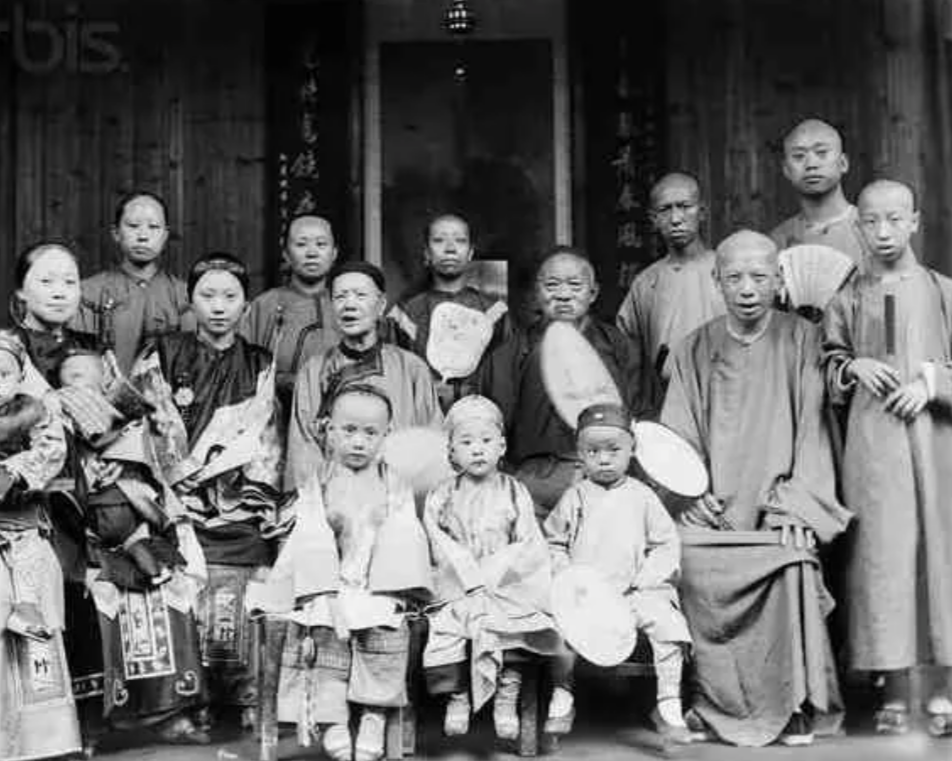
One parliamentary research Assumpta Publications made on “Life inside the Forbidden City”: how women were selected for service.
Most women in the Forbidden City were employed as maids and servants, but there was also a select group of concubines whose task was to bear children for the emperor as many as he could father.
Those who gave birth to male offspring were elevated to imperial consorts, with the empress at the top of the pecking order.
Today marriage is not concealed foolishly in the Emperor’s palace because man finds himself in an awkward and embarrassing situation of being an animal who is also a self-conscious spiritual being.
Assumpta: Family systems shape social institutions, yet they are rarely considered in histories of economic development. In this article, we show that a suite of social conventions such as age gaps at marriage, bride price, sequestration, and discrimination and violence against women are overrepresented in polygamous societies as compared to monogamous societies.
Tsasi: Certainly most civilizations do have conventions on those subjects and many times these conversations vary. The legality of polygamy varies widely around the world.
Polygamy is legal in 58 out of nearly 200 sovereign states, where some countries that permit polygamy have restrictions, such as requiring the first wife to give her consent.
In some countries where polygamy is illegal, the prohibition is not enforced. Some keywords are: Family law; marriage; social stratification; economic development; institutions.
Assumpta: It is our nature as human beings to form societies. No one can live totally alone. It is through association in society that we can provide not only our basic needs and security, but for everything that makes our lives fulfilling and rewarding.
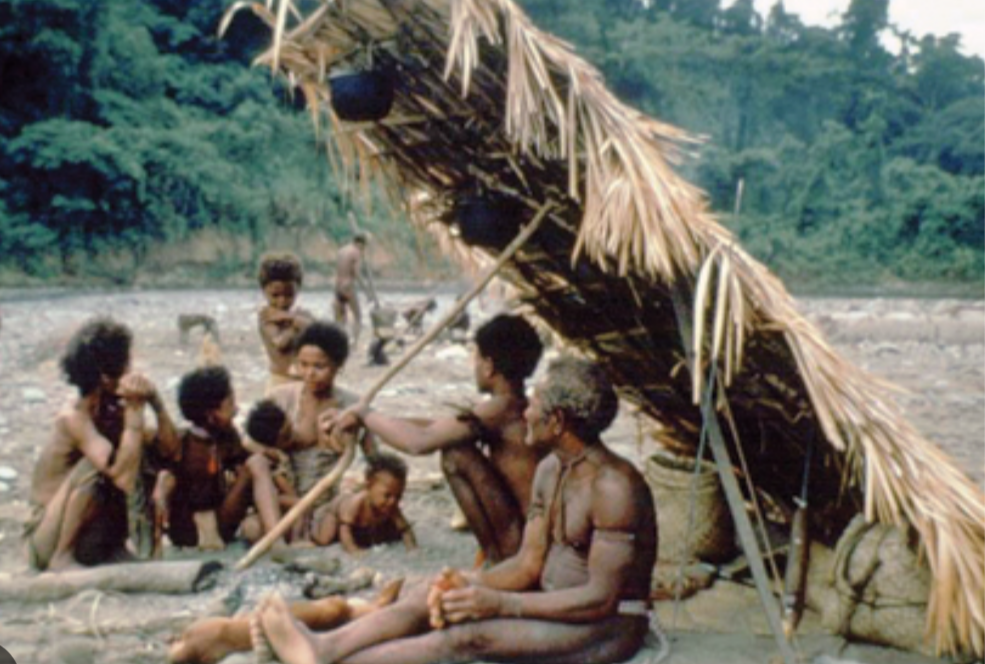

Tsasi: This realisation leads to the universalisation of sympathetic feelings which were initially toward all civilizations and their culture.
Our growing awareness of our indebtedness to our society gives rise to feelings of appreciation and a sense of social responsibility within us.
Generations before generations have passed, no living person today can recall the world before when polygamy was practised and took hold on society.
Assumpta: However, the reproductive instinct is intrinsic to all life, leading us to expect that the logic of having birth. Ancient history tells us little about polygamy in the Americas, China, Mongolia, Rome, Greece, Africa, Asia, Jews you name it. In that time, many of its indigenous societies were polygamous at the time of conquest and some remain so today.
How did the Romans handle the Jews and Polygamy?
A good summary of the Jewish history with the Romans on this subject is found in “Christian Marriage: An Historical and Doctrinal Study”:
“When the Christian Church came into being, polygamy was still practised by the Jews. It is true that we find no references to it in the New Testament; and from this some have inferred that it must have fallen into disuse, and that at the time of our Lord the Jewish people had become monogamous.
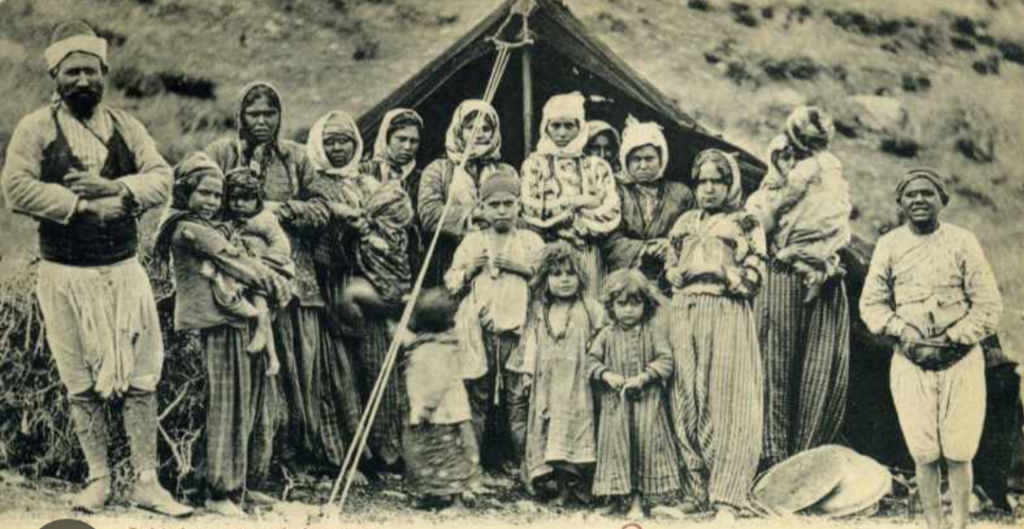
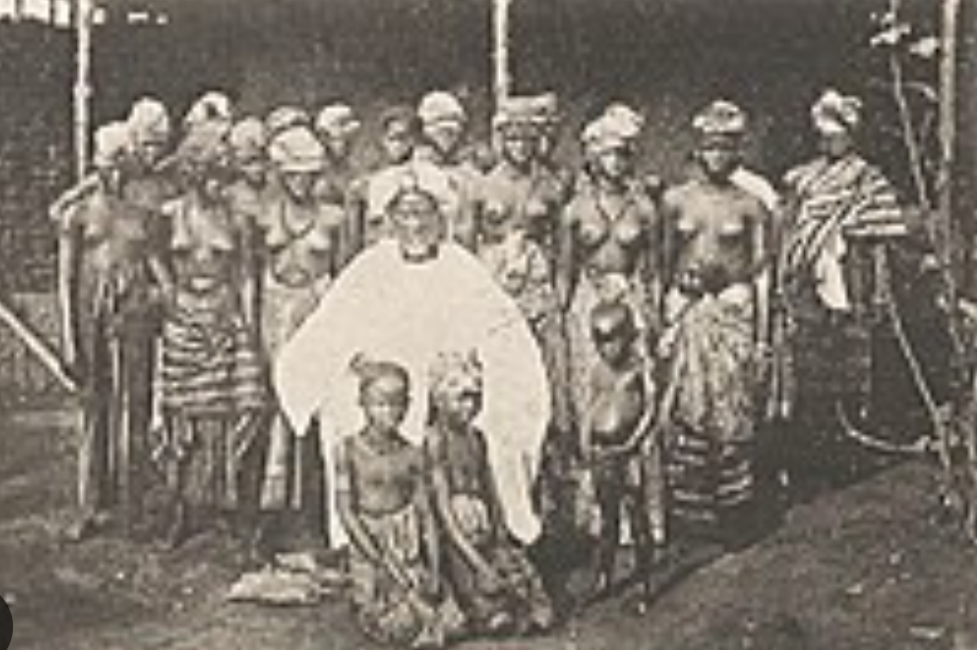
Sexual size dimorphism in Homo sapiens confirms the fact that we inherited polygamy from our Miocene ancestors among the great apes, all of whose extant descendants are polygamous. Whether polygamy was a constant or whether it waned and then waxed in the Holocene,we cannot know.
Tsasi: You are quite right. This question probably has always been difficult; it is certainly difficult today.
The strong point about human dignity is that we have found a better way of maintaining it than still being in the polygamy culture.
In a rapidly changing world where men were charged with the task of creating civilization from that of having more wives.
A true woman was also expected to assert her beliefs confidently to such an important responsibility, the ideal of true Womanhood to protect the new civilised society.
Womanhood was then imprinted upon young girls, who were trained to be obedient and exhibit great self-control.
Each was also taught to value her virginity “as the ‘pearl of great price’ which was her greatest asset”
She prepared herself for marriage by keeping herself chaste for her future husband and learning the skills necessary to manage a household and rear children.
Motherhood was valued as the most fulfilling and essential of all women’s duties, a view extending the eighteenth-century ideal of Motherhood, which charged women with the task of “shaping the values of their sons, who were likely to have a direct impact on the nation’s success.”
This view was communicated to young women through their families, churches, and schools, as well as “periodical and popular literature, medical texts, and etiquette manuals.”

Assumpta: The right criterion for dealing with the problem of polygamy is the maintenance of human dignity, and in this department of human affairs, dignity is a condition where you are able to exercise reason and be able to reduce the thought that women are nothing but just a satisfying idles for sexual appetites just to degrade their dignity.
Tsasi: The idea of dignity is fundamental to how we regard ourselves. It’s something that connects people from all kinds of cultures and beliefs, and which has ultimately led to the universalisal recognition that we need to protect and realise this dignity for each and every person.
It is hard to see how any society that did encourage homosexuality could remain human. A human device for maintaining anal intercourse for pleasure, which we do so to emulate animals.
Assumpta: Changing Karma into mission means; It is our mission to find meaning in everything.
Everything that happens in our lives has meaning. Moreover, the way of life of practitioners of Nichiren Buddhism is to find and discover meaning in all things.
Nothing is insignificant. Whatever a person’s karma may be, it definitely has profound meaning.
This is not just a matter of outlook. Changing the world starts by changing our fundamental state of mind. This is a key Buddhist principle.
A powerful determination to transform even negative karma into mission can dramatically transform the real world.
By changing our inner state of mind, we can change any suffering or hardship into a source of joy, regarding it as a means for forging and developing our lives. To turn even sorrow into a source of creativity that is the way of life of practitioners of Nichiren Buddhism.
From Lectures on “The Opening of the Eyes,”