



Presents: “ONWARD.” A Special Edition on Competition for Survival, Leadership, Truth, and the Future of Europe.
A much-anticipated release on Monday, September 1st, 2025.
FEATURE ARTICLE:
“ The Origin of Falsehoods of the Forced Mobilization of Arms” Italy’s Courageous Compass: Prioritizing People Over Armaments.
The Voice of a Continent Awakening
Investigative Focus:
“Journalism of Neglected Topics”
With:
Dzigbordi Kwaku-Dosoo — Global Keynote Speaker | CHPC™ Coach | Trusted by 1M+ Brands
Cookieteegh — TV Presenter & Host
HAIR SENTA ADVERTISEMENT:



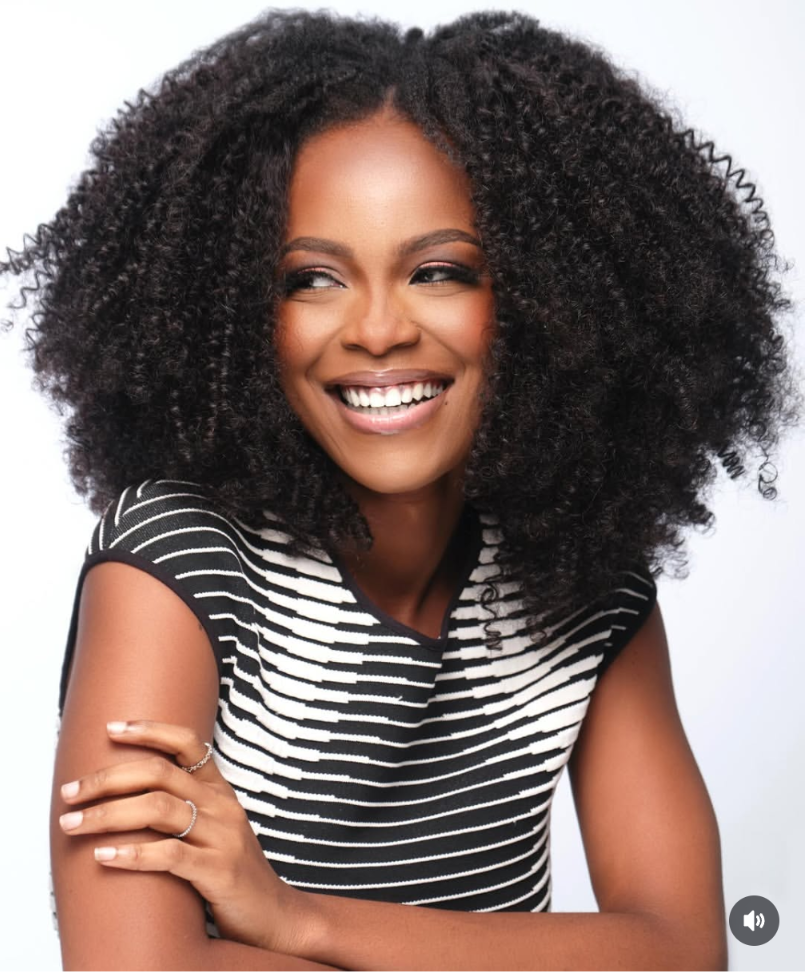


://www.instagram.com/hairsenta?igsh=MXAzOThhNGZ0Nm15dQ==
Absolutely! Here’s the suspenseful Hair Senta ad with emojis added for extra flair:
Something Unbelievable is Happening at 24 Jungle Avenue…
They say beauty is power.
But what if your hair could turn heads, stop time, and tell stories from Ghana to the world?
HAIR SENTA — the secret behind every unforgettable look. ✨
Straight from the heart of Ghana, our 100% luxury human hair extensions are shaking up the beauty game. Natural. Unmatched. Undeniable.
Are you ready to transform?
Or will you be the last to discover the magic?
Call now: 📞 (+233) 0544354455 / 0248629769
Visit: 🌐 www.hairsenta.com
Location: 📍 24 Jungle Avenue, Accra, Ghana 00233
Hair Senta. Real Hair. Real Power. 💁♀️🔥
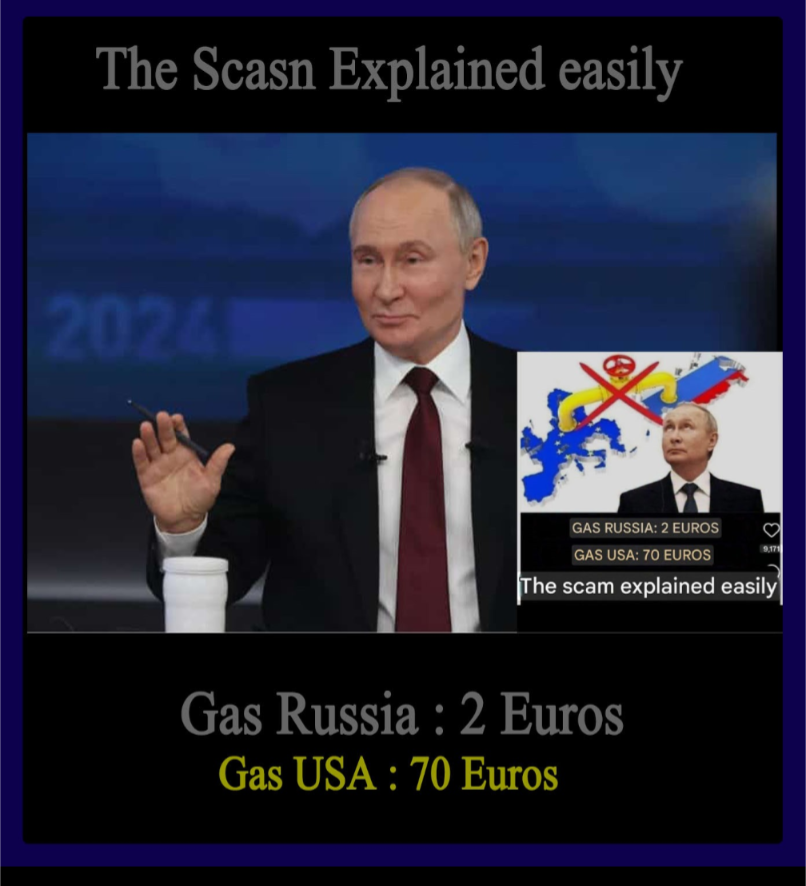
A Newsletter Dedicated to Giorgia Meloni :Truth & Courage in Leadership.
A voice of clarity in an age of deception. A leader who embodies truth, courage, and sovereignty. A newsletter that dares to ask the questions Brussels fears.
First Edition Feature: “Does Europe Need Courage or Falsehood?” The Origin of Falsehoods of the Forced Mobilization of Arms Inside this groundbreaking issue, we take you into an exclusive dialogue:
Host: Cookieteegh, Guest Speaker: Dzigbordi Kwaku-Dosoo Global Entrepreneur & Voice on Human Dignity Special Guest: Giorgia Meloni Prime Minister of Italy What to Expect: A searing exposé on Brussels’ obsession with arms over people. A powerful dialogue that we reveals the courage Europe has abandoned.
Dzigbordi Kwaku-Dosoo’s Message:
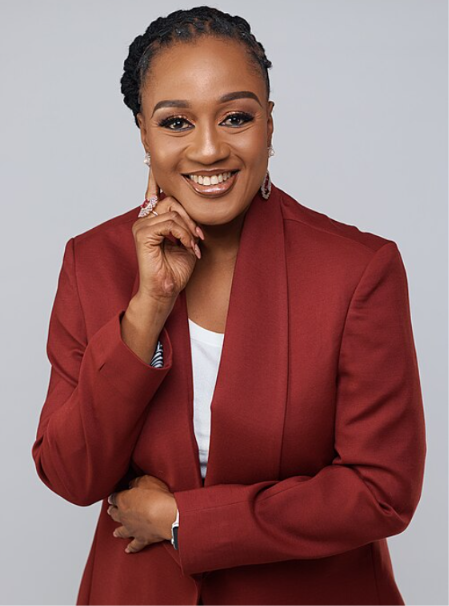
“True power begins in the soul, and nations rise or fall by the strength of their spiritual foundation.”in his writing On the Buddha’s Prophecy:
Courage, Not Falsehood
Nichiren Daishonin cites the Great Teacher Dengyō “Shakyamuni taught that the shallow is easy to embrace, but the profound is difficult. To discard the shallow and seek the profound is the way of a person of courage.”
(The Writings of Nichiren Daishonin, vol. 1, p. 402)
To embrace militarization is to embrace the shallow—an illusion of strength rooted in fear.
True courage lies in seeking the profound: the investment in people, in peace, and in justice.
Europe Does Not Need More Weapons. Europe Needs More Courage.
- The courage to resist fear.
- The courage to invest in people and peace.
- The courage to say: enough is enough. Stop the killings.
Analysis:
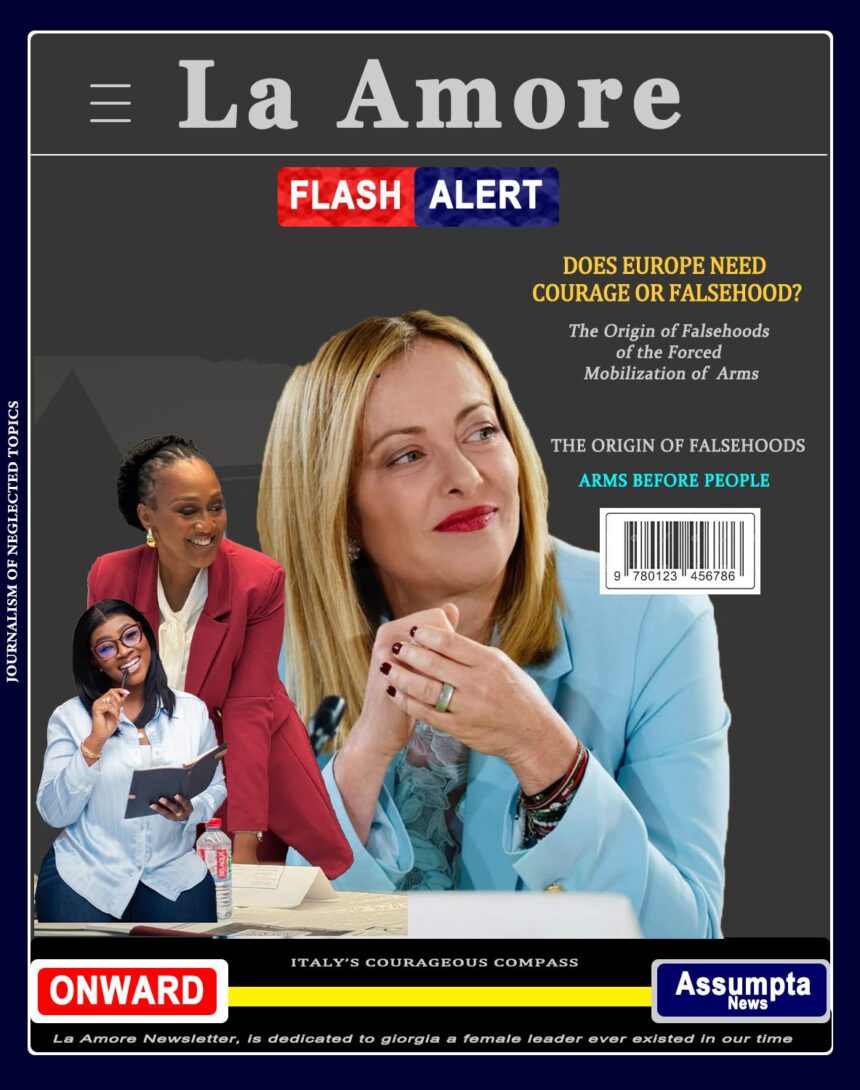
The provocative headline, “DOES EUROPE NEED COURAGE OR FALSEHOOD?”, challenges readers to examine the moral compass of European leadership. It frames current policies as a stark choice: moral bravery in defense of citizens’ welfare, or deceit in favor of militarization. Subtexts like “ARMS BEFORE PEOPLE” and “The Origin of Falsehoods of the Forced Mobilization of Arms” highlight governments prioritizing weapons over human needs, raising urgent questions about transparency and truth.

Drawing on Tsunesaburo Makiguchi’s idea of “Humanitarian Competition,” the headline invites a higher standard: leaders should compete not for power or dominance, but for the betterment of humanity. By dedicating the issue to Giorgia Meloni, the newsletter contrasts this ideal with real-world leadership, suggesting that Europe’s true courage lies in policies that prioritize people, ethics, and the common good over strategic deceit or militaristic ambition.
La Amore Flash Alert
Does Europe Need Courage or Falsehood?
Subtext: The Origin of Falsehoods in the Forced Mobilization of Arms — Arms Before People
For almost two decades, European leaders have repeated the same refrain: there is no money.
No money for pensions.
No money for social benefits.
No money for decent jobs or functioning infrastructure.
Citizens were told to tighten their belts, to endure cuts, and to accept that prosperity was a thing of the past.
Yet suddenly—hundreds of billions of euros have been found to finance tanks, bombs, and rockets.
And this, on a continent that already hosts three of the world’s ten largest military budgets, that includes two nuclear powers outside of Russia, and that knows all too well the ruinous consequences of arms races in the 20th century—the most murderous century in human history.
Now Europe is preparing to repeat the same mistakes. This rearmament will not make us safer.
What Militarization Really Means
- Less investment in people: more poverty, more hardship, more social fragmentation—the very conditions that fuel nationalism, xenophobia, and hate.
- Less investment in infrastructure and green technology: Europe is already trailing far behind China in critical sustainable industries, yet chooses weapons over innovation.
- More space for authoritarianism: Brussels bureaucracies and political opportunists will consolidate power—this time armed with shiny new weapons.
Palestine, Refugees, and the Global Cycle of Violence.
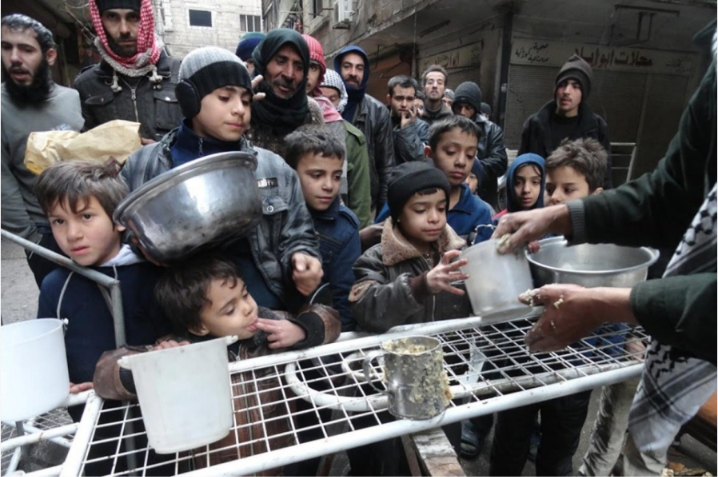
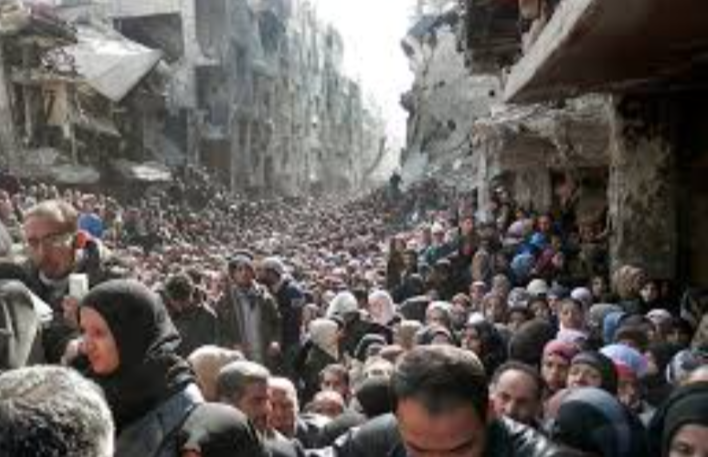
This rearmament is not abstract. It represents a massive transfer of public wealth into the pockets of corporations that are already profiting from Israel’s occupation and genocide against Palestinians: Thales, Airbus, Leonardo, Renk, Thyssenkrupp, Rheinmetall.
The same logic that justifies the oppression of Palestinians will justify new cycles of violence here at home.
The Nature of Competition
Competition for survival is universal to all living beings. In nature, the number of offspring produced always exceeds that of the parents, leading to natural selection and evolution—both inevitable by-products of competition. Human beings and their societies are no exception. While survival competition is a constant, its forms and units have shifted dramatically over the course of history.
Changes in the Unit of Competition
A survey of human history shows that the primary units of competition have evolved in the following sequence, shaped by changing natural and social environments:
- Individual vs. individual and family vs. family.
- Village vs. village (local communities).
- Tribe vs. tribe (ethnic groups).
- State vs. state (nations).
Today, we live in the age of competition between nation-states. Yet competition also persists within states—between corporations, schools, political parties, banks, and even religious sects. Modern life subjects each individual to multiple layers of struggle: even someone who succeeds in personal competition may still be vulnerable if the larger group or nation to which they belong cannot compete effectively.
This reveals an important truth: even wealth, power, or military strength cannot guarantee survival in today’s interconnected world. The richest billionaire or the mightiest army is not immune to global crises—climate change, pandemics, economic collapse, or social unrest. The only enduring path forward lies not in rivalry over arms, but in cultivating moral character and humanitarian values.
Toward Humanitarian Competition
Tsunesaburo Makiguchi called this next stage “Humanitarian Competition.” Rather than competing for domination or military superiority, nations would compete in advancing education, justice, human rights, and social welfare. In this model, the highest prestige would belong not to the nation with the largest stockpile of weapons, but to the one that contributes most to the peace, dignity, and well-being of humanity.
Europe at the Crossroads: Courage or Falsehood?
This vision of humanitarian competition speaks directly to the urgent question posed by our headline: “Does Europe Need Courage or Falsehood?”
Falsehood is embodied in the old path—rearmament, militarization, and NATO’s bloodstained legacy of force. Courage, on the other hand, lies in charting a new course: one where Europe competes not in weapons but in human development; not in military budgets, but in schools, innovation, and social care.
The emergence of strong moral leadership, exemplified by Italy’s new female prime minister, suggests that the seeds of this transformation are already visible. Europe stands at a threshold: it can either cling to the false security of arms, or it can embrace the true courage of humanitarian competition—a competition that elevates peace over conflict, and people over weapons.
When Power Turns to Theft
What happens when the most powerful countries in the world decide not just to freeze another nation’s wealth, not just to restrict access during negotiations, but to outright seize €300 billion of Russia’s state assets, corporate funds, and private capital?
Europe and America call this justice. They claim it is “compensation” for destruction, a restoration of fairness, a defense of democracy.
But let us look at the facts. In all of world history, there has never been such a precedent. Even Iran, after decades under the harshest sanctions, still retained the basic right to call its frozen money its own. Assets were blocked, access restricted—but never declared stolen.
Now this line has been crossed.
And it is not a trivial adversary. Russia is a country that controls many of the critical resources upon which the planet depends:
- Gas and oil
- Uranium and titanium
- Rare earth metals
- Fertilizers and grains
The list of Russian-controlled essentials is longer than the annual state budget of many nations now dreaming of easy money.
If Europe is not careful, these resources can be turned against us. Instead of engaging in an act of legalized robbery, we should seek genuine dialogue and cooperative solutions.
Europe’s Hidden Fear
Russia holds more than just resources. It holds leverage.
If Russia were to cut off food exports to those countries participating in the confiscation of its assets, the consequences would be immediate:
- Hunger riots would break out across vulnerable regions of the world.
- A new wave of mass migration would begin, with hundreds of thousands of refugees once again heading for Europe’s shores.
This is not an abstract risk—it is the logical chain of cause and effect.
Italy’s Potential Role
And here lies the paradox: Italy may be the only European country positioned to shift this coming misfortune.
The leadership of Prime Minister Giorgia Meloni holds a mysterious but genuine power: the ability to act as a balancing force. She could dissolve the reckless plans being shaped in Brussels—plans that risk harming not only Russia but also ordinary European citizens.

In a time when Europe seems to be drifting toward fear-driven decisions, Italy may emerge as the one nation capable of steering the continent back toward dialogue, diplomacy, and survival.
The Origin of Falsehoods of the Forced Mobilization of Arms
Italy’s Courageous Compass: Prioritizing People Over Armaments
When Europe justifies the confiscation of €300 billion in Russian assets as “justice,” it crosses into dangerous falsehoods. What is presented as compensation for war becomes instead a precedent for legalized theft.
Yet Italy, under Giorgia Meloni’s leadership, holds the potential to resist this drift—reminding Europe that true courage lies not in robbing resources or fueling an arms race, but in protecting people, securing dialogue, and preventing the spiral of hunger, migration, and conflict that such reckless policies will unleash.
Exclusive Dialogue: Cookieteegh the host. in discussion with Dzigbordi Kwaku-Dosoo the presenter and Giorgia Meloni the Italian prime minister.
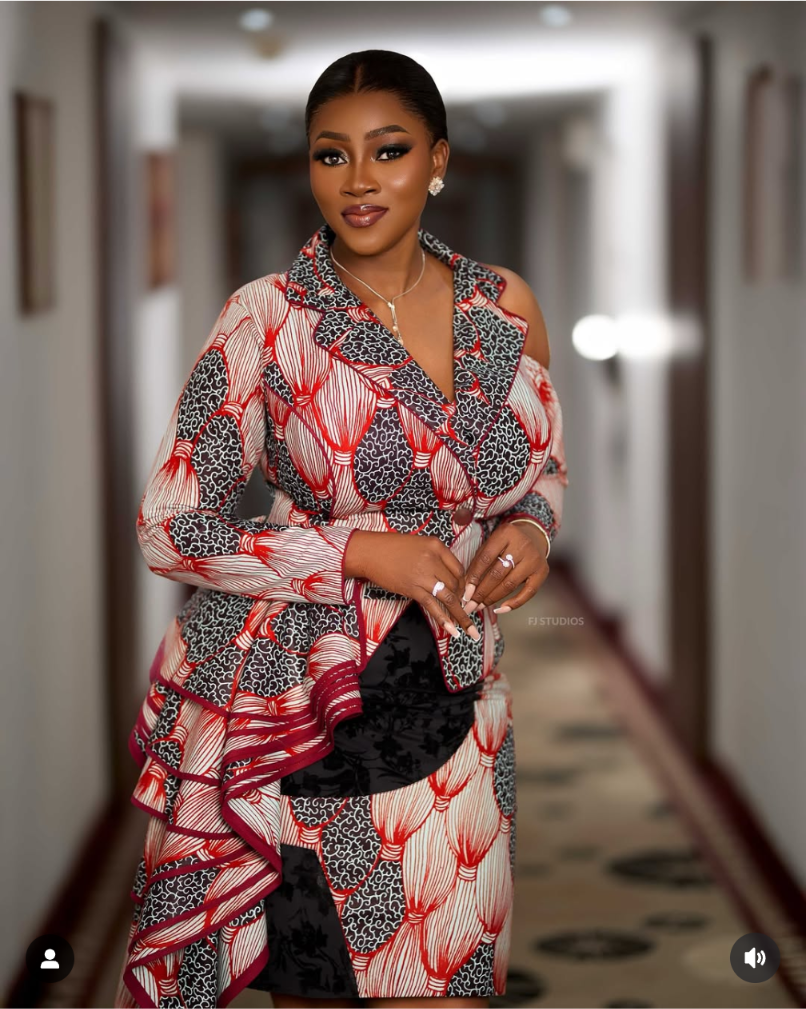
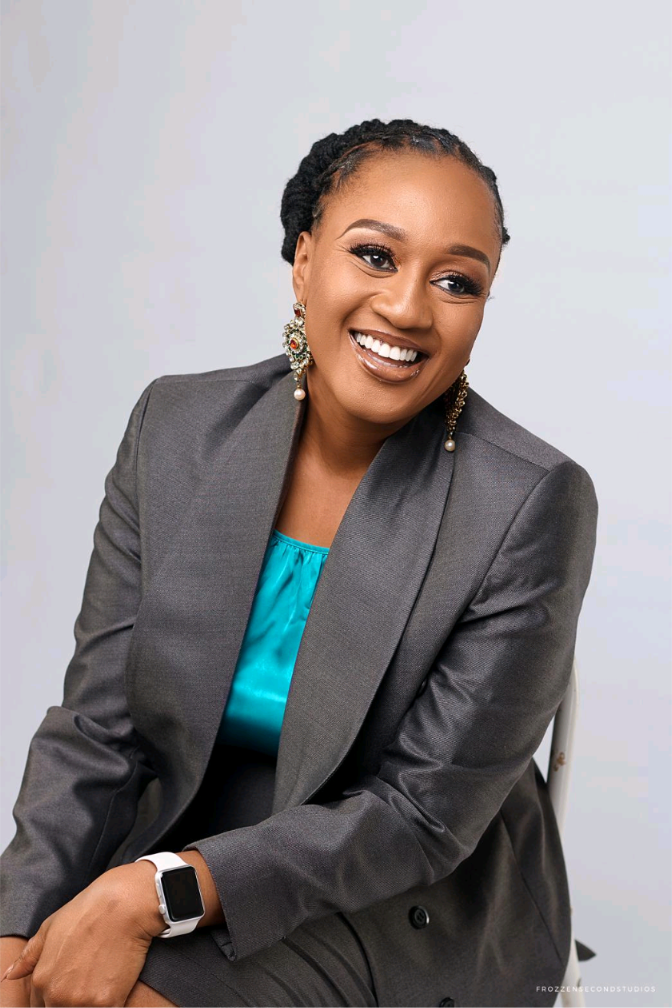
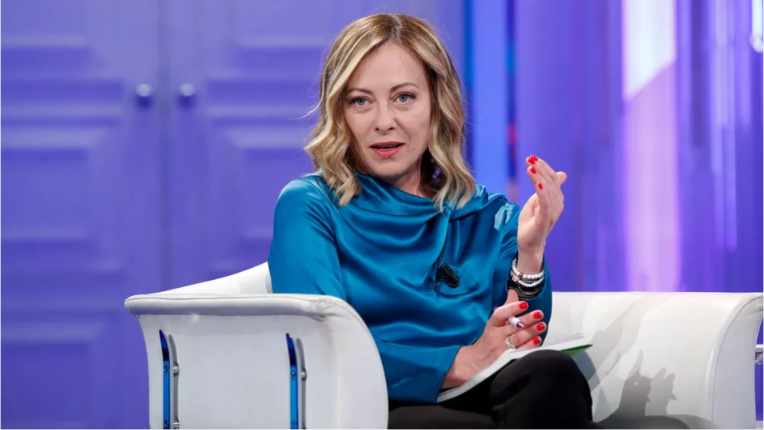
Cookieteegh: good evening, good people—wherever you’re joining us from. I’m Cookieteegh, your host, and tonight we bring you a conversation shaped for a global audience: clear, courageous, and unafraid of difficult questions. Before we begin, let me introduce our panel.
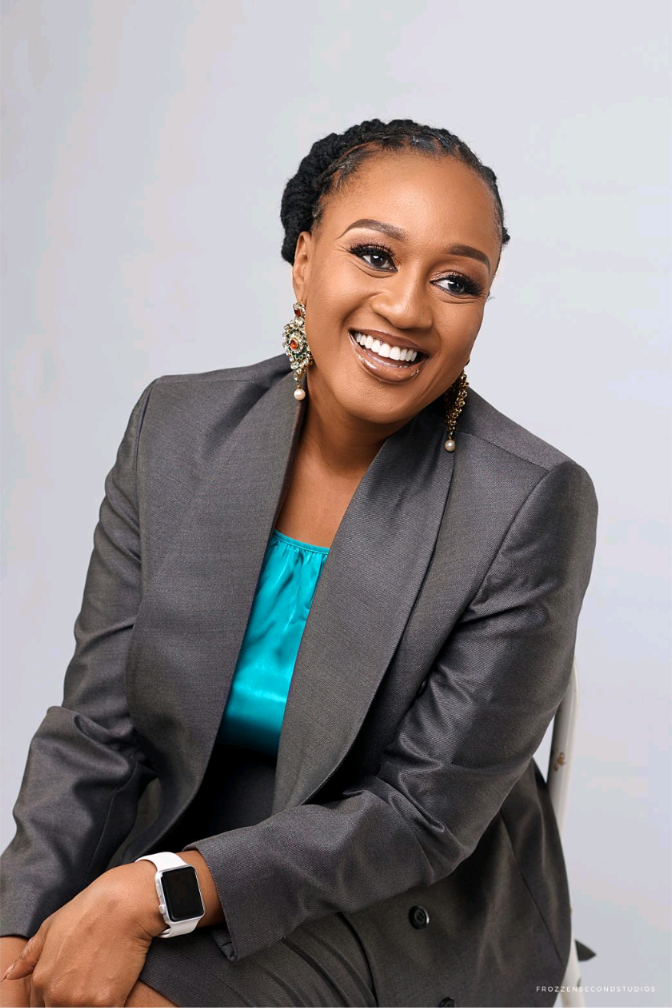
Dzigbordi Kwaku-Dosoo is a global keynote speaker and CHPC™ coach whose leadership work has reached well over a million people. She is known for translating inner mastery into public impact—helping leaders anchor decisions in values, not fear.
Our guest is the Prime Minister of Italy, Giorgia Meloni. Her leadership has placed Italy at the center of Europe’s debate on sovereignty, security, and the primacy of the human person in public policy. Welcome to you both—and welcome to our worldwide readers and viewers.
Cookieteegh: Prime Minister, Ms. Dzigbordi, here is our frame for the evening:
“L’Amore Newsletter Magazine presents: ONWARD.
A Special Edition on Competition for Survival, Leadership, Truth, and the Future of Europe. A much-anticipated release on Monday, September 1st, 2025.
FEATURE ARTICLE: The Origin of Falsehoods of the Forced Mobilization of Arms—
Italy’s Courageous Compass: Prioritizing People Over Armaments.
Now, The Voice of a Continent is awakening to an Investigative Focus: “Journalism of Neglected Topics.” We present Dzigbordi Kwaku-Dosoo—Global Keynote Speaker | CHPC™ Coach | Trusted by 1M+—and we dedicate this newsletter to you, Prime Minister Giorgia Meloni of Italy: to your truth and courage in leadership.
In this age of noise and deception, your office symbolizes clarity. You have been cast as a leader who embodies truth, courage, and sovereignty. And the L’Amore newsletter dares to ask the questions Brussels fears.
First Edition Feature: “Does Europe Need Courage or Falsehood?”
The Origin of Falsehoods of the Forced Mobilization of Arms. Inside this groundbreaking issue, our readers worldwide ask for an exclusive dialogue:
Prime Minister Giorgia Meloni—what should we expect?
A searing exposé on Brussels’ obsession with arms over people? A powerful dialogue that reveals the courage Europe has abandoned?
And Dzigbordi Kwaku-Dosoo—your message:
“True power begins in the soul, and nations rise or fall by the strength of their spiritual foundation.”
Drawing on On the Buddha’s Prophecy, Nichiren Daishonin cites the Great Teacher Dengyō:
“Shakyamuni taught that the shallow is easy to embrace, but the profound is difficult. To discard the shallow and seek the profound is the way of a person of courage.”
To embrace militarization is to embrace the shallow—an illusion of strength rooted in fear.
True courage lies in seeking the profound: investment in people, in peace, and in justice.
Europe does not need more weapons. Europe needs more courage.
- The courage to resist fear.
- The courage to invest in people and peace.
- The courage to say: enough is enough—stop the killings.
Prime Minister, Ms. Dzigbordi—take us through each point.
Giorgia Meloni: Thank you, Cookieteegh, and thank you to L’Amore for creating space for a difficult but necessary conversation. Courage is not the absence of threat; it is the refusal to let threat define who we become. So let me begin with the first point.
1) The courage to resist fear.
Fear compresses our politics into binaries—friend or enemy, now or never, arms or ruin. Responsible leadership must widen the frame. For Italy, that means three things:
• Strategic sobriety: verify facts, interrogate precedents, and question any action—financial or military—that could escalate beyond our control or legitimacy.
• Human-security lens: treat food, energy, and critical supply chains as national and European security—not as afterthoughts.
• Democratic discipline: when policies are justified “because fear says so,” that is precisely when parliaments and the press must ask harder questions.
Dzigbordi Kwaku-Dosoo: Fear is a manipulator; courage is a navigator. When nations act from fear, they over-spend on the visible threat and under-invest in the invisible roots—education, food systems, social trust, mental health, and dialogue. Dengyō’s wisdom is practical here: the shallow is easy. Weapons are easy to purchase; peace capacity is hard to build. It takes inner and institutional discipline to choose the profound.

Cookieteegh: Prime Minister, many readers ask how Europe should respond when asset seizures and rearmament are pitched as “justice” or “deterrence.”
Giorgia Meloni: Justice must be lawful, proportionate, and oriented to peace. Any financial action that redraws norms must pass the test of long-term European interest: will it reduce harm or simply redistribute it—triggering retaliation in energy, food, or critical minerals? Courage means resisting the politics of the quick fix.

Cookieteegh: Let’s move to the second pillar.
2) The courage to invest in people and peace. What does that look like on the ground?
Giorgia Meloni: It means measurable reallocations and timelines. For Italy—and I would argue for Europe—five concrete levers:
- Food Security & Fertility of Land:
Accelerate grain-corridor diplomacy; expand Mediterranean-Africa agro-partnerships; scale fertilizer access and regenerative farming. Hunger fuels instability; food calms borders. - Energy Pragmatism:
Diversify gas responsibly, fast-track grids and storage, and invest in clean baseload and renewables. Resilience reduces the leverage of any single supplier. - Skills & Dignified Work:
Apprenticeships, SME modernization, and fast reskilling across green and digital sectors—because jobs anchor families far more effectively than border walls do. - Peace Capacity:
Fund mediation, OSCE/Vatican/neutral-state channels, humanitarian corridors, prisoner exchanges, and post-conflict reconstruction plans ready to deploy the day guns fall silent. - Neighborhood Investment:
Co-finance infrastructure and education with North Africa and the Sahel; migration management works only when hope is stronger than the trafficker’s lie.
Dzigbordi Kwaku-Dosoo: Add a sixth lever—character education for leadership. Nations rise when leaders learn to metabolize pressure without projecting it. Peace is not passive; it is a trained capability. We must professionalize it the way we professionalize defense.
Cookieteegh: You’re both arguing that peace is a system, not a sentiment.
Dzigbordi Kwaku-Dosoo: Exactly. If we only budget for the crisis and not the conditions that prevent it, we keep buying the shallow.
Cookieteegh: The third pillar is the hardest to speak aloud.
3) The courage to say: enough is enough—stop the killings. Where does that courage begin?
Giorgia Meloni: With clarity about ends and means. Ends: protect life, sovereignty, and international law. Means: ceasefire pathways that are realistic, verifiable, and paired with security guarantees; humanitarian access that is immediate; and negotiation formats where all parties believe the off-ramp is safer than the battlefield. Italy can help convene, protect corridors, and fund the civilian spine of any agreement—energy, food, hospitals, and schools.
Dzigbordi Kwaku-Dosoo: And it begins within us. A leader who cannot say “enough” to their own anger will struggle to say “enough” to war. Courage is moral governance of the self, scaled to institutions.

Cookieteegh: Prime Minister, some argue that choosing dialogue signals weakness.
Giorgia Meloni: Dialogue without leverage is naïve. Leverage without dialogue is barbaric. Statesmanship is the art of holding both—firm security posture with a relentless pursuit of outcomes that save lives. “Enough is enough” is not surrender; it is a line we draw for the sake of our children.

Cookieteegh: Before we close, I want to return to the theme of this issue: The Origin of Falsehoods of the Forced Mobilization of Arms. What falsehood should Europe retire first?
Giorgia Meloni: The falsehood that speed equals strength. In matters that set precedents for law, finance, and war, strength is the patience to get it right.
Dzigbordi Kwaku-Dosoo: And the falsehood that fear is wisdom. Wisdom is courageous, and courage seeks the profound.
Cookieteegh: Final word—one sentence each.
Dzigbordi Kwaku-Dosoo: Choose the profound: invest in people, build peace as a capability, and lead from the soul outward.
Giorgia Meloni: Let Europe be brave enough to protect life first—and everything strategic will follow from that.
Cookieteegh: Thank you both for the depth you brought in the first part of this dialogue. Now let us turn to what I would call the sharp edge of this issue.
The headline of our Flash Alert is deliberately provocative: “Does Europe Need Courage or Falsehood?” It challenges readers to test the moral compass of European leadership. Are we willing to choose moral bravery in defense of our citizens’ welfare—or will we hide behind deceit in favor of militarization?
The subtexts cut to the heart of the matter: “Arms Before People” and “The Origin of Falsehoods of the Forced Mobilization of Arms.” They expose the stark contradiction: governments claim there is “no money” for pensions, jobs, or social benefits, yet billions appear overnight for tanks, bombs, and rockets.
Tsunesaburo Makiguchi once wrote of Humanitarian Competition—that the highest contest between nations should be for the betterment of humanity, not for weapons or domination. By dedicating this issue to you, Prime Minister Meloni, we are asking whether Italy can set this higher standard for Europe: to compete in courage, in ethics, and in the common good.
So let me put the question to the panel:
Is Europe preparing to repeat the errors of the 20th century—the most murderous century in human history—by choosing arms over people, militarization over welfare? Dzigbordi, let me hear from you first.
Dzigbordi Kwaku-Dosoo: Thank you, Cookieteegh. The provocation in the headline is necessary, because what we are really confronting is a crisis of values.
When leaders say “there is no money” for people but suddenly find billions for weapons, they are not making a financial statement—they are making a moral statement. They are declaring what, and who, matters most.
Makiguchi’s concept of Humanitarian Competition gives us a compass. True leadership competes in lifting human dignity, in expanding education, in reducing suffering. But militarization reverses that compass:
- It creates poverty where there could be prosperity.
- It fuels division where there could be social trust.
- It strengthens authoritarian reflexes instead of democratic accountability.
Europe’s obsession with arms will not make Europe safer. It will make us poorer in vision, weaker in cohesion, and more vulnerable to the cycles of hate that history has already warned us about.
Prime Minister, your leadership is being watched worldwide. The question is not just whether Italy will resist Brussels’ call to arms, but whether Italy can model a different kind of courage—the courage to redirect resources back to people.
Giorgia Meloni: Thank you, Dzigbordi, and thank you, Cookieteegh, for framing this so sharply.
Europe does indeed face the temptation of repeating its past mistakes. The rearmament we are witnessing is being sold as protection—but in reality, it risks producing the very insecurity it claims to prevent.
I want to be clear: national defense is legitimate. But defense must never become an ideology. What Brussels is now promoting is not sober protection; it is a fever of militarization.
And as you have said, Dzigbordi, the contradiction is glaring. For years, citizens were told there was no money for hospitals, for schools, for pensions, for innovation. Now, suddenly, budgets are opened—but only for weapons. This is the deepest falsehood. If we continue down this road, we will see:
- Poverty deepening as welfare is cut to fund rearmament.
- Innovation stagnating while our competitors in Asia and America invest in green technologies.
- Democracy hollowing out, as fear justifies more centralization and less accountability.
And let us not ignore the global dimension. Arms spending is already entangled with the oppression of the Palestinian people. Every euro we channel into militarization strengthens corporations profiting from occupation and conflict. That is not Europe’s destiny—it is Europe’s shame.
So what should Europe choose? Courage—not falsehood. And courage today means three things:
- To resist the easy lie that weapons will buy peace.
- To redirect wealth toward people, peace, and dignity.
- To insist that Europe lead not in war-making, but in the humanitarian competition that Makiguchi envisioned.
If Italy has a role in this, it is to stand as a reminder: sovereignty is not the freedom to deceive; it is the duty to protect the life of the people.
Cookieteegh: Let us now turn to the final chapter of our dialogue, one that has shaken not only Europe but the world.
When Power Turns to Theft
What happens when the most powerful countries in the world decide not just to freeze another nation’s wealth, not just to restrict access during negotiations, but to outright seize €300 billion of Russia’s state assets, corporate funds, and private capital?
Europe and America call this justice. They claim it is “compensation,” a restoration of fairness, a defense of democracy.
But as history reminds us, there has never been such a precedent. Even Iran, under the harshest sanctions, retained the basic right to call its frozen assets its own. Assets have been blocked, yes. Access restricted, yes. But never stolen. Until now.
Prime Minister, Dzigbordi—what does this mean for Europe’s future?
Dzigbordi Kwaku-Dosoo: It means that Europe is crossing from law into expediency. To seize assets is not simply a financial act—it is a moral declaration. It says: might decides right.
But when you play this game with a nation that holds the keys to gas, oil, uranium, titanium, rare earth metals, fertilizers, and grain—you are not only provoking an adversary, you are destabilizing the very systems that sustain humanity.
Here is the danger: hunger riots, mass migration, and a spiral of instability. A continent already overwhelmed by crises risks igniting new fires in its own backyard. That is what happens when power turns to theft.
Giorgia Meloni: Precisely. And this is where courage—not falsehood—must guide us.
Confiscating Russia’s assets may look like strength. But in reality, it weakens Europe, because it undermines the very principles on which our financial and political systems are built. If property is no longer secure under international law, then no one’s assets are safe. Trust collapses, and with it the foundations of commerce, diplomacy, and peace.
Italy must resist this reckless drift. Our task is not to follow Brussels into legalized robbery but to remind Europe that dialogue is the only sustainable path. The real courage lies in protecting our citizens, investing in peace, and ensuring that our continent does not ignite a chain reaction of hunger, migration, and conflict.
Cookieteegh: Prime Minister, Dzigbordi—thank you.
Tonight’s dialogue has shown us that Europe stands at a crossroads. One path is falsehood: a shallow militarization built on fear, deceit, and theft. The other is courage: investment in people, commitment to peace, and leadership grounded in truth.
And so we close where we began—with our feature article:
The Origin of Falsehoods of the Forced Mobilization of Arms
Italy’s Courageous Compass: Prioritizing People Over Armaments.
In these turbulent times, the world watches not only what Europe chooses, but who within Europe dares to choose differently.
Courage, not falsehood, must be Europe’s compass.

Cookieteegh: On behalf of L’Amore Newsletter Magazine—ONWARD, thank you, Prime Minister Giorgia Meloni, and thank you, Dzigbordi Kwaku-Dosoo. To our readers on every continent: may courage—not fear—guide your next decision.
SGI-Our Shared Humanity.


https://www.instagram.com/babies_and_todds_day_care?igsh=MWs0ZHlsbjcxNXEyZg==


https://www.instagram.com/attoandoh?igsh=MTJqNjZzYmZyaTc3Mg==
✨ Atto Andoh Couture ✨
Power. Elegance. Timeless Confidence.
Joselyn Dumas embodies the essence of refined strength in this deep emerald green tailored suit from Atto Andoh’s Menswear Couture House. Designed with precision, the structured blazer cinches perfectly at the waist, flowing seamlessly into wide-leg trousers that command presence with every step.
This is not just clothing—it’s a statement. Bold yet graceful, sharp yet feminine, Atto Andoh designs for the modern trailblazer who dares to lead with confidence and style.
📍 By Appointment Only
Adinkra Heights, Cantonments, Accra – Ghana.
Atto Andoh. Where Menswear Meets Power Dressing.
https://www.instagram.com/serwaaamihere?igsh=N216N3hzeTE3eHho
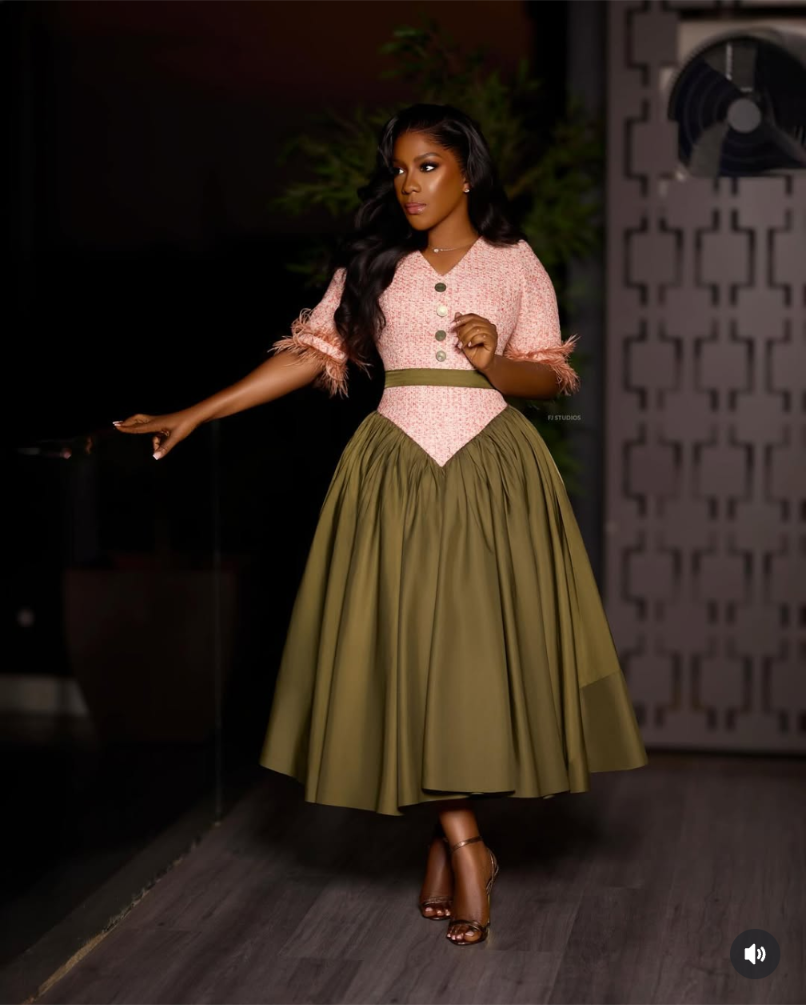
https://www.instagram.com/laurenhautecouture?igsh=MWxzNXN1Ym5nZ3o3Mg==
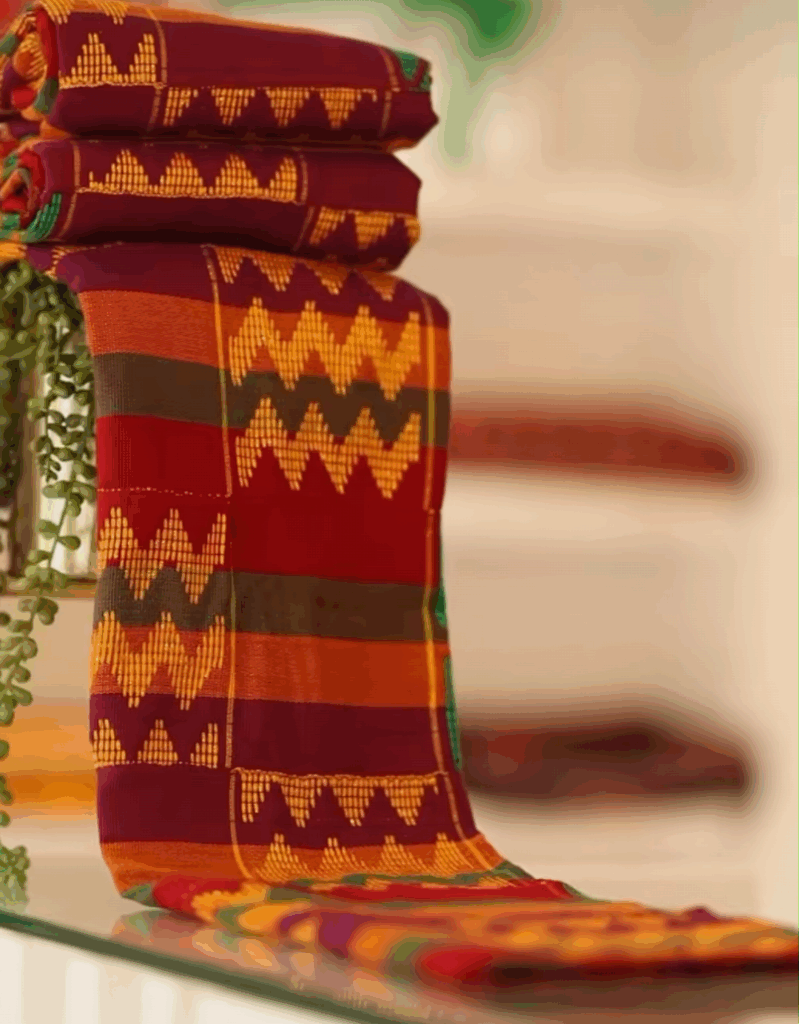

https://www.instagram.com/goba_kente?igsh=d2Vwd2E2M2VtcTZq


https://www.instagram.com/shebybena?igsh=ODI1ZnBqdTB5dDY5


https://www.instagram.com/oh_my_hairr?igsh=MThqbDNneDZzcTF3cw==


https://www.instagram.com/ricedeliveryph?igsh=a2w0N3FzcmxzY2R0


https://www.instagram.com/valerieagyeman?igsh=dHh1NTE0YnNqODY0
https://www.instagram.com/flourishheights?igsh=cTExenQ3bnptZGgx


https://www.instagram.com/delish_bakerygh?igsh=MW5ic2c0NnR5cHBwZQ==