







PRESENTS A CRUCIAL FEATURE IN THE COMPASS
PUBLISHED VIA ASSUMPTA WEEKLY NEWSLETTER
📰 FEATURE ARTICLE: “Grow for Ourselves Before We Grow for Others”
Why Ghana Must Reclaim Its Farmlands from Foreign Market Dependency
📰 Journalism of Neglected Topics
✍️ Editorial Subtitle Ideas
- A reflection on how market dependency is destroying Ghana’s farmlands.
- Why government support, not export demand, should drive our agricultural future.
- Reclaiming the dignity of farming by feeding our own first.
📅 Special Edition Release: Monday, November 10th, 2025
📍 Read exclusively at: assumptagh.live
HAIR SENTA ADVERTISEMENT


https://www.instagram.com/hairsenta?igsh=MXAzOThhNGZ0Nm15dQ==
✨ Transform Your Look at Hair Senta ✨
At Hair Senta, we believe that beauty begins with confidence — and confidence begins with hair that speaks volumes. We’ve helped countless women look and feel their absolute best with our premium 100% Human Hair Extensions, proudly sourced from Ghana to the world.
Whether you’re after volume, length, or a bold new look, Hair Senta is your ultimate destination for hair transformation.
📍 Visit us at: 24 Jungle Avenue, Accra, Ghana
📞 Call us: (+233) 0544354455 / 0248629769
🌐 Shop online: www.hairsenta.com
📸 Follow us: Join directionbygwen and 87 others on our journey to beauty and elegance.
Hair Senta — A Place to Change Yourself.

A Special Edition on Market Dependency
“We must grow for ourselves before we grow for others.”
A sovereign agricultural vision — one that values food security, health, and independence over export profits. It’s a call to reclaim African farming from global market dependency.
Summary: Reclaiming the Soil
This issue’s feature, “Grow for Ourselves Before We Grow for Others,” urgently calls on Ghana to sever its dependency on foreign agricultural markets. We argue that true food security requires the government to prioritize supporting farmers w weho cultivate crops for Ghanaian citizens first — making national nourishment and self-reliance the primary goal.
Our In Conversation section provides vital global and local perspectives on this challenge. Prime Minister Giorgia Meloni offers lessons from Europe on protecting local food systems, while Ghanaian leaders Dzigbordi Kwaku-Dosoo and Serwaah Amihere, Esq. discuss the specific policies, financial reforms, and governance necessary to empower farmers and build lasting public trust in a new era of agricultural sovereignty.
Key Points
- Foreign markets don’t truly consume African food.
Western countries might buy African produce, but often to process or resell it — not to eat it. African crops and diets are unique to the continent’s soil, weather, and people. - Self-sufficiency before export.
Ghana should prioritize feeding its own people with healthy, chemical-free food. When the nation’s population is well-nourished and strong, foreign interest will follow naturally. - Government responsibility.
The state should fund and protect farmers, giving them financial support, insurance, and the means to grow food sustainably — not just chase foreign buyers. - Reject dependency thinking.
The “find markets before you grow” mentality keeps Africa dependent and underdeveloped, conditioning farmers to wait for approval or demand from outside instead of building local abundance. - Health and heritage over haste.
In the rush to meet export demands, Ghanaian farmers use artificial fertilizers that damage soil and shorten the life of crops. Food grown for local nourishment should be organic, slow-grown, and rooted in Ghana’s natural rhythm.
Suggested Opening Paragraph
For too long, Ghana’s farmers have been asked to wait for permission to plant. The dominant economic dogma insists they must first secure a contract from Accra or a distant buyer in Rotterdam before a single seed touches the soil. This ‘market-first’ mentality has conditioned our agriculture to serve external demands, leading to monocultures, degraded soil, and food that is profitable, but not always nourishing. This special edition of La Bussola argues that true national dignity—and real food security—begins when we sever this dependency. It is time for Ghana to stop growing for foreign wallets and start cultivating for the health and sovereignty of its own people.
This paragraph:
- Introduce the Conflict: The contrast between “waiting for permission” and “planting a seed.”
- Identify the Antagonist: The “market-first’ mentality” and “external demands.”
- State the Thesis: The call to action is clear—”stop growing for foreign wallets and start cultivating for the health and sovereignty of its own people
🌍 Perspective
Feature Article: “Grow for Ourselves Before We Grow for Others”
Why Ghana Must Reclaim Its Farmlands from Foreign Market Dependency
Ghana’s agricultural future cannot depend on waiting for foreign buyers before planting seeds. The notion that farmers must “find markets before they grow” undermines true food security and weakens national self-reliance. Our farmers should be supported and funded by the government to cultivate healthy, chemical-free crops for Ghanaians first. When our people are nourished and our farms restored, the world will naturally come to us. Africa’s soil was made to feed its own people — not to satisfy external demands.
In Conversation: Voices on Agricultural Sovereignty
This edition brings together voices from across continents to share their reflections on agricultural sovereignty and national dignity, drawing lessons from global policies and charting a course for Ghana’s future:

Giorgia Meloni, Prime Minister of Italy: Offers an international perspective on Europe’s approach to protecting local farmers and the strategic importance of national agricultural production — lessons essential for African economies prioritizing self-sufficiency.
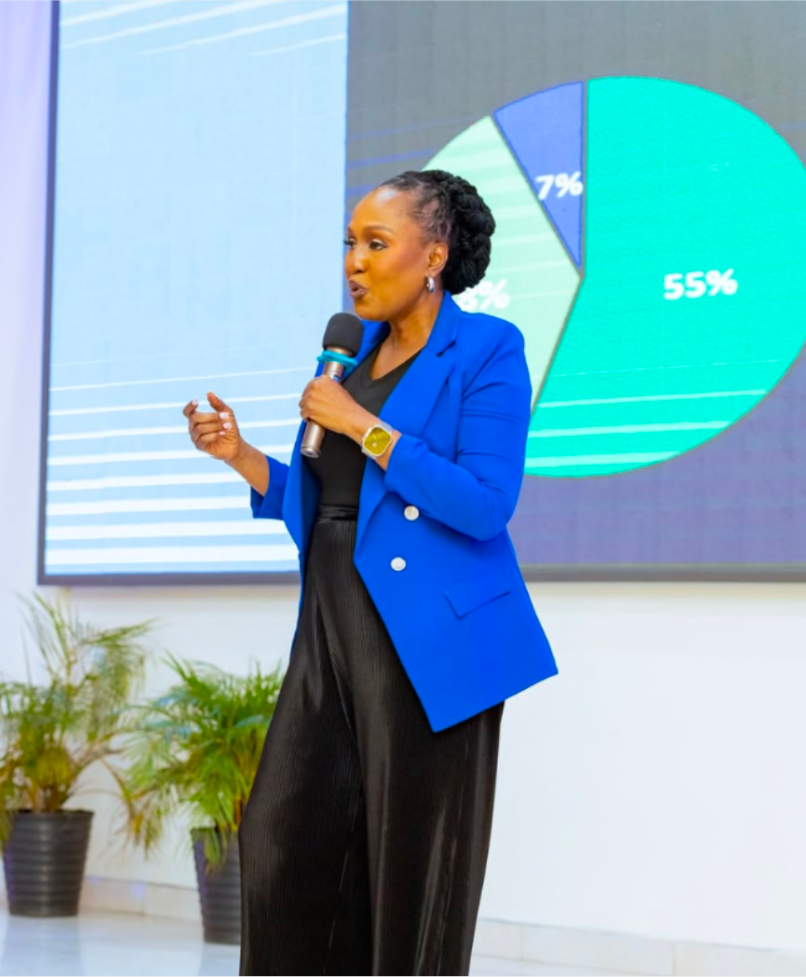
🇬🇭 Beyond Policy: Empowering the Ghanaian Farmer through Finance and Integrity.Dzigbordi Kwaku-Dosoo, Human Capital Expert & Business Strategist. Discusses how Ghana can empower its farmers through financial inclusion, rebust Agribusiness education and establishing reliable domestic supply chains.

Frema Adunyame: Journalist, News Anchor ( Channel One T.V. and CitiyFM. Head of Events and Partnerships: Explore the critical role of media of governance in reshaping public trust and policy, ensuring agricultural reforms truly serves the nation’s long-Term Interest. Together, their insights highlight one truth: nations grow stronger when their people feed themselves first.
Editor’s Note: A Call for Self-Reliance

The global conversation is shifting. From Rome to Accra, nations are recognizing that true sovereignty begins on the farm. This month’s feature, “Grow for Ourselves Before We Grow for Others,” is a direct challenge to the mindset that places foreign markets ahead of national nutrition.
In their In Conversation section, they explore this imperative through a comparative lens. Prime Minister Giorgia Meloni offers a crucial reminder of how established economies protect their local producers. But the path forward is uniquely African — and that’s where the insights of Dzigbordi Kwaku-Dosoo and Serwaah Amihere, Esq. become vital. They move beyond policy aspiration to address the foundational pillars of success: financial empowerment, education, and public trust.
Together, these voices argue that reclaiming agricultural dignity isn’t just an economic strategy — it’s an act of national renewal.
— The Compass Team
The Case Against Export Dependency: A Ghanaian Perspective
From a local perspective, the policy expectation that Ghanaian farmers must secure buyers—often foreign ones—before planting crops is fundamentally flawed and ultimately nonsensical. This mindset is rooted in an outdated dependency model that ignores practical realities:
- The Mismatch of Diet and Demand: Foreign markets in Europe, the Americas, and even parts of Asia generally do not consume Ghanaian staples on a mass scale. Our core foods—such as cassava, plantain, and gari, to name a few—are culturally, nutritionally, and geographically unique to our homeland.
- To demand that we seek export buyers for the food essential to our own people is to fundamentally destabilize national food security for the sake of abstract market access.
- The Trap of Undervaluation: The pressure to secure international contracts quickly forces Ghanaian farmers into a weak negotiating position. In this “haste to find a buyer,” farmers are compelled to sell their produce cheaply, leading to perpetual income vulnerability and hindering the accumulation of capital needed for sustainable local investment.
- This is a classic symptom of a value chain where the economic benefit is extracted by the buyer, not the producer.
- Environmental and Health Degradation: Foreign buyers often demand large volumes and rapid turnaround, which pressures farmers to abandon traditional, sustainable methods. This demand drives the excessive use of chemical fertilizers and artificial inputs to force quick growth, leading directly to the destruction of our arable land and a compromise on the nutritional integrity of the food.
The Path to True Sovereignty
The sensible and sovereign approach is clear: We must grow for ourselves first, and consume for ourselves.By prioritizing local nourishment, investing in healthy, organic, slow-grown produce, and ensuring our people are well-nourished and strong, Ghana will establish the true value of its agricultural bounty.
International interest, investment, and demand will naturally follow the display of national health and resilience—not the other way around. Production rooted in self-reliance is the only way to safeguard both our land and our people.
Counterpoint: Why “Find Markets Before You Grow” Is Nonsensical
- Production creates markets.
Sometimes, you don’t know what’s possible until you grow it. Innovation and abundance can attract demand that didn’t exist before. When farmers introduce new crops or higher-quality products, they often create their own markets. - Agriculture isn’t always predictable.
Market conditions shift — prices, weather, export bans, or consumer trends. So “finding markets before you grow” may be unrealistic or overly rigid. Farming often requires taking risk and trusting the process, not just waiting for contracts. - Local development perspective.
In developing economies, insisting on “finding markets first” can discourage small farmers who lack access to buyers or marketing networks. Growth itself — producing more — can attract buyers, create jobs, and build community wealth. - True innovation challenges demand.
Many industries, from tech to farming, were built by people who produced first — then educated or inspired people to buy. Sometimes, supply leads to demand. - Thus, our disagreement with the “market-first” mindset stems from a deeper truth: growth itself drives opportunity, not the other way around.
Tsunesaburo Makiguchi, through the lens of his work The Geography of Human Life.
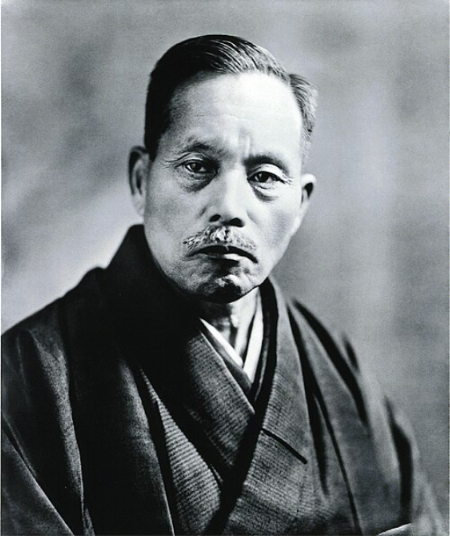
His concept of “The Spheres of One’s Homeland,” offers strong support and philosophical endorsement for the newsletter’s core argument: “Grow for Ourselves Before We Grow for Others.”
His perspective emphasizes the vital importance of the local environment as the foundation for value creation, individual happiness, and national strength.
Makiguchi’s Core Endorsement
Makiguchi’s concept of the “Spheres of One’s Homeland” emphasizes that one’s local environment (the homeland) is the fundamental source of livelihood and value creation (Soka). He believed that true education and happiness are achieved when individuals draw lessons and resources directly from their lived experience and surroundings, expanding outward from the local community to the state and the world.
1. Prioritizing Local Value and Resources (The Homeland)
- Self-Sufficiency Over Dependency: Makiguchi would wholeheartedly agree that a nation must secure its own foundations first. The argument that “Africa’s soil was made to feed its own people” and the call for “Self-sufficiency before export” aligns perfectly with the idea that the immediate sphere of one’s homeland must be prioritized to ensure life (Sei) and sustenance (Ri)—two of the primary values in his Soka philosophy.
- Critique of External Authority: He would likely view the “find markets before you grow” mentality as a form of intellectual and economic dependency, which he consistently criticized in pre-war Japanese education for relying on external, Western ideas and authority instead of local experience and original thought. The newsletter’s call to “Reject dependency thinking” is a call for intellectual autonomy rooted in local realities.
2. Focus on People’s Well-being (Value Creation)
- Happiness as the Goal: Makiguchi believed the ultimate purpose of life and education is the pursuit of happiness (or the creation of value). The newsletter’s focus on feeding Ghanaians with “healthy, chemical-free food” to ensure the nation’s population is “well-nourished and strong” would be seen as a direct contribution to the well-being and happiness of the people—a higher value than merely maximizing profit from foreign trade.
- The Esho Funi Principle: His philosophy often includes the Buddhist principle of Esho Funi (the non-duality of life and its environment). The newsletter’s argument that using “artificial fertilizers that damage soil” in the rush for exports is a harm to the environment—and therefore the people—resonates with the idea that the well-being of the people (sho) is inseparable from the health of the land (e).
3. Government’s Role in Protection (State Sphere)
- Protection of the People: While Makiguchi was often critical of the state’s militaristic and controlling tendencies in his time, he acknowledged the state’s essential role in securing the people’s right to life and property. The call for “Government responsibility” to “fund and protect farmers, giving them financial support, insurance, and the means to grow food sustainably” aligns with the state fulfilling its humanitarian function of securing the well-being of its population within its sphere of influence.
In summary, Makiguchi would see this newsletter as advocating for a necessary shift from an export-driven, externally-dependent model to a value-creating, homeland-centric model—a move he would applaud as a true step toward national sovereignty and human happiness.
Alignment with Makiguchi’s Philosophy
1. Prioritizing the Homeland Sphere (Local Foundation)
- Argument: The primary market for Ghanaian staples is Ghana. Export demands for these staples are a “mismatch of diet and demand.”
- Makiguchi’s View: He taught that the Homeland Sphere (the immediate local environment, culture, and community) is the fundamental source of life and value. Prioritizing national food staples directly supports this sphere, ensuring the sustenance and well-being of the local people—the highest function of the homeland.
2. Value Creation over Exploitation
- Argument: Farmers are forced to sell crops cheaply (“undervaluation”) in the “haste to find a buyer,” with the benefit being extracted by foreign entities.
- Makiguchi’s View: He defined true value as the creation of Benefit (Ri) and Beauty (Bi) that contributes to Life (Sei) and Goodness (Zen) for the people. Exporting essential food cheaply while the nation’s people and land suffer is the antithesis of value creation; it is value extraction and exploitation. He would strongly reject any economic practice that degrades the life and well-being of the populace for external profit.
3. Protecting Environmental Integrity
- Argument: Foreign demands for volume and speed lead to excessive chemical use, causing “Environmental and Health Degradation” of the land.
- Makiguchi’s View: His philosophy emphasized that human life and its environment (Esho Funi) are inseparable. Destroying the land—the foundation of the homeland sphere—for transient market gain is not only shortsighted but destructive to the long-term well-being of the people. He would advocate for sustainable, local methods that preserve the environment, aligning directly with your call for healthy, slow-grown produce.
4. Sovereignty and Self-Reliance
- Your Argument: “We must grow for ourselves first, and consume for ourselves.” National health and resilience should attract the world, not the other way around.
- Makiguchi’s View: He was a strong proponent of intellectual and practical autonomy, often criticizing the dependency on foreign models (in his time, Western education). Your call for self-reliance in food production is a call for economic sovereignty, ensuring the nation’s survival and dignity are rooted in its own capabilities and resources, which Makiguchi would see as the ultimate marker of a strong, value-creating society.
In essence, your argument takes Makiguchi’s theoretical framework—that the local environment and the well-being of its people must be prioritized—and applies it directly to the modern, crucial issue of agricultural policy in Ghana.
📰 The Sovereignty Dispatch: Land, Life, and the Practical Case for Food Security
Introductions
Welcome to The Sovereignty Dispatch, the editorial article where we bring together global leaders and influential thinkers for candid conversations about pressing world issues.
Today, we are honored to host two remarkable women known for their dedication to national development and societal well-being.

- Frema Adunyame (Host): An esteemed Ghanaian broadcast journalist and presenter, widely recognized for her insightful and compelling interviewing style. She is known for tackling socio-economic issues with depth and bringing complex topics into sharp, public focus.
- Dzigbordi Kwaku-Dosoo (Guest): A highly influential Ghanaian entrepreneur, business leader, and lifestyle coach. She is the founder of the Allure Africa Group and is celebrated for her powerful advocacy for African excellence, self-reliance, and sustainable development. Her perspective on leveraging local resources for national prosperity is invaluable.
- Giorgia Meloni (Guest): The current Prime Minister of Italy, a G7 nation and a major European power. She is the first woman to hold this office in Italy. As a leader of a nation with a deep history in agriculture, trade, and regional influence, her insights on national strategy, food protection, and economic independence will offer a critical global counterpoint.
Opening Dialogue
Frema Adunyame:
“Welcome, Dzigbordi and Prime Minister Meloni, to our editorial discussion, The Practical Case for Food Sovereignty. It’s an honor to have two such dynamic voices join us for a dialogue that truly touches the heart of national self-determination.”

Dzigbordi Kwaku-Dosoo: “Thank you, Frema. It’s a pleasure to be here and contribute to this vital conversation.”

Giorgia Meloni: “I appreciate the invitation. It’s important for our nations, north and south, to discuss these shared global challenges.”

Frema Adunyame: “Let’s get straight to the point. The relationship between Land and Human Life is our core theme. Dzigbordi, you come from Ghana, a nation blessed with vast plains. Prime Minister Meloni, you lead Italy, a country defined by its stunning contrast of mountains, coastlines, and fertile volcanic soil. Both environments have shaped incredibly productive, resilient cultures.
My observation, however, is this: Plains often foster openness and intellectual pursuit, leading to great civilizations. Yet, here in the plains of Ghana, the easier life offered by our land seems to have fostered a certain weakness. We’ve become weak to allow foreign interests, whose lifestyle is often accustomed only to luxury, to dictate our farming priorities, turning our gaze outward for buyers and money.
This issue drives the entire argument of this editorial and its core thesis: The Practical Case for Food Sovereignty. This is about shifting our focus from ‘Growing for Foreign Consumers’ to ‘Growing for Ourselves.’
Let me summarize the four practical arguments that arise from this:
- The Question of the Foreign Consumer Base: The core staples of Ghana (like cassava, plantain, Gari) are not mass-market European or American commodities. Relying on foreign markets for our essential food security crops is nonsensical and unstable.
- The Link Between Haste and Price Undervaluation: The rush to find an external buyer puts Ghanaian farmers at the mercy of the foreign buyer, forcing them to sell crops cheaply and allowing value extraction.
- The Environmental and Health Catastrophe: The volume demands and shipping deadlines from abroad lead farmers to use aggressive fertilizers, destroying our land and sacrificing the organic quality of our food—the two non-renewable assets of the nation.
- The “Demand will follow Supply” Philosophy: The counter-narrative: Grow healthy, chemical-free crops for ourselves and consume them. When the world sees healthy, thriving Ghanaians, they will value and demand our true quality produce.
The conclusion is that the current export-first system is unsustainable, economically exploitative, and environmentally damaging. The solution, as we argue, is to prioritize Ghanaian health and Ghanaian land as the highest form of value creation.
Dzigbordi Kwaku-Dosoo, I welcome you to start us off. Tell our readers worldwide of the potential domestic challenges in implementing this “Grow for Ourselves” vision (e.g., storage, distribution, local market stability).”

Dzigbordi Kwaku-Dosoo:
“Thank you, Frema. That is an incredibly powerful framing, and I agree wholeheartedly with the spirit of the ‘Grow for Ourselves’ vision. It’s about national dignity and genuine wealth creation.
However, moving from a deeply ingrained export-oriented system to a sovereign domestic one presents formidable domestic challenges that require massive investment and systemic reform.
Logistical and Market Infrastructure Challenges
The first major hurdle is post-harvest loss and inadequate storage. Currently, our farmers produce a high volume of food, but due to poor road networks, a lack of refrigerated transport, and insufficient, modern silo and cold storage facilities, a significant percentage of crops—sometimes as high as 30% to 40%—never reaches the consumer. If we mandate ‘Grow for Ourselves’ without building the infrastructure to preserve and distribute that food, we simply create a new problem: massive local waste, which will rapidly discourage farmers.
Secondly, there’s the challenge of local market stability and standardization. The export market, for all its faults, provided clear, albeit low, price points and defined quality specifications. The domestic market, by contrast, is often fragmented, unstable, and lacks the proper mechanisms for quality grading and predictable pricing. We need to establish regulated local buying systems—perhaps through state or cooperative-backed bodies—to provide farmers with a reliable, guaranteed price floor for staple crops. This stabilizes the farmer’s income and gives them the confidence to plant what we need.
Behavioral and Financial Hurdles
Finally, we must address the behavioral shift required from the farmers and the financial sector. Farmers are already indebted and have been incentivized by quick, bulk cash from foreign buyers, even at a low margin. The transition requires patient capital and financial support to help them shift from chemical-intensive, high-yield methods for export, to sustainable, organic farming for local consumption. This means:
- Subsidies for Organic Inputs: Making chemical-free fertilizers and seeds economically viable.
- Access to Credit: Providing low-interest loans tied specifically to planting food security crops.
- Training and Extension Services: Re-equipping farmers with the knowledge needed for soil conservation and specialized local processing (e.g., proper Gari processing, cassava drying, etc.).
Without aggressively addressing these domestic bottlenecks—infrastructure, market stability, and financing—the ‘Grow for Ourselves’ policy risks becoming an aspiration rather than a practical, sustainable reality.”
Frema Adunyame: “Dzigbordi, that is a meticulously clear breakdown. You’ve highlighted that food sovereignty isn’t just about planting; it’s about the entire value chain—from storage and distribution to financing and behavioral change. The domestic system itself needs to be robust and reliable to replace the current dependency model. Thank you for grounding this conversation in the practical realities facing Ghanaian farmers.
Prime Minister Meloni, I want to bring you into this dialogue now. Italy is a nation globally renowned for its high-quality, regionally distinct food—what you call ‘Made in Italy.’ Italy is fierce in protecting its food heritage, quality standards, and, crucially, its geographic indicators (GIs), such as the PDO (Protected Designation of Origin) status.
In the face of globalized markets, intense international competition, and internal challenges similar to those Dzigbordi mentioned (like the struggle of smaller farmers), how does Italy approach food protectionism and sovereignty? What lessons can nations like Ghana take from Italy’s strategy of defending its domestic food sector, ensuring quality, and transforming it into a global economic asset?”

Giorgia Meloni: “Thank you, Frema. This is a topic that sits at the very heart of the Italian national identity and our economic philosophy.
Italy’s strategy concerning food is not simply about ‘protectionism’ in the classic sense; it is about ‘value creation’ through authenticity and quality assurance. We see our food—our agrifood sector—as a strategic national asset, not just a commodity to be sold cheaply on the global market.
🇮🇹 The Italian Model: Sovereignty through Quality
Firstly, the most critical lesson we offer is the importance of legal and geographical protection. Our PDO and PGI (Protected Geographical Indication) systems are not just bureaucratic labels; they are a defense mechanism against mass-market devaluation. These regulations ensure that Parmigiano Reggiano cheese, for instance, is only produced in a specific way, in a specific region, maintaining its cultural and market value.
For Ghana, this translates to legally defining and protecting your unique staples—cassava, yam, plantain—perhaps by creating a ‘Made in Ghana’ Standard that guarantees it was grown on Ghanaian soil, using specific, approved traditional methods (i.e., chemical-free, organic). This elevates the product from a generic crop to a premium, guaranteed good.
Secondly, we focus relentlessly on connecting the land to the identity. Dzigbordi mentioned the dangers of rushing production with fertilizers for foreign shipping deadlines. Italy invests heavily in ensuring that the method of farming aligns with our long-term interests in soil health and human health. We incentivize small and medium-sized family farms because they are the custodians of traditional knowledge and sustainable practices, which directly counter the destructive large-scale industrial model. We are protecting the non-renewable assets you mentioned—the land and the health of our people.
💰 Flipping the Market Narrative
Frema, you spoke about the philosophy: ‘Demand will follow Supply.’ Italy proves this every day. The world doesn’t chase Italian food because it’s cheap; they chase it because it is demonstrably the best quality, safest, and most authentic. Our supply creates its own demand at a premium price.
The policy for Ghana, therefore, is not to simply stop exporting, but to redefine what you export and how you value your staple crops domestically. If cassava grown without chemicals becomes the foundation of healthy Ghanaian life—the “good looking and healthy ” people you mentioned—that visible success becomes the most powerful marketing tool in the world.
In summary, food sovereignty for Italy means: guaranteeing our citizens safe, high-quality, traceable food first, and then using that guaranteed quality as the foundation for high-value exports. Ghana has the land, the knowledge, and the staples to build this same fortress of value.”
Frema Adunyame: “Prime Minister Meloni, that is a powerful encapsulation of how quality assurance and geographical identity transform a simple crop into a strategic national asset. The Italian model of establishing value before seeking volume offers a clear roadmap for Ghana.
However, the reality on the ground highlights the urgency of this discussion. When you speak of protecting soil health and ensuring quality, I must share what we are seeing today in Ghana: Everywhere you buy a common staple like plantain, if you keep it for just two days, it turns black. This rapid deterioration is a symptom—a terrifying symptom—that it was grown with fertilizers or chemicals designed only for rushed, immediate harvest, sacrificing its natural shelf-life and nutritional integrity.
This is the consequence of the greed I mentioned, the result of taking our fertile farmlands for granted. We have forgotten that this very land, these plains, are where our civilization started, where our true wealth resides. We have traded the long-term health of our soil and our people for the short-term cash of the external buyer.
This brings us back to the policy level, and I want to pose the final crucial question to both of you, starting with Prime Minister Meloni.
Prime Minister, considering the environmental catastrophe Dzigbordi and I have highlighted—the destruction of land quality due to chemical overuse for export volume—what decisive government policies or regulatory frameworks are essential to pivot agricultural practices away from environmental degradation and toward sustainable, health-focused cultivation, especially for domestic consumption?“
Giorgia Meloni:.”Frema, what you describe—the rapid blackening of the plantain—is a tragic, visible sign of a deep systemic flaw. It is a failure of sovereignty, a situation where the pursuit of immediate volume has completely eclipsed the responsibility to preserve the national capital of soil and health. That short shelf-life is the market telling you that the product is compromised.
To pivot away from this environmental degradation and short-term thinking, a government must implement a multi-pronged, non-negotiable regulatory framework.
📜 Regulatory Pillars for Sustainable Sovereignty
- Chemical Use and Traceability Regulation: The first step is to establish strict, enforceable limits on the types and quantities of chemical fertilizers and pesticides permitted for staple crops, especially those destined for the domestic market. Italy and the European Union operate under the ‘Farm to Fork’ strategy, which emphasizes traceability. Ghana must implement a system where the use of inputs is documented. Crucially, a ‘Blacklist’ of highly poisonous or unsustainable chemicals must be enforced, with severe penalties for non-compliance.
- Incentives for Organic Transition: Regulation alone is punitive. It must be paired with attractive incentives. We must offer direct financial support to farmers who transition to certified organic or recognized traditional, sustainable farming methods. This can include:
- Higher subsidies for organic seeds and natural fertilizers.
- Tax breaks or guaranteed, premium-rate purchasing contracts for certified chemical-free staples. This makes the healthy choice the profitable choice.
- Soil Health as a National Mandate: The government must treat soil health as a national security issue. This means investing in and mandating National Soil Testing and Regeneration Programs. Farmers should receive free, periodic soil analysis, and extension services must be deployed to teach crop rotation, natural pest management, and water conservation techniques. This is a long-term investment, ensuring the land remains productive for future generations.
In essence, the government must clearly signal that selling a high volume of low-quality, land-destroying food is no longer an accepted business model. By setting and enforcing high quality standards, you protect your citizens’ health and elevate the perceived value of your produce globally. You move from being a volume supplier to a quality leader.”
Frema Adunyame: “Prime Minister Meloni, your insistence on incentivizing quality over volume and treating soil health as a national security mandate provides an essential framework for any sovereign nation. The idea of making the healthy choice the profitable choice is the key to unlocking the true value of Ghanaian produce.
Dzigbordi, I now want to bring this discussion full circle by introducing the thinking of Tsunesaburo Makiguchi, a profound educational philosopher. His core concept, the ‘Spheres of One’s Homeland,’ argues that true livelihood and value creation must be drawn directly from one’s local environment—the homeland—before expanding outward.
Makiguchi’s philosophy strongly endorses our editorial’s premise:
- He champions Self-Sufficiency over Dependency, agreeing that Africa’s soil was made to feed its own people first, prioritizing the immediate sphere of the homeland.
- He sees the goal of any system as the creation of human happiness (Value Creation). Our focus on feeding Ghanaians with ‘healthy, chemical-free food’ would be seen by him as a higher value than maximizing foreign profit.
- His principle of Esho Funi—the non-duality of life and its environment—directly resonates with our argument: that harming the land with artificial fertilizers in a rush for export is an inseparable harm to the people.
Dzigbordi, you have given us the practical challenges, and Prime Minister Meloni has offered the regulatory solutions. Now, based on Makiguchi’s powerful philosophical endorsement—that the local environment is the source of all value and happiness—how can Ghana foster a powerful national mindset, from the farmer to the consumer, that actively rejects dependency and embraces this homeland-centric, ‘Grow for Ourselves’ vision as a matter of cultural pride and patriotic duty? And with that, please give us your final remarks to encapsulate the spirit of our article.”

Dzigbordi Kwaku-Dosoo: “Frema, that is a beautiful and necessary introduction to Makiguchi’s thought. This entire endeavor—the shift to food sovereignty—is ultimately a mindset project. Policies and regulations can guide behavior, but cultural pride fuels conviction.
🧠 Fostering the Sovereignty Mindset
The primary task is to re-educate the consumer and re-establish the dignity of local produce. We need a national campaign that elevates our indigenous staples to the status of a premium, high-value, patriotic good, much like Italy has done with its PDO foods.
- The Campaign for National Health: We must directly link consuming Ghanaian staples (cassava, plantain, yam) to National Health Security. We need to market our local, traditionally-grown foods as the superior, chemical-free option compared to imported, processed alternatives. This flips the narrative: buying local isn’t charity; it’s an investment in your own life and the nation’s future strength.
- Dignifying the Farmer: The farmer must be seen not as a mere producer of commodities, but as the Custodian of the National Heritage and Health. This requires state recognition, media spotlight, and higher guaranteed prices that reflect the immense value of their labor and their adherence to sustainable, chemical-free methods. When the farmer feels pride and earns a fair living, they will have the conviction to resist the quick-cash, land-destroying foreign buyer.
- Harnessing Our Identity: Makiguchi’s focus on the ‘Homeland’ is a call to intellectual autonomy. We must reject the notion that value is only determined by a foreign market price. The true value of our plantain is not what it fetches in Amsterdam, but the health and sustenance it brings to the Ghanaian child. By embracing this truth, we establish Food Sovereignty as the highest expression of ‘Ghana First’—a matter of economic, environmental, and cultural self-respect.
In conclusion, Frema, Prime Minister Meloni, and to our readers worldwide: the current system, driven by external haste and internal greed, is literally poisoning our land and degrading our health. The solution is not complex; it is simply a matter of correcting our priorities.
As our article title states, the path forward is clear: The Practical Case for Food Sovereignty is built upon the fundamental realization that our soil was given to feed us. When we grow healthy food for ourselves, we secure our land, we strengthen our people, and we create a value proposition—a healthy, thriving nation—that the rest of the world will inevitably come to respect and desire. Sovereignty starts in the soil, and ends in the strength of our people.
Thank you both of you and our readers worldwide” This concludes The Sovereignty Dispatch dialogue.
COMING NEXT WEEK MONDAY NEWSLETTER
The Namibian Move: An Act of Resource Sovereignty
The President’s decision, characterized by reports as a bold and unprecedented consolidation of authority, perfectly aligns with the core philosophy of “The Practical Case for Food Sovereignty,” but applied to mineral wealth rather than agriculture.

1. Encapsulating the “Homeland-Centric” Vision (Makiguchi’s Endorsement)
Makiguchi’s philosophy emphasizes that the local environment (the homeland) must be the fundamental source of livelihood and value creation.
- Relatable Move: By taking direct control, President Nandi-Ndaitwah is signaling that Namibia’s mineral wealth—the physical resources of the “homeland”—is a strategic national asset whose management is too critical to be delegated and potentially misaligned with national interests.
- Encapsulation: It is an executive action prioritizing Local Value and Resources over potentially fragmented or externally influenced management, ensuring the benefits of extraction are maximally secured for the Namibian people.
2. Rejecting Dependency Thinking (The Core Thesis)
The dialogue criticized the dependency model where locals look outward for buyers, leading to price undervaluation and resource extraction without national benefit.
- Relatable Move: This move is widely interpreted as a drive for true resource sovereignty—ensuring that Namibia, not foreign entities, dictates the pace, terms, and value extraction from its vast resources. The goal is to maximize the benefit for Namibians and ensure coordination.
- Encapsulation: It directly addresses the need to reject dependency thinking in the critical mining and energy sectors. It suggests the government is positioning itself to be the primary architect of its economic destiny, rather than simply a regulator of foreign-driven activity.
3. The Link Between Control and Health (Long-Term Value Creation)
Prime Minister Meloni and Dzigbordi Kwaku-Dosoo both stressed that quality and sustainability (protecting the land and human health) must supersede the rush for volume.
- Relatable Move: The concentration of power aims to ensure stability, renewed focus, and effective coordination in a complex, fast-growing sector (especially with new oil and gas discoveries). This control is necessary to implement long-term, sustainable policies that benefit the nation, rather than allowing short-term financial haste to degrade the land or dilute the revenue stream.
- Encapsulation: It is the highest level of government taking direct responsibility to protect the national assets and potentially ensuring that the State Sphere fulfills its function of securing the people’s right to wealth and a healthy environment (as mining has significant environmental impact).
In summary, President Nandi-Ndaitwah’s action on the mineral sector is the parallel, high-level political embodiment of the “Grow for Ourselves” vision in the agricultural sector. It is a powerful declaration that Namibia intends to control its own value creation, stemming from its own land, for the benefit of its own people.
SGI-Our Shared Humanity.


https://www.instagram.com/babies_and_todds_day_care?igsh=MWs0ZHlsbjcxNXEyZg==
🌟 Welcome to Babies & Toddlers Daycare — Windhoek’s Home of Joy, Learning & Growth! 🌟
Looking for a safe, loving, and stimulating environment for your little one?
At Babies & Toddlers Daycare & Preschool, we provide more than childcare — we build the foundation for future leaders, creators, and dreamers.
📍 Located in the heart of Windhoek
✨ Why Parents Trust Us:
- 🧸 Warm and nurturing environment
- 📚 Early learning through play and structured programs
- 👫 Social development through sharing and teamwork
- 🎨 Daily creative and sensory activities
- 🛡️ Supervised by trained and caring educators
“The Daycare’s dreams, hopes and expectations for Africa are reflected in the shining model of our children,”
— Ms. Assumpta Gahutu, Principal & Co-Founder of Assumpta Newsletter Publication Magazine
📞 Enroll Now!
Call / WhatsApp: +264 81 673 7599
🌐 Visit: www.babiestodds.com
📸 Follow us on Instagram: @alinajosef_ (and join our growing family!)
Babies & Toddlers Daycare
Where every child is loved. Every talent is nurtured. Every smile is celebrated. 🥰


https://www.instagram.com/officeandcobysa?igsh=dmxucTZ2a2t1eDBn
💼✨ Office & Co. by SA — Redefining Corporate Elegance ✨💼
For the ambitious, powerful, and upwardly mobile woman, your wardrobe should speak before you do.
Officeandcobysa is a premium Ghanaian Ready-To-Wear (RTW) fashion brand specializing in cutting-edge corporate wear designed to command respect and exude confidence.
👗 From Boardroom to Business Brunch — We’ve Got You Covered.
- Tailored dresses & suits
- High-end office essentials
- Statement pieces for real go-getters
🌍 WE SHIP WORLDWIDE — Because Style Has No Borders.
🛒 Shop Now: www.officeandcobysa.com.gh/
📸 Follow the movement: @officeandcobysa (optional if they have IG)
Dress like the leader you are.
Office & Co. by SA — Wear Your Ambition.


https://www.instagram.com/oh_my_hairr?igsh=MThqbDNneDZzcTF3cw==
✨ Oh_my_Hair Presents: Beauty That Starts From Within ✨Tired of dull skin and tired days?
Our IV Glow Drips are your secret weapon — delivering hydration, vitamins, and radiance directly to your system for that lit-from-within glow. 💧💫
💖 What You Get:
- Instant hydration boost
- Clearer, brighter skin
- Stronger hair & nails
- Natural energy lift
Whether you’re slaying your hairstyle or refreshing your inner glow, Oh_my_Hair has you covered — inside and out.
✨ Be radiant. Be unstoppable. Be YOU — the Oh_my_Hair way. ✨
📩 DM to book your Glow Session
📍 Visit us / Mobile services available
📸 Follow: @oh_my_hair
Let me know if you’d like:
- A short Instagram caption version
- A flyer/poster layout
- A version that promotes both hair services + IV drips in one package
Happy to style it further!
✨ Oh_my_Hair Presents: Beauty That Starts From Within ✨Tired of dull skin and tired days?
Our IV Glow Drips are your secret weapon — delivering hydration, vitamins, and radiance directly to your system for that lit-from-within glow. 💧💫
💖 What You Get:
- Instant hydration boost
- Clearer, brighter skin
- Stronger hair & nails
- Natural energy lift
Whether you’re slaying your hairstyle or refreshing your inner glow, Oh_my_Hair has you covered — inside and out.
✨ Be radiant. Be unstoppable. Be YOU — the Oh_my_Hair way. ✨
📩 DM to book your Glow Session
📍 Visit us / Mobile services available
📸 Follow: @oh_my_hair
Let me know if you’d like:
- A short Instagram caption version
- A flyer/poster layout
- A version that promotes both hair services + IV drips in one package
Happy to style it further!
✨ Oh_my_Hair Presents: Beauty That Starts From Within ✨Tired of dull skin and tired days?
Our IV Glow Drips are your secret weapon — delivering hydration, vitamins, and radiance directly to your system for that lit-from-within glow. 💧💫
💖 What You Get:
- Instant hydration boost
- Clearer, brighter skin
- Stronger hair & nails
- Natural energy lift
Whether you’re slaying your hairstyle or refreshing your inner glow, Oh_my_Hair has you covered — inside and out.
✨ Be radiant. Be unstoppable. Be YOU — the Oh_my_Hair way. ✨
📩 DM to book your Glow Session
📍 Visit us / Mobile services available
📸 Follow: @oh_my_hair
Happy to style it further!


https://www.instagram.com/goba_kente?igsh=d2Vwd2E2M2VtcTZq
Our (Focus on Heritage & Glamour)
Woven wisdom meets modern luxury. This breathtaking kente gown features the regal Kente cloth, where every thread is a story of heritage and power. A true masterpiece that wraps the wearer in Ghanaian pride and undeniable glamour.
Kente Royalty. Wearing history with effortless, modern elegance. The ultimate celebration of Ghanaian culture and high fashion. 💖🖤💛


https://www.instagram.com/styledbyaretha?igsh=ZjFrOW44d2N2aXpy
✨ StyleByAretha ✨
🛍️ Shopping & Retail | Luxury Personal Shopper
Curating timeless elegance — from Zara to Hermès, and everything in between.
Discover finely selected pieces that speak luxury, confidence, and class.
🌍 Based in Ghana | Shipping Worldwide
👗 Only the finest quality and most timeless styles — personally curated by Aretha.
Follow @stylebyaretha for your next luxury wardrobe upgrade. 💎


https://www.instagram.com/laurenhautecouture?igsh=MWxzNXN1Ym5nZ3o3Mg==
Lauren Haute Couture
Where Elegance Meets Excellence
✨ Multiple Award-Winning Women’s Wear Brand ✨
Crafting timeless fashion for the bold, the graceful, and the unforgettable woman.
From statement gowns to sophisticated everyday wear — each piece is designed with finesse, passion, and a perfect touch of haute couture flair.
Visit Us:
5 Mama Adjeley Rd, East Airport, Accra, Ghana
Worldwide Style. Locally Crafted.
Follow Cookieteegh for a front-row seat to fashion magic: @laurenhautecouture
Please Note: All images on this page are protected by copyright.
#LaurenHauteCouture #LuxuryFashion #MadeInGhana #WomensWear #CoutureElegance #FashionRoyalty


https://www.instagram.com/ankaralooks?igsh=MTI1NWYycmU2Njkxcw==


https://www.instagram.com/attoandoh?igsh=MTJqNjZzYmZyaTc3Mg==
ATTOANDOH — The Art of Power and Poise
In the heart of Accra, where artistry meets ancestry,
stands a house that does not follow trends — it creates heritage.
ATTOANDOH, the Menswear Couture House at Adinkra Heights, Cantonments,
crafts garments that speak the language of power, precision, and pride.
Now, the story unfolds in a new dimension —
as Joselyn Dumas graces our creations,
bringing her timeless Made-in-Ghana elegance to the world.
She wears ATTOANDOH not as fabric,
but as philosophy — the fusion of feminine strength and Ghanaian soul.
Every cut is a signature.
Every silhouette, a celebration of identity.
Every thread, a bridge between legacy and tomorrow.
By Appointment Only.
Because distinction is never mass-produced — it is crafted.
Step into the house where power wears linen,
and elegance wears ATTOANDOH.


https://www.instagram.com/serwaaamihere?igsh=N216N3hzeTE3eHho
🌟 Meet Serwaa Amihere-Esq — The Face of Modern Ghanaian Innovation 🇬🇭
Serwaa Amihere is more than a public figure — she is a powerhouse of influence, entrepreneurship, and social change.
🎤 Journalist & Broadcaster | 💼 Business Mogul | 💖 Philanthropist and a lawyer.
She is the proud Co-Founder of several thriving ventures:
✨ Oh_my_hair – Premium human hair & beauty solutions 💇🏽♀️
🏢 Officeandcobysa – Stylish and empowering workspace essentials
🌿 Flora Organic Diapers & Tissues – Eco-friendly care for your family 👶
🤝 Serwaa Amihere Foundation – Touching lives through impactful charity
🌶 Sankofa Spices / Natural Spices – Authentic Ghanaian spices delivered to your doorstep 🚚
🔥 An Innovator. A Visionary. A Nation Builder.
Serwaa Amihere Esq isn’t just creating brands — she’s shaping Ghana’s destiny and inspiring a new generation of women to rise with purpose, excellence, and integrity.
📲 Follow her journey. Support her mission. Experience her brands.


https://www.instagram.com/valerieagyeman?igsh=dHh1NTE0YnNqODY0
https://www.instagram.com/flourishheights?igsh=cTExenQ3bnptZGgx
🌸 Meet Valerie Agyemang, RDN — The Voice of Women’s Wellness 🌸
She’s not just a Women’s Health Nutritionist, she’s a movement — a force behind Flourish Heights, empowering women everywhere to rise through nutrition, education, and community. 💪🏽
✨ Shattering Silence. Educating. Cultivating Community.
Valerie is changing the conversation about women’s health — one honest talk, one nourishing habit, and one empowered woman at a time.
🎙 Tune in to the podcast:
💬 Flourish Vulva — Girl Chat by Flourish Heights
Where women come together to share, learn, and grow through real conversations about health, body, and self-love. 💖
🔗 Subscribe & Connect: linktr.ee/flourishheights
🌿 Follow @flourishheights — Because your wellness is your power.
💫 Flourish Heights by Valerie Agyemang, RDN
Empowering women to live nourished, confident, and whole — inside and out. 🌺


https://www.instagram.com/delish_bakerygh?utm_source=ig_web_button_share_sheet&igsh=ZDNlZDc0MzIxNw==


