




📰 Assumpta Weekly Newsletter Magazine
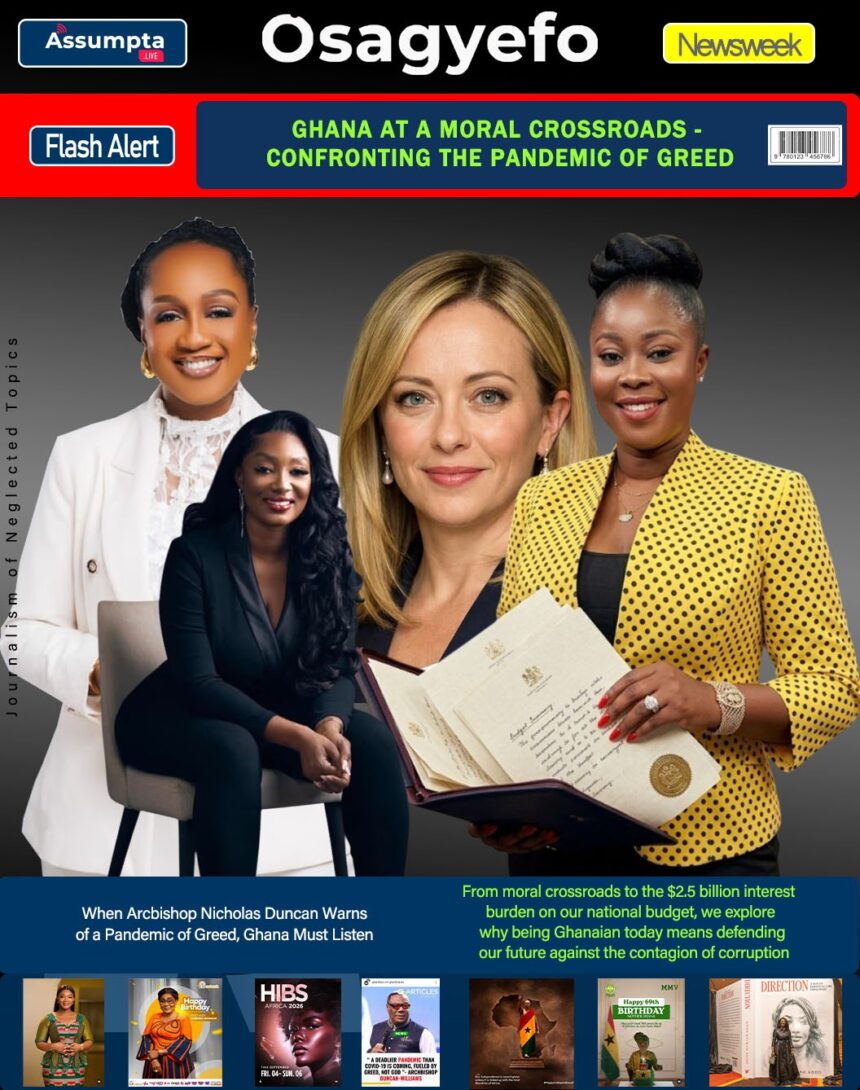
Presents-Osagyefo Newsletter Special Edition
FLASH ALERT
“A deadlier pandemic than COVID-19 is coming—fueled by greed, not God.”
— Archbishop Nicholas Duncan-Williams
We call it a moral crisis.
He calls it a pandemic.
The numbers call it a $2.5 billion debt trap.
Ghana at a Moral Crossroads: Confronting The Pandemic of Greed
“When Archbishop Nicholas Duncan-Williams warns of a pandemic of greed, Ghana must listen.”
📅 Release: Monday, March 9, 2026
🌐 Read exclusively at: assumptagh.live/
HAIR SENTA ADVERTISEMENT


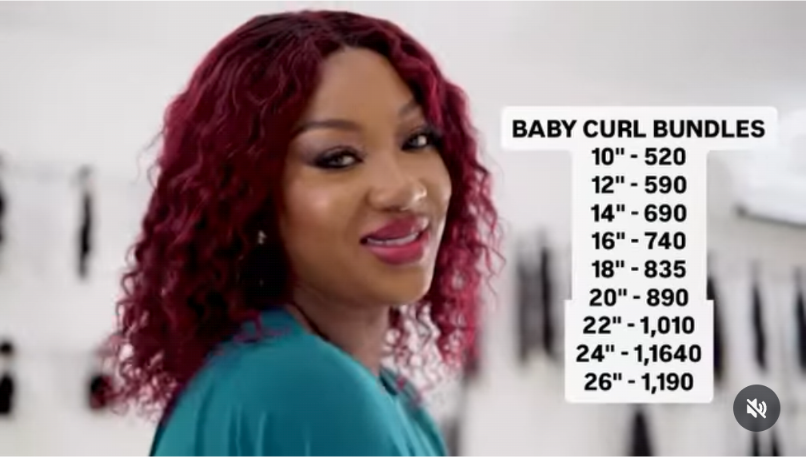




https://www.instagram.com/hairsenta?igsh=MXAzOThhNGZ0Nm15dQ==
: A Legend is Awakening at 24 Jungle Avenue.
On a silent night in Accra, the air changes. A whisper of silk, a shimmer of light, and the hush of hair that refuses to be ordinary. They say beauty is power—but this month, we’re redefining what that power feels like.
Hair Senta isn’t just hair; it’s the secret behind the looks that stop time. Straight from the heart of Ghana, our 100% luxury human hair extensions are arriving like a gift from the stars: natural, unmatched, and undeniable.
This season, don’t just wear a style. Wear a heritage. Wear a masterpiece.
The Magic Awaits:
- 📞 Call: (+233) 0544354455 / 0248629769
- 🌐 Visit: www.hairsenta.com
- 📍 Find Us: 24 Jungle Avenue, Accra, Ghana
Will you discover the magic, or just hear the story later? 🔔
Hair Senta. Real Hair. Real Power. Real Holiday Magic. 💁♀️🔥✨
Introduction
Confronting the Pandemic of Greed: A Moral Call for Ghana
Archbishop Nicholas Duncan-Williams’ recent public remarks have resonated across Ghana—and for good reason. His warning about a rising “pandemic of greed” signals more than a spiritual concern; it is the start of a necessary national conversation about the moral, economic, and civic decline threatening our shared future.
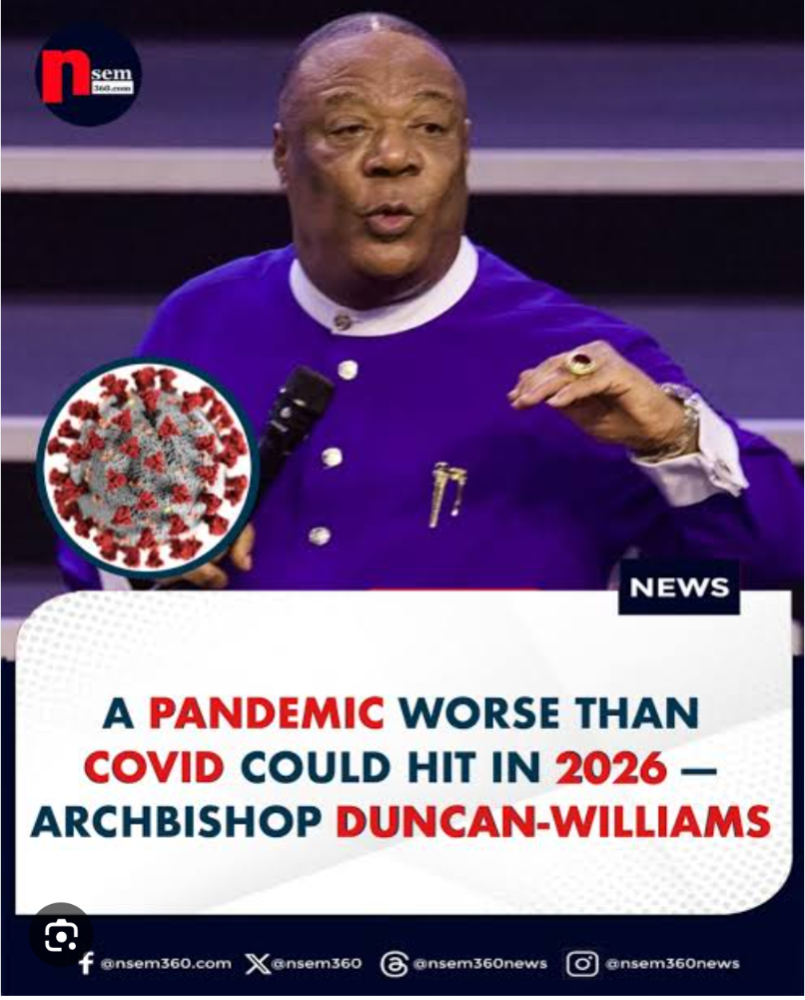

Greed, as he frames it, is not a private flaw but a societal contagion—one capable of destroying communities, economies, institutions, and the natural environment. In Ghana, its effects are unmistakable:
- The degradation of rivers, forests, and farmlands driven by unchecked economic interests
- The mismanagement of public funds
- Rising debt obligations that burden future generations
- Diminished public trust in governance and leadership
These challenges have sharpened public debate about Ghana’s fiscal decisions—particularly the significant debt burden incurred through Eurobonds issued between 2018 and 2021 under the then–Finance Ministry during the New Patriotic Party administration.
The Cost of Greed in Numbers: Ghana’s Eurobond Interest Burden
Between 2018 and 2021, Ghana issued approximately €11 billion in Eurobonds. The interest payments alone have created a heavy and continuing strain on the national budget:
- 2018: $81.26 million
- 2019: $287.58 million
- 2020: $524.6 million
- 2021: $740.77 million
- 2022: $844.83 million
Total (2018–2022): approximately $2.5 billion in interest alone.
These payments continue under the current administration, proving that greed‑influenced decisions in one era can become the burden of the next.
Meanwhile, new taxes introduced in the previous administration were perceived by many citizens as further evidence that ordinary Ghanaians were paying the price for decisions shaped by political and financial interests rather than national welfare.
This is why Archbishop Duncan-Williams’ message must be taken seriously:
Greed can cripple systems. It can corrode justice. It can bankrupt a nation.
If Ghana hopes to reverse its course, the nation must prioritize:
- Ethical leadership
- Responsible economic stewardship
- Protection of natural resources
- Transparency in governance
- Public accountability
The choices made today will determine the Ghana we hand over tomorrow.
Gwen-Addo: What It Means to Be Ghanaian

Gwen-Addo argues that to be Ghanaian is not merely a matter of birthright—it is a commitment to a shared responsibility shaped by our history, struggles, and aspirations.
Our journey did not conclude with independence or the political turbulence that followed the overthrow of Kwame Nkrumah. Each generation must choose how to correct past failures and strengthen existing foundations.
Being Ghanaian means rejecting greed, recklessness, and ignorance.
It means healing from past wounds, learning from mistakes, and striving for national excellence.
Our identity is deeply rooted in the memory of colonial domination. That history taught us the value of liberty and the cost of losing it.
Therefore:
- Freedom must never be taken for granted.
- Independence is not a relic to celebrate—it is a responsibility to uphold.
- Ghana’s future depends on confronting injustice, corruption, and moral decay wherever they appear.
A nation is not measured by its history alone but by the courage of its people to defend integrity and build a future worthy of the sacrifices made by generations before us.
WHAT THIS ISSUE UNPACKS
This Special Edition explores:
- The Archbishop’s warning and its moral implications
- The economic realities behind Ghana’s mounting debt
- The societal effects of greed on governance and national development
- The philosophical case for a national moral awakening
- Gwen-Addo’s bold argument that Ghana’s crisis is systemic—and solvable
THE HISTORICAL BLUEPRINT
The key lessons from Ghana’s past, including:
- Dr. Kwame Nkrumah’s development vision
- How post-independence disruptions weakened Ghana’s long-term growth trajectory
- The recurring cycle of external dependency and internal mismanagement
- The opportunities missed—and still available—for national transformation
THE THEORETICAL BRIDGE
Connecting Ghana’s history with its future, this issue examines:
- Gwen-Addo’s concept of “Historical Physics”
- Whether systems collapse can be predicted—and reversed
- How moral failure influences economic outcomes
- The frameworks needed to transition from a “disabler” system to an “enabler” system
This bridge is where past mistakes meet future possibilities.
THE MAIN EVENT: ONE VISIONARY, THREE INTERROGATORS
In the Hot Seat: Gwen Addo
Global Economic Revolutionary, Author, Health Advocate, Entrepreneur, and Founder of Hair Senta.
She argues that:
- The current system is collapsing
- Nkrumah’s blueprint is Ghana’s last realistic solution
- Only structural transformation—not temporary fixes—can save the nation
To challenge her, we bring:
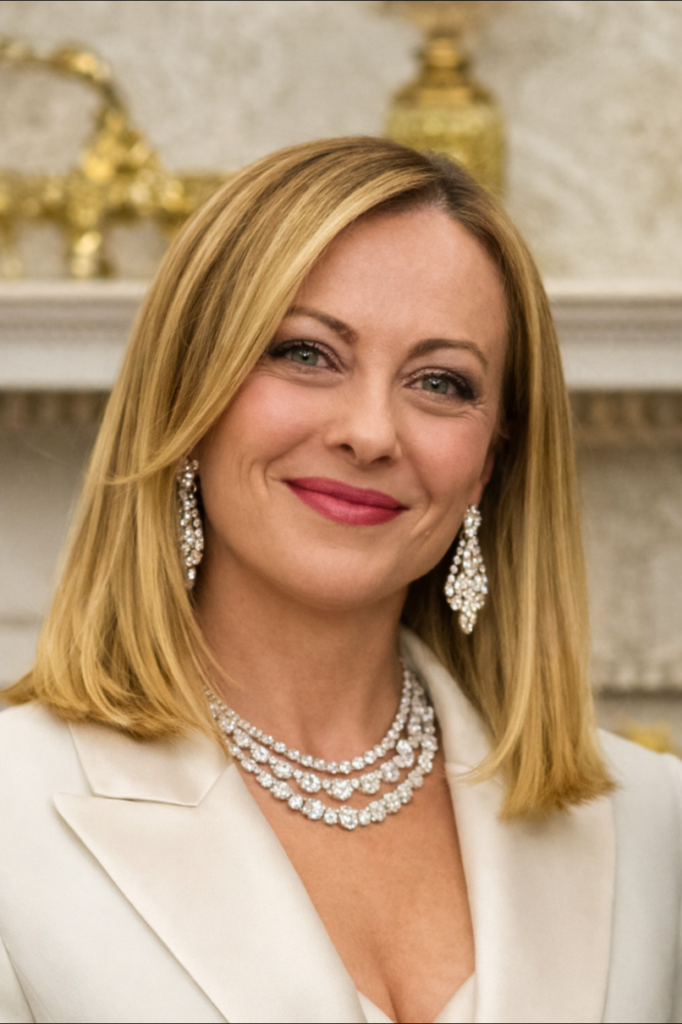
Giorgia Meloni — The Sovereignist
From a European perspective, she questions:
If the West struggles to reform itself, can Africa succeed without radical change?
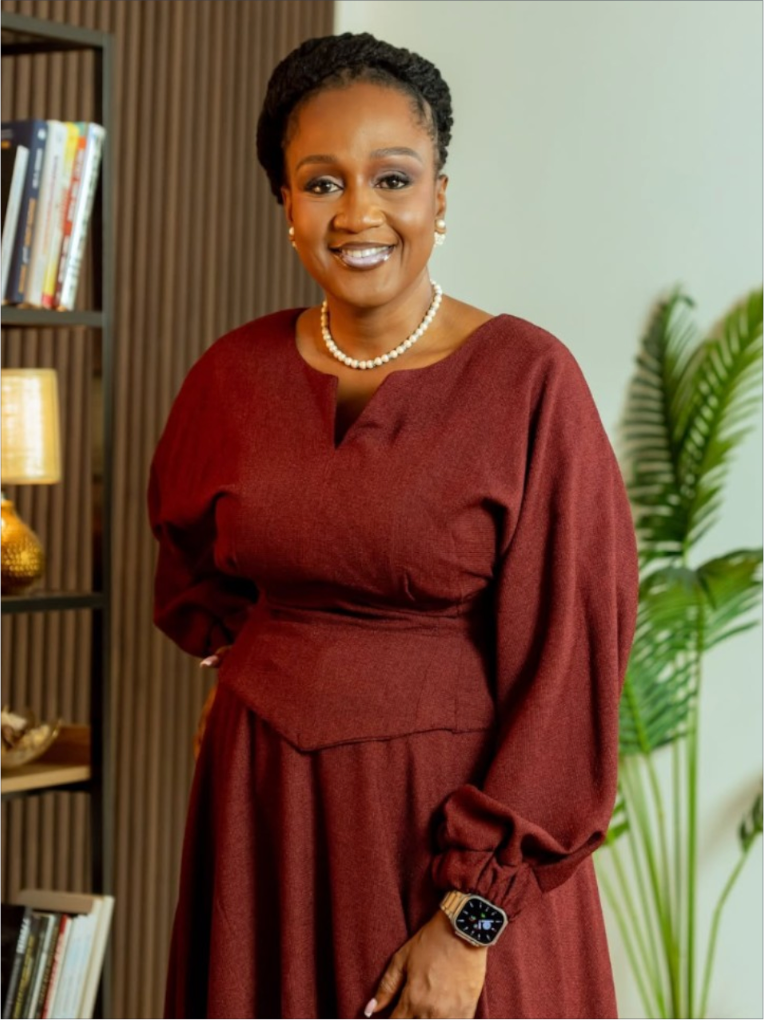
Dzigbori Kwaku-Dosso — The Humanist
She interrogates the moral dimension:
Can theoretical models truly free the African mind under pressure?
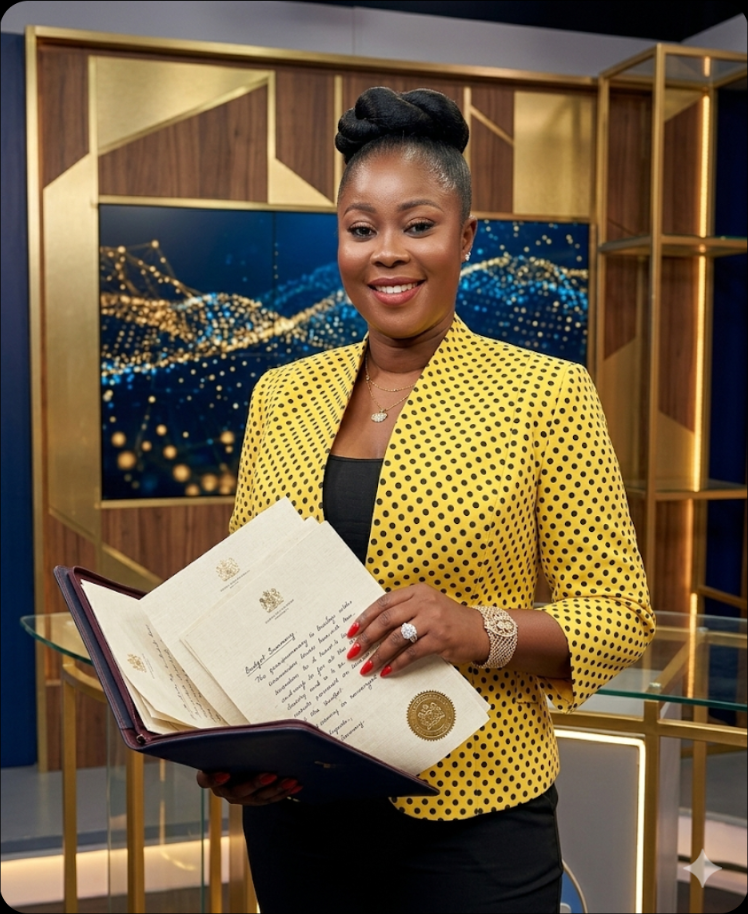
Frema Adunyame — The Analyst
She demands evidence, clarity, and accountability:
Is collapse inevitable—or preventable?
THE STAKES
From the moral alarm sounded by Archbishop Duncan-Williams to the hard truth of a $2.5 billion interest burden threatening future generations—this conversation is essential. Being Ghanaian today is no longer a passive identity.
It is an active defense against corruption, decay, and moral decline.
This is the crossroads.
This is the choice.
ARE YOU READY TO CHOOSE A SIDE?
📅 Mark your calendar: Monday, March 9th, 2026
📍 Where: The Assumpta Newsletter
#AssumptaNewsletter #GhanaCrossroads #EconomicRevolution #TheEnabler
The Ugly Side of Ghana’s Corruption No One Wants to Talk About
How Greed Is Poisoning Our Rivers, Our Land, and Our Future
Ghana is facing a silent catastrophe—one far more enduring than political scandals or partisan disputes. It is the pollution disaster destroying our lakes, rivers, and farmlands, driven by illegal mining, toxic chemicals, and the collusion that thrives in the shadows of power.
Communities across the country are watching their water sources turn brown, their farmlands erode, and their livelihoods crumble. And yet, there is an eerie national silence.
Why?
Because money and power silence the witnesses.
Because foreign multinational interests, local elites, and corrupt intermediaries have created a system in which speaking the truth is dangerous—and remaining silent is profitable.
This is the reality no one wants to confront.
A Past That Never Looked Like This: Remembering Nkrumah’s Ghana
When Dr. Kwame Nkrumah led Ghana, the nation experienced turbulence, criticism, and dramatic political moments—but never environmental destruction at this scale.
- Our rivers were not poisoned.
- Our lands were not pitted with toxic craters.
- Our communities were not suffocating from foreign exploitation disguised as “investment.”
Ghana’s natural wealth was seen as a gift to be protected, not looted.
Today, greed has replaced guardianship.
Silence has replaced responsibility.
Gwen-Addo on Greed: The Poison Eating Our Nation from Within

Gwen-Addo frames Ghana’s current crisis as more than a political or economic failure—she calls it a spiritual and moral collapse, fueled by one of humanity’s most destructive forces: greed.
She draws from the ancient principle of the three poisons, which include:
1. Greed (Insatiable Desire)
A relentless hunger that can never be satisfied.
A mindset not limited to money alone—but the constant craving for “just a little bit more.”
2. Anger (Destructive Reaction)
The resentment that follows when desires are frustrated—leading to conflict, violence, and division.
3. Foolishness (Ignorance)
The inability or refusal to see truth, consequence, or moral responsibility.
According to Gwen-Addo, greed is the starting point—the poison that triggers the others.
Greed:
- Divides communities
- Makes some feel superior to others
- Consumes people spiritually and physically
- Turns leaders into servants of their own desires
- Turns citizens into victims of a system designed to exploit them
She warns that Ghana is now witnessing the “World of Hungry Spirits”—a state where desire has become so uncontrollable that it torments the soul and destroys the society that permits it.
The “Devil King” of Destructive Desire
In philosophical metaphor, Gwen-Addo describes the “Devil King of the Sixth Heaven” as the embodiment of negative influences—forces that thrive when people abandon moral discipline and pursue selfish gain at all costs.
Greed becomes a ruler.
People become enslaved to their desires.
And nations crumble under the weight of their own corruption.
The Money Question: Who Controls Whom?
Gwen-Addo emphasizes that money itself is not evil.
What matters is what money is used for.
There are two paths:
1. Money for Value
Used to uplift communities, build systems, and create lasting prosperity.
2. Money for Desire
Used to accumulate power, silence truth, and destroy the environment for profit.
In Ghana today, we are witnessing the second path dominate.
Newsletter Article Title
Archbishop Nicholas Duncan-Williams:
Greed Is the Hidden Pandemic Destroying Ghana—and the World. Archbishop Nicholas Duncan-Williams, founder and General Overseer of Action Chapel International and Christian Action Faith Ministries (CAFM), has issued a sobering warning:
Greed is not just a moral failing—it is the root cause of suffering in Ghana and across the world.
He calls it a pandemic because:
- It spreads silently
- It infects institutions
- It corrupts leaders
- It destroys the vulnerable
- And it leaves devastation wherever it goes
From polluted rivers to ballooning national debt, from powerless communities to wealthy elites, Ghana is witnessing what happens when a nation becomes infected by greed.
This is the truth no one wants to say out loud—but it must be said.
| The Imperial Disabler | The Enabler Blueprint |
|---|---|
| Extractive / Debt-driven | Productive / Value-driven |
| Short-term Greed | Long-term Stewardship |
| Silences Witnesses | Radical Transparency |
“Being Ghanaian today is no longer a passive identity. It is an active defense,”
- Data Visualization: For the Eurobond interest section, co
- a “heat map” that turns redder as the numbers hit $844 million.
- The “Enabler vs. Disabler” Graphic: A simple table comparing Gwen Addo’s two systems would help readers grasp the “Theoretical Bridge” quickly
🎙️ THE DIALOGUE BEGINS
Host: FREMAA ADUNYAME
Location: Assumpta Global Editorial Studio
Edition: Osagyefo Newsletter Special Dialogue Panel
FREMAA ADUNYAME (Host): Opening Greetings
Frema Adunyame:
Good morning, good afternoon, and good evening to our readers across Ghana, across Africa, and around the world. To everyone joining us from Europe, the Americas, the Caribbean, and the global diaspora—welcome to this historic special edition of the Assumpta Newsletter.
My name is Fremaa Adunyame, and I am honored to serve as your host and moderator for this groundbreaking dialogue.
Today, we bring together four extraordinary women, each representing a unique pillar of global thought leadership—economics, sovereignty, human-centered development, and investigative journalism. Together, they will help us explore one of the most urgent questions of our time:
“Why must Ghana confront the Pandemic of Greed?”
Before we begin, allow me to introduce our distinguished panelists to our readers worldwide.
INTRODUCING THE PANELISTS

GWEN ADDO — The Visionary on the Hot Seat
Global Entrepreneur, Economic Revolutionary, Author, Value Theory Advocate & Founder of Hair Senta.
Gwen Addo argues that Africa is trapped between two systems:
- The Imperial Disabler—a dying model that weakens nations
- The Enabler Blueprint—Nkrumah’s unapplied roadmap for true independence
Today, she sits in the Hot Seat to defend that thesis.
GIORGIA MELONI — The Warning from Europe
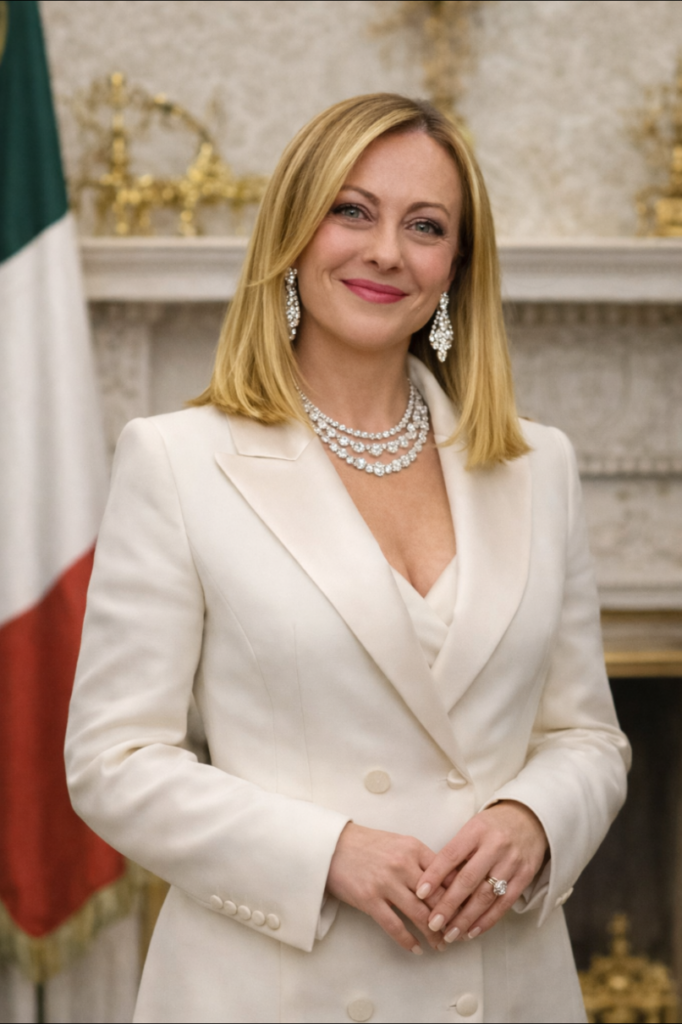
Prime Minister of Italy.
She brings a perspective shaped by nationalism, sovereignty, and the geopolitical tremors threatening the global order.
She joins this panel to offer her insights on how Africa fits into the shifting world stage.
DZIGBORDI KWAKU-DOSOO — The Human-Centered Strategist

Global keynote speaker, soft‑skills expert, and transformation consultant.
She focuses on the human being—the mindset, dignity, and emotional well‑being of the Ghanaian citizen navigating systemic pressures.
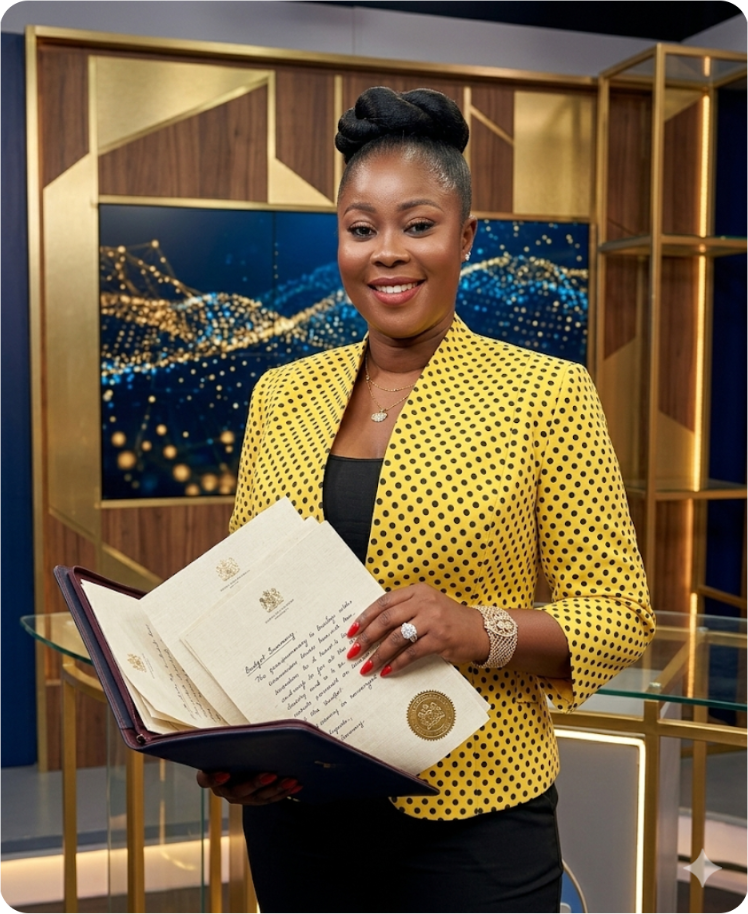
FREMAA ADUNYAME — Host & Media Analyst
Broadcast journalist (Channel One TV)
Here to cut past political PR and help our readers worldwide understand the truth behind national challenges that affect “the ordinary Ghanaian on the street.”
FREMAA ADUNYAME: Welcoming the Panel
Frema:
Ladies, thank you for joining us.
This newsletter edition is exceptional—far more than a simple publication. It is a manifesto, a national mirror, and a wake‑up call.
The structure of this edition moves readers from a Flash Alert, into hard economic data, and finally into a philosophical and spiritual climax. It synthesizes:
- Archbishop Duncan‑Williams’ moral warning
- Gwen Addo’s revolutionary economics
- Ghana’s environmental emergency
…into one cohesive narrative of national emergency.
Now, before I come to our first question, I must acknowledge something:
Gwen, your ability to place cold Eurobond interest figures beside a prophetic warning on greed was brilliant. It proves that greed is not merely a sermon topic—it has a literal billion‑dollar price tag.
Your framing transitions the national conversation from:
“Why is God letting this happen?”
“What are we doing to ourselves?”
This is one of the most powerful philosophical shifts in African public discourse since COVID‑19. Thank you for this analysis.
FREMA ADUNYAME: Opening Analysis Before the Question
Frema:
As Ghana stands today, we are confronted by rising public debt, environmental destruction, a weakening of public trust, and widening inequality. These are not disconnected issues. They are symptoms of a deeper structural and moral crisis.
This is why Archbishop Duncan-Williams’ warning about a “deadlier pandemic fueled by greed” resonates so strongly.
Greed has become systemic.
It shapes decisions about national resources, public finances, governance, and environmental stewardship.
Like a disease, it spreads through institutions—quietly, steadily, and destructively.
And yet, our history shows that Ghana can transform itself. Nkrumah proved that collective discipline and vision can change national destiny.
The question before us is no longer merely economic.
It is ethical.
And deeply spiritual.
THE FIRST QUESTION
Frema:
So now, with that foundation laid—and with gratitude to each of you for being here—Gwen‑Addo, let me start with you.
You have described this moment as Ghana’s moral crossroads.
You argue that the “Imperial Disabler” system has collapsed, and that Ghana must return to Nkrumah’s “Enabler Blueprint” to confront the Pandemic of Greed.
In your view, why must Ghana confront this pandemic now—before it destroys the remaining foundations of our national future? Gwen, the floor is yours.
GWEN‑ADDO’S RESPONSE
Gwen‑Addo:
Thank you, Frema—and thank you for framing this conversation with such honesty and precision. Ghana must confront this pandemic of greed now because we are living through the early stages of a national collapse disguised as “normal life.” What Archbishop Duncan-Williams described is not a metaphor. It is a diagnosis.
Greed—when it becomes systemic—does not merely corrupt individuals.
It rewires institutions, reshapes incentives, and reorganizes society around exploitation instead of development.
And that is exactly what we are witnessing. Let me explain why this moment is critical—and why hesitation is no longer an option.
1. Because Greed Is Now Institutional, Not Individual
We are not dealing with isolated acts of selfishness.
We are dealing with an economic architecture that rewards extraction and punishes integrity.
When a nation reaches this stage, three things happen:
- corruption becomes predictable
- injustice becomes structural
- and collapse becomes inevitable
This is why Archbishop Duncan-Williams called it a “pandemic.”
A pandemic is something that spreads through a system until the system itself is sick. Ghana is there now.
2. Because Our Natural Resources Are Being Destroyed Faster Than They Can Recover
If you want to understand the urgency, don’t look at Parliament—look at our rivers.
Look at Pra, Ankobra, Offin, Birim.
Look at the poisoned farmland.
Look at the dead lakes.
That is not “illegal mining.”
That is national suicide.
In Nkrumah’s time, Ghana had political turmoil, yes—but never environmental extinction.
This destruction is new, it is man-made, and it is driven by greed operating on autopilot.
A nation can recover from debt.
But no nation can recover from ecosystem collapse.
If we do not confront greed now, we will reach a point where we can no longer reverse the damage.
3. Because the Debt Crisis Is Not Financial—It Is Moral
You mentioned the Eurobond interest figures.
Those numbers are not just economics.
They are a record of decisions made without moral accountability.
Between 2018 and 2021:
- Ghana borrowed billions
- future governments were bound
- and generations not yet born were handed the bill
This is not financial strategy.
This is intergenerational injustice.
Greed always borrows from the future to comfort the present. And this is why we must confront it now—before another decade of decisions buries our children.
4. Because Greed Destroys the Ghanaian Mind Before It Destroys the Ghanaian Economy
Dzigbordi will speak deeply on mindset, but let me say this:
A greedy society trains citizens to believe:
- “everyone is for themselves,”
- “there is no accountability,”
- “nothing belongs to the people,” and
- “corruption is the only pathway to survival.”
This is how nations die.
Not when their currencies fall,
but when their moral compass collapses. The pandemic of greed is psychological before it is political.
5. Because Ghana Has Reached a Civilizational Crossroads
We are being asked—without being told—to choose between:
The Imperial Disabler
A system built on dependency, exploitation, foreign extraction, and short-term profit.
or The Enabler Blueprint
Nkrumah’s model of self-reliance, regional integration, industrial development, and African sovereignty.
One system is dying.
The other system was never fully activated.
If Ghana does not choose now, the choice will be made for us—by collapse.
6. Because a Pandemic of Greed Cannot Be Solved by Policy—Only by Moral Awakening
Policies can regulate behavior.
But only a nation’s conscience can regulate intention.
This is why the Archbishop’s warning matters.
This is why the environmental crisis matters.
This is why the debt crisis matters.
They are all symptoms of the same disease.
Greed has become the operating system of the nation. If we do not uninstall it now, the nation will crash.0⁰
7. Because Ghana Still Has a Narrow Window of Redemption
Despite everything, we still have:
- an educated youth
- abundant natural resources
- a stable geography
- democratic resilience
- and a historical blueprint (Nkrumah’s) that the world is now returning to
Ghana is not too late.
But Ghana is almost late. This is our final window before the consequences become irreversible. If we confront greed now, Ghana can still rise. If we wait, Ghana will survive only as a cautionary tale.
And that is why this conversation, this newsletter, and this national awakening cannot be postponed. Thank you, Frema.
🎙️ THE DIALOGUE CONTINUES
FREMA ADUNYAME: Reaction to Gwen-Addo
Frema:
Thank you, Gwen. Your response is not only comprehensive—it is sobering. What strikes me most is your framing of this crisis as a civilizational crossroads, not merely an economic or political one. You’ve articulated something many Ghanaians feel but cannot yet express: that greed has moved from being an individual temptation to becoming the architecture of national dysfunction.
Your argument that “Ghana is almost late” is a line that will stay with our readers.
Thank you for speaking with such clarity and urgency. Let me now expand the conversation beyond Ghana’s borders.
GIORGIA MELONI’S RESPONSE
The Warning From Europe

Frema:
Prime Minister Meloni, thank you for joining us. You’ve heard Gwen describe Ghana’s challenge as both moral and structural. Coming from a region where national sovereignty, geopolitical alignment, and migration pressures are reshaping politics every year, I want to ask:
From your vantage point in Europe, what does this “pandemic of greed” look like—and what lessons can Ghana learn before the global system shifts again?

Giorgia Meloni:
Thank you, Frema, and thank you to this distinguished panel. Gwen has articulated something that is not only true for Ghana but is increasingly true for the entire world: the systems built in the late 20th century are collapsing under their own contradictions.
Let me speak plainly.
What you call “the Imperial Disabler,” we in Europe experience as the limits of globalization.
For three decades, many nations—including mine—outsourced production, outsourced sovereignty, outsourced strategic industries, and called it progress. Today, we are paying the price. Supply chains are fragile. Borders are contested. Societies are polarized. And trust in institutions has decreased globally.
So what is the connection to greed?
Greed created a world where:
- profits mattered more than people,
- resource extraction mattered more than sustainability,
- and short-term gains mattered more than long-term stability.
Europe is now facing the consequences of this. Energy insecurity. Food dependency. Shrinking birthrates. Social fragmentation.
These are not random crises—they are the consequences of a system that consumed without renewing.
Africa, unfortunately, feels these shocks the hardest because it was never allowed to industrialize on its own terms.
And so my message to Ghana is this:
Do not repeat Europe’s mistakes.
Do not sacrifice sovereignty for convenience.
Do not allow foreign interests to define your national priorities.
Do not let economic desperation make you dependent on systems that were never designed for your prosperity.
When Gwen speaks of the “Enabler Blueprint,” I hear something Europe lost:
The courage to build independently.
And I agree with her entirely—Ghana must confront this pandemic of greed now, before external pressures merge with internal weaknesses to create a perfect storm.
Thank you.
FREMA ADUNYAME: Reaction to Meloni

Frema:
Prime Minister Meloni, thank you for your candour. You have given us something rare: a European leader openly admitting that globalization produced systemic vulnerabilities on both sides of the world. Your warning is powerful:
“Do not repeat Europe’s mistakes.”
This perspective will resonate deeply with our readers.
Now, I want to bring in the voice that centers the human being.
DZIGBORDI KWAKU-DOSOO’S PERSPECTIVE
The Human-Centered Lens
Frema:
Madam Dzigbordi, your work focuses on transformation, human dignity, and emotional intelligence. You listen to the heartbeat of the Ghanaian citizen. You understand the psychological weight our people carry.
You’ve heard Gwen’s structural analysis and Meloni’s geopolitical warning.
My question to you is:
How does this “pandemic of greed” affect the mindset, dignity, and emotional resilience of the Ghanaian? And why must Ghana confront it now from a human-centered perspective?

Dzigbordi Kwaku-Dosoo:
Thank you, Frema. I believe this is one of the most important questions of our time.
Let me begin by saying this:
Greed is not only destroying our systems—it is destroying the Ghanaian soul.
When a society normalizes greed:
- citizens begin to believe that integrity is a weakness
- excellence is punished
- shortcuts become the culture
- and survival replaces vision
The emotional cost of this is enormous.
1. Greed creates fear.
People fear they cannot survive without “connections.”
They fear reporting corruption.
They fear telling the truth.
A fearful society cannot innovate.
2. Greed destroys dignity.
When illegal mining destroys a farmer’s land, that farmer does not lose only income—he loses identity, purpose, pride.
Dignity is a national resource.
When it collapses, citizenship collapses with it.
3. Greed fractures the social fabric.
In African philosophy—Ubuntu, Ujamaa, Nkrumahism—the individual exists within the community.
Greed severs that bond.
People stop caring for each other.
Communities become transactional.
Relationships become fragile.
4. Greed overwhelms the national psyche.
When corruption becomes predictable, citizens internalize hopelessness.
Hopelessness kills ambition.
Without ambition, no nation can develop.
So why must Ghana confront this pandemic now?
Because if we do not, we will raise a generation that knows how to hustle—but does not know how to hope.
Because a nation cannot be transformed by people who are emotionally exhausted, spiritually broken, and psychologically defeated.
The systems matter, yes.
The policies matter, yes.
But at the end of the day:
Nations rise when people rise.
And people rise when dignity is restored. Thank you
FREMA DUNYAME: Reaction to Dzigbordi
Frema:
Thank you, Dzigbordi. You have brought us back to the human center of this crisis. Your line—“Greed is destroying the Ghanaian soul”—will echo across this edition.
You have shown us that the real pandemic is not only economic or political, but emotional and spiritual.
THE DIALOGUE CONTINUES
GWEN‑ADDO’S REPLY
Responding to Giorgia Meloni and Dzigbordi Kwaku-Dosoo

Gwen‑Addo:
Thank you, Frema. And thank you, Prime Minister Meloni and Madam Dzigbordi, for your deeply insightful perspectives. What both of you have highlighted actually connects to a core truth Ghana must face:
Greed becomes catastrophic when two conditions exist simultaneously — external pressure and internal weakness.
Europe’s mistake, as Prime Minister Meloni explained, was outsourcing its sovereignty. Africa’s mistake—especially Ghana’s—has been outsourcing its conscience.
That is why this moment is dangerous.
Let me respond to each of you directly.
1. To Prime Minister Giorgia Meloni — “Do not repeat Europe’s mistakes.”
Prime Minister, your honesty is refreshing. When Europe admits that globalization weakened its own strategic autonomy, it gives Africa permission to question the very architecture that was imposed on us.
You said something profound:
“The systems built in the late 20th century are collapsing under their own contradictions.”
That collapse will not be equal.
The Global North will cushion its citizens.
Africa will not.
Ghana will not—unless we change direction now.
The “Imperial Disabler” I speak of is not a theory. It is the very system that:
- extracts our resources,
- dictates our economic policies,
- encourages dependency,
- and rewards African leaders who serve foreign interests before national interests.
Your warning is correct:
If Ghana surrenders sovereignty for convenience, we will inherit Europe’s crisis with none of Europe’s protections.
2. To Dzigbordi Kwaku-Dosoo — “Greed is destroying the Ghanaian soul.”
Madam Dzigbordi, you have touched the spiritual core of this crisis—something economics alone cannot diagnose. You said: “A fearful society cannot innovate.”
That is precisely why Ghana is stagnant.
Fear is the natural child of greed.
When leaders steal, citizens become afraid to dream.
When the environment collapses, farmers become afraid to plant.
When corruption becomes predictable, young people become afraid to hope.
Greed is not only an economic pandemic—it is an emotional epidemic.
And here is the tragedy:
Ghana is a country blessed with potential but burdened by emotional exhaustion.
This is why I insist on the Enabler Blueprint of Nkrumah—not because of nostalgia, but because it restores dignity.
Nkrumah believed:
- in industrial dignity,
- in continental dignity,
- in intellectual dignity,
- in human dignity.
Greed erases dignity.
The Enabler Blueprint restores it.
And that is why Ghana must confront this pandemic now—not tomorrow, not eventually, but now—because every year we delay, we are not merely losing money…
we are losing people. Thank you.
FREMA ADUNYAME: FOLLOW‑UP QUESTIONS
Frema:
Gwen, thank you for that powerful response. You’ve drawn a clear line between the psychological, the geopolitical, and the economic dimensions of greed. I’d like to deepen this conversation with a set of follow‑up questions—one for each of you.
FOLLOW-UP TO GWEN‑ADDO
Frema:
Gwen, you’ve argued that Ghana is caught between “external pressure and internal weakness,” and that the Enabler Blueprint is the way out.
My follow‑up question to you is:
If Ghana fails to confront this pandemic of greed now, what does the next 10 years look like for the ordinary Ghanaian?
What are the real‑world consequences—economically, socially, and environmentally?
And are we already seeing signs of this future unfolding?
FOLLOW-UP TO GIORGIA MELONI
Frema:
Prime Minister Meloni, your comments about sovereignty and global collapse are significant. My follow-up to you is:
Do you believe African nations like Ghana can realistically reclaim sovereignty in a global system still shaped by Western financial institutions?
Or does sovereignty now require an entirely new global economic alignment?
FOLLOW-UP TO DZIGBORDI KWAKU-DOSOO

Frema:
Madam Dzigbordi, you spoke about the emotional and psychological wounds caused by systemic greed. My follow-up question is:
How does a nation begin to heal emotionally and spiritually when its people feel betrayed by institutions meant to protect them?
Where does national healing start?
- Frema guiding the next phase of the dialogue, weaving in unity vs. self‑serving leadership, the Buddhist/Nichiren framing, and Archbishop Duncan‑Williams’ moral warning
- A respectful close that encapsulates the article’s thesis
🎙️ THE DIALOGUE CONTINUES
DZIGBORDI KWAKU‑DOSOO — Answer to Follow‑Up
Question (Frema): “How does a nation begin to heal emotionally and spiritually when its people feel betrayed by institutions meant to protect them? Where does national healing start?”

Dzigbordi:
Thank you, Frema. National healing begins wherever truth, dignity, and practice meet. It is not a slogan; it is a sequence. I recommend a seven‑step path:
- Truth‑Telling with Consequence
Establish safe, independent “civic truth clinics” in every region—spaces where citizens can document local harms (environmental, governance, service failures) with protection, and where verified findings trigger public remedies. Truth without consequence becomes trauma. - Rituals of Dignity
Rebuild communal pride through recurring, visible acts—river restoration days, school‑industry mentorship fairs, and community service ceremonies that publicly honor integrity. Dignity grows where integrity is celebrated. - Ethics in Education
From primary school to university, codify a National Ethics & Citizenship Curriculum—financial ethics, digital ethics, environmental stewardship, and conflict resolution—taught with real case studies from Ghana, not abstract theory. - Mental Health Access as Infrastructure
Scale community counseling and trauma support, particularly in mining‑impacted zones. Emotional exhaustion is real—and untreated trauma becomes social volatility. - The Integrity Economy
Incentivize ethical behavior: fast‑track permits and preferential procurement for companies with verified environmental compliance, living‑wage policies, and transparent books. Make integrity economically rational. - Leadership Covenants
Require annual, public Ethics & Accountability Covenants for public officials—clear promises, measurable targets, third‑party audits, and consequences for failure. If leaders model repair, citizens will risk hope again. - Youth Service, Nation Service
Create a paid National Restoration Corps—young people working on reforestation, river rehabilitation, agri‑value chains, and civic tech. Healing becomes a job. Pride becomes a paycheck.
Healing starts where people see repair, feel respect, and can practice responsibility.
Thank you.

Frema:
Thank you, Dzigbordi. Your seven‑step path offers a humane, actionable blueprint. Would you like to add anything further before we proceed?
GWEN‑ADDO — Answer to Follow‑Up
Question (Frema): “If Ghana fails to confront this pandemic of greed now, what does the next 10 years look like for the ordinary Ghanaian? Are we already seeing signs?”
Gwen‑Addo:
Yes, Frema—and the forecast is unforgiving if we fail to act. Over the next decade, the ordinary Ghanaian would face:
- Water Insecurity
Heavier reliance on sachet and tanker markets as rivers like the Pra, Ankobra, Offin, and Birim degrade further; water becomes more expensive and unsafe. (Signs already visible.) - Food Inflation & Nutrient Loss
Farmland contamination drives lower yields and higher prices; mercury and cyanide exposure threaten long‑term health and export credibility. (Signs already visible in mining belts.) - Debt Overhang & Austerity Cycles
Budgets skew toward debt service, crowding out health, education, and local industry. Taxes rise; services shrink. (We are already in the early stages.) - Brain Drain & Skill Scarcity
Talented youth accelerate emigration; public morale falls; innovation stalls. (Trend already accelerating.) - Institutional Cynicism
Predictable corruption breeds normalized apathy—citizens disengage, accountability weakens, and a shadow economy expands. (Widespread sentiment today.) - Sovereignty Erosion
Policy becomes externally dictated through financial conditionalities; national priorities are subordinated to creditor priorities. - Ecological Irreversibility
Certain watersheds pass points of no return; remediation costs multiply; climate shocks hit harder and recovery windows narrow.
This is not destiny; it is the default if we do nothing. But intervention flips the script: restore rivers, retool debt for productive industry, enforce consequence for violations, and invest in dignity. If we confront greed now, the decade becomes transformational. If we don’t, it becomes terminal. Thank you.
Frema:
Thank you, Gwen. Clear, direct, and urgent. Prime Minister Meloni Would you like to add a final note before we widen the lens?
SOVEREIGNTY PERSPECTIVE — Neutral Synthesis
Question (Frema to the European perspective): “Can African nations like Ghana realistically reclaim sovereignty in a system still shaped by Western financial institutions—or does sovereignty now require a new global alignment?”
Giorgia Meloni:
My answer offers a neutral synthesis of a European sovereignty perspective relevant to Ghana.
Synthesis:
A pragmatic sovereignty lens suggests both/and:
- Reclaim Within, Realign Beyond
Use existing channels (IMF, World Bank, EU frameworks) where they advance local industry and transparency—but diversify with African financing (Afreximbank), regional compacts (AfCFTA supply chains), and selective partnerships (e.g., BRICS‑NDB, Islamic finance) to reduce single‑point dependency. - From Commodities to Capabilities
Sovereignty grows when Ghana exports processed goods, not raw materials. Prioritize industrial parks, energy reliability, and standards that anchor regional value chains. - Debt with Purpose
Tie new borrowing to verifiable productive assets (power, transport, agriprocessing), embed sunset clauses, and negotiate collective action clauses that prevent predatory restructurings. - Transparency as Power
Publish contracts, track beneficial ownership, and mandate third‑party environmental audits. Markets reward credible governance; secrecy invites extraction. - Reserves & Risk Hedges
Build commodity stabilization buffers, deepen FX reserves prudently, and maintain targeted capital‑flow management during shocks. - Strategic Non‑Alignment
Partner where interests align; decline where they don’t. Sovereignty today is portfolio management, not ideological allegiance.
Frema:
Thank you Prime Minister Meloni for that balanced synthesis. It gives our readers practical levers for protecting sovereignty without isolationism. Shall we move to the next phase?
Frema-Adunyame Guide The Next Phase — “Serving the People vs. Self‑Serving Power”
Frema:
Let us enter a crucial ethical corridor: the line between serving the people of Ghana and being self‑serving. History tells us that unity—not uniformity—was a central concern under Kwame Nkrumah. He understood that great projects fail when egos outrun ethics.
Gwen, you’ve argued that disunity and manipulation are not mere disagreements; they are moral hazards. You drew from Buddhist traditions that list among their gravest offenses the act of causing disunity within the community of believers—a warning amplified by Nichiren Daishonin, who wrote candidly about betrayal among supposed allies. In “The Workings of Brahma and Shakra,” he laments followers who, “greedy, cowardly, and foolish,” incited others to abandon the cause when persecution struck. The message is timeless: some undermine progress not by argument, but by manipulation.
You’ve also referenced Archbishop Nicholas Duncan‑Williams, whose warning about a “pandemic of greed” speaks to behaviors that quietly disrupt and endanger the nation itself.
With that frame, I invite you—Gwen‑Addo—to speak briefly to unity with accountability:
Gwen Addo— On Unity, Discipline, and National Duty

Gwen‑Addo:
Thank you, Frema. Unity is not silence. Unity is disciplined commitment to the people’s welfare. In every era, there are those who pretend to protect the nation while profiting from its weakness. We must name the behavior, not weaponize the blame.
- Those who obstruct national progress, loot public trust, or profit from environmental harm inflict suffering beyond any banditry.
- We must strictly reprimand any person—regardless of office—who participates in such conduct.
- And we must reject devious, manipulative tactics that corrode institutions under the guise of “strategy.”
Ghana’s history shows this pattern: high office does not guarantee high character. The common root of national sabotage is the urge to trade the country’s future for one’s personal ascent. We must confront this within ourselves, not only in our opponents. Each of us wrestles with greed, anger, and foolishness. The work is to convert these poisons into value—daily, visibly, collectively.
Our north star remains simple: end poverty, relieve suffering, empower people to be happy. That is unity worth defending.
Frema:
Thank you, Gwen. Firm and principled. For the record, this platform avoids unverified accusations and encourages evidence‑based accountability. We focus on conduct and systems—not partisan labeling—to keep the dialogue constructive and fair to our readers.
Closing — the Edition
Frema (Closing):
Ladies and gentlemen, we have navigated a hard but necessary conversation. We began with Archbishop Nicholas Duncan‑Williams’ moral alarm; we examined hard numbers and harder truths; we listened to a visionary, a sovereignty lens, and a human‑centered healer.
We end with the title that frames our charge:
GHANA AT A MORAL CROSSROADS: CONFRONTING THE PANDEMIC OF GREED
“When Archbishop Nicholas Duncan‑Williams warns of a pandemic of greed, Ghana must listen.”
What this dialogue affirmed:
- Greed becomes catastrophic when external pressure meets internal weakness.
- Healing requires truth with consequence, dignity in practice, and leadership by covenant.
- Sovereignty today is a portfolio of partnerships, disciplined by transparency and productive capacity.
- Unity is not silence; it is service to the people with accountability.
To our panelists—Gwen‑Addo, Dzigbordi Kwaku‑Dosoo, and our European sovereignty synthesis—thank you.
To our readers in Ghana and worldwide—stay engaged, stay principled, and stay hopeful. This is not just a newsletter; it is an invitation to nation‑building.
Frema:
On behalf of the Assumpta Newsletter, thank you for joining us. Until next time—may courage guide our conscience, and may integrity guide our future.
An introduction to the Soka Gakkai and Nichiren Buddhism. Where do the teachings originate from? What is the philosophy of Buddhism? How do Soka Gakkai members apply it in their daily lives.
The Soka Gakkai is a global community-based Buddhist organization that promotes peace, culture and education centered on respect for the dignity of life. Its members in 192 countries and territories study and put into practice the humanistic philosophy of Nichiren Buddhism.
Soka Gakkai members strive to actualize their inherent potential while contributing to their local communities and responding to the shared issues facing humankind. The conviction that individual happiness and the realization of peace are inextricably linked is central to the Soka Gakkai, as is a commitment to dialogue and nonviolence.
Subscribe to our channel: / sgivideosonline
Visit our website: https://www.sokaglobal…
Like us on Facebook: / sgi.info
Follow us on Instagram: / sgi.info
Follow us on Twitter: / sgi_info


https://www.instagram.com/babies_and_todds_day_care?igsh=MWs0ZHlsbjcxNXEyZg==
The Vision of Assumpta Gahutu, Esq.
The ideas of the Principal of Babies Todds Daycare, Assumpta Gahutu, Esq., have had an enduring impact not only in Africa but across the globe. Her vision emerged at a time when the lingering effects of imperial and oppressive structures appeared to limit the possibilities for African-centered educational development.
Yet, through determination, compassion, and clarity of purpose, she forged a new path for early childhood education. Under her leadership, Babies Todds Daycare has grown into far more than a childcare facility; it has become a value-creating environment where the character of the future is gently formed.
Through this mission, she has nurtured the growth of young children whose lives will embody the values the world will need in the centuries to come. Her work reflects a profound belief: that the foundation of a just and humane society begins with how we educate and care for our youngest generation. In this way, the philosophy behind Babies Todds represents not simply an institution, but a lifelong commitment to shaping the character, dignity, and future of humanity.
Babies Todds
A Safe and Nurturing Daycare and Preschool in the Heart of Windhoek
Babies Todds is a warm and welcoming space where young children are encouraged to grow, learn, share, and create in a supportive environment. Our daycare and preschool are dedicated to providing quality early childhood education that fosters curiosity, creativity, and confidence in every child.
- 📍 Location: Windhoek, Namibia
- 📞 Phone: +264 81 673 7599
- 🌐 Website: www.babiestodds.com
A beautiful place where the journey of learning begins and where every child is given the opportunity to flourish.

https://www.instagram.com/laurenhautecouture?igsh=MWxzNXN1Ym5nZ3o3Mg==
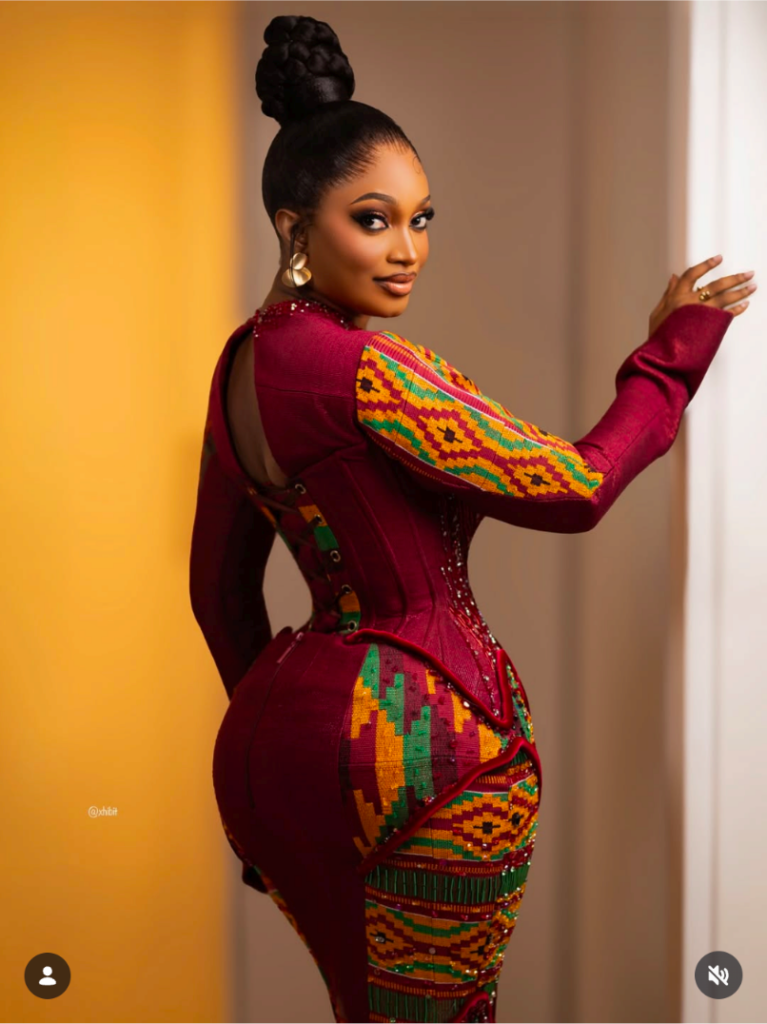
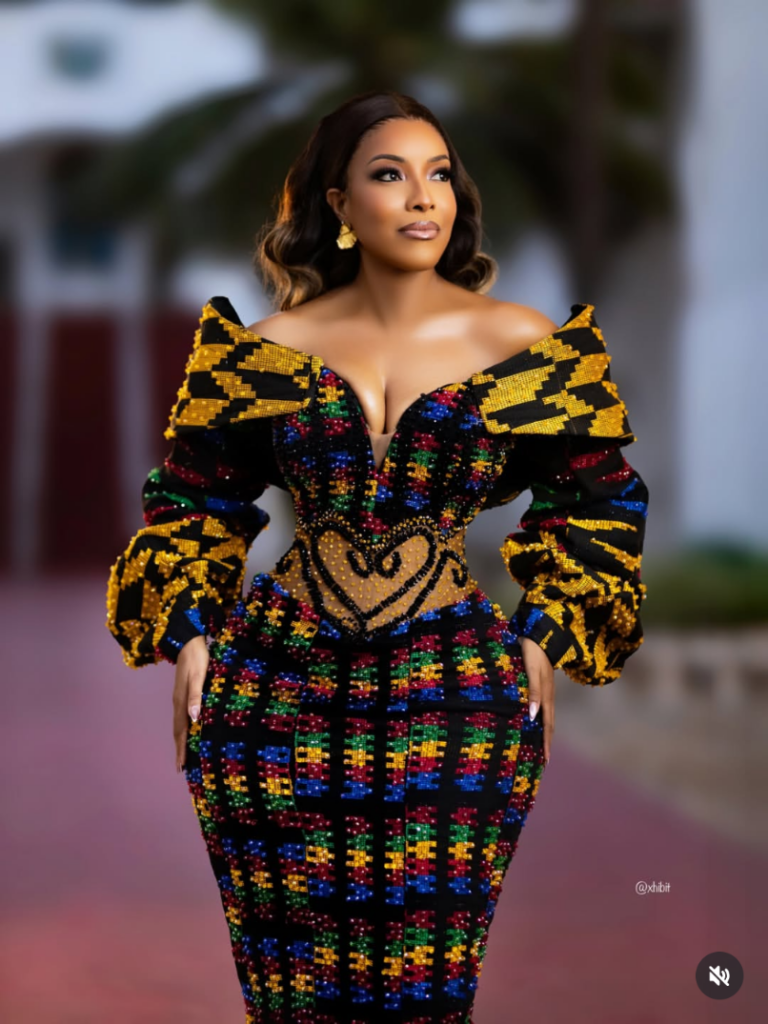
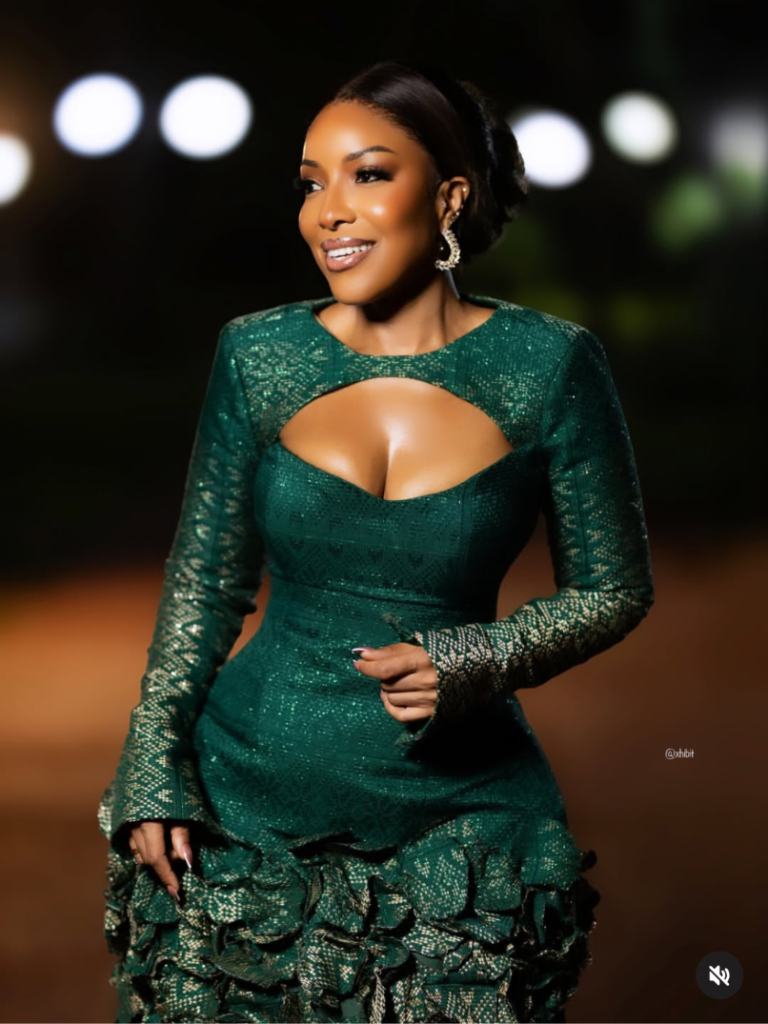
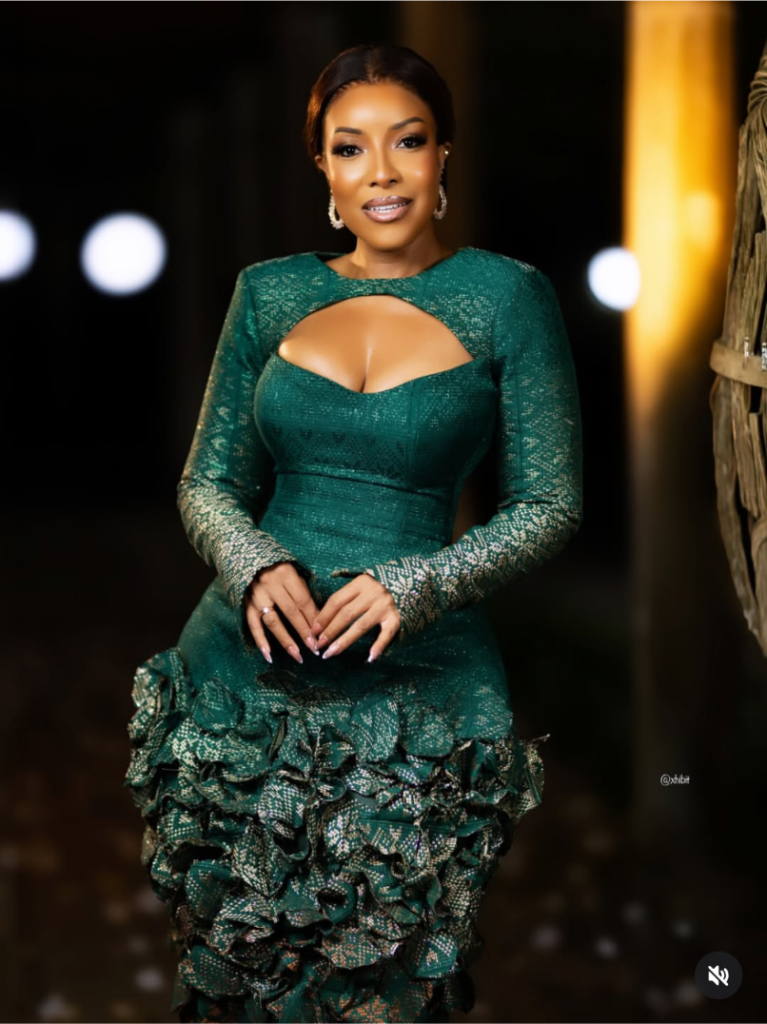
Elevate Your Presence with Lauren Haute Couture
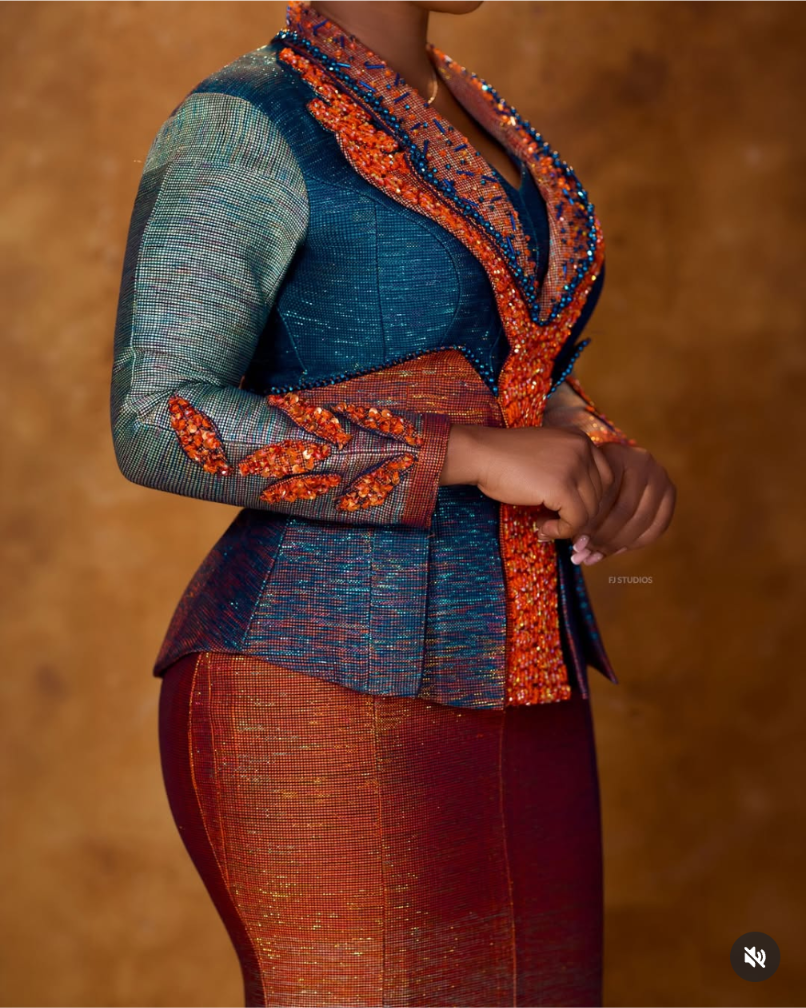
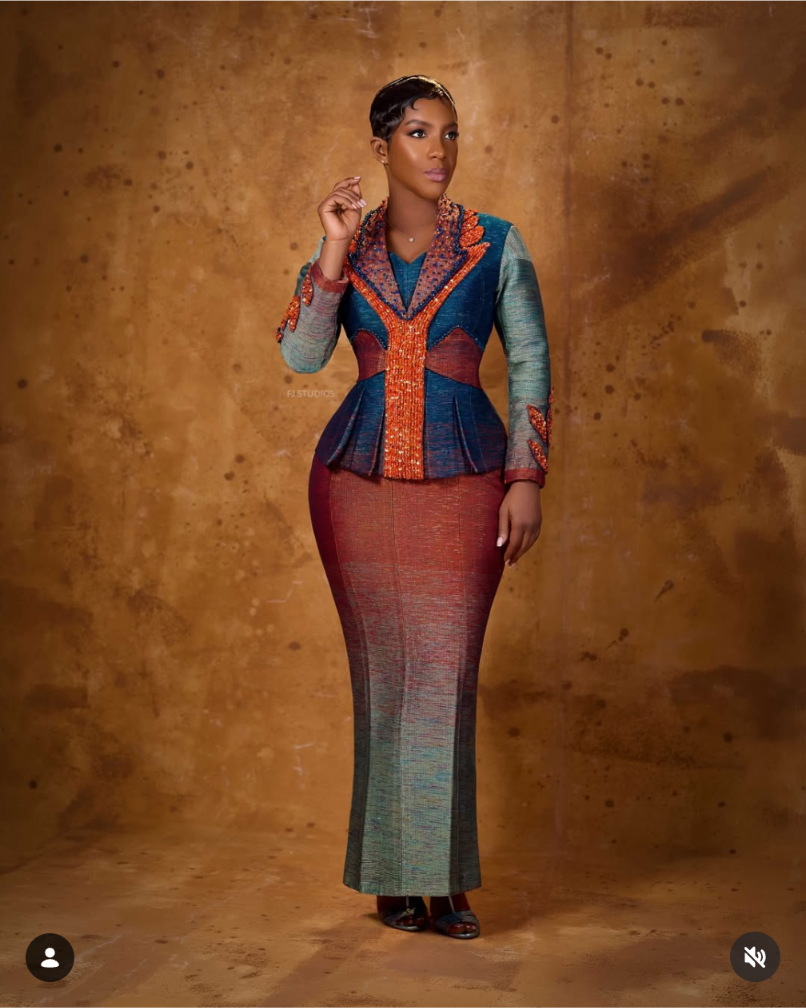
Experience the pinnacle of bespoke craftsmanship and modern elegance. As a multiple award-winning women’s wear brand, Lauren Haute Couture specializes in creating silhouette-defining pieces that celebrate the power and grace of the modern woman.
Why Choose Lauren Haute Couture?
- Masterful Tailoring: Our designs, like the stunning structured peplum ensemble featured here, utilize intricate textures and bold, iridescent fabrics to create a regal look.
- Artisanal Detailing: Every piece is elevated with hand-finished embellishments, unique color gradients, and architectural precision.
- Award-Winning Excellence: Trusted by discerning entrepreneurs and leaders, we bring a global standard of luxury to the heart of Ghana.
- Location: 5 Mama Adjeley Rd, East Airport, Accra, Ghana.
- Specialty: Bespoke Evening Wear, Professional Power Suits, and Avant-Garde Bridal.
https://www.instagram.com/sarahboadu?igsh=MWQxcHIwamxubWNobA==
https://www.instagram.com/xhibitphotography?igsh=MWQ1MzJxN2wweTE1ag==
