






ASSUMPTA WEEKLY NEWS MAGAZINE
Presents: “The Lawyer”
A Special Edition
Coming Monday, 27th January 2025
📍 Visit: assumptagh.live/
News Week Theme
Journalism of Neglected Topics
Featured Article Title:
Feeding the World, Starving Africa!
The Hidden Cost of Foreign Land Deals
In Collaboration with African Stream: Assumpta Newsletters Publication
Join the Dialogue with:
- Serwas-Amihara
- Freme-Adunyame
- Berla-Mundi
- Assumpta-Gahutu (CEO of Assumpta Publications & Principal of Babies and Todds)
- Stay informed. Stay engaged.



https://www.instagram.com/hairsenta?igsh=MXAzOThhNGZ0Nm15dQ==
“Unleash the beauty of natural, flawless hair with Hair Senta – the ultimate human hair extensions!
Crafted from 100% premium human hair, Hair Senta offers unmatched quality, softness, and versatility. Whether you’re looking for added length, volume, or a bold new style, our extensions blend seamlessly with your natural hair, giving you the confidence to slay every look.
Easy to style, dye, and maintain, Hair Senta is your secret to effortless beauty. Elevate your look today – because your hair deserves the spotlight! Hair Senta: Where confidence begins. Shop now!” Stay informed. Stay engaged.

Introduction
Africa holds 60% of the world’s uncultivated arable land—a priceless resource the rest of the world desperately needs. As Dr Ndlozi aptly says, “The land is at the centre of our struggle. There is no human existence without the land. So, there is no freedom without the land.”
This reality has attracted foreign interests, such as the United Arab Emirates (UAE), whose investments in Africa’s agriculture are raising serious concerns. For example, Kenya’s Galana Kulalu project, a $52 million irrigation initiative, was initially marketed as a solution to Kenya’s food insecurity. However, the UAE’s involvement exposes a deeper agenda: securing their food supply, not Kenya’s.

This article looks hard at the growing trend of land deals across Africa, the hidden costs for local communities, and the threat to Africa’s sovereignty and food systems. It’s a wake-up call for African leaders and citizens to protect their land, prioritise transparency, and ensure sustainable development that truly benefits the continent.
Will Africa rise to the challenge, or will its lands be handed over to the highest bidder? The answers lie within.
This article eloquently Highlights a critical issue: the risks and consequences of foreign agricultural investments in Africa. The Galana Kulalu project is emblematic of a broader trend that exposes Africa’s vulnerabilities while raising urgent questions about sovereignty, food security, and governance. Here’s an analysis:
We call it exploitation, injustice, colonialism—taking our rights without freedom and perpetuating global imbalances.
In this article, Assumpta Newsletters Publication highlights how the world, including the UAE, is exploiting Africa, with the tacit approval of African leaders who fail to fight for our freedom and protect our rights.
This exploitation has had a devastating impact on Africans, and Assumpta Newsletters invites its readers to reflect on the issues of rights, justice, freedom, equality, and awareness.
When countries or corporations lease or buy vast tracts of land in developing nations, they not only control the land itself but also the food it produces. The contracts are often opaque, negotiated behind closed doors, and filled with loopholes that prioritize foreign interests over local communities.
Take the Galana Kulalu project in Kenya, for example—a project President Ruto referred to as a solution to Kenya’s food insecurity. But ask yourself: Why is the UAE, a country 5,000 kilometres away, so interested? The answer is simple: It’s their food insecurity they are solving, not Kenya’s.
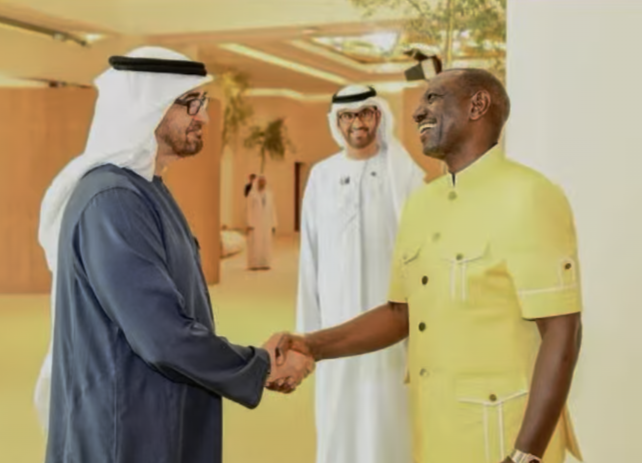

If this trend continues, African nations risk losing control of their food systems. The UAE’s agricultural investments in Africa are strategic—they are ensuring their food supply while avoiding the high costs and instability of the global food market. However, the benefits to Africa are questionable at best.
Jobs created by such ventures are often low-paying, environmental impacts are neglected, and local farmers are displaced. So, what is the solution? Transparency.
African governments need to prioritize deals that are truly beneficial to the people, ensuring fair wages, community input, and sustainable practices.
Africans can finance these deals themselves, empowering local citizens to own and manage agricultural projects. In this game of food security, Africans shouldn’t be the ones going hungry and remaining poor.
The UAE’s growing agricultural footprint in Africa serves as a wake-up call. The question is: Will African leaders protect their people’s interests, or will they continue selling out their land to the highest bidder?

The people must protect and nurture their land because it’s priceless. It cannot be handed over on a silver platter to anyone.
1. The Problem of Foreign Land Acquisitions
- Opaque Contracts: These deals often lack transparency, making it hard for citizens to know the terms, benefits, and potential pitfalls. This fosters corruption and prioritizes foreign interests over local welfare.
- Control Over Food Systems: By leasing or purchasing fertile land, foreign entities effectively control the production and distribution of food, sidelining local communities.
- Displacement of Farmers: Local farmers often lose access to the land they rely on, forcing them into low-paying jobs or displacing them entirely.
2. UAE’s Motivations
- Food Security: With 90% of its food imported, the UAE’s investments in Africa’s agriculture are about insulating itself from global market volatility.
- Cost Efficiency: Leasing land in Africa is far cheaper than farming in arid or developed regions like the UAE.
- Strategic Advantage: Controlling Africa’s agricultural output ensures a steady food supply while exploiting the continent’s resources at minimal cost.
3. Impact on Africa
- Economic Inequality: The profits largely benefit foreign investors and local elites, not the average African citizen.
- Food Insecurity: Crops are often grown for export, leaving local populations dependent on imports or vulnerable to price hikes.
- Environmental Degradation: Intensive farming and irrigation can lead to soil exhaustion, deforestation, and water resource depletion.
- Loss of Sovereignty: Control over land and resources shifts away from African nations, undermining their autonomy.
4. The Path Forward
- Transparency and Accountability: Governments must disclose the terms of such deals and involve local communities in decision-making processes.
- Strengthen Land Ownership Laws: Protect local farmers and communities from displacement by ensuring secure land tenure.
- Prioritize Local Financing: African nations can pool resources through regional bodies or diaspora contributions to fund agricultural projects themselves.
- Focus on Sustainability: Adopt environmentally friendly practices that preserve resources for future generations.
- Empower Local Farmers: Provide access to technology, credit, and markets, ensuring they are the primary beneficiaries of agricultural development.
5. A Call to Action
Dr Ndlozi’s statement resonates deeply: land is central to freedom and human existence. African governments must recognize the priceless value of their land and resist the temptation to prioritize short-term financial gains over long-term sovereignty and welfare.

The real solution lies in self-reliance, community-driven development, and sustainable practices. Africa’s land should be cultivated by Africans, for Africans—securing not only food but also dignity, independence, and prosperity for future generations.
This is not just an economic issue; it’s a fight for the soul of the continent. Will Africa stand firm, or will it sell its future to the highest bidder?
“It is no exaggeration to say that the world’s economic prosperity has, to a large extent, been built on exploitation—and Africa has often been at the receiving end of this injustice. The UAE, with its polished image of wealth and development, has played a role in misleading many, perpetuating narratives that mask their true intentions.

This carefully crafted image, coupled with promises of economic growth, has become one of the reasons Africa finds itself trapped in the snares of corruption and ignorance. These deals, often negotiated behind closed doors, prioritize foreign interests while leaving African nations vulnerable and dependent.
As Africans, we must see beyond the allure of quick gains. It’s time to reject exploitative arrangements, prioritize transparency, and take charge of our resources. Only then can we truly break free from these cycles and secure a prosperous and independent future for our continent.”
– Assumpta Gahutu, CEO of Assumpta Publications and Principal of Babies and Toddlers Daycare.
Assumpta Weekly News Magazine Dialogue: Feeding the World, Starving Africa



Beginning with a serene welcoming environment. Seated are Berla Mundi (the host), Serwaa Amihere, Frema Adunyame, and the guest of honour, Assumpta Gahutu.]

Berla Mundi:
“Good evening, everyone, and welcome to this special edition of Assumpta Weekly News Magazine Presents: The Lawyer. Today, we’re tackling a topic that strikes at the very heart of Africa’s future—Feeding the World, Starving Africa: The Hidden Cost of Foreign Land Deals.
Joining me to unravel this issue are two remarkable broadcasters, Serwaa Amihere and Frema Adunyame, who bring years of experience and insightful perspectives to today’s dialogue. But we are especially honoured to have with us Ms. Assumpta Gahutu, the CEO of Assumpta Publications and Principal of Babies and Toddlers Daycare. Her deep insights into governance, sovereignty, and community-driven development promise to make this an unforgettable conversation.
Ms. Gahutu, it’s an absolute pleasure to have you here today. Thank you for joining us.”

Assumpta Gahutu:
“Thank you, Berla. It’s truly a privilege to be here and share this space with you, Serwaa, and Frema. This topic is incredibly dear to my heart, and I’m thrilled that we’re shining a light on it today.”

Berla Mundi:
“Before we dive into the specifics, let’s set the stage for our audience. Africa holds 60% of the world’s uncultivated arable land—a priceless resource, as Dr Ndlozi reminds us, that is ‘central to freedom and human existence.’ And yet, we see foreign powers, like the UAE, leasing and purchasing huge tracts of African land for their food security.
Ms. Gahutu, you’ve described this issue as one that’s not just economic, but a fight for the soul of the continent. Could you share your perspective on why this matters so deeply?”
Assumpta Gahutu:
“Berla. The land is more than just a resource—it is identity, sovereignty, and a lifeline for millions of Africans. The recent trend of foreign agricultural investments may seem promising on the surface—bringing capital, jobs, and development. But beneath the surface lies a troubling reality: these deals often prioritize the interests of foreign investors while sidelining local communities.
Take the Galana Kulalu project in Kenya, for instance. Marketed as a solution to food insecurity, it’s clear the primary beneficiary is not Kenya but the UAE, a country solving its food shortages by exploiting African resources. The contracts behind these deals are often opaque, negotiated behind closed doors, and riddled with loopholes. This lack of transparency fosters corruption, displaces local farmers, and undermines Africa’s sovereignty.”

Serwaa-Amihere:
“That’s a powerful statement, Ms. Gahutu. When you speak about sovereignty and identity being tied to the land, it’s a stark reminder of the generational impact this could have. But what about the argument that these investments create jobs and contribute to economic growth? Is there any merit to that?”
Assumpta Gahutu:
“That’s a fair question, Serwaa, and on paper, it may seem like these deals offer economic opportunities. However, the reality is often very different. The jobs created are frequently low-paying, temporary, and exploitative. The promised economic growth rarely trickles down to the average African citizen. Instead, profits flow to foreign investors and a select group of local elites who broker these deals.
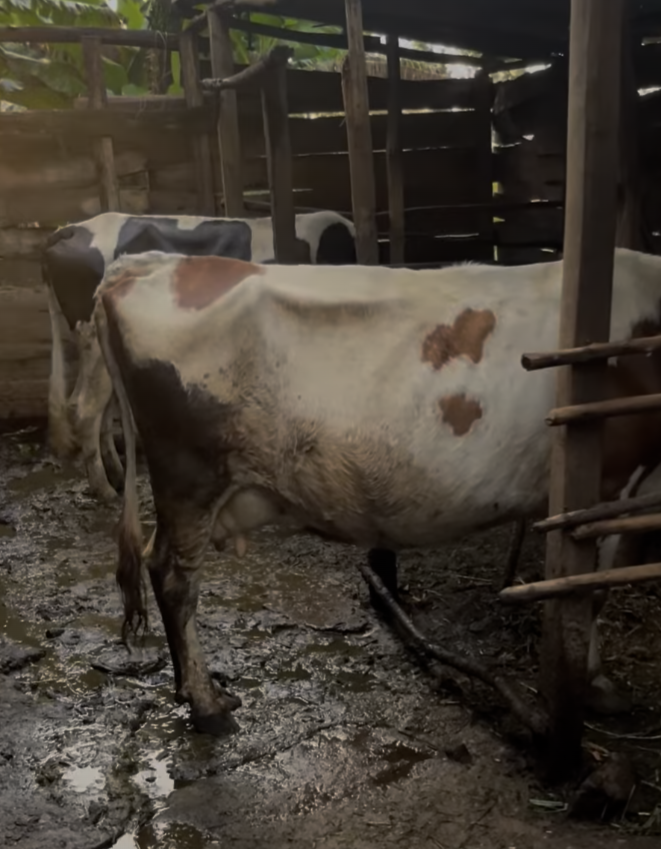
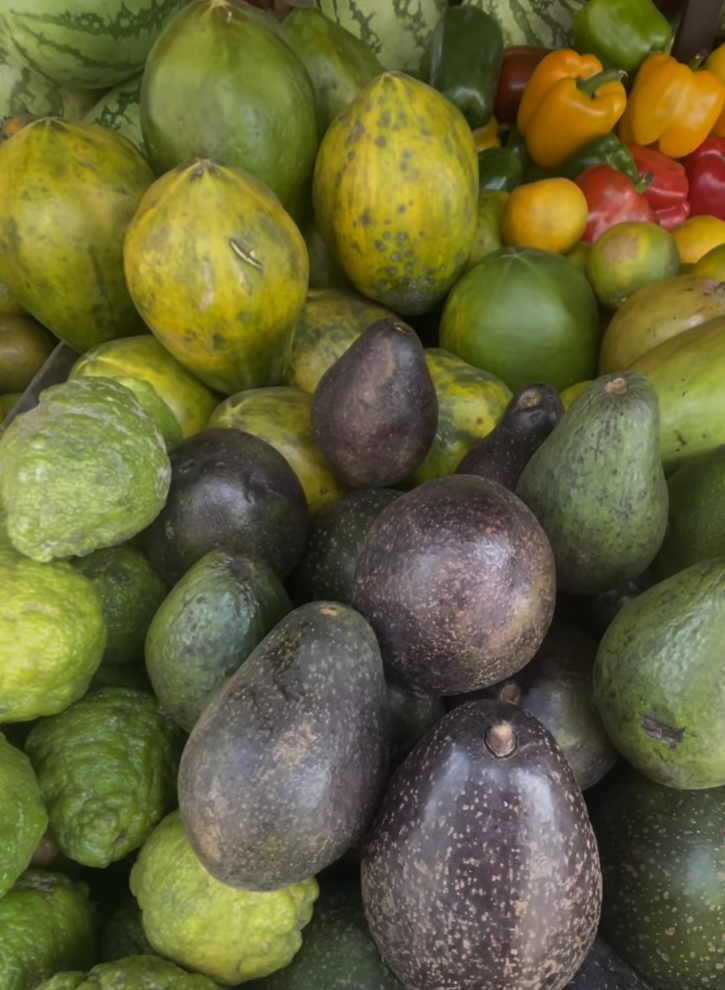
Meanwhile, local farmers are displaced, fertile land is diverted to export crops, and communities are left worse off. This is not economic growth—it’s exploitation disguised as development.”

Frema Adunyame:
“Ms. Gahutu, your insights are incredibly thought-provoking. One thing that stood out to me in your article was the environmental impact of these projects. Could you elaborate on how these foreign agricultural investments affect Africa’s ecosystems?”

Assumpta Gahutu:
“Certainly, Frema. Intensive farming practices, often employed by foreign investors, can have devastating environmental consequences. Over-irrigation depletes water resources, while monoculture farming exhausts soil fertility and leads to deforestation. These practices not only harm the environment but also jeopardize the long-term sustainability of agriculture in Africa.
What’s particularly troubling is that these environmental costs are often ignored in the pursuit of short-term profits. If we continue down this path, we risk losing the very resources that make Africa a global agricultural powerhouse.”

Berla Mundi:
“This brings us to the heart of the matter: how can Africa protect itself from exploitation and reclaim its food systems? What’s the solution?”

Assumpta Gahutu:
“The solution begins with transparency. Governments must disclose the terms of these deals and involve local communities in decision-making processes. We also need stronger land ownership laws to protect local farmers from displacement.
But more importantly, Africa must finance its agricultural projects. Instead of relying on foreign investors, we can pool resources through regional bodies, engage the diaspora, and empower local farmers with technology, credit, and market access. By putting Africans at the centre of these initiatives, we can ensure that our land serves our people first.”

Serwaa-Amihere:
“That’s such an empowering vision, Ms. Gahutu. Africa’s future lies in self-reliance and community-driven development. Thank you for sharing such profound insights.”

Frema Adunyame:
“Indeed, this has been an enlightening conversation. Ms. Gahutu, your passion and clarity have given us so much to think about. Thank you for shedding light on this critical issue.”

Berla Mundi:
“And this brings us to a hard truth: we’ve seen African leaders come and go, fighting for the freedom of our people. But today, it seems that our leaders are no longer fighting for the rights of the African people. We are witnessing a failure to enact laws that protect us from exploitation and safeguard our sovereignty. Instead of championing the rights of local communities, many leaders are caught in the web of corrupt deals and short-term financial gains.”

Assumpta Gahutu:
“Exactly, Berla. It’s heartbreaking to see that the very leadership that should protect Africa’s interests is instead complicit in handing over our land to foreign powers. We need leaders who understand that the land is the foundation of our freedom, dignity, and future. Without strong, transparent governance, we risk losing not just our resources but our very identity as a continent.”

Berla Mundi:
“Thank you, Ms. Gahutu, for joining us today and for your tireless advocacy for Africa’s sovereignty and prosperity. To our audience, this conversation doesn’t end here. Make sure to read the full article in Assumpta Weekly News Magazine on Monday, 27th January 2025. Visit assumption.live/ to stay informed and engaged.
Let’s work together to protect our land, empower our people, and secure Africa’s future. Thank you all for tuning in, and we’ll see you next time!”

https://www.instagram.com/delish_bakerygh?igsh=MW5ic2c0NnR5cHBwZQ==
“Start your day with the irresistible taste of Delish Bread – where every slice is baked to perfection!
Soft, fresh, and bursting with flavor, Delish Bread is the perfect companion for your breakfast, sandwiches, or snacks. Made with love and the finest ingredients, it’s not just bread – it’s a treat for your taste buds.
From classic white to wholesome multigrain, there’s a Delish Bread for every craving. Taste the difference, feel the freshness, and bring a little more joy to your table. Delish Bread – Baked with love, enjoyed by all!”

https://www.instagram.com/flourishheights?igsh=cTExenQ3bnptZGgx
“Step into your healthiest, most confident self with Flourish Heights by Valerie Agyeman, a trusted women’s health dietitian and wellness expert!
From nutrition tips to lifestyle guidance, Flourish Heights is your go-to platform for empowering women to prioritize their health, fuel their bodies, and thrive in every season of life. With Valerie’s expertise, you’ll learn to embrace balanced living, boost your energy, and nourish yourself from the inside out.
Your health is your superpower—let’s make it flourish! Follow Flourish Heights today and take the first step toward a vibrant, healthier you!”

“Introducing Flora Organic Diapers by Serwaa Amihere – because your baby deserves the very best!
Made with 100% organic, hypoallergenic materials, Flora Diapers are ultra-soft, breathable, and gentle on your baby’s delicate skin. With superior absorbency and leak protection, you can enjoy peace of mind knowing your little one is comfortable all day and night.
As a Journalist and a mum, Serwaa-Amihere knows the importance of safe, eco-friendly products for your baby and the planet. That’s why Flora Diapers are designed with love, care, and sustainability in mind.
Choose Flora Organic Diapers – where comfort meets care. Give your baby the gentle touch they deserve!”


https://www.instagram.com/ag_premiumjeans?igsh=MWpsNjZ1bTFvdHNsdw==
Introducing the Premium Denim Revolution – Led by Visionary CEO Assumpta-Gahutu
Discover a new level of style, sophistication, and durability with our premium jeans collection, a line that redefines luxury for modern trailblazers. Under the leadership of Assumpta-Gahutu, a trendsetter and visionary in fashion, we’re elevating denim to new heights.
Each pair is meticulously crafted from the finest materials, ensuring a perfect balance of comfort, quality, and contemporary design. Our mission? To empower you to look and feel your best while making an unforgettable statement.
Join the revolution. Step into the premium.
[Shop now and experience the Assumpta-Gahutu touch.]
SGI. Our Shared Humanity