

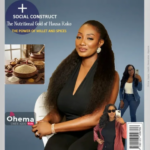
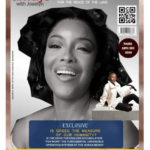





ASSUMPTA WEEKLY NEWS MAGAZINE
ONWARD:
Article Title : Why Reformist Leadership Matters for Sustainable Progress
Featured by: Berla Mundi, Ghana’s Best Broadcast Journalist
Building A Fairer Future : In this special edition, we explore the critical role of reformist leadership in driving sustainable progress across various sectors. Through insightful discussions and expert analysis, we aim to shed light on how visionary leaders can foster a more equitable society.

Berla-Mundi
Journalism of Neglected Topics : In today’s rapidly changing world, many significant issues often remain in the shadows. This segment will delve into neglected topics in journalism, emphasising the importance of addressing these areas to promote informed dialogue and societal advancement.
Featured Profiles :
Donald Trump : Estate Developer and Contractor; An examination of Trump’s impact on the real estate industry and the broader implications of his leadership style.
Cheddar Kwame Bediako: Estate Developer and Contractor ; A look at how Bediako’s innovative approach in the real estate sector is reshaping the landscape in Ghana.
Kamala Harris : A Reformist ; Insights into Harris’s role as a reformist leader and her initiatives aimed at promoting equity and justice in governance.
Gwen Addo : A Reformist ; An exploration of Addo’s contributions to reformative policies and her vision for a sustainable future.
Special Edition Coming Soon : Mark your calendars for Monday, 21st October 2024, as we launch this special edition. Join us for a deep dive into the critical conversations shaping our future.
Tune in at: assumptagh.live/
AFRICAN STREAM ;
Stay tuned for more updates and engaging content from the African Stream, celebrating our rich cultural heritage and the voices that matter.

Discover the perfect way to transform your space with our premium ambient diffuser. Whether you’re looking to create a calm, inviting atmosphere at home or elevate the ambiance of your office, our diffuser delivers a soothing blend of fragrance and tranquility.
Ready to enhance your environment? Visit our website today or contact Assumpta directly for more details and personalized recommendations! Experience the magic of our ambient diffuser and bring serenity to every room.
African Stream ; Tune in at: assumptagh.live
Stay tuned for more updates and engaging content from the African Stream, celebrating our rich cultural heritage and the voices that matter.
Introduction/Review:
In a world marked by rapid change and growing challenges, reformist leadership has become more critical than ever in steering societies toward sustainable progress. Assumpta Weekly News Magazine presents a special edition of ONWARD titled “Why Reformist Leadership Matters for Sustainable Progress,” featuring the acclaimed Ghanaian broadcast journalist, Berla Mundi.
This edition illuminates the importance of reformist leadership in creating a fairer, more equitable future. By focusing on underreported stories and examining the contributions of visionary figures like Kamala Harris and Gwen Addo, the feature highlights how leaders committed to reform can make lasting impacts on governance and societal well-being.
This edition profiles prominent estate developers and contractors like Donald Trump and Cheddar Kwame Bediako and explores how leadership in diverse sectors influences development. Through insightful analysis and compelling journalism, Assumpta Weekly invites readers to reflect on the power of reform and innovation in building a better tomorrow.
This special edition launches on Monday, 21st October 2024, and can be accessed at assumpta.live/. It promises to be a thought-provoking exploration of leadership, reform, and progress in the modern era.
Insights from Berla Mundi: Why Reformist Leadership Matters for Sustainable Progress

Berla-Mundi
As we face unprecedented global challenges—ranging from inequality to climate change—our world desperately needs leadership that doesn’t just seek to maintain the status quo but dares to reform it. Reformist leadership, which emphasises innovation, inclusivity, and forward-thinking solutions, holds the key to creating sustainable progress that benefits all, rather than just a select few.
“A reformist leader challenges the traditional frameworks.’. “They ask the tough questions and make bold decisions that go beyond short-term gains. They focus on reshaping systems, breaking down barriers of inequality, and ensuring that development is both inclusive and lasting.”
For instance, take the example of Kamala Harris, the Vice President of the United States. Harris’s leadership is driven by a deep commitment to reforming outdated systems that have excluded marginalised communities for too long. Her emphasis on equity and justice serves as a blueprint for how political leadership can foster sustainable growth by prioritising the needs of the many over the interests of the few.
On the African continent, we see similar reformist leadership in individuals like Gwen Addo, who is championing reforms aimed at uplifting communities and transforming social policies. These leaders focus not only on the present but also on the long-term health and prosperity of their societies.
“Sustainable progress,” “is not about rapid, short-term development. It’s about creating systems that support growth over generations, ensuring that future leaders and citizens inherit a world that is better than the one we live in now.”
Even in the realm of real estate, reformist thinking is crucial. Donald Trump and Cheddar Kwame Bediako, for instance, have transformed the real estate landscape through their unconventional approaches. But the question remains: How can their vision evolve to embrace sustainability and inclusivity in ways that leave a lasting positive impact on communities?
I will conclude with a powerful reminder: “The greatest legacy reformist leaders leave behind is not their success, but the structures they build that continue to provide for future generations. That’s what sustainable progress is all about—thinking beyond today and creating a fairer, more inclusive tomorrow.”

Berla Mundi :
Good morning, everyone, and thank you for joining this very important conversation today on “Why Reformist Leadership Matters for Sustainable Progress.” I’m Berla Mundi, a broadcaster and advocate for social development in Ghana. It’s my pleasure to host this dialogue with a distinguished panel of leaders and change-makers.
We are honored to have with us:
Kamala Harris, Vice President of the United States and a dedicated reformist who has spent her career fighting for justice and equity, especially for marginalized communities.
Donald Trump, former President of the United States, a long-time real estate developer, and contractor known for his business acumen and his leadership style in both the private and public sectors.
Cheddar Kwame Bediako, one of Ghana’s most successful real estate developers, who has transformed skylines and is now being discussed as a potential future president of Ghana.
Gwen Addo, the CEO of Hair Senta, a trailblazer in business and a reformist leader who is deeply invested in creating opportunities for young Africans, especially in Ghana.
Today, we’re discussing how reformist leadership can create long-term, sustainable progress, especially in sectors like real estate, governance, and entrepreneurship. We’ll explore the housing crisis in Ghana and beyond, look at the role of leadership in shaping policies that benefit the broader community, and discuss how to ensure inclusive growth.


Let’s start with a question for you, Gwen. You’ve been a reformist leader in your field, particularly when it comes to creating opportunities for young Ghanaians and Africans. How does your work address the need for reform?

Gwen Addo:
Thank you, Berla. What gives many young Ghanaians and Africans meaning in their lives is the development of their potential. This potential is often overlooked, but it’s crucial for sustainable progress. People like Donald Trump and Cheddar Kwame Bediako have transformed the real estate landscape, but I believe they could do more to ensure that this transformation helps not just their friends and contractors, but the wider community. They have the influence to open doors for others, helping them prosper as well.

Kamala Harris:
I couldn’t agree more, Gwen. When I was a lawyer serving as a prosecutor, I saw so many young people—particularly young Black men and women—who were prevented from achieving their potential. Much of the meaning in their lives was stripped away because they were treated as second-class citizens. They lost a sense of control over their futures, and it was clear to me that systemic issues, like unfair government policies, kept their communities underdeveloped.

Berla Mundi:
Kamala, that’s a powerful observation. You’re touching on a core issue—the dignity of the individual. Gwen, you’ve also spoken about seeing young people denied opportunities. How have you tried to make a difference through Hair Senta?

Gwen Addo:
As the CEO of Hair Senta, I saw firsthand that many talented young men and women were struggling to find opportunities to showcase their skills. So, I took it upon myself to provide training and a platform for them to work in prestigious roles, whether in management or our Hair Senta businesses. It’s not just about giving them jobs, it’s about helping them find purpose and meaning in what they do. It’s about reforming the system to create more inclusive opportunities for everyone.

Berla Mundi:
Gwen. Every person has the right to realise their potential, and as leaders, we all have a responsibility to respect the dignity of others, cooperating to create shared values. Now, Mr. Trump, Mr. Bediako—real estate is often seen as a sector that benefits only a few. There’s a perception that contractors often give projects to their friends, aiming for personal profit. How do you respond to this, especially in the context of reformist leadership that focuses on inclusivity and community growth?

Donald Trump:
Well, Berla, I’ve always been a firm believer in winning. That means working with the best people to get the job done, and yes, sometimes those people are friends or people we’ve worked with before. But that’s business. If you’re good at what you do, you surround yourself with those who deliver results. Real estate is about creating spaces where people live, work, and succeed. It’s not just about profits—it’s about creating a legacy that lasts.

Cheddar Kwame Bediako:
I see where you’re coming from, Donald, but I believe there’s a shift happening. We’re in a new era where social impact must be part of the business model. I’ve seen how real estate can transform not just skylines, but communities. In my work, I’ve made it a point to engage with local communities, offering opportunities to young Ghanaians who otherwise wouldn’t have had a chance in such a competitive industry. Yes, it’s important to work with reliable partners, but it’s also important to open doors for new talent and contribute to a broader social vision.

Berla Mundi:
Thank you both for those perspectives. Cheddar, your point on social impact ties into the idea of reformist leadership—leading not just for personal success, but for the betterment of society as a whole.
Kamala, you’ve seen how policies can shape lives, often for the worse. How do you think leaders like Donald and Cheddar can help communities, especially marginalised ones, feel like they are more in control of their destinies?

Kamala Harris:
Leaders in any field, whether in government or business, have the power to influence lives. But they need to make intentional choices. In my work, I’ve always advocated for policies that uplift rather than suppress communities. People need to feel like they have a say in what happens in their neighbourhoods and that the economic opportunities created by businesses are available to everyone—not just a select few. Real estate developers like Donald and Cheddar can play a huge role in this by investing in affordable housing, offering skills training to local workers, and ensuring that the benefits of development are shared more widely.

Berla Mundi:
Kamala, that’s exactly what reformist leadership is about—making choices that consider long-term, inclusive benefits. Gwen, any final thoughts on how we can ensure that more young people have the opportunities they deserve?

Gwen Addo:
It starts with recognizing potential and investing in people, not just projects. If we all take a step back and ask ourselves, “How can I help others reach their full potential?” we’ll see that sustainable progress is possible. Leaders in every field, from politics to real estate, need to take responsibility for nurturing talent and creating inclusive spaces where everyone can thrive.

Berla Mundi:
Thank you, Gwen. I think we can all agree that reformist leadership is essential for creating a more equitable and sustainable future. It’s about making sure that everyone has a seat at the table, that every individual’s dignity is respected, and that progress is shared.
Thank you, Kamala, Donald, Cheddar, and Gwen, for such an insightful conversation. To our readers, stay tuned for more as we continue exploring these critical issues. Remember, we all have a part to play in building a fairer, more inclusive future. Thank you all for those insights.

Now, I want to bring the focus to something very specific and close to home—Ghana’s housing crisis.
Understanding Ghana’s Housing and as a broadcast journalist I know that Ghana is facing a significant housing problem, with an estimated shortage of around 1.8 million homes. This is a decrease from the 2.8 million homes reported in 2010. This ongoing issue highlights the urgent need for strategic solutions and investments.
There are millions of people in Ghana without homes, and while real estate development has boomed, many still don’t have access to affordable housing. Mr. Bediako, as a key player in Ghana’s real estate sector, how has development helped, and what more needs to be done?

Cheddar Kwame Bediako:
That’s a crucial issue, Berla. The reality is, that despite the real estate boom in parts of Accra and other major cities, affordable housing remains a challenge. My goal, through my work, has been to introduce innovative solutions—using local materials and creating sustainable, lower-cost housing models. But real estate alone can’t solve the problem. We need a coordinated effort from both the government and private sector to ensure housing developments cater to all income levels.
I’ve started working on projects that focus not just on luxury, but on affordable housing, because housing is a basic need, and when people have a roof over their heads, they can start to build better futures for themselves and their families.

Donald Trump:
Cheddar, you’ve done incredible work, but like you said, it’s not just about luxury. Affordable housing is a global issue. The government has to step in as well. In my experience, real estate developers often get trapped between the costs of development and making housing affordable. Tax incentives, partnerships, and land access from the government can help developers like you and me make housing more accessible to those in need.

Kamala Harris:
That’s an important point, Donald. The public sector has to step up and partner with developers. In the U.S., we’ve seen how government-backed programs can help low-income communities access affordable housing. It’s about ensuring that policies promote inclusion, rather than just high-end development that pushes communities out.

Berla Mundi:
Kamala. Cheddar, as you think about the future, there’s been talk of you running for President in Ghana. What would your vision be for tackling these challenges on a national level?

Cheddar Kwame Bediako:
Yes, I’ve heard the rumours, and I do have ambitions for helping my country in a broader capacity. If I were to become President of Ghana, my focus would be on long-term solutions to address housing, education, and employment. I want to ensure that every Ghanaian has access to affordable housing and that we invest in local industries to boost employment. My vision is to build a self-sustaining economy where housing is not a privilege but a right.
I believe leadership is about reform, as we’ve discussed today. I want to reform how housing is approached in Ghana, making sure the benefits of real estate reach the masses, not just the elite. We need policies that promote affordable housing, create opportunities for young entrepreneurs, and ensure our cities are developed in a way that is inclusive and sustainable.

Gwen Addo:
That’s the kind of leadership we need—leaders who don’t just look at immediate profits but think about long-term sustainability. Cheddar, your experience in real estate, combined with your passion for Ghana, could help transform the way we approach housing, jobs, and growth.

Berla Mundi:
Cheddar, you’ve mentioned the importance of partnerships between the government and private sector. How do you envision bringing the two together to tackle these problems if you were President?

Cheddar Kwame Bediako:
I believe in public-private partnerships. The government needs to create an environment where businesses can thrive, but it also has to hold those businesses accountable for social impact. As President, I would work to ensure that developers have the incentives to build affordable housing, while also creating regulations that prevent speculative development, which drives up prices. We need transparency and a shared vision between the private sector and government to tackle the housing crisis and create sustainable cities.

Berla Mundi:
That’s an inspiring vision, Cheddar. Ghana, like many parts of the world, is at a crossroads, and reformist leadership will be crucial in addressing these challenges. Whether it’s housing, social equity, or economic growth, we need leaders who will think beyond short-term gains and work toward inclusive progress.

Kamala Harris:
You know, this brings up an important point. We’ve seen leaders from the business world transition into politics before. Mr. Trump, you were President of the United States and a long-time real estate developer. Yet, during your presidency, many criticised the fact that housing reforms, especially those that would benefit Black communities and low-income Americans, weren’t fully addressed. Instead, we saw policies that seemed to favour the wealthy.
So, when we talk about estate developers becoming presidents, is it really about public service? Or is it simply about continuing to prioritise profits over much-needed housing reforms that benefit citizens? Cheddar, I’d like to hear your thoughts on this as well, since you’ve also been discussed as a potential future president of Ghana.

Donald Trump:
Well, Kamala, let me clarify something. When I was President, I was focused on reviving the economy and creating jobs for all Americans, and that included Black and low-income communities. We cut taxes and regulations to boost businesses, which I believe creates opportunity. The housing issue, while important, was tied into a broader strategy of economic growth. I prioritised policies that would allow businesses to flourish, and I still believe that a strong economy is what helps people afford homes, not necessarily government handouts.

Cheddar Kwame Bediako:
I see both sides here. Donald’s point about growing the economy is valid—without a strong economy, affordable housing is impossible. But Kamala is right in highlighting that economic growth alone isn’t enough. As a real estate developer, I understand how profits can drive the industry. However, if I were the President of Ghana, my priority would be to balance profitability with social responsibility. There’s no reason why we can’t reform the housing sector in a way that benefits citizens at all income levels.

Kamala Harris:
Cheddar, I appreciate that perspective. But it’s not just about growing the economy—it’s about who benefits from that growth. We saw during Mr. Trump’s presidency showed that while the economy did grow in some areas, the housing crisis for many Americans, especially marginalised communities, wasn’t resolved. Homes became more expensive, and affordable housing remained out of reach. So, how would you ensure that, as President, your focus on economic growth doesn’t leave people behind, especially those who need affordable housing?

Cheddar Kwame Bediako:
That’s exactly the balance I would aim to strike, Kamala. In my vision for Ghana, we can’t just focus on growth for the sake of growth. We need to ensure that the fruits of development reach everyone, not just those at the top. That means investing in affordable housing and creating policies that ensure real estate isn’t just about luxury buildings or wealthy communities. It’s about creating homes that everyday Ghanaians can afford.
I would plan to work closely with the government to ensure that developers have incentives to create low-cost housing while still maintaining profitability. That’s how you ensure progress benefits all citizens.

Berla Mundi:
Kamala, you raise a critical issue about public service vs profit and Cheddar, your response offers hope that it’s possible to reform the housing sector without sacrificing business success. The big takeaway here seems to be that real estate developers—whether in Ghana or the U.S.—who aspire to political leadership need to make housing a priority for all citizens, not just those who can afford it.
It will be interesting to see how these lessons are applied, especially as Cheddar considers stepping into politics in Ghana. Leadership in this space has the potential to create transformational change.
This section emphasises the tension between profit-driven development and public service, raising the important question of whether estate developers, like Trump or Bediako, can lead with a focus on inclusive housing reforms. Kamala Harris,your challenge highlights the risk of prioritising profits over the needs of marginalised communities, and Cheddar responds with a commitment to balancing economic growth with social responsibility, especially in the context of Ghana.
Berla Mundi:
Now, speaking of leadership and housing reforms, let’s take a moment to reflect on Kwame Nkrumah’s vision. Nkrumah championed ambitious housing reforms and economic programs that were meant to uplift all Ghanaians, especially the working class and marginalised communities. His legacy still inspires many today.

So, let me ask both of you, Cheddar and Gwen—as potential future leaders in Ghana, which of you would take up the mantle of reviving Kwame Nkrumah’s housing reforms and economic programs? And how would you adapt them to meet today’s challenges?

Cheddar Kwame Bediako:
Great question, Berla. I’ve always admired Kwame Nkrumah’s vision for Ghana, especially his focus on building a strong and self-sufficient nation. His housing reforms were revolutionary for their time, aiming to provide affordable housing for all Ghanaians, which is something I’m deeply passionate about.
If I were to lead, I would take inspiration from Nkrumah’s work, but I would also modernise his ideas to reflect today’s realities. For example, I would focus on integrating sustainable building practices and using local materials to make housing even more affordable and environmentally friendly. Additionally, I’d work to establish public-private partnerships that would involve both the government and developers like myself, ensuring that every Ghanaian has access to affordable, quality housing.
Economically, Nkrumah’s vision of industrialization is more relevant than ever. I would push for more investment in local manufacturing and agriculture, ensuring that we reduce our dependence on imports and create jobs for the youth. Reviving Nkrumah’s economic programs means looking at Ghana as a self-reliant nation, capable of producing its own goods and services.

Gwen Addo:
Cheddar, I agree with much of what you said. Kwame Nkrumah’s legacy is undeniable, especially when it comes to his belief in Ghanaian potential. He wanted to create a Ghana where everyone had the opportunity to thrive, not just the wealthy or privileged few.
For me, reviving Nkrumah’s housing reforms would be about ensuring that we focus on inclusive development. In my role as CEO of Hair Senta, I’ve worked to bring young men and women into meaningful employment, and I would take that same principle to a national level. I believe that housing is more than just bricks and mortar—it’s about building communities. My focus would be on creating housing projects that also provide education, healthcare, and jobs. Nkrumah’s vision was holistic, and that’s what I would aim for.
Economically, I would continue Nkrumah’s emphasis on empowering local businesses and entrepreneurs. Ghana has so much untapped talent, and we need to give people the tools and resources to build their success. My vision for reviving Nkrumah’s programs would include creating mentorship and training programs for young people, especially women, to lead in business, agriculture, and technology.
Cheddar Kwame Bediako:
Gwen, I like your point about community development. I think Nkrumah understood that housing wasn’t just about the buildings but about creating spaces where people could live and work with dignity. If I were to take up Nkrumah’s vision, it would be about integrating modern infrastructure with the needs of the people, especially in rural areas, where Nkrumah also focused his efforts.

Gwen Addo:
Exactly, Cheddar. Nkrumah’s ideas were ahead of his time, and they still hold value today. We just need to adapt them to the current context and make sure they serve all Ghanaians, from urban centres to rural communities. The key is making sure that everyone feels the impact of development, not just the elite.

Berla Mundi:
It’s wonderful to hear both of your thoughts on this. Nkrumah’s legacy of housing reforms and economic programs continues to resonate, but as you both pointed out, the challenge lies in modernising his ideas to meet the needs of today’s Ghana. It sounds like you both share a commitment to making Nkrumah’s dream of an inclusive and self-reliant Ghana a reality.
As we wrap up today’s insightful discussion, it’s clear that reformist leadership is not just important—it’s essential for sustainable progress. We’ve touched on critical topics, from housing reform to economic empowerment, and how these ideas can shape a fairer future for all Ghanaians and Africans alike. Whether it’s about reviving Kwame Nkrumah’s vision or addressing today’s housing challenges, it’s evident that leadership grounded in reform and inclusion can make a lasting difference.
We’ve also explored the journalism of neglected topics, shedding light on issues that matter deeply to people, such as affordable housing, and community development, and ensuring that opportunities are accessible to all. These conversations must continue if we are to create the kind of transformative change that will benefit future generations.
Thank you, Kamala Harris, for sharing your experience in public service and your dedication to equity. Thank you, Donald Trump, for your insights into real estate and economic growth. And a special thank you to both Cheddar Kwame Bediako and Gwen Addo for your visions of a prosperous Ghana where leadership and housing reforms meet the needs of the people.
It’s been a pleasure hosting this conversation, and I look forward to continuing these dialogues in future editions of Assumpta Weekly News Magazine’s special series, “Onward”. Thank you to all my guests and our audience for tuning in. Let’s keep moving forward toward a brighter, fairer future.


