



Presented by: Owusuwaa Weekly Health Newsletter
| 📰 Article Title | Agbogbloshie’s Toxic Secret: How E-Waste Poisons a Community |
| Subtitle/Quote | “When Weak Leadership Becomes a Public Health Crisis” |
| Content Focus | The Deadly Cost of Discarded Tech Becomes a Health Crisis in Ghana’s E-waste Dump. |
| Focus Highlight | Burning Cables, Burning Lungs: The Health Nightmare of Electronic Waste. |
| 📅 Special Edition Release: | Friday, November 14th, 2025 |
| 📍 Read exclusively at: | assumptagh.live |
HAIR SENTA ADVERTISEMENT



https://www.instagram.com/hairsenta?igsh=MXAzOThhNGZ0Nm15dQ==
✨ Transform Your Look at Hair Senta ✨
At Hair Senta, we believe that beauty begins with confidence — and confidence begins with hair that speaks volumes. We’ve helped countless women look and feel their absolute best with our premium 100% Human Hair Extensions, proudly sourced from Ghana to the world.
Whether you’re after volume, length, or a bold new look, Hair Senta is your ultimate destination for hair transformation.
📍 Visit us at: 24 Jungle Avenue, Accra, Ghana
📞 Call us: (+233) 0544354455 / 0248629769
🌐 Shop online: www.hairsenta.com
📸 Follow us: Join directionbygwen and 87 others on our journey to beauty and elegance. Hair Senta — A Place to Change Yourself.
AGBOGBLOSHIE
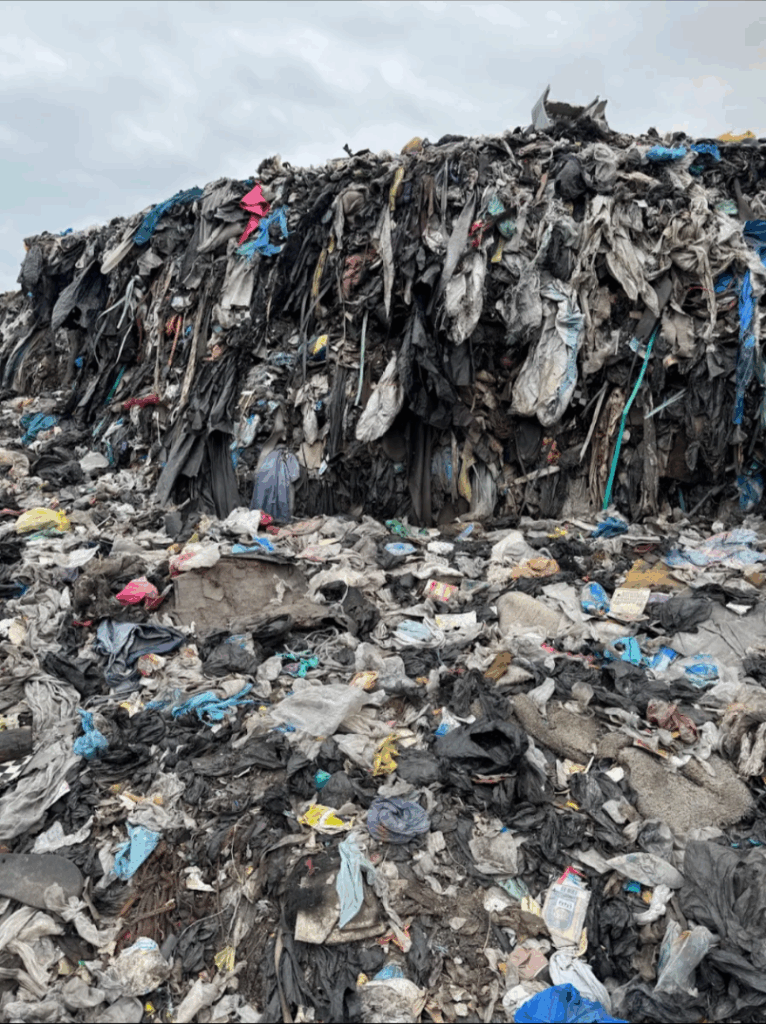


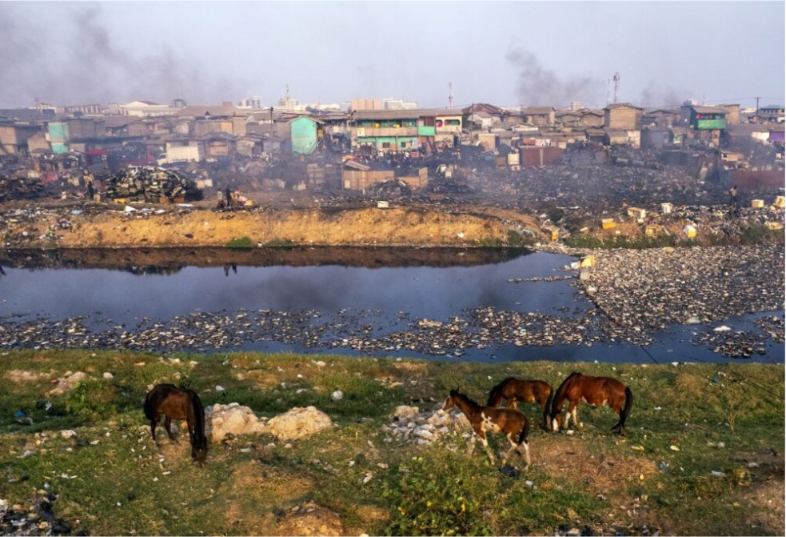


Her Vision Beyond Walls: Featuring Gwen Addo
This week, Gwen Addo—a certified entrepreneur, wellness coach, food educator, and co-founder of Owusuwaa Weekly Health Magazine—takes center stage.

As the founder of Hair Senta, HIBS-Africa, and TLS—The Leading Senta, Gwen is more than a business strategist; she is a movement-builder shaping communities where health, beauty, and wellness are not luxuries but rights.
Her mission is clear:
- Empower everyday people with practical wellness tools.
- Inspire young minds to contribute to a healthier, more responsible future.
- Redefine business as a community hub — a place of trust, connection, and transformation.
- “Cultural exchange is at the heart of this vision. It creates ripples of connection that unite hearts,” Gwen reflects.
For Gwen, health is culture — and culture is the boundless force behind true growth.
This Week’s Guest Feature: Gwen Addo and Berla Mundi . - In an exclusive dialogue, Gwen Addo is joined by Berla Mundi—renowned Ghanaian broadcast journalist and global media personality. Together, they unpack the transformative theme:
A Lifestyle Shift for Young Unemployed Ghanaians Putting Their Health and Life at Risk
Through their dialogue, they reveal how something as simple as caring for yourself—and others—can unlock deeper truths about personal well-being, social harmony, and national progress.
1. Lifestyle & Wellness Choices
Q: What inspired you to focus on this article title, ‘Agbogbloshie’s Toxic Secret: How E-Waste Poisons a Community’?
Gwen Addo: “My vision is about making health a fundamental right, not a luxury. Agbogbloshie, often labelled as simply an economic hub, is first and foremost a devastating public health crisis. We were inspired to focus on this because the suffering—the burning cables, the poisoned air—is a direct reflection of a global failure to protect the most vulnerable. We cannot talk about ‘wellness’ in Ghana without confronting the places where life is actively being shortened by environmental injustice. We aim to shift the conversation from ‘illegal dumping’ to ‘human catastrophe.'”
Q: How do burning cables and the resulting toxic fumes interact to impact our overall health, especially the youth working there?
Berla Mundi: “The smoke from burning e-waste cables, primarily to recover copper, releases a toxic cocktail of chemicals: dioxins, furans, lead, mercury, cadmium, and polycyclic aromatic hydrocarbons (PAHs). These don’t just ‘make you sick’; they systematically attack every major system in the human body.
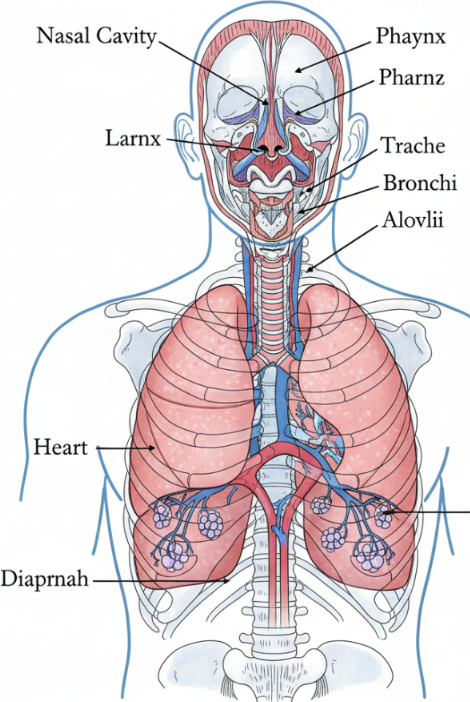
Lungs and Brains :
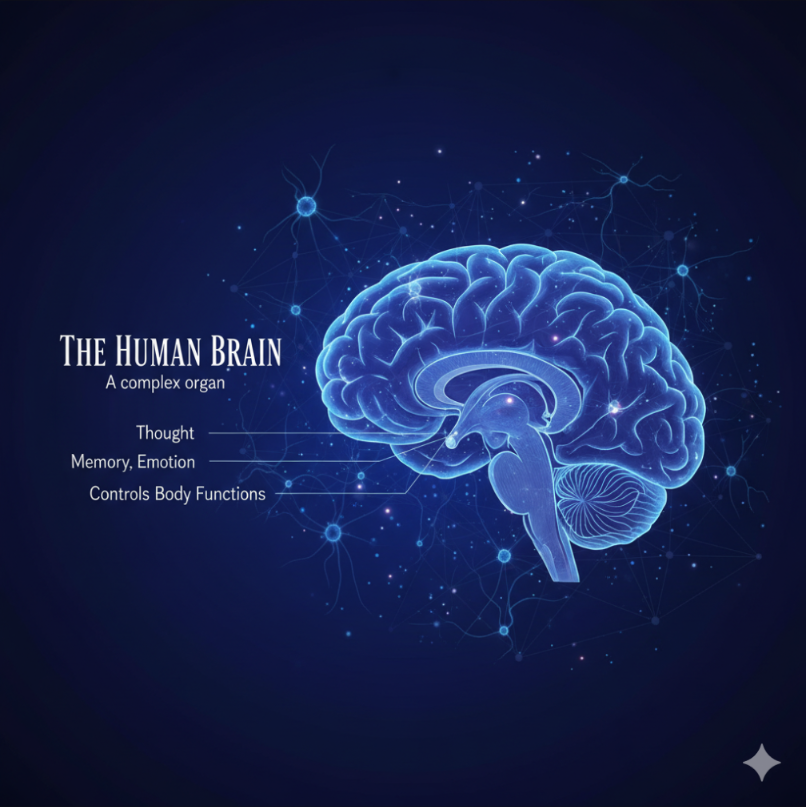
Lungs and Brains : Inhaling these fumes directly lead to severe respiratory illnesses, persistent coughs, asthma, and irreversible lung damage. Heavy metals like lead are neurotoxin, causing cognitive impairment and developmental delay in children.
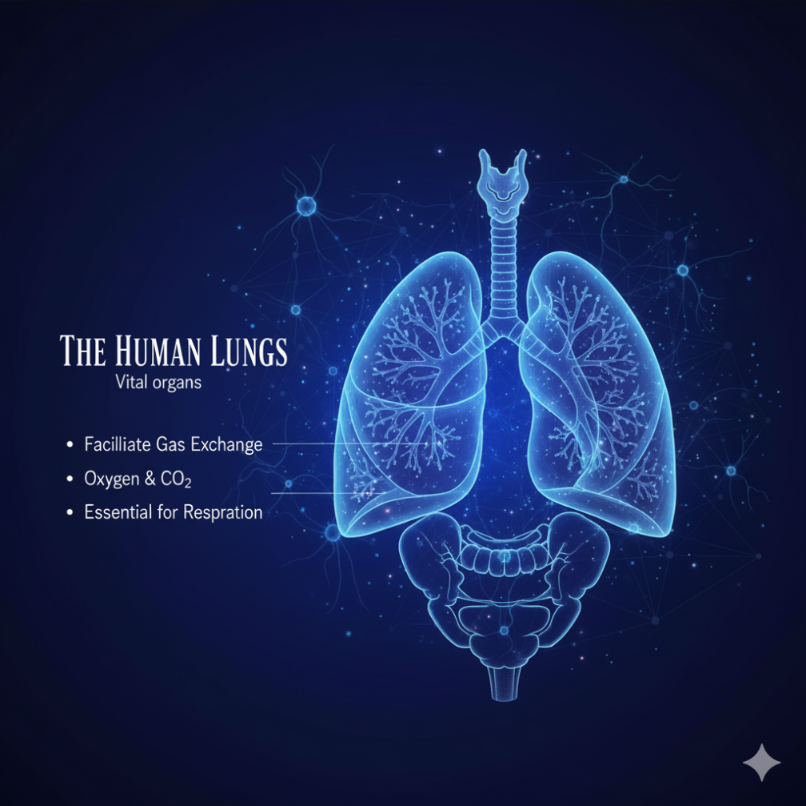
Cancer and Reproduction: Dioxins are furans and are known carcinogens and endocrine disruptors. For young people, this mean an increased risk of cancer later in life, and serious damage to the reproductive and immune systems.
General impact : The contamination is passed on. Toxins settles in the soil and water, affecting the food supply and leading to health issues in the children of those working there, continuing the cycle of illness
The Basel Convention and E-Waste
- Protecting Life from Hazardous Waste
The Basel Convention is an international treaty designed to control the movement of hazardous waste between nations, particularly preventing its transfer from developed to less developed countries. - MainMain Objective: The primary goal is to protect human health and the environment from the adverse effects of hazardous and other wastes by minimizing their generation and strictly controlling their transboundary movements.
- The Problem: Despite this convention, e-waste continues to arrive in Ghana, often falsely labelled as “used goods” for repair, highlighting the crucial need for stronger domestic regulation and global enforcement
Why Your Old Phone Might End Up in Ghana
Look closely — this is Agbogbloshie, Ghana, the world’s largest illegal electronic waste dump.
Phones, computers, and appliances we discard in wealthier nations often end their journey here.

Agbogbloshie-Accra
In 2022, the world produced 62 million tonnes of e-waste, yet only 22% was properly recycled. The rest? Much of it found its way to places like Agbogbloshie — a 31-hectare landfill (the size of 44 football fields) in one of Accra’s poorest suburbs.
Here, waste becomes a livelihood. About 40,000 residents live among heaps of discarded technology, salvaging metals like copper and aluminum to survive. Some burn cables to extract wire, others sift through ashes and soil for fragments — often children working for a few dollars a day.
Toxic smoke clouds the air, poisoning water and soil. Still, the work continues, driven by necessity and the global demand for cheap recycling.
Yet under the Basel Convention, rich nations are not supposed to export hazardous waste to poorer countries. So how does it still happen?
Through complex trade routes — often via intermediaries like Tunisia, South Africa, or Nigeria — waste quietly slips through the cracks of regulation before arriving in Ghana.
What we throw away doesn’t disappear — it just travels farther than we think.
The Basel Convention — A Promise the World Keeps Breaking
Once upon a time, the world agreed to protect places like Agbogbloshie.
In 1989, nations signed the Basel Convention, vowing to stop the export of hazardous waste from rich countries to poor ones.
It was meant to be a shield — a promise that no community would become a dumping ground for the world’s waste.
But promises are only as strong as those who keep them.
More than three decades later, the shield is cracked.
E-waste still slips through, disguised as “second-hand electronics” or “charitable donations.”
Containers full of broken phones, dead computers, and shattered TVs cross oceans under false labels, passing through ports in Tunisia, Nigeria, and South Africa, until they quietly reach Ghana.
By the time they arrive at Agbogbloshie, it’s no longer about policy — it’s about survival.
A mother burns wire for copper to feed her children.
A boy drags a magnet across the soil, hunting for metal dust. They breathe in our waste and call it work.
The Basel Convention still exists — but in places like Agbogbloshie, it feels like a forgotten story.
A story we keep rewriting with every phone we throw away.
An Exclusive Dialogue: Gwen Addo and Berla Mundi


Welcome to a special edition of the Owusuwaa Weekly Health Newsletter, where we bring together leading voices to tackle the most pressing public health issues facing Ghana and the world.
Introducing Our Guests
Berla Mundi is a highly esteemed Ghanaian broadcast journalist, media personality, and advocate known for her incisive interviews and powerful commitment to social issues. Her work on platforms both national and global has established her as one of Africa’s most influential communicators.
Gwen Addo is a certified entrepreneur, wellness coach, food educator, and co-founder of the Owusuwaa Weekly Health Magazine. She is the visionary founder behind several successful enterprises, including Hair Senta and TLS—The Leading Senta. Gwen is recognized as a movement-builder dedicated to making health, beauty, and wellness accessible rights for all, with a strong focus on community empowerment.
The Dialogue Begins

Berla Mundi: “Welcome, Gwen. Thank you for joining us for this essential conversation. The title of our feature article, ‘Agbogbloshie’s Toxic Secret: How E-Waste Poisons a Community,’ is deliberately stark because the truth demands it. This isn’t just an environmental story; it’s a story of life and death for thousands of our young people.”
”But before we delve into the details of this crisis, I want to quote the powerful guidance of SGI President Daisaku Ikeda on this very topic. His philosophy beautifully encapsulates the scale of the challenge we face, weaving together the Buddhist principles of interconnectedness, the dignity of life, and the essential role of youth and global citizenship.”
Berla Mundi (Quoting President Ikeda’s Guidance):

”President Ikeda stresses the Buddhist principle of esho funi—the oneness of life (the self) and its environment. He emphasizes that the toxic conditions in Agbogbloshie are not just a problem ‘over there,’ but a direct reflection of a lack of compassion and wisdom in the so-called developed world. The destruction of the environment in Ghana mirrors a destructive tendency within the hearts of those who benefit from the cheap disposal of e-waste. He states clearly: ‘To destroy the natural world is to destroy human life… There is no crime worse than harming one’s mother [Earth].’“
”He calls our attention to the Absolute Dignity of Human Life, arguing that the root of this environmental injustice is a ‘collective failure to make the human being—human happiness—the consistent focus and goal in all fields of endeavor.’ He urges a profound shift from indifference to compassion, recognizing the ‘inalienable dignity’ of the people in Agbogbloshie, who are our ‘global neighbors.'”
”Crucially, on the Crucial Role of Youth and Global Citizenship, he emphasizes that the youth, despite being victims, hold the key to the solution and should act as protagonists. He challenges readers globally to cultivate the three core qualities of a global citizen: Wisdom (to perceive the interconnectedness of their e-waste with the poisoned soil in Accra), Courage (to challenge the unjust systems like the circumvention of the Basel Convention), and Compassion (to dedicate oneself to global solidarity).”
”Finally, he asserts that external policy changes must be driven by an Inner Transformation—a Human Revolution—where individuals awaken to their boundless inner power and take responsibility for the welfare of the planet.”
Berla Mundi: “Gwen, that’s a profound framework. As a wellness coach and community-focused entrepreneur, does this philosophical alignment resonate with your work on the ground, or what particular insight do you want to share with our readers worldwide?”
Gwen Addo: “Berla, that guidance is not only aligned with our philosophy at Owusuwaa Weekly Health Magazine, it perfectly frames the fundamental crisis we are addressing. When President Ikeda speaks of esho funi, it immediately connects to our vision: Health is culture—and culture is the boundless force behind true growth.“
”We cannot preach wellness or encourage a healthy lifestyle shift if the very air our people breathe is carcinogenic. The toxic smoke from those burning cables is the physical manifestation of the lack of wisdom and compassion he described. It’s the cost of consumer convenience being paid directly by the health and lives of Ghanaian youth.”
”My greatest insight is that this is not just an enforcement problem; it is a design problem and a moral problem. We, the global consumers, must develop the wisdom to see that the shiny new phone in our hand is directly connected to the lead poisoning in a child’s blood in Agbogbloshie.”
”We are empowering young Ghanaians not just to demand justice, but to become the protagonists President Ikeda speaks of. They must be equipped with the knowledge—the Courage—to challenge the narrative that their lives are expendable for corporate profit. Our magazine’s work is precisely that of the Human Revolution in action: providing practical tools and inspiration so individuals awaken to their worth, prioritize their health, and then transform their environment and society around them.”
”If we embrace that compassion, we move past simply criticizing the problem and start designing real solutions—solutions driven by the inalienable dignity of every human life.”

Berla Mundi: “Gwen, that is a powerful summation. You’ve connected the dots between personal health and global responsibility, moving this discussion far beyond just local clean-up efforts. It’s clear that for you, this is a deep moral imperative.”
”Now, let’s turn to the article itself. Given your diverse background—from business strategy to wellness coaching—what specifically inspired you to focus on this article title, ‘Agbogbloshie’s Toxic Secret: How E-Waste Poisons a Community,’ for this special health edition?”

Gwen Addo: “That’s an excellent question, Berla. At its core, my vision is about making health a fundamental right, not a luxury. Agbogbloshie, often labelled as simply an economic hub, is first and foremost a devastating public health crisis. We were inspired to focus on this because the suffering—the burning cables, the poisoned air—is a direct reflection of a global failure to protect the most vulnerable.”
”We cannot talk about ‘wellness’ in Ghana without confronting the places where life is actively being shortened by environmental injustice. We aim to shift the conversation from a dry, policy discussion about ‘illegal dumping’ to a necessary recognition of a ‘human catastrophe.’“

Berla Mundi: “That is a powerful and necessary shift in focus, Gwen—moving the narrative from ‘illegal dumping’ to a ‘human catastrophe.’ Thank you for clarifying that moral and philosophical anchor for our readers.”
”Let’s move into the devastating specifics of this catastrophe. You mentioned the burning cables; this is the visceral image that haunts many people who hear about Agbogbloshie. Can you break down for us: How do burning cables and the resulting toxic fumes interact to impact our overall health, especially the youth working there?“

Gwen Addo: “The smoke from burning e-waste cables, primarily to recover copper, releases a toxic cocktail of chemicals: dioxins, furans, lead, mercury, cadmium, and polycyclic aromatic hydrocarbons (PAHs). These don’t just ‘make you sick’; they systematically attack every major system in the human body.”
- Lungs and Brain: Inhaling these fumes directly leads to severe respiratory illnesses, persistent coughs, asthma, and irreversible lung damage. Crucially, heavy metals like lead are powerful neurotoxins, causing cognitive impairment, reduced IQ, and developmental delays in children.
- Cancer and Reproduction: Dioxins and furans are known carcinogens (cancer-causing agents) and endocrine disruptors. For young people, this means an increased risk of cancer later in life, and serious damage to the reproductive and immune systems, compromising their ability to have healthy families.
- Generational Impact: The contamination is passed on. Toxins don’t disappear; they settle in the soil and water, affecting the food supply and leading to health issues in the children of those working there, sadly continuing this tragic cycle of illness.

Berla Mundi: “Gwen, your explanation of the systemic health damage—from respiratory failure and neurotoxicity in children to increased cancer risk—is utterly chilling. It drives home the point that this is a generational threat fueled by global indifference.”
”Now, let’s broaden the scope and look at the international mechanics that allow this catastrophe to persist. We have a summary here for our readers that explains the journey of this toxic material, titled ‘Why Your Old Phone Might End Up in Ghana.’“
Berla Mundi (Reading Summary):
”Look closely — this is Agbogbloshie, Ghana, the world’s largest illegal electronic waste dump. Phones, computers, and appliances we discard in wealthier nations often end their journey here.”
”In 2022, the world produced 62 million tonnes of e-waste, yet only 22% was properly recycled. The rest? Much of it found its way to places like Agbogbloshie — a 31-hectare landfill (the size of 44 football fields) in one of Accra’s poorest suburbs.”
”Here, waste becomes a livelihood. About 40,000 residents live among heaps of discarded technology, salvaging metals like copper and aluminum to survive. Some burn cables to extract wire, others sift through ashes and soil for fragments — often children working for a few dollars a day.”
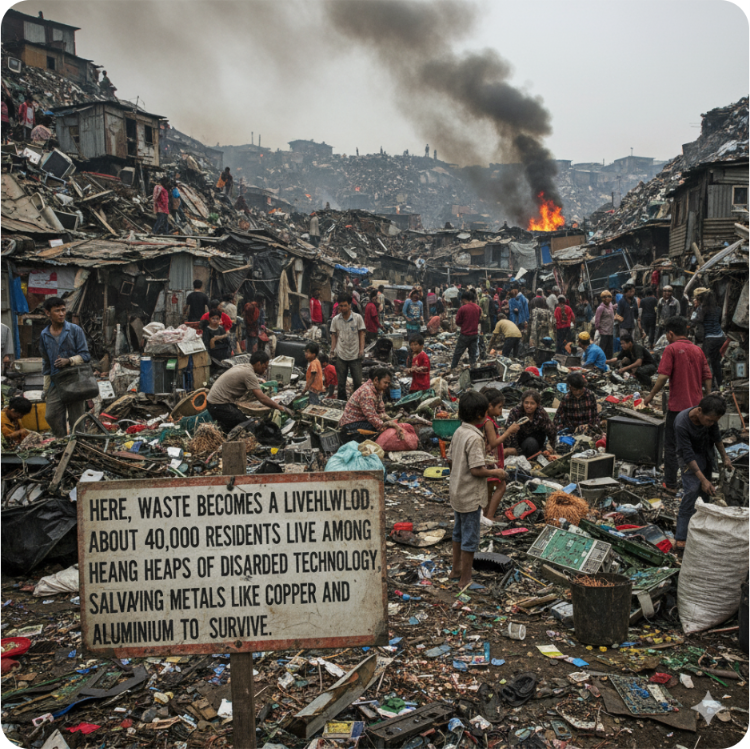
”Toxic smoke clouds the air, poisoning water and soil. Still, the work continues, driven by necessity and the global demand for cheap recycling.”
”Yet under the Basel Convention, rich nations are not supposed to export hazardous waste to poorer countries. So how does it still happen? Through complex trade routes — often via intermediaries like Tunisia, South Africa, or Nigeria — waste quietly slips through the cracks of regulation before arriving in Ghana.”
”What we throw away doesn’t disappear — it just travels farther than we Think.”

Berla Mundi: “Gwen, this summary clearly shows the mechanism of evasion. The Basel Convention is meant to stop this. As a thought leader focused on community wellness, what is the most critical element of this broken system—whether it’s the lack of recycling infrastructure in the developed world, the loophole reliance on intermediaries, or the economic desperation in Ghana—that must be fixed immediately to stop the flow of poison?”
Gwen Addo: “Berla, your summary is crucial because it pulls back the curtain on the entire pipeline, confirming what President Ikeda termed the ‘lack of compassion’ in the developed world. What we see in Agbogbloshie is not just a regulatory lapse; it’s a failure of our collective moral imagination.”
”The most critical element that must be fixed immediately is the Economic Desperation in Ghana and the Loophole Reliance by Exporters. These two forces act as magnetic poles attracting the toxic waste.”
The Dual Critical Fixes 🛠️
1. Challenging Economic Desperation
”The reason those 40,000 residents, including children, risk their health is because there is no viable, safe alternative to earn a living. The toxicity of Agbogbloshie is directly proportional to the poverty in the community. To stop the supply of poison, we must offer a lifeline of opportunity.”
- Action Needed: We must empower local leaders and entrepreneurs with resources to build safe, formal recycling and repair centers that adhere to global health standards. These centers must be attractive enough—providing better pay and safety—to pull workers away from the informal, deadly methods of burning. This transforms the youth from victims into protagonists of a sustainable future.
2. Sealing the Global Loophole
”The Basel Convention is powerful on paper, but useless when exploited. The labeling of non-functional junk as ‘used goods for repair’ is a deliberate act of deception. The reliance on intermediary countries like Nigeria or Tunisia is simply a smokescreen to hide the waste’s final destination.”
- Action Needed: Wealthier nations must be held accountable for strengthening their export enforcement. Customs officials globally need better training and technology to visually and chemically verify shipments leaving their ports. If the exporting country is forced to properly manage its own waste or bear the financial and legal cost of its fraudulent shipment, the flow to Ghana will dry up.
”In short, we must address the root causes simultaneously: providing dignity and economic safety on the ground in Accra, while demanding global integrity and accountability from the countries exporting the poison.”
Berla Mundi: “Gwen, that analysis is incredibly insightful—addressing the twin evils of global export fraud and local economic desperation. You’ve defined the urgent need for dignity and safe economic alternatives.”
”And that brings us tragically close to a phenomenon that mirrors the despair of Agbogbloshie right across our nation: Galamsey, or illegal small-scale mining. The same factors are at play: environmental destruction and the desperation of our youth.”
”I want to share a piece of history that illustrates the cost of lost vision in Ghana, specifically concerning employment and industrial independence.”
The Lost Vision: Kade Matches Factory
”In the 1960s, Kwame Nkrumah established the Kade Matches Factory. It wasn’t just a building; it was a symbol of industrial independence. It was producing millions of matches for local households and even exported to West Africa. It stood as proof that Ghana could manufacture essential goods for itself, providing meaningful jobs for the young people of Kade.”
Job Creation: Like other state enterprises, the factory provided employment for Ghanaians, which was intended to help break the cycle of poverty. The Kade Matches Factory, alongside many other factories built during Nkrumah’s tenure (producing goods like cement, steel, glass, and sugar), represents a period of state-led industrial development in Ghana. However, many of these factories later became defunct or abandoned in the decades following his overthrow in 1966.
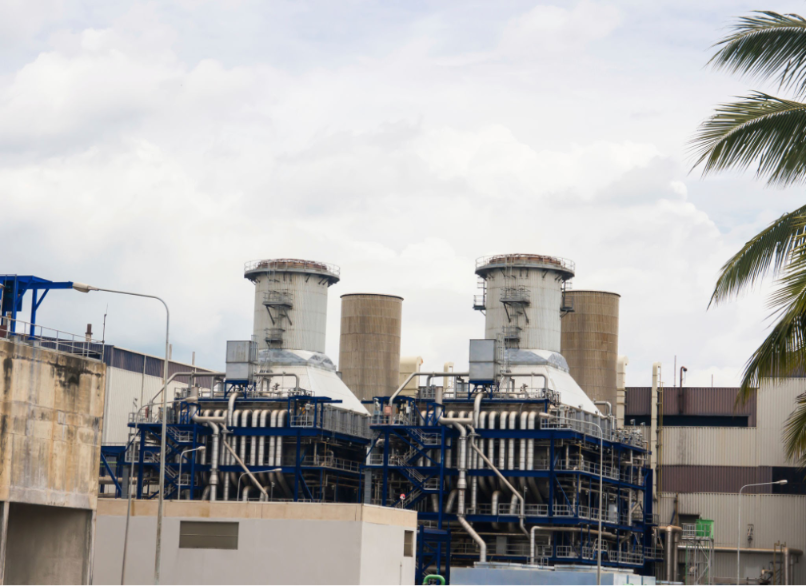
”Today, that vision is lost. After Nkrumah’s overthrow, and years of neglect, the Kade Matches Factory collapsed in 1990. Now, Ghana spends over 4 million dollars annually to import matches, mainly from Asia. This is capital leaving our economy—funds that could have sustained employment, modernized production, and diversified into new export products like electric lighters.”
”So, Gwen, I want to ask you: Don’t you think that the collapse of the Kade Matches Factory and similar state enterprises is one of the foundational reasons why illegal mining practices, or Galamsey, have escalated in Ghana and beyond? Because without meaningful, safe employment, human beings—especially the youth—will inevitably turn to risky, destructive alternatives. What do you think about the link between lost industry and the rise of Galamsey?”
Gwen Addo: “Berla, thank you for sharing that history of the Kade Matches Factory. It’s a profound and heartbreaking illustration, and the answer is an undeniable yes.”
”The collapse of national industries like the Kade Matches Factory is absolutely a foundational reason why illegal mining, or Galamsey, has escalated. The link between lost, meaningful industrial employment and the rise of destructive, risky alternatives is a direct consequence of a broken social contract.”
The Direct Connection: Lost Dignity and Toxic Desperation
”The core of the problem, as President Ikeda highlighted, is the failure to ensure the dignity of human life through opportunity. When a young person in Kade or any rural area sees the formalized, safe path to earning a decent living vanish—when their government allows $4 million to leave the economy for imported matches instead of sustaining a local factory—they are left with a severe income gap.”
- Vacuum of Opportunity: The collapse of these factories creates an employment vacuum. Nature abhors a vacuum, and so does the economy. That space is instantly filled by lucrative, though lethal, black-market economies like Galamsey or, in Accra, the dismantling of e-waste.
- Risk as the Only Option: The youth entering Galamsey know the risks—the environmental destruction, the mercury poisoning, the legal jeopardy—but when the only alternatives are abject poverty or a few dollars a day in a deadly industry, the choice is forced. They are choosing survival, not necessarily criminal enterprise.
- Loss of National Pride: The Kade Factory was a symbol of pride and purpose. Its collapse sent a clear message that the nation doesn’t value its local industry or its youth’s skills. This erosion of purpose fuels the despair that drives desperate actions like Galamsey, where the environment is sacrificed for immediate, short-term gain.
”Ultimately, both Agbogbloshie and Galamsey are symptoms of the same disease: a systemic disinvestment in dignified, sustainable local employment. We cannot stop the youth from seeking risky alternatives until we rebuild the safe, meaningful opportunities that were tragically allowed to collapse decades ago.”

Berla Mundi: “Gwen, that connection is devastatingly clear. The collapse of safe, meaningful national industry creates the economic desperation that forces our youth into the perilous alternatives—be it the mercury-laced waters of Galamsey or the toxic smoke of Agbogbloshie. You’ve given us a crucial framework: the solution requires both global accountability and a renewed national commitment to dignified local employment.”
”We are truly grateful for your powerful insights, not just as a wellness coach, but as a movement-builder demanding justice for our communities. The conversations you and I have had today are a critical first step in what President Ikeda calls the Human Revolution—awakening the wisdom and courage needed to change this reality.”
”Thank you, Gwen Addo, for helping us expose this crisis. We urge all our readers worldwide to internalize these truths.”
📰 Final Call to Action
Don’t miss the full story in this week’s special edition:
”Agbogbloshie’s Toxic Secret: How E-Waste Poisons a Community”
Read exclusively this Friday, November 14th, 2025, at assumptagh.live.


https://www.instagram.com/babies_and_todds_day_care?igsh=MWs0ZHlsbjcxNXEyZg==
🌟 Babies & Toddlers Daycare – Where Little Dreams Grow 🌟
📍 In the heart of Windhoek
At Babies & Toddlers Daycare, we provide a safe, loving, and affordable space where children can learn, play, and thrive.
Our mission is simple: to empower young minds to explore their passions and interests through our top-quality facilities.
✨ What We Offer:
- Early childhood education tailored to each child’s needs
- Fully equipped science & discovery labs
- Inspiring art studio and music room
- Fun sports facilities to build healthy, active habits
- Nutritious, tasty meals prepared with care
💡 Here, your child will be encouraged to grow, learn, share, and create in an environment that nurtures creativity, innovation, and confidence.
Join our vibrant learning community and give your child the start they deserve.
📞 Call: +264 81 673 7599
🌐 Visit: www.babiestodds.com


https://www.instagram.com/officeandcobysa?igsh=dmxucTZ2a2t1eDBn:
✨ Office and Co by SA — Where Ambitious Women Dress to Win ✨
Shopping & Retail | Ghanaian Ready-to-Wear Fashion Brand
At Officeandcobysa, we design cutting-edge corporate and executive wear for the ambitious, stylish, and upwardly mobile woman.
From the boardroom to high-profile events, our pieces empower women to command presence with elegance and confidence.
✅ WE SHIP WORLDWIDE
🌍 Browse the collection: www.officeandcobysa.com.gh
📩 Instagram / Facebook: @officeandcobysa
🌹 Serwaa Amihere Esq – The Face of Refined Confidence
Edited by Assumpta Newsletter Publication Magazine
What makes a beautiful woman truly beautiful?
It is not just her appearance, but how she honors her body, preserves her rhythm of life, and carries herself with grace.
True beauty is health, brilliance, and timeless glow.
No one embodies this better than Serwaa Amihere Esq — The Innovator.
Every day, she rises with one mission:
“To ensure that every woman is dressed in excellence.”
Clothed in Officeandcobysa, she represents the modern African woman — powerful, polished, and unstoppable.


https://www.instagram.com/oh_my_hairr?igsh=MThqbDNneDZzcTF3cw==


https://www.instagram.com/laurenhautecouture?igsh=MWxzNXN1Ym5nZ3o3Mg==
✨ LAURENHAUTE COUTURE ✨
Multiple Award-Winning Women’s Wear Brand
📍 5 Mama Adjeley Road, East Airport – Accra, Ghana
Step into the world of LaurenHauteCouture, where elegance, artistry, and premium craftsmanship come together to celebrate today’s sophisticated woman. Known for its timeless silhouettes, bold detailing, and flawless finishing, LaurenHauteCouture has become Ghana’s trusted destination for luxury bespoke and ready-to-wear fashion.
Each piece is meticulously designed to make every woman feel confident, graceful, and unforgettable.
🌟 CELEBRITY ENDORSEMENT | Cookie Tee x LaurenHauteCouture
Ghana’s celebrated media icon Shirley Tibilla, popularly known as Cookieteegh / Cookie Tee, continues to set trends wearing LaurenHauteCouture.
Cookie Tee is a:
• Television and radio presenter (TV3)
• Event host & MC
• Model & philanthropist
• CEO of Nineteen57
• One of Ghana’s most influential modern style figures
From major red-carpet moments to media appearances, Cookie Tee effortlessly embodies the LaurenHauteCouture woman — classy, vibrant, and powerful.
She has been featured across Ghanaian media and recognized at major industry events, including honours at the Ghana Women’s Awards. With over 190K social media followers, Cookie Tee’s fashion statements in LaurenHauteCouture continue to inspire women across the continent.
👗 Why Choose LaurenHauteCouture?
⭐ Award-Winning Craftsmanship
⭐ Premium Fabrics & Exquisite Finishes
⭐ Custom Bridal, Reception, Evening & Occasion Wear
⭐ Tailored Ready-to-Wear Collections
⭐ The Ultimate Destination for Women Who Dress to Make a Statement
Visit Us Today
📍 5 Mama Adjeley Rd, East Airport – Accra, Ghana
Discover luxury fashion crafted to perfection.
Copyright Notice
All images on this page are subject to copyright © LaurenHauteCouture.

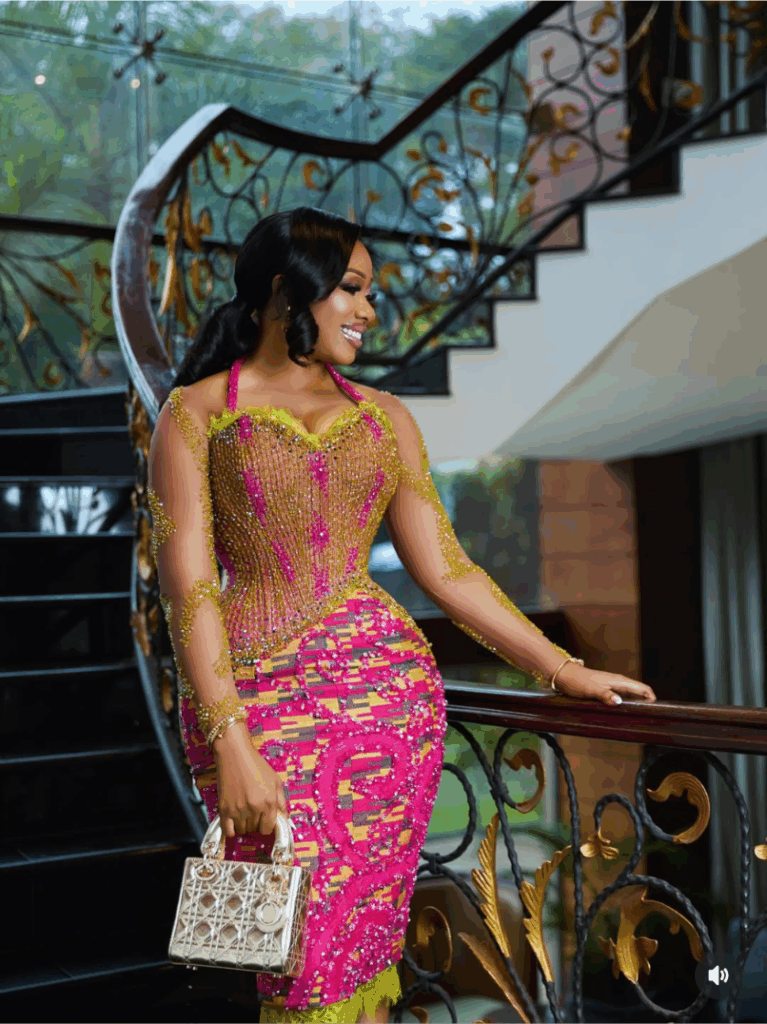
https://www.instagram.com/goba_kente?igsh=d2Vwd2E2M2VtcTZq


https://www.instagram.com/quophiakotuahghana?igsh=MWd6dXk1czEwZzdvNw==
Quophi Akotuah Ghana – Where Tradition Meets Luxury Fashion
Entrepreneur: Quophi Akotuah Ghana
📞 Call: 024 818 2995 / +1 (215) 500-7423
📩 Email: Info@quophiakotuahonline.com
🛍️ Shop: quophiakotuahonline.com/shop
📍 Location: Dansoman High Street, Accra – Ghana & 1 More
Bridal | Couture | Bespoke Kente | Red Carpet Fashion
Step into the world of Quophi Akotuah Ghana, a celebrated fashion house known for its breathtaking craftsmanship, innovative bridal designs, and timeless Ghanaian couture.
Joselyn Dumas Wearing the Cultural Significance of Kente Cloth
Ghanaian icon Joselyn Dumas gracefully embodies the beauty and heritage of Kente cloth in our signature designs.
The Cultural Significance of Kente
Kente is more than fabric—it is a language of identity, prestige, and legacy. Every woven thread carries meaning.
What Kente Represents
- Symbolic Designs & Colors – Each pattern tells a story about status, values, and personal journey.
- Ceremonial Importance – Traditionally worn during weddings, coronations, graduations, and sacred cultural events.
- A Legacy of Royals – Once reserved for kings, queens, and noble families.
Example of Kente Symbolism
- Gold – Royalty, wealth, and high status
- Green – Growth, fertility, renewal
- Red – Passion, strength, and political influence
At Quophi Akotuah Ghana, we preserve this heritage and present it with a modern couture finish.
Visit Us Today
Experience authentic Ghanaian elegance tailored for you — from bridal gowns to bespoke Kente masterpieces and global couture pieces that turn heads anywhere in the world.
📍 Dansoman High Street, Accra & additional location
🌐 quophiakotuahonline.com/shop
📞 0248182995 | +1(215) 500-7423


https://www.instagram.com/sima_brew?igsh=MWpvcjZhZ2ExNXVrNQ==
💫 SIMA_BREW — Where Style Meets Passion and Perfection 💫
Every stitch tells a story, every curve captures art.
This breathtaking masterpiece — worn by Serwaa Amihere Esq., The Innovator — embodies Sima_Brew’s timeless devotion to elegance and form.
✨ A gown sculpted in molten gold, whispering luxury with every shimmer.
It hugs the silhouette like sunlight meeting dawn — radiant, regal, and impossibly graceful.
The crystal embroidery dances under the light, tracing power, femininity, and poise in motion.
At Sima_Brew, fashion is more than fabric — it’s poetry woven with passion, precision, and perfection.
Together with Serwaa Amihere Esq., we are building a brand that celebrates the modern African woman — confident, cultured, and divine. 🌍
👗 No DMs Please
📞 For Enquiries: Call or WhatsApp +233 245 201 227
🧵 RTW (Ready to Wear) • Couture • Bridal • Custom Pieces
🌐 Book Your Appointment: www.simabrew.com/book-appointment/
✨ Sima_Brew — Style, Passion & Perfection. ✨
From Ghana to the world, where elegance becomes art.


https://www.instagram.com/bontempo.ghana?igsh=aHdxNzB6OHZyeTlo
Bontempo x Gwen-Addo
Where Imagination Shapes Space
Gwen Addo — the entrepreneur and health & beauty advocate who helps brands grow and stand tall like a plant — partners with Bontempo to inspire a new era of elegant, modern living.
In this stunning Bontempo interior, every line, every texture, and every detail reflects the power of vision.
Because when you want it, you project your imagination.
✨ #ExpressYourInnerSelf
Transform your space. Elevate your lifestyle.
Discover more: www.bontempo.com.br/site/start And one more step toward the home you dream of.


https://www.instagram.com/_sankofanaturalspices?igsh=MXFnb3ppd3dydWN1eg==
https://www.instagram.com/tangoprimeofficial?igsh=NGRiNmE2NDJldnA4
https://www.instagram.com/florakidsgh?igsh=bXMxbHZ2Z2k1bWZx


https://www.instagram.com/delish_bakerygh?igsh=MW5ic2c0NnR5cHBwZQ==


https://www.instagram.com/flourishheights?igsh=cTExenQ3bnptZGgx
https://www.instagram.com/valerieagyeman?igsh=dHh1NTE0YnNqODY0