







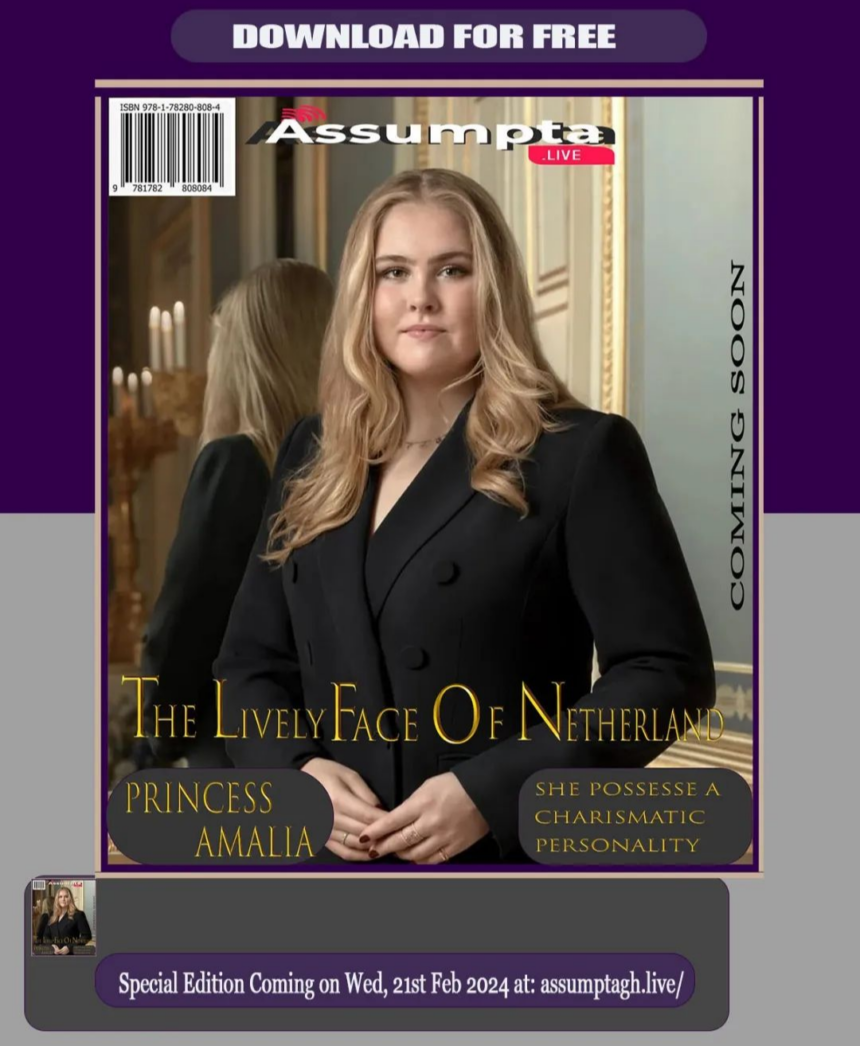
Presents ”Princess Amelia”. Featured in her Assumpta Weekly Magazine: “The Vibrant” In :
THE LIVELY FACE OF NETHERLAND
“She Possessed a Charismatic Personality”. A special Edition Coming On Wed, 21st Feb, 2024 at: assumptagh.live/
The lively face of the Netherlands is personified in the charming and charismatic personality of its people. From the bustling streets of Amsterdam to the picturesque countryside, the Dutch exude an easy-going and friendly demeanour that is truly infectious.
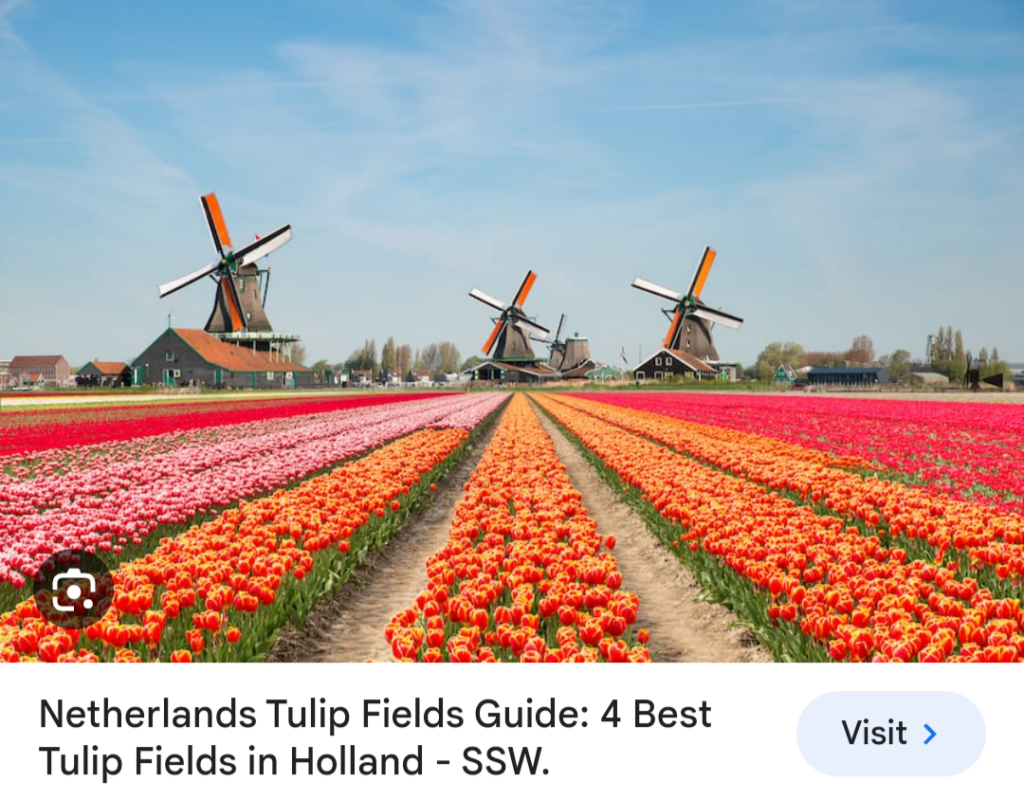
Take, for example, the lively face of Princess-Amelia, a young woman who embodies the spirit of the Netherlands. With her bright smile and warm, welcoming nature, she effortlessly draws people in and leaves a lasting impression on everyone she meets. Whether she is striking up a conversation with a stranger in a cafe or leading a group of tourists on a bike tour through the tulip fields, Princess Amelia’s lively and engaging personality is the epitome of Dutch hospitality.

Princess Amelia’s charisma is not unique to her alone, as it is a common trait among the people of the Netherlands. Whether they are sipping on a coffee at a sidewalk cafe, enjoying a leisurely stroll along the canals, or dancing the night away at a festival, the Dutch are known for their zest for life and their ability to make the most of every moment.
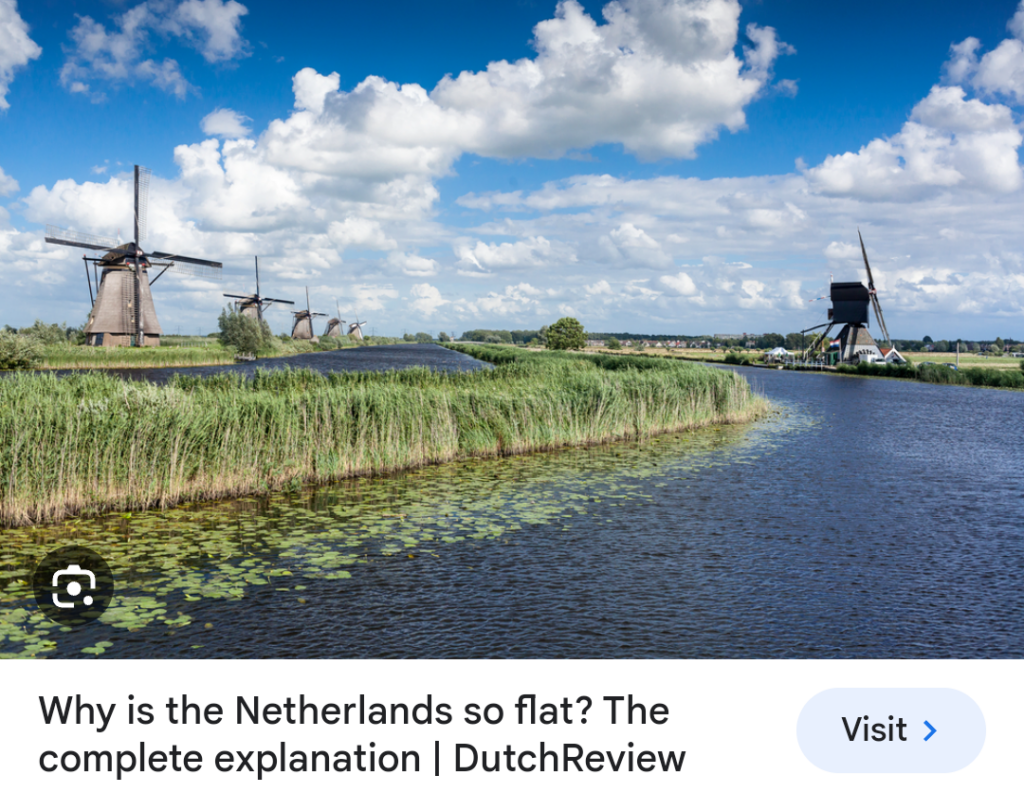
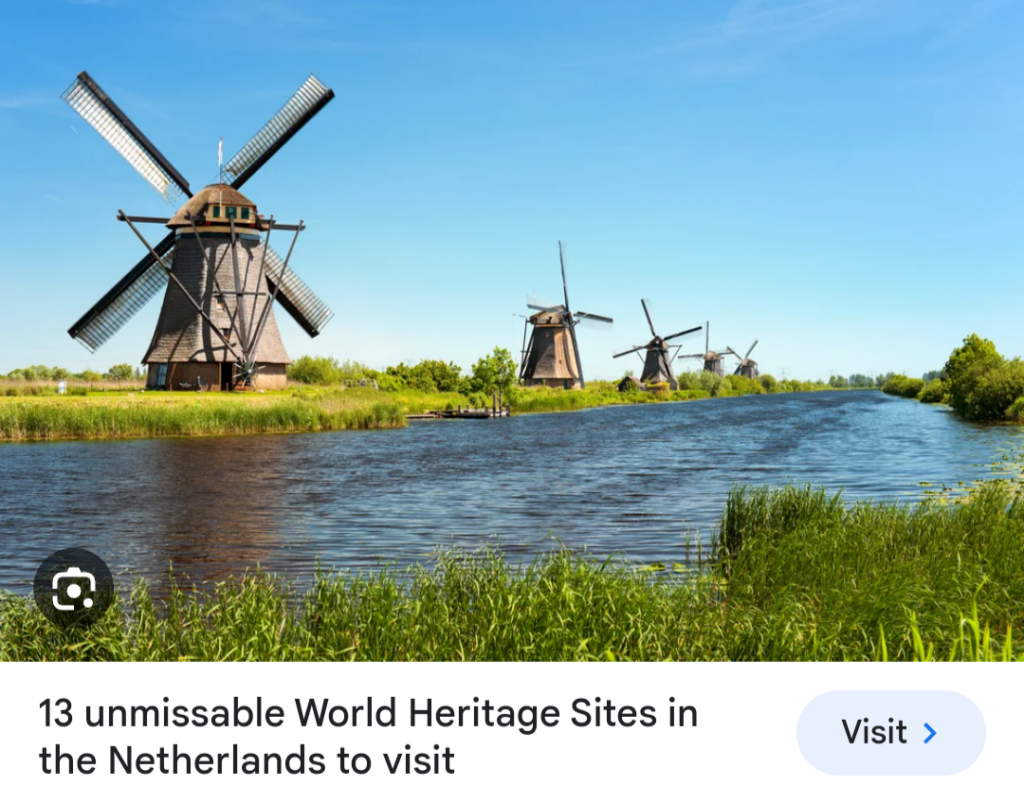
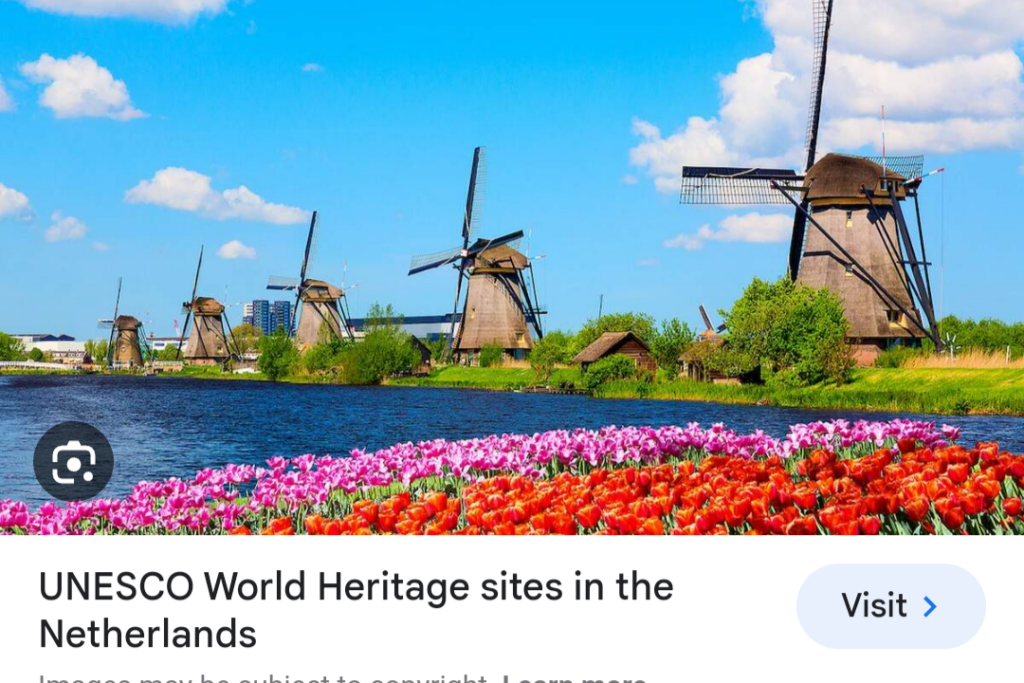
Their lively face is also reflected in the vibrant culture and rich history of the country. From the colourful tulip fields and iconic windmills to the lively festivals and bustling markets, the Netherlands is a place that is brimming with energy and enthusiasm.
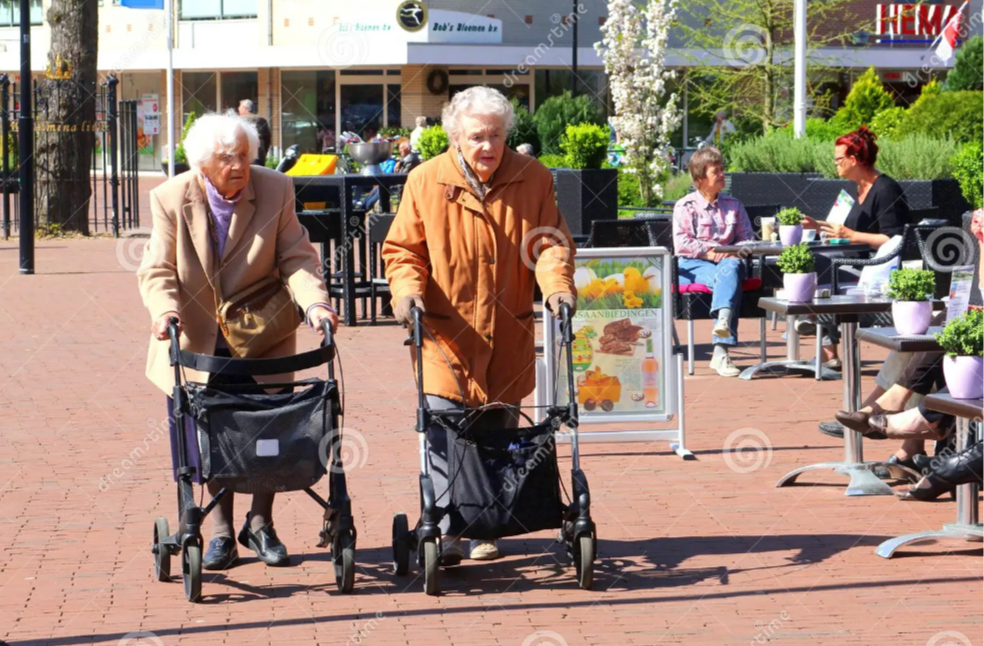

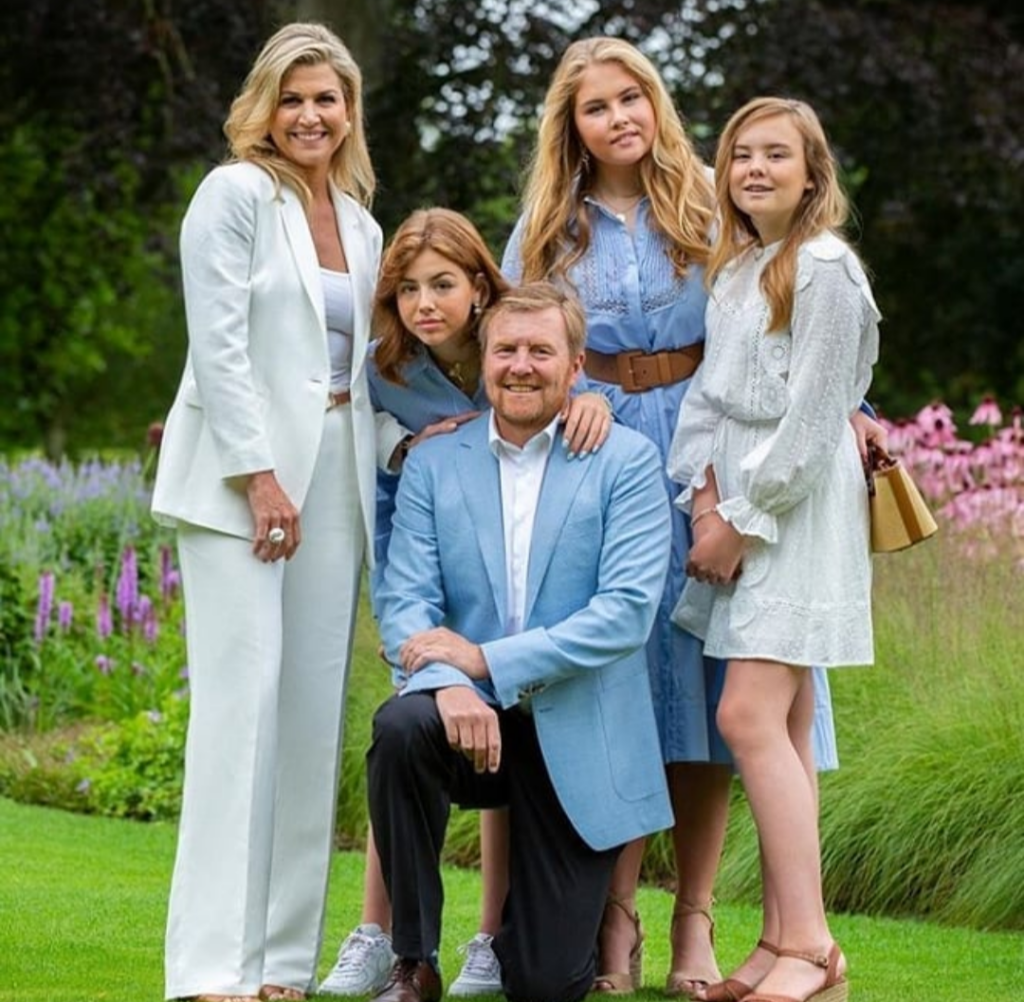

In conclusion, the lively face of the Netherlands is best represented by the charismatic and charming personality of its people. With their warm hospitality and zest for life, the Dutch make every experience memorable and leave a lasting impression on all those who have the pleasure of crossing paths with them.
“The Lively Face of Netherlands” is a captivating topic that aims to showcase the vibrant and energetic aspects of the Netherlands. The country is known for its rich cultural heritage, picturesque landscapes, and lively cities. From iconic tulip fields and windmills to dynamic nightlife and bustling markets, the Netherlands offers a diverse range of experiences for visitors. visitors could explore the unique architecture of cities like Amsterdam and Rotterdam, the thriving art scene, and the innovative urban planning that has made the country a leader in sustainability. Additionally, the charismatic personality of the Dutch people, known for their warmth and friendliness, adds to the overall appeal of the Netherlands. Through this magazine, readers can immerse themselves in the lively and enchanting charm of the Netherlands.
President Makiguchi’s philosophy, known as Soka education, places great importance on the value of benefit, good, and beauty in shaping a balanced and harmonious society. He believed that by focusing on the pursuit of artistic and cultural endeavours, as well as ethical and just actions, individuals can contribute to their own happiness and the betterment of society as a whole.
The Value Of Beauty Leads To Peace.
Makiguchi emphasised the idea that true happiness comes from contributing to the well-being of others and promoting societal harmony. He believed that by fostering a deep appreciation for beauty and encouraging the pursuit of artistic and cultural endeavours, individuals can cultivate a sense of empathy and compassion, promoting a more harmonious and fulfilling society.
Furthermore, President Makiguchi advocated for the pursuit of justice and rewarding endeavours as essential components of human happiness and societal balance. He believed that by upholding ethical and just principles, individuals can contribute to the creation of a fair and equitable society, where everyone has the opportunity to experience fulfilment and happiness.
In essence, President Makiguchi’s philosophy highlights the interconnectedness of human happiness and societal well-being, placing great emphasis on the pursuit of benefit, good, and beauty, as well as justice and rewarding endeavours, in order to create a more harmonious and fulfilling society for all.

https://www.instagram.com/ag_premiumjeans?igsh=MWpsNjZ1bTFvdHNsdw==
ASSUMPTA :
“Today’s Netherlands is harmonious, prioritising the value of beauty in political, economic interests, and technology, making it easier to restore balance by highlighting the significance of art and culture while supporting their development.”

TSASI:
That sounds like a thoughtful observation! Emphasising art and culture can indeed play a significant role in maintaining harmony and balance in society. “Such efforts have made the Netherlands more humanistic, a country that other nations trust securely, thereby potentially contributing to world peace.”
Taken together, provide a unique perception of industrial society from the view of an African who lived and worked in the Netherlands.
The Netherlands is enamoured with modernization.

An African who has lived and worked in the Netherlands might possess a unique perspective on industrial society. Coming from a different cultural background, I observed and interpreted the Netherlands’ fascination with modernization through my own lens. My experience in a developed country like the Netherlands offered insights into the impact of industrialization on society and the contrasting realities I witnessed in my home country.
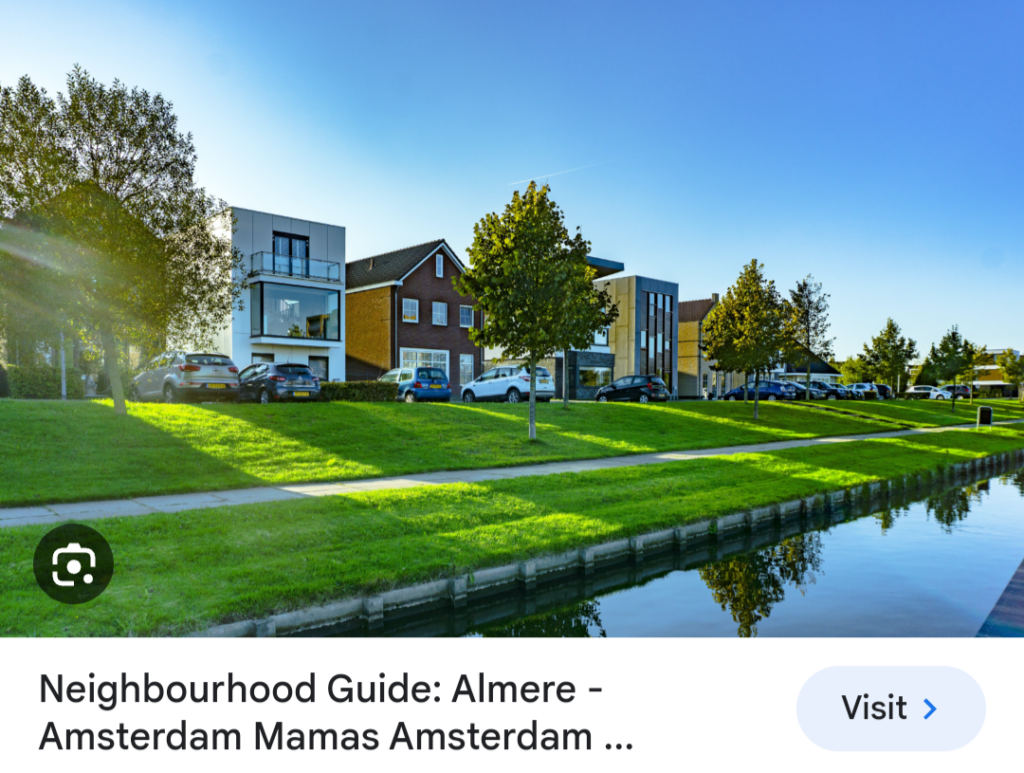
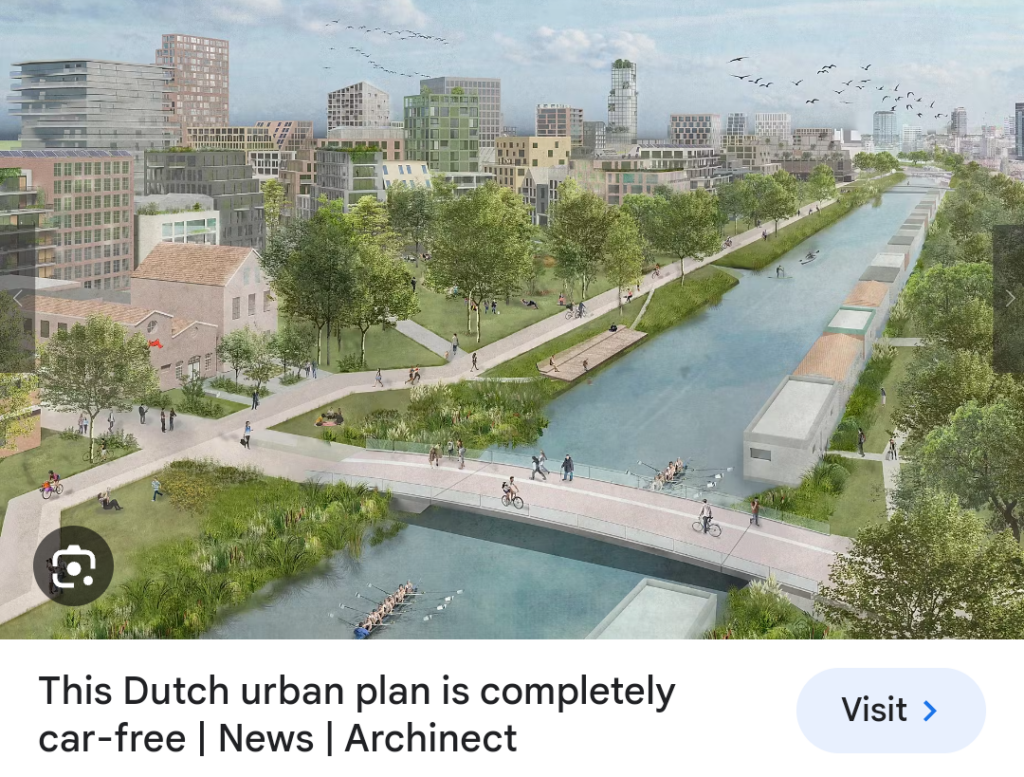
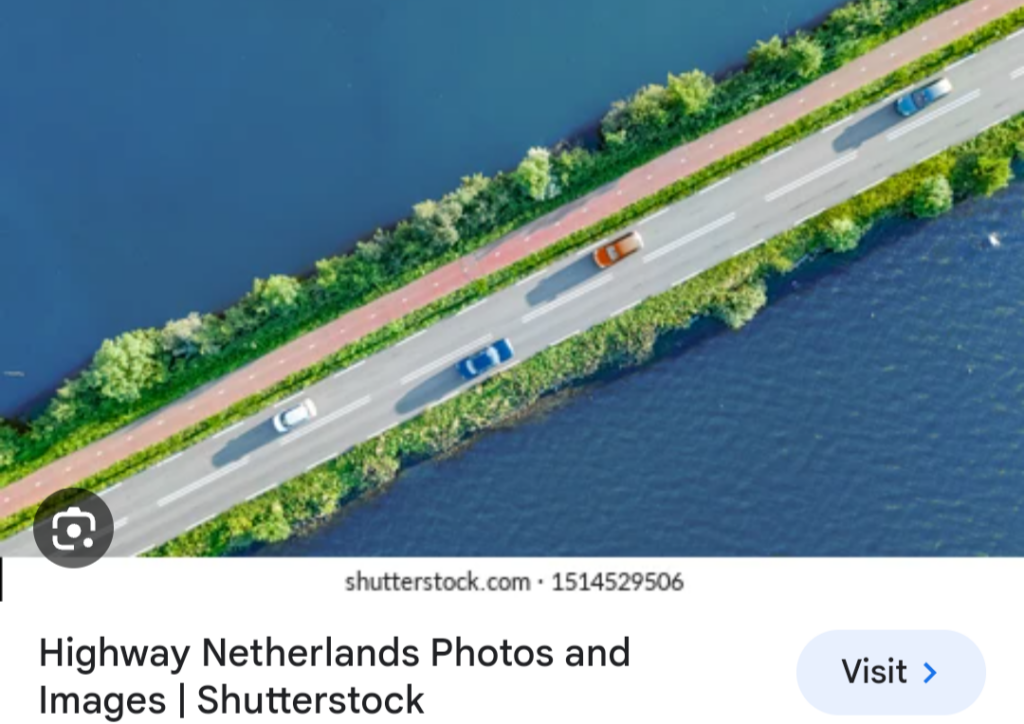
I appreciated the efficient infrastructure, well-organised cities, and advanced technologies that characterise Dutch industrial society, while also noting potential trade-offs like the emphasis on productivity leading to a fast-paced lifestyle and increased competition. I also perceived the impact of industrialization on the environment and society, including issues such as sustainability, urbanisation, and challenges faced by marginalised communities.

TSASI
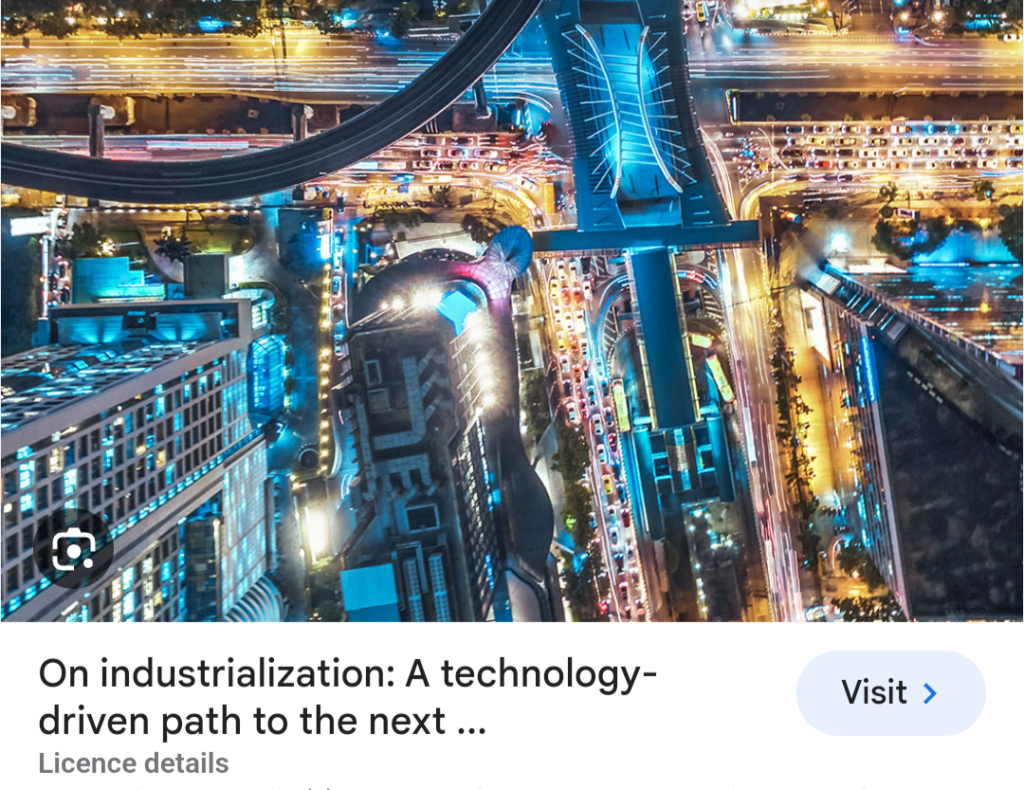
My unique perspective as an African in the Netherlands led to an analysis that includes comparisons to my own cultural and industrial context, reflecting on differences in pace, development, and social implications of modernization between the Netherlands and my home country. Overall, an African with experience in the industrial society of the Netherlands could offer a distinct viewpoint on modernization’s allure, considering both positive aspects and potential downsides from my cultural perspective and experiences.

ASSUMPTA:
As the principal of Babies and Todds Daycare in my African society, I have long fought for the implementation of safety and socially conscious educational policies akin to those in Dutch industrial societies. In Africa, a trend of reckless environmental neglect, profit prioritisation over traditional values, and the isolation of children and youth from education has led to rote memorization of disjointed facts.

TSASI:
It’s commendable that you’re advocating for a shift towards more holistic and socially conscious policies within daycare and educational systems in Africa. Implementing a focus on safety, education, and environmental responsibility can have profound impacts on the well-being and development of children and youth in your society.

https://www.instagram.com/ag_premiumjeans?igsh=MWpsNjZ1bTFvdHNsdw==
ASSUMPTA :
After my visit to the Netherlands, I understood that Ghana’s path to progress lies in becoming a cultured nation. It is through embracing culture and the arts that Ghana can elevate itself spiritually from the traumas of imperial oppression, poverty, and despair, a truth that applies to any country.
It is interesting to hear your observations regarding the safety and fortunate causes of Dutch social and educational policies in their industrial society, especially in comparison to the situation in your own African society. The contrasting approaches to these areas can highlight the different priorities and challenges each society faces.

TSASI :
The belief in the transformative power of culture that I have nurtured during my time in the Netherlands is admirable. My efforts to bridge African leadership with the support and trust of the Dutch through cultural connections are significant. The contrast in societal priorities between the Netherlands and our African society underscores the importance of focusing on safety, social welfare, education, and cultural preservation for the holistic development of a nation.

ASSUMPTA:
While your observation suggests that these positive tendencies are absent or less developed in our African society, it’s important to recognize that every society has its own unique circumstances and challenges. The reckless disregard for the environment and the prioritisation of profits over traditional values that you mention could be indicative of a different set of priorities or systemic issues present in that context.
The salvation of children and young people from school and the learning of fragmented, unrelated facts may be reflective of inadequate educational systems or limited access to quality education in some African communities. These challenges have had long-term impacts on social development, economic opportunities, and the overall well-being of individuals.
By highlighting these observations, you shed light on the important role that social and educational policies play in shaping the development of our African societies. It underscores the need for comprehensive approaches that consider the well-being of individuals, the preservation of cultural values, and the sustainable use of resources. Understanding these differences can provide valuable insights into the areas that can be improved and the potential lessons that can be learned from different approaches to industrial society.

TSASI:
The power of culture, though hard to detect at times, is a fundamental force as it transforms the human heart. While political and economic development may make the news more often, it is culture and education that truly shape any age.

ASSUMPTA
The profound influence of culture, an unseen force shaping individuals’ hearts and minds, has been evident to me firsthand in Africa. Despite the passage of time, remnants of human culture persist in abandoned structures and forgotten artefacts, continuing to impact the continent in unexpected ways, a poignant reminder of culture and education enduring influence.

TSASI:
Culture indeed holds a profound influence on individuals and societies, shaping their beliefs and perspectives. Your observations on the lingering remnants of human culture in Africa, reflected in abandoned structures and artefacts, highlight the enduring impact of creativity and expression. These remnants serve as a poignant reminder of the lasting influence of culture and education on the continent, showcasing the importance of preserving and promoting these aspects for future generations.

ASSUMPTA:
The influence of culture and education, as subtle as it may be, has the unparalleled power to shape the human heart and mind, just like the vibrant essence of the Netherlands. It’s a reminder of how impactful and transformative cultural forces can be. Thank you for joining the meeting.


