






INTRODUCED (4)
Joselyn Dumas, featured in ASSUMPTA weekly magazine title: ‘Always with Joselyn’ to introduce her students to important Gosho passages, which we will learn to apply in our lives.

“Children Running With Ignorance!” Everyone is looking forward to seeing you grow .
Joselyn Dumas
“Children Running With Ignorance!” “Everyone is looking forward to seeing you grow.”
The Children running with ignorance have become “Heroes of the World” after they have read and studied the Gosho and learned the correct attitude and behaviour needed to practise Nichiren Daishonin’s Buddhism.
Adjeley nodded and reviewed Miss Joselyn’s subject, where enormous wisdom, courage and compassion were used.
What really died in us was our illusion, our expectations die, the desire to have everything dies, the desire to take the natural resources and other people’s land, all of this dies.
Since compassion always leads to tolerance and understanding where great self-control of our feelings are necessary. By committing to the power of chanting daimoku of Nam-Myoho-Renge-Kyo, we are also committing to revive our Buddha nature.
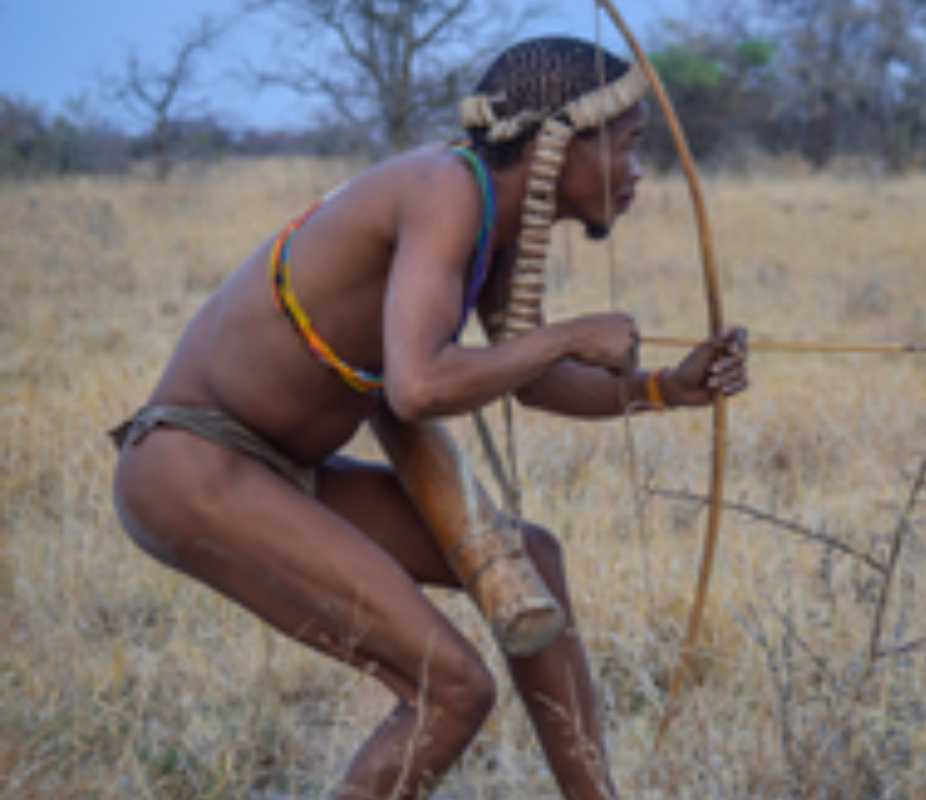
The interesting thing about the hunter is that they always call for a slow movement towards their objective.
Slow movement realises the nature of hunting and this initially applies to everyone. It is difficult to realise what one is doing when one is unconscious.
From the back of the classroom, a boy waved in question and asked: How powerful is chanting the Daimoku of Nam-Myoho-Renge-Kyo?
Then listen to me; Miss Joselyn cried. ‘Nichiren Daishonin, did study about Buddhism from a young age, awakened to the fact that the daimoku of Nam-myoho-renge-kyo was the only fundamental teaching that could save mankind.
And at the age of 32, on April 28, 1253, the Daishonin chanted for the first time the daimoku of Nam-myoho-renge-kyo, which would enable all people to become happy.
Daimoku has the great power to generate courage and hope and to produce victory.

I have a question for you. Do you know which animal is considered the king of animals?
The class was screaming to answer the question.
It wouldn’t be all hard to answer the question right? Miss Joselyn asked. Okay, everyone together.
Yes! It is the lion. When the lion roars, all animals run away because they are afraid of him. Similarly, when we chant Nam-Myoho-Renge-Kyo, the causes of all our problems, our suffering, including the suffering of sickness, disappear.
Would you like to know the story of my search for Enlightenment? My path to Buddhahood through the teachings of Nichiren Daishonin? Yes really: The children shouted.
It’s like “Freeing The Bird from a Caged.
There is no such thing as coincidence in Buddhism. I would therefore like to thank my friend who introduced me to this practice, amongst a number of other good lessons, whether it was intentional or not.
Nichiren writes: “Myoho-renge-kyo is the Buddha nature of all living beings. The Buddha nature that all these beings possess is called by the name Myoho-renge-kyo” (wnd, 131).
Regarding how to manifest one’s innate Buddha nature, Nichiren explains: “When we revere Myoho-renge-kyo inherent in our own life as the object of devotion, the Buddha nature within us is summoned forth and manifested by our chanting of Nam-myoho-renge-kyo.
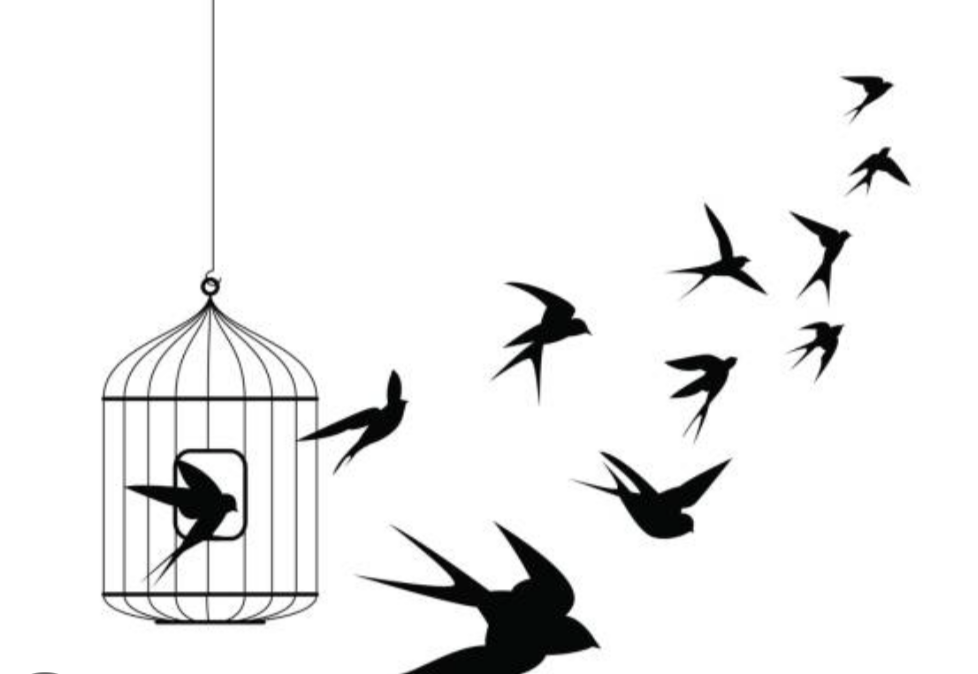


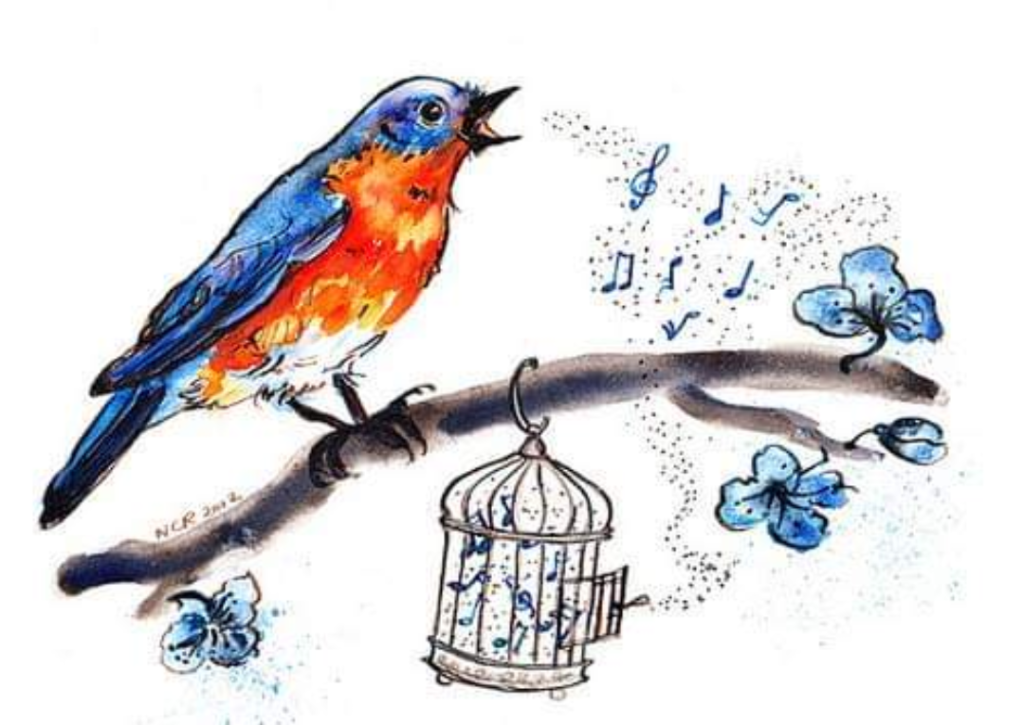
This is what is meant by ‘Buddha.’ To illustrate, when a caged bird sings, birds who are flying in the sky are thereby summoned and gather around, and when the birds flying in the sky gather around, the bird in the cage strives to get out. When with our mouths we chant the Mystic Law, our Buddha nature, being summoned, will invariably emerge” (wnd, 887)
In Nichiren’s metaphor, our innate Buddha nature, whose name is Nam myoho renge kyo, is a bird trapped in the cage of ignorance. In other words, our deluded minds create this cage that imprisons our Buddha nature. But when we chant Nam myoho renge kyo to the Gohonzon, which expresses Nichiren’s enlightened life and the potential of all people, our dormant Buddha nature becomes activated.

The singing of the caged bird is our chanting, and the birds flying in the sky are the Buddha nature in our environment, particularly as it is expressed in the Gohonzon. Through our chanting, the Buddha nature within our lives and the Buddha nature inherent in the universe begin their dynamic interaction.
For Nichiren’s metaphor to work, however, it is necessary for the caged bird to recognize the birds in the sky as being its own kind. In other words, when we pray to the Gohonzon, rather than thinking of it as an external power or deity, we must think of it as the mirror image of our own Buddha nature. If the caged bird thinks of itself as an elephant, it is unlikely to give the slightest thought to flying.

Nichiren Buddhism clarifies that the teaching of the Buddha nature is a teaching of faith and practice. All people have it, but not many can believe in it. Furthermore, some of those who believe in their Buddha nature may not practise to manifest it, erroneously thinking-I’m already a Buddha, so I don’t have to do anything. One’s faith in the Buddha nature must be expressed in one’s actions to manifest it.
Those who see the universal Buddha nature of oneself and others, and work to awaken it in all people are already Buddhas, for such actions belong to none other than a Buddha. As we cultivate our inherent Buddha nature through our conviction and actions to manifest it no matter our circumstances, we begin to see it and experience it. In our everyday lives, seeing may be believing. But in the world of Buddhism, believing in the Buddha nature is the first step toward seeing it.
The whole class turned to each other on their chairs, smiling and whispering to one another focuses on the words, “the roar of a lion.”
When we chant daimoku, our daimoku must be very strong, just like “the roar of a lion, so much so that because of our daimoku, all the other “animals” run away.
I am not asking you to chant daimoku in a loud voice, which may disturb others. You can chant daimoku in an absolutely normal voice, as long as it is clear and heartfelt.
Let us do our best to chant this kind of Daimoku, just like the roar of a lion!
At this point; “Nam-Myoho-Renge-Kyo is like the roar of a lion. What sickness can therefore be an obstacle” will be the next lesson on Thursday 09 February 2023. Episode (4) Thank you everyone.