



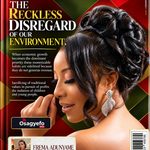




Perspectives and LifeStyle Magazine;
ABORONOMA WEEKLY MAGAZINE
Title : Galamsey Children;
Content: We did not have the skills to contribute to our community;
Special edition coming on Tuesday, 23rd July, 2024 at: assumptagh.live/

@neal_davids
https://www.instagram.com/neal__davids?igsh=MXY5eXE5ZzhrNHk2Yg==

Presents Perspectives Life Style Magazine; With Nana Ama Mac-Brown:
Assumpta Stream: Aboronoma updates official: Last updated: 2024/07/22 at 5:44 am.
Prologue :
In the heart of Ghana, amidst the bustling streets and hidden corners, lies a world unseen by many. This is the world of the children who navigate life on the margins garbage pickers, kaya yoo (head porters), Trotro-mates (bus conductors), petty thieves, and the silent victims of galamsey and injustice.
Through the eyes of Nana Ama Mac-Brown, we are drawn into their lives, compelled to see and understand their struggles. This is not just their story; it could be ours. These narratives, woven with threads of resilience and hardship, reveal the stark realities and the indomitable spirit of these young souls. Their stories, though steeped in adversity, shine a light on the possibilities for change and the power of empathy.
Galamsey Children;
We did not have the skills to contribute to our community.

Kwaku’s mother was disabled and blind, with two male children. Kwaku was the older, and Kojo was the younger.
Taking his mother to the market to beg for money, Kojo endured the daily insults hurled at them by passersby. These insults felt like abuse, adding to the weight of their poverty.

For Kojo, witnessing this everyday hostility made it increasingly difficult to continue begging with his mother. The only thing Kojo excelled at was sorting trash and sometimes finding food from the nearby chop bar.
Kojo was just five, turning six next year. Tuberculosis and the gruelling work of burning charcoal had taken a toll on their father, leaving both Kojo and Kwaku without an education. They had never sat in a classroom, so their best option was to join the other village boys who were skilled at swimming in the lakes and digging for gold.
Each day, they would dig tirelessly, searching for small pieces of gold to sell to the blacksmith in town. This meagre income was essential to make ends meet and repair their broken-down home. However, in their efforts to survive, they were inadvertently destroying the very lakes from which their community fished. Their hope was that, by reconnecting with their community, they could finally contribute joyfully and positively. Yet, the path they chose was leading to the degradation of their environment, creating a cycle of harm and desperation.
Dialogue
Nana Ama Mac-Brown: Kwaku, Kojo, thank you for taking the time to talk with me today. I want to share your story to help others understand the challenges you’re facing. Can you tell me a bit about your daily life and the work you do?


Kojo-Kwaku:. Every day, we wake up early and go to the lakes to dig for gold. We sell whatever we find to the blacksmith in town. It’s hard work, but we need the money to survive.

Kwaku-Kojo: Yes, our mother is blind and disabled, and we have no other way to support her. We never had a chance to go to school, so this is the only work we know.

Nana Ama Mac-Brown: I see. For those who might not know, “galamsey” refers to illegal small-scale gold mining. It’s a tough and dangerous job, especially for children like you. How does this work affect your lives and your community?


Kwaku-Kojo : The lakes where we dig are also where our community fishes. By digging for gold, we are destroying these lakes, making it harder for everyone to get food. But we don’t have any other choice.

Kojo-Kwaku : It’s hard because we want to help our community, not harm it. But without any skills or education, we can’t find other ways to contribute.

Nana Ama Mac-Brown:.Your story is heartbreaking, and it’s important for people to understand the impact of galamsey on both individuals and the community. Have you ever thought about what you would do if you had other opportunities?

Kwaku-kojo: If we could go to school, we could learn new skills and find better jobs. We wouldn’t have to destroy the lakes. We could help our community in other ways, maybe we could learn a trade or get vocational training. That way, we could still make money to support our mother but in a way that helps our community.

Nana Ama Mac-Brown: That makes a lot of sense. Education and vocational training could provide you with the skills needed to find better jobs and contribute positively to your community. It’s crucial for people to understand this and support initiatives that offer these opportunities. The nation has voted for a president who promised to build a better Ghana for all and create the opportunities you need. I will make sure the president hears your voice and immediately comes to your aid.

Kwaku-Kojo : We hope people will listen and help. We want to make things better, not worse. We just need the chance to learn and grow.

Kojo-Kwaku : Thank you, Nana Ama. We just want a chance to build a better life and help our community.


Nana Ama Mac-Brown:. And you deserve that chance. Together, we can create a brighter future for all. I will ensure that the president and those in power hear your story and take action to provide the support and opportunities you need. Let’s come together to make a difference.


