




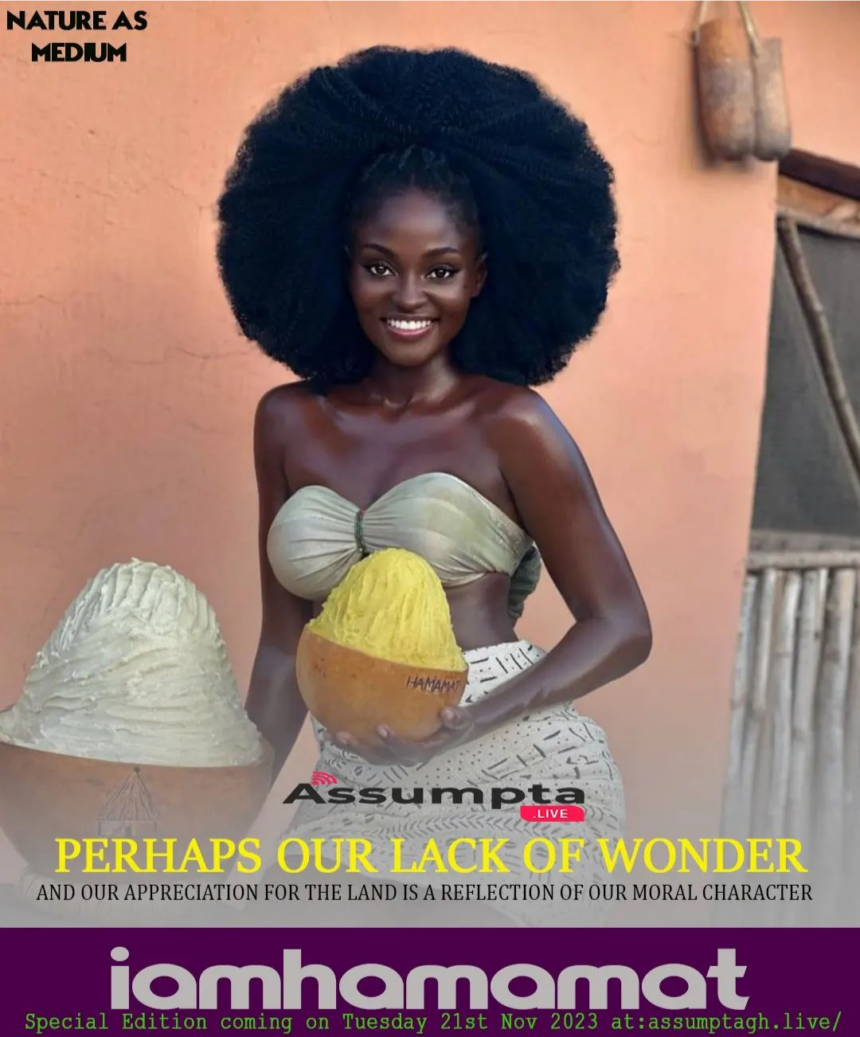
featured Hamamat in “Perhaps Our Lack Of Wonder And Our Appreciation For The Land Is A Reflection Of Our Moral Character.”
“Perhaps Our Lack Of Wonder And Our Appreciation For The Land Is A Reflection Of Our Moral Character.“
It’s an interesting perspective. Our appreciation for the land and the sense of wonder we experience can certainly be influenced by our moral character. If we lack empathy, respect, or a sense of responsibility towards the environment, it can impact how we perceive and value the natural world.
On the other hand, a strong moral character can inspire a deeper appreciation for the beauty of the land and a desire to protect and preserve it. Our values and attitudes play a crucial role in shaping our relationship with the environment.
“Our values as Ghanaians urge us to acknowledge that during the start of every election in Ghana, there have been instances of discrimination among Ghanaians, where some Ashantis discriminate against Northerners, Ewe, and Ga, using unexpected language. However, it is disheartening to witness such divisions, as it goes against the unity and inclusivity that we strive for, especially during the most recent election.”
Certainly! In Ghana, during the beginning of each election cycle, certain dramatic incidents have occurred that highlight a lack of unity among Ghanaians. Unfortunately, some individuals from the Ashanti ethnic group have been known to discriminate against people from the Northern, Ewe, and Ga ethnic groups using inappropriate and unexpected language.

These discriminatory actions go against the core values that Ghanaians hold dear. Ghana is a country with diverse cultural backgrounds and ethnicities, and it is essential that every citizen is treated with respect and fairness. Discrimination based on ethnicity undermines the unity and cohesion that are crucial for a thriving society.
However, it is worth noting that these incidents of discrimination are not representative of the entire Ghanaian population. There are many Ghanaians who firmly believe in promoting unity, inclusivity, and respect for all citizens. They work tirelessly to bridge divides and foster understanding among different ethnic groups.
It is disheartening to witness such divisive behaviour, particularly during recent elections when the focus should be on democratic participation and coming together as a nation. It highlights the need for ongoing efforts to cultivate a culture of tolerance, acceptance, and mutual respect in Ghanaian society. By embracing our shared values and celebrating our diversity, Ghanaians can work towards a future where discrimination is unimaginable, and unity prevails.
In Accra, the capital of Ghana, the land of immigrants, individuals from various regions including Kumasi, Kwawho, Volta, the Northern region, the central region, and eventually from all over Ghana, can be found. The demographic diversity is evident in many parts of Ghana, and in Accra, the dynamics of inclusion, unity, and working together bring together people from different regions of Ghana.

Hamamat:
The dynamics of immigration and demographic diversity in Accra, as you described, illustrate the rich tapestry of cultures and backgrounds that exist within Ghana’s capital city. It is fascinating to see how people from various regions come together, work collaboratively, and contribute to the inclusive and unified environment of Accra. Such diversity has fostered a vibrant and dynamic society, where different perspectives and experiences merge to create a unique and inclusive community.
Living in ethnic enclaves is often a result of our reliance on friends and family, especially when we are newly arrived and share similar economic circumstances. Unfortunately, residing in such close-knit communities can make us vulnerable to hostility and discrimination within our neighbourhoods.

TSASI
The situation you mentioned highlights the complex dynamics that can arise in ethnic enclaves. While there are understandable reasons for people to gravitate towards these neighbourhoods, such as shared support networks and familiar cultural environments, it is unfortunate that these communities can sometimes experience hostility and discrimination. It underscores the importance of fostering understanding, empathy, and inclusivity within diverse neighbourhoods to create a more harmonious and accepting society for everyone.
“The way we tend to blame ‘others’ for our ills, simply because they are not like us, is just another way of not seeing the richness and wonders of the land in its reality, in a positive light. Unfortunately, this perspective has prevented us from appreciating the beauty and wonder of the land we live on, and it hinders our ability to protect plant and animal genetic diversity.”
Hamamat
The sentence you provided effectively conveys the idea that blaming others for our problems based on their differences prevents us from appreciating the beauty of our environment and hinders our efforts to protect biodiversity. However, to clarify the connection between the perspective and its impact on our ability to protect genetic diversity. Overall, the message remains intact, emphasising the importance of recognizing and valuing the richness of our surroundings.
Certainly! The sentence highlights a common tendency among people to place blame on “others” for their difficulties, often due to differences in backgrounds or perspectives. This blame, however, serves as a barrier that prevents us from truly seeing and appreciating the richness and wonders of the world around us.
By focusing on the perceived differences and faults of others, we fail to acknowledge the inherent beauty and diversity that exists in the natural world. This narrow perspective limits our ability to understand and value the intricate web of life that supports us.
Moreover, this limited perspective has a direct impact on our efforts to protect plant and animal genetic diversity. When we are unable to recognize the value of the land and the interconnectedness of its ecosystems, we may not prioritise conservation initiatives or take actions to safeguard the variety of species and genetic resources that contribute to the overall health of our planet.
In essence, the sentence highlights the importance of adopting a positive and inclusive perspective, one that allows us to see the beauty and wonders of our environment, fostering a sense of stewardship and inspiring us to protect and preserve the delicate balance of plant and animal genetic diversity for the benefit of present and future generations.

TSASI
One of Nichiren Daishonin’s gosho that relates to the theme of appreciating the richness and wonders of the land and the importance of protecting biodiversity is from the Gosho titled “Letter to Niike” (Nike Goshoku). In this letter, Nichiren Daishonin writes:
“Though mountains and rivers may separate us, I will never forget the people of Kamakura. Are they not my brothers and sisters? Although we may not have met face-to-face, we are connected by the same land. How could I ever forget them? When one part of the body aches, the whole body feels the pain. The same is true for the body of the nation. When one person suffers, all suffer. The land is like a supportive parent, embracing and nurturing us all. We must protect and cherish it, for it sustains our lives and the lives of future generations.”
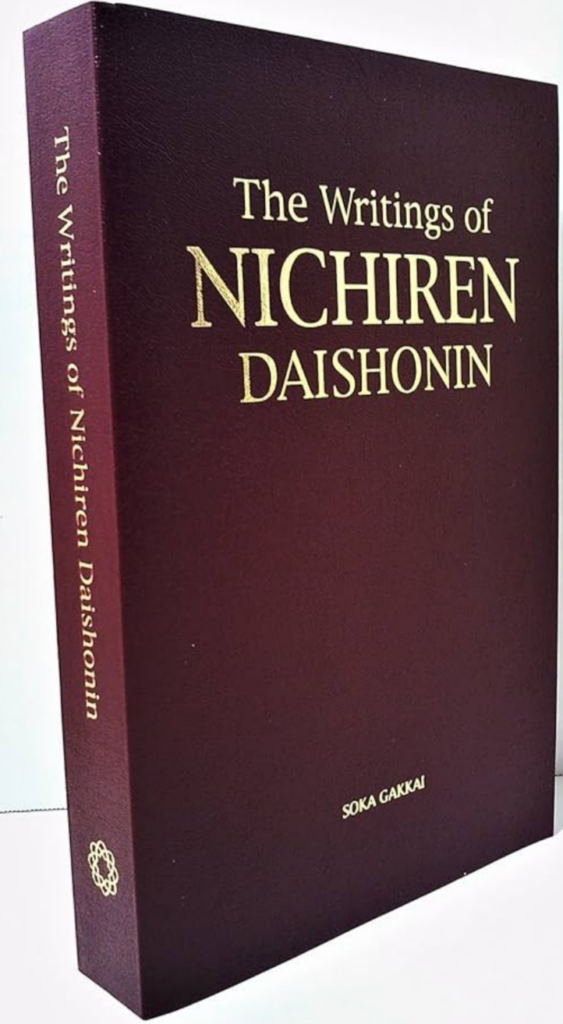
This gosho emphasises the interconnectedness of all beings and the importance of recognizing the bond we share with the land and all its inhabitants. It calls for a deep sense of responsibility to protect and cherish the environment, understanding that our actions have a direct impact on the well-being of others and the future of our planet.

I agree wholeheartedly with the emphasis on interconnectedness and the responsibility to protect and cherish the environment. Recognizing our interconnectedness with all beings and the environment is essential for creating a sustainable and harmonious world. By understanding that our actions have a direct impact on others and the planet, we can make conscious choices to promote environmental stewardship and contribute to the well-being of all. It is crucial to cultivate a deep sense of responsibility and take proactive steps to preserve and sustain the natural world for present and future generations.
“It has become the central theme of my life, considering the following, for example: I was born and raised in Bolgatanga, located in the Upper East region of Ghana, and I received my high school education at Achimota School.
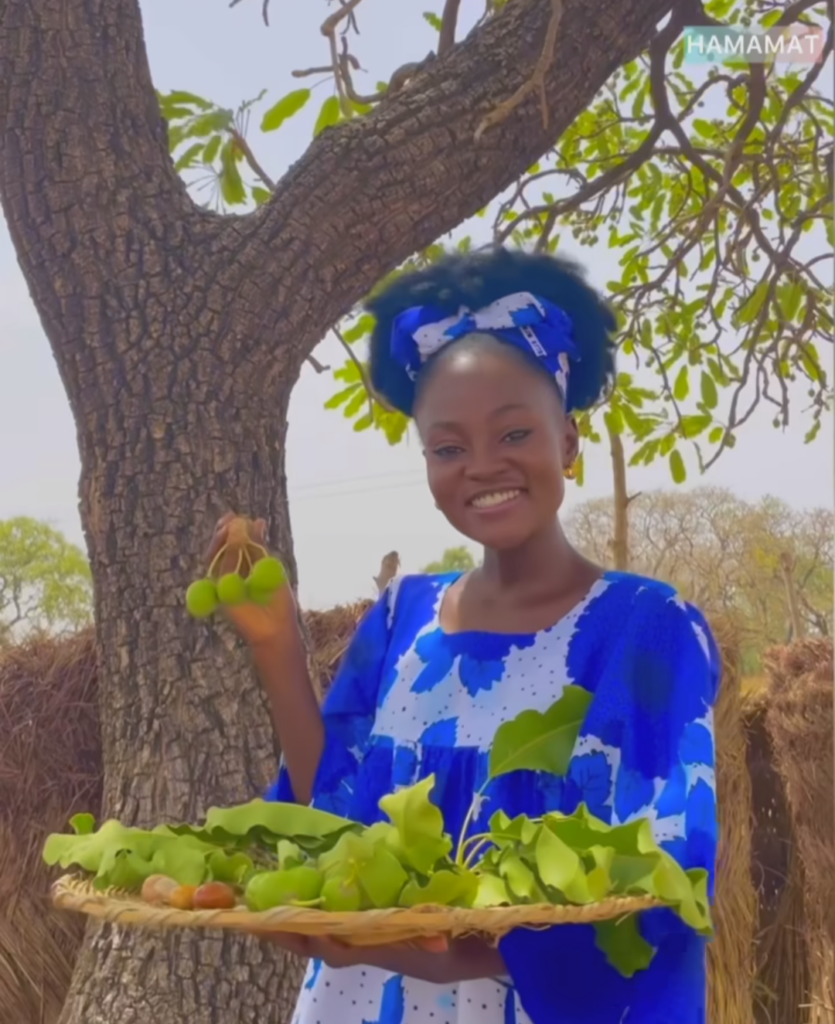
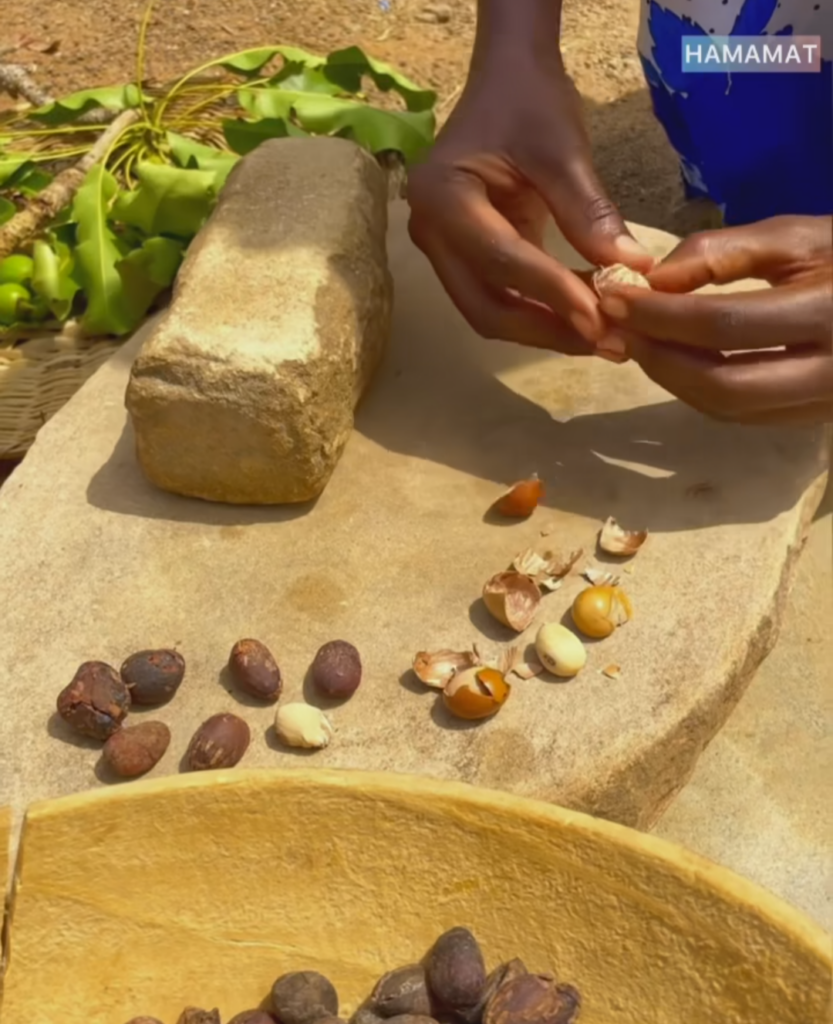
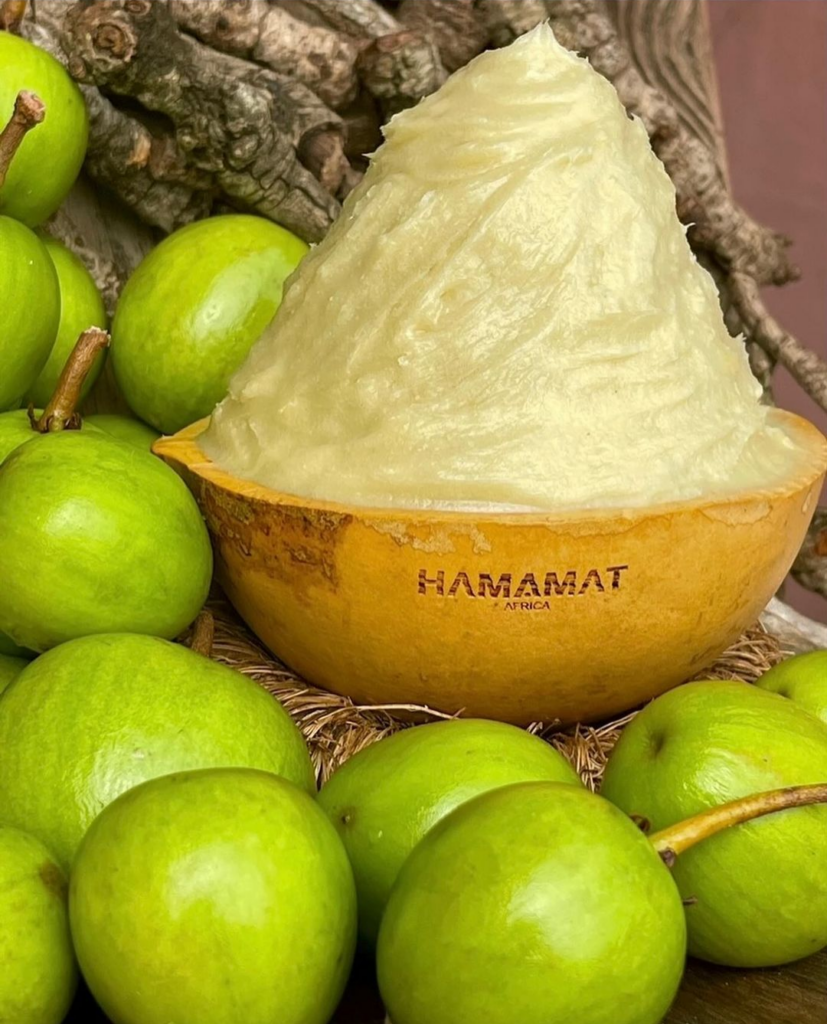
Being aware of the rich variety of phenomena that influence my life, I cannot help but think about how I can express my gratitude for the land of Bolgatanga.
As I look around, my eyes are captivated by the wonders and curiosities of this land and its profound connection to my life.
Between Bolgatanga and my existence within it, I have come to realise that we have never truly appreciated the immense wealth and untold riches that surround us.”
TSASI:
“It is astonishing that so many of us Ghanaians neglect such basic and profound observations and instead adhere to certain religions that divert our attention away from our homeland, causing us to overlook the significant contributions our land has made to our growth.”
This neglect prevents us from fully appreciating the rich heritage and immense potential within our own borders. By fixating on external influences, we fail to recognize the remarkable achievements and progress that our land has fostered over time. It is crucial that we embrace an inclusive mindset, acknowledging the invaluable role our homeland plays in shaping our identity and development. Only then can we truly grasp the magnitude of its contributions and propel ourselves towards a brighter future grounded in our Ghanaian roots.

Hamamat
“It is my hope that more of us Ghanaians will come to realise the significance of acknowledging and appreciating the great contributions our land has made to our growth. Instead of solely focusing on external influences, let us embrace the richness of our heritage and the potential within our own borders. By doing so, we can foster a stronger sense of national pride and drive the progress of our beloved Ghana even further.”
TSASI :
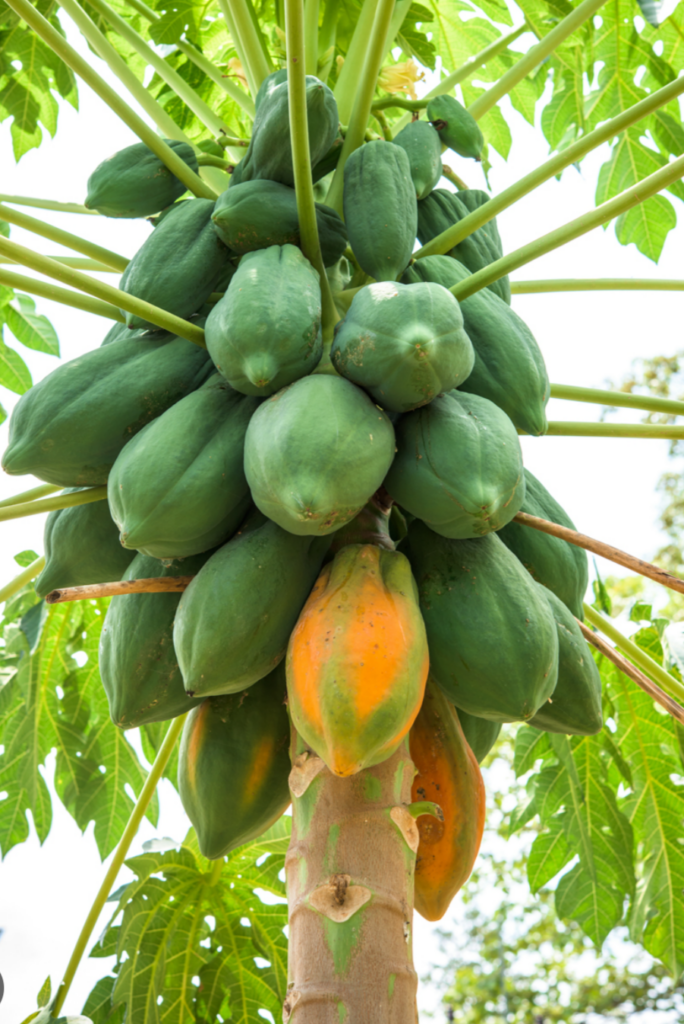
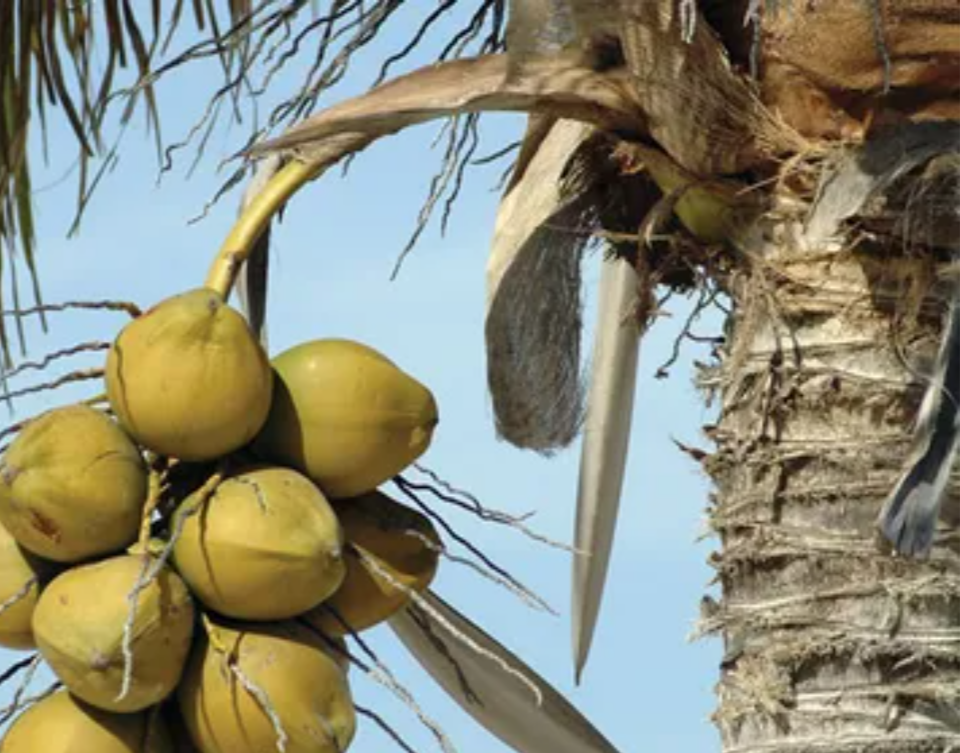
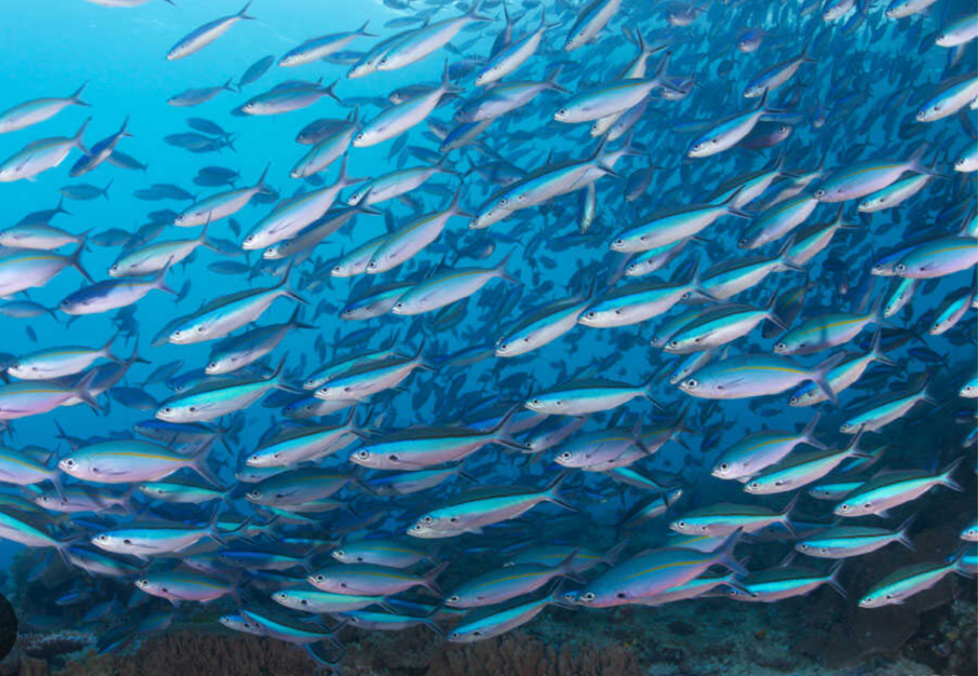
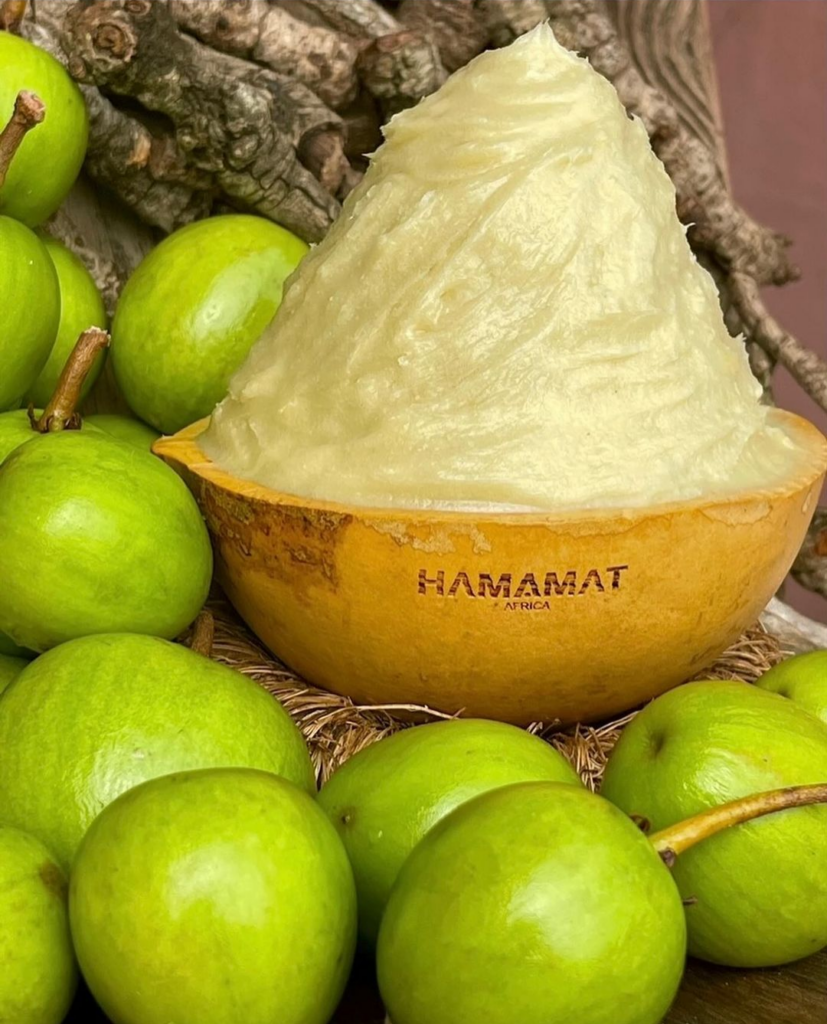
“Can anything be more important than discovering how the land on which you live, with its fruits and vegetables, minerals, and natural resources, has enabled every one of us to develop?”

HAMAMAT:

“I am truly excited about delving into the importance of understanding how the land we live on, along with its abundant fruits, vegetables, minerals, and natural resources, has played a pivotal role in shaping each and every one of us. It is a fascinating exploration that can provide profound insights into our own growth and the interconnectedness between humanity and our environment. I look forward to uncovering the valuable knowledge that lies within this exploration.”
Our values andd ethical considerations play a crucial role in shaping our relationship with the environment and the land we inhabit. By cultivating a sense of wonder and deep appreciation for the natural world, we can foster a greater understanding of its intrinsic value and the interconnectedness of all living beings. This, in turn, can drive us to adopt sustainable practices, promote conservation efforts, and make conscious choices that prioritise the well-being of our surroundings. By nurturing a harmonious coexistence with nature, we can contribute to a healthier planet and a more sustainable future for generations to come.
Thank you for joining today’s dialogue. It has been a pleasure discussing this topic with you. Have a wonderful day!