


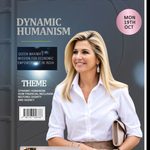
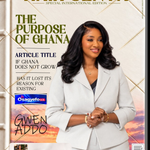
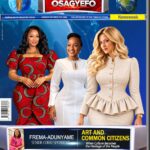


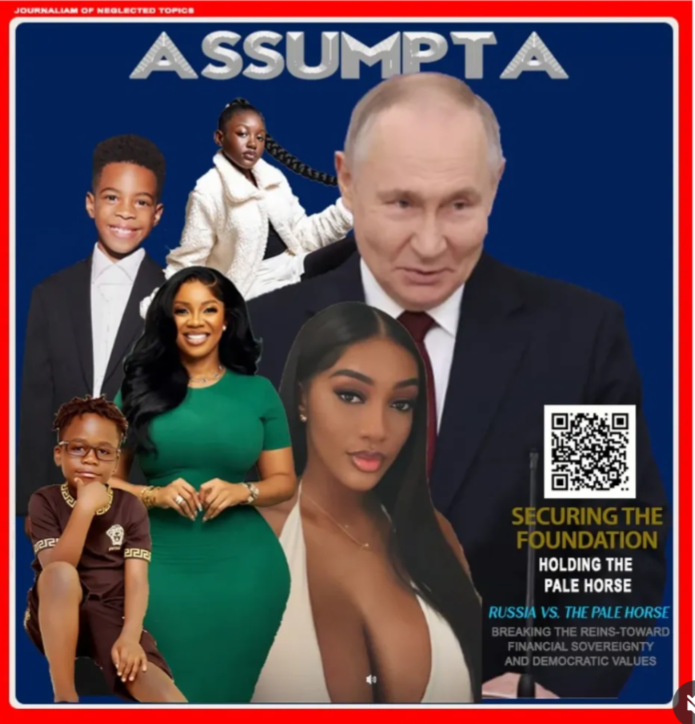
Assumpta Weekly Newsletter Magazine
Special Edition Release: Monday, June 9, 2025
Presents: “Securing the Foundation” — A Vision for Sovereignty, Truth & Peace
Editorial Introduction
In an era where powerful systems often distort global narratives, particularly against Russia and other nations seeking autonomy, Assumpta Weekly presents a groundbreaking edition. This issue, Securing the Foundation, takes a bold step into the heart of one of today’s most critical conversations: the global struggle for sovereignty against the machinery of centralised control.
This powerful edition is led by Ms. Assumpta-Gahutu, visionary CEO of Assumpta Newsletter Publications and Principal of Babies and Toddlers Daycare. Her ongoing commitment to truth, education, and intellectual courage continues to inspire new generations.
Joining the conversation is one of Ghana’s most respected broadcast journalists, Serwaa Amihere, bringing her voice and experience to this powerful dialogue.



https://www.instagram.com/hairsenta?igsh=MXAzOThhNGZ0Nm15dQ==
Welcome to Hair Senta – Where Beauty Begins
Ready for a hair transformation that turns heads?
Hair Senta is your go-to destination for flawless styles, vibrant color, and healthy hair that speaks volumes.
💇♀️ What We Offer:
- Trend-setting cuts & styling
- Expert color treatments & highlights
- Deep conditioning & hair repair
- Braids, weaves, natural hair care & more
💖 Why Choose Hair Senta?
- Professional stylists who listen and deliver
- Top-quality products that nourish and protect
- A warm, relaxing vibe that feels like home
📍Visit us today and step out with confidence.
📞 Call now to book your appointment: [Insert Phone Number]
📍 Location: [Insert Address or Area]
🌐 Follow us on [Instagram/Facebook/etc.]: @HairSenta
Hair Senta – Because You Deserve Great Hair.
A New Era, A Fresh Perspective
In this issue, emerging voices from across continents unite with purpose and clarity, representing a younger generation determined to reshape the global narrative:
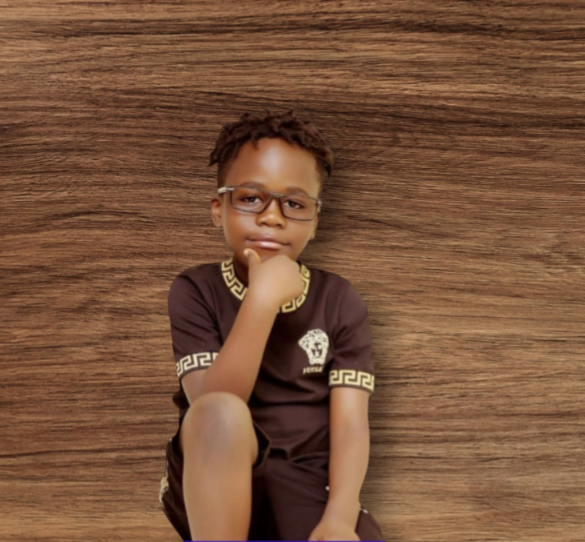

- Abena Oforiwaa (Ghana) – A passionate advocate for historical accountability and future-focused progress.
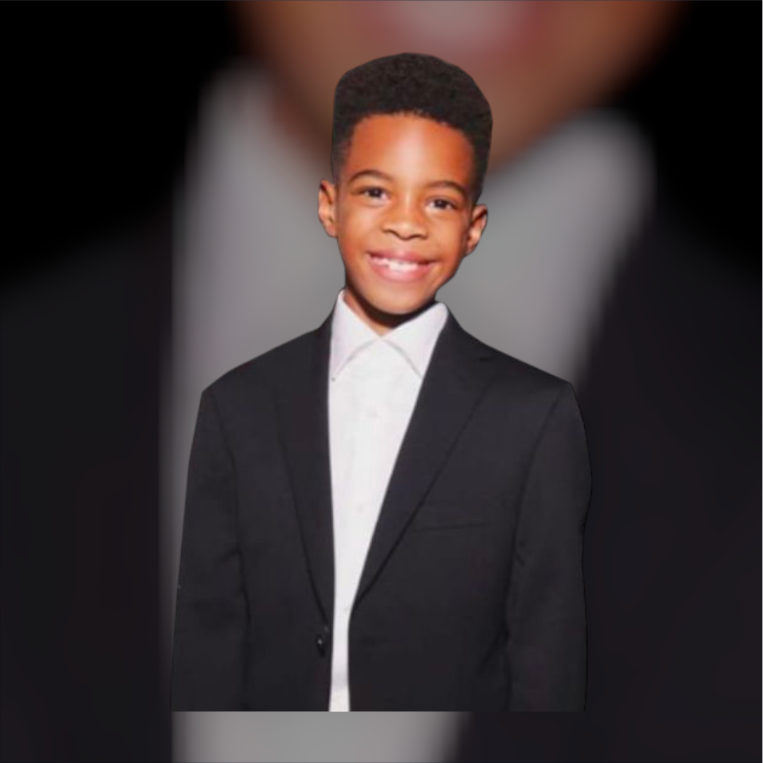
- Titan (USA) – A student leader offering a global lens on justice, truth, and sovereignty.
- These high school visionaries challenge assumptions, spark meaningful discourse, and push toward a future founded on knowledge and reconciliation.
Feature Article: Holding the Pale Horse — Sovereignty in the Shadow of Empire.

In Securing The Foundation, we delve into a defining theme of our time: monetary sovereignty and resistance to centralised global finance. Throughout recent history, leaders who have rejected the dominance of global banking systems have found themselves vilified, destabilised, or destroyed.
Sovereigns Who Defied the System
- Saddam Hussein rejected central bankers by attempting to trade oil in euros—a challenge to the petrodollar system that likely marked his regime for destruction. His defiance was not about tyranny—it was about independence.
- John F. Kennedy dared to speak against secret power structures, issuing Executive Order 11110, which many believe signalled a pushback against the Federal Reserve. His vision of national monetary control remains a rallying point.
- Muammar Gaddafi proposed a gold-backed African dinar, aiming to free African economies from the IMF and Western debt traps. His removal followed swiftly after this proposal took form.
- Vladimir Putin, today, is continuing this battle. From de-dollarisation to alternative banking structures with BRICS nations, his push for multipolar financial sovereignty places him firmly in the crosshairs of the global status quo.
- Enter the Pale Horse
“And behold, a pale horse: and his name that sat on him was Death, and Hell followed with him.” —Revelation 6:8 The Pale Horse, as used in this article, is a potent metaphor: it represents the destructive machinery of modern empire—military-industrial expansionism, financial manipulation, and the suppression of dissent.
It gallops through history as a force of intervention: toppling sovereign governments, redrawing borders, and enforcing conformity under the guise of democracy.
To “hold the Pale Horse” is to seize control of this relentless force—to reject the inevitability of empire and assert an alternative path: one of national dignity, cultural identity, and economic freedom.
But those who dare ride against this tide—Hussein, Kennedy, Gaddafi, and now Putin—are marked for isolation, if not elimination.
The Russia Narrative: Weaponising Mischaracterisation
For decades, Russia has been depicted as dysfunctional, aggressive, and autocratic. This portrayal serves a purpose: to delegitimise any alternative system that challenges Western economic and ideological supremacy.
By dismissing Russia’s actions as irrational or evil, the global order avoids engaging with the deeper issue—the threat posed by alternative models of sovereignty. Russia’s stance is not rogue; it is part of a growing global resistance to a rigid, unequal financial system.
The Pattern of Suppression: Sovereignty vs. Central Control
These stories form a clear pattern:
- Hussein challenged the dollar.
- Kennedy warned against shadow power.
- Gaddafi’s South African self-reliance.
- Putin builds non-Western alliances and financial independence.
Each faced the wrath of the same system. Each leader, in different ways, sought freedom from the yoke of external economic domination—and paid the price.
A Global Shift in Motion
The world is shifting. The post-WWII order, defined by U.S. dominance, NATO enforcement, and the dollar as global currency, is under scrutiny.
The rise of BRICS, regional currencies, and independent digital trade networks suggests that the Pale Horse is losing its grip. Its gallop is faltering—its destination uncertain.
We now stand on the threshold of a new era.
Final Reflection: Will the World Break Free?
To “hold the Pale Horse” is to face the core of the empire—not just its violence, but the myth of its inevitability. This issue asks the defining question of our age:
Can nations reclaim their sovereignty in a world designed to prevent it?
On Monday, June 9, 2025, Assumpta Weekly invites you to read, reflect, and engage with this essential debate.
Stay Tuned: “Russia vs. The Pale Horse”
This edition is not just a newsletter. It’s a movement toward informed dialogue, historical clarity, and collective empowerment.
We challenge you to look deeper—beyond propaganda, beyond convenience—into the heart of the global system. And ask: Whose future are we protecting?
Let’s secure the foundation, together.
🎙️ Panel Dialogue: Russia vs. The Pale Horse
A Special Feature by Assumpta Weekly Newsletter Magazine – June 9, 2025
Opening Remarks and Introductions

Serwaa Amihere – Host
Distinguished journalist and broadcaster, renowned for her incisive commentary and dedication to public truth in West Africa and beyond.

Ms. Assumpta-Gahutu – Special Contributor
Founder and CEO of Assumpta Newsletter Publications and Principal of Babies and Toddlers Daycare. A visionary educator and fierce advocate for global clarity and justice.
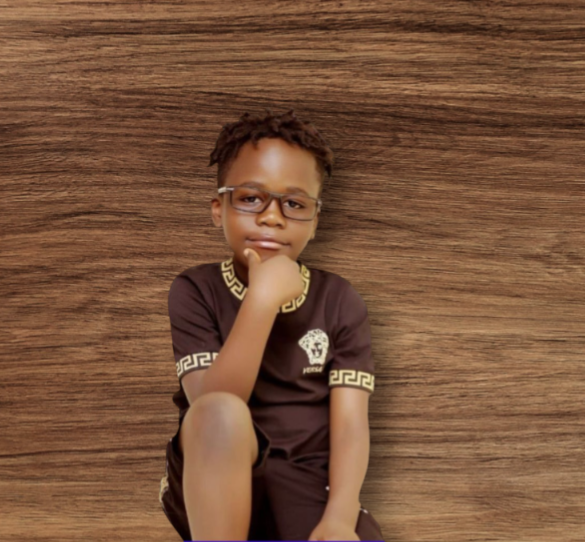
Okomfo-Black (Ghana) – Youth Contributor
A deep-thinking young analyst with a profound interest in Ghana’s revolutionary history and pan-African empowerment.

Abena Oforiwaa (Ghana) – Youth Contributor
A rising voice for historical truth and accountability, committed to reshaping the narrative on African sovereignty and progress.
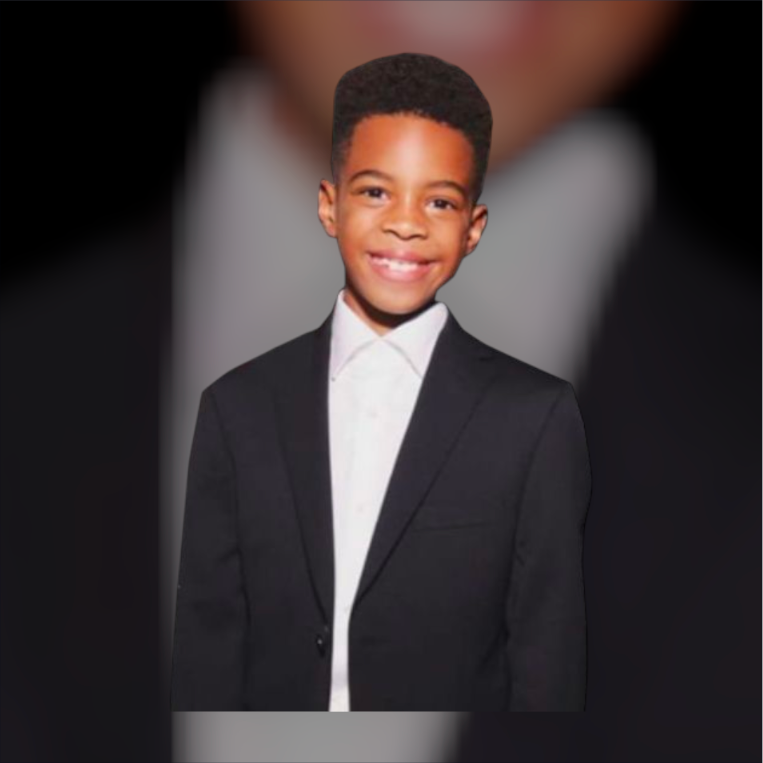
Titan (USA) – Youth Contributor
A bold student activist offering sharp insight on justice, power, and the need for truth-telling in American and global history.
Dialogue Begins
Host – Serwaa Amihere:
“And if it shocks all of Europe…”
Vladimir Putin has just made a decision that makes Europe pause—and sends Ukraine into total panic. After a series of Ukrainian attacks on Russian air bases, destroying aircraft and railways, many expected a devastating counter-response from the Kremlin. But instead, President Putin delivered a chilling yet measured message:

Russia is a nuclear power. We have several nuclear weapons capable of destroying Ukraine in minutes. But we have not done so, because Russia is a great country. We know the value of humanity. And we know NATO is behind this war, manipulating Ukraine to weaken Russia and damage our strategic assets. If this continues, our final response will be terrifying and unforgivable.”
Tonight, we bring this discussion to the panel in the context of our feature article, “Holding the Pale Horse – Sovereignty in the Shadow of Empire.” We ask: Is the world misreading Russia? Are we nearing the breaking point of an empire losing control?
Ms. Assumpta-Gahutu:
Thank you, Serwaa. What we are seeing is not merely a geopolitical standoff—it is a historical pivot. The Western order is built on the illusion of moral superiority while enforcing economic domination through tools like NATO, the IMF, and global media.
Russia’s restraint here, however controversial, speaks to a deeper strategy: to expose the hypocrisy and destabilise the imperial narrative. This is not about defending violence—this is about uncovering why violence continues. Why do sovereign nations face destruction the moment they challenge Western control over currency, trade, or political structure?
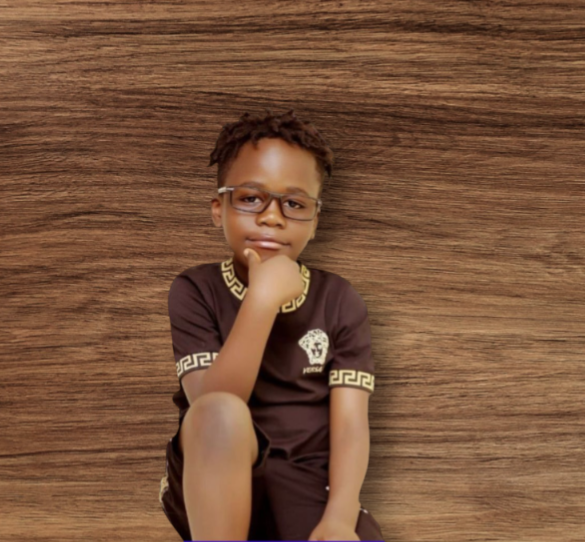
Okomfo-Black:
Ms. Assumpta is right. And if we look back, history echoes these same patterns. The story of Kwame Nkrumah—Ghana’s first president—reflects this. Once he began pursuing pan-African unity and financial independence, he was overthrown, not because he failed, but because he threatened the empire’s machinery.
What Putin represents now, however people interpret his politics, is a resistance. Whether that resistance is righteous or not, it is being vilified because it disrupts the monopoly. That’s the Pale Horse: it doesn’t just kill—it kills to control.

Abena Oforiwaa:
And to build on that, the media’s role here is huge. The mischaracterisation of Russia is not random—it is strategic. The more Russia is painted as irrational and evil, the less people question what systems Putin is resisting. Nobody’s asking why NATO keeps expanding eastward. Why Ukraine became a proxy zone.
If Gaddafi’s gold dinar project hadn’t been crushed, if Iraq had succeeded in trading oil in euros, the financial order of the world would be different today. And that’s what scares the West. That’s why this moment matters.

Titan:
Exactly. And as someone from the U.S., I have to say: we’re not taught to question this at all. We grow up hearing that America is “the good guy.” But when you actually study the fall of leaders like JFK, Hussein, or Gaddafi, it becomes very clear that challenging the financial elite gets you silenced.
The West isn’t terrified of Russia’s weapons—it’s terrified of Russia not playing the financial game anymore. That’s the real threat. And this restraint shows about Putin, just shows? It’s a reminder that power doesn’t always look like aggression. Sometimes, it’s patience that unsettles the empire the most.
Host – Serwaa Amihere:
That’s a sharp and powerful observation, Titan. What we’re hearing tonight is a sobering but essential message: narratives shape legitimacy, and right now, Western dominance depends on who gets to tell the story. If Russia begins controlling the narrative—not with bombs but with restraint and global alliances—it could shift the balance of perception permanently. So here’s the critical question for all of you before we wrap this segment:
Can nations reclaim their sovereignty without being destroyed for it? And what role do the next generation of thinkers—you all—play in securing that foundation?
Serwaa-Amihere (continued):
Can nations reclaim their sovereignty without being destroyed for it? And what role do the next generation of thinkers—you all—play in securing that foundation?
Ms. Assumpta-Gahutu:
Reclaiming sovereignty will never be easy, but it is not impossible. What it demands is conscious leadership backed by an educated and vigilant public. We need to raise generations who understand the cost of freedom and the mechanisms used to suppress it.
That’s why forums like this matter. Young voices like yours aren’t just adding to the conversation—you’re shaping the future narrative. Sovereignty must first be reclaimed in the mind before it is taken on the ground.
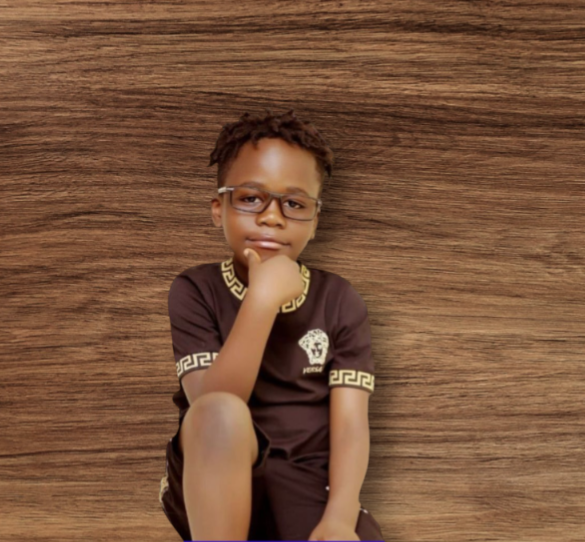
Okomfo-Black:
I believe we can reclaim it—but only if we are willing to stand in truth, even when that truth is unpopular or dangerous.
As a young Ghanaian, I know how colonisation didn’t end—it just evolved. Economic colonialism is still our reality. And it is up to us to reject the stories told about us and start telling the stories of us.
So, my role? Study, speak, and organise—because reclaiming sovereignty is a collective act, not just a political one.
Abena Oforiwaa:
I’ll say this clearly: sovereignty is not granted—it’s taken back.
And for young people, our job is to start with the curriculum, the media, and the mindset. We can’t depend on systems built to keep us ignorant. We have to question, challenge, and rewrite what we’ve been taught.
If enough of us do this, with courage and unity, we can secure the foundation for generations who no longer have to beg to be free.
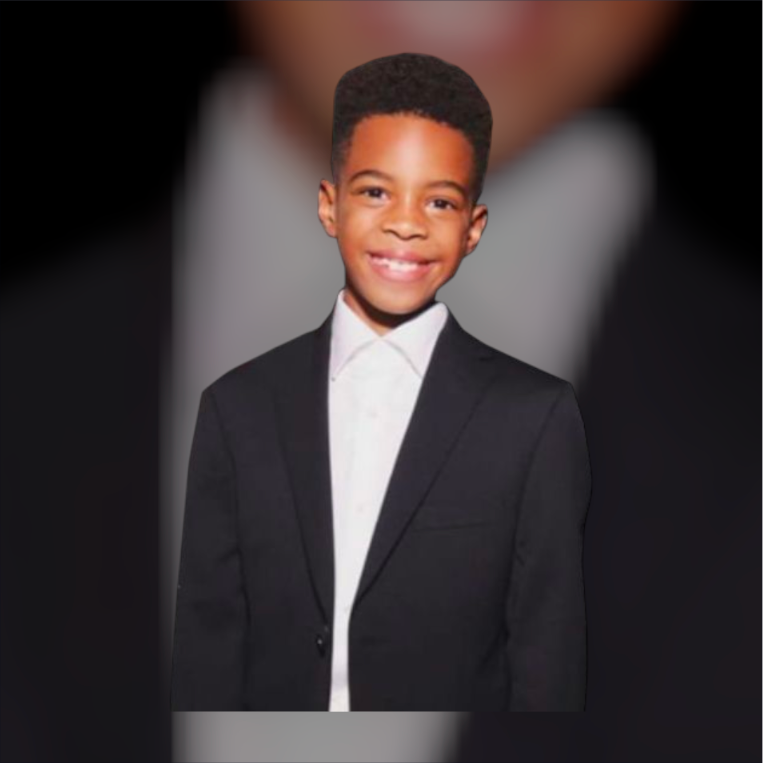
Titan: I agree with all of you, and I’ll add this:
The next generation must build parallel systems. That means platforms for independent media, community finance, digital education, and secure data sovereignty. We need to stop waiting for existing powers to give us space—they won’t.
My role? To work at the intersection of technology and truth. To make sure our generation not only understands sovereignty, but can code it, finance it, and protect it.
Integrating Ikeda’s Vision into the Panel Discussion.
Assumpta-Gahutu:
President Ikeda reminds us that ‘people inherently possess the ability to dispel the seemingly impenetrable gloom that hangs over the world and to light the way to a hopeful future.’ This underscores the power of individual and collective action in fostering peace. As we discuss sovereignty and global narratives, let’s remember that our shared humanity and mutual respect are the foundations upon which lasting peace is built.”sokaglobal. org.
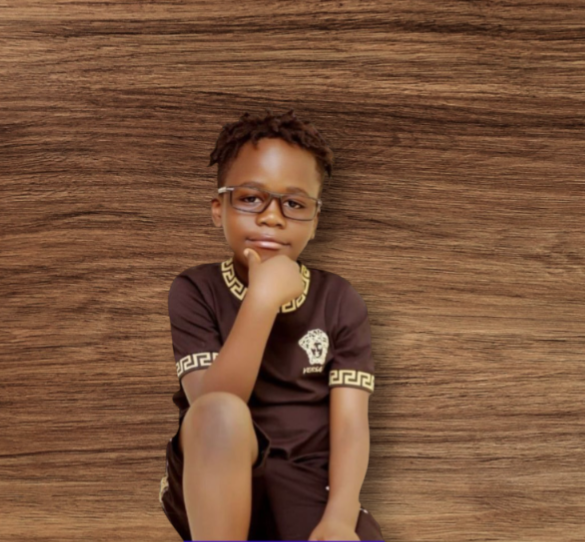
Okomfo-Black:
“Lkeda’s call for solidarity resonates deeply with our discussion. He emphasises that addressing global challenges requires a collective effort rooted in empathy and understanding. As we reflect on historical narratives and their impact on present-day geopolitics, it’s crucial to approach them with a commitment to truth and reconciliation.”

Abena Oforiwaa:
“The proposal highlights the importance of inclusive education and the empowerment of youth. By fostering environments where young people can engage critically with history and current affairs, we equip them to challenge mischaracterisations and advocate for equitable narratives.”
Titan
“Ikeda’s emphasis on interconnectedness and the need to address inequalities exposed by global crises aligns with our conversation. Recognising the interconnected nature of our world compels us to work collaboratively across borders to promote justice and sovereignty.”
Serwaa Amihere: “Integrating President Ikedas’ insights into our dialogue enriches our understanding of the complexities surrounding sovereignty and global narratives. His emphasis on dignity, solidarity, and the proactive role of youth provides a valuable framework for our ongoing discussions.”
Host – Serwaa Amihere: Final Reflections
That was powerful. To our readers, our leaders, and our thinkers—let this be a reminder:
The empire thrives when we remain silent. The future changes when we speak, organise, and act.
“Holding the Pale Horse” is not just a metaphor—it is a challenge. One that calls each of us to decide: **Will we ride with the empire—or seize the reins and redirect its course? Thank you to our remarkable panel. This has been a defining conversation. The kind we need more of—not just in newsletters, but in classrooms, communities, and parliaments across the world.
📅 Stay Connected
Don’t miss the full release of** Securing the Foundation – Monday, June 9, 2025 Featuring the full article:
Russia vs. The Pale Horse: Sovereignty in the Shadow of Empire”