





Assumpta Weekly News Magazine
Presents “Philosopher” From the Special Edition of: “Securing the Foundation” New Episode (1): Featuring Asssumpta-Gahutu
CEO of Babies and Toddlers Daycare and Assumpta Lifestyle and Newsletter Magazine Publications
Article Title: Challenging the Myth
Content: Were Africans Too Simple or Weak-Willed to Resist Exploitation?
Last Updated: 28/12/2024 at 4:47 AM
By Assumpta Publications:
African Stream: The Sudan Crisis Coming Soon
Namibia Today: Exploring contemporary developments in Namibia
Panel Discussion Highlight
Asssumpta-Gahutu, Principal of Babies and Toddlers Daycare and CEO of Assumpta Newsletters joins our panel to share her unique perspective on Africa’s historical narrative and its implications for shaping the continent’s future.

Introduction:
“Securing the Foundation: Learning from Our Past to Build a Better Future”
Africa’s history, particularly its emergence as a significant trading partner for Europeans during the dark era of the transatlantic slave trade, highlights the importance of acknowledging and learning from past mistakes. The negative causes that fueled such exploitation serve as a reminder of the dangers of ignorance and complacency.
By understanding the roots of its challenges and drawing strength from the resilience of its communities, Africa can chart a path toward a brighter, more prosperous future.

Give Your Child the Best Start in Life!
Are you rethinking your child’s preschool education? Look no further!.Babies and Toddlers Daycare is here to nurture, educate, and inspire your little one.
Located at Erf 47, Pasteur Street, Windhoek West, we provide top-quality early childhood development for children aged 6 months to 6 years.
With Assumpta Gahutu as our dedicated principal, your child’s growth, learning, and happiness are our priority.
📧 Contact us today at babies&todds22@gmail.com to secure a spot for your child!.Let’s build a bright future together—one little step at a time.
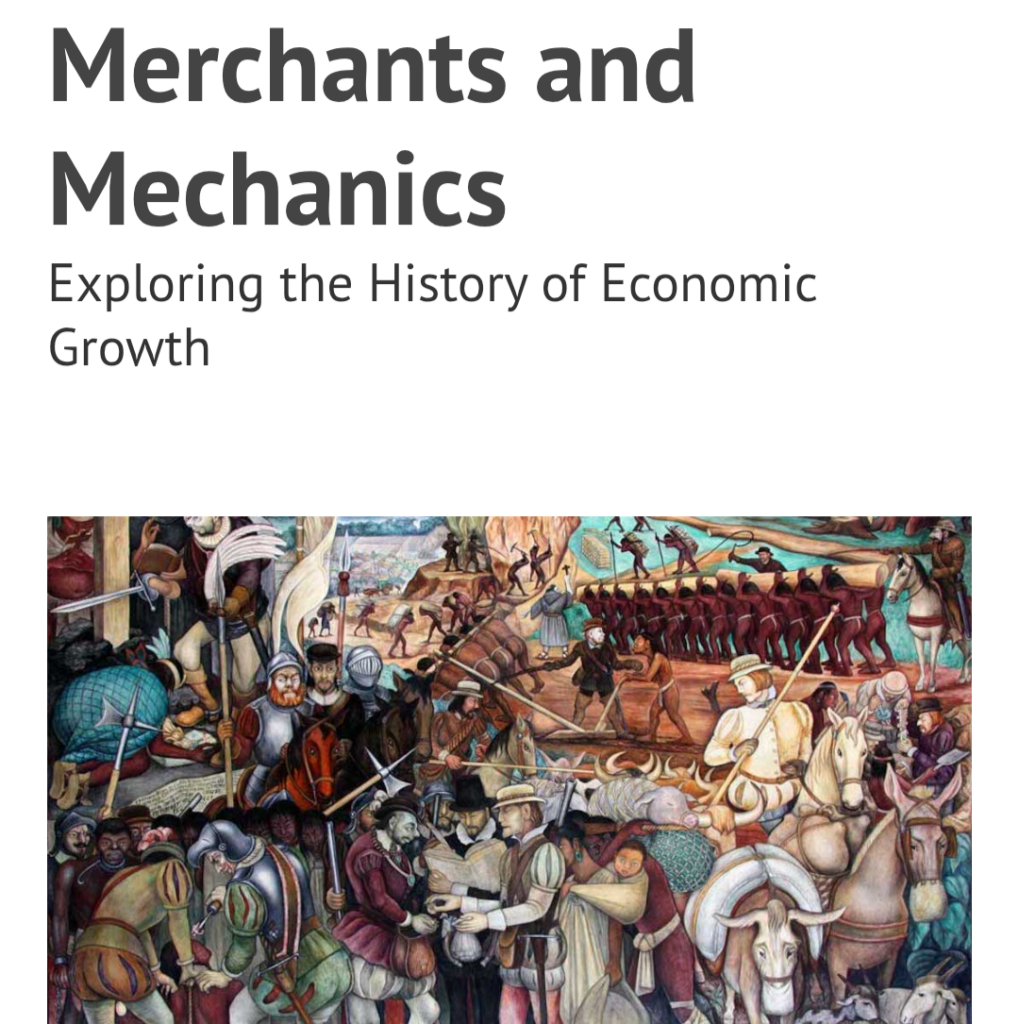
Just as Europeans celebrate their advancements and use their cultural heritage to strengthen community bonds through education, Africa can find inspiration in its history to address its societal challenges and create a continent where happiness and prosperity are accessible to all.
From this perspective, it is futile to passively or negatively attribute Africa’s suffering solely to external factors or to European actions. The circumstances of the Europeans’ existence—marked by hatred, jealousy, and greed—enabled their exploitation and oppression of others. However, this narrative also reminds us of the complicity of Africans who, at times, played roles in perpetuating this suffering by “feeding the dragon” that harmed their people. This reflection highlights a moral debt owed by Africans to their fellow countrymen and women.
The struggles of Ghanaians, and Africans as a whole, to shape a prosperous future are deeply rooted in the shadow of a dark and turbulent past. The transatlantic slave trade and subsequent economic oppression left scars that still influence the present. These events are not just painful memories but serve as powerful reminders of the importance of learning from history.
By addressing these challenges—ranging from exploitation to systemic dependency—and recognizing the resilience of African communities, Ghanaians and Africans alike can reclaim their agency and shape a future defined by self-determination.
This journey is not merely about remembering what was lost but about reclaiming what has always belonged to Africa: a legacy of innovation, unity, and an unyielding spirit that will continue to inspire generations to come.
Slavery Built the Nation: A Closer Look at America’s Hidden History

Titan: As a young African American, most of us were taught a distorted version of slavery in school. This incomplete education leaves many, especially white Americans, unaware of their connection to this dark chapter of history. Here’s a quick rundown of facts that are often overlooked.
Asssumpta-Gahutu:

1. Slavery in the North:
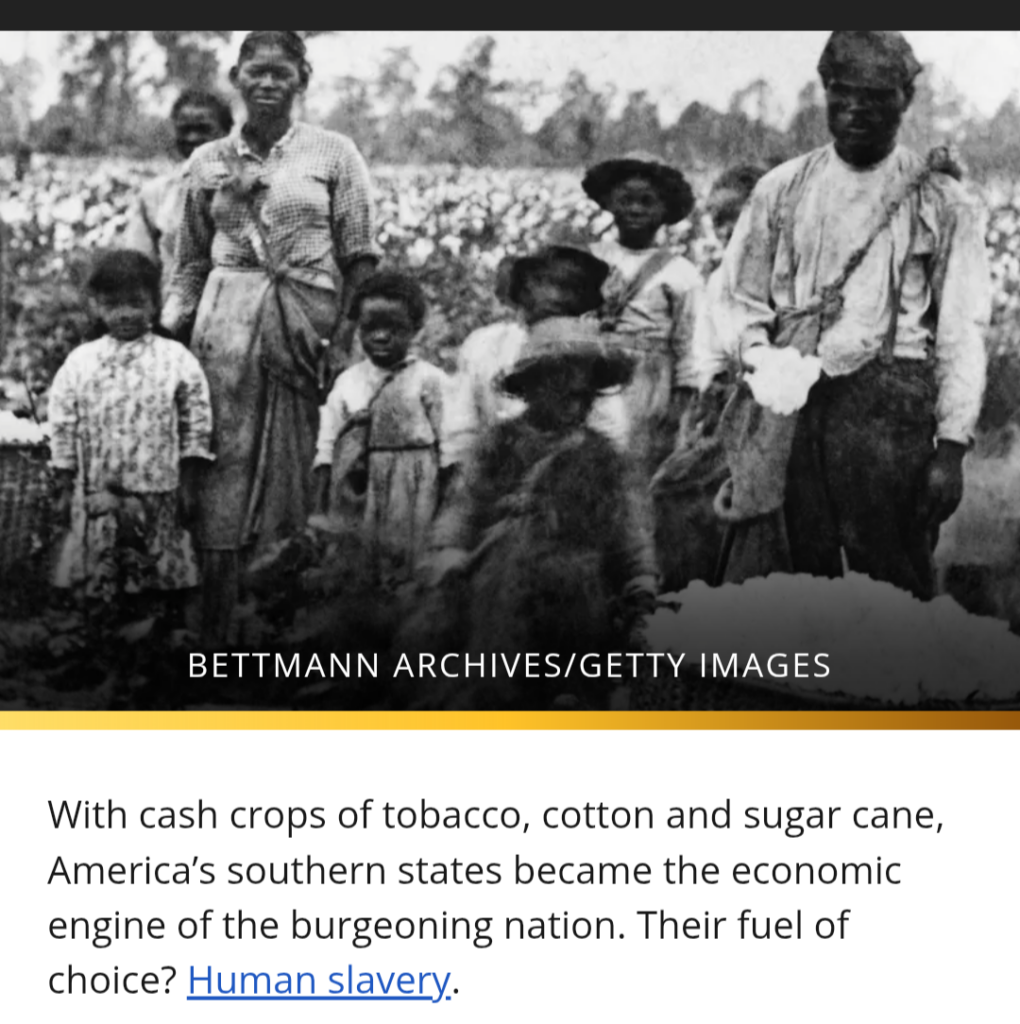
Slavery was legal in northern states for over 200 years. Northern businesses, across all economic levels, profited directly or indirectly from slavery. Northern mills processed cotton harvested by enslaved people in the South.
2. The Midwest and West’s Role:
These regions grew food to feed the South, where land was dedicated to cash crops like cotton, harvested by enslaved labour.
3. The National Economy and Daily Life:
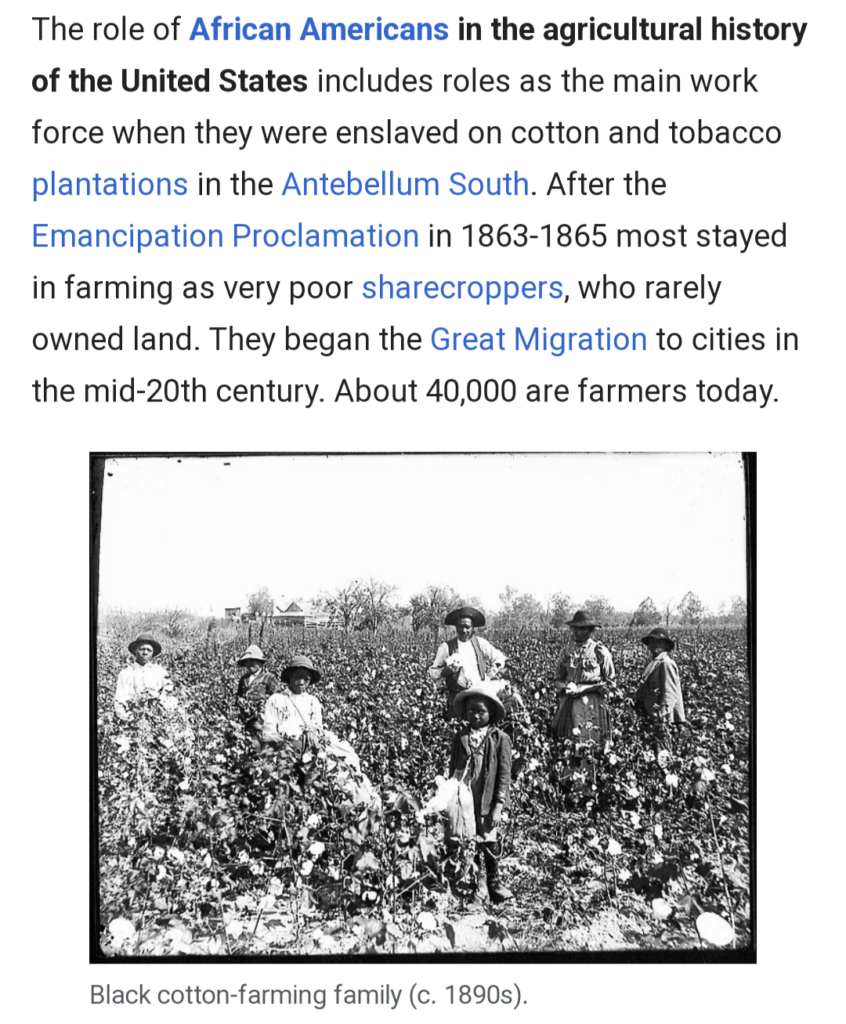
Consumers across the country purchased products tied to slavery, including clothing, coffee, sugar, rice, and tobacco. Immigrants from Europe who arrived after slavery’s abolition also benefited from the system it created.
4. Immigration and Opportunity:
Immigrants from France, Ireland, Germany, and other countries flocked to America in the 19th century seeking opportunity. They found jobs and a booming economy—an economy built largely on unpaid Black labour.
5. Systematic Leapfrogging:
Once in America, European immigrants were granted access to opportunities systematically denied to Black families. This allowed them to “leapfrog” over Black communities, creating generational wealth disparities that persist to this day.
Why Was the Economy Booming?
The economy thrived because it was built on unpaid labour. The exploitation of enslaved people created immense wealth for America, fueling industries, commerce, and expansion. The consequences of this system are not just historical—they reverberate into the present day. By recognizing the systemic nature of slavery and its pervasive impact, we can begin to confront the enduring inequalities that continue to shape American society.
Exploring the Key Themes of the Article
1. Did Africans Feed the Dragon?
This section examines how African societies were drawn into exploitative systems during colonization and the slave trade.
Internal Collaboration: Some leaders engaged with European powers for trade and political advantage, sometimes unintentionally fueling systems of exploitation.
Manipulation and Coercion: Colonial forces exploited political fragmentation and coerced leaders into compliance.



Experience Unmatched Style with Our Premium Jeans
Discover the perfect blend of luxury, comfort, and durability with our premium jeans collection. Designed for those who demand more from their wardrobe, each pair features:
Impeccable Fit: Tailored to hug your form in all the right places.
Exceptional Quality: Crafted with premium fabrics that stand the test of time.
Versatile Designs: Effortlessly transition from casual outings to sophisticated events.
Unmatched Comfort: Soft, breathable, and designed to move with you. Upgrade your style today. Because you deserve jeans that make a statement. Shop now and redefine your everyday wear!
Lack of Unity: The absence of continental solidarity made resistance more challenging.
2. Why Did Africans Feed the Dragon?
This analysis delves into the circumstances that led Africans to participate in these harmful systems.
Economic Pressures: The lure of trade goods, wealth, and survival often led to unfavourable agreements.
Political Rivalries: Tribal and regional divisions hindered collective resistance.
Limited Awareness: The long-term consequences of these decisions were not always clear at the time.
3. Were Africans “Too Simple” or “Too Weak-Willed”?
This provocative question is challenged by historical evidence of Africa’s sophistication and resilience.
Complex Societies: From the Mali Empire to Great Zimbabwe, African civilizations were advanced and interconnected.
Resistance Movements: Leaders like Queen Nzinga and Samori Touré exemplify the fierce resistance Africans mounted.
Global Inequities: The overwhelming technological and military advantage of European powers played a major role in Africa’s subjugation.
4. Reframing the Narrative
Rather than assigning blame, this edition focuses on understanding the structural forces that enabled Africa’s exploitation.
Power Imbalances: Technological and organizational gaps favored European colonizers.
Betrayal and Deception: Colonial treaties often concealed imperial ambitions.
Global Context: Africa’s exploitation must be considered part of a larger, systemic issue in a rapidly globalizing world.
Special Insights from Assumpta-Gahutu
On Financial Dependency:
“Africans, like Ghanaians, have long struggled with financial dependency. Seeking assistance from institutions like the IMF often mirrors an artificial conception of growth—unnatural, unsustainable, and far from the empowerment needed to secure the continent’s future.”
. A Call to Action:
Asssumpta emphasizes that acknowledging the mistakes of the past is crucial, but so is building resilience and reclaiming agency. Africans can shape a prosperous and self-determined future through unity, education, and sustainable development.
Introduction: Securing the Foundation
“Learning from Our Past History to Build a Better Future”
Africa’s history is a tale of resilience, innovation, and survival amid unprecedented challenges. However, the transatlantic slave trade and colonization introduced a dark period marked by exploitation, economic dependency, and systemic oppression. These events disrupted thriving civilizations, fractured communities, and left a legacy that continues to influence the continent today.
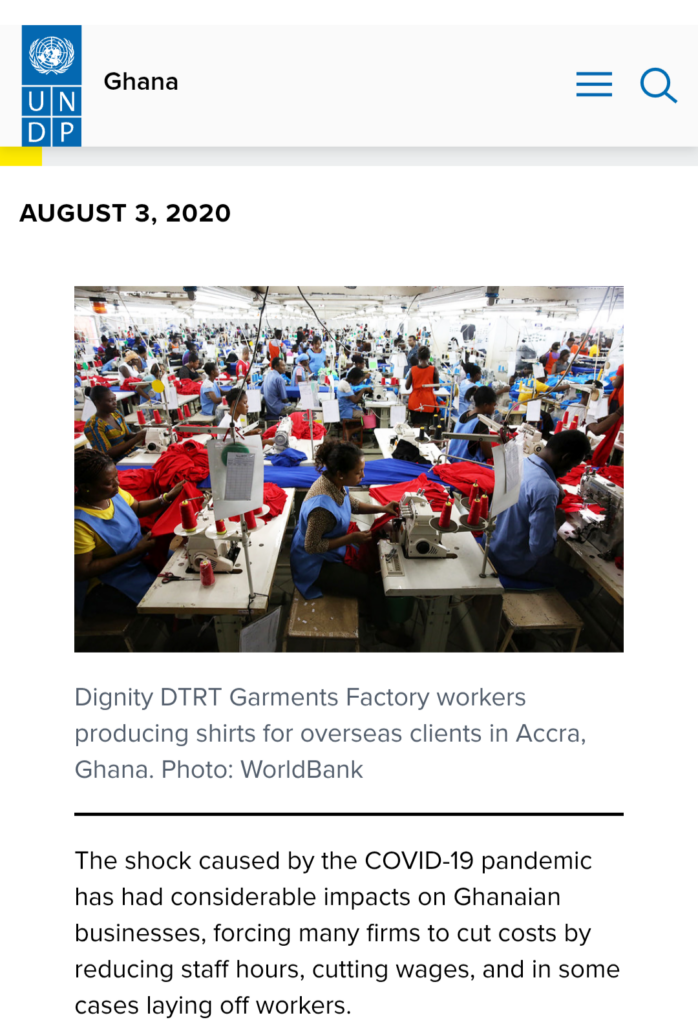
Even today, in parts of Africa, including Ghana, companies and industries subject workers to gruelling schedules, often requiring them to work from Monday to Monday with little to no rest. These workers are frequently paid low wages that do not reflect the value of their labour or the high cost of living. This exploitative practice perpetuates economic inequality and limits opportunities for workers to achieve financial stability or improve their quality of life. Addressing these issues requires stronger labour laws, better enforcement mechanisms, and collective advocacy for fair wages and working conditions.
This special edition of Assumpta Weekly Magazine seeks to explore these historical realities with fresh eyes. Were Africans “too simple” or “too weak-willed” to resist exploitation? Or were the circumstances far more complex, shaped by power imbalances, coercion, and manipulation?
By delving into these critical questions, we aim to dismantle harmful myths and illuminate the rich narratives of African resistance, agency, and cultural strength. Understanding these lessons is crucial as we work to secure the foundation for a brighter, more self-reliant future for Africa and its people.
Dialogue: Asssumpta-Gahutu Interviews Okomfo-Black, Abena Oforiwaa, and Titan
Asssumpta-Gahutu:
“Good morning, everyone! Thank you for being here today. I’m Asssumpta-Gahutu, CEO of Babies and Todds Daycare and Assumpta Lifestyle and Newsletters Publications. This conversation is part of our special edition: Securing the Foundation, where we explore history to better understand how to shape the future.




Could you all introduce yourselves and tell us what excites you most about today’s discussion?”
Okomfo-Black : “Good morning! My name is Okomfo-Black, and I’m here because I love learning about African history and how it connects to what’s happening now. I’m curious to know how young people like me can make a difference.”
Abena Oforiwaa:Hello! I’m Abena Oforiwaa:I think it’s so important for us, as the next generation, to understand the decisions our ancestors made and what we can do differently today.”

Titan: Hi, everyone! I’m Titan, and I’m from America. I’ve always wanted to learn more about African history because I think it’s not just African history—it’s world history. I’m excited to ask a lot of questions!”
Asssumpta-Gahutu“Fantastic! I can already tell this will be an insightful conversation. Let’s dive in.”
Outlining the Context: Feeding the Dragon
“Today, we’re addressing a thought-provoking topic: Did Africans themselves feed the dragon? By that, I mean, were there Africans who—intentionally or unintentionally—helped European colonizers and imperialists exploit the continent?
In the opinion of many Africans and Ghanaians, certain African leaders and groups, under economic pressures or political rivalries, collaborated with European traders or the European establishment. They may not have fully understood the long-term consequences, but these actions paved the way for exploitation and colonization that obscured the profound meaning and unique mission that both Africans and Europeans possess which we can discover only through our relationship with each other.
How do you feel about this idea? And what questions do you have about it?” Children’s Questions and Discussion.
Titan: “Wait—are you saying Africans helped the colonizers? Why would they do that? Didn’t they realize it would hurt their people?”
Asssumpta-Gahutu“That’s an excellent question, Titan. The truth is, that some African leaders were motivated by short-term gains, like weapons, textiles, or alliances to help them win local conflicts. Others were deceived or coerced into agreements. And some simply didn’t understand how destructive these partnerships would be for future generations.
The history of post-colonial Africa is marked by instances where internal actors collaborated with foreign powers, leading to the overthrow and assassination of visionary leaders. Notable examples include:
General Afrifa and the Overthrow of Kwame Nkrumah
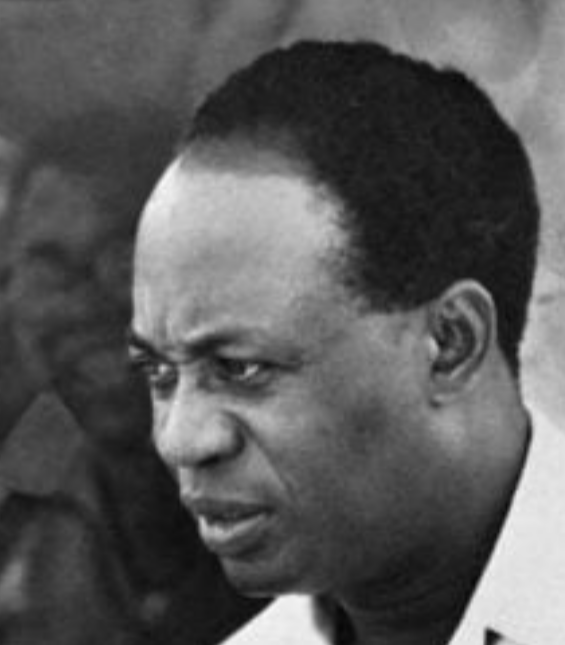
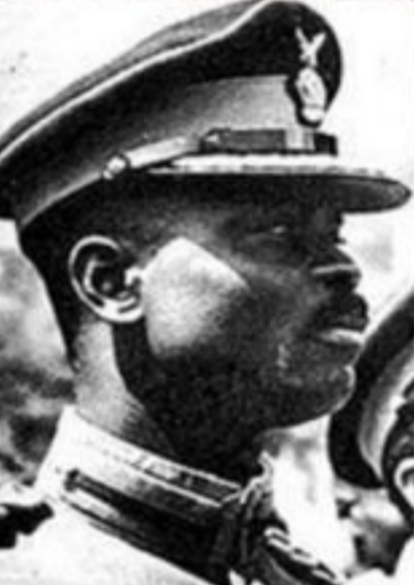
Kwame Nkrumah, Ghana’s first President, was a leading figure in Africa’s independence movement and a proponent of Pan-Africanism. On February 24, 1966, while Nkrumah was on a peace mission to Vietnam, his government was overthrown in a coup d’état. General Akwasi Afrifa played a significant role in this coup, which was supported by external forces, including the CIA. The coup was largely a reaction against Nkrumah’s deepening alliances with the Soviet Union and China, as well as his commitment to transitioning Africa away from neo-colonial dependency toward continental development.
Mobutu Sese Seko and the Assassination of Patrice Lumumba
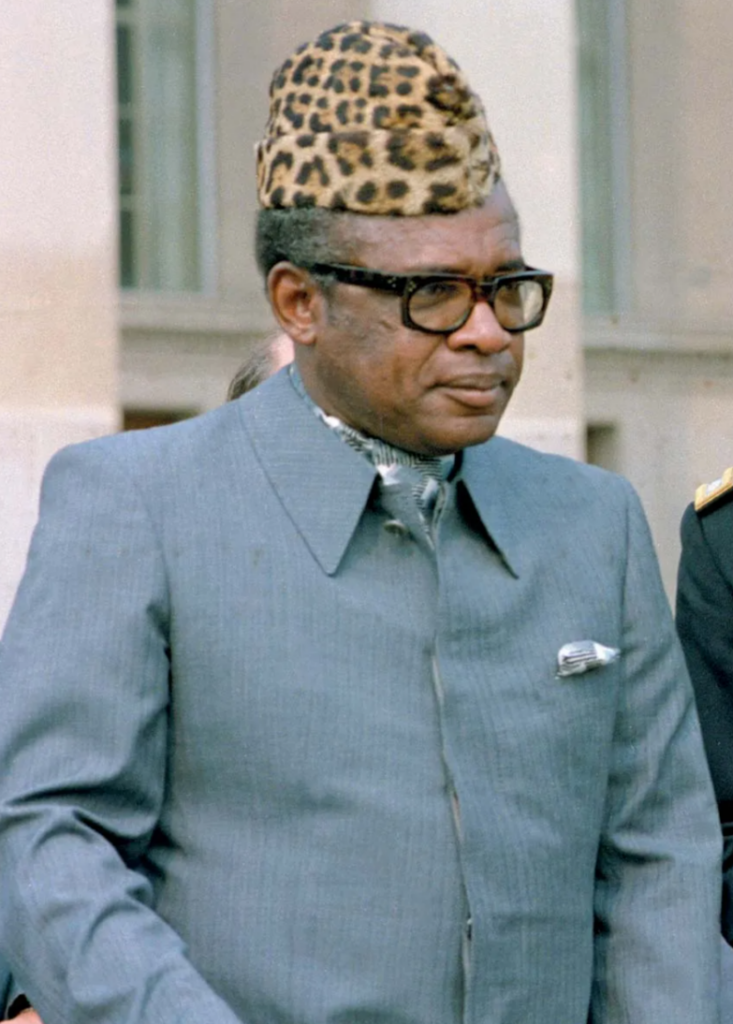
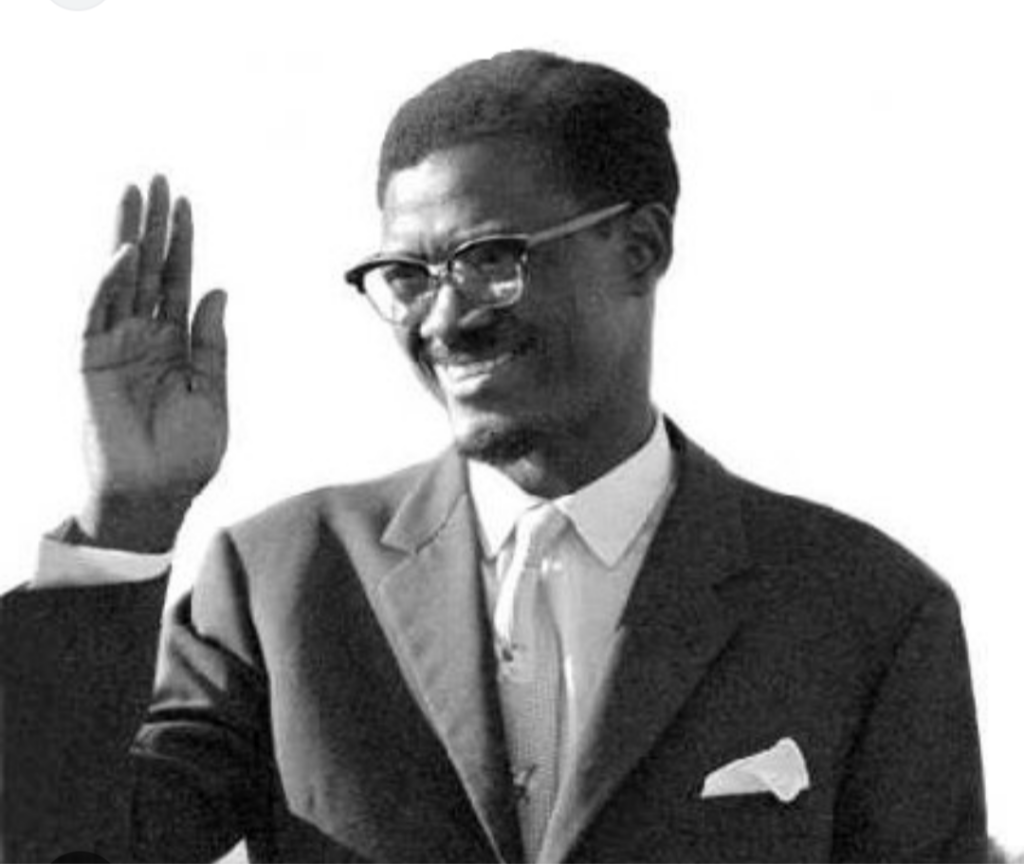
Patrice Lumumba, the first Prime Minister of the Democratic Republic of Congo, was a charismatic leader who sought to steer his country toward genuine independence. However, his tenure was short-lived. In September 1960, Colonel Joseph Mobutu (later Mobutu Sese Seko) led a military intervention that resulted in Lumumba’s arrest. Lumumba was subsequently handed over to secessionist forces in Katanga, where he was executed on January 17, 1961. Mobutu’s actions were supported by Western powers, including Belgium and the United States, who viewed Lumumba’s leadership as a threat to their interests in the region.
The Assassination of Thomas Sankara
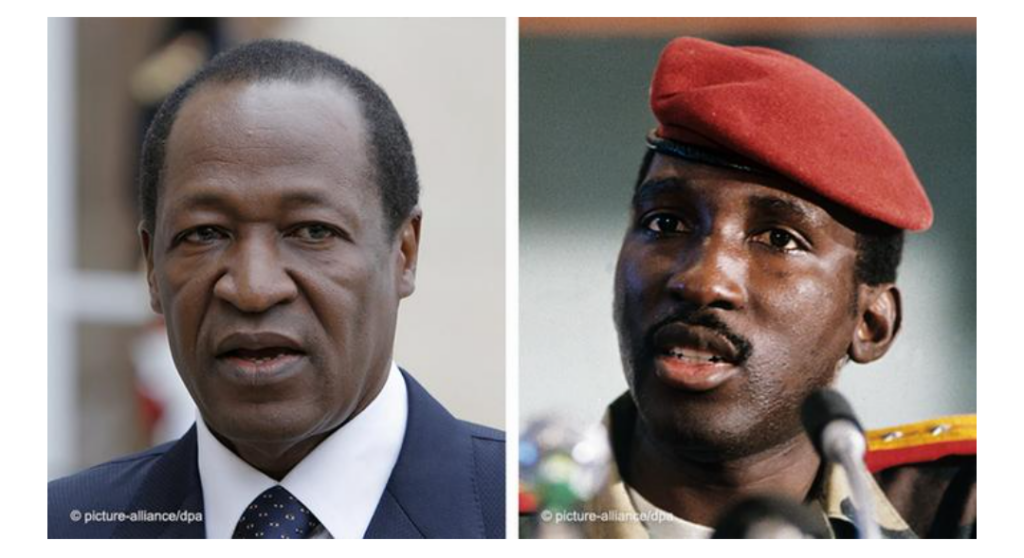
Thomas Sankara, often referred to as “Africa’s Che Guevara,” was the President of Burkina Faso from 1983 until his assassination in 1987. Sankara implemented progressive policies aimed at reducing dependency on foreign aid and promoting self-sufficiency. On October 15, 1987, he was assassinated during a coup led by his close associate, Blaise Compaoré. Many suspect that the French government supported Sankara’s assassination due to his anti-imperialist stance and policies that challenged French interests in the region.
These events highlight the complex interplay between internal actors and foreign powers in shaping Africa’s post-colonial trajectory. Understanding this history is crucial for building a future where African nations can exercise genuine sovereignty and self-determination.
What do you think about that, Abena?”

Abena Oforiwaa: “I think it’s sad but also really complicated. Maybe they felt like they didn’t have a choice. But shouldn’t they have tried to resist more?”
Asssumpta-Gahutu:”Resistance did happen, and we’ll talk about that soon. But remember, many African societies were fragmented, meaning they weren’t united as one nation or continent. This made it harder to fight back. Okomfo-Black, what’s your take on this?”

Okomfo-Black: “I think we shouldn’t just blame those leaders because they were under a lot of pressure. But how can we make sure something like this never happens again?”
Asssumpta:Gahutu:.“That’s a powerful thought and a question, Okomfo:Black. Our past leaders or ancestor’s very existence and the specific circumstances they were born in and that clash of the European culture they met made it possible for them to despise their people and their land and they are truly indebted to the people and the land.
By giving in to the view that Africans are fools and monkeys they fundamentally separated themselves from one another and that shaped every aspect of their lives in a deluded way. To prevent this, we need unity, education, and economic independence. By learning from history, we can recognize manipulation and stand together to protect what’s ours.”
Deeper Questions from the Children
Titan:“You mentioned economic pressures. Were there examples of African leaders who resisted despite those pressures?”
Asssumpta-Gahutu:Titan. Leaders like Queen Nzinga of Angola resisted European powers for decades. She was strategic and bold, even forming alliances to protect her people. There’s also Yaa Asantewaa of the Gold Coast, she resisted the British and Samori Touré in West Africa, who led a long resistance against the French. These stories remind us that resistance was always part of our history.”
Abena Oforiwaa“So, if some resisted, why didn’t everyone just join forces and fight together?”
Asssumpta-Gahutu“Another great question, Abena. The continent’s diversity—different languages, cultures, and political systems—made unity challenging. European powers exploited these divisions to divide and conquer. But today, we can learn from those mistakes and work toward a united Africa. What do you think unity would look like now?”
Okomfo-Black“I think it means all African countries working together to solve problems instead of depending on outsiders. But how can we trust each other after so much division?”
AsssumptaGahutu:“Trust comes through dialogue, shared goals, and education. By teaching our history honestly, we can heal and build that trust. Titan, do you see any similarities between African history and other parts of the world?”
Titan: Yeah. In America, during slavery, some people cooperated with the oppressors, but there were also resistance leaders. It seems like unity and resistance are universal struggles.”
Asssumpta-Gahutu: “Exactly, Titan. This shows us that the fight for freedom and justice is a shared human experience. And by understanding these patterns, we can all contribute to a better future.”
AbenaOforiwaa: I understand that some African leaders collaborated with colonizers and you’ve provided examples of how this collaboration occurred and its impact on African societies.
As you said, during the colonial era, some African leaders, often referred to as “collaborators,” engaged with European powers for various reasons, including economic gain, political advantage, or coercion. For instance, in Ghana, General Akwasi Amankwa Afrifa played a significant role in the 1966 coup that overthrew President Kwame Nkrumah. Afrifa, along with other military officers, orchestrated the coup with the support of Western intelligence agencies, including the CIA. This collaboration led to the establishment of a pro-Western government, which had long-term implications for Ghana’s political landscape.
Similarly, in the Democratic Republic of Congo, Joseph-Désiré Mobutu, who later became Mobutu Sese Seko, played a pivotal role in the overthrow and assassination of Prime Minister Patrice Lumumba. Mobutu, with the backing of Belgian and American interests, led a coup against Lumumba’s government. Lumumba was arrested, transferred to Katanga, and subsequently executed, leading to decades of dictatorship under Mobutu’s rule.
These examples illustrate how certain African leaders, driven by various motivations, collaborated with colonial and imperialist powers, often resulting in detrimental effects on their nations’ sovereignty and development.
Titan: How did these collaborations affect the everyday lives of African people?
Asssumpta-Gahutu: Great question, Titan. The collaborations between African leaders and colonial powers often led to policies that prioritized the interests of the colonizers over those of the local populations. This resulted in the exploitation of natural resources, economic dependency, and the suppression of indigenous cultures. For example, in the Congo, the Belgian colonial administration, with the support of local collaborators, exploited the country’s resources, leading to widespread poverty and social unrest among the Congolese people.
Abena Oforiwaa What lessons can we learn from these historical events to prevent similar situations in the future?
Asssumpta-Gahutu: The key lesson is unity, self-reliance, and vigilance. By fostering strong, independent institutions and promoting Pan-African solidarity, African nations can better resist external pressures and ensure that their leaders act in the best interests of their people. Education and awareness are also crucial in empowering citizens to recognize and challenge any form of exploitation or manipulation.
Okomfo-Black: “Why did some African leaders help the colonizers? Did they know they were hurting their people by doing so?”
Assumpta-Gahutu: “That’s a very insightful question, Okomfo. Some African leaders collaborated with the Europeans for a few reasons. First, many African societies were already divided by tribal rivalries, and some leaders saw cooperation with the Europeans as a way to gain power or protection. Others were lured by trade goods like weapons or textiles, which they believed would strengthen their kingdoms. However, many didn’t fully understand the long-term harm it would cause. They were facing economic pressures and sometimes didn’t see the bigger picture of how their actions would lead to exploitation and the destruction of their people.”
Abena Oforiwaa“How were African leaders tricked into making deals with Europeans? Was it all about money and trade goods?”
Asssumpta-Gahutu: “Yes, money and trade goods were a huge part of it. But it wasn’t just about material wealth. European colonisers often used deception and manipulation to gain trust. They would promise protection, better trade deals, or military aid in exchange for cooperation. Many African leaders believed that they were making short-term alliances for the survival and prosperity of their people. However, they didn’t fully realize that these alliances would lead to long-term exploitation and the loss of their independence.”
Titan: “If many Africans resisted the Europeans, why were they still conquered? Wasn’t Africa strong enough to fight back?”
Asssumpta-Gahutu: “That’s a great question, Titan. Africa was indeed strong as I have already mentioned, with powerful kingdoms and rich resources, but it wasn’t unified. European powers came with advanced technology, like firearms, and had the advantage of industrialisation, which made it hard for African leaders to resist. Also, European powers used divide-and-rule tactics, exploiting existing rivalries between different groups. Many African leaders fought back, but because of the imbalance of power, resistance was often crushed. However, these fights were important, as they showed the strength and resilience of African people.”
Unity was one of the key factors that could have prevented Africa from being taken over. If African leaders had set aside their differences and worked together, they could have formed a stronger resistance. Today, we can learn from this by fostering unity across the African continent. Building strong, cooperative relationships, and focusing on shared goals like economic independence, education, and self-reliance, is the key to ensuring that Africa doesn’t face the same challenges in the future.”
Abena Oforiwaa “Some African leaders fought back, but others helped the colonisers. What made some resist and others collaborate?”
Assumpta-Gahutu: “That’s an important question, Abena. The reasons for collaboration or resistance were often influenced by the circumstances each leader faced. Some leaders believed that collaborating with Europeans would protect their people from more immediate dangers, like rival kingdoms or military threats. On the other hand, leaders who resisted often had a strong sense of independence and loyalty to their people, refusing to let foreign powers dominate. However, both choices were deeply influenced by the time’s unequal power dynamic between Africa and Europe.”
Titan: “Was Africa the only place where this kind of thing happened? Were there other countries that were also taken over by European powers?”
Assumpta-Gahutu: “No, Titan, Africa wasn’t the only place. European colonization affected many regions around the world. The Americas, for example, were colonized by European powers like Spain, Britain, and France. They took land from indigenous people, enslaved Africans, and exploited local resources. Similarly, parts of Asia were also colonized. What’s important to understand is that colonization was driven by the European need for resources and dominance, and it impacted many people across the globe.”
Finally, we must always ask ourselves: How can we rebuild and strengthen Africa for the future? The path forward is through unity, education, and self-reliance. Africa is rich in resources, culture, and talent. By supporting each other, learning from the mistakes of the past, and focusing on building sustainable, independent systems, we can create a bright future for ourselves and for generations to come.”
Okomfo-Black: “So, how can we as young Africans start making a difference today?”
Asssumpta-Gahutu: “You are already making a difference, Okomfo! By asking questions and thinking critically about Africa’s history, you’re showing that you care about the future. Education, sharing knowledge, and being proud of our heritage are important ways to start. As young people, you can also advocate for policies that promote unity, sustainability, and empowerment in your communities. Don’t underestimate your potential to change the world!”
“Thank you so much for your questions today, Okomfo-Black, Abena Oforiwaa, and Titan. Keep asking, keep learning, and never stop working to create a better world.” This dialogue captures my responses to your questions, providing insight into the historical complexities of African collaboration, resistance, and the path forward.
Okomfo-Black: Thank you for your insights Asssumpta. This discussion has been enlightening.
Asssumpta-Gahutu: You’re welcome, Okomfo-Black. It’s been a pleasure discussing these important topics with all of you. Remember, understanding our history is essential to building a better future.
Closing Remarks: In Other Words, the negative causes that led to Ghanaians and Africans not being able to choose their prosperous future is a dark history in the transatlantic slave trade and economic oppression that serve as a reminder of the importance of acknowledging and learning from past mistakes. By understanding the roots of its past challenges and the resilience of its community, Ghanaians and Africans can pave the way for a brighter future.
Asssumpta-Gahutu: “This has been such an enriching discussion. I’m proud of all three of you for your thoughtful questions and insights. If there’s one thing I want you to remember, it’s this: our history is not just a story of exploitation but also one of resilience, brilliance, and the power to overcome. Let’s keep asking questions, learning, and working toward a united and self-reliant Africa.”
Children: Thank you Miss Gahutu
SGI-Our Shared Humanity