

Owusuwaa Health Newsletter Magazine
PRESENTS–HAIR-SENTA-MENTALITY
Health & Wellbeing | Culture | Fashion | Lifestyle
A Digital Lifestyle Newsletter for the Global Thinker and Dreamer
EXCLUSIVE FEATURE – COMING FRIDAY, JANUARY 23RD, 2026 | 05:30 AM (GMT)
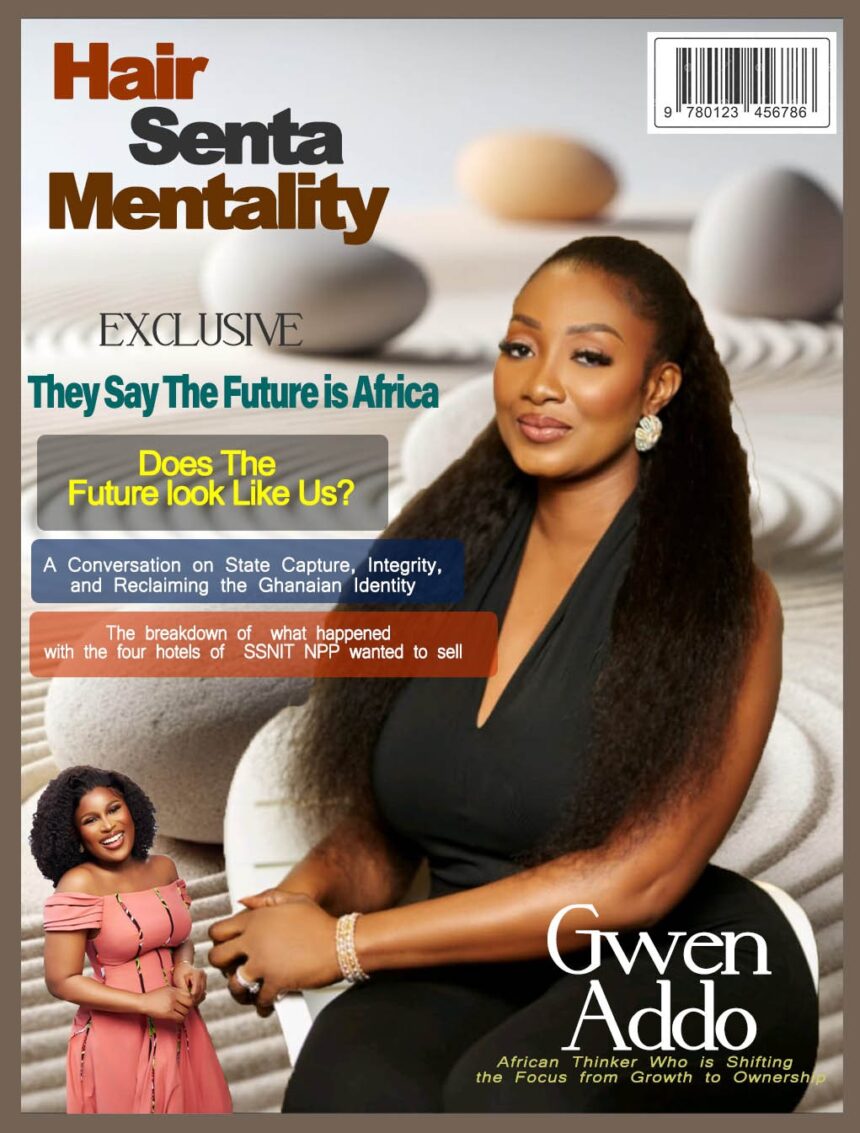
Article Title: “They Say the Future Is Africa — But Does That Future Look Like Us?”— Gwen Addo
They say the future is Africa. But does that future truly look like us? This question, posed by Gwen Addo, invites the world to pause—not to celebrate Africa as an abstract idea, but to reflect on who defines that future, and for whom it is being built.
HAIR SENTA ADVERTISEMENT


https://www.instagram.com/hairsenta?utm_source=ig_web_button_share_sheet&igsh=ZDNlZDc0MzIxNw==
Inside the Feature
Special Guest Feature
Owusuwaa Gyimah-Addo (Gwen Addo)
CEO & Founder, Hair Senta & HIBS-Africa
Author | Direction Entrepreneur | Motivational Speaker | Wellness Advocate.
A movement-builder redefining health, beauty, and entrepreneurship as tools for social transformation.
SPECIAL DIALOGUE EVENT
“THE NEW DREAM OF DEVELOPMENT”

Hosted by : BERLA MUNDI
Award-Winning Broadcaster & Media Personality In conversation with: Nana Owusuwaa Gyimah (Gwen Addo) Together, they will confront a critical truth—and ask the questions that matter:
Their Mission
To unpack what has worked
To examine what must change
To chart a new path for Ghana—and beyond
🌱 A Philosophy of Connection

Gwen Owusuwaa Gyimah-Addo believes that true prosperity is not built on profit alone, but on relationships, dialogue, and shared wisdom.“Businesses thrive when they create spaces of intimacy, trust, and meaning—whether in boardrooms, friendships, or communities.”
This human-centered vision echoes the teachings of Nichiren Daishonin, where peace and progress begin with the dignity of every individual.
🔔 INSIDE THIS ISSUE — FOR INTERNATIONAL READERS
From Ghana to the World, discover the heartbeat of a movement.
Stories that heal. Empower. Transform.
📩 Read Now | assumptagh.live
📍 Follow Us: @hairsenta
🔖 Hashtags: #HairSentaMentality #KillerInTheLoaf #BeyondTheSu.
They Say the Future Is Africa — But Does That Future Look Like Us?” — Gwen Addo
They say the future is Africa. But does that future truly look like us? This question, posed by Gwen Addo, invites the world to pause—not to celebrate Africa as an abstract idea, but to reflect on who defines that future, and for whom it is being built.
The World Is Becoming Africa
According to United Nations projections, by 2050, more than 25 percent of the world’s population is expected to come from the African continent. By that same year, one in three young people aged 15 to 24 will be living in Africa.
These figures point to undeniable realities:
Rapid population growth.
Accelerating urbanization.
A powerful demographic advantage driven by youth.
Yet despite these trends, Africa has not yet been able to fully drive global growth, innovation, or decision-making on its own terms. This tension is at the heart of Gwen Addo’s question:
“They say the future is Africa — but does that future look like us?”
A Vision, Not a Slogan
This statement is not a political slogan, nor a narrow prediction. It is a visionary challenge, rooted in lived experience, values, and responsibility.
To understand its meaning, one must look at Gwen Addo’s way of life and her work rebuilding failing brands and communities through health, culture, and education.
A Movement-Builder Shaping Communities Through Health & Beauty
Gwen Addo is a certified entrepreneur, wellness coach, food educator, and co-founder of Owusuwaa Weekly. She is also the visionary behind Hair Senta, HIBS-Africa, and TLS — The Leading Senta. Through these platforms, Gwen redefines business not as mere commerce, but as a community hub for transformation. Her guiding belief is simple yet profound:


“Our culture is our health, and our health is our future.”
Her Mission
Empower everyday people with practical wellness tools.
Inspire young minds to build a healthier, more responsible future.
Redefine health and beauty as fundamental human rights.
Seen through this lens, Gwen’s statement reflects a philosophy grounded in humanism, dignity, and global solidarity.
What She Means — Step by Step
1. From Exploitation to Dignity
For centuries, Africa was treated primarily as a resource to be extracted, not a people to be heard. Gwen envisions a turning point—where Africa is no longer defined by colonial narratives of poverty, war, or dependency, but by the inherent dignity, creativity, and agency of its people. Africa’s time, in this sense, is about the restoration of humanity, not domination.
2. Africa’s Human-Centered Values
Through initiatives such as the HIBS-Africa Fair, Gwen consistently highlights Africa’s:
Communal spirit, Respect for life, Resilience, Oral wisdom traditions. She believes these values are precisely what a world fragmented by individualism, greed, and conflict urgently needs.
So when she asks whether the future “looks like us,” she is saying: Africa must offer moral and human solutions, not only economic growth—helping to re-humanize globalization itself.
3. Youth and Untapped Potential
Africa has the youngest population in the world. As the UN repeatedly emphasizes, youth are the engine of peace, innovation, and transformation.
For Gwen Addo, Africa represents: Hope, Energy, The courage to imagine new futures without being trapped by outdated systems. A future Africa must be driven by people power and innovation, aligned with its own demographic reality.
4. Education as the Foundation
Born and raised in Ghana, Gwen witnessed how social and educational systems often discouraged young people from pursuing their full potential. She firmly believes Africa’s rise will not come through charity, but through education that empowers people to think, create, and lead.

This is why she supports: Schools and universities in Ghana, Cultural and academic exchanges, Dialogue instead of aid dependency, The Africa she calls for must be built on knowledge, not handouts.
5. Dialogue, Not Force
The Africa many inherited was shaped by exploitation, corruption, political ambition, and colonial power structures.
Gwen’s vision stands in contrast.
Her statement calls for an Africa defined by:
Dialogue
Cooperation
Mutual respect
Drawing on traditions of councils, elders, and consensus-building, Africa has much to teach its people—and the world.
6. A Responsibility, Not a Guarantee
Importantly, Gwen Addo does not suggest that success is automatic.
Her message is clear: Africa has the mission and potential to help lead humanity toward a more humane world—if Africans themselves believe in their worth, unity, and responsibility.
It is both:
A vote of confidence
And a call to action
In One Sentence
When Gwen Addo says, “They say the future is Africa — but does that future look like us?”, she means:
Africa holds the moral strength, human wisdom, and youthful energy needed to shape a more peaceful, dignified, and people-centered world—if that potential is consciously awakened
By Gwen Addo: A Call for Ownership Over Exploitation

The world is shouting “Africa Rising.” Global economists point to our demographics, noting that by 2050, one-quarter of the world’s population will be African. But as the headlines cheer for our growth, a more unsettling question must be asked: Who is actually holding the keys to this future?
When we look at the “hidden truths” in our own backyard—from the controversial attempt by the NPP to sell SSNIT hotels to the gradual land-grabs across the continent—the reality is hidden in plain sight. Are we building a future for ourselves, or are we simply becoming tenants in our own home?
1. From Exploitation to Dignity
For centuries, Africa has been treated as a warehouse of resources to be extracted. Gwen Addo argues that the “African Century” must mark a turning point. We can no longer be defined by colonial narratives of dependency. The future must be built on the inherent dignity of our people, shifting from being a “resource” to being “the architect.”
2. Reclaiming Our Moral Compass
Currently, we are trapped in a cycle of “wealth by any means”—a cocktail of greed and ignorance. Gwen reminds us that Africa’s true strength lies in its communal spirit and resilience. We don’t just need economic growth; we need to re-humanize our systems. The future shouldn’t just look like “business”; it should look like us—our values and our integrity.
3. The Youth: Engines of Transformation
With the youngest population on earth, Africa holds the world’s energy. But energy without a home is wasted. Gwen sees the youth not just as a statistic, but as the power to imagine new systems that aren’t trapped by the “old guard” politics of selfishness.
4. Education vs. Handouts
The current system often discourages Ghanaians from pursuing true ownership. Gwen’s mission through TLS (The Leading Senta) and her support for academic dialogue is clear: Africa’s rise will not come through charity. It will come through an education that empowers us to think, create, and lead. We need knowledge, not handouts.
5. Dialogue Over Force
Our history has been dominated by oppressive power politics and corruption. Gwen’s vision is defined by cooperation and mutual respect. We must return to our traditions of consensus-building to teach the world how to lead with humanity rather than through exploitation.
6. A Responsibility, Not a Guarantee
Success is not automatic. The “African Future” is a vote of confidence, but more importantly, it is a call to action. If we do not awaken to our worth and unity, we will remain spectators in our own development.
The Bottom Linev : Africa holds the moral and youthful energy needed to shape a dignified world. But that potential can only be realized if we stop selling our heritage for short-term gain and start investing in our long-term identity. “Our culture is our health, and our health is our future.” — Gwen Addo
The Chronicles of Naactumba: The Land of the Unhurried Soul

In the heart of a vibrant continent lies Naactumba, a country that the rest of the world struggles to understand. While neighboring nations measure their success by the frantic speed of their stock markets and the height of their skyscrapers, Naactumba measures its success by the “Quiet Joy” of its people.
The Policy of Peace
In Naactumba, peace is not just the absence of war; it is a government-mandated environment. The leadership believes that a worried citizen cannot be a creative citizen. Therefore, every policy is designed to remove the “noise” of survival.
They don’t just provide healthcare; they provide Wellness Sanctuaries. They don’t just build roads; they build Pathways of Connection that encourage neighbors to stop and speak. The government cares deeply about “the citizen’s joy” because they know that a happy person is a responsible person.
Limitless Possibilities
The Naactumba economy is built on a radical belief: Every life is unique and holds limitless potential. Unlike other economies that force people into “jobs” like cogs in a machine, Naactumba’s economic policies are like a gardener tending to different seeds. If a citizen has a gift for traditional weaving, the system provides the tools. If a youth has a vision for new technology, the system provides the laboratory. The economy exists to reveal the person, not to use them.
The Architecture of Precision
This is not a land of “accidents.” Behind the scenes, Naactumba is run with strict precision. Every law is scrutinized for how it affects human dignity.
However, unlike the cold precision of a computer, Naactumba’s systems are designed for Humanity. They have built a “Well-Reward System” that actually accommodates mistakes. In Naactumba, a failure is seen as a “Draft of Growth.” When a citizen fails at a business, they are not shamed or left behind; they are given a “Refined Path” to try again, because the country values the lesson more than the loss.
The Defining Factor: Detail Over Speed
If you visit Naactumba, you will notice something strange: No one is running. The country does not value speed. It values Detail.
- They would rather build one house that lasts five generations than a hundred that fall apart in ten years.
- They would rather have one deep conversation than a thousand text messages.
This attention to detail—to the cultural and historical “fine print”—is what makes them beautiful. It is a country that refuses to be a “tenant” in its own history. By focusing on the small, human details, Naactumba has built a fortress of dignity that the world now looks to with envy.
Naactumba is the “Future Africa” that Gwen Addo speaks of. It is a place where growth hasn’t stolen the soul, and where the system finally “looks like the people
This dialogue brings together two of Ghana’s most influential female voices: Berla Mundi, the award-winning media personality known for her advocacy and “The Day Show,” and Gwen Addo, the visionary CEO of The Hair Senta and a leading voice in African entrepreneurship.
The Dialogue: Reclaiming the African Future

Berla Mundi: Good evening to our viewers across Ghana and the millions joining us worldwide. I am Berla Mundi, and today we are diving into a conversation that sits at the very heart of our identity and our destiny. Joining me is a woman who needs little introduction but deserves a global spotlight—Gwen Addo. Gwen is a certified entrepreneur, a strategist who has rebuilt failing brands, and the visionary behind The Hair Senta and HIBS-Africa. Gwen, welcome to the dialogue.

Gwen Addo: Thank you, Berla. It is an absolute pleasure to be here.
Berla Mundi: Gwen, before we dive into the specific headlines of your latest newsletter, I want to start with the profound breakdown of your philosophy that has been circulating. I’ve captured the essence of your message: that “The Future is Africa” is not just a statistical inevitability based on population growth, but a moral and cultural mandate.
Your question—“Does that future look like us?”—serves as a challenge. It ensures that as Africa grows, it retains its soul and dignity rather than simply adopting external models of success. To help our international audience visualize this shift, look at the scale of what we are talking about:
By 2050, 1 in 4 people on Earth will be African. But Gwen, you’ve organized this mission into three core transformative shifts that move us away from the “Old Narrative.” Let’s look at them:
| The Old Narrative | Gwen’s Vision (The Future That Looks Like Us) |
| Exploitation: Africa as a resource to be extracted. | Dignity: Africa as a source of creativity and leadership. |
| Individualism: Growth driven by greed. | Humanism: Growth driven by communal wellness. |
| Aid Dependency: Progress through handouts. | Knowledge Ownership: Progress through innovation. |
Berla Mundi (cont.): You’ve mentioned through HIBS-Africa and TLS that the “beauty” industry is actually an entry point for economic sovereignty. By reclaiming our standards of health and beauty, you’re helping Africans reclaim their self-worth. You often say, “Our culture is our health, and our health is our future.” But you also give us a “Call to Action.” This “youth bulge” can be a dividend that powers the world, or it can be a source of instability if we don’t build the systems you advocate for. Gwen, for our readers worldwide, can you break down what this truly means for the African identity?

Gwen Addo: Berla, you’ve summarized it perfectly. When I ask if the future “looks like us,” I am asking if we are going to be the owners or the tenants of our own growth.
Right now, we see the world shouting “Africa Rising,” but behind the curtain, we see “hidden truths”—the selling of national assets like the SSNIT hotels, or the land-grabs in our own backyards. We are trapped in a “wealth by any means” mentality, which is really just a mix of greed and ignorance.
If the future is to “look like us,” it must be built on precision and dignity, much like the story of a country I often dream of called Naactumba. In Naactumba, the government doesn’t value speed; it values detail. It values the joy of the citizen. They believe every life has limitless possibilities.
That is the shift we need. We must move from a system that discourages dreams to an educational system that empowers us to lead. We need to stop looking for handouts and start owning our knowledge. The future is African, yes—but it only belongs to us if we have the integrity to claim it.
Berla Mundi: Today, we are bridging the gap between a visionary future and a gritty present. Joining me is the incomparable Gwen Addo. To our international audience, Gwen is not just an entrepreneur; she is a movement-builder. From the success of The Hair Senta to the transformative power of HIBS-Africa, she has proven that African brands can lead on a global stage. Gwen, it is an honor to have you back on the show.

Gwen Addo: The pleasure is all mine, Berla. It is time we had some honest conversations about where we are headed.
Berla Mundi: Exactly. And before we get into the heavy headlines of your latest newsletter, I want to pause on your philosophy. I have truly captured the essence of your message: that “The Future is Africa” is not just a statistical inevitability based on population growth—it is a moral and cultural mandate.
Your question—“Does that future look like us?”—is a heavy one. It challenges us to ensure that as we grow, we don’t just mimic external models but keep our soul and our dignity. To show our readers the scale of this, look at the projected shift: By 2050, 25% of the world will be African. You’ve broken this down into three “Transformative Shifts.” Let’s look at the contrast between the old narrative and your vision:
| The Old Narrative | Gwen Addo’s Vision (“The Future That Looks Like Us”) |
| Exploitation: Africa as a resource to be taken. | Dignity: Africa as a source of leadership. |
| Individualism: Growth driven by greed. | Humanism: Growth driven by communal wellness. |
| Aid Dependency: Progress through handouts. | Knowledge Ownership: Progress through innovation. |
Berla Mundi: You see the beauty industry through HIBS-Africa and TLS as an entry point for economic sovereignty. You believe “Our culture is our health, and our health is our future.” But you also warn that the “youth bulge” could be a source of instability if we don’t establish the right systems. For our global readers, can you break these down?

Gwen Addo: Berla, you’ve hit the nail on the head. When I ask, “Does it look like us?”, I am talking about ownership.
Look at the headlines today—the SSNIT hotel scandals, the selling off of national assets to the highest bidder, the land-grabs. It feels like we are becoming tenants in our own home. We are currently trapped in a cycle of “wealth by any means,” which is really just a combination of greed and ignorance.
Let me break down these six pillars for those watching around the world:
- 1. From Exploitation to Dignity: We have been a “warehouse” for the world for too long. My vision is for an Africa that is defined by its creativity, not what can be extracted from its soil.
- 2. Human-Centered Values: The modern world is fragmented by greed. Africa’s “communal spirit” is actually the solution globalization needs to be more humane.
- 3. Youth and Potential: Our youth are the engine. But if they are trapped in old systems of corruption, that energy will explode rather than build.
- 4. Education vs. Handouts: I grew up in a system that often discouraged big dreams. We don’t need charity; we need an education that empowers us to own our knowledge.
- 5. Dialogue, Not Force: Our history is full of “power politics.” I want an Africa where consensus and mutual respect lead the way—like the traditions of our elders.
- 6. Responsibility, Not a Guarantee: Success isn’t automatic. It is a “call to action.” We have to believe in our own worth first.
Berla Mundi: That leads me to a story you often tell—the story of a country called Naactumba.
In Naactumba, the government ensures every citizen is peaceful because they care about their joy. Their economy believes every life has limitless possibilities. They don’t value speed; they value detail and dignity.
Gwen, is Naactumba a dream, or is it a blueprint for how we should be handling our national assets, like the SSNIT hotels, today?
Gwen Addo: Berla, Naactumba isn’t a dream—it’s a standard. It represents the shift from being “tenants” to being “custodians.”
If we applied the laws of Naactumba to the current SSNIT hotel controversy, the conversation would change instantly. In Naactumba, a national asset isn’t just a building or a balance sheet; it is a fragment of the citizens’ collective soul. The “Naactumba Approach” to our national assets would be built on three specific “Laws of Detail”:
- The Law of Transparency (The People’s Table): In Naactumba, you cannot sell what belongs to the people in a dark room. Any transaction involving a state asset would be a public dialogue, not a “needless controversy.” The citizens wouldn’t feel like they are being robbed because they would be at the table.
- The Law of Custodianship over Ownership: We are currently obsessed with “selling off” assets because we see them through the lens of short-term greed. Naactumba teaches us that we don’t own the land or the hotels; we hold them in trust for the next generation. Selling a profitable asset like the Labadi Beach Hotel to a political appointee violates the very core of dignity.
- The Law of Human Dividend: In Naactumba, the first question isn’t “How much money will this make for the party?” It is “How much joy and potential will this reveal for the citizen?” If selling an asset doesn’t directly improve the dignity of the Ghanaian identity, then in Naactumba, that deal is considered an “ignorance tax” and is immediately discarded.
Berla Mundi: That is a powerful distinction. You’re saying that the “Greed and Stupidity” we see in the headlines today is actually just a lack of precision. We are rushing to build wealth “by any means” while Naactumba teaches us to move with the precision of someone who actually loves their home.

Gwen Addo: Exactly. When we rush to sell our hotels or our lands, we are admitting that we don’t know how to manage our own value. We are acting like tenants who are burning the furniture to keep warm for one night.
If we want the future to “look like us,” we have to stop being afraid of the detail. We have to stop valuing speed over the integrity of our systems. Naactumba is a reminder that we can have an economy where the “well-reward system” actually accommodates our growth rather than exploiting our desperation.
The Naactumba Manifesto: The Laws of a Dignified Nation
“We do not inherit the land from our ancestors; we borrow it from our children.”
- The Law of the Citizen’s Joy: The primary KPI (Key Performance Indicator) of the state is not GDP, but the collective peace and happiness of the people. A policy that creates wealth but destroys peace is a failed policy.
- The Law of Perpetual Custodianship: National assets—our hotels, our lands, our minerals—are sacred trusts. They can never be sold for short-term political gain. They must be managed to benefit the Ghanaian of today and the Ghanaian of 2100.
- The Law of Radical Transparency: Every handshake behind closed doors regarding public property is a crime against the state. In Naactumba, the “People’s Table” is where every deal is signed, in the full light of day.
- The Law of the Rewarded Mistake: Our systems shall not punish those who try and fail. We provide a “Well-Reward System” that offers safety nets for innovation, ensuring that fear of failure never stifles the limitless potential of our youth.
- The Law of Detail over Speed: We reject the “fast wealth” that leads to corruption. We choose the “slow build” of integrity. We would rather build one institution that lasts a century than ten that crumble in a decade.
- The Law of Cultural Health: Our identity is our immunity. Every economic move must protect and project African culture, wellness, and dignity. We are not tenants in a globalized world; we are the architects of our own home.
Berla Mundi: Gwen, this has been more than an interview; it has been a masterclass in reclaiming our power. To our viewers, the question remains: Are you ready to stop being a tenant and start being a custodian of your future?
Gwen Addo: The future is Africa, Berla. Let’s make sure it looks like us.
This dialogue brings the visionary principles of Gwen Addo into the real world, answering the raw concerns of citizens who feel the disconnect between “Africa Rising” and their daily reality.
The Dialogue: Our Future, Our Ownership
Berla Mundi: We are back, and the phone lines are buzzing. Gwen, people are listening, but they are also worried. They see the UN projections—the fact that by 2050, one in three young people on Earth will be living right here in Africa. But they also see the news. They see the SSNIT hotel controversies and the “wealth by any means” culture. I have a few questions from our audience that I want to put to you. Let’s dive straight in.
Question 1: On Becoming “Tenants” in Our Own Home
Berla Mundi: Our first caller asks: “Gwen, you talk about a future that ‘looks like us,’ but right now, it feels like our leaders are selling the house while we are still inside. Between land-grabs and the sale of state assets like hotels, are we becoming tenants in our own country?”

Gwen Addo: That caller has touched the very nerve of my question. When I ask if the future looks like us, I am talking about Ownership over Exploitation. For centuries, we were a warehouse for others. If we allow “State Capture” or the selling of heritage for short-term political gain, we are simply changing who our “landlords” are. To stop being tenants, we must shift from being a “resource” to being the architect. We must demand that our assets are treated as sacred trusts for the next generation, not a clearance sale for the current one.
Question 2: On the “Wealth by Any Means” Mentality
Berla Mundi: Another viewer writes in: “Gwen, you mention we are trapped in a cocktail of greed and ignorance. How do we fight a system where ‘getting rich quick’ is the only identity people respect?”

Gwen Addo: This is where we must Reclaim our Moral Compass. We’ve been fed a lie that “business” is just about numbers and greed. But at Hair Senta and HIBS-Africa, we show that business is a community hub for transformation. We need to “re-humanize” globalization. Africa’s true strength isn’t our gold or oil; it’s our communal spirit and resilience. We need to start respecting the “slow build” of integrity again. Our culture is our health—if our morals are sick, our economy will never be healthy.
Question 3: On Education and the “Youth Bulge”
Berla Mundi: A young graduate asks: “The UN says we are the engine of the world, but the education system here feels like it was designed to keep us small. How do we become ‘engines of transformation’ when we are being trained to be dependents?”

Gwen Addo: This is my mission with TLS — The Leading Senta. You are right; many of our systems were built to discourage dreams. But the “African Century” won’t come through charity or aid dependency. It comes through Knowledge Ownership. We need an education that empowers you to think, create, and lead—not just follow. The youth is a “demographic dividend” only if it is powered by innovation. If we don’t build those systems of dialogue and skill-building now, that energy becomes instability. It is a responsibility, not a guarantee.
Summary of the Vision
Berla Mundi: Gwen, to close this out for our international readers, you’ve essentially given us a roadmap. If 25% of the world is going to be African by 2050, we have to decide today what that 25% represents.
Gwen Addo: Exactly, Berla. It comes down to this:
- We move from Force to Dialogue.
- We move from handouts to Education.
- We move from Exploitation to Dignity.
Africa holds the moral strength and youthful energy to shape a more dignified world. But that potential only wakes up when we do. We must stop selling our heritage for short-term gain and start investing in our long-term identity.
To answer the vital question—“They say the future is Africa, but does it look like us?”—we must move from a mindset of survival to a mindset of Custodianship.
My answer is that the future will look like us only if we consciously shape it with our own values, integrity, and local ownership. Below is a community-level Action Plan designed to turn these visionary principles into daily practice.

The “Ownership Over Exploitation” Action Plan
How to build a future that reflects our identity
1. Shift from “Tenant” to “Custodian”
- The Problem: We often treat our resources and communities as things to be used or sold, rather than assets to be protected.
- Action: In your local community or business, perform an Identity Audit. Ask: “Does this project/business reflect our communal values, or is it just a copy of a foreign model?” * Implementation: If you are a leader, ensure that any “sale” or “partnership” involving community assets is discussed in the light of day. Reject the “wealth by any means” mentality that sells out the next generation for a temporary profit.
2. Implement “Naactumba” Standards of Precision
- The Problem: We value speed and “quick money” over quality and human dignity.
- Action: Prioritize Detail over Speed.
- Implementation: In your work, whether it is beauty, tech, or farming, aim for the highest precision. When we produce world-class work locally, we stop needing to “import” our identity. Create a “Well-Reward System” in your teams where mistakes are treated as learning drafts rather than reasons for shame.
3. Reclaim Health as a Human Right
- The Problem: Disconnection from our cultural foods and wellness practices makes us physically and economically vulnerable.
- Action: Adopt the mantra: “Our culture is our health.”
- Implementation: Support local “Food Educators” and wellness practitioners. Use your platform (like Gwen does with HIBS-Africa) to redefine beauty and health as something that comes from within our own culture, not from a bottle imported from elsewhere.
4. Move from Charity to Knowledge Ownership
- The Problem: Dependency on aid and handouts creates a “tenant” mindset.
- Action: Invest in Self-Investment and Dialogue.
- Implementation: Instead of seeking a “handout,” seek a “skill-exchange.” If you are a young person, use platforms like The Leading Senta (TLS) to find mentors. If you are an entrepreneur, build your business on knowledge and research, not on “luck” or “connections.”
5. Foster Dialogue over Force
- The Problem: Power politics and corruption thrive in silence and intimidation.
- Action: Practice Consensus-Building.
- Implementation: Start a “Naactumba Council” in your neighborhood or workplace. Resolve conflicts through dialogue and mutual respect rather than “power plays.” When decisions are made through consensus, they are harder for “greedy” interests to overturn.
The Final Answer
“Does the future look like us?” The answer is Yes—if we awaken. Africa will look like us when our economy reflects our Communal Spirit, when our leadership reflects our Integrity, and when our youth are empowered to be Architects of their own dreams rather than laborers in someone else’s.
“We are no longer defined by what we lack, but by the dignity we choose to restore.” — Gwen Addo
Berla Mundi: “Our culture is our health, and our health is our future.” Gwen Addo, thank you for challenging us to ensure the future truly looks like us.Gwen Addo: Thank you, Berla. The time is now.
SGI-Our Shared Humanity
An introduction to the Soka Gakkai and Nichiren Buddhism.
Where do the teachings originate from?
What is the philosophy of Buddhism?
How do Soka Gakkai members apply it in their daily lives?
The Soka Gakkai is a global community-based Buddhist organization that promotes peace, culture and education centered on respect for the dignity of life. Its members in 192 countries and territories study and put into practice the humanistic philosophy of Nichiren Buddhism. Soka Gakkai members strive to actualize their inherent potential while contributing to their local communities and responding to the shared issues facing humankind. The conviction that individual happiness and the realization of peace are inextricably linked is central to the Soka Gakkai, as is a commitment to dialogue and nonviolence. Subscribe to our channel: / sgivideosonline Visit our website: https://www.sokaglobal.org/ Like us on Facebook: / sgi.info Follow us on Instagram: / sgi.info Follow us on Twitter: / sgi_info


This striking ensemble from Lauren Haute Couture is the perfect embodiment of the “Assumpta IMAGINE” spirit—where corporate elegance meets the heartbeat of African artistry.
As a multiple award-winning brand based in East Airport, Ghana, Lauren Haute Couture doesn’t just make clothing; they craft narratives of confidence for the modern woman.
The Dress: A Masterpiece of Innovation
This vibrant red piece stands as a prime example of why Lauren Haute Couture is a leader in the African Designers Connection. It balances professional structure with bold, imaginative flair.
- The Silhouette: A sophisticated, form-fitting midi-length dress that redefines “corporate office wear.” Its clean lines and tailored sleeves project authority and grace.
- The Detail: The focal point is the intricate, petal-like peplum at the waist. It features a rich, batik-inspired print in earthy browns, teals, and ambers, honoring traditional African aesthetics within a contemporary frame.
- The Neckline: Subtle geometric cut-outs add a modern, edgy touch that keeps the look fresh and trendy without losing its timeless appeal.
Why it Wins “Works from the Heart”
The Assumpta IMAGINE celebration honors designers who go beyond the surface. This dress won hearts because:
- It Empowers: It is designed for the woman who leads, blending the boldness of the color red with the strength of African heritage.
- It Innovates: By “following trends while honoring African creativity,” the brand creates a global fashion language that is uniquely its own.
- It Connects: Every stitch reflects a story of craftsmanship, proving that African fashion is a dominant force on the contemporary global stage.
Experience the Story Step into a world where style is a statement of identity. Visit Lauren Haute Couture at 5 Mama Adjeley Rd, East Airport, Ghana, and see how we are shaping the future of global fashion, one elegant creation at a time.
Lauren Haute Couture: More than style — it is a story.


https://www.instagram.com/officeandcobysa?utm_source=ig_web_button_share_sheet&igsh=ZDNlZDc0MzIxNw==

https://www.instagram.com/gtp_fashion?utm_source=ig_web_button_share_sheet&igsh=ZDNlZDc0MzIxNw==


https://www.instagram.com/goba_kente?utm_source=ig_web_button_share_sheet&igsh=ZDNlZDc0MzIxNw==


https://www.instagram.com/ankaralooks?utm_source=ig_web_button_share_sheet&igsh=ZDNlZDc0MzIxNw==


https://www.instagram.com/oh_my_hairr?utm_source=ig_web_button_share_sheet&igsh=ZDNlZDc0MzIxNw==


https://www.instagram.com/dinahgaylemed?utm_source=ig_web_button_share_sheet&igsh=ZDNlZDc0MzIxNw==
Comprehensive Care for Your Entire Family: Welcome to Dinah Gayle Medical Clinic
At Dinah Gayle Medical Clinic, we believe that healthcare should be personal, professional, and accessible. Located in the heart of Accra, our clinic is dedicated to providing high-quality primary care that grows with your family. From the first steps of childhood to the golden years of adulthood, we are your partners in wellness.
Our Services: Quality You Can Trust
We provide a wide range of medical services designed to address every aspect of your health:
- Comprehensive Primary Care: Routine check-ups, preventative screenings, and wellness exams for all ages.
- Chronic Disease Management: Dedicated support and treatment plans for long-term conditions like hypertension, diabetes, and asthma.
- Acute Care Treatment: Prompt attention for sudden illnesses, infections, or minor injuries to get you back on your feet quickly.
- Minor Procedures: Skilled on-site treatments for minor surgical needs and wound care.
Why Choose Dinah Gayle?
- Family-Centered Approach: We don’t just treat symptoms; we treat people. Our team takes the time to understand your medical history and health goals.
- Expert Medical Team: Led by experienced professionals passionate about Family Medicine.
- Convenient Location: Easily accessible for residents of Accra and surrounding areas.
Visit Us Today
Your health is your greatest asset. Let us help you protect it.
- 📍 Address: 2 Hornbill Rd, Accra, Ghana (GI-299-2754)
- 🩺 Specialty: Family Medicine & Primary Care



Elevate Your Morning with Minata Koko Boutique
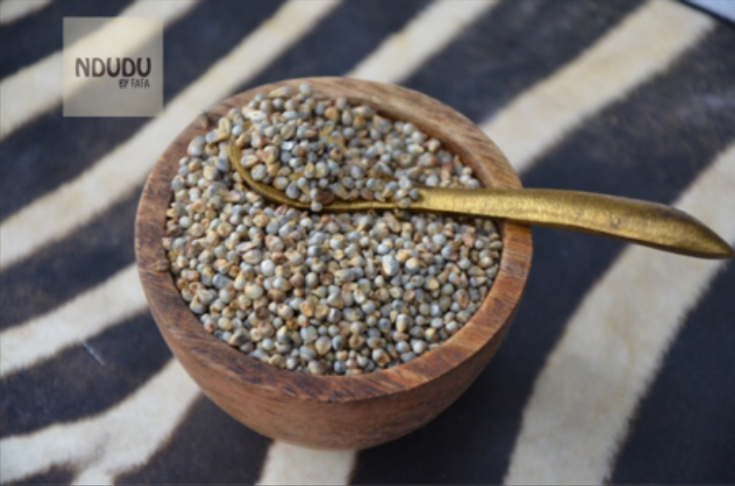
Start your day with the authentic taste of tradition and the fuel your body deserves. At Minata Koko Boutique, we specialize in the “nutritional powerhouse” — Millet-based Koko. Whether you are looking for a comforting breakfast or a healthy energy boost, we bring the best of Ghanaian morning staples right to your bowl.
The Star of the Show: Millet Koko
Millet isn’t just a grain; it’s a superfood. Our Koko is crafted to be:
- Rich in Nutrients: Packed with fiber, antioxidants, and essential minerals.
- Authentically Prepared: Smooth, spicy, and perfectly balanced to give you that classic Hausa Koko warmth.
Our Full Morning Menu
We don’t just stop at Koko. We offer a variety of traditional favorites to complete your meal:
- The Classics: Hausa Koko, Oblayo, and Ekugbemi.
- The Perfect Pairings: Freshly fried, golden Boflot, crunchy Kose, and soft, oven-fresh Bread.

https://www.instagram.com/delish_bakerygh?utm_source=ig_web_button_share_sheet&igsh=ZDNlZDc0MzIxNw==


https://www.instagram.com/valerieagyeman?utm_source=ig_web_button_share_sheet&igsh=ZDNlZDc0MzIxNw==
https://www.instagram.com/flourishheights?utm_source=ig_web_button_share_sheet&igsh=ZDNlZDc0MzIxNw==


👑 Meet Gwen Addo: The Architect of Success
Entrepreneur. Author. Strategist. Gwen Addo is more than a CEO—she is a visionary leader dedicated to building empires and empowering the next generation of African entrepreneurs. 🚀
As the force behind Hairsenta, Hibsafrica, and The Leading Senta, Gwen combines high-level business strategy with authentic leadership coaching. Whether she is leading her teams or mentoring rising stars, her mission is clear: Excellence without compromise.
✨ Work with Gwen to:
- Scale your business through proven leadership strategies. 📈
- Master the art of entrepreneurship. 🧠
- Access insights from an industry-leading author and strategist. 📚
Follow the journey of a leader redefining the African business landscape. The “Healthy Living” Advocate (Focus on Fiber & Wellness)
🌿 From Garden to Gut: Healing Ghana with Fiber
Did you know the secret to a longer, healthier life is growing right in our own backyards? 🇬🇭
Gwen Addo is on a mission to educate and inspire Ghanaians to return to our roots. As a passionate Food Advocate, Gwen is championing the “Fiber Revolution”—encouraging us to embrace the life-giving benefits of our local produce.
Why Fiber? Why Now? 🥗
- Garden Eggs: For heart health and digestion. 🍆
- Kontomire: A nutrient-dense powerhouse for iron and energy. 🥬
- Okra: The ultimate superfood for a healthy gut. ✨
Join Gwen as she advocates for a healthier Ghana, one fiber-rich meal at a time. Let’s eat what we grow and nourish our bodies!