






Assumpta Weekly Magazine
Presents: “Always With Joselyn”
From the special edition: Children Who Live With Ignorance — A New Episode Featuring Joselyn Dumas.
The Core Inquiry: The “Operating System” of Humanity
The article centers on a profound philosophical challenge raised by a student to her mentor. It questions whether the human “default setting” is one of constant growth and accumulation, or if we are capable of a different measure of success.
The Key Players

- Joselyn Dumas: The established mentor and public figure.

- Abena Oforiwaa (Jewel Girl): The “brilliant young student” whose questions spark the debate.

- Serwaa: The moderator/interviewer facilitating this deep dive into the mindset of two different generations.
Article Title : Is Greed the Measure of Our Humanity?
Featured Content : Is a question, posed by the brilliant young student Jewel Girl (Abena Oforiwaa) to her mentor, JoselynDumas : “Is the drive for endless accumulation-for ‘more’-the fundamental, undeniable operating system of the human being?“
“What Are Your Fantasies?”
The discussion moves from the abstract concept of “Greed” to a deeply personal exercise. By asking both the mentor and the student to share their fantasies, the article aims to peel back the layers of:
- Ambition: What do we truly want to achieve?
- Fear: What are we afraid of losing?
- Hope: What does a better “operating system” look like?
📅 Release Date: Thursday, December 18th, 2025
🌍 Platform: assumptagh.live










https://www.instagram.com/hairsenta?utm_source=ig_web_button_share_sheet&igsh=ZDNlZDc0MzIxNw==
Introduction: The Crisis of the “Operating System”
In this provocative special episode, Joselyn Dumas is joined by a voice of the future, the brilliant student Abena Oforiwaa (Jewel Girl). This isn’t just a conversation about lifestyle; it is a deep surgical strike into the core of human nature.
The episode, titled “Children Who Live With Ignorance,” challenges the very “operating system” of modern society. Is the drive for “more” an inescapable human default, or have we simply forgotten how to measure success through the lens of our shared humanity?
Article Title: Is Greed the Measure of Our Humanity?
The Great Debate
The article explores a profound philosophical challenge posed by Jewel Girl to her mentor:
“Is the drive for endless accumulation—for ‘more’—the fundamental, undeniable operating system of the human being?”
To answer this, moderator Joselyn Dumas facilitates a deep dive into the mindsets of two different generations, stripping away assumptions about survival and success.
The “Fantasy” Exercise
The discussion moves from abstract theory to a vulnerable, personal exercise: “What Are Your Fantasies?” By sharing these inner dreams, Joselyn and Abena peel back the layers of:
- Ambition: What do we truly want to achieve?
- Fear: What are we afraid of losing if we stop accumulating?
- Hope: What does a “human-centered” operating system actually look like?
Summary: The Paradox of Growth
- The Global Chain of Greed: This isn’t just a local issue. The article links local environmental destruction to the “Hungry Spirit” of global financial institutions. The investor in New York and the farmer in the Ashanti Region are tied together in a shared destiny.
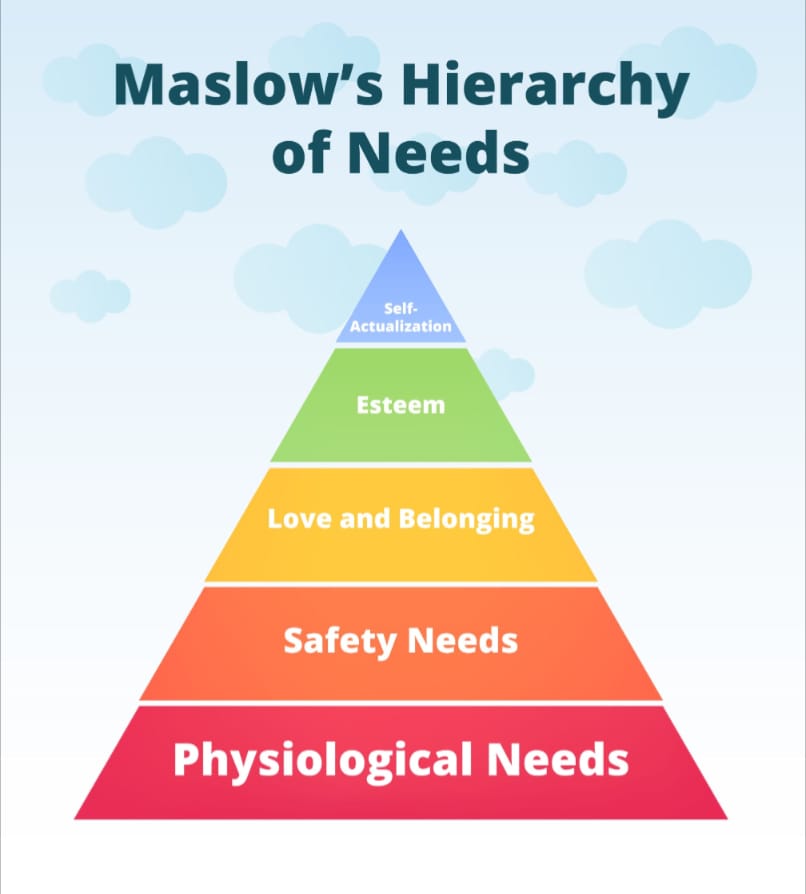
The newsletter highlights a stark reality facing Ghana and the world today: Artificial GDP vs. Natural Capital. * The GDP Paradox: We celebrate rising economic figures while ignoring “externalities” like the galamsey (illegal mining) crisis. What good is a rising GDP if the water is poisoned and the people are hungry?
The Path Forward: Human Revolution
Drawing on the Buddhist concept of the Ten Worlds, the article calls for a Human Revolution—a fundamental inner change. To overcome the “World of Hungry Spirits” (Greed), we must elevate our life-state to that of the Bodhisattva:
- Redefining Wealth: Moving from dollar amounts to “riches of the heart.”
- Value Creation: Shifting from extracting value to creating it through sustainability and compassion.
- Global Interdependence: Recognizing that the “future is shrinking” for everyone if we continue to mortgage the environment for short-term gain.
Quick Info Table
| Feature | Details |
| Release Date | Thursday, December 18th, 2025 |
| Platform | assumptagh.live |
| Key Personalities | Joselyn Dumas, Abena Oforiwaa, Serwaa |
| Core Theme | Greed vs. Sustainable Humanity |
🧐 Philosophical Perspectives
1. Greed IS the Measure of Humanity (The Cynical/Realistic View)
- Human Nature: This perspective argues that the drive for self-interest and accumulation is an inherent, evolutionary trait vital for survival and is therefore the most honest measure of our behavior.
- Possible Mention: The “Greed is Good” idea (e.g., from the fictional Gordon Gekko, or certain interpretations of laissez-faire capitalism) which suggests that individual pursuit of profit, even if excessive, ultimately drives innovation and societal benefit.
- Historical Evidence: Our history of war, exploitation, and vast social inequality is seen as evidence that, when given the chance, humanity’s default setting is to accumulate at the expense of others.
- The “Bottomless Pit”: Greed is described not as a quantity of wealth, but an insatiable desire and a state of dissatisfaction with what one has, which is a universal human experience.
2. Greed is A Measure, but Not the ONLY or Defining Measure
- The Dual Nature of Humanity: This view counters that just as greed exists, so do altruism, cooperation, and empathy. Measuring humanity solely by its vices is ignoring its virtues.
- Argument: Cooperation is just as vital to human survival and societal flourishing as competition.
- Self-Interest vs. Greed: Many modern thinkers distinguish between healthy self-interest (striving for a better life) and greed (seeking more at the expense of others or beyond reasonable need). Greed is self-interest taken to a destructive excess.
- Societal Conditioning: This perspective argues that greed is not an innate trait but is heavily conditioned and rewarded by certain economic and social systems (like extreme capitalism), suggesting that a different system could nurture more communal traits.
3. Greed is a FAILURE of Humanity (The Ethical/Moral View)
- Moral Imperative: Most major religious and ethical traditions (e.g., the Christian concept of avarice as a deadly sin, or Gandhi’s rejection of excess) condemn greed as morally destructive, both to the individual and society.
- The Root of Social Ills: Greed is identified as the underlying cause of problems like wealth inequality, resource scarcity, and environmental destruction.
- Measure of Moral Development: A true measure of humanity should be our capacity to reason and use our intelligence to overcome base desires like greed, striving instead for justice, compassion, and sufficiency for all.
The GDP Paradox: Growth vs. Destruction
The central conflict you describe is the tension between Gross Domestic Product (GDP) and Genuine Progress Indicator (GPI):
- Artificial GDP Growth: Activities like galamsey (illegal mining) often involve transactions, labor, and exports that contribute positively to the reported GDP. However, this growth is “artificial” because it comes at the expense of non-renewable natural capital.
- The Cost is Externalized: The economic damage—the pollution of water bodies, loss of agricultural land, and public health costs—are externalities not subtracted from the GDP calculation.
- The Question: “What good is a rising GDP if our people are hungry?” This rhetorical question exposes the failure of the GDP to measure what truly matters: food security, environmental stability, and quality of life.
Erosion of Natural Capital
The argument emphasizes the destruction of Ghana’s natural capital, which forms the foundation of its civilization and sustenance:
Water and Land: The destruction of rivers, lakes, and farmlands by toxic chemicals (like mercury) from illegal mining is a direct threat to food systems and public health. Water pollution impacts everyone, regardless of economic standing.
Sustaining Environment: The disappearance of the environment that has “sustained our lives for generations” means that the ecological base for future development is being permanently undermined, making the reported economic growth inherently unsustainable.
Greed as the Root: The text correctly identifies greed (in the form of excessive, unchecked resource extraction) as the driving force eroding these foundational resources.
📉 The Shrinking Human Future
The crisis in the environment is directly linked to the crisis in human capital and future prospects:
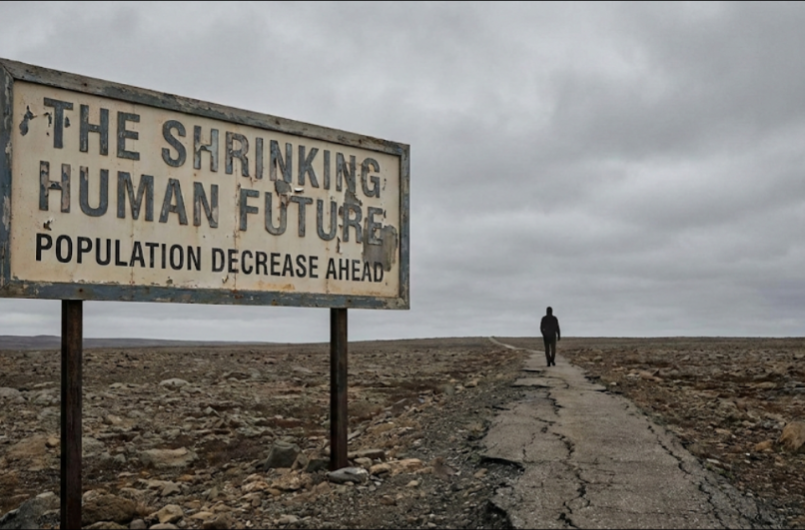
- Unemployment and Skills Gap: When the youth are unemployed and lack training, they become a vulnerable population, potentially feeding into the very illegal activities that destroy the environment. This creates a vicious cycle where immediate survival outweighs long-term national interest.
- “Capital of Hunger”: Despite the national “high growth rate,” the reality on the ground is that many Ghanaians are struggling to survive. This demonstrates a severe distribution problem where the benefits of growth are concentrated, while the costs (hunger, pollution, unemployment) are borne by the majority.
- The Fading Future: The final conclusion—“Our economy is expanding, but our future is shrinking”—is a stark warning that the current economic path is mortgaging the future of Ghana’s next generation for short-term, unsustainable gains.:
The Ten Worlds and the Crisis of Greed
The SGI view of the Ten Worlds is that they are not fixed realms but ten ever-changing states of life that exist within every individual at every moment, determining how they perceive and act upon the world.
1. The World of Hungry Spirits (Greed)
The illegal mining (galamsey) driven by the pursuit of wealth, the resulting ecological destruction, and the “shrinking future” driven by short-term gain are the textbook manifestations of the World of Hungry Spirits.
- Definition: This state is characterized by insatiable desire—for wealth, fame, power, or possessions—where one is never satisfied, always seeking more, and driven by a desperate inner lack.
- The Ghanaian Paradox: Ikeda would see the rising GDP masking suffering as the illusion of this world. The economy appears to be eating, but the greed is so destructive it consumes the very “body” (the land, rivers, and people) that sustains it. The insatiable desire for profit is destroying the foundational natural capital.
2. The World of Animality and Hell 🐒🔥
The galamsey crisis demonstrates the overflow of this greed into the lower, more destructive states:
- Animality: Operating based on instinct and the “law of the jungle”—fearing the strong (global markets/corrupt powers) and threatening the weak (the common people, the environment). This is seen in the lack of reason or morality in exploiting resources.
- Hell: The resultant suffering—hunger, pollution, unemployment, and despair among the youth—is the collective experience of the World of Hell, a state of utter lack of freedom and profound agony arising from this environmental rage.
The Call for Human Revolution and the Bodhisattva Way
The SGI’s Soka Gakkai International key teaching is that the lower worlds are not destiny; they can be transformed instantly through the principle of “mutual possession of the Ten Worlds.”
1. Shifting the Core Determinant (Human Revolution)
He would stress that true, lasting solutions must begin with “Human Revolution”—the fundamental inner change of a single individual that permeates the entire society.
”A great revolution in just one single individual will help achieve a change in the destiny of a society and, further, will enable a change in the destiny of humankind.”
The focus is shift from material gain (GDP) to value creation based on wisdom and compassion.
2. Elevating the Life-State to Bodhisattva 🕊️
The only way to overcome the destructive power of greed is to bring forth the World of Bodhisattva, the state of life dedicated to the well-being of others and the environment.
- Compassionate Action: Leaders, business owners, and citizens must challenge their own greed and act to relieve the suffering of others and the environment, even if it requires short-term sacrifice of profit.
- True Wealth: Ikeda would redefine wealth not by the dollar amount in the bank but by the riches of the heart—the courage, wisdom, and compassion to protect the future.

- Questioning GDP: The question, “What good is economic growth if our natural wealth… is being destroyed?” is fundamentally a Bodhisattva question, prioritizing life and the environment over mere statistics.
In essence, both Ms. Joselyn Dumas and Serwaa Amihere Esq call upon the Ghanaian people to use this crisis as an opportunity to awaken their Buddhahood (a life state of ultimate wisdom, compassion, and courage) and commit to a sustainable future where the pursuit of wealth does not lead to the destruction of life itself.
The crisis described is not just a local problem of small-scale miners; it is fundamentally an interconnected global chain of greed that links local destruction in Ghana to the vast profits of international financial institutions and markets.
Both Ms. Joselyn Dumas and Serwaa Amihere Esq’s perspective, incorporating this reality, dramatically expands the scope of the problem and the solution under the framework of the Ten Worlds.
The Ten Worlds on a Global Scale: The Chain of Greed
The concept of the World of Hungry Spirits (Greed) is no longer confined to the local miner or corrupt official; it is a systemic life-state that drives international finance.
1. The Financial Institutions and the Hungry Spirit
- The Pursuit of Maximum Return: Institutions like BlackRock (as a major asset manager) and other investment firms are primarily driven by the fiduciary duty to seek the highest possible returns for their clients. When they invest in large-scale mining operations or in companies connected to the gold supply chain, their priority is profit maximization—which, when unchecked by ethics or sustainability, manifests as institutionalized greed.
- The Detachment from Reality: The investors in New York, London, or Shanghai are separated by multiple layers of abstraction (stocks, bonds, derivatives) from the polluted rivers and destroyed farmlands of Ghana. This distance allows the Hungry Spirit to operate without the check of compassion or awareness (Bodhisattva or Learning).
- The Investment Rationale: “What good is environmental preservation if our quarterly returns are low?” is the inversion of the question, “What good is a rising GDP if our people are hungry?” It is the same underlying, profit-driven logic that ignores human and environmental cost.
- Fueling the System: By investing in and creating demand for raw gold and other resources, these institutions create the financial incentive structure that local galamsey operators—whether small-scale or foreign-backed—are responding to. They are the unseen apex predator in the chain of environmental destruction.
2. The Mutual Possession of Lower Worlds (Global Interconnection)
Ikeda would highlight how the Worlds of Greed, Hell, and Animality mutually possess and reinforce each other globally:
- Financial Greed (Hungry Spirits): Drives the investment, demands raw materials, and prioritizes short-term stock performance.
- Corruption/Exploitation (Animality/Greed): Corrupt local officials and powerful syndicates, often foreign-backed, facilitate illegal mining because they follow the law of the strong and are motivated by personal accumulation.
- Suffering (Hell): The result is environmental degradation, loss of livelihood for farmers and fishers, hunger, and unemployment—the lived hell of the Ghanaian communities.
Ms. Joselyn Dumas core message would be that this global chain is only as strong as the greed at its weakest and most powerful links.
🔑 The Solution: Global Human Revolution and Shared Destiny
The only way to break this global chain is a simultaneous inner and external transformation driven by higher life-states:
1. The Responsibility of the Bodhisattva at the Top
Ikeda would call for a “Human Revolution” within the financial and corporate world.
- Shifting Fiduciary Duty: The financial sector must be challenged to redefine “fiduciary duty” to include planetary and social well-being alongside financial return (the core tenet of ESG or triple bottom line, but practiced authentically).
- Creating Value, Not Just Extracting It: The goal must shift from extracting maximum value from the Earth to creating genuine, sustainable value (e.g., investing heavily in Ghanaian value-addition, manufacturing, and landscape restoration).
2. A Call for Global Interdependence
The situation in Ghana proves that the destiny of the investor in New York is inseparable from the destiny of the farmer in the Ashanti Region.
”True happiness for one is only possible when the happiness of all others is considered.”
- The poisonous mercury used in Ghana’s rivers affects global gold supply chains and, potentially, the global ecosystem.
- The collapse of Ghana’s environment creates instability, which has global economic and security implications.
The crisis is a vivid illustration that until the World of Bodhisattva—acting for the well-being of all—dominates the decisions of global capital, the planet and its most vulnerable populations will remain in the grip of the Hungry Spirit.
Assumpta Weekly Magazine Presents: Always With Joselyn
Special Edition: Children Who Live With Ignorance
The Opening Dialogue

Ms. Joselyn Dumas: “A very warm welcome to our readers and viewers across the globe. It is a privilege to have you join us for this landmark edition of Always With Joselyn. Today, we are stepping beyond the surface of lifestyle and fashion to perform what I call a ‘surgical strike’ on the human condition.
I am deeply honored to introduce my guests today. First, we have Serwaa Amihere Esq., a formidable legal mind and moderator who brings a sharp, analytical perspective to our generational divide. And sitting with us is a young woman who is quickly becoming a beacon of intellectual courage: Abena Oforiwaa, affectionately known as ‘Jewel Girl.’ Abena is a student whose curiosity has managed to pause the world’s frantic pace and force us to look in the mirror.
Serwaa, Abena—welcome to the Assumpta Weekly family. We are here because of a question that Abena posed to me recently—a question that shifted the ground beneath my feet. Abena, I want to hand the floor to you. Please, share with the world that ‘Core Inquiry’ that started it all.”

Abena Oforiwaa (Jewel Girl): “Thank you, Ms. Joselyn. My question is simply this: Is the drive for endless accumulation—for ‘more’—the fundamental, undeniable operating system of the human being? Are we hardwired for greed, or is there a version of success that doesn’t require us to consume everything in our path?”
Serwaa Amihere Esq.: “It’s a haunting question, Abena. As we explore this today, we aren’t just looking at economics; we are looking at the ‘fantasies’ that drive us. We want to peel back the layers of ambition, fear, and hope to see what truly makes us tick.”
Part 1: The “Bodhisattva-Style” Dialogue Questions
For a follow-up piece, these questions shift the focus from “Getting” to “Becoming.”
- On Internal Wealth: “If the ‘Operating System’ of greed is built on a sense of inner lack, what would an ‘Operating System’ of abundance look like for someone who possesses nothing material?”
- On Interconnectedness: “In the Buddhist view, the self and the environment are ‘two but not two.’ If we poison our rivers for gold, are we not effectively poisoning our own bloodstream?”
- On Generational Legacy: “Abena, if the ‘fantasies’ of the past generation were built on accumulation, what are the ‘fantasies’ of your generation that center on the preservation of life?”
- On the GDP of the Soul: “How can we develop a ‘Genuine Progress Indicator’ for our own character? What metrics should we use to measure if a human being is truly ‘growing’?”
- On Transcending the ‘Hungry Spirit’: “Joselyn, in your journey as a mentor, how do we teach the youth to distinguish between a healthy ambition for excellence and a destructive hunger for excess?”
Part 2: Social Media Summary (GDP vs. Hunger)
Headline: Is Your Bank Account Growing while Your Future is Shrinking? 📉🌍
The latest Assumpta Weekly dives into the “GDP Paradox” currently shaking Ghana and the world. 🇬🇭
The Cold Reality: We celebrate a rising GDP, but that number doesn’t subtract the cost of poisoned rivers, lost farmlands, or the health of our children.
- The “Artificial” Growth: Illegal mining (Galamsey) puts money in pockets today but burns the bridge to tomorrow.
- The Human Cost: What good is a national growth rate if it results in a “Capital of Hunger”?

Joselyn Dumas.: “So to truly understand if greed is our ‘operating system,’ we have to look at what we dream about when no one is watching. Joselyn, Abena—I want to ask you both a question that is as simple as it is terrifying: What are your fantasies? Not just your career goals, but the deep-seated desires that keep you moving.”
“It’s a vulnerable thing to admit, Serwaa. For a long time, my ‘fantasy’ was Security. In a world that feels increasingly unstable, the fantasy of ‘more’ is often just a mask for the fear of ‘not enough.’ We accumulate because we believe that at a certain number, or a certain level of fame, we will finally be safe from the ‘World of Hell’—from suffering and lack. But the realization I’ve come to is that this is a mirage. True security isn’t found in a bank account; it’s found in the ‘Foundation’—the health of our land and the strength of our community.”

Abena Oforiwaa (Jewel Girl):.”My fantasy is different, perhaps because I am looking at a world that feels like it’s already been used up. My fantasy is Agency. I dream of a world where my generation isn’t just reacting to the ‘Hungry Spirits’ of the past. I want a ‘Human Revolution’ where we have the power to say ‘enough.’ My fantasy is to see the rivers run clear again—to see a Ghana where a young person’s success isn’t measured by how much they took, but by how much they restored. I want the ‘Operating System’ to be one of Contribution, not just Consumption.”
The Philosophical Synthesis: Understanding the Change
The shift from a “Hungry Spirit” mindset to a “Bodhisattva” mindset can be visualized through the evolution of needs and values. When we move beyond basic survival and the ego-driven need for status, we reach the level of Self-Transcendence—where our happiness is tied to the well-being of others.
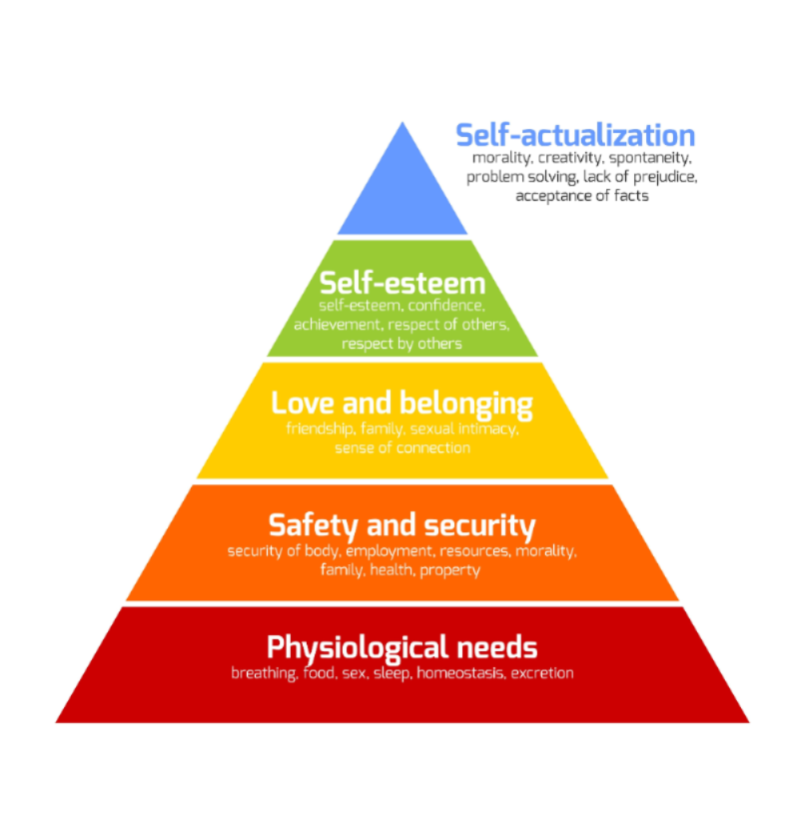

Serwaa Amihere Esq.:.”Abena, you’ve essentially put humanity on trial. By calling ‘more’ an operating system, you’re suggesting that greed isn’t just a choice we make, but the very code that runs our lives. Joselyn, as someone who has navigated the heights of the media and corporate world, do you feel this code is ‘undeniable’?”

Ms. Joselyn Dumas: “It certainly feels that way when you’re in the thick of it. In the corporate world, if you aren’t growing, you’re dying. We’ve built a society that mirrors the ‘World of Hungry Spirits’—that Buddhist concept where no matter how much you eat, you remain empty. But here is the catch: an operating system can be rewritten. We’ve survived for millennia through cooperation and communal ‘foundations.’ Greed is actually a virus that crashed the original system of human empathy.”
Abena Oforiwaa (Jewel Girl): “But Ms. Joselyn, look at the land. Look at the galamsey sites. People are destroying the water they drink for gold they can’t eat. If the system wasn’t ‘greed by default,’ why would we choose a shrinking future over a living one? It feels like we are programmed to prioritize the ‘I’ over the ‘We’ until there is nothing left for my generation to inherit.”
The Core Debate: Survival vs. Accumulation
The dialogue moves into the “Surgical Strike” phase, where Ms Joselyn Dumas breaks down the arguments for international readers to digest:
| The “Default” Argument (Greed) | The “Human” Argument (Sufficiency) |
| Survival of the Fittest: Driven by the fear of lack and the need to outpace others. | Collective Flourishing: Driven by the understanding that my neighbor’s hunger is my own. |
| GDP as Success: Measuring a nation by its extraction and transaction volume. | Natural Capital: Measuring a nation by the purity of its water and the health of its soil. |
| The “More” Virus: An insatiable desire for status and material accumulation. | Human Revolution: An inner change that shifts the focus from ‘Getting’ to ‘Giving.’ |
Serwaa Amihere Esq.:
“So, we are at a crossroads. We are seeing a ‘Global Chain of Greed’ where international investors and local hands are linked in a cycle of destruction. Abena, you are asking for a ‘System Reset.’ Joselyn, you are calling for a ‘Human Revolution.’
If we strip away the greed, what is left? When we stop asking ‘How much more can I get?’, what is the new question we should be asking ourselves every morning?”

Ms. Joselyn Dumas:
“The question changes from ‘What do I need to survive?’ to ‘What can I contribute to ensure we all thrive?’ It’s about securing the foundation for the peace of the land—not just for us, but for the children who currently live with the ignorance of our actions.”
Abena Oforiwaa (Jewel Girl):
“Exactly. We need to stop measuring our humanity by our bank accounts and start measuring it by the legacy of the environment we leave behind. If the water is clean and the people are fed, that is the only ‘more’ I ever want to see.”
Final Call to Action: Our Role in the Human Revolution.
The time has come to challenge the “operating system” of endless accumulation and embrace a future built on genuine progress, compassion, and sustainable living.
Don’t just read about the Human Revolution—be a part of it!

Guide: How to Participate in the Human Revolution Movement
The “Human Revolution” begins within, and its effects ripple outward. Here’s how you can start rewriting your own “operating system” and contribute to a more just and sustainable world:
1. Self-Reflection & Awareness (Challenging the Hungry Spirit)
- Identify Your “Fantasies”: Just as Joselyn and Jewel Girl shared their deepest desires, take time to understand what truly drives you. Is it security, contribution, or perhaps something else? Are your actions aligning with these deeper values, or are they hijacked by a drive for “more” that leaves you feeling empty?
- Question Your Consumption: Before buying, ask yourself: “Do I truly need this, or is this the ‘Hungry Spirit’ seeking temporary satisfaction?” Consider the environmental and social impact of your purchases.
- Monitor Your “Internal GDP”: Beyond financial wealth, what is the health of your relationships, your mental well-being, and your connection to nature? These are the true indicators of your personal “Genuine Progress.”
2. Embrace the Bodhisattva Spirit (Action for Others)
- Advocate for Your Local Environment: Get involved in community clean-up initiatives, support local farmers, and speak up against destructive practices like illegal mining in your region. Your local action contributes to a global movement.
- Support Ethical Businesses: Consciously choose brands and companies that prioritize sustainability, fair labor practices, and community well-being over pure profit.
- Engage in Compassionate Dialogue: Share the insights from this article with your friends, family, and colleagues. Foster conversations that challenge the status quo and promote empathy and collective responsibility. Use your voice, just as Jewel Girl did, to spark change.
3. Educate & Empower (Building a New Operating System)
- Be a Mentor/Mentee: Share your wisdom with younger generations, and remain open to learning from their fresh perspectives. The intergenerational dialogue is key to evolving our collective “operating system.”
- Learn About Sustainable Practices: Educate yourself on circular economies, renewable energy, and ethical resource management. Knowledge is power in designing a better future.
- Demand Accountability: Support policies and leaders who prioritize long-term ecological health and social equity over short-term economic gains. Challenge the notion that “growth at all costs” is progress.
Remember: A great revolution in just one single individual will help achieve a change in the destiny of a society and, further, will enable a change in the destiny of humankind.
Join us at assumptagh.live to continue this vital conversation and be part of the Human Revolution. Thank you all .
SGI-Our Shared Humanity.


https://www.instagram.com/hairsenta?igsh=MXAzOThhNGZ0Nm15dQ==
🌟 Welcome to Babies & Toddlers Daycare — Windhoek’s Home of Joy, Learning & Growth! 🌟
Looking for a safe, loving, and stimulating environment for your little one?
At Babies & Toddlers Daycare & Preschool, we provide more than childcare — we build the foundation for future leaders, creators, and dreamers.
📍 Located in the heart of Windhoek
✨ Why Parents Trust Us:
- 🧸 Warm and nurturing environment
- 📚 Early learning through play and structured programs
- 👫 Social development through sharing and teamwork
- 🎨 Daily creative and sensory activities
- 🛡️ Supervised by trained and caring educators
“The Daycare’s dreams, hopes and expectations for Africa are reflected in the shining model of our children,”
— Ms. Assumpta Gahutu, Principal & Co-Founder of Assumpta Newsletter Publication Magazine
📞 Enroll Now!
Call / WhatsApp: +264 81 673 7599
🌐 Visit: www.babiestodds.com
📸 Follow us on Instagram: @alinajosef_ (and join our growing family!)
Babies & Toddlers Daycare
Where every child is loved. Every talent is nurtured. Every smile is celebrated. 🥰


https://www.instagram.com/officeandcobysa?igsh=dmxucTZ2a2t1eDBn


https://www.instagram.com/laurenhautecouture?igsh=MWxzNXN1Ym5nZ3o3Mg==


https://www.instagram.com/goba_kente?igsh=d2Vwd2E2M2VtcTZq


https://www.instagram.com/attoandoh?igsh=MTJqNjZzYmZyaTc3Mg==


https://www.instagram.com/ankara.africa?igsh=ZDJmN216Z2ZhbWFm


https://www.instagram.com/ankaralooks?igsh=MTI1NWYycmU2Njkxcw==




https://www.instagram.com/florakidsgh?utm_source=ig_web_button_share_sheet&igsh=ZDNlZDc0MzIxNw==


https://www.instagram.com/delish_bakerygh?utm_source=ig_web_button_share_sheet&igsh=ZDNlZDc0MzIxNw==



https://www.instagram.com/valerieagyeman?utm_source=ig_web_button_share_sheet&igsh=ZDNlZDc0MzIxNw==