






Present “ONWARD” with Assumpta.
African Stream : Ushering in a Global Wise People; The ONWARD likely explores the importance of acknowledging the Japanese people and considered them among the wisest and greatest nation in the world
Ushering In A Global Wise People
The Japanese educational system has a rich history deeply intertwined with the nation’s cultural values and social development. One notable aspect is the emphasis on discipline, respect, and hard work, which are instilled in students from a young age.
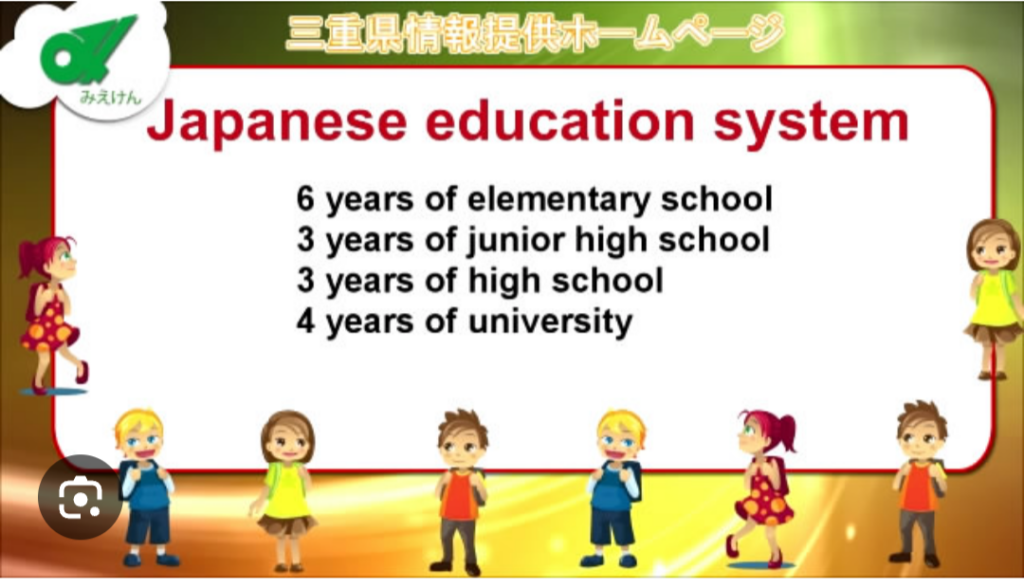
Historically, Japanese teachers have played a significant role in shaping not only academic excellence but also fostering values of peace and harmony. Following World War II, Japan underwent extensive reforms in its educational system under the guidance of the United States. These reforms aimed to promote democratic values, critical thinking, and global citizenship.
Throughout this period and beyond, many Japanese teachers dedicated their lives to promoting peace through education. They focused on teaching tolerance, understanding, and empathy, emphasizing the importance of reconciliation and cooperation both domestically and internationally.
One prominent example is Sadako Sasaki, a young girl who became a symbol of peace after surviving the atomic bombing of Hiroshima. Despite being diagnosed with leukemia, she folded thousands of origami cranes with the belief that doing so would grant her wish for peace. Her story inspired the creation of the Sadako Peace Memorial in Hiroshima and sparked a global movement for nuclear disarmament.

Additionally, organizations like the Japan Teachers’ Union (JTU) have been active in advocating for peace education and supporting teachers who promote peace-building efforts in schools. These teachers often incorporate activities such as peace education classes, cultural exchanges, and community service projects to foster mutual understanding and respect among students.
Overall, Japanese teachers have made significant contributions to promoting peace and global citizenship through their dedication to education. Their efforts continue to inspire generations of students to work towards a more peaceful and harmonious world.

ASSUMPTA:
Taken together, it provides a unique perception of Japan as an industrial country.


TSASI:
Indeed, the Japanese educational system’s focus on promoting peace and global citizenship provides a unique perspective on Japan as an industrialised nation. While Japan is renowned for its technological advancements and economic prowess, its commitment to fostering values of peace and harmony through education adds depth to its global image.
This approach highlights Japan’s recognition of the importance of social cohesion and international cooperation alongside its economic achievements. By prioritising peace education and emphasising the role of teachers in promoting understanding and reconciliation, Japan showcases a holistic approach to societal development.
Furthermore, Japan’s efforts to promote peace through education contribute to its soft power and influence on the global stage. By emphasising values that resonate with people worldwide, such as tolerance, empathy, and cooperation, Japan presents itself as a model for peaceful coexistence and international engagement.
In essence, the combination of Japan’s industrial success and its dedication to peace education creates a multifaceted perception of the country, highlighting not only its economic prowess but also its commitment to building a more harmonious and inclusive world.
“It is made clear the Japanese educational intent, the real purpose of their educational reforms.Their intent is that all Japanese people bring forth the wisdom that has always been inherent within them and establish unshakable happiness for themselves and others, creating the basis for peace throughout the world. I am also a founder of Babies and Toddlers Daycare in Africa. I foresee the dangers and tragic consequences of the social and educational policies taking shape in industrial societies.
The tendency I observe developing in our own society is a reckless disregard for our environment. We have sacrificed our traditional values in pursuit of profits and tax collection, isolating children and young people day after day in school, forcing them to learn fragmented, unrelated facts and disconnecting them from our history.”

ASSUMPTA :
It’s crucial to be mindful of these societal issues and work towards creating a more balanced and sustainable future for our children and communities.” This is why the Japanese people are considered among the wisest and greatest nations in the world. You will be quite surprised. In Japanese schools the students don’t take any exams until they reach grade four. The Japanese believe at this age there are far more important lessons to impart to children than those found on tests.
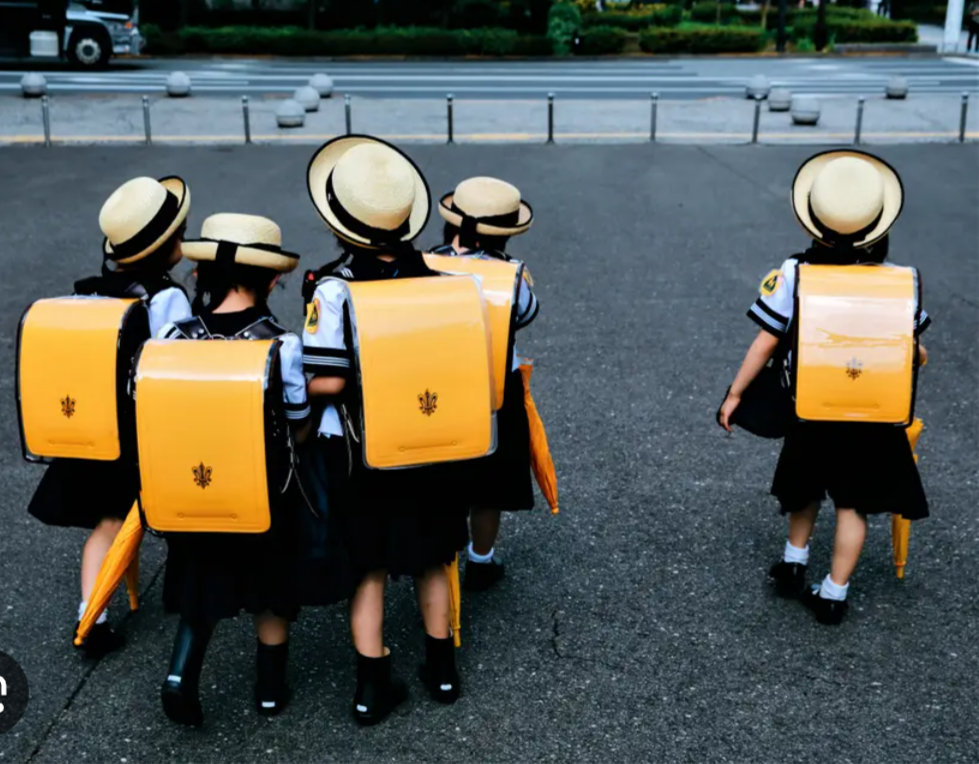
In Japanese schools, they teach proper behaviour;
1: There’s teaching proper behaviour and Respect for all people regardless of their financial status.
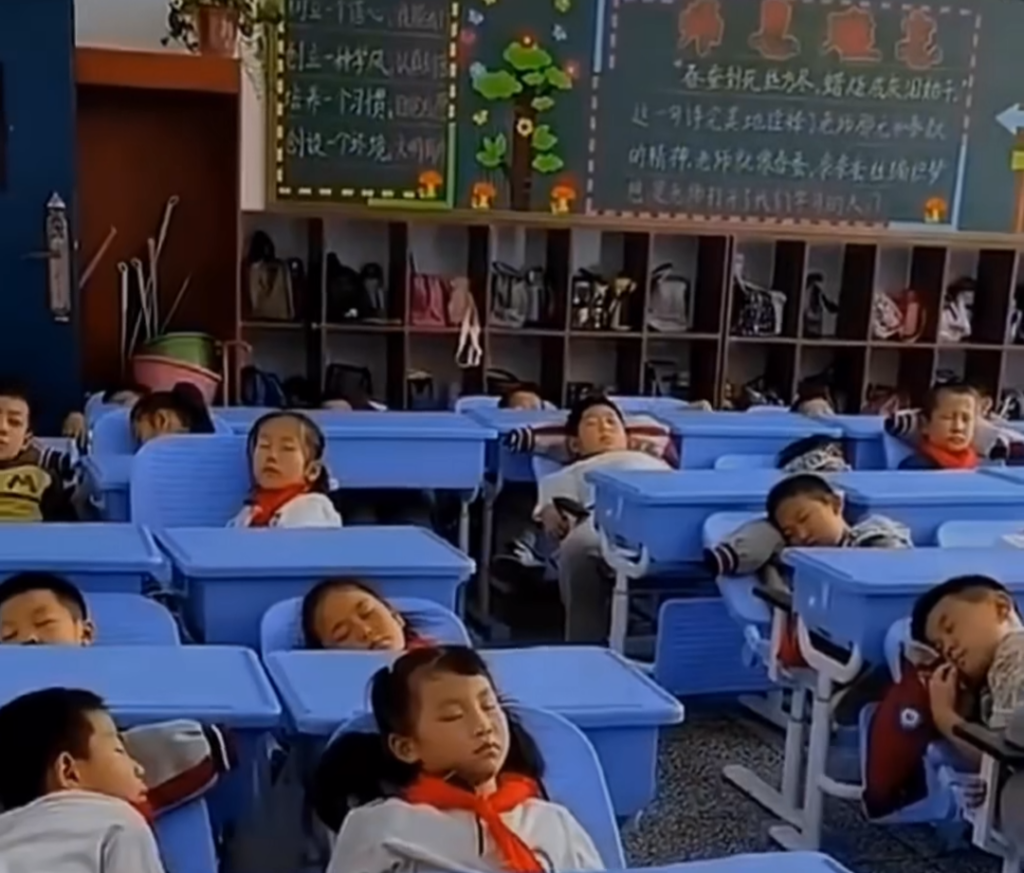
2: It’s about fostering independence and simultaneously the ability to work in a team. For example, there are no janitors in schools. Students share responsibilities and take full charge of cleaning.

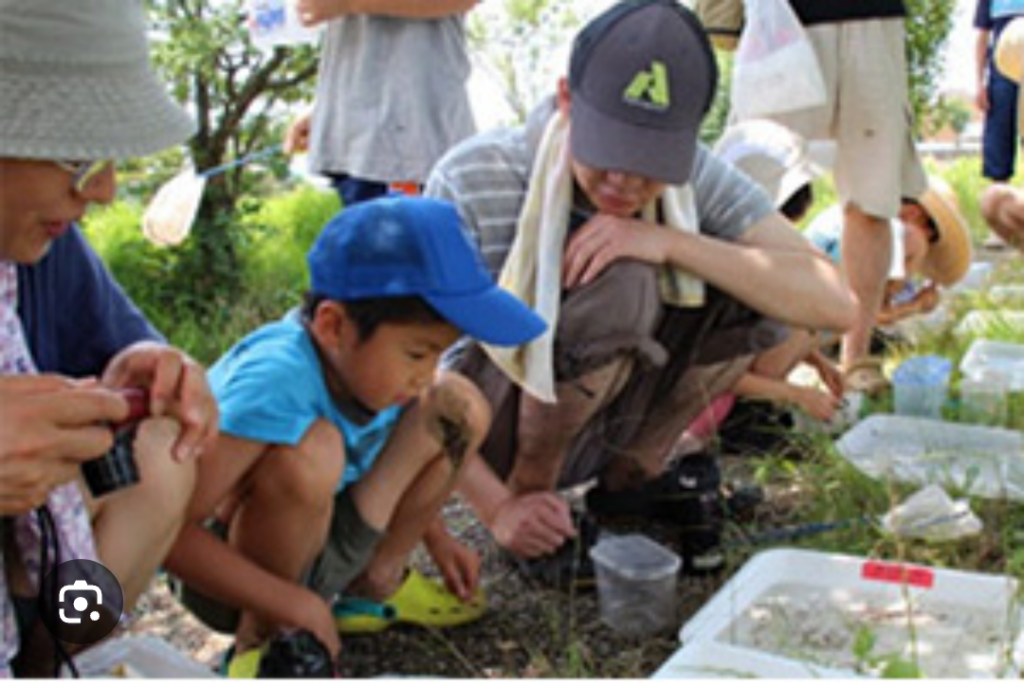
3: Students learn the importance of valuing and conserving the environment.
4: Education is pursued truly for knowledge not for grades in the lower and middle grades, students are not given grades.
5. Politeness and punctuality are empathic, as a result, children’s interest in their studies is so high that attendance rates are nearly 100%, and the overall development of these children ranks amongst the most advanced.
These are indeed valuable lessons that Japanese schools impart to their students. Teaching proper behaviour and respect for all individuals, regardless of their background, is essential for building a harmonious and inclusive society. By instilling these values in children from a young age, Japanese schools are helping to create a culture of mutual respect and understanding.Fostering independence and teamwork is also crucial for the holistic development of students.

https://www.instagram.com/ag_premiumjeans?igsh=MWpsNjZ1bTFvdHNsdw==

TSASI:
By giving students responsibilities such as cleaning their own school, they learn the importance of cooperation and taking ownership of their environment. This not only instils a sense of discipline and hard work but also teaches them the value of working together towards a common goal.Additionally, teaching students about the importance of valuing and conserving the environment is crucial for building a sustainable future. By raising awareness about environmental issues and promoting eco-friendly practices, Japanese schools are helping to cultivate a generation of environmentally conscious individuals who will strive to protect and preserve our planet.
Overall, the Japanese educational system places a strong emphasis on character development, moral values, and practical skills, all of which are essential for creating responsible and compassionate global citizens. This approach serves as a model for educators worldwide who seek to nurture well-rounded individuals who can contribute positively to society.

ASSUMPTA:
“I am concerned that such policies may not be well-received in Africa because we have compromised our traditional values in the pursuit of profits.”

TSASI:
It is understandable to have concerns about implementing policies focused on traditional values and ethical practices in a society that has undergone significant changes due to globalisation and economic pressures. In many African countries, rapid development and modernisation have sometimes led to a neglect of traditional values and a prioritisation of profit and individual success.
However, it is important to recognize the value of incorporating elements of traditional wisdom and community-oriented practices into modern educational systems. By promoting values such as respect, cooperation, and environmental stewardship, African schools can help instil a sense of pride in cultural heritage and a commitment to sustainable practices.
While it may be challenging to shift the focus from profit-driven motives to more holistic values, there is growing recognition of the importance of ethics and social responsibility in education. By promoting a balanced approach that integrates traditional values with modern knowledge and skills, African schools can help nurture responsible and compassionate individuals who can contribute positively to their communities and the world at large.
It may require a gradual and adaptable approach, taking into account local cultural norms and needs, but there is great potential for African educational systems to embrace a more values-based approach that seeks to create a more harmonious and equitable society. With dedication and commitment, it is possible to strike a balance between economic development and the preservation of traditional values for the benefit of future generations.

ASSUMPTA:
“Being aware of the rich variety of phenomena that influence my life, I cannot help but think that many African children graduating from school are unaware of the ingredients in the fruits and vegetables their mothers consume to breastfeed them. Without this awareness, we risk losing many of our seeds for fruits and vegetables for sustainable development and profit.”

TSASI:
Your observation underscores a critical issue facing many African children and communities: the loss of traditional knowledge about local fruits and vegetables and their importance for nutrition, health, and cultural heritage. The disconnect between children and the natural world, compounded by the focus on academic achievement over practical skills and local knowledge, contributes to this loss of awareness.
Indeed, understanding the ingredients in the fruits and vegetables consumed daily is fundamental for appreciating their nutritional value and promoting healthy eating habits. Additionally, preserving the seeds of these plants is crucial for maintaining biodiversity, food security, and resilience to environmental challenges such as climate change.

By incorporating experiential learning, hands-on activities, and community engagement into educational programs, we can help reconnect children with their local environment and traditional knowledge. Teaching children about the importance of seeds, farming practices, and sustainable agriculture not only fosters a deeper understanding of food systems but also empowers them to make informed choices about their health and well-being.
Furthermore, promoting initiatives that encourage seed saving, community gardening, and the preservation of traditional crops can help safeguard local biodiversity and cultural heritage while promoting sustainable development and food sovereignty.
As stewards of our communities and custodians of future generations’ well-being, it is essential to prioritise holistic education that values indigenous knowledge, environmental stewardship, and cultural preservation. By instilling a sense of connection to the land and respect for traditional wisdom, we can empower African children to become agents of positive change in their communities and champions of sustainable development.

ASSUMPTA:
Your closing sentiment beautifully encapsulates the essence of what is needed in education reform in Africa and beyond: a reverence for nature, a sense of wonder and appreciation for life, and a deep understanding of our interconnectedness with both the natural and social environments. By prioritising holistic education that cultivates these values, we can empower future generations to become stewards of the planet and agents of positive change.

Your earnest prayer for proactive leadership in implementing these reforms is vital for realising a brighter future for Africa and the world. It is through dialogue, advocacy, and collective action that we can inspire leaders to prioritise education that fosters sustainability, empathy, and social responsibility.
Thank you for sharing your insights and vision for a more enlightened and harmonious future. It has been a pleasure engaging in this dialogue with you, and I am inspired by your commitment to creating positive change in Africa and beyond. Let us continue to work together towards a world where education nurtures not only minds but also hearts and souls.