




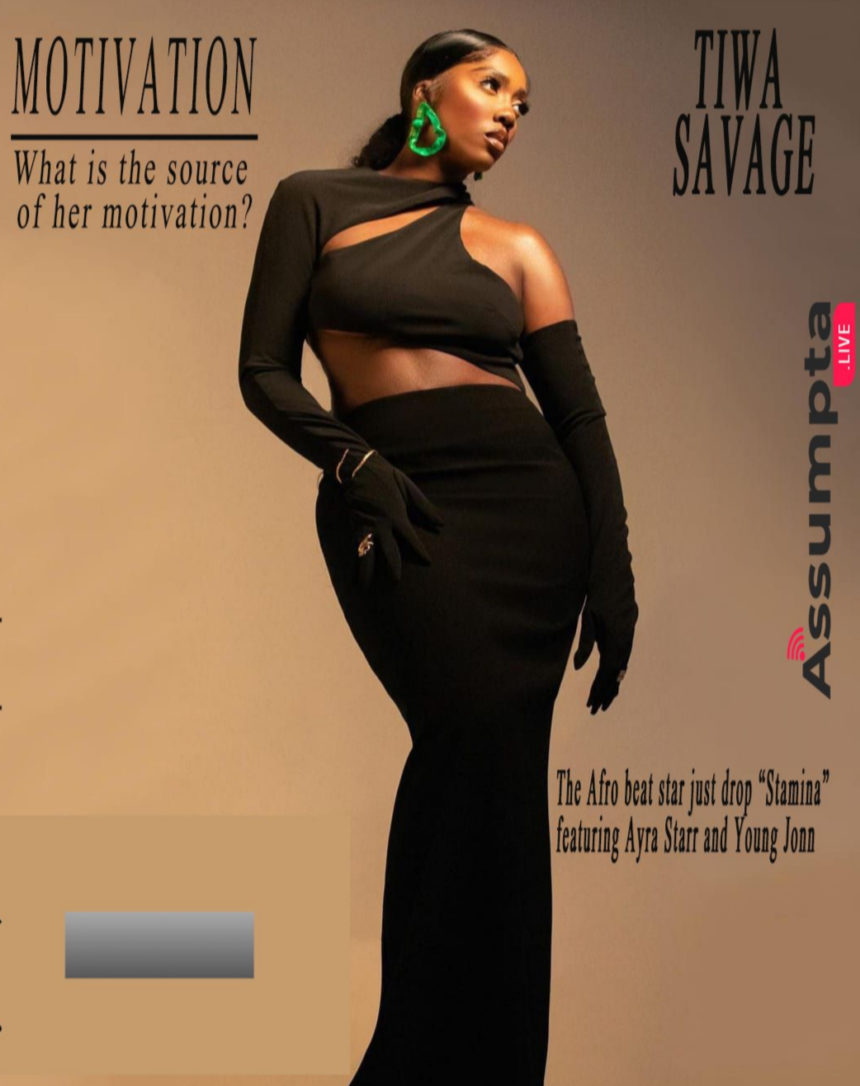
What is The Source of Her Motivation?
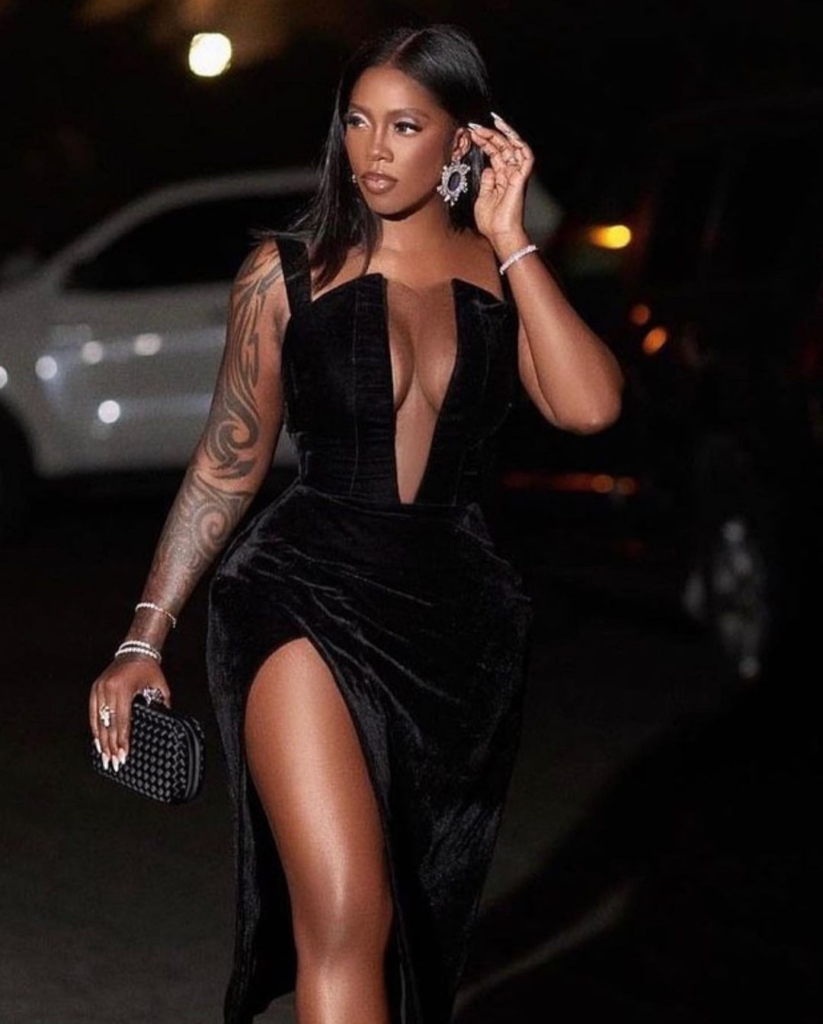
Since landing on the scene in 2010 with “Kele Kele” and her 2013 debut album “Once Upon a Time,”Tiwa Savage has shown time and again why she is one of the biggest voices in Nigerian music.
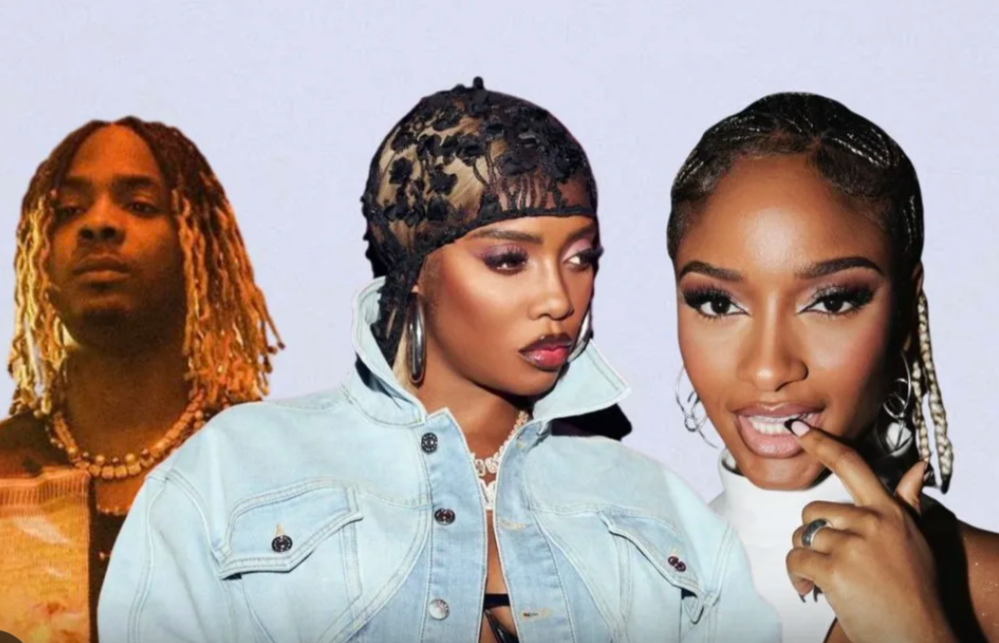
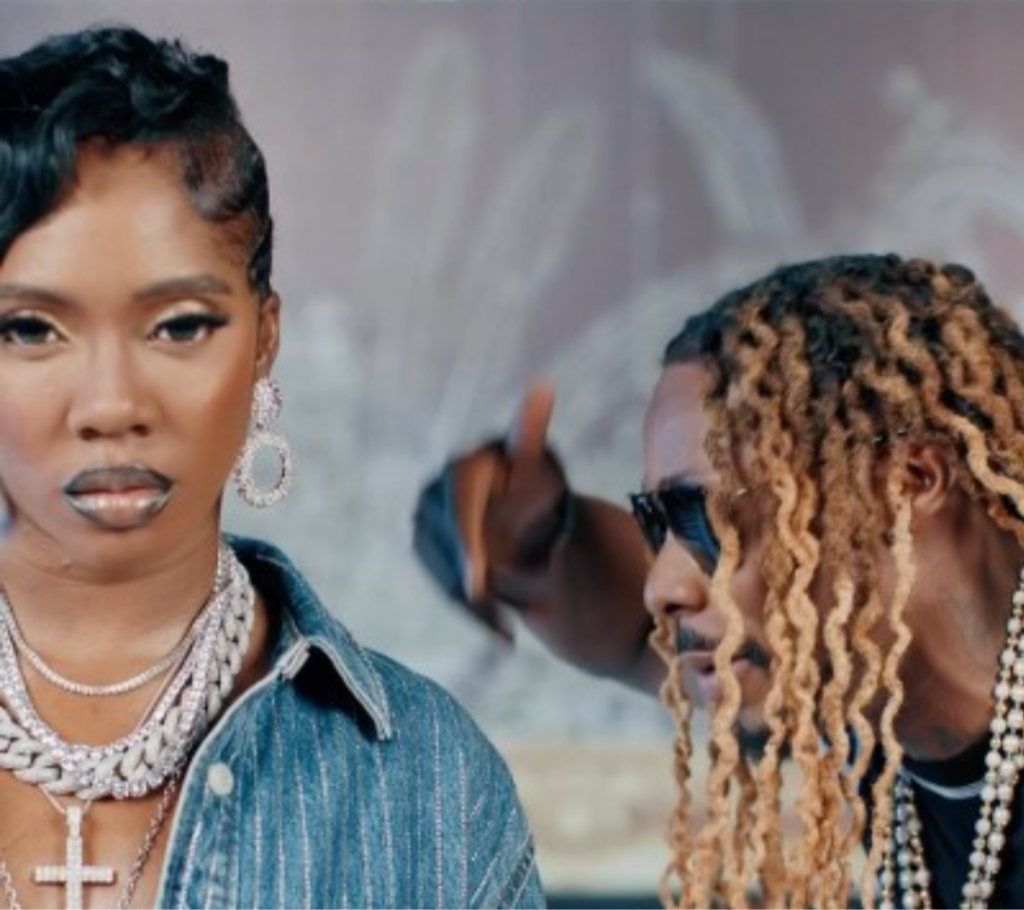
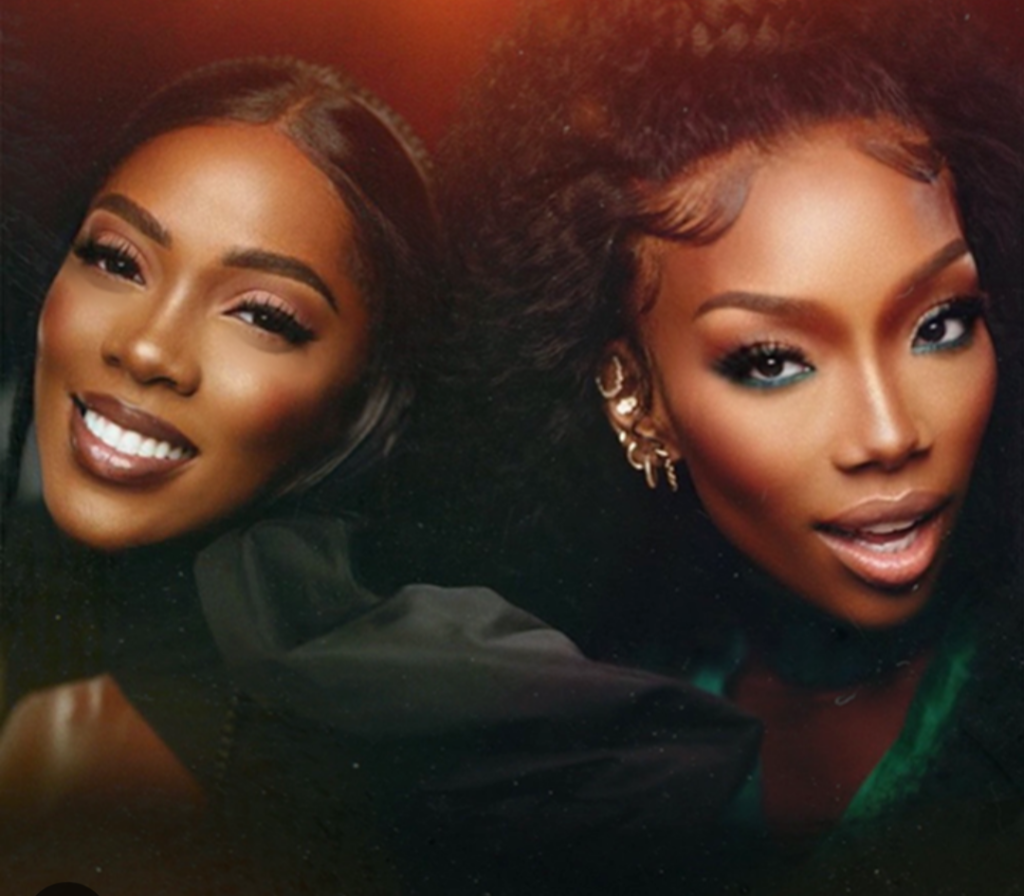
With recent songs like Somebody’s Son, Loaded, and 2023 Stamina. The afrobeat star moved many young hearts and the song has rocked over 20 million audience members.
How does Tiwa Savage continue to appeal to fans of various generations?
In the issue of the AssumptaGH Newsletter, we try to provide a glimpse into how she does it.
Tiwatope Savage (born 5 February 1980), known professionally as Tiwa Savage, is a Nigerian singer, songwriter, and actress who has been called the Queen of Afrobeats.
Born in Isale Eko, she relocated to London at the age of 11 for her secondary education. Five years later, she began her music career doing backup vocals for artists such as George Michael and Mary J. Blige.
After participating in the UK edition of The X Factor and graduating from Berklee College of Music, Savage signed a publishing deal with Sony/ATV Music Publishing in 2009.
Inspired by the growth of the Nigerian music industry, Savage moved back to Nigeria and signed with Mavin Records in 2012. She made an appearance on the label’s 2012 compilation album Solar Plexus.
Due to all her physical and mental efforts that she put into each of her journeys to be where she is today, Tiwa still maintains the exact pace and rhythm.
In addition to her incredible techniques, Tiwa always remembers to share her appreciation with other Nigerian artists and feature them in her songs.

In order to synchronise all of the Nigerian artists, I really want us to be one in mind. In this sense, valuing and respecting them as pioneers for continuing the Nigerian music flowing was particularly important.

TSASI:
This is one more reason we in the SGI value the spirit of “many in body, one in mind.”

Have you ever visited Nigeria?

Yes. I visited Nigeria in 1984 on holiday to visit my sister who is married to a Yuroba, the people there welcomed me with a kind of greetings performance by kneeling down in greetings.

The Yoruba people are tied to their rich culture, particularly the respect and honour they display to their parents. That unique and simple expression of greetings made by kneeling down and greeting tells us the broad-mindedness and pure genuine respect we have for each other.

Why do you feature other artists?

I was pleased and proud that they have also served and I recognized them as a model who cherishes the dignity of human beings to their fullest through music.
And I am determined through my art to make Nigeria a true paradise where musicians embrace one another.
I feel inspired by my exchange with other artists like AyraStarr, and Young Jonn, they are all great artists who helps so many people revitalise, unite and rejoice, I’ll always present a music of hope featuring other Nigerian artist and continue moving the hearts of my audience across Africa and the entire world.
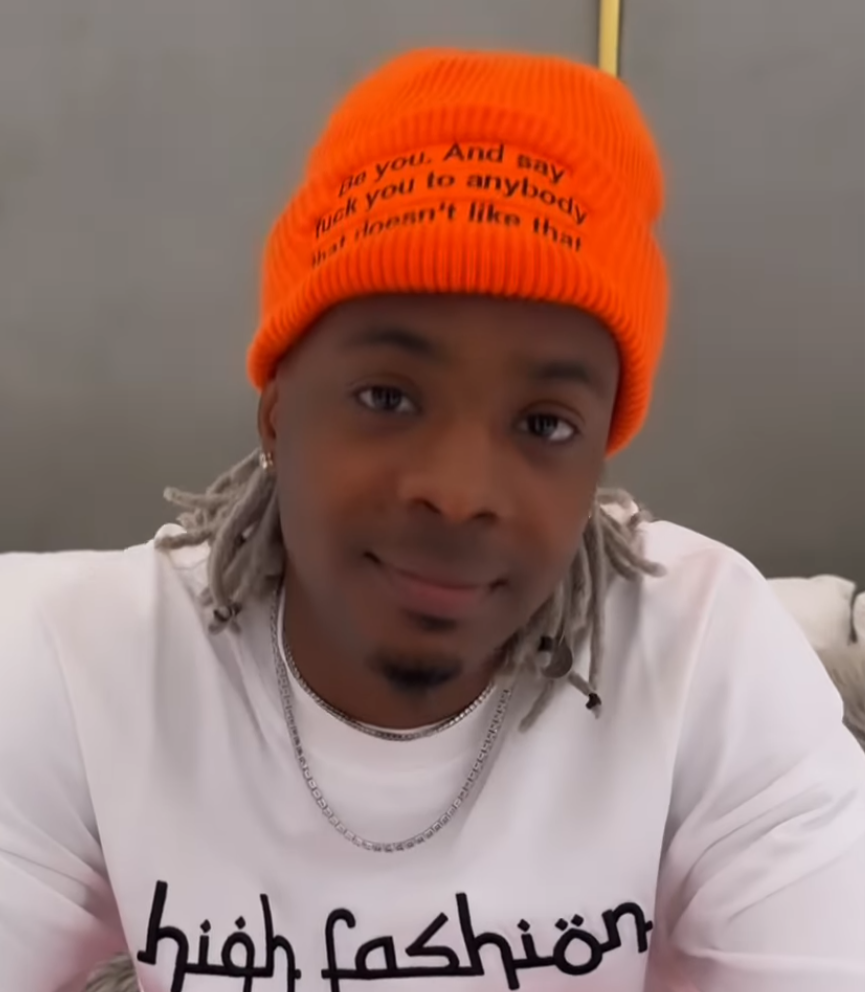

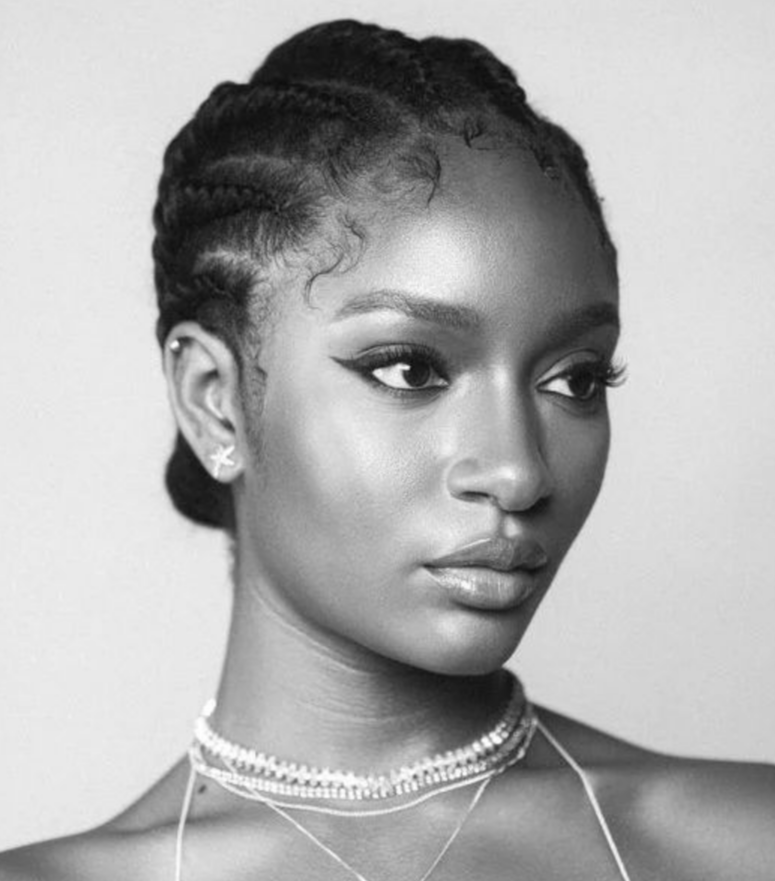

That’s amazing! I feel the same. I have now discovered that each of us has our own profound mission, and this made me think more about the deeper purpose of being a musician.

Art has the power to influence people in both good and bad ways, which reminds me to constantly ask myself the importance of living a valuable life.
For now, my faith and stamina is growing stronger, and I will continue to share my joy and appreciation with as many people as possible.
THANK YOU TIWA