




Presents L’Amore Newsletter Magazine
FLASH ALERT : The Path of Sovereignty
Will Ghana’s Dollar Dependence Cripple Our Development Ambition?
This is the question shaking the nation and Assumpta Newsletter Magazine has assembled an unprecedented panel to deliver the answers.
Article Title : The Sanctity of Live
Ghana’s New National Purpose
| Release Date: | Monday, December 8th, 2025 |
HAIR SENTA ADVERTISEMENT


https://www.instagram.com/hairsenta?igsh=MXAzOThhNGZ0Nm15dQ==
💖 Discover the Power of Confidence with Hair Senta! 💖
Hair Senta Shopping & Retail: Ghana’s Finest Hair, Loved Worldwide
Hair Senta, a trusted and trademarked leader in beauty, proudly delivers the finest Human Hair Extensions from Ghana to the global stage.
We believe true beauty goes beyond appearance. Our premium extensions are designed to inspire a new era of beauty, confidence, wellness, and hope for women everywhere. Feel the quality, embrace the transformation, and step boldly into your most radiant self!
Connect With Us Today!
📞 Call Us:
- (+233) 054 435 4455
- (+233) 024 862 9769
🌐 Visit Us Online:
📍 Find Our Store:
- 24 Jungle Avenue, Accra, Ghana 00233

Will Ghana prosper? Only if we ignite a Revolution of Purpose.
As global instability fuels deeper inequality, Ghana stands at a defining moment. This special newsletter strips away the noise—exposing how corruption, dependence on foreign capital, and political theatrics distract from the nation’s true foundation of progress: Self-Reliance.
“What does the future of our country depend on for a brighter future?”
The future of any country—and its prospects for a “brighter future”—depends on a complex interplay of factors that can be broadly grouped into four essential pillars.
A truly bright future is characterized by prosperity, stability, sustainability, and justice for all its citizens.

1. 🎓 Human Capital and Innovation (The People)
The greatest asset of any nation is its population’s knowledge, skills, and creativity.
- Quality Education for All: The future depends on a robust, inclusive, and modern education system (from early childhood through lifelong learning) that equips citizens with critical thinking, technical skills, and adaptability. This is the engine of economic competitiveness.
- Health and Well-being: A healthy population is a productive population. Investment in public health, access to affordable healthcare, and addressing systemic issues like poverty and inequality are crucial for ensuring citizens can contribute their full potential.
- Investment in R&D and Technology: Driving innovation, adapting to new technologies (like AI, green tech), and fostering a culture of scientific research are essential for creating new jobs, increasing productivity, and solving complex national challenges.
2. 🏛️ Good Governance and Strong Institutions (The Rules)
The quality of a nation’s government and the rule of law determines its stability and trustworthiness.
- Rule of Law and Justice: A country needs independent and fair judicial systems that apply laws equally to all citizens and leaders. This ensures stability, protects human rights, and encourages investment.
- Low Corruption and Transparency: Combating corruption is paramount. Transparent governance, accountability, and ethical leadership build public trust, reduce wasted resources, and allow the market to function efficiently.
- Effective, Responsive Government: The government must be capable of long-term strategic planning (not just short-term political cycles), efficiently delivering public services (infrastructure, security), and responding effectively to crises.
3. Sustainable and Inclusive Economy (The Money)
A bright future requires an economy that not only grows but also distributes its benefits broadly and responsibly.
- Economic Diversification and Resilience: Dependence on a single industry (e.g., oil or a specific type of manufacturing) makes a nation vulnerable. A diversified economy can weather global shocks and create more varied opportunities.
- Fiscal Responsibility: Managing national debt, maintaining macroeconomic stability (low inflation, stable currency), and investing wisely in productivity-boosting areas (like infrastructure) secures wealth for future generations.
- Reducing Inequality: A wider gap between the rich and the poor leads to social unrest, reduced human potential, and slower economic growth overall. Policies that promote equitable access to opportunity and a strong social safety net are critical for long-term stability.
4. Environmental Stewardship and Sustainability (The Planet)
Ignoring the environment undermines all other pillars, making long-term prosperity impossible.
- Addressing Climate Change: Investing in renewable energy, implementing policies to achieve net-zero emissions, and developing climate-resilient infrastructure are necessary to protect the nation’s economy and coastal/agricultural areas.
- Resource Management: Sustainable use of critical natural resources like water, arable land, and forests ensures they remain available for future generations.
- Circular Economy: Shifting away from a purely linear “take-make-dispose” model to one that emphasizes reducing waste, reusing materials, and regenerating natural systems.
In short, a country’s future depends on the courage of its leaders to implement long-term, ethical policies and the will of its citizens to support and participate in building a society that is smart, fair, and sustainable.
Beyond Gold and Global Profit: Redefining Ghana’s Future on Self-Reliance
For decades, Ghana’s national narrative and global engagement have been largely defined by the export of mineral resources and participation in a global system driven by profit and power. This focus has often overshadowed the deeper, foundational purpose of nationhood.
This week, we explore the urgent call for Ghana to abandon the path of mere resource dependency and, instead, find its own direction. This is a powerful return to the core principles established during the transition from the Gold Coast: self-reliance and Pan-Africanism.
At the heart of this renewed focus is the philosophy of prioritizing the welfare of the Ghanaian people—a commitment we describe as upholding the Sanctity of Life as the highest national purpose.

Economic Transformation: From Profit to Prosperity (Self-Reliance in Action)
The goal of a self-reliant Ghana centered on the Sanctity of Life demands a radical departure from the current economic paradigm that prioritizes quick export revenues and global profit margins. The new focus must be on wealth retention, domestic value creation, and equitable distribution to guarantee the welfare of the citizenry.
1. Breaking the Extractive Cycle: Value Addition
Ghana’s economic future cannot depend on selling raw materials at bargain prices. The transformation hinges on a decisive national policy to shift investment from extraction to domestic processing and manufacturing.
- Mandatory Local Processing: Implementing policies that require a minimum percentage of all extracted resources—from cocoa to gold and bauxite—to be refined, processed, or manufactured into finished goods within Ghana. This retains profits, builds industrial capacity, and creates high-skilled jobs for Ghanaians.
- The Power of the Knowledge Economy: Recognizing that intellectual capital is more valuable than mineral capital. Investing heavily in research, innovation hubs, and vocational training to transition the labor force into specialized sectors that support technological self-sufficiency.
2. Investing in the People: The Wealth of Welfare
When the Sanctity of Life is the national purpose, spending on human welfare is viewed not as a cost, but as the most critical economic investment.
- Productivity through Health and Education: Economic stability relies on a healthy, educated populace. Fiscal resources must be guaranteed for universal, high-quality public services (healthcare and education) to unlock the full productive potential of every citizen. This creates a sustainable consumer base and a skilled workforce.
- Food Sovereignty as Economic Security: Achieving self-reliance requires guaranteed food security. Strategic public investment in sustainable agriculture, irrigation, and local food storage infrastructure minimizes dependence on volatile global food markets and ensures that the population’s most fundamental need is met domestically.
3. Pan-African Economics: Regional Resilience.
True economic independence cannot be achieved in isolation. The economic transformation must leverage Ghana’s Pan-African commitment to build continental resilience.
- AfCFTA Leadership: Ghana must lead the implementation and facilitation of the African Continental Free Trade Area (AfCFTA), viewing its success as the key to economic resilience. By expanding intra-African trade, Ghana creates a massive, protected market for its new value-added goods, reducing its dependency on European and Asian consumer markets.
- Regional Infrastructure Investment: Coordinating with neighbors to prioritize regional transportation, energy grids, and digital infrastructure. This enables the smooth flow of goods and services, transforming the African market into a unified economic power bloc capable of dictating terms on the global stage, rather than merely accepting them.
By prioritizing the creation and retention of wealth that benefits its people directly, Ghana establishes an economic model that is both independent and dedicated to the welfare of the entire continent
Political Transformation: Reclaiming Governance for Welfare
The path toward a self-reliant Ghana, driven by the sanctity of life, requires more than just new economic policies—it demands a fundamental political revolution in how power is exercised and to whom leaders are ultimately accountable. If politics is inherently driven by power, Ghana’s task is to redirect that power from self-interest toward national and regional service.
1. Sovereignty of Purpose: The Mandate of Life
A government committed to the welfare of its citizens must elevate the dignity of life above all external pressures. This means leaders must exhibit the courage to resist global geopolitical maneuvering and profit-driven diplomacy that seeks to exploit Ghana’s resources at the expense of its people. Political decisions, from budgets to foreign treaties, must be ethically vetted against a single, non-negotiable question: Does this enhance the life and potential of the average Ghanaian citizen? This demands an end to short-term, politically expedient policies in favor of resilient, long-term national development strategies.
2. The Weapon Against Corruption: Accountability
Corruption is the most corrosive threat to the sanctity of life because it systematically diverts resources—meant for hospitals, schools, and infrastructure—into private hands. To achieve the Pan-Africanist ideal of collective welfare, the political system must implement ironclad accountability measures. This includes:
- Judicial Independence: A fearless and well-resourced judiciary empowered to prosecute corruption regardless of political affiliation.
- Asset Recovery: Aggressive pursuit and recovery of stolen national wealth, demonstrating that the political cost of greed is higher than the personal gain.
- Transparency: Open publication of contracts, especially those related to mineral resources, to allow citizens to act as the ultimate auditors of the national purse.
3. Fostering Pan-African Political Solidarity
Self-reliance is not isolation; it is collective independence. Ghana’s political future depends on leveraging its historical Pan-African role to foster true political solidarity across the continent. This means dedicating political capital to:
- Strengthening Regional Institutions: Prioritizing and empowering bodies like ECOWAS and the African Union (AU) to create unified negotiating positions that protect African interests in global trade and security.
- Shared Vision: Leading dialogue among African states to articulate a unified, human-centered development model that stands in contrast to Western and Eastern models centered purely on military or economic dominance.
By making the dignity and well-being of every citizen the central function of the state, Ghana can ensure its political system serves as the foundational pillar for a truly brighter, self-determined future.
Inside This Edition: Dialogue for a New Destiny
The transition to a self-reliant Ghana—one where the Sanctity of Life guides national policy—requires voices from media, government, and the private sector to challenge the status quo. In this section, we present insights from our panel of experts on the feasibility and necessity of this profound national shift.

1. Frema Adunyame: Governance, Media, and Public Trust. (Journalist, Channel One TV & Citi FM): Guiding the conversation on the media’s critical role in governance, public trust, and ensuring policy truly serves the long-term interest of Ghanaian families.
Focus: Political Transformation and the media’s role as the critical bridge between political ambition and citizen welfare.
Key Quote Idea: “Our democracy is only as strong as the public trust it inspires. When the media consistently holds the governance of our resources—our gold, our land—to the ‘Sanctity of Life’ standard, we ensure that political power serves the people, not profit. Agricultural reform, for example, is not just about yields; it’s about the security and dignity of the farmer. The media must ensure those policies serve the long-term interest.”

2. Giorgia Meloni: An International Perspective on Sovereignty.
Key Quote Idea: “We need to stop viewing our people as a cost and start seeing them as the highest value-added product. The moment Ghana decides to process its own cocoa or refine its own gold, we move from being a source of raw profit for others to being a self-sufficient nation. The dignity of work, fueled by local value chains, is the only sustainable economic engine. Nations grow stronger when their people feed themselves first.”
The Truth of Self-Reliance
Their collective insights affirm one undeniable truth: A nation’s true strength is measured not by the resources it sells, but by the welfare it secures for its own people. The future of Ghana lies in the courageous execution of a political and economic agenda where self-reliance is the strategy and the Sanctity of Life is the compass.

3. Dzigbordi Kwaku-Dosoo: (Human Capital Expert & Business Strategist): Breaking down the economic strategy, demonstrating how investing in people and local value-creation is the only path to sustainable prosperity.
Focus: Economic feasibility of self-reliance and the necessity of investing in people as the highest value-added product.
Key Quote Idea: “We need to stop viewing our people as a cost and start seeing them as the highest value-added product. The moment Ghana decides to process its own cocoa or refine its own gold, we move from being a source of raw profit for others to being a self-sufficient nation. The dignity of work, fueled by local value chains, is the only sustainable economic engine. Nations grow stronger when their people feed themselves first.”
ONWARD SPECIAL FEATURE: The Inner Revolution

SGI President Daisaku Ikeda’s perspective on a country’s brighter future is consistently focused on inner transformation and the dignity of life, encapsulated by his core philosophy of “human revolution.”
He would assert that the ultimate key to a brighter national future does not lie solely in political, economic, or technological reforms, but in a fundamental change in the hearts and minds of the people.
4 Pillars of a Brighter Future
| Principle | Core Message for Ghana | |
| 1. The Primacy of “Human Revolution” | Inner Change | The Root of All Change: No external systems will improve if people remain selfish. A brighter future begins when individuals “muster the courage to act” against their own weaknesses. |
| 2. Respect for the Dignity of Life | Humanism as the Guide | External changes will “run aground” if they lack respect for human dignity. Advocate for a constructive economy where all human beings participate in creating lasting worth. |
| 3. The Power of Dialogue & Education | Connecting People | Dialogue is the first step toward peace. Education must foster Global Citizens who possess Wisdom (interconnectedness), Courage (understanding different cultures), and Compassion (empathy for the suffering). |
| 4. Empowerment of the Youth | Torchbearers of Justice | The youth are the direct embodiment of the nation’s future. Tirelessly fostering them and equipping them with wisdom, courage, and compassion is essential. “The right time is not something one waits for; one creates it!” |
In summary: Ikeda’s message is that a country’s brighter future rests on the moral and spiritual elevation of its individual citizens—their inner commitment to self-mastery, peace, and the happiness of others.
🎙️ The La’Amore Newsletter Dialogue

FREMA-ADUNYAME: ”Good morning, and a very warm welcome to all our readers joining this special edition of the La’Amore Newsletter. Today, we are honored to host a truly distinguished panel to discuss the deepest meaning of leadership and national purpose.
With us, we have two exceptional women leaders.

First, Dzigbordi Kwaku-Dosoo, a Ghanaian icon, renowned Human Capital Expert, Business Strategist, and CEO of the DCG Consulting Group. Her work has consistently focused on transforming people and organizations to achieve peak performance across Africa and beyond. Welcome, Dzigbordi.”
DZIGBORDI KWAKU-DOSOO: ”Thank you, Frema. It’s a privilege to be here and contribute to this vital conversation about Ghana’s future.”

FREMA ADUNYAME: ”And joining us from the global stage, we are honored to host Her Excellency, Giorgia Meloni, the Prime Minister of Italy. As the first woman to hold this office, her leadership offers a crucial perspective on national sovereignty, economic resilience, and the challenges of governing in a complex European and global context. Madam Prime Minister, thank you for making the time.”

GIORGIA MELONI: ”It’s a pleasure, Frema. I appreciate the opportunity to engage with Ghana and its forward-looking dialogue on self-determination.”
The Philosophy of L’Amore in Leadership

FREMA ADUNYAME: ”Welcome to La’Amore. The name, of course, means ‘Love.’ And love, as L’Amore, is a complex matter, reflecting each person’s deepest attitude and philosophy toward life. I believe this complexity has a direct parallel in leadership. Our leaders shouldn’t approach their relationships with their people, with their nation’s resources, or with their strategic direction, superficially. It must be built on genuine commitment.
There’s a beautiful Japanese saying: ‘Don’t treat love like a game.’
This suggests that true leadership demands depth, respect, and a commitment to the well-being of the other—in this case, the Nation. I believe this commitment is the very foundation of what we explore in our article: ‘The Sanctity of Life: Ghana’s New National Purpose.’
I’d like to ask the panel: What are your thoughts on this sentiment—that leadership relationships must move beyond a superficial or transactional ‘game’ and instead be rooted in a philosophy of deep commitment and respect for the people? Dzigbordi, perhaps you can start from the human capital perspective.

DZIGBORDI KWAKU-DOSOO : ”Frema, thank you for that wonderful introduction. I appreciate you framing this conversation around the deep, underlying philosophy of L’Amore—of deep commitment.
From the human capital and business strategy perspective, the sentiment is absolutely crucial. When a leader, or an organization, treats its relationship with the people or the market as a ‘game’—meaning purely transactional, superficial, or short-term gain—you are fundamentally undermining the two things necessary for long-term national success: trust and sustainability.
You cannot foster loyalty, innovation, or a sense of national purpose when the commitment is shallow. If politics is merely a game of ‘power’ and business merely a game of ‘profit,’ then people—the nation’s greatest resource—become dispensable commodities. This is the opposite of the Sanctity of Life.
For Ghana to achieve true self-reliance, leadership must embody an ethical commitment—a true L’Amore. This means shifting the focus from extractive profit to value creation. It means asking: ‘How does this policy empower the Ghanaian citizen for life, not just for this quarter?’ That deep commitment is what transforms a resource-rich nation from a seller of raw materials into a society that manufactures its own destiny.”

FREMA ADUNYAME:.”Dzigbordi, your point about transactional relationships being the antithesis of the Sanctity of Life is profound. It’s exactly how I, and many Ghanaians, view certain forms of foreign policy, particularly the interventionist approach sometimes taken by powers like the United States of America towards our continent and our country.
Today, most Ghanaians comprehend the American foreign policy approach as one based on game playing, embracing the attitude of the survival of the fittest, where one person’s victory must come at the expense of someone else’s loss. They feel the American interest cannot fully win without making someone else lose. This approach, rooted in transactional gain, is certainly not love; it lacks that deep, ethical commitment.
Madam Prime Minister Meloni, from your position leading a major G7 nation, you navigate complex international relationships daily. How does a nation balance its essential national interest with the need for ethical, non-transactional commitment—or L’Amore—in its foreign policy? What is the Italian perspective on the dangers of a ‘winner-take-all’ approach in global affairs, particularly concerning nations seeking true self-reliance like Ghana?“
GIORGIA MELONI: ”Frema, thank you for raising such a fundamental question and for the courage to speak plainly about the perception of transactional foreign policy. Dzigbordi is absolutely correct; when a relationship is only about a game of profit, it lacks the depth required for genuine, long-term partnership.
The Italian perspective—and indeed, the European experience—is that the ‘winner-take-all’ approach in global affairs is not only ethically unsound; it is strategically shortsighted and ultimately destabilizing.
🤝 National Interest vs. Transactionalism
A nation must, of course, act in its national interest. That is a solemn duty of any government. However, we believe that true national interest should be rooted in long-term stability and shared prosperity, not short-term transactional gain.
When external powers approach nations like Ghana solely for mineral resources or strategic dominance—treating the relationship as a zero-sum game—they create a cycle of dependency and resentment. This resentment breeds instability, and instability is bad for everyone, including the intervening power.
🇮🇹 The Italian Approach to Partnership
In Italy, and within our broader strategy in Africa, our goal is to move beyond the old, transactional model. We aim for partnerships based on mutuality and equality. This means:
- Non-Predatory Investment: Supporting local economies and industries (which aligns with Ghana’s call for value creation). We need to help countries build their own capacity, not just extract from them.
- Addressing Root Causes: Recognizing that problems like migration, for instance, are best solved by addressing the lack of opportunity and instability in the nations of origin. This requires genuine commitment—a kind of L’Amore—that invests in the human dignity and future of our partners.
If Ghana is seeking to make the Sanctity of Life its national purpose, then the international partners it chooses must also be those who respect that purpose. Global relationships cannot be a game; they must be a commitment to a shared future where sovereignty and mutual development are respected, not undermined.

FREMA ADUNYAME: ”Madam Prime Minister, that concept of strategic shortsightedness is key. When self-interest blinds a global power to the necessity of mutual development, it ultimately hinders peace and stability for everyone. Your commitment to mutuality is exactly the paradigm shift Ghana is looking for in its partners.
This brings us to the core of our newsletter’s mission: the article title, ‘THE SANCTITY OF LIFE: Ghana’s New National Purpose.’ This is the ultimate ethical commitment.
We ask the question: Will Ghana prosper? Only if we ignite a Revolution of Purpose.
As global instability fuels deeper inequality, Ghana stands at a defining moment. This special newsletter strips away the noise—exposing how corruption, dependence on foreign capital, and political theatrics distract from the nation’s true foundation of progress: Self-Reliance.
This led us to the fundamental question: ‘What does the future of our country depend on for a brighter future?’
The future of any country—and its prospects for a ‘brighter future’—depends on a complex interplay of factors that can be broadly grouped into four essential pillars. A truly bright future is characterized by prosperity, stability, sustainability, and justice for all its citizens.
The Four Pillars of National Progress
1. 🎓 Human Capital and Innovation (The People)
Focus: The greatest asset is the population’s knowledge, skills, and creativity.
Key Dependences : Quality Education for All (engine of competitiveness) and Health and Well-being (productive population).
2. 🏛️ Good Governance and Strong Institutions (The Rules)
The quality of the rule of law determines stability and trustworthiness..Rule of Law and Justice (protects human rights) and Low Corruption and Transparency (builds public trust).
3. Sustainable and Inclusive Economy (The Money)
Growth must be inclusive and distribute benefits broadly and responsibly. Economic Diversification and Resilience and Reducing Inequality (critical for stability).
4. 🌍 Environmental Stewardship and Sustainability (The Planet) Ignoring the environment makes long-term prosperity impossible. Addressing Climate Change and Resource Management (ensures resources for future generations).
In short, a country’s future depends on the courage of its leaders to implement long-term, ethical policies and the will of its citizens to support and participate in building a society that is smart, fair, and sustainable.
Madam Prime Minister Meloni, from your national policy experience, which of these four pillars do you believe presents the most immediate challenge or opportunity for a developing nation like Ghana seeking to assert self-reliance? Where does Italy focus its strategic efforts to sustain these pillars?”

GIORGIA MELONI: ”Frema, thank you for outlining those four pillars so clearly. It is a comprehensive and necessary framework.
From Italy’s strategic perspective, and particularly in the context of helping nations like Ghana achieve true self-reliance and uphold the Sanctity of Life, I believe the most immediate and critical challenge is posed by the intersection of Pillar 2: Good Governance and Pillar 3: Sustainable Economy.
⚖️ The Challenge: Governance and Corruption
The immediate challenge for Ghana is combating corruption and ensuring the Rule of Law and Justice. It is impossible to build a ‘Sustainable and Inclusive Economy’ (Pillar 3) if the foundational rules (Pillar 2) are unstable or compromised. If resources intended for ‘Health and Well-being’ or ‘Quality Education for All’ (Pillar 1) are siphoned off by corruption, the entire system collapses. Corruption is the ultimate act of disrespect for the sanctity of life because it robs the most vulnerable of their future.
Italy, having its own history with fighting organized crime and corruption, knows that strong, transparent institutions are not just an ideal—they are the most vital economic infrastructure. You can build the most advanced processing plant, but if a lack of transparency allows foreign interests or domestic elites to exploit the revenue, the nation remains dependent.
💡 The Opportunity: Human Capital and Pan-Africanism
However, the greatest opportunity lies absolutely in Pillar 1: Human Capital and Innovation, which Dzigbordi is expert on. Investing in the Ghanaian people—their skills, health, and creativity—is the only sustainable path to self-reliance.
Our strategic focus, particularly with the Mattei Plan for Africa, is built on the concept of mutual development and non-predatory partnerships. We understand that helping a nation build strong governance and invest in its people leads to long-term stability for both partners. It transforms a transactional relationship into a developmental one, fully aligned with the ethical commitment we discussed earlier.
For Ghana, self-reliance means its future depends on the courage to institutionalize transparency and make the non-negotiable decision to prioritize the growth of its human capital over the rapid export of its mineral wealth.”

FREMA ADUNYAME:.”Thank you, Madam Prime Minister. The convergence of Good Governance and Sustainable Economy as the immediate challenge, and Human Capital as the greatest opportunity, provides sharp clarity on the way forward. The fight against corruption is indeed the foundation of honoring the Sanctity of Life.
Dzigbordi, Prime Minister Meloni has framed the challenge and the opportunity through a global and governmental lens. As a Human Capital Expert and Business Strategist dedicated to building capacity across Africa, which of these four pillars—Human Capital, Governance, Economy, or Environment—do you see as the most vital point of leverage for Ghana to transition from dependency to the self-reliance you advocate for, and how does the business sector facilitate this change?”

DZIGBORDI KWAKU-DOSOO: ”Frema, the most vital point of leverage, without any doubt, is Pillar 1: Human Capital and Innovation.

While governance (Pillar 2) is the critical enabler and economic diversification (Pillar 3) is the result, the fundamental engine of self-reliance rests entirely on the knowledge, skills, and dignity of the Ghanaian people.
💡 Human Capital as Sovereign Wealth
We must stop defining Ghana’s wealth by the gold we dig out of the ground and start defining it by the value we create in the minds of our citizens.
- From Consumers to Creators: For too long, the ‘profit-driven game’ has treated Ghanaians as consumers or sources of cheap labor. Self-reliance demands a pivot: we must become creators, innovators, and processors. This means channeling investment—both public and private—aggressively into quality education and targeted vocational training that directly addresses the needs of a modern, value-added economy.
- Dignity in the Value Chain: Upholding the Sanctity of Life means ensuring that the work people do provides genuine economic dignity. When we process our cocoa into chocolate or refine our gold into finished jewelry here in Ghana, we multiply the value of the raw material by ten or more. This retains capital, builds a stable middle class, and funds the very health and education services (Pillar 1) that perpetuate the cycle of prosperity.
- The Role of Business: The business sector is responsible for translating the political will into practical output. Businesses must shift their focus from easy import/export trading to long-term, strategic manufacturing and innovation. They must partner with educational institutions to ensure that curricula produce graduates ready to join a sophisticated, value-creating economy.
Ultimately, the best defense against external transactional policies is a highly skilled, healthy, and self-sufficient population. When people can feed themselves first, they can truly own their future.”

FREMA ADUNYAME : ”Thank you, Dzigbordi and Madam Prime Minister, for framing the challenge—and the opportunity—with such strategic clarity. You have both essentially affirmed that the path to Ghanaian self-reliance must be paved with ethical commitment and defined by Human Capital.
This commitment is not a new idea, but a time-honored ethical principle. The very foundation of our article, ‘The Sanctity of Life: Ghana’s New National Purpose,’ is deeply aligned with the philosophy of SGI President Daisaku Ikeda, whose annual peace proposals serve as a political and ethical roadmap for global transformation.
His work explicitly demands the transformation of political and economic structures so they prioritize human dignity and the sanctity of life above all else.
Ikeda stresses that peace is far more than the mere absence of war, or ‘passive peace.’ It is about ‘transforming on a fundamental level those social structures that threaten human dignity.’ Our call for Ghana to shift from a profit-driven model—a structural threat—to a welfare-driven model perfectly mirrors this concept of active peace and making the 21st century a ‘Century of Life.’
He critiques the modern tendency to identify economic capacity—the ability to maximize profit and wealth—as the sole criterion of human worth, highlighting the resulting ‘disparities of an unprecedented scale.’ Furthermore, his call to ‘master the shift in perceptions from national to human interests’ directly supports the Pan-African element we discussed, advocating for collective African human interests over narrow, competing national interests driven by foreign profit.
In summary, the core theme of our article is a direct, practical application of this lifelong philosophy: that the ethical principle of human life must be fused with policy to ensure genuine national progress.
Dzigbordi, from your perspective as an entrepreneur and expert on human transformation, how does this ethical mandate—this fusion of the Sanctity of Life philosophy with hard policy—change the way a business or a nation strategizes for success?“

DZIGBORDI KWAKU-DOSOO: ”Frema, that is a profound summary, and President Ikeda’s philosophy provides the ethical GPS that Ghana needs right now.
From a strategy standpoint, fusing the Sanctity of Life with hard policy completely flips the decision-making matrix. When a nation or a business operates solely on profit, its strategy is driven by extraction, short-term quarterly results, and minimizing perceived costs—which often means minimizing investment in people.
When you fuse policy with the ethical mandate of Sanctity of Life, the strategy changes to:
- Long-Term Value Creation: You move away from the ‘unabashed worship of material wealth’ that Ikeda critiques. Instead of asking, ‘How much cash can we get for this gold bar today?’ you ask, ‘How much lasting value can we create by investing the revenue from this gold in skills training, healthcare, and infrastructure that will benefit generations?’ This is the true definition of sustainability.
- Risk Mitigation: Corruption and inequality—the ‘social structures that threaten human dignity’—become strategic risks that must be eliminated, not just ethical failings. A strategy rooted in the sanctity of life understands that massive inequality leads to instability, which destroys markets and productivity. Therefore, reducing inequality is not charity; it is sound economic policy.
- Human Capital as Sovereign Mandate: It elevates our human capital investment from a budgetary line item to a sovereign mandate. The Pan-African element is strongest here: we are not just investing in Ghanaian human capital, but in the collective African human interest. When Ghana’s citizens are educated, healthy, and equipped for value creation, we fortify the entire continent against external exploitation.
In essence, this philosophy forces leaders to treat the nation’s balance sheet and its human moral code as the same document. It transforms mere self-interest into enlightened self-interest, where the only way to genuinely win is to ensure everyone prospers.”
GIORGIA MELONI: ”Frema, Dzigbordi, your analysis is insightful. Dzigbordi, your point that minimizing inequality is sound economic policy, not charity, is profound. It’s precisely the recognition that the old, transactional, ‘game-playing’ mindset—the one that sees poverty and debt as opportunities for exploitation—is fundamentally unsustainable and morally bankrupt.
Let me share a hypothetical, but instructive, illustration that speaks directly to the consequences of this ‘winner-take-all’ mentality.
👑 The Parable of the Debtor Kingdom
Imagine a prosperous, yet deeply self-interested, Ruling Family that controls a dominant global power. This Family views the entire world as its strategic chessboard. They observe a developing, friendly nation—let’s call it the Debtor Kingdom—struggling under massive debt obligations.
The Family’s Strategy, driven purely by perceived profit, is this: They see the Debtor Kingdom’s inability to pay as a benefit. They calculate that by keeping the Kingdom perpetually indebted and unstable, they can extract two things:
- Raw Resources: The Kingdom is forced to sell its national assets—its minerals, its ports, its primary agricultural land—at fire-sale prices to service the debt.
- Political Compliance: When the Kingdom needs debt relief, the Family demands a ‘price for death’—not literal death, but the death of national sovereignty. The price is to censor local dissent, sign disadvantageous military treaties, or abandon domestic value-creation projects that might compete with the Family’s interests.
In this strategy, the Sanctity of Life—the well-being of the Debtor Kingdom’s citizens—is entirely irrelevant. Their poverty is a tool for profit.
🛡️ Fusing Sanctity of Life with Hard Policy
To counter this predatory mindset, a nation like Ghana must implement a policy strategy that structurally minimizes the ‘perceived profit’ of the ruling Family and simultaneously maximizes the dignity of its people. This requires a fusion of ethical commitment and strategic rigor:
| Predatory Strategy (Game) | Self-Reliance Strategy (Sanctity of Life) |
| Maximize Profit from Raw Exports | Mandate Value-Creation (Dzigbordi’s point): Policies requiring domestic processing of 70% of resources. This makes the raw export market less lucrative to external buyers and retains wealth internally. |
| Demand Political Compliance via Debt | Fiscal Sovereignty & Anti-Corruption: Implement absolute transparency (Pillar 2) to prevent elite capture of funds, ensuring debt is serviced ethically, and never allowing national assets to be mortgaged for short-term political relief. |
| Exploit Vulnerable Human Capital | Investment in Resilience (Pillar 1): Make food security, health, and advanced skills training a non-negotiable national security priority. A healthy, skilled population is a self-sufficient one that is less susceptible to foreign political manipulation. |
| Isolate the Debtor Nation | Pan-African Solidarity: Lead the consolidation of regional economic power (AfCFTA). The Debtor Kingdom is weak alone, but a united economic bloc of African nations can resist the predatory terms of the Ruling Family. |
In short, the policy challenge is to build a firewall where the value created by Ghana’s resources never leaves the country in raw form, thus structurally reducing the incentive for external powers to engage in the zero-sum ‘debt game.’ This is how the ethical principle of the sanctity of life becomes the most robust and practical economic defense mechanism.“

FREMA ADUNYAME: ”Madam Prime Minister Meloni, that ‘Parable of the Debtor Kingdom’ is a chilling and highly effective illustration of the destructive power of transactional, short-sighted governance. It fundamentally proves that the failure to uphold the Sanctity of Life is the greatest weakness a nation can have, and the greatest leverage an external power can exploit. Your four-point counter-strategy—especially the emphasis on Fiscal Sovereignty and Pan-African Solidarity—provides a concrete roadmap for defense.
Dzigbordi, you are the expert on the Human Capital side, the very people whose lives are destroyed by the ‘Ruling Family’s’ strategy. Given this political and economic battleground, what are the key qualities, the specific skills, and the mindset changes necessary within the Ghanaian population itself to act as the ‘Firewall’ that resists the ‘Debt Game’ and successfully executes this strategy of self-reliance?“

DZIGBORDI KWAKU-DOSOO: ”Frema, that is the most crucial part of the entire equation. The political and economic strategies are merely blueprints; the Human Capital is the construction crew. If the mindset is wrong, the firewall fails.
To successfully execute the strategy of self-reliance and resist the ‘Debt Game,’ the Ghanaian population needs a shift from a dependency mindset to a value-creation mindset, built on four specific qualities:
🧠 1. The Mindset of the Producer (Self-Reliance)
The most essential shift is psychological. We must abandon the mentality of being a passive recipient of aid or a seller of raw fortune, and fully embrace the identity of a producer and innovator.
- Focus on Value: The population must internalize that their wealth comes from the skill they apply to the resource, not the resource itself. This means celebrating the engineer, the fabricator, the software developer, and the value-adding farmer as national heroes, shifting prestige away from the quick-win trader or politician.
- Skill Application: The focus of education must shift from rote learning to problem-solving, critical thinking, and applied technical skills that can immediately address Ghana’s infrastructural, agricultural, and industrial needs.
2. The Quality of Civic Accountability (The Firewall)
Prime Minister Meloni spoke of the need for an external firewall; this is the internal firewall. The people must become the ultimate guardian of the Sanctity of Life principle.
- Zero Tolerance for Corruption: The population must demand and enforce transparency not only from the top but also at the grassroots level. This requires citizens to be informed, vocal, and unified in rejecting the normalization of corruption, understanding that every bribe paid or tolerated directly diminishes the quality of their own children’s education and health care.
- Institutional Trust: Simultaneously, the judiciary and civil society must build the trust necessary for citizens to report corruption without fear of reprisal.
3. Pan-African Solidarity and Collaboration
The Pan-African element requires a shift from competitive individualism to collective economic action.
- Shared Prosperity: Ghanaians must see their economic success as intrinsically linked to the prosperity of their West African neighbors. This means prioritizing partnerships with Nigerian manufacturers, Ivorian growers, and Togolese distributors over seeking only European or Asian market access. This regional focus builds a resilient, protected market—a necessary defense against external predatory interests.
In short, the future depends on the individual Ghanaian choosing the ethical principle of L’Amore—the deep, long-term commitment to self and community—over the fleeting, transactional lure of the ‘Debt Game.’ This is the human revolution required to make the policy transformation stick.”

Prime Minister Meloni :
From the perspective of a European leader, my conclusion that the Sanctity of Life must be the non-negotiable priority comes from witnessing the systemic failure of the purely transactional model.
- Systemic Risk: In Italy, we see the immediate consequences of instability and poverty in North Africa—such as security threats, regional conflict, and mass migration. The former colonial-era approach—the ‘Debt Game’—that sought only to extract profit and maintain dependency ultimately failed to create lasting stability. It created systemic risk for us all. The lesson is simple: you cannot secure your own national interest (our Pillar 4, Risk Management) by undermining the human dignity (Pillar 1) of your neighbours.
- Long-Term Value: We also recognize that a stable, self-reliant partner is a far more valuable trading and political ally than a weak, indebted client state. Our strategic investment must, therefore, be directed toward Ghana’s Human Capital and Governance (Pillars 1 and 2) because those are the only factors that guarantee long-term stability and economic growth for both our nations.
The convergence is therefore this: The ethical principle is the most pragmatic strategic choice. The Sanctity of Life is not a moral luxury; it is the most robust and sustainable risk mitigation strategy available to any nation, be it Ghana or Italy.”

DZIGBORDI KWAKU-DOSOO: ”And from the Ghanaian and human capital perspective, my conclusion echoes Madam Prime Minister’s, but comes from the power of human potential.
I agree completely: the convergence is based on pragmatism, not just philosophy.
- The Economic Case for Dignity: As a business strategist, I look at the balance sheet. When you treat people as commodities (as the profit-centric model does), you get high turnover, low productivity, and massive social costs (healthcare strain, crime, etc.). When you treat people with dignity—by ensuring good health, quality education, and fair wages—you unlock exponential productivity, innovation, and civic trust. The Sanctity of Life is the highest form of Return on Investment (ROI) a nation can make.
- The Sovereignty Case: We looked at SGI President Ikeda’s call to transform structures that threaten human dignity. This is why our conclusion is non-negotiable. If Ghana fails to prioritize the sanctity of the lives of its own citizens—if it fails to provide the basic welfare of food, health, and education—it essentially hands the moral and political authority over to the foreign entities who claim they can provide these things. Our national purpose is nothing less than the preservation of our own sovereignty, and that sovereignty begins with the inviolable life of the Ghanaian individual.
We converge because the ethics of humanism and the strategy of sustainability are, in the modern world, the exact same thing.”

FREMA ADUNYAME: ”Madam Prime Minister Meloni, Dzigbordi Kwaku-Dosoo, thank you. You have redefined national purpose. The consensus is clear: The Sanctity of Life is the ultimate firewall, the ultimate source of sovereignty, and the only truly sustainable economic strategy.“
”Madam Prime Minister Meloni, Dzigbordi Kwaku-Dosoo, thank you. This has been a conversation of profound importance, moving from the ethical root of L’Amore to the practical strategies of national renewal.
The consensus is clear: The Sanctity of Life is not merely a philosophical ideal; it is the ultimate firewall, the ultimate source of sovereignty, and the only truly sustainable economic strategy.
Ghana’s destiny is not a game of profit to be won or lost by external powers. Its future is an ethical commitment to its people—the brave decision to replace transactional dependency with Human Capital development, institutional transparency, and Pan-African solidarity.
In short, the revolution begins when the government, the business community, and every citizen agrees: Our greatest asset is our life, and its protection is our highest national purpose.Thank you for joining this special edition of the La’Amore Newsletter.”
SGI- Our Share Humanity.


https://www.instagram.com/babies_and_todds_day_care?igsh=MWs0ZHlsbjcxNXEyZg==
Sure! Here’s a polished advertisement you can use for flyers, social media, or your website:
🌟 Welcome to Babies & Toddlers Daycare — Windhoek’s Home of Joy, Learning & Growth! 🌟
Looking for a safe, loving, and stimulating environment for your little one?
At Babies & Toddlers Daycare & Preschool, we provide more than childcare — we build the foundation for future leaders, creators, and dreamers.
📍 Located in the heart of Windhoek
✨ Why Parents Trust Us:
- 🧸 Warm and nurturing environment
- 📚 Early learning through play and structured programs
- 👫 Social development through sharing and teamwork
- 🎨 Daily creative and sensory activities
- 🛡️ Supervised by trained and caring educators
“The Daycare’s dreams, hopes and expectations for Africa are reflected in the shining model of our children,”
— Ms. Assumpta Gahutu, Principal & Co-Founder of Assumpta Newsletter Publication Magazine
📞 Enroll Now!
Call / WhatsApp: +264 81 673 7599
🌐 Visit: www.babiestodds.com
📸 Follow us on Instagram: @alinajosef_ (and join our growing family!)
Babies & Toddlers Daycare
Where every child is loved. Every talent is nurtured. Every smile is celebrated. 🥰


https://www.instagram.com/officeandcobysa?igsh=dmxucTZ2a2t1eDBn
💼✨ Office & Co. by SA — Redefining Corporate Elegance ✨💼
For the ambitious, powerful, and upwardly mobile woman, your wardrobe should speak before you do.
Officeandcobysa is a premium Ghanaian Ready-To-Wear (RTW) fashion brand specializing in cutting-edge corporate wear designed to command respect and exude confidence.
👗 From Boardroom to Business Brunch — We’ve Got You Covered.
- Tailored dresses & suits
- High-end office essentials
- Statement pieces for real go-getters
🌍 WE SHIP WORLDWIDE — Because Style Has No Borders.
🛒 Shop Now: www.officeandcobysa.com.gh/
📸 Follow the movement: @officeandcobysa (optional if they have IG)
Dress like the leader you are.
Office & Co. by SA — Wear Your Ambition.


https://www.instagram.com/oh_my_hairr?igsh=MThqbDNneDZzcTF3cw==
✨ Oh_my_Hair Presents: Beauty That Starts From Within ✨
Tired of dull skin and tired days?
Our IV Glow Drips are your secret weapon — delivering hydration, vitamins, and radiance directly to your system for that lit-from-within glow. 💧💫
💖 What You Get:
- Instant hydration boost
- Clearer, brighter skin
- Stronger hair & nails
- Natural energy lift
Whether you’re slaying your hairstyle or refreshing your inner glow, Oh_my_Hair has you covered — inside and out.
✨ Be radiant. Be unstoppable. Be YOU — the Oh_my_Hair way. ✨
📩 DM to book your Glow Session
📍 Visit us / Mobile services available
📸 Follow: @oh_my_hair

https://www.instagram.com/laurenhautecouture?igsh=MWxzNXN1Ym5nZ3o3Mg==
👑 Lauren Haute Couture – Where Luxury Meets Legacy
Multiple Award-Winning Women’s Wear Brand
Located at: 5 Mama Adjeley Rd, East Airport, Accra, Ghana
From breathtaking gowns to impeccably tailored statements, Lauren Haute Couture is the fashion house for the modern woman who commands elegance and prestige.
Every piece is created with unmatched craftsmanship, designed to celebrate power, femininity, and sophistication.
Trusted & Loved by Icons
Followed by @joselyn_dumas and over 62 style connoisseurs who recognize excellence.
All images on this page are copyrighted by Lauren Haute Couture.
📍 Visit Our Atelier or DM to Book a Fitting
✨ Red carpet looks • Bridal couture • Exclusive custom designs
📸 Instagram: @laurenhautecouture


https://www.instagram.com/goba_kente?igsh=d2Vwd2E2M2VtcTZq
“GOBA KENTE – Where Tradition Meets Timeless Elegance! 🕊️✨”
Step into the Home of Dignity, Tradition, and Cultural Heritage, where every weave tells a story. GOBA KENTE is more than fabric—it’s a masterpiece of colors, creativity, and craftsmanship, woven with pride.
🌍 Worldwide Shipping Available – Authentic Kente, delivered to your doorstep!
📍 Find us on Google Maps – Experience the legacy in person.
🔗 Shop Now: Qlinktr.ee/gobakente
📸 Follow us: @goba_kente
GOBA TOGETHER – Wear Your Culture with Pride! 🖤💛💚
Would you like to add any specific promotions or events?


https://www.instagram.com/delish_bakerygh?igsh=MW5ic2c0NnR5cHBwZQ==
“Something Fresh is Rising at Delish Bread Grocery Store… 🍞✨
Craving the perfect loaf? We’ve got over 12 irresistible varieties—Cob, Digestive, Butter, Whole Wheat, Fruit, Sweet Bread, plus Cakes & Pastries that melt in your mouth!
Freshly baked, incredibly delicious, and made just for YOU. But hurry… the best ones go fast!
📍 Location: Agboba
📞 Call/WhatsApp: 0201789403
Your next bite of perfection is just a visit away! 🍞🔥 #DelishBread #FreshlyBaked #TasteTheDifference”


https://www.instagram.com/flourishheights?igsh=cTExenQ3bnptZGgx


https://www.instagram.com/ankaralooks?igsh=MTI1NWYycmU2Njkxcw==
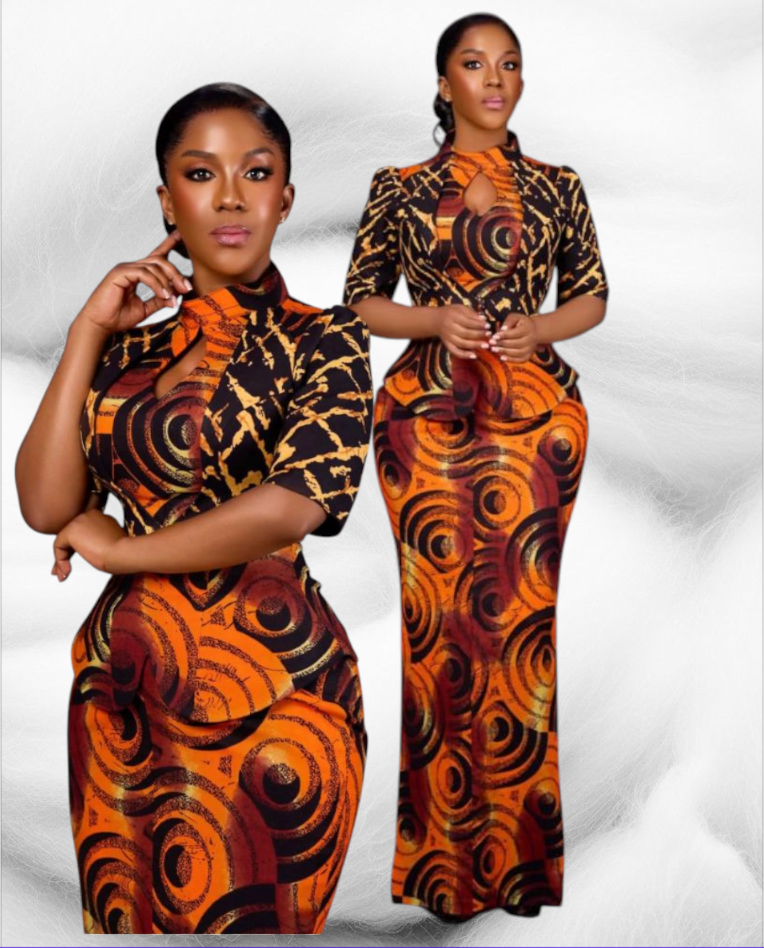
👑✨ Step into Majesty with Ankaralooks! ✨👑
Celebrate the heart and soul of African fashion.
At Ankaralooks, we believe in the power, vibrancy, and heritage woven into every thread of our designs. The mere fact that Ankaralooks has African designs as their main objective makes its victory possible.
We are dedicated to curating the best of African fashion & designs, bringing you breathtaking pieces that make a statement. Look and feel phenomenal in authentic, contemporary styles, just like this stunning ensemble!
🛍️ Shop the Look & Save!
Get 10-15% off when you shop our vibrant collections here:
📧 Get in Touch
For enquiries and custom orders:
- DM us right here!
- Email: ankaralooks
#ankaralooks #AfricanFashion #AnkaraStyle #AfricanDesign #VibrantStyle #GlobalFashion